
Antique Rug Styles by Type and Design Tradition
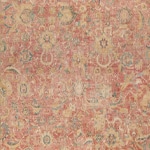
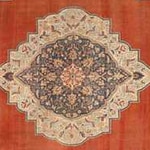
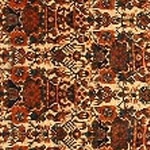
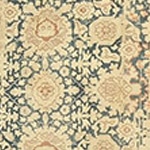
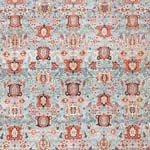
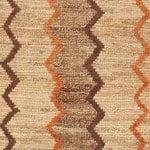
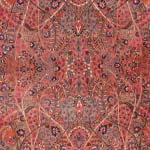
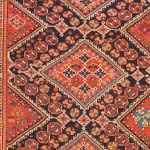
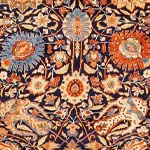
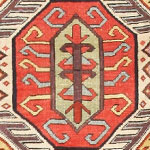
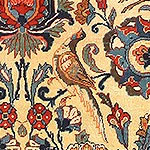
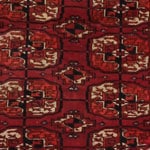
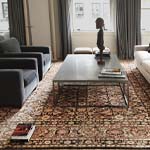
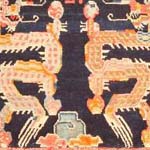
Explore our curated collections of antique rugs, thoughtfully organized by style, design, and weaving tradition. From the floral elegance of Persian carpets to the geometric boldness of Moroccan rugs and Scandinavian rugs, each rug reflects the cultural artistry of its origin. Whether you’re drawn to tribal rugs, decorative styles, or mid-century modern patterns, these distinct styles offer a rich glimpse into the history and craftsmanship of rug making.

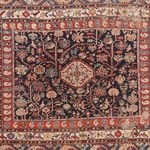







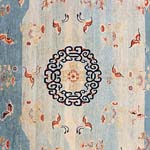
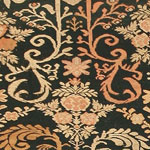
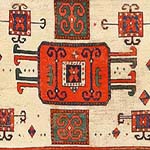
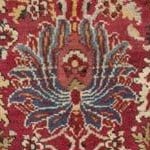



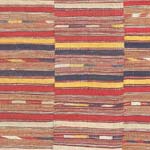
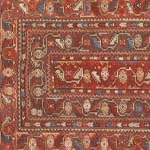
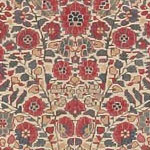
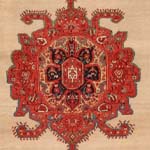
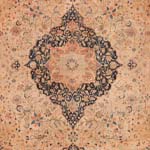
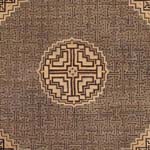
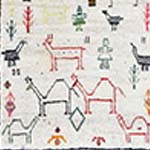
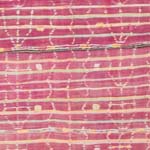
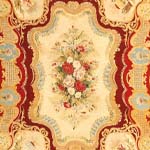





Modern Rugs Categories:
Search Modern Rugs By Standard Size:
Specialty Antique Rug & Textile Categories:


Rugs By Color:


Rugs By Size:
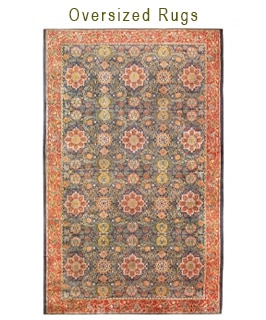
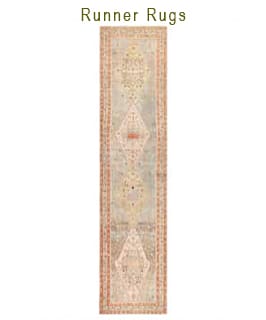
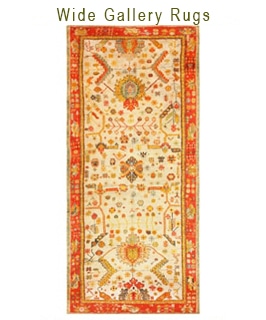
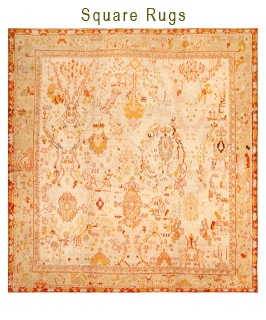
Rugs By Material:
Rugs By Weaving Techniques:
Nazmiyal Collection offers one of the largest and most diverse selections of antique rugs anywhere. Our inventory includes various patterns, styles, and origins, ensuring there is something for everyone.
Explore a World of Rug Styles
Whether you are drawn to the geometric elegance of Art Deco rugs, the intricate craftsmanship of antique Persian carpets, or the understated sophistication of Scandinavian designs, our collection spans the globe. Each piece is carefully curated to suit various tastes, spaces, and budgets.
Rugs for Every Space and Purpose
Our vast assortment of antique rugs includes options for every room in your home. You’ll find rugs in countless sizes, shapes, and styles, from floor coverings to tapestry-worthy wall hangings. Whether you’re seeking a bold centerpiece or a subtle accent, we’re here to help you discover the perfect match for your décor.
Variety and Quality at Its Finest
With Nazmiyal, you can rest assured that you’ll find the quality and variety you need. Our selection caters to various interior design styles, price points, and functional needs, ensuring that your search for the ideal rug ends with a piece that speaks to your heart.
Explore the unparalleled craftsmanship and history of antique rugs at Nazmiyal Collection, and let us help you find the piece that transforms your space into something truly extraordinary.
Q and A Regarding Different Types of Rugs and The Different Carpet Styles
The Different Rug Types – There exists a wide variety of different weaving techniques, all of which result in different weaving textures. Most of us have heard terms like antique Persian carpets or Oriental rugs, but these broad terms encompass a great many styles and techniques.
A trained eye will be able to distinguish a true Persian carpet from other types of rugs, and will also be able to recognize the many different rug types just through observation.
The variety of the different rug types and weaving textures in the world of antique carpets is tremendous, with some techniques resulting in flat woven rugs, and other techniques resulting in deep pile carpets. Read below to discover more about weaving textures – what makes them different from each other, and why they are that way.
Questions and answers about the different types of area rugs:
What are the different styles and types of rugs?
Rugs come in various styles and types, each designed to complement different aesthetics, purposes, and preferences.
Here are some common styles and types of rugs:
Rug Styles:
- Traditional Rugs:
- Inspired by classic designs and patterns.
- Often feature intricate details and a formal appearance.
- Contemporary Rugs:
- Embrace modern design principles.
- May include bold colors, abstract patterns, and unconventional shapes.
- Transitional Rugs:
- Blend traditional and contemporary elements.
- Suitable for those who appreciate a balance between old and new.
- Shag Rugs:
- Known for their long, fluffy pile.
- Provide a luxurious and cozy feel.
- Kilim Rugs:
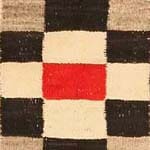
- Flat-woven rugs with no pile.
- Often feature geometric patterns and vibrant colors.
- Moroccan Rugs:
- Inspired by traditional Moroccan designs.
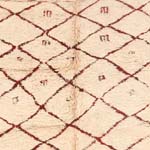
- Typically have a distinctive geometric pattern.
- Persian / Oriental Rugs:
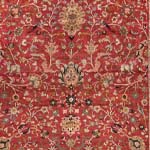
- Handcrafted rugs from the Middle East, known for intricate patterns.
- Persian rugs are specifically from Iran.
- Braided Rugs:
- Made by braiding together strips of fabric or yarn.
- Offer a rustic and casual look.
Rug Types:
- Area Rugs:
- Versatile rugs that can be used to define and anchor a specific area within a room.
- Runner Rugs:
- Long, narrow rugs designed for hallways, staircases, or narrow spaces.
- Outdoor Rugs:
- Made from weather-resistant materials for outdoor use.
- Ideal for patios, decks, or other outdoor spaces.
- Kitchen Rugs:
- Designed for use in the kitchen.
- Often have a low pile for easy cleaning.
- Bath Rugs:
- Placed in bathrooms to absorb water and provide a soft surface.
- Wool Rugs:
- Made from natural wool fibers.
- Known for their durability, softness, and resistance to stains.
- Silk Rugs:
- Luxurious rugs made from silk fibers.
- Have a soft and smooth texture but may require more care.
- Cotton Rugs:
- Lightweight and easy to clean.
- Suitable for casual and informal spaces.
- Jute and Sisal Rugs:
- Made from natural plant fibers.
- Have a textured, earthy appearance.
- Hand-Knotted Rugs:
- Crafted by hand tying individual knots to the rug’s foundation.
- Often considered high-quality and durable.
- Machine-Made Rugs:
- Produced using automated machinery.
- Typically more affordable than hand-knotted rugs.
When choosing a rug, consider factors such as the room’s purpose, traffic levels, and your personal style preferences to find the perfect fit for your space.
Question: What is an Aubusson carpet?
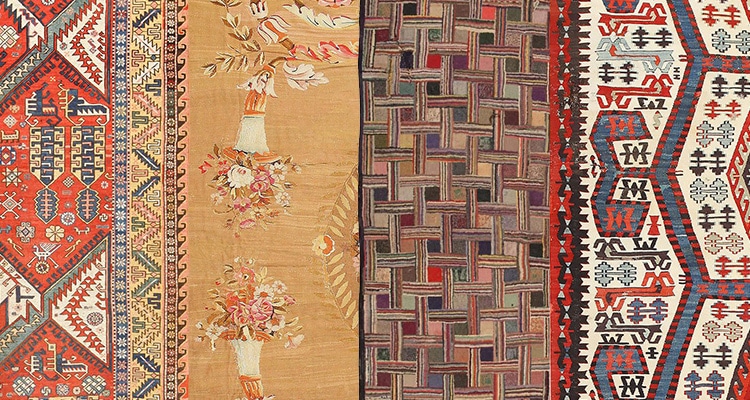
An Aubusson carpet is a specific type of rug that was woven in Aubusson France. The Aubusson carpets were made in France and will mostly feature a distinctive flat weave technique. They were made in all kinds of color combinations which vary from soft earthy to bold and rich colors. The patterns are mainly comprised of floral designs that are unmistakably European in style.
Question: What is an America Hooked rug?
American hooked rugs are rugs that were woven in USA and were constructed using a hooking technique. To weave the American Hooked rugs, the weaver starts by getting a piece of burlap that is slightly larger than what they want their final product to be. They use a special tool that is designed to hold a thread and pull it through the burlap. They make series of loops with threads in varying lengths to create the carpet. many of the rugs were created from old textiles and clothing that were no longer worthy of use.
Question: What is a kilim rug?
Kilim rugs are basically flat woven carpets. Kilim rugs were generally small or long and narrow and they feature geometric and tribal patterns. They often will feature bold and rich colors.
Question: What is a Sumak carpet?
Soumak carpets are rugs that were woven in Caucuses and employed a flat weave technique called “Soumak”. Antique Sumak rugs will appear to have a brocade look to them. The brocade look is created when the weft threads are wrapped onto the warp threads making a chain of knots. The texture is somewhere between an antique Aubusson carpet and a Kilim rug.
Question: What is the difference between a rug and a tapestry?
While sometimes the terms tapestry and rug may be interchangeable, for the most part the difference will lie in the intended use. Rugs are technically woven to be used on the floor while tapestries were made with the intent of hanging on the wall. Many people confuse the term carpet, or antique rugs, as being interchangeable with the word tapestry. A tapestry is usually flat woven and was created specifically to be displayed on a wall just like a painting. The backs of most of the really old examples, will be covered by some type of thin material (like linen) which people would add at some point to protect the tapestry from fraying.
Question: How are piled rugs woven?
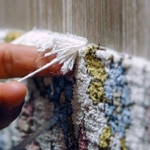
Traditional knotted pile rugs are created when the pile is tied to the warp threads and trimmed to make the threads be of the same length. These rugs are made with hand tied knots and it takes a long time to produce them. Many of these fine carpets contain thousands of knots which create the intricate patterns and stylized floral motifs.
Question: What is a tufted rug?
A tufted rug is a pile carpet where the two strands are not actually tied onto the foundation. A tufted rug is created when the pile yarn is expertly wrapped around the warp threads and is left untied. The pile is kept in place with a coating that is painted onto the backs of the carpets. This coating works as an adhesive to hold the pile in position on the carpet.
Question: What is a needlepoint rug?
A Needlepoint rug refers to carpets woven in the needlepoint technique. A needlepoint rug is handcrafted and made in a flat weave design by sewing the wool threads onto a large piece of material. These designs are often very intricate and can take many months, and even years to complete.
This post about the different rug types and carpet questions was published by Nazmiyal Antique Rug Gallery in Manhattan, New York City.
About Rug Names & Where Names Of Carpets Come From
Learn more about – Rug Names – How Area Rugs Get Their Names and Why
A rug’s name does not denote its value. There are rugs of every type that are beautiful and those that are not so appealing. Even though I love Afghan and Persian rugs, you can find the most exquisite carpets from any country that has a large group of weavers.
Here is the method involved in naming Oriental rugs:
- The area where the carpet got woven
- The area where the rug got sold
- The area where the carpet got designed, even though it got woven in another place
- The name of a tribe that originated a certain design
- The name of the country where the rug got woven. For example, you might see Indian rugs, Pakistani carpets, or Chinese rugs.
Let’s provide an example to illustrate the points we already discussed. An Indo (the country of weaving) Persian (where the rug design originated) prayer rug (the type of rug) with a Tree of Life-type design.
The name of a certain rug could come from the workshop where it was woven. It could even get named after a Master Weaver that ran a workshop or someone who oversaw the weaving of different pieces. One example involves Haji Jalili (a master weaver from northwestern Iran) Tabriz (the city of origin), which was near the area where the carpets got made.
A carpet’s name could also come from a producer’s name. For example, let’s take the creator of the current Oriental rug production method that directs their weavers to create innovative carpet designs. One example comes from William Morris of the Arts and Crafts movement. William Morris founded the Arts and Crafts Movement (1870 – 1920), which favors excellent craftsmanship. simplified designs and less decoration than one saw in the Victorian period.
Or take the rug type: One type would come from a Gabbeh, which might have gotten woven in one of many different villages located in the Southern region of Iran. You can read my article “What is a Gabbeh?” for more information.
Sometimes the name of a painter got attributed to a certain type of rug due to it being put in their paintings. One example involves Hans Memling, a Flemish painter from the 15th century. He had a rug named after him called the “Memling Gul”.
There’s also the design’s name itself. One example can come from the “Eagle Kazak”. The name of a design could come about when it gets copied so much that it becomes prevalent in the community.
Lastly, there’s the city that the carpet dealer guessed where and when it was woven. An example we could talk about is the “Antique Qum Rug”. The weaving that took place in Qum, Iran, started in the 1930’s. However, an antique rug should, at a minimum, be at least 100 years old.
I hope that these examples explained the method behind naming rugs in a simple manner.