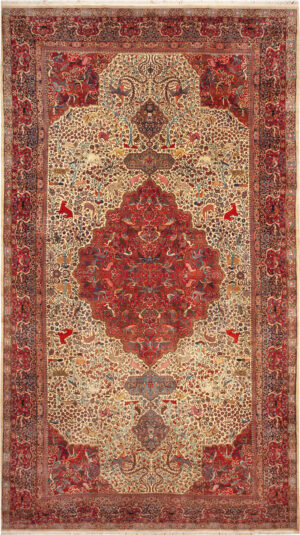
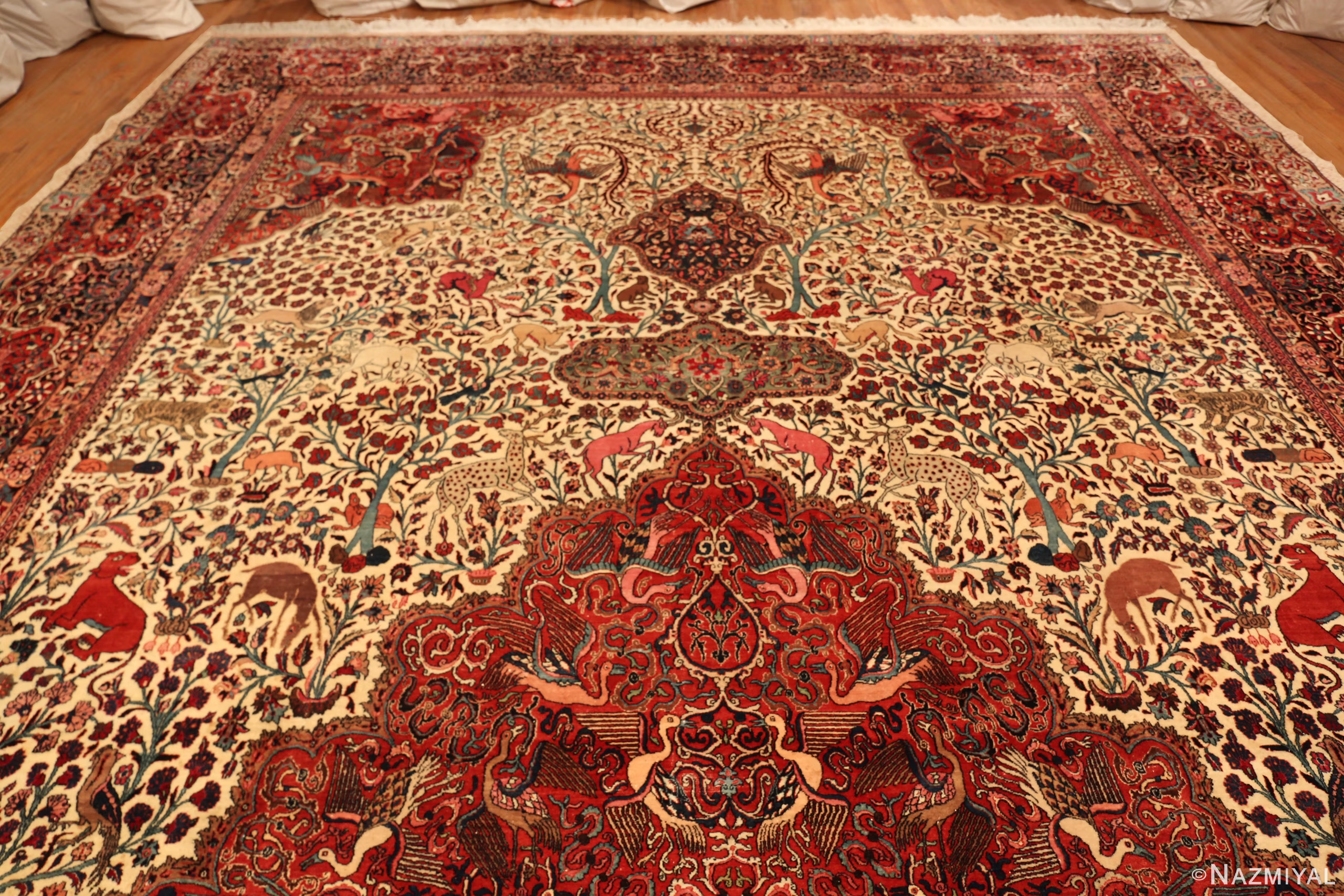
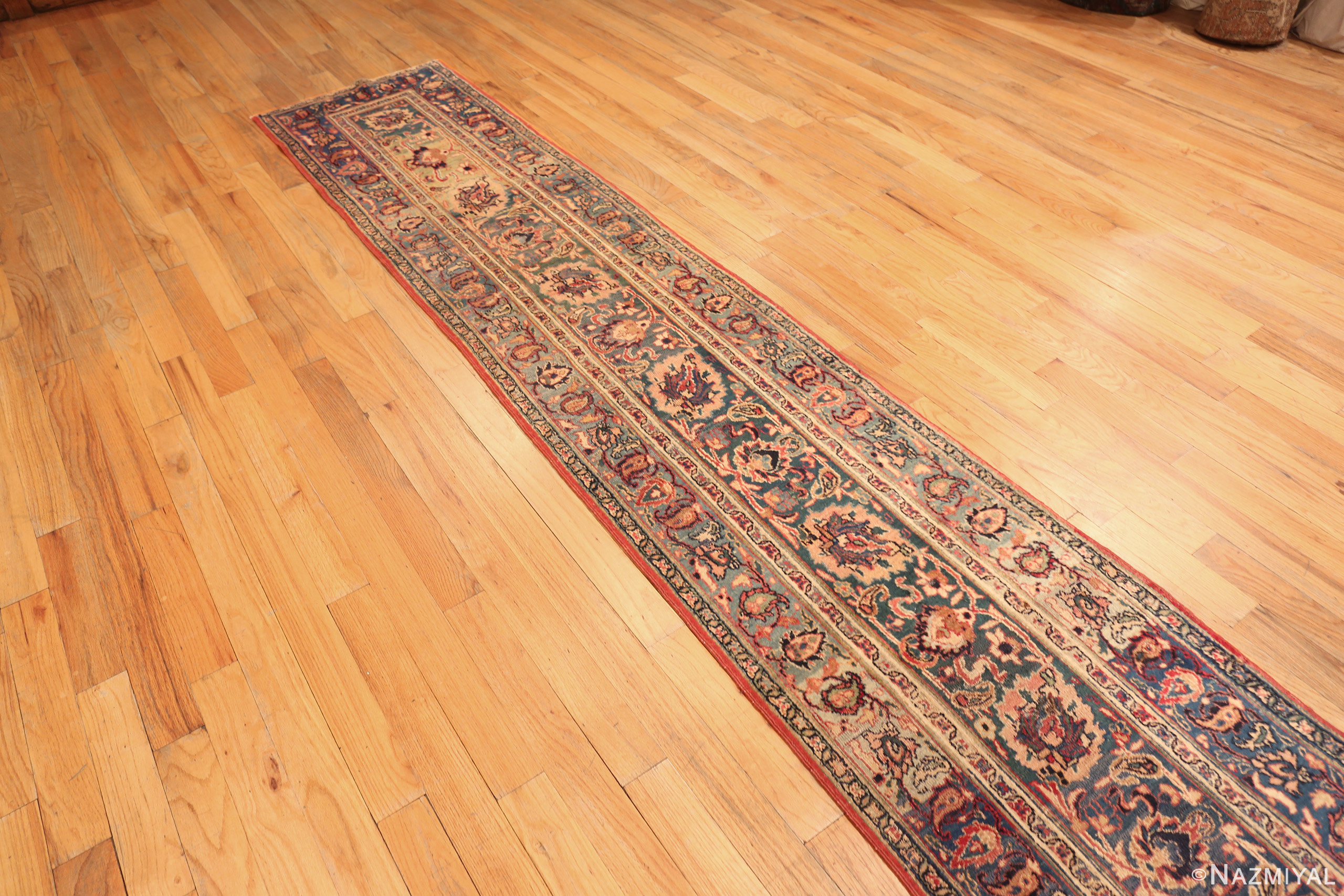
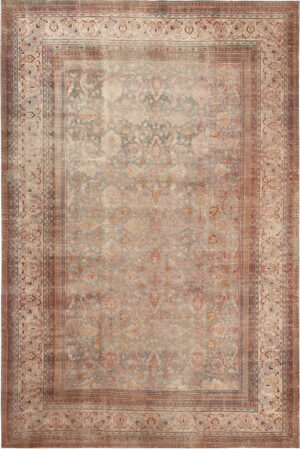
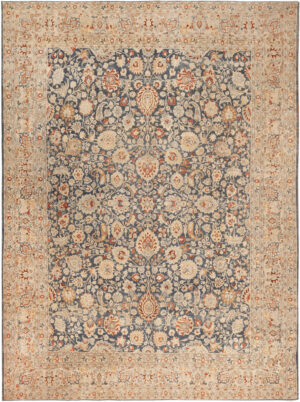
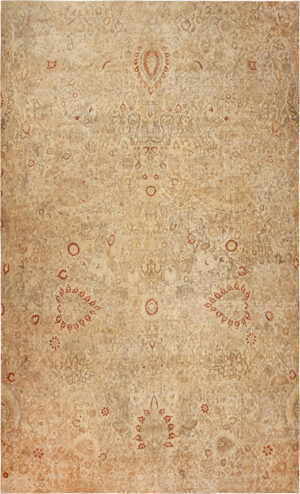
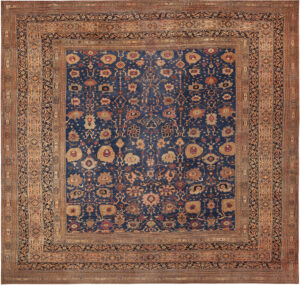
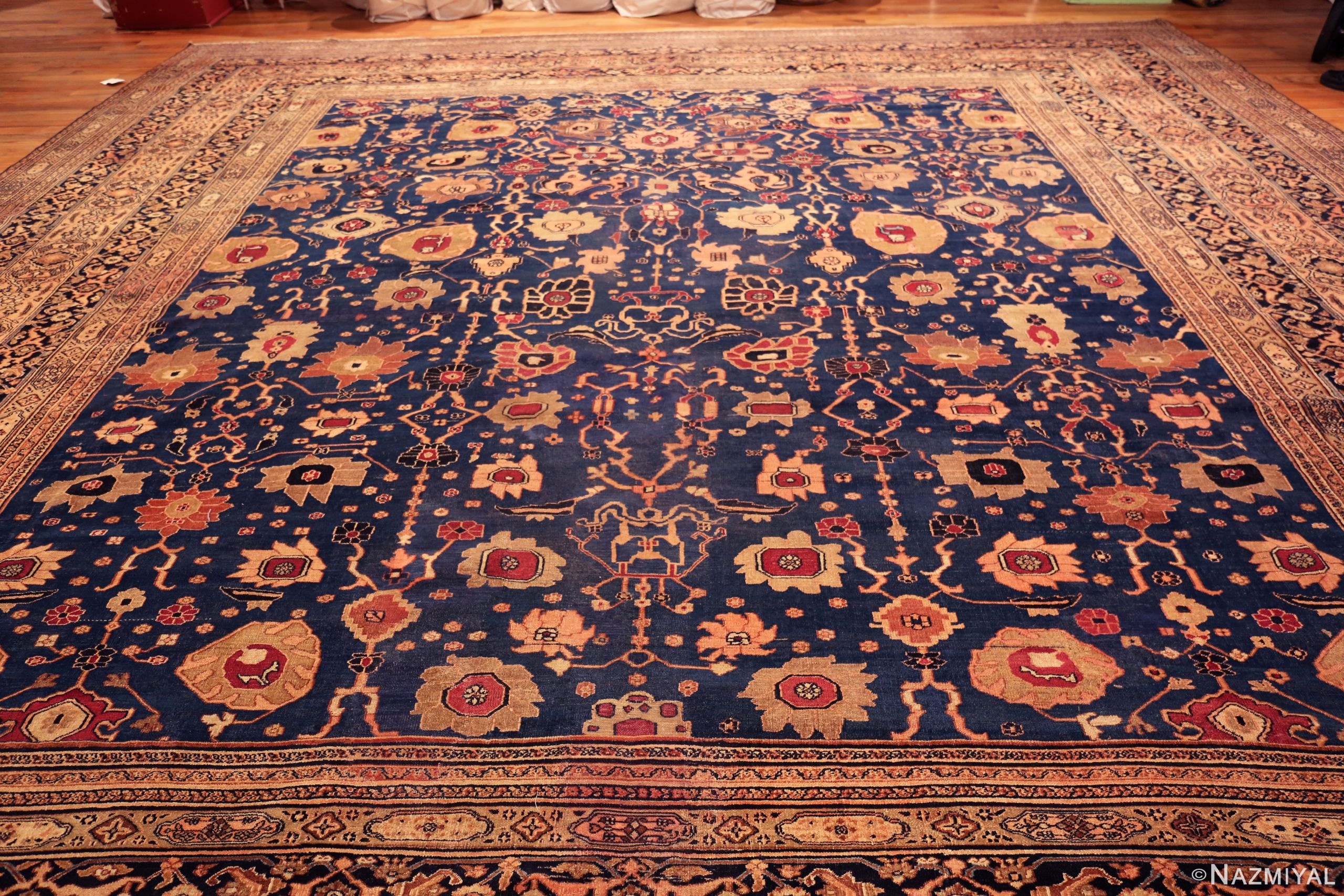
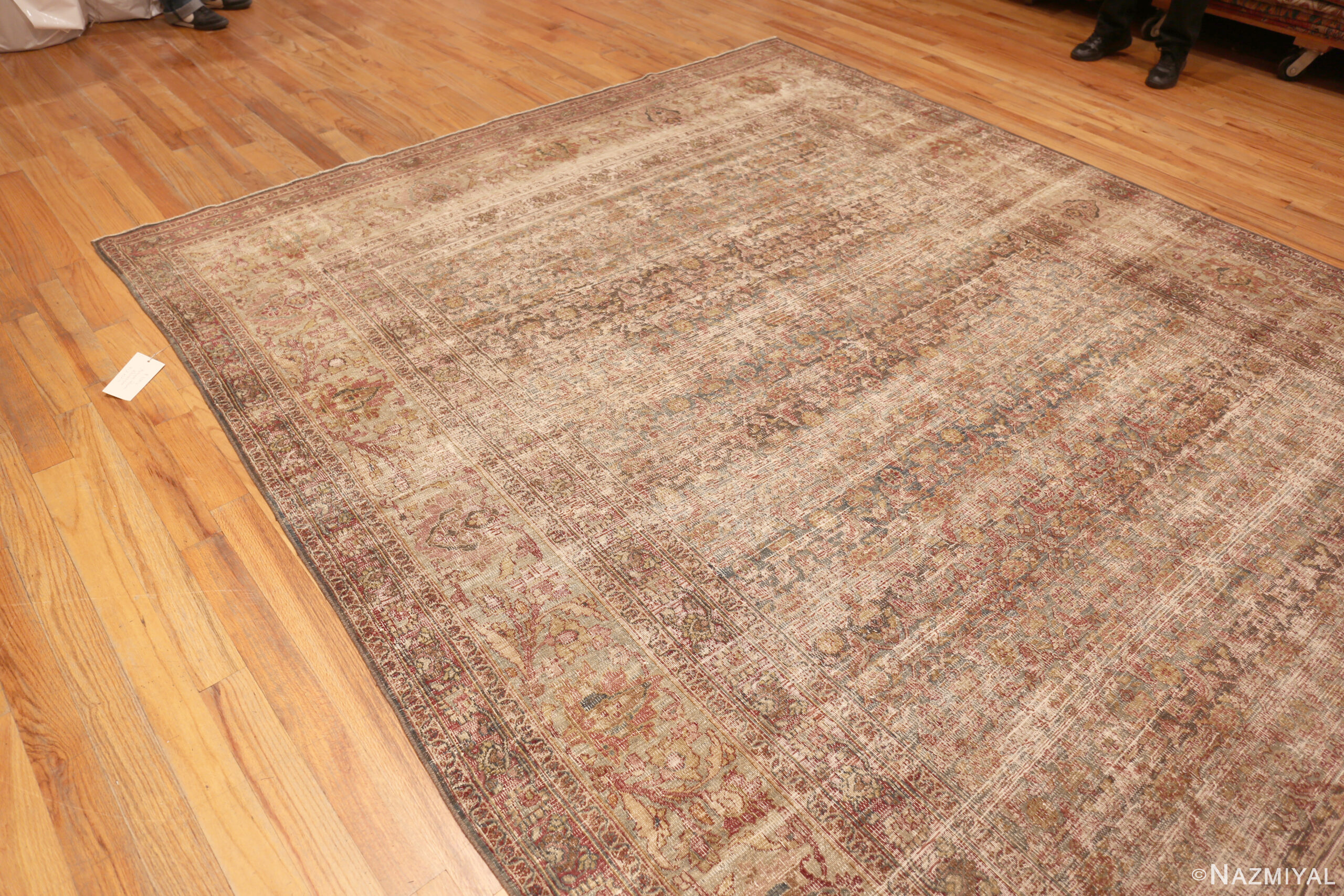
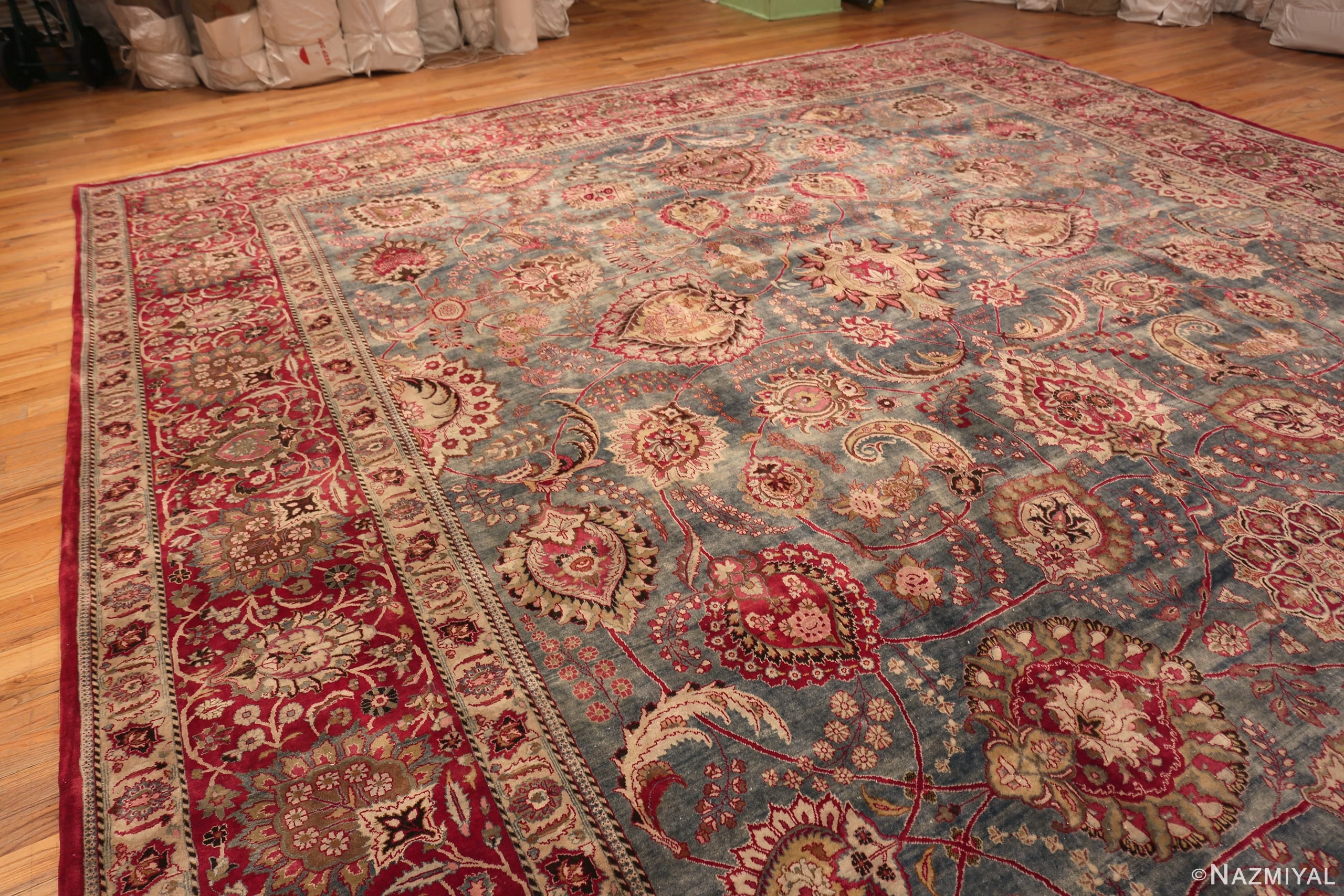
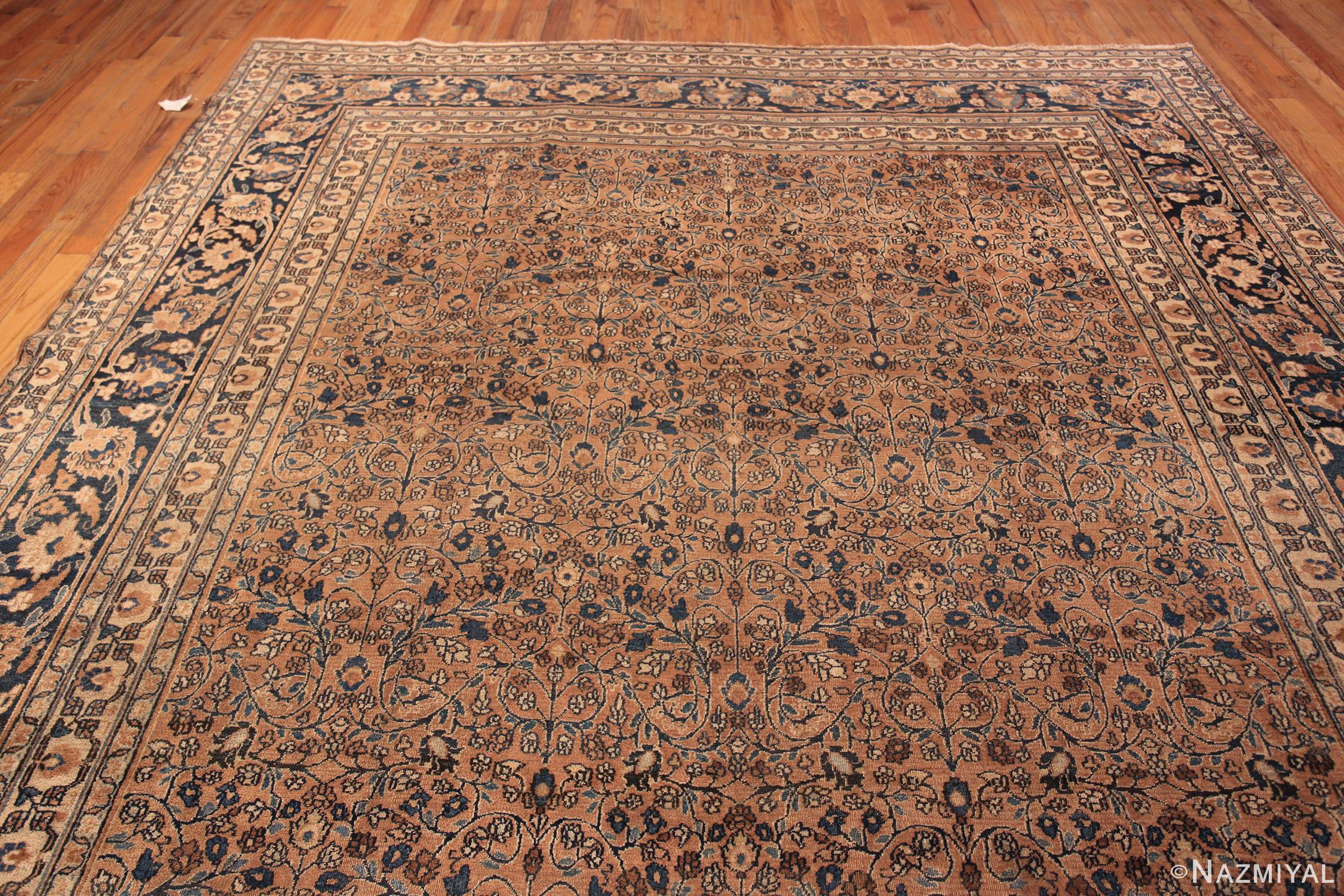
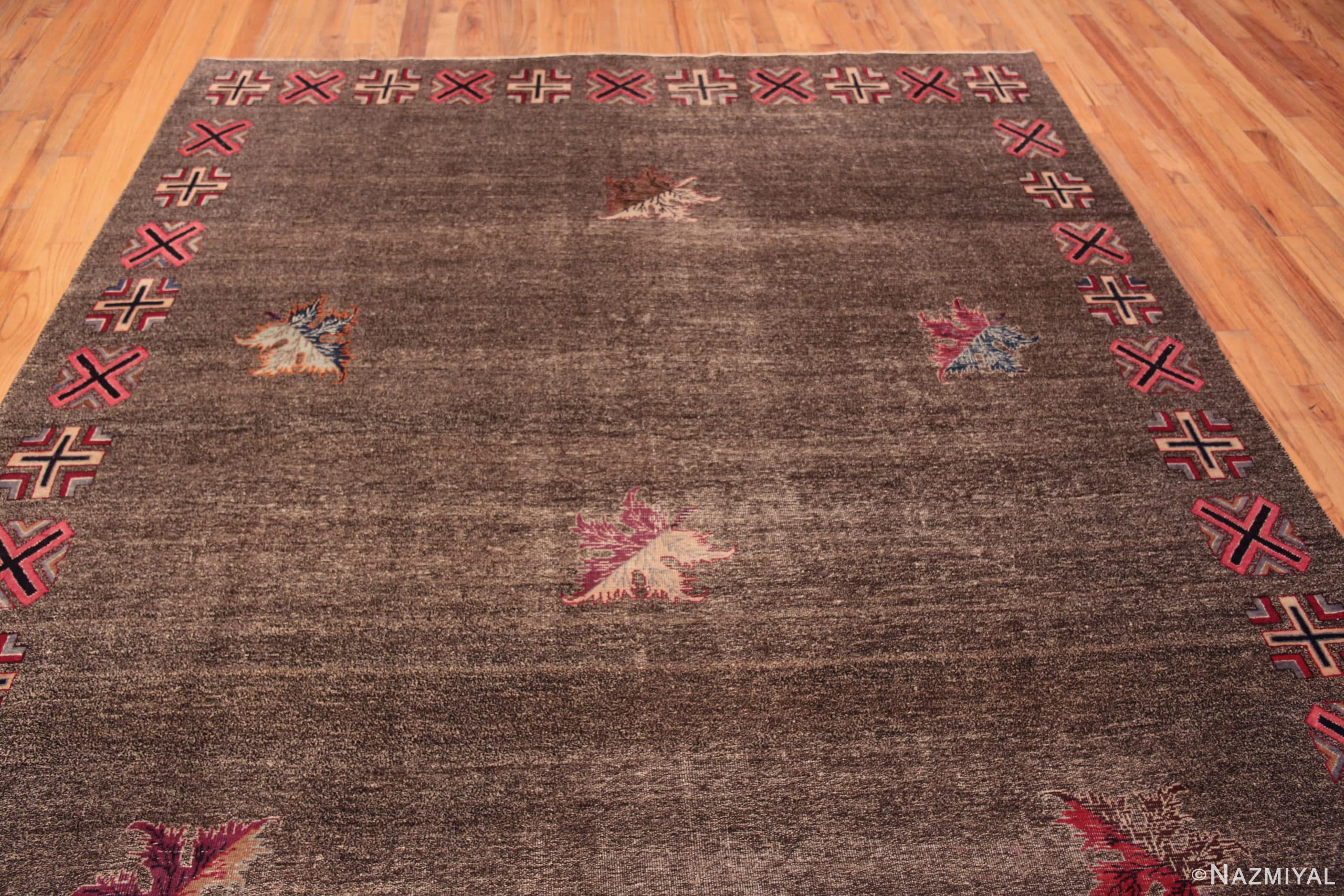
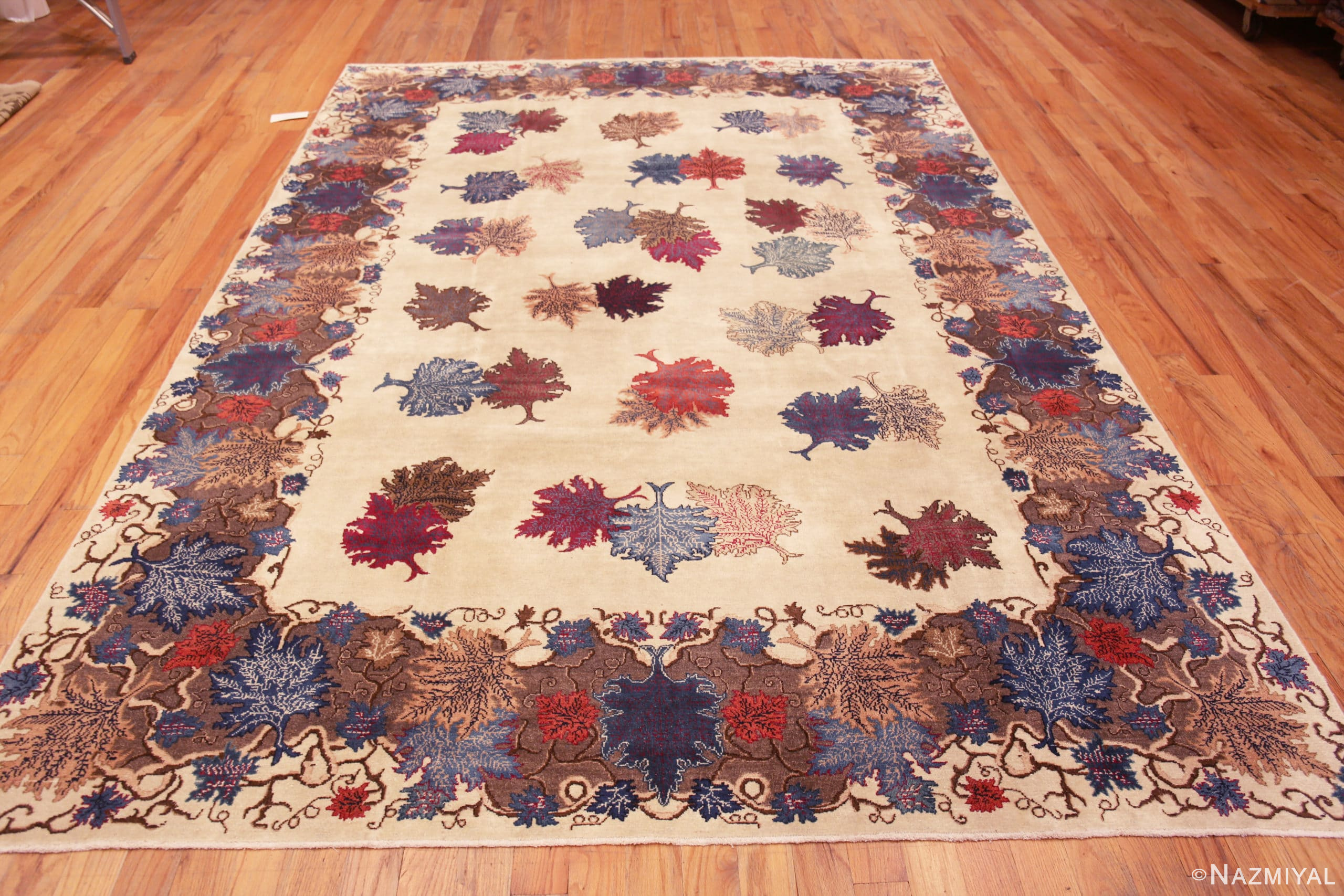
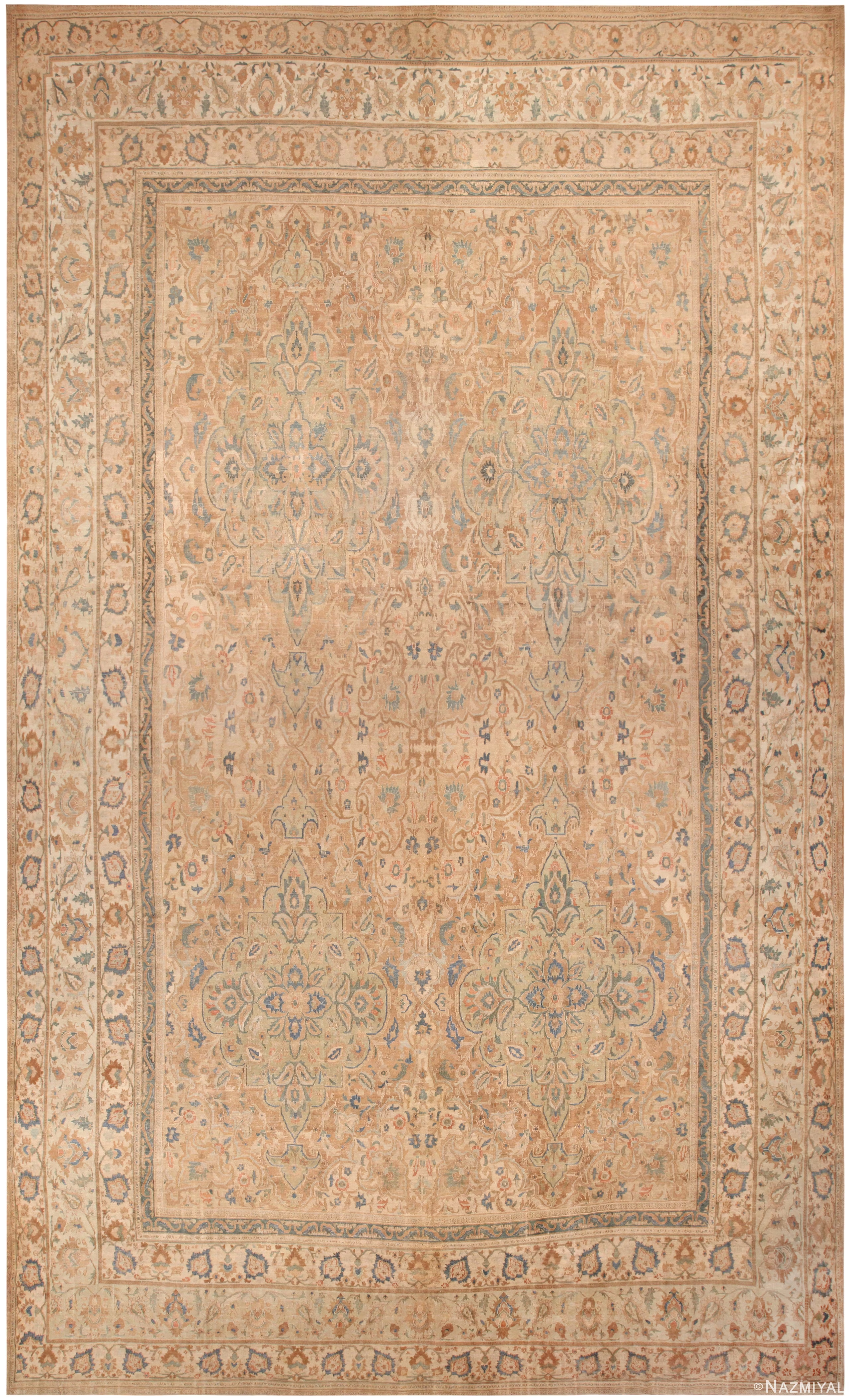
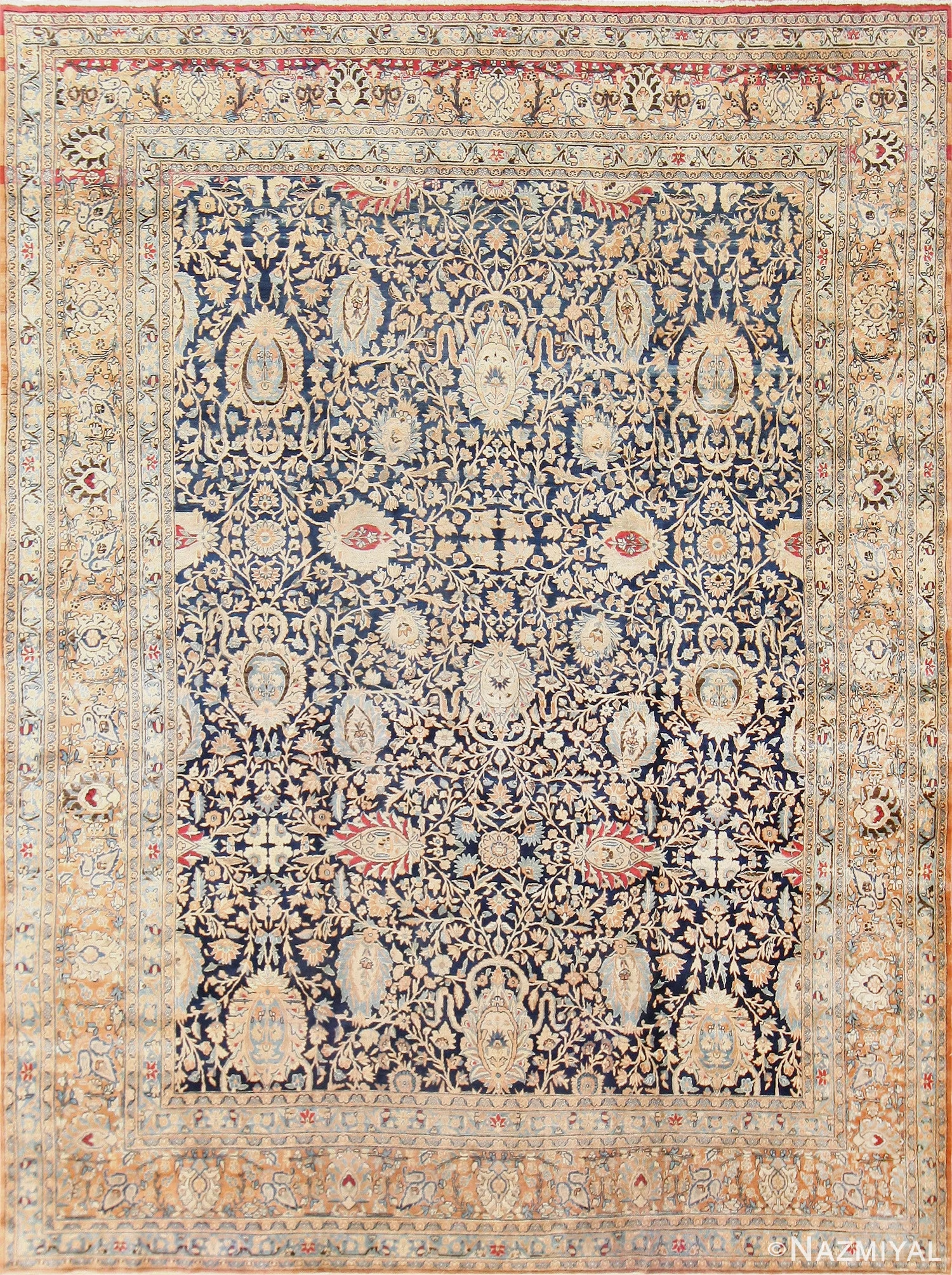
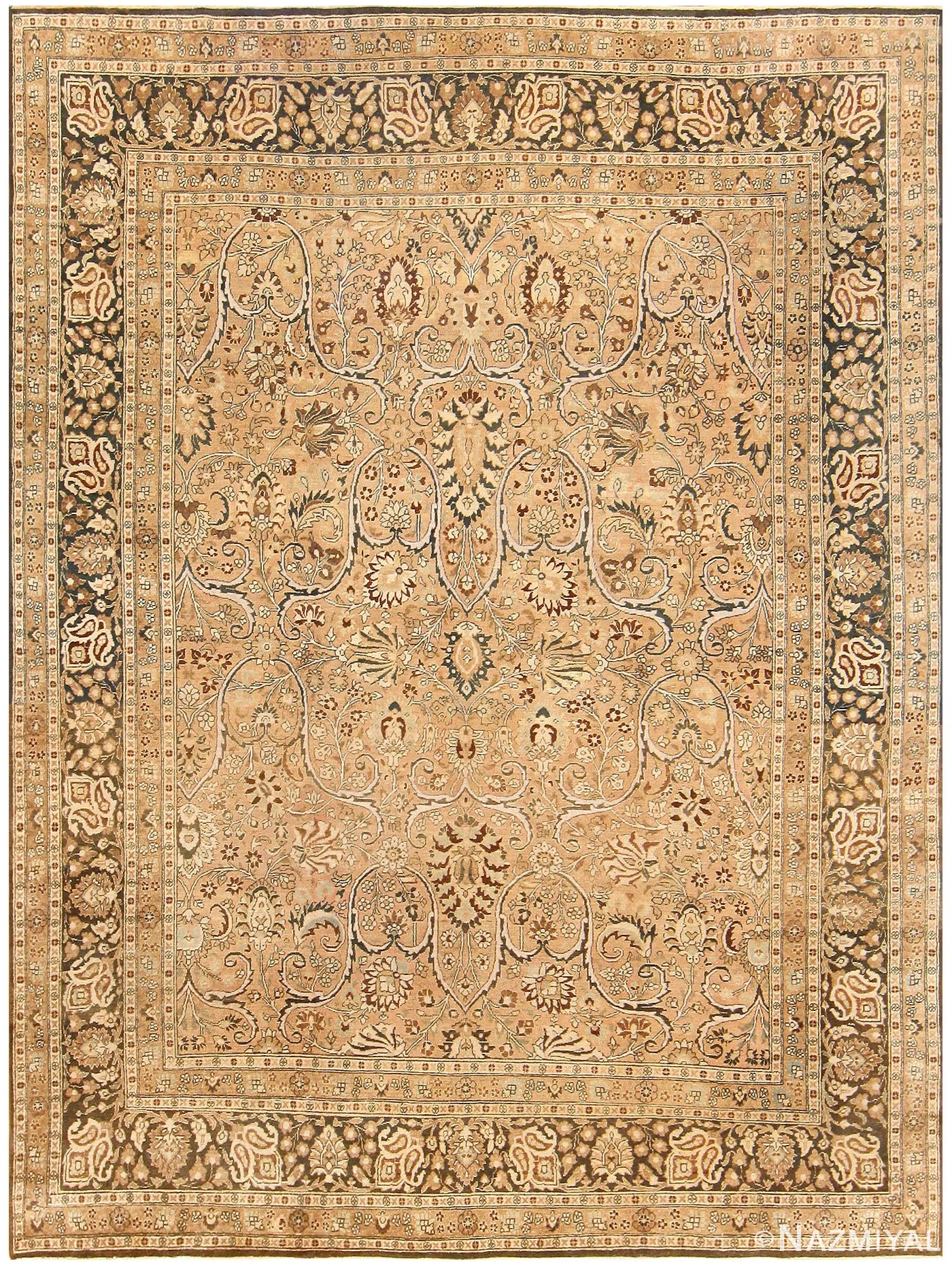
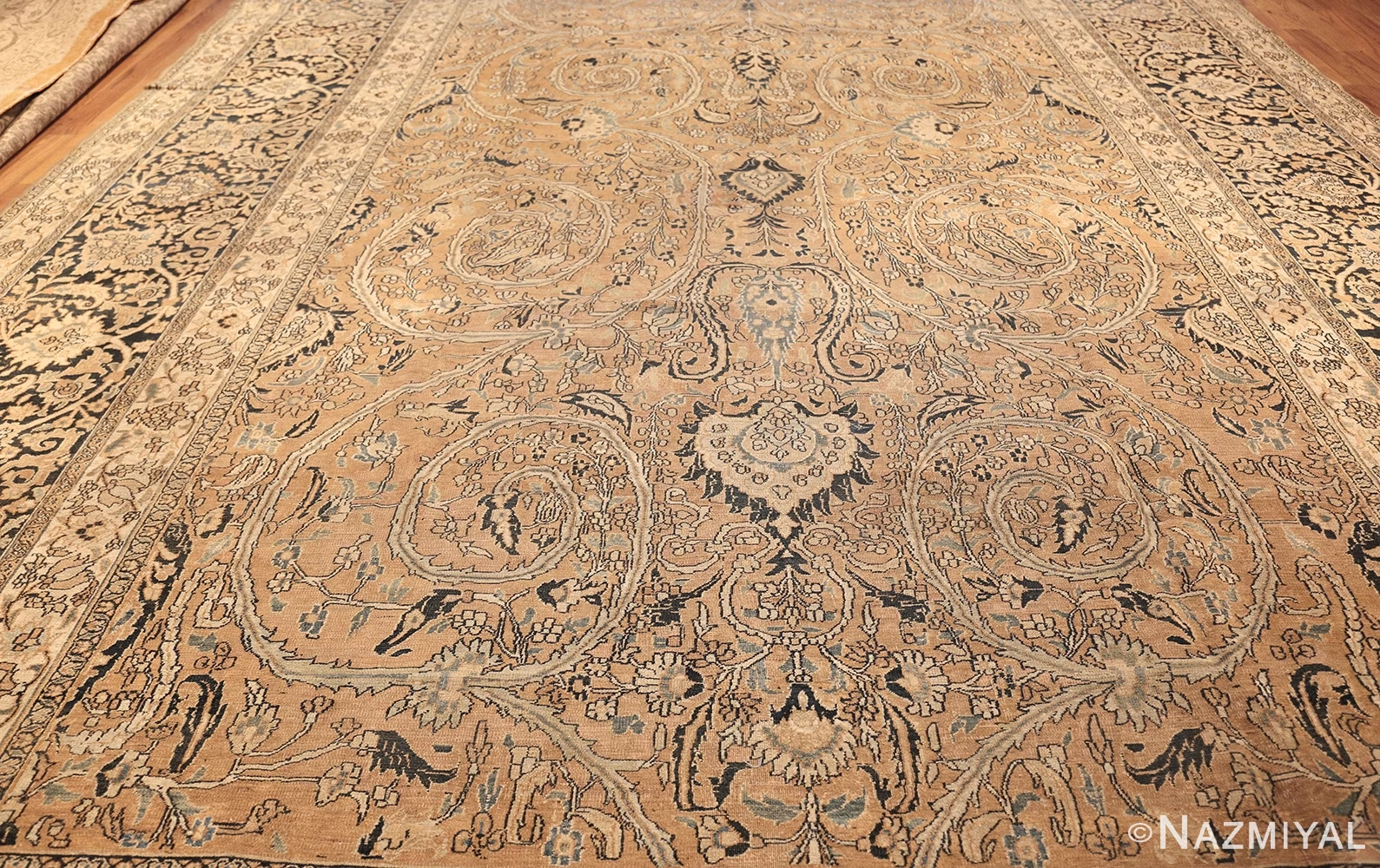
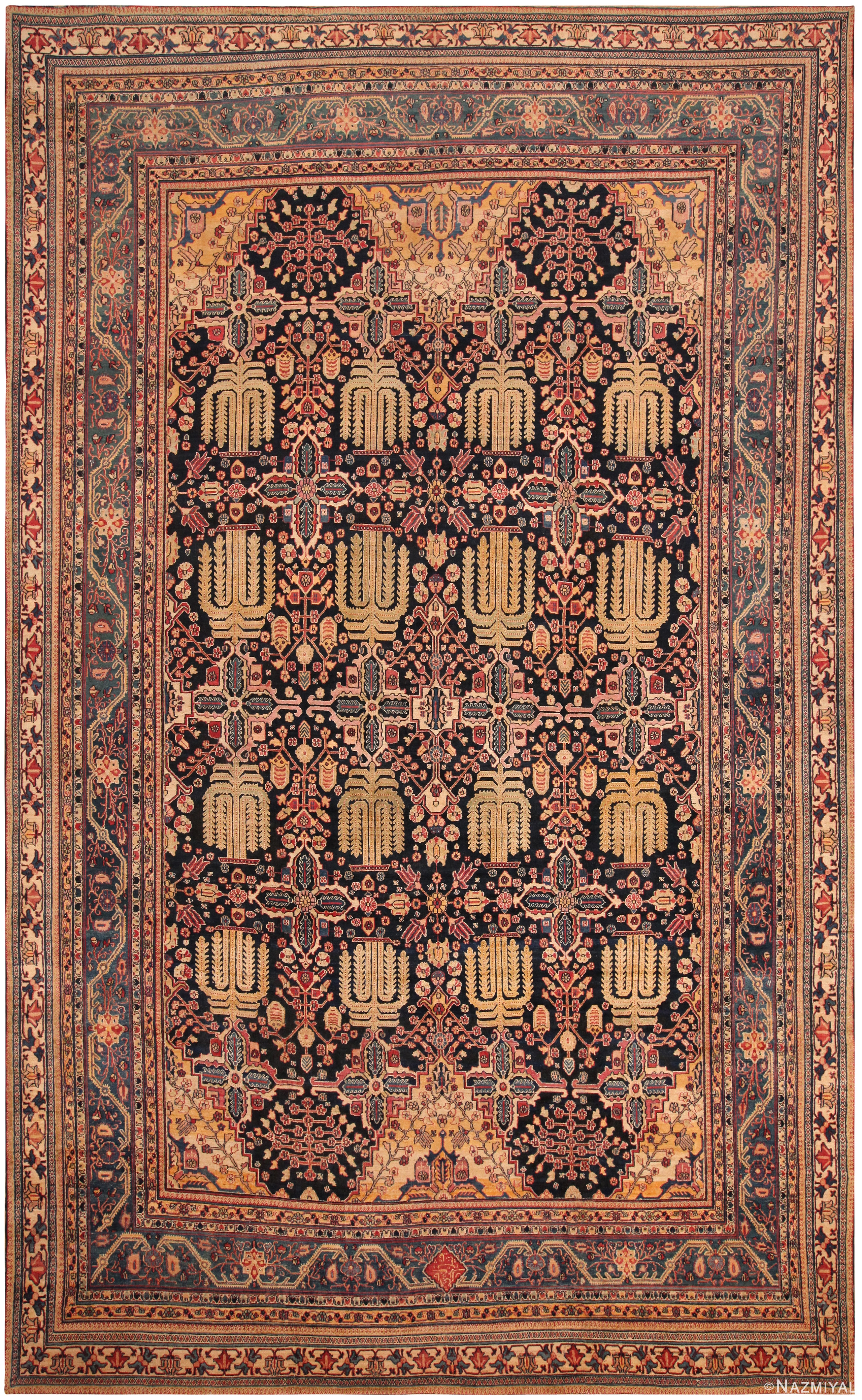
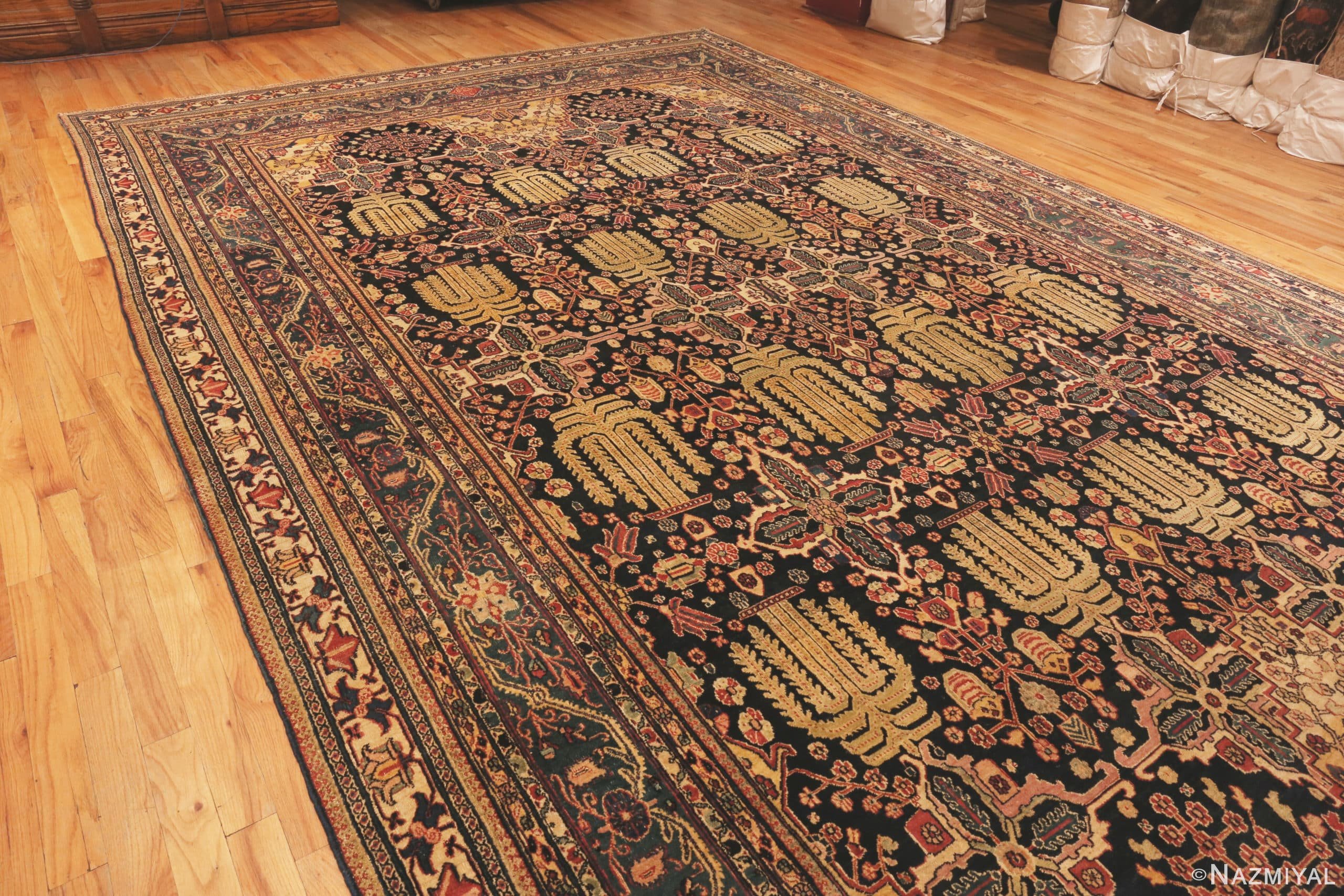
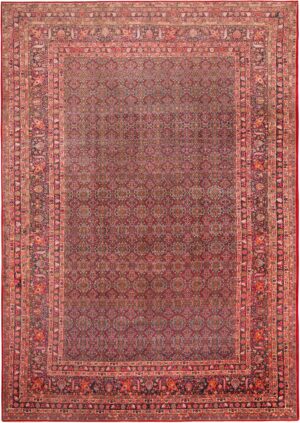
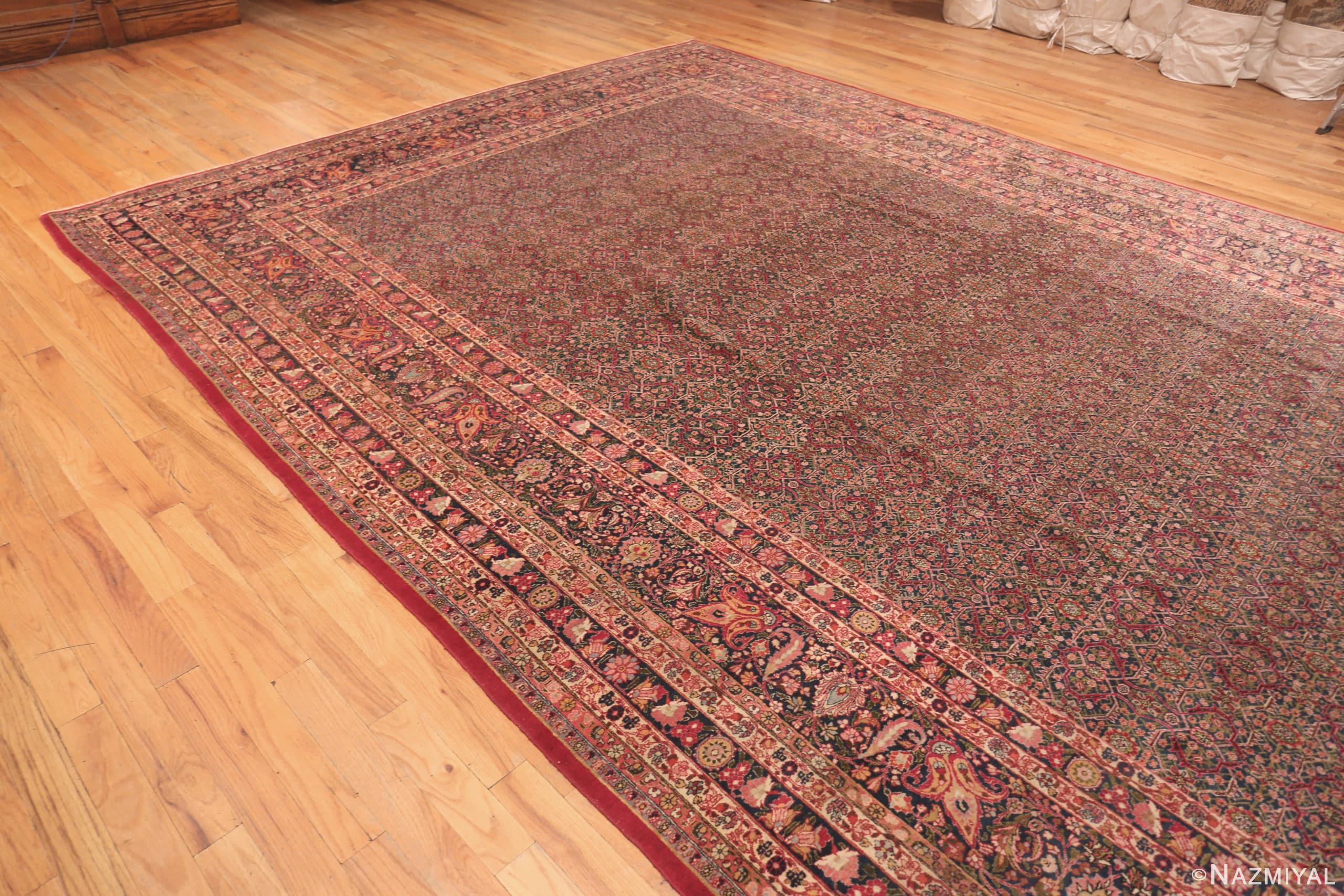
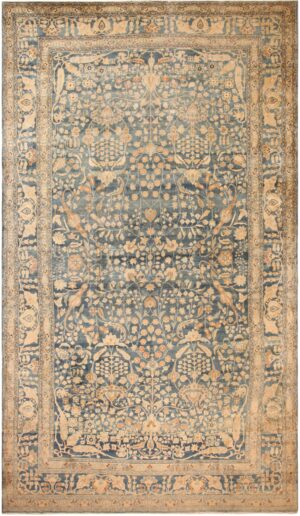
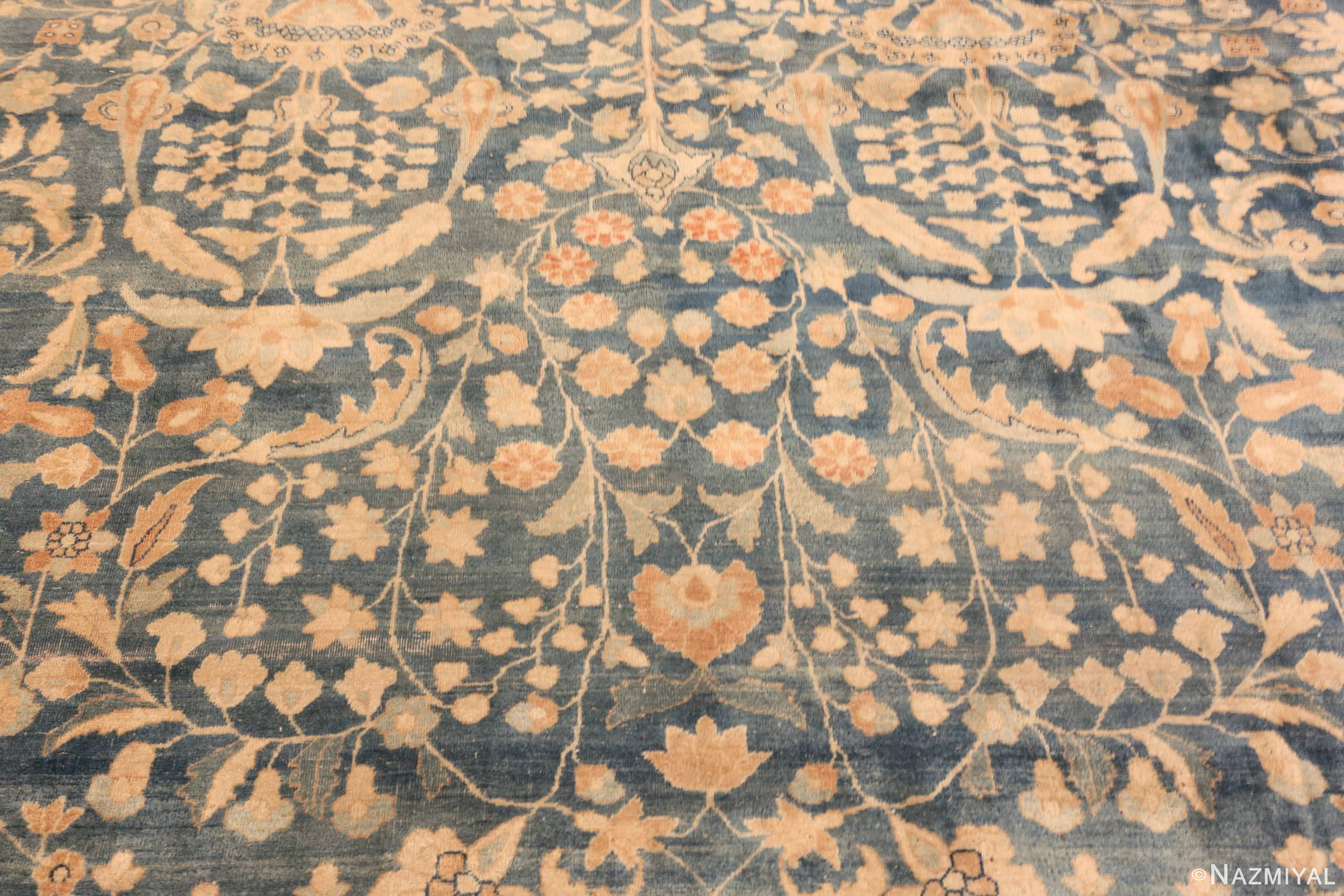
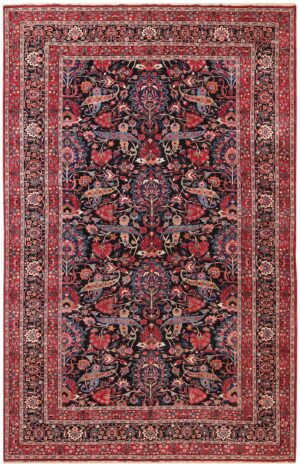
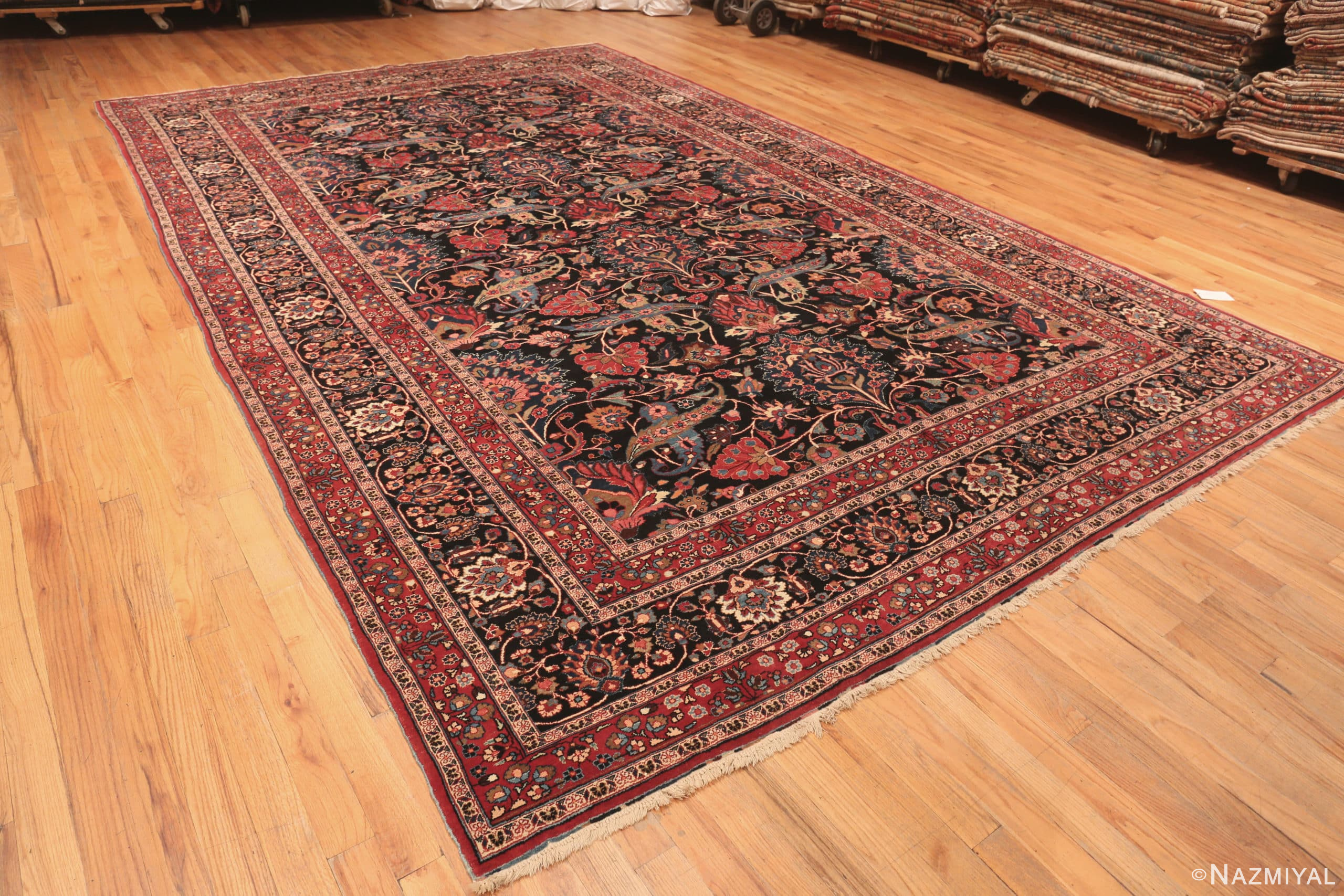
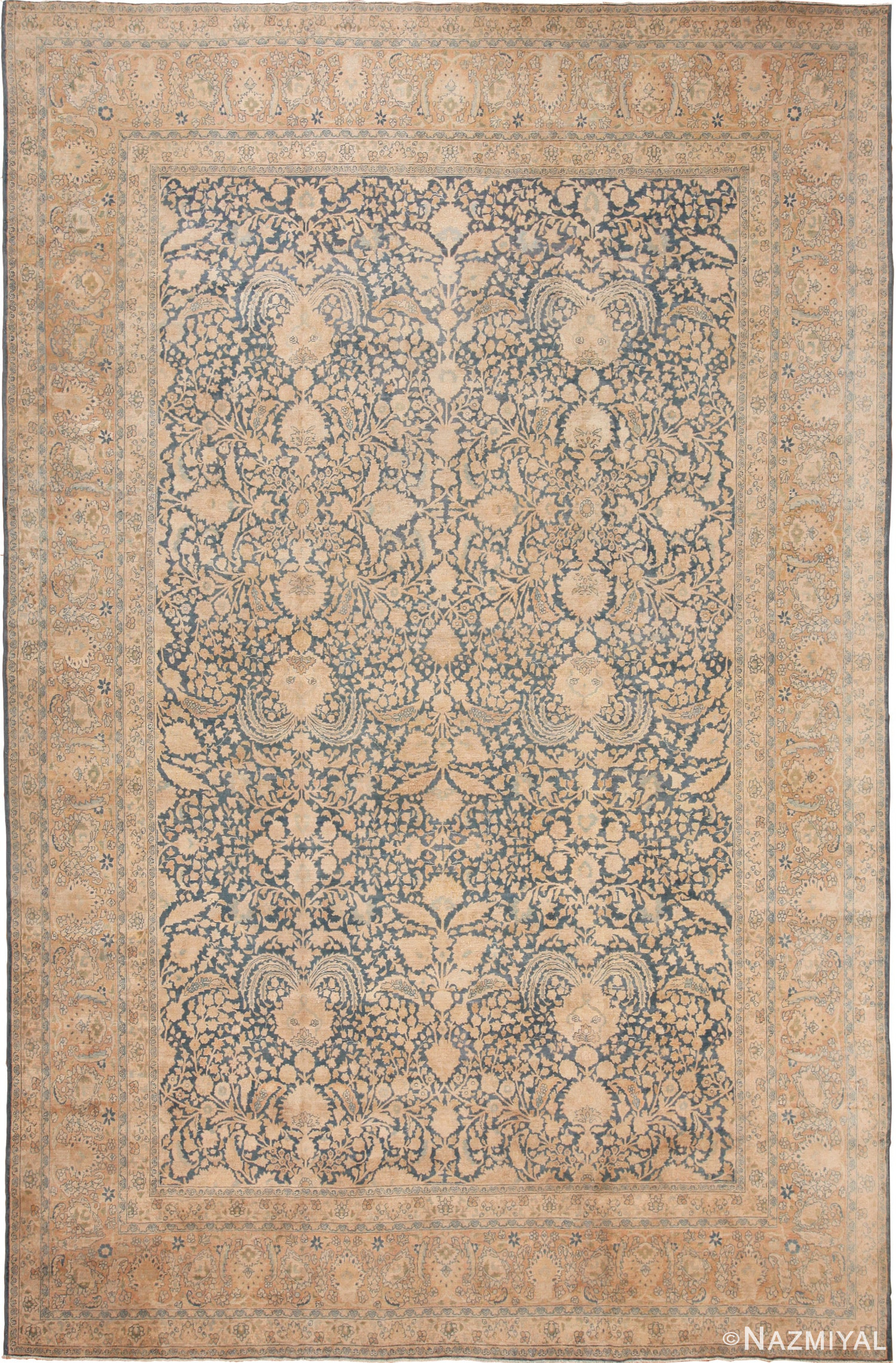
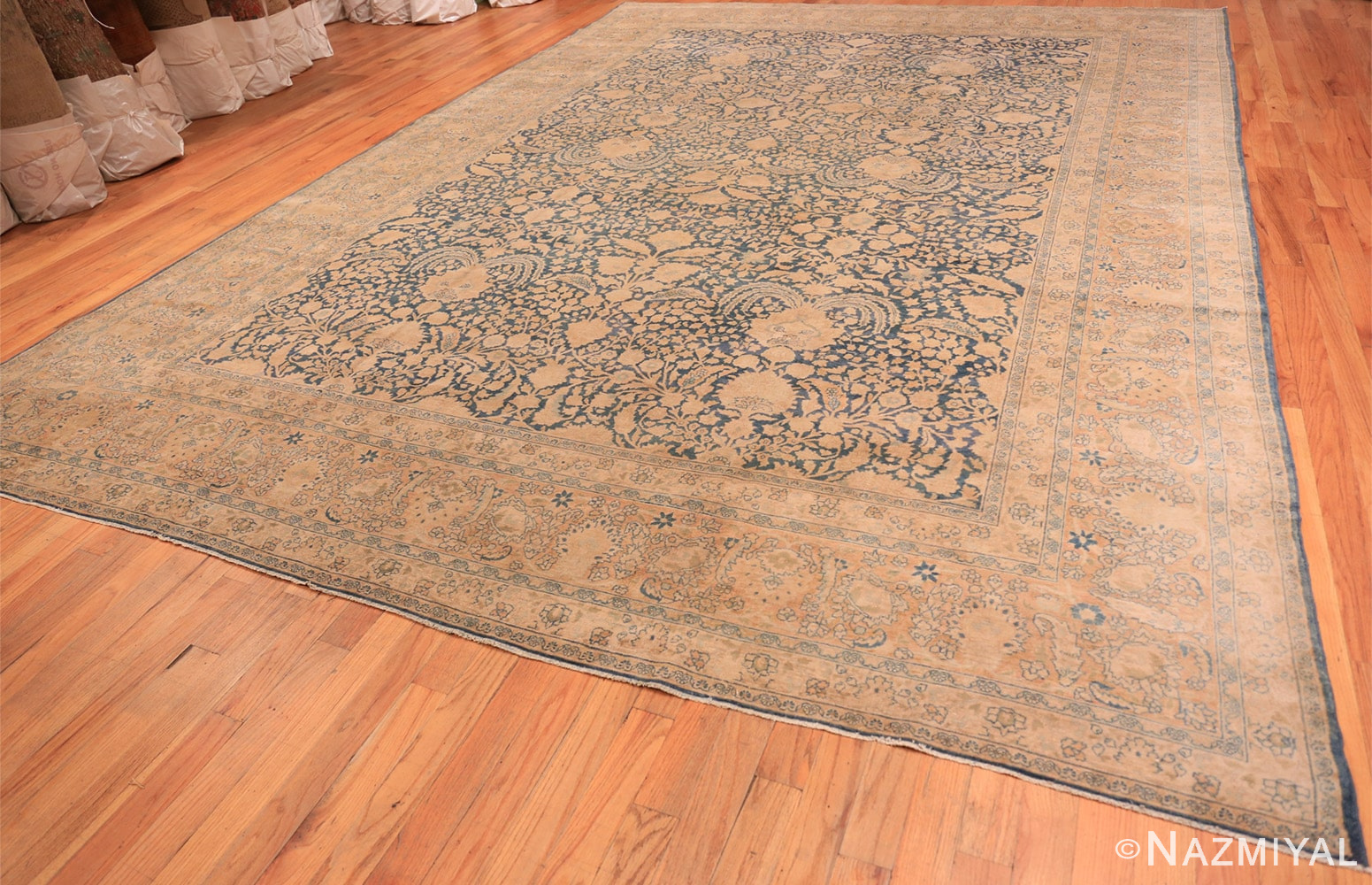
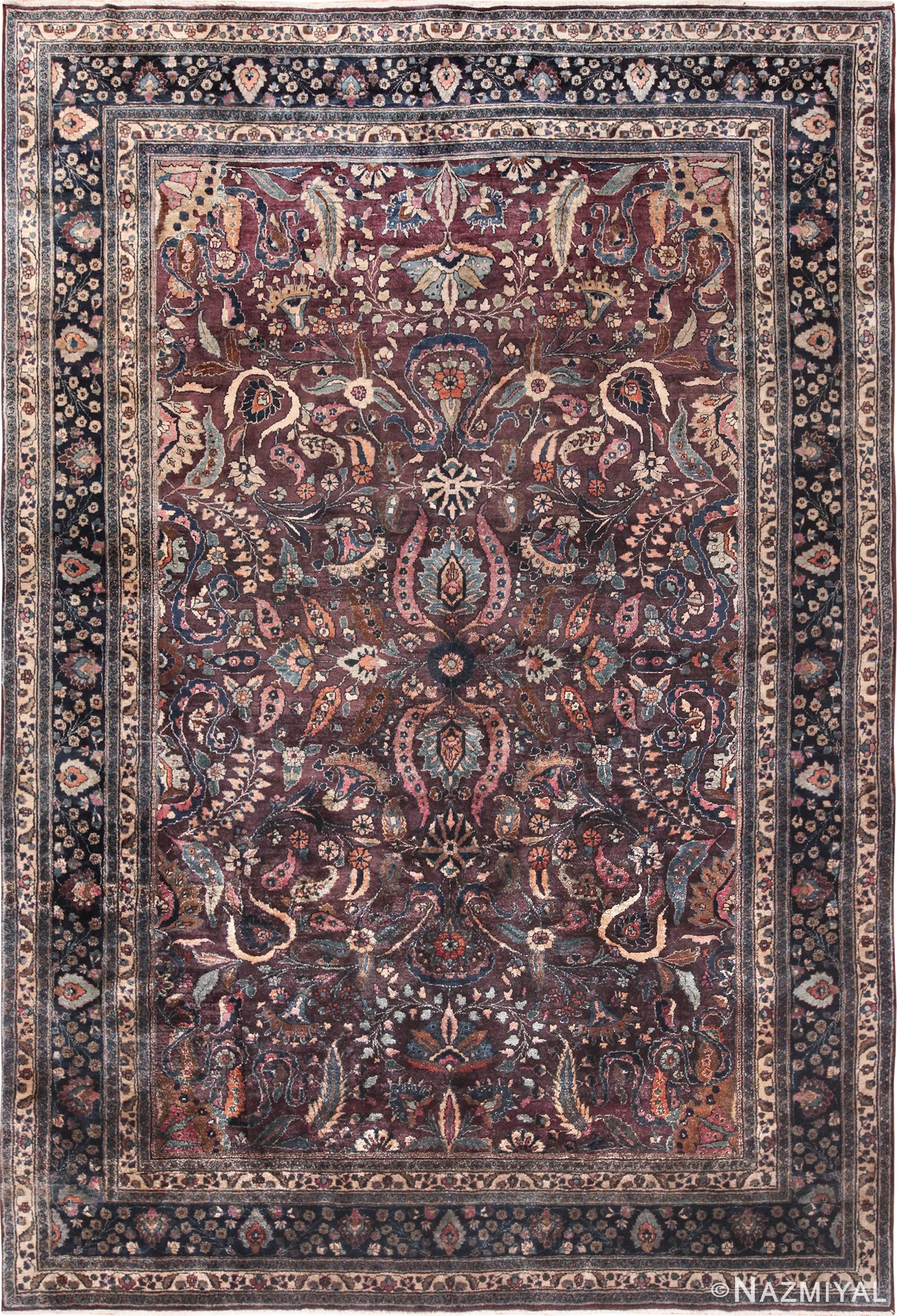
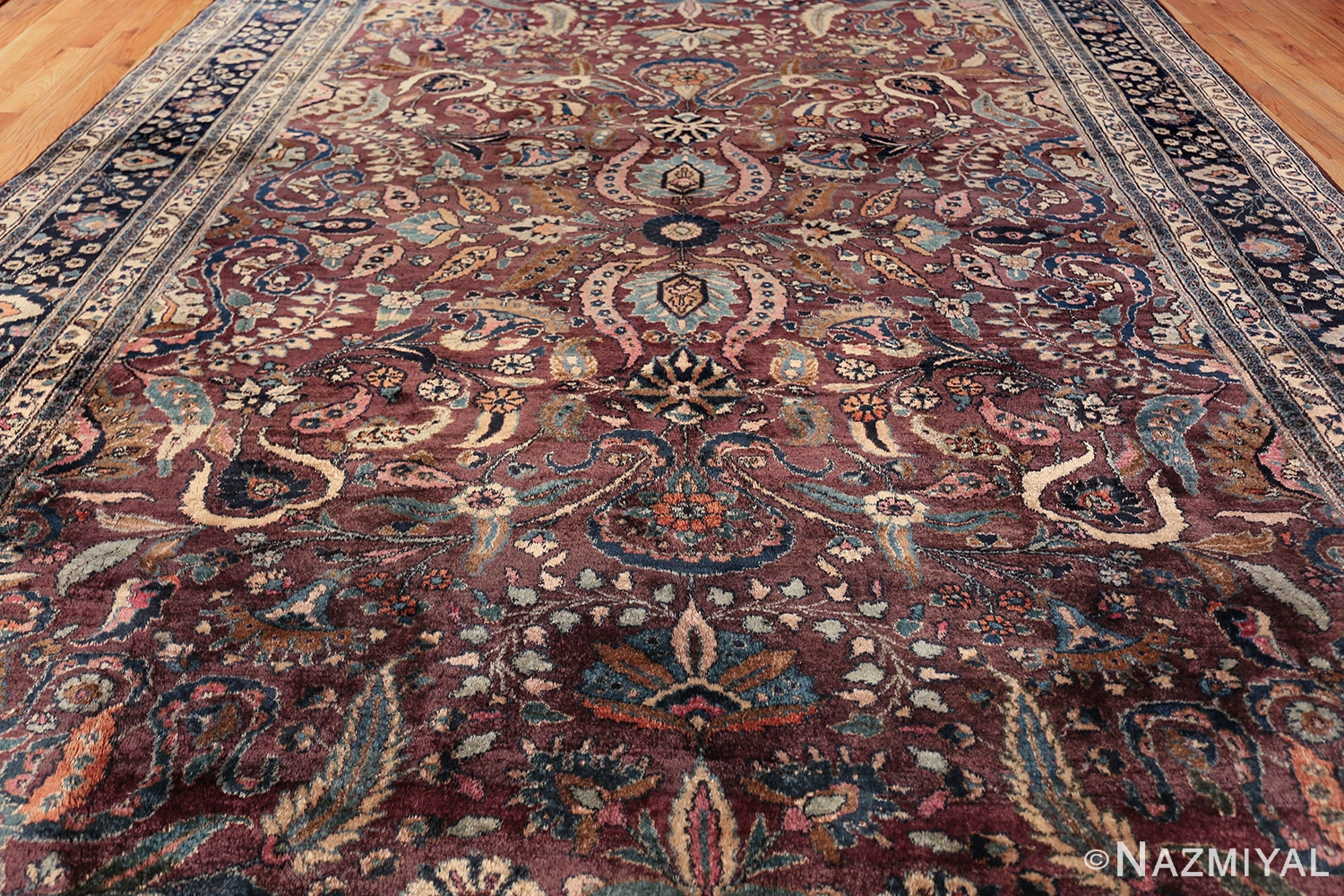
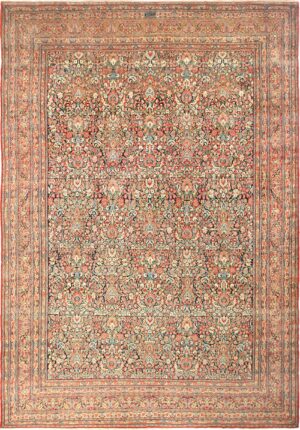
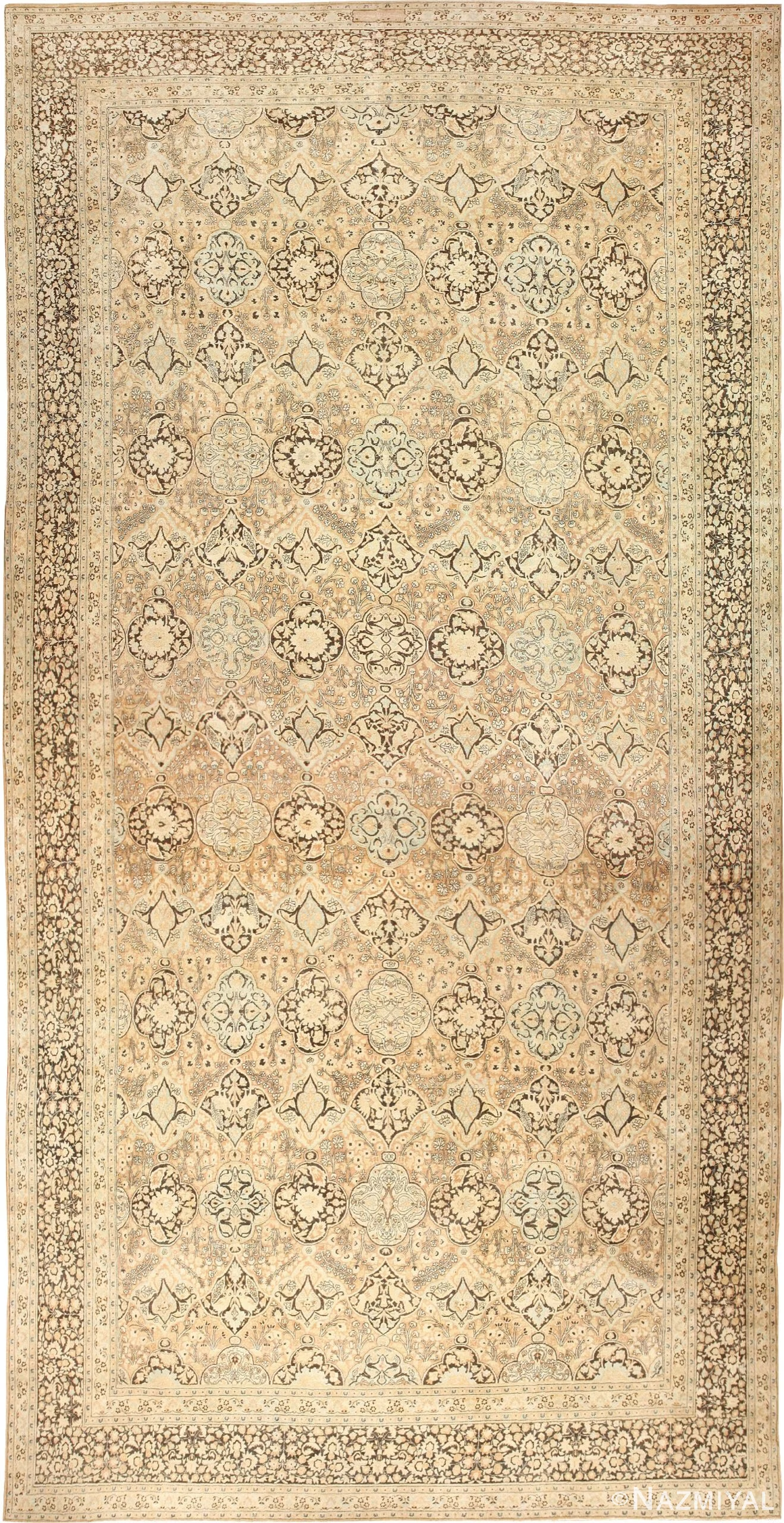
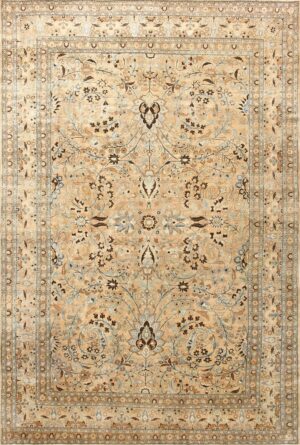
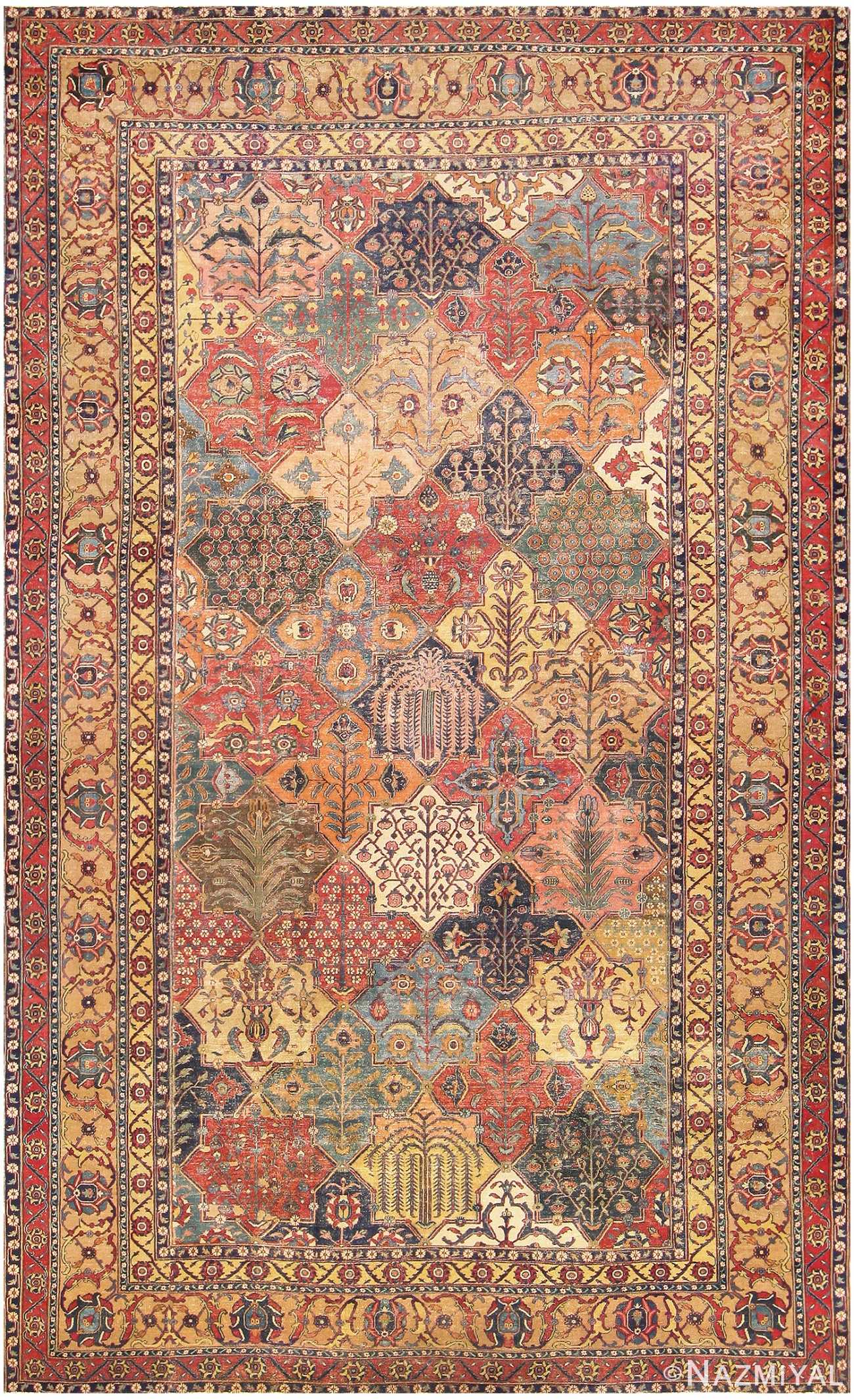
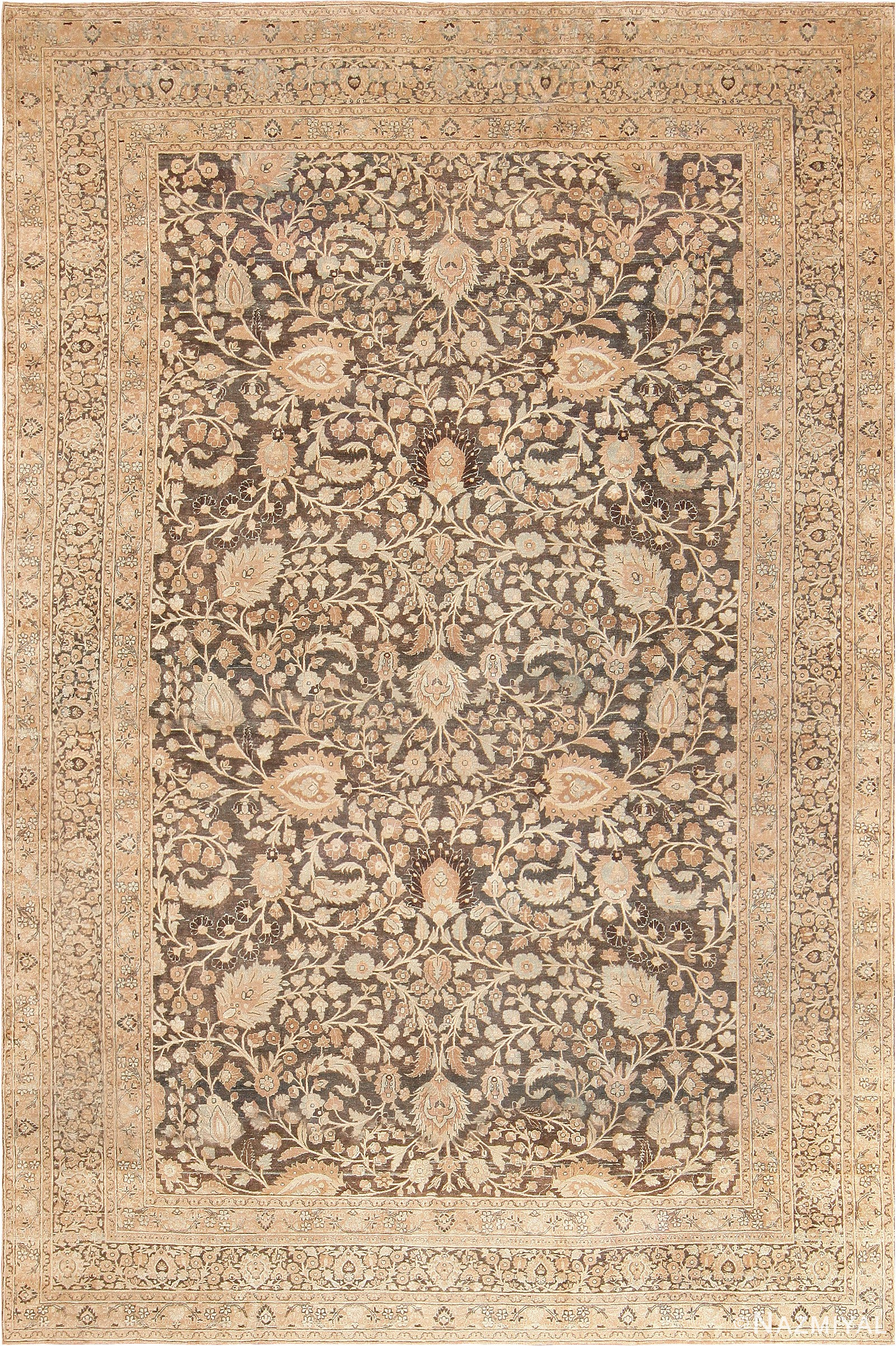
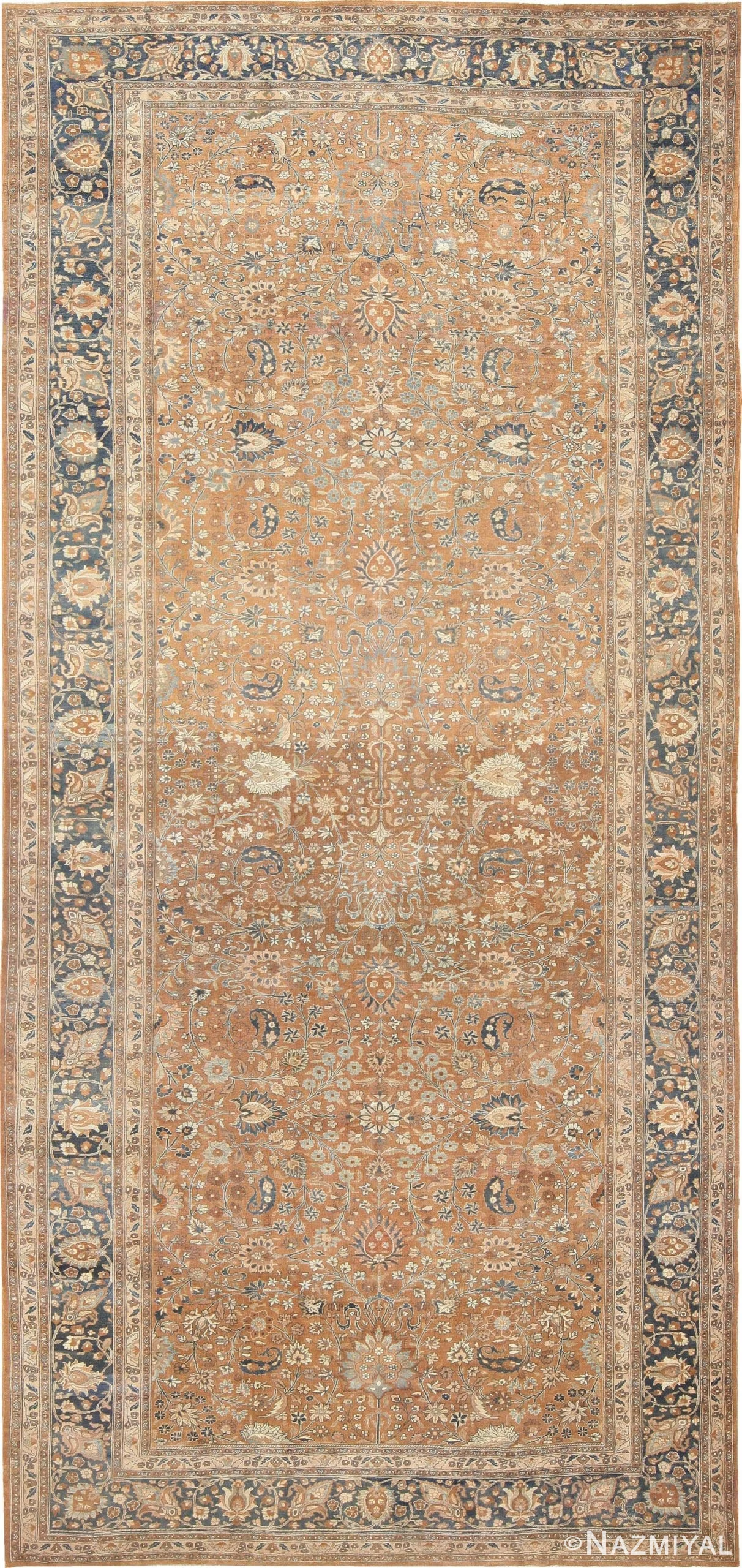
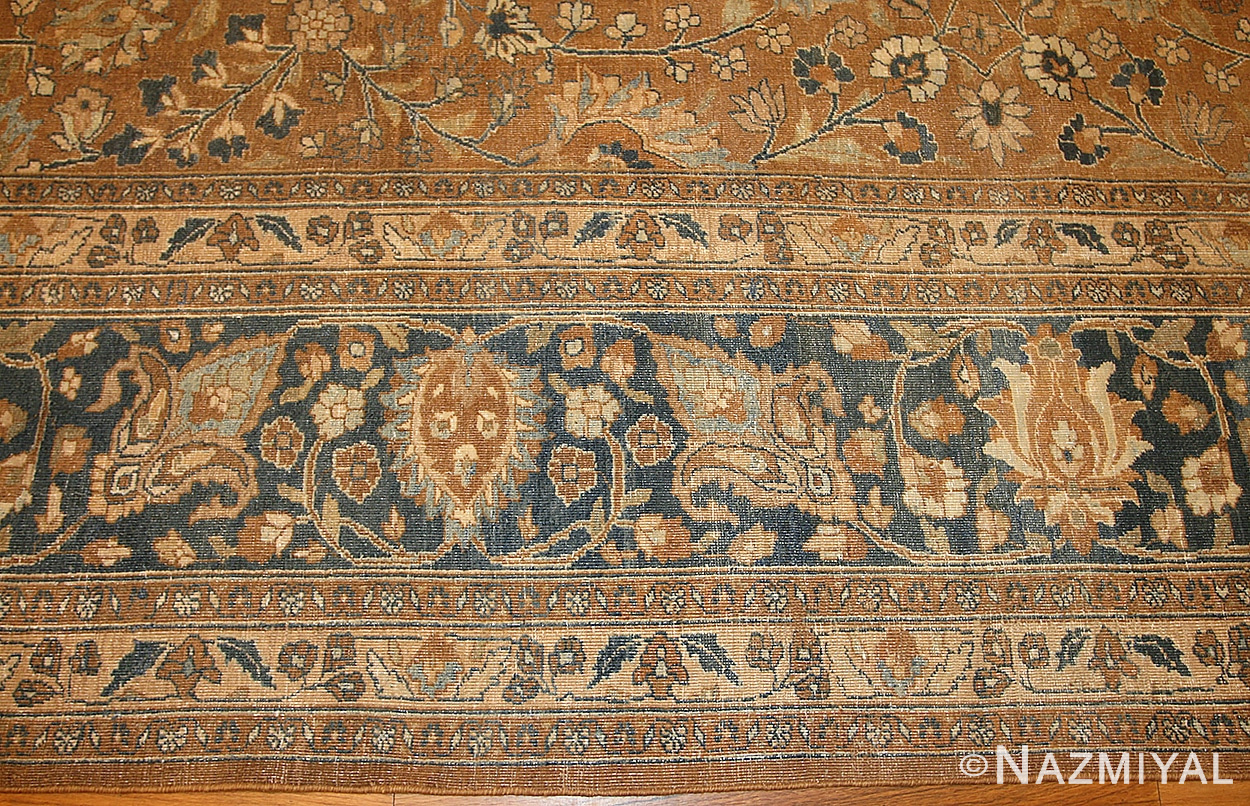
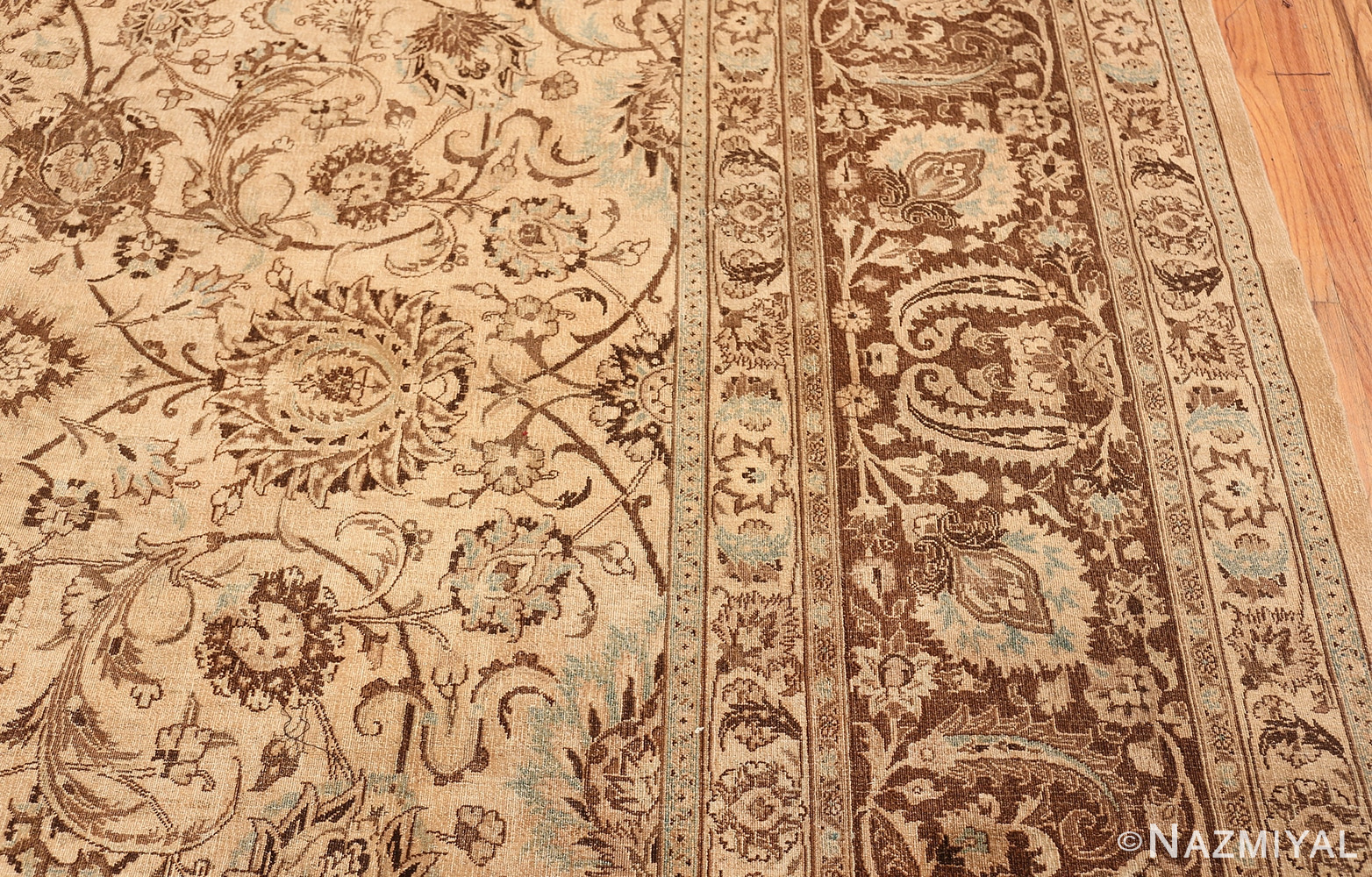
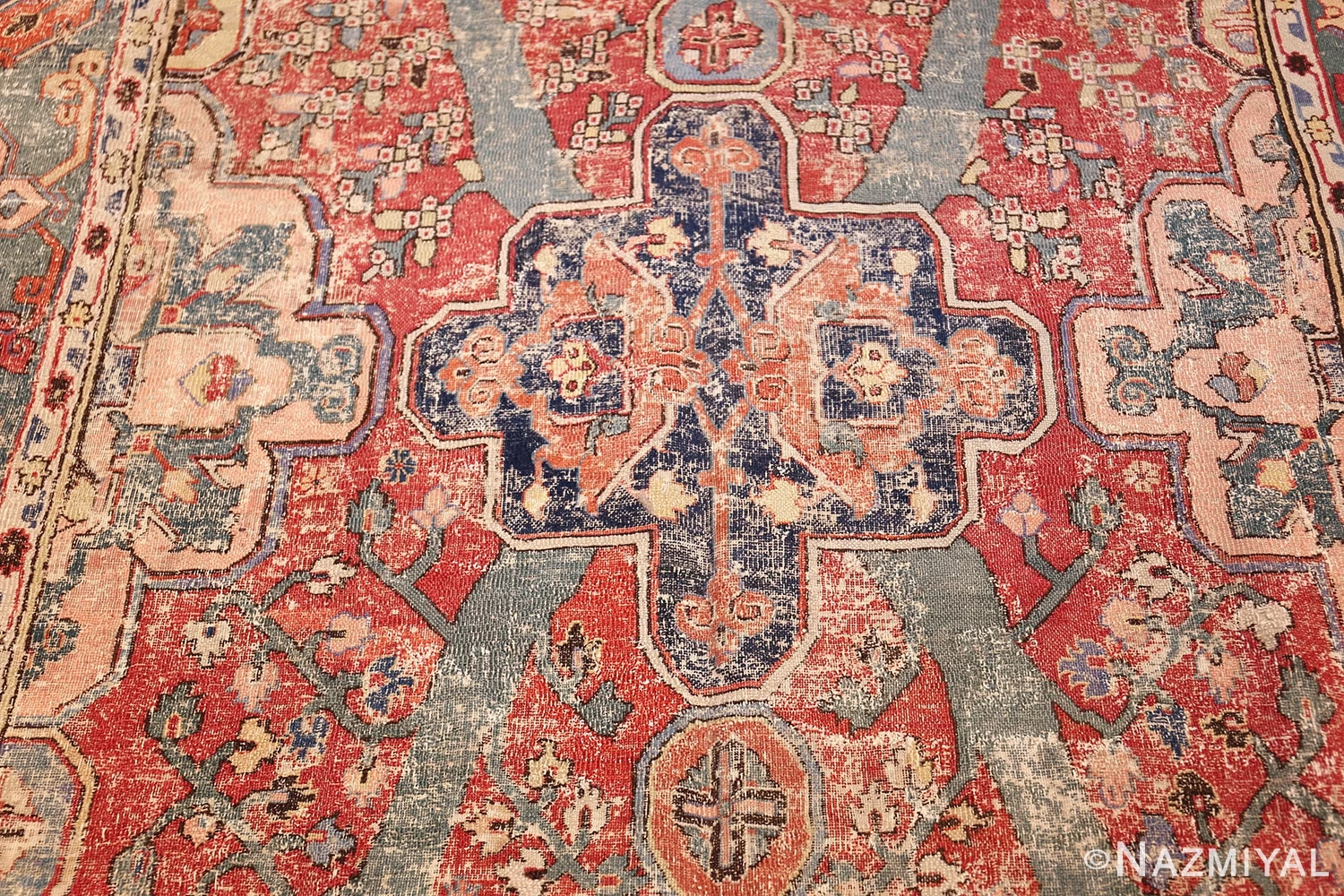
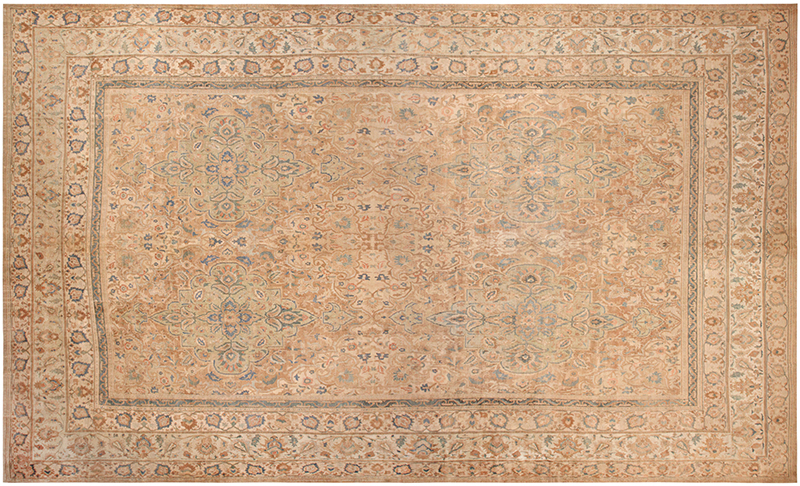
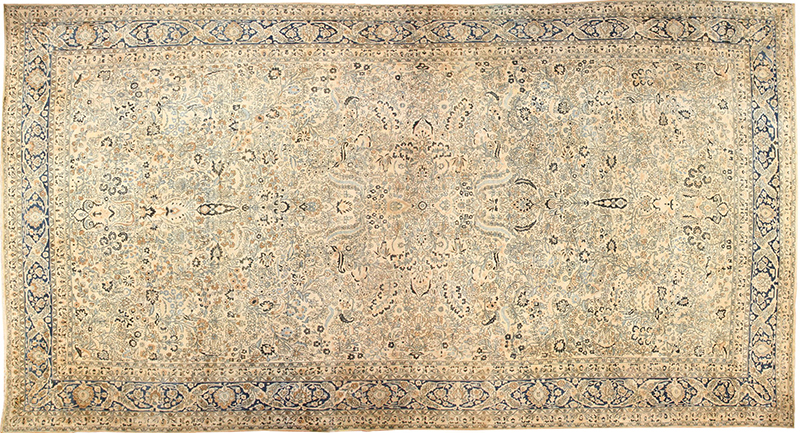
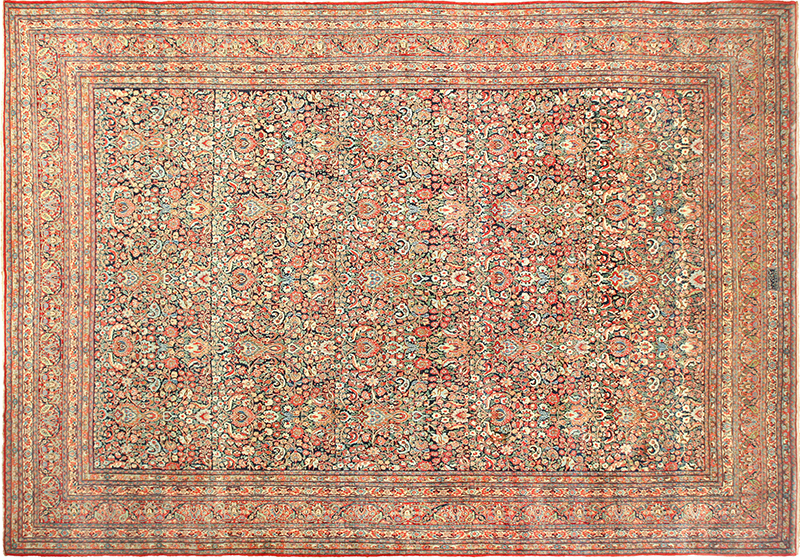
Khorassan rugs are Persian knotted-pile carpets from the broader Khorasan region, best known for room-size scale, refined florals, and grounded, decorator-friendly color.
These rugs are large, room-anchoring Persian carpets woven in and around the Khorasan region of northeastern Iran, prized for refined floral drawing, balanced borders, and mature palettes that live comfortably in both traditional and modern interiors. At Nazmiyal Collection, we curate antique Khorassan rugs for clients who want scale, warmth, and classical Persian design with clear condition guidance. For broader context on regional weaving traditions, start with our guide to Persian rugs, then explore the Khorassan examples currently available below.
Updated January 27, 2026 • Reviewed by Jason Nazmiyal
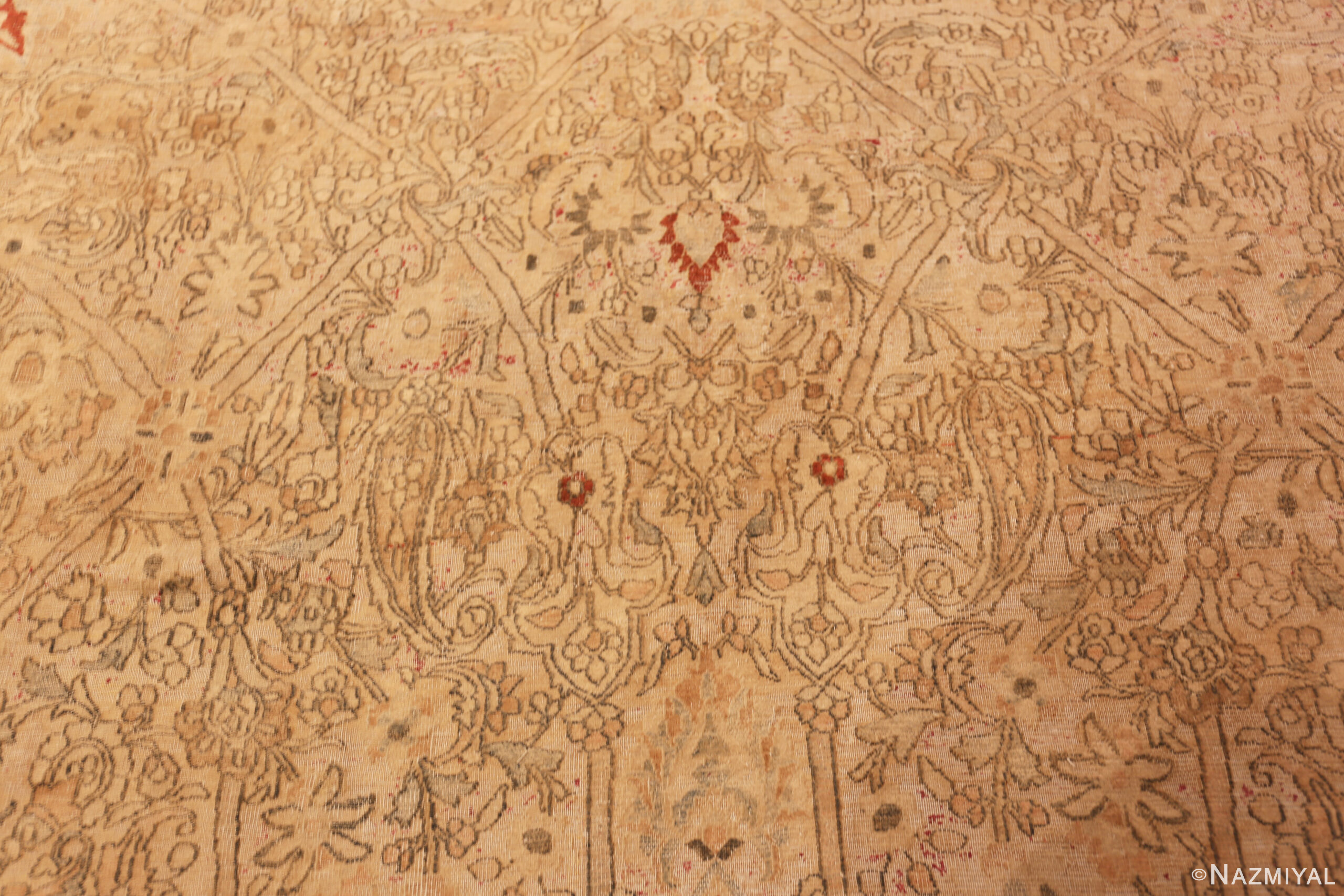
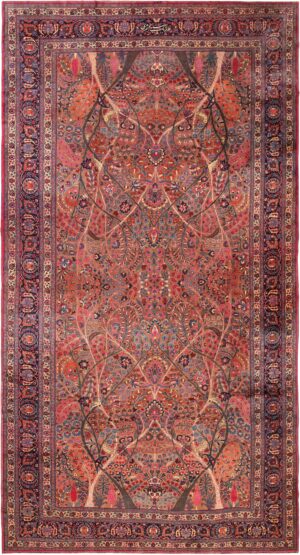
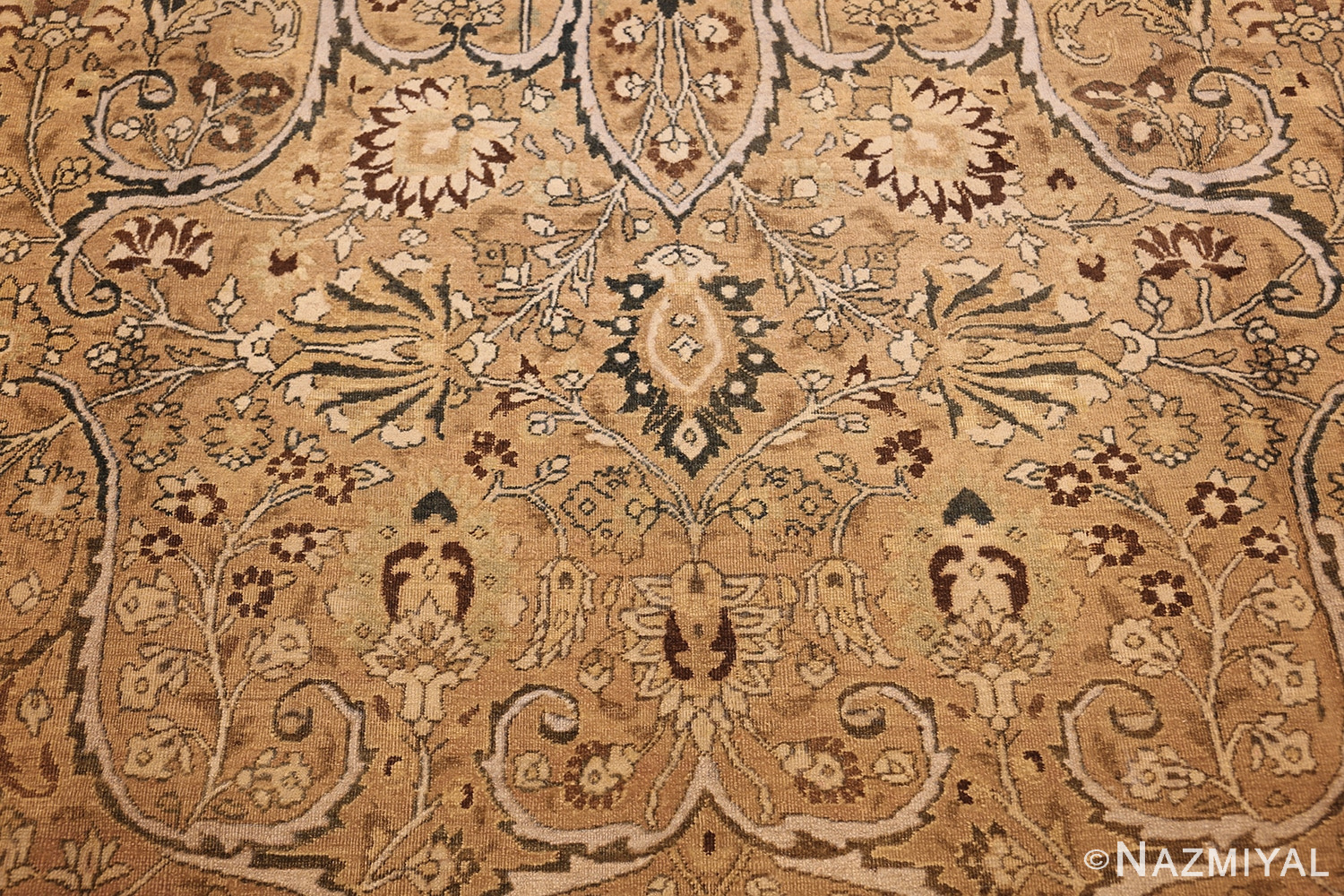
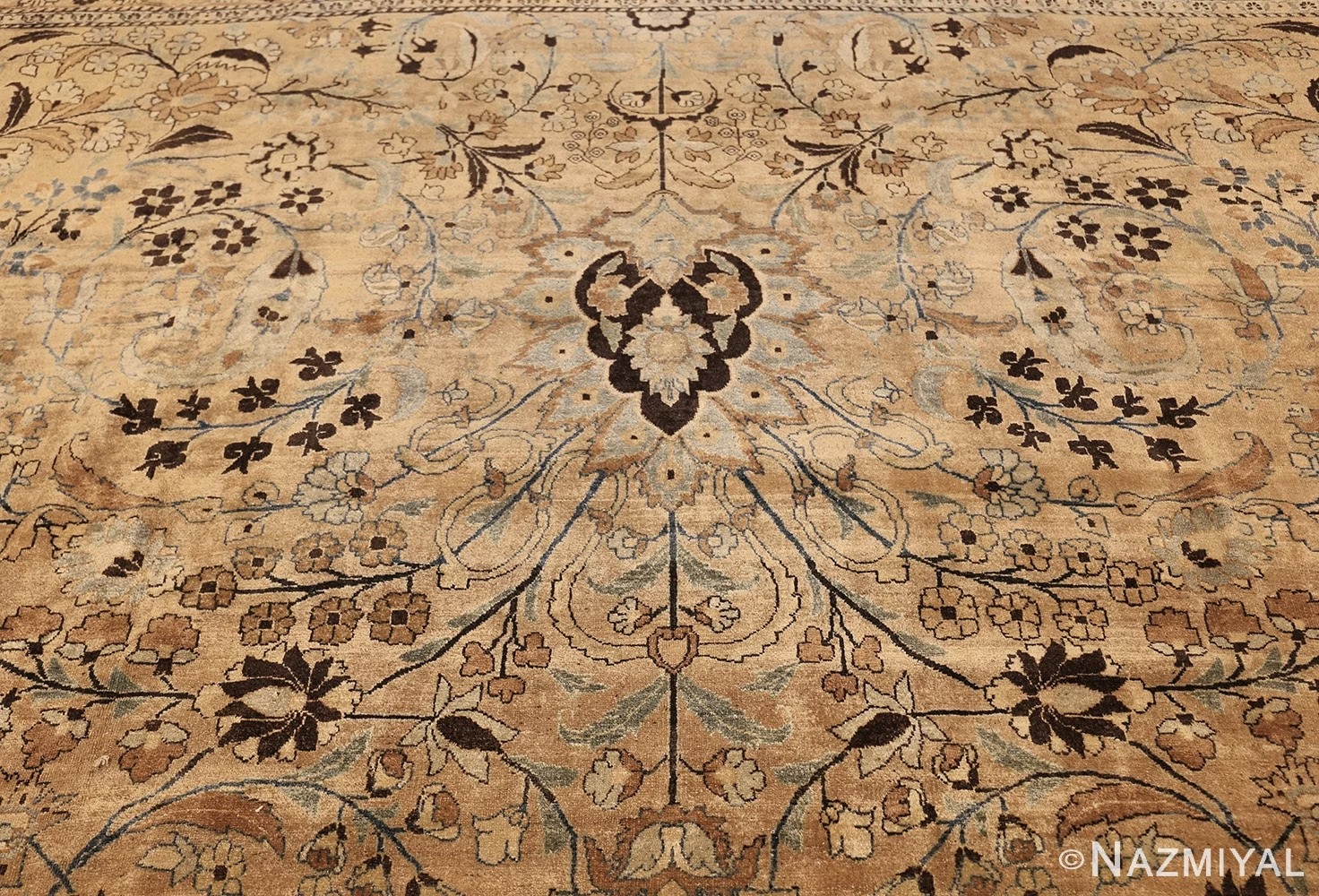
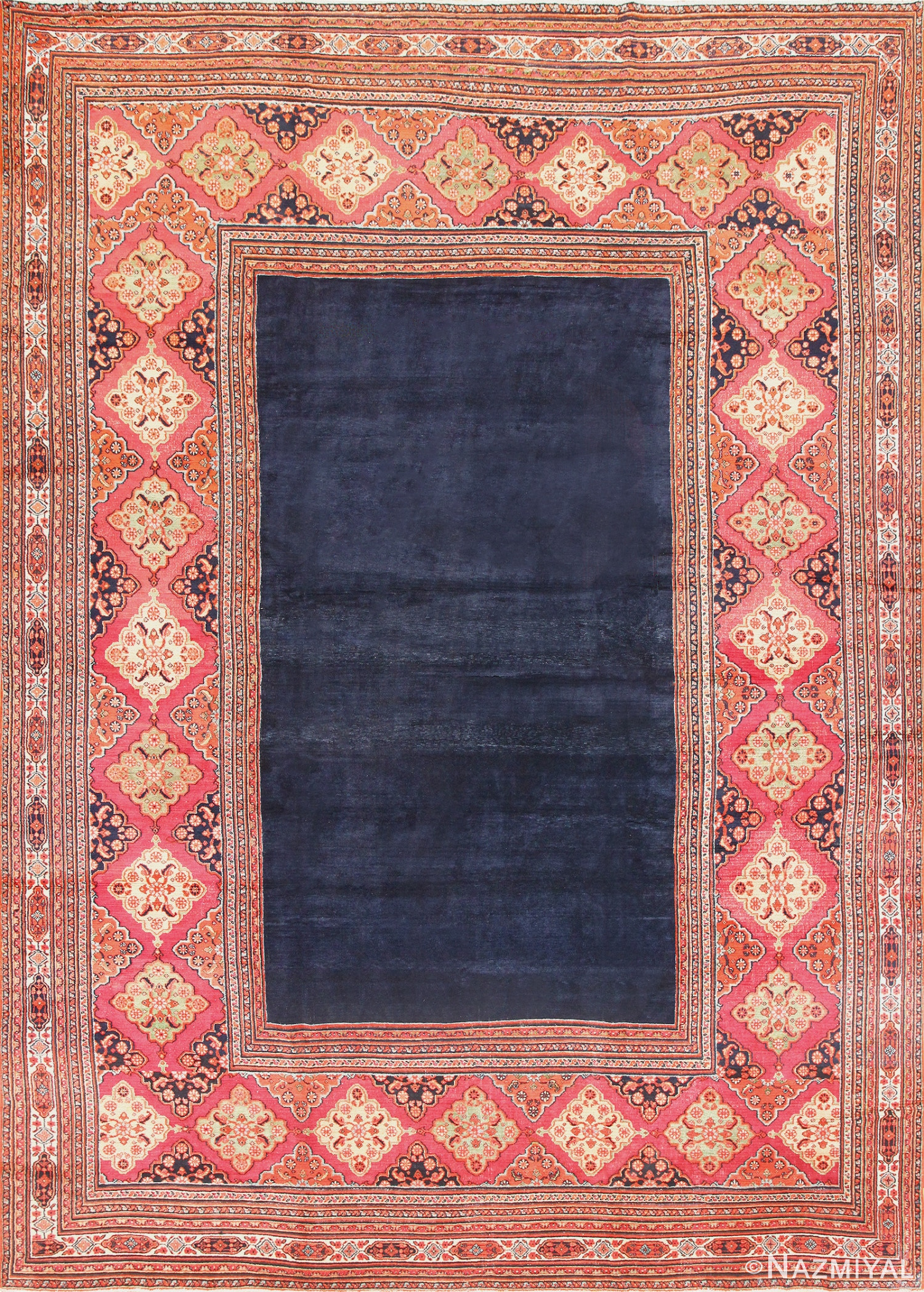
In the trade, “Khorassan” (also spelled Khorasan) can function as both a geographic attribution and a market umbrella for northeastern Persian workshop carpets. A strong Khorassan rug typically shows disciplined floral drawing, a clear border hierarchy, and a field design that reads at room scale (either a central medallion framework or a confident allover).
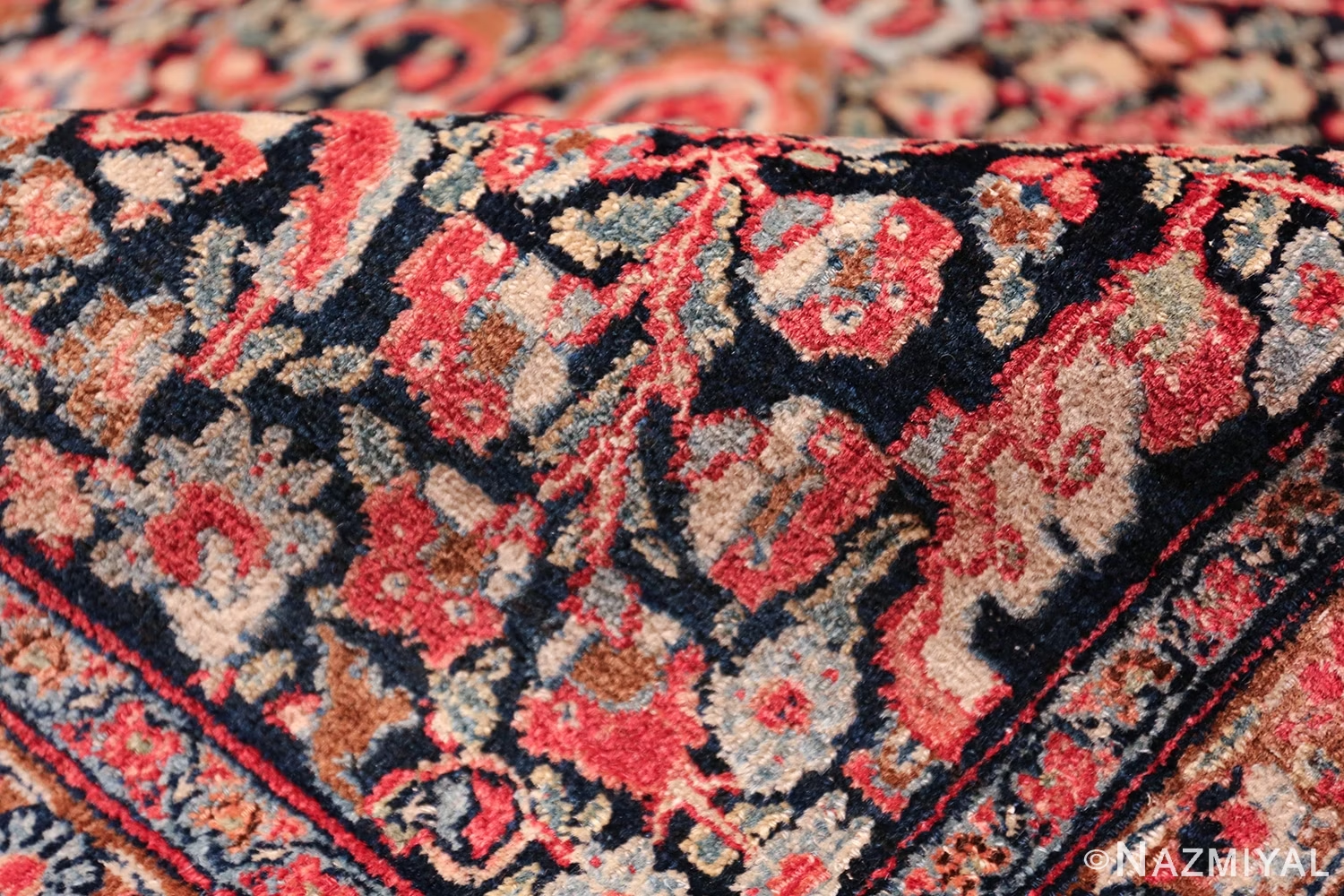
Foundation: cotton foundations are common in workshop examples; earlier pieces may vary.
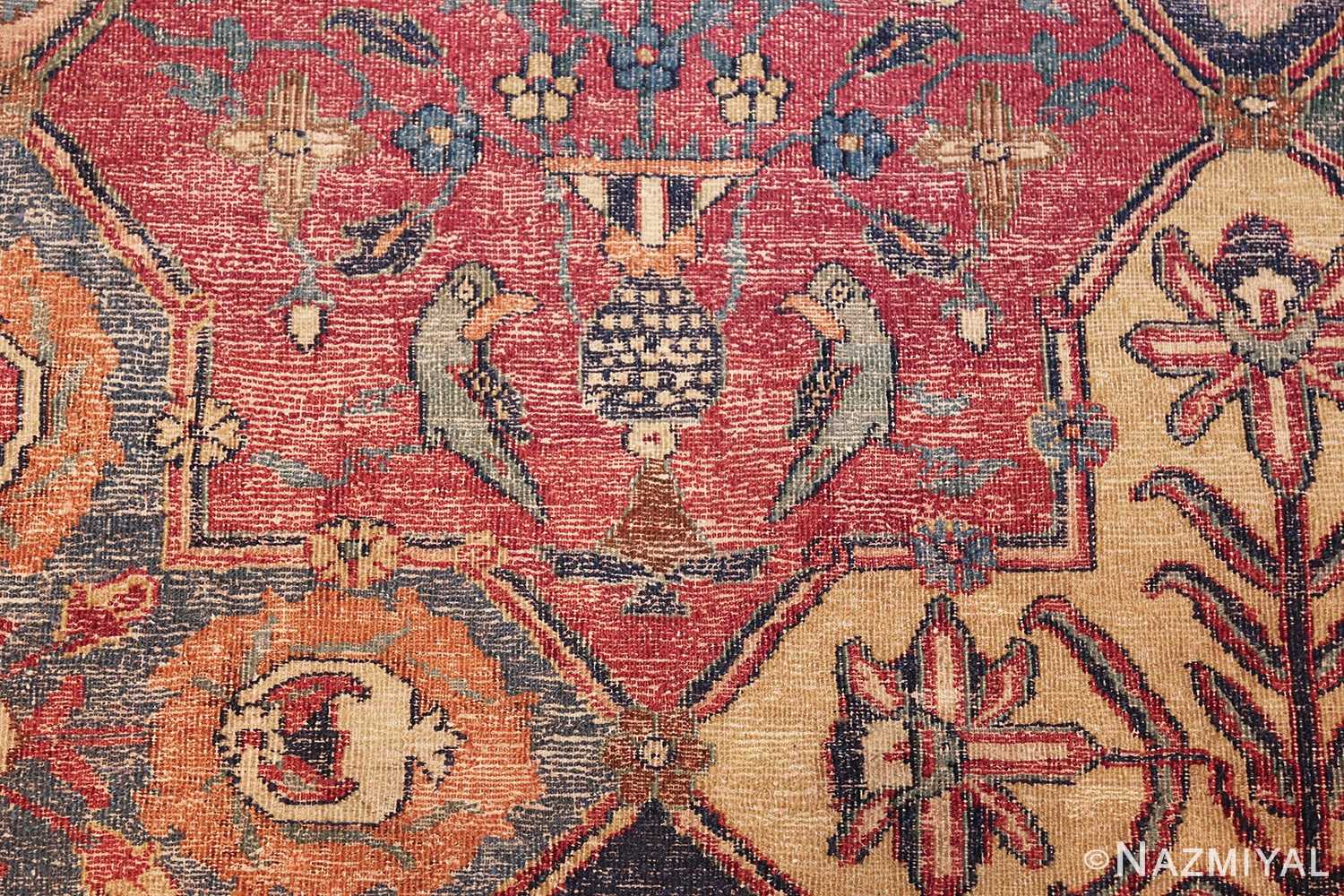
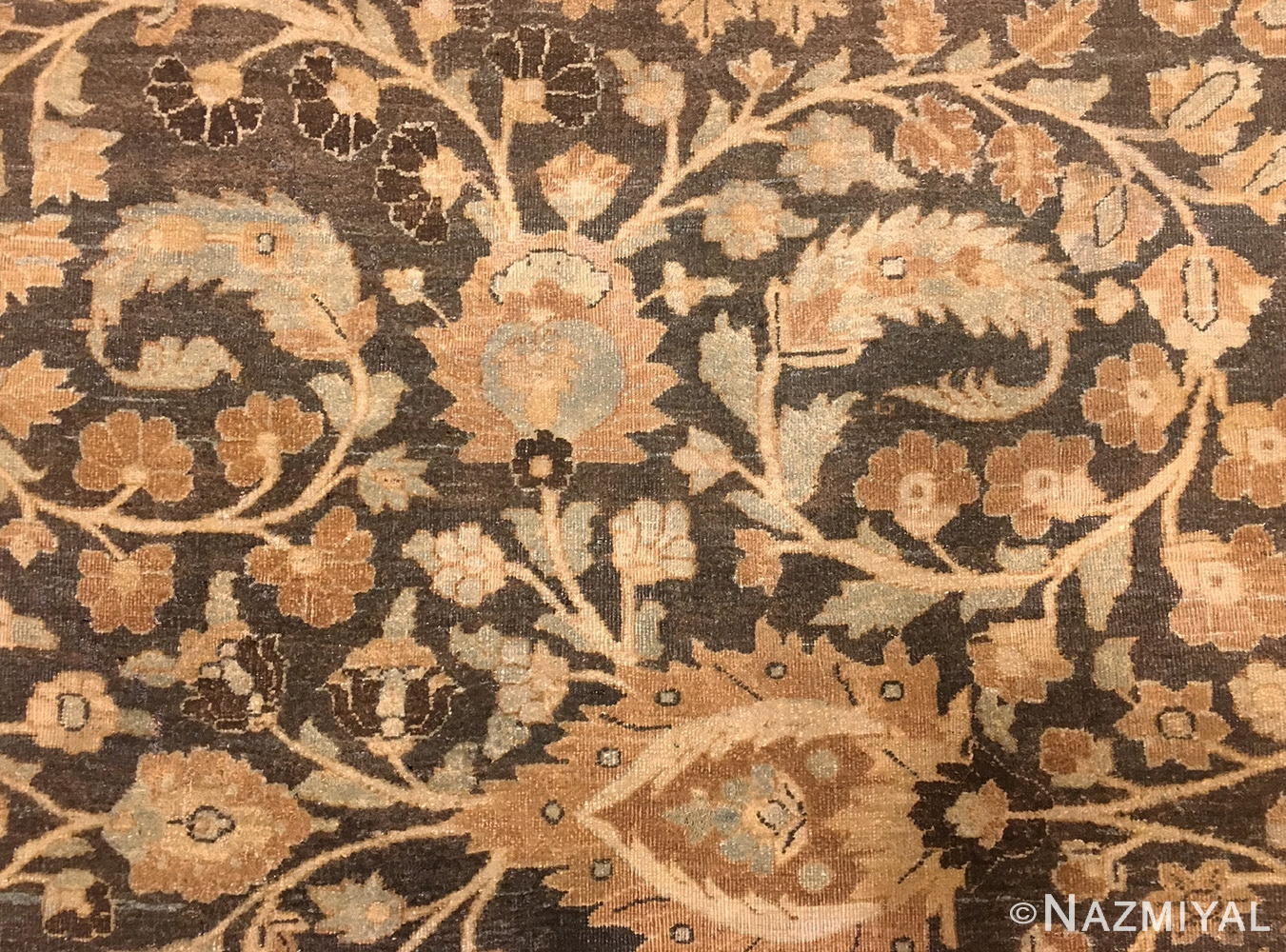
Pile: wool is standard, often with a rich hand and good resilience; select rugs use silk accents for definition.
Handle and density: many are medium-to-fine and made for practical room use, not just display.
Color character: look for depth and harmony across the field and borders rather than loud, flat color.
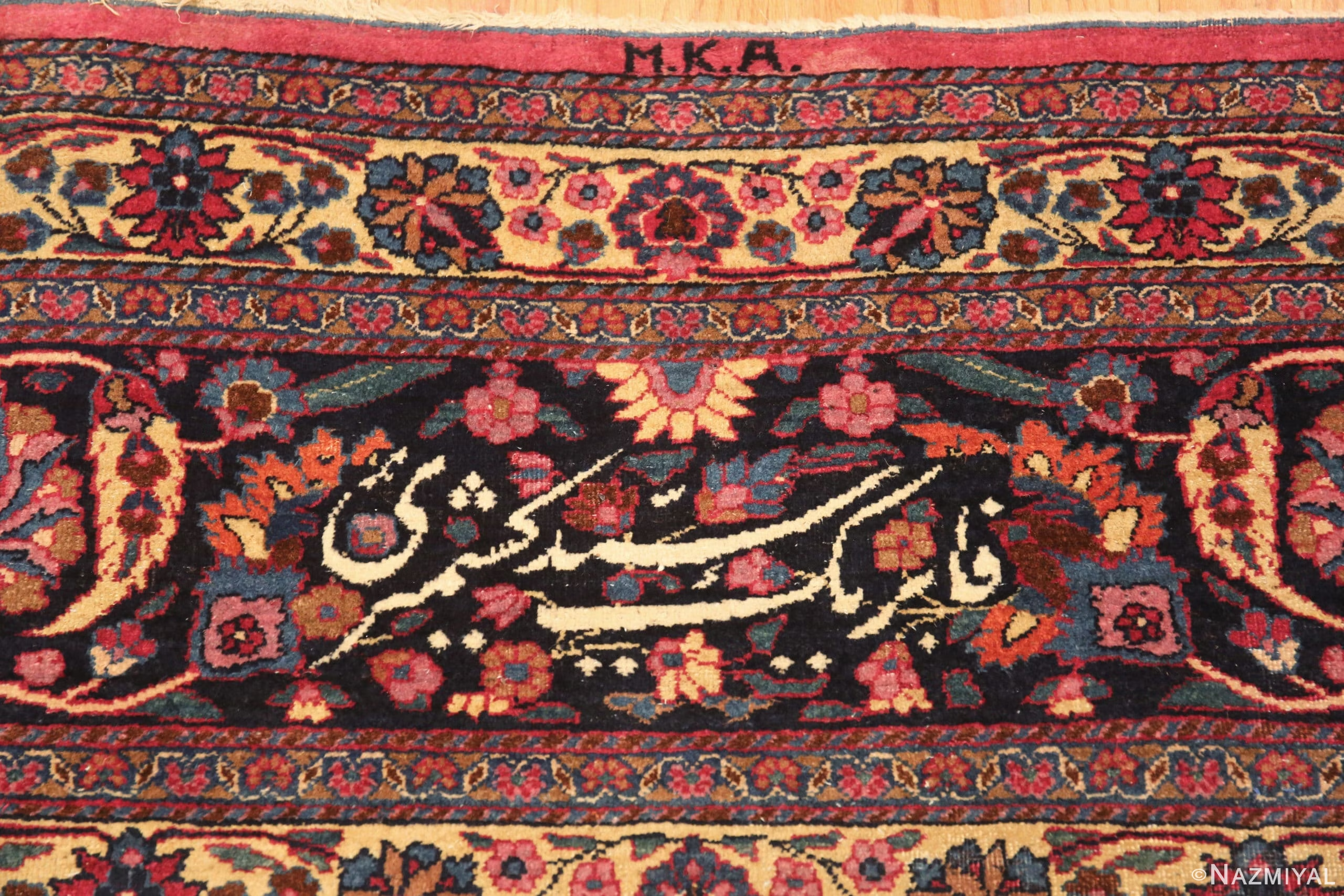
Because labels overlap (Khorassan / Mashad / Dorokhsh), the most reliable identifier is the combination of structure, drawing, and period cues—not the name on a listing.
Decorating & Placement Guidance
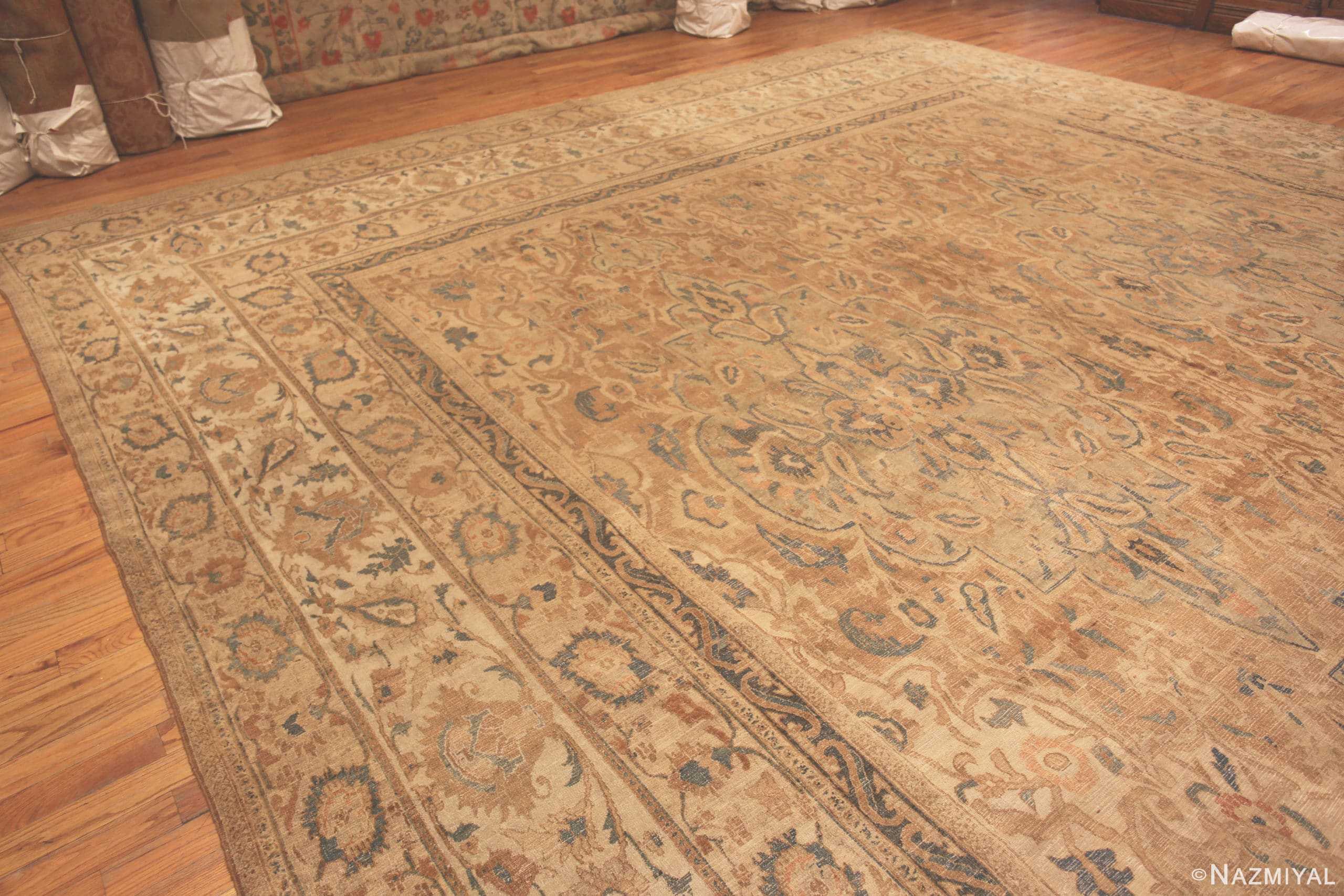
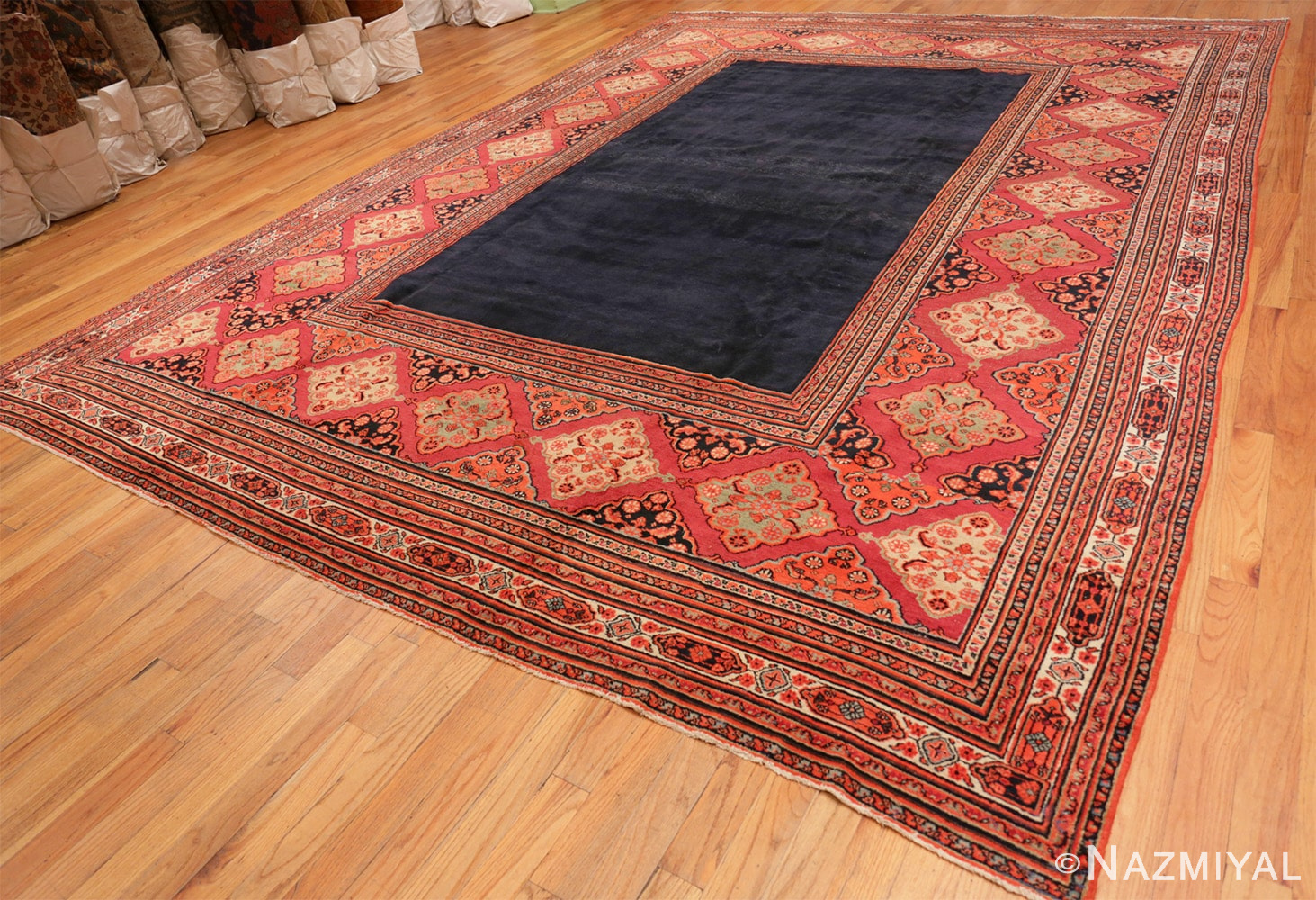
Khorassan rugs are especially effective when you need scale, warmth, and a classical anchor that won’t overpower a room. In real interiors, they can behave like the “base layer” designers expect from antique rugs, mix comfortably with collected vintage rugs, and still look intentional beside pared-back modern rugs in open-plan spaces.
Start with size: choose room coverage first, then decide medallion vs. allover based on furniture layout.
Match border weight to architecture: heavier borders suit classic rooms; lighter borders feel cleaner in contemporary spaces.
Use a proper pad: it reduces slippage and stress on edges and ends.
Dorokhsh rugs are often discussed alongside Khorassan because they are a prized Khorasan tradition with a reputation for finer weave, elegant drawing, and a quieter surface presence. Use this comparison as a practical buying lens.
Attribute
Khorassan Rugs
Dorokhsh Rugs (Closest Cousin)
What the label usually means
Regional umbrella for northeastern Persian workshop carpets
A more specific Khorasan tradition often associated with finer execution
Typical look
Classical florals at room scale; medallion or allover fields
More polished drawing with calmer, decorator-friendly balance
What to prioritize
Design clarity, border hierarchy, and sound structure
Weave refinement, surface condition, and graceful spacing
Best use cases
Large living rooms, dining rooms, libraries, primary bedrooms
It’s best understood as a regional category. In practice, “Khorassan” may refer to rugs woven in the Khorasan region and also to rugs marketed under the regional name when a more specific attribution is uncertain.
What designs are most common in Khorassan rugs?
Room-size classical Persian florals are typical, often built around a central medallion framework or a confident allover repeat with a clear border system and guard borders.
How do Dorokhsh rugs relate to Khorassan rugs?
Dorokhsh rugs are part of the broader Khorasan context and are often discussed as a more specific tradition with a reputation for finer execution and quieter, decorator-friendly color.
What should I check first when buying an antique Khorassan rug?
Start with structural condition—foundation integrity, edges, and ends—then evaluate drawing clarity, palette harmony, and whether the size works for your room.
Do Khorassan rugs work in modern interiors?
Yes. Their scale and mature palettes can anchor contemporary spaces, and their classical geometry pairs well with minimalist furniture when the border weight and pattern density are chosen thoughtfully.
Nazmiyal Collection has been a trusted source for antique rugs and vintage carpets for over 45 years. Our NYC gallery curates one-of-a-kind pieces with an emphasis on authenticity, provenance, and lasting decorative value.
Need help? Call us at (212) 545-8029 or visit our New York City showroom to work with a rug expert
             Posted on Google        Clay Pendergrast     Trustindex verifies that the original source of the review is Google. My wife and I are so pleased with the antique Uzbek Bokhara Rug purchased from the Nazmiyal Collection. Not only does the rug have a spectacular design, it also was very reasonably priced. The way it transforms our living room, reconciling the classic modern furniture with the 1913 Craftsman interior is remarkable.         Posted on Google        Terence Hayes     Trustindex verifies that the original source of the review is Google. I have purchased multiple rugs at multiple Nazmiyal auctions and I am extremely pleased with the quality, price, and experience.  Highly recommended!         Posted on Google        Victor Florintsev     Trustindex verifies that the original source of the review is Google. The only ones I'd ever buy rugs from. The best.         Posted on Google        Jeffrey NeumanB     Trustindex verifies that the original source of the review is Google. I bought two gorgeous Serapi rugs from Farhad at Nazmiyal Rugs!  Beautiful carpets, fair prices and great service.  Very happy customer.  Farhad (the sales person) was very patient and gave us great service.         Posted on Google        john haid     Trustindex verifies that the original source of the review is Google. Alen is a gentleman and an expert.  Really great to work with.         Posted on Google        Edward Yasuna     Trustindex verifies that the original source of the review is Google. I recently purchased a modern Kandinsky rug from Nazmiyal Auctions.  It was just as described, and the director (Farhad) of the auctions had it sent to me quickly and safely.  Payment was easy, the rug was reasonably priced, and I highly recommend Nazmiyal Auctions and Antique Rugs.  Quality merchandise and first-class service.         Posted on Google        Nicholas Carr     Trustindex verifies that the original source of the review is Google. Had a excellent experience buying a rug in Nazmiyal's 1/18/26 online auction.  First, prior to the auction, viewing a number of lots at the 32nd St showroom (I had prepared a list from the online catalog). The staff were great to work with: helpful, knowledgable, honest, and flexible.  Second, after placing an online bid and winning the desired item, arranging payment and pickup was simple and straightforward. Everything went seamlessly and the overall experience was educational and fun. Many thanks to Jason and his team.         Posted on Google        Andrea Gared     Trustindex verifies that the original source of the review is Google. Everyone at Naziyal is proffessional, especially Jason and Farhad.
They are knowledgeable, truthful, and true gentlemen. I have sold several rugs through them and will always go to them first, to buy or sell. The best in the business!
THE NAZMIYAL NEWSLETTER
Discover Your Next Favorite Rug
Get new arrivals, rug inspiration, educational blogs, and collection highlights delivered to your inbox.
By subscribing, you agree to receive marketing emails from Nazmiyal. Unsubscribe anytime. View our Privacy Policy.