Antique American Quilts: Historic Patchwork, Folk Art, and Textile Design
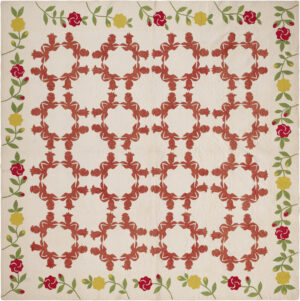
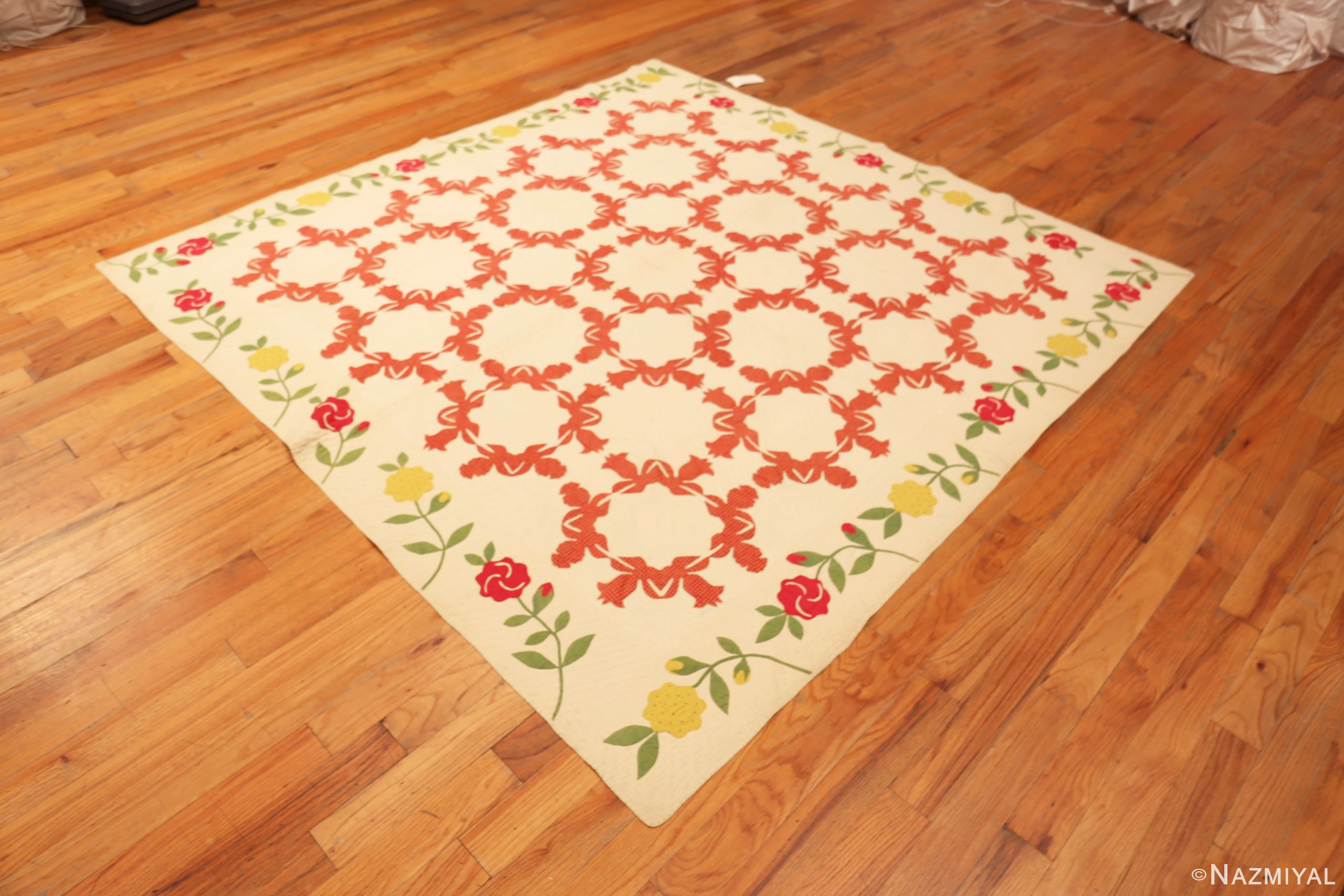
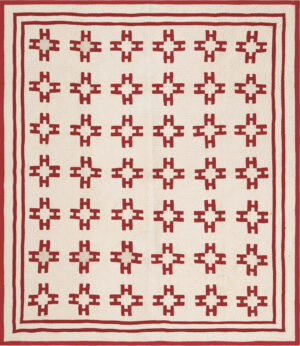
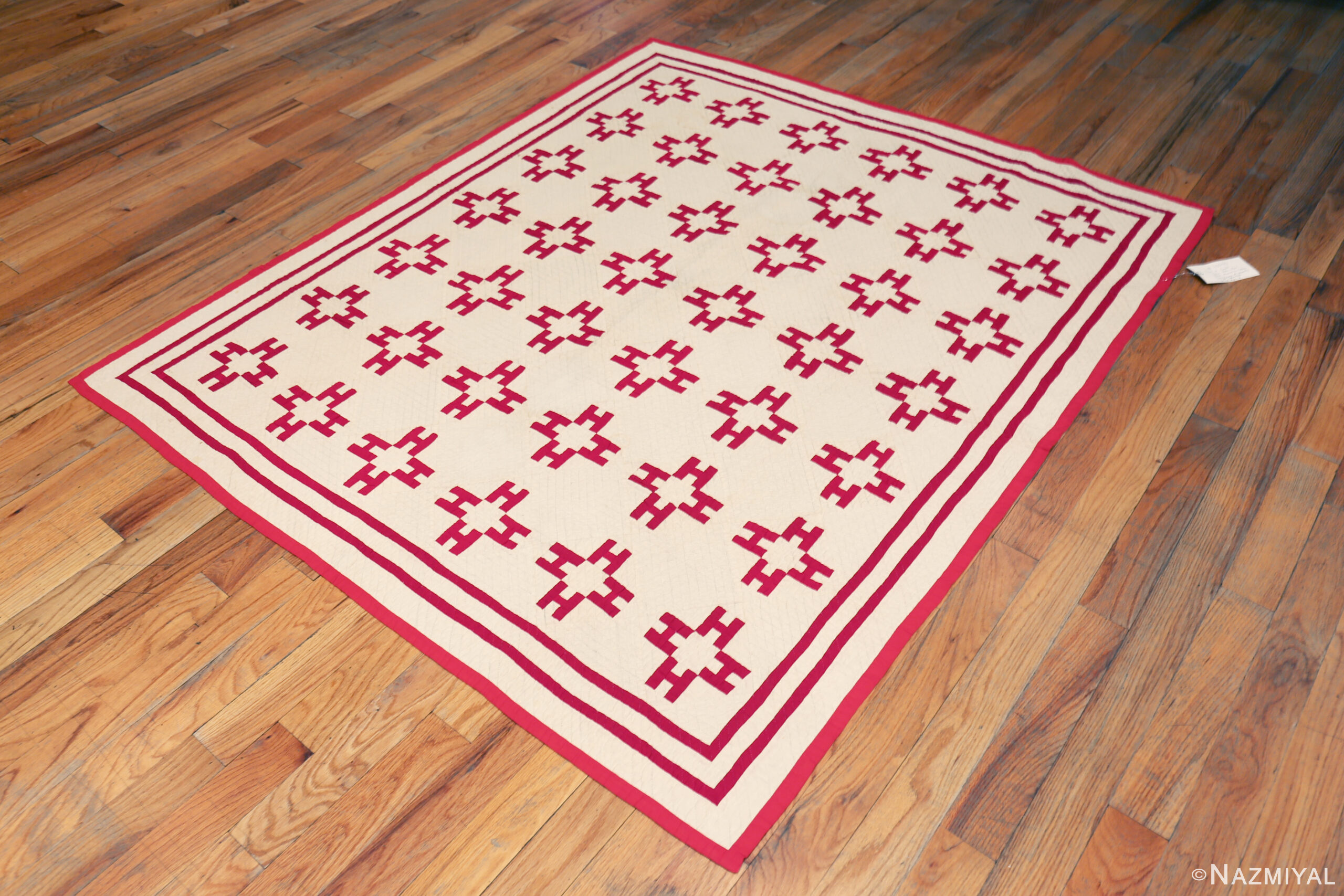
Antique quilts bring together craft, color, and cultural history—often as boldly graphic as any work on canvas. At Nazmiyal Antique Rugs, you can shop authentic quilts with strong pattern, expressive fabrics, and the kind of handwork collectors and designers look for. For broader context across stitched, woven, and embroidered works, explore our Antique Textiles & Embroideries collection—where quilts sit alongside suzani, ikat, tapestry, and other rare decorative arts.
Antique quilts are layered textile works—typically a pieced or appliquéd top, batting, and a backing—stitched together for warmth, display, and lasting decorative impact.
Collector-level curation: emphasis on design, authenticity, and standout examples.
Real-world guidance: scale, placement, and care advice for living spaces and projects.
White-glove logistics: practical support from selection to delivery—worldwide.
How to Identify an Antique Quilt
Start with the fundamentals: a true antique quilt usually shows consistent handwork—small, even quilting stitches and construction details that match its era. Period fabrics often include feed-sack prints, early calicos, or other distinctive textiles, and the back may reveal more about age than the front. Look for natural wear where a quilt would realistically fold and rub, and be cautious of “perfect” surfaces that feel too new.
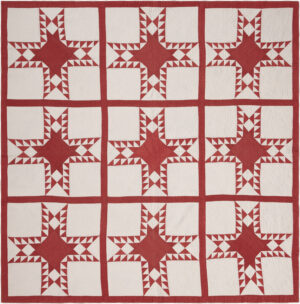
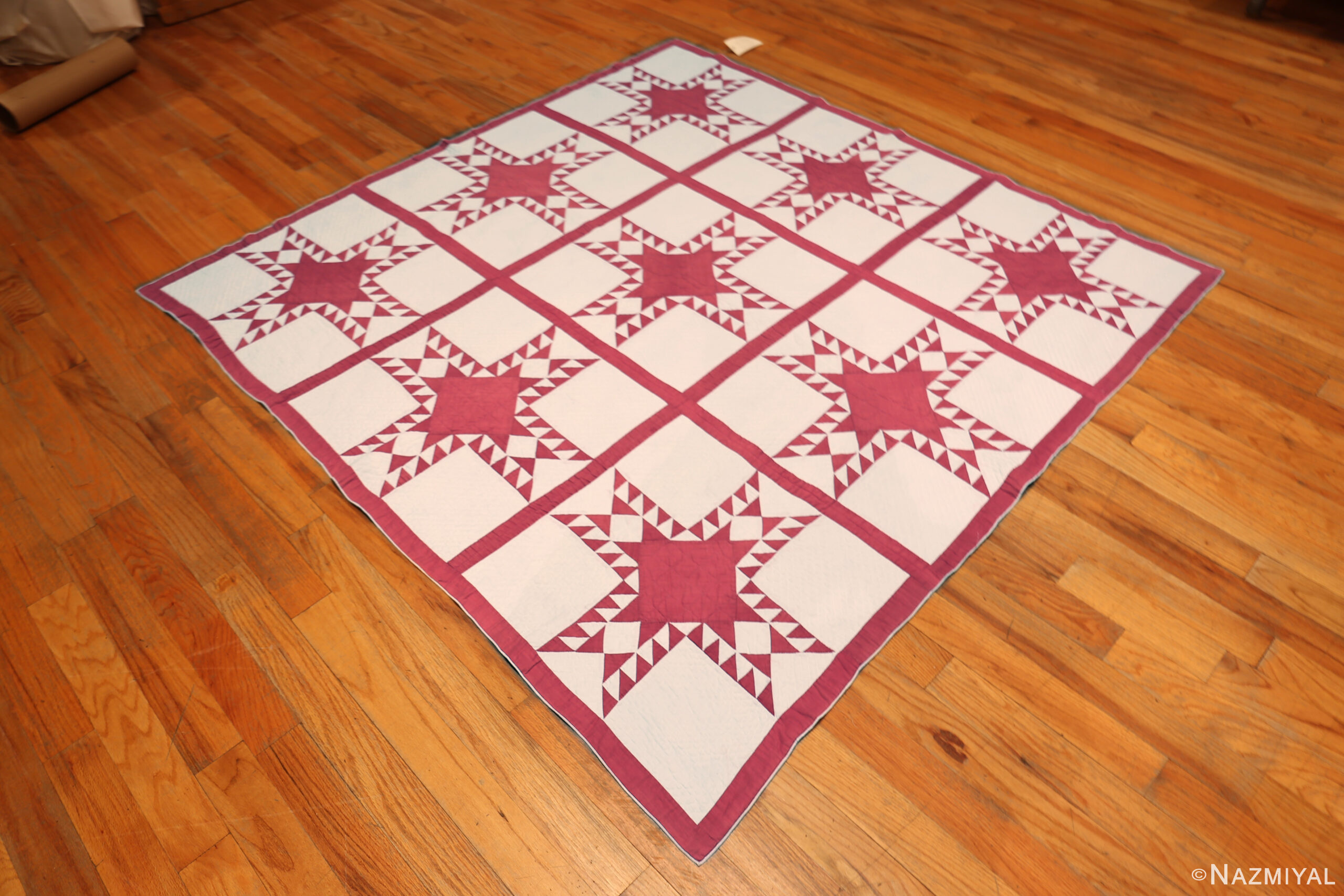
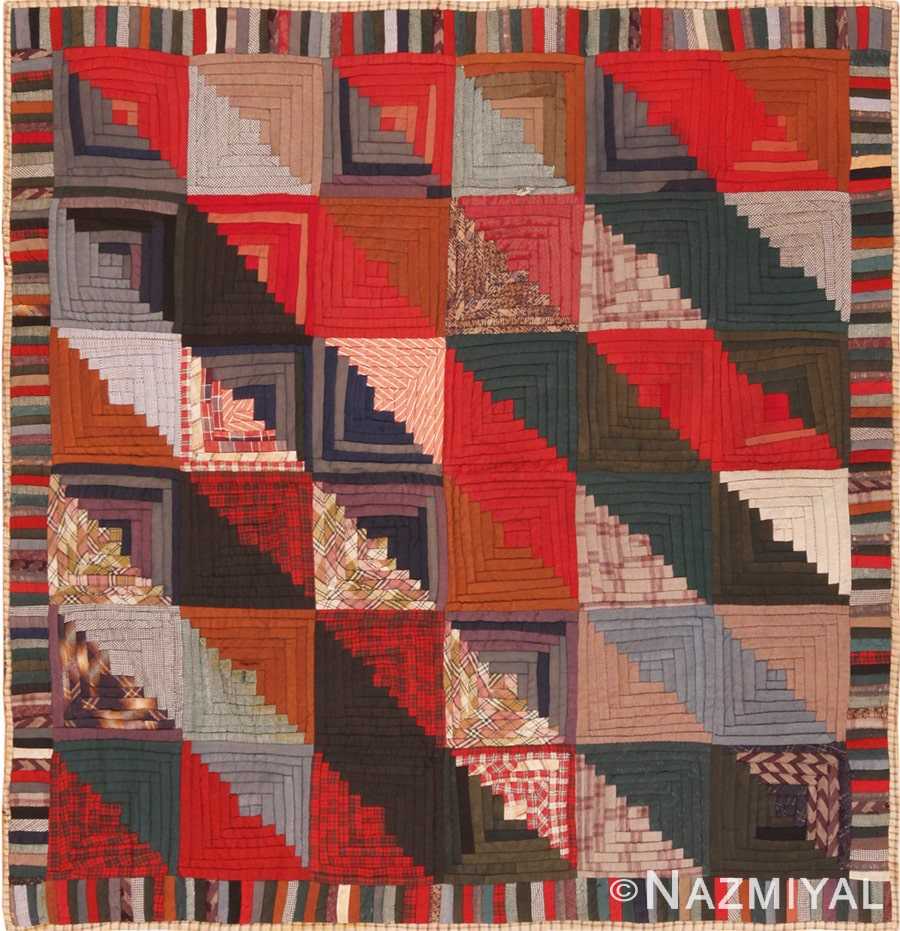
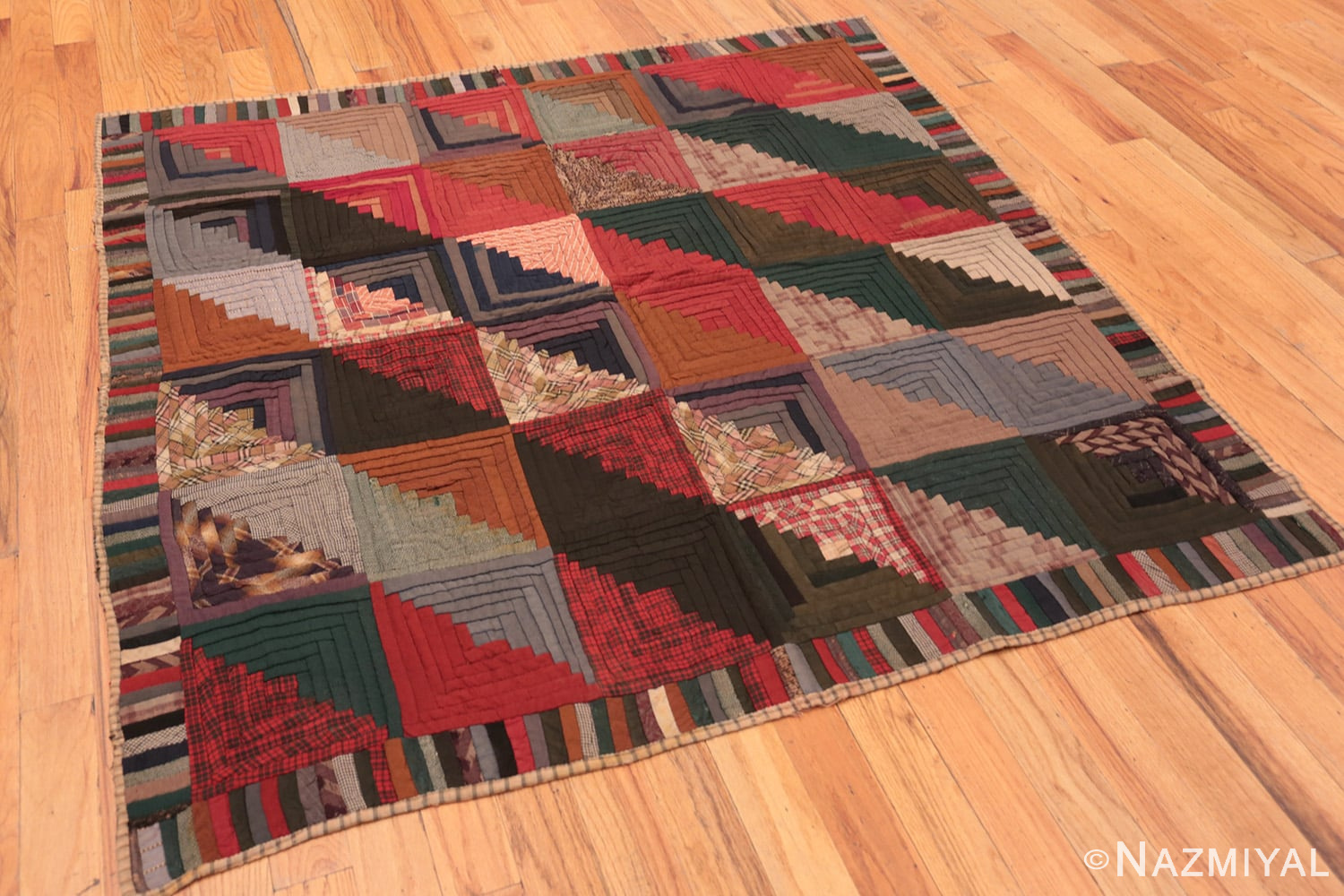
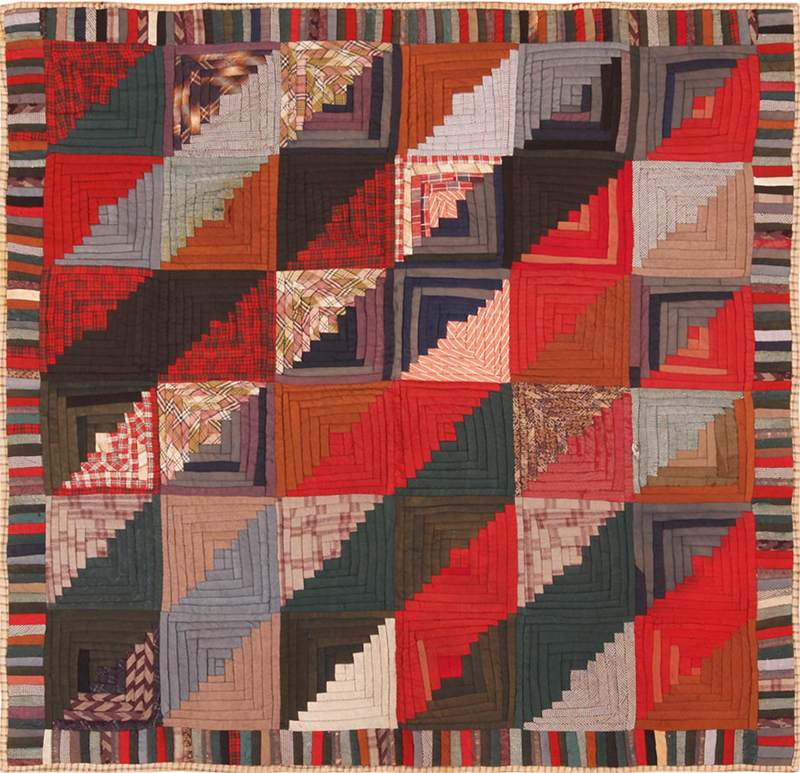
Pattern history can also help: classics like Star of Bethlehem, Ohio Star, log cabin, and honeycomb/hexagon patchwork often appear in documented 19th- and early 20th-century quilting traditions. When provenance is available (family history, museum references, or regional attribution), it can add meaningful context.
Materials & Construction
Most antique quilts are built from three layers: a pieced or appliquéd top, a batting layer for loft, and a backing cloth. Cotton is common for tops and backs, while batting may be cotton or wool depending on period and region. Quilting stitches can be purely structural or used to draw secondary patterning—echoing motifs, outlining shapes, or creating allover texture.
Quilt types you’ll commonly encounter include:
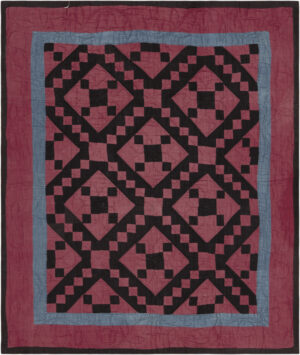
Patchwork: small fabric pieces assembled into blocks or repeating geometry.
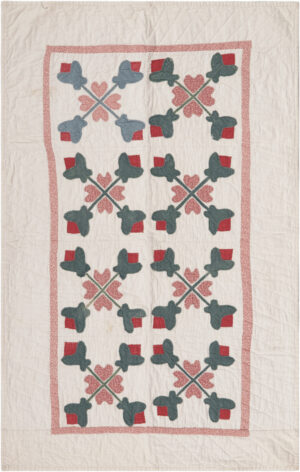
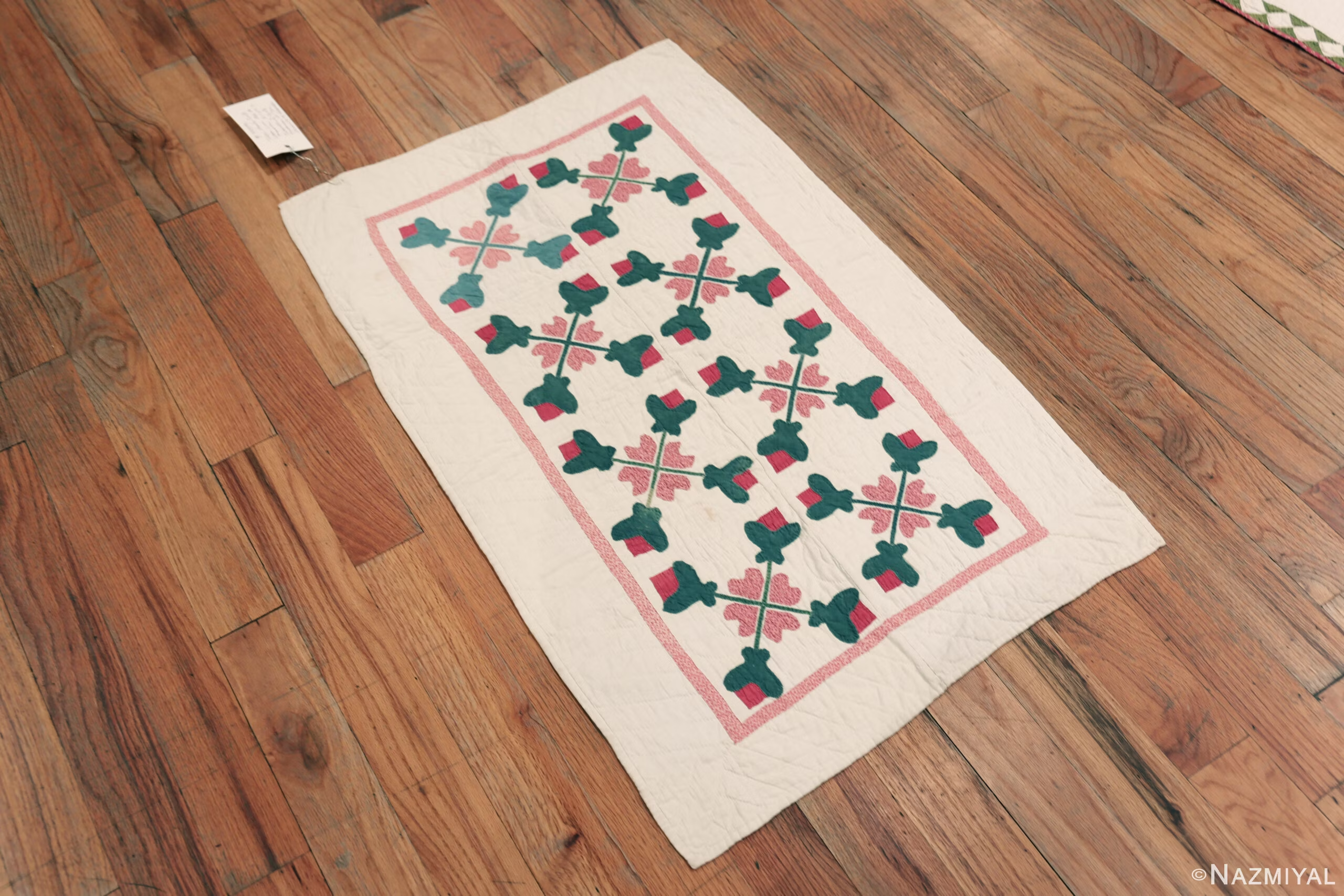
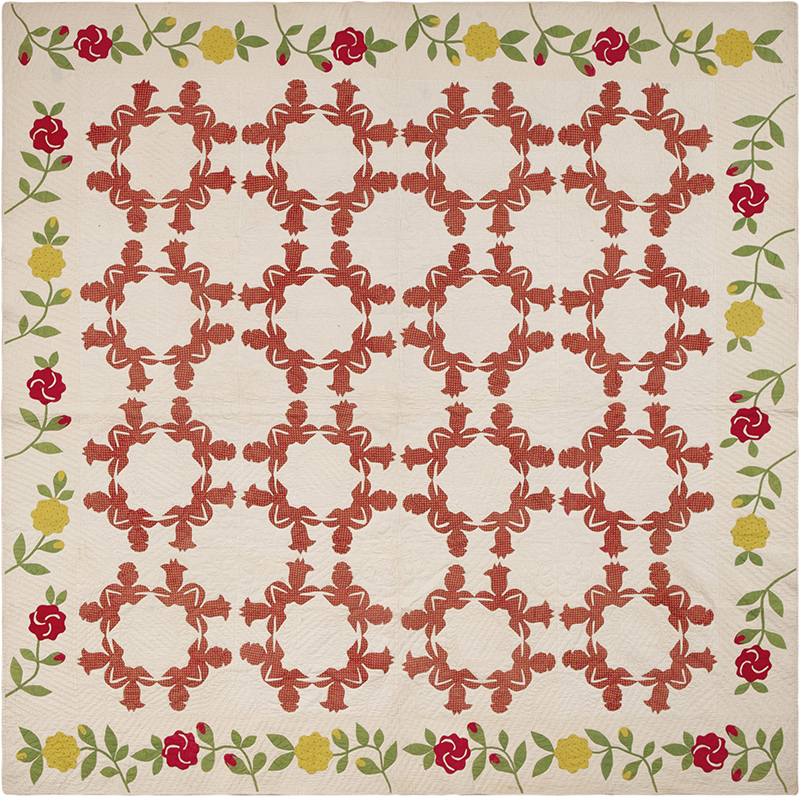
Appliqué: shapes applied onto a ground fabric, often floral, pictorial, or emblematic.
Whole-cloth: a single main cloth top with quilting providing the design interest.
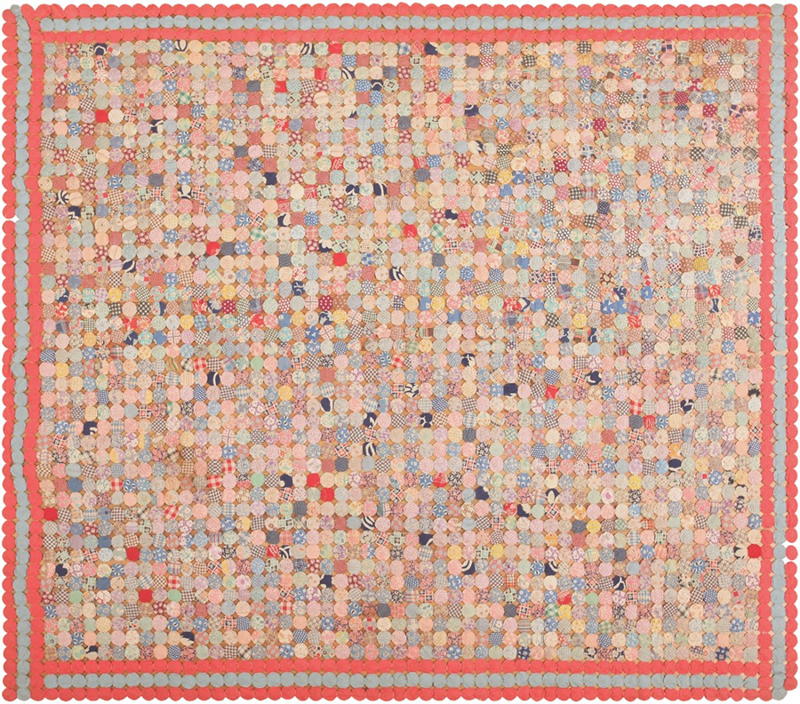
Yo-yo: gathered fabric circles joined into a field—graphic, playful, and highly collectible.
Decorating with Antique Quilts
Antique quilts are design powerhouses: they soften hard architecture, add color without glare, and bring a lived-in layer that feels personal. They work beautifully in both historic interiors and clean-lined contemporary rooms—hung as textile art, draped over a sofa, or placed as a top layer on a bed.
For a layered, gallery-like approach, pair quilts with Antique rugs, mix in complementary Vintage rugs, or keep the room crisp with a Modern rugs foundation and let the quilt provide the story.
Wall display tip: use proper support (sleeve + rod, or conservation-style mounting) to avoid stress on stitches.
Color strategy: pull one or two quilt colors into pillows, art, or ceramics for cohesion.
Scale: larger quilts can read like murals; smaller pieces work as layered accents.
Value & Collecting
Value is driven by design clarity, color, rarity of pattern, condition, and—when available—provenance. Some quilts gained “fine art” attention in the 20th century, including landmark museum exhibitions that reframed quilts as abstract design and American visual culture. Other quilts are prized for folk-art energy, scrappy improvisation, or exceptional stitching.
If you collect textiles broadly—alongside Persian rugs, needlework, or woven pieces—quilts offer a different kind of connoisseurship: fabric selection, handwork, and graphic composition often matter as much as age alone.
Related Rugs
Quilts sit at the crossroads of bedding, folk art, and decorative textiles. If you love quilts for their pattern and handwork, these categories often feel like a natural next step—especially for wall display, layered interiors, and Americana-focused collecting.
Look for period-appropriate fabrics, consistent hand stitching, and natural wear patterns. When available, provenance or regional attribution can help confirm age and context.
Can antique quilts be used on a bed?
Yes—many collectors use them gently as a top layer. If you want to preserve condition, rotate use and avoid high-friction daily wear.
What’s the best way to display an antique quilt on a wall?
Use proper support (sleeve + rod, or conservation-style mounting) to distribute weight evenly and avoid stressing seams.
How should I clean an antique quilt?
Avoid aggressive washing. Light vacuuming through a screen (low suction) can remove surface dust; for deeper care, consult a textile conservator or experienced professional.
Do repairs reduce value?
It depends on visibility, quality, and extent. Sensitive, well-done stabilization can be acceptable, but heavy restoration or replaced sections may impact collectability.
What patterns are most collectible?
Strong geometric classics (stars, log cabin, hexagon/honeycomb) and exceptional folk-art or yo-yo examples are consistently sought after—especially with great color and scale.
Nazmiyal White-Glove Service
We make it easy to shop with confidence—whether you’re choosing a single statement piece or curating a full room.
Trustindex verifies that the original source of the review is Google.
My wife and I are so pleased with the antique Uzbek Bokhara Rug purchased from the Nazmiyal Collection. Not only does the rug have a spectacular design, it also was very reasonably priced. The way it transforms our living room, reconciling the classic modern furniture with the 1913 Craftsman interior is remarkable.
Posted on Google
Terence Hayes
Trustindex verifies that the original source of the review is Google.
I have purchased multiple rugs at multiple Nazmiyal auctions and I am extremely pleased with the quality, price, and experience. Highly recommended!
Posted on Google
Victor Florintsev
Trustindex verifies that the original source of the review is Google.
The only ones I'd ever buy rugs from. The best.
Posted on Google
Jeffrey NeumanB
Trustindex verifies that the original source of the review is Google.
I bought two gorgeous Serapi rugs from Farhad at Nazmiyal Rugs! Beautiful carpets, fair prices and great service. Very happy customer. Farhad (the sales person) was very patient and gave us great service.
Posted on Google
john haid
Trustindex verifies that the original source of the review is Google.
Alen is a gentleman and an expert. Really great to work with.
Posted on Google
Edward Yasuna
Trustindex verifies that the original source of the review is Google.
I recently purchased a modern Kandinsky rug from Nazmiyal Auctions. It was just as described, and the director (Farhad) of the auctions had it sent to me quickly and safely. Payment was easy, the rug was reasonably priced, and I highly recommend Nazmiyal Auctions and Antique Rugs. Quality merchandise and first-class service.
Posted on Google
Nicholas Carr
Trustindex verifies that the original source of the review is Google.
Had a excellent experience buying a rug in Nazmiyal's 1/18/26 online auction. First, prior to the auction, viewing a number of lots at the 32nd St showroom (I had prepared a list from the online catalog). The staff were great to work with: helpful, knowledgable, honest, and flexible. Second, after placing an online bid and winning the desired item, arranging payment and pickup was simple and straightforward. Everything went seamlessly and the overall experience was educational and fun. Many thanks to Jason and his team.
Posted on Google
Andrea Gared
Trustindex verifies that the original source of the review is Google.
Everyone at Naziyal is proffessional, especially Jason and Farhad.
They are knowledgeable, truthful, and true gentlemen. I have sold several rugs through them and will always go to them first, to buy or sell. The best in the business!
THE NAZMIYAL NEWSLETTER
Discover Your Next Favorite Rug
Get new arrivals, rug inspiration, educational blogs, and collection highlights delivered to your inbox.
By subscribing, you agree to receive marketing emails from Nazmiyal. Unsubscribe anytime. View our Privacy Policy.