Key Takeaways
- Expect a folk-art look: graphic geometry, strong spacing, and an intentionally rustic weave.
- Many examples use a limited palette (often two-tone) with contrast-driven motifs.
- They work especially well when you want texture and pattern without a heavy, ornate feel.
At-a-Glance Specs
- Origin: Spain (Alpujarras region, Andalusia)
- Typical structure: flatwoven construction with a firm, textural handle
- Design grammar: bold geometry • repeated devices • strong borders and banding
- Palette: limited colors • high contrast • frequent two-tone treatments
- What to look for: clear pattern rhythm • even wear • stable edges and ends • honest, well-preserved texture
Popular Searches
Large rugs | Oversized rugs | Floral rugs | Allover rugs | Medallion layouts | Shop by color | Rug size guide
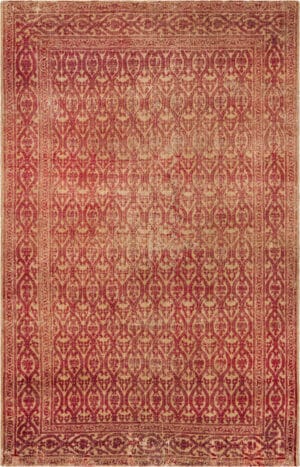
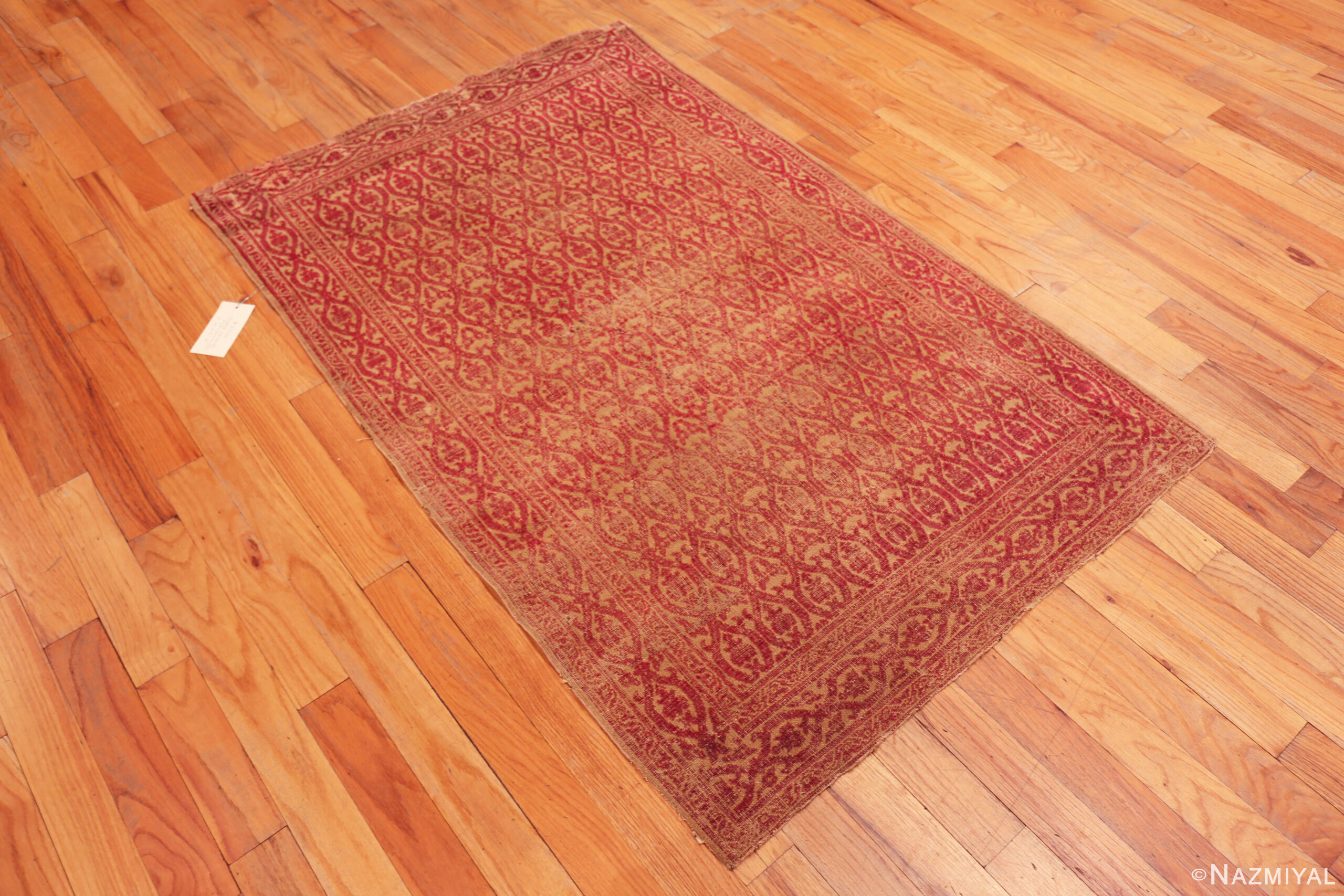
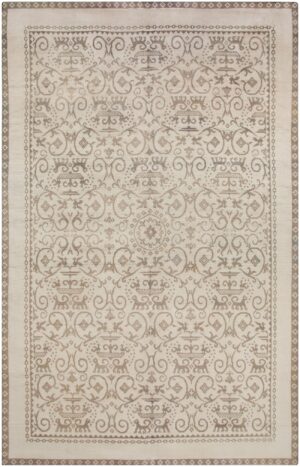
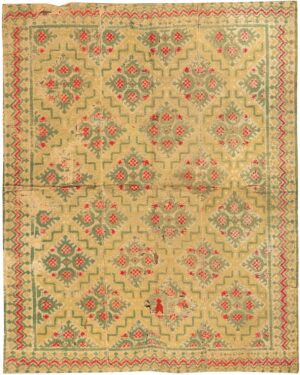
Featured Alpujarra Rugs
Identification & Construction
If you’re trying to identify an Alpujarra rug, start with the “read” of the surface: these textiles typically prioritize rhythm, contrast, and texture over fine curvilinear detail. Look for a straightforward geometric vocabulary (bands, stepped forms, repeating devices) and a purposeful restraint in color.
- Texture-first weave: a coarser, more tactile handle that feels intentionally rustic.
- Color discipline: limited palettes with high-contrast patterning; two-tone treatments are common.
- Ends and fringe: many pieces show distinctive finishing at the ends (including contrasting, separately woven fringe on some examples).
For broader context on origin-based traditions, see Rug Origins.
Decorating & Placement Guidance
Alpujarra rugs are excellent when you want warmth and pattern without an overly formal mood. Their graphic geometry can anchor a seating group, add structure to an open-plan space, or introduce a collected, artisanal layer in minimal interiors. They pair naturally with patinated woods, ceramics, and simple upholstery.
If you’re mixing periods, treat an Alpujarra as a strong “texture + geometry” note alongside curated antique rugs, characterful vintage rugs, and clean-lined modern rugs.
Alpujarra Rugs vs Cuenca Rugs
The closest cousin to Alpujarra rugs on the Spanish side is often Cuenca rugs. Both are part of the wider Iberian tradition, but they tend to differ in feel, finish, and how the design presents in a room.
| Feature | Alpujarra Rugs | Cuenca Rugs |
|---|
| Overall look | Rustic, folk-art geometry | Often more formal or courtly in presentation |
| Texture | Coarser, tactile, flatweave-forward feel | Varies; many examples read more “carpet-like” in finish |
| Palette | Frequently limited, high-contrast, sometimes two-tone | Can lean richer or more varied depending on the piece |
| Best use | Adding structure and texture to relaxed interiors | Statement rooms, formal spaces, or historically styled interiors |
| Collector note | Valued for regional character and unmistakable graphic rhythm | Valued for Spanish tradition and often more “courtly” design language |
If your goal is a more classical, workshop-driven tradition with a deep historical design vocabulary, you may also want to compare against Persian rugs.
Closest Cousins
Glossary
- Flatweave: a rug woven without a raised pile, valued for clarity, durability, and texture.
- Allover design: pattern distributed across the field rather than centered on one medallion.
- Border system: the framing bands that define the perimeter and organize the field visually.
For more definitions you can actually use, see the Rug Glossary.
FAQ
What are Alpujarra rugs?
Alpujarra rugs are Spanish rugs associated with the Alpujarras region near Granada, known for rustic texture, geometric patterning, and restrained color.
Are Alpujarra rugs flatwoven?
Many Alpujarra examples are flatwoven or have a flatweave-forward construction and feel, which contributes to their graphic clarity and tactile surface.
What colors are common in Alpujarra rugs?
A limited, high-contrast palette is typical. Many pieces emphasize two-tone patterning, sometimes with additional accent colors used in finishing details.
How do I decorate with an Alpujarra rug?
Use them to add structure and texture—especially in living rooms, studies, and bedrooms where you want pattern that reads artisanal rather than ornate.
What should I check before buying?
Look for stable edges and ends, clear pattern rhythm, and honest wear consistent with age. If you want help assessing a specific piece, contact a Nazmiyal specialist.
Are they good for high-traffic areas?
Construction and condition vary by piece, but many Alpujarra rugs are practical for everyday spaces when the structure is stable and the surface is sound.
Why Nazmiyal Collection? 3 Pillars of Nazmiyal Collection
Buying a rug is easiest when the sourcing and the guidance are as strong as the inventory.
- Unmatched Inventory Depth
- Rigorous Authenticity Standards (expert-vetted & accurately represented)
- Expert Advisory (real guidance on size/placement/value)
Nazmiyal White-Glove Service
We make it easy to shop with confidence—whether you’re choosing a single statement piece or curating a full room.
Nazmiyal Link Map
UPLINKS
DOWNLINKS
LATERALS
REFERENCE LINKS
Nazmiyal Collection has been a trusted source for antique rugs and vintage carpets for over 45 years. Our NYC gallery curates one-of-a-kind pieces with an emphasis on authenticity, provenance, and lasting decorative value.
Need help? Call us at (212) 545-8029 or visit our New York City showroom to work with a rug expert.
Updated January 22, 2026 • Reviewed by Jason Nazmiyal