
Buying an area rug should never feel overwhelming. A great rug has the power to shape a room, elevate the architecture, and soften the entire energy of a home. It brings history, texture, and soul into a space in a way no other design element can. But with thousands of rug styles, qualities, origins, and price ranges on the market, most consumers simply don’t know where to begin. This guide solves that problem.
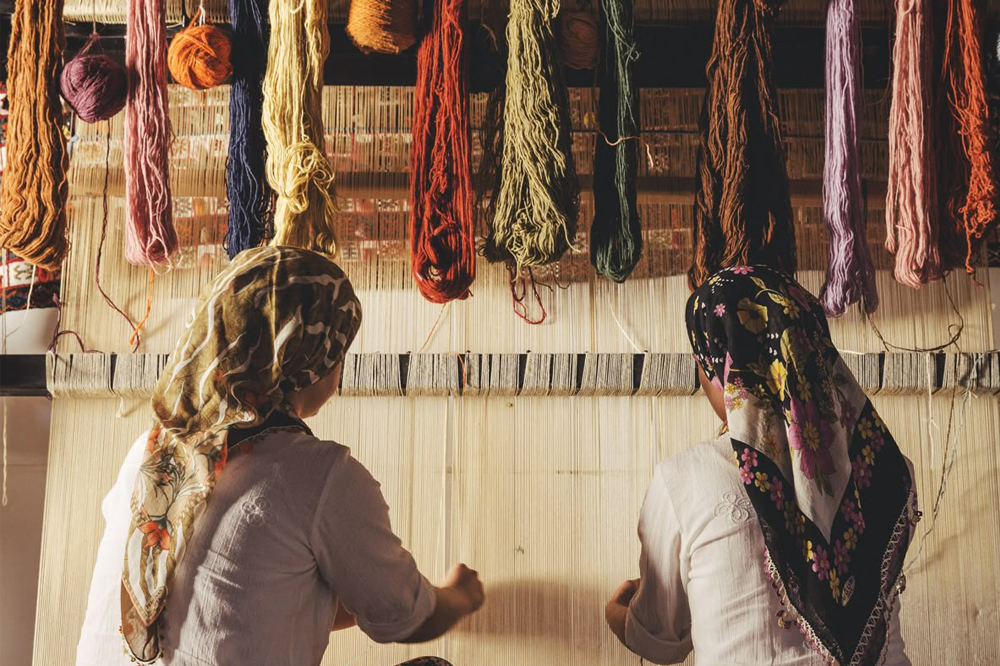
Whether you’re buying your very first rug or adding to a lifetime collection, this guide will show you exactly what to look for, what to avoid, how to compare rug types, how to understand value, how to assess condition, how sizing works, and how to choose the best piece for your home.
Updated March 30, 2026 • Reviewed by Jason Nazmiyal
Table of Contents
- What Defines a Truly Great Antique Rug?
- Authenticity
- Quality of Weave Structure
- Artistic Merit
- Condition and Patina
- Rarity
- Decorative Versatility
- The Great Weaving Traditions of the Antique World
- Persian Rugs
- Turkish and Oushak Rugs
- Caucasian Tribal Rugs
- Chinese Rugs
- Indian and Mughal Rugs
- What Quality Looks and Feels Like in Antique Rugs
- Sizing Antique Rugs Correctly for Today’s Interiors
- Color, Patina, and the Beauty of Natural Aging
- Different Values for Similar Antique Rugs
- Rug Condition: The 1-10 Scale
- Selecting the Right Antique Rug for Your Home
- Vintage and Modern Rugs
- Rugs in the Nazmiyal Collection
- Nazmiyal’s Three Pillars of Trust
- Final Thoughts
- FAQs
If you’re looking for a broader overview of all rug types, visit our Comprehensive Guide to Rugs & Carpets.
What Defines a Truly Great Antique Rug?
- Authenticity – The provenance, age, materials, and weaving origin must be honest and accurately represented. A rug with a confirmed origin is far easier to evaluate, insure, and eventually resell. Experts look for structural clues in the weave, the dyes, and the motifs, all of which help verify where the piece was created. Documentation strengthens trust and protects buyers from modern reproductions.
- Quality of Weave Structure – The finest antique carpets possess structural integrity, balanced weaves, and wool that retains its strength even after a century or more. The hand-spun wool of earlier eras carries a depth and softness that modern production cannot imitate. When the weave is consistent and the foundation remains stable, the rug ages gracefully and continues to lie flat and flexible.
- Artistic Merit – This is where its emotional power resides. Antique rugs often display an effortless harmony of color and proportion, where every motif, spacing, and border reflects a weaver’s masterful intelligence. Some carpets radiate a sense of soulfulness that comes only through generations of tradition.
- Condition and Patina – A well-preserved antique rug may show honest age, but the wear should be gentle and harmonious. Patina, the soft glow created through decades of natural oxidation and use, gives antique rugs warmth and depth that cannot be artificially reproduced. The best pieces feel alive.
- Rarity – Certain tribes, villages, or workshops produced only limited quantities, and some color palettes or motifs appear only within specific historical windows. When rarity combines with strong condition and exceptional artistry, the result is always highly sought after.
- Decorative Versatility – Certain rugs work effortlessly in both traditional and contemporary interiors. When a rug fits naturally into many environments, its value increases.

The Great Weaving Traditions of the Antique World
Persian Rugs
Persian rugs stand at the center of the antique rug world and are renowned for their complexity and artistic depth. Kerman rugs present grand, curvilinear compositions with garden imagery and refined palettes. Heriz rugs offer bold, architectural geometry and warm colors that work beautifully in modern homes. Malayer rugs often feature imaginative small-scale patterns, while Kashan carpets display exceptional floral elegance and superb drafting. Sultanabad and Mahal rugs provide large-scale, open designs that suit contemporary interiors exceptionally well.
Turkish and Oushak Rugs
Antique Oushak rugs from western Turkey are beloved for their soft palettes, grand motifs, and naturally relaxed elegance. Their luminous wool and open compositions make them exceptionally versatile in both traditional homes and interiors that blend antique textiles with modern furnishings.
Caucasian Tribal Rugs
Caucasian rugs display vivid contrast, graphic strength, and bold tribal symbolism. The Caucasus region exists in a unique cultural and geographic crossroads, resulting in an interesting blend of design conventions. Their scale, rhythm, and color intensity bring personality and presence to any room. Many collectors prize them for their lively charm and compact, usable dimensions.
Chinese Rugs
Antique Chinese rugs are beautifully woven textiles meant to evoke luxury. Their compositions combine elegant pictorial motifs symbolizing different traditional ideals. Their culturally rich authenticity make them perfect for elevating otherwise neutral interiors.
Indian and Mughal Rugs
Carpets from India’s Mughal period and later centuries combine regal elegance with meticulous craftsmanship. Their symmetry, architectural layouts, and refined palettes make them ideal for statement rooms or grand interior spaces.
How to Identify Quality in Antique Rugs
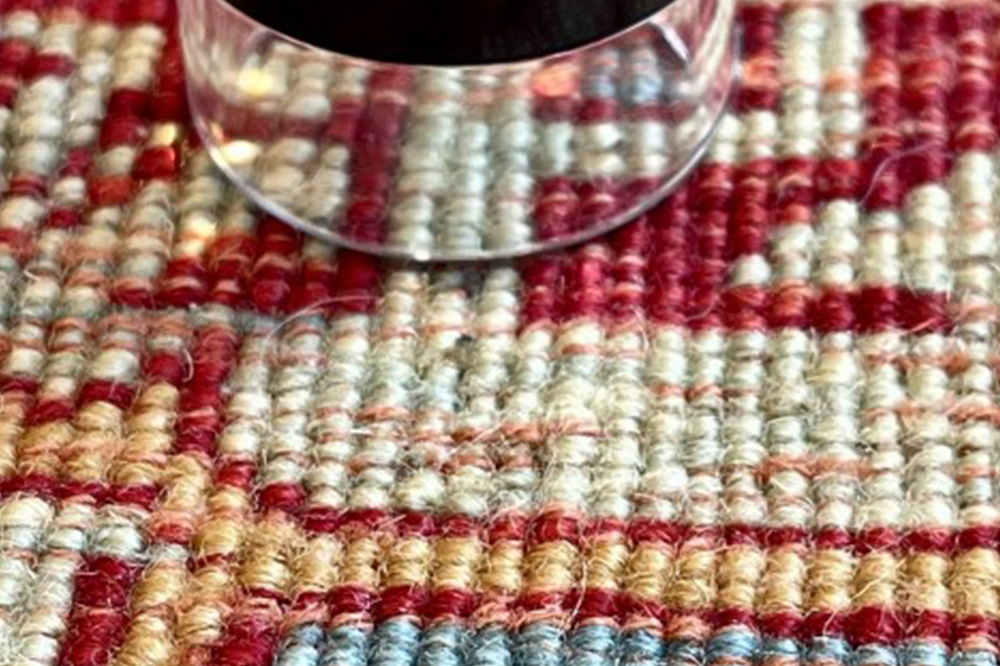
- Construction – The structural quality of an antique rug begins with the weave. The knot is the “pixel” of a hand-knotted rug, and while a higher knot count offers more detail, the evenness of the structure matters even more. A well-made rug has consistent tension, tightly packed knots, balanced warp and weft foundations, and flexibility without brittleness. Any stiffness or dried-out areas may indicate chemical washing or improper storage. Whether coarse tribal or finely knotted workshop, the construction should feel even, balanced, and stable.
- Natural Dyes – Natural dyes are among the clearest indicators of quality. Their luminosity, saturation, and graceful aging distinguish genuine antique pieces from later reproductions. These dyes create subtle abrash, tonal variations that give antique rugs their atmospheric beauty. When combined with hand-spun wool, the result is depth, dimension, and a sense of movement across the surface.
- Wool Quality – Antiques are often made with hand-spun wool and show beautiful variations in texture and dye absorption. High-lanolin mountain wool is exceptionally durable and gives rugs a natural sheen. Natural dye wool ages gracefully, revealing subtle tonal shifts. In contrast, dry wool, overly glossy synthetic treatments, and machine-made fuzz often indicate lower-quality production.
- Condition assessment – An assessment ensures that age has enhanced rather than harmed the rug. Honest wear, softened colors, and patina add character, but the underlying structure should remain sound. Transparent evaluation of restoration, conservation, or reweaving allows buyers to understand every aspect of the piece, reinforcing trust and preserving value.
Sizing Antique Rugs Correctly for Today’s Interiors
Choosing the correct size is essential, especially when integrating antique rugs into modern interiors. A rug that is too small weakens the entire room, while a properly scaled antique piece anchors the space and reinforces architectural balance.
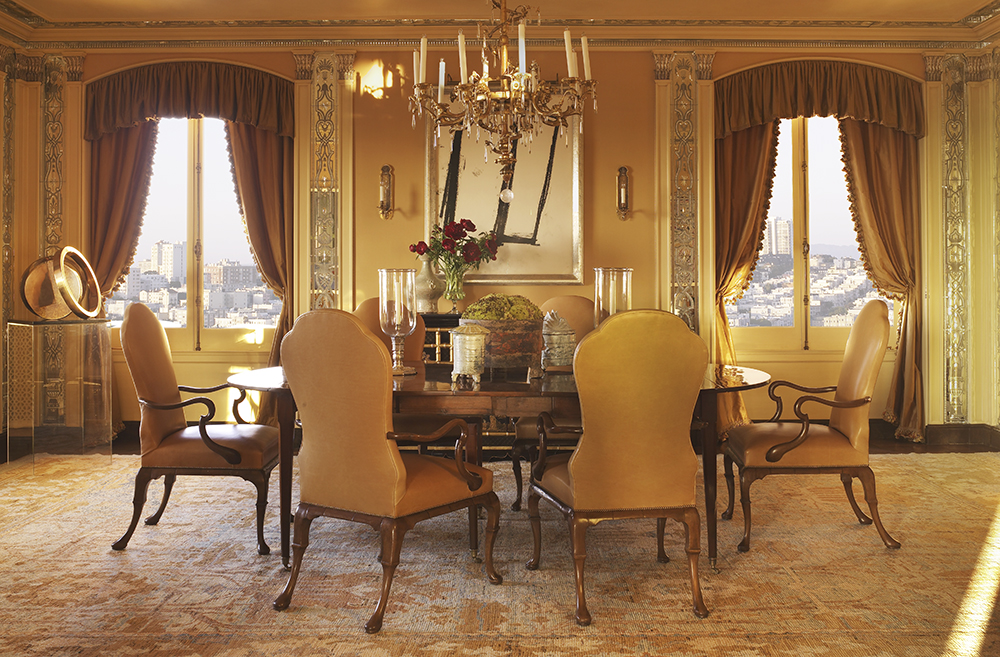
Large antique rugs are rare, particularly pieces wider than 10 or 11 feet. This scarcity increases their desirability. When used in open living plans, these expansive carpets unify seating areas and create visual cohesion. Dining rooms require enough rug around the table. Leave at least 24-30 inches of rug beyond the table to allow chairs to slide without catching.
Bedrooms benefit from antique rugs that extend beyond the edges of the bed, allowing the pattern to contribute to the room rather than remain hidden. Queen-size beds typically work best with an 8×10 or 9×12 rug, while king-size beds usually require a 9×12 or 10×14 to achieve proper proportion and comfort.
Even when the surrounding furniture is contemporary, a well-sized antique rug brings warmth, depth, and sophistication that no modern floor covering can replicate.
Color, Patina, and the Beauty of Natural Aging
One of the greatest pleasures of collecting antique rugs is observing how natural dyes evolve over time. Exposure to light and air softens the palette, revealing the warm oxidation that gives antique carpets their signature depth. Hand-spun wool absorbs dye unevenly, resulting in distinctive tonal variations known as abrash. These natural shifts give antique pieces a unique depth and character.
Patina tells the story of a rug’s life. Its soft sheen and refined surface reveal decades of quiet aging. This natural elegance cannot be manufactured and is one of the most defining characteristics of the finest antique textiles.
Different Values for Similar Antique Rugs
Pricing in the antique rug world reflects a tapestry of interconnected factors: age, rarity, authenticity, condition, design, origin, demand, and artistic merit. A rug with unusually refined drawing, rare colors, exceptional wool, and outstanding condition can command a far higher value than one that shares only the overall pattern.
Fair and informed pricing is something we hold in high regard at Nazmiyal Antique Rugs. Transparent evaluation allows buyers to understand why one antique Heriz rug may be valued much higher than another, or why certain early Sultanabads, Kermans, or tribal Caucasian rugs become true collector pieces.
Pattern alone never determines value. The context, craftsmanship, and authenticity of the rug tell the real story.
Rug Condition: The 1–10 Scale
10 – Mint Condition
Perfect condition. This score is reserved only for Museum quality pieces.
9 – Excellent Condition
Minor age wear, but nothing significant.
8 – Very Good Condition
Some wear, but entirely stable and aesthetically pleasing.
7 – Good Condition
Visible wear but still appealing. Can be described as “beautifully distressed”.
6 – Fair Condition
Evidence of wear as well as repairs, but still decorative and beautiful.
1-5 – Poor Condition
A rug with severe issues, not worth investing into.
Selecting the Right Antique for Your Home
Antique rugs bring warmth, cultural depth, and refinement into any interior. In contemporary spaces, a softly colored Oushak, a crisp Caucasian tribal rug, or an open-patterned Sultanabad creates character without overwhelming the architecture. In classic interiors, the elegance of a Kerman, the intricate drawing of a Tabriz, or the powerful geometry of a Heriz can elevate the room into something truly atmospheric.
Collectors often pursue pieces with rarity, early age, distinctive motifs, or exceptional artistry. Homeowners may focus on scale, color harmony, and versatility. But in every case, the best antique rug is always the one that resonates emotionally.
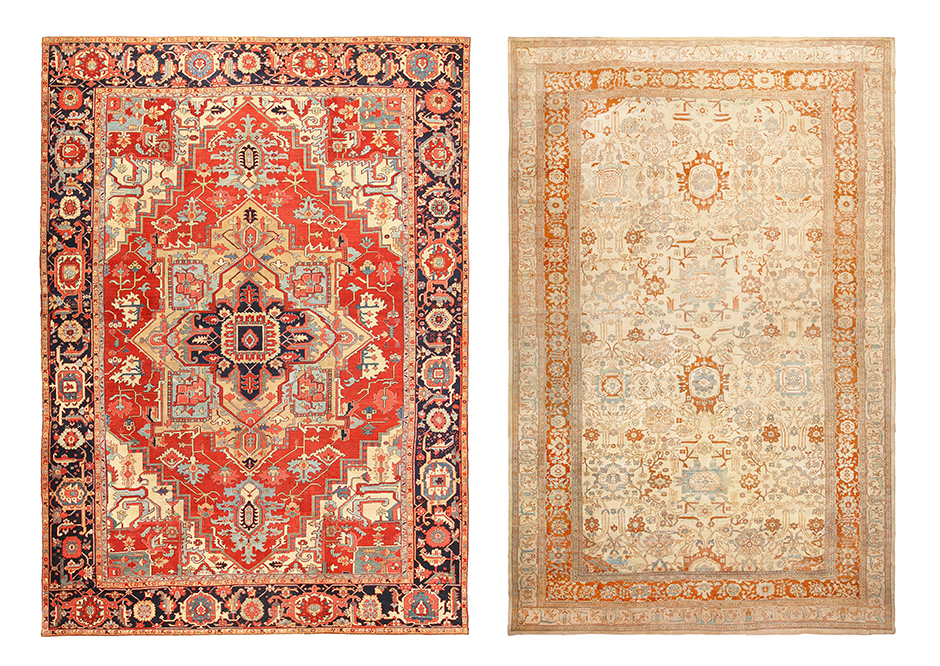
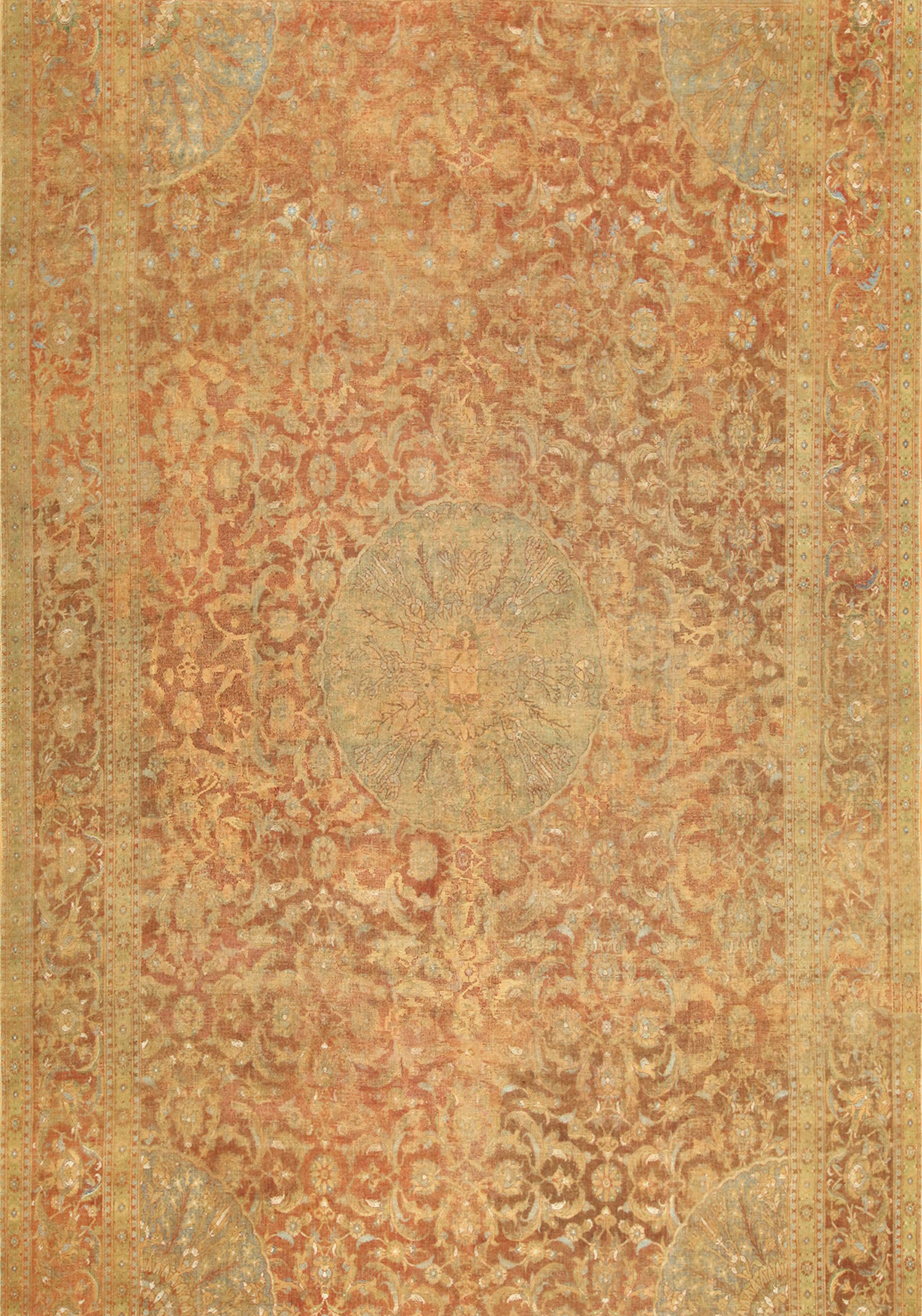
Medallion vs Allover
Vintage and Modern Rugs
While we specialize in Antique textiles, the Nazmiyal Collection also has an extensive assortment of both vintage and modern rugs. Though both are produced post-industrialization, our collection is composed completely of hand-made textiles, ensuring that each piece is one of a kind. Both adhere to a similar scrutiny as antique rugs to determine their worth. Vintage and modern rugs are also assessed based on authenticity, construction quality, artistry, condition, rarity, and decorative versatility. These rugs differ from antiques most obviously through their age, but there are several other factors that characterize them into their respective categories.
Vintage Rugs
Vintage Scandinavian rugs, mid-century European designs, and Moroccan Berber rugs reflect twentieth-century movements such as Scandinavian minimalism, Bauhaus rigidity, and post-war modernism. Their atmosphere tends to be graphic, soft, and relaxed. The Art Deco styles of the 1920s incorporate elegant geometric designs with large Eastern influences, evoking the opulent styles of the time. Vintage rugs integrate seamlessly with mid-century interiors, warm wood furniture, contemporary spaces, and neutral palettes.
Modern and Contemporary Rugs
High-quality modern rugs may be hand-knotted or hand-woven and often reinterpret antique motifs, tribal geometry, or Scandinavian minimalism in updated colors or sizes. They are ideal for modern architecture, large open floor plans requiring rugs 12 to 15 feet wide, minimalist interiors, and homes seeking custom dimensions. Contemporary rugs allow designers to achieve color precision and scale that antique and vintage carpets cannot always provide. It is worth noting that sometimes the title of “Modern” refers to the art movement, and not the present.
Rugs in the Nazmiyal Collection
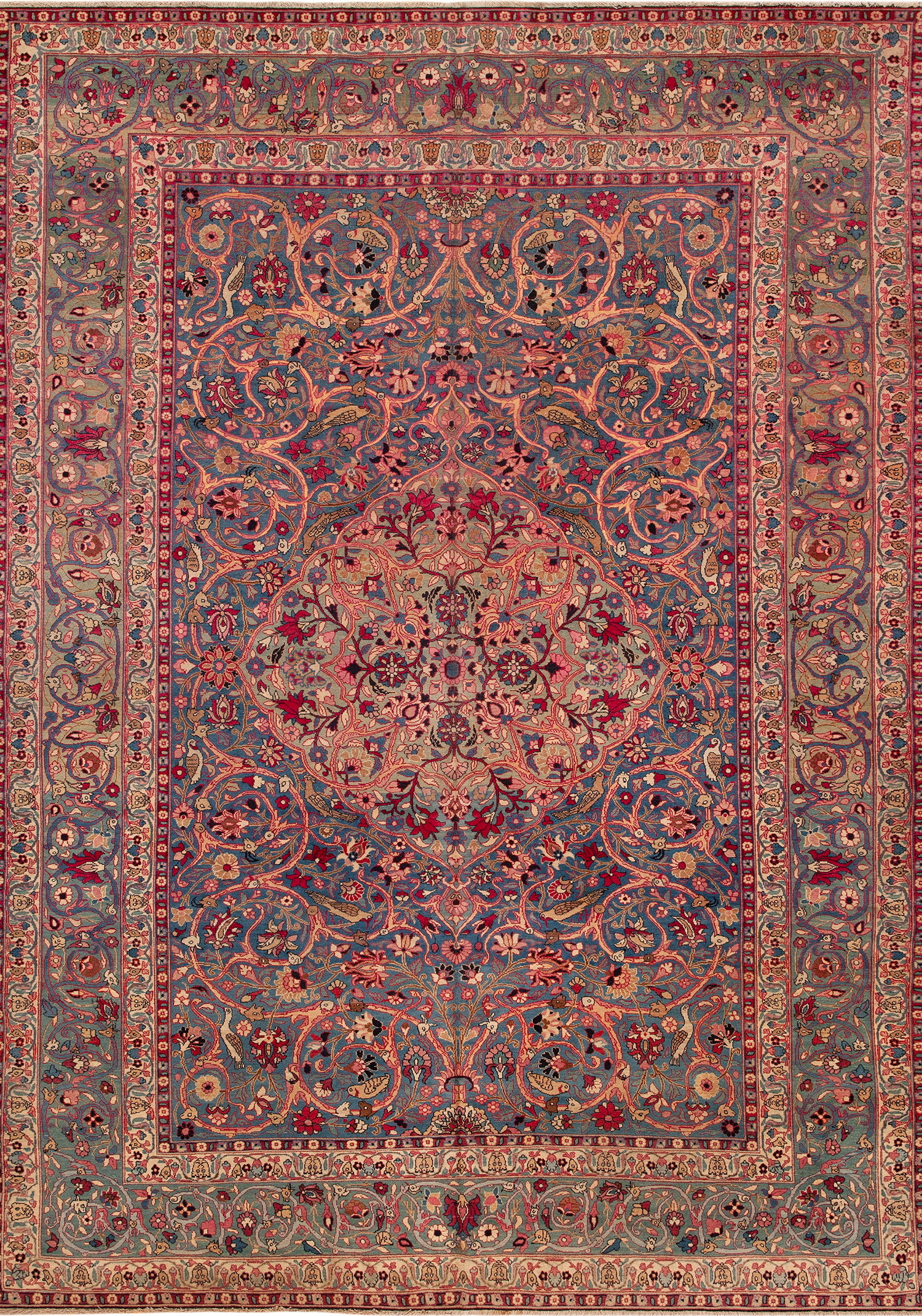
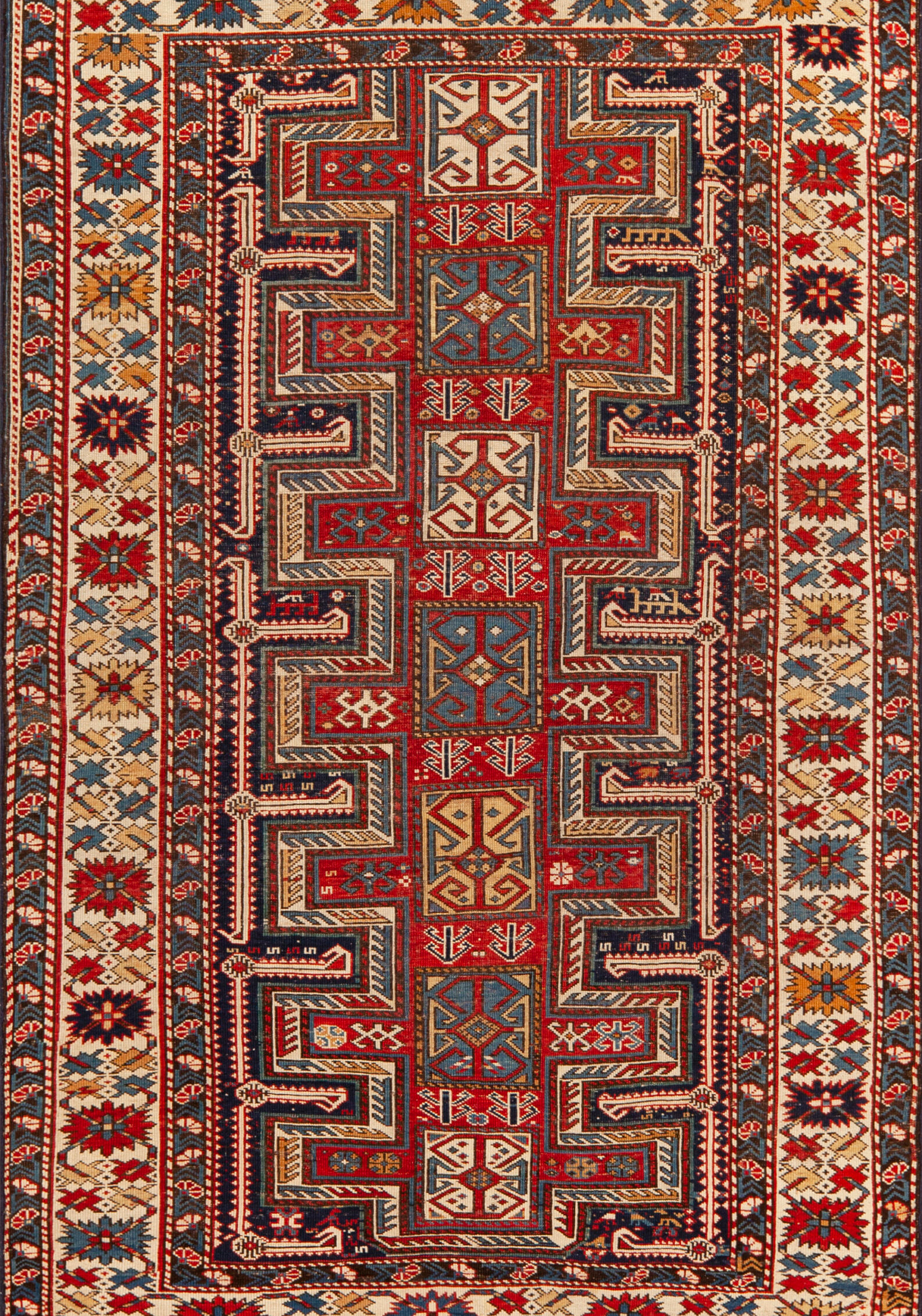
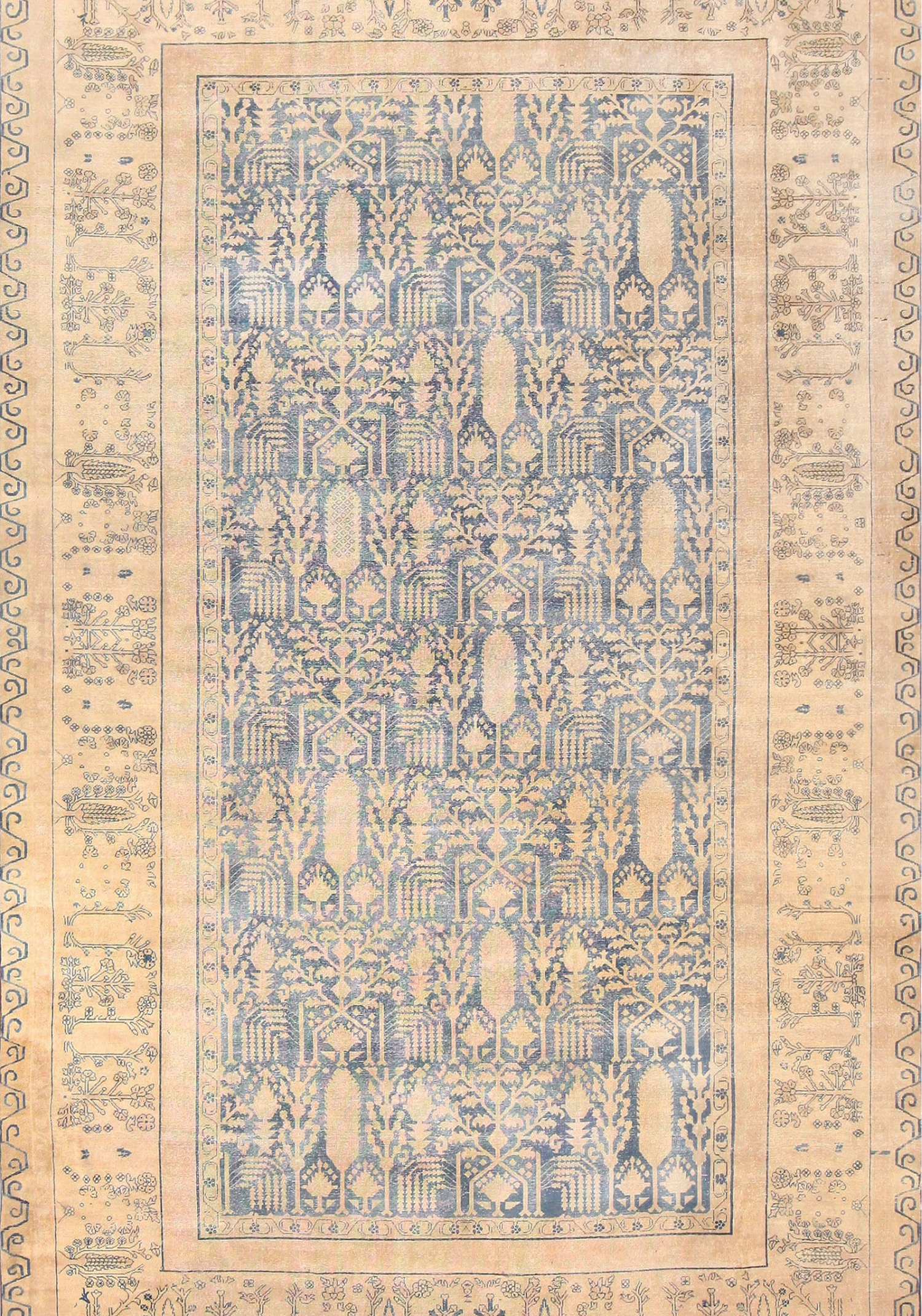
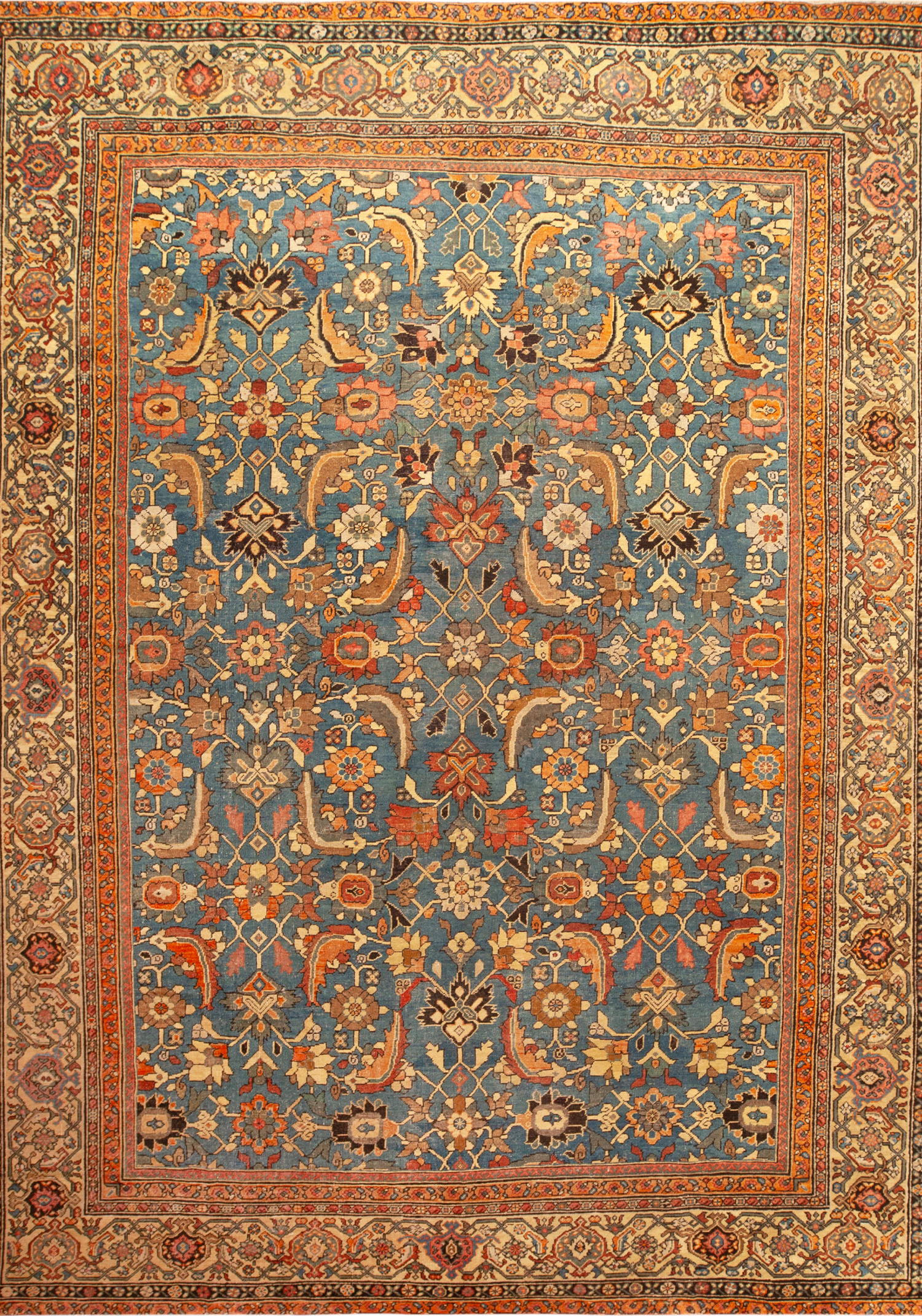
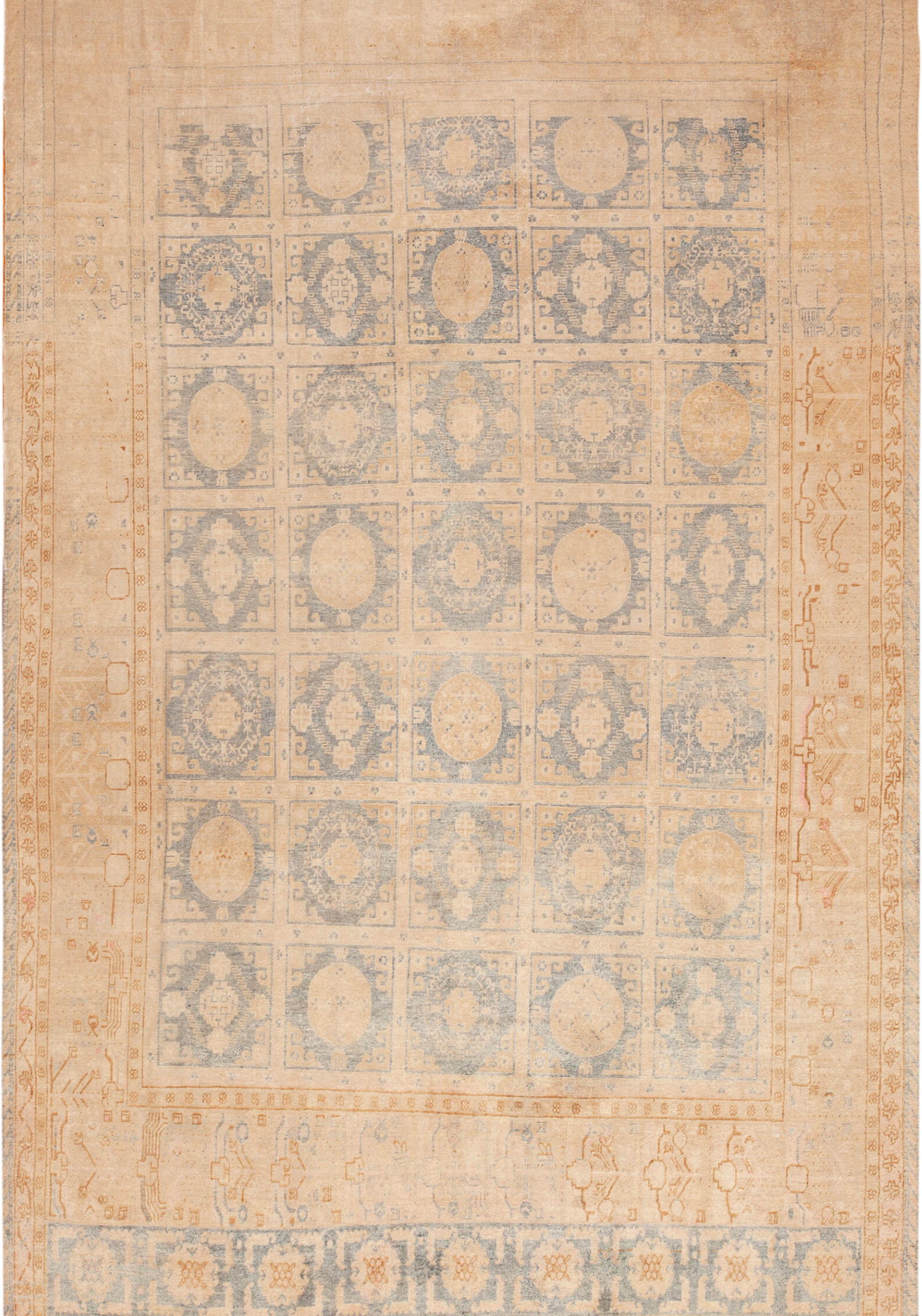
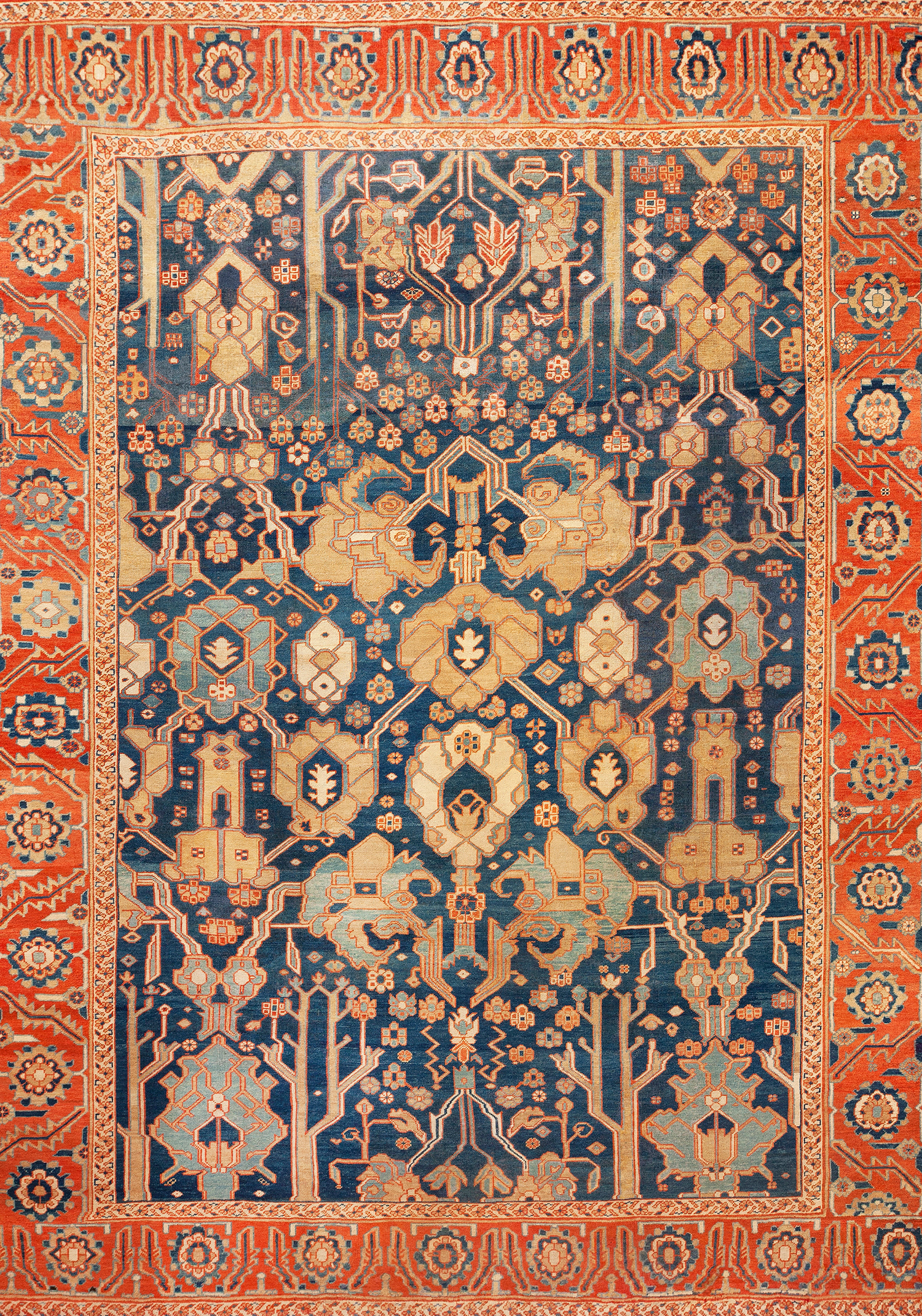
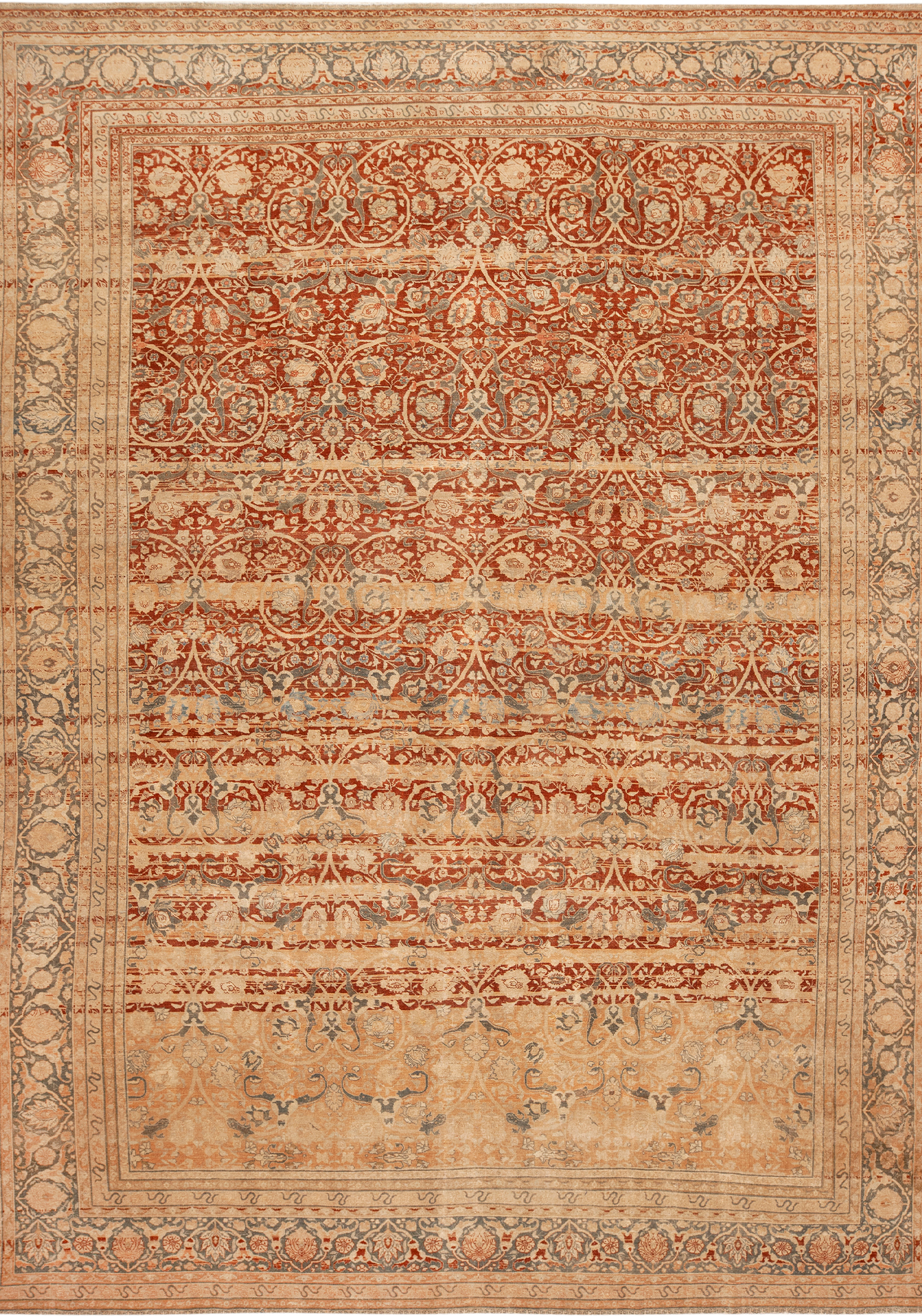
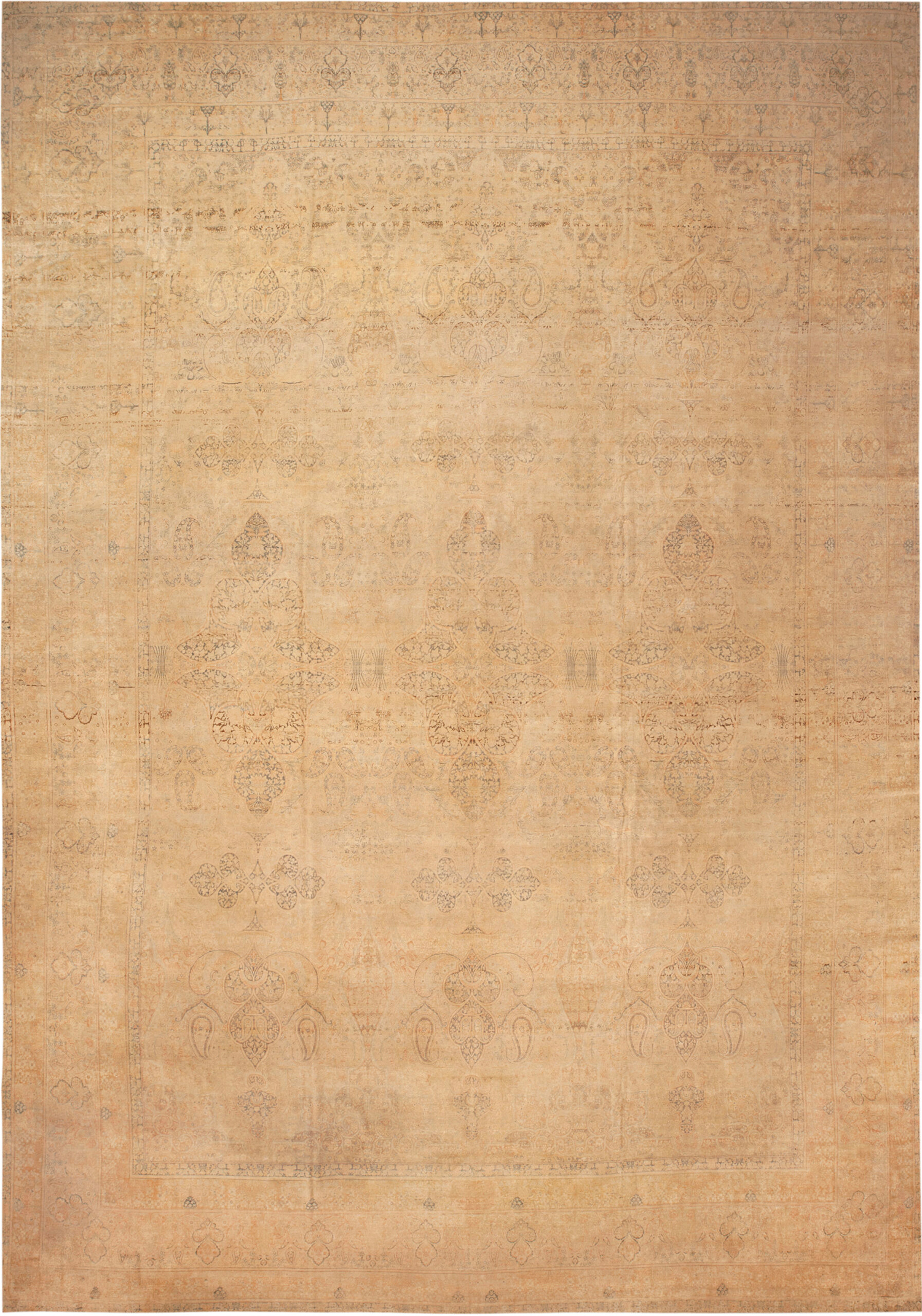
We ship antique rugs worldwide from our New York gallery. Explore our global Nazmiyal Antique Rugs hub to see how we serve clients around the world.
How Do I Know If An Antique Rug Dealer Is Reputable?
One of the most important parts of buying an antique rug is choosing the right dealer. A reputable antique rug dealer should be able to clearly explain a rug’s age, origin, materials, structure, condition, and restoration. Strong dealers do not rely on vague claims. They provide real information, strong images, and direct answers.
A buyer should also look for signs of specialization. A true antique rug specialist sees rugs individually, not as interchangeable décor items. That means better guidance on quality, condition, rarity, and suitability for a room or collection.
At Nazmiyal Collection, you can explore a wide range of Antique Rugs, Persian Rugs, Vintage Rugs, and Modern Rugs, with practical advice from decades of experience.
What Should A Trustworthy Antique Rug Dealer Tell Me?
Before buying, you should expect a dealer to explain:
- where the rug was woven
- approximately how old it is
- whether it has low pile, repairs, or structural weakness
- whether it has been restored, reduced, rewoven, or overcleaned
- how the colors and scale will read in a real room
- whether the piece is decorative, collectible, or both
The more important the rug, the more these details matter.
Why Buy From A Specialist Dealer Instead Of A Marketplace?
A marketplace can show you many rugs, but it often cannot give you the confidence that comes from true expertise. Antique rugs are nuanced. Two rugs with a similar look may differ greatly in age, construction, restoration, and long-term appeal. A specialist dealer helps you understand those differences and choose more wisely.
For most buyers, especially those furnishing an important room or making a meaningful purchase, starting with a specialist is the more informed path.
Where Should I Buy Antique Rugs?
Most buyers should begin with a specialist dealer. Auctions may suit buyers who are already comfortable reading condition and judging value. Marketplaces may be useful for browsing, but they usually require more caution and more independent verification.
If you want dedicated pages on trust, decision-making, and brand confidence, see Who Should I Trust to Buy Antique Rugs From?, Where Should I Buy Antique Rugs?, and Why Buy Rugs From Nazmiyal?.
Why Buy Rugs From Nazmiyal
When you are ready to buy you don’t just need a rug, you need a partner you can trust. For more than 44 years Nazmiyal Antique Rugs has helped collectors, designers, and homeowners around the world find the right piece at the right price, with complete transparency.
- Curated, museum-level inventory – From 17th-century masterpieces to decorative Oushaks and tribal Caucasian rugs, we offer thousands of hand-selected pieces in every size, style, and price point.
- Expert guidance, not pressure – Our team lives and breathes antique rugs. We listen to your space, your taste, and your budget, then narrow the choices so you never feel overwhelmed.
- Clear condition reporting and fair pricing – Every rug is evaluated for authenticity, construction, age, patina, and restoration so you know exactly what you are buying and why it is priced as it is.
From a first apartment to a museum collection, our goal is the same: help you choose a rug you will love living with for years to come.
Nazmiyal’s Three Pillars of Trust
Nazmiyal Antique Rugs conducts business with a strict code, abiding by our Three Pillars of Trust.
- Unmatched Inventory Depth – We have more than 4,000 rugs in our collection with a wide range of styles, from 17th century masterpieces to modern Scandinavian designs.
- Rigorous Authenticity Guarantee – We offer museum-level vetting, condition reports, and Certificates of Authenticity, all to ensure complete legitimacy.
- Expert Advisory – The Nazmiyal Collection has 44 years of experience in guiding collectors, museums, designers, and homeowners worldwide.
These Three Pillars guide every interaction at Nazmiyal, from first inquiry and digital consultations to shipping, installation, and long-term support. Through our trade program, rug appraisals, custom rug services, and money-back guarantee, we support collectors, designers, and homeowners at every step.
Final Thoughts
We know that choosing a rug that works well for your interior can be an overwhelming process, and we want to make that easier for you. There are several factors that go into picking out which carpet is best for you, as well as making sure the textile you pick is high-quality and authentic. A rug’s construction, materials, artistry, and aged condition are all important elements to consider. Understanding the cultural background of each rug also contributes greatly to its overall value. Moreover, the differences in design conventions all compliment different interiors in different ways. Whether you’re looking for minimalist compositions with neutral tones, or a bold dynamic pattern with an eclectic palette, the Nazmiyal Collection is guaranteed to have it.
- Making sure a rug is high-quality and authentic is based on a number of factors
- Construction, materiality, artistry, and aging conditions all need to be considered
- Each rug has a different cultural background that may make them more or less valuable
- The rugs all have unique characteristics that compliment different interiors
- The Nazmiyal Collection is vast and is sure to fulfill whichever desired design
Frequently Asked Questions
How much should I spend on a rug?
There is no right number. Spend what feels comfortable and choose a piece you love.
Are antique rugs durable?
Yes, hand-knotted rugs were made to last generations. This is part of what makes antiques so special, their ability to remain intact through the ages.
Do rugs hold value?
Yes, high-quality antique rugs often do. This is usually due to their age and rarity, as well as their aesthetic qualities.
Should I consider custom sizing?
Yes, especially for new construction or challenging spaces.
What differentiates types of rugs?
There are different ways to categorize types of antique rugs, both by geographical-cultural origin and by design and construction style.
Are hand-made rugs more valuable than machine-made rugs?
Generally yes. Hand-made rugs ensure that each textile is completely one-of-a-kind versus mass produced. They are also more valuable due to the amount of time, energy, and effort that went into production.
Who should I trust to buy antique rugs from?
Trust a specialist dealer with real expertise, clear condition reporting, and a reputation for accurate representation.
How do I know if an antique rug dealer is reputable?
Look for transparency, strong photography, precise descriptions, knowledgeable answers, and a history of specialization.
Is it better to buy from a specialist dealer?
For most people, yes. A specialist usually offers better guidance and a more reliable buying experience.
Why do buyers choose Nazmiyal?
Many buyers choose Nazmiyal because it combines expertise, inventory depth, and direct guidance for both in-person and online shoppers.