Quick Navigation
Key Takeaways
- Vintage shag rugs are defined by long pile and strong texture that adds warmth and softness to a room.
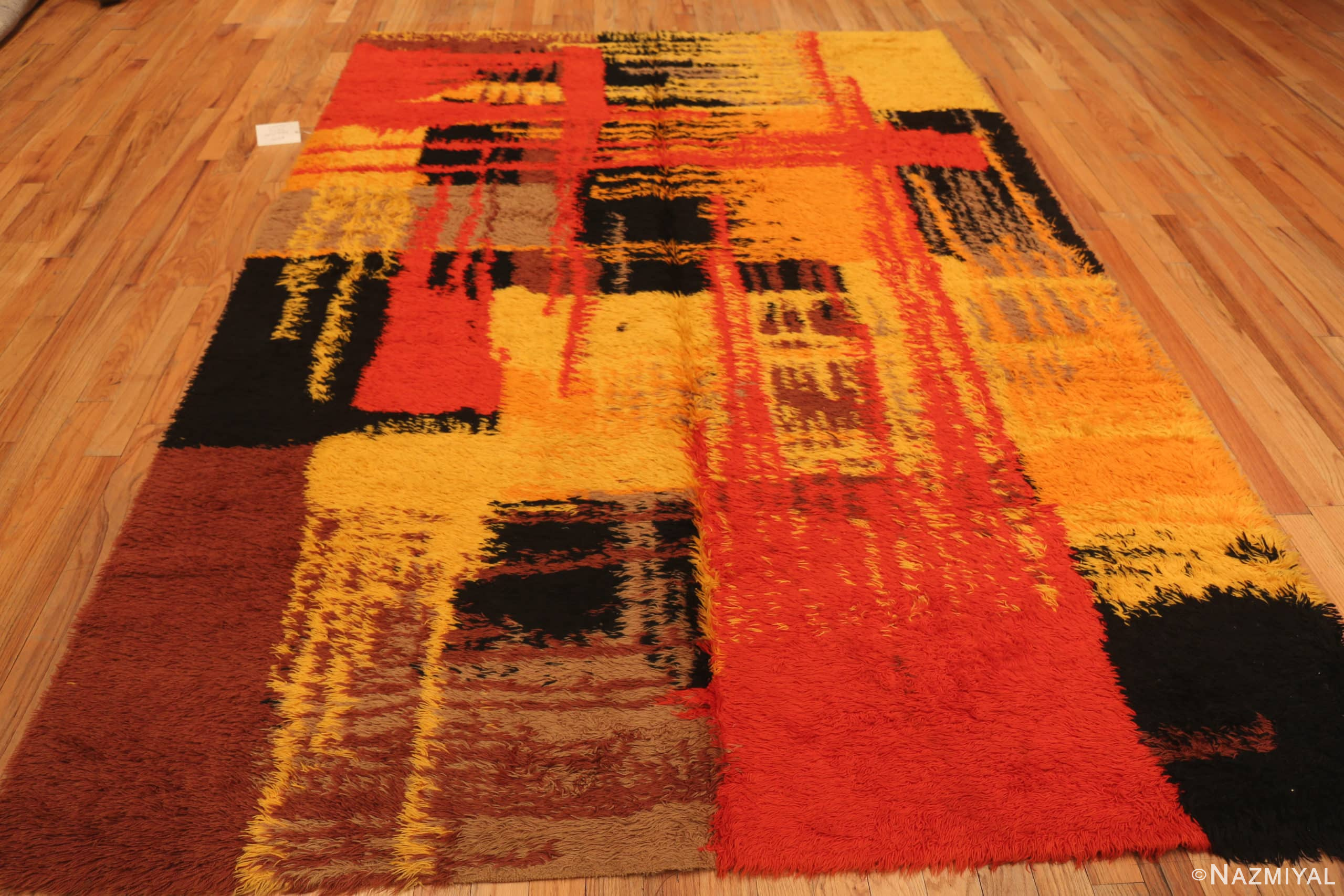
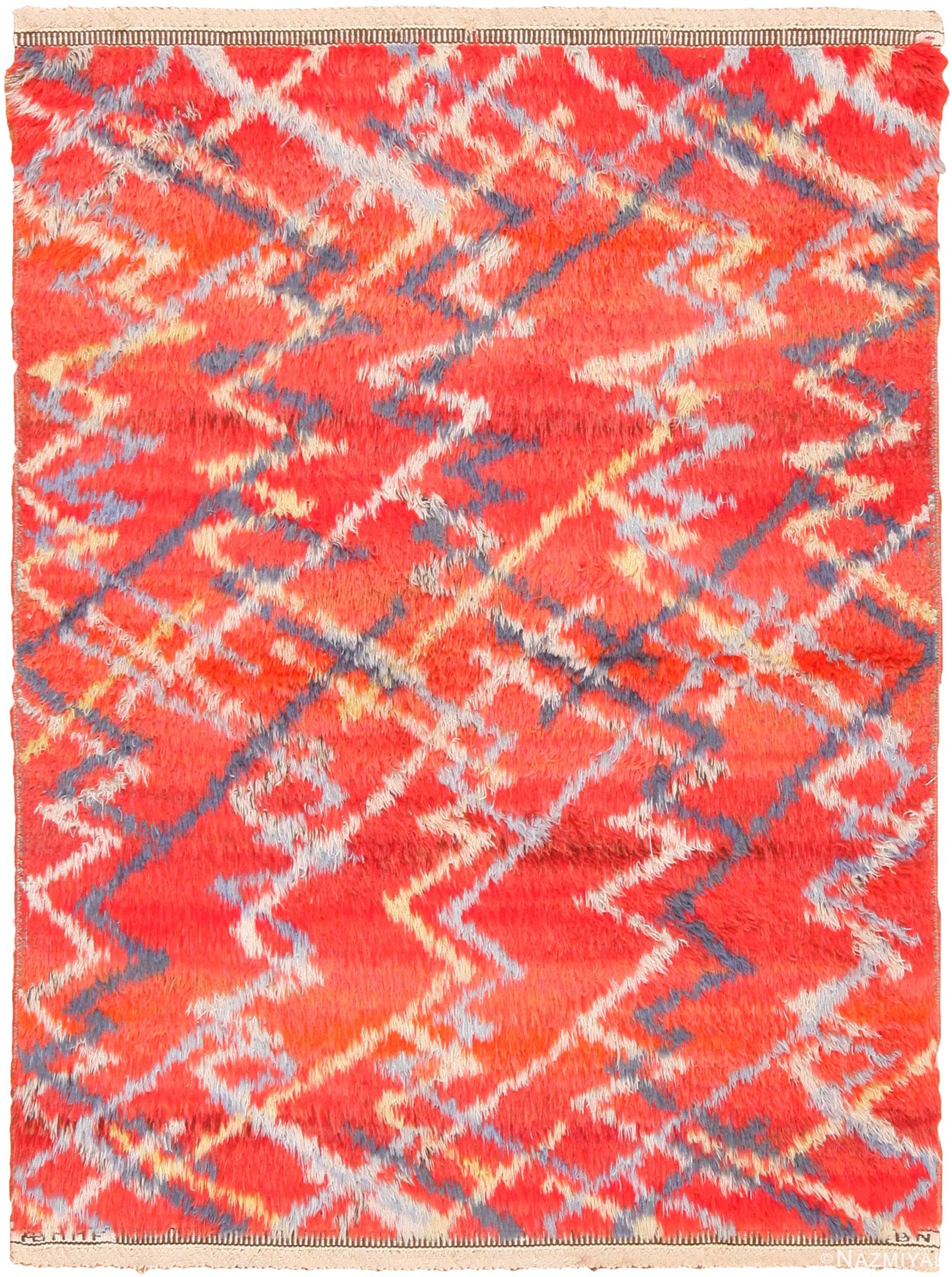
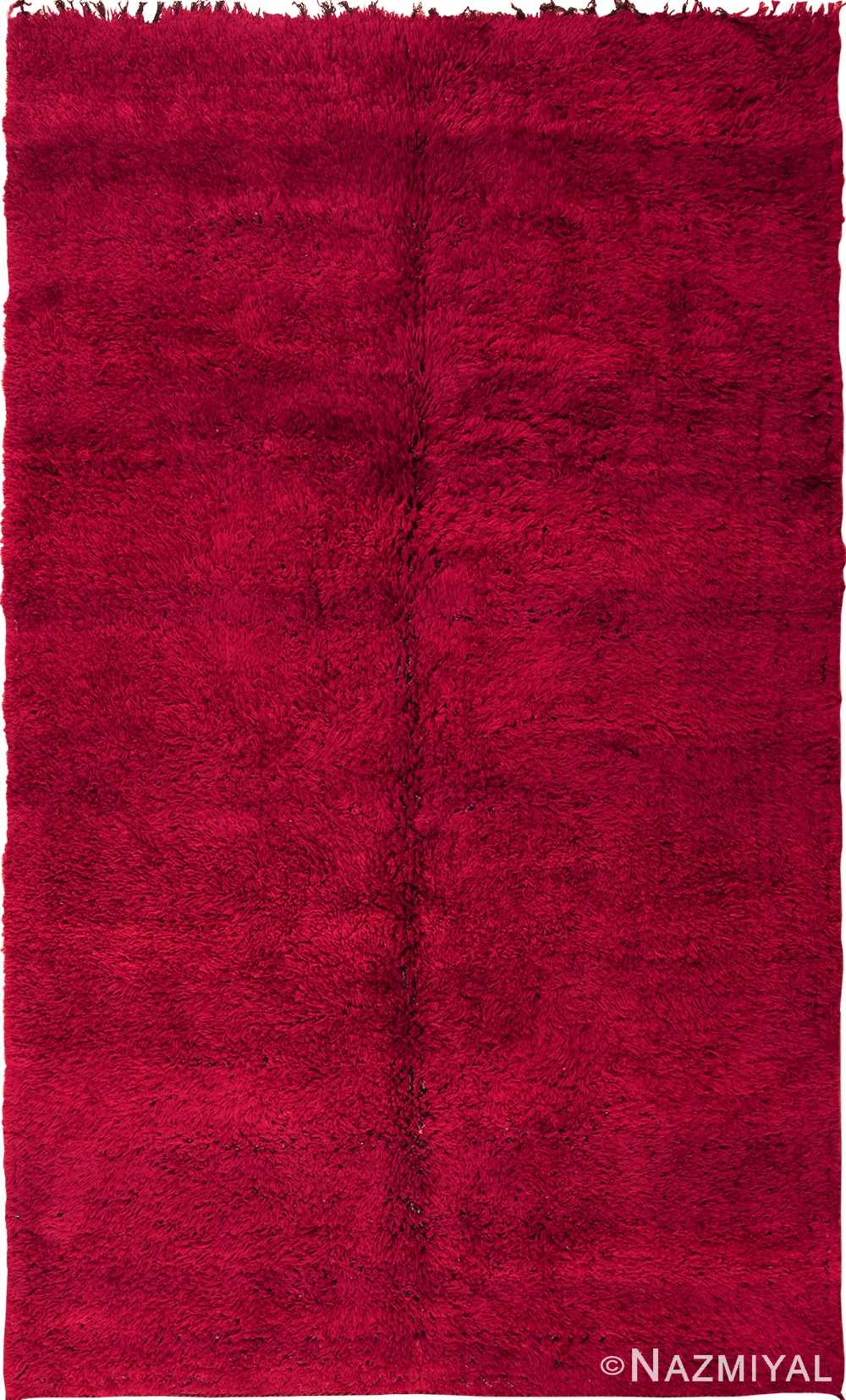
- Common “shag family” types include Scandinavian rya, Moroccan shag, and other mid-century long-pile designs.
- Choose by pile height + room function first, then size and palette for the cleanest decorating result.
At-a-Glance Specs
- Era: Mid-20th century (most examples)
- Signature trait: deep, long pile (“shaggy” surface)
- Common materials: wool pile • occasional cotton foundations • period-appropriate blends by origin
- Typical looks: solid fields • soft geometry • abstract motifs • tribal linear patterns
- Best rooms: bedrooms • lounges • living rooms • kids rooms • cozy reading corners
Featured Rugs
Why Nazmiyal? 3 Pillars of Nazmiyal Collection
- Curated texture and design: we prioritize shag rugs that look intentional, not merely “fluffy.”
- Practical guidance: clear help with placement, care, and what to expect from long-pile rugs.
- Service-driven shopping: support for collectors and designers from selection through delivery.
How to Identify Vintage Shag Rugs
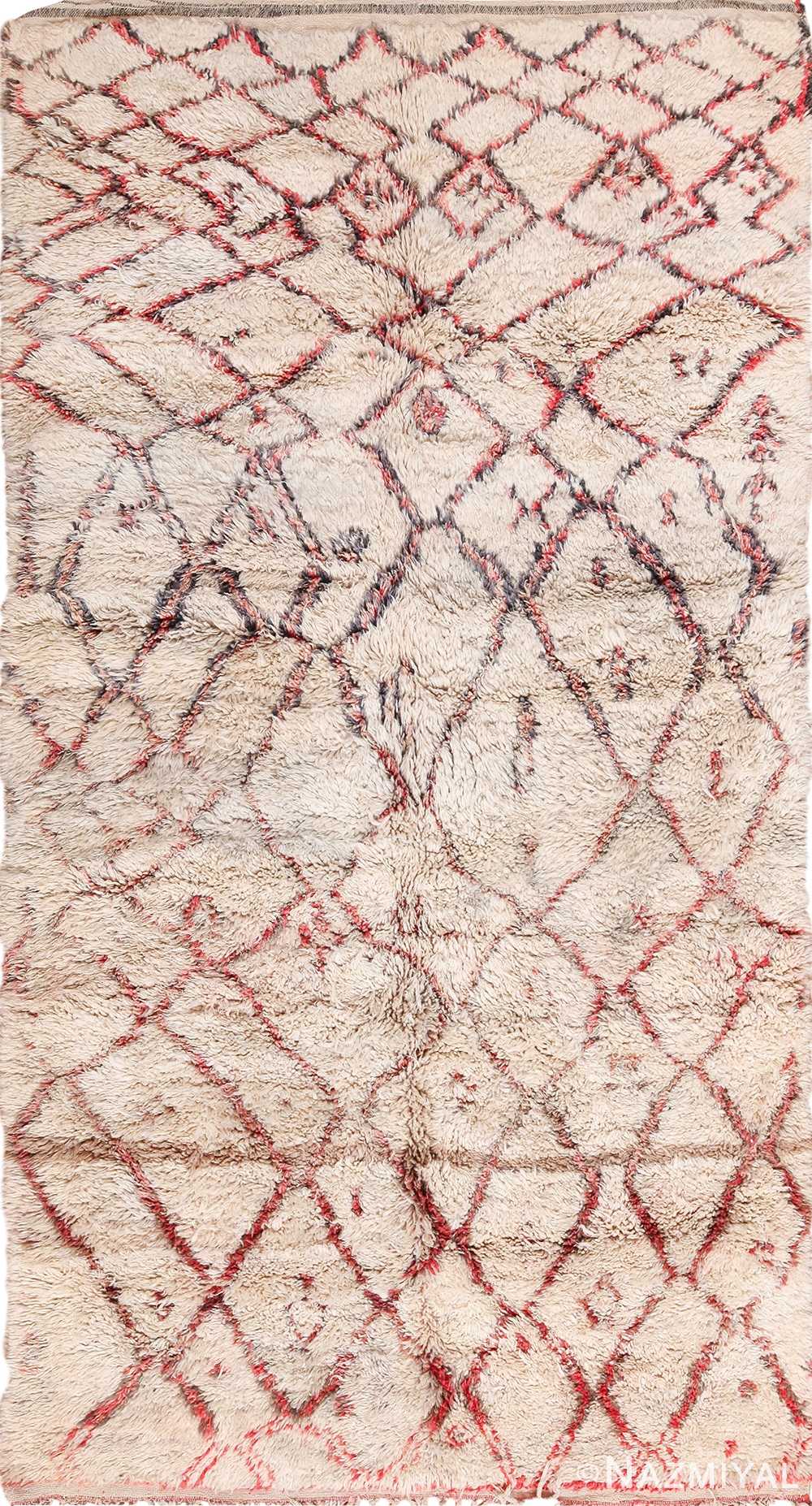
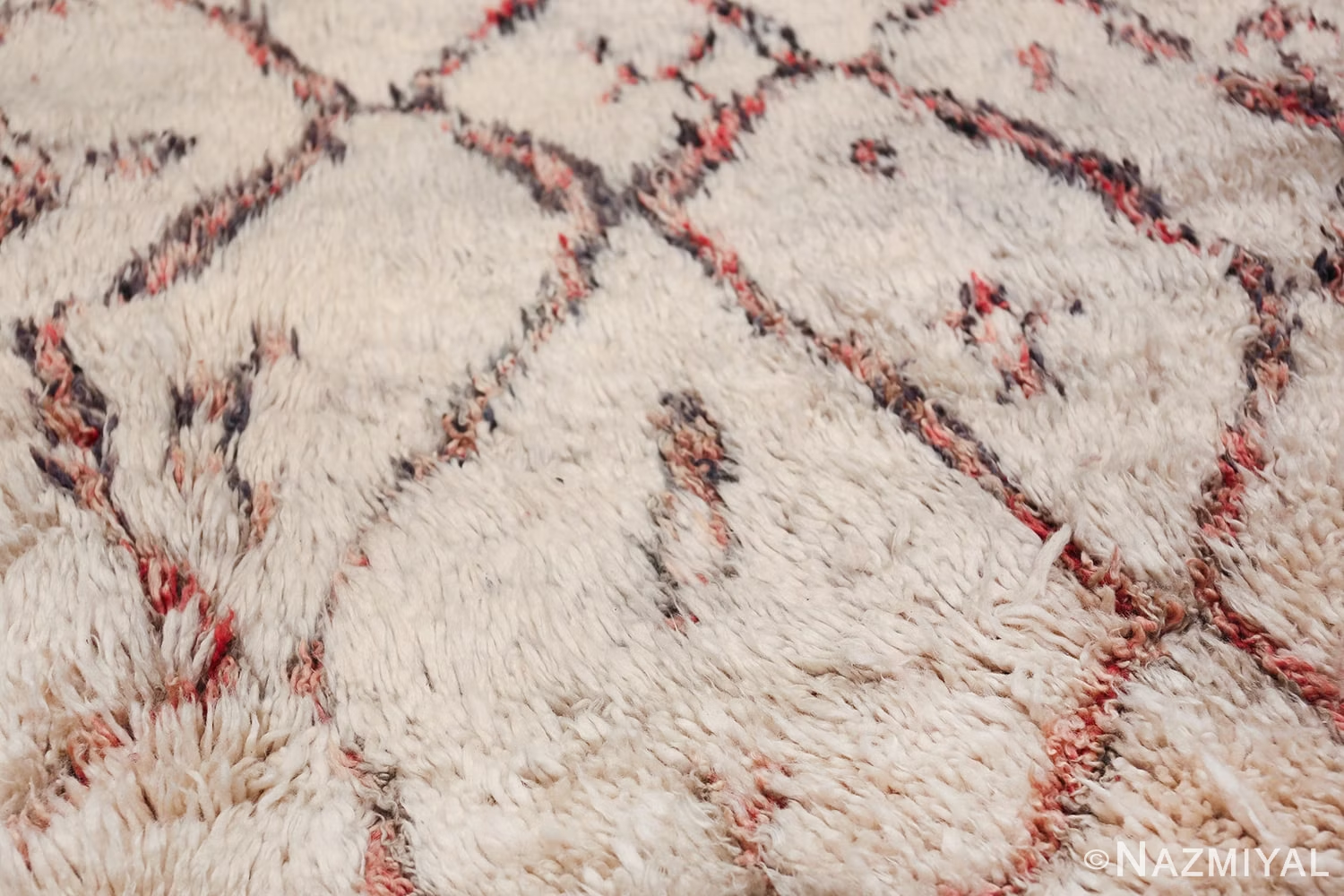
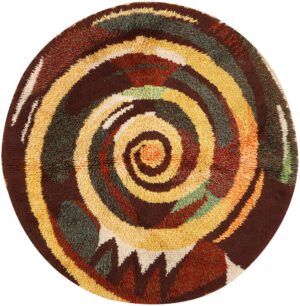
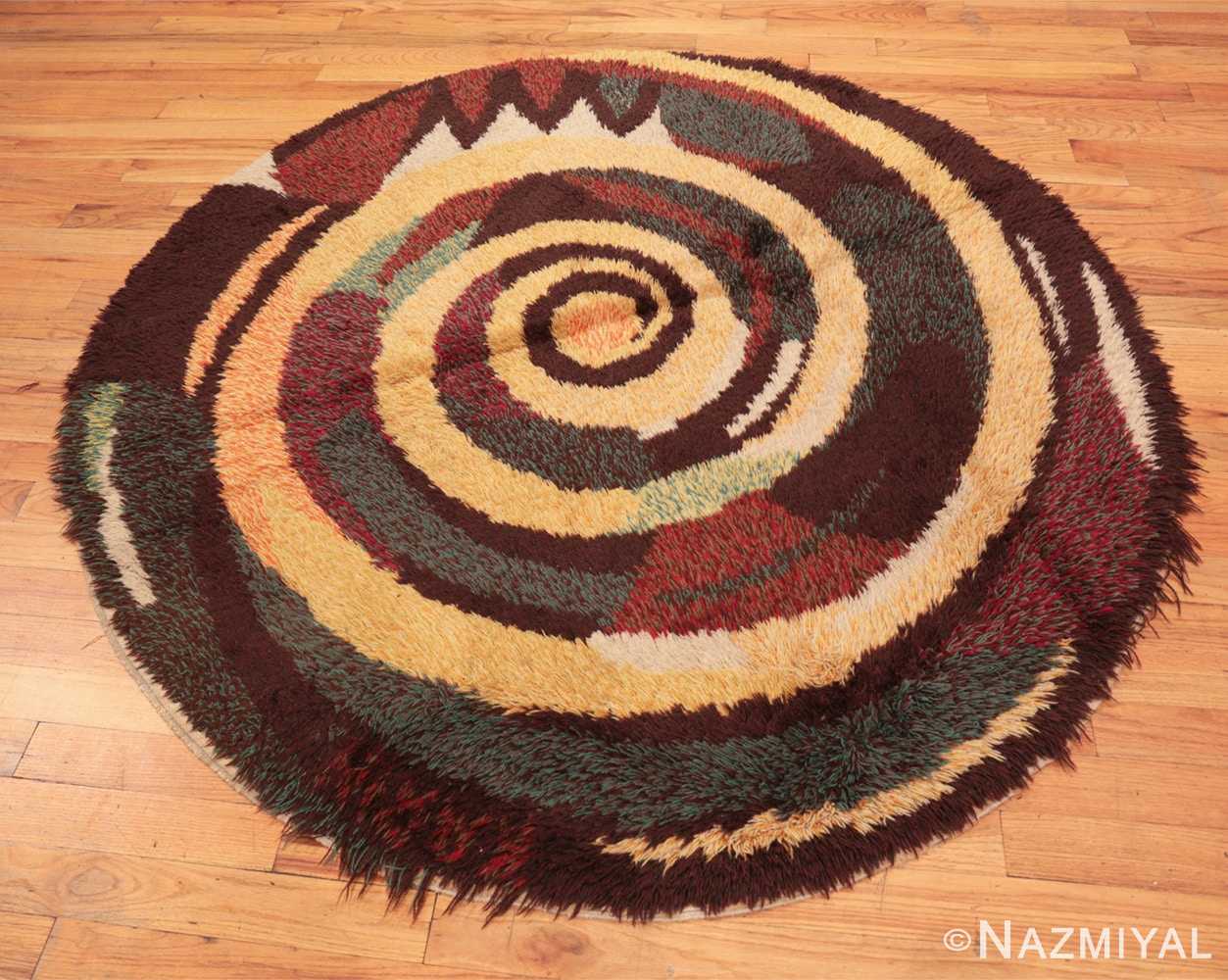
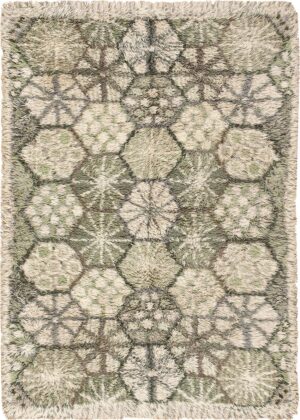
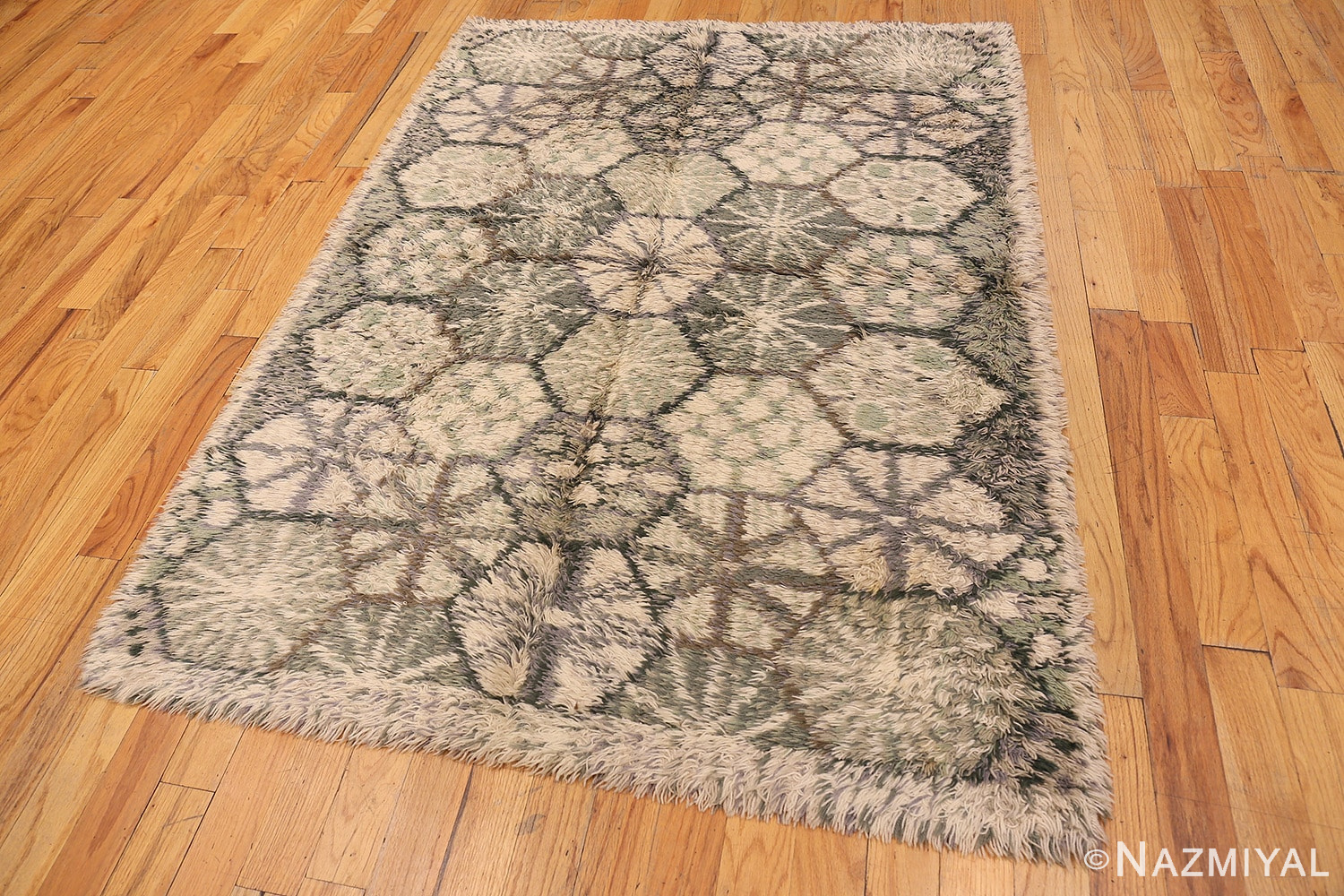
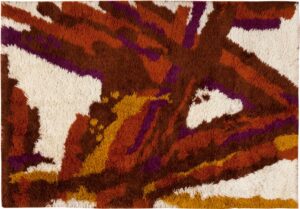
True vintage shag rugs are defined by a long pile that creates a soft, shaggy surface and a distinctly mid-century feel. Look for design language consistent with the era (simple geometry, gentle abstraction, or folk/tribal linear motifs), plus an overall “handmade” presence rather than a uniform, factory-perfect surface. Many authentic examples show subtle variation in pile direction and density, which is part of their charm. When shopping, separate “shag as texture” from “shag as condition”: a long pile should still feel healthy and springy, not overly thin, brittle, or uneven from wear.
Materials and Construction
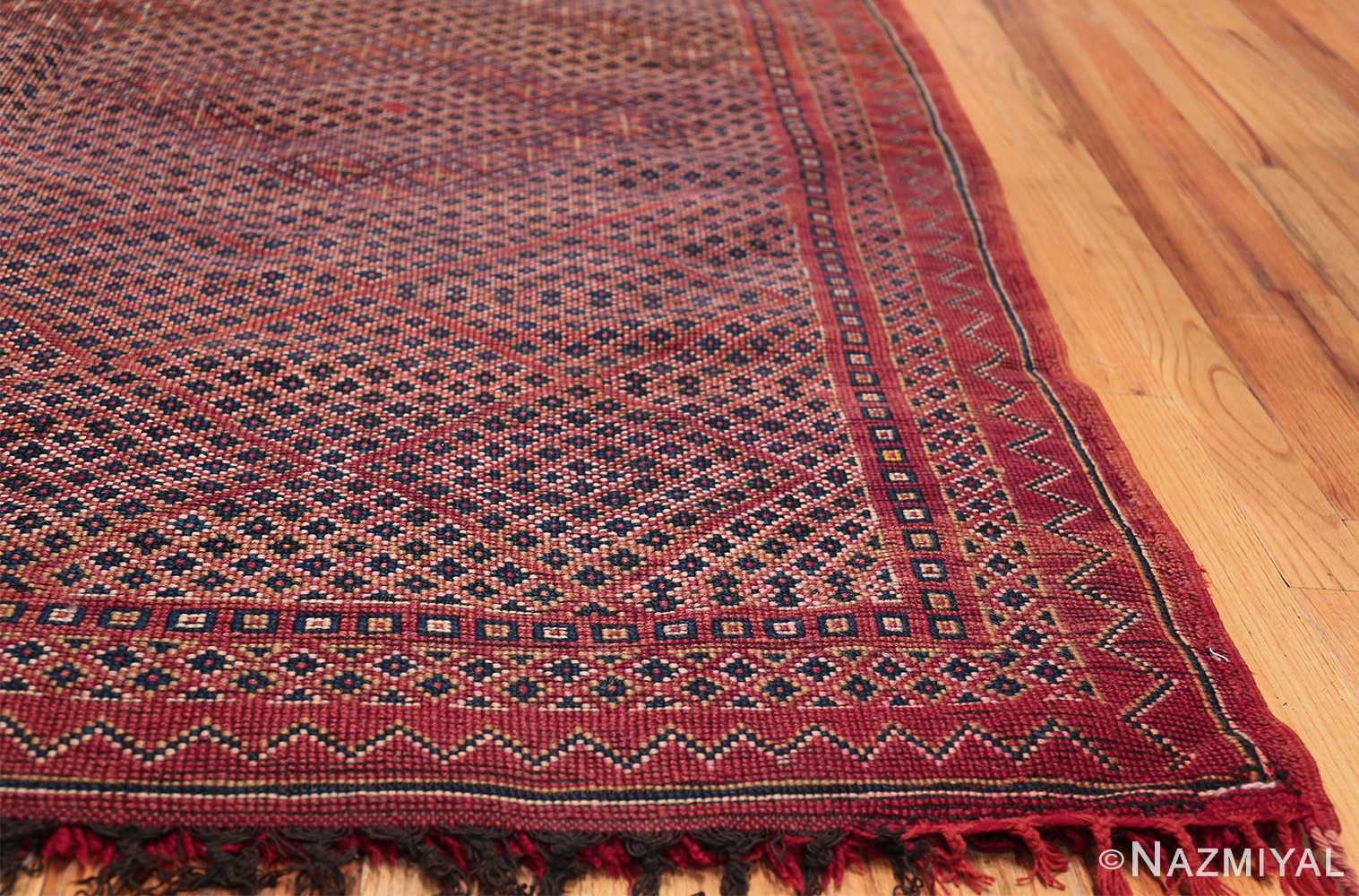
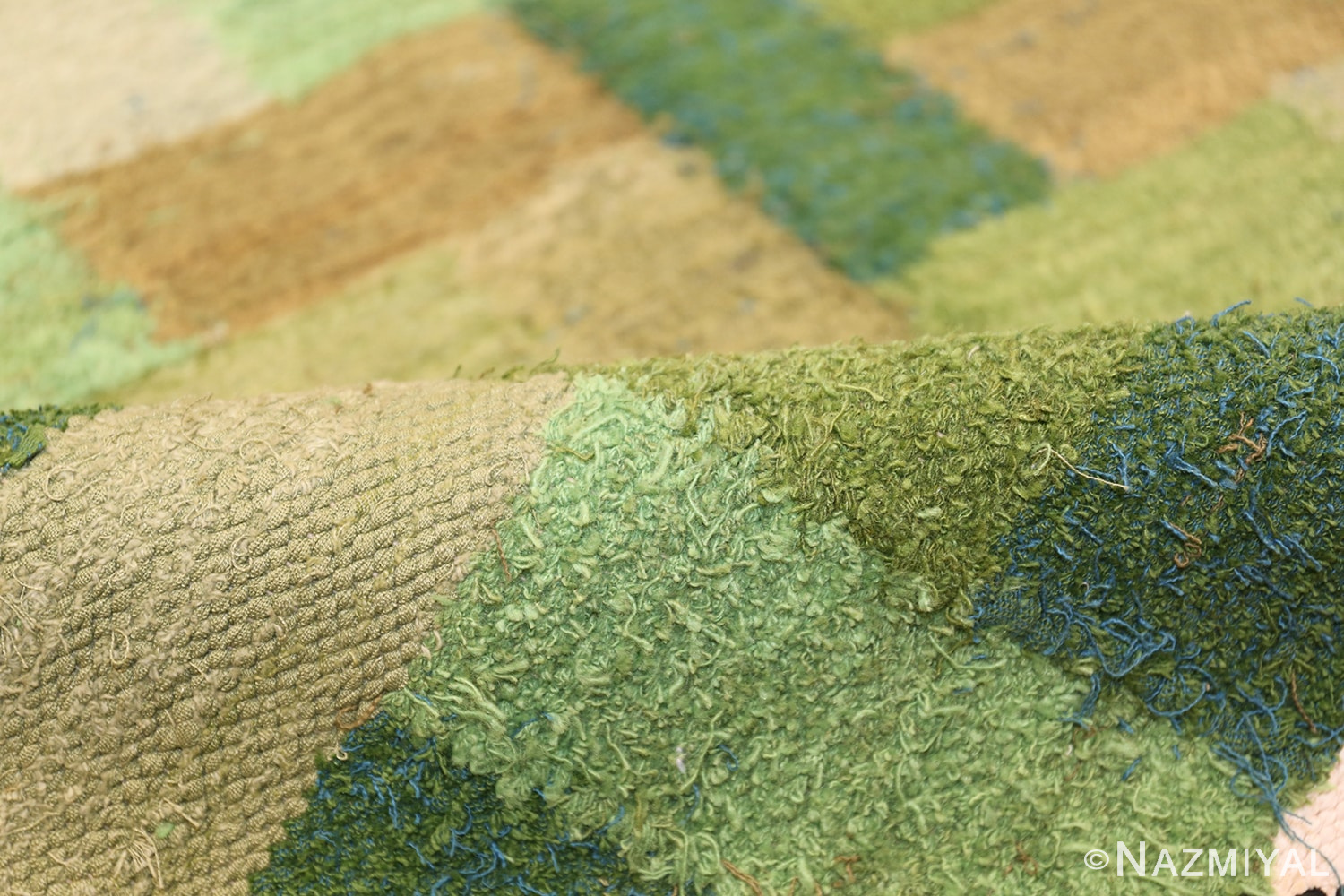
Vintage shag rugs vary by region, but most prioritize comfort: thick wool pile is common, with foundations and finishing that reflect local weaving traditions. Key points to check:
- Pile integrity: long pile can mat over time; look for a pile that fluffs back with light brushing.
- Ends and edges: long-pile rugs can shed and loosen at edges—good finishing matters.
- Backing/foundation feel: the rug should lie well and feel stable underfoot with a proper pad.
- Shedding expectations: some shedding is normal for long pile; excessive shedding may indicate weakness or later production shortcuts.
Decorating With Vintage Shag Rugs
Shag rugs are at their best when you let texture do the talking. Use them to soften hard lines (casework, modern seating, minimal rooms) and to create a “landing zone” that feels warm and inviting. For a layered, collected home, anchor one room with an antique rug look, build continuity with complementary vintage rugs, and keep cleaner zones streamlined with modern rugs.
Sizing tip: shag reads more “intentional” when it’s generously scaled—aim to get front legs of key furniture on the rug so the texture frames the seating area.
Value and Collecting
Value is driven by the intersection of texture, design clarity, and origin. Collectors often seek standout examples such as Scandinavian rya pieces, exceptional Moroccan shags, and design-forward mid-century creations. Condition is especially important with long pile: look for consistent pile density, intact edges, and a rug that still feels plush rather than worn “flat.” Provenance and authenticity matter too—many buyers compare shag construction and motif language against broader regional traditions, including Persian rugs, to understand how design and craft travel across eras and markets.
If you’re shopping vintage shag rugs for their long pile and mid-century comfort, the closest cousin category to explore is Rya rugs.
| Category | What it’s known for | Best use |
|---|
| Vintage shag rugs | Long pile texture with mid-century comfort and a tactile, cozy presence | Bedrooms, lounges, living rooms, relaxed seating areas |
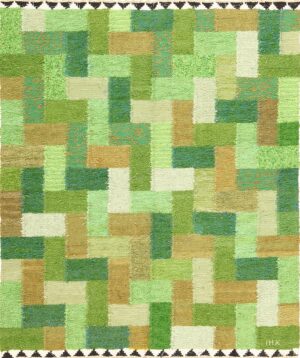
| Rya rugs (closest cousin) | Scandinavian long-pile tradition with distinctive shag texture and graphic/abstract design | Design-forward spaces, mid-century interiors, cozy corners |
| Vintage Moroccan shag rugs | Plush pile with tribal symbolism and bold simplicity | Minimalist rooms, eclectic styling, warm layered interiors |
- Vintage rugs
- Scandinavian rugs
- Moroccan rugs
- Modern rugs
- Textile art
- Geometric rugs
- Allover rugs
Explore More
Glossary
- Pile height: The length of the rug fibers; shag rugs are defined by a noticeably long pile.
- Shag pile: A deep, loose pile that creates a soft, shaggy surface and visible texture.
- Rya: A Scandinavian long-pile tradition often associated with mid-century Swedish and Finnish weavings.
- Matting: When long pile compresses and tangles from use; gentle brushing can often restore lift.
- Shedding: Loose fibers released over time; common in long-pile rugs but should not be excessive.
See more terms in the Rug Glossary.
FAQ
Are vintage shag rugs hard to maintain?
They can require more frequent upkeep than low-pile rugs. Regular gentle vacuuming and periodic brushing help keep the pile lifted and clean.
Can I vacuum a shag rug?
Yes—use a high-pile or gentle setting and avoid aggressive beater bars that can tangle or stress long fibers.
Do shag rugs shed?
Some shedding is normal, especially with long wool pile. Heavy shedding can indicate weakness, damage, or later production shortcuts.
Should I use a rug pad under a shag rug?
Yes. A pad improves stability, helps reduce friction, and can extend the rug’s usable life—especially for long-pile rugs.
What’s the difference between shag, rya, and Moroccan shag?
“Shag” describes the long-pile texture; “rya” refers to a Scandinavian long-pile tradition; Moroccan shag often combines plush pile with tribal symbolism and minimalist geometry.
Are vintage shag rugs good for high-traffic areas?
They can work, but choose a structurally stable rug and be realistic about matting. Many people prefer shag for bedrooms, lounges, and cozy seating zones.
Nazmiyal White-Glove Service
We make it easy to shop with confidence—whether you’re choosing a single statement piece or curating a full room.
Nazmiyal Link Map