Quick Navigation
Key Takeaways
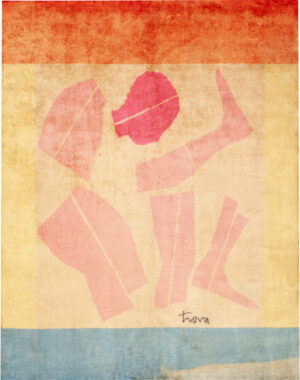
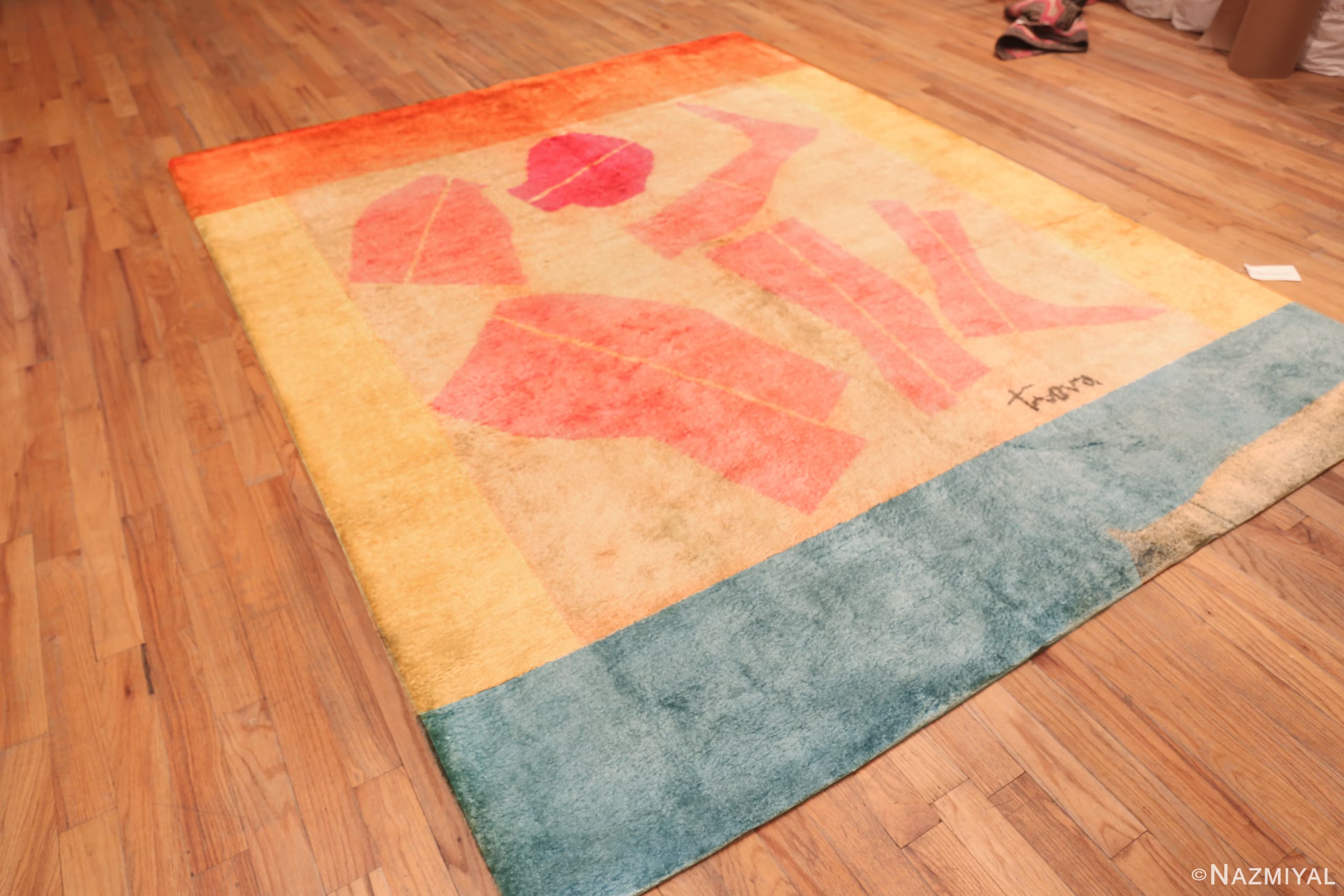
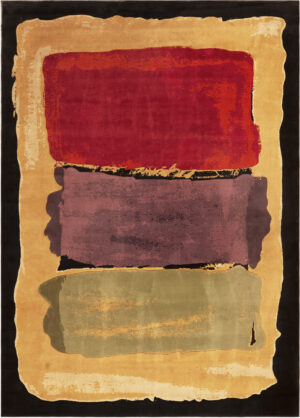
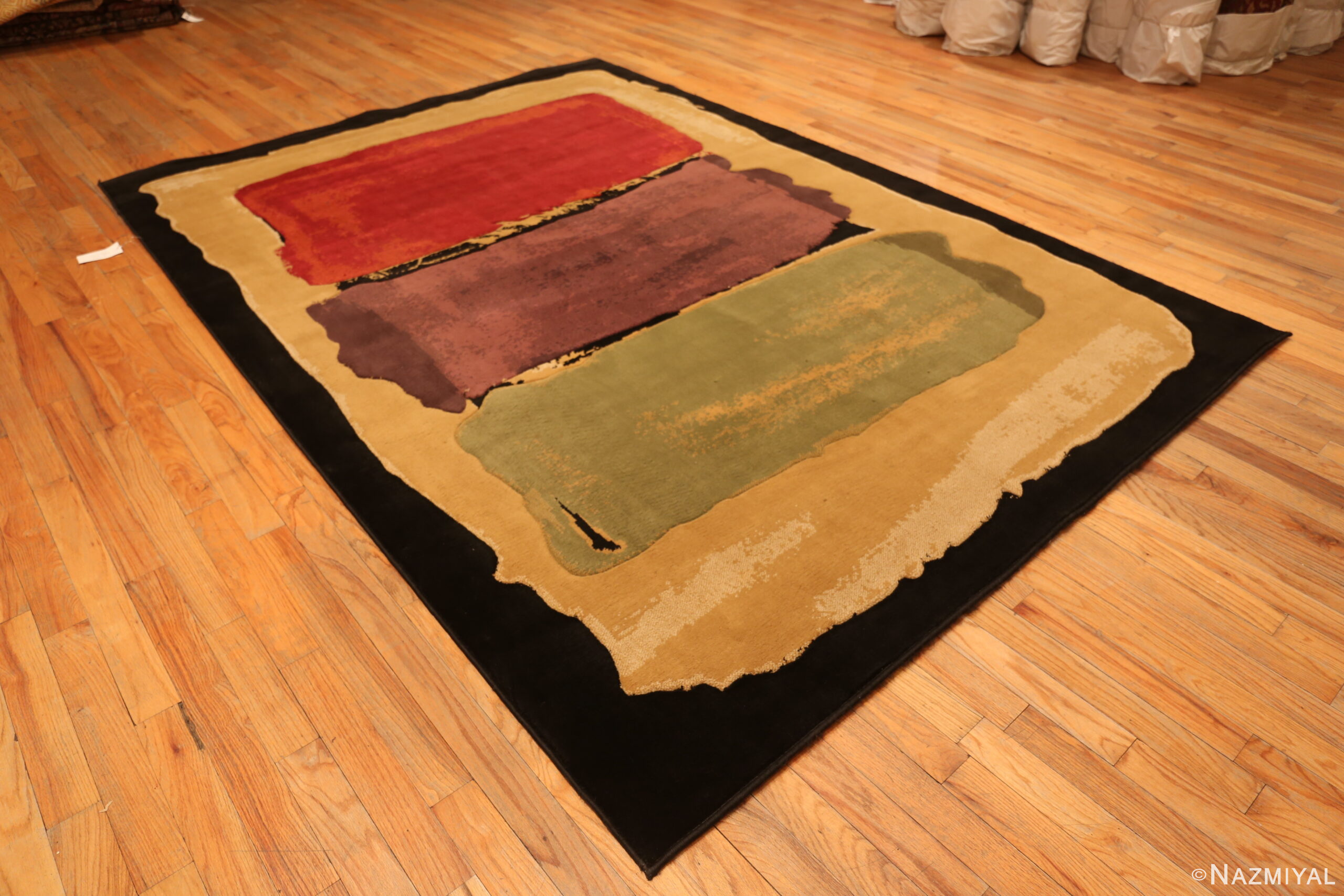
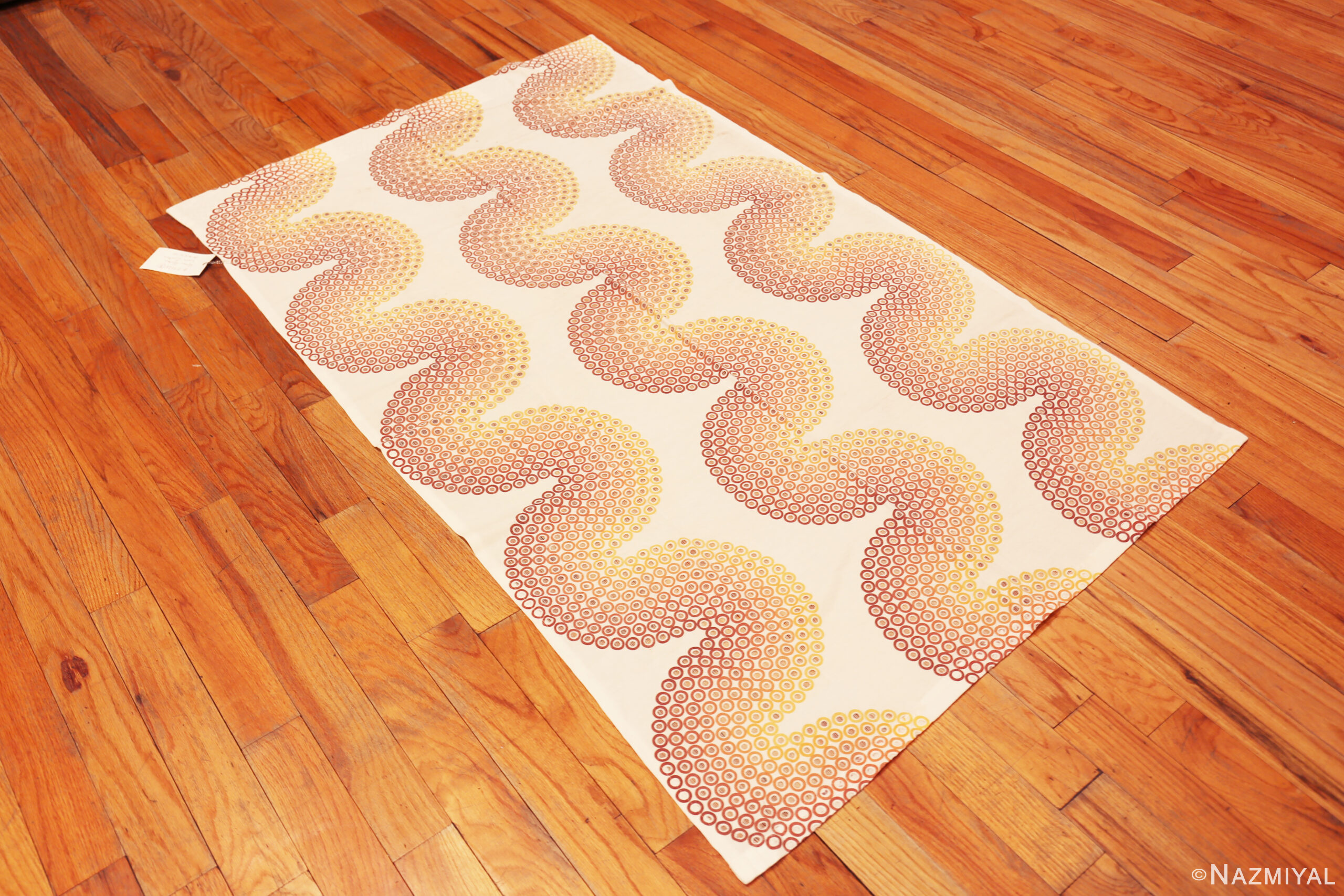
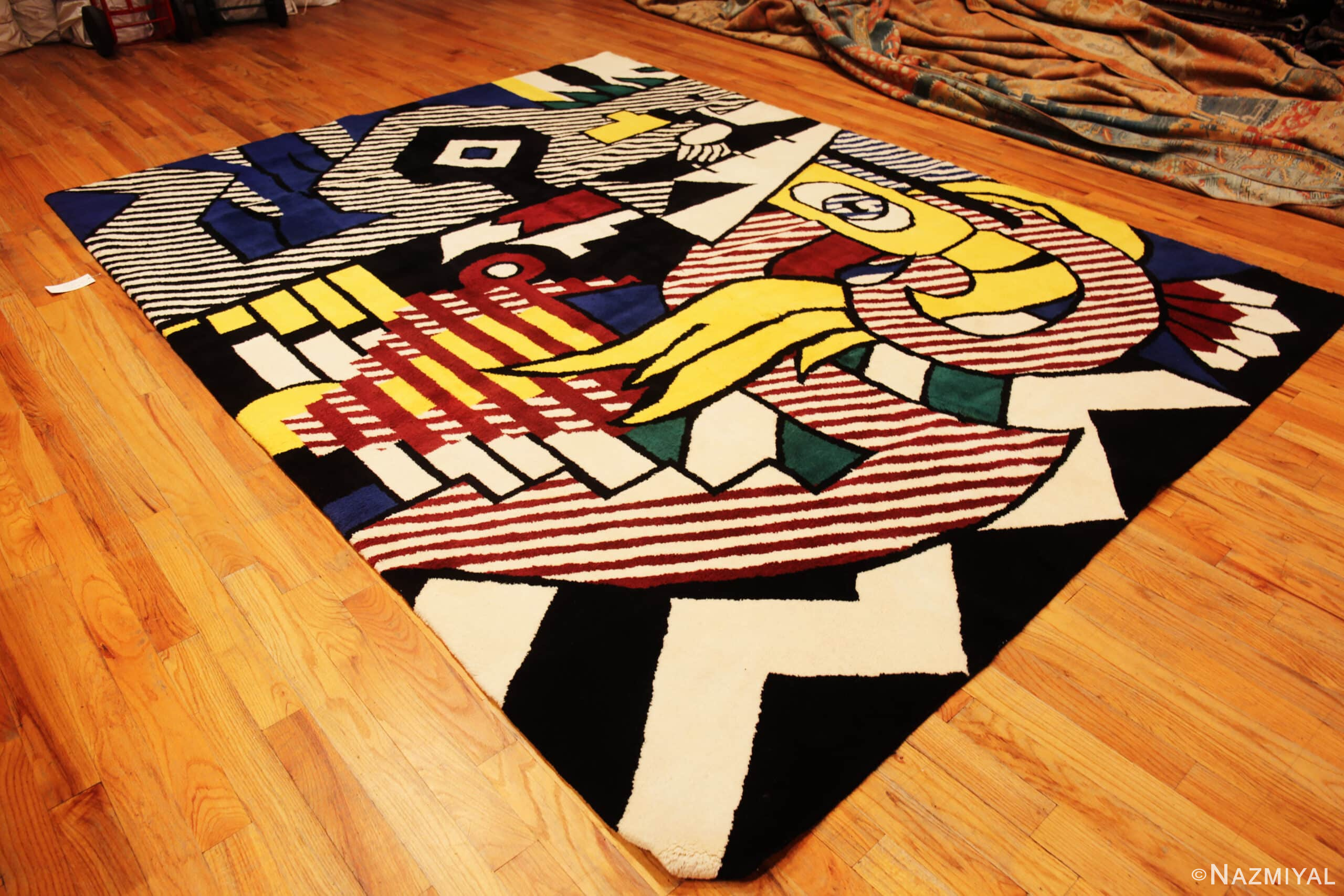
- Pop Art rugs are designed to read instantly: bold icons, crisp outlines, and high-contrast color deliver maximum statement energy.
- Many pieces work as both floor coverings and wall display—choose based on scale, traffic, and your tolerance for “gallery-level” care.
- Collector value tends to rise with artist relevance, edition details (when known), strong color, and excellent condition.
At-a-Glance Specs
- Era: Mid- to late-20th century through contemporary editions
- Common formats: small statement rugs • room-size graphic carpets • tapestry/wall-hanging weaves
- Design language: typography • symbols • cartoon-like line • color blocks • repeated iconography
- Best rooms: living rooms • studios • media rooms • creative offices • gallery corridors
- Style pairings: minimalist • contemporary • industrial • eclectic • Scandinavian/Bauhaus-inspired interiors
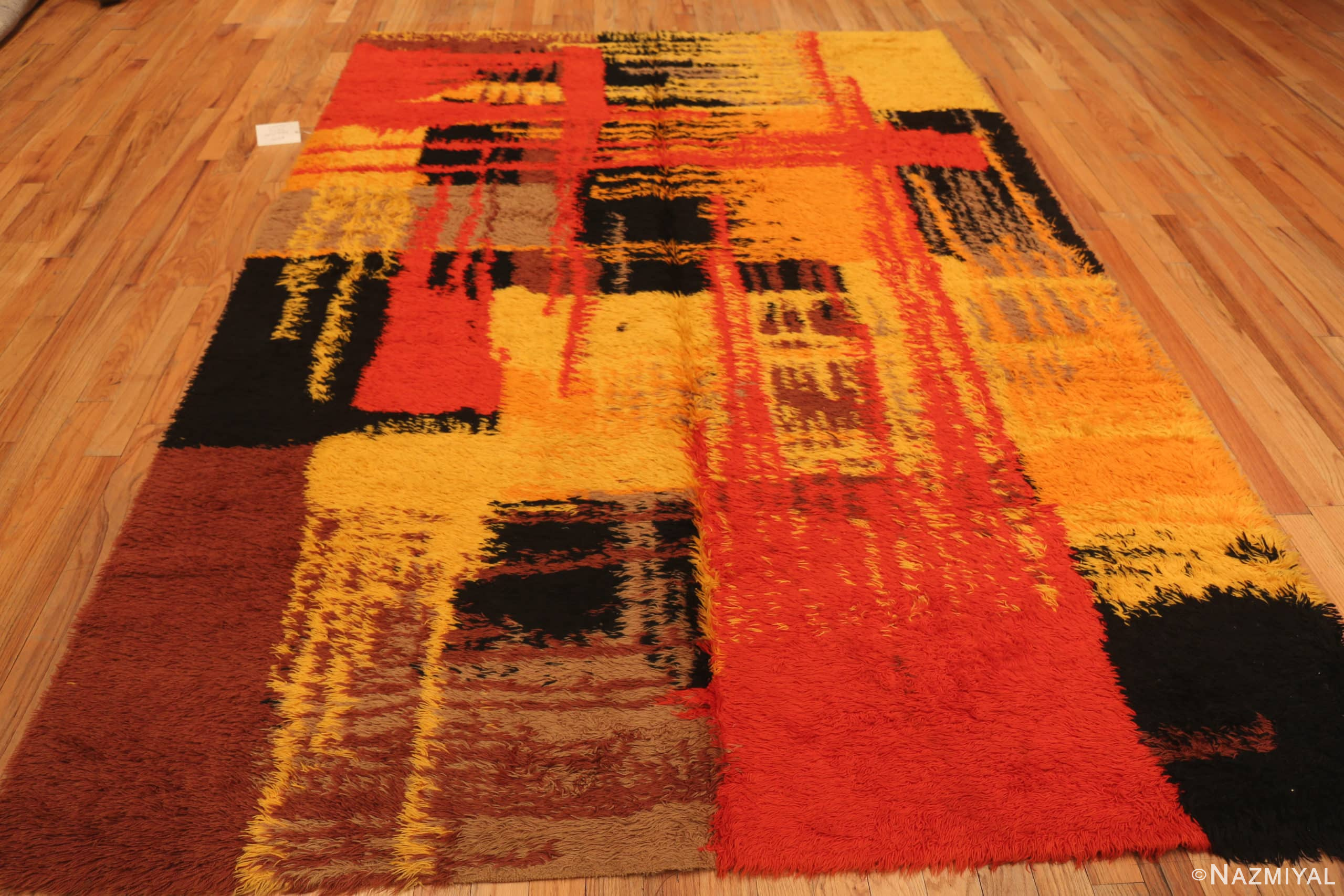
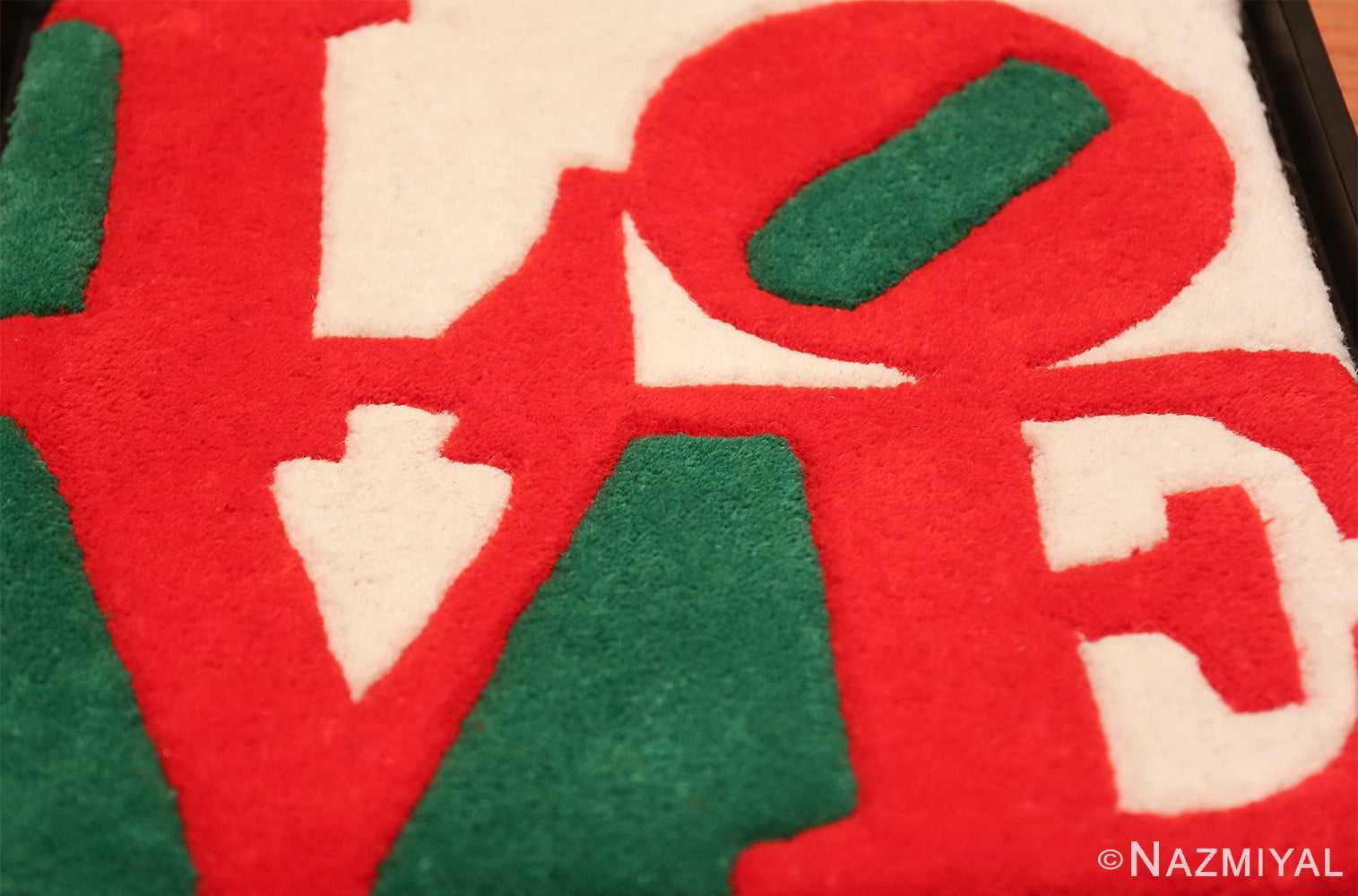
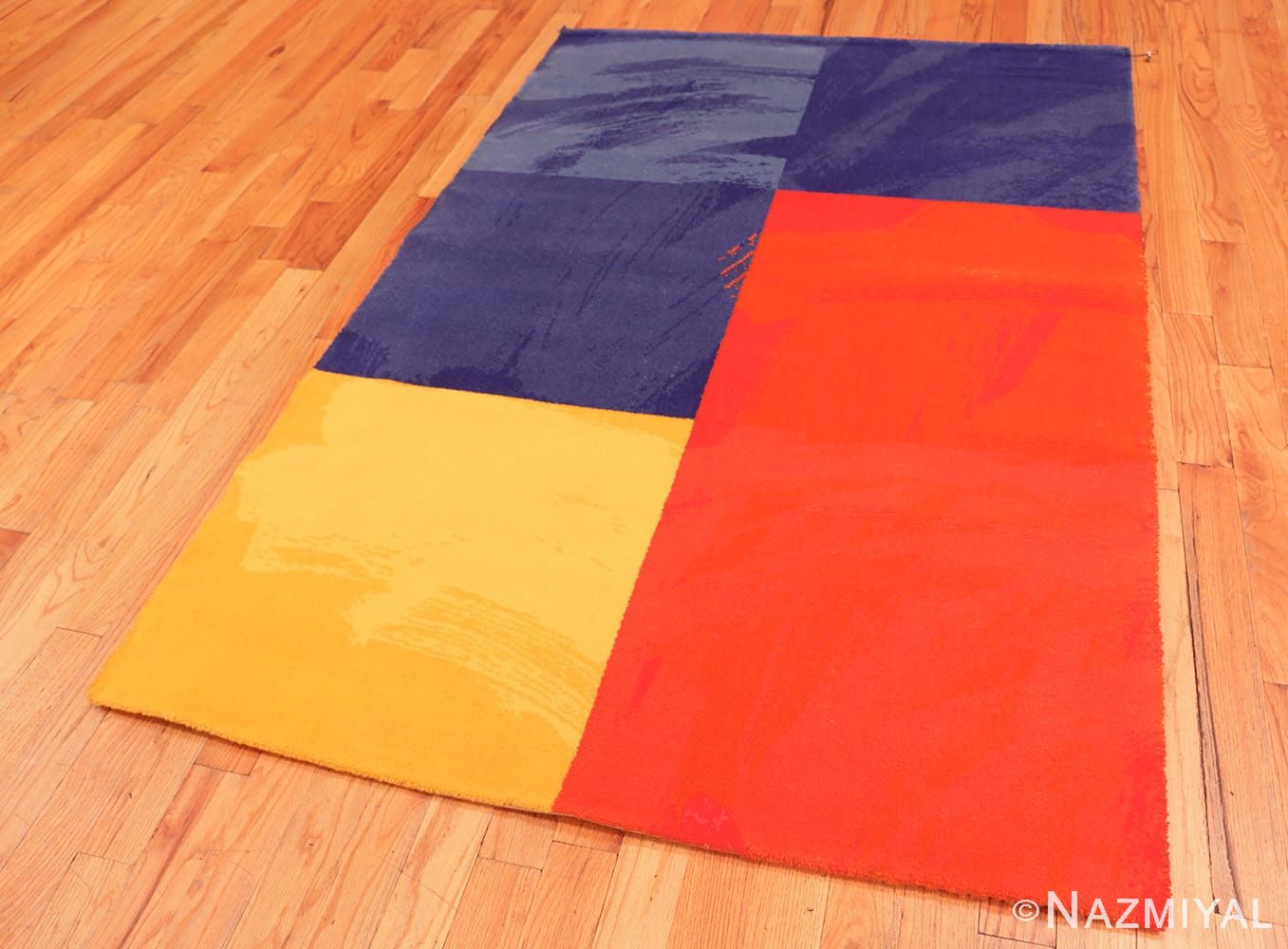
Featured Rugs
Why Nazmiyal? 3 Pillars of Nazmiyal Collection
- Curated impact: statement pieces selected for clarity of image, strong color, and real decorative presence.
- Artist-informed guidance: help comparing editions, formats (rug vs tapestry), and room-appropriate scale.
- White-glove support: straightforward service for approvals, shipping, and collector-level care considerations.
How to Identify Pop Art Rugs
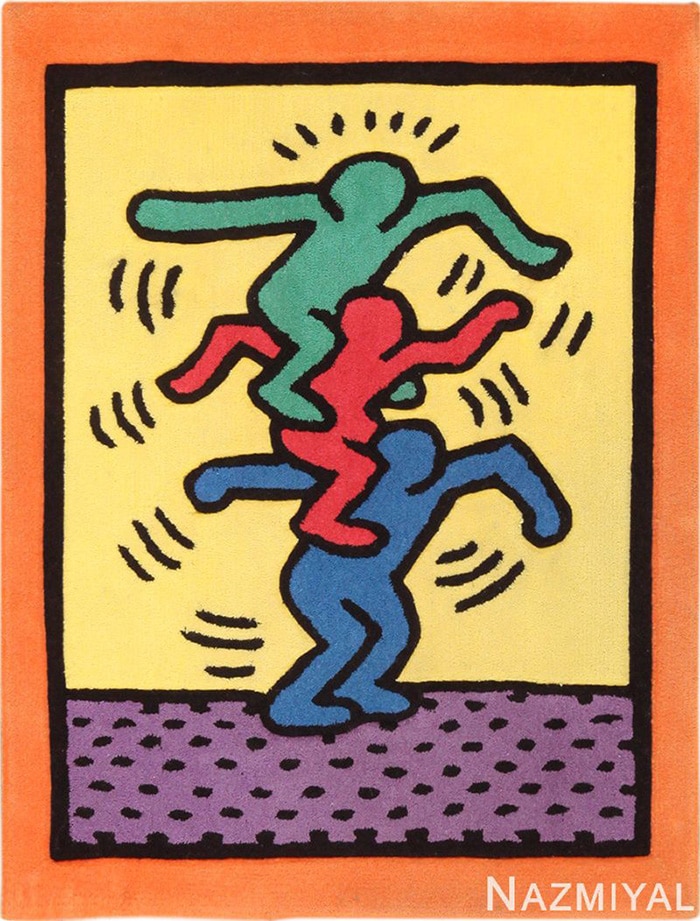
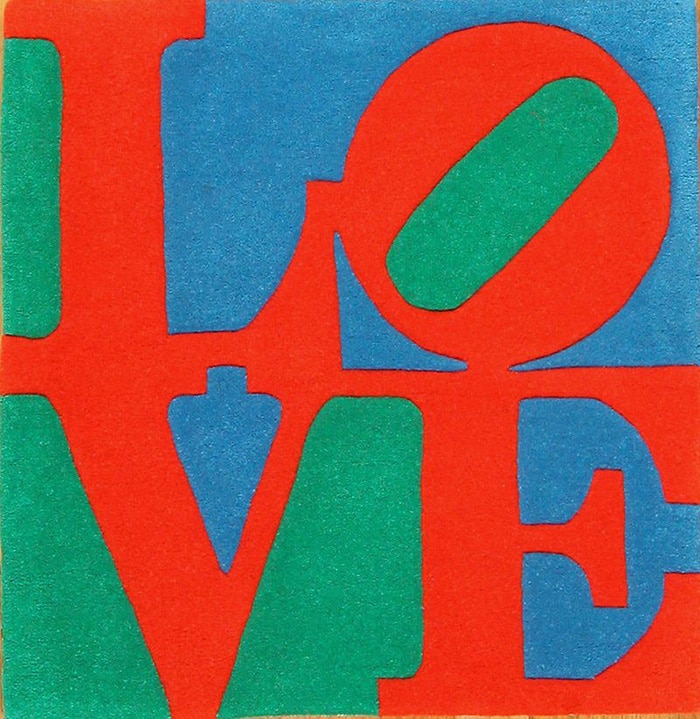
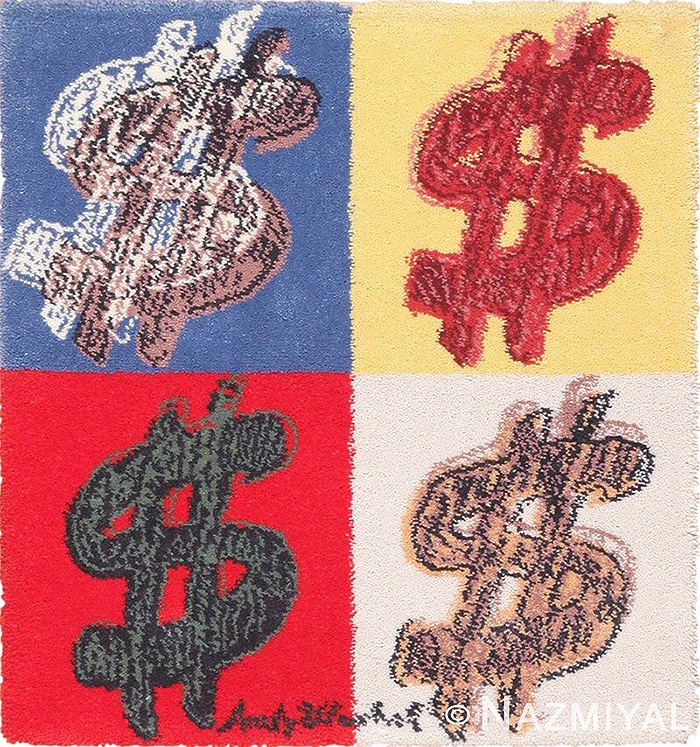
Pop Art rugs are typically easy to spot: the design is graphic, iconic, and meant to be read fast. Unlike purely abstract modern rugs, Pop Art tends to use recognizable symbols, lettering, or character-driven imagery. Many pieces also reference screenprint-like effects—flat color fields, bold outlines, and high-contrast compositional choices that feel “poster-ready.”
- Iconography: recognizable symbols, figures, or word-art that carries cultural meaning.
- High-contrast structure: clear outlines and simplified shapes that remain legible across a room.
- Color confidence: saturated primaries, crisp black/white, and deliberate block color placement.
- Edition cues (when applicable): labels, signatures, or documentation that connect the piece to an artist or series.
Materials & Construction
Pop Art rugs can appear as hand-knotted rugs, flatwoven constructions, or tapestry-like weaves designed for display. Construction matters because it changes how the image reads: tighter, more controlled structures support crisp edges and typography; more textural builds can soften the graphic punch in a pleasing way. Many Pop Art pieces also borrow design logic familiar to collectors of refined court rugs, including balanced framing and controlled negative space seen in select Persian rugs.
- Pile vs flatweave: pile can add richness; flatweaves often keep edges and lines sharper.
- Color durability: prioritize strong, stable color that hasn’t dulled or shifted dramatically.
- Use-case fit: wall-hanging-friendly pieces can preserve condition while still delivering impact.
Decorating with Pop Art Rugs
Let the rug be the headline. In a minimalist room, Pop Art reads like a gallery piece; in an eclectic room, it becomes the connective “graphic thread.” For layered interiors, pair Pop Art with the patina of antique rugs, the versatility of vintage rugs, or the clean geometry of modern rugs—using scale and color to keep the room intentional, not chaotic.
- Scale: bigger reads bolder; small pieces work best as accents or in tight, curated zones.
- Palette control: echo one or two rug colors in accessories and keep the rest neutral.
- Placement: consider wall display for collector pieces or low-traffic areas for best preservation.
Value & Collecting
Pop Art rugs sit at the intersection of design and art collecting. Value is influenced by artist association, edition context (when known), visual strength, and condition. Because these pieces often rely on crisp outlines and strong color, wear can be more obvious than on tonal rugs—so condition integrity matters. Provenance and documentation can help, but the most important factor is how powerfully the image reads today.
- Artist and relevance: recognizable names and historically important imagery often carry stronger demand.
- Condition: protect edges, corners, and high-contrast areas where loss is most visible.
- Decorative clarity: the best pieces remain instantly legible from across the room.
If you love the statement energy of Pop Art but want the closest broader category for comparison, your closest cousin is art rugs by famous artists, which includes Pop Art alongside modernist, abstract, and tapestry-oriented works.
Quick Comparison
| Type | Best-known for | Decorating feel |
|---|
| Pop Art rugs | Icons, typography, bold commercial imagery | High-energy, statement-making, instantly legible |
| Art rugs by famous artists | Wider umbrella of artist-led modern and tapestry works | Ranges from quiet/architectural to bold/graphic |
| Modern design rugs | Geometry, abstraction, and contemporary palettes | Clean-lined, flexible, often more subtle than Pop |
Explore More
For a broader view of where different styles and collections live across the world (including modern and contemporary movements), explore Worldwide.
Glossary
- Pop Art: an art movement using everyday imagery, mass-media visuals, and cultural icons to make bold statements.
- Iconography: recognizable symbols or images that carry shared cultural meaning.
- Typography: letterforms and text used as a primary visual element (common in Pop Art word-based works).
- Tapestry rug: a woven image-forward textile often suited to wall display as well as decorative use.
- Color blocking: large, flat fields of color arranged for high contrast and immediate visual impact.
- Edition: a limited (or numbered) production run tied to a specific design or artist-led series.
See more terms in our Rug Glossary.
FAQ
What makes a rug “Pop Art”?
Pop Art rugs use bold, instantly recognizable imagery—icons, typography, and commercial-style graphics—designed to read quickly and make a statement.
Are Pop Art rugs considered vintage or modern?
Both exist. Many are mid- to late-20th-century vintage pieces, while others are contemporary editions or modern productions inspired by Pop aesthetics.
Can a Pop Art rug be used as a wall hanging?
Yes. Many image-forward pieces work beautifully on the wall, especially smaller sizes or tapestry-like weaves that benefit from lower wear.
How do I choose the right size for a Pop Art rug?
Treat it like artwork: larger sizes create a stronger focal point, while small rugs work best as accents in tightly curated areas.
What should I look for when collecting Pop Art rugs?
Prioritize artist association, clarity of the image, strong stable color, and excellent condition—especially in high-contrast outlines and edges.
Do Pop Art rugs work in minimalist interiors?
Very well. In minimalist spaces, Pop Art rugs act like a gallery statement piece and can provide the room’s primary color and energy.
Nazmiyal White-Glove Service
We make it easy to shop with confidence—whether you’re choosing a single statement piece or curating a full room.
Nazmiyal Link Map