Browse
Contacts

+1 (212) 545-8029
contact@nazmiyal.com
31 East 32nd St, Floor #2
New York, NY 10016

Social

Beautiful Red Rugs and Rust Rugs

Learn More About Red and Rust Rugs

Red and rust rugs are decorative carpets that use warm pigments—ranging from vivid scarlet to earthy rust and terracotta—to add energy, comfort, and a welcoming focal point.

Red and rust rugs bring warmth, energy, and grounded character to a room—whether you want a bold crimson statement or a softened, earthy rust that feels lived-in. In the Nazmiyal Collection, you can shop one-of-a-kind area rugs with palettes that range from bright, high-contrast reds to mellow terracotta and brick tones that behave like warm neutrals. For a broader palette view, start at our rug colors hub, then return here when you want a red-forward focal point.

Updated February 12, 2026 • Reviewed by Jason Nazmiyal

Show Filters

Showing 1–32 of 364 results

Key Takeaways

  • True reds feel dramatic and high-energy; rust tones feel calmer, earthier, and easier to layer as “warm neutrals.”
  • The best red/rust rugs balance warmth with contrast—look for outlines, borders, or secondary colors that keep the palette crisp.
  • In antique and vintage pieces, natural-dye reds often show beautiful tonal variation—look for even wear and stable color throughout the field and borders.

At-a-Glance Specs

  • Common origins: Persia, Turkey, the Caucasus, Central Asia, and curated contemporary workshops
  • Typical eras: Antique, vintage, and modern (one-of-a-kind inventory varies)
  • Weave types: Hand-knotted pile; flatwoven kilims; occasional silk highlights
  • Materials: Wool, silk, wool-and-silk blends
  • Palette range: Crimson, carmine, brick, terracotta, rust, paprika, burnt sienna
  • What to look for: Clear contrast, healthy patina, stable dyes, and a warm tone that matches your lighting

Large rugsOversized rugsFloral designsAllover patternsMedallion layoutsRug size guide


Quick Navigation


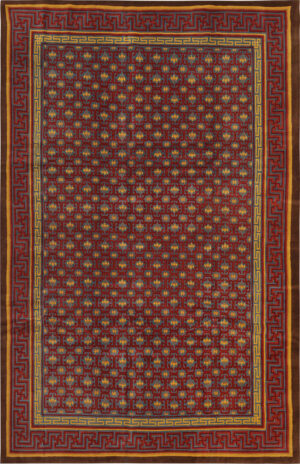
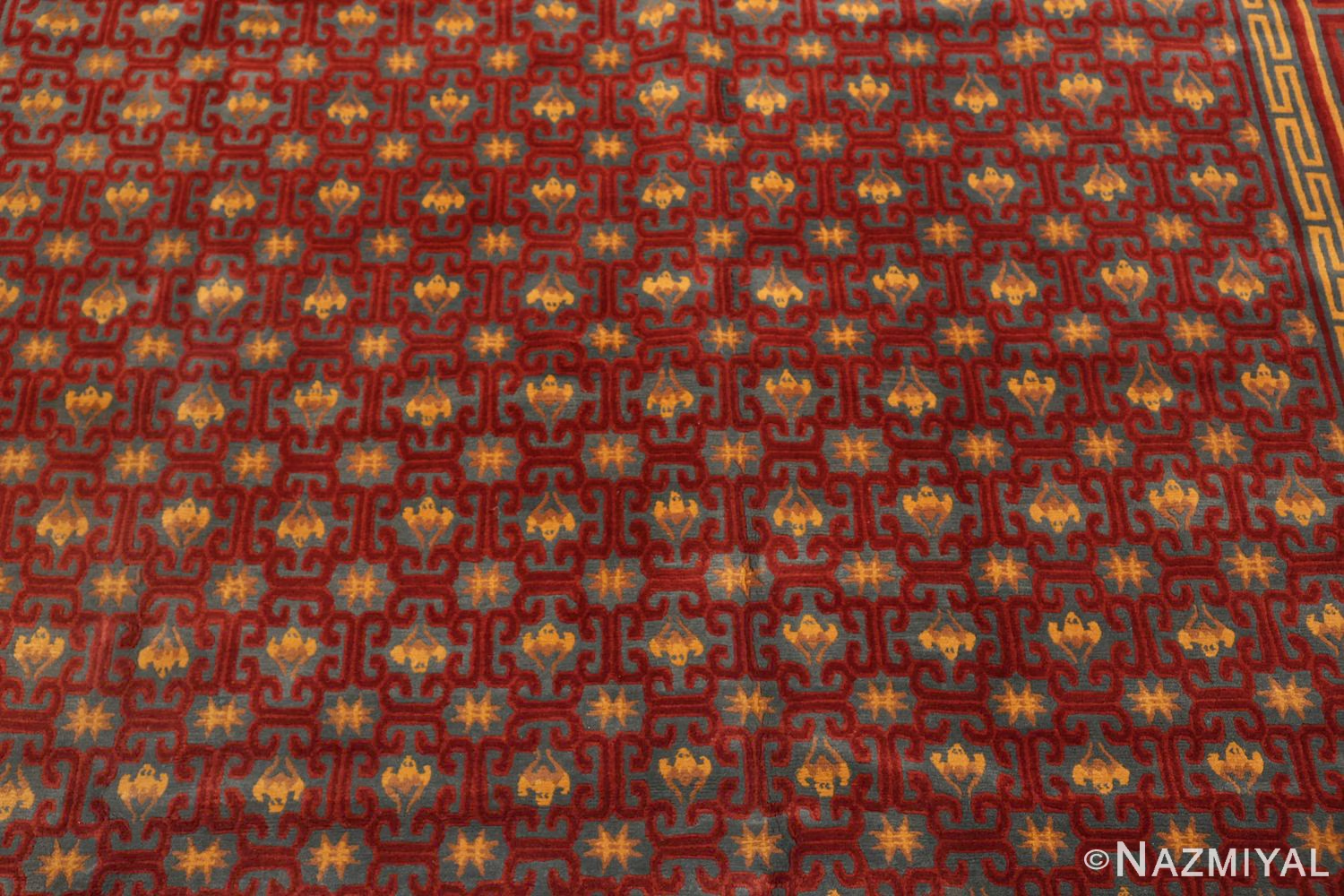
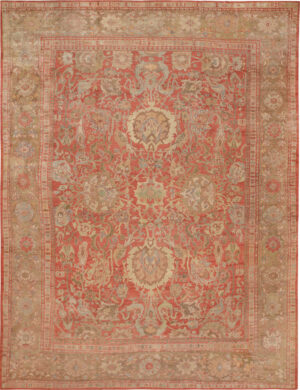
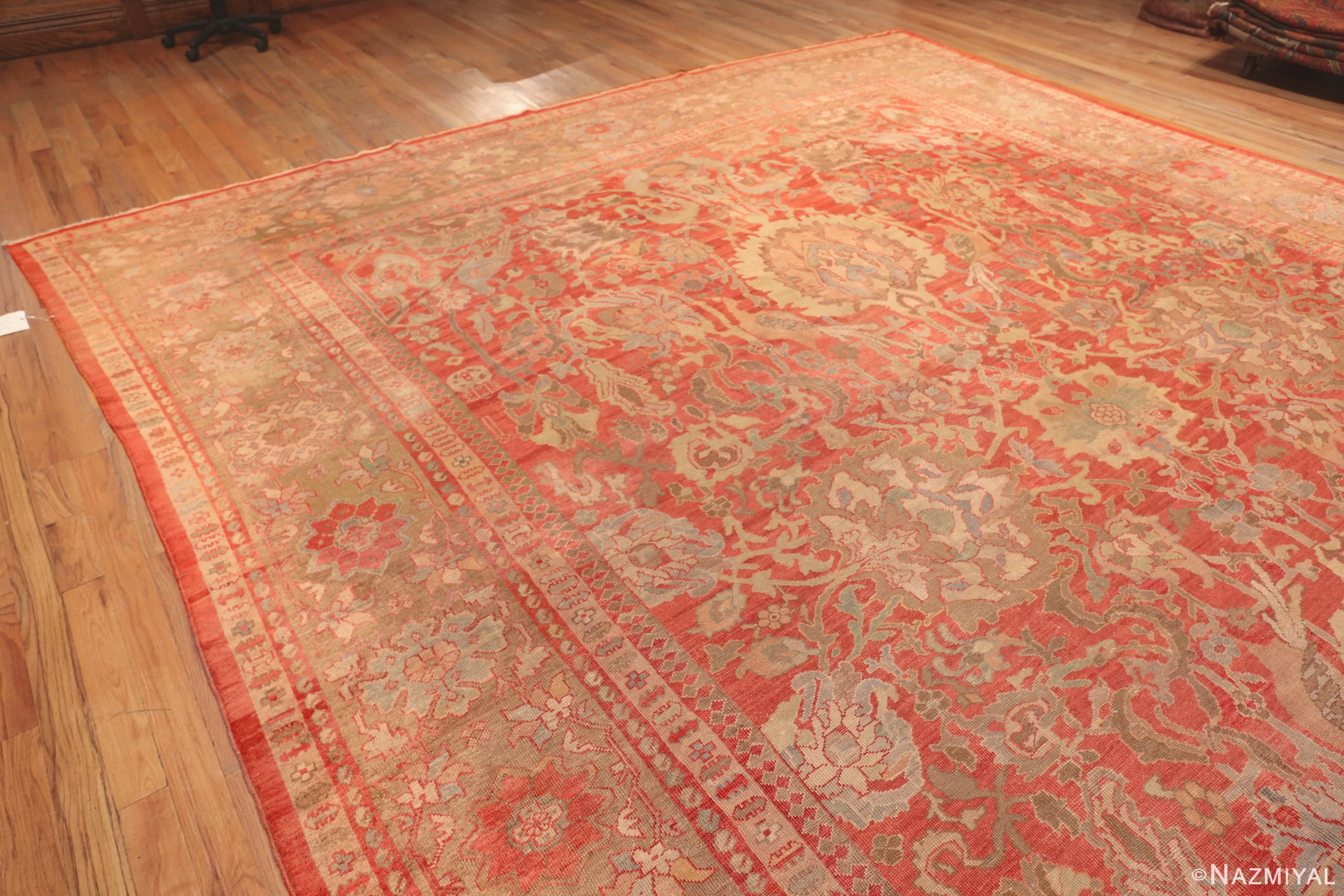
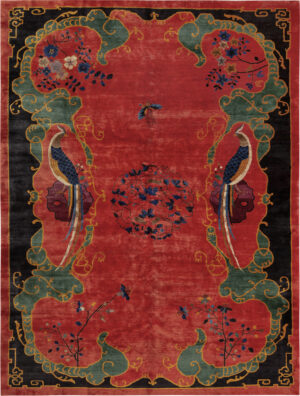
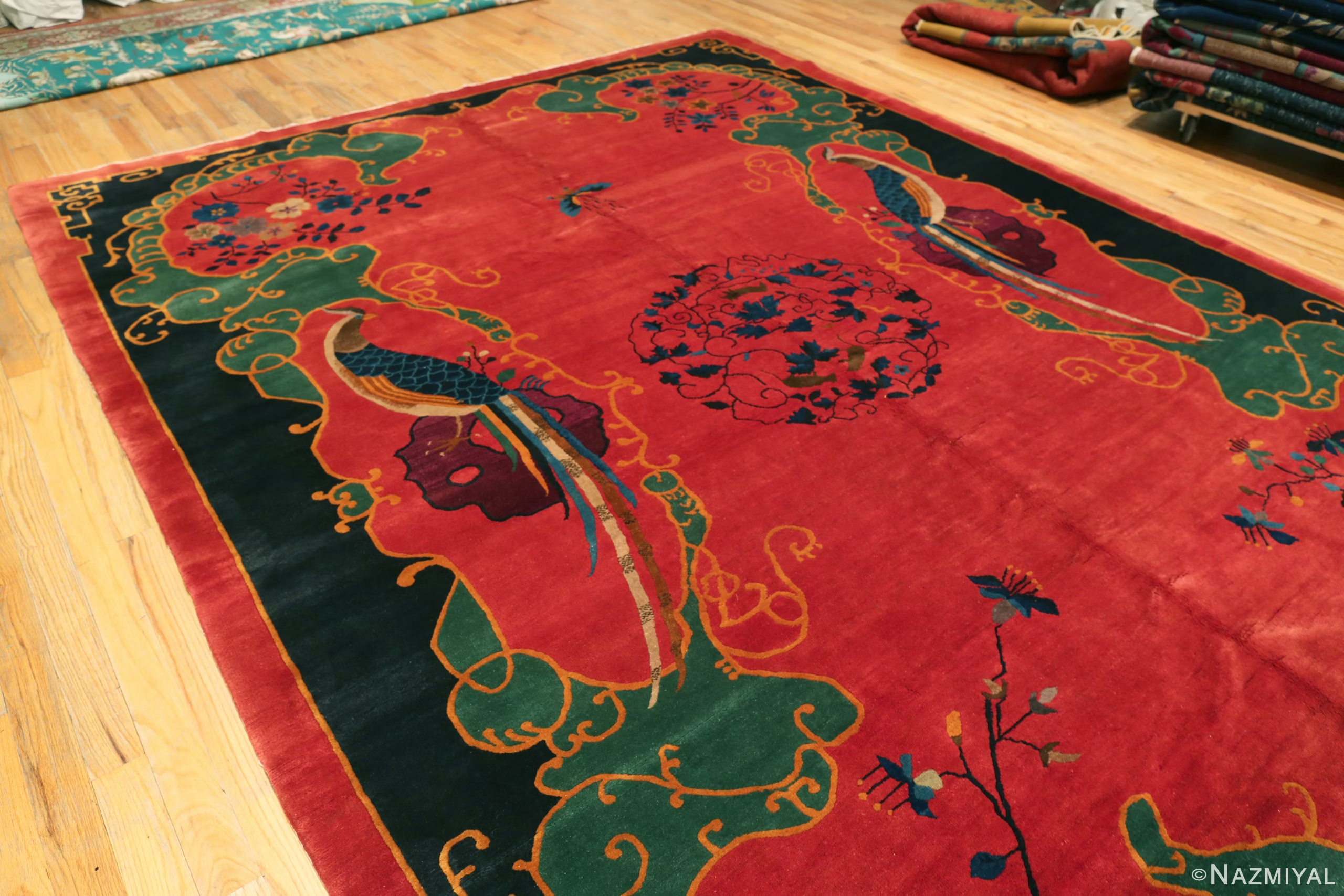
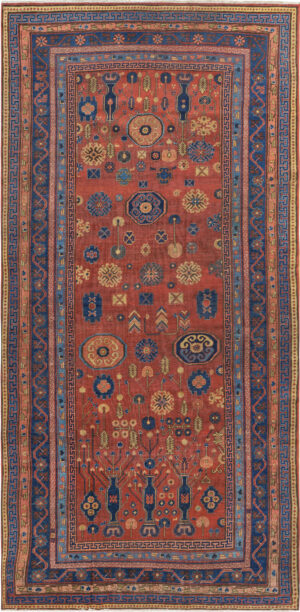
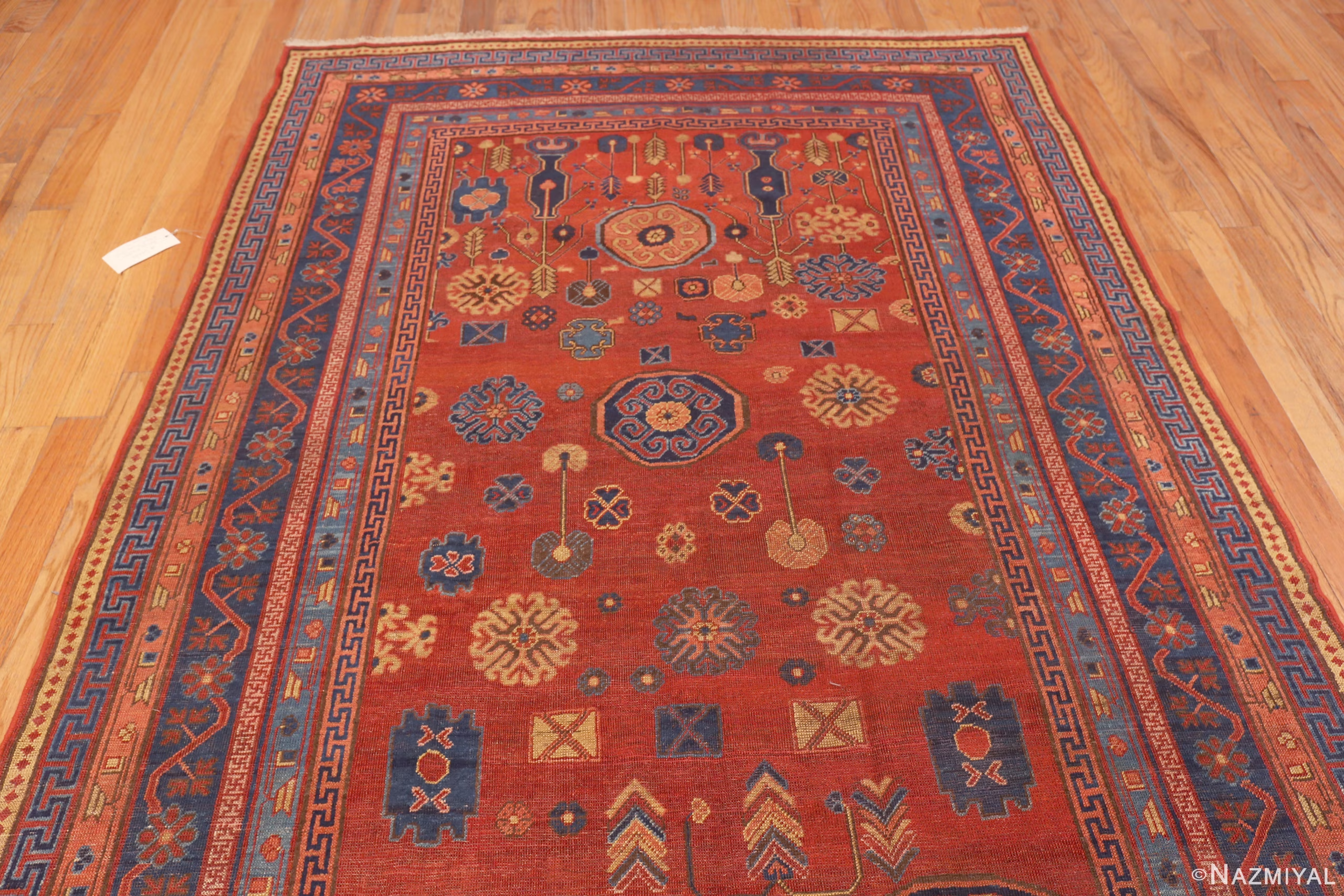
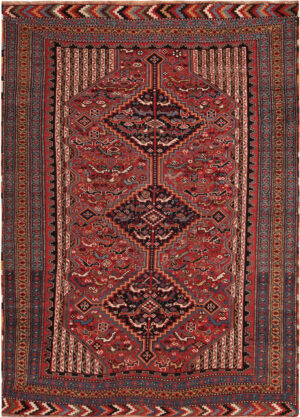
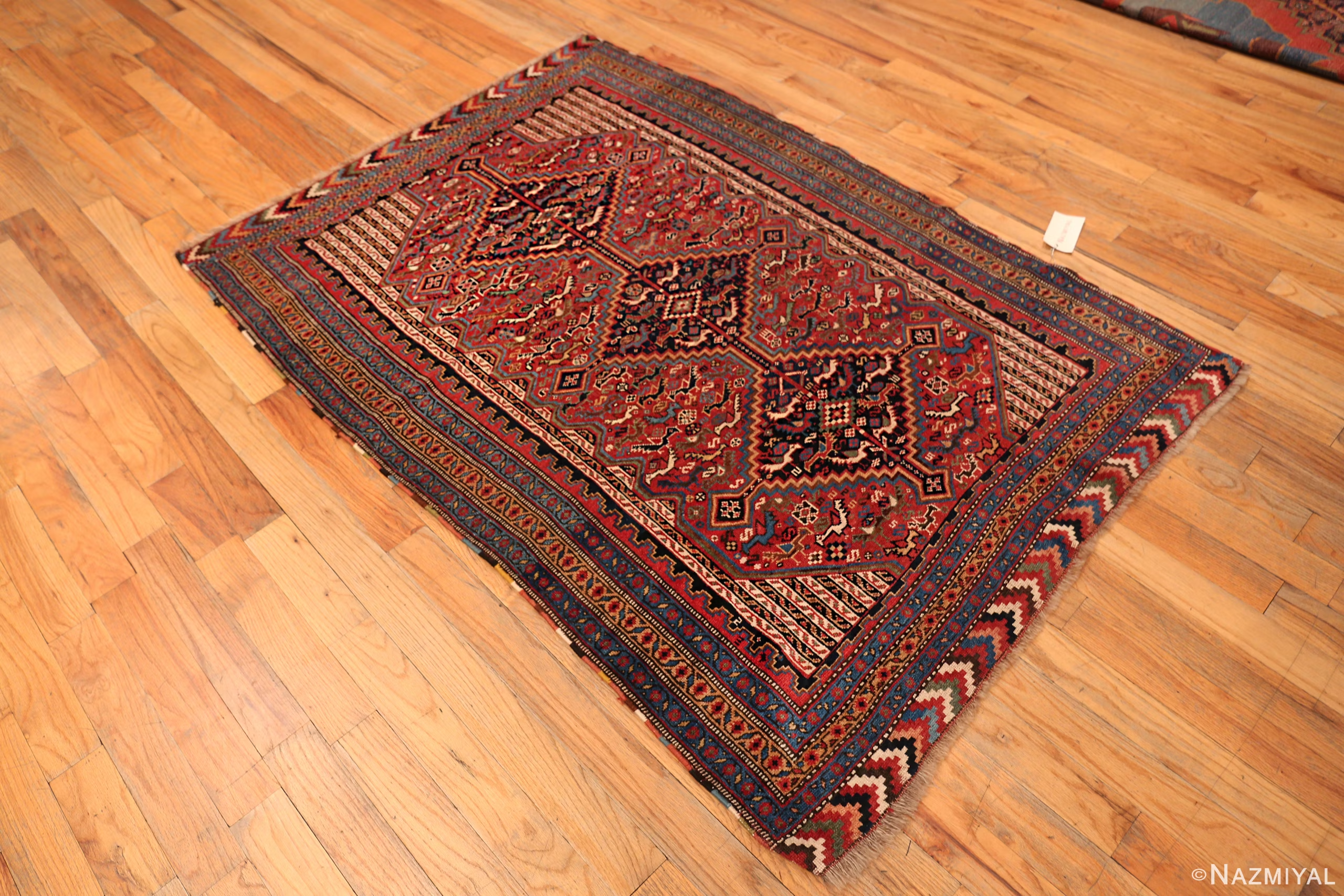
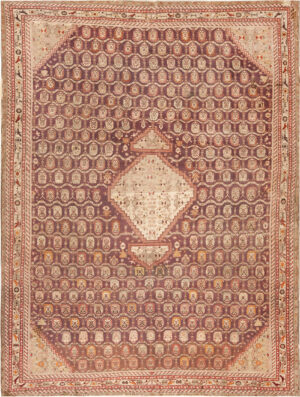
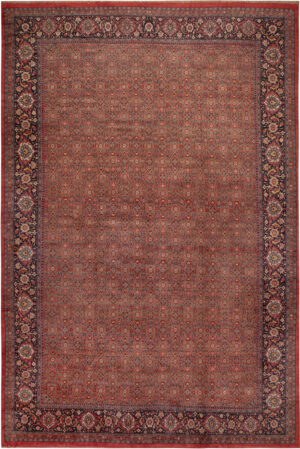
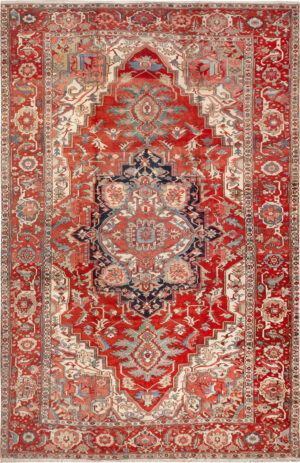
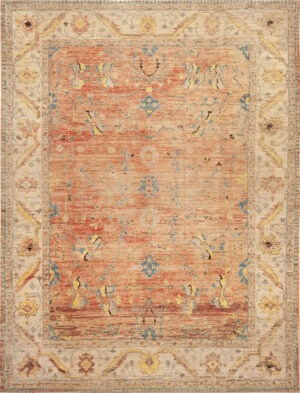
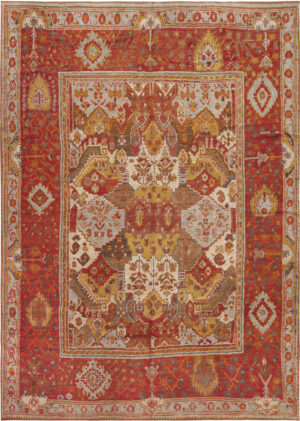
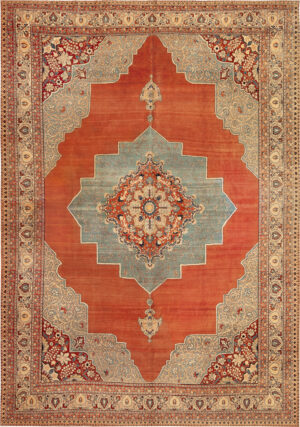
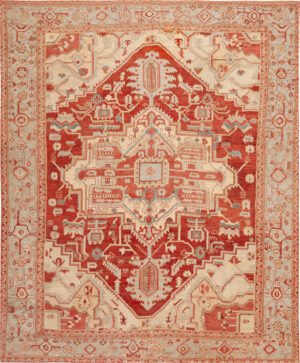
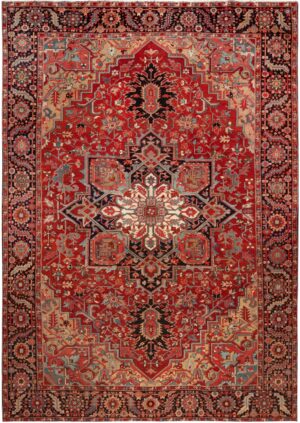
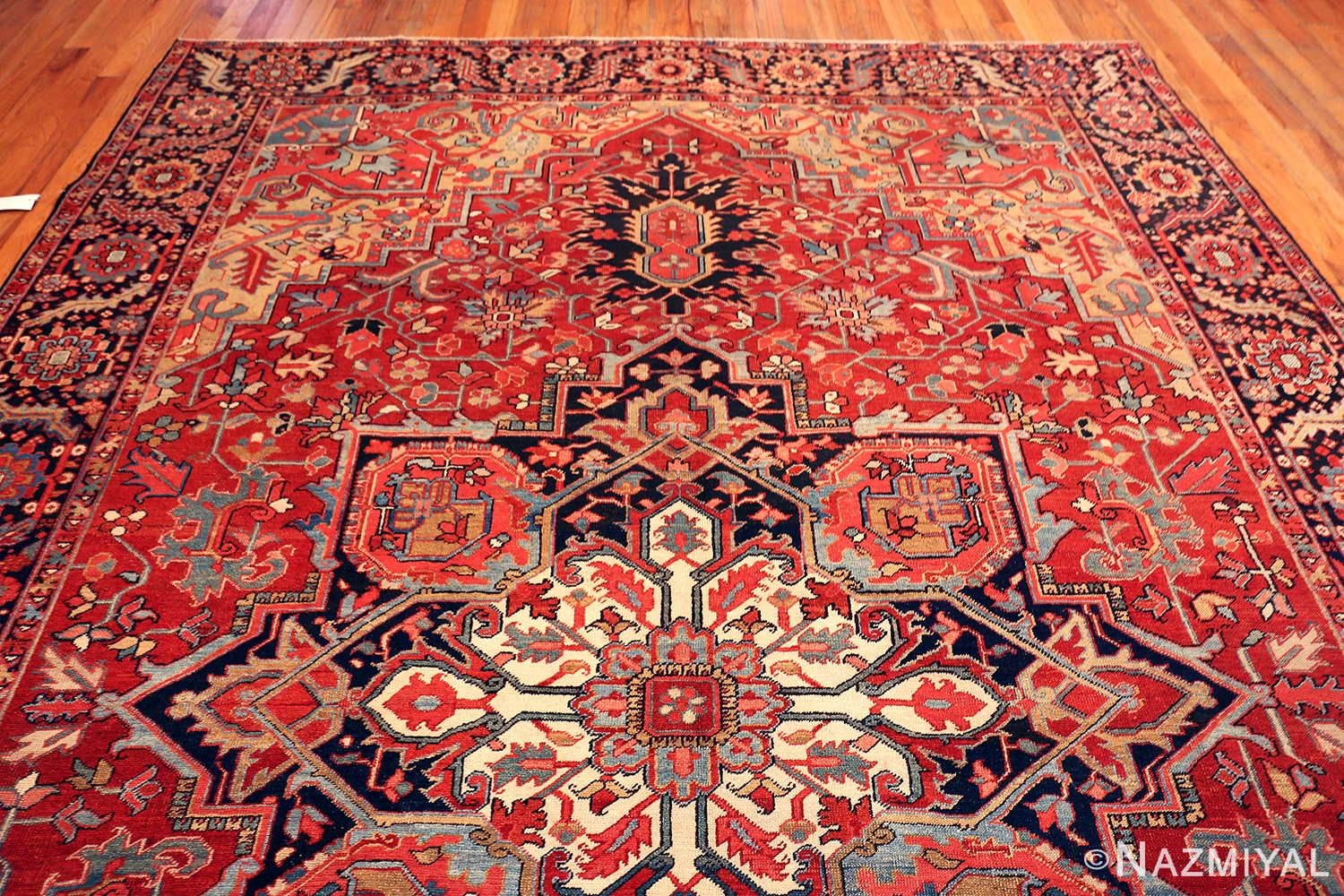
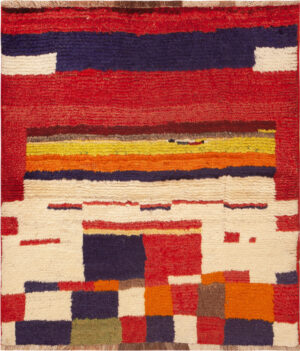
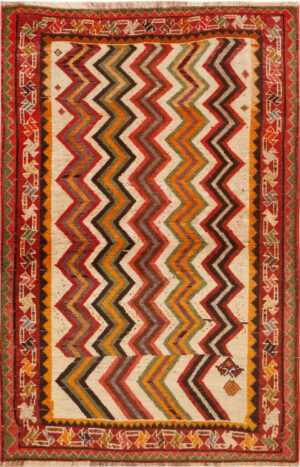
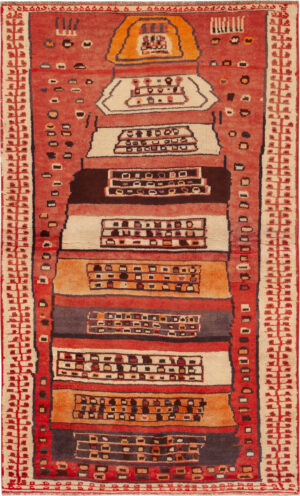
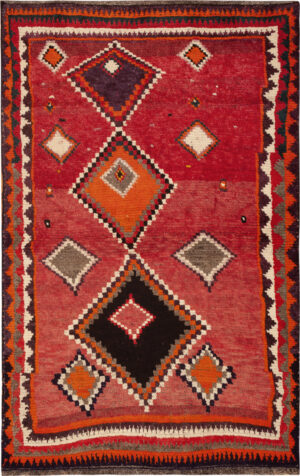
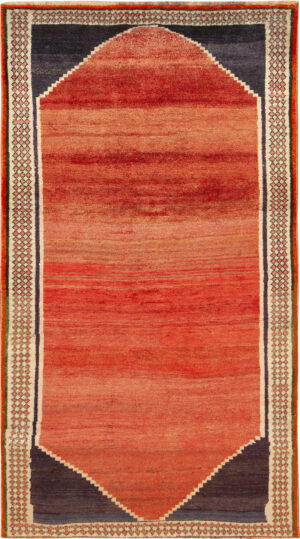
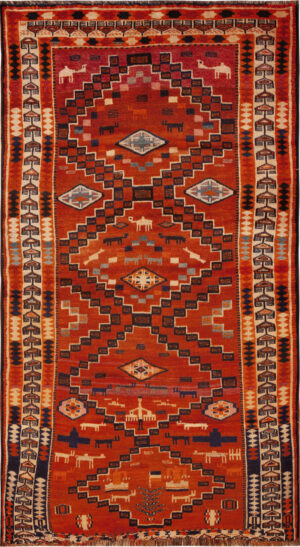
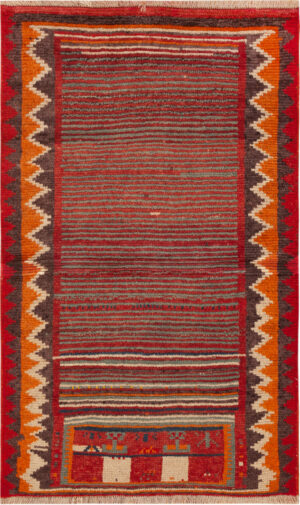
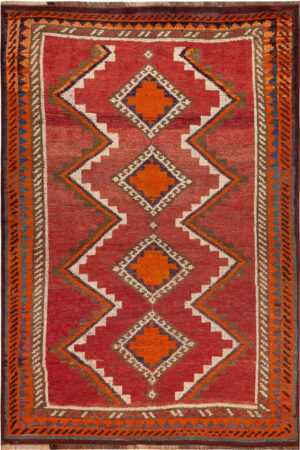
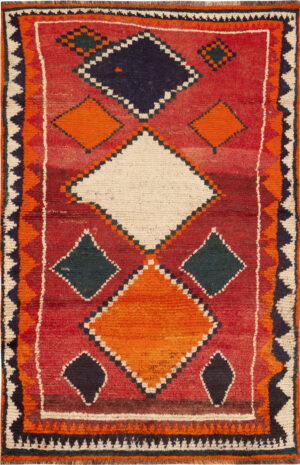
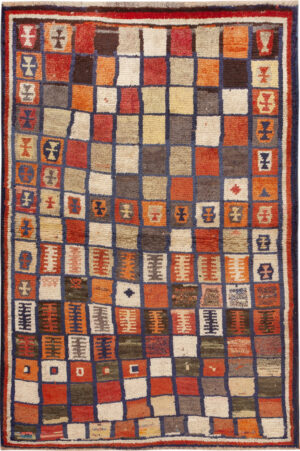
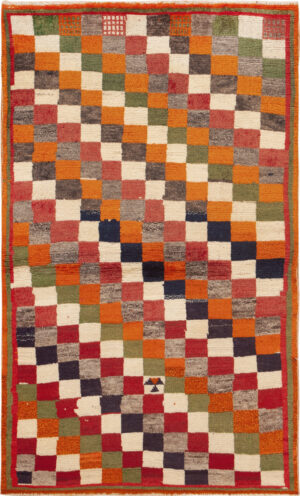
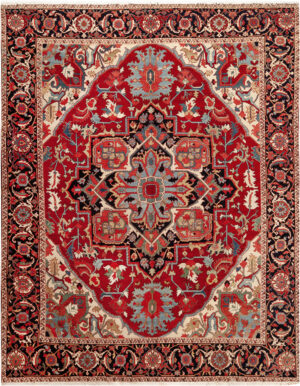
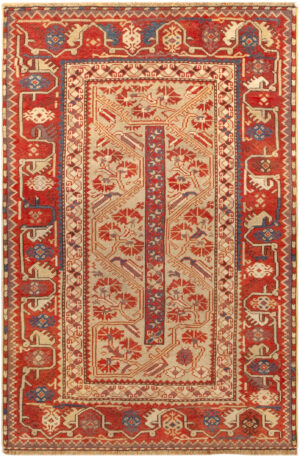
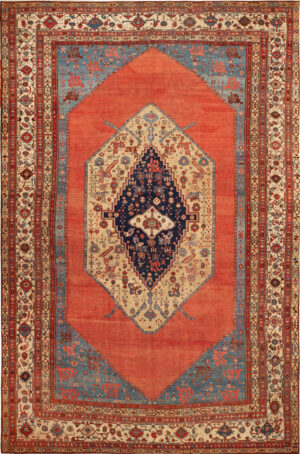
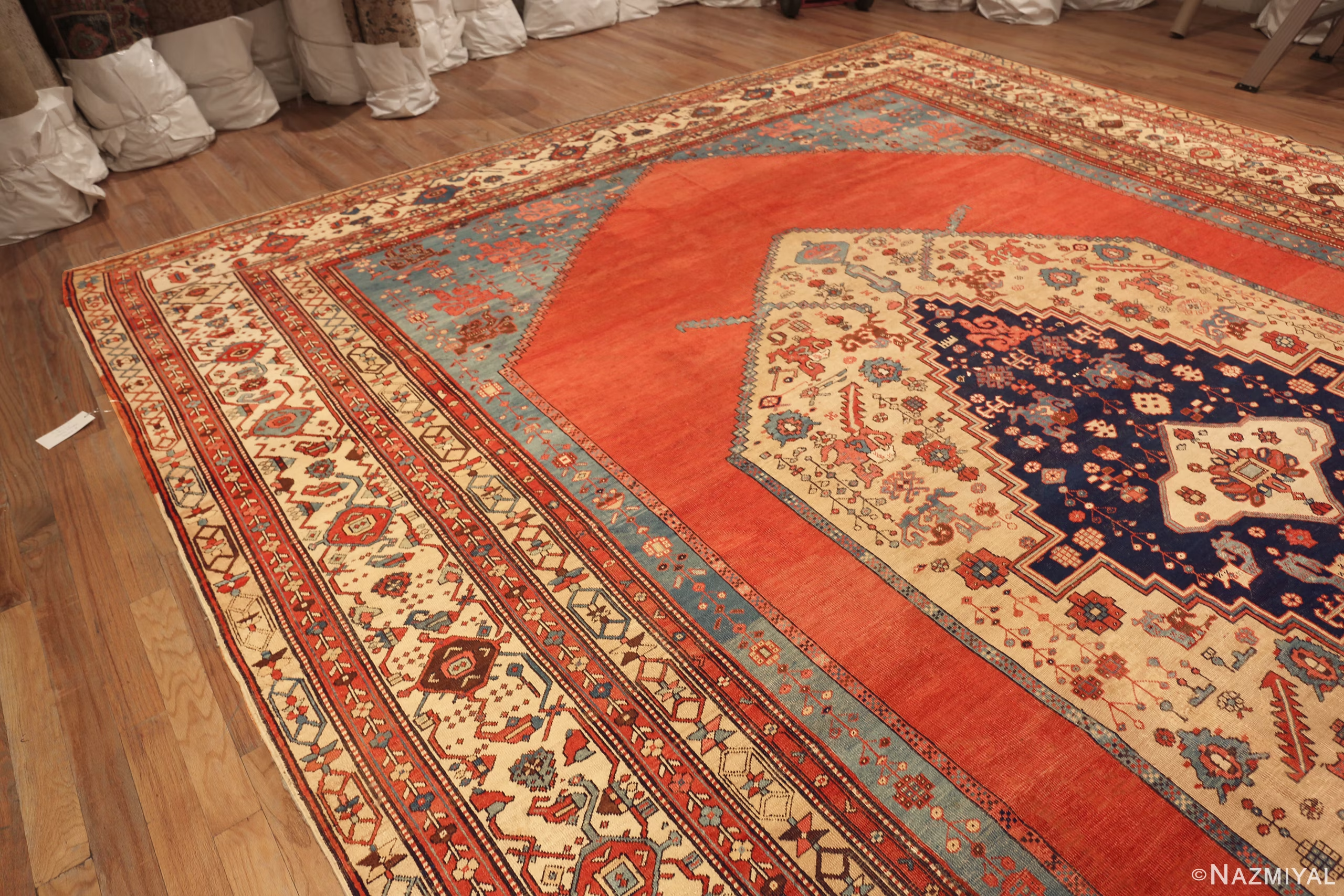
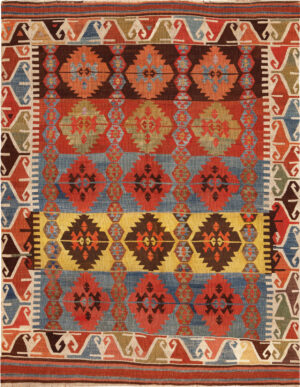
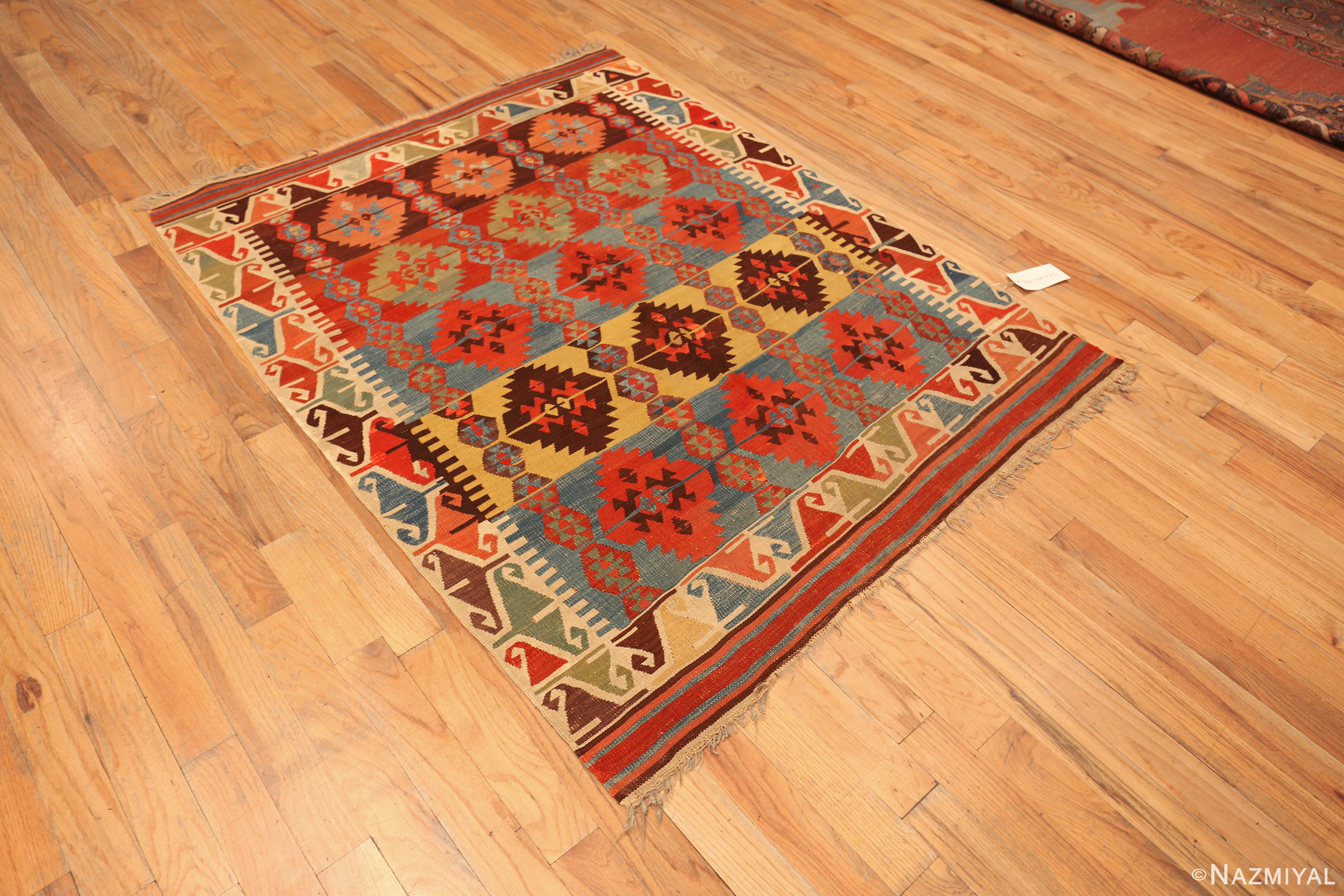
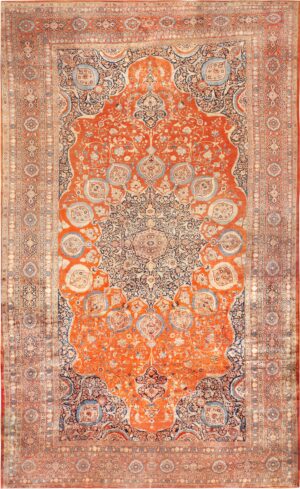
Featured pieces change as one-of-a-kind rugs sell, but these current examples show the range of red and rust tones in the collection:


Identification & Construction: What Creates Red and Rust in Rugs?

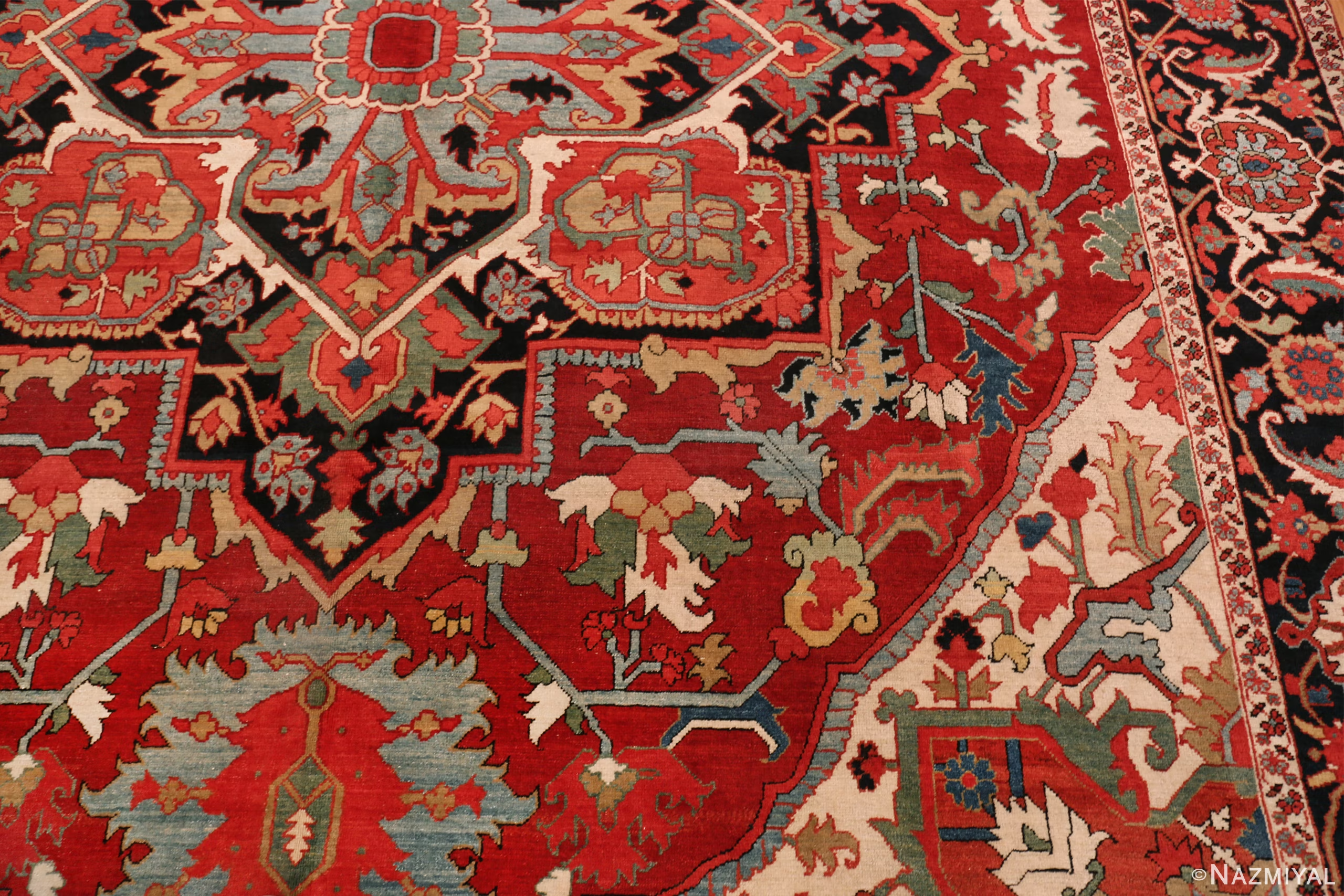
Red and rust can come from natural dye traditions, layered dyeing (overdyeing), and modern dye systems that deliver consistent saturation. In older rugs, you may see gentle tonal shifts across the field—brick warming into rust, or crimson softening into rose—often enhanced by age, wear, and fiber sheen. In collectible Persian rugs, reds are especially common and can range from vivid to deeply mellow, depending on region, materials, and dye recipe.

If you want to compare how different weaving regions handle warm palettes, browse rugs by origin.

  • Red vs rust: Reds feel brighter and more dramatic; rusts lean earthy (often reading closer to terracotta, paprika, or burnt orange-brown).
  • Contrast matters: Warm fields look best when anchored by outlines, borders, or secondary colors (navy, charcoal, ivory, or warm browns).
  • Fiber + light: Wool absorbs warmth; silk highlights can intensify reds; warm bulbs deepen rust into amber while cool LEDs can flatten it.
  • Dye tradition: Historic sources for reds include botanicals and insects; learn more in our carpet dyes guide.

“The Red That Colored the World”: Cochineal Red

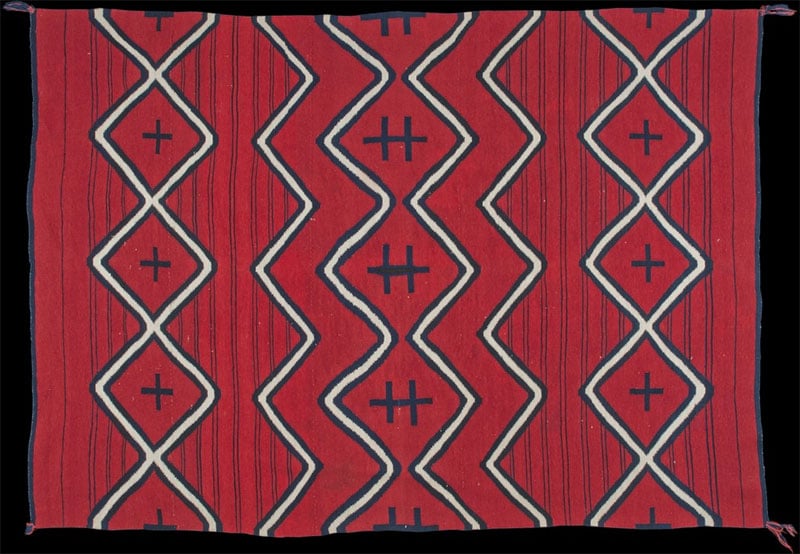
One of the most famous historic sources of rich red is cochineal—an insect-based dye prized for vivid carmine tones. A 2015 exhibition titled “The Red That Colored the World” at the Museum of International Folk Art (Santa Fe, New Mexico) explored cochineal’s global impact across folk art, textiles, and decorative arts.
Red Navajo serape dyed with cochineal — Nazmiyal

Red Navajo Serape Dyed with Cochineal

Dried cochineal insects used to make red dye — Nazmiyal

The dried bodies of cochineal bugs are used to make vibrant red dye.


Decorating & Placement: Using Red & Rust Rugs in Real Rooms

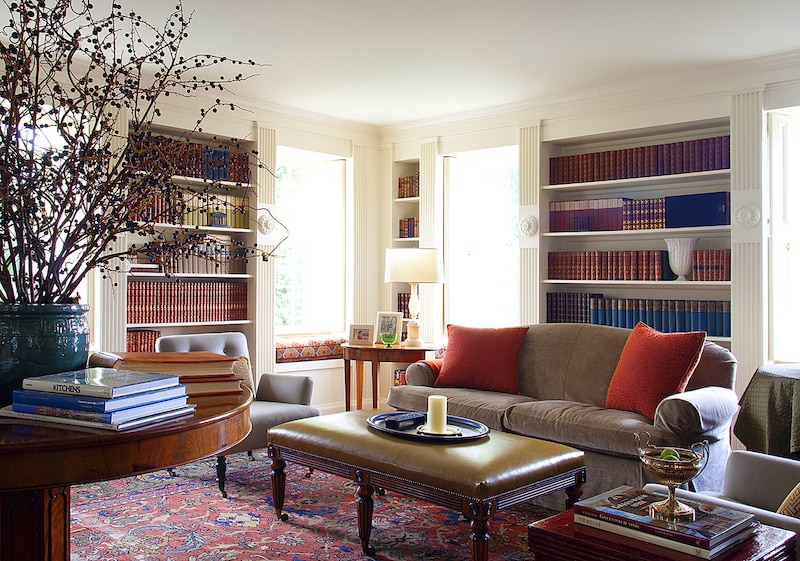
Red and rust are in the same warm family, but they style differently. Red reads bold and charismatic—perfect when you want the rug to lead the room—while rust feels calmer and more organic, blending naturally with earthy palettes and textured materials. Whether you prefer the patina of Antique Rugs, the graphic energy of Vintage Rugs, or the clean lines of Modern Rugs, red and rust can set the tone for everything else in the space.

  • Pairing: Red loves black, white, and navy for contrast; rust loves cream, walnut, and soft greens for a grounded, nature-inspired look.
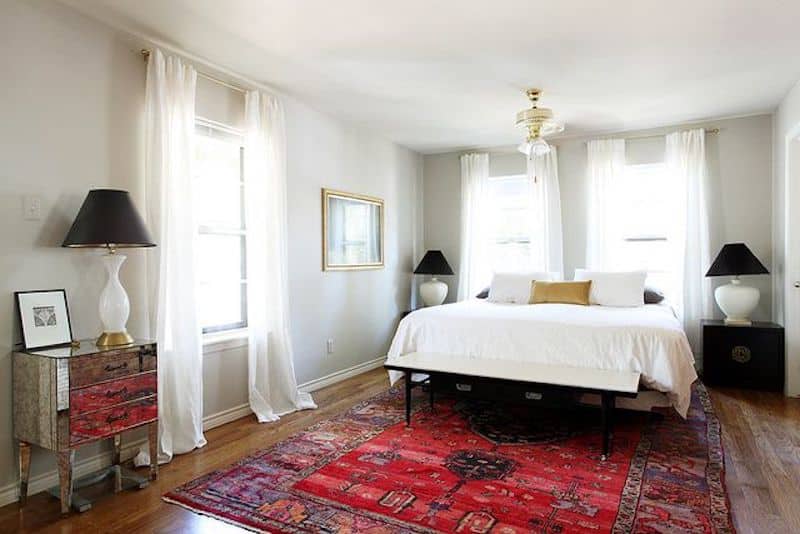
  • Room choice: Reds shine in living rooms and dining rooms; rust is especially strong in bedrooms and cozy sitting areas.
  • Pattern: Busy patterns and strong borders hide daily wear; more open fields feel serene but highlight texture and patina.

Interior design featuring a red rug — Nazmiyal

Interior Design with Red Rug

Bedroom decorated with red and rust rugs — Nazmiyal

Bedroom Decorated with Red Rust Rugs


Red & Rust Rugs vs Brown Earth Tone Rugs

If you want warmth but you’re deciding between bold color and grounding neutrality, compare red/rust against its closest cousin:
brown earth tone rugs.

What you wantRed & Rust RugsBrown Earth Tone Rugs
Room feelEnergetic, warm, expressiveGrounded, cozy, quietly luxurious
Best forDining rooms, living rooms, statement spacesLibraries, dens, layered neutral interiors
PairingBlack/white, navy, brass, walnutCream/ivory, rust, deep blue, leather

Want adjacent warmth? Explore pink salmon coral rugs. Prefer cool contrast? Try blue rugs.


Closest Cousins


  • Oushak rugs — soft palettes where rust fields feel calm and decorator-friendly
  • Heriz rugs — bold geometry that looks powerful in saturated reds
  • Kilim rugs — flatwoven texture that makes warm palettes feel casual and modern
  • Tribal rugs — expressive patterns where reds often anchor the design
  • Art Deco rugs — graphic contrast that pairs beautifully with crimson and brick tones

Glossary Strip

  • Madder: a plant-root dye historically used to produce reds (from brick to rich crimson depending on process).
  • Cochineal: an insect-based dye used to create vivid carmine reds.
  • Abrash: natural-looking color variation across a field, often valued for character and depth.
  • Rust: an earthy red-brown family (terracotta, paprika, brick) that often behaves like a warm neutral.

For more terms, see the Rug Glossary.


FAQ

Do red and rust rugs show dirt easily?

Pattern matters more than shade. Highly patterned red/rust rugs tend to be forgiving, while open fields show debris and texture more quickly (which can still look beautiful when even).

Is rust easier to decorate with than bright red?

Often, yes. Rust usually reads calmer and more “neutral,” pairing easily with cream, walnut, leather, and earthy greens.

Will a red rug overpower a room?

It can if the palette is all high-saturation. Balance a red rug with neutrals, grounding accents (navy/charcoal), and enough negative space so the rug feels intentional.

Do antique reds fade over time?

Age and light exposure can soften reds into mellow brick or rose tones. Many collectors love this patina—just look for evenness across the field and borders.

What colors pair best with red and rust rugs?

For contrast: black, white, navy, and denim blues. For warmth: cream, camel, walnut, brass, and earthy greens.


Nazmiyal White-Glove Service

We make it easy to shop with confidence—whether you’re choosing a single statement piece or curating a full room.


Shop our other area rugs based on the color:

Black / Grey Colored RugsIvory Cream Colored RugsBlue Color RugsYellow Gold Colored RugsGreen Colored RugsPink Salmon Coral RugsRed Rust RugsPurple Mauve Eggplant RugsBlack And White RugsHappy Jewel Tone Color Area RugsAll Rug Colors


Nazmiyal Collection has been a trusted source for antique rugs and vintage carpets for over 45 years. Our NYC gallery curates one-of-a-kind pieces with an emphasis on authenticity, provenance, and lasting decorative value.

Need help? Call us at (212) 545-8029 or visit our New York City showroom to work with a rug expert.

Frequently Asked Questions

Red and Rust Rugs – Ask any psychologist and they will tell you that our environment places a significant role in our emotional well being. Color is a major part of this. Warm colors, such as red and rust, have a stimulating effect.rnrnAccording to color psychology, the color red represents love, romance, gentleness, warmth, comfort, energy, and excitement. Rust colors, such as oranges and browns, represent happiness, energy, warmth, enthusiasm, prosperity, sophistication, reliability, stability, friendship, security, and nature.rnrnWhen it comes to textiles, colors are achieved through the use of dyes. Red and rusty colors have been sourced from nature for thousands of years to create pigments for dyes. Interestingly, avocados can be used to create red dyes. Beyond this, red dyes can be sourced from a wide variety of plants and minerals in nature.rnrnRed leaves, for example, will create a rusty looking reddish-brown. Madder is another plant that is commonly used to create red dyes. In all, there are more than 40 different plants and insects which can be used to create red dye. Brazil-wood, cochineal, buck-thorn bark, and safflower are all common sources of red and rusty colored carpet dyes.rnrnWhen selecting antique rugs for your home, red and rust colored rugs can really enhance the feel of a room, depending on the shade you go for. Not all reds and rusts are equal how they are perceived, so there are a lot of different options to consider when selecting rugs and carpets in these hues. Bright red Oriental rugs pair well with white, black, and other vibrant colors, while rust colored rugs can look nice against greens, browns, and oranges.rnrnA bright red carpet can add a pop of color and eye-catching contrast to an otherwise neutral area. Brightly colored rugs bring a sense of vibrancy and energy to a room. A rug featuring a dark, deep red will add some drama and richness to the decor and make the space feel more intimate; while a reddish-orange antique carpet elicits a modern feeling. Moving towards the rusty-brown end of this color spectrum, a rug in this hue can make a room interior decor feel casual and and make the space feel grounded.
Cochineal — Since the beginning of modern history, the color red has had a special place in art, decoration, fashion and foods. Red is one of the primary colors and one of the most universally used colors. Warm and attractive, it has the power to instantly draw attention and make people excited, which is why you can see it in everything from foods and fabrics to the logos of multinational companies like McDonald’s and Coca Cola.rnBut do you know the most prolific and enduring source of this king of colors? You would be forgiven for not having the slightest idea, because very few people do. The exhibition titled “The Red that Colored the World,” which opened at the Museum of International Folk Art in Santa Fe, New Mexico on May 17, 2015, is designed to explore the fascinating story behind its discovery and its explosive global spread during the last four centuries.rnrnWhen the Spanish conquistadors set foot in Mexico in the 16th century, they discovered something else besides the Aztecs and their fabulous pyramids – a tiny scaled insect called cochineal, from which the native people extracted a kind of acid. When mixed with aluminum or calcium salts, the acid changed into carmine dye, which was used to color foods and fabric different hues of red.rnrnToday, the acid is known as carminic acid. It is produced by the cochineal, found in much of subtropical Mexico and South America, to deter predators. The amount of acid that can be extracted from each insect is equal to 17 to 24% of its dried body weight. Once the Spanish learned how to extract the acid and turn it into dye from the native people, they quickly spread it all over the world, making it an important source of income.rnEven after synthetic dyes and pigments were invented in the 19th century, carminic acid extracted from cochineal continued to be used to produce the color red. Besides foods and fabrics, it was widely used to color furniture, paintings and sculptures. It is still used today to color processed foods and textiles. In fact, the increased demand for natural dye has made cultivation of the insects profitable once again. Today, Peru is the largest exporter of carminic dye.rnrnOnce the dye was discovered, there was no looking back. It revolutionized the food and textile industries. It changed the way artists and painters used the color red and put it at the pinnacle of the color spectrum. There is no doubt that synthetic dye would have been eventually invented, but without the carminic dye, the world would have to wait for a few centuries to see the effects of the color red.rnrnThe exhibition explores the discovery and spread of the color red through folk art, paintings, manuscripts, sculptures, furniture and textile from pre-Columbian and Spanish Colonial Mexico, Peru and New Mexico. But it is not restricted to that. It also includes paintings, textiles and clothing from Europe, India, the Middle East and other parts of Asia.rnrnThrough the use of a variety of interactive, visitor-friendly features and didactic materials, the exhibition invites visitors to explore the central role of the color red in art, paintings, sculptures, furniture and textiles. The exhibition is scheduled to close on September 13, 2015.
Red and rust are in the same color family, but they are almost opposites when it comes to styling a room. When you think of a red rug, the first thing that comes to mind is drama. Rust, on the other hand, has an earthy feel that is calming and soothing. Red is one of the most common colors in traditional Persian rugs. The mood of the rug depends on the amount of red in the rug and the other colors that are paired with it.rnA touch of red can brighten the piece and give it a spirited and lively feel. Depending on the design, this can give it a tribal feel that is perfect for a Boho chic room. A rug with bold swatches of saturated red has an eclectic look that is perfect for a Parisian style or for a boudoir sanctuary. A bright red rug with a fine knot count and high level of detail is regal and brings an elegance to the room in any style of decor.rnrnWhen it comes to rust, you immediately think of earth tones. One of the major trends this year is using spicy colors that reflect the natural world. A rust rug blends perfectly with other earthy hues, such as browns, ivories, greys, or subdued greens. Rust and slate blue are another popular color combination to give the room an organic feel. Rust tends to create a calming effect for the perfect escape from the world. A rust rug calls for other accessories and elements that use natural materials and colors, or maybe a few plants throughout the space.rnRed and rust are both on the warm end of the color spectrum. From an interior design perspective, red is the more playful and charismatic of the two, while rust is a bit softer and cozier. Both complement blues in matching hues. Red easily stands out among black and white to create intensity in the design. Rust is the perfect match for a room that is primarily in neutral colors.rnrnIn today’s interior design trends, the rug is one of the most important elements in the design. The rug is often used to set the tone of the room, and the rest of the room is styled around it. Persian carpets are a classic that never goes out of style, and they are being featured in popular media as the center of the room design. Whether you want a room that is contemporary and fresh or one that is a bit more on the traditional side, you have a wide selection of red and rust rugs from which to choose.