Popular Searches
Neutral rugs | Warm tone rugs | Large rugs | Oversized rugs | Kilim rugs | Rug size guide | Shop by color
Quick Navigation
Key Takeaways
- Earth tones are “foundation colors” that help rooms feel cohesive, calm, and welcoming.
- Brown palettes are forgiving—patterned designs can hide daily wear better than flat, pale fields.
- Lighting matters: warm bulbs push browns toward caramel, while cool LEDs can make taupe read more gray.
At-a-Glance Specs
- Common origins: Persia, Turkey, the Caucasus, China, Europe, and America (one-of-a-kind inventory varies)
- Typical eras: antique, vintage, and modern
- Weave types: hand-knotted pile; flatwoven kilims; hooked and woven textiles
- Materials: wool, silk, wool-and-silk blends, and specialty fibers in select pieces
- Palette range: sand, taupe, camel, caramel, chestnut, cocoa, espresso, umber
- What to look for: a brown that matches your room’s lighting, plus contrast in borders/outlines so the rug doesn’t “disappear” into the floor
Find Inspiration in Nature With Brown Earth Tone Rugs
Brown is one of the most common colors in the natural world, and one of the most versatile in interiors. Historically, brown dyes could be derived from plant sources (like walnut shells, tea, coffee, and hollyhock petals) as well as minerals (including iron-rich earth and natural clays). Because “brown” is often created by combining pigments—such as a primary color with its complementary tone—there are nearly unlimited variations, from warm beige to burnt sienna to deep volcanic browns.
Brown and beige are often considered “safe” neutrals in design, but the range is anything but boring: chocolate and coffee browns feel dramatic and moody; latte-like mid-tones feel cozy and classic; and pale sands can read airy and sophisticated. Since earth tones blend easily with other hues, they’re an ideal anchor for rooms that change seasonally or evolve over time.
If you want the same cozy foundation with a slightly sunnier lift, compare this palette to our closest cousin page: yellow gold rugs.
Tips for Decorating Your Home With Earth Tone Rugs
Earth tones and textures can feel rich and inviting, but the secret is to add depth and contrast so the room doesn’t read flat. Use the ideas below as a simple playbook for building a warm, grounded palette from the floor up.
About Earth Tones and Textures
Earth tones are inspired by nature—think sun-baked fields, weathered stone, driftwood, and clay. These colors can be styled in a way that feels traditional, contemporary, rustic, or quietly luxurious depending on what you pair them with.

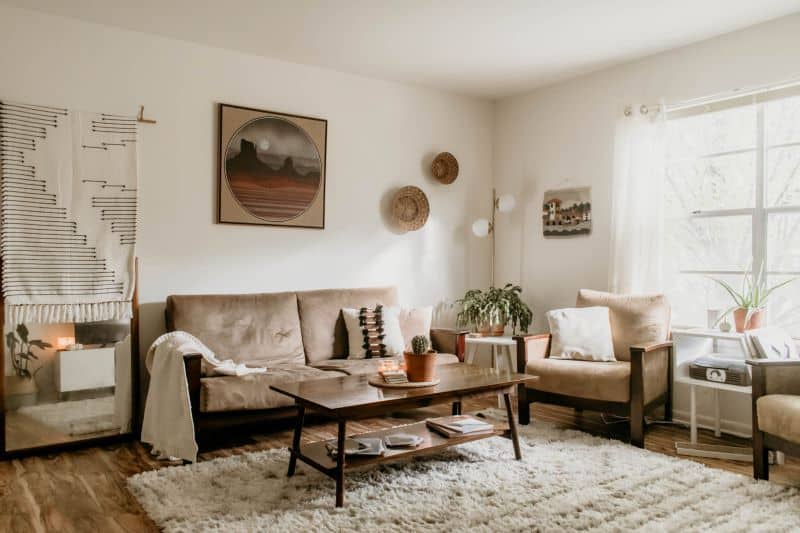
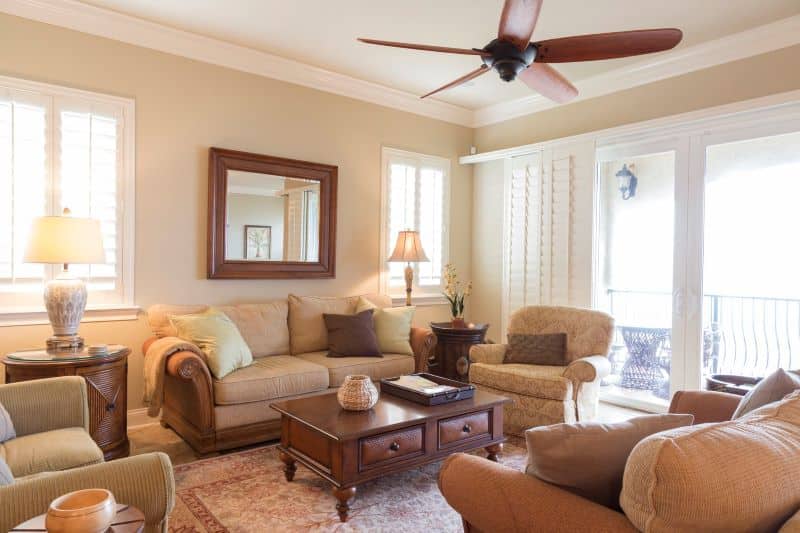
Earth tones and texture create a warm, welcoming foundation.
1) Create Depth With Texture
Muted browns shine when you layer texture: chunky weaves, natural fibers, matte ceramics, and weathered woods add dimension without relying on loud color. In bright rooms, lighter browns and sand tones can keep the space airy while still feeling grounded.

Layering texture is the fastest way to make earth tones feel dynamic.
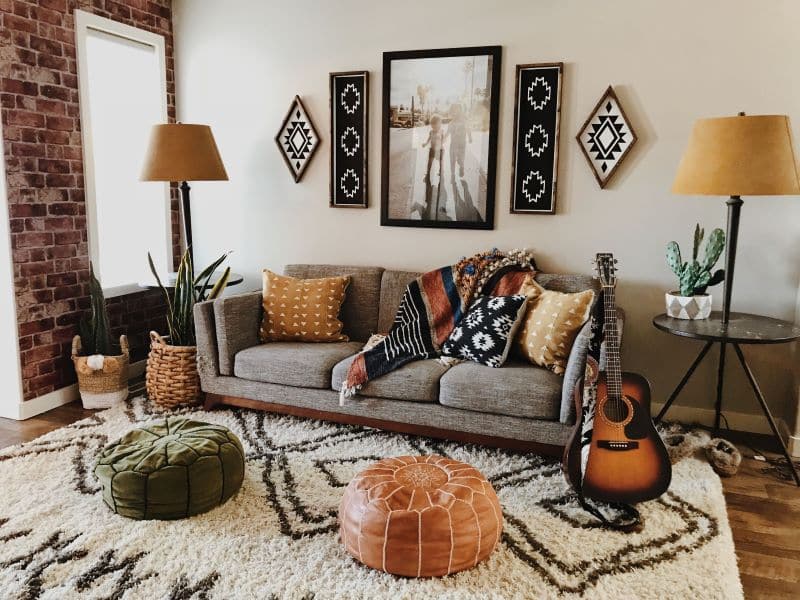
2) Splash In Some Bright Colors To Offset Earth Tones
A brown rug can handle bolder accents—greens, chartreuse, and burnt reds are especially flattering. Even a single chair, pillow, or artwork with a stronger color can keep an earth-tone room from turning drab.

Add a bright accent to make earth tones feel lively and curated.
3) Lean Into the Calmness With Earth Tones
If your goal is a cozy, restorative interior, stay within a tight range of wheat, stone, and cocoa tones, then soften the room with plush seating and comfortable textiles. This approach works beautifully in bedrooms and reading rooms.

Earth tones can feel especially calm when paired with cozy textures.
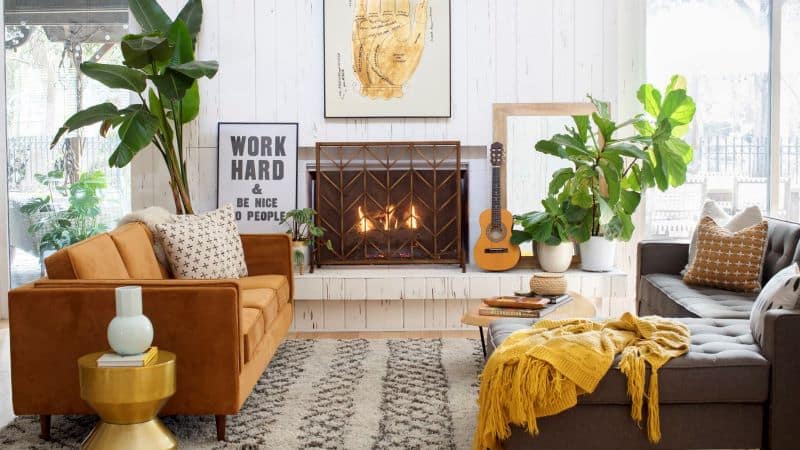
4) Use a Clay Monochrome Palette
A monochrome palette based on clay colors can feel modern, artistic, and timeless all at once. Use redder clay shades as accents and lighter, yellow-clay tones for the backdrop, then let the rug echo those hues to pull everything together.
Clay-inspired monochromes create depth without adding visual clutter.
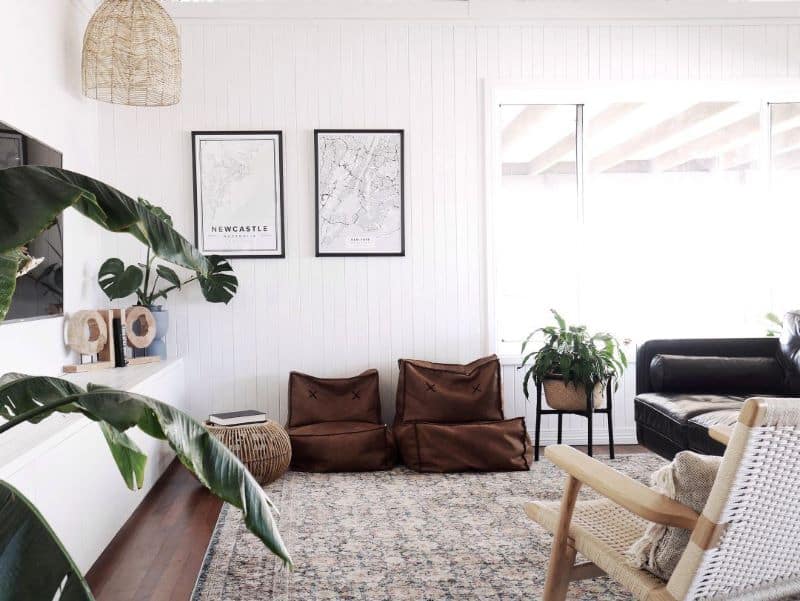
5) Bring In Some Nature
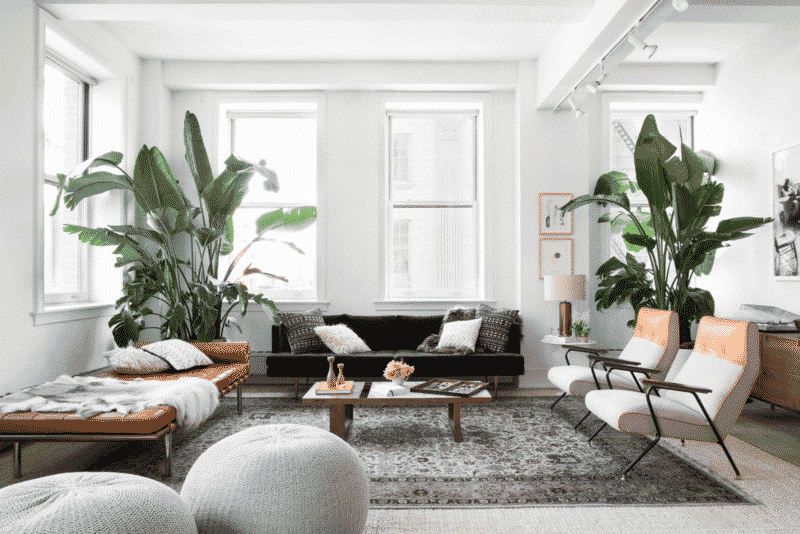
Plants are the easiest way to make earth tones feel intentional. Add greenery, natural woods, and organic materials like stone or linen—then treat those objects like art: fewer pieces, displayed with purpose.

Greenery and natural materials pair effortlessly with brown earth-tone rugs.
Featured Brown Earth Tone Rugs
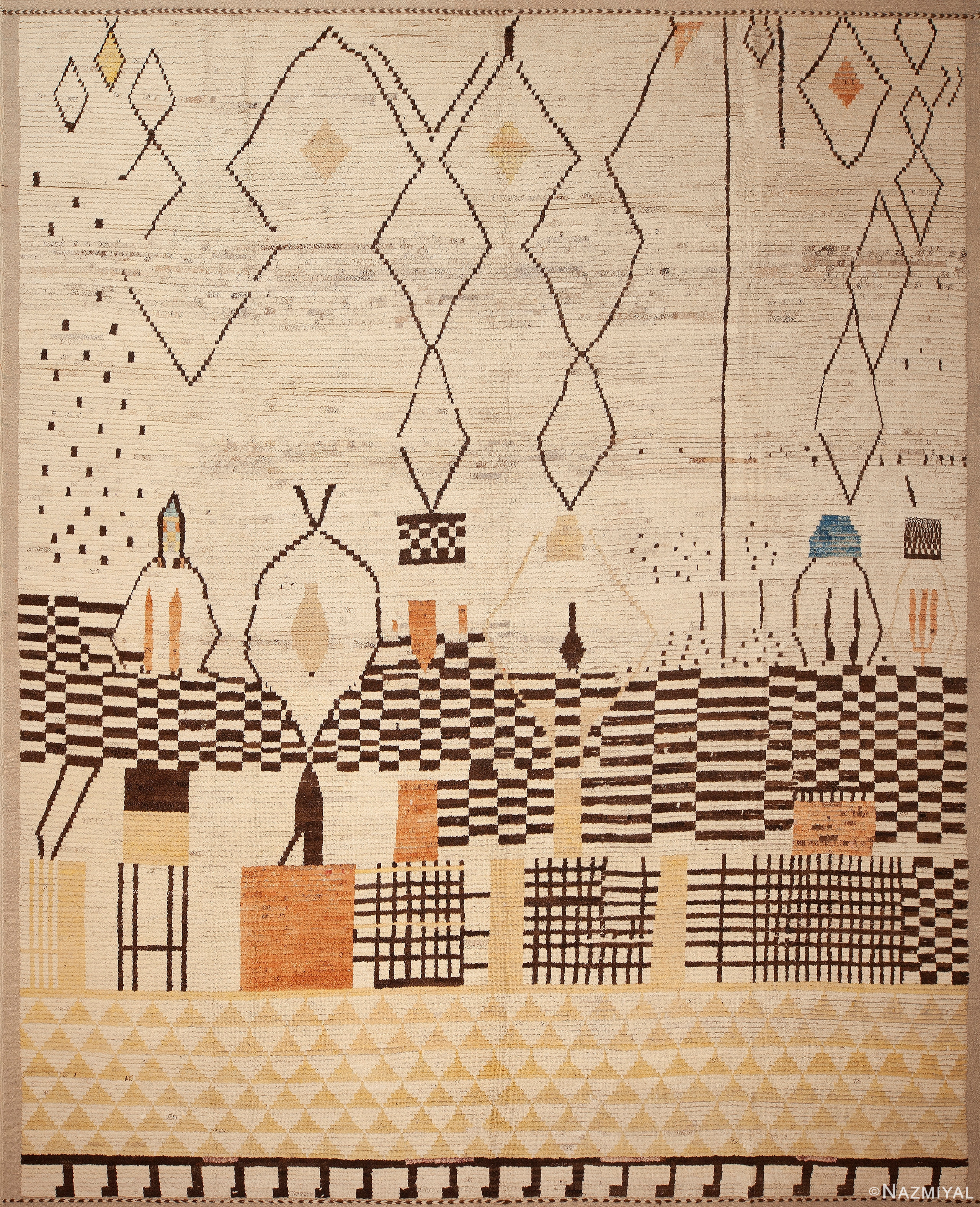
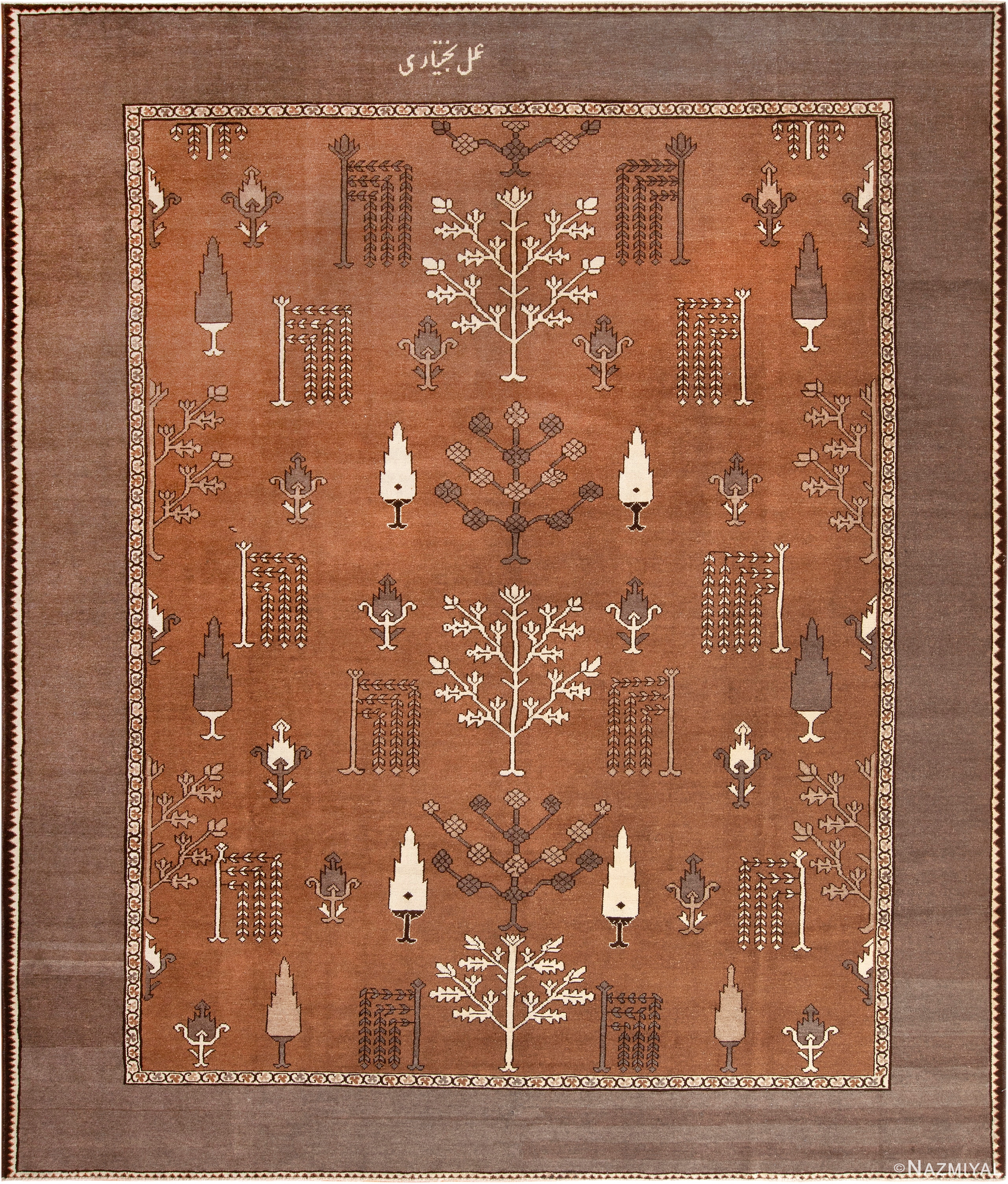
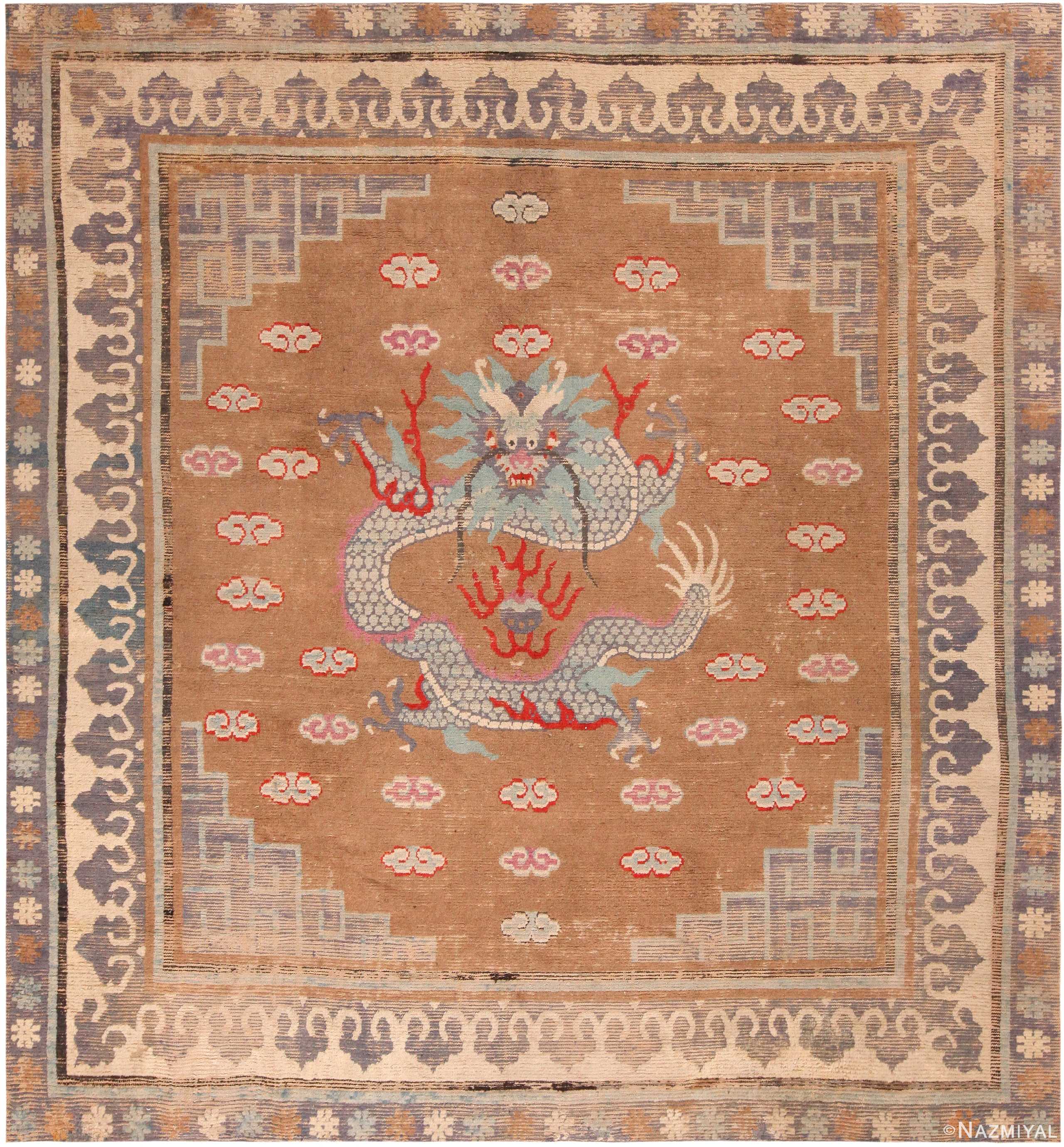
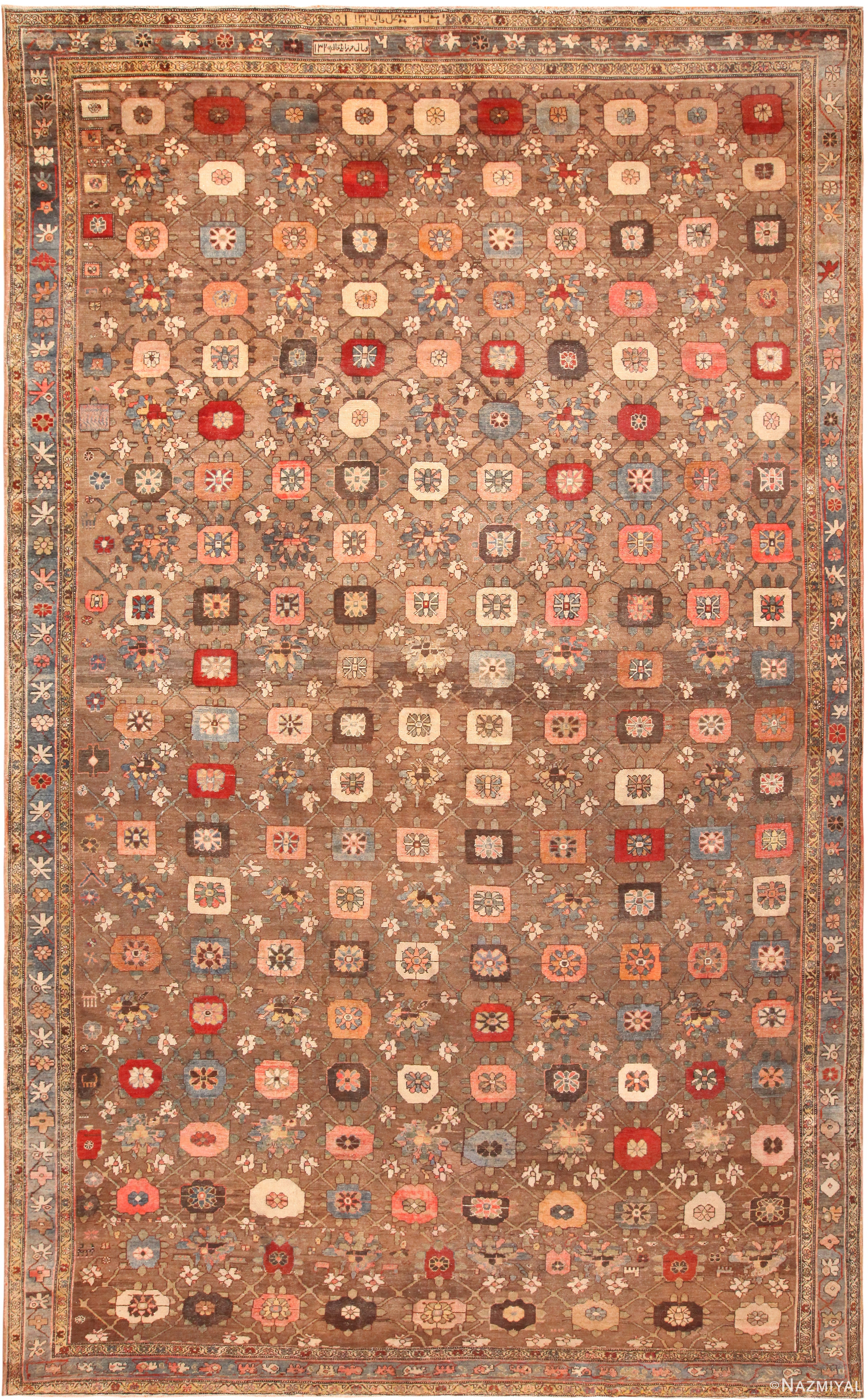
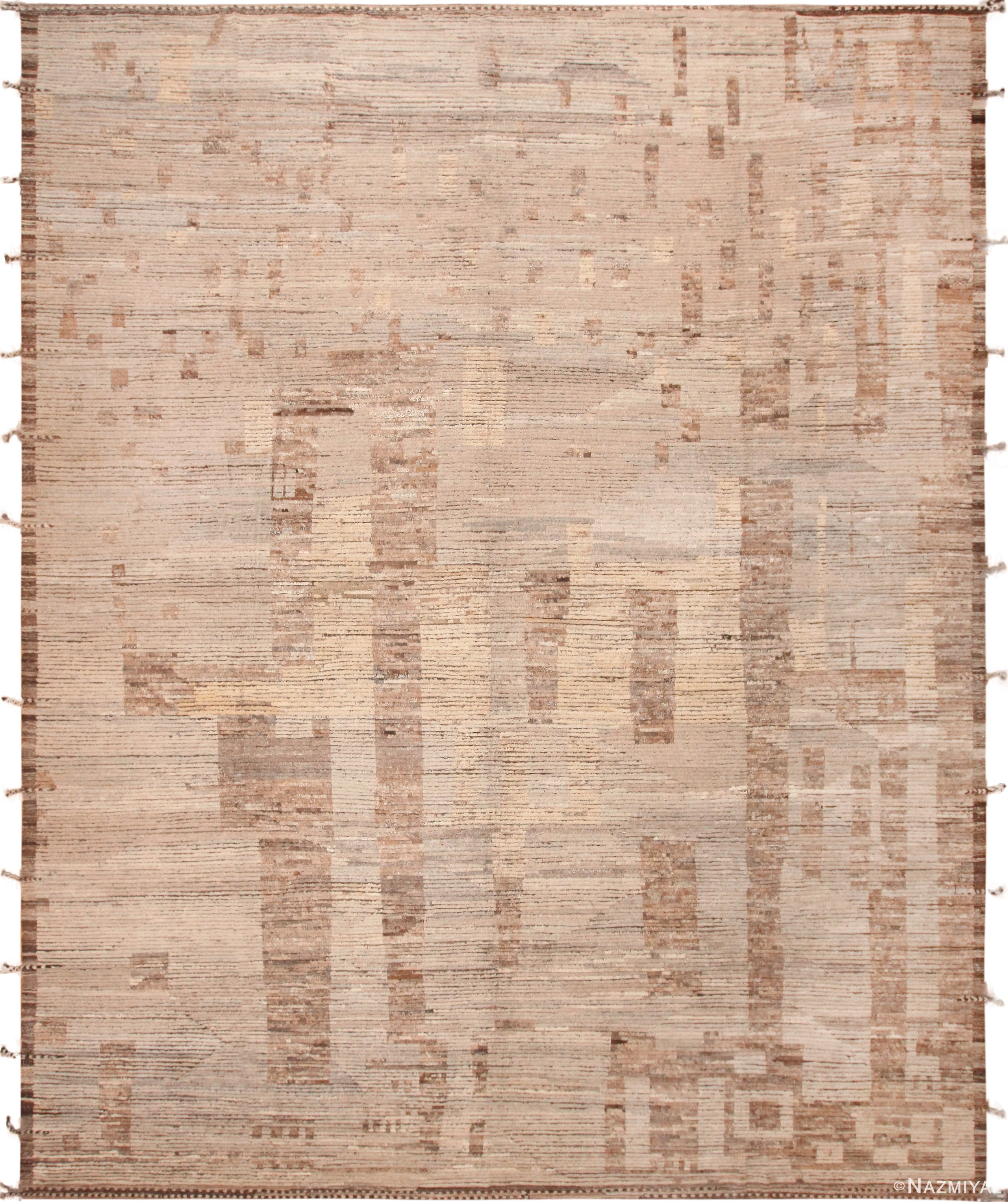
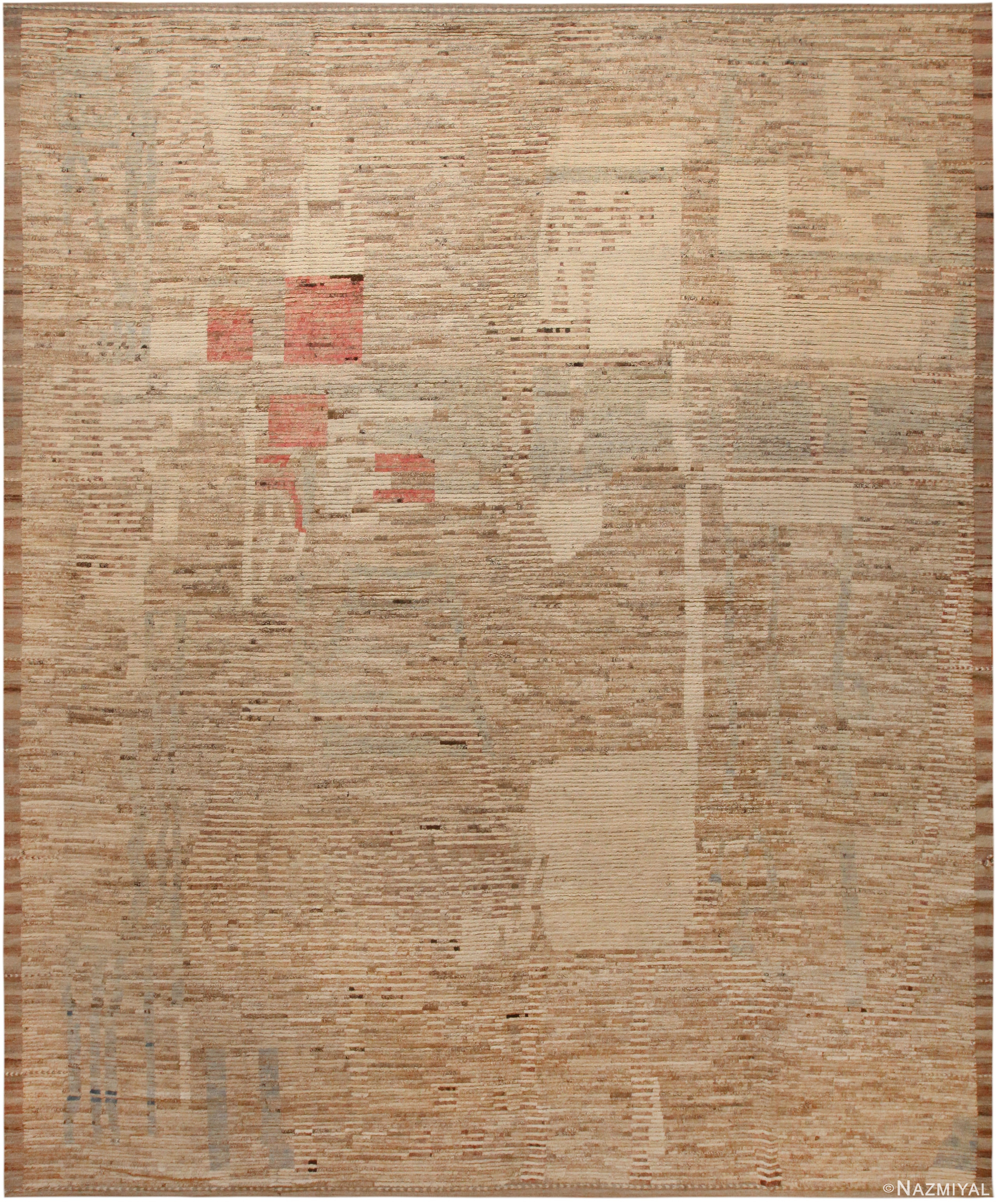
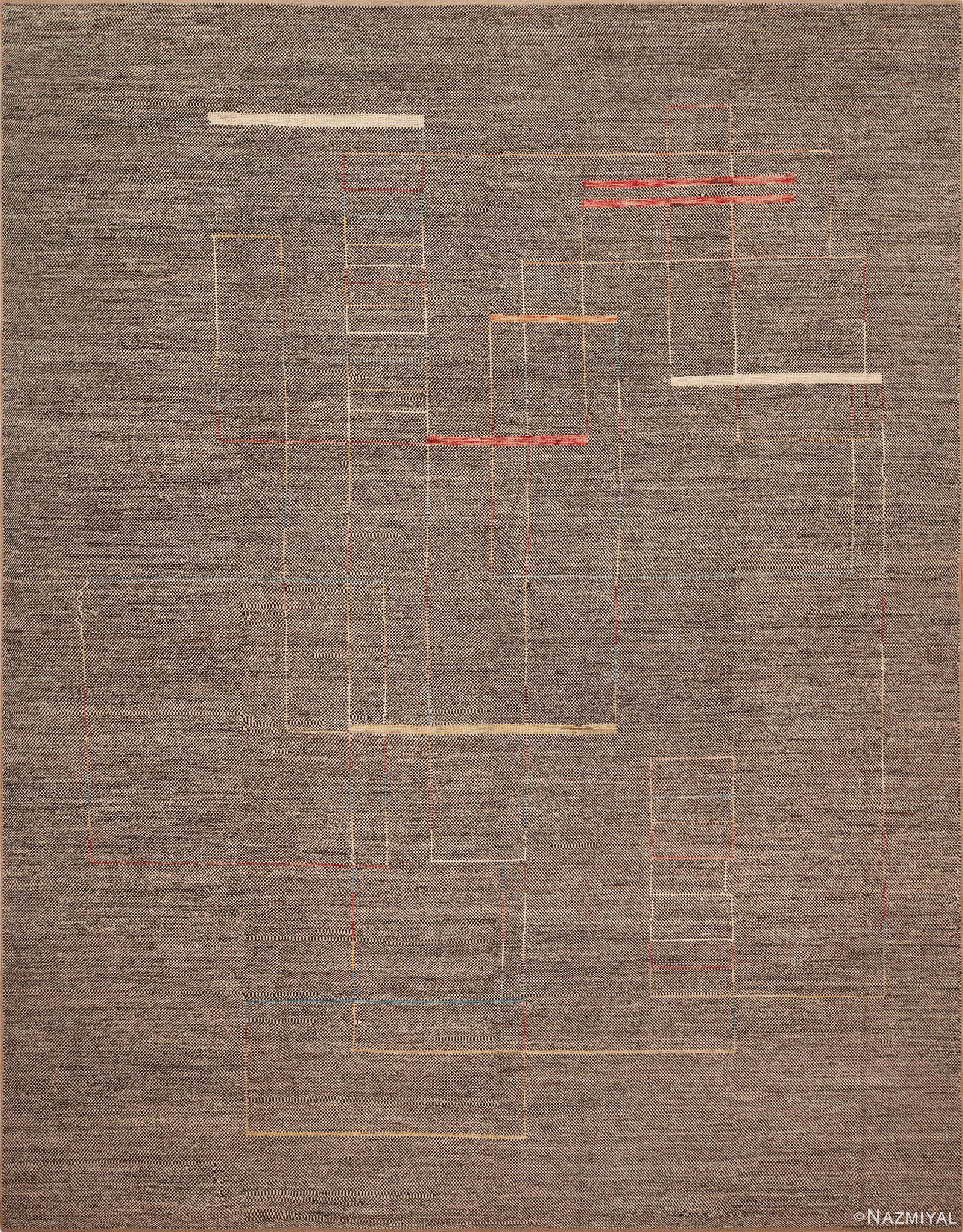
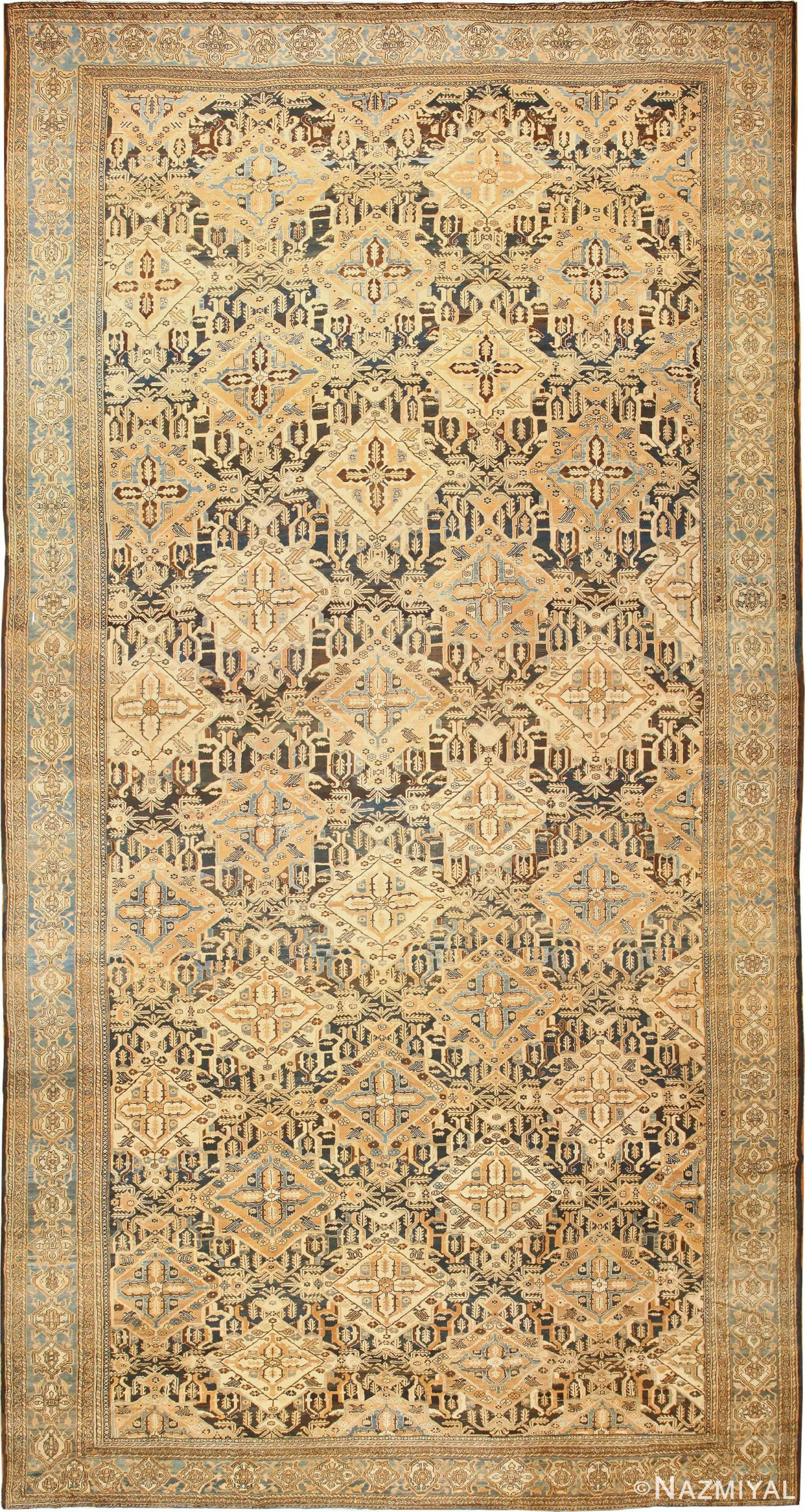
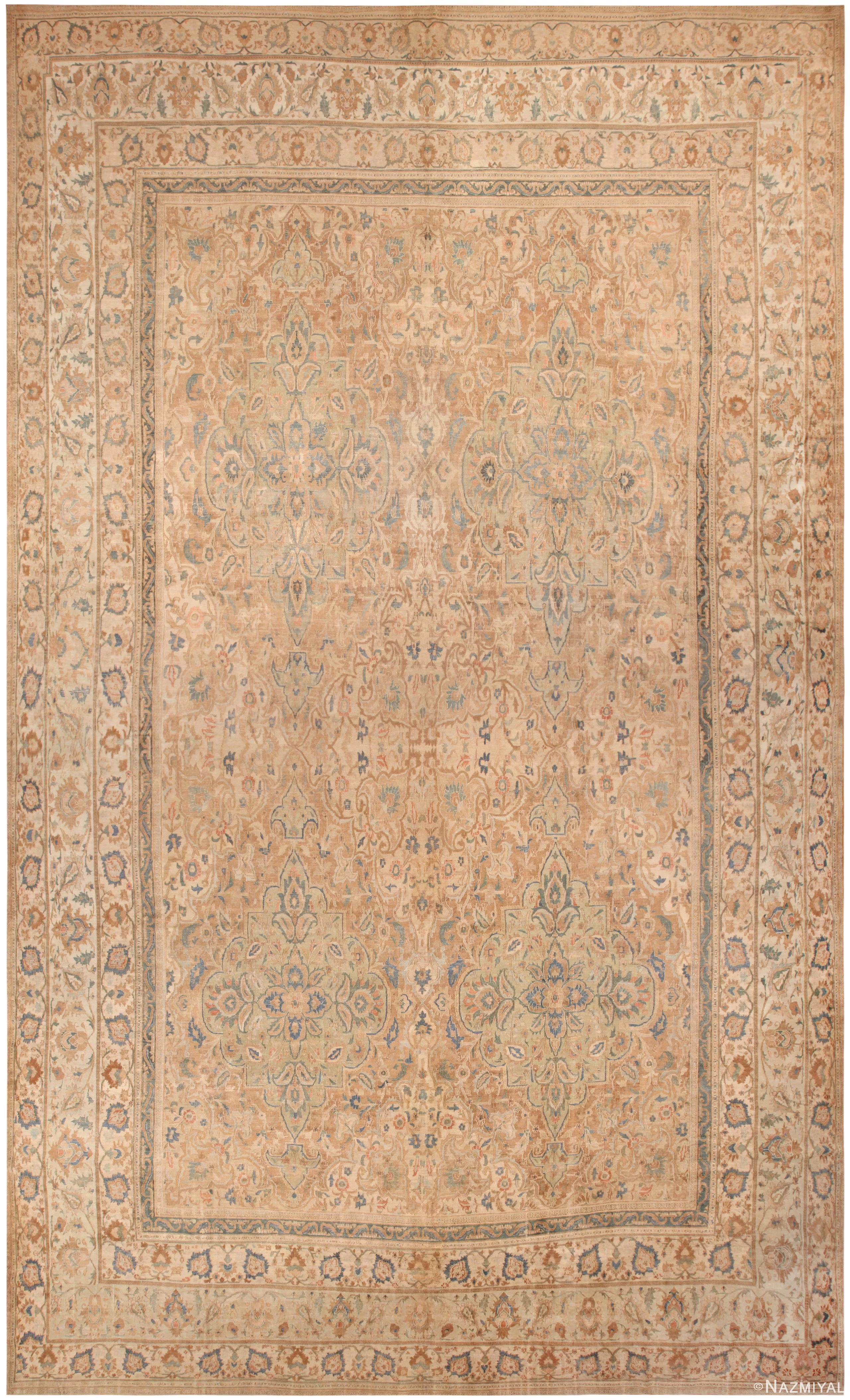
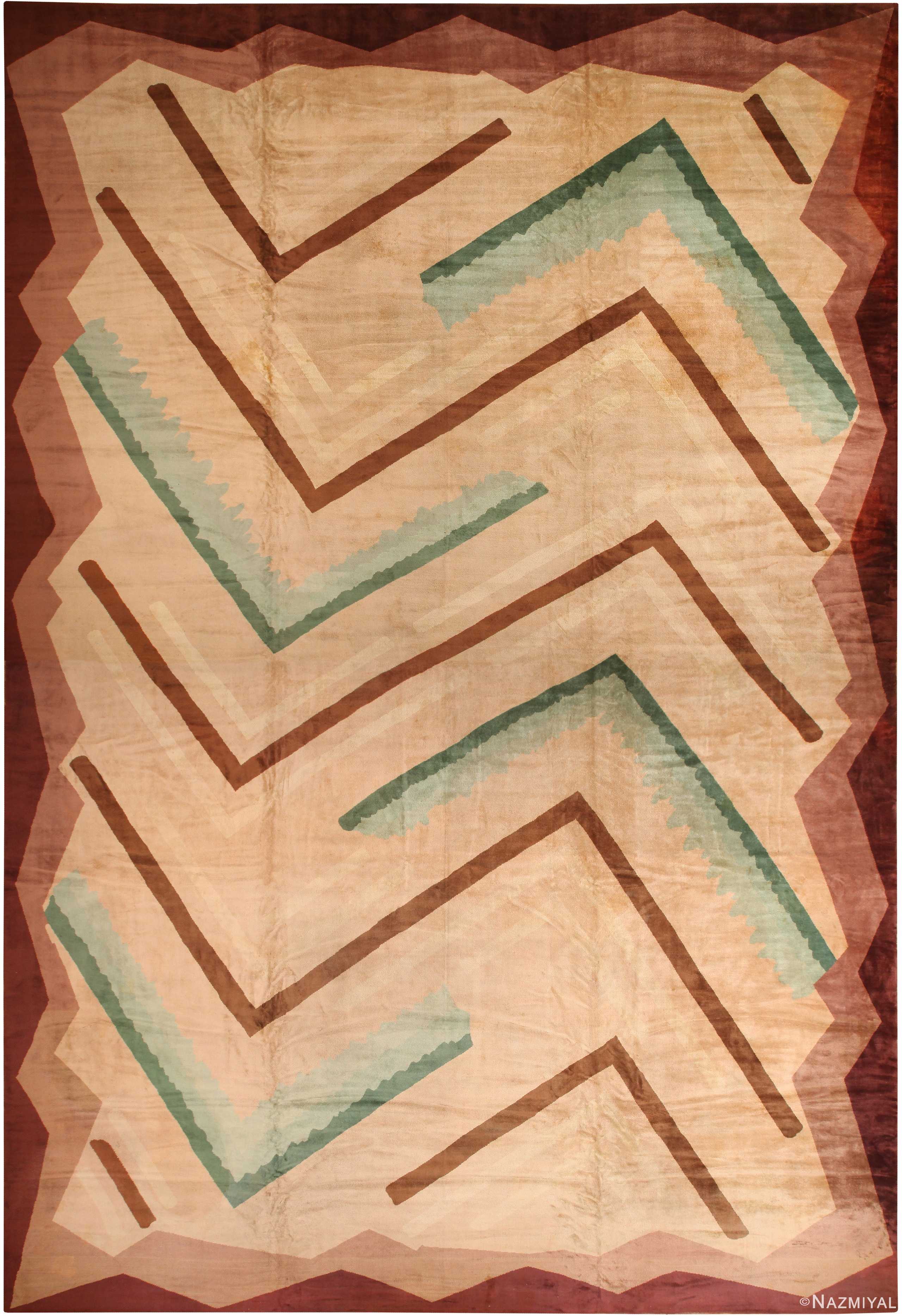
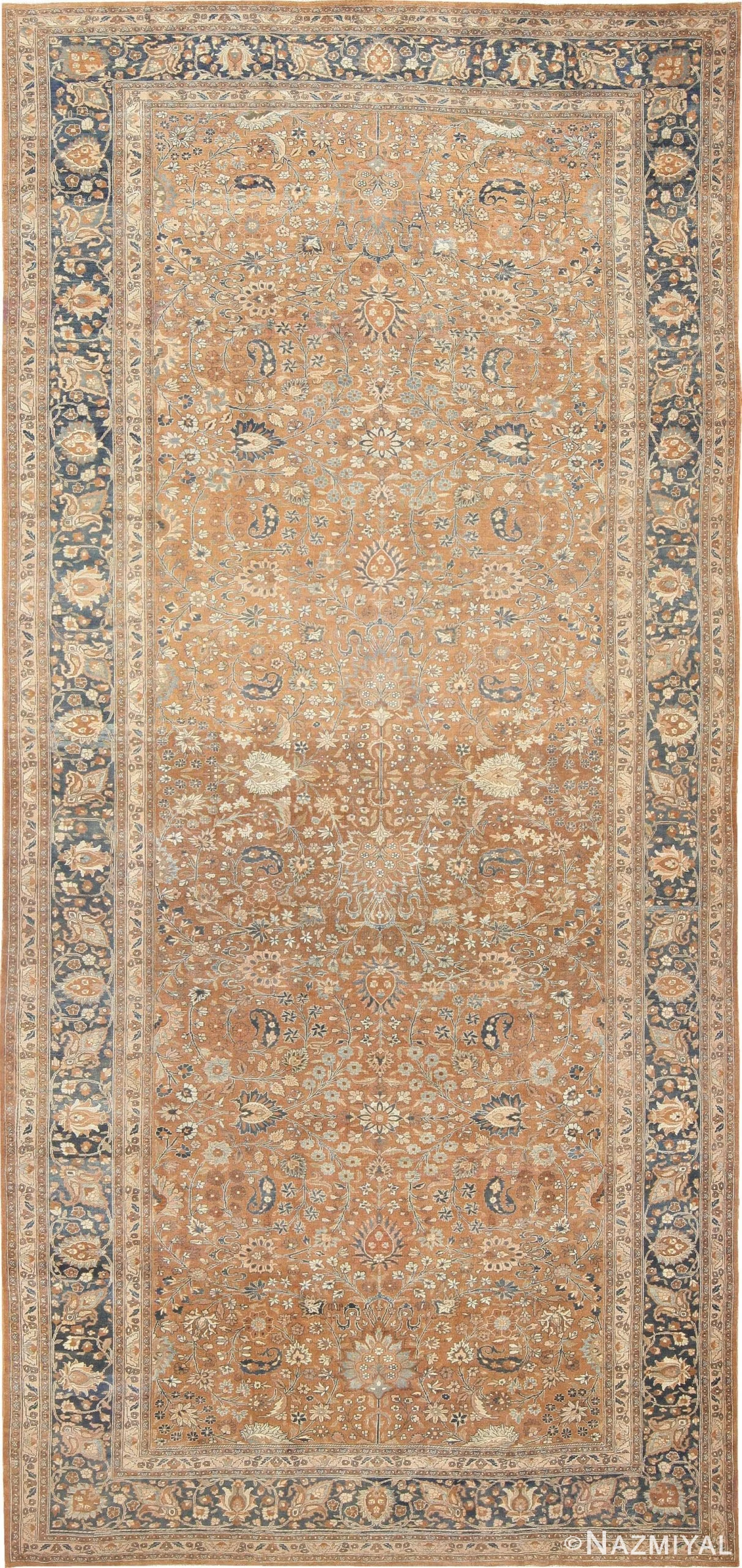
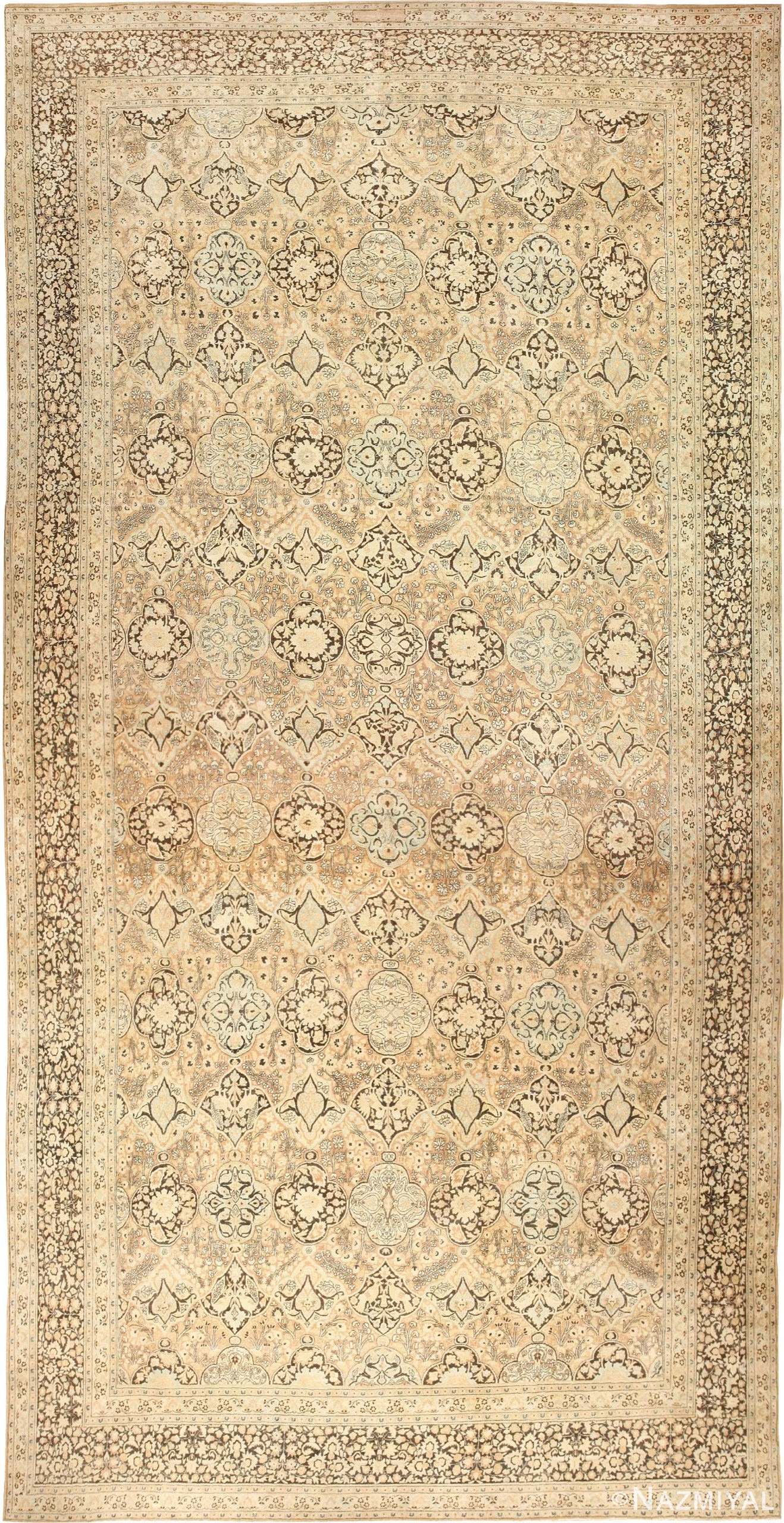
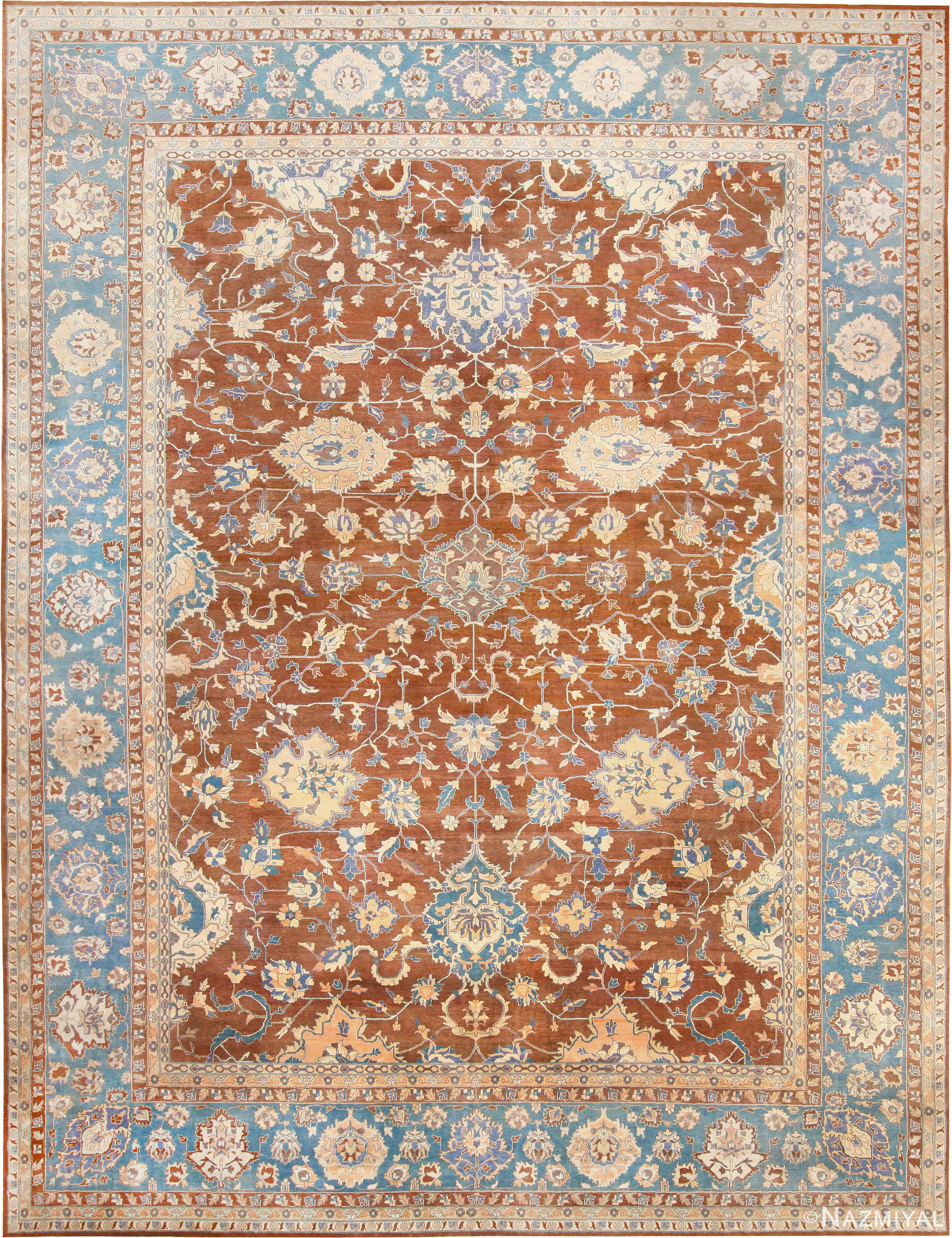
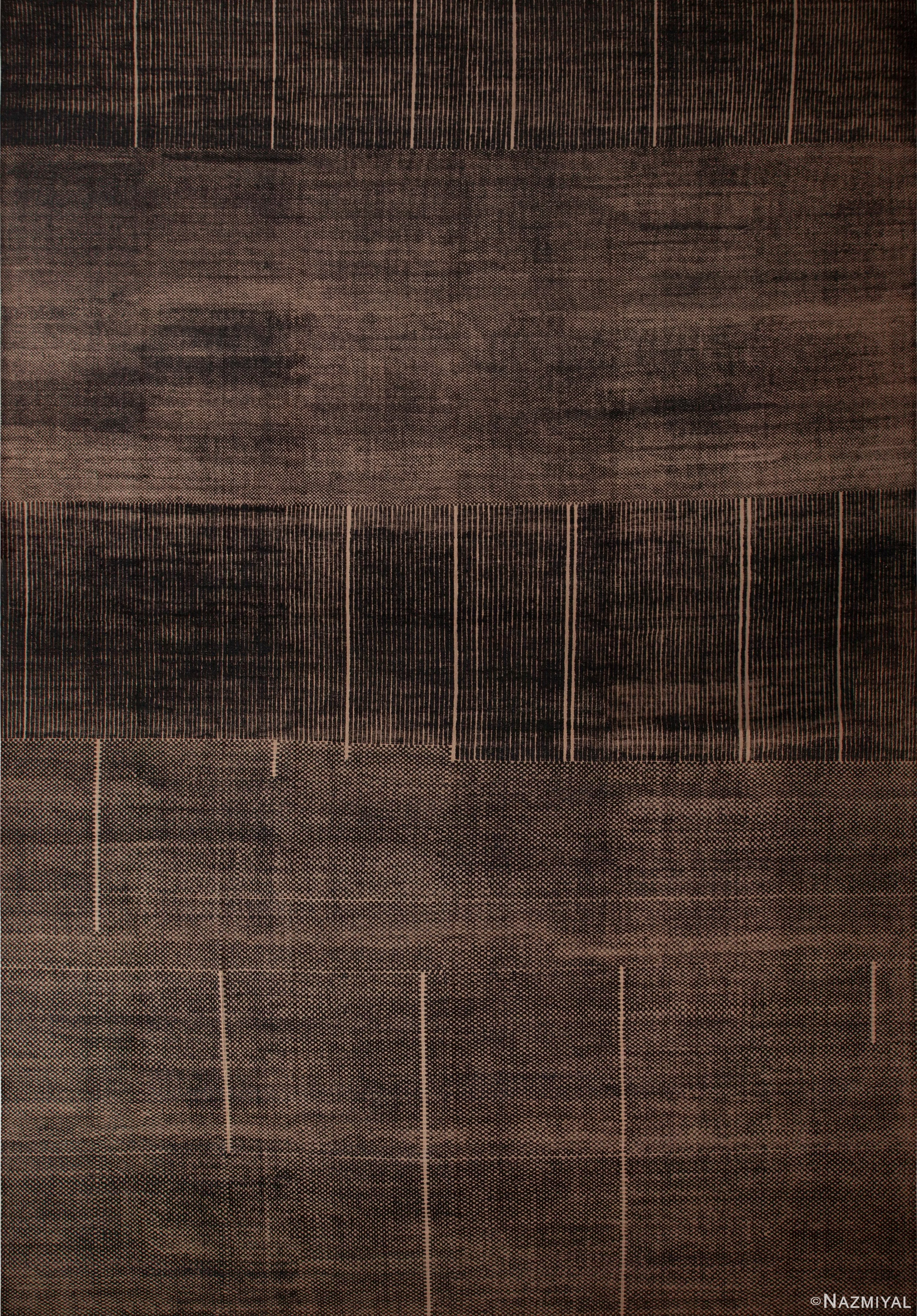
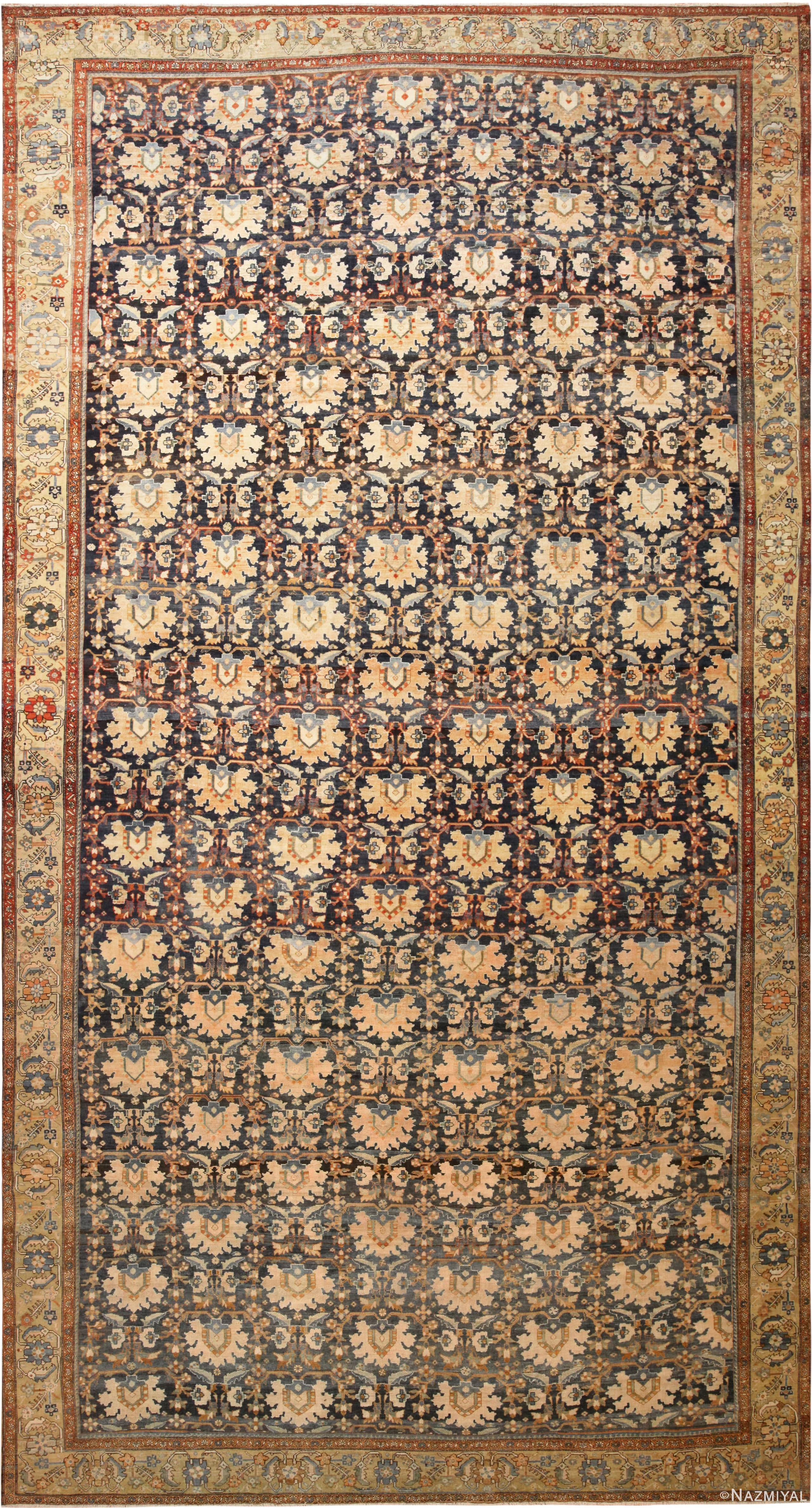
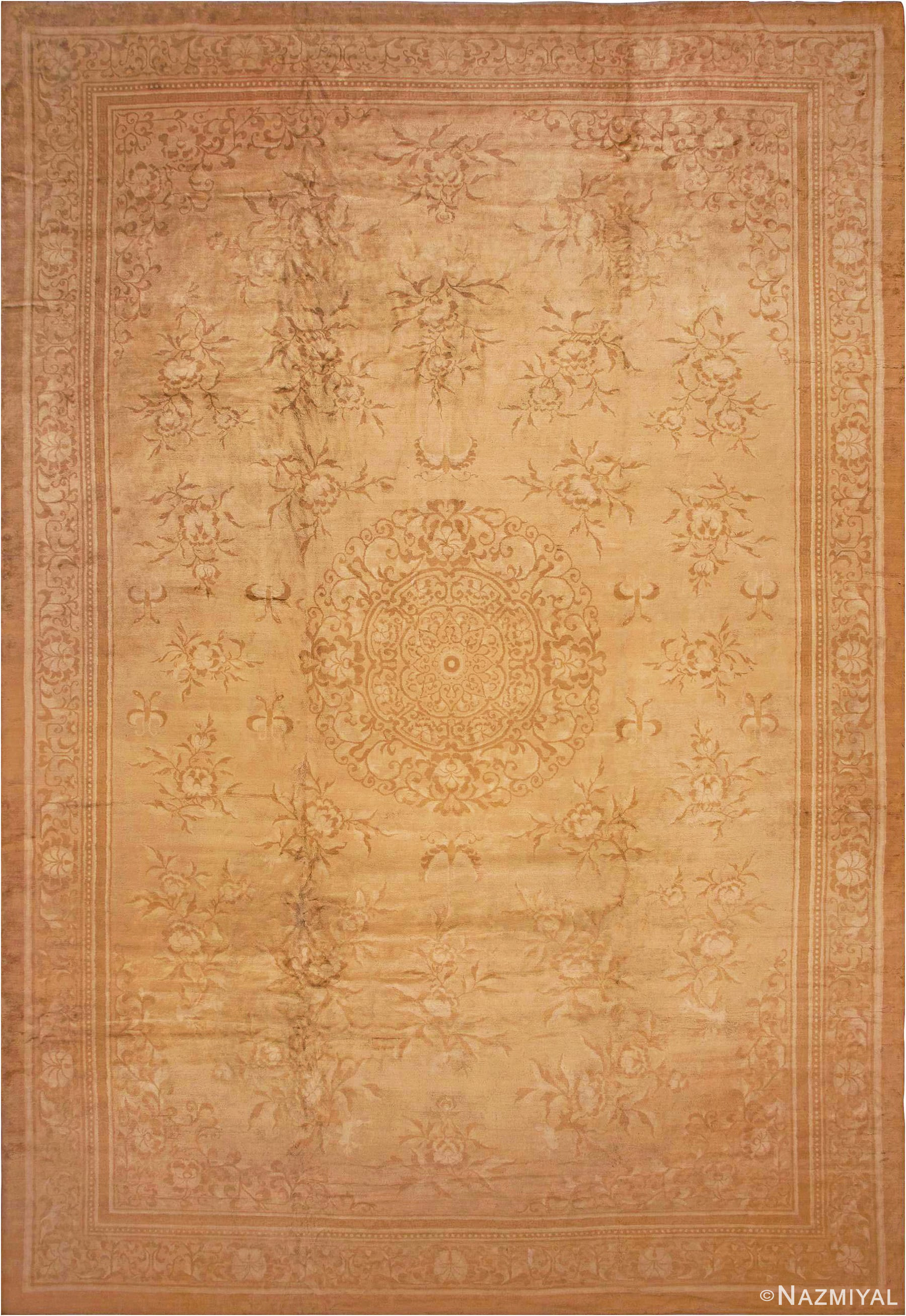
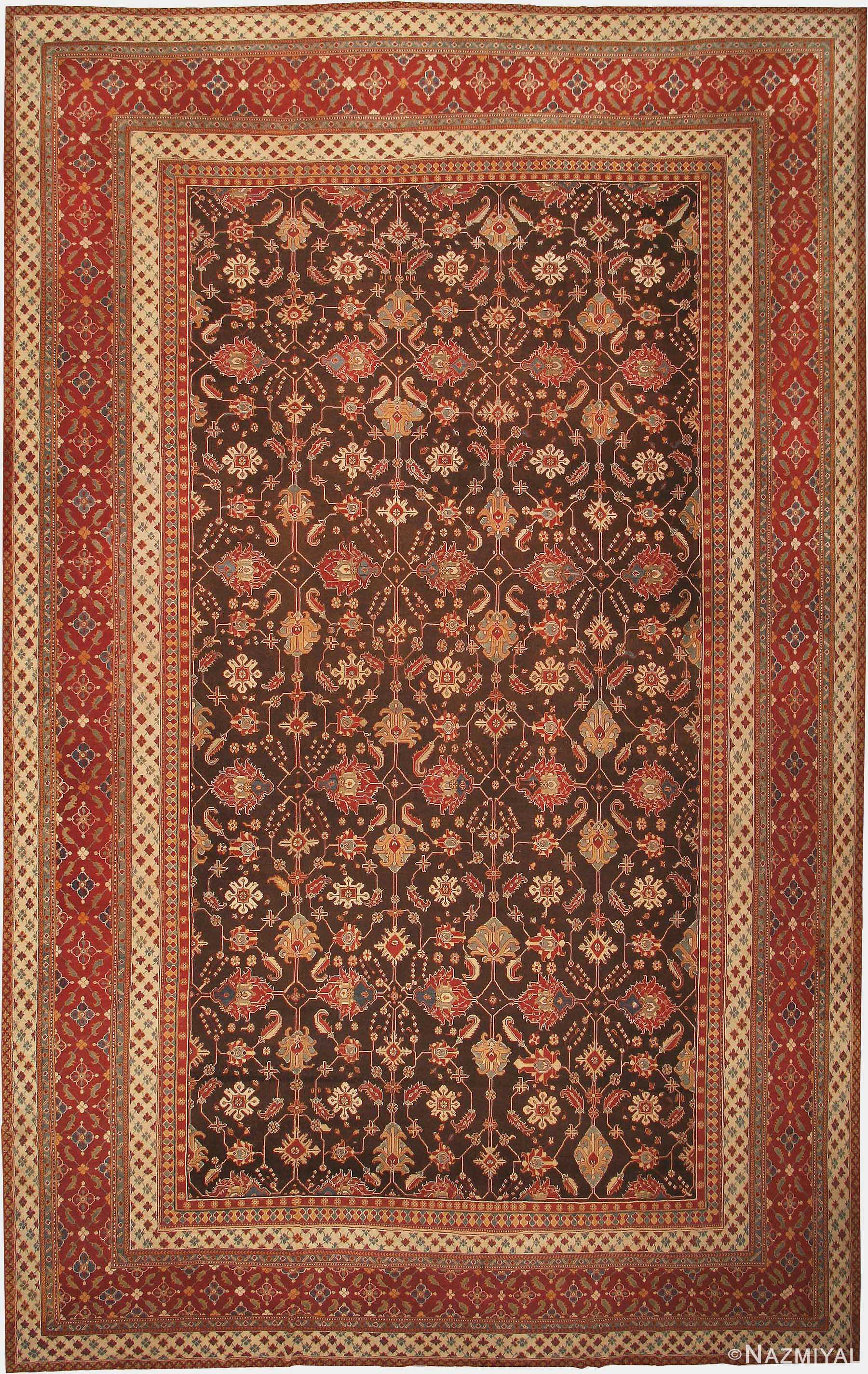
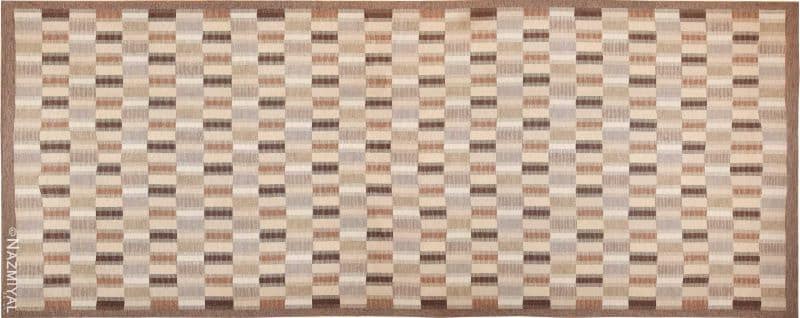
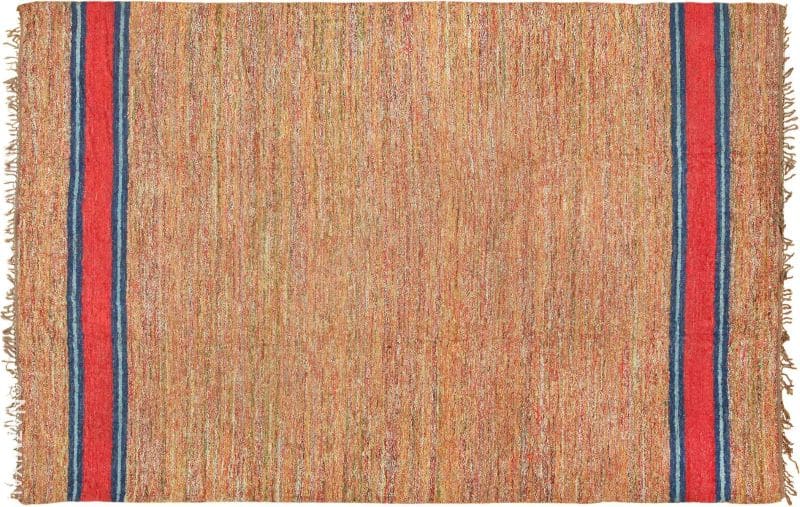
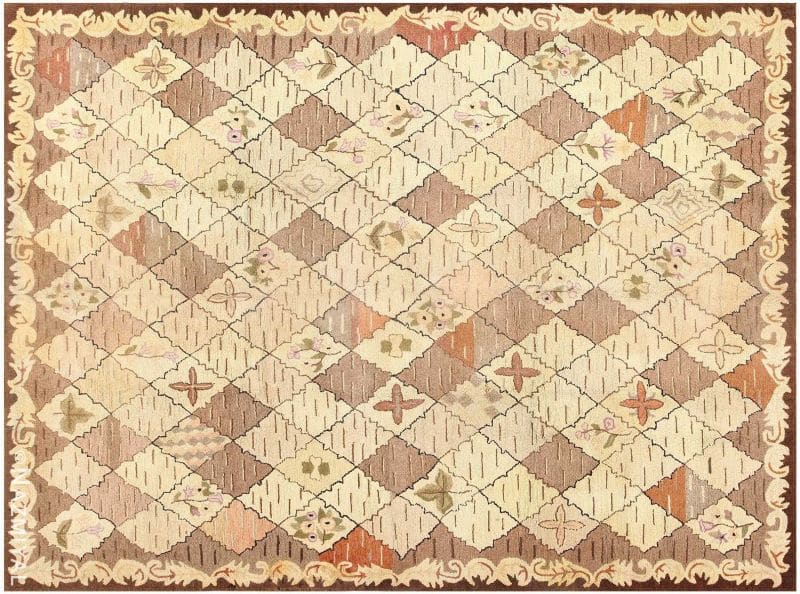
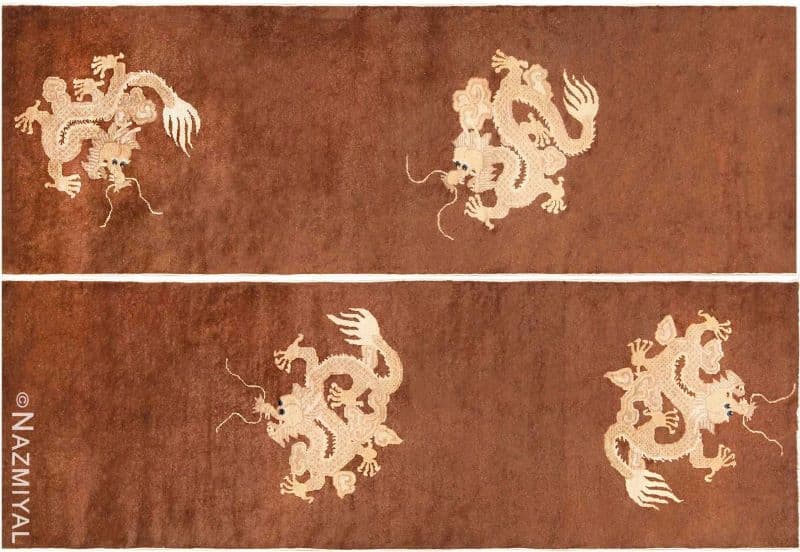
Featured pieces change as one-of-a-kind rugs sell, but these examples show the range of brown earth tones—from sandy neutrals to rich chocolate fields.
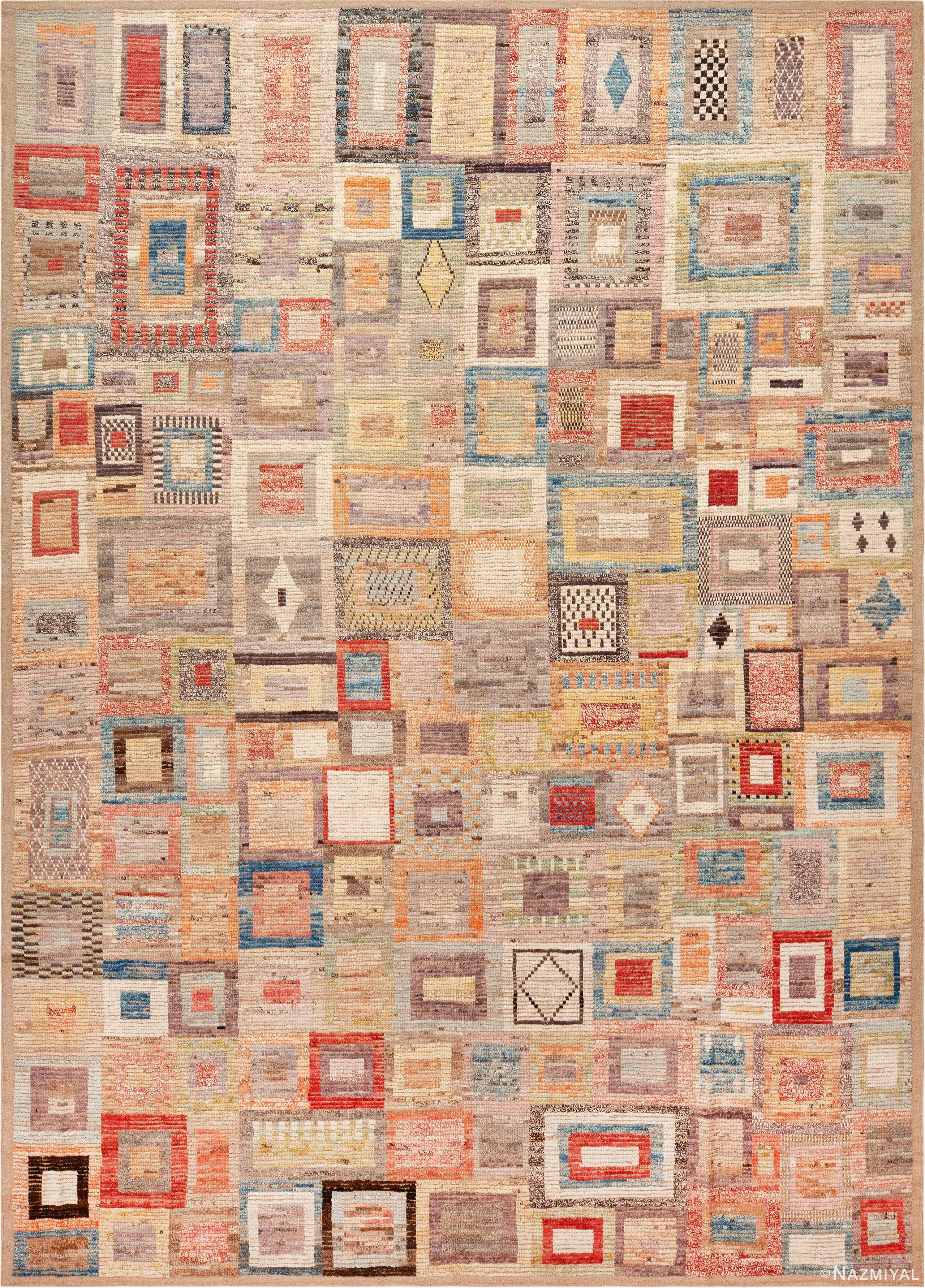
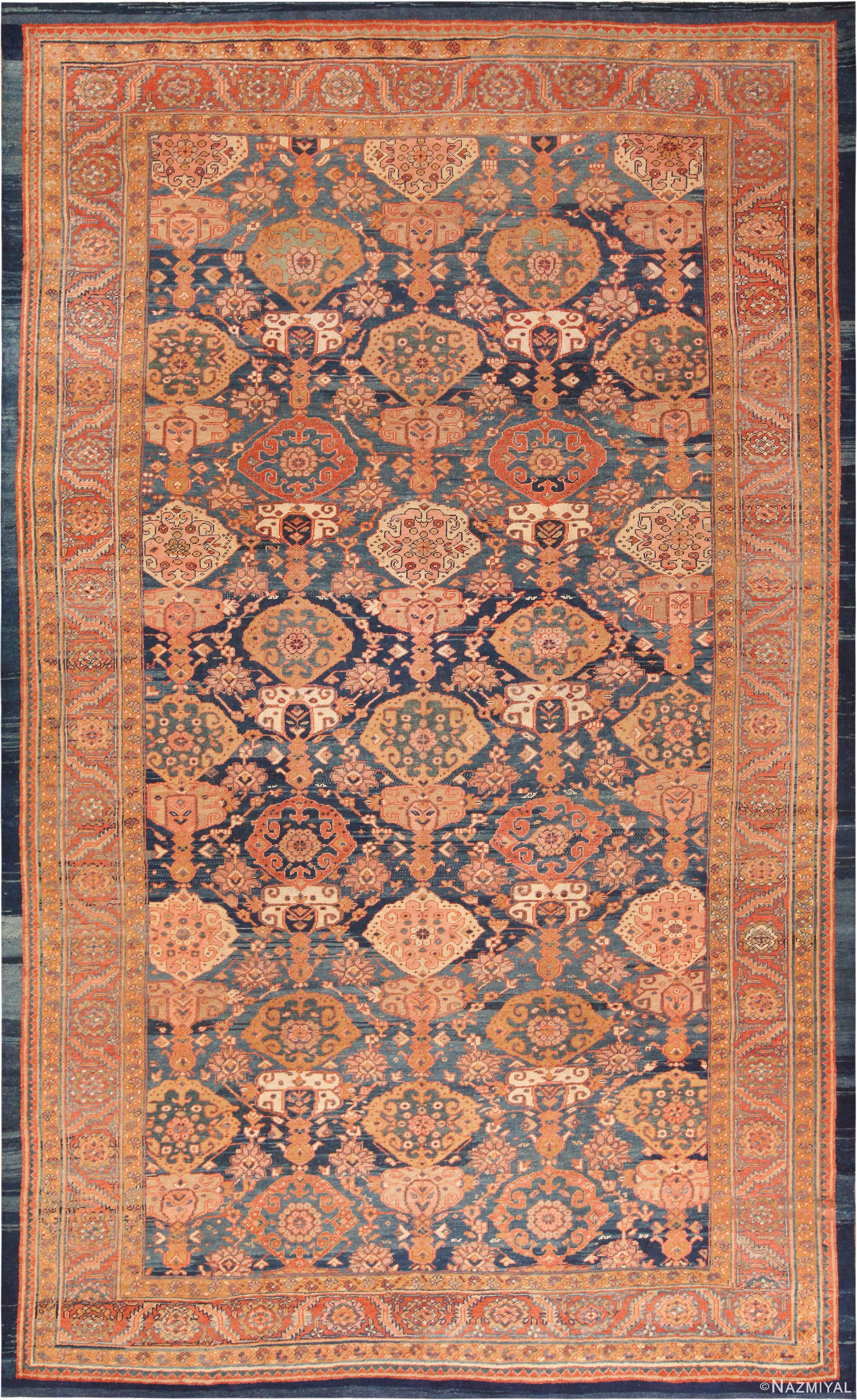
Additional example:
Brown Earth Tone Rugs vs Yellow & Gold Rugs
Both palettes are warm and welcoming, but they behave differently in a room. If you’re deciding between the two, compare brown earth tones against their close cousin: yellow & gold rugs.
| What you want | Brown Earth Tone Rugs | Yellow & Gold Rugs |
|---|
| Room feel | Grounded, cozy, quietly luxurious | Brighter, sunnier, more energetic |
| Best for | Living rooms, libraries, dens, bedrooms, layering with wood | Dark rooms, kitchens, dining areas, spaces that need lift |
| Pairing | Cream/ivory, rust, deep blue, bronze, leather, greenery | Black/white, blues, greens, brass, warm woods |
Looking for a graphic contrast option? Browse black and white rugs. Prefer a nature-forward palette? Explore green rugs.
Glossary Strip
- Earth tones: nature-inspired colors like sand, clay, stone, bark, and wood.
- Taupe: a balanced brown-gray tone that shifts warmer or cooler depending on lighting.
- Umber: a deep brown earth pigment often associated with rich, grounded palettes.
- Allover pattern: a repeating design that covers the full field (often practical for everyday living).
For more terms, see the Rug Glossary.
FAQ
Do brown earth tone rugs make a room feel darker?
Not necessarily. Light taupes, sand, and camel tones can brighten a room like a warm neutral, while deeper chocolates add drama. Balance matters: pair darker rugs with lighter walls, reflective surfaces, or brighter textiles.
Are earth-tone rugs good for high-traffic areas?
Yes. Browns—especially in patterned designs—tend to hide daily wear better than pale, flat fields. A forgiving pattern and the right size for the space are often more important than the exact shade.
What colors work best with brown rugs?
Cream and ivory keep things airy; blues add calm contrast; greens bring a nature-inspired feel; and black accents make the look more graphic and modern.
Is “brown” always a neutral?
Most browns behave as neutrals, but the undertone matters. A brown with red undertones reads warmer; a taupe brown can read cooler and more contemporary.
Nazmiyal White-Glove Service
We make it easy to shop with confidence—whether you’re choosing a single statement piece or curating a full room.
Shop our other area rugs based on the color:
Black / Grey Colored Rugs | Ivory Cream Colored Rugs | Blue Color Rugs | Yellow Gold Colored Rugs | Green Colored Rugs | Pink Salmon Coral Rugs | Red Rust Rugs | Purple Mauve Eggplant Rugs | Black And White Rugs | Happy Jewel Tone Color Area Rugs | All Rug Colors
Nazmiyal Collection has been a trusted source for antique rugs and vintage carpets for over 45 years. Our NYC gallery curates one-of-a-kind pieces with an emphasis on authenticity, provenance, and lasting decorative value.
Need help? Call us at (212) 545-8029 or visit our New York City showroom to work with a rug expert.

 Size: 12 ft 5 in x 15 ft 5 in (3.78 m x 4.7 m)
 Size: 11 ft 2 in x 13 ft (3.4 m x 3.96 m)
 Size: 10 ft 3 in x 11 ft (3.12 m x 3.35 m)
 Size: 10 ft 4 in x 14 ft 5 in (3.15 m x 4.39 m)
 Size: 11 ft 8 in x 18 ft 10 in (3.56 m x 5.74 m)
 Size: 13 ft 10 in x 16 ft 6 in (4.22 m x 5.03 m)
 Size: 14 ft x 16 ft 6 in (4.27 m x 5.03 m)
 Size: 9 ft 10 in x 14 ft 10 in (3 m x 4.52 m)
 Size: 10 ft 10 in x 13 ft 11 in (3.3 m x 4.24 m)
 Size: 15 ft x 30 ft (4.57 m x 9.14 m)
 Size: 18 ft 1 in x 29 ft 1 in (5.51 m x 8.86 m)
 Size: 19 ft 4 in x 29 ft (5.89 m x 8.84 m)
 Size: 12 ft x 28 ft (3.66 m x 8.53 m)
 Size: 13 ft 4 in x 27 ft 4 in (4.06 m x 8.33 m)
 Size: 20 ft 8 in x 26 ft 8 in (6.3 m x 8.13 m)
 Size: 13 ft 9 in x 25 ft 7 in (4.19 m x 7.8 m)
 Size: 2 ft 7 in x 24 ft 7 in (0.79 m x 7.49 m)
 Size: 15 ft 9 in x 24 ft 2 in (4.8 m x 7.37 m)
 Size: 15 ft 10 in x 24 ft (4.83 m x 7.32 m)
 Size: 15 ft 4 in x 23 ft 8 in (4.67 m x 7.21 m)
 Size: 15 ft 2 in x 23 ft 8 in (4.62 m x 7.21 m)
 Size: 12 ft 10 in x 22 ft 6 in (3.91 m x 6.86 m)