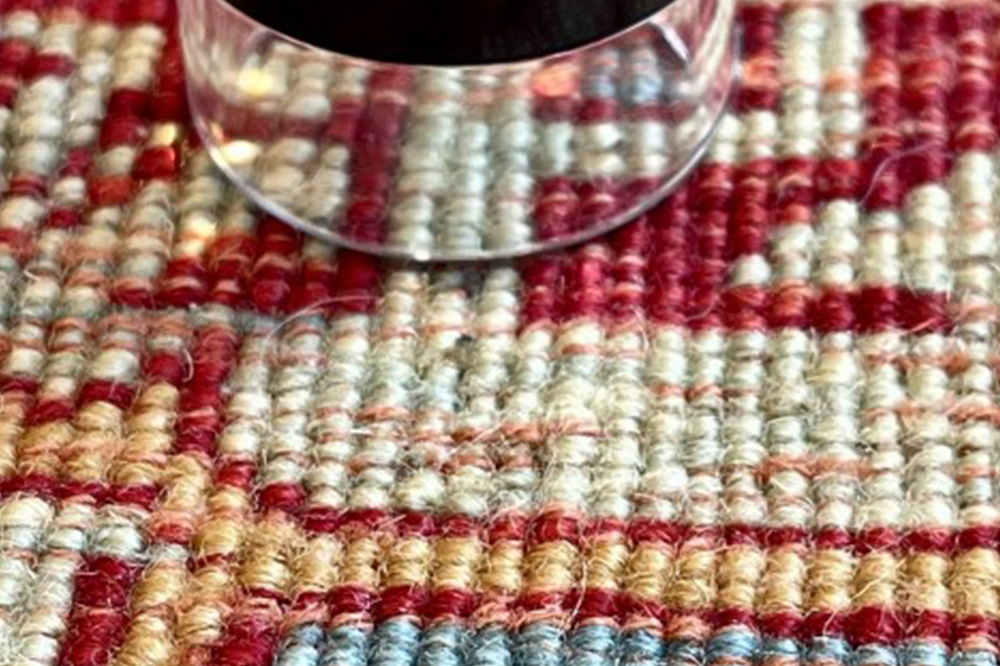
Color is used in the natural world constantly. Bright colors attract diurnal species, such as ourselves, whose eyes are a feature of the utmost importance. This is why mangos and berries are brightly colored. It’s why a hibiscus flower is so vibrant. It’s why a poisonous frog has such a vibrant palette: to make sure you won’t miss it. It only makes sense that we’d try to find ways of replicating the color that surrounds us, and we have. In fact, humans have been trying to do just that for thousands of years.
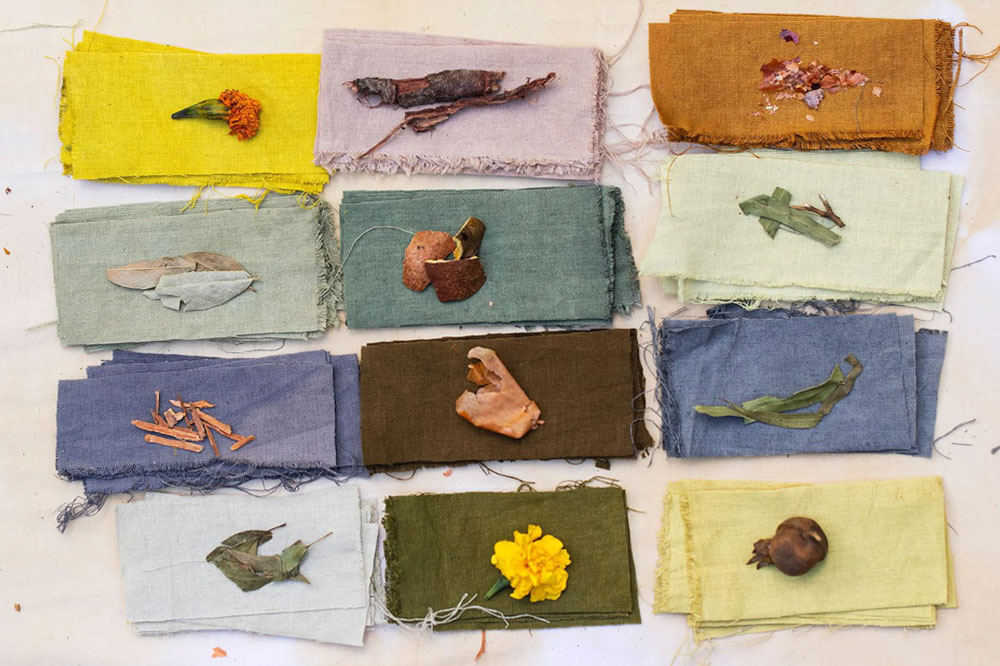
Today, we have all sorts of ways to fill our world with color. Modern technology and innovation has offered us a plethora of ways to paint and dye using synthetic materials. Synthetic dyes mean an easier time getting rich and even colors, as well as a way to mass produce dye, making it accessible to more people. But how were we able to achieve color before this technology? What parts of the natural world were we relying on? Which colors were the most popular? And what was the process of actual dyeing like?
The Science of Color
To see the historical importance of color and dye, first we need an understanding of the science behind how we interact with color. Humans can see around one million different colors, an impressive feat. Human eyes contain three types of cone cells, each registering around 100 different shades of color which can further combine into niche tones.
The ability to see and process color is mainly due to light. Color is not inherent in objects, but instead completely reliant on reflections and absorptions of white light. Sunlight is composed of what we know to be the main colors of the rainbow: Red, orange, yellow, green, blue, indigo, and violet. When these mix together it becomes “white light”. When white light hits the surface of an object, its color reflects back out to us where the eye’s receptors send it to the brain for processing. The rest of the white light is absorbed by the object. A strawberry appears red because the color red reflects back out, while orange, yellow, blue, etc. is absorbed.
The Importance of Seeing Color
This ability to see and differentiate color was developed through millions of years of evolution to give us the best possible advantage in survival. It aids us in the foraging of food, identifying when fruits and other edible plant life is ripe for eating. It helps us detect camouflaged predators. But its most fascinating use is a social one. There have been plenty of studies done that prove that color has a significant effect on the brain’s moods.
In early childhood development, color is especially important. Babies begin to visually process color at around 3-4 months, with bright primaries being the first they respond to. This response plays a big role as it strengthens the bond between visual and cognitive processing. Attention grabbing colors are easy for babies to remember, easier than words. Associating words to colors helps infants assess and define objects while increasing attention span and noticing environmental patterns. Color is also important for kids’ emotional development. A vibrant palette has been proven to enhance imagination and stimulate creativity.
Color has always been an important staple of human life. The early human desire to replicate the palette of the world surrounding them only seems natural. It also makes sense that throughout history, the more coveted colors were those that were the most vibrant. Vibrancy was always the goal, beautiful, but difficult to achieve. It’s not an exaggeration to say that dyeing has likely been around for as long as humans have.
Early Evidence
The earliest surviving evidence of people dyeing fabric dates way back to the Neolithic era. In Çatalhöyük, an early settlement in southern Anatolia, traces of red dye likely extracted from iron pigments in clay were found. As far as we can tell, multicolor fabrics developed in the 3rd or 2nd millennium BCE. By the late Bronze Age and Iron Age, red, blue, and yellow, were common-use.
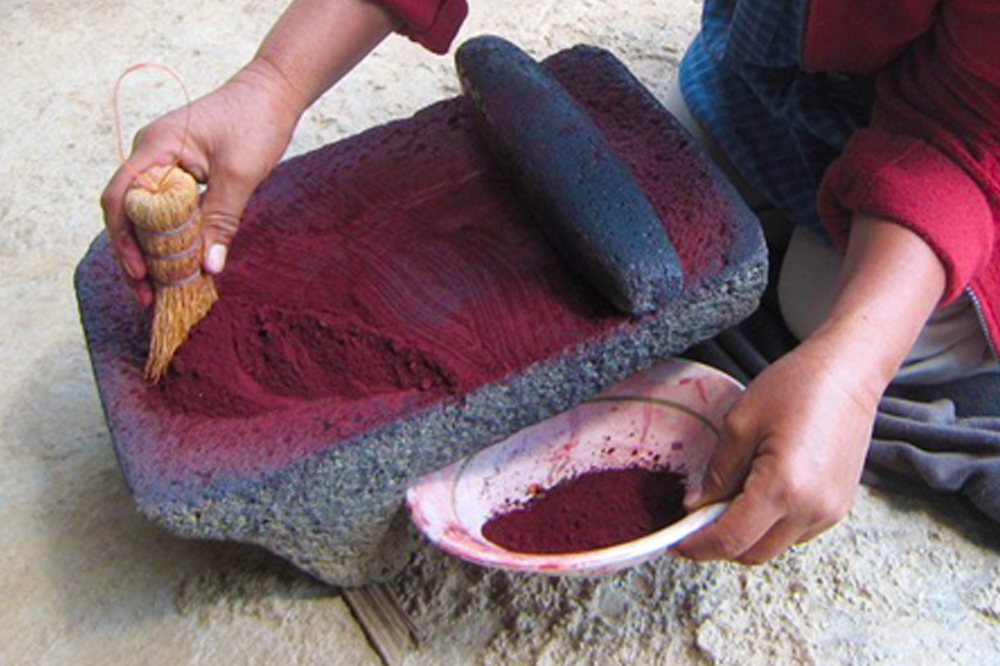
With no way to synthesize the color around them, early people used what they had at their disposal. Anything that could produce a pigment, referred to as “dyestuff”, was fair game. Plant roots, flowers, seeds, bark, and leaves, were all experimented with to see what kind of color could be produced. Animals were also popular for dyeing, though this skewed more toward invertebrates than anything else. When using insects, these dyes were made by drying and crushing the insects into a fine powder which then underwent the same process as plant dyes.
The Production of Color
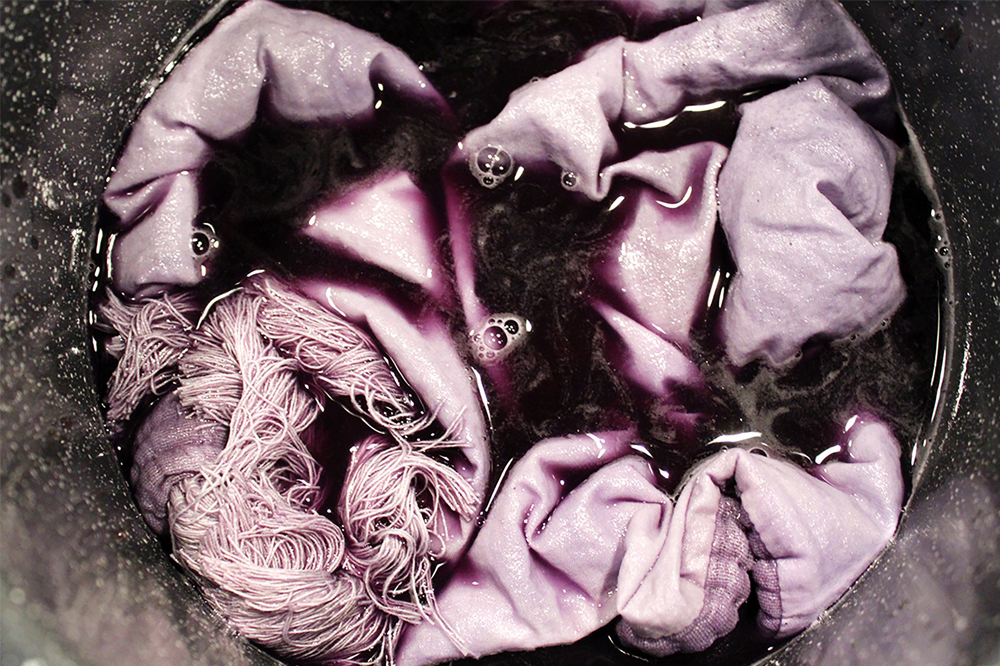
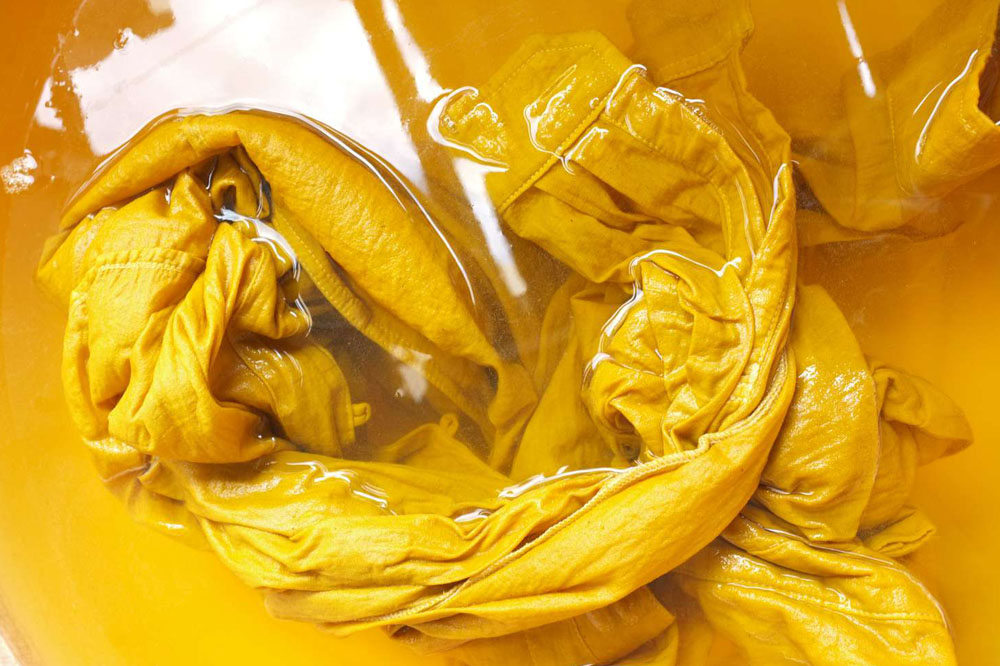
The process of dyeing fabric hasn’t actually changed much. It took a lot of trial and error but it really boils down to some hot water and patience. First, the dyestuff is put into a container of heated water where the dye will slowly release from the original material. Then, the textile is added to the resulting solution, heated to a simmer. From there it’s a matter of waiting for the dye to attach. This is a time consuming process, often taking days or even weeks at a time for the fabric to fully absorb the dye.
Early people had no way of guaranteeing whether or not the dye would take to the fabric, or if it would fade. Eventually they figured out the best way of making dye permanent was to add a “mordant”. This was a binding agent to ensure a permanent adherence of dye to the desired textile. A mix of salt, fermented fruit vinegar, natural alum, and stale urine, made up a primitive mordant used in the early history of dyes. Today, metals are the most popular components of modern mordants.
Different dyes work differently on different fabrics. This depends on whether the fiber is cellulose or protein based. Protein based fibers are those extracted from animal life. Materials like wool, angora, mohair, cashmere, silk, leather, and suede are all protein based. Cellulose fibers are plant based, like cotton, linen, hemp, ramie, bamboo, and rayon.
Wealth, Status, and Luxury Through Color
Not all colors were treated the same when it came to textiles and fashion. Like materials, colors became an indicator of wealth and status in human society. This had to do with how common certain colors were, and how difficult it was to achieve others. Rare colors were highly coveted, difficult to produce and expensive to buy. Clothing and textiles in these palettes became luxury items associated with high socioeconomic class, and royalty.
Precious and Purple
Purple has a regal reputation dating back to the Bronze Age. Cyrus the Great, a Persian king credited with founding the Achaemenid Empire, adopted the color purple for his royal uniform. Byzantine royals also exclusively wore purple and even signed royal documents in purple ink. Roman emperors forbid their citizens from wearing purple by law punishable by death, reserving it only for the nobility. But why?
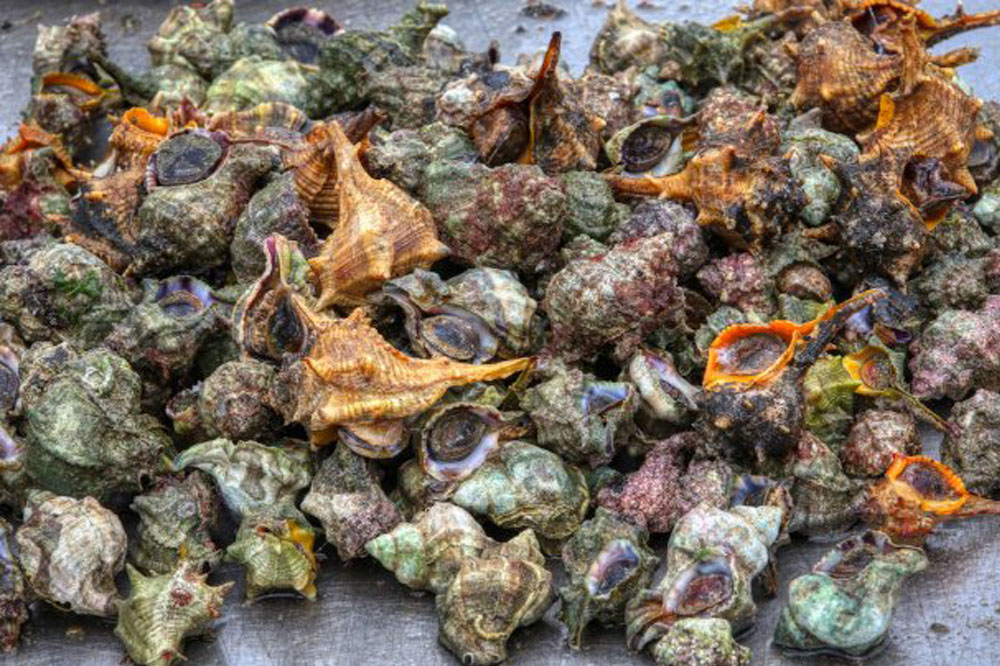
Well, purple was extremely expensive. The Phoenecian city of Tyre, what is now modern day Lebanon, was at the center of the purple dye trade. The dye came from Bolinus brandaris, a species of predatory sea snail found on the sandy floors of the Mediterranean. To produce the dye, the shell has to be cracked open. A mucus was then extracted and exposed to sunlight for a specific amount of time. Around 250,000 mollusks were needed to produce only one ounce of usable dye. This made it an extremely expensive color, with a single pound of dyed wool costing more than most people’s yearly salary at the time.
The Importance of Indigo and Blue Blood
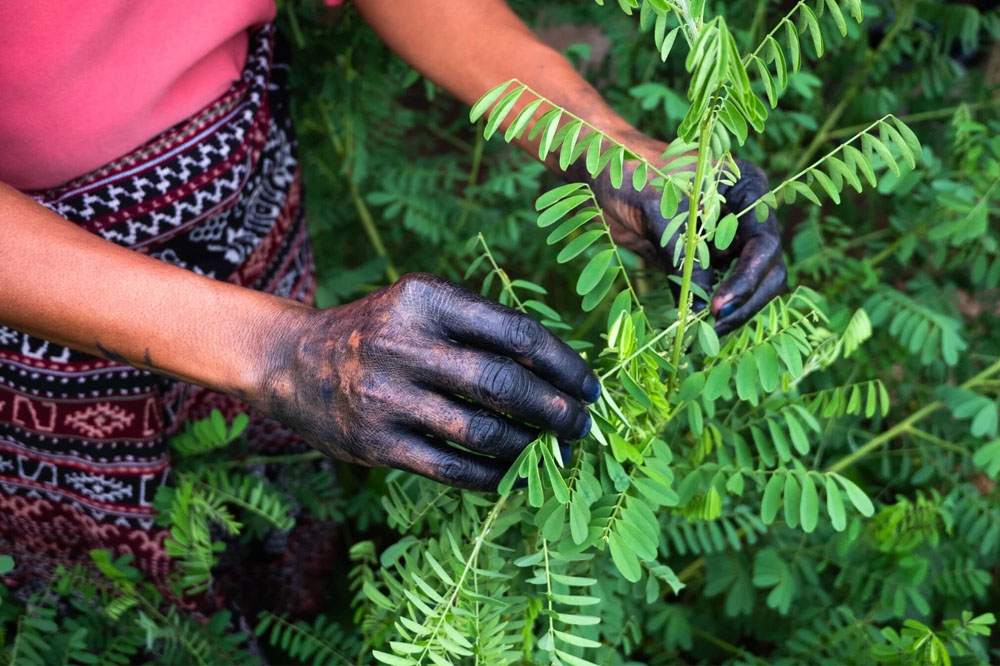
The introduction of indigo changed the world. Its deep blue color comes from the indigofera plant. It’s a tropical plant native to the more humid regions of Africa, Asia, and South America, and the earliest known use of the color dates back to around 6,000 years ago found in a Peruvian cloth. In much of the ancient world, indigo was a main Indian product, exported through the Silk Road. Its name of “indigo” simply means “from India”.
The term “blue blood” is one still used today to mean that someone comes from a noble line. It was a popular color among the wealthy, especially in Western Europe. These countries suffered from cooler climates, unable to harvest the indigo plant. Instead, European farmers cultivated the woad plant which produced a similar blue color. It wasn’t nearly as pigmented as indigo, though, and the western economy banned the trade of indigo to protect the woad industry.
People of the aristocracy largely ignored this ban, preferring the deep vibrancy of indigo over woad. This made it a color only those with enough money to bypass a ban could afford to have. It wasn’t until the British found they could produce indigo in the “New World” and monopolize its production, that these European countries lifted their ban and accepted it over woad dyes. Indigo, and the production of blue dye has a highly political history, internationally, but especially in the Americas and Bengal.

The “New World”
The history of indigo has to do with the slave trade. Indigo already had a traditional history in West Africa. When the indigenous people from that region were captured for the transatlantic slave trade, they brought with them their knowledge of its cultivation.
The climate diversity in the “New World” proved promising to the harvesting of three indigo plant subspecies. The work was difficult and long, but very lucrative to plantation owners. The economic success of indigo was partially responsible for an exponential growth in the slave trade. In fact, the state of Georgia specifically legalized slavery in 1751 to keep up with the international demands of indigo. It became the second largest export of the American Colonies, following rice. The revolutionary war eventually tanked the North American indigo industry once the colonies separated from British rule to form the United States. This was a short-lived setback, however, as the British set their sights on another cost efficient exploitative production method.
Bengali Indigo Farmers
British indigo production moved from the “New World” back to the eastern hemisphere, settling in Bengal. Moving away from slavery to a different kind of forced labor, they offered farmers high interest rate loans that couldn’t be paid back. These peasant farmers were essentially trapped in a cycle of debt that forced the continued production of indigo. In time, this relentless exploitation led to the Indigo revolt of 1859 where farmers refused to work and accept these unfair monetary advances.
Planters clashed with forces sent to intimidate them and what began as a non-violent movement led to unfortunate bloodshed. The European forces were forced to concede due to the farmer’s large growing support throughout Bengal. The Indigo Revolt laid the groundwork for other rebel movements in South Asia, including Gandhi’s resistance against the British.
Radical in Red
Red is a color that has historically been associated with strength, courage, and sacrifice. It’s the color of blood, worn to communicate power. Red is also one of the oldest pigments people were able to recreate in dye, achieved through both plant and animal dyestuffs.
Madder produces what is perhaps nature’s reddest red. Also known as Rubia tinctorum, madder is part of the coffee family and found in Asia, as well as parts of Europe and North Africa. The plant itself produces pale yellow flowers and green foliage, but its roots are what creates a strong red dye. It can produce a variety of shades depending on the dye process and factors such as the age of the plant, the kind of soil it grew in, and the amount used.
Another way of producing red was through insects, specifically the cochineal and kermes insects. Kermes were used for thousands of years, mentioned in both the Old and New Testament. The word “crimson” is derived from kermes, referencing its vibrant shade. Its production was difficult because every factor had to be perfect in order to produce the highest quality dye. Bright reds could only be made from female insects with unhatched eggs in peak adulthood. This crucial window of time lasts only about a month, and any delay in the harvesting of these insects greatly impacted color production. This form of dyeing was eventually replaced with Spain’s introduction of the cochineal insect.
The Cochineal Red of the Americas
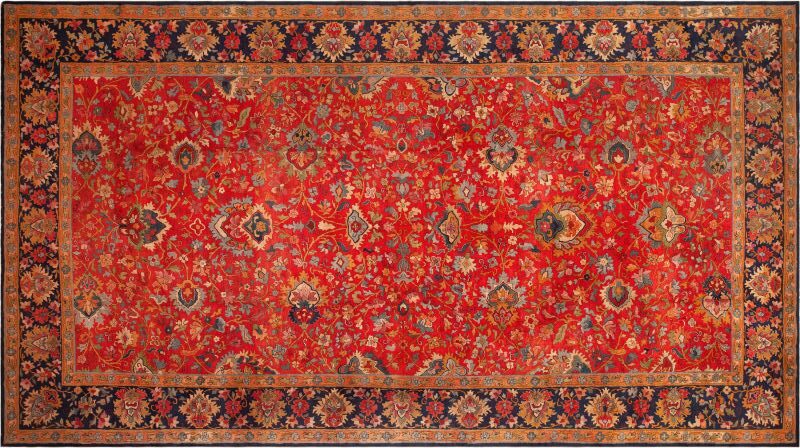
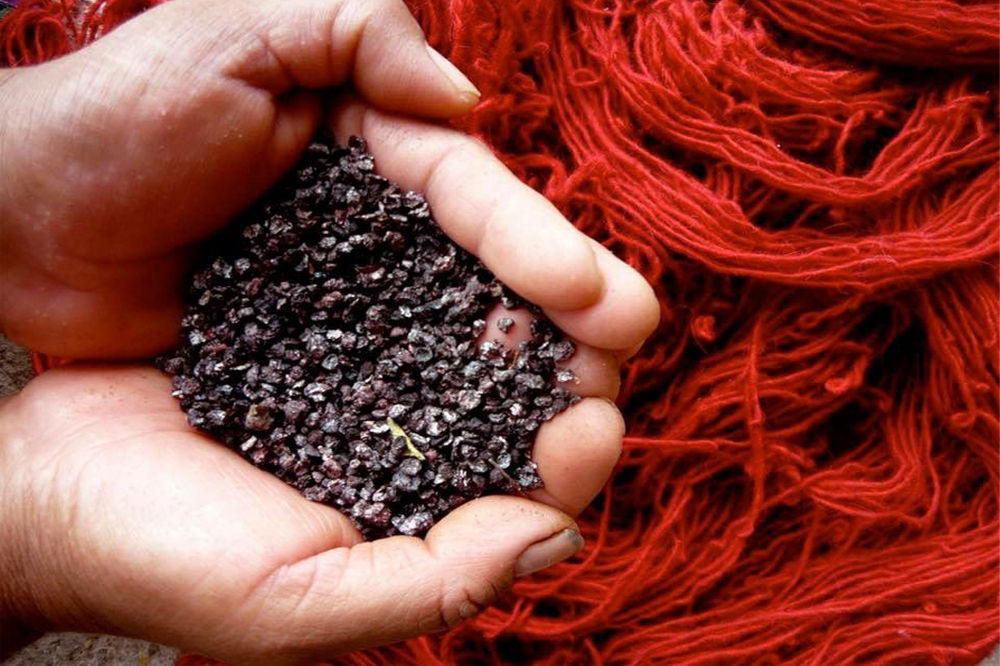
Native to the Americas, the cochineal insect was a gamechanger in the world of textiles and color. Like the kermes, these are scale insects. They are parasitic organisms found on cacti and are similarly crushed up into a powder for the purpose of coloring textiles. The indigenous Aztec and Mayan people have long been using this technique, dating back to the 2nd century BC. Pre-colonial trade in the Americas saw the spread and use of cochineal dye throughout other early cultures. The strong red pigment was used mostly in ceremonial clothing worn by rulers.
Spanish colonization in the 16th century was a total upheaval for red dye in Europe. Cochineal red produced a much more concentrated color than the traditional kermes dye did. It was about 10 times stronger, making production quicker and easier, and was particularly successful for dyeing protein based fibers like wool. It almost completely substituted the use of lac in the rug market, where wool based textiles were the norm.
Red quickly became a color associated with importance and luxury. With the fall of the Byzantine empire in the 15th century, purple saw a significant dip in use and manufacturing. Red took its place, with “Cardinal Purple” becoming a vibrant red in Catholic robes, as well as the clothing and textiles of the royal class.
Grim and Green
Green is the most abundant shade in the natural world, making up the palette of most plant life with common appearances in bird plumage. Ironically, it’s the most difficult to produce as a dye. This is because green is a color that is quite literally alive. In plants, green comes from chlorophyll. It’s used to trap sunlight and convert it into food through the process of photosynthesis. When a plant dies, it dries out and loses its brilliant green, turning brown.
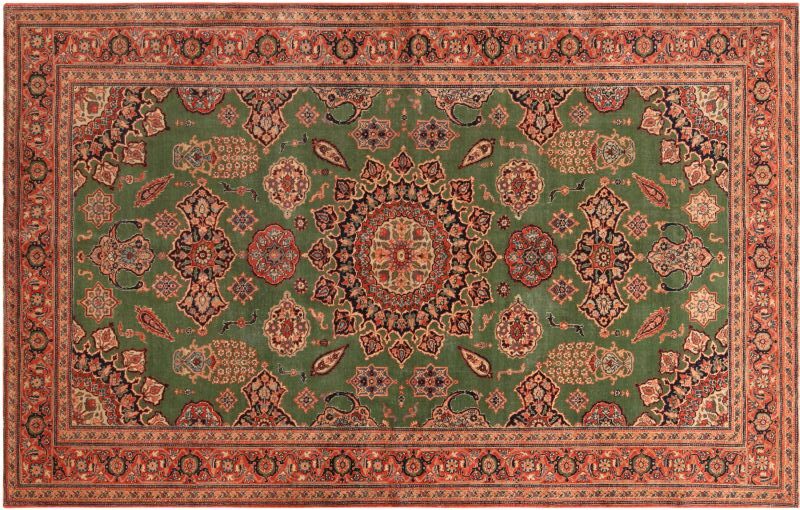
This made green a frustrating shade to achieve in dyes. Any successful greens faded quickly and were never all that vibrant. Instead, green was made through the mixing of blue and yellow dyes. That was until the Scheele’s Green of the 18th century.
Invented by German-Swedish chemist Carl Wilhelm Scheele in 1775, it was composed of copper hydrogen arsenite. Its vibrant color quickly replaced the copper carbonate green pigments that had been historically used and became the newest fad. Scheele’s Green was suddenly in everything: textiles, clothing, children’s toys, candles, furniture, and even food dye. The problem with this, however, was that it was highly toxic. Scheele’s Green was linked to the development of all sorts of cancers, including skin cancer from wearing fabric dyed in it. Green wallpaper was particularly popular during the Romantic period and responsible for health complications and deaths during that time. In humid climates, the wallpaper released dangerous arsenic vapors that were inhaled by whoever occupied the room.
By the 1860s, it had fallen out of style due to its toxicity and the production of green reverted to older, more natural methods of dyeing.
Natural Dyes in the Modern Time
With today’s technology and innovative advancements, the use of synthetic dyes has risen in popularity. Synthetic dyes allow for even color application as well as a larger variety of pigments. But the art of natural dyes is not completely lost.
Natural dyes have plenty of advantages over synthetic ones. Aesthetically, natural dyes have a more authentic look to them. Small variations in color on fabrics dyed naturally give the textile an abrash and human quality. Moreover, natural dyes are far more sustainable than synthetic ones. They are biodegradable, reducing the amount of waste in their production. They tend to require less water and energy to make than synthetic dyes, and are guaranteed to be less toxic. Using natural dyes also supports local rural economies where the cultivation of dyestuffs and traditional crafts is a central practice.
Final Thoughts
Natural dyes have been around forever, with different organisms serving as sources for color. The process for natural dyeing is one that is largely unchanged, relying on hot water for the extraction and adhesion of dye. Color played an important historical role in determining socioeconomic status throughout different cultures, as different colors were worth more. This was based on how difficult particular dyes were to produce, with rare colors exclusive to the nobility and religious authorities. Though synthetic dyes are widely available, natural dyes are a sustainable alternative that preserves the cultural tradition of crafting.
- Natural dyes are ancient, dating back to the Neolithic Era
- Natural organisms such as plants and insects are the most common source for natural dyes
- Dyes are produced by extracting color from dyestuffs through hot water
- Different dyes had different worths, and color was used to determine status
- Natural dyes are eco-friendly sustainable alternatives to synthetic dyes
Frequently Asked Questions
What are natural dyes typically made of?
Natural dyes were made up of plants, insects, or minerals. The materials used determined which pigments could be made. In colorful fabrics, it was oftentimes a mix of all three sources to create the full spectrum of color.
How does the process of extracting dye work?
To extract dye, the dyestuff is placed in hot water where the dye slowly releases. Then, desired fabric is added to the solution. A sealing mordant is sometimes used to ensure the adhesion and permanence of the dye.
Why did color dye determine status?
The kind of colors someone’s textiles were dyed in was historically a good indicator of socioeconomic status. This was because of how difficult it was to produce certain colors naturally. There were colors that were much rarer than others, making them more expensive, and therefore a luxury that not everyone could afford.
What was the rarest dye color?
Ironically, the most difficult color to produce naturally was the most abundant in the natural world: green. This was because it is a living color that relies on chlorophyll.
Are natural dyes better for the environment?
Generally, yes. Natural dyes are renewable and biodegradable, making them a sustainable alternative to synthetic dyes.