Updated April 20, 2026 • Reviewed by Jason Nazmiyal
Not every type of antique rug rises in popularity for the same reason. Some gain attention because current interiors suddenly make them easier to incorporate. Others rise because designers rediscover their flexibility, or because collectors begin to appreciate qualities that the broader market had been overlooking. And others rise, ironically, due to their scarcity.
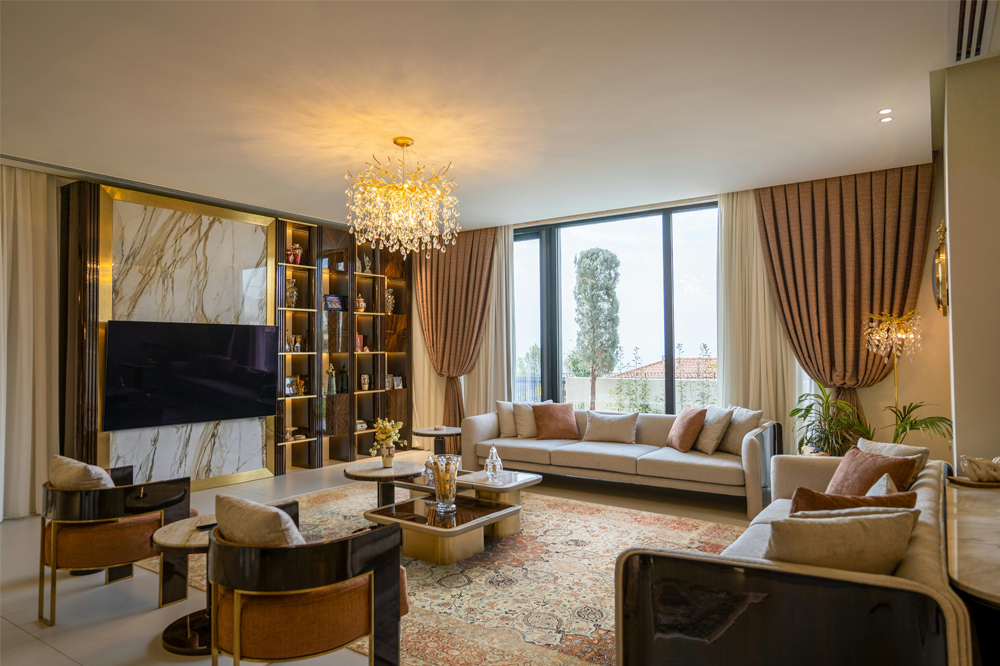
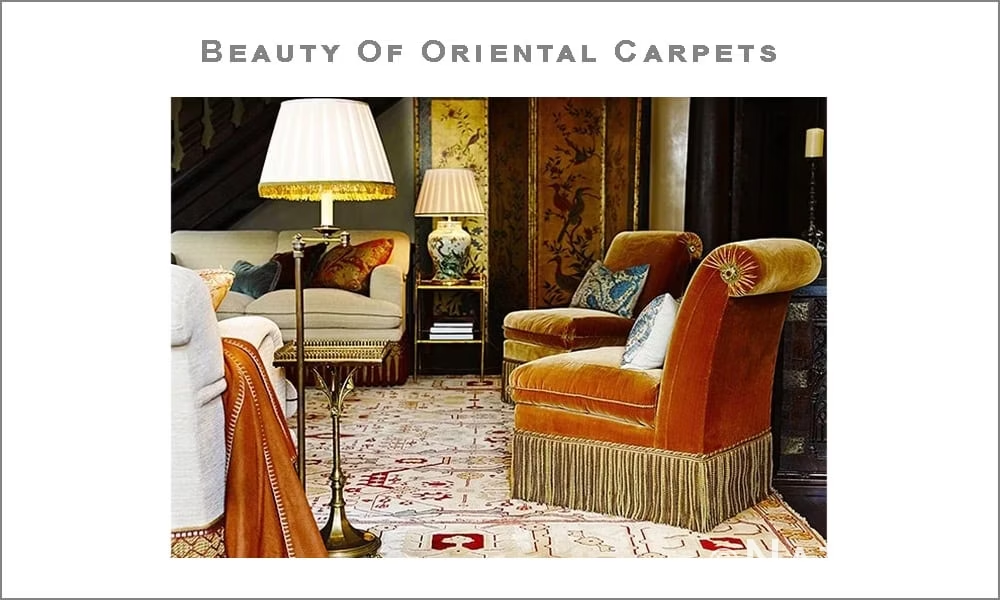
That is why the phrase “rising again” matters. In antique rugs, a category obviously does not make a comeback because it’s new, but because the room, market, and eye all change. 2026 interiors are warmer, more layered, more pattern-tolerant, and more interested in objects with age and character. It’s a big divergence from the flatter, more anonymous rooms that previously dominated interior design.
At Nazmiyal Collection, this renewed attention is evident across categories such as Oushak, Scandinavian, Moroccan, Sultanabad, and select decorative Persian rugs.
What “Rising Again” Really Means
A style or category of rug doesn’t necessarily mean it disappeared completely. More often, it means the market is giving that category renewed attention after a period when buyers were looking elsewhere.
That renewed attention can come from several directions:
- The way rooms are being decorated
- How designers are sourcing
- Which patterns and materials is editorial coverage favoring
- How easy a category is to live with
- How rare that specific kind of rug has become
This matters because not all momentum is equal. Some rug types are undergoing a resurgence because they’re solving current design problems beautifully. Others have encountered a short spike because of temporary trends, fashionable for the moment. Today’s shift toward “found luxury,” warmer minimalism, cultural patterns, and vintage layering suggests interest in more than just momentary novelty. Instead, the popular categories rising now are benefitting from bigger changes in taste.
Why Certain Categories Are Being Pulled Up By Current Interiors
The best current interiors are asking more from rugs than before. Rooms today often favor tonal warmth over chill, texture over blankness, and character over showroom perfection. Visual substance should define the space without making it feel heavy. It’s because of this that rug categories with a strong decorative direction are coming forward again. Look through the Nazmiyal Worldwide Hub to find rugs with plenty of cultural and historical context.
It isn’t just about aesthetics, though. It’s also about usefulness. A rug category rises when it aligns with how people now want to live.
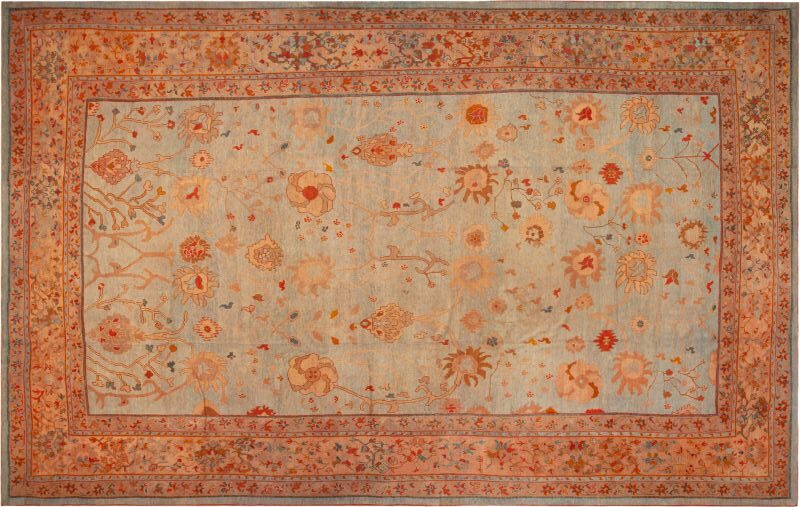
Why Oushaks Remain Strong
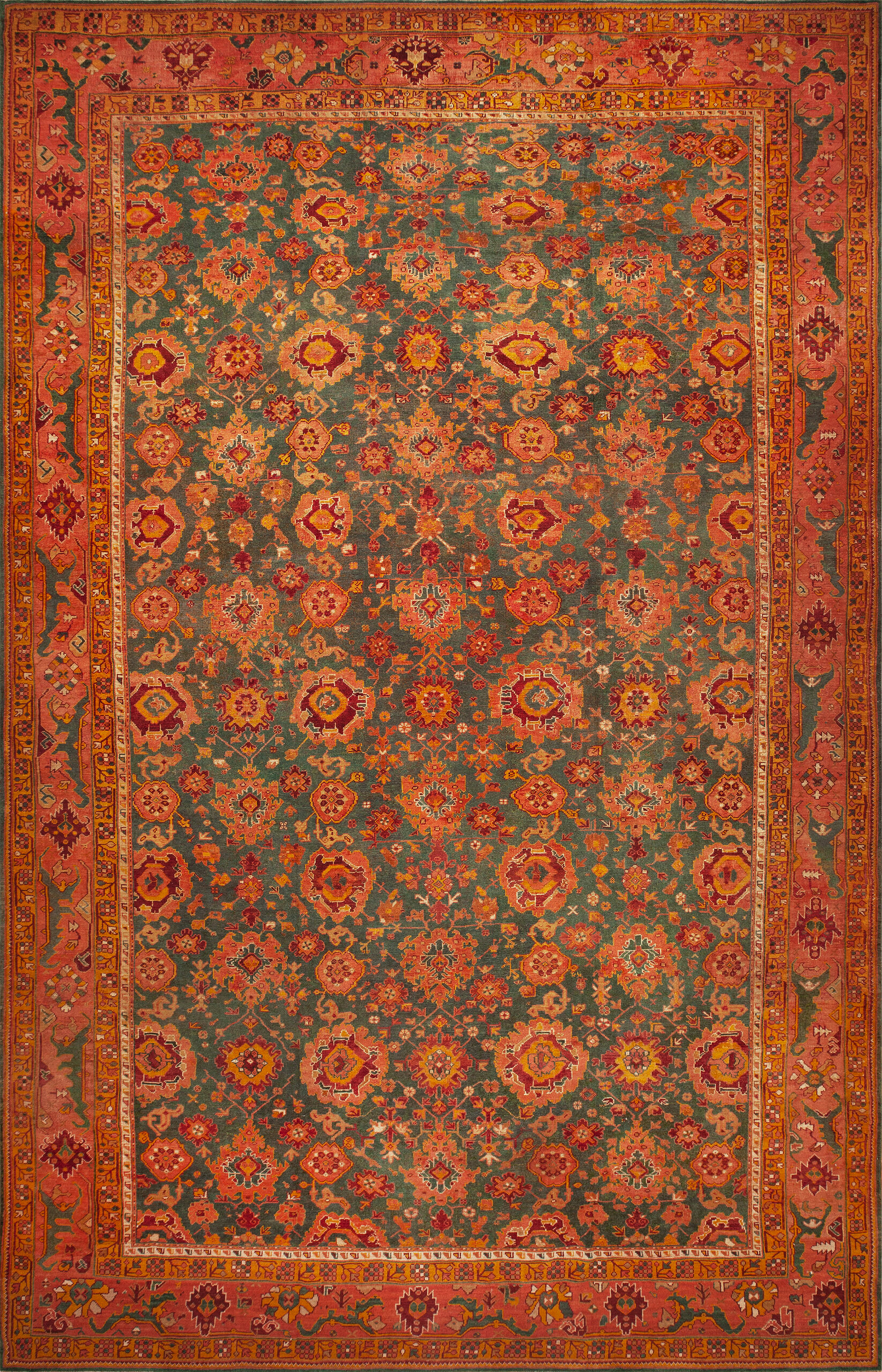
Oushak rugs continue to hold attention because they’re an adaptable type of furnishing. Softer palettes, a spacious drawing field, decorative elegance, and just enough pattern to carry a room without feeling oppressive, all make Oushaks versatile. In today’s interiors, they fit a wide range of spaces, whether that’s lighter, tonal rooms or layered traditional-contemporary blends.
Oushaks also benefit from scale flexibility. Many work because they’re able to support the architecture of a space rather than visually crowd it. Their open field designs work well in busier spaces, all without feeling too dense.
Moreover, Oushaks satisfy the needs of both decorative and specialist buyers. While designers appreciate their aesthetic ease, more informed buyers appreciate their historical identity as well.
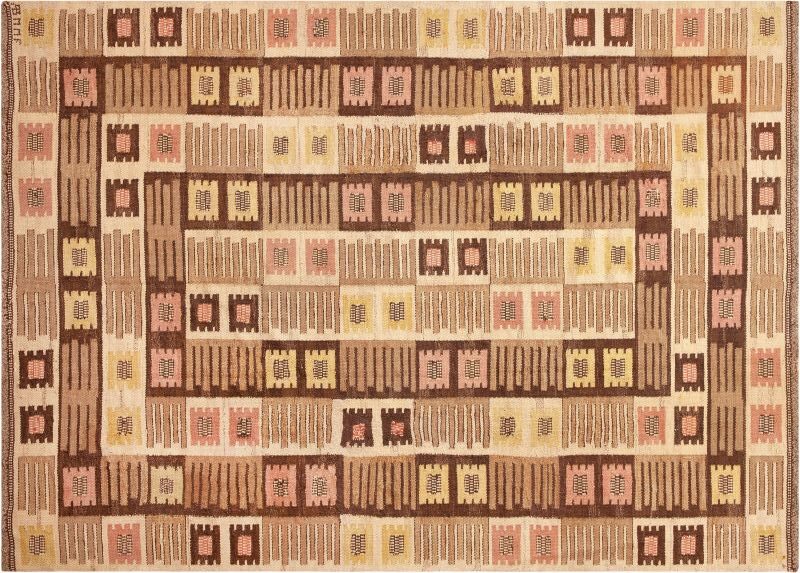
Why Scandinavian Rugs Fit Today’s Room
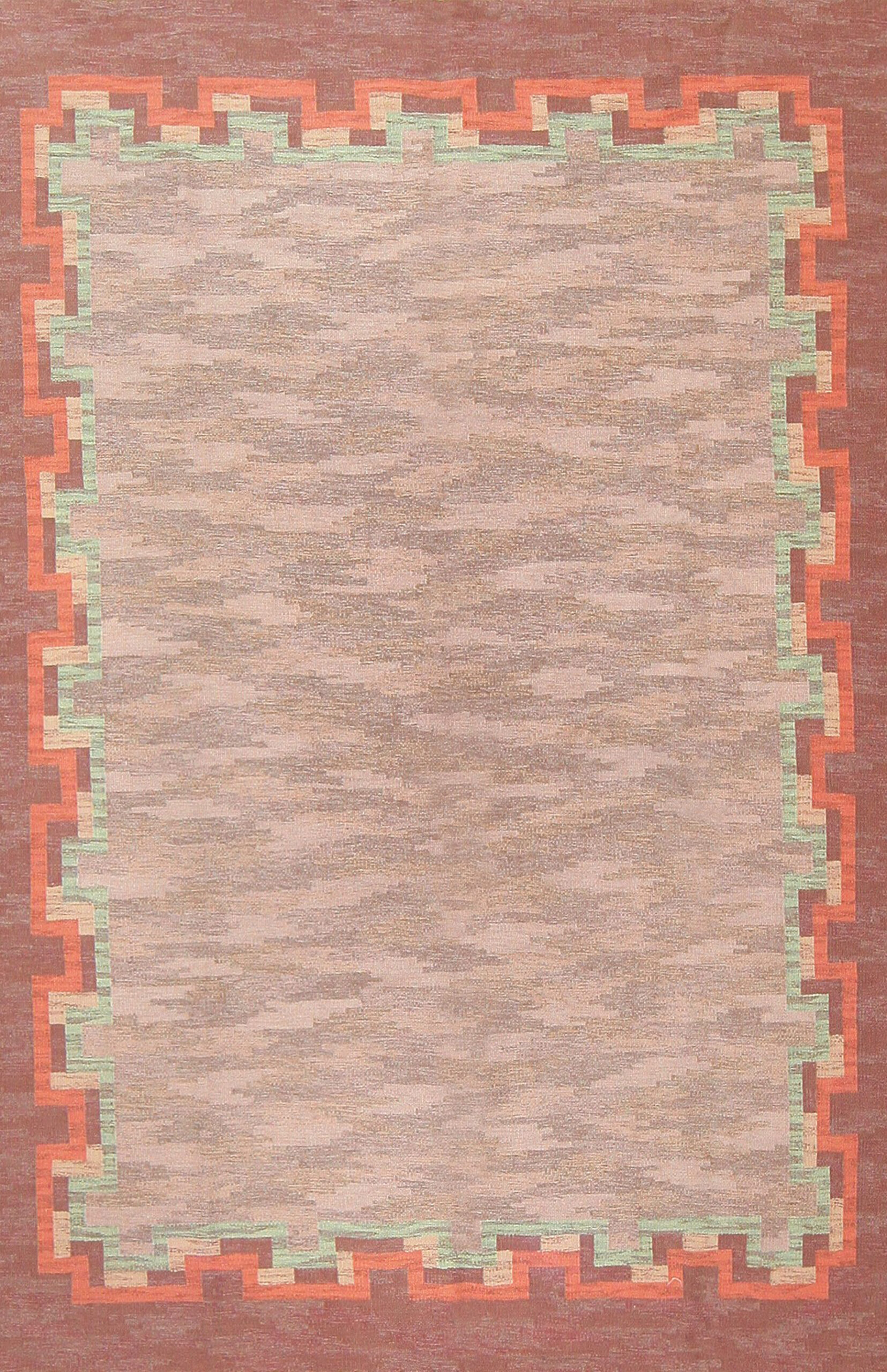
Scandinavian rugs fit the current mood especially well by utilizing a successful combination of warmth, restraint, softness, and graphic quality. Their designs manage to capture a pleasant serenity without being empty. They’re similarly expressive and dynamic while maintaining restraint in their patterning. This balance remains relevant, as interiors move away from sterile quiet-luxury minimalism and toward warmer, more tactile, and personal rooms. The renewed interest in rugs with a unique character make the folk and flatweave quality of Scandinavian weaves appealing to current buyers.
Scandinavian rugs are also quite adaptable in their own right, easier to mix with contemporary furniture than many realize. Their flexibility is an important factor as to why they’ve continued gaining attention.
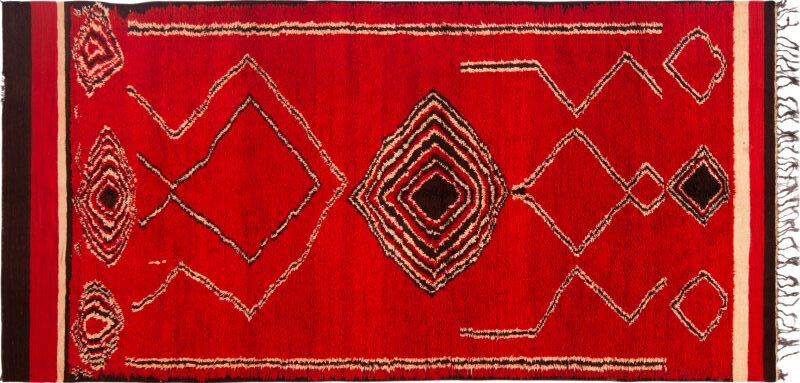
Why Moroccan Rugs Still Appeal, But Buyers Are More Selective
Moroccan rugs bring a dynamic movement to their designs, along with texture and architectural warmth, all which remain appealing characteristics. They’re especially attractive to buyers who want rooms to feel relaxed but still rich in their design. The broader appetite for artisanal surfaces, layered materials, and more personal interiors is something Moroccan rugs cater well to.
At the same time, buyers have become more selective. The category has been so visible for so long that not every piece feels equally special. Buyers are now looking more carefully at quality overall: wool, drawing, authenticity of spirit, scale, and whether the rug truly adds something beyond a familiar shorthand.
This means the market is just becoming more discerning, still interested in Moroccan rugs as a category.
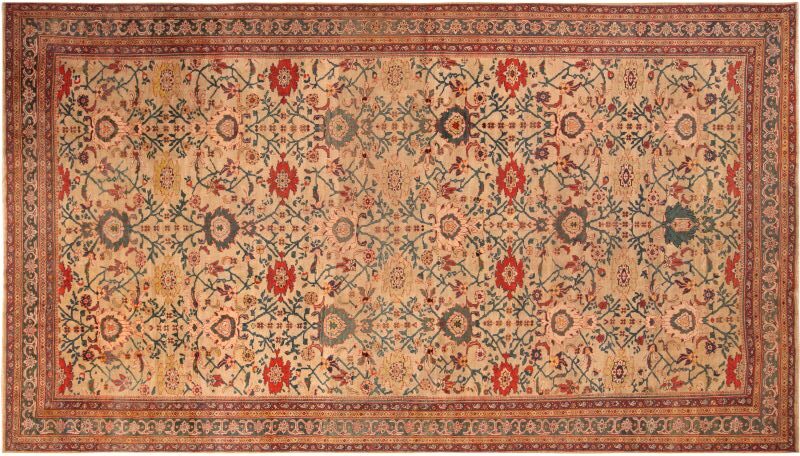
Why Sultanabads Continue to Matter
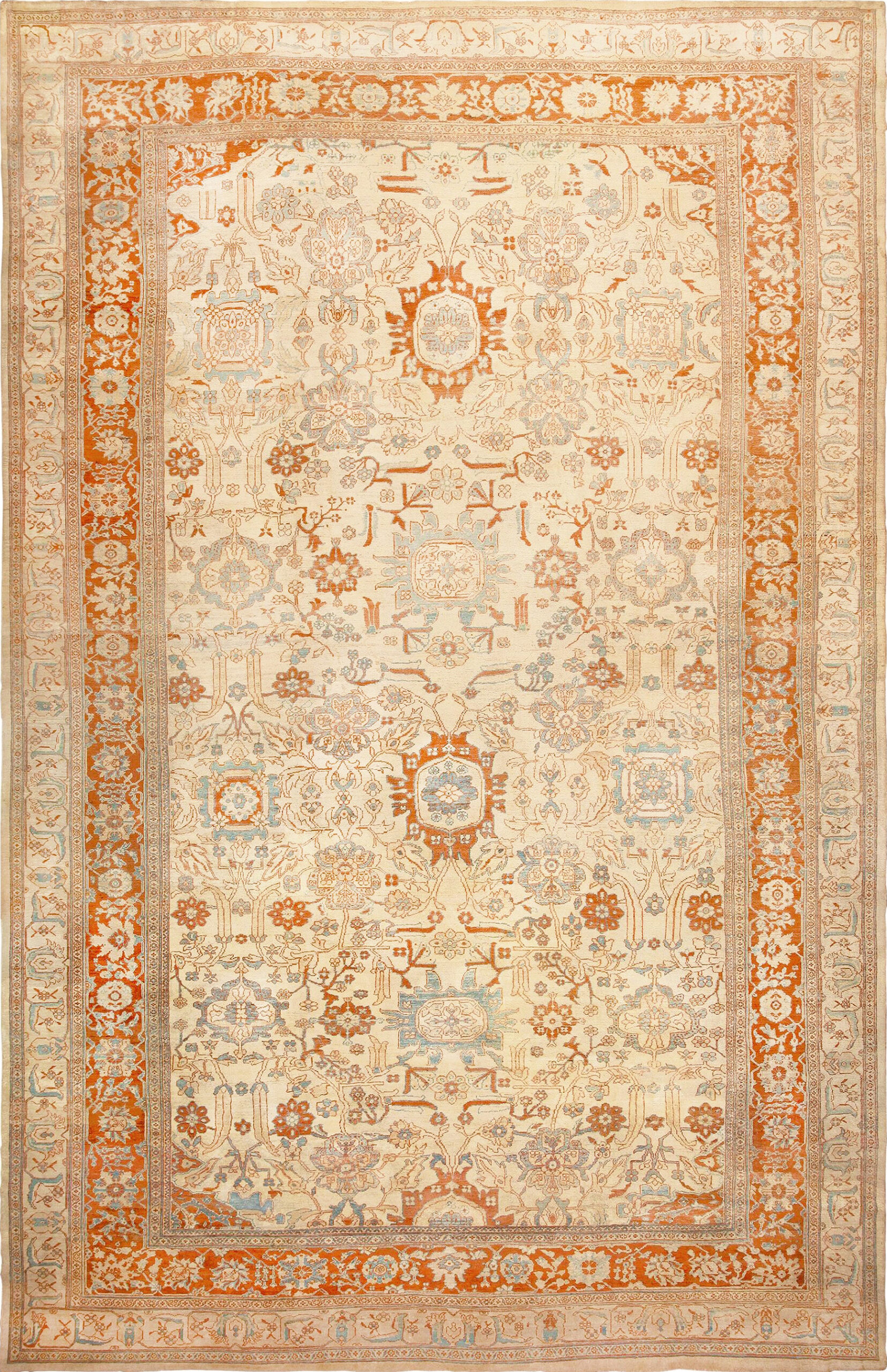
Sultanabad rugs remain important because they offer one of the most difficult combinations to replace. Their ability to satisfy the need for both decorative authority and livability goes unmatched. The best of Sultanabad rugs bring presence, color, sophistication, and a generous sense of design without the rigidity that some buyers fear in more formal antiques.
They’re also capable of indulging the resurgence we’re seeing in pattern, but in a controlled and intelligent way. Designers have become more open again to rugs that employ real decorative movement. This is especially true when the palette remains workable, with pattern that helps structure the room rather than overwhelm it.
Why Good Antique Persian Decorative Pieces Remain Underappreciated in Some Segments
One of the more interesting current market situations is that certain antique Persian decorative rugs remain underappreciated, even though many of them fit modern rooms well.
Why is this? It’s in part because some buyers still think of Persian rugs too narrowly, grouping them into one formal, dense, or overly traditional category. Many decorative Persian pieces are far more flexible than that, though. The right piece can offer tonal sophistication, softness, age, and direction without feeling heavy or overly classical.
This is where market misunderstanding can create opportunity. When a category is more versatile than its reputation, buyers who understand it early often do very well. That’s especially true now that interiors are more welcoming to age, pattern, and layered historical presence.
Where Collectors and Designers Are Starting to Overlap
A significant reason as to why certain categories are gaining momentum again is that the divide between decorative buyers and collectors isn’t as rigid as it once was. Designers increasingly appreciate integrity, patina, and character. Collectors, meanwhile, appreciate when a rug serves a purpose within its space in addition to its rarity.
This overlap brings forward categories that are able to satisfy either group. A rug doesn’t necessarily have to be a museum level piece to benefit from collector thinking, nor does it have to be purely decorative to work beautifully in an interior.
The overlapping of collector and designer standards is further reinforced by the current design culture. It favors objects with history and individuality, valuing the distinctly human touch of something hand-made over the anonymity of “perfect” weavings.
What Separates a Rising Category from a Temporary Fad
You can distinguish a rising category because they usually have five things going for it:
- They fit current interiors naturally
- They serve a purpose within their interior beyond visual novelty
- Strong examples are genuinely scarce
- Buyers become more educated, not just more excited
- Interest spans more than one type of buyer
A fad, by contrast, depends on surface recognizability. They’re visible before they’re understood, cooling off once repetition drains the excitement.
The best indicator for if a category is on the rise isn’t whether it’s suddenly everywhere. Instead, it’s whether better buyers are getting more selective within that category.
Featured Rugs
The categories on the rise now aren’t interchangeable. Each one is being pulled upward for a different mix of design usefulness, historical character, and market recognition. Browse our collection of Vintage Rugs and Modern Rugs as well.
Key Takeaways
- Antique rug categories are pulled to the forefront when changing interiors, better buyer understanding, and scarcity begin reinforcing one another.
- Oushak, Sultanabad, Scandinavian, Moroccan, and select decorative Persian rugs are all benefiting from the current interest in warmth, patina, pattern, and layered rooms.
- The strongest categories are more than just fashionable, they’re useful, and tend to hold attention longer.
At-a-Glance Specs
Best for: Designers, collectors, design-conscious buyers, and readers interested in market interpretation
Primary intent: Market-reading, category momentum, decorative and collector insight
Best next step: Compare rising categories by room use, pattern, and long-term appeal
Frequently Asked Questions
Why are some antique rug categories rising again?
Some categories are rising again because they fit current interest better. They offer more warmth and character, drawing new appreciation from both designers and informed buyers.
Why do Oushak rugs remain strong?
Oushaks remain strong because they combine decorative ease, softened palettes, flexible scale, and patterns that work well in different rooms.
Why are Scandinavian rugs more relevant now?
Scandinavian rugs feel especially relevant because today’s interiors favor warmth, softness, graphic restraint, and tactile calm.
Are Moroccan rugs still in demand?
Yes, but buyers are now more selective about the Moroccan rugs they’re interested in. The category still holds a strong appeal, though buyers now look more carefully at quality, spirit, and individuality.
Why are some antique Persian rugs still underappreciated?
Some decorative Persian rugs remain underappreciated because buyers think too narrowly about what Persian rugs look like.
How can I tell if a category is actually on the rise and not just fashionable?
A category is more likely to be on the rise when it fits current interiors, strong examples are scarce, and buyers become informed and selective.