Updated April 27, 2026 • Reviewed by Jason Nazmiyal
Many buyers assume that the older a rug is, the more valuable it must be. While age certainly plays a part, antique rug value is shaped by a combination of condition, quality, rarity, desirability, provenance, and how the piece compares to others in its category.
Two rugs of roughly the same age can have very different values depending on the other factors. Color, design quality, how intact the weave is, how it serves an interior, previous ownership are all worthwhile considerations. Age matters, but it’s only one piece of the larger picture.
At Nazmiyal Collection, this question comes up across Antique Rugs, Persian Rugs, Vintage Rugs, and category-specific areas such as Oushak Rugs, Sultanabad Rugs, and other decorative and collectible types.
Why Age Alone Isn’t Enough
Age is important because it speaks to a rug’s character, rarity, and adds important historical context. Age alone doesn’t guarantee value, though. A more recent rug in exceptional condition with great color and a strong design may be more desirable than an antique with serious losses, awkward restoration, or little practical use.
This is true across the art market. Major auction houses don’t treat age as the principal determinant of value.
Condition: Honest Wear vs Damaging Loss
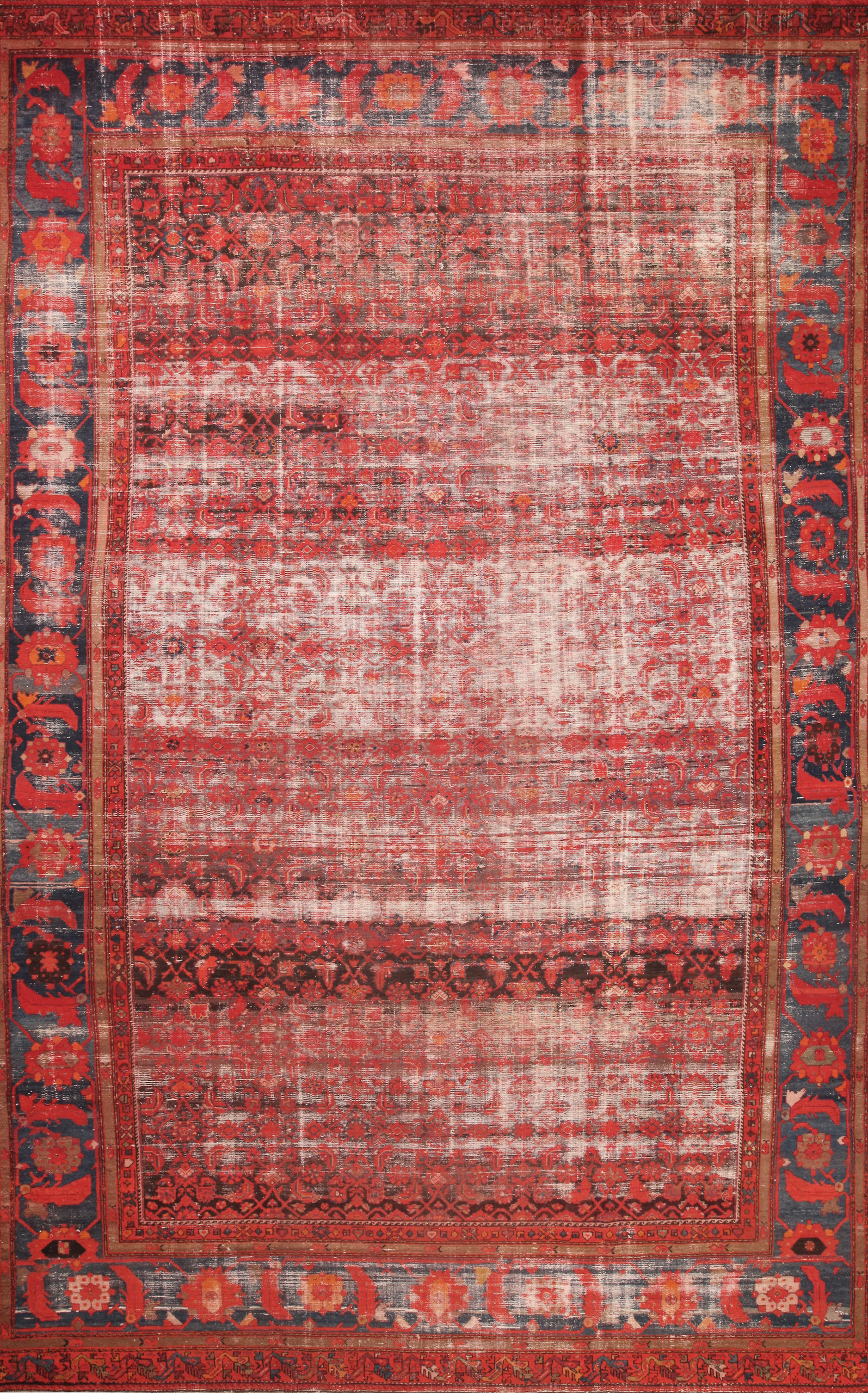
Condition is one of the most misunderstood parts of rug value. While many antiques show obvious signs of wear, this is normal and to be expected. Remember, rugs are functional pieces, meant to be used underfoot. Wear, especially in an antique production, is inevitable. Age-related wear can still leave a rug highly desirable if the other elements remain strong. Wear can sometimes even be a selling point. A softened pile can be a point of character that’s missing from newer, technically cleaner productions, making them less compelling.
What matters is the difference between honest wear and damaging loss.
Honest Wear
Honest wear may include:
- Naturally reduced pile in areas of use
- Softened surface from age
- Slight age wear
- Minor end wear
- Gentle patina that does not destroy the design
This kind of wear can be acceptable, sometimes even contributing to the rug’s appeal. But that’s so long as the rug still holds together visually and structurally.
Damaging Loss
A damaging loss is more serious. It may include:
- Major holes or tears
- Severe corrosion or structural weakness
- Missing borders or major design loss
- Condition so compromised that the rug loses integrity or long-term usability
Note: Condition reports play a big role in purchasing an antique rug, but may not mention every fault and restoration. When looking to acquire an antique rug, it’s better to get an expert opinion.
Restoration: Sympathetic vs Invasive
Restoration is not automatically a negative. Just like wear, some restoration is an expected element of many antique rugs. The real issue is what was done, how much was done, and how intelligently it was handled.
Sympathetic Restoration
Sympathetic restoration usually supports value when it:
- Stabilizes the rug
- Respects the original design
- Helps the rug remain usable
- Is proportionate to the rug
- Does not rewrite the character of the piece
This is close to the conservation used by museums. The goal is to handle the object with thoughtful care and technical understanding, not crude cosmetic interference. Conservation and restoration is ultimately a professional practice grounded in technical study and material knowledge.
Invasive Restoration
Restoration begins to hurt value when it:
- Replaces too much original material
- Overcorrects age and surface character
- Changes the drawing or color balance
- Creates a “better than old” appearance that loses the original authenticity
- Becomes so extensive that the rug’s original integrity is hard to judge
The phrase “restored” by itself is not enough. Serious buyers want to know whether the work was minimal, moderate, or extensive. Whether the restoration job preserved the identity of the rug or overwhelmed should also be reported.
Provenance: When it Adds Meaning
Provenance is the ownership history of an object. It can greatly affect value, depending on whether or not the piece was previously part of an important collection or associated with a notable exhibition or collector.
In rugs, provenance matters more when it does one of four things:
- Strengthens trust in authenticity
- Places the rug in a known scholarly or collecting context
- Connects it to an important collection
- Adds cultural, historical, or market significance
But provenance doesn’t automatically transform an ordinary rug into an extraordinary one either. If the rug itself is weak, poor provenance cannot rescue it. Provenance is more like the cherry on top when a piece is already strong on its own.
Provenance is often more powerful at the higher end of the market, concerning collectors, than in purely decorative buying.
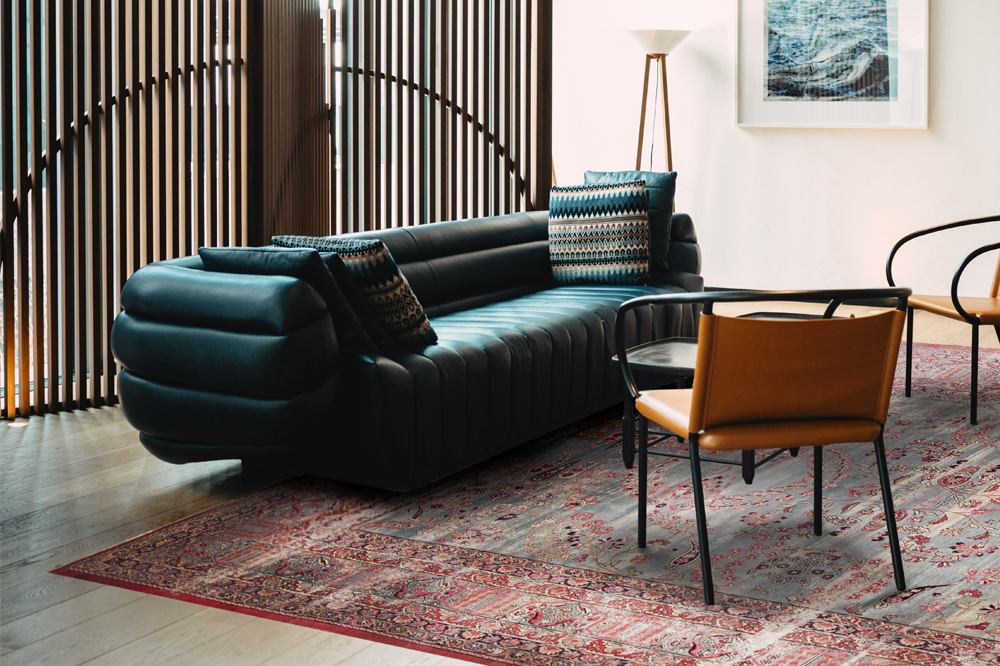
Decorative Value vs Collector Value
One of the most useful distinctions for buyers is the difference between decorative value and collector value.
Decorative Value
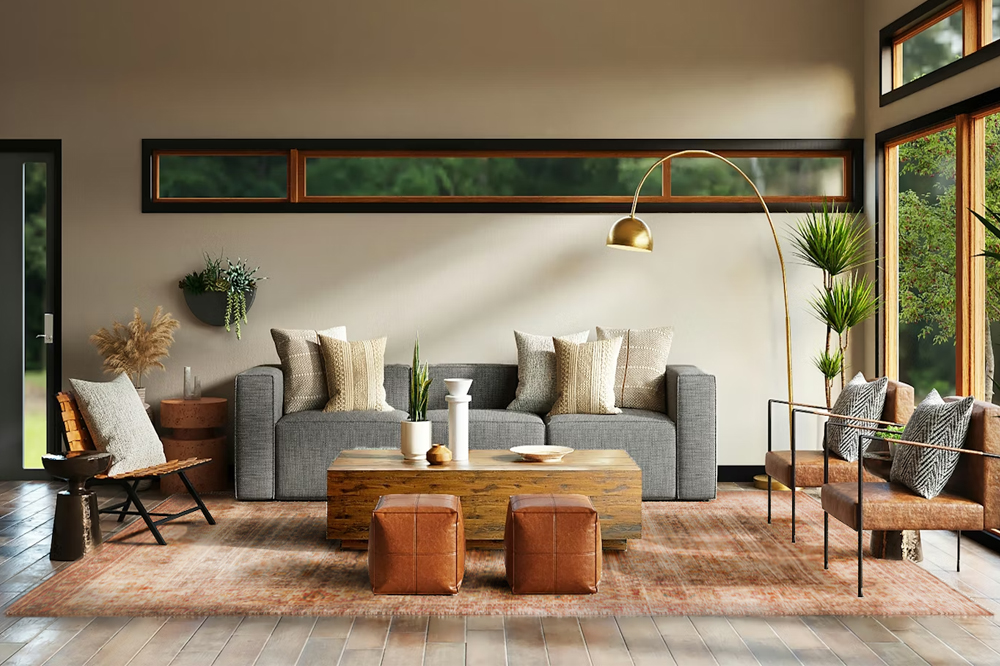
Decorative value comes from how well the rug works in a room. It depends on several different factors:
- Color compatibility
- Scale
- Pattern livability
- Softness or presence
- Overall design usefulness
A rug can have excellent decorative value even if it isn’t especially rare.
Collector Value
A collector value considers elements outside of the aesthetics, looking closely at contextual factors. The collector value depends more heavily on:
- Rarity
- Period
- Integrity
- Art-historical importance
- Scarcity of strong examples
- Provenance, when relevant
A rug with modest wear but exceptional originality may matter more to a collector than a cleaner rug with less historical significance. By contrast, a designer may prefer the cleaner rug if it fits the room more easily. The same piece can look expensive or underpriced depending on who is judging it.
Why Two Similar Rugs Can Price Very Differently
One of the most common frustrations for buyers is when two rugs appear similar but are priced very differently.
This happens because while rugs may look similar at first glance, there are often small but important differences affecting value.
- Better color
- Stronger drawing
- More original material
- Lighter, more acceptable wear
- Better sizing or proportions
- More desirable provenance
- One may simply be harder to replace
Value isn’t reduced to one single attribute, but shaped by condition, rarity, quality, provenance, and comparable prices. In other words, similar age is not the same thing as similar value.
How Serious Buyers Should Evaluate Value
A serious buyer should ask the following questions:
- Is the rug attractive on its own merits?
- Is the condition honest, stable, and acceptable for the category?
- Has restoration preserved the rug or rewritten it?
- Does provenance add meaningful confidence or status?
- Is this primarily a decorative buy, a collector buy, or both?
- How easy would it be to replace this exact level of quality?
Note: Relying on images alone is risky. Images don’t always fully reflect condition. Direct inspection or expert advice is your best bet. Check out the following for more resources:
Rug Appraisals • Rug Repair & Restoration • Sell Your Rugs • Ultimate Guide to Buying Antique Rugs
Featured Rugs
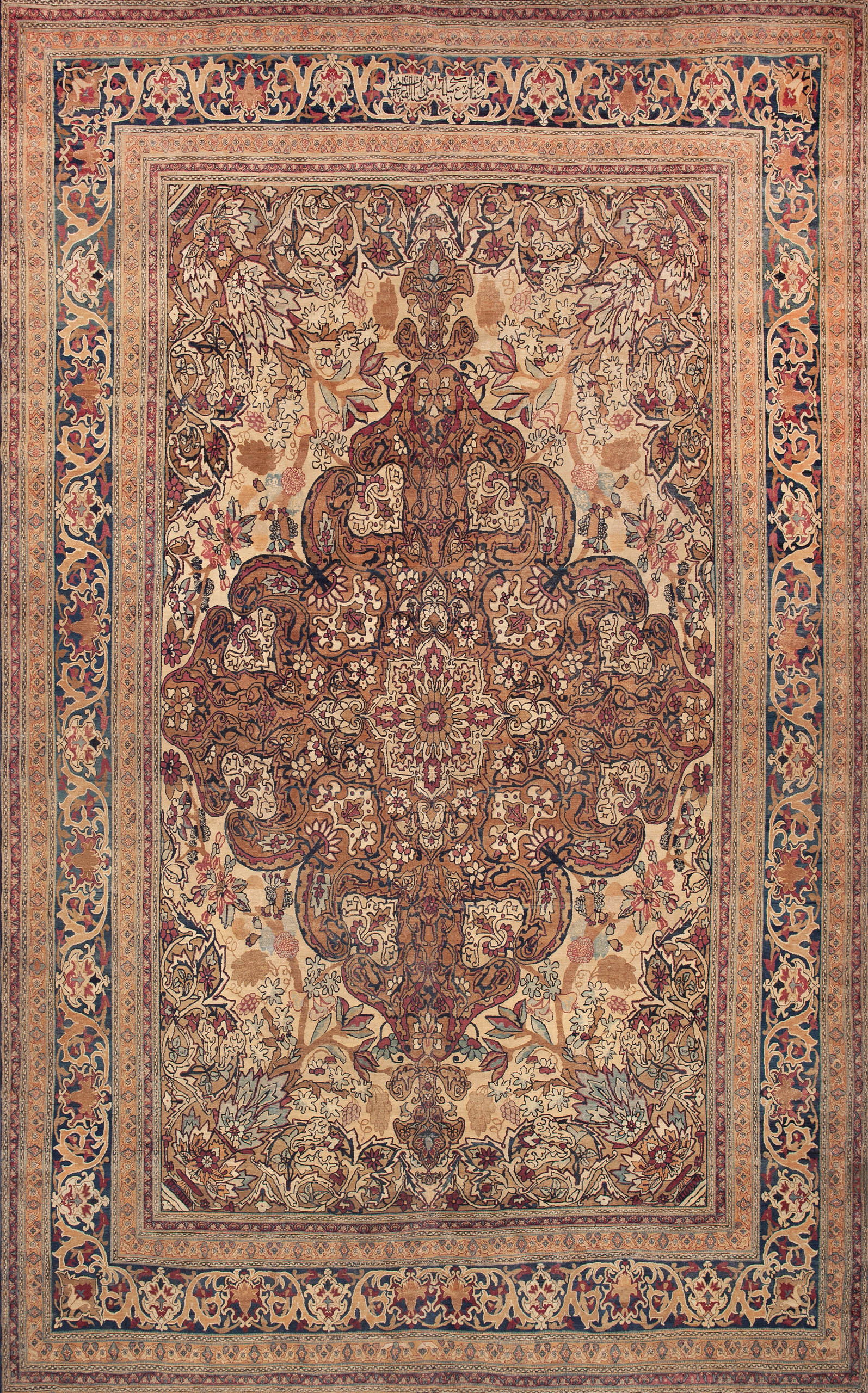
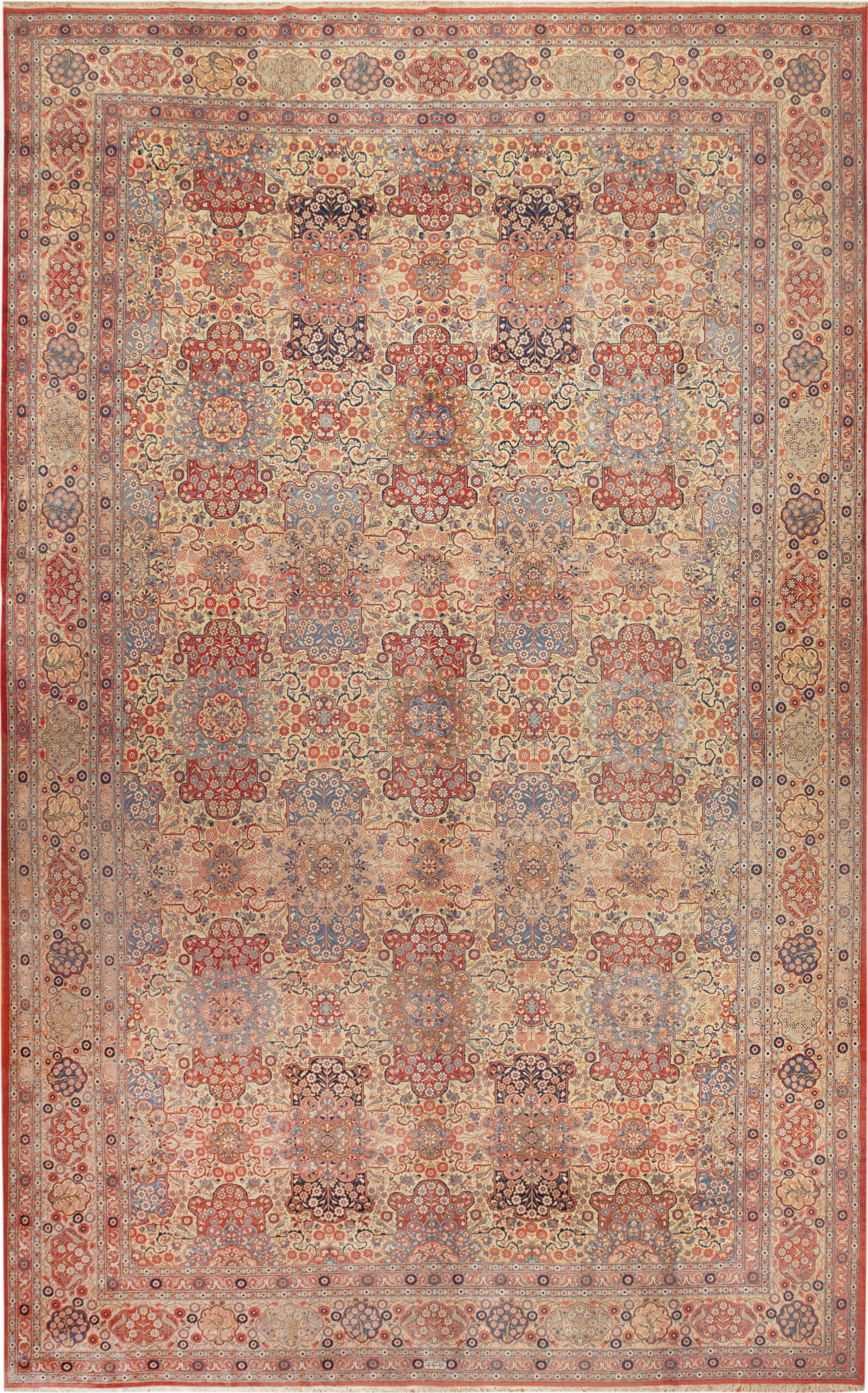
The best way to understand value is to compare three rugs that differ in age, condition, integrity, and original character.
Key Takeaways
- Age alone doesn’t determine the value of an antique rug.
- Honest wear is acceptable, and even attractive, while damaging loss can seriously reduce value.
- Restoration can either support value or hurt it, depending on how much original integrity it preserves.
- Provenance matters most when it adds real trust, history, or significant collector’s past.
At-a-Glance Specs
Best for: Buyers, heirs, designers, appraisers, consignors, and collectors
Primary intent: Value education, appraisal logic, condition and provenance guidance
Best next step: Compare condition, restoration, and purpose before comparing price alone
Frequently Asked Questions
Does age alone make an antique rug valuable?
No. Age matters, but so does condition, quality, rarity, provenance, and comparable market demand.
Is pristine condition always best?
Not always. A rug can be too perfect to feel natural for its age. Another rug with honest wear may still be more desirable because of its color, design, rarity, or originality.
Does restoration always hurt value?
No. Sympathetic restoration can support value when it stabilizes the rug and preserves its identity. Restoration hurts value when it becomes extensive or invasive, ridding the rug of its originality and integrity.
When does provenance matter most?
Provenance matters most when it increases trust, links the rug to an important collection, or adds cultural or market significance. Significant past ownership or exhibition can increase a rug’s value.
Why can two similar antique rugs have very different prices?
Differences in condition, restoration, originality, design quality, size, rarity, and provenance can significantly change value.
Should buyers rely only on photos and condition reports?
No. Images aren’t always reliable for accurately reporting a rug’s condition, and condition reports should only be used as a guiding tool.