Updated April 13, 2026 • Reviewed by Jason Nazmiyal
Today’s Best Rugs Do More Than Decorate, They Solve Rooms
Interior designers are not looking for rugs in 2026 simply to “finish” a room. They’re looking for rugs that help a room function, settle, and make visual sense. This can mean a number of things such as bringing tonal balance and creating a lived-in atmosphere. It can also mean supporting structural features by softening architecture, anchoring a furniture plan, or defining one zone from another in an open space without having to use walls. Current design coverage consistently points toward layered rooms, vintage influence, tactile materials, and intentional usage rather than passive background pieces.
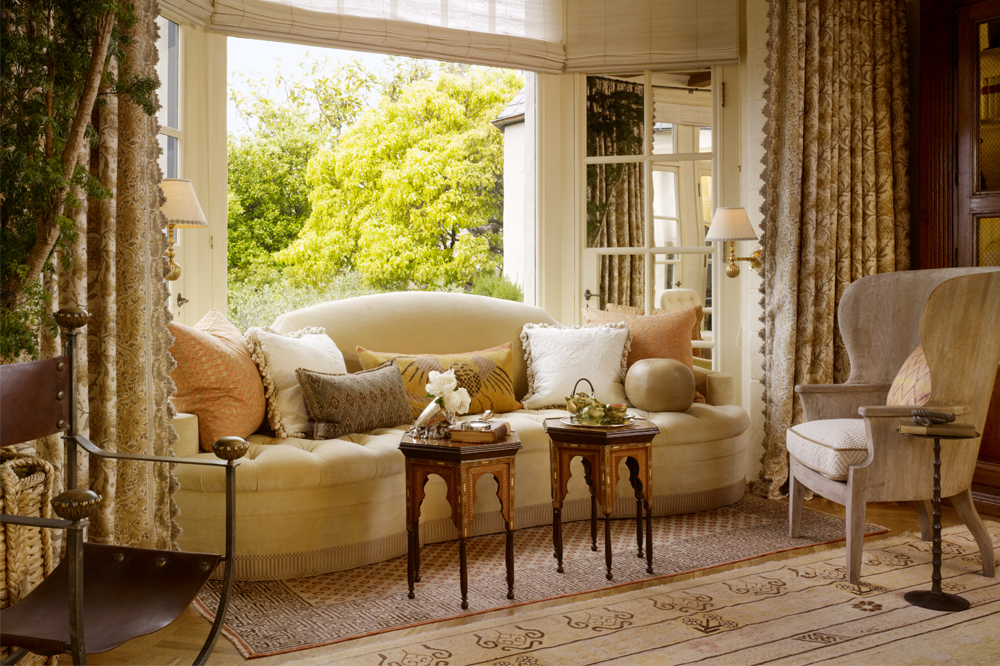
The best rugs for interior designers now tend to have restraint, character, and usefulness in equal measure. They often read quietly from across the room, but they become more interesting the longer you live with them. They support the room instead of fighting with it and feel deliberate and chose, not dropped in. Designers are also showing less appetite for flat, generic rugs that don’t contribute anything to their surroundings besides coverage.
At Nazmiyal Collection, this way of thinking naturally connects to categories that designers return to again and again.
Scandinavian Rugs • Moroccan Rugs • Oushak Rugs • Sultanabad Rugs • Persian Rugs • Modern Rugs
What Designers Really Mean When They Say a Rug “Works”
When a designer says a rug works, they’re referring to more than it being attractive. Rather, they mean it helps solve multiple problems at once and genuinely functions within the interior. It may stabilize scale, soften transitions, connect materials, add depth to neutral rooms, or keep pattern-heavy rooms from looking chaotic. In today’s interiors, that kind of usefulness matters more because rooms are being styled with more layering, individuality, and overlapping functions.
Tonal Color Over Loud Contrast
One of the clearest preferences designers have right now is for tonal color rather than aggressive contrast. That isn’t to say everything has to be beige or neutral. It means that rugs are more often chosen to create flow, depth, and continuity rather than to cause visual interruption. The source of the room’s energy tends to instead come from variation within a palette, not sharp, abrupt color jumps. This aligns with broader 2026 design preferences for earthy colors and warm palettes alongside layered materials, making spaces feel more emotionally settled.
This is one reason tonal Persian rugs, certain Scandinavian rugs, and many understated Modern rugs feel so useful. They help rooms breathe.
Character Over Generic Perfection
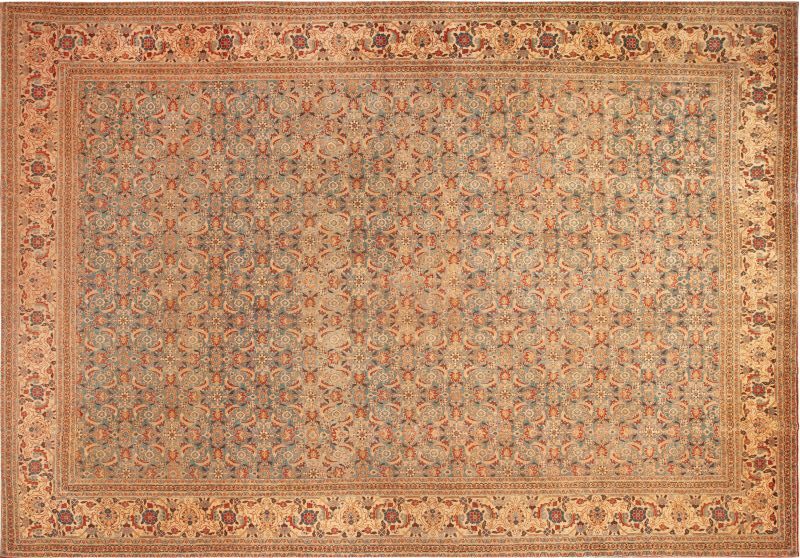
Designers increasingly prefer rugs with character over rugs that feel overprocessed or generically “nice.” Character is a broad spectrum, and there’s several ways a rug can display a unique sense of self. It can mean subtle abrash, softened age, believable variation, gentle irregularity, or a design language with a distinctly human touch rather than formulaic. That preference mirrors the broader move toward more collected interiors as well as the return of vintage sourcing. It also marks the recent rejection of spaces that feel too anonymous or assembled from a single visual template.
This is where antique and vintage rugs hold a real advantage, bringing visual memory to a room without trying too hard.
Rugs That Anchor Micro-Zones
A rug’s functionality within a space is a newer trend. In many homes, especially open-plan or multifunctional spaces, designers use rugs to create micro-zones. Something like a conversation area, reading area, desk corner, bedroom sitting spot, or secondary lounge grouping are examples of these spaces within spaces. Rugs are one of the most effective tools for creating visual delineation, transforming interiors to give them new purpose.
Because of this, scale matters enormously. A rug that’s technically beautiful but badly proportioned can fail the room. Designers want rugs that anchor the furniture plan correctly and give the area a reason to exist. Avoid the floating rug look from rugs that are too small, or overwhelming the space with a rug that’s too large.
For more help deciding on a proper size rug for your interiors, check out our Area Rug Guide and Rug Size Guide.
Quiet Pattern From a Distance, Complexity Up Close
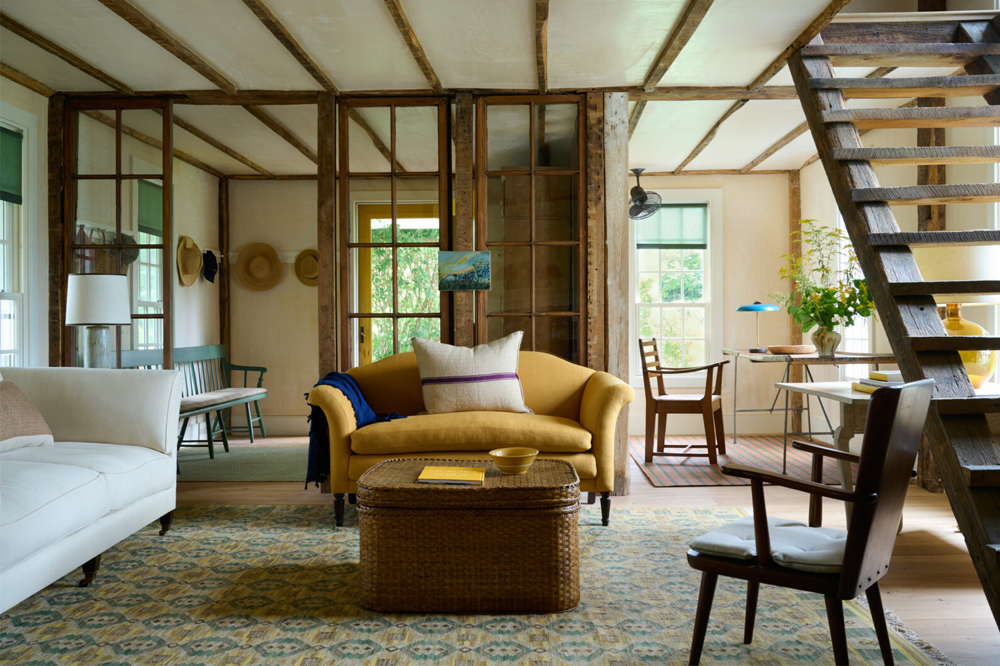
One of the most sophisticated things designers ask for now is a rug that doesn’t call too much attention to itself when taking in a room, but becomes more interesting the closer you get. These rugs are different from plain or neutral rugs, though. They should possess enough richness in weave, drawing, or tonal shift to keep the rug from feeling dead, while also maintaining low visual noise.
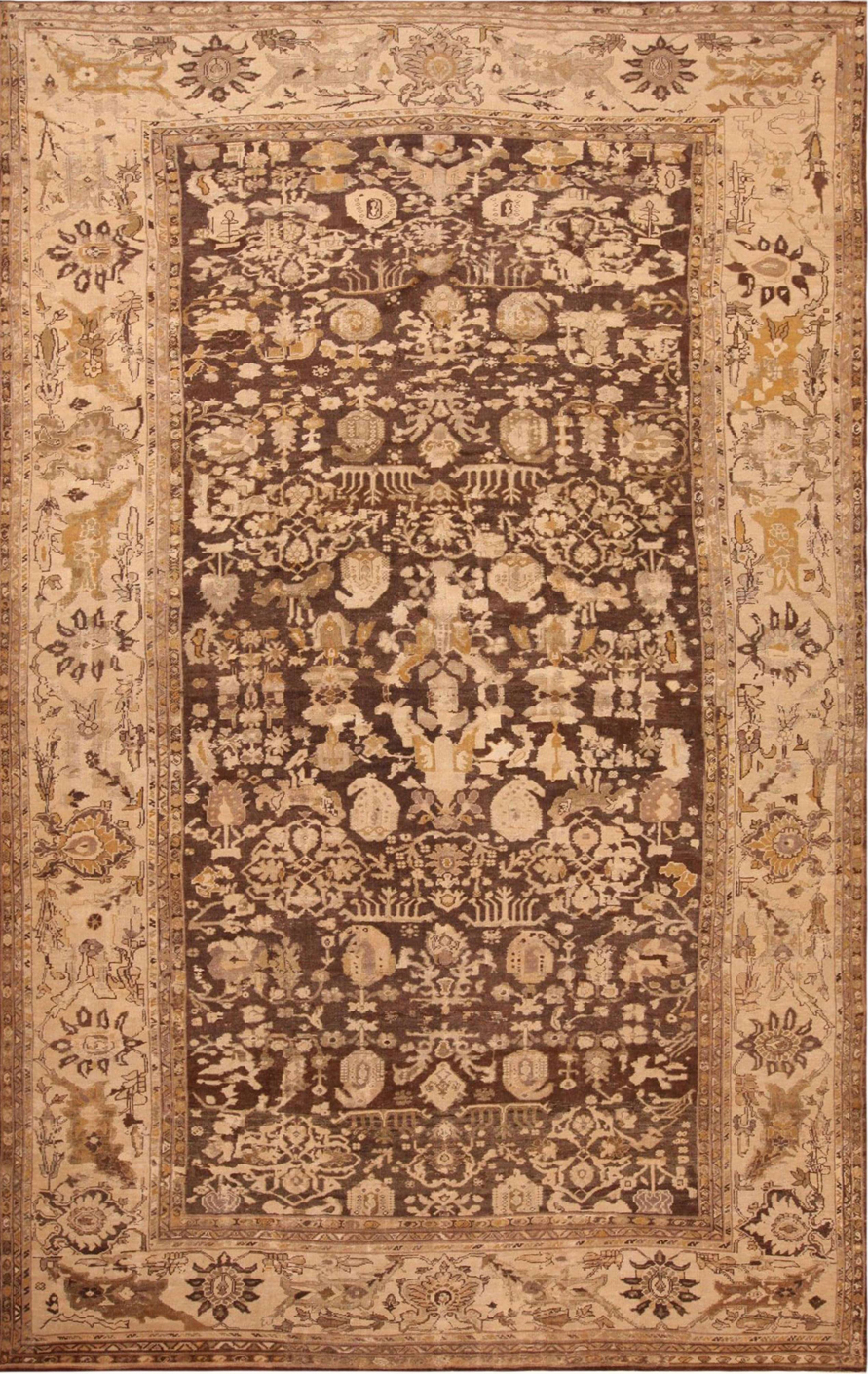
Many of the best Oushak rugs, Sultanabad rugs, and certain vintage or abstract pieces do exactly this. They’re visually cooperative without being forgettable or after-thoughts.
Why Vintage Matters More Than Ever
Vintage rugs matter more now because designers are trying to make rooms feel personal and sourced. A lived in, sourced look has become preferable to something that’s brand-new at every layer. There’s been recent renewed interest in vintage interiors and pre-1920s antiques. Mismatched furnishings, heritage motifs, and materials that have a graceful, aged quality to them are favored over something that looks freshly manufactured forever.
Vintage or antique rugs can do alone what several newer accessories fail to do together, adding age, texture, softness, and point of view. That’s why vintage sourcing has shifted to being a mainstream design strategy rather than a previously niche preference.
When Designers Want Bold Patterns Instead
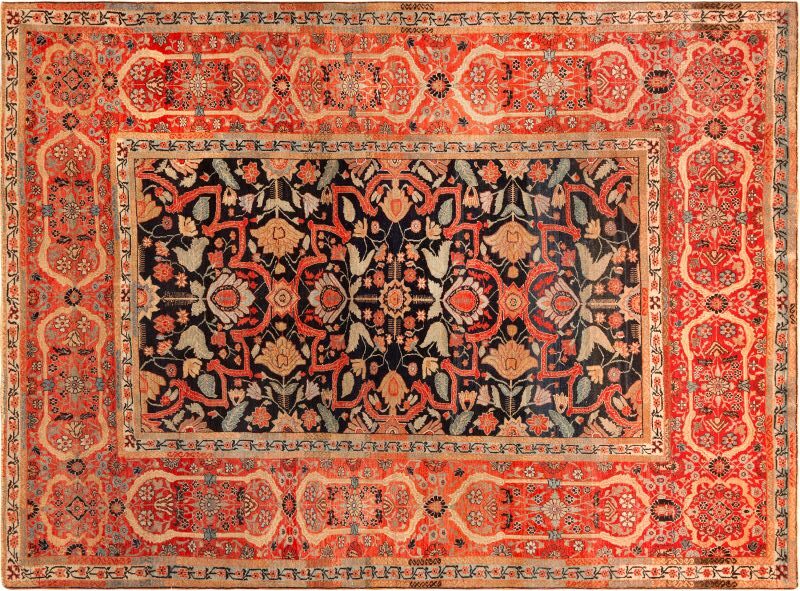
Not every designer wants to employ restraint all the time. There are moments when the rug should absolutely carry the room. Bold patterns work especially well when the space specifically calls for it. This comes in the form of simple architecture and a disciplined furniture layout. Rugs with bold patterns function in spaces like these as a strong organizing force, creating a necessary cohesion. This kind of patterning can come in many variations, whether that’s heritage motifs, florals, tartans, paisley, and more expressive layered patterning. Usually, though, it’s within a considered palette and hierarchy, not as uncontrolled chaos.
This is where stronger Moroccan rugs, more graphic Scandinavian rugs, bolder village-format Persian rugs, or select modern abstract pieces are exactly right.
What Designers Avoid Now
Designers increasingly try to avoid rugs that feel flat, lifeless, overly synthetic, or too generic to enhance the room. Don’t let this sentiment confuse you, though. The problem isn’t that quiet elements are wrong, but that many rugs contribute almost nothing beyond floor coverage. It’s become increasingly obvious that more and more people are pulling away from choices that feel impersonal and overdone. They’re leaning toward better hierarchy, more material honesty, and more warmth.
In practical terms, designers want less of:
- Flat neutrals with no movement
- Overproduced “safe” rugs
- Rugs that are too busy for the furniture plan
- Rugs with no textural or tonal reward
Nazmiyal Categories for Designers in 2026
Scandinavian Rugs
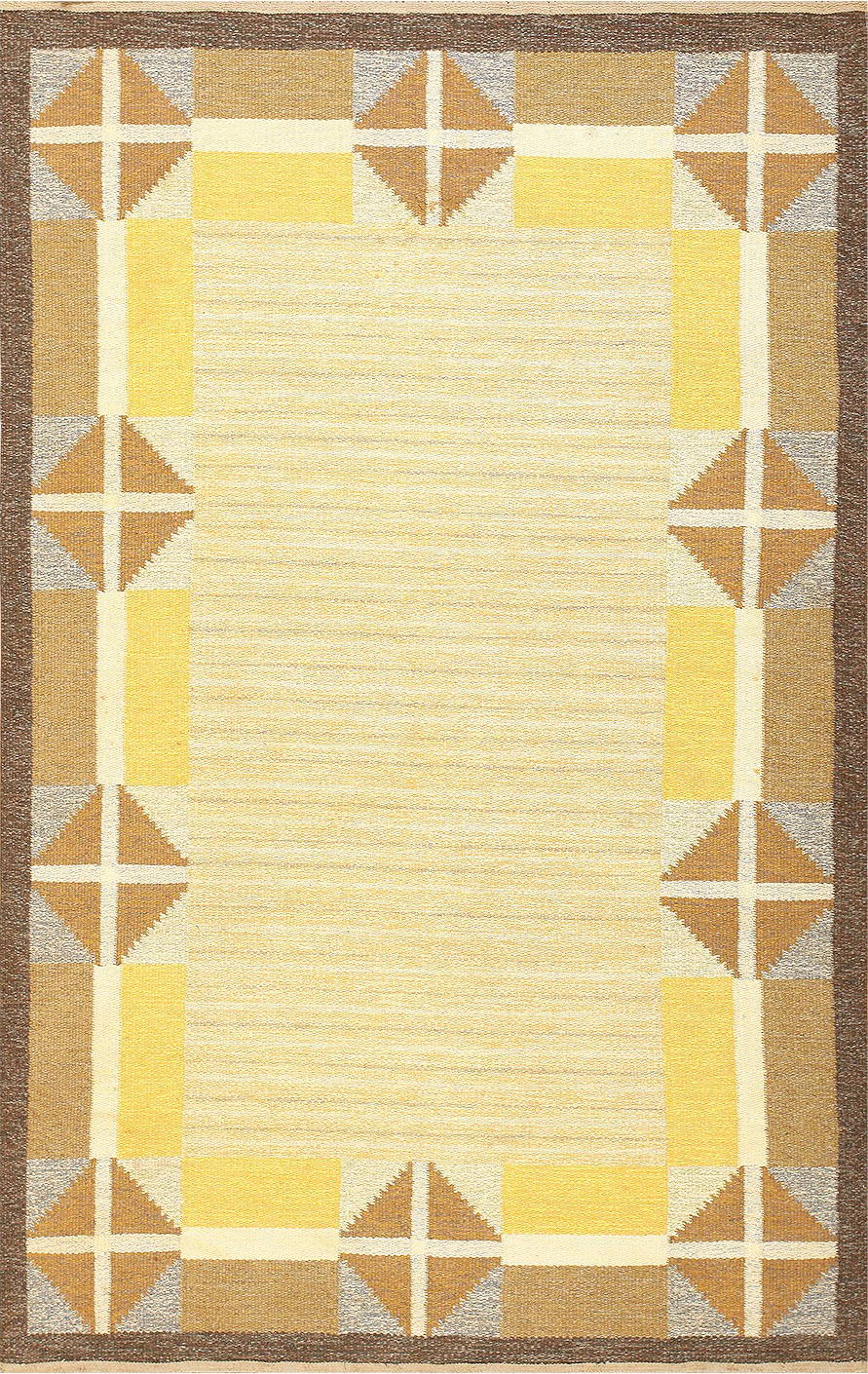
Excellent for tonal calm, softness, graphic restraint, and rooms that want warmth without heaviness.
Moroccan Rugs
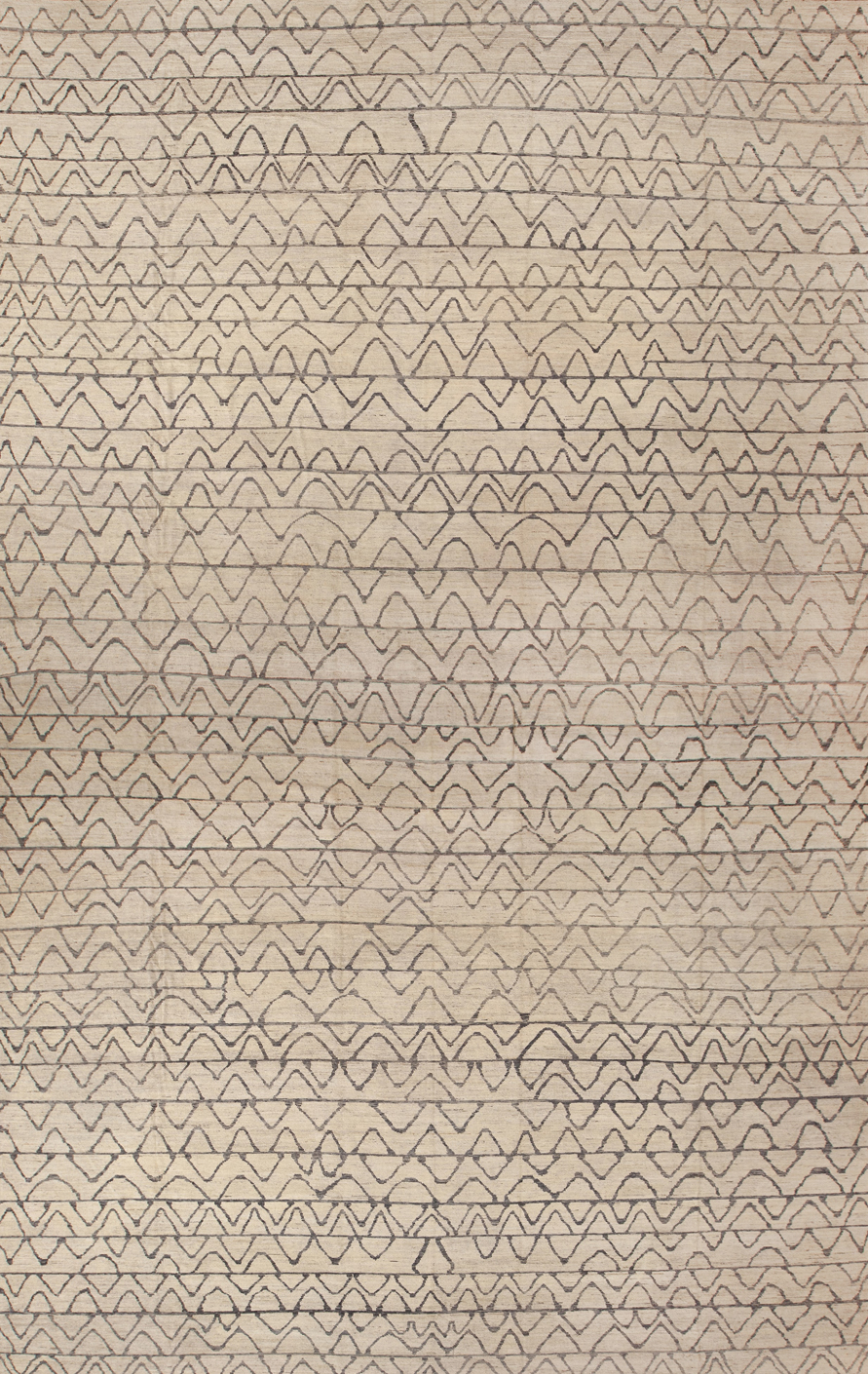
Especially useful when the goal is texture, movement, architectural looseness, and natural warmth.
Oushak Rugs
A dependable choice when designers want elegance, decorative ease, and a softer relationship to the rest of the room.
Sultanabad Rugs
Strong when a room needs decorative authority, scale, and color intelligence without becoming stiff.
Tonal Antique Persian Rugs
Ideal when the designer wants age, subtle complexity, and quiet richness.
Select Modern Abstract Rugs
Best when a more contemporary room still needs motion, softness, and painterly shape rather than rigid geometry.
What Designers Want in 2026 vs What They Were Settling for Before
What Designers Want Now
- tonal depth
- real character
- proper scale
- quieter visual confidence
- useful zoning power
- materials that feel warm and lived in
What They Were More Likely to Accept Before
- flat neutrality
- anonymous texture
- Rugs chosen only to be safe
- pieces that disappear entirely
- more emphasis on matching than on room-making
This is not a rejection of subtlety, but a rejection of emptiness.
Featured Rugs
Key Takeaways
- Interior designers in 2026 want rugs that solve problems, not just decorate.
- Tonal color, character, proper scale, and quiet complexity matter more than generic perfection.
- Vintage and antique rugs are especially useful because they add warmth, age, and individuality in ways many newer rugs don’t.
At-a-Glance Specs
Best for: Designers, design-conscious homeowners, specifiers, and sourcing clients.
Primary intent: Designer guidance, sourcing intelligence, rug selection strategy
Best next step: Compare categories by room need, not just by style name
Frequently Asked Questions
What do interior designers want from a rug in 2026?
Interior designers want rugs that aid rooms through tonal color, proper scale, character, patterning, and the ability to define space without overwhelming it.
Are designers using more vintage rugs now?
Yes. Vintage and antique rugs are especially useful because designers are building rooms that feel more layered, personal, and sourced.
Why do designers prefer tonal rugs?
Tonal rugs create depth and continuity without introducing harsh contrast. They support the room without interrupting its natural rhythm.
Are rugs with bold patterns out of style?
No. Bold patterns work when they serve a clear purpose, have strong palettes, and occupy a space that provides breathing room.
Why are rugs important for zoning?
Many homes use one room for several purposes. Rugs help to visually define those uses, making the room feel more structured.