Updated May 4, 2026 • Reviewed by Jason Nazmiyal
Antique rug collectors aren’t usually buying just because a certain rug type is fashionable or trendy. Instead, they’re looking at rugs with a combination of winning factors. This includes rarity, integrity of example, strong drawing, memorable color, believable condition, and a standout quality.

In rugs, that means collectors are drawn more to a rug’s strength, rather than distracted by aesthetics. They pay attention to what’s difficult to replace. They notice when a piece has real presence and originality. Collectors are also interested when a once-overlooked type of rug becomes more clearly understood by both specialists and design-conscious buyers.
At Nazmiyal Collection, this way of reading the market naturally speaks to rugs whose value depends not on labels alone, but on how compelling actual individual pieces are.
What Collectors Are Really Paying For
When collectors seek out antique productions, they’re not just paying for age. They’re paying for a combination of scarcity, beauty, integrity, category importance, and the strength of the individual object. The same logic applies in antique rugs.
A collector wants to know:
- Is this example meaningfully better than most others in its type?
- Is it more original?
- Does it have a stronger color, better drawing, or more compelling scale?
- Is it harder to replace?
- Does it still retain the qualities that make the category matter?
A rug becomes collectible when it stops being just a category label and starts becoming a standout example.
Why Integrity Matters More Than Surface Glamour
One of the biggest differences between a collector and a casual buyer is that the collector often values integrity over aesthetic appeal. A rug may look flashy in a photograph, but if too much of the original material is gone due to an aggressive and invasive restoration process, this loss of original rug character will discourage serious buyers.
In rugs, integrity may mean:
- Original drawing still reads clearly
- Age has not been overcorrected
- Restoration has not rewritten the piece
- The rug still feels like itself
- Wear, if present, feels honest rather than destructive
Collectors generally forgive wear from age more readily than they forgive loss of identity.
What Kinds of Pieces Attract Serious Attention
Collectors respond most strongly to pieces that offer some combination of the following:
- Unusual or high-level drawing
- Color that is immediate and memorable
- Exceptional scale or proportions
- Rarity within a desirable category
- Strong survival relative to age
- Provenance or collection history, when meaningful
- An example that feels clearly above the norm for its type
A rug category can produce both ordinary and extraordinary rugs. At Nazmiyal, categories such as Oushak Rugs, Sultanabad Rugs, Scandinavian Rugs, and select Persian Rugs become more meaningful when buyers compare quality within the category.
Why Great Color and Drawing Still Win
In the end, great color and a strong drawing are what makes a rug unforgettable. While a collector respects rarity, that alone isn’t enough.
In rugs, color can make a piece feel alive long after trends have shifted. An impressive drawing gives the rug tension, coherence, and personality. When both are presented together, even a rug worn with age is far more compelling than a technically cleaner rug with a weaker visual impression.
Collectors are often willing to stretch for better color or stronger drawing.
Why Some “Good” Rugs Are Not Collector Rugs
A rug can work really well as a decorative piece while still not qualifying as a collector’s rug. That usually happens when a rug:
- Works beautifully in a room, but isn’t especially rare
- Has a pleasing color but an ordinary drawing
- Is attractive but not especially important within its rug category
- Has enough restoration to weaken collector enthusiasm
- Is easy to replace with another example of similar quality
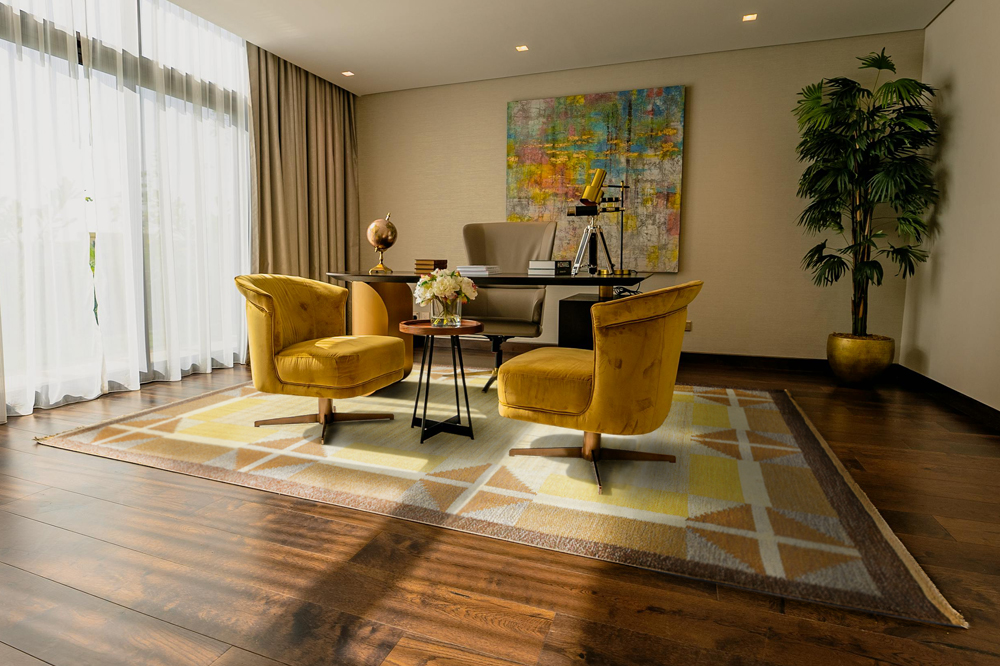
The distinction between a decorative piece and a collector’s piece matters. Decorative value and collector value overlap often, but they aren’t identical. A strong decorative rug may be exactly the right buy for a designer or homeowner, though simultaneously not the best choice for a connoisseurial collector.
Serious buyers should ask themselves, Is this unusually good for what it is? Not, Is it good?
Condition Tolerance Depends on the Category
Keep in mind that collectors don’t judge rug condition in a vacuum. Their tolerance depends on the category of weaving.
For exceptionally rare or early rugs, a collector is likely to accept significant wear if the piece retains quality in other aspects. For more available categories, that same level of wear may not be tolerated because cleaner alternatives exist.
The real question isn’t just whether or not the condition is good. A collector should also ask, Is the condition good relative to…
- The rug’s age?
- Its scarcity?
- To the best surviving examples in the category?
Where Decorators and Collectors Overlap Now
One of the most interesting developments now is the overlap between buying and collector thinking. Interior designers increasingly appreciate integrity, category character, and an atmosphere only real age can bring. Collectors, meanwhile, often appreciate when a rug is not only rare, but when it has presence within a room.
That overlap makes it so that some rugs benefit from both audiences at once. A rug with excellent color, believable age, and strong scale may attract a collector because it’s an outstanding piece, and a designer because it works beautifully within a room.
Categories with both decorative flexibility and scholarly depth are especially strong.
Why Some Once-Overlooked Type Get Reconsidered
Collectors often revisit categories that were once undervalued when one of three things happens:
- Better examples become harder to find
- The design world starts seeing its usefulness more clearly
- Specialists begin to separate ordinary examples from truly exceptional ones
This process elevates a category quickly, but not always as a whole. Often, a category isn’t brought to the forefront as a full group. Instead, the best examples rise first, while the average ones remain average.
Featured Rugs
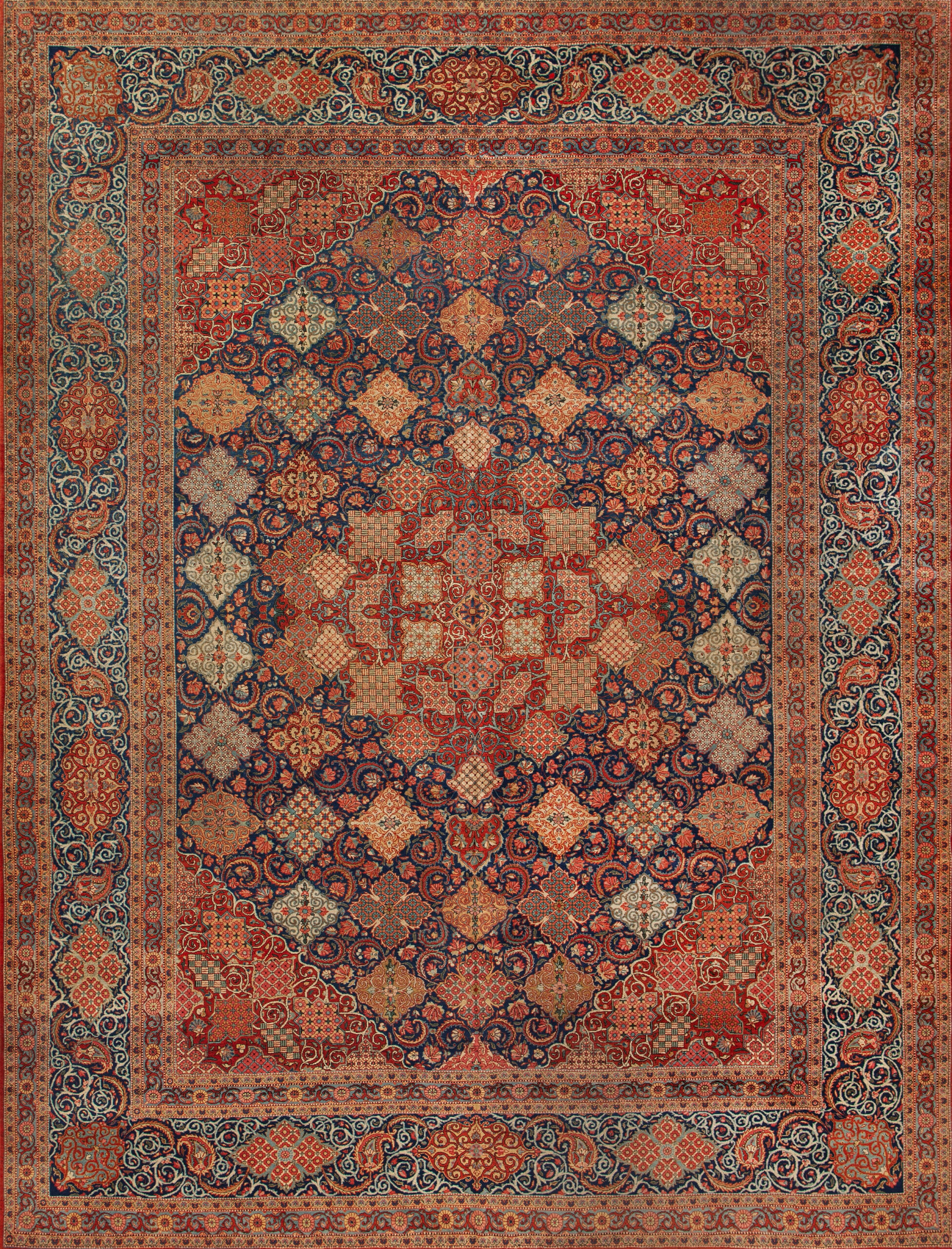
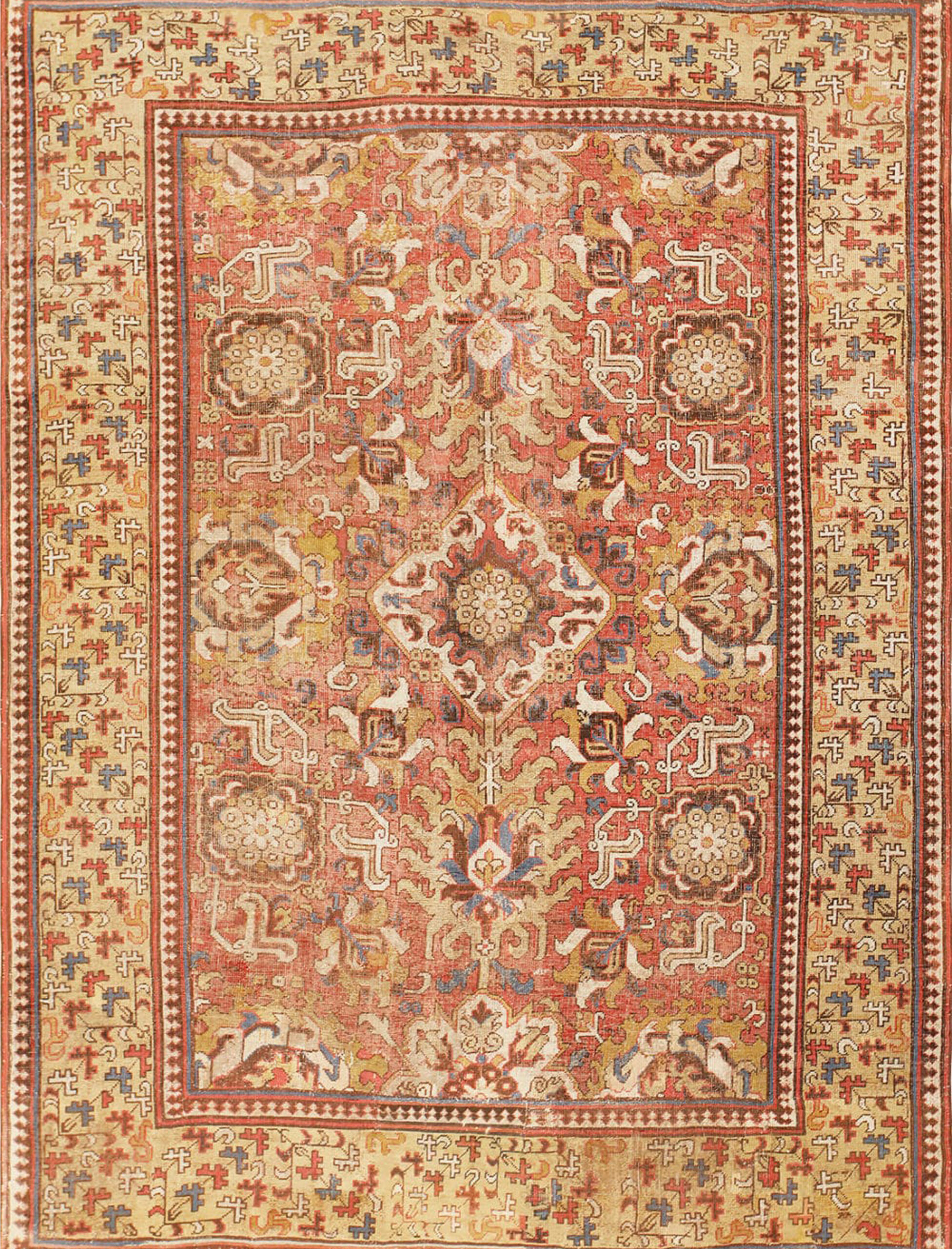
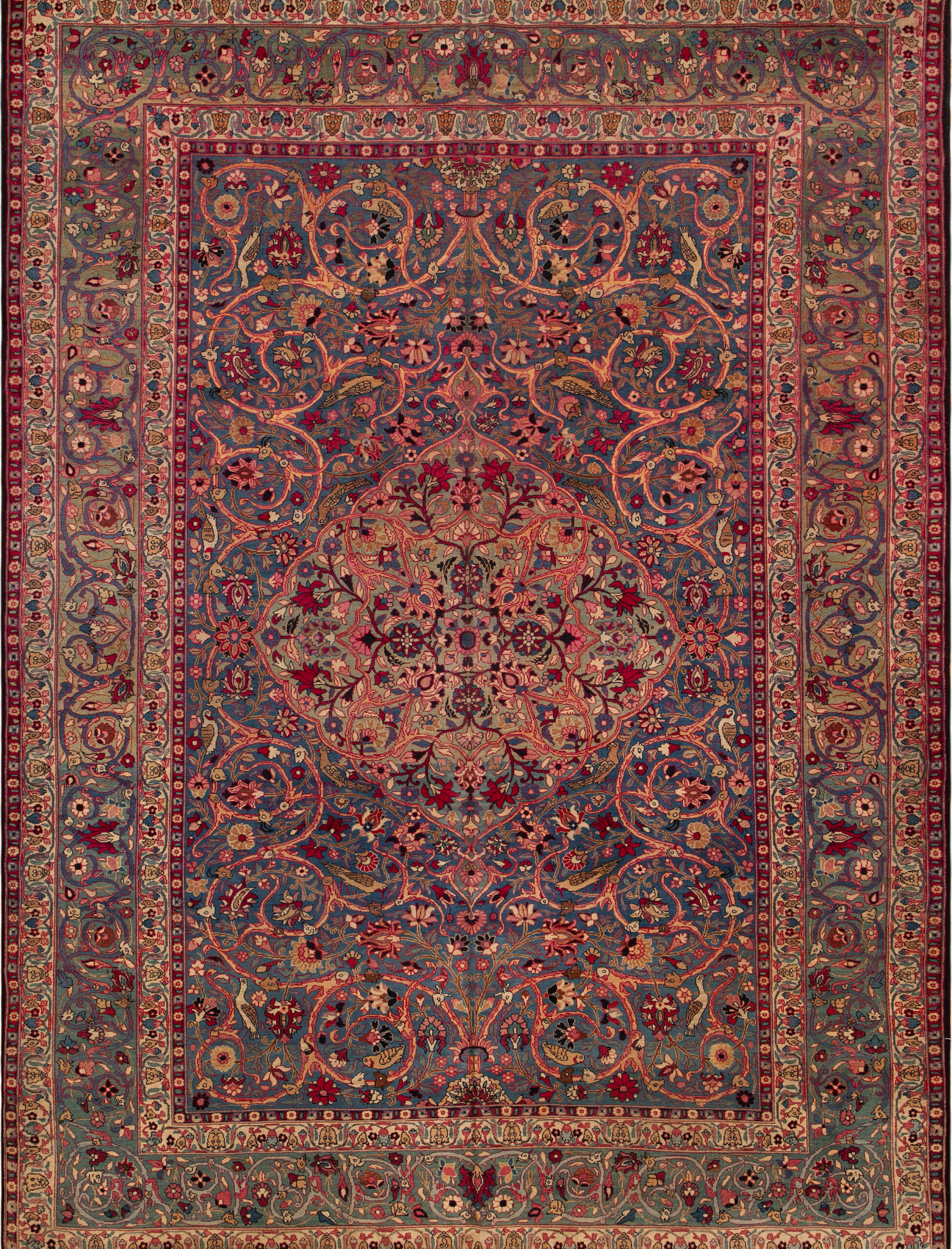
The rugs attracting the most collector attention now aren’t always the loudest pieces. Often they’re the ones where rarity, integrity, and visual presence work together best. Use our Rug Buying Guide or our Worldwide Hub for more options.
Key Takeaways
- Collectors usually buy where rarity, integrity, beauty, and replaceability all come together.
- Great color and drawing sill matters enormously because they separate memorable rugs from merely acceptable ones.
- A decorative rug is not always a collector rug, and a collector rug is not always the easiest decorative choice.
- The strongest market attention often goes first to the best examples within a category, not to every rug in that category.
At-a-Glance Specs
Best for: Collectors, advanced buyers, designers with collector clients, heirs, and serious rug enthusiasts
Primary intent: Collector behavior, market interpretation, quality judgement
Best next steps: Compare examples within a category, not just across categories
Frequently Asked Questions
What are collectors buying now in antique rugs?
Collector value depends on multiple factors working together. Collectors are generally focusing on rugs with strong originality, rarity, compelling design, and fair condition relative to its age.
Why does integrity matter more than surface glamour?
Collectors care whether the rug still retains its original identity. A flashy surface can attract attention, but originality and integrity are what sustain long-term interest.
Are decorators and collectors buying the same rugs now?
Sometimes yes. There’s growing overlap when a rug has both strong decorative usefulness and real collector character.
Why are some “good” rugs not collector rugs?
A rug can be attractive and serve a space well without being rare, exceptional, or difficult to replace. Collector interest usually goes to examples that stand above the norm within their category.
Does rarity alone make a rug collectible?
No. While rarity is definitely taken into consideration, rarity alone doesn’t necessarily equal value. Desirability and the quality of the individual pieces still matter.
Why do once-overlooked categories sometimes rise?
Better examples become scarce, design taste changes, and specialists begin distinguishing average examples from exceptional ones more clearly.