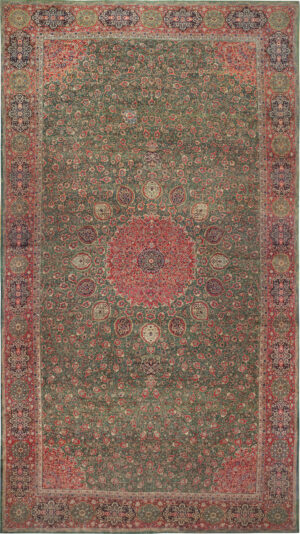
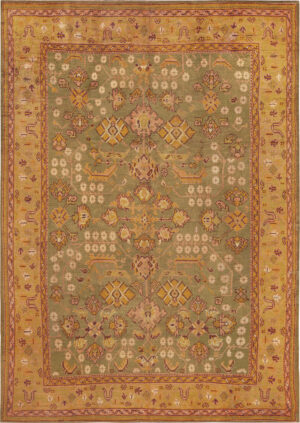
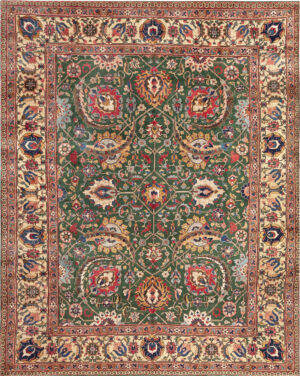
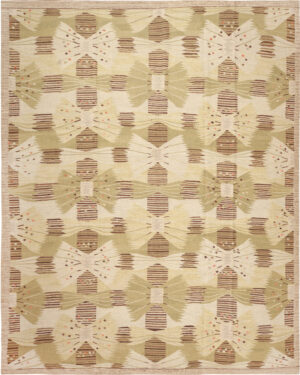
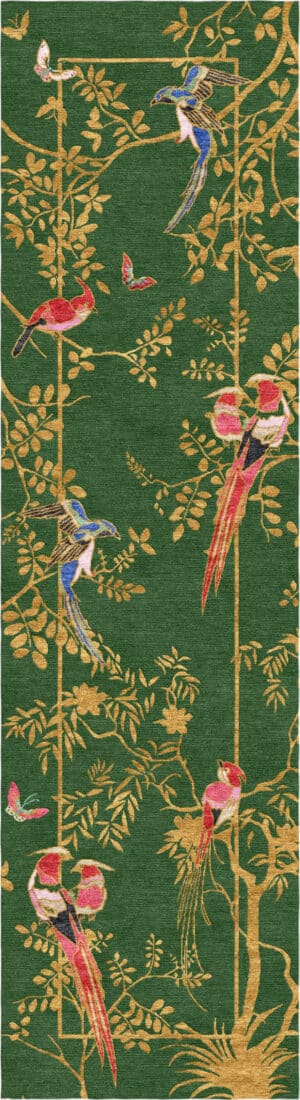
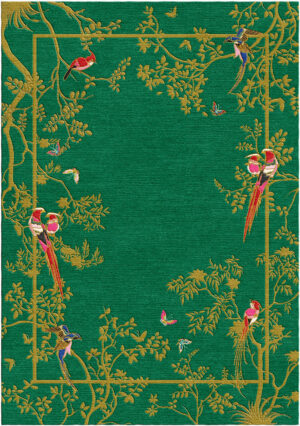
Green Rugs are Restorative, And You Can Bring Them Home
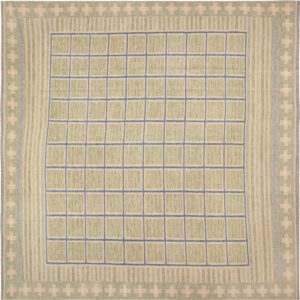
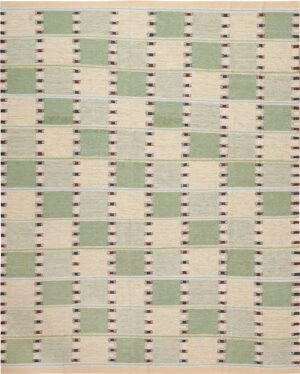
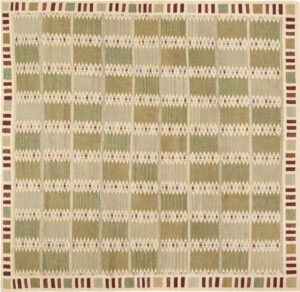
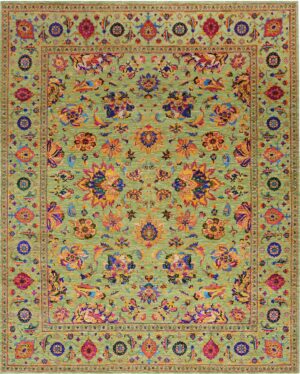
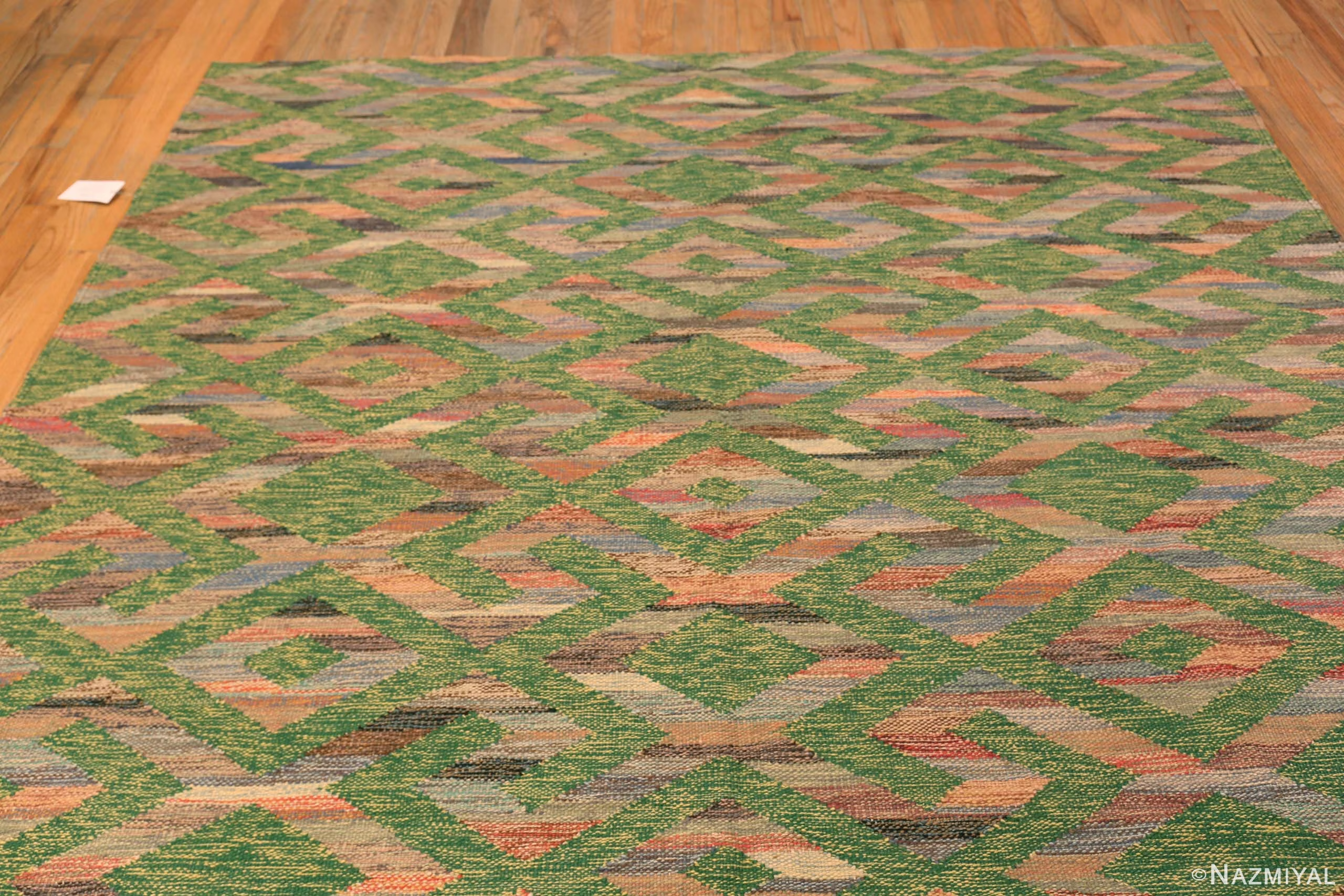
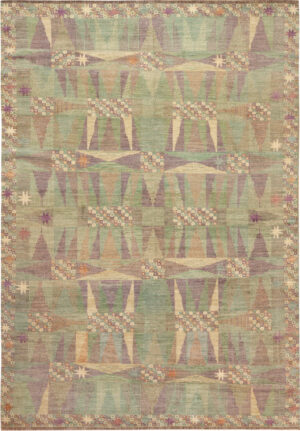
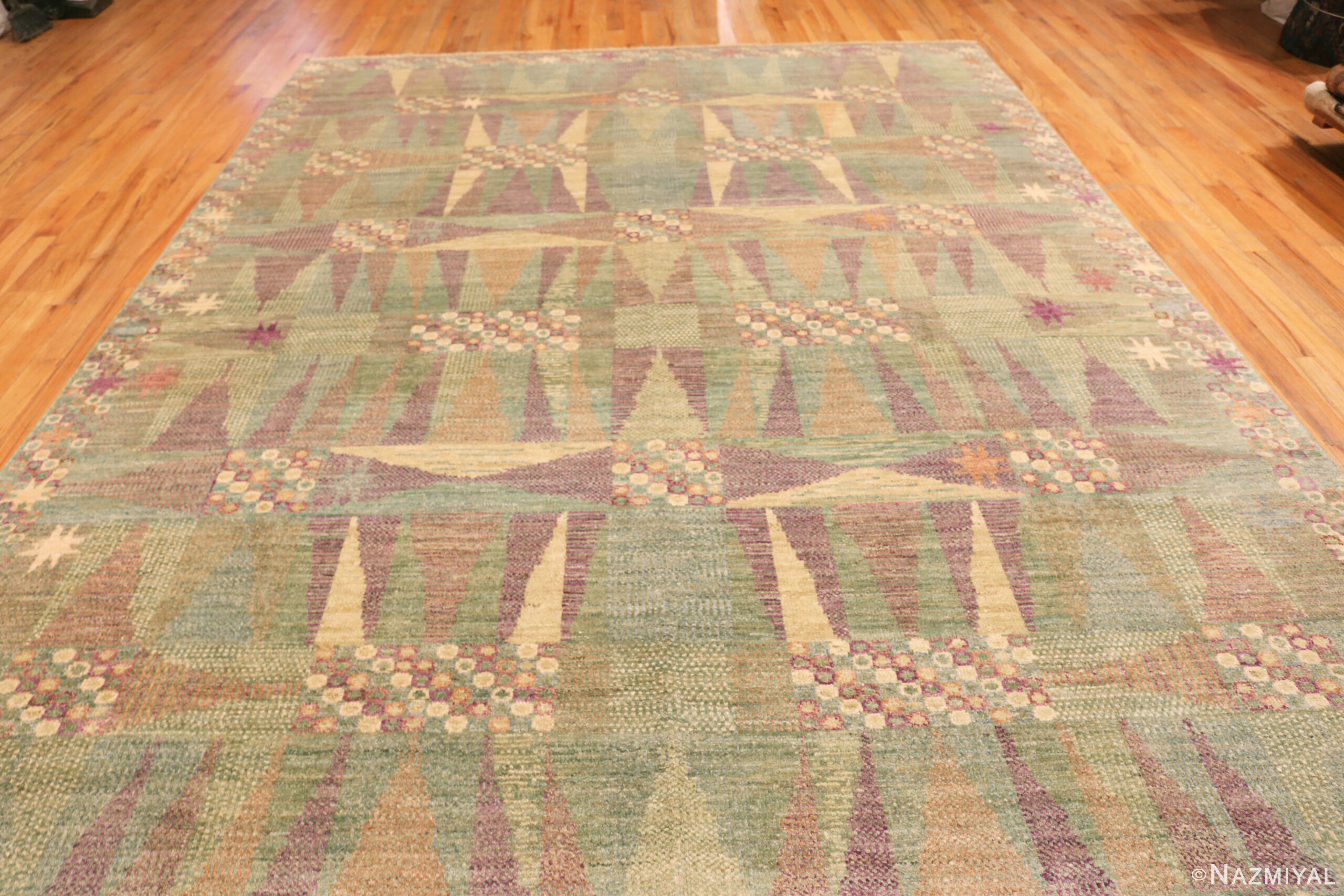
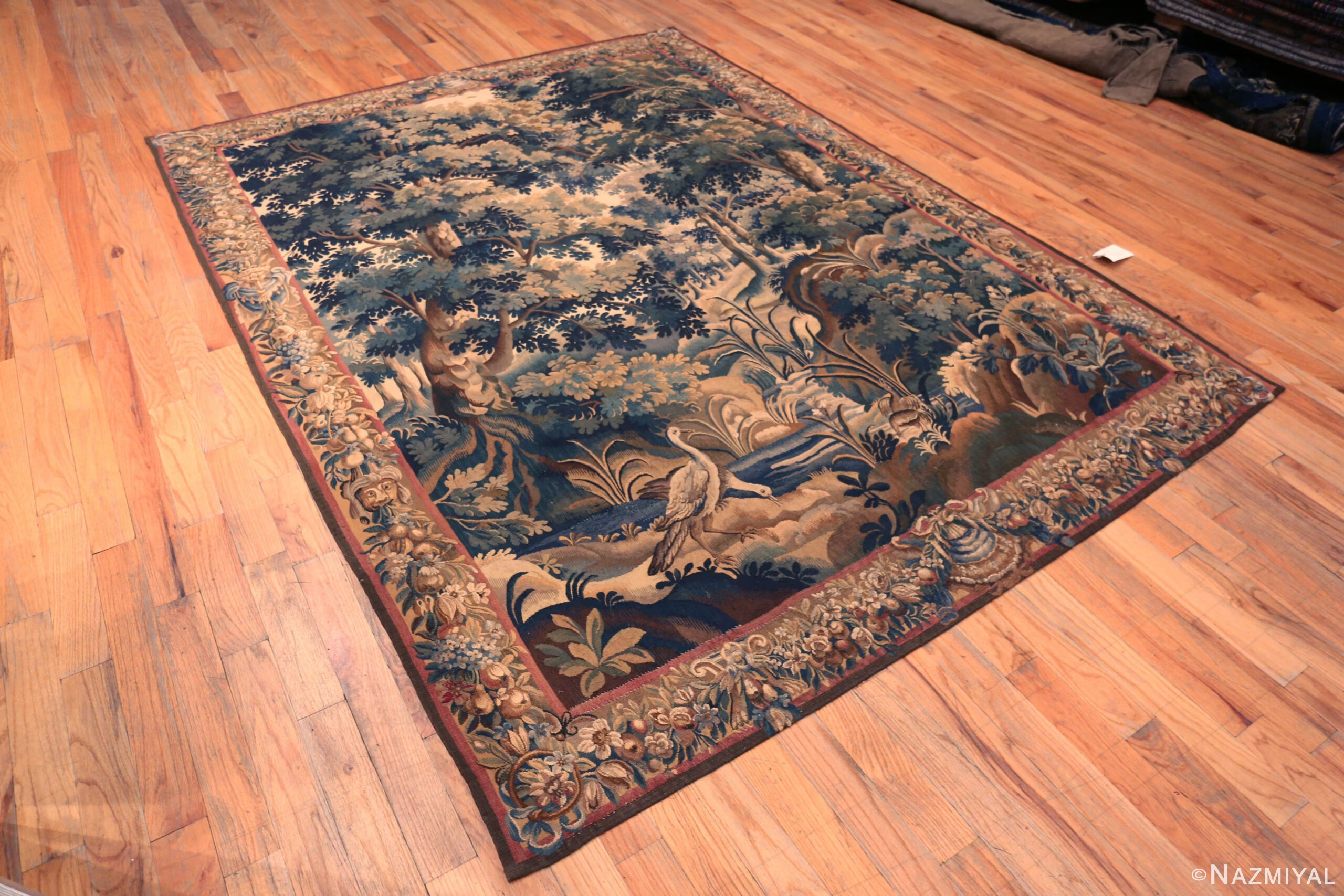
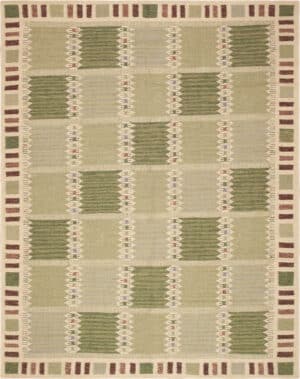
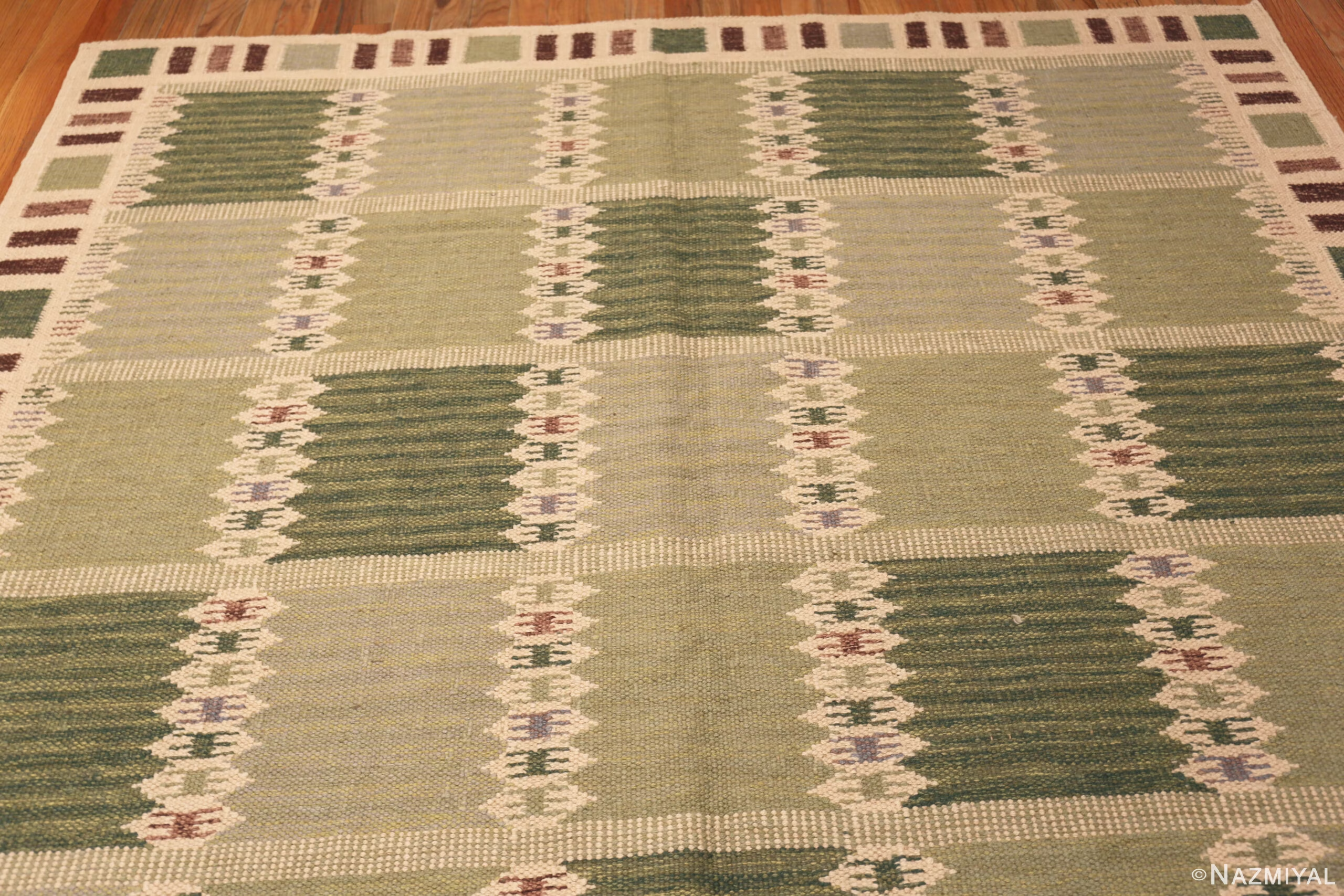
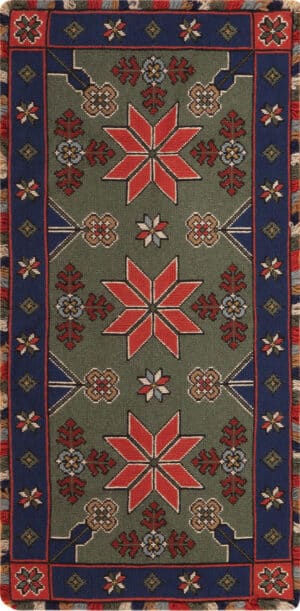
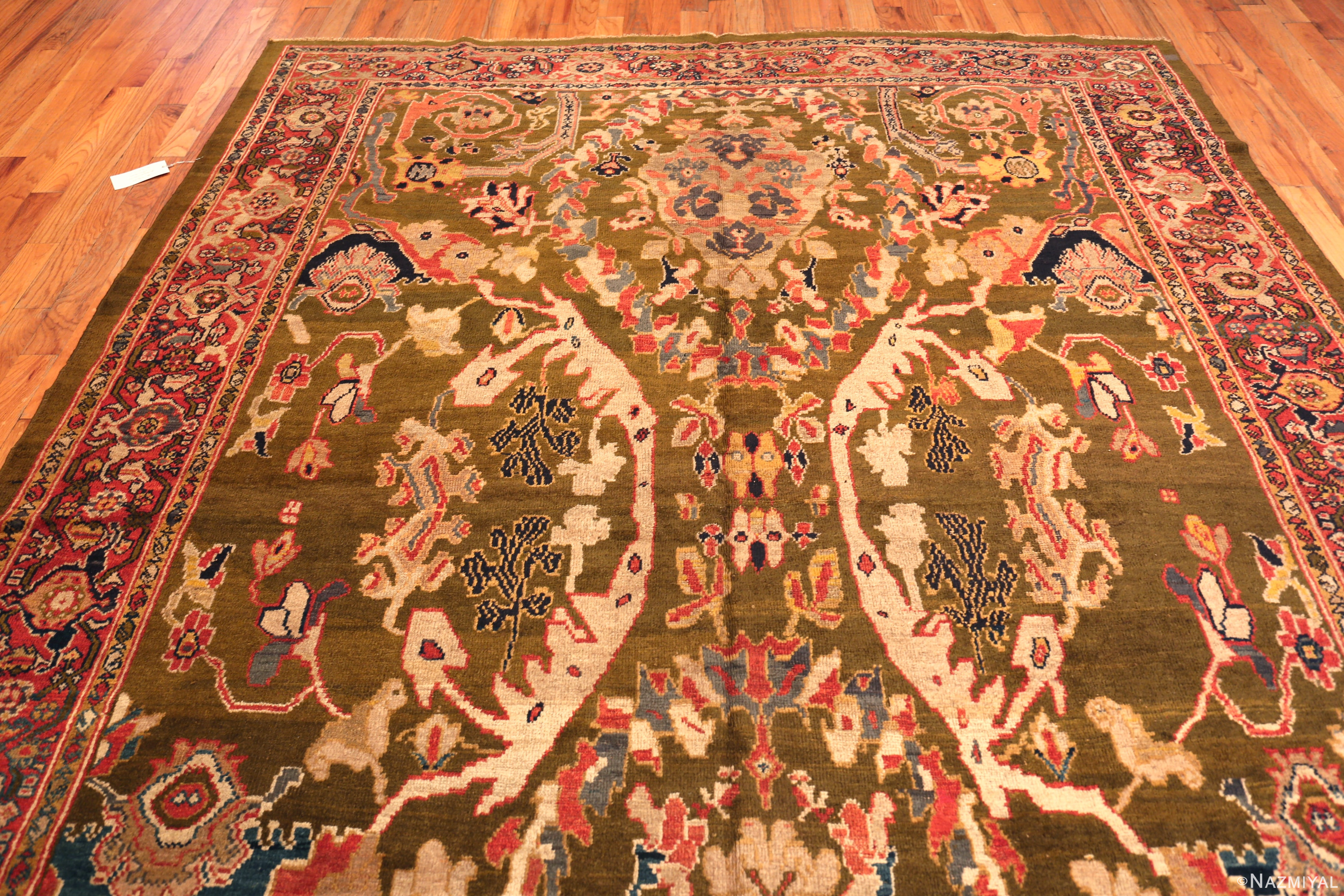
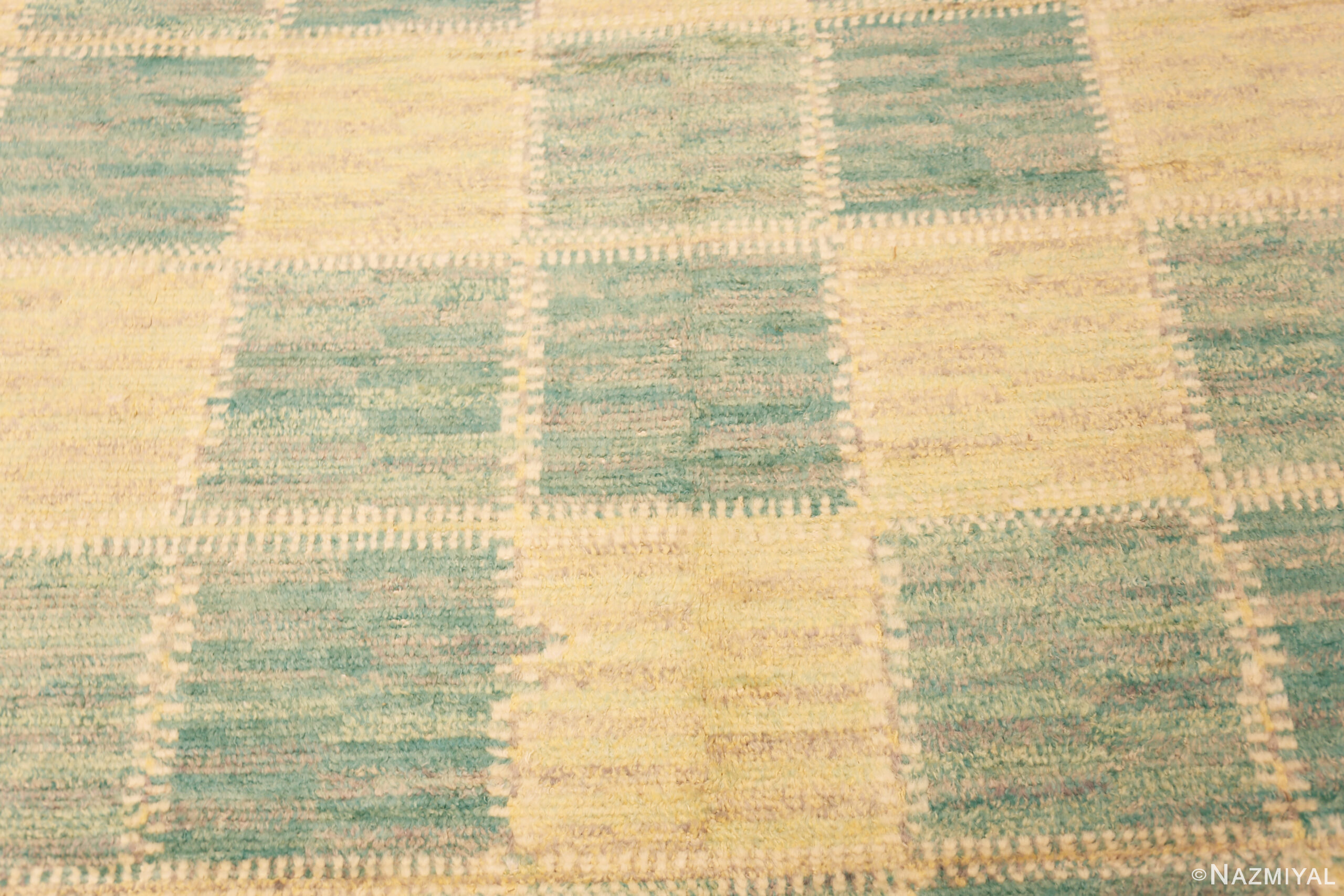
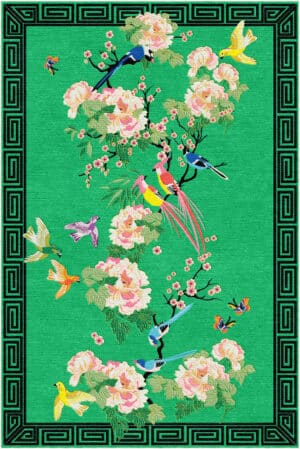
Green rugs are area rugs whose palette is led by green—ranging from pale celadon to deep emerald—and selected for how that undertone harmonizes with the room’s light, materials, and dominant neutrals.
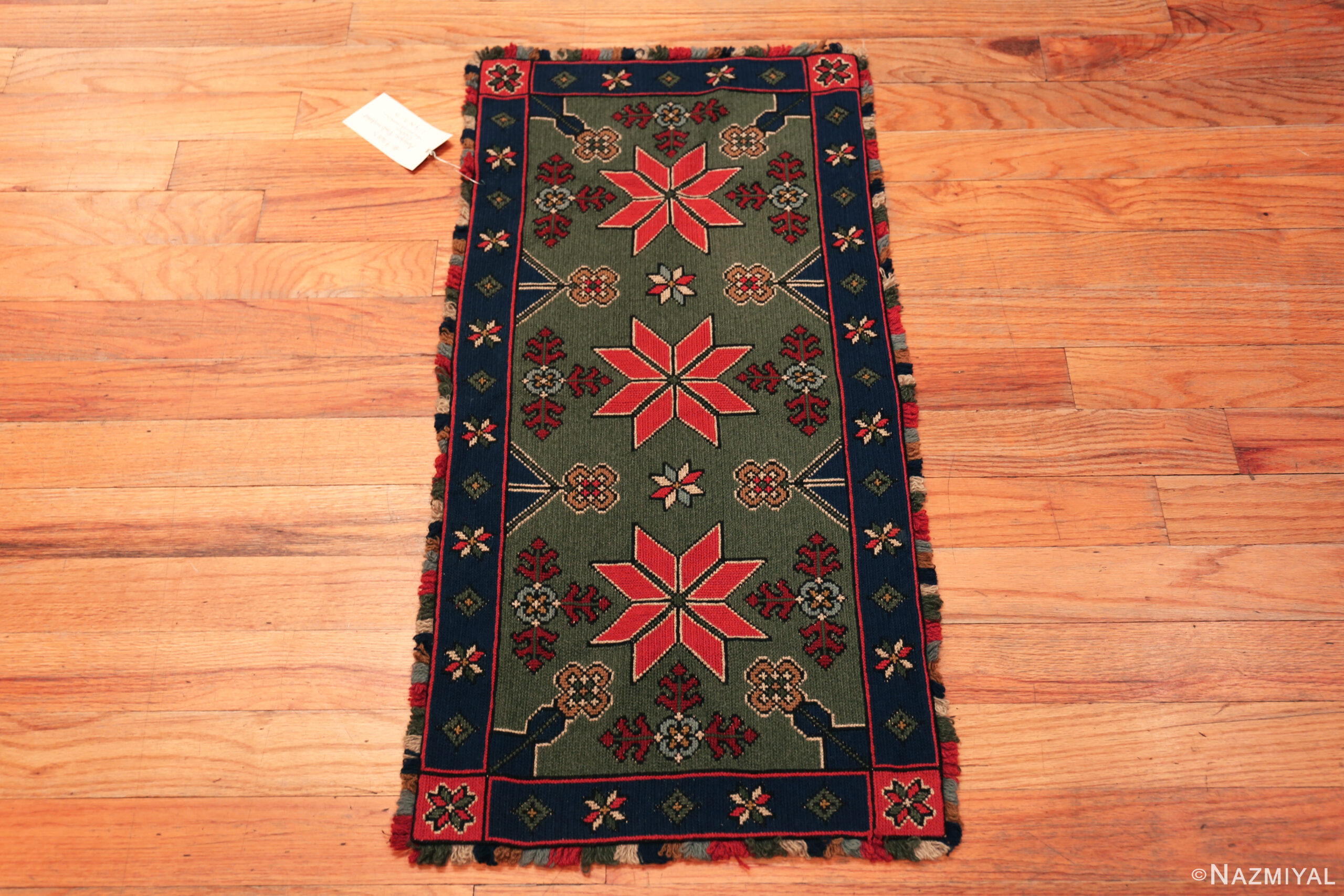
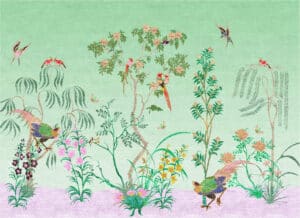
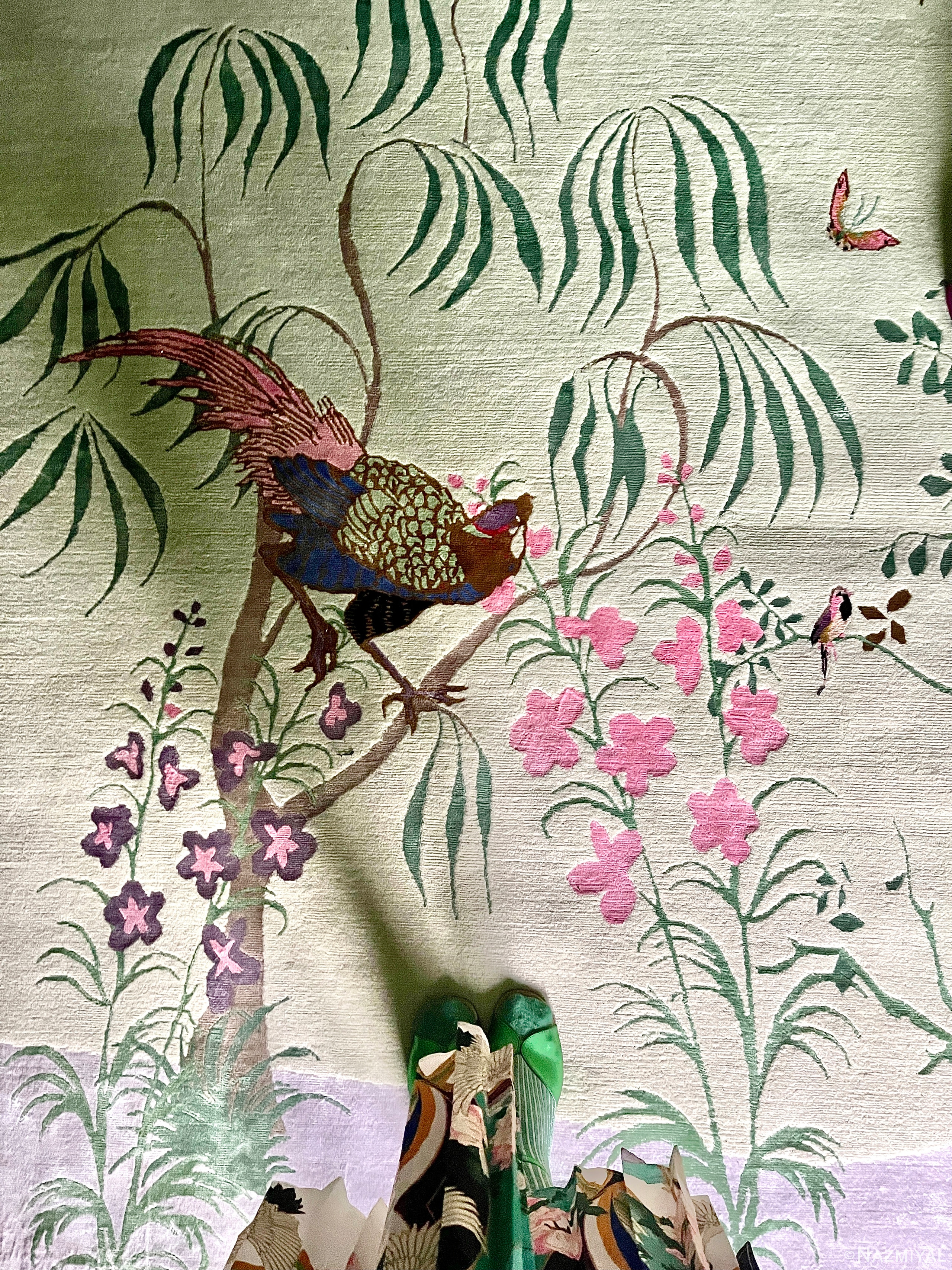
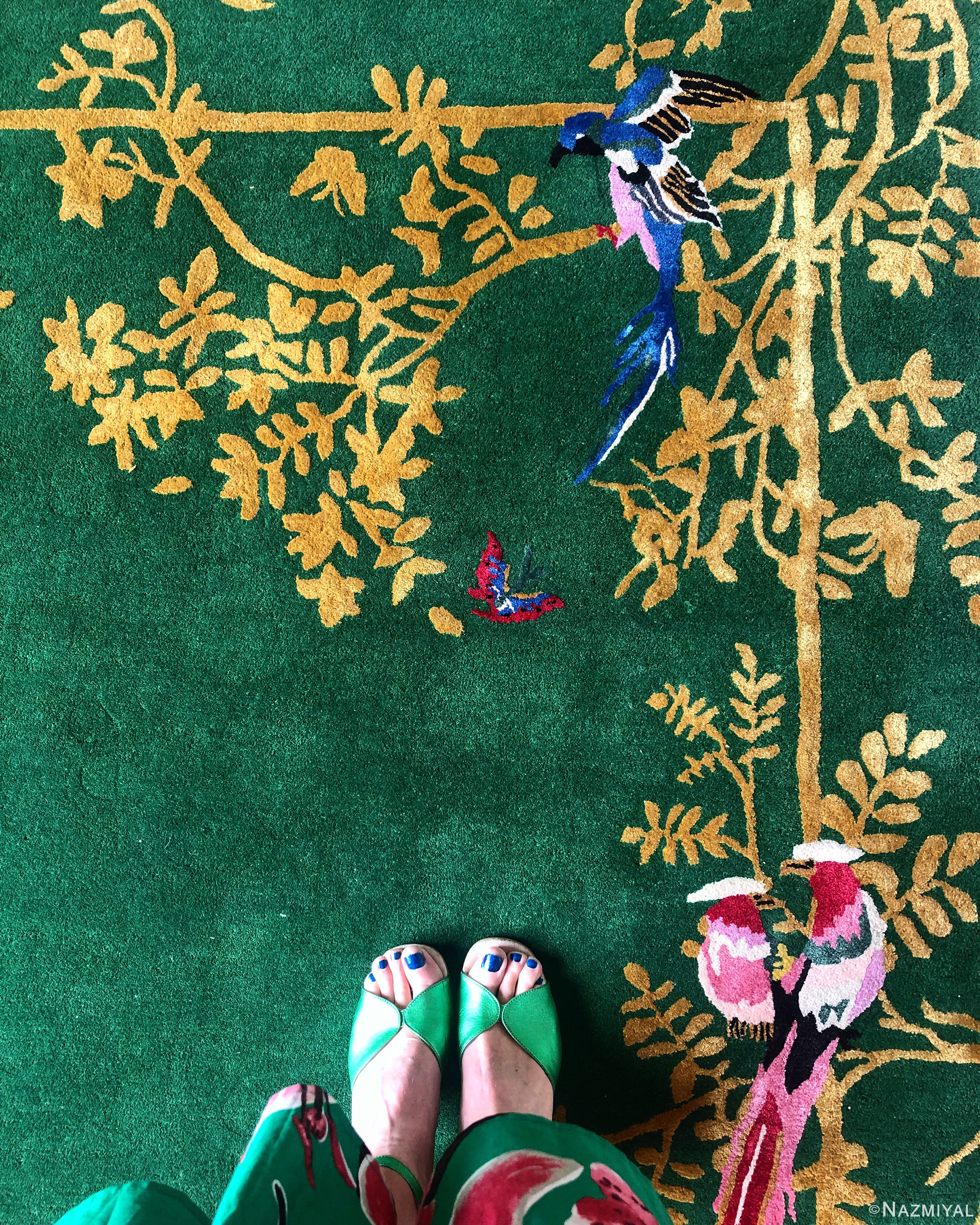
These rugs bring the restorative feel of nature indoors—whether you prefer soft sage, olive, or a saturated emerald statement. In traditional weaving, achieving stable greens often required careful dye work, which is why true greens can read especially rich in well-made antique and vintage pieces. For curated inventory and expert guidance, start with Nazmiyal Collection, then browse rugs by color to compare palettes. Use this page to shop green rugs and to learn how to choose the right tone, pattern scale, and construction for your room.
Updated February 11, 2026 • Reviewed by Jason Nazmiyal
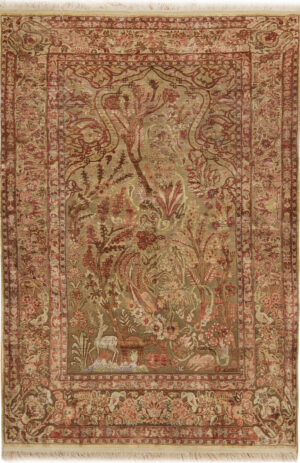
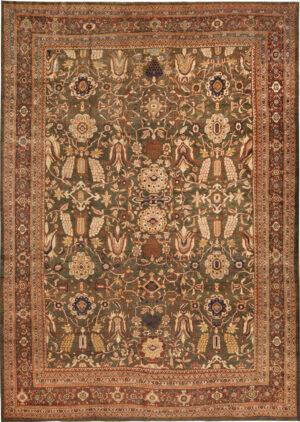
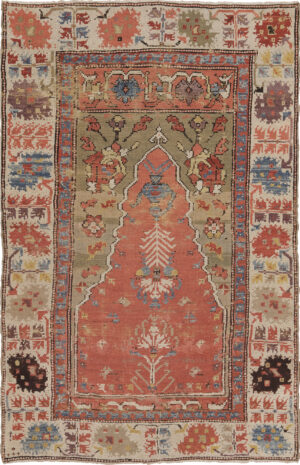
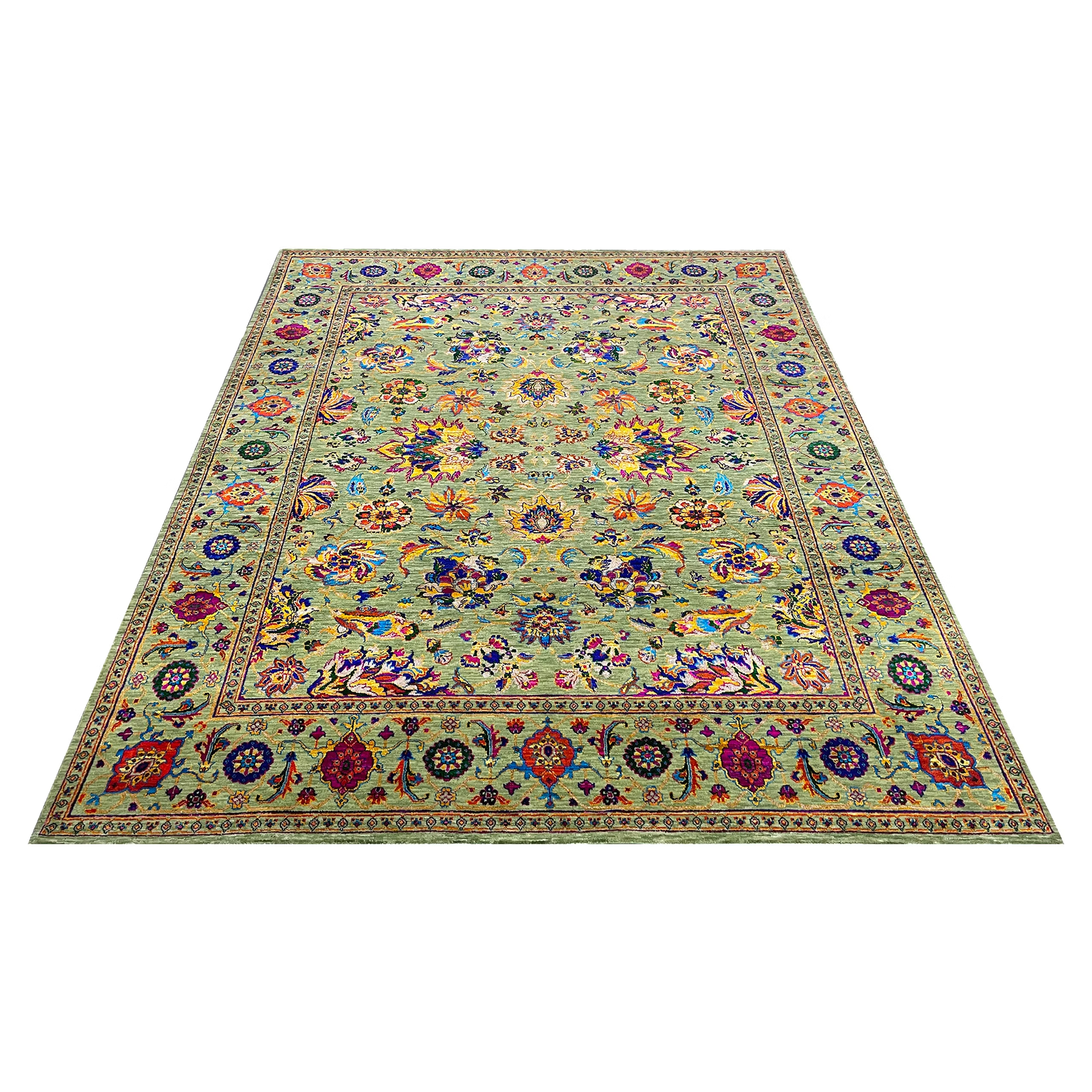
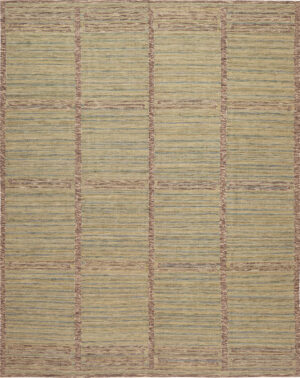
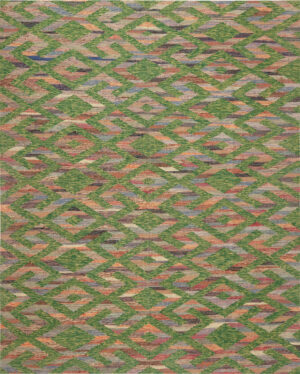
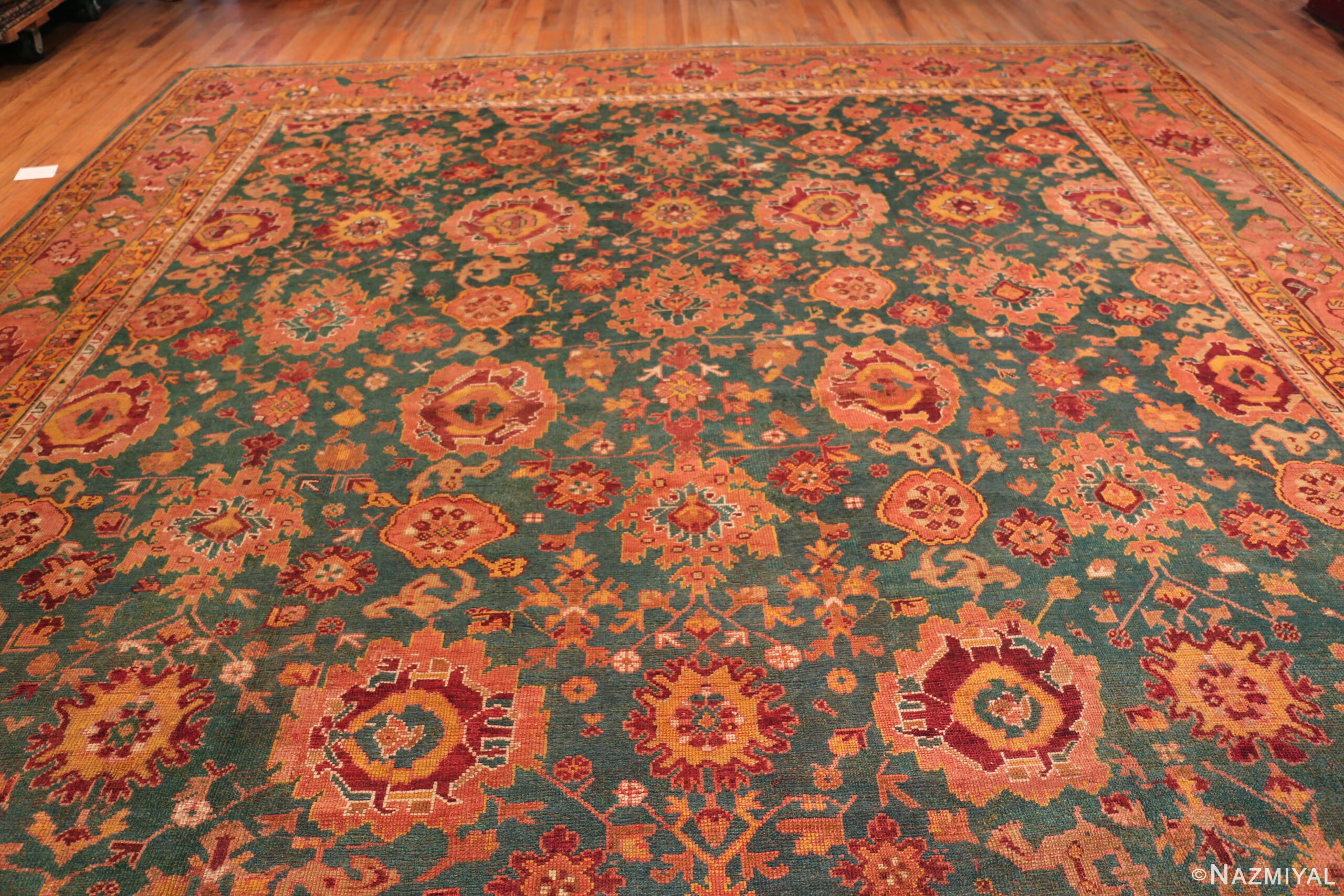
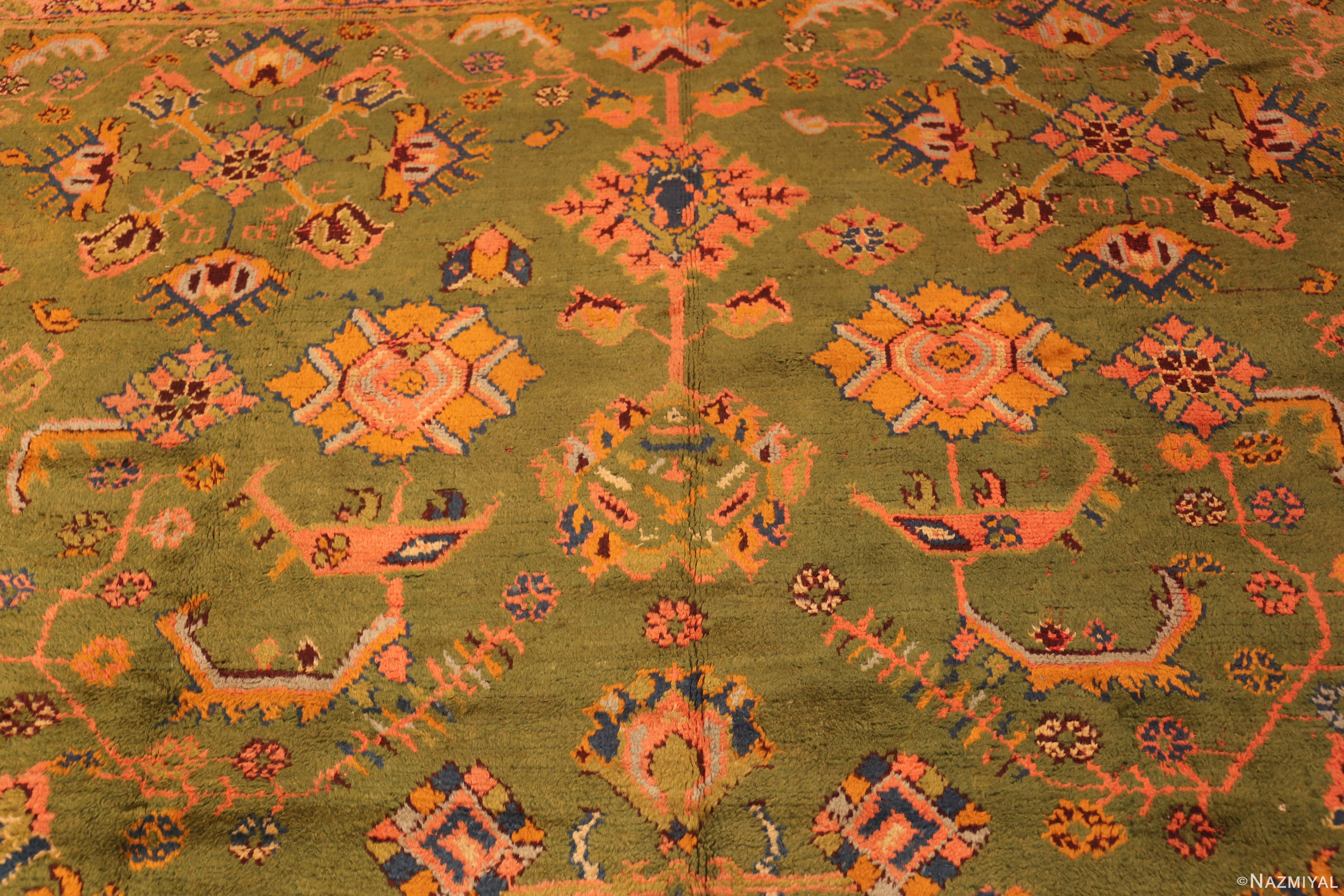
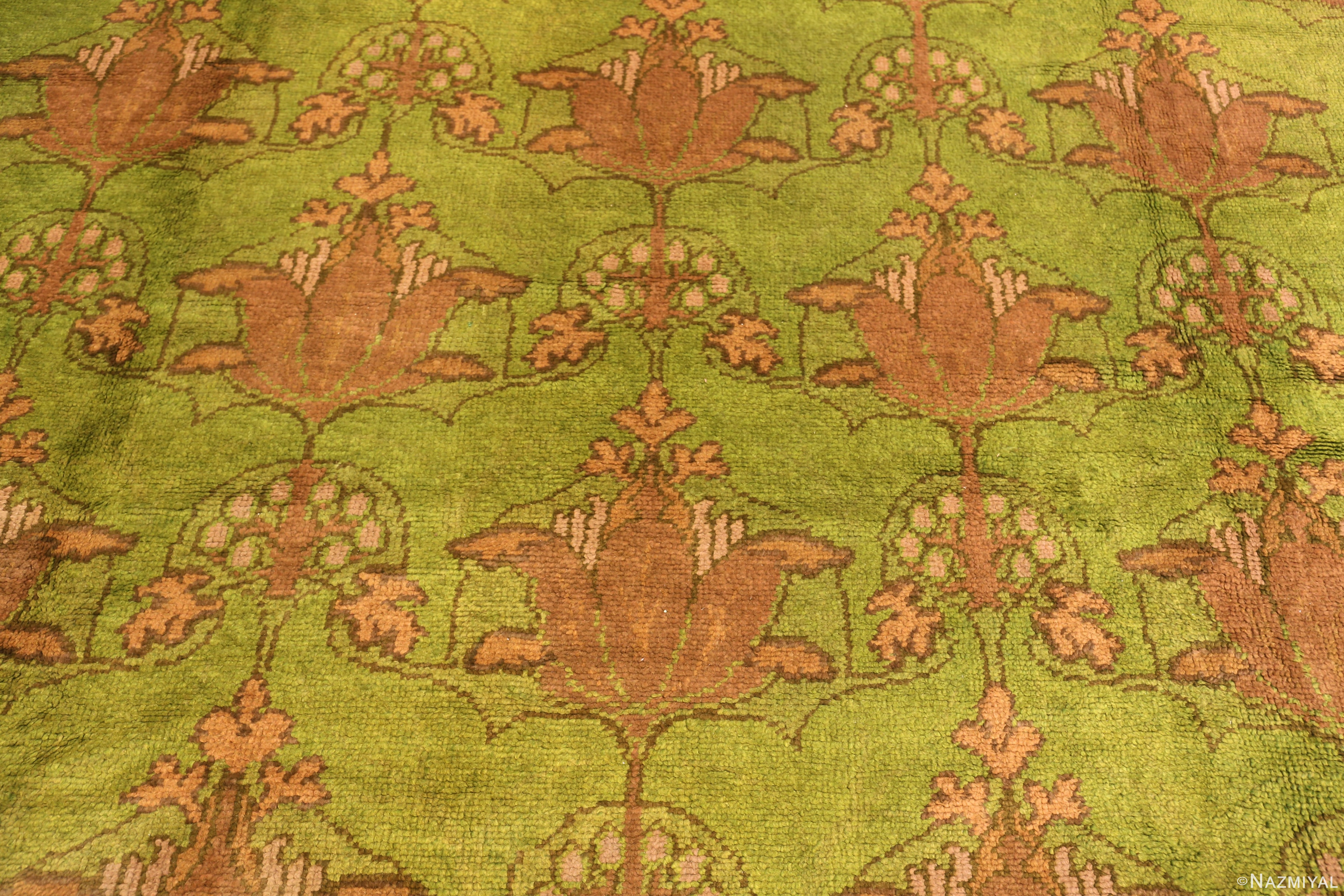
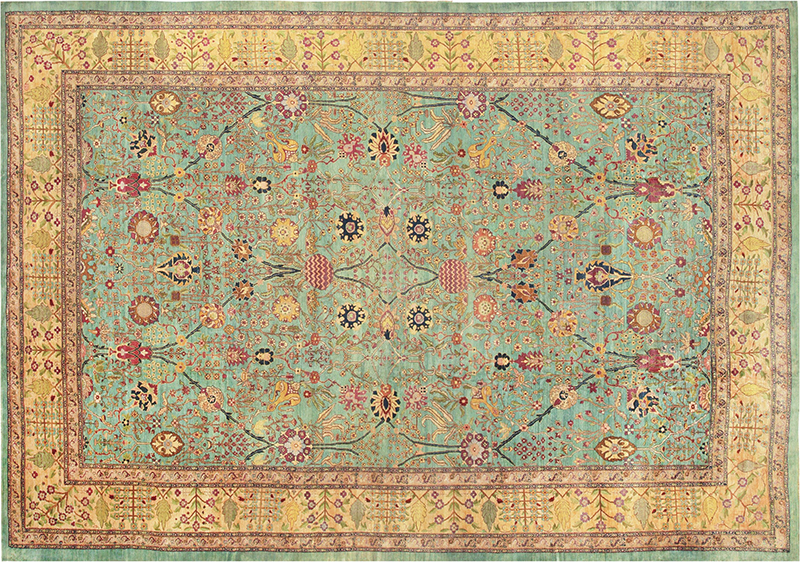
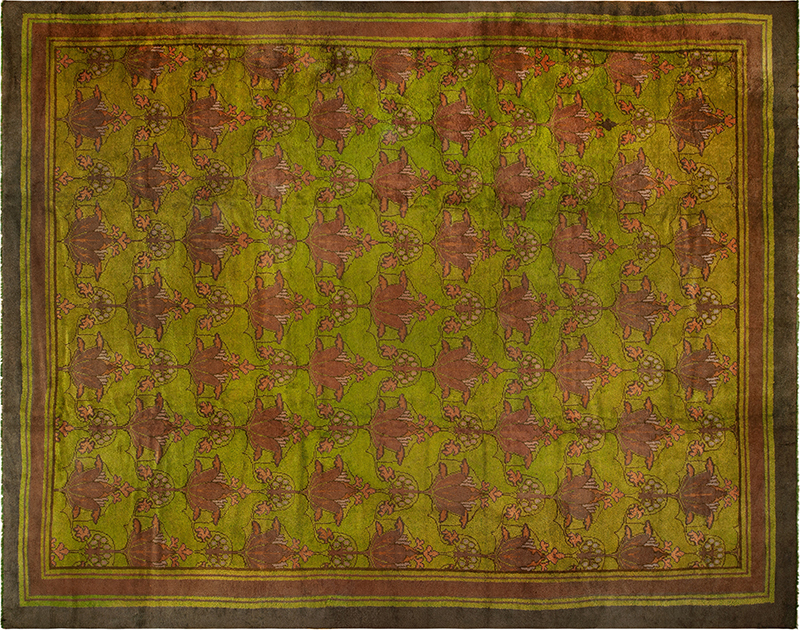
Large Seafoam Color Antique Indian Agra Rug Nazmiyal Collection #40317Eye-Catching Large Antique Irish Donegal Rug Nazmiyal Collection #73448
Identification & Construction
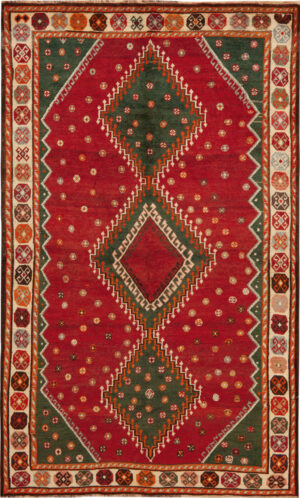
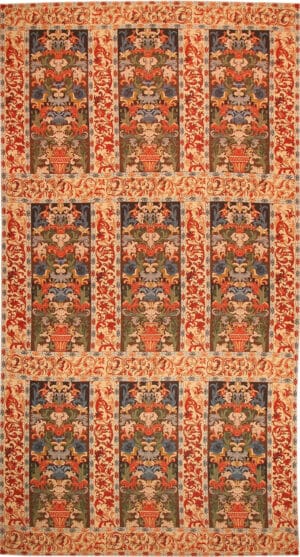
Green shows up differently across rug origins. In some traditions it appears as a soft, atmospheric background; in others it’s used for accents—leaves, palmettes, or guard-borders—paired with ivory, gold, and charcoal for contrast. When you’re assessing green in a rug, focus on tone clarity (is it muddy or luminous?), how the green behaves in changing light, and whether abrash (intentional color variation) gives the field depth.
Historically, many workshops produced green by layering yellow and blue dyestuffs (often over-dyeing) rather than relying on a single “green” source. That’s why greens in older pieces can be complex—and why some greens may mellow over time. For a deeper overview of dye families and what affects stability, see natural carpet dyes.
Why Green Can Be Challenging in Natural Dyes
If you’ve been hunting for the “perfect” green, you may have noticed that truly satisfying greens can be rarer in certain vintage and antique inventories. The practical reason is usually dye chemistry and process control—not a single simple rule. Common factors include:
Limited natural sources: many plants yield yellows or browns more readily than stable greens.
Two-step dyeing: green often requires combining blue and yellow in a controlled sequence to avoid muddiness.
Light sensitivity: some historic greens can be more prone to fading when exposed to strong sunlight.
Batch variability: natural inputs vary with season and region, which can shift green from one lot to the next.
Mordant complexity: changing mordants can push the final tone toward yellow, gray, or brown.
If you have a very specific green in mind, consider exploring custom rugs, where you can dial in the exact shade and saturation you want.
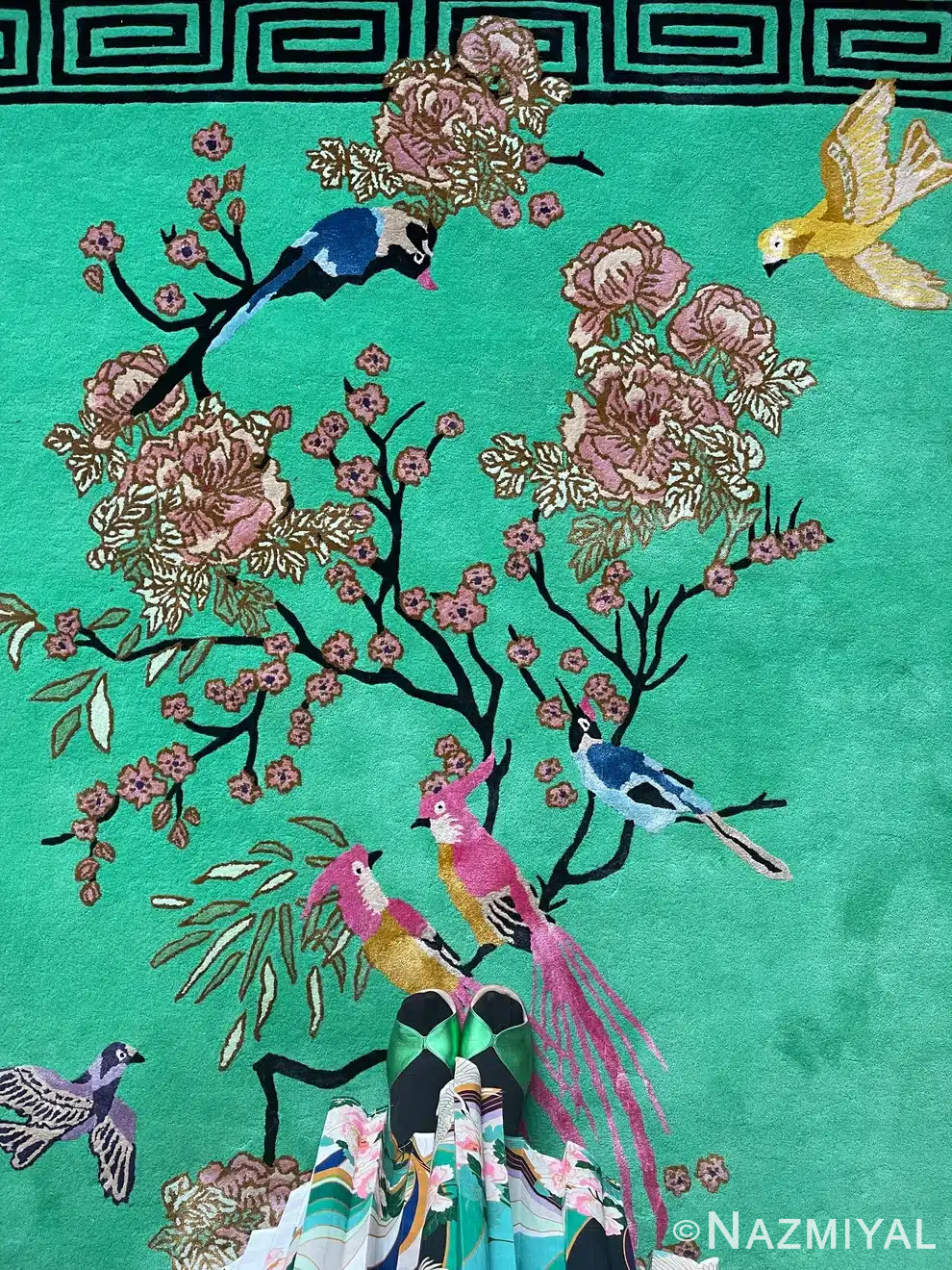
Pattern also matters: botanical greens tend to read softer, while geometric layouts can make the same green feel bolder. If you enjoy symbolism and design language, browse our guide to motifs and symbols to see how leaves, vines, and garden themes are used across weaving cultures.
Decorating & Placement Guidance
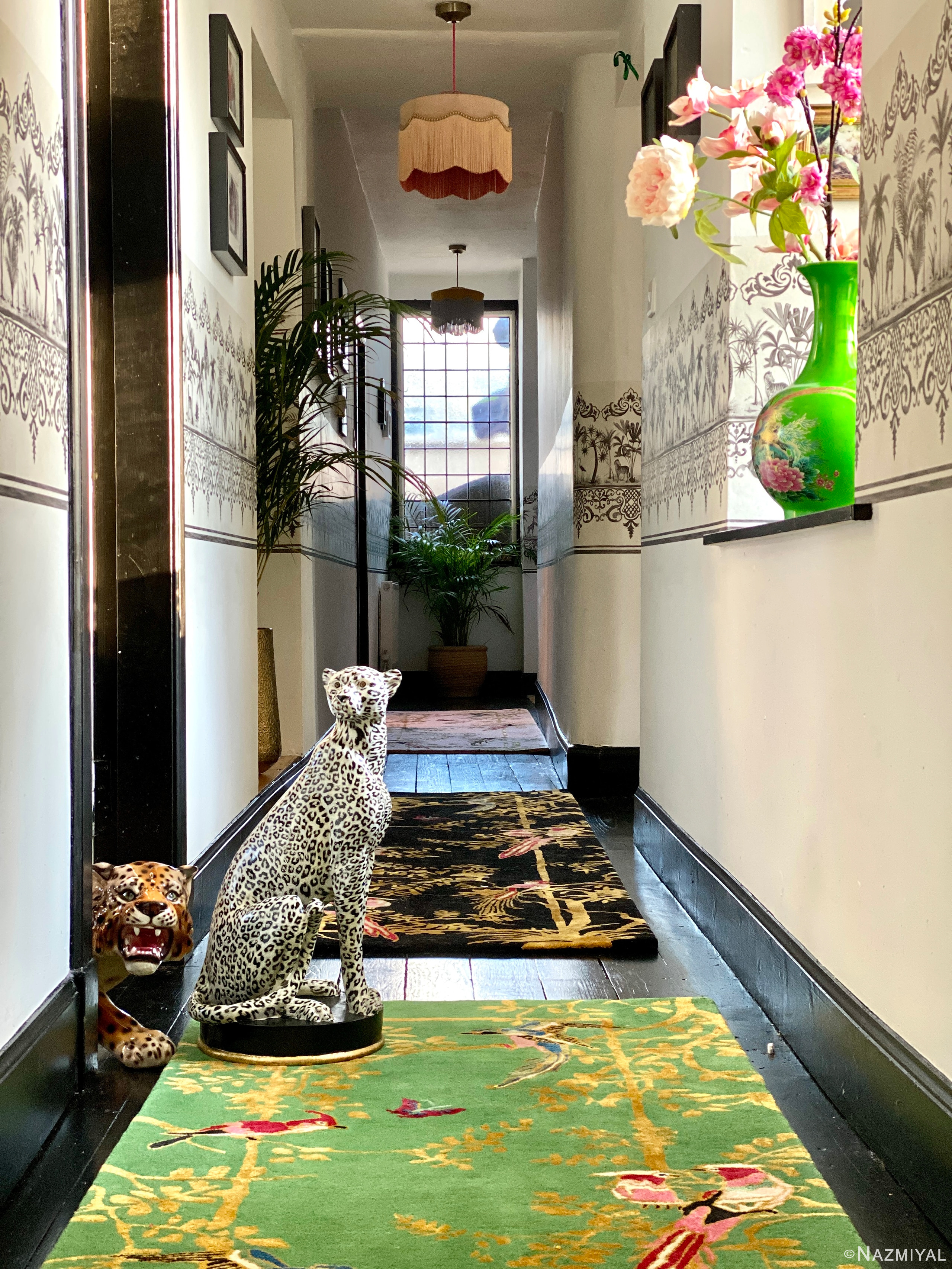
Designers often treat green as a bridge color: it connects wood, stone, leather, and linen with a sense of ease. A green rug can anchor a room with calm, especially when paired with warm neutrals (cream, sand, camel) and matte metals. For a layered, collected look, mix antique rugs, vintage rugs, and modern rugs to balance patina with clean-lined pieces.
In classic rooms, a green Persian rug can read tailored and stately—especially when the green is balanced by ivory fields or floral detailing. In more relaxed spaces, green flat weaves and geometric pieces can feel fresh and easy, pairing naturally with plants and global accents. If your style leans eclectic, green works beautifully in boho chic interiors.
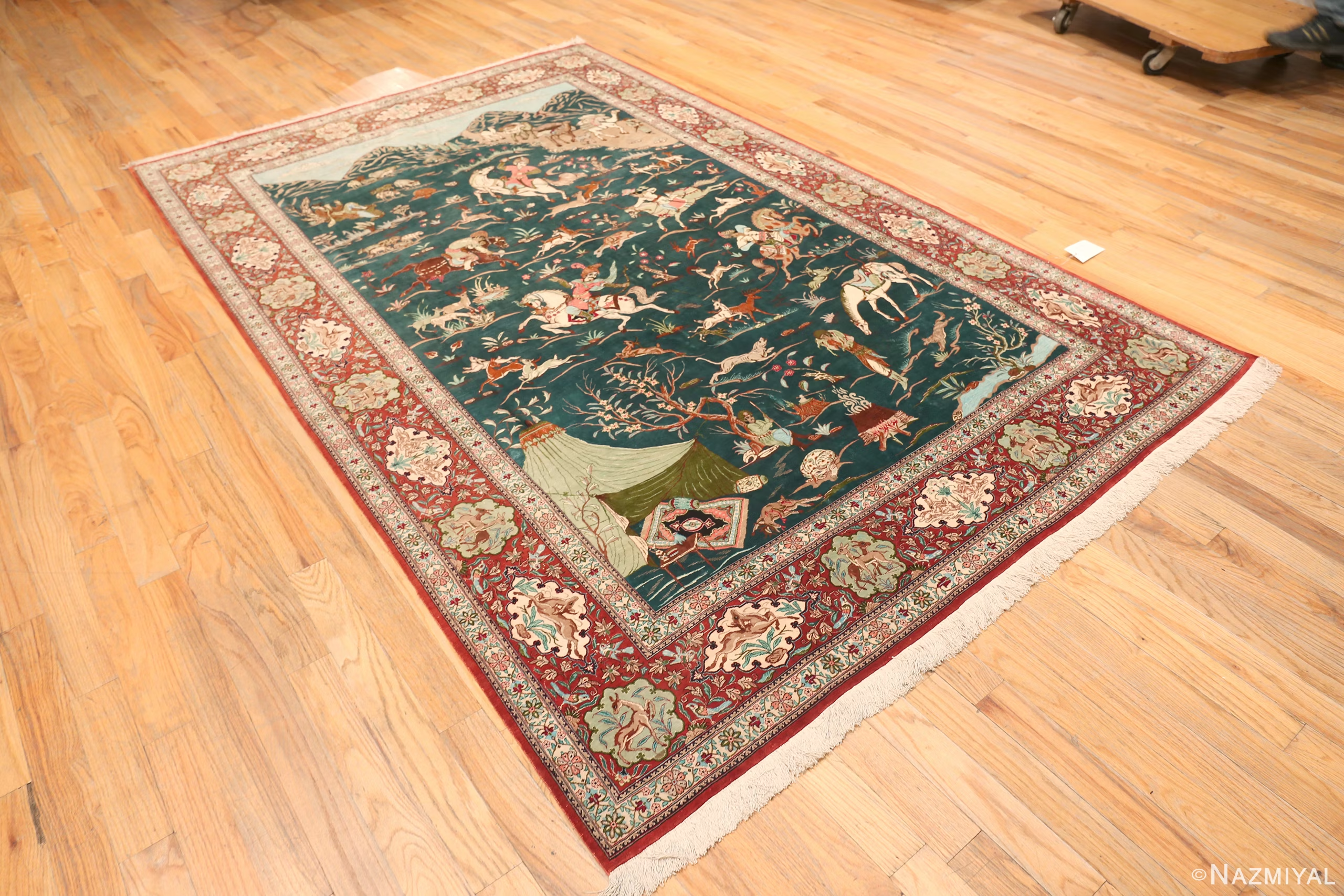
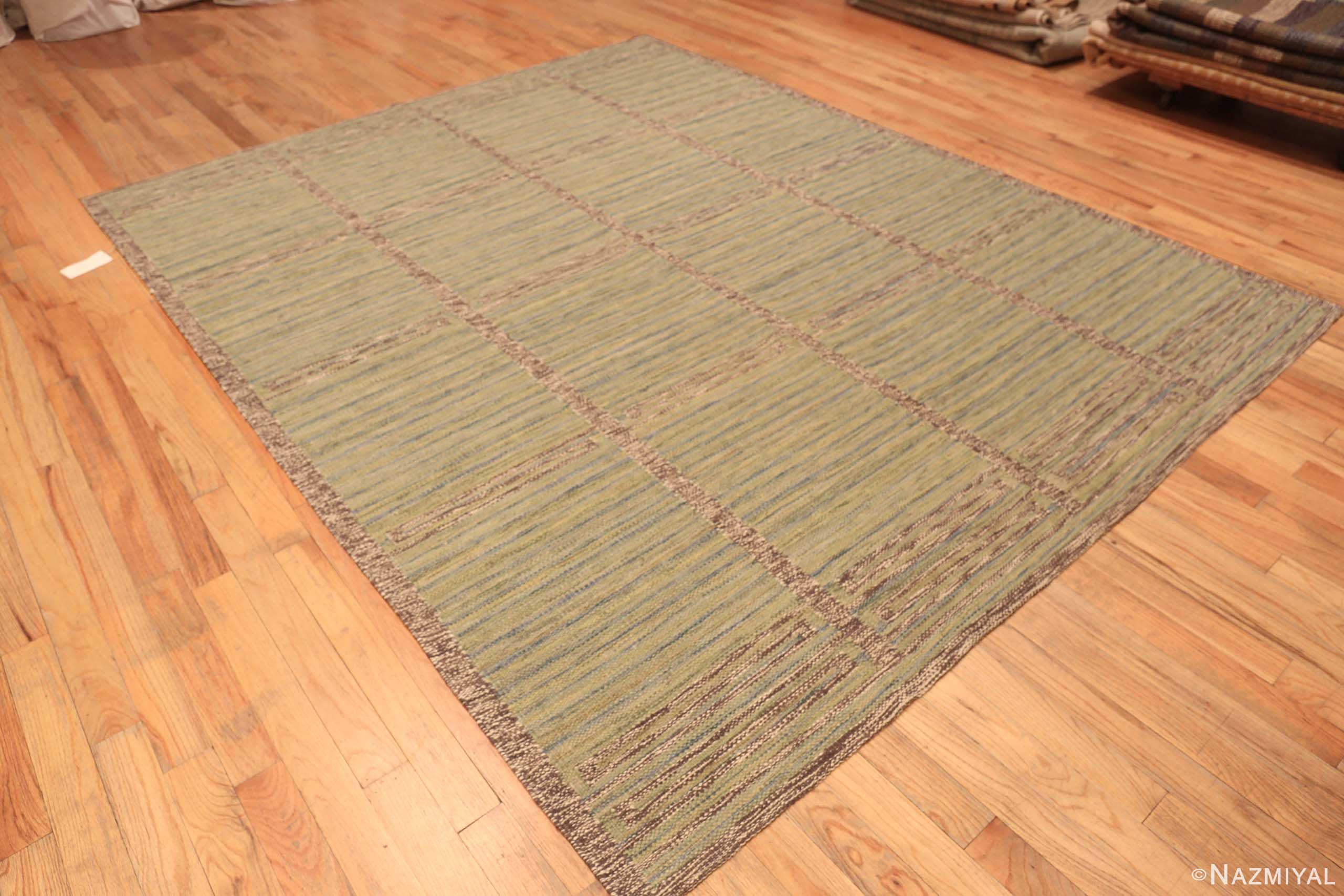
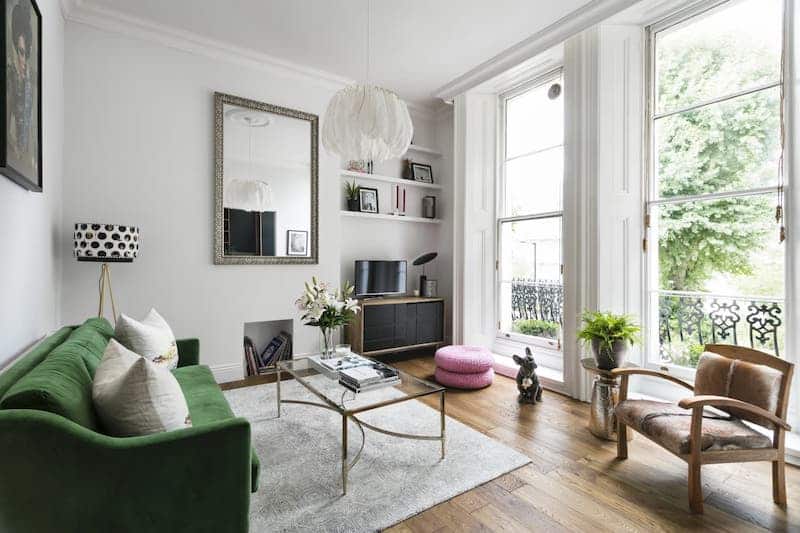
Interior design with a shabby chic green-toned rug.
For high-traffic zones like entryways or kitchens, prioritize construction and cleanability—low, sturdy piles and flat weaves are often the most practical. For room-by-room placement ideas and material notes, our kitchen rugs guide is a useful starting point.
Nazmiyal Collection has been a trusted source for antique rugs and vintage carpets for over 45 years. Our NYC gallery curates one-of-a-kind pieces with an emphasis on authenticity, provenance, and lasting decorative value.
Need help? Call us at (212) 545-8029 or visit our New York City showroom to work with a rug expert.
             Posted on Google        Clay Pendergrast     Trustindex verifies that the original source of the review is Google. My wife and I are so pleased with the antique Uzbek Bokhara Rug purchased from the Nazmiyal Collection. Not only does the rug have a spectacular design, it also was very reasonably priced. The way it transforms our living room, reconciling the classic modern furniture with the 1913 Craftsman interior is remarkable.         Posted on Google        Terence Hayes     Trustindex verifies that the original source of the review is Google. I have purchased multiple rugs at multiple Nazmiyal auctions and I am extremely pleased with the quality, price, and experience.  Highly recommended!         Posted on Google        Victor Florintsev     Trustindex verifies that the original source of the review is Google. The only ones I'd ever buy rugs from. The best.         Posted on Google        Jeffrey NeumanB     Trustindex verifies that the original source of the review is Google. I bought two gorgeous Serapi rugs from Farhad at Nazmiyal Rugs!  Beautiful carpets, fair prices and great service.  Very happy customer.  Farhad (the sales person) was very patient and gave us great service.         Posted on Google        john haid     Trustindex verifies that the original source of the review is Google. Alen is a gentleman and an expert.  Really great to work with.         Posted on Google        Edward Yasuna     Trustindex verifies that the original source of the review is Google. I recently purchased a modern Kandinsky rug from Nazmiyal Auctions.  It was just as described, and the director (Farhad) of the auctions had it sent to me quickly and safely.  Payment was easy, the rug was reasonably priced, and I highly recommend Nazmiyal Auctions and Antique Rugs.  Quality merchandise and first-class service.         Posted on Google        Nicholas Carr     Trustindex verifies that the original source of the review is Google. Had a excellent experience buying a rug in Nazmiyal's 1/18/26 online auction.  First, prior to the auction, viewing a number of lots at the 32nd St showroom (I had prepared a list from the online catalog). The staff were great to work with: helpful, knowledgable, honest, and flexible.  Second, after placing an online bid and winning the desired item, arranging payment and pickup was simple and straightforward. Everything went seamlessly and the overall experience was educational and fun. Many thanks to Jason and his team.         Posted on Google        Andrea Gared     Trustindex verifies that the original source of the review is Google. Everyone at Naziyal is proffessional, especially Jason and Farhad.
They are knowledgeable, truthful, and true gentlemen. I have sold several rugs through them and will always go to them first, to buy or sell. The best in the business!
Frequently Asked Questions
Yes. Green behaves like a “nature neutral,” so it pairs easily with whites, creams, beiges, grays, and natural woods. The key is choosing the right undertone for your lighting.
Greens can be less common or more subdued in some older Persian traditions because stable greens often required extra dye steps. When you find a confident, luminous green, it can be a standout.
Sage is soft and airy, olive feels warm and grounded, and emerald reads bold and jewel-like. If you want flexibility, start with a muted green and let artwork and textiles add contrast.
Light greens usually brighten a space, while deep greens can add drama and “weight.” Balance deeper greens with lighter walls, reflective finishes, and open negative space in the room.
Botanical and garden-inspired patterns feel natural and calming, while geometric patterns can make green feel sharper and more modern. Scale matters: large repeats read quieter from a distance.
Rotate your rug periodically and avoid prolonged direct sun on one area. Use window treatments when needed, especially for older rugs with naturally dyed palettes.
THE NAZMIYAL NEWSLETTER
Discover Your Next Favorite Rug
Get new arrivals, rug inspiration, educational blogs, and collection highlights delivered to your inbox.
By subscribing, you agree to receive marketing emails from Nazmiyal. Unsubscribe anytime. View our Privacy Policy.