Popular Searches
Rug Size Guide | Rugs by Color | Rug Glossary (A–Z)
Quick Navigation
Key Takeaways
- Indian workshop carpets often excel at room-size and oversized scales, making large interiors feel unified and intentional.
- Most shoppers narrow quickly by tradition: Mughal-inspired florals, Agra workshop authority, airy Amritsar drawing, or flatwoven dhurries.
- Value tracks design coherence, condition integrity, and scale more than name alone—especially in antique examples.
At-a-Glance Specs
| Collection focus | Antique Indian carpets, workshop pieces, and flatwoven dhurries |
|---|
| Key traditions | Mughal-inspired workshops, Agra, Amritsar, Indo-Persian, and dhurrie weaving |
|---|
| Typical materials | Wool pile on cotton foundations (many knotted rugs); cotton or wool in dhurries; occasional silk details |
|---|
| Best use | Living rooms, dining rooms, libraries, and open-plan layouts that benefit from spacious patterning |
|---|
| What to request | Exact dimensions, condition notes (edges/ends/repairs), and guidance on placement for your floor plan |
|---|
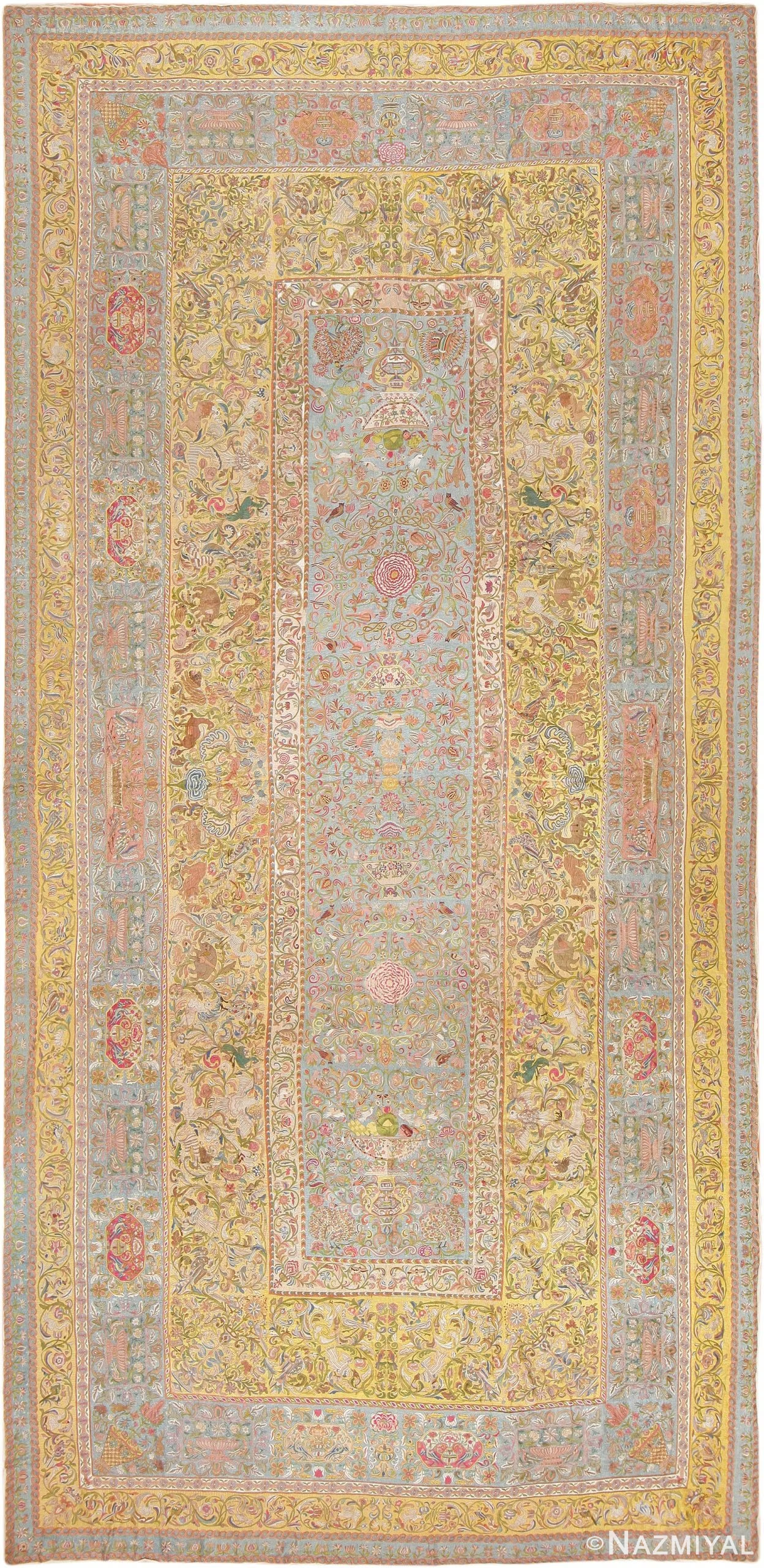
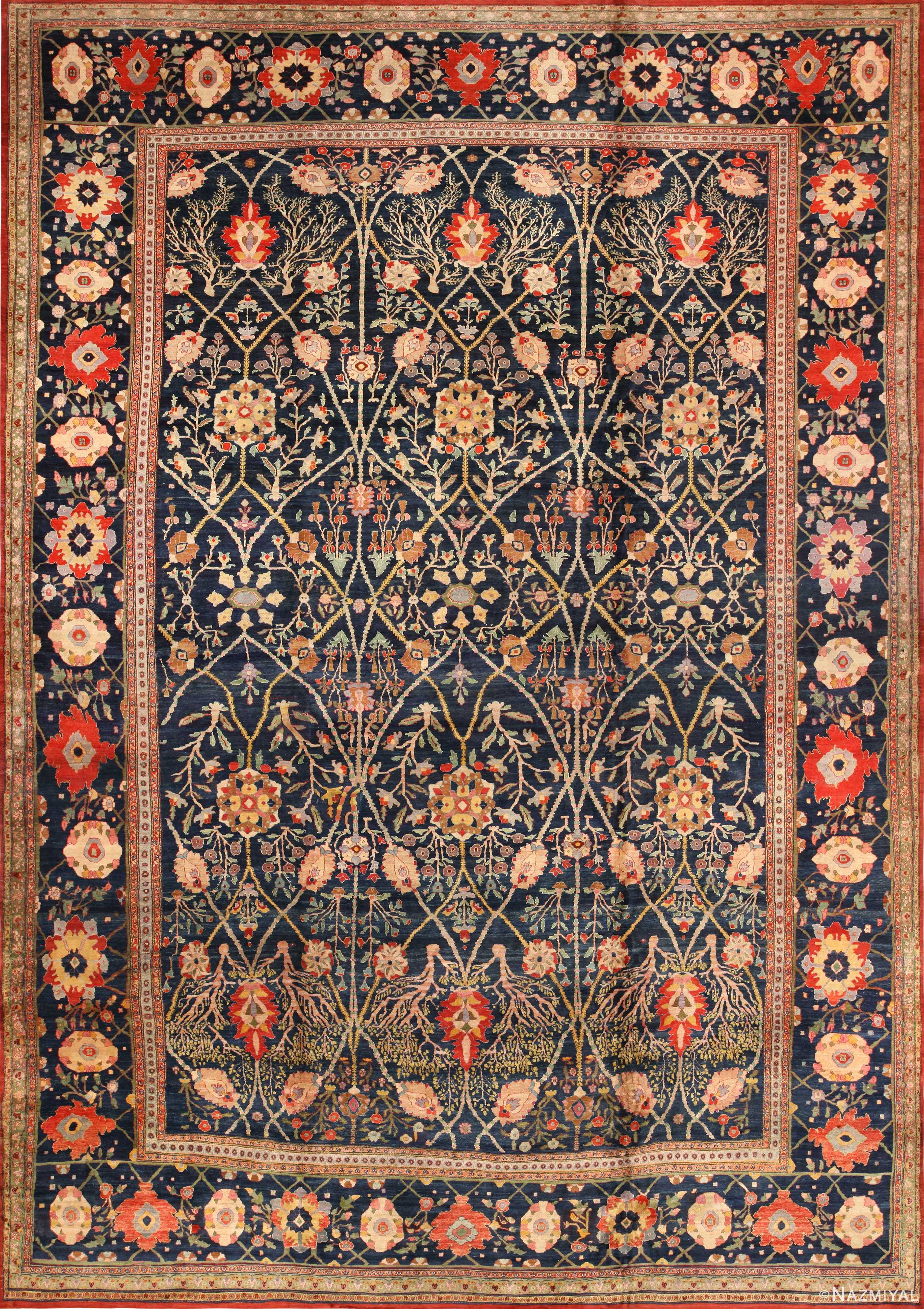
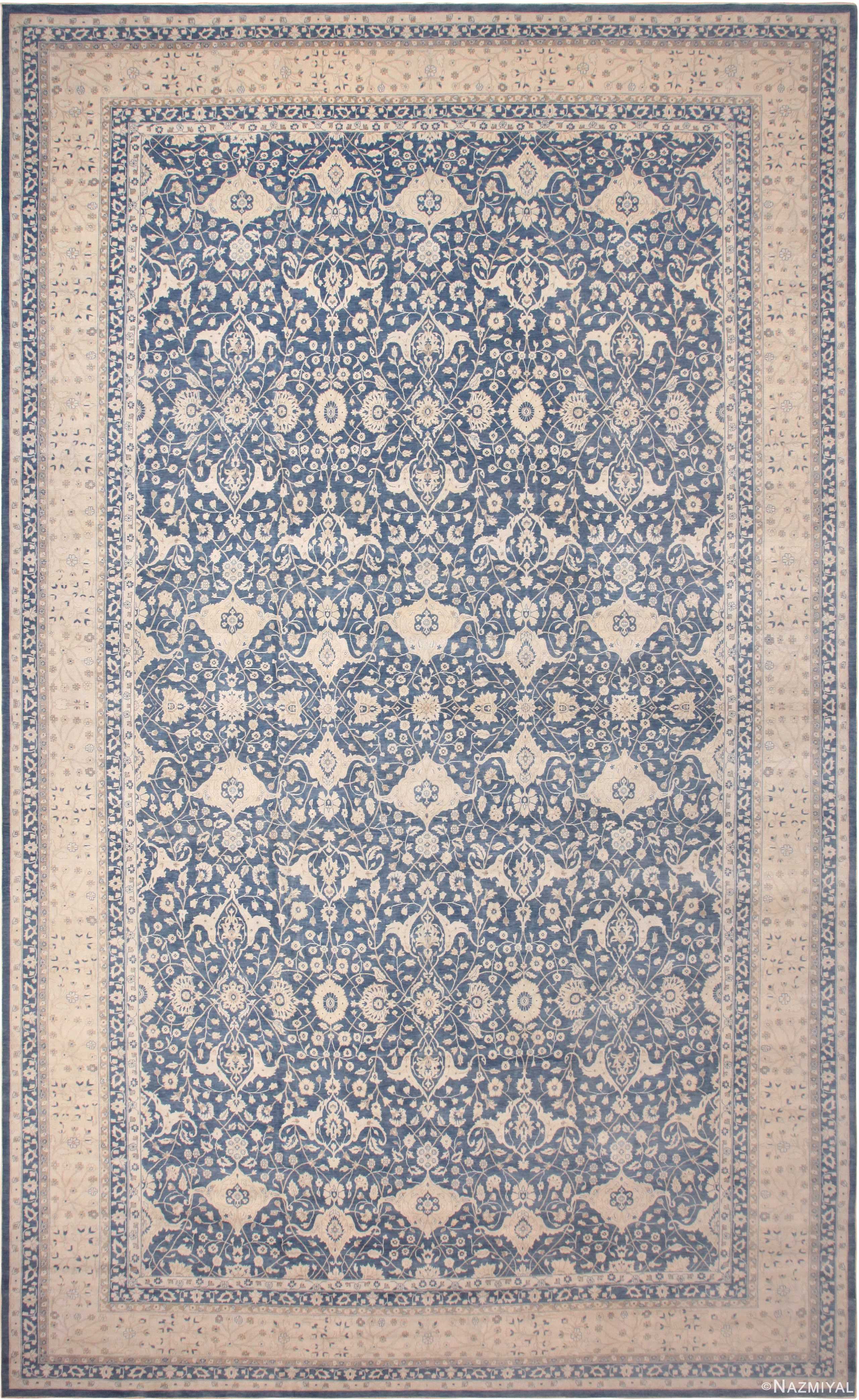
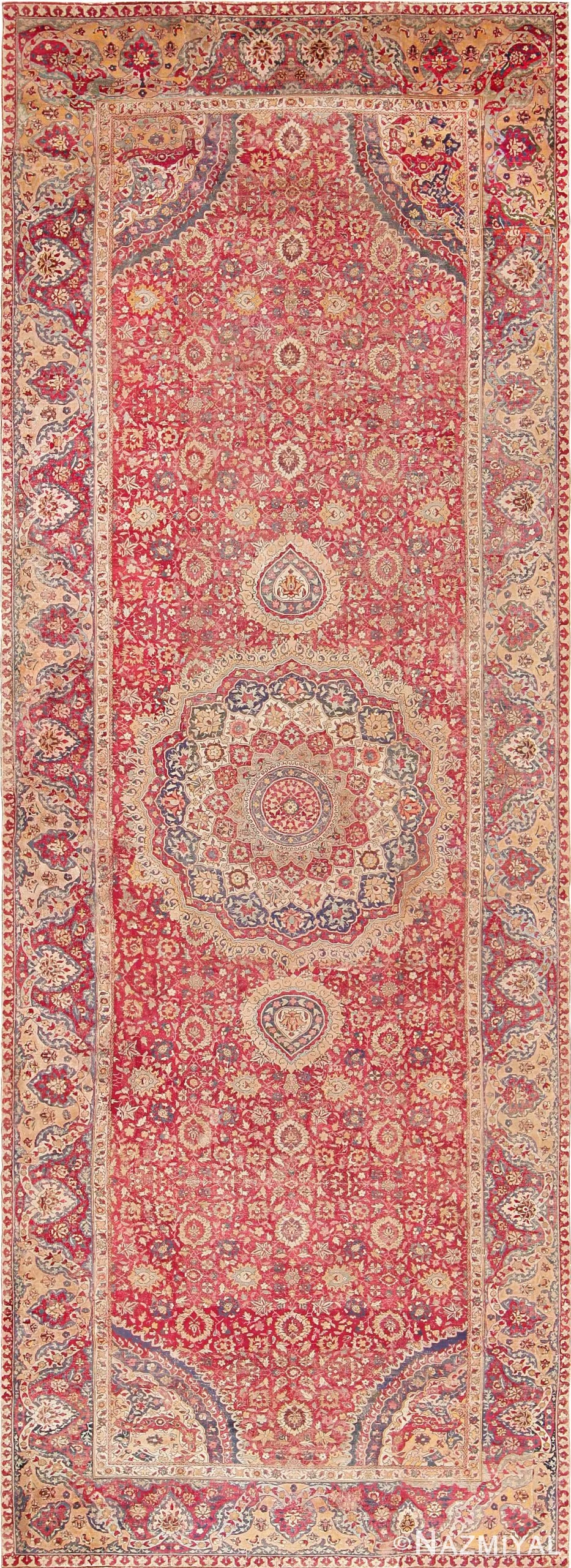
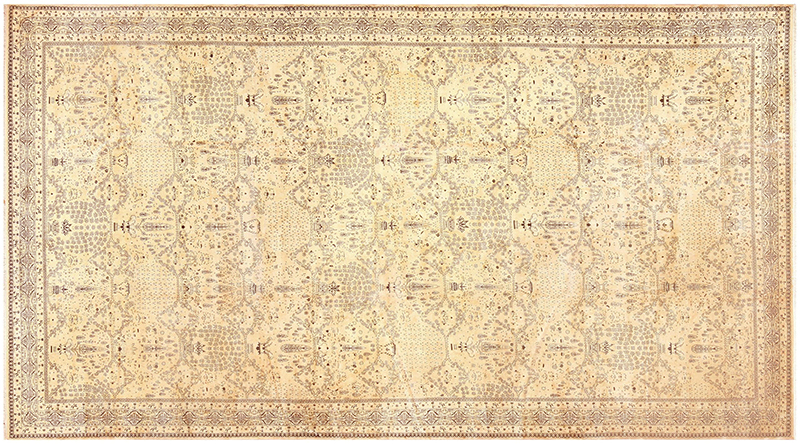
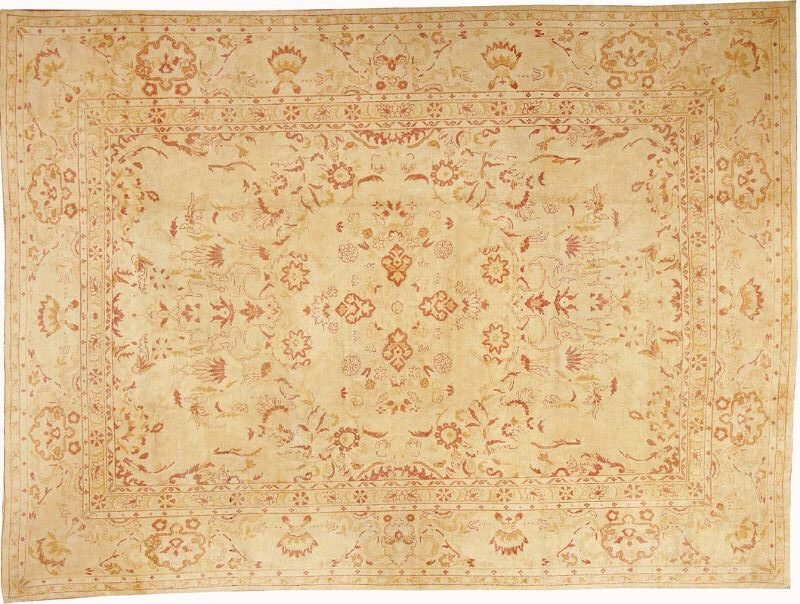
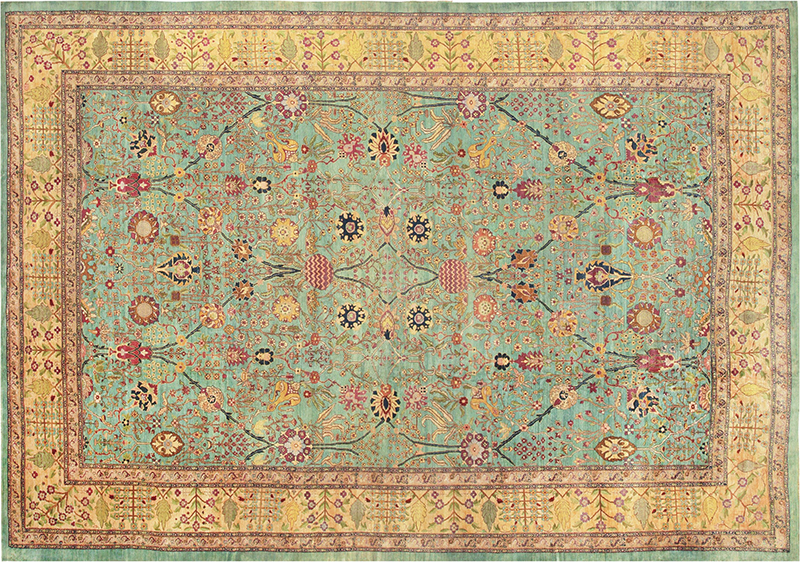
Featured Indian Rugs
Indian Rugs: Identification & Construction
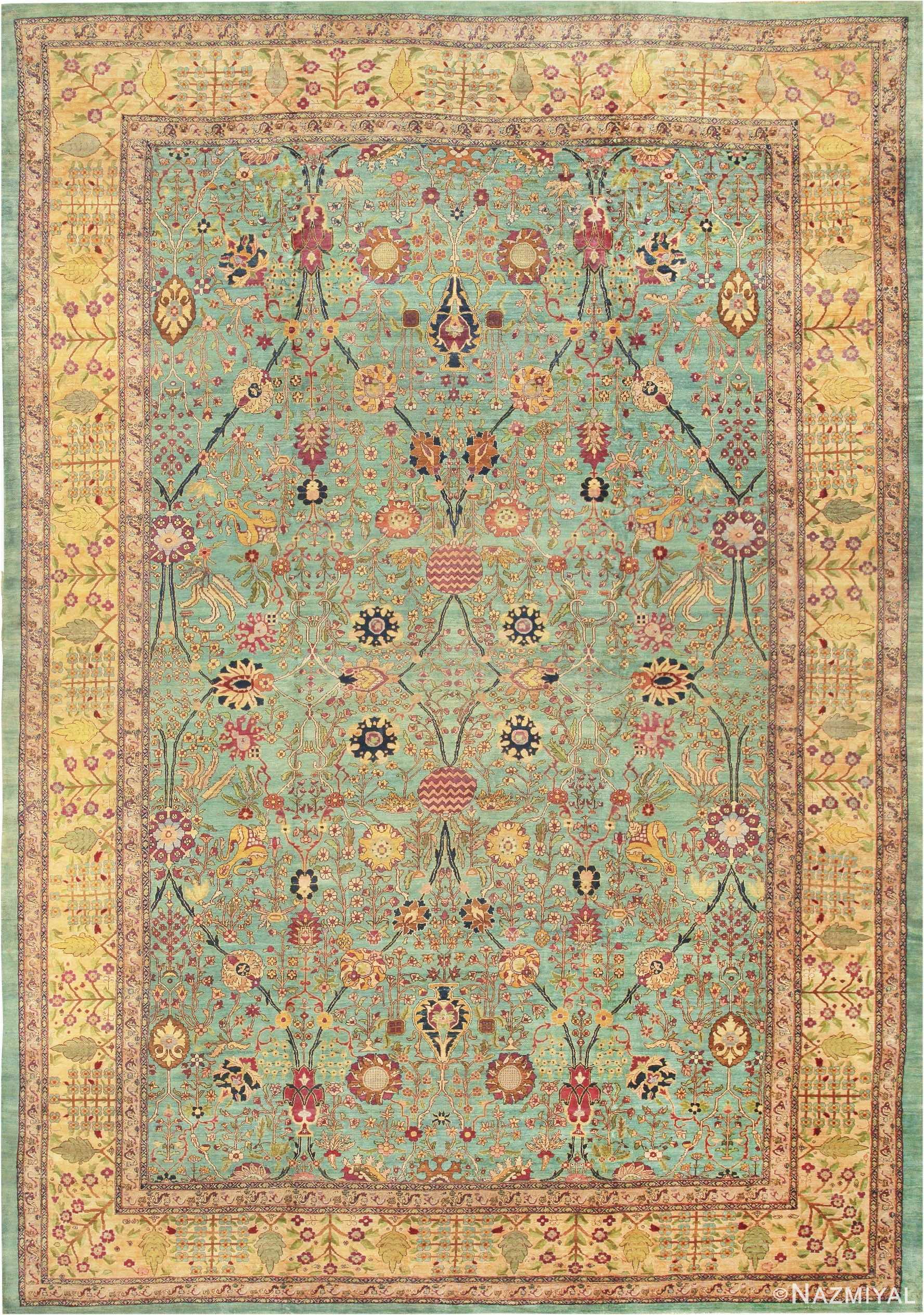
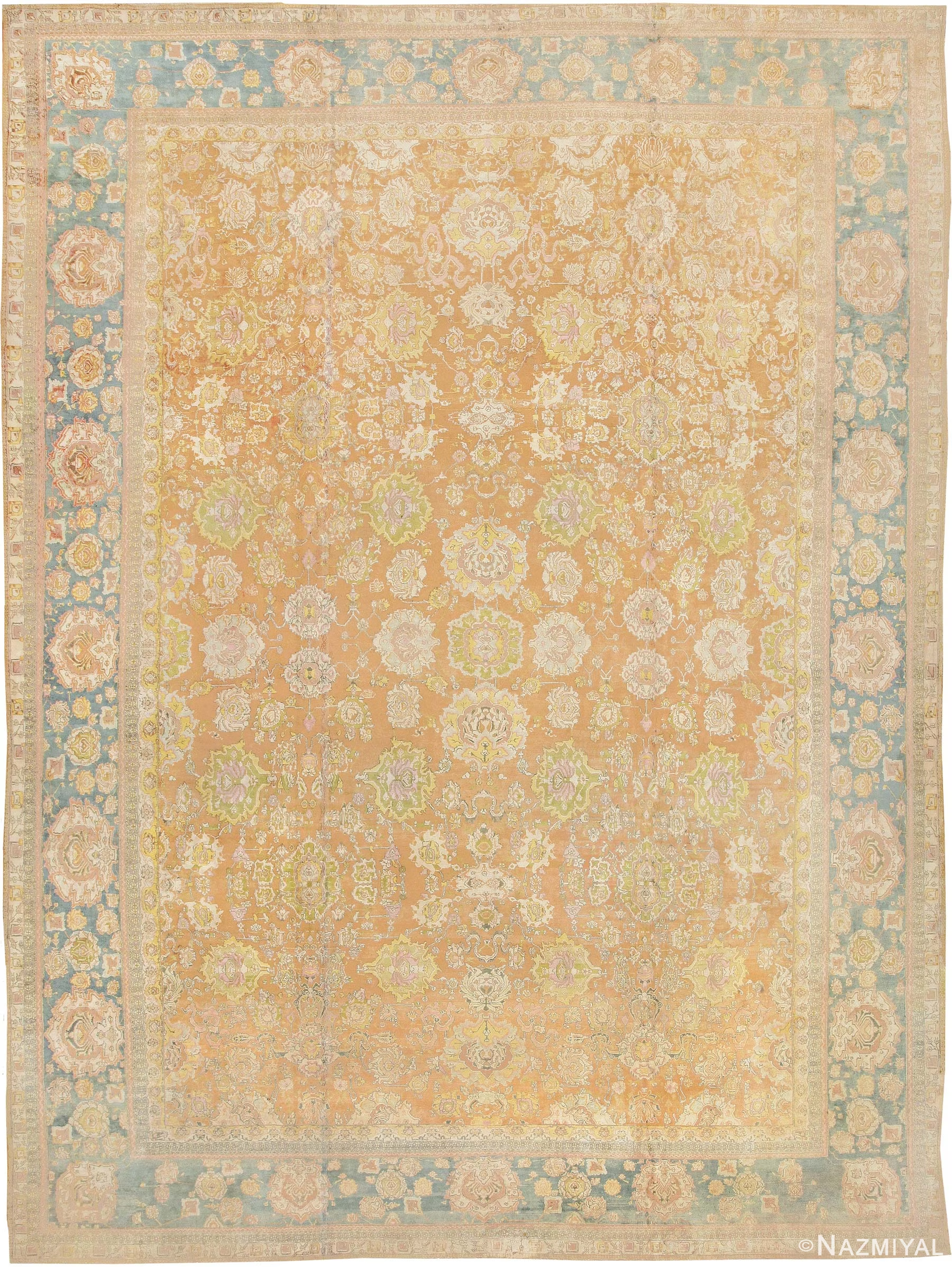
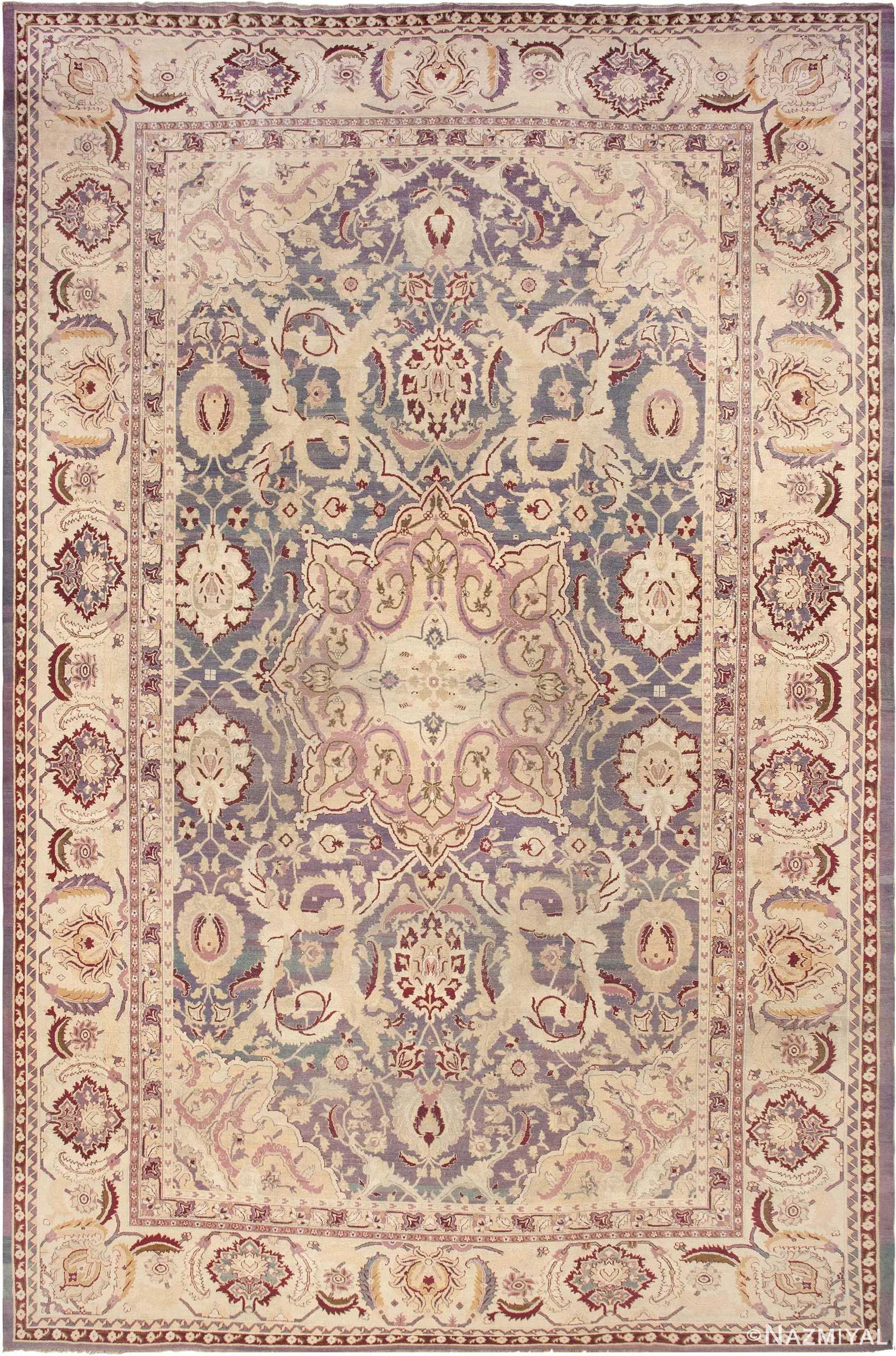
Indian rugs include hand-knotted carpets (Mughal-inspired workshop weavings, Agra, Amritsar, and related traditions) and flatwoven textiles such as dhurrie rugs. The best examples share a consistent “design logic”: motifs scaled to the room, borders proportioned to the field, and materials that support long-term use.
What to look for first
- Composition at scale: Indian carpets often use breathing room between motifs so the pattern reads cleanly from across a large room.
- Workshop clarity: confident drawing, stable borders, and repeats that feel planned rather than improvised.
- Structure: many knotted Indian rugs use wool pile on cotton foundations; dhurries are typically flatwoven (often cotton or wool).
- Condition integrity: edges, ends, and older repairs matter—especially on room-size and oversized formats.
Major Indian traditions you’ll see most
- Mughal rugs — court-inspired botanical drawing and disciplined pattern planning.
- Agra rugs — strong workshop presence and a decorative footprint that works especially well at room size.
- Amritsar rugs — often airier spacing and a softer decorative rhythm.
- Dhurrie rugs — flatwoven, modern-friendly options when you want clean geometry and easy living.
For region-first browsing (country → region → city), start with Worldwide. For a broader framework on how origin shapes structure and design language, explore Rug Origins.
Decorating & Placement
Indian rugs are a strong choice when you want a room to feel grounded without visual noise—especially in large living rooms, dining rooms, libraries, and open-plan layouts. You’ll also find Indian pieces throughout our Antique Rugs, Vintage Rugs, and Modern Rugs collections when you prefer to browse by era.
Size-first planning (recommended)
- Living rooms: aim for front legs on (minimum) or all legs on for a finished look.
- Dining rooms: size so chairs stay on the rug when pulled back.
- Bedrooms: choose full under-bed coverage or runners to frame the bed.
Helpful size hubs: Small Rugs, Room Size Rugs, Large Rugs, and Oversized Rugs. For measurement planning, use the Rug Size Guide.
Indian Rugs vs Persian Rugs
Indian and Persian rugs can live beautifully side-by-side, but they tend to “read” differently in a room—especially at scale.
| Origin | Indian rugs: made in India • Persian rugs: made in Iran |
|---|
| Typical design feel | Indian rugs: spacious botanical drawing and calm workshop rhythm • Persian rugs: wider range (city, village, tribal), often denser patterning in many types |
|---|
| Scale | Indian rugs: frequently room-size and larger • Persian rugs: found across every size, from small pieces to oversized carpets |
|---|
| Best for | Indian rugs: large rooms that need elegance without busyness • Persian rugs: shoppers who want Iranian regional variety and design language first |
|---|
If you’re exploring Iranian weaving traditions alongside India, browse Persian Rugs.
Closest Cousins
- Persian Rugs — a natural comparison point when you’re deciding between Indian workshop calm and Iranian regional variety.
Care, Cleaning & Longevity
- Rotate periodically for even wear (especially on large carpets).
- Use a quality rug pad to reduce abrasion and improve comfort.
- Vacuum regularly on a gentle setting; avoid aggressive treatment of fringes and ends.
- Blot spills immediately (do not rub) and avoid DIY chemical spot treatments on older pieces.
For professional support, see Rug Cleaning and Rug Repair & Restoration.
Glossary Strip
- Mughal: court-era Indian design language known for refined botanical drawing and disciplined pattern planning.
- Dhurrie: an Indian flatwoven rug (often cotton or wool) prized for clean geometry and practical use.
- Indo-Persian: rugs woven in India with Persian design language (a common point of overlap for collectors).
- Workshop carpet: a rug planned and produced with higher design control, often intended for larger, formal interiors.
For more terminology, see the Rug Glossary (A–Z).
Frequently Asked Questions
Are Indian rugs hand-knotted?
Many Indian rugs—especially Mughal, Agra, and Amritsar traditions—are hand-knotted. Dhurries are typically flatwoven. Always confirm structure and materials when comparing pieces.
What are Mughal rugs?
Mughal rugs are court-inspired Indian carpets known for refined botanical motifs, disciplined drawing, and an elegant “garden-like” sensibility.
What’s the difference between Agra and Amritsar rugs?
Agra rugs often emphasize workshop authority and scale with strong decorative presence, while Amritsar rugs frequently feel airier with more open spacing between motifs and a softer rhythm.
Are dhurries considered Indian rugs?
Yes. Dhurries are a major Indian tradition and are collected for clean geometry, practicality, and modern-friendly style.
Do Indian rugs work in modern interiors?
Yes—many Indian carpets have calm spacing and sophisticated palettes that pair well with modern architecture and clean-lined furniture.
How do I choose the right size?
Start with the furniture footprint and walking lanes first, then use the Rug Size Guide to confirm margins and placement before selecting a pattern.
Why Nazmiyal Collection? 3 Pillars of Nazmiyal Collection
When you’re considering an early carpet from the 1600s, expertise and accurate representation matter as much as beauty.
- Unmatched Inventory Depth: access to rare early rugs across origins and formats.
- Rigorous Authenticity Standards: expert-vetted and accurately represented pieces.
- Expert Advisory: real guidance on size, placement, and long-term stewardship.
Nazmiyal White-Glove Service
We make it easy to shop with confidence—whether you’re choosing a single statement piece or curating a full room.
Nazmiyal Collection has been a trusted source for antique rugs and vintage carpets for over 45 years. Our NYC gallery curates one-of-a-kind pieces with an emphasis on authenticity, provenance, and lasting decorative value.
Need help? Call us at (212) 545-8029 or visit our New York City showroom to work with a rug expert.

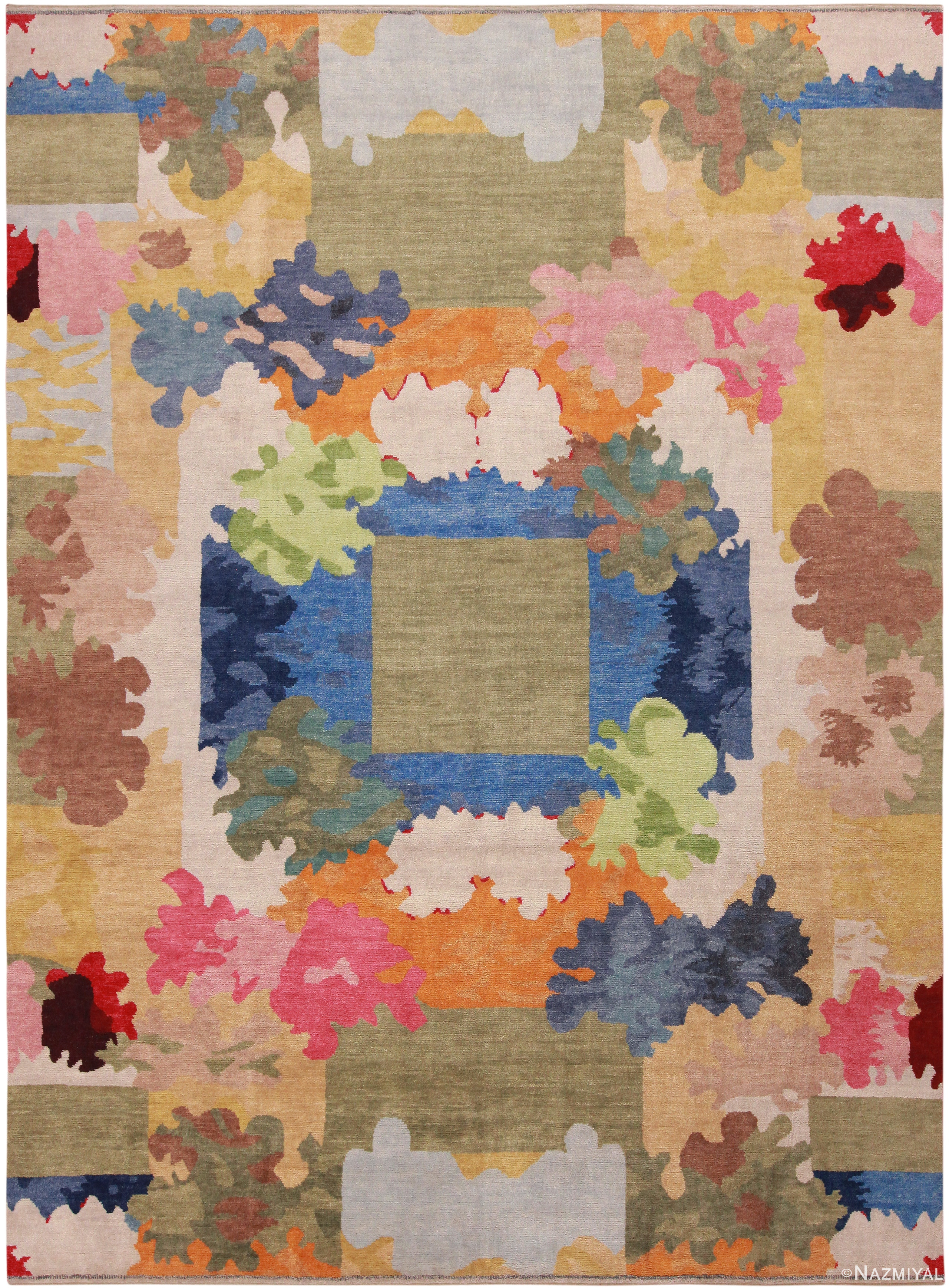
 Size: 9 ft x 12 ft (2.74 m x 3.66 m)


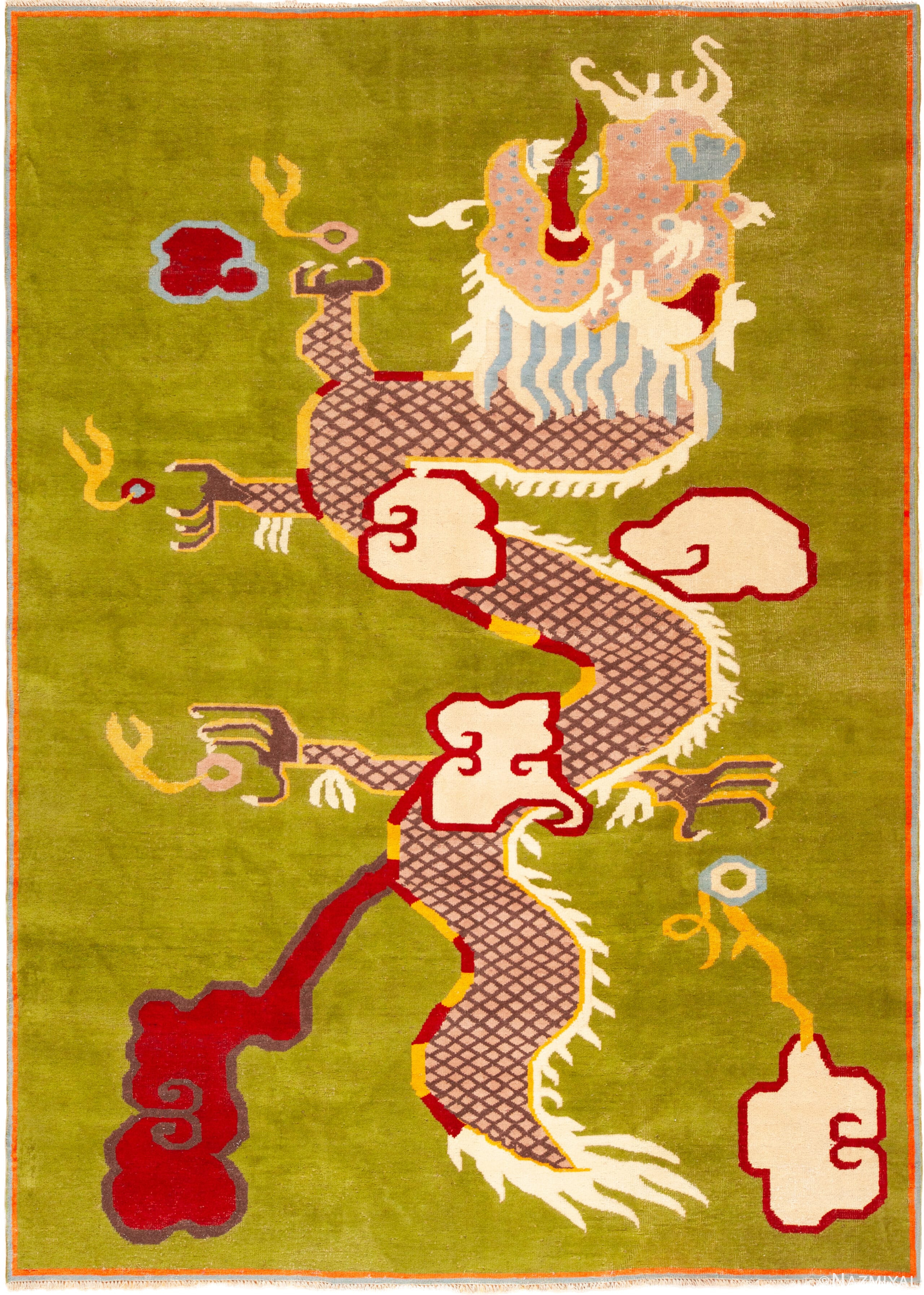
 Size: 7 ft 1 in x 10 ft (2.16 m x 3.05 m)
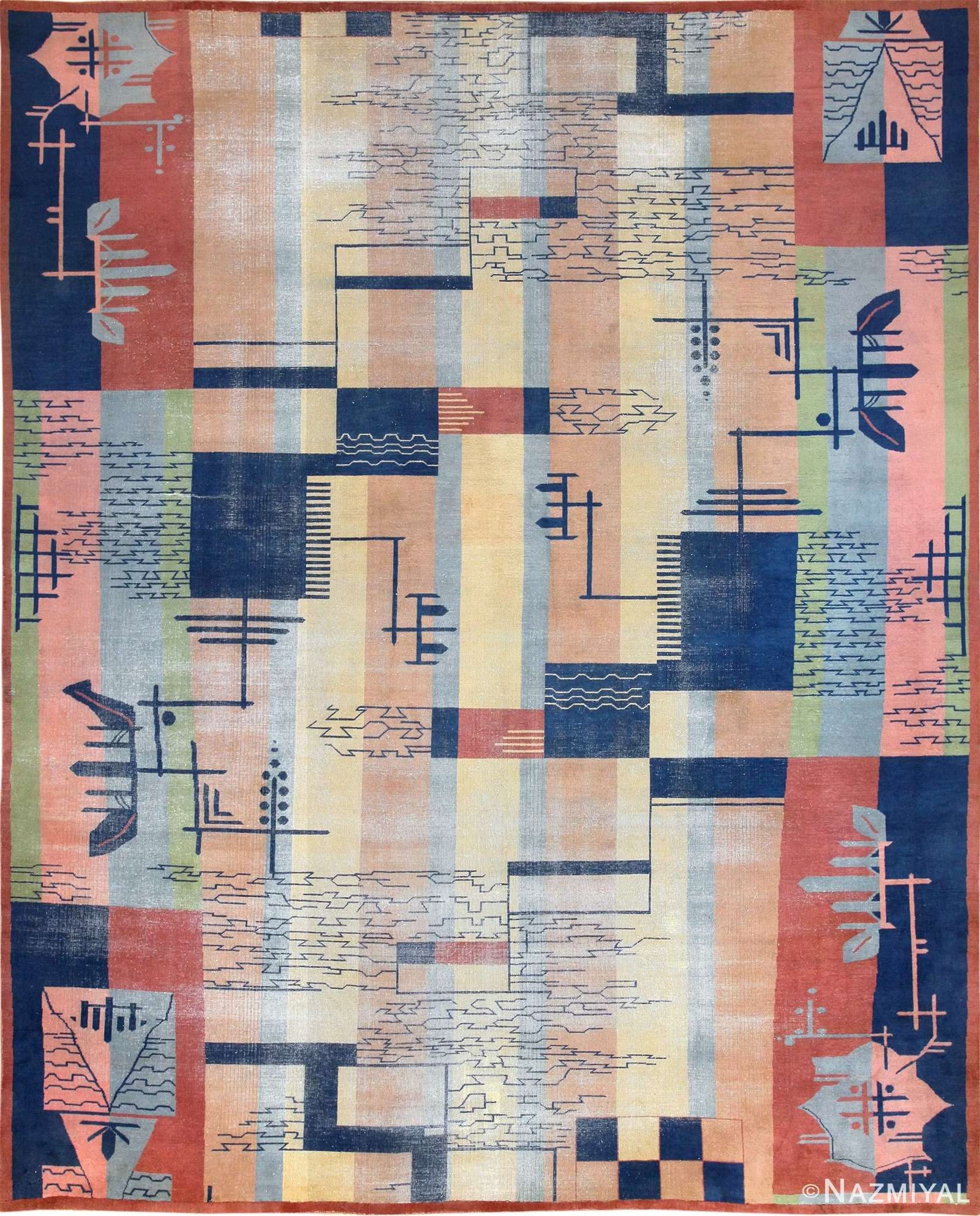
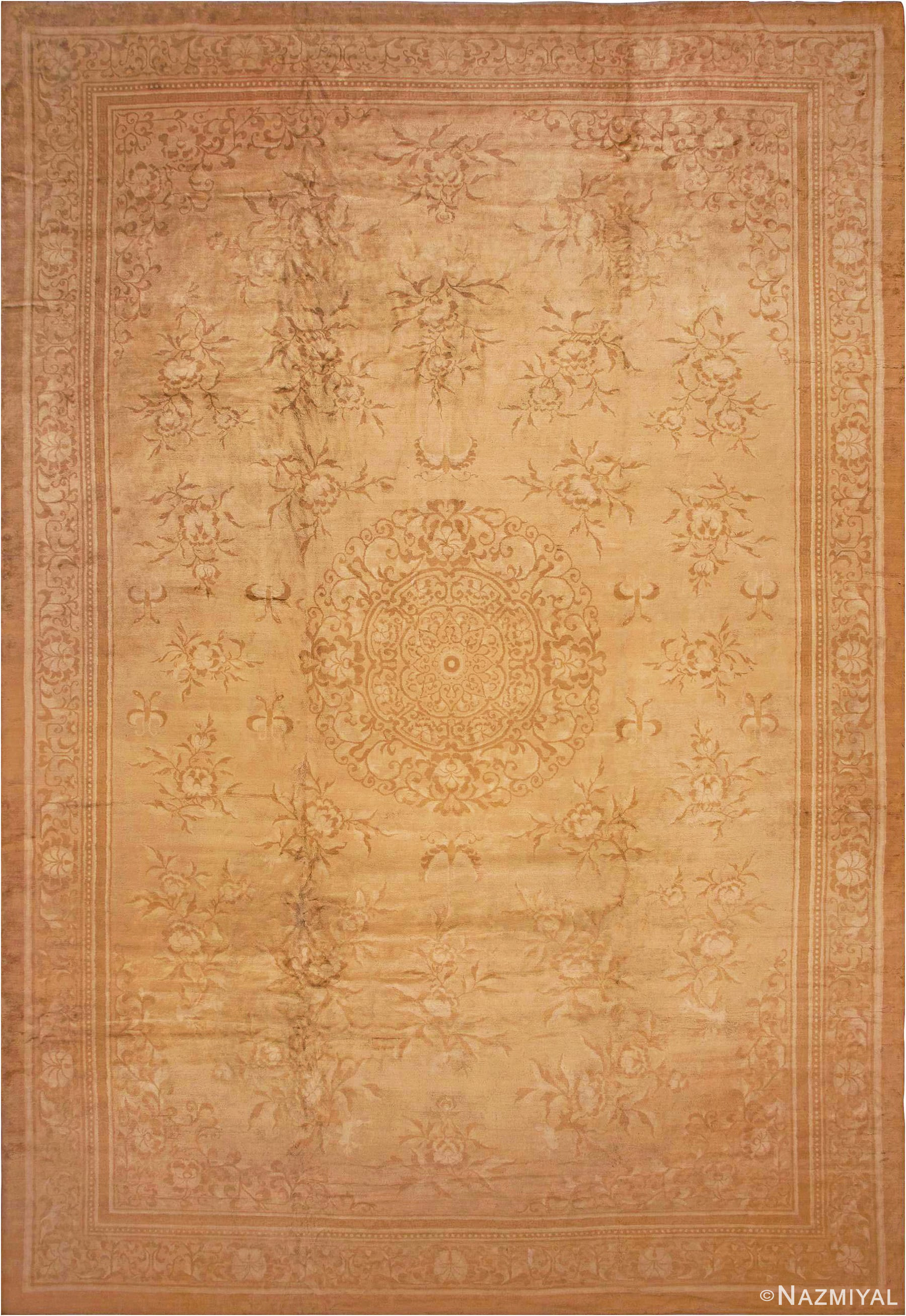
 Size: 12 ft 4 in x 15 ft (3.76 m x 4.57 m)
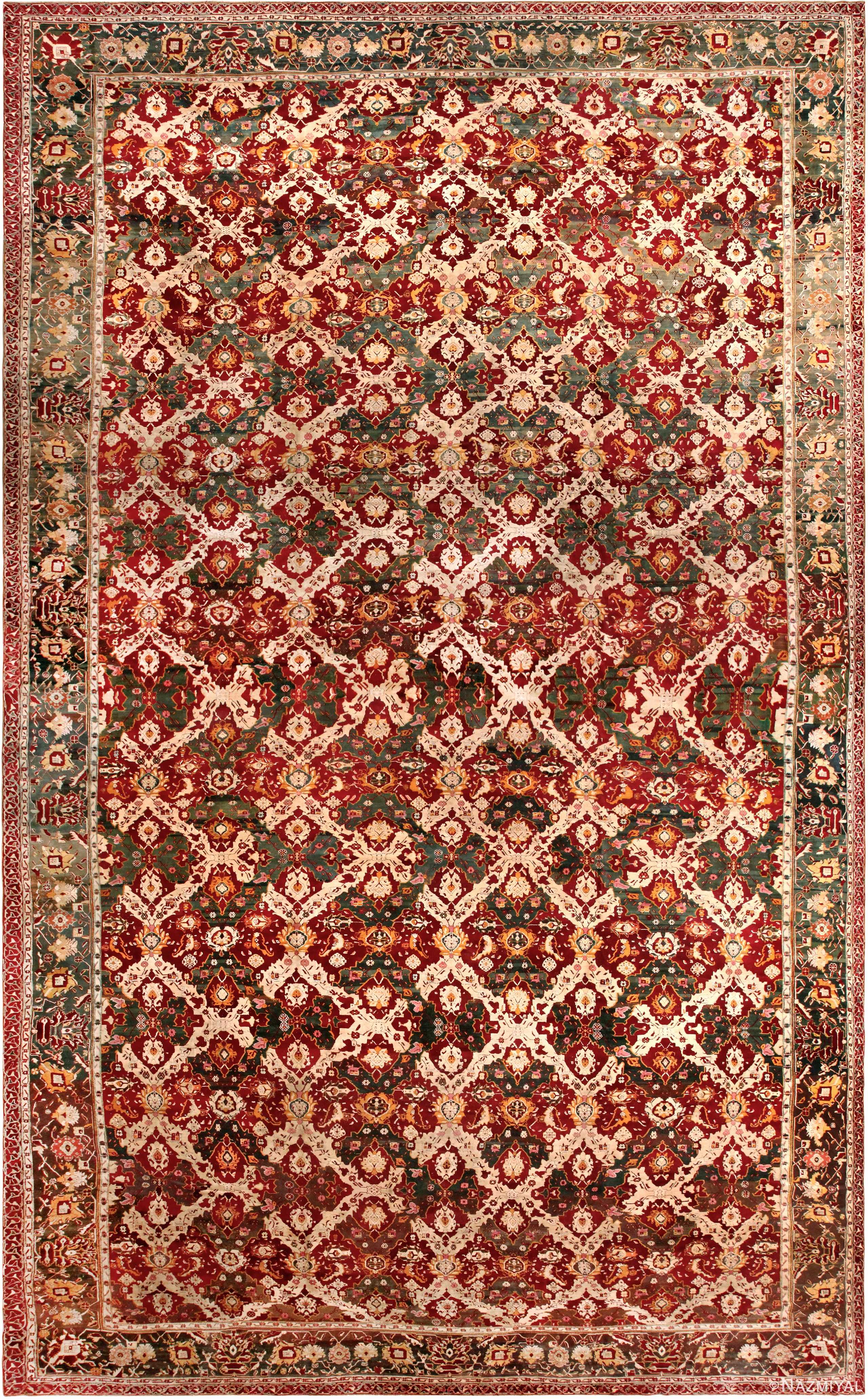
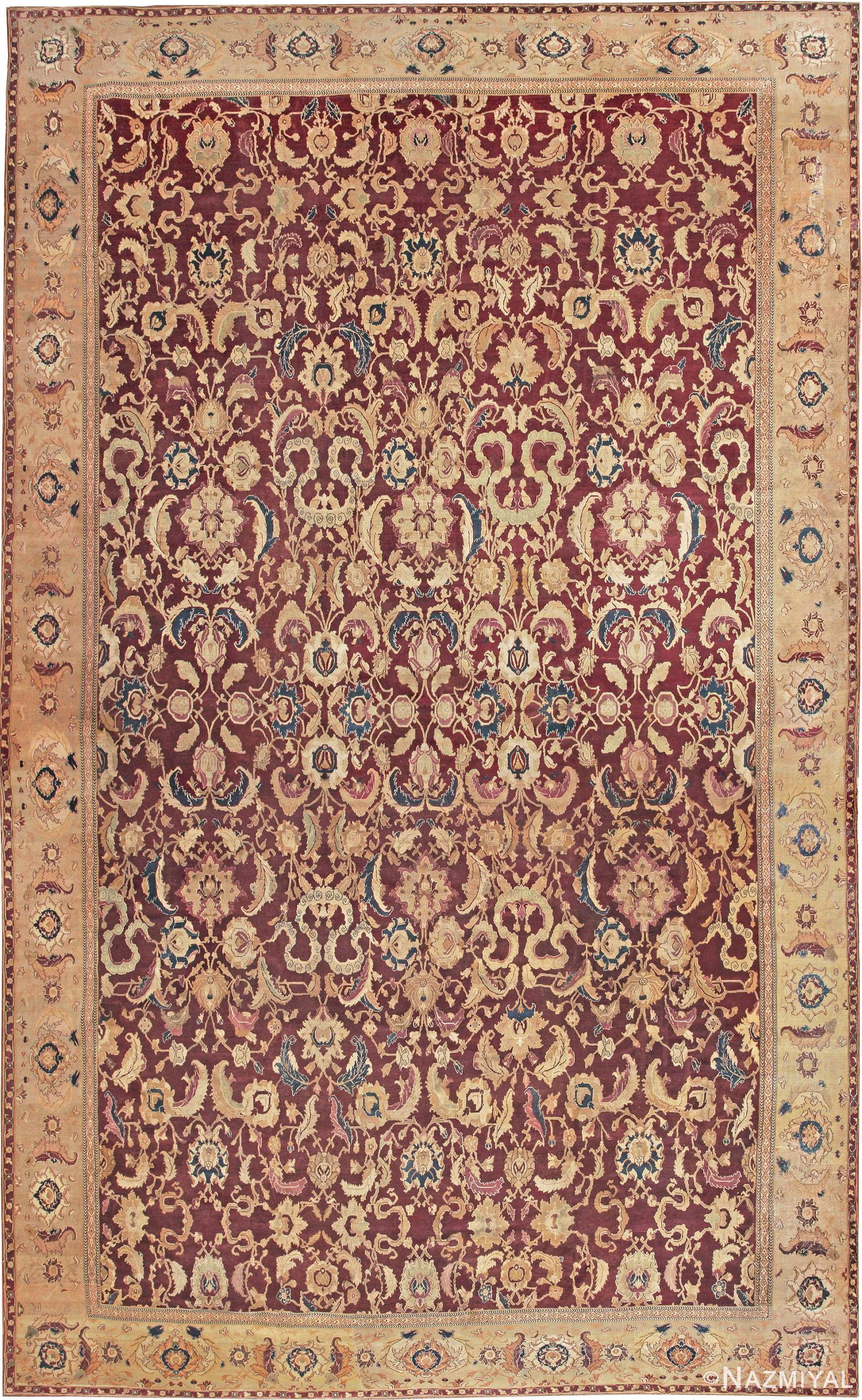
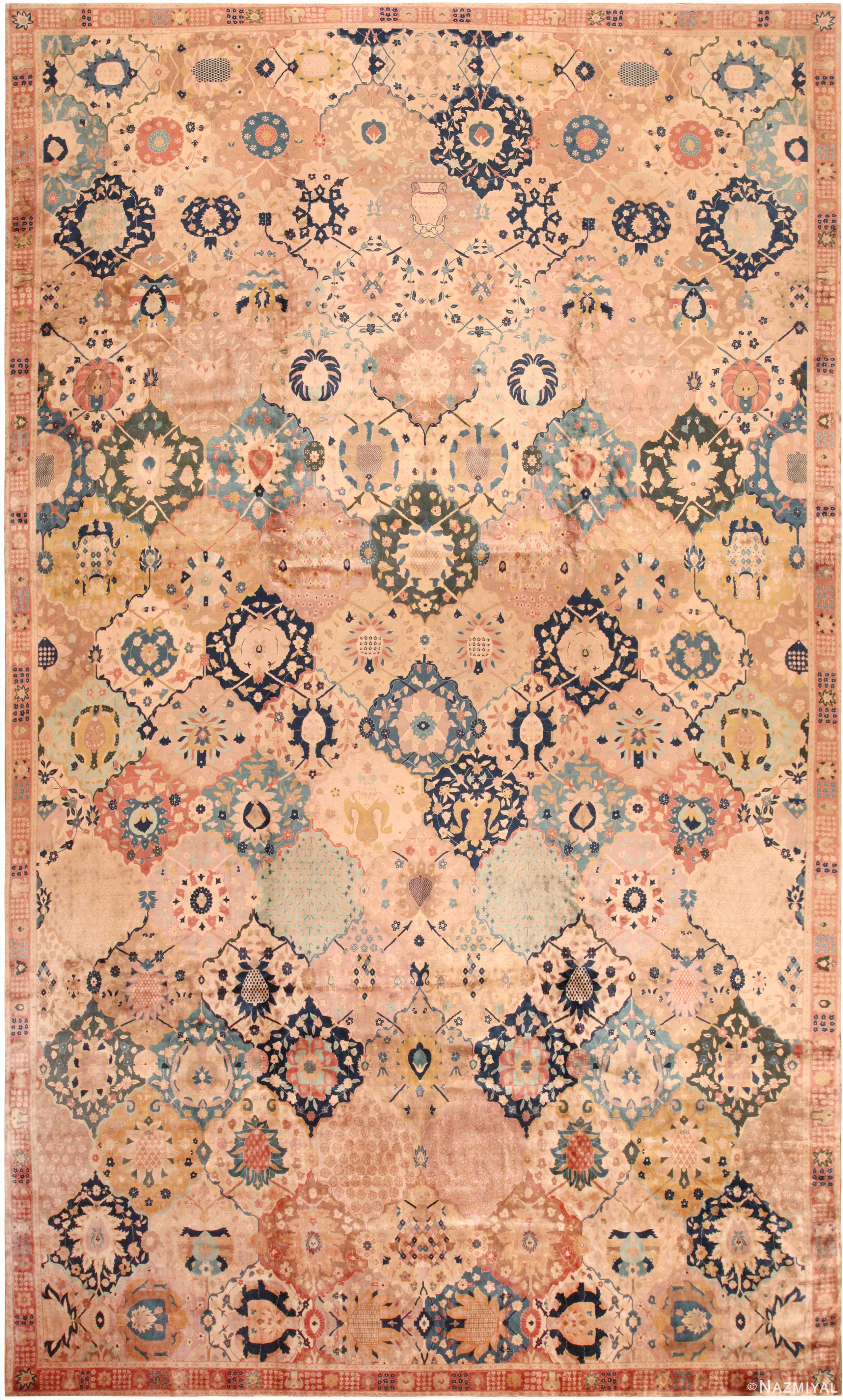
 Size: 18 ft 2 in x 30 ft 10 in (5.54 m x 9.4 m)
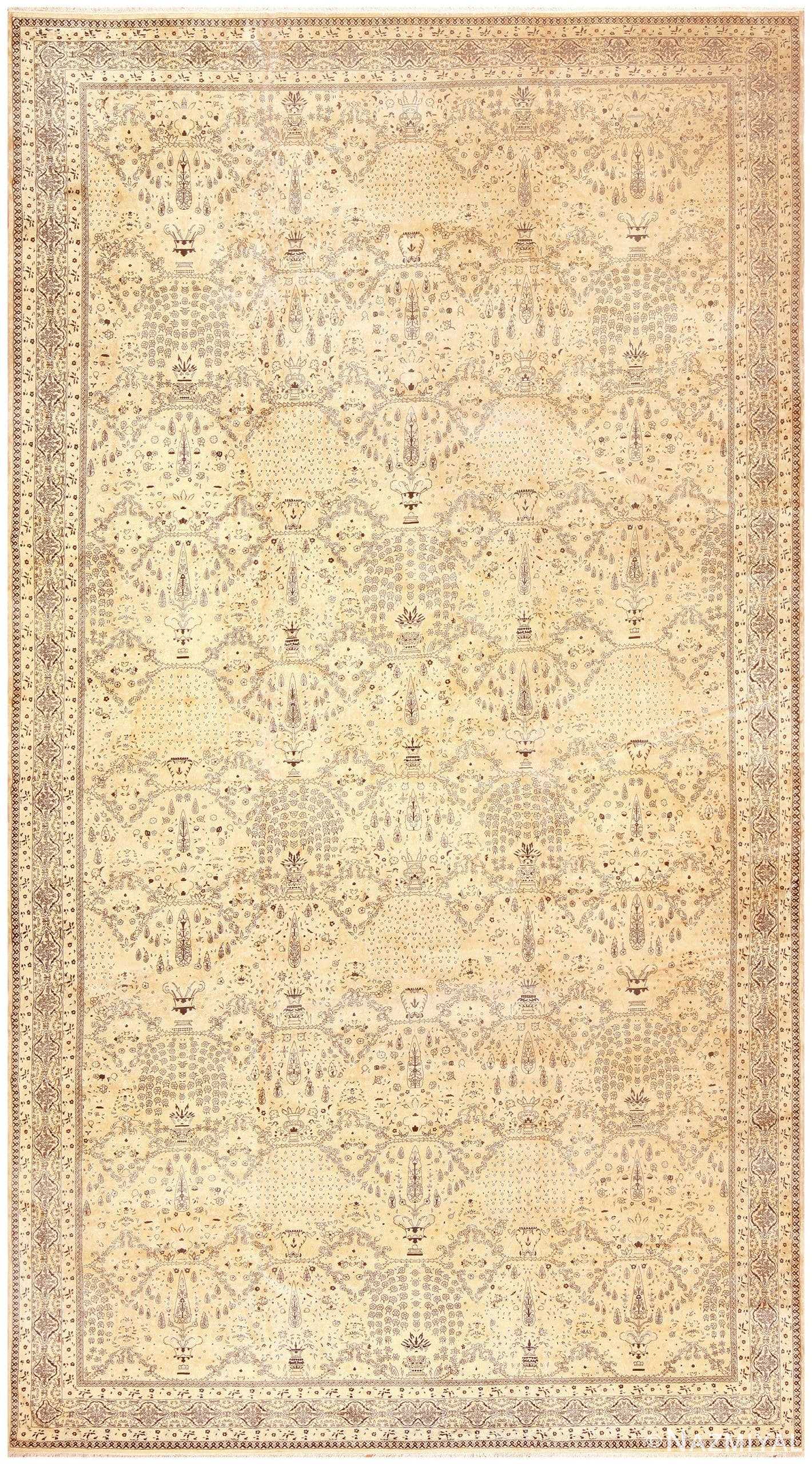
 Size: 16 ft x 29 ft 6 in (4.88 m x 8.99 m)
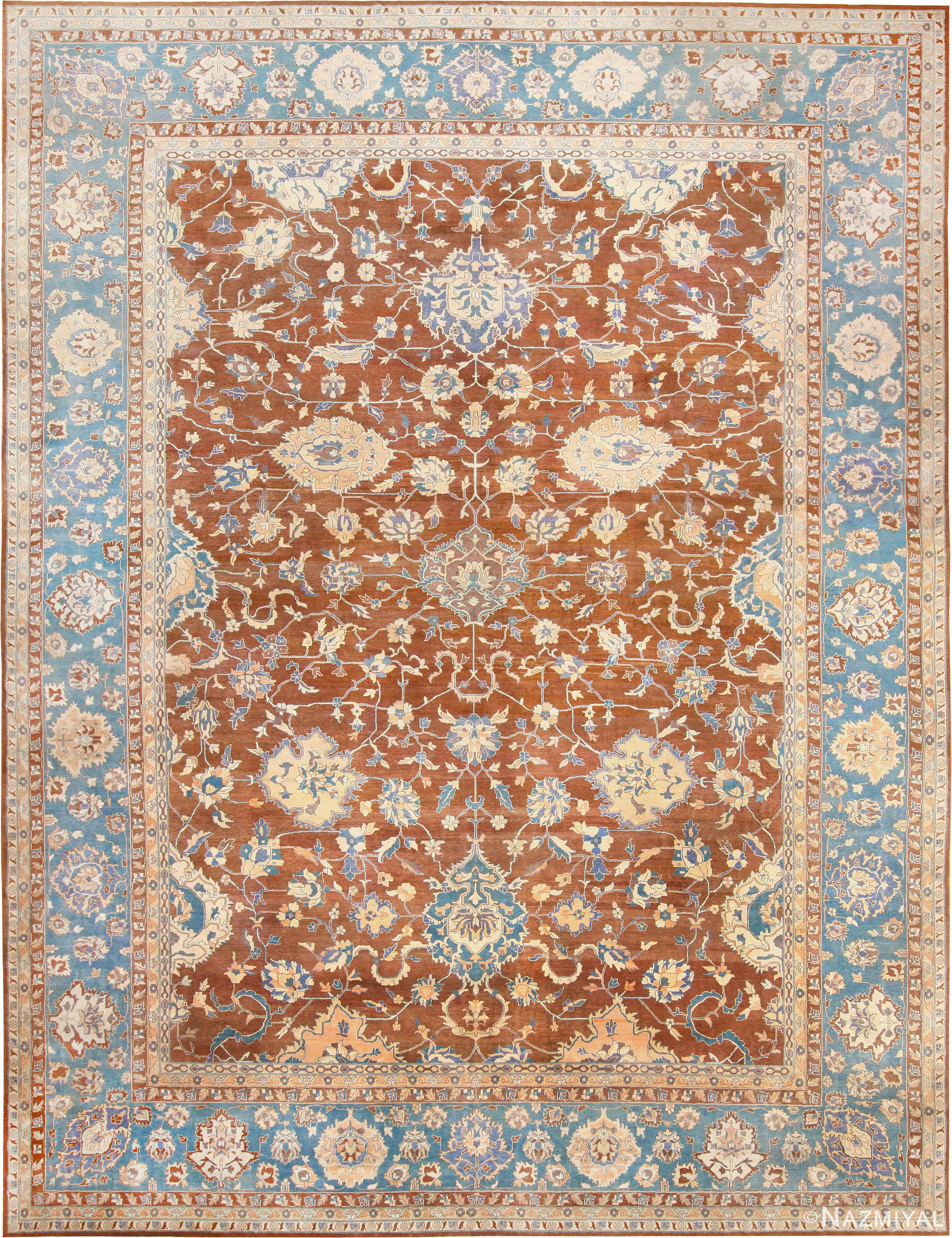
 Size: 20 ft 8 in x 26 ft 8 in (6.3 m x 8.13 m)
 Size: 4 ft 6 in x 26 ft 6 in (1.37 m x 8.08 m)
 Size: 13 ft 2 in x 26 ft (4.01 m x 7.92 m)
 Size: 16 ft 10 in x 25 ft 6 in (5.13 m x 7.77 m)
 Size: 15 ft x 24 ft 9 in (4.57 m x 7.54 m)
 Size: 9 ft x 24 ft 8 in (2.74 m x 7.52 m)
 Size: 14 ft 9 in x 24 ft 6 in (4.5 m x 7.47 m)
 Size: 15 ft 10 in x 24 ft (4.83 m x 7.32 m)
 Size: 11 ft 8 in x 23 ft 8 in (3.56 m x 7.21 m)
 Size: 15 ft 2 in x 23 ft 8 in (4.62 m x 7.21 m)
 Size: 15 ft 10 in x 23 ft (4.83 m x 7.01 m)
 Size: 12 ft 10 in x 22 ft 6 in (3.91 m x 6.86 m)
 Size: 2 ft 4 in x 22 ft 5 in (0.71 m x 6.83 m)
 Size: 15 ft 10 in x 22 ft (4.83 m x 6.71 m)
 Size: 14 ft x 20 ft 10 in (4.27 m x 6.35 m)