Both important elements of historical Scandinavian design, rya rugs and rag rugs each have distinct characteristics and places in history. Rya rugs are an ancient textile, originating as strictly utilitarian items that transitioned to rugs over time. Rag rugs were once a symbol of status before becoming a popular thrifty alternative carpet in traditional Nordic homes.
Both have unique textures and design elements dependent on their very different construction methods. Their geographical similarities made it so that both had similar practical qualities regarding insulation though one excelled in this over the other. What were their differences? How did their construction methods relate? What are the benefits of either? And how far back do their histories date?
Rya “Ryijy” Rugs
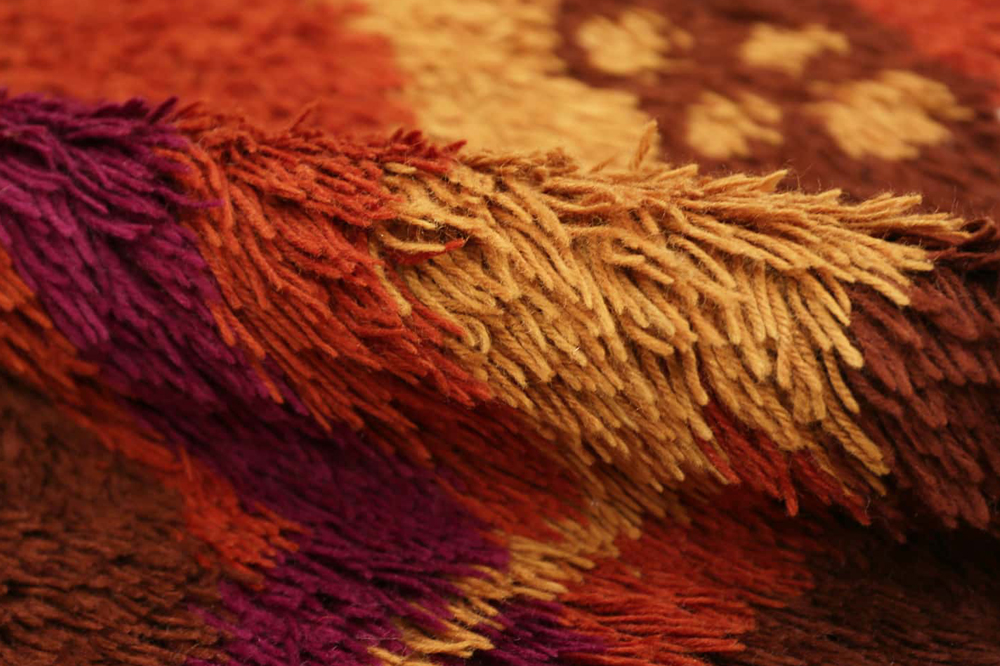
Rya, or ryijy textiles, are an ancient form of Scandinavian textile dating back to the middle ages and originally made as functional items rather than aesthetic decorative ones. They are characterized by a particularly long pile, about 1-3 inches. Vikings were largely responsible for their origins, traversing oceans and bringing back with them textiles from the Ottoman and Byzantine Empire. This is probably the reasoning behind rya rugs’ use of the Ghiordes, or Turkish, knot.
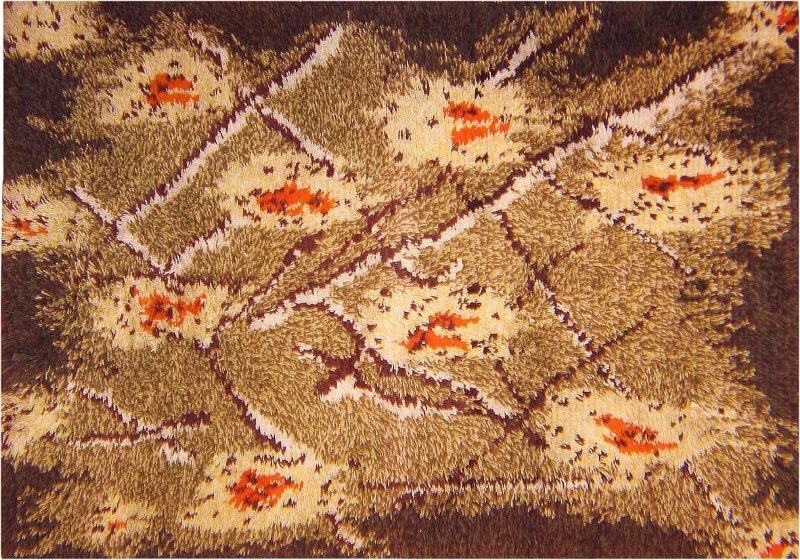
Ryas were originally used by sailors, fishermen, and seal hunters, who needed some form of protection from the frigid waters. Animal hides weren’t washable, and would stiffen when wet, making hand-knotted wool textiles an ideal alternative. Above all else, warmth was the goal. Eventually, these fabrics were adopted into homes, no longer exclusive to mariners. They began as bed coverings with their long piles meant to face inward, providing the body with warmth. Their construction intentionally simulated fur, with wool picked directly from sheep without spinning. Early ryas kept the original colors of the wool they were made from and rarely had designs. When they did have patterns, they were simple geometric shapes, unconcerned with the aesthetics of the textile.
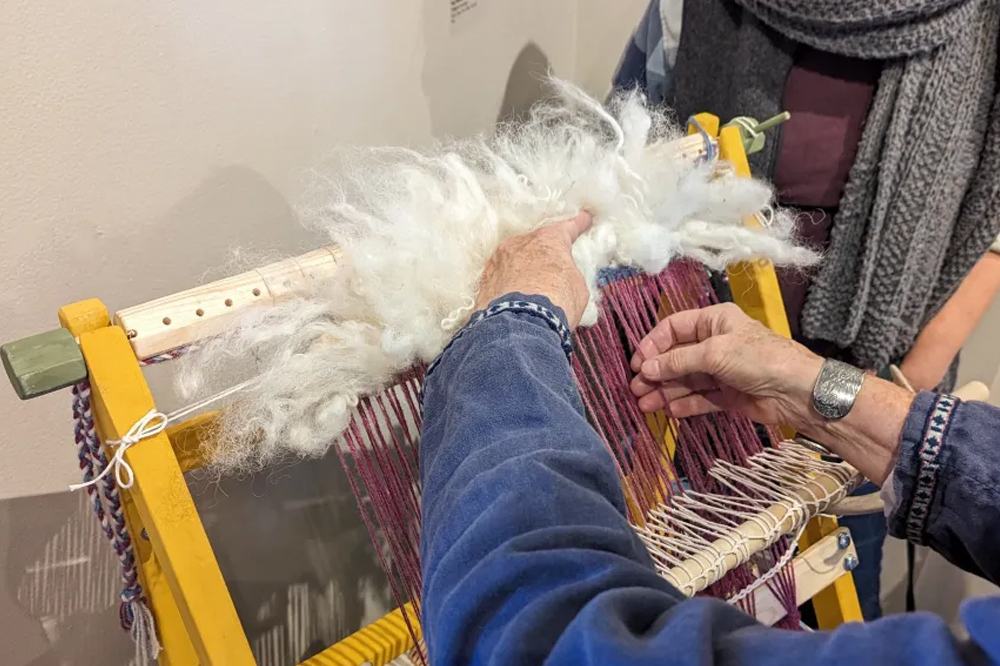
Over time, a culture formed around ryas. In the late 1600s, a new kind of rya was born. Inspired by Baroque floral patterns, these ryas had shorter piles and a greater emphasis on display and design. The pile side of the ryas would be placed facing outward instead of in and they slowly became less and less utilitarian. They were often used as matrimonial items, part of a bride’s dowry and present in wedding ceremonies as prayer rugs. They were then kept like tapestries and displayed in homes as marriage mementos, and eventually familial heirlooms.
Märta Måås-Fjetterström
Possibly one of the most important contributing factors to today’s market demand for rya rugs is Märta Måås-Fjetterström. She was a Swedish textile artist in the early 20th century. Fjetterström is responsible for a resurgence in Nordic traditional art as she combined historic design conventions with modernist trends. An important figure in women’s history, Fjetterström helped bring attention to the importance of weaving as an artform, a traditionally feminine task in rural Europe.

Making her way from an arts and crafts school in Stockholm to eventually opening her own weaving studio in Båstad, Fjetterström was a prolific weaver. She exhibited much of her work, making a name for herself and the rugs produced in her studio. She is credited with the repopularization of the röllakan technique as well, a form of ancient Scandinavian flatweave. The innovative combination of historical tradition and modern design trends gave her a place in Scandinavian art history.
Rag “Trasmatta” Rug
Trasmatta in Swedish, rag rugs were a thrifty style of floor covering, once owned primarily by the wealthy and later becoming common-place. It’s only been fairly recently that cloth and fabric has become so readily available. It used to be a precious and expensive material, one that nobody wanted to waste. This meant that scraps of cloth were always reused until they literally couldn’t be anymore. Worn out textiles were never thrown away. Instead they were used to mend other fabrics in patches or used to make quilts. Curtains, bedding, clothing, and other textiles were all reused.
In the 1700s to early 1800s fabrics were also important to paper production, as the process to make paper used cotton and linen fiber pulp. There were even Cloth Merchants at one point, traversing the Scandinavian countryside to buy discarded textiles to then resell to the paper industry.
Because cloth was considered so valuable, rugs really were not common among regular people. It seemed a waste to ruin fabric by walking all over it, especially when most people owned homes with clay floors rather than wood ones. Rag rugs became a staple of wealth for this reason. Only those that could afford to “waste” fabric had them. They were usually displayed as floor coverings for social events, meaning their owners needed to have the extra room to host guests, something that peasants couldn’t do. This made the rag rug an ironically thrifty symbol of social status.
A Shift in Popularity
There were a couple of different factors that contributed to the spread of the rag rug trend in the mid-1800s. The first was an important change in the paper industry’s methods of production. Wood based pulp had replaced the fiber pulp once needed, making cloth something families were more likely to keep. Weaving became easier to learn as a practice as well. It was a coveted skill that often meant extra income, and something traditionally passed down from mother to daughter. During this time, however, weaving classes were established as well as pattern books to help learn how to create different designs.
The biggest reason was the rise of industrialization. Textiles were suddenly much more accessible to regular people, as were many other products. It was an economic boom that led to more money and better living conditions. People who once lived in clay-floor houses with little space could afford to upgrade to cottages with several rooms. The finrum, or “parlor”, was a social space that became much more common in every-day homes giving rag rugs a proper place. Their rise in popularity among the lower class could also be attributed to many girls of these backgrounds observing the interiors of the wealthy they so often worked for, borrowing the idea of the rag rug from rich households.
The Historical Benefits of the Rag Rug
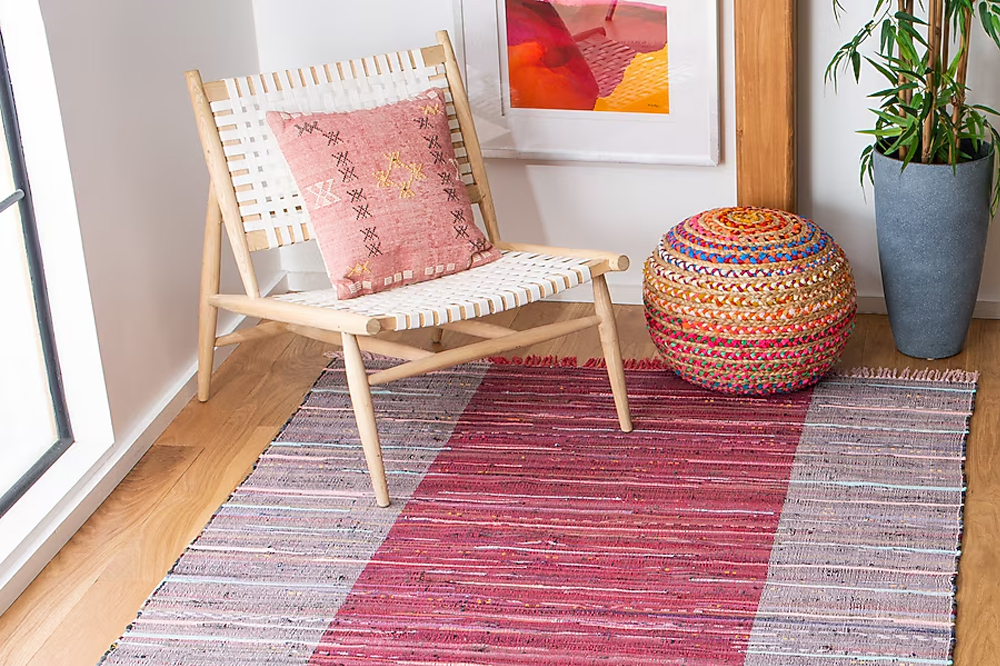
Rag rugs were not just popular for their aesthetic appeal. They actually served the household in a few different utilitarian ways. For one, they were obviously much more comfortable to walk on than the floor. But that wasn’t all. They were used for general warmth in the home, placed strategically to seal any gaps and protect interiors from the cold drafts of Scandinavian winters. They also made cleaning much easier. Floors weren’t getting nearly as dirty anymore, and scrubbing at them was no longer as time consuming. Fabrics, generally, were easier to clean, taken to rivers for washing.
Sustainability and Ethics
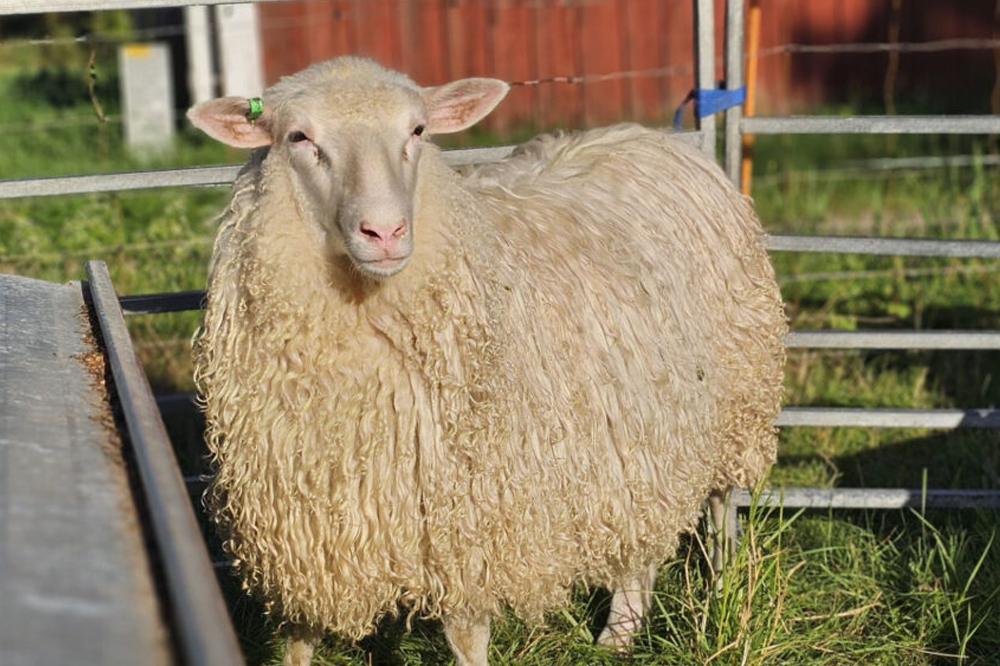
Both rya and rag rugs are great examples of sustainable textilework. One of the biggest contributing factors to what makes a rya rug a rya rug is its construction and materiality. Sourced from the ryafår sheep of Sweden. Their strong and lengthy wool is primarily responsible for the pile texture of rya rugs. Because the construction is reliant on a natural fiber, both the process of making modern ryas and their material source have low carbon footprints. Ryas are historical pieces, and the use of vintage or antique pieces is a sustainable practice as well. Synthetic fibers, though vegan, are plastic based and not considered as eco-friendly.
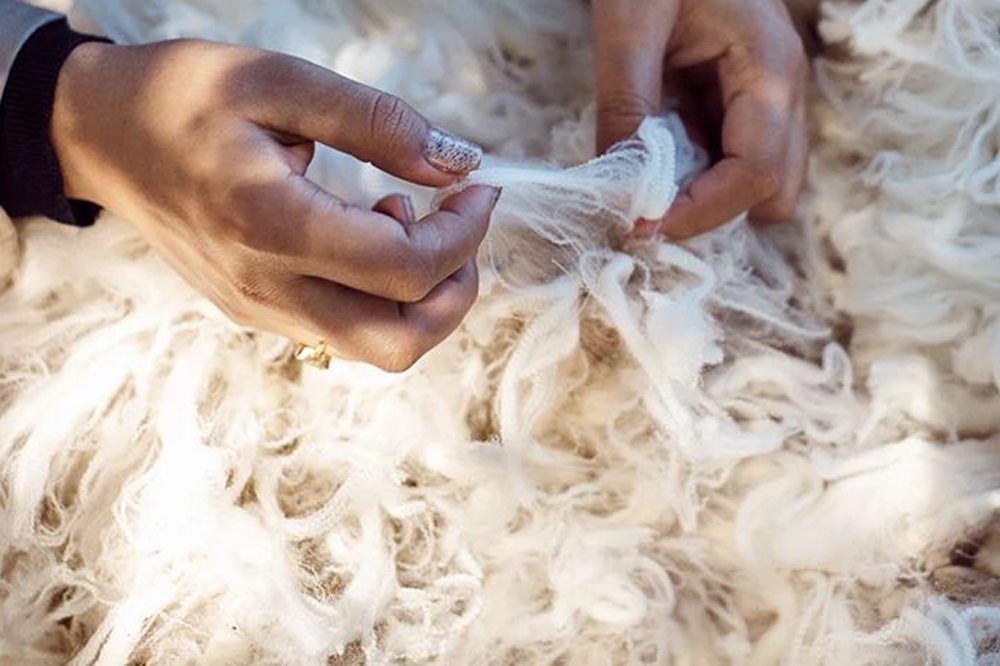
Rag rugs are still popular today, both for their folky charm and because they provide an ethical alternative in terms of decorative home accessories. They’re a very thrifty option of textile, as they are quite literally made up of reused fabrics. Centuries before the conception of a “zero waste” practice, rag rugs were already an exemplary standard for this method. On top of repurposing scraps of fabric, the fibers are traditionally cotton or linen, both natural and biodegradable. Rag rugs are an excellent textile for those mindful of environmental impact.
A Spectrum of Textures
Both rya and rag rugs represent interesting points in the spectrum of Scandinavian texture. On the one hand, rya rugs are what you think of when taking into consideration the Nordic cold. Long wool piles, originating as bed coverings and over time transitioning to rugs. Ryas are shaggy textiles that only became an aesthetic item later in their history. Apart from just not being a priority, the length of their pile made it difficult to depict clear designs, with weavers opting for simple geometric shapes and abstract patterns.
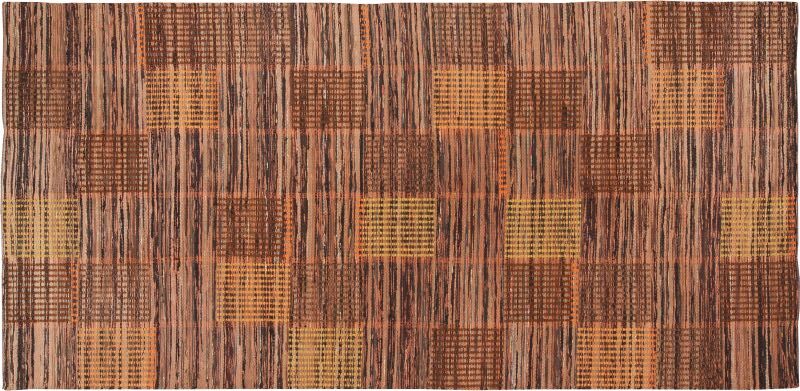
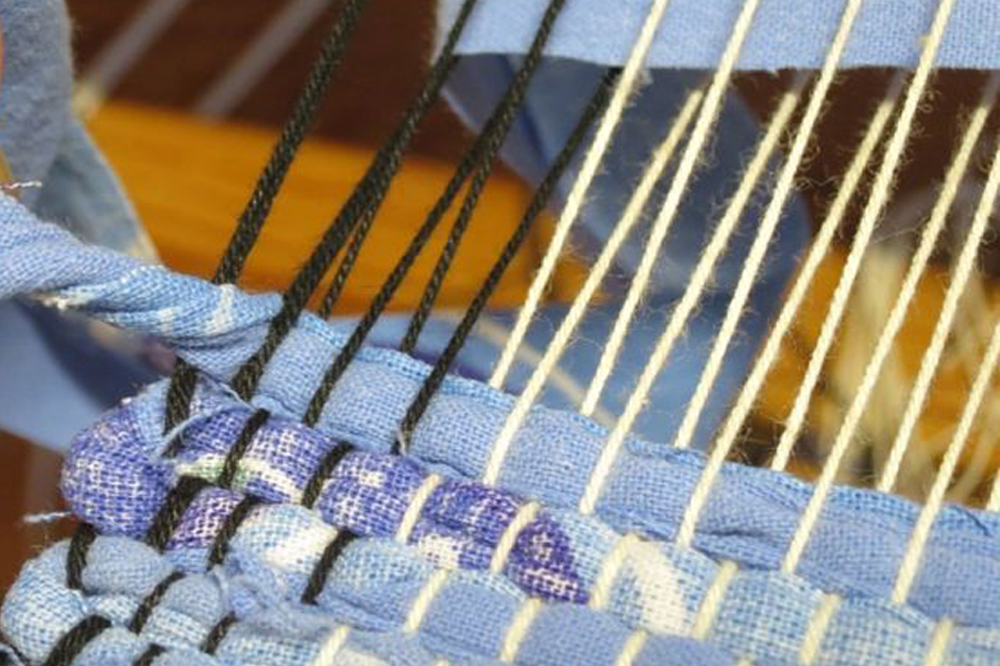
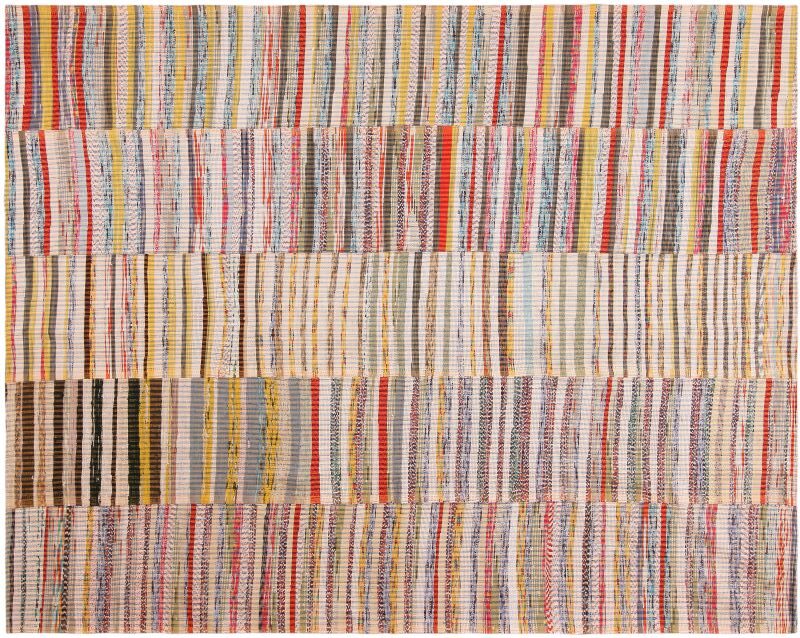
Rag rugs, on the other hand, have a different texture complication affecting its design. Unlike ryas, rag rugs are typically flat and light. Their construction method is not made up of large swaths of fabric sown together in a patchwork, but rather long even strips all interwoven. This makes for an interesting final product, both in design and in feel. With historical rag rugs made up of whichever fabrics were around, there wasn’t really a whole lot of forethought put into color combinations. Rag rugs were often a spontaneous array of colors, a charming collection of fibers each with their own personal histories. While these pieces were usually cotton or linen, their textures were not always guaranteed, resulting in uneven surfaces.
Final Thoughts
Rya and rag rugs both represent two very different but equally important Scandinavian textile art forms. Both in their construction and aesthetic, these floor coverings hold distinct histories and uses. Ryas are an older form of rug work, originally for mariners and serving as bed coverings. They have long piles and prioritize warmth above aesthetics, though that changed over time. Rag rugs were a marker of wealth, typically owned by those who could afford to “waste” fabrics, until industrialization aided in its popularization among common-folk. They are a highly sustainable form of floor covering, as they are made up of reused fabrics.
- Both rya and rag rugs are important Scandinavian textiles
- Ryas are older and more utilitarian (made for warmth)
- Ryas have long piles and were originally bed coverings
- Rag rugs began as markers of wealth
- Industrialization popularized rag rugs for the lower class
- Rag rugs are made of reused fabrics
Frequently Asked Questions
Are rya rugs older than rag rugs?
Yes, rya rugs are much older. Their origins date back to the time of the Vikings in the middle ages.
What is the main difference between ryas and rag rugs?
Rya rugs were originally meant solely for warmth and are made from wool with a long pile. Rag rugs are traditionally made from reused cotton and linen strips.
What makes ryas and rag rugs a sustainable option?
Authentic rya rugs are sustainable in that they are completely naturally made and biodegradable. Rag rugs are uniquely sustainable because their construction is based on reused fabrics.
Where can I find authentic rya rugs and rag rugs?
The most dependable way to find authentic ryas and rag rugs is through trusted collectors. The Nazmiyal Collection offers a variety of both.