Published April 6, 2026 • Updated September 4, 2026 • Reviewed By Jason Nazmiyal
With over 45 years of experience working with collectors, decorators, and interior designers, Nazmiyal is well adept to cyclical design preferences. In 2026, clients are moving beyond the flat beige interiors that dominated the 2010s and asking again for color, pattern, texture, and rugs with individual character.
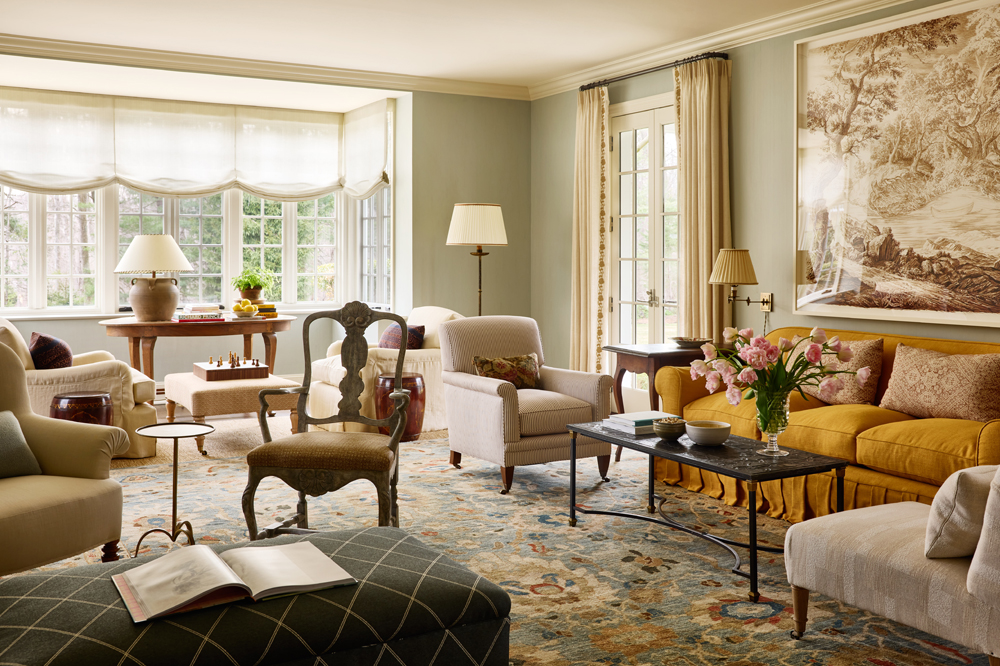
The biggest rug trend in 2026 isn’t a single color or style. It’s a broader shift in how interiors are being put together. Our design clients have been moving away from rooms that feel flat, over-edited, or too generic. Instead, they’re asking for rugs that bring texture, character, warmth, and a sense of lived-in individuality.
That is why antique, vintage, and certain modern rugs are gaining attention in a new way. A strong rug is no longer just a finishing touch for a furnished room. It’s often the element that helps a room feel grounded, layered, and believable. In homes looking to project warmth and personality, the right rug can define the mood of the entire space.
This trend towards a more relaxed, authentic look is something that the Nazmiyal Collection has definitely taken notice of. Scandinavian Rugs, tonal Persian Rugs, and select Modern Rugs with painterly or abstract character are especially right for today’s interiors.
What the 2026 Rug Shift Really Means
The rug conversation in 2026 is really part of a bigger interior shift. Previous interior design trends of sparse spaces are shifting to look warmer, more detailed, and more personal. Based on what our design clients have been requesting recently, they want spaces that feel lived in, layered, and expressive, all without looking chaotic or staged.
There’s a reason the rugs getting attention now are often the ones that bring something more than size and color. With them they add a welcome irregularity, movement, depth, and emotional weight to a space, alongside impactful physical aesthetic traits like the beautiful patina only authentic antiques develop with age. In many rooms, the rug is becoming the bridge between architecture, furniture, and mood.
The 7 Biggest Rug Shifts Happening Right Now
1. Texture Matters More Than Slick Perfection
Designers are asking for rugs with surface life. That is to say, pile variation, tonal movement, softer abrashed transitions, and tactile wool. Flat and lifeless is losing ground to textured and believable.
2. Warmth is Overtaking Sterile Minimalism
Rooms are still refined, but they are feeling warmer and less anonymous. Rugs that support this shift tend to have earthy undertones and a softened saturation, as well as a stronger sense of material presence.
3. Vintage and Antique Rugs Feel More Relevant, Not Less
As interiors become more personal, rugs with age and visual memory feel more useful. They bring depth that many newer pieces struggle to imitate convincingly.
4. Rugs are Increasingly Being Used to Define Function
In open rooms, designers use rugs to delineate communal spaces like conversation areas, dining areas, reading corners, and secondary seating areas, without having to add walls.
5. Pattern is Returning
Not in a reckless way, but in a controlled and intelligent way. Designers are more open again to motifs, geometry, folk influence, and decorative movement, especially when the palette stays cohesive.
6. Tonal Variation is Beating One-Note Sameness
The rugs drawing attention now often have variation within the field. They read quietly from a distance but become more interesting as you get closer.
7. Rooms Want Character, Not Generic Placeholders
The strongest interiors in 2026 don’t look like they were assembled in one afternoon. Designers are asking for rugs that contribute to that richer, more collected feeling.
Warm Minimalism and the Return of Texture
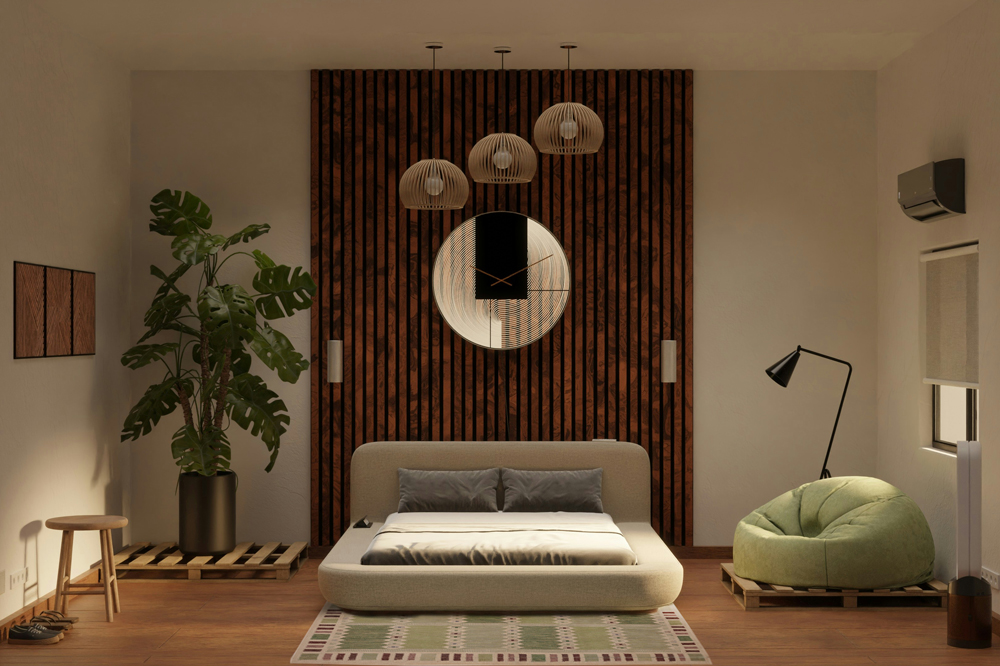
One of the clearest shifts right now is away from cool, impersonal minimalism and toward a warmer form of restraint. The room may still feel calm and curated, but it no longer feels empty. This is where rugs matter enormously.
In these interiors, rugs are being chosen for what they quietly contribute:
- Woolly tactility
- Tonal depth
- Softened color
- Comfort underfoot
- Subtle visual movement
This is one reason Scandinavian Rugs, certain low-contrast Persian Rugs, and select Modern Rugs are working so well. They don’t need to shout to be important.
Found Luxury and the Appeal of Real Age
Antique and vintage rugs feel so current because interiors are moving away from perfect curations, instead striving for “found luxury.” In other words, rooms that feel gathered, evolved, and shaped over time rather than bought all at once.
In that kind of space, a rug with age often feels more convincing than one that tries too hard to look pristine. The right vintage or antique rug can bring:
- Visual memory
- Soft irregularity
- A sense of authenticity
- A more collected atmosphere
- An emotional richness that cleaner, newer pieces may lack
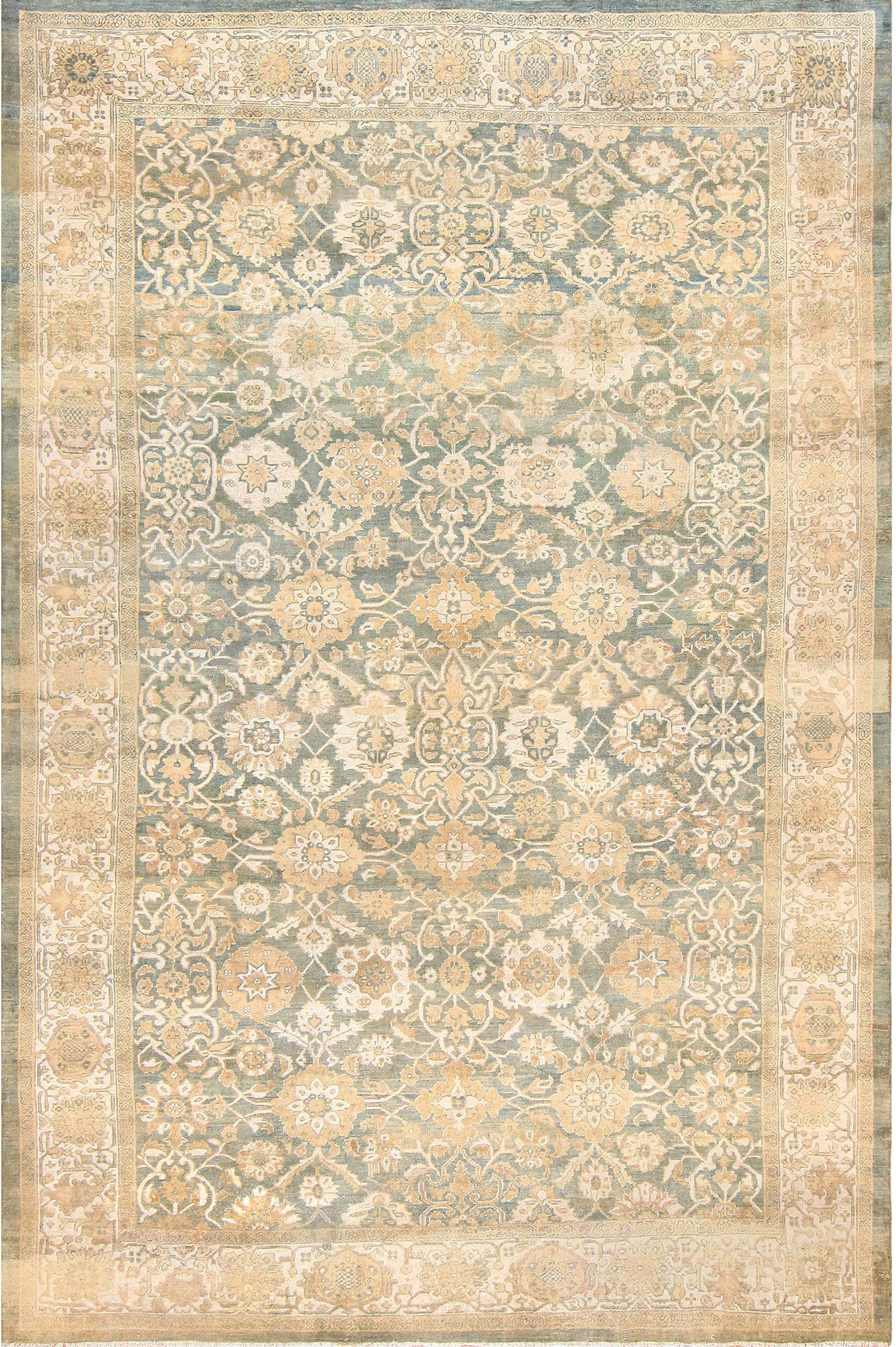
Categories such as Oushak Rugs, Sultanabad Rugs, and select decorative Antique Rugs are relevant now more than ever.
Rugs for Micro-Zoned and Open Rooms
One of the most practical reasons rugs matter more now is that homes are being used in more layered ways. Even in elegant interiors, rooms often need to serve more than one purpose.
Rugs have become one of the simplest and smartest tools for creating micro-zones. A rug can define spaces like:
- Reading corner inside a larger room
- Smaller seating group within an open-plan space
- Home office nook
- Bedroom sitting area
- Secondary conversation zone
This has made scale, shape, and visual weight more important. Our design clients are not just asking, “Is this a beautiful rug?” Instead they’re asking “What exactly is this rug doing for this room?”
For buyers working across different spaces, the Area Rug Guide, Rug Size Guide, and Worldwide hub can all support this decision process naturally.
Why Pattern is Returning, But in Smarter Ways
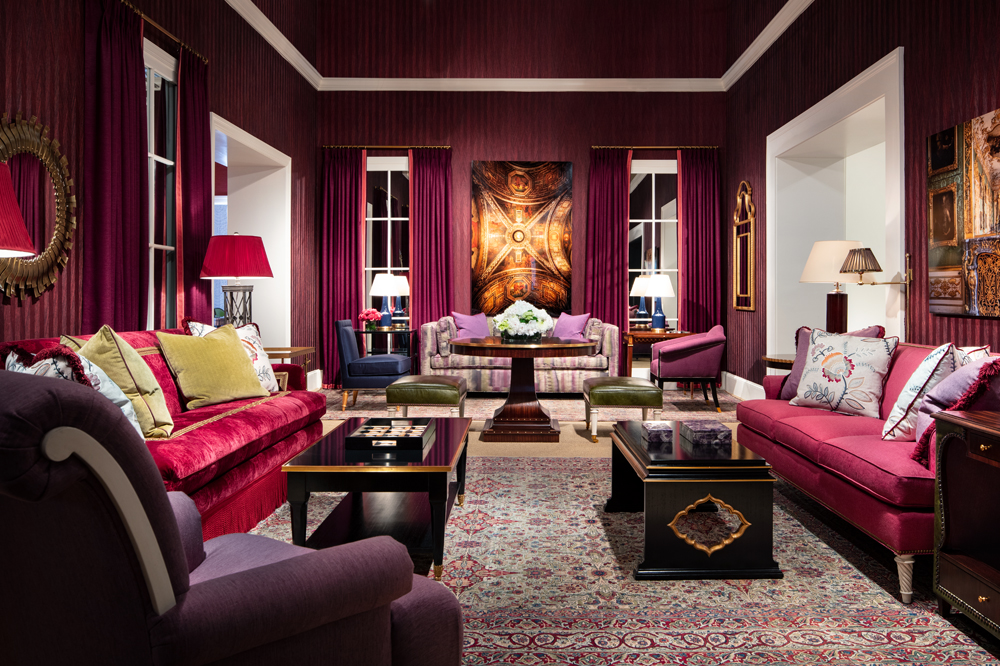
Pattern is coming back, but the strongest uses of pattern right now are more disciplined than what people usually imagine.
Designers are not necessarily asking for a “noisy” design. They’re asking for:
- Pattern with rhythm
- Pattern that supports the architecture
- Motifs that feel heritage-based, folk-based, or painterly rather than overly commercial
- Pattern that carries a room without overwhelming it
This is why Moroccan Rugs, many Scandinavian Rugs, village-format Persian Rugs, and select modern abstract pieces can all work in 2026 interiors, even though they look very different from one another.
The common thread is not a single look. It is that the pattern feels intentional and alive.
Layered Rugs 2026: The Simple Formula That Works
Layering rugs naturally involves several components. It’s important to understand that within a singular composition, each layer has its own job to make the complete vision one that works harmoniously, both within the space and with the other layers. Factors such as pattern, scale, color, and texture, are all something to think about when layering.
Here’s the formula we use when we’re advising clients who want the look without the mess.
The 2-Layer System
- Base layer (quiet + large) – a flat, grounding rug that sets the footprint of the room.
- Top layer (character + smaller) – the statement piece placed where you actually live. Usually this means the sofa area, coffee table zone, or bedside landing. The top layer is often a vintage or antique piece.
What Makes it Feel “2026” and Uncluttered
- Keep the base simple – low pattern or solid texture so the top rug reads clearly.
- Repeat one color – pull a single tone from the top rug into pillows, art, or upholstery.
- Use the right pad – slipping is what makes layering look wrong. Stability makes it look designed.
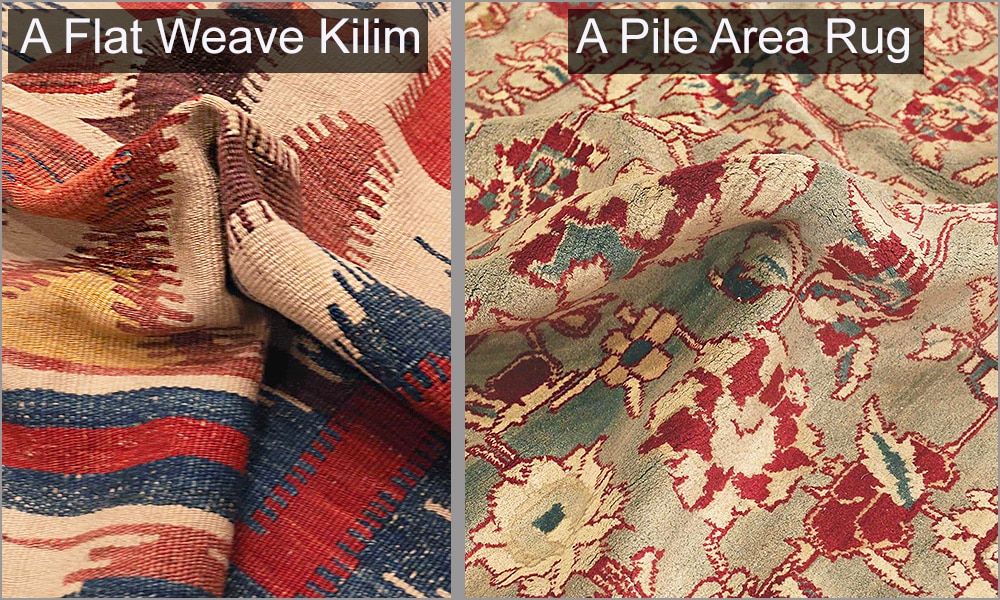
- Choose contrast in texture, not chaos in pattern – flatweave + pile is a classic pairing.
If you want a clean, graphic base layer, start with Kilim Rugs. Flatwoven pieces that sit close to the floor layer beautifully. For sizing rules, before buying anything use the Rug Size Guide.
Curved Rooms: Rug Shapes and Layout Rules
While curved sofas and rounded chairs soften a room, they also expose when a rug is undersized or awkwardly placed. Here are the two layouts that consistently work.
Option A: Round and Oval Rugs
- Works best when the whole plan is curved
- Great for – conversation circles, round dining tables, curved sectionals, sculptural rooms.
- Rule – keep the rug large enough that chairs don’t “fall off” the edge when pulled back.
Option B: A Generous Rectangle
- Works best when the room is mixed
- Great for – conversation circles, round dining tables, mixed furniture (curved + straight)
- Rule – at minimum, front legs of all main seating on the rug. Ideally the entire seating group contained.
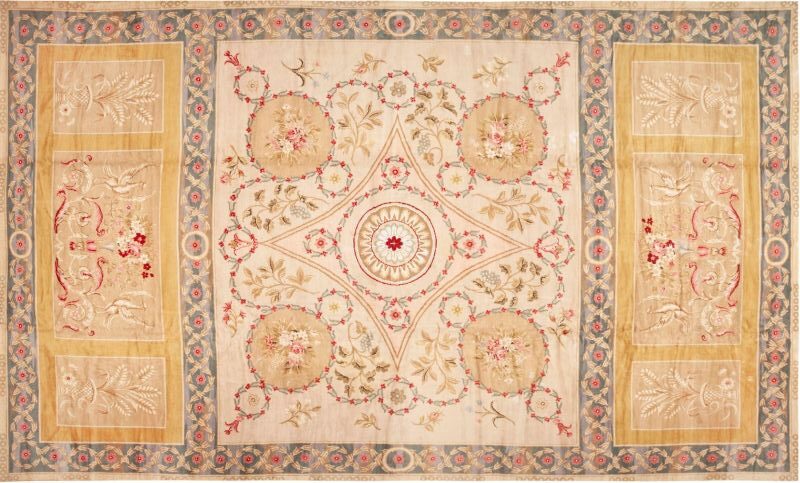
For curved rooms that still need easy decorating, a classic move is a softly drawn, open-pattern rug. This makes the room less busy, providing breathing room. That’s why decorative antique and vintage Oushak rugs keep showing up in designer projects.
Which Antique Rug Colors are Returning in 2026?
In the 2010s, neutrals and grays were at the forefront of interior design and fashion. But there has been a gradual shift away from flat gray and overly neutral interiors toward warmer, more layered and expressive rooms. The tastes of 2026 designers are far more varied, featuring rugs with warm and multicolored vegetable-dye palettes.
“Color is not returning in the harsh or overly coordinated way we saw in certain earlier periods. Designers are looking for color softened by age—indigo, terracotta, olive, saffron and warm reds that have developed depth and variation over generations,” says Jason Nazmiyal, founder of Nazmiyal Collection.
Red and Terracotta
Softened reds and terracotta are emerging as favored colors in antique rugs. Both strong hues without being too loud or shocking, they blend in well with earth-tones, contrast beautifully against light ivories, and complement opposing shades with remarkable ease. They are a common rug color found in most weaving cultures.
Saffron and Camel
Lighter shades of saffron and camel are on a similar path. They have the ability to open up a room, adding a lighter and carefree atmosphere. Saffron shades in particular can make for a striking pop of color.
Blue and Indigo
Blues and indigos are among some of the most iconic dyes in antique rugs. The colors can be found across every culture of the ancient weaving world, incorporated in backgrounds, foregrounds, details, and borders alike. Rugs with dominant blue and indigo tones can serve as an imposing presence, demanding attention in a room. There are plenty of examples where the opposite is also true, and these carpets become a quiet supporting factor for the larger design of the room, keeping the space grounded and calm.
Olive
Olive and green rugs are having their moment as well. Though rare, antique rugs of this color are highly sought after for their calming presence and adaptability. Olive tone rugs are capable of complementing both warm and cool-tone interiors, making them a perfect choice for those with a collected aesthetic. Because of their scarcity, furnishing with an olive rug brings a uniqueness to the space that is difficult to find, even among other antiques.
Natural vs Synthetic Dyes
Consider the difference between how color behaves on an antique rug as opposed to a newer production. Tonal variations are a naturally occurring effect known as abrash. This refers to subtle variations in color produced during the dyeing and weaving process. It is especially prized in antique rugs colored with traditional natural dyes, where age, oxidation and wear can create extraordinary tonal depth and patina. With synthetic dyes, color is often far more even with a harsh opacity.
Introducing More Color Without Overpowering a Room
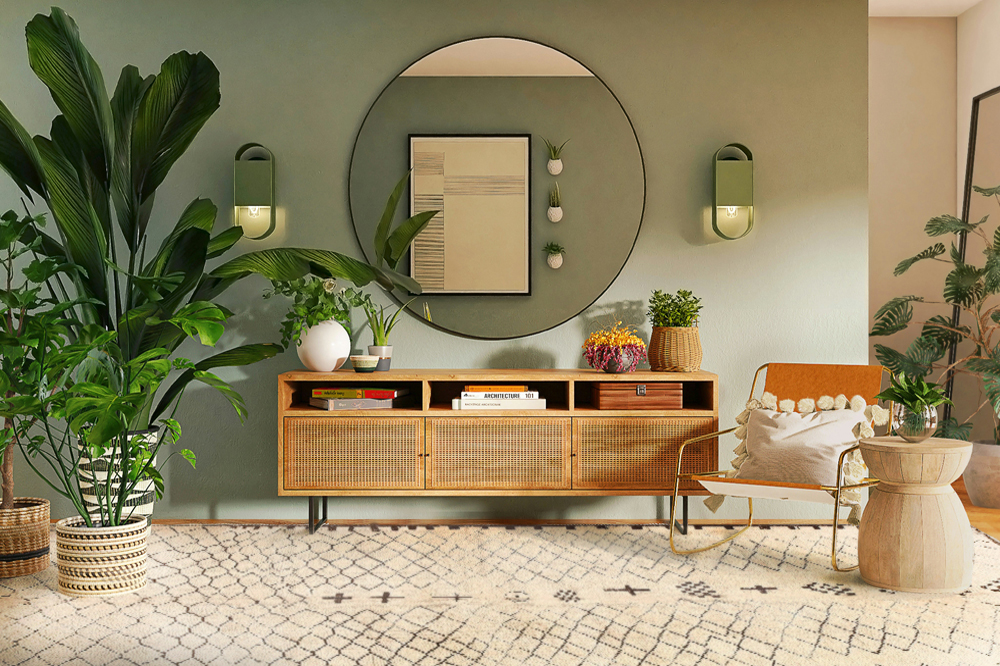
Introducing color to a previously neutral room can be an intimidating undertaking. Color is one of the first things you register when taking in a space, even before layout or furniture design. It’s important for making an impression and serves as a powerful tool for establishing aesthetic and ambience. Color is used to keep a space calm and static or to add dynamic vitality.
A rug is the perfect avenue for which to introduce color to an otherwise neutral or colorless room. It can serve as both a grounding force or as an accent piece depending on the palette and design. Once a carpet is picked out and established, build the rest of the room’s color off of that, keeping your palette limited to 1-3 tones. It’s easy to get swept up in the excitement of color, but keep in mind that an interior should never feel overstimulating.
Don’t underestimate the impact a color can have. A good contrasting palette can help balance a room as long as the colors are complementary. Note the difference between a good contrasting palette and one that clashes.
What Designers Want Less of Now
Rugs that are losing momentum are not necessarily “bad” rugs. They simply do not reflect the current mood.
Designers increasingly want less of:
- Overly flat neutrals with no visual life
- Generic texture rugs that disappear completely
- Rugs chosen only to be safe
- Pieces that feel mass-produced or overly anonymous
- Designs that look decorative but do not help the room feel grounded
This does not mean every room needs a bold rug. It means that even quiet rugs need something like texture, color, movement, character, or a relevance to the room.
Best Nazmiyal Categories for 2026 Interiors
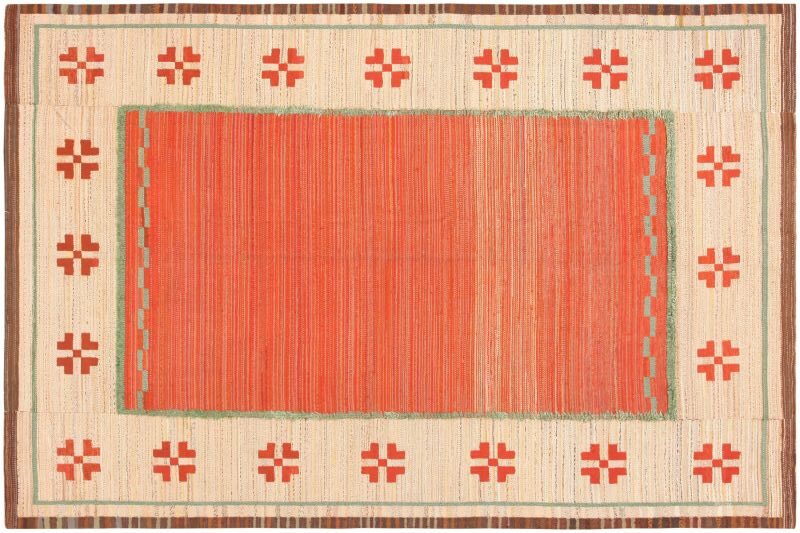
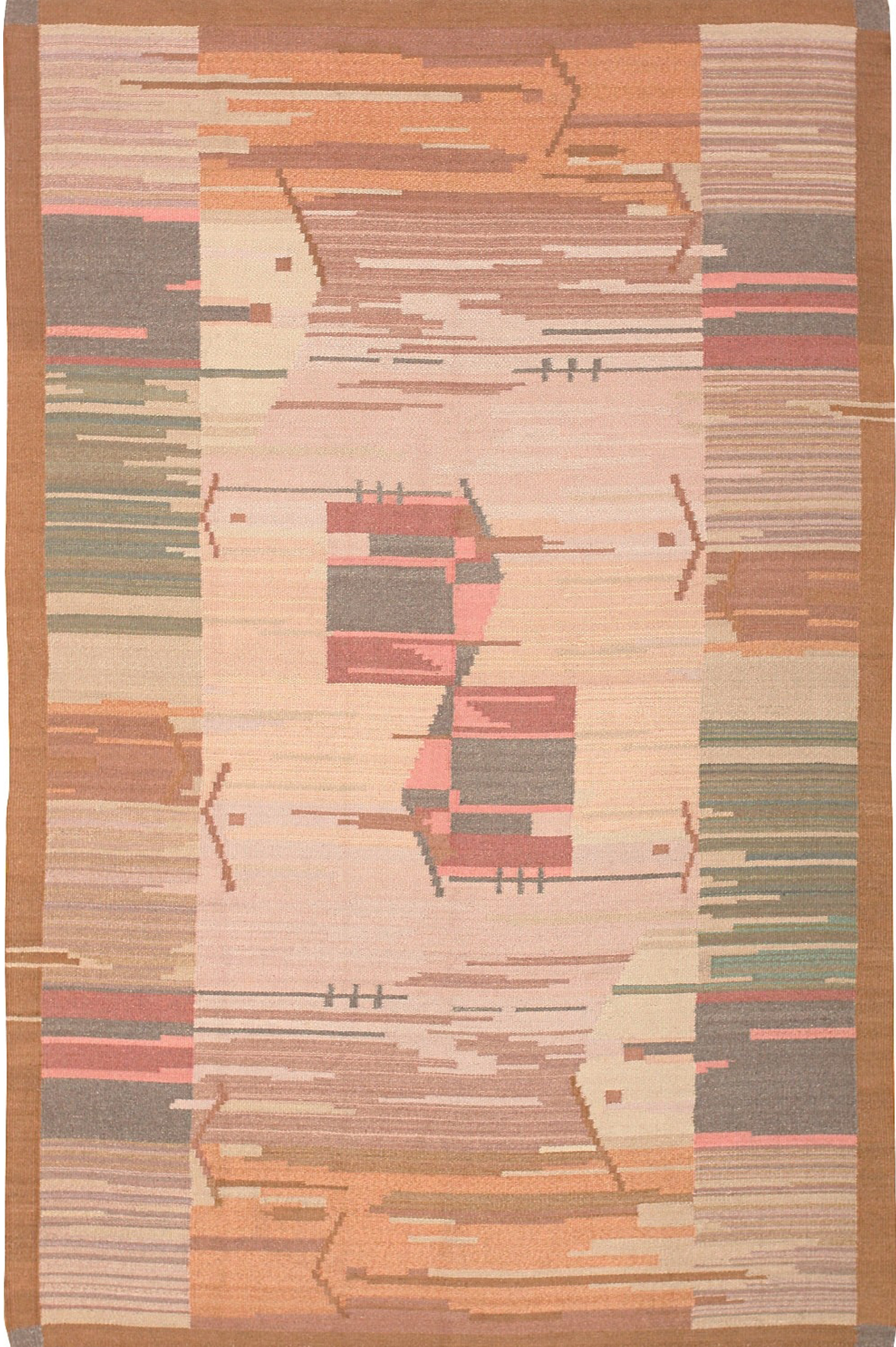
Scandinavian Rugs
These work beautifully in rooms that want warmth, softness, graphic restraint, and a cultivated but not overworked mood.
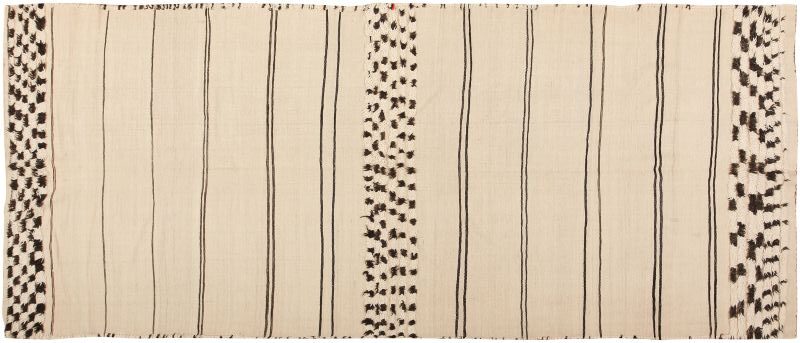
Moroccan Rugs
Still strong, especially when buyers want texture, movement, and relaxed architectural energy.
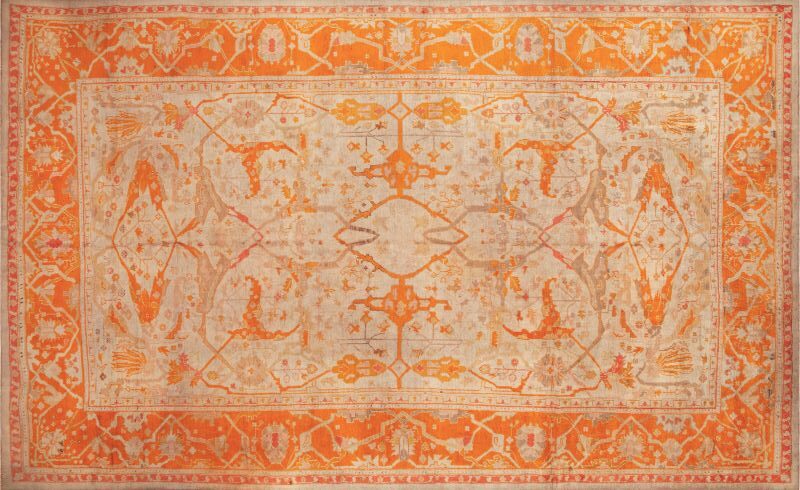
Oushak Rugs
A natural fit for softer, warmer, more decorative interiors that still need elegance and ease.
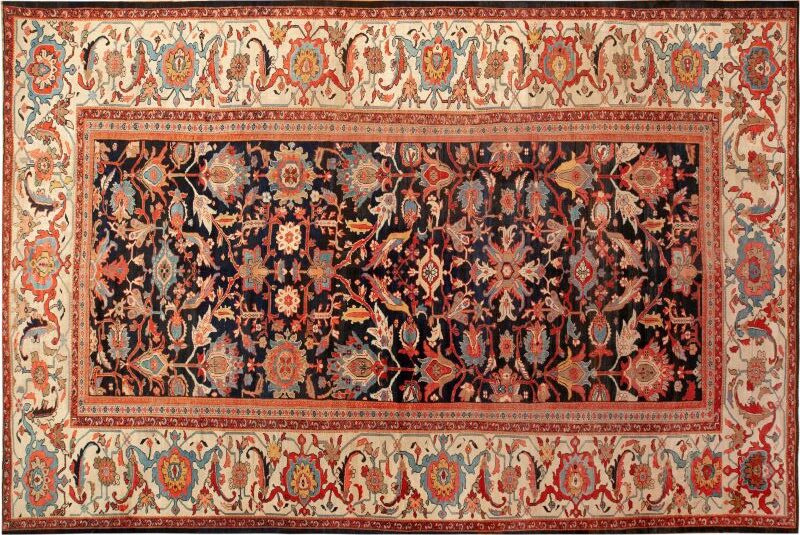
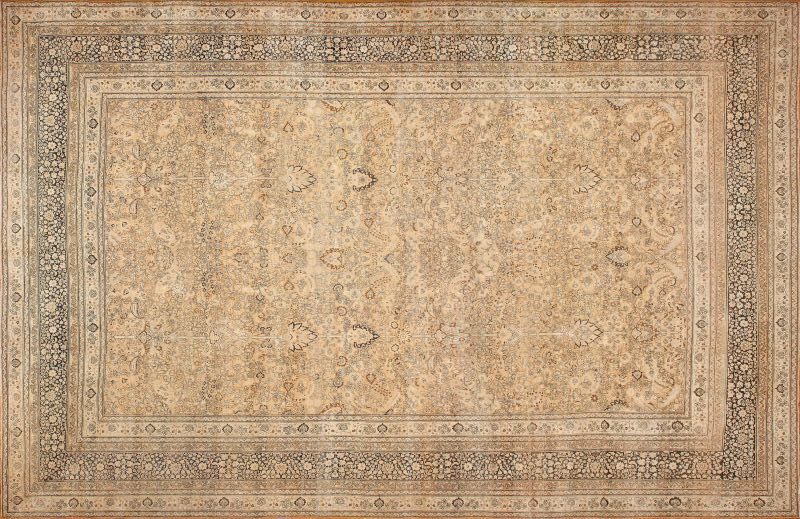
Sultanabad Rugs
Excellent when a room needs color, scale, and decorative authority without feeling rigid.
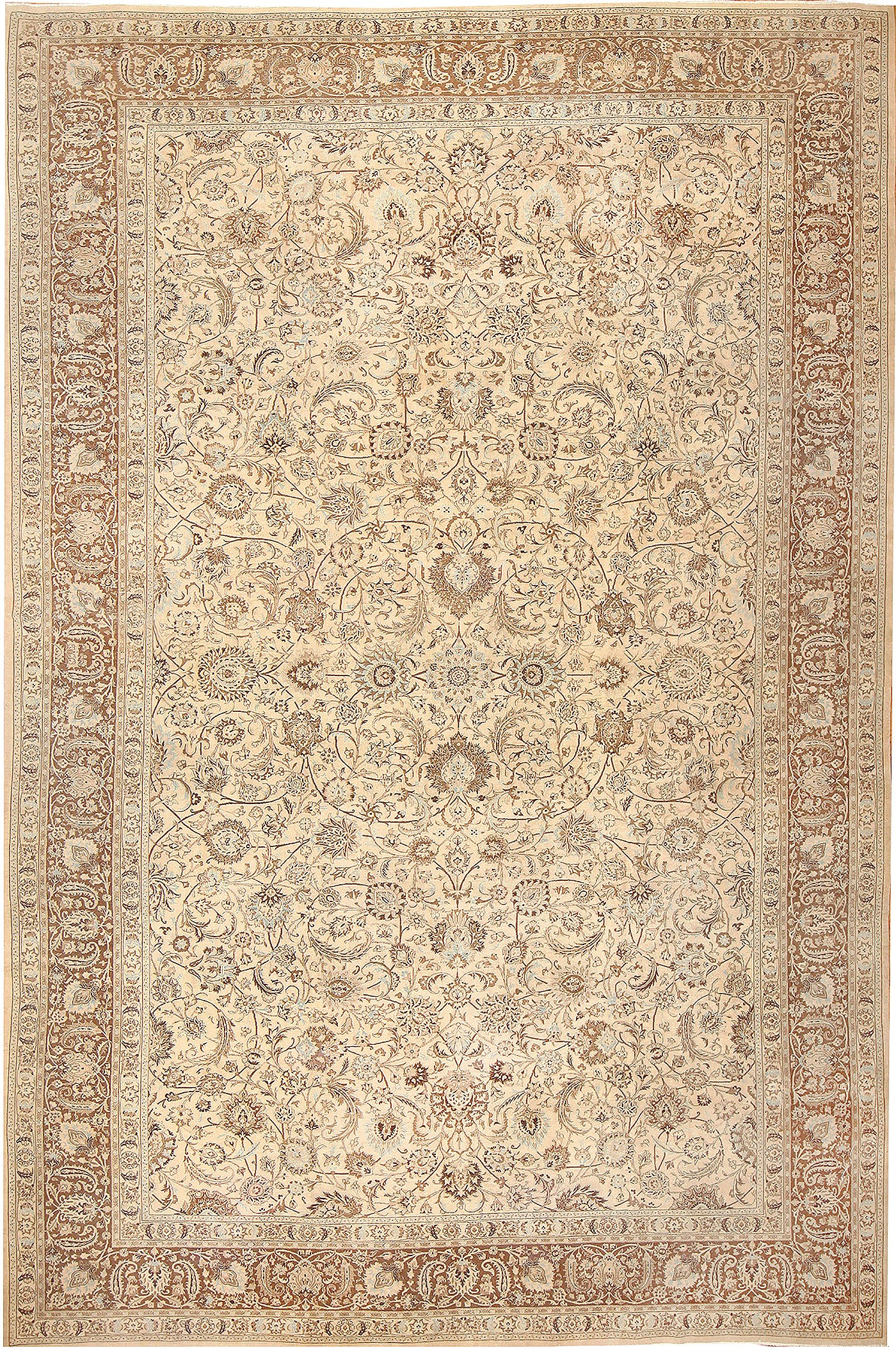
Tonal Antique Persian Rugs
Ideal for buyers who want age, authenticity, and quiet visual richness rather than obvious spectacle.
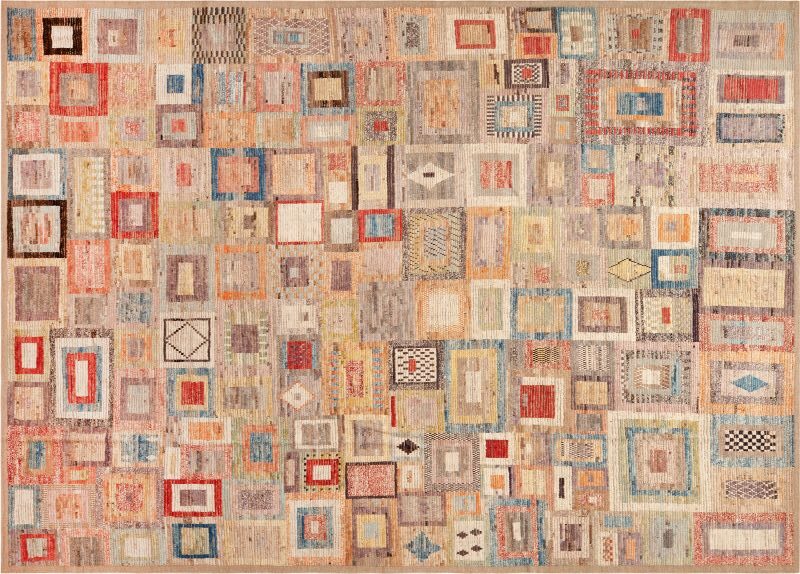
Select Modern Abstract Rugs
Especially strong when the room is contemporary but still needs painterly motion, softness, and shape.
2026 vs the Flat Neutral Look That Dominated Before
The 2026 Mood
- Warmer
- Textural
- Personal
- Collected
- Layered
- Room-defining
The Earlier Flat-Neutral Mood
- Uniform
- Anonymous
- Surface-clean rather than emotionally rich
- Less differentiated from room to room
- Less likely to carry a space on its own
Let’s be clear, this doesn’t mean every neutral rug is out. It means the winning neutral rugs now have more nuance, material honesty, and tonal life.
Featured Rugs
The strongest rugs for 2026 are not all from one style family, they’re the rugs that bring warmth, character, and room-making presence in different ways.
Key Takeaways
- The biggest rug trend in 2026 is the move toward warmth, character, and useful visual depth.
- Designers are asking for rugs to make rooms feel more personal, more grounded, and more complete.
- Antique and vintage rugs are especially relevant now because they bring age, texture, and individuality that many newer interiors need.
Frequently Asked Questions
What are the biggest rug trends in 2026?
The biggest rug trends in 2026 include warmer, more textured rugs, tonal variations, and smart pattern usage. There’s a resurgence in antique and vintage rugs, and a shift toward rugs that help define zones in multifunctional rooms.
Are antique rugs in style in 2026?
Yes. Antique rugs feel especially relevant in 2026 because of interior design’s shift toward a personal, layered, and collected space. Antique rugs bring age, character, and authenticity to that shift.
Are neutral rugs going out of style?
Not completely. The strongest neutral rugs usually have more depth, texture, tonal movement, or material presence than previously popular flatter neutral looks.
Why are designers using rugs more for zoning now?
Many homes now need rooms to serve more than one purpose. Rugs are one of the easiest ways to define seating areas, reading nooks, office corners, and other functions without walls.
What kind of rugs work best in warm minimalist interiors?
The best rugs for warm minimalist interiors usually have texture, softness, and tonal subtlety. Scandinavian rugs, quiet Persian rugs, and certain modern abstract pieces are especially effective.
Which Nazmiyal rug categories fit 2026 interiors best?
Scandinavian rugs, Moroccan rugs, Oushak rugs, Sultanabad rugs, tonal antique Persian rugs, and select modern abstract rugs.