Reviewed by Jason Nazmiyal • Updated June 15, 2026
A traditional horizontal loom is a low, ground-based weaving loom traditionally used by nomadic and village weavers. Unlike a vertical loom, which stands upright, a horizontal loom is stretched close to the ground, allowing the weaving to work while seated beside it.
The horizontal loom is part of a larger part of textile history, representative of how great art can emerge from practical necessity. Some of the world’s most admired weavings were created in domestic settings rather than grand workshops, by women working from memory, tradition, and intuition. Their significance in cultural and historical contexts cannot be overstated.
Part of what gives these pieces their strength is an inherent authenticity. They aren’t detached decorative objects, but creations rooted in culture and daily life.
Key Takeaways
- Horizontal looms were especially important in nomadic and village weaving traditions because they were portable and practical.
- Rugs woven on horizontal looms often have a more personal, spontaneous, and expressive character.
- Many admired tribal rugs, kilims, and flatweaves were created on these simple yet highly effective looms.
At-a-Glance Specs
Technique: Handwoven on a ground-based loom
Common Uses: Tribal rugs, village rugs, kilims, bags, flatweaves
Regions: Persia, Anatolia, the Caucasus, Central Asia
Typical Character: Portable production, excessive design, handmade variation
Best Known For: Authentic tribal and village weaving traditions
What is a Horizontal Loom?
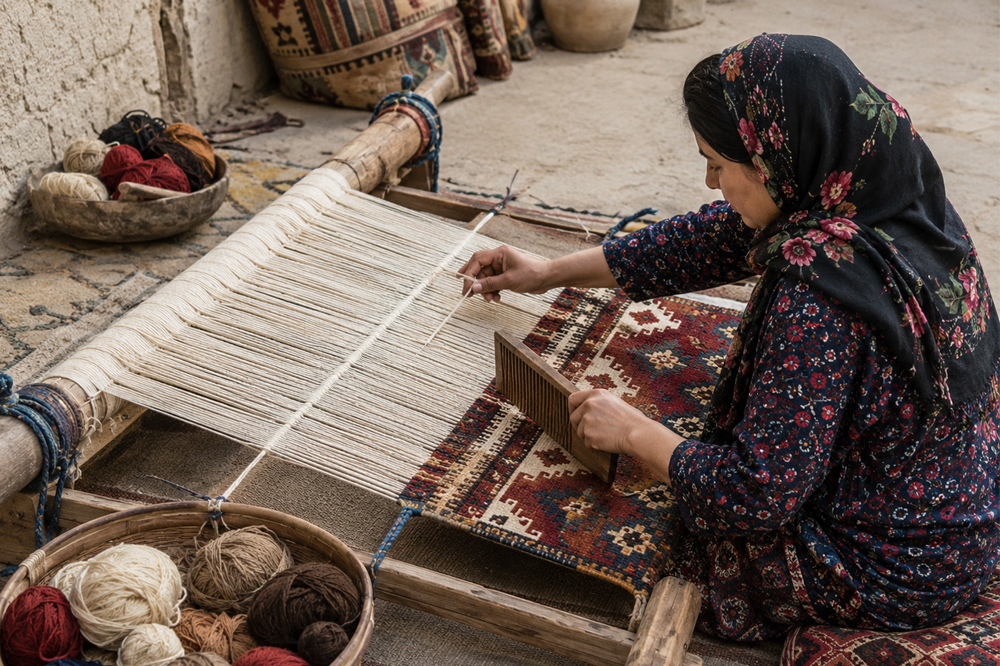
Horizontal looms are arranged low to the ground with the warp threads stretched between two beams. The weaver typically sits beside the loom or at its edge and works directly into the textile as it progresses.
This method differs from the upright city workshop loom that many people associate with larger court carpets or formal workshop production. Horizontal loom setups create a more immediate and personal relationship between the weaver and the textile. The rug is built row by row in a tactile and intimate way.
The loom sitting close to the ground was especially advantageous to the nomadic nature of its weavers. They could be assembled, disassembled, and transported far more easily than a fixed vertical loom.
Why it Matters
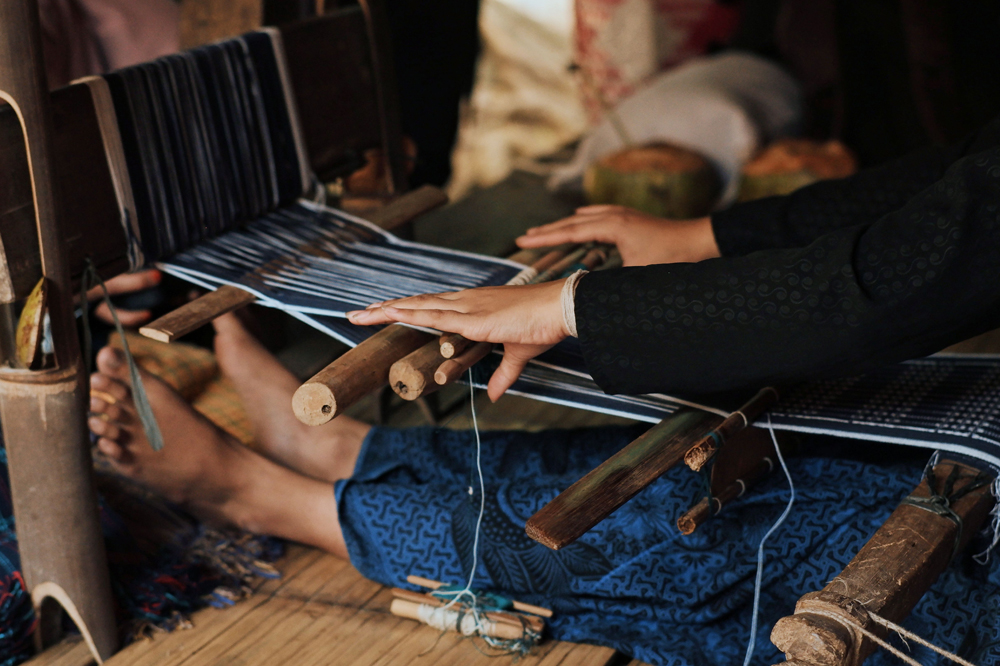
The loom is often an afterthought when admiring an antique tribal rug. If considered at all, its acknowledgment comes only after focus on color, pattern, wool, or age has shifted. The reality is, though, the loom played an essential role in shaping the final character of the weaving. It was more than just a tool, but part of an entire way of life.
Practical, portable, and ideally suited to nomadic tribal communities, the horizontal loom was the natural choice for countless weavers across Persia, Anatolia, the Caucasus, and Central Asia. They were a way for people to create textiles of remarkable beauty with relatively simple means.
At the Nazmiyal Collection, we believe that understanding how a rug was made often deepens our appreciation for what it is. The horizontal loom is one of the clearest examples of that truth.
How Weaving on a Horizontal Loom Works
The process itself is both simple in structure but demanding in practice.
First, the warp threads are stretched tightly between the loom beams. These form the foundation of the rug. The weaver then introduces the weft, passing it across the warp. In the case of a pile rug, the weaver also ties individual knots around the warp threads, building the design and surface one row at a time.
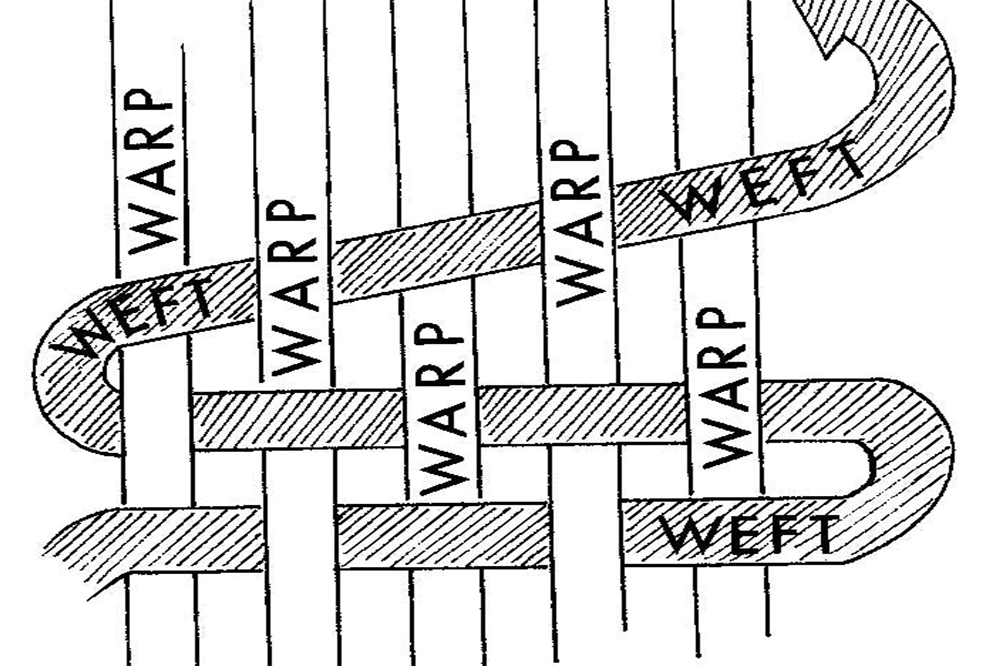
After each row is completed, the weaver then uses a comb or beater to press the knots and wefts tightly together. This step is especially important, as the firmness and durability that handwoven rugs are known for is dependent on it. Working in this way requires rhythm, patience, and a deeply practiced hand. The process may appear quiet and modest, but is highly skilled. The loom is simple but the artistry is not.
What Types of Rugs Were Made on Horizontal Looms?
Many antique Persian rugs, Turkish rugs, Caucasian rugs, and tribal pieces from across the Near East were made using horizontal looms. This is clear in the charming Gabbeh rugs of Persia, or the stunning Kazak rugs from the Caucasus. In many cases, the physical limitations of the loom influenced the size and proportions of the textile. Meanwhile, the freedom of the weaver influenced the design.
The small irregularities, shifts in color, and expressive forms aren’t defects, but signs of the human hand. Rugs woven on these looms often feel more alive as a result.
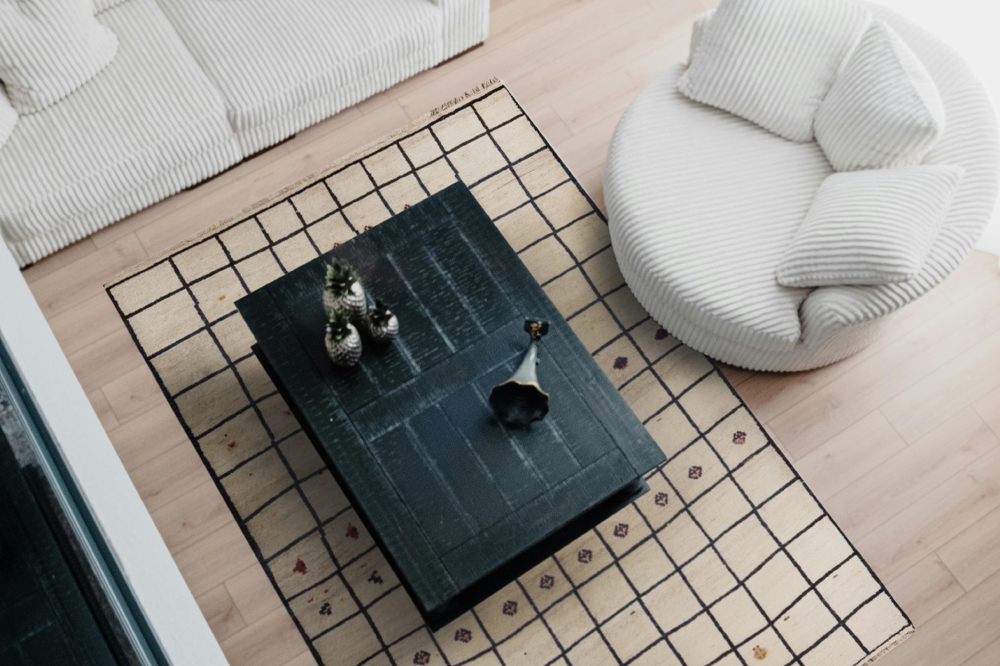
Large-scale rugs are rarely made on horizontal looms. Instead, their scale is better achieved at workshops where weavers utilize a vertical loom. Small to medium-sized pile rugs are more likely to have been made with a horizontal loom, as are tribal rugs, village rugs, and utilitarian weavings. This includes bags, covers, tent furnishing, and other items meant for daily life. While less common, kilims and flatweaves are also sometimes made with a horizontal loom.
The Creative Character of Horizontal Loom Weavings
One of the most fascinating aspects of horizontal loom weaving is the way it encourages individuality. In workshop weaving, patterns were often standardized and guided by cartoons or fixed design plans, consequently lacking spontaneity. However in village and tribal weaving the weaver often had more room for interpretation.
Expressive geometric designs and spontaneous pattern shifts are staples of tribal weavings. This strong sense of personal invention and asymmetrical charm is directly informed by the nature of the horizontal loom and its place among tribal peoples. They’re qualities collectors and designers continue to admire today, reflecting a human authenticity difficult to replicate.
Horizontal vs Vertical
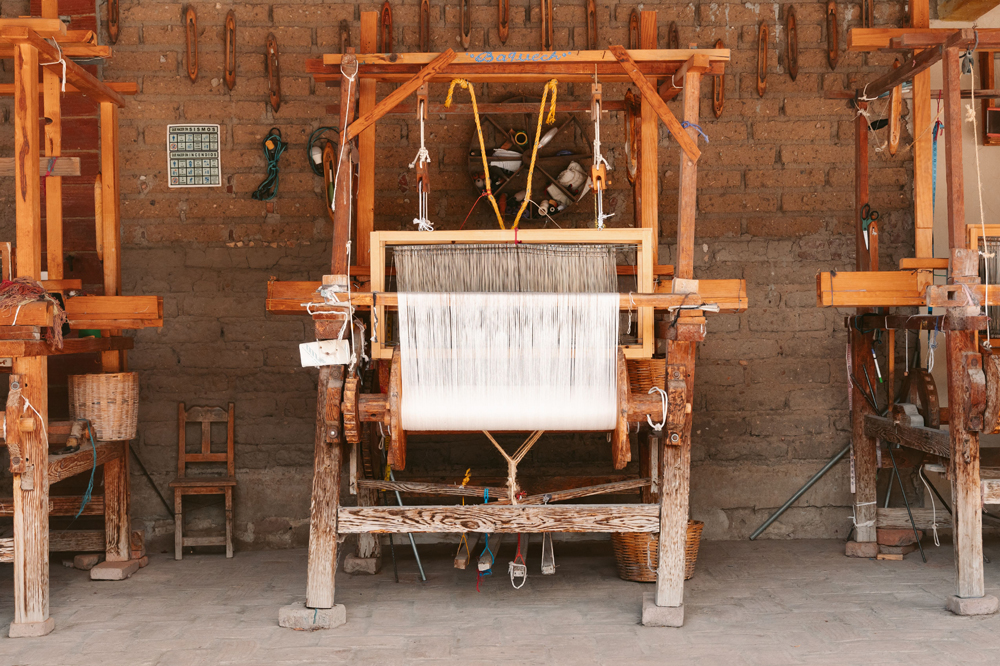
A traditional horizontal loom is portable, low to the ground, and closely associated with tribal and village life. Conversely, a vertical loom is upright, often larger, and more commonly associated with workshop or urban production.
Horizontal Loom
- Portable and practical
- Ideal for nomadic or village use
- Often used for tribal rugs and kilims
- Encourages a more intimate, handmade character
Vertical Loom
- Stationary and upright
- Suitable for larger and more formal carpets
- Often used in city workshops
- Supports more controlled large-scale production
Neither is inherently better, each serving a different tradition. Though for collectors who love rugs with authenticity, warmth, and individuality, the horizontal loom holds a special place.
Why Collectors and Designers Value These Weavings
Today, rugs woven on horizontal looms continue to resonate because of their authenticity, appealing to both designers and collectors. They don’t look overly polished or planned. Instead, they have soul, variation, and presence.
Collectors value the originality inherent in these rugs. They hold regional character and an artistic spontaneity made possible only through hand-woven human touch. Their designs and construction have a direct connection to tribal life, therefore making horizontal loom weaves a significant cultural staple.
Designers, on the other hand, find value in other traits found in these rugs. They bring about interesting textured surfaces to their environment, as well as a unique visual movement. Their depth of history brings about a warmth and richness not easily found in formal productions, and certainly not in machine-made pieces.
Whether placed in a modern interior or a traditional setting, these weavings often feel remarkably relevant because their beauty comes from the honesty of process.
Featured Rugs
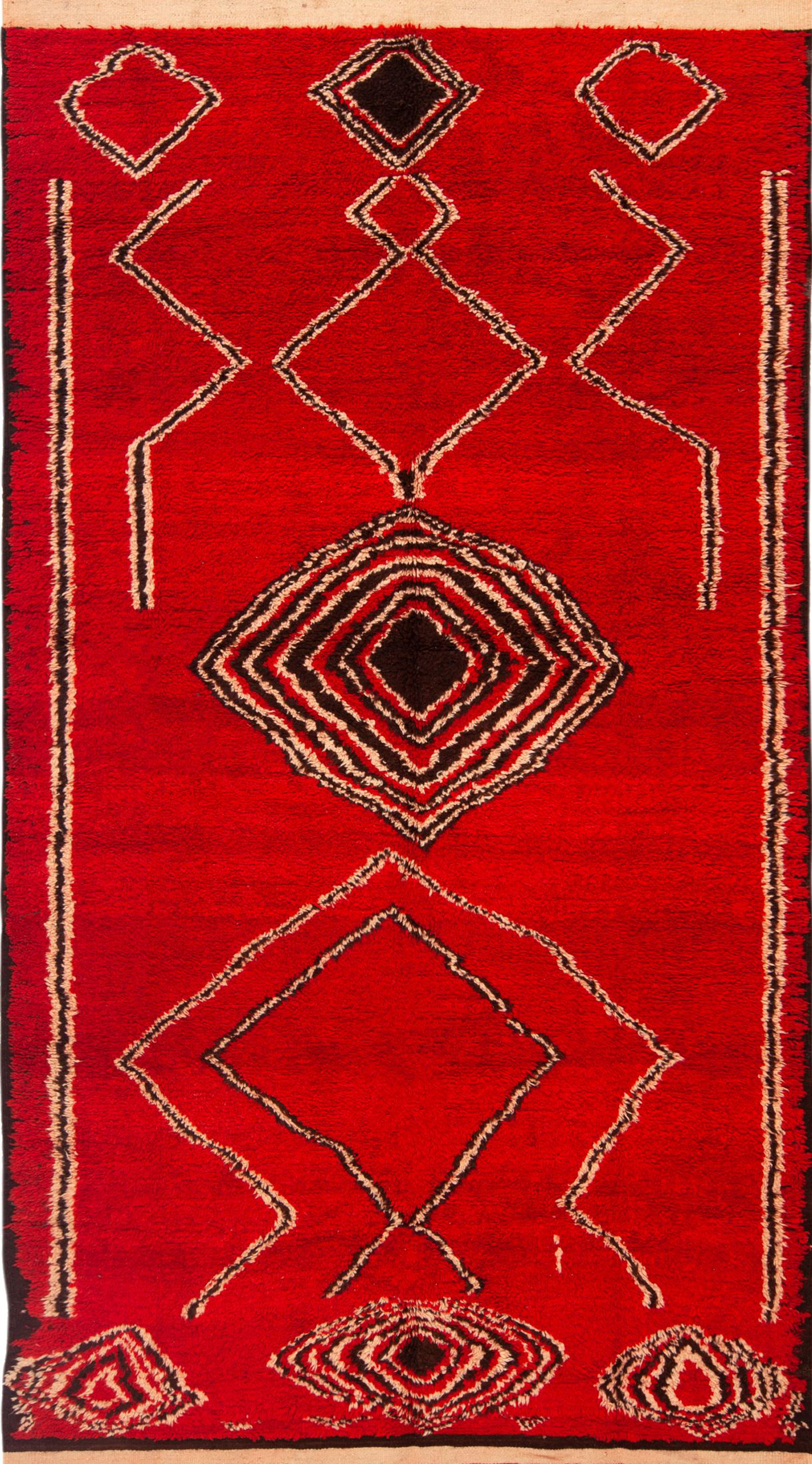
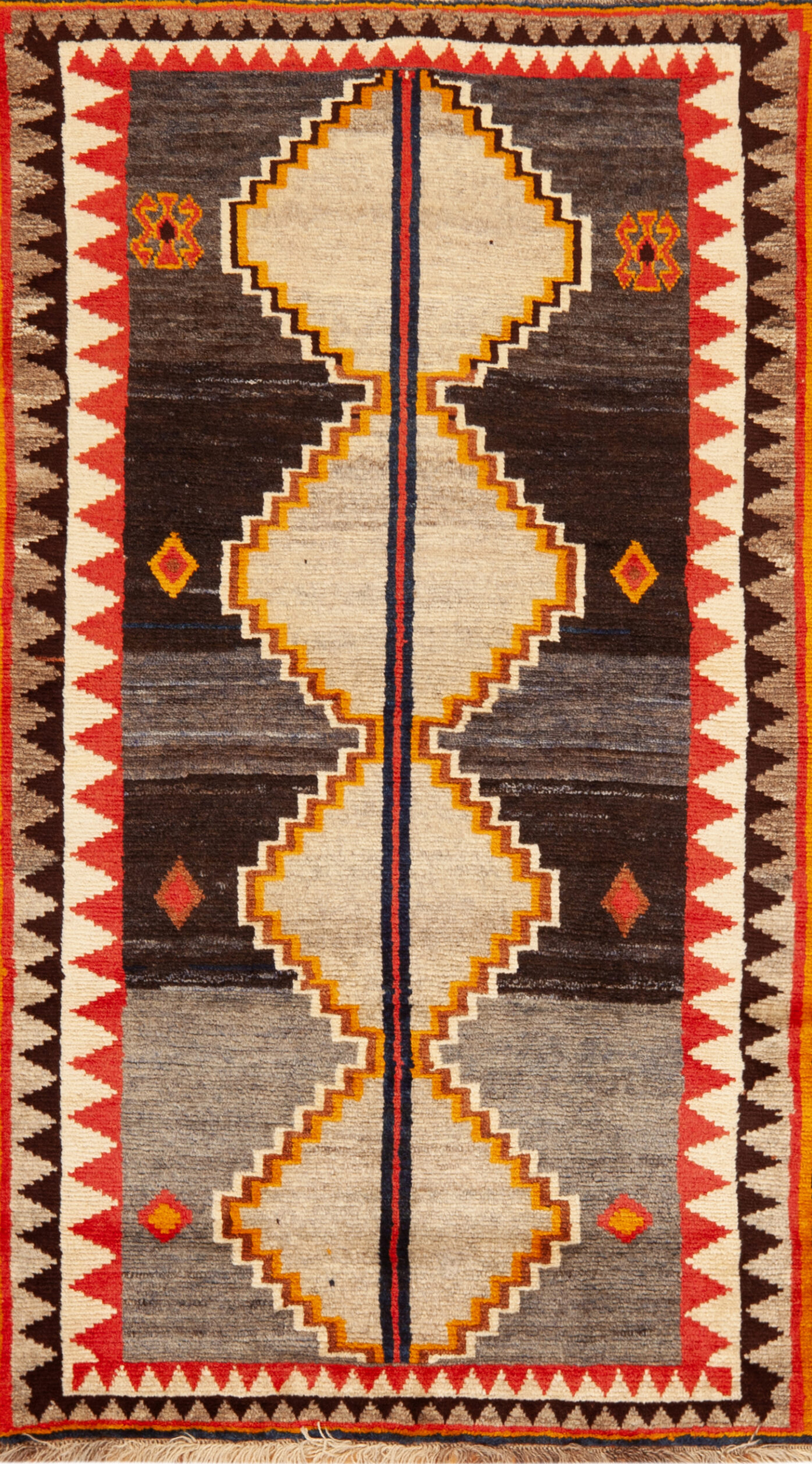
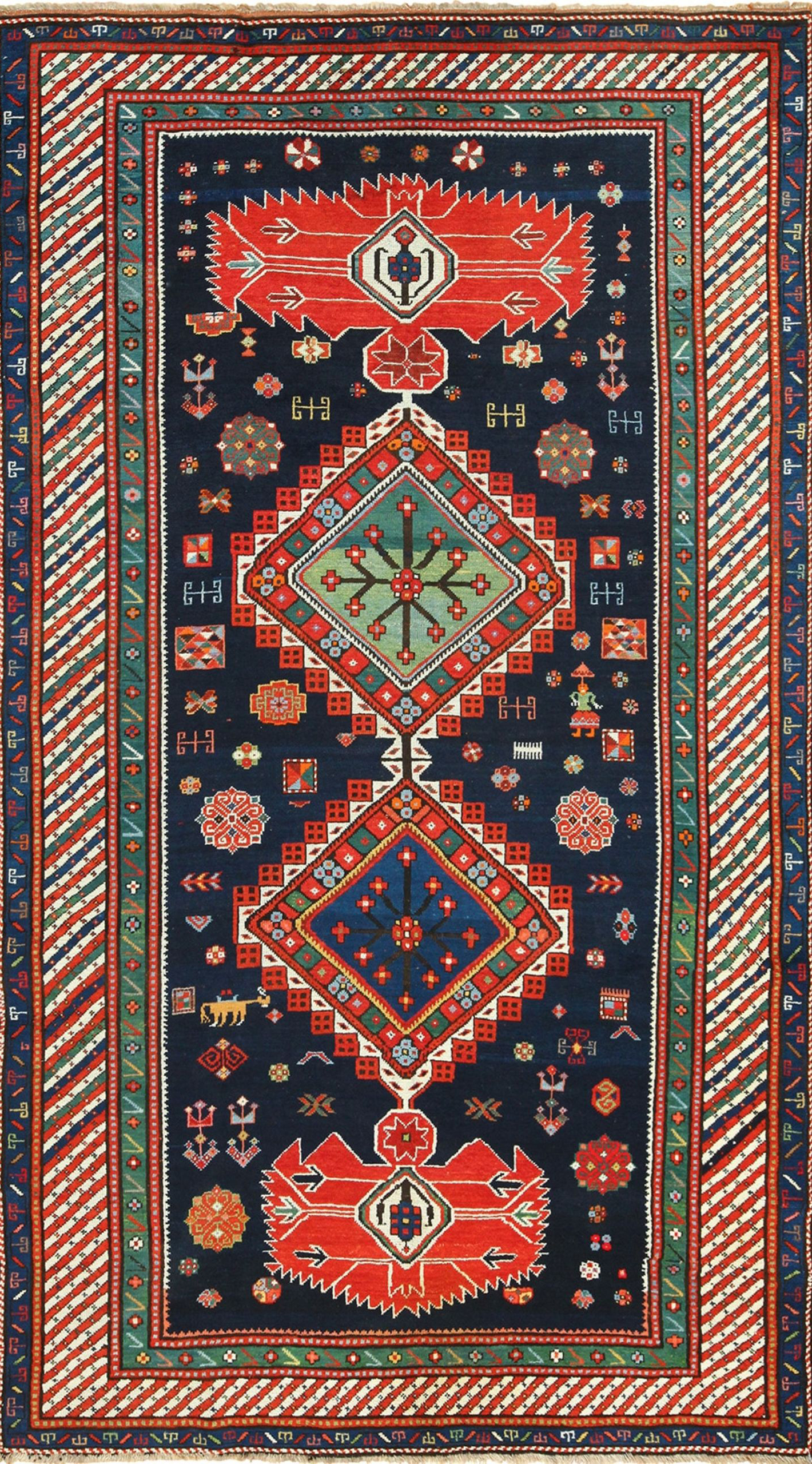
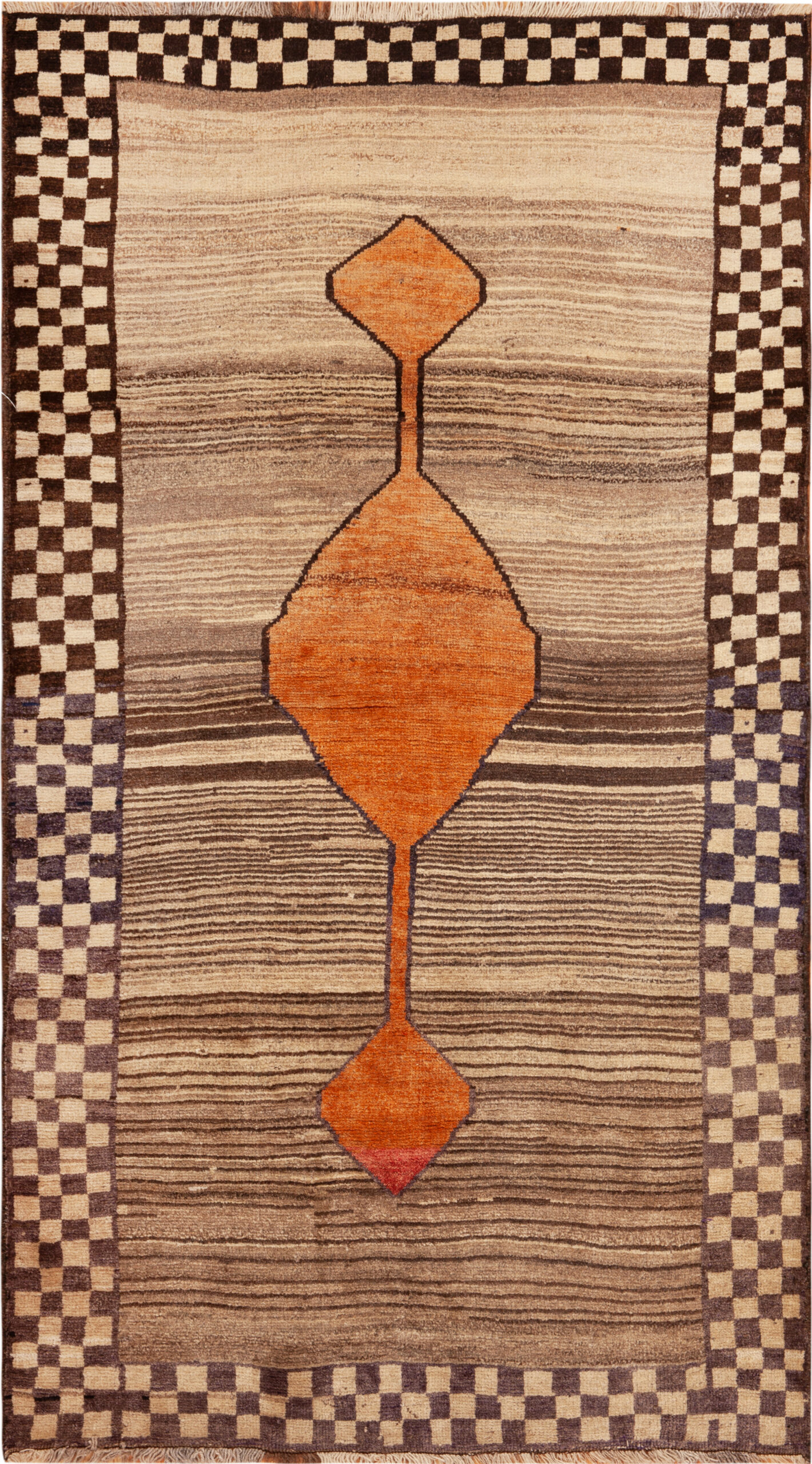
Here at Nazmiyal Antique Rugs, we offer a selection of pieces, all hand-crafted and unique. Browse through our Gabbeh rugs, Moroccan rugs, Caucasian rugs, and more.
Final Thoughts
The art of the horizontal loom is really about using simplicity to create meaningful and lasting textile art. Weavers were able to create rugs of extraordinary beauty and character using a few beams, handspun wool, and generations worth of cultural technique.
At Nazmiyal, we continue to admire these weavings for more than just their decorative power. They represent human creativity at its most direct, personal, and enduring.
Frequently Asked Questions
What is a horizontal loom in rug weaving?
A horizontal loom is a low, ground-based loom used to weave rugs and flatweaves, especially in tribal and village settings.
Why did nomadic weavers use horizontal looms?
They used horizontal looms because they were portable, simple to construct, and practical for a mobile lifestyle.
What kinds of rugs are made on horizontal looms?
Many tribal rugs, village rugs, kilims, and small pile weavings are made on horizontal looms.
What is the difference between a horizontal loom and a vertical loom?
A horizontal loom lies close to the ground and is portable, while a vertical loom stands upright, and is often used for larger workshop carpets.
Are horizontal loom rugs collectible?
Yes. Many horizontal loom-woven pieces are highly collectible for their authenticity, individuality, and connection to traditional weaving culture.