Updated March 11, 2026 • Reviewed By Jason Nazmiyal
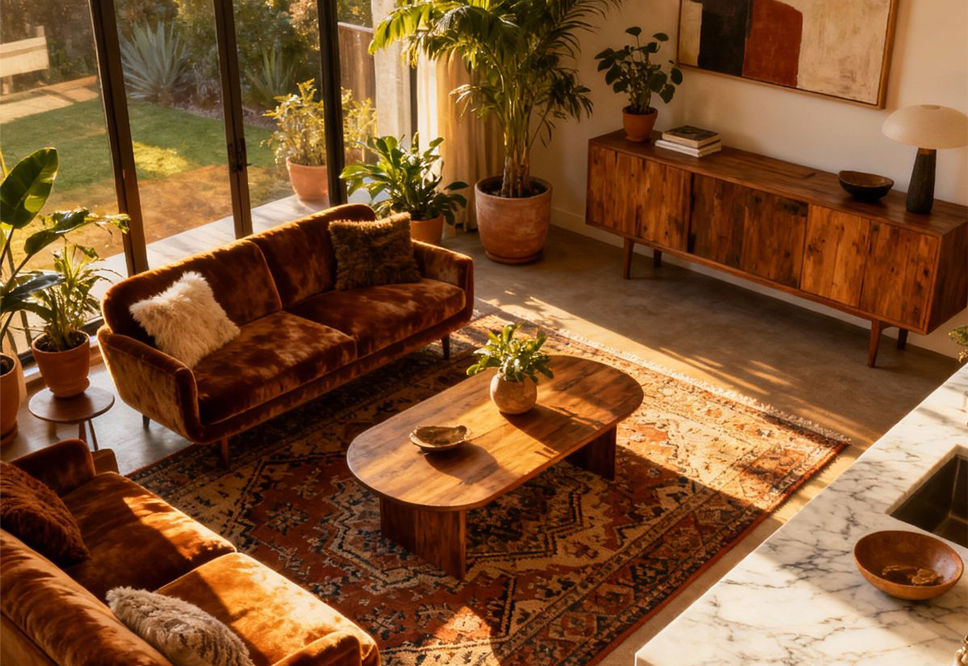
Definition – Mid-Century Modern is a minimal design style that values clean lines, organic shapes, and mixed materials. It’s an aesthetic that values functionality and simplicity, with a warm palette and often unadorned.
How can rugs be incorporated into this style of design, and which look best? Rugs with neutral palettes and clean patterns featuring geometric and angular forms work best in Mid-Century Modern interiors. Vintage and Antique Rugs in particular make for attractive additions, as well as rugs with bold colors for accent pieces.
Key Takeaways
- Antique and Vintage rugs are great accessories for Mid-Century Modern interiors.
- Clean lines, geometric designs, and earthy tones work best.
- Think about shape and consider unconventional and organic rug forms.
- Rugs can work as accent pieces, making them flexible in terms of palette.
What Makes it Mid-Century Modern?
The Mid-Century Modern aesthetic, sometimes known as MCM, is hard to pin down. It borrows from so many other design styles to create something refreshing and timeless. As the name suggests, the style came about in the mid-20th century, around the 60s. It’s had its resurgence, though, and is an incredibly popular interior design style today. Its clean look makes for a nostalgic space that’s sometimes difficult to furnish. Learn the best ways to style vintage and antique rugs to elevate your space.
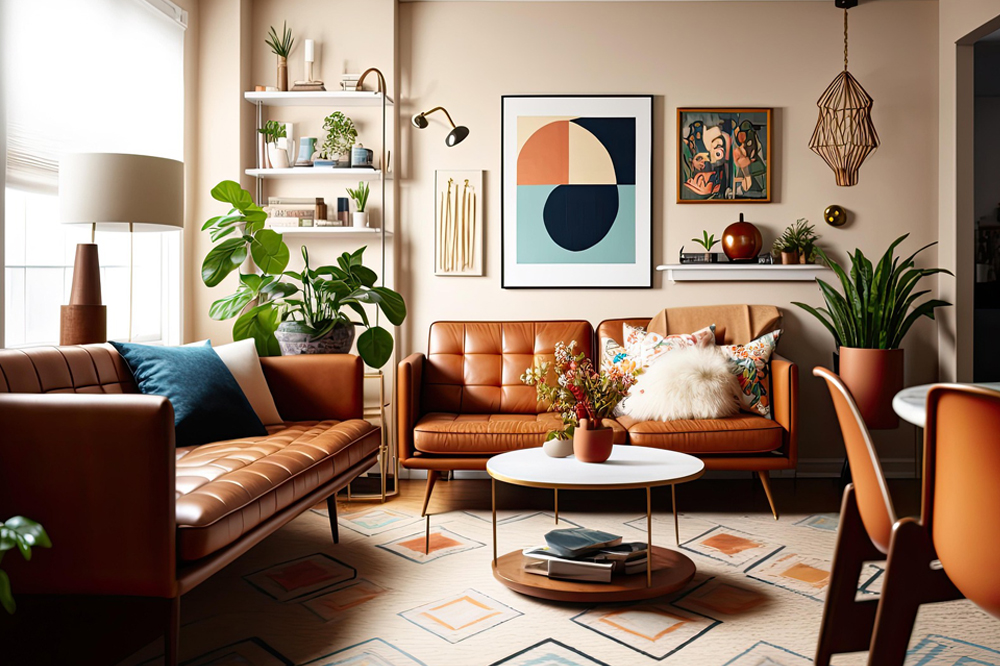
The Mid-Century Modern style is characterized by a minimalist yet richly hued “retro” look. Simplicity and clean, smooth lines make up organically shaped furnishings with a mix of natural materials and an emphasis on functionality. Each detail in an interior is deliberate, valuing practicality over unnecessary ornamentation. Less formal than a strict Minimalist design, Mid-Century Modern interiors often utilize asymmetrical elements and have a mobile rhythm to them, rather than a stagnant one.
Additionally, these interiors feature a strong connection to the natural world, often incorporating large windows as well as materials like wood and stone. Mid-Century Modern spaces tend to have a warmth to them, brought about by rich, earthy tones and a curated visual balance. Pops of vibrant color throughout the interior is a common element, usually shades of orange, green, and blue.
Mid-Century Modern vs Art Deco
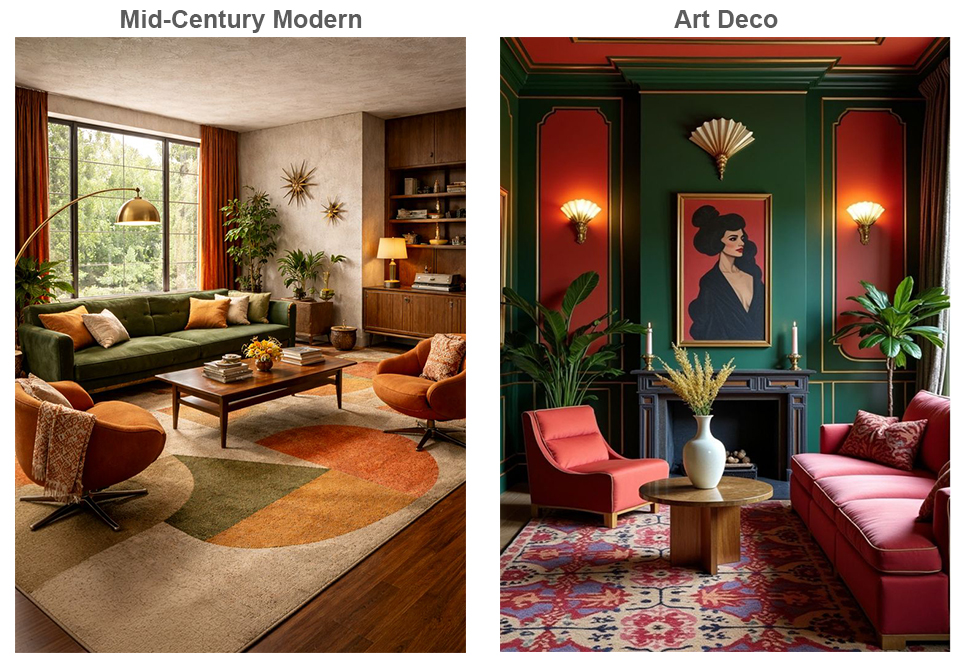
The Art Deco style is another very popular 20th century interior design aesthetic. It shares many similarities to Mid-Century Modern and they’re often confused for each other. There are key differences though. For one, the Art Deco art movement came about decades before Mid-Century Modern. Art Deco was a product of the roaring 1920’s and all of its flashy luxury.
At its core, Art Deco follows a simplistic geometric style, inspired by opulence and futurism. Sleek shapes, both angular and rounded, are a common occurrence in Art Deco architecture. Dark blues, blacks, and golds dominate the northern palette, with strong vertical designs. In the south, this style adopts a more playful aesthetic, utilizing pastels instead.
Mid-Century Modern, on the other hand, is a by-product of Minimalism. This is especially evident in the traces of “form follows function” philosophy its furnishings employ. It doesn’t have the same flair and drama of Art Deco, and is much more flexible in its forms. The style is modular, lighter, and with far less ornamentation. That being said, Art Deco rugs often compliment Mid-Century Modern interiors very well.
Styling Rugs for your Mid-Century Modern Home
The advantage of the Mid-Century Modern aesthetic is how diverse it is. It’s a style that can adapt to almost anyone’s taste, with a lot of room to play with color palette. Not nearly as rigid as its Minimalist predecessor, it’s a style that emulates a clean and calm atmosphere while still being inviting. Rugs make for the perfect accessory to a Mid-Century Modern interior, elevating an already sophisticated space.
Vintage Rugs – The Obvious Choice
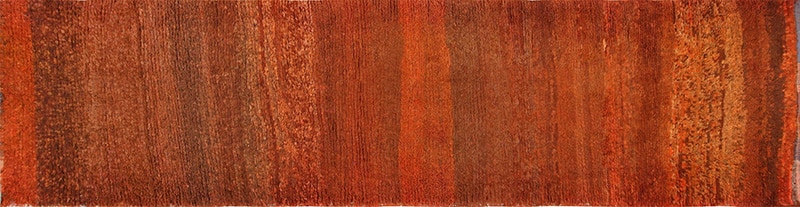
Vintage rugs are always a natural choice when furnishing a Mid-Century Modern interior. Specifically those that are products of their time, rather than vintage rugs trying to emulate antique or tribal styles. While those may also be viable options, it’s best to stick to a truly “retro” look.
Rounded Rugs – Consider Shape
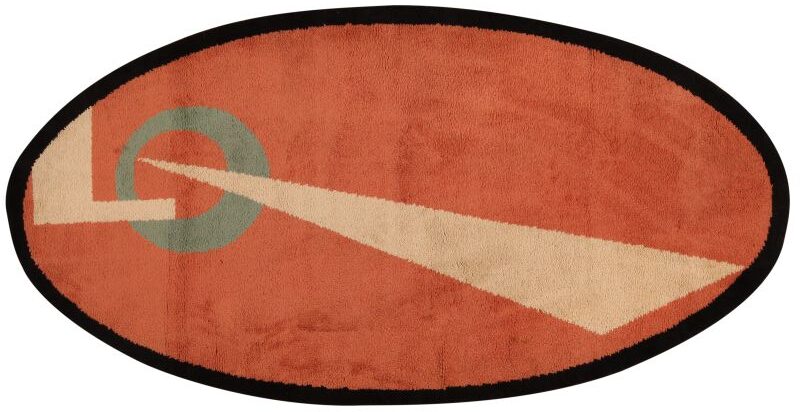
While clean lines and geometrics are important features of a Mid-Century Modern interior, an asymmetrical quality and natural look is equally important. Consider unconventional, organic shapes in your rugs, either in design or in the rugs’ physical shape. A rounded rug will introduce complimentary contrast to the linear look, adding a sense of movement to an otherwise static space.
Scandinavian Rugs – Patterned Geometry
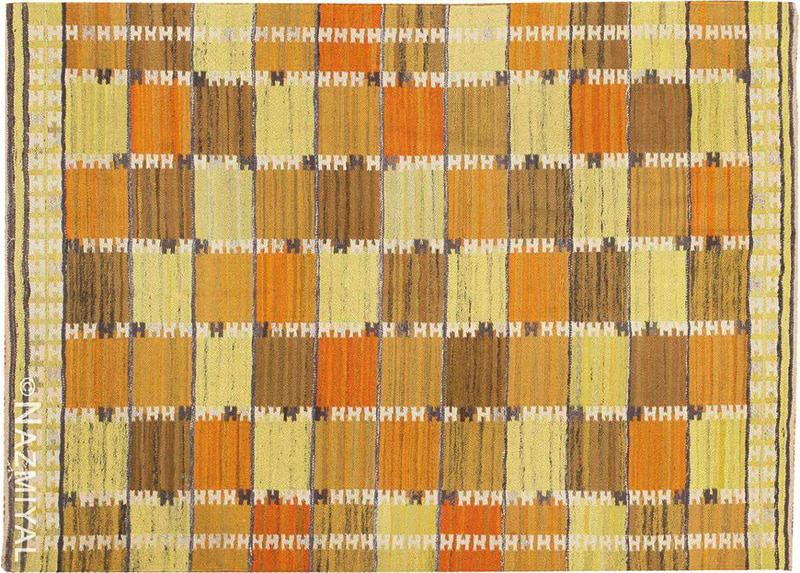
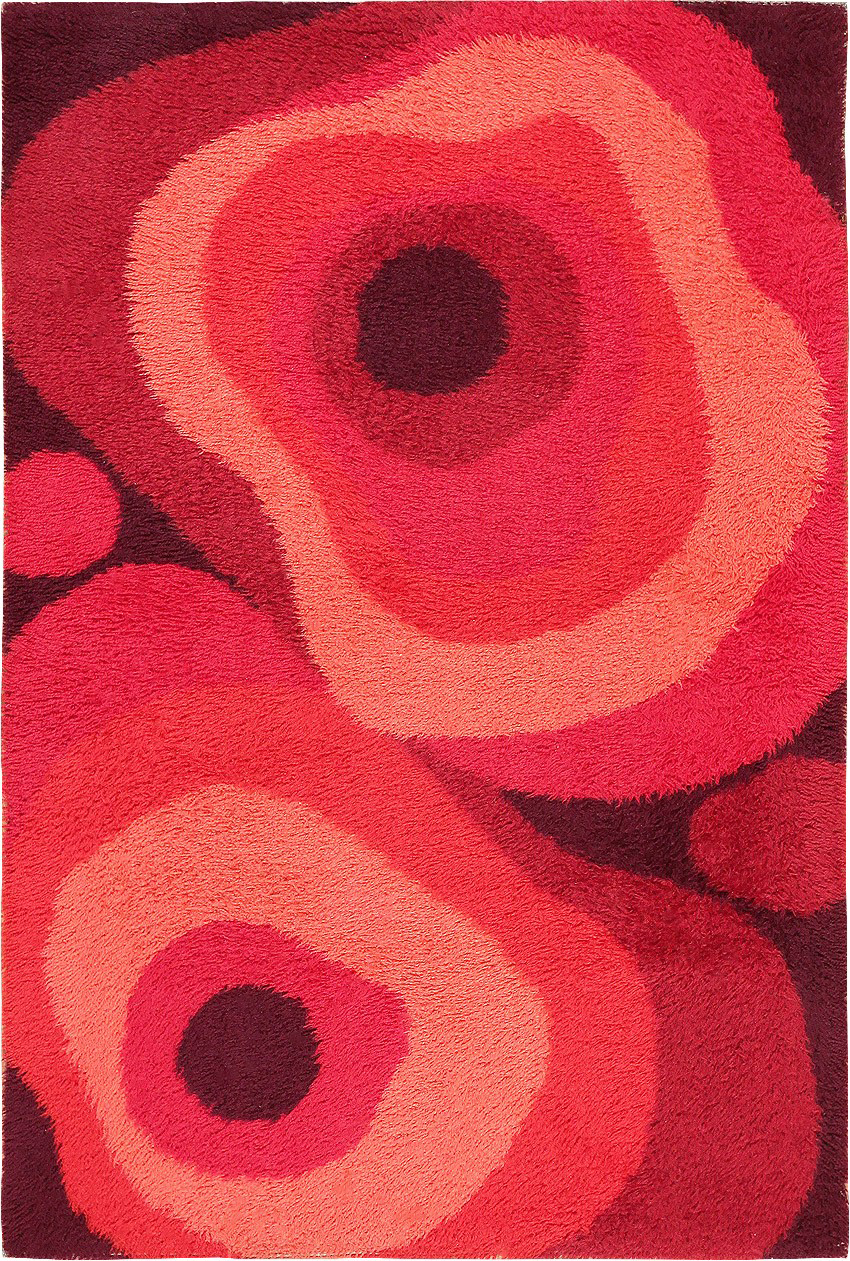
Vintage Scandinavian and Swedish rugs are perfect for the Mid-Century Modern design style. Plush, soft textures, paired with unconventional, abstract field patterns in vibrant colors make them great accent pieces.
Modern Art Rugs – Period Accurate and Abstract
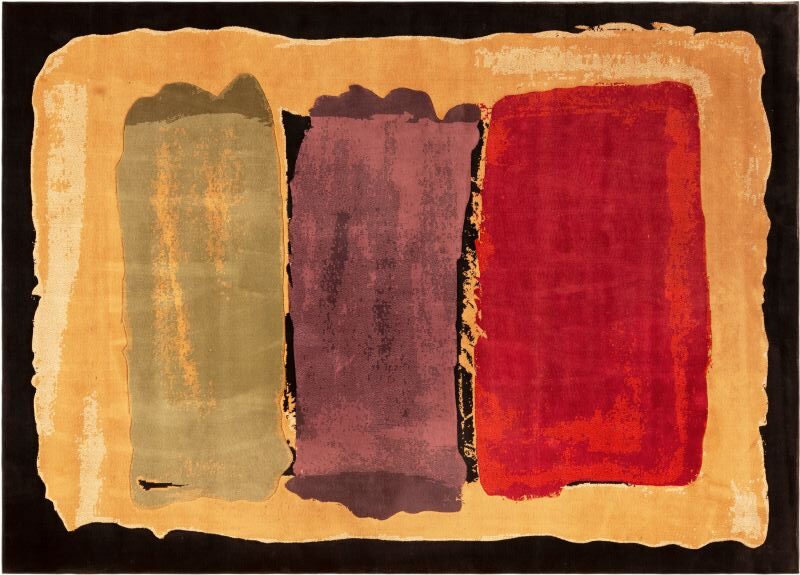
A trend of the Mid-Century era were rugs featuring designs inspired by famous artists of the time. The art world was undergoing an upheaval, with movements such as Pop Art and Abstract Expressionism making its first appearance. A rug with reproductions of the work from the era add a charming nostalgia to the space, while also providing a welcome interruption to the minimal adornment.
Antique Rugs – Back to the Classics
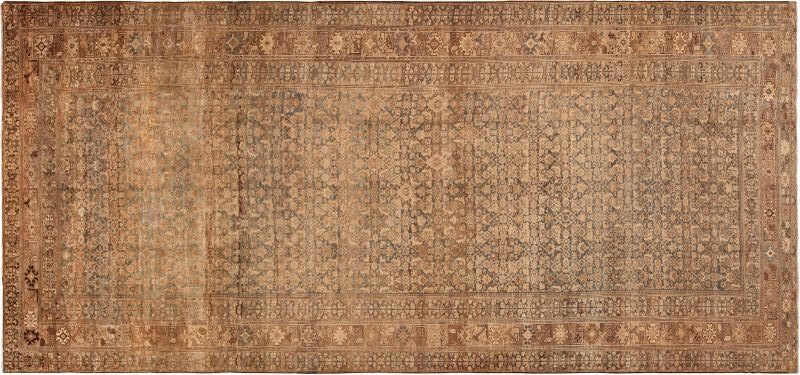
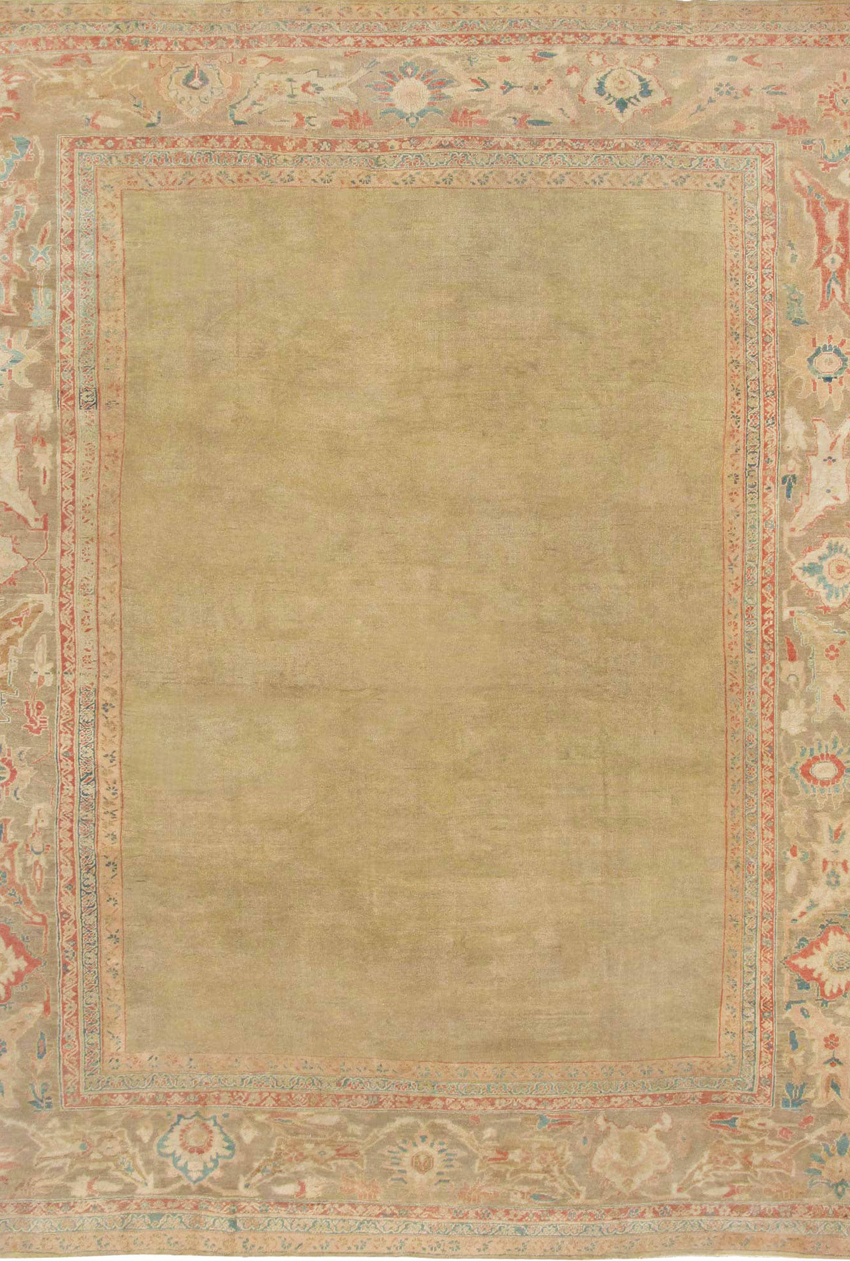
While Vintage Rugs may be an obvious choice, Antique Rugs can also pair surprisingly well with a Mid-Century Modern interior. The key is discerning the right patterns and colors. Softly aged Persian Rugs with warm colors make for beautiful additions. Faded allover patterns and simplistic designs keep the space feeling open and uncomplicated while still acting as a grounding element.
Avoid These Mistakes!
A Mid-Century Modern interior can be intimidating to furnish. It’s a design style that hinges on balance and visual harmony to be successful. Avoid the following common mistakes when choosing your next rug.
1. Clashing Colors – A balanced and serene look is the goal. With its earthy palette and rich hues, avoid colors that clash or stand out too harshly among the darker wood tones. For pops of color, stick to colors with warm undertones for a harmonious feel.
2. Distracting Patterns – Despite being more relaxed than Minimalism, that’s where this design style’s roots are. Avoid making the space seem overwhelming and crowded by avoiding too many busy, distracting patterns. Don’t get caught up in forms that are too complex. If you prefer a heavier design, let that be a central piece in your interior design.
3. Improper Sizing – Double check the scale of your rugs. You want the space to be able to breathe, and an open plan with modular touches is a staple of MCM. Don’t get a rug that’ll clutter the room. Don’t underestimate the power of negative space.
Instead, Choose…
- A color palette with warm undertones. Even “cooler” colors like blues, greens, and purples can work as long as their undertones are warm.
- Rugs with patterns that “breathe,” either broken up or simple in design.
- Size your rugs accordingly so that they anchor the space without overpowering it.
Featured Rugs
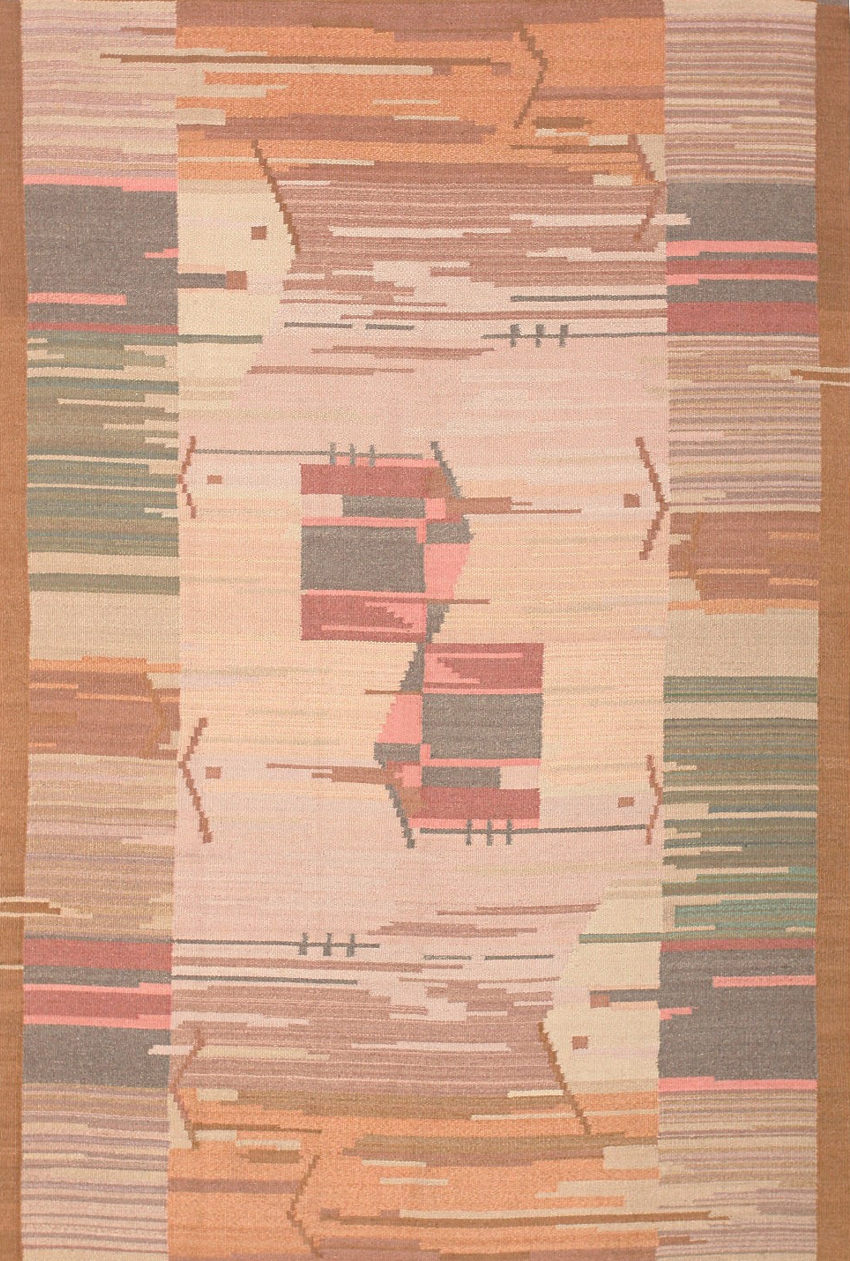
From minimalist to abstract, the Nazmiyal Collection has both vintage and antique rugs perfect for a Mid-Century Modern interior.
Final Thoughts
Mid-Century Modern as a design style came about during the 20th century, developing from the popular Minimalist movement of the time. It adopted the same “form follows function” philosophy with a more relaxed and organic look. It features clean lines, earthy tones, asymmetry, and organic shapes. Commonly mistaken for Art Deco, MCM prefers a deliberate curation, where each element serves a purpose rather than unnecessary embellishments. Vintage and antique rugs are perfect for furnishing an MCM space, given the right palette and patterning. Pop Art rugs and rugs with unconventional rounded shapes add a dynamic element to the interior without interrupting its natural flow. Avoid making the room feel too busy with clashing colors, complex designs, and ill-fitting rugs.
Frequently Asked Questions
What colors work best in Mid-Century Modern interiors?
Earthy tones and colors with warm undertones are best.
Is Mid-Century Modern the same as Art Deco?
No. While both follow a clean-line aesthetic, Art Deco is older and much more ornamental, featuring cooler colors. Mid-Century Modern is more minimalistic and asymmetrical, with a warmer color palette and less ornamentation.
Can you use an antique rug to furnish a Mid-Century Modern space?
Yes. Faded antiques that don’t draw too much attention make nice additions in MCM interiors.
When did Mid-Century Modern develop?
As a design style, it began in the 1940s, becoming an established aesthetic in the 1960s through the 1970s. It’s made a modern resurgence and is still popular today.