Updated March 12, 2026 • Reviewed By Jason Nazmiyal
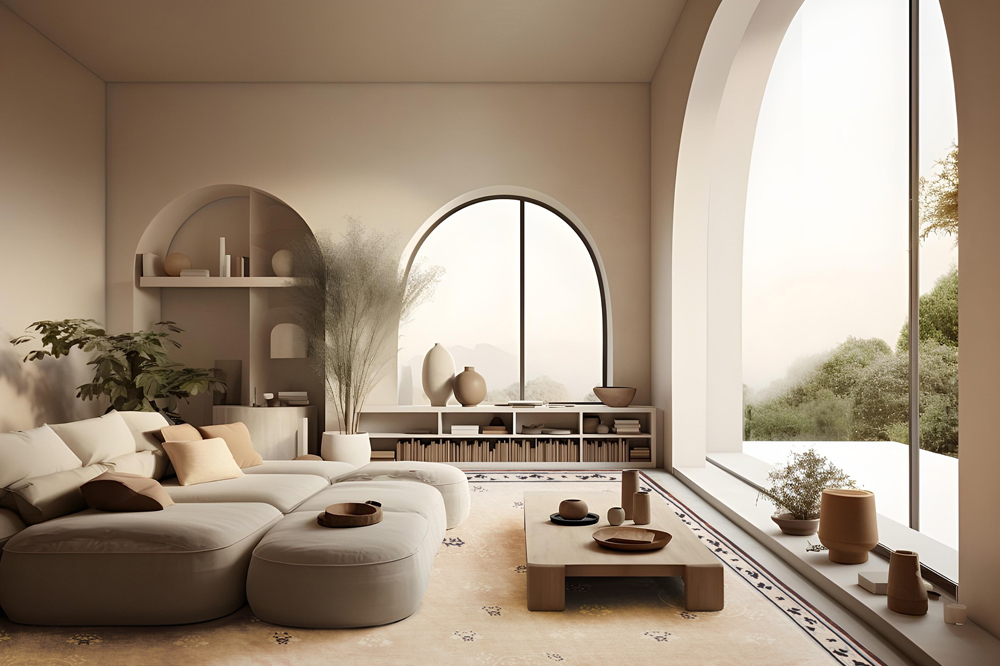
Definition – Minimalism is an interior design style characterized by clean lines, simple furnishings, and a light palette, complemented by soft antique rugs and textured carpets.
What kind of rugs are ideal for a Minimalist interior? Rugs with limited palettes and geometric or open designs fit Minimalist interiors best. Age-worn antique rugs add character to sterile rooms while Scandinavian rugs and their gridded designs bring a sense of order.
Key Takeaways
- Minimalism is a design aesthetic born from an art movement in the mid-20th century.
- Antique and vintage rugs make for great furnishings in Minimalist designs.
- Neutral colors, clean geometry, and textured piles work best.
- Cohesive pops of color work well to tie a room together.
Minimalist Aesthetics and Design
Minimalist interior design has existed since the mid-20th century and skyrocketed in popularity soon after. It’s still a prevalent aesthetic of modern homes, preferred for its clean lines and tranquil atmosphere. Because of its often futuristic appearance, most don’t tend to consider antique and vintage rugs when looking to furnish a minimalist space. They complement the design style surprisingly well, though. It just takes a bit of finessing. Learn which antique and vintage rugs to look out for when designing an interior.
What is Minimalism?
Minimalism as an art and design movement came about in the mid-20th century following WWII. It drew inspiration from eastern cultural interior design, specifically that of Japan, meant to foster peace and tranquility. At its core, the style is about intentionality, leaving behind the lavish embellishments of prior design eras and focusing on the bare essentials. What resulted were neutral color palettes, clean lines, simple forms, open space, and a “function-first” philosophy.
Minimalism has inspired several sub-categories of design, each tied together by the same core principles:
- Clean lines
- Form follows function (simple)
- Open plans
- Natural lights
- Monochromatic palettes with accent pieces
Scandi and Japandi
Scandi and Japandi styles of interior design are two popular forms of Minimalism. Both exist as cultural adaptations of the aesthetic, one based in Scandinavian conventions and the other in Japanese. Their basis follows the basic principles of Minimalism — natural light, neutral tones, and simple forms. Japandi utilizes warm tones throughout the entire layout though, even in their whites, while Scandi Decor skews towards cooler tones with warm accents.
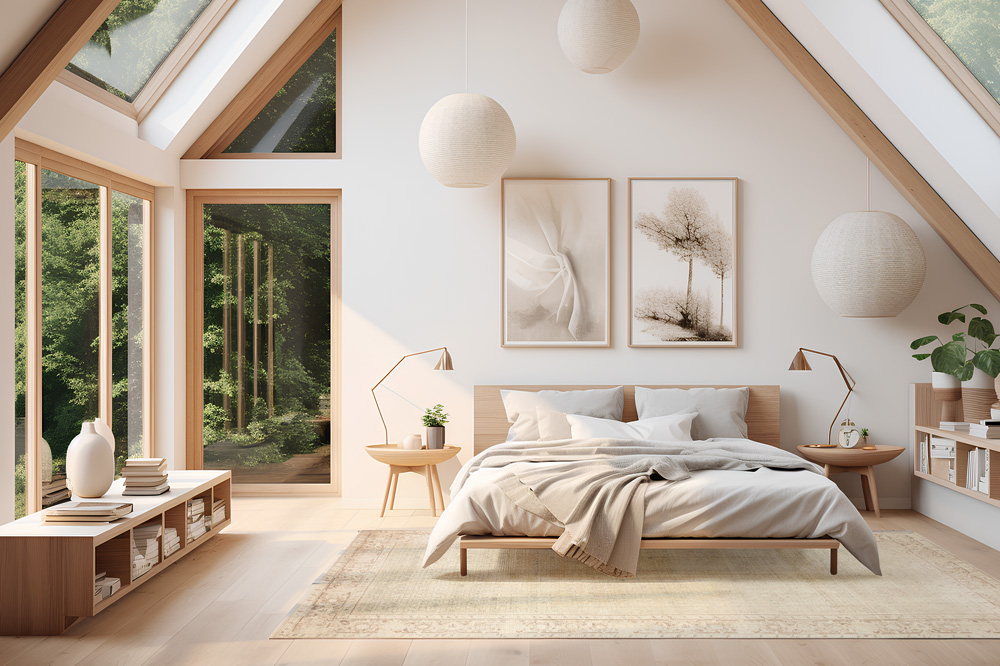
Industrial Minimalism
Industrial Minimalism is one of the most recognizable forms of Minimalism, taking a brutalist approach to the aesthetic. Rather than the incorporation of natural materials like wood or stone, the Industrial style instead leans more towards metal and concrete. It implements a cool-tone palette, with intentionally exposed structural elements.
Minimalism vs Maximalism
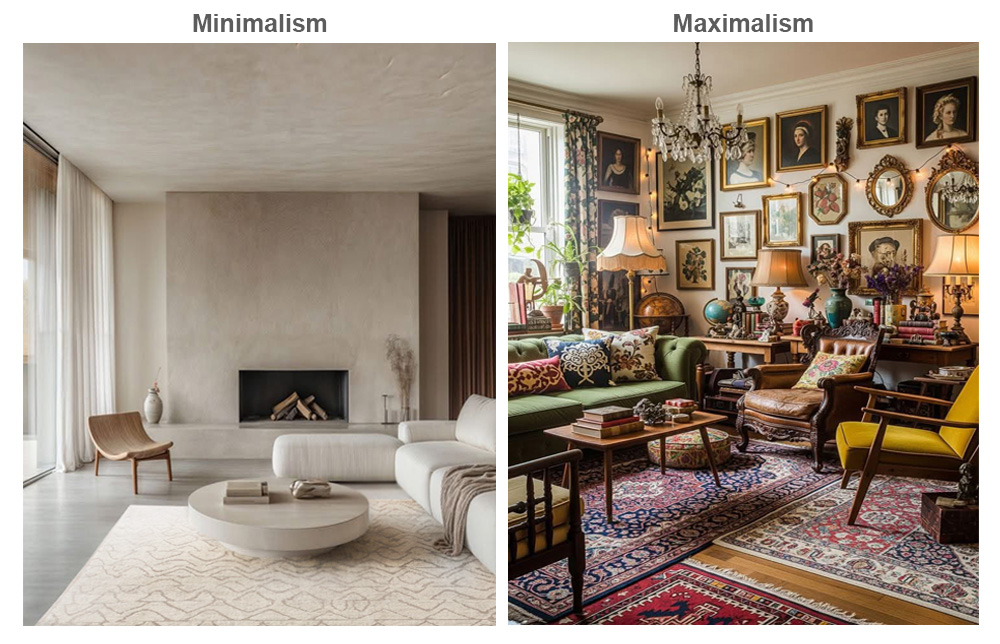
Minimalism’s direct opposite is Maximalism, an aesthetic that’s recently been steadily rising in popularity. Closer to Bohemian design, a Maximalist interior is all about organized clutter and abundance. Clashing patterns and decorative elements are more than encouraged, as are color and patterns, resulting in a personalized eclecticism. The style is rooted in the opulence of the late Victorian era and embraces rich, saturated tones, and emphasizes individualism.
Minimalism, on the other hand, leans into philosophies like “less is more,” and seeks to establish a tranquil environment. Neutral palettes and simple patterns win out over the vibrant chaos of Maximalism. The idea that each element’s design should be based on its function is in direct opposition to the Maximalist ideal of intricate ornamentation just for the sake of it.
Can you Furnish Minimalist Interiors With Vintage and Antique Rugs?
Antique and vintage rugs span over such a long period of time and over so many cultures that they’re incredibly varied. Whether looking to furnish a Minimalist or Maximalist interior, these historic pieces can always satisfy. Use the following as a starting point.
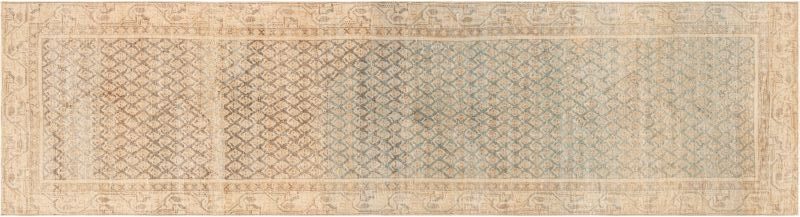
1. Oversized Antiques and Runners
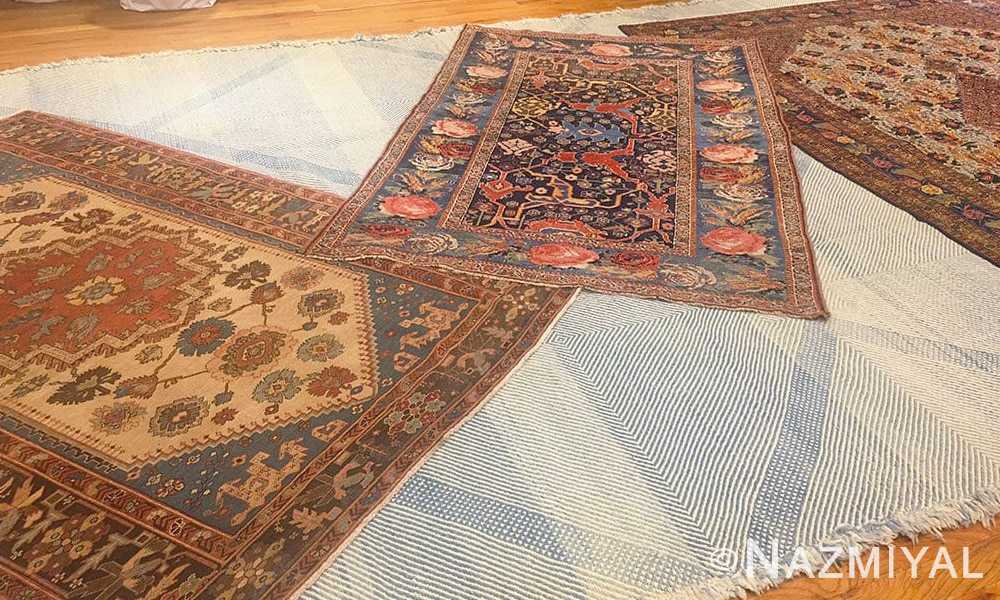
Minimalist spaces are often open-concept, with large windows for plenty of natural light, and limited furniture. A de-cluttered space that can breathe is a staple of the Minimalist style. It presents the perfect opportunity to incorporate large and oversized rugs. Long runner rugs are the perfect touch for hallway spaces and kitchens. Faded antiques with soft, glowing patinas do well to tie the room together, especially those with neutral palettes and neat design patterns. Look through our collection of Persian and Oushak rugs and runners.
2. Scandinavian Designs
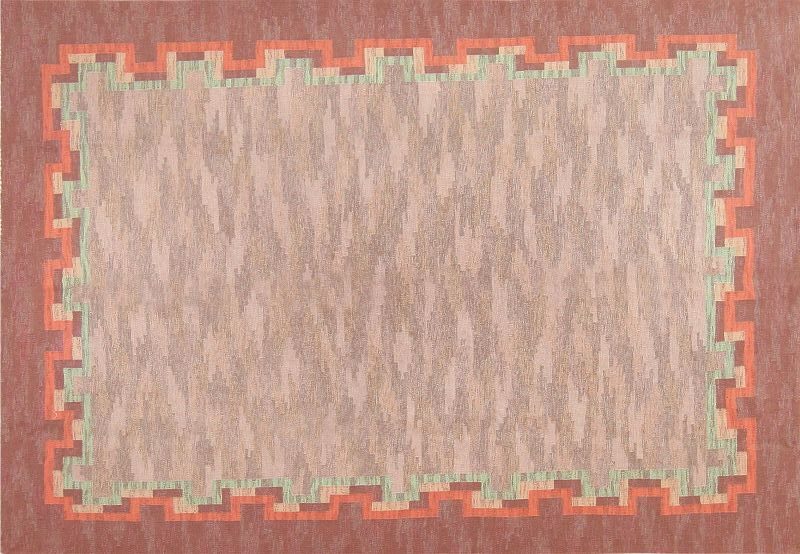
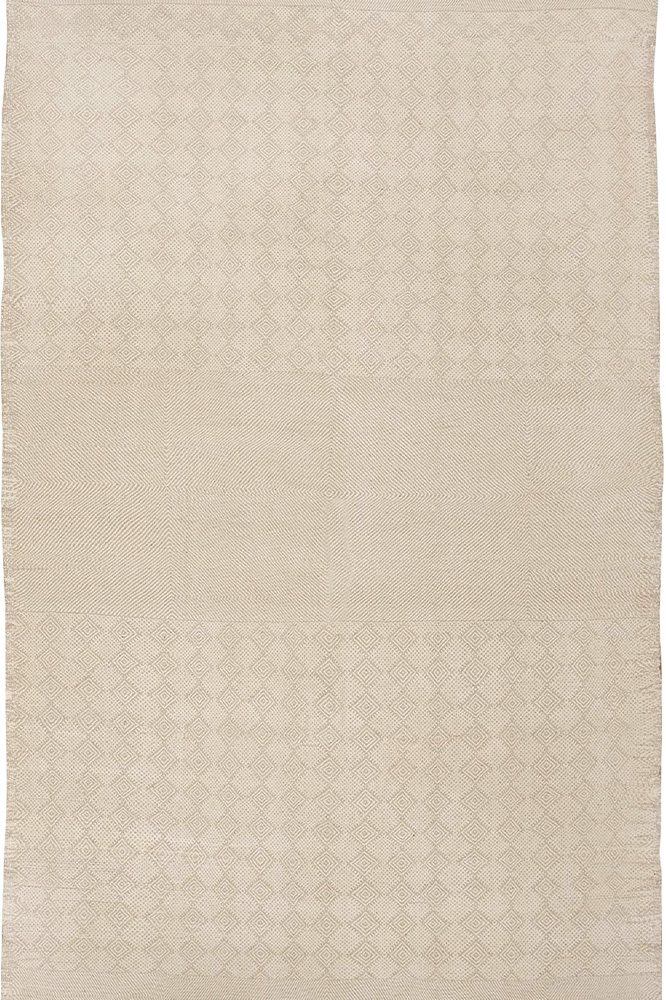
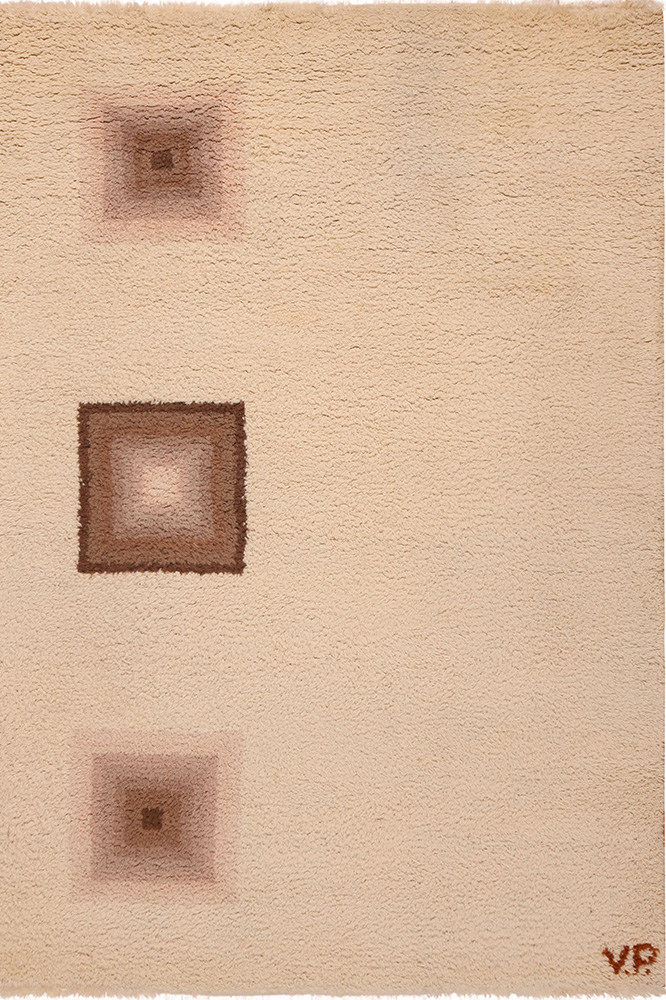
Scandinavian design rugs are ideal in that they’re practically made for Minimalist interiors. They stick to lighter palettes and pastels, as well as clean, geometric patterns. They exist both in pile and kilim form, making them the perfect choice for layering. The kilims specifically are lightweight enough to double as attractive wall-hung tapestries if desired.
3. Art Deco
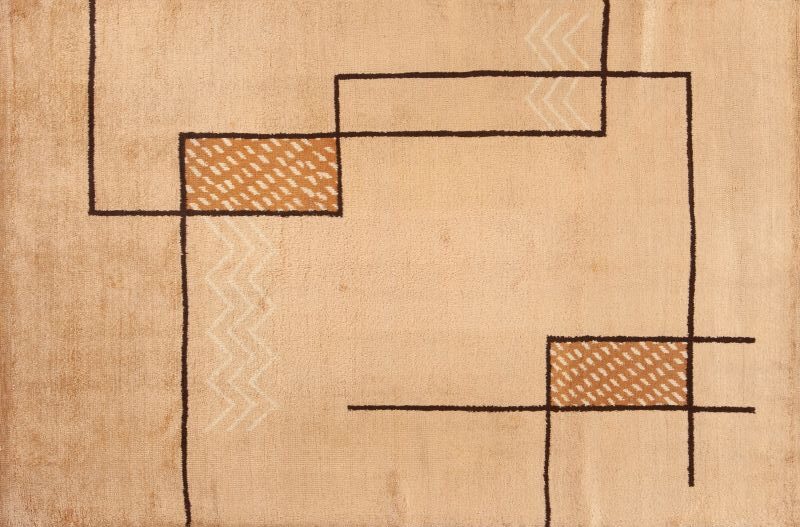
While the Art Deco period of art and design was antithetical to Minimalism in its opulence, it follows a similar geometric philosophy. Art Deco rugs often feature the clean lines and simple forms popular in Minimalist aesthetics.
4. Antique Chinese and East Asian Rugs
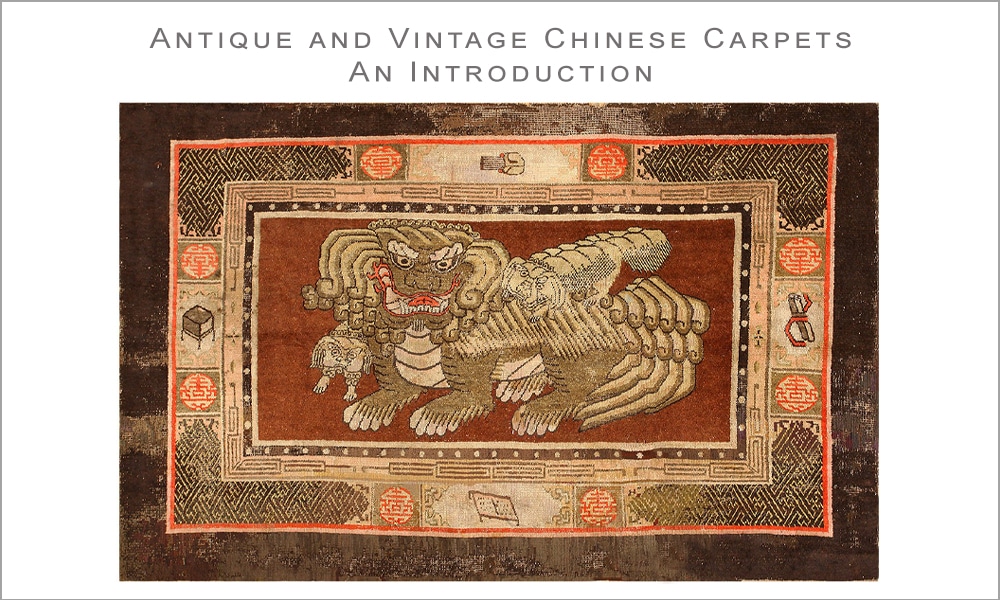
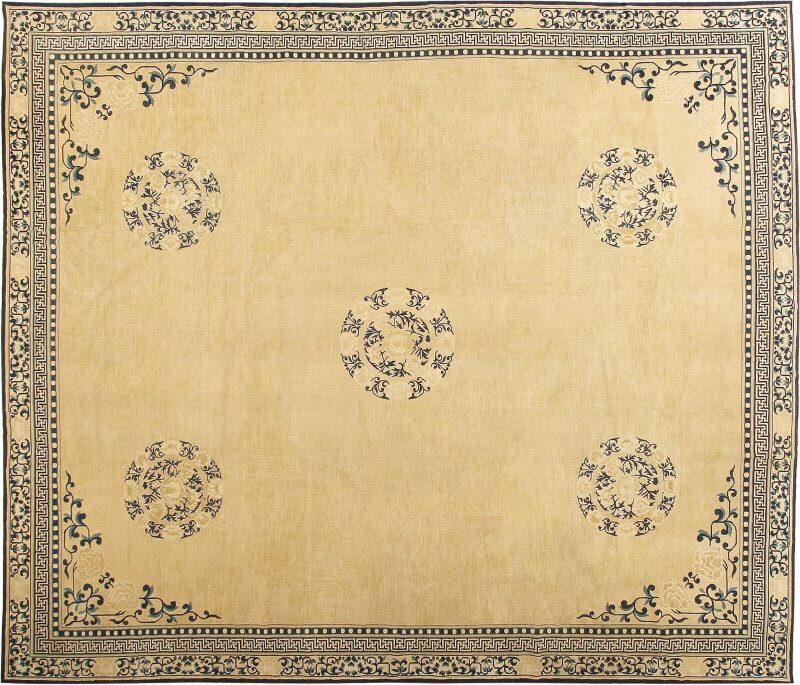
With Minimalism’s design philosophy rooted in Eastern ideals of tranquility, it’s no surprise that East Asian and Chinese productions make for great additions to Minimalist interiors. With limited palettes of ivory, gold, and blue, as well as precise patterning, these rugs can work as either accent pieces or quiet decorative weaves. Much of their designs understand the importance of leaving breathing room in the pattern field, making even allover patterns properly spaced out and uncluttered.
5. Moroccan Tribal Rugs
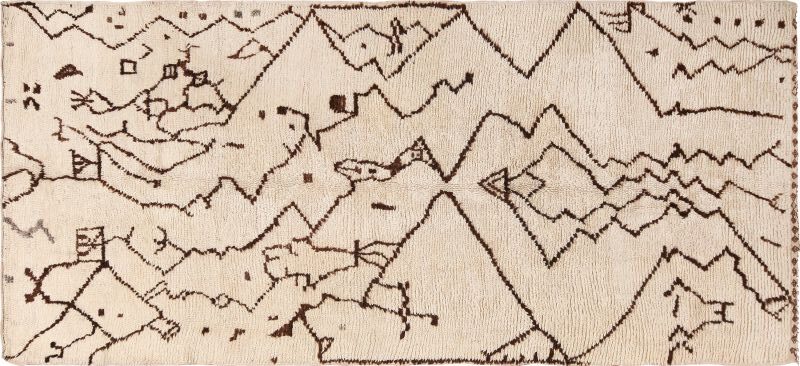
Tribal and village productions offer a wide range of rugs, from colorful and graphic to refined and minimalist. Often highly textured, a tribal rug introduces a tactile dynamic important to Minimalist spaces. Their designs are abstract and geometric, keeping the core principles of Minimalism while deviating just enough to be exciting.
Avoid These Mistakes!
The bare-bones look of Minimalism makes it difficult to hide any design mistakes when furnishing your interior. Avoid making the following common mistakes when picking out a new rug for your space.
1. Undersizing Rugs – Overestimating the size of a rug is one of the most common mistakes when furnishing across all different room types. While it may seem like a small detail, overlooking it results in awkward placement and a floating rug.
2. Busy Patterns and Colors – Minimalism is about building a serene and peaceful environment. While this doesn’t mean you should shirk all color or pattern entirely, try to avoid any designs that are too busy or “loud.” They’d be an unwelcome and jarring distraction.
3. Ignoring Texture – Minimalism does not equal boring, and a flat, plain rug will unfortunately feel that way unless balanced out. Some pile or texture on an otherwise simple rug goes a long way.
Instead, Choose…
- When in doubt, go bigger! A larger rug feels more intentional and will ground the space more effectively.
- Neutral tones and patterns. Go for softer hues that won’t upset the room’s rhythm.
- Prioritize texture. Look for rugs with higher piles and made from materials like wool or jute. This will make them more visually interesting.
Featured Rugs
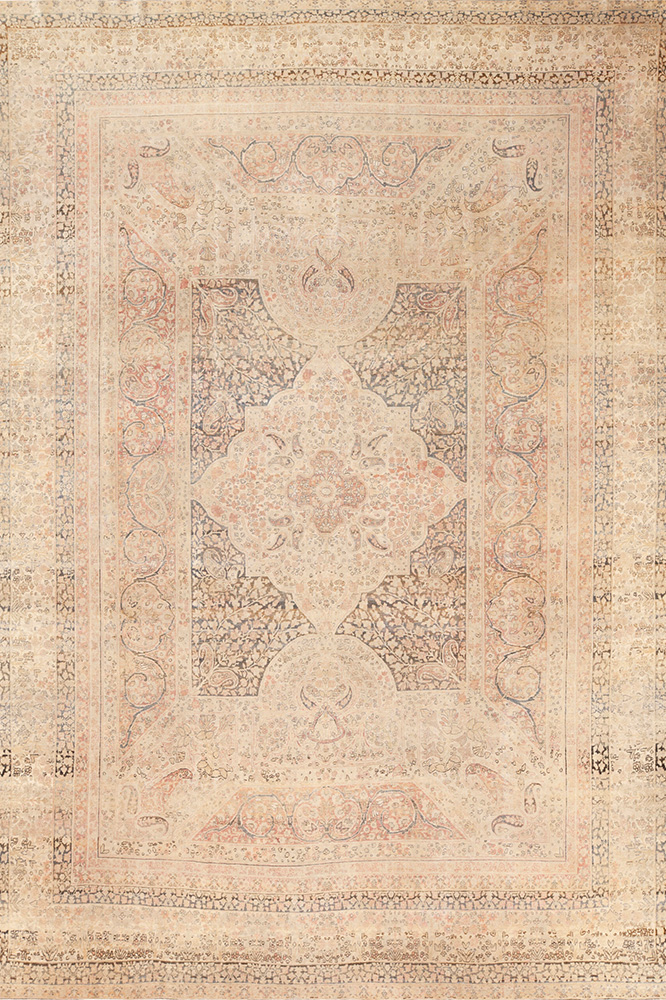
The Nazmiyal Collection features plenty of antique and vintage rugs suitable for a Minimalist interior. Browse through our selection of Scandinavian, antique, and neutral tone rugs.
Final Thoughts
Minimalism is a design style that came about in the mid-20th century and followed a simple aesthetic that rid itself of unnecessary embellishment. Minimalist interiors seek to establish a tranquil atmosphere with clean geometric elements, neutral palettes, and a decluttered space. Antique and vintage rugs are surprisingly apt furnishings in these interiors, as long as palette, pattern, and scale are kept in mind. Soft patinas due to age are ideal for curated serene environments, as are textured piles and muted tones.
Frequently Asked Questions
What are the core principles of what makes up Minimalist interior design?
Minimalist design is made up of: clean lines, simple forms, neutral palettes, open plans, and natural lighting.
Why do antique and vintage rugs make for great furnishings in Minimalist interiors?
Antique rugs come in all forms, and their aged looks help soften tones to better fit Minimalist interiors.
How can you incorporate an antique rug into a Minimalist space?
Take sizing, color, and pattern into consideration. Be sure the rug properly fits the space and ties the room together using cohesive patterning and palette.
Is texture important to Minimalist interior design?
Yes. While Minimalism is about limiting space to its essentials, it shouldn’t be boring. Adding a textured element like a pile rug helps keep the space engaging.