What makes a rug a collector’s treasure, woven with centuries of history? Can one piece capture a culture’s soul? Perhaps you’ve dreamed of an antique Persian rug that grows in value. Collecting antique rugs blends artistry and heritage. Each rug holds a unique story. Antique rugs, especially Persian ones, offer beauty and investment potential. Whether you love intricate designs or seek a rug’s origins, this guide answers your questions. It inspires a valuable collection. Nazmiyal helps you find antique rugs for a lasting legacy. Ready to start collecting?
Understanding Authenticity: What Makes a Rug Collectible?
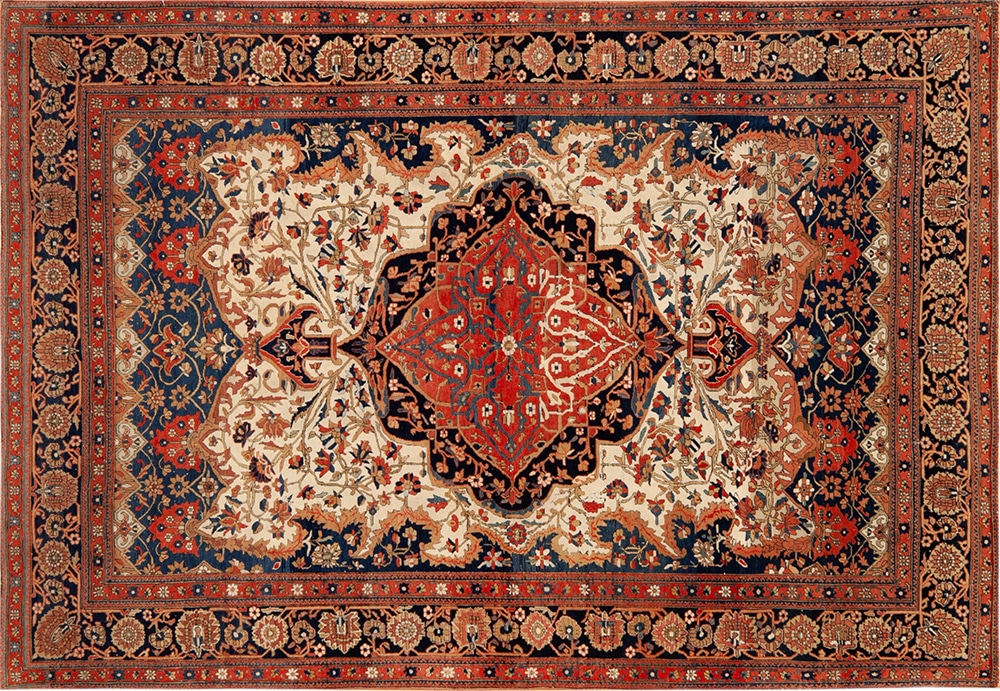
Authenticity is the foundation of any serious rug collection, particularly when it comes to antique rugs and antique Persian rugs. A collectible rug stands out due to its age, typically over 100 years, combined with exceptional craftsmanship, rarity, and condition. Antique Persian rugs, woven in regions like Tabriz, Kashan, or Isfahan, are especially coveted for their intricate designs, such as floral medallions, geometric motifs, or detailed borders, all handcrafted with precision. These rugs use natural materials like wool, silk, or cotton, dyed with plant-based colors that retain vibrancy over centuries. Unlike modern reproductions, authentic antique rugs carry the marks of their makers—subtle imperfections that reveal human artistry rather than machine uniformity.
What makes a rug truly collectible goes beyond aesthetics. Historical context, such as a rug’s connection to a specific tribe, village, or royal workshop, adds depth to its value. For example, a 19th-century Kerman rug might feature patterns unique to its weaver’s community, making it a rare find. Collectors should also assess condition: minimal wear, intact pile, and original edges signal a well-preserved piece. Rarity plays a role too—rugs with unusual color palettes or discontinued techniques, like those using certain indigo dyes, are highly sought after. By focusing on these factors, you ensure your collection includes antique rugs that are not only visually striking but also significant investments. At Nazmiyal, we prioritize authenticity, offering expertly vetted antique Persian rugs that meet the highest standards for collectors seeking pieces with lasting appeal and cultural weight.
The Importance of Provenance: Telling the Rug’s Story
Provenance is the narrative thread that weaves an antique rug into the fabric of history, transforming it from a decorative item into a collectible treasure. For antique Persian rugs, provenance details the rug’s origin, age, and journey—whether it was crafted in a bustling bazaar, a remote village, or a royal atelier. A rug with documented provenance, such as a 17th-century Safavid piece from Isfahan, carries a story that enhances its value and authenticity. This record might include the weaving region, the artisan group, or even its past owners, offering a glimpse into the cultural and historical context of its creation.
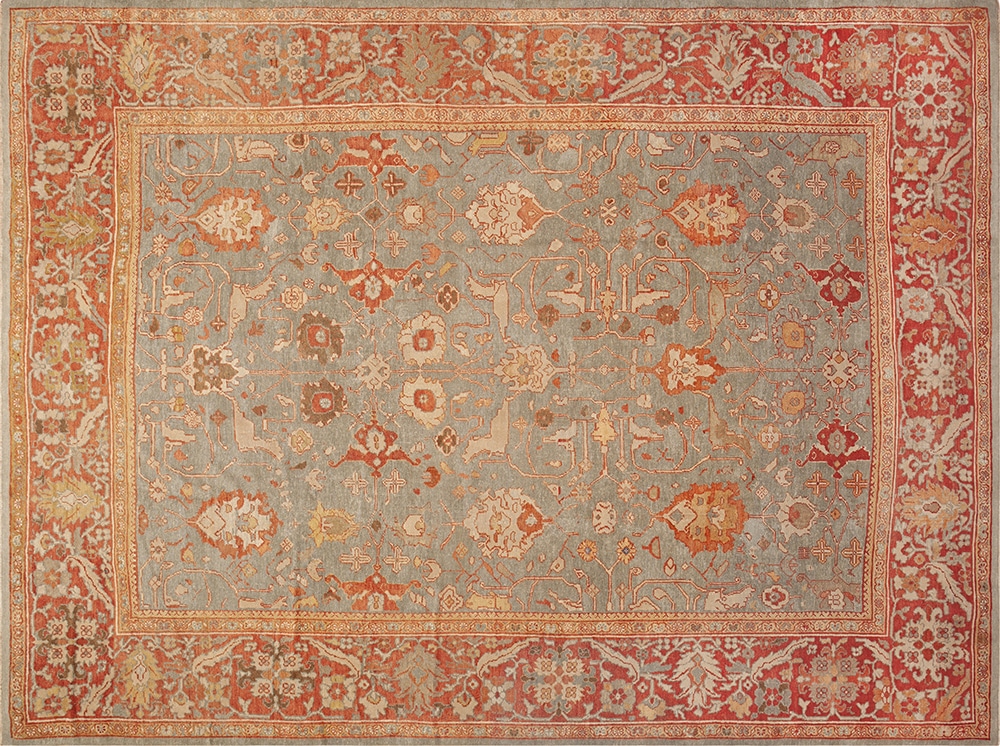
Why does provenance matter? Beyond confirming authenticity, it connects collectors to the rug’s legacy. Imagine owning an antique Persian rug once displayed in a Persian palace—its story becomes a conversation piece, enriching your collection’s depth. Provenance also protects against forgeries, as undocumented rugs may lack the verifiable age or quality of true antiques. When sourcing rugs, ask for certificates, auction records, or expert appraisals to validate claims. Reputable dealers like Nazmiyal provide detailed provenance for each piece, ensuring transparency. For example, a rug’s listing might note its creation in Tabriz during the Qajar dynasty, complete with stylistic analysis tying it to that era. Collectors should also research regional hallmarks, like the bold reds of Heriz rugs or the delicate blues of Kermans, to cross-check provenance claims. By prioritizing rugs with clear histories, you build a collection that not only captivates visually but also preserves the stories of the artisans who crafted them, making each piece a tangible link to the past.
Curating a Cohesive Collection: Quality Over Quantity
A remarkable rug collection isn’t measured by its size but by its coherence and quality. Rather than accumulating dozens of rugs, focus on selecting antique rugs—especially antique Persian rugs—that complement each other and reflect your personal vision. Quality begins with authenticity and craftsmanship: seek pieces with intricate designs, vibrant natural dyes, and durable materials like wool or silk. For instance, pairing a finely woven Kashan rug with a bold, tribal Baluch piece can create a striking contrast while maintaining a shared sense of heritage. Consider how colors, patterns, and sizes interact—a cohesive collection might feature rugs with similar palettes, like earthy reds and blues, or varied styles unified by a common origin, such as Persian weaves.
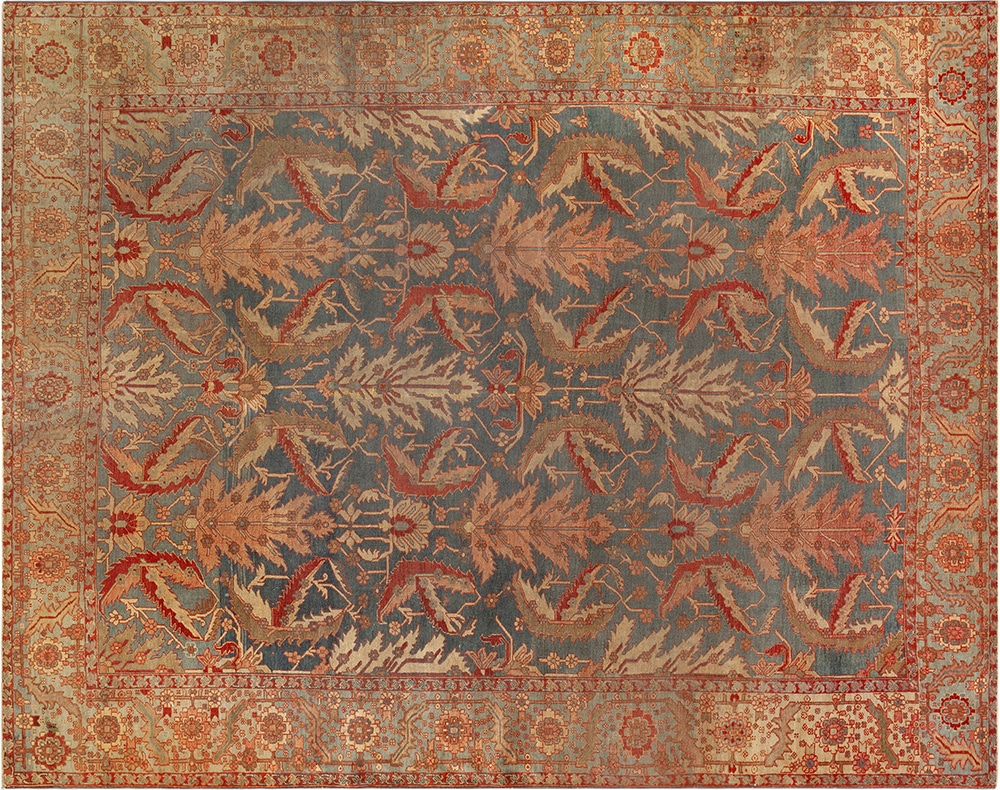
Curating thoughtfully means prioritizing rugs that resonate with your goals. Are you drawn to the symmetry of city-made rugs or the spontaneity of nomadic designs? Define your focus to avoid a disjointed assortment. Condition matters too—opt for rugs with minimal repairs and intact structures to ensure longevity. Size is another factor; a mix of room-sized carpets and smaller accent pieces adds versatility to your collection’s display. Researching regional styles, like the star medallions of Shiraz rugs or the lattice patterns of Bidjars, helps you make informed choices. Beyond aesthetics, think about the stories your rugs tell together—perhaps a collection centered on 19th-century Persian weaves that showcase evolving techniques. By choosing quality over quantity, you create a collection that feels intentional, harmonious, and deeply personal. Nazmiyal’s curated inventory makes this process easier, offering antique Persian rugs that balance rarity and artistry to help you build a collection with purpose and impact.
Investment and Legacy: Rugs That Appreciate Over Time
Antique rugs, particularly antique Persian rugs, are more than artistic masterpieces, they’re investments with the potential to grow in value and become family heirlooms. Unlike mass-produced decor, authentic antique rugs are finite; their rarity increases as time passes, especially for well-preserved pieces from renowned weaving centers like Tabriz or Kerman. Historical significance drives appreciation—rugs tied to specific periods, such as the Safavid dynasty, or featuring rare techniques, like silk pile weaving, often see their market value rise steadily. For example, a finely knotted Isfahan rug from the 18th century might fetch exponentially more today than it did decades ago, reflecting its scarcity and enduring appeal.
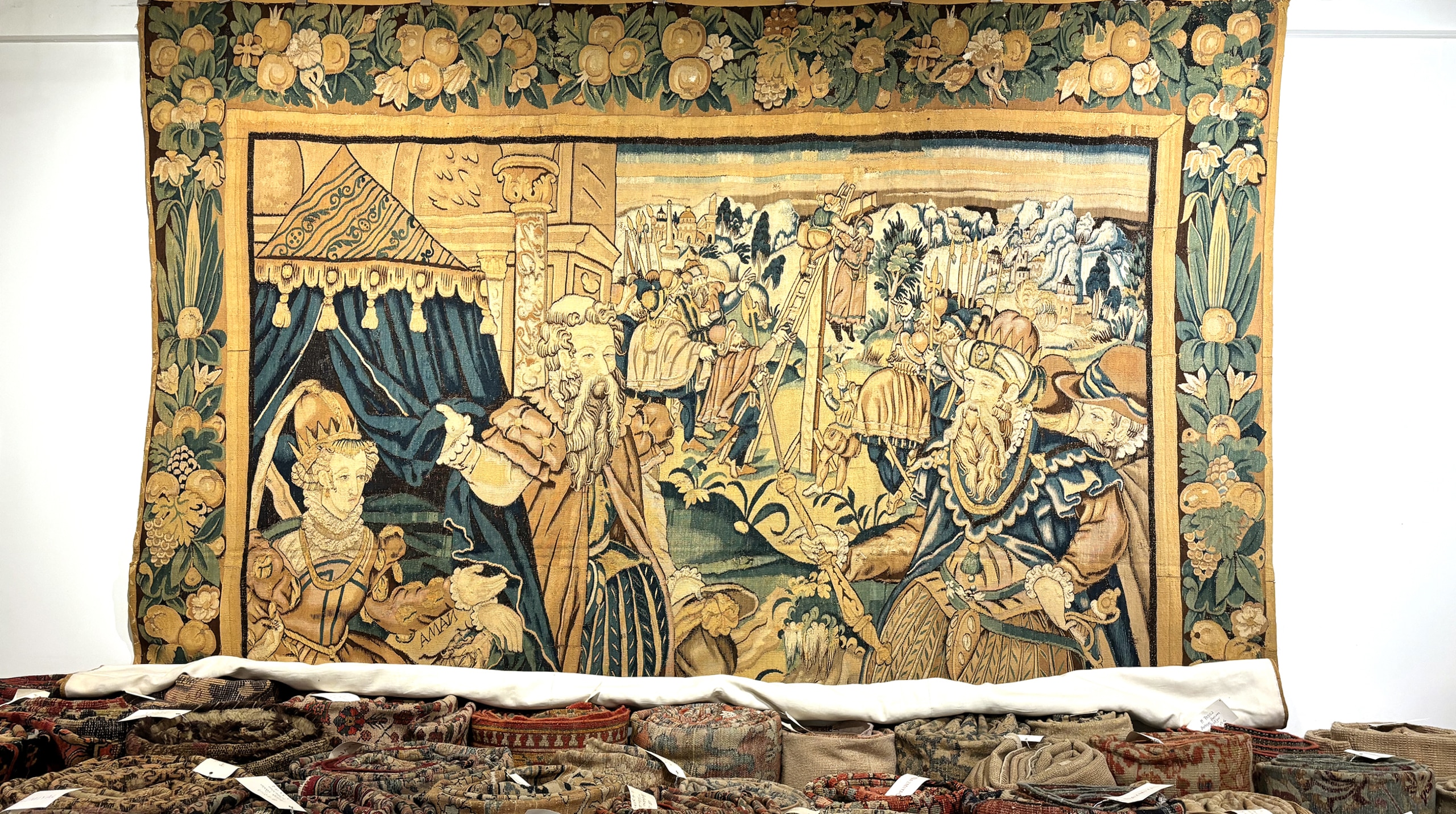
Investing wisely requires focusing on quality and provenance. Rugs in excellent condition, with vibrant colors and minimal wear, hold stronger market potential. Unique designs, such as those with unconventional motifs or colors, also stand out to collectors and auction houses. Beyond financial gain, antique rugs offer a legacy. A carefully chosen rug can be passed down through generations, carrying stories of its origins and your curatorial eye. Imagine gifting a 19th-century Heriz rug to your children, its bold geometric patterns sparking curiosity about its past. To maximize investment potential, work with trusted dealers who provide authenticated pieces and market insights. Regular care, like gentle cleaning and proper storage, preserves both value and beauty. By selecting antique Persian rugs with historical weight and artistic merit, you’re not just building a collection—you’re creating a tangible link to history that rewards financially and emotionally, ensuring your passion for rugs endures for decades.
Exploring Other Antique Rug Types: Chinese, Caucasian, Indian, and More
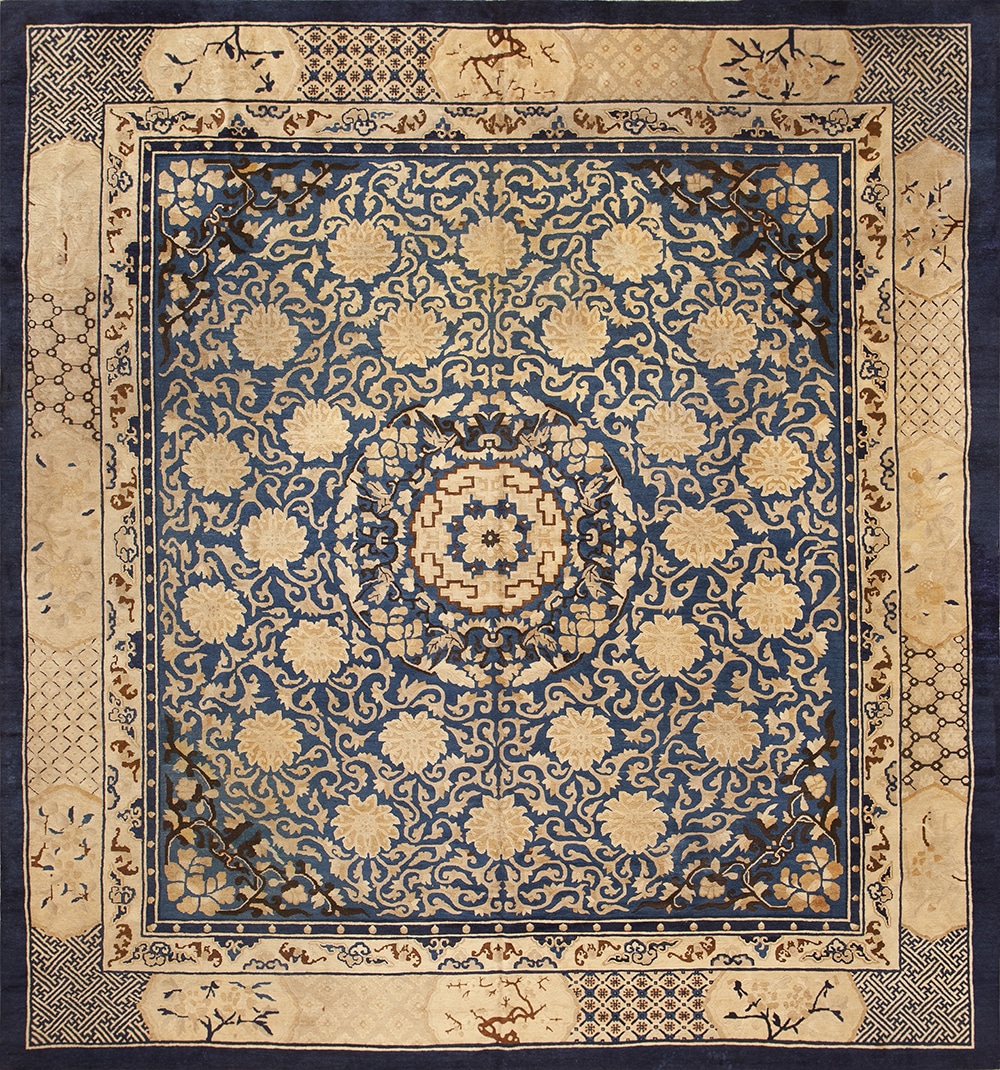
While antique Persian rugs often steal the spotlight, other antique rug types like Chinese, Caucasian, and Indian weaves offer unique appeal for collectors. Chinese antique rugs, dating from the 17th to 19th centuries, are known for their minimalist elegance, featuring motifs like dragons, clouds, or lotus flowers in soft blues, golds, and ivories. Crafted with silk or wool, their asymmetrical designs reflect Buddhist and Taoist influences, making them prized for their serene aesthetic. A well-preserved Ningxia rug, for instance, adds a contemplative charm to a collection.
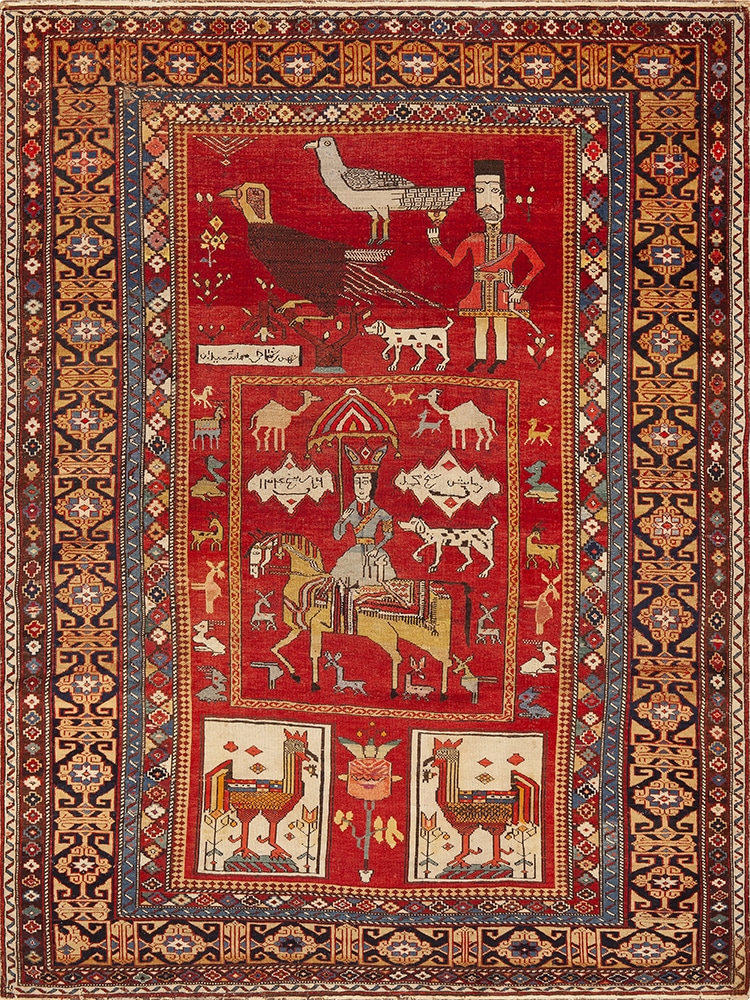
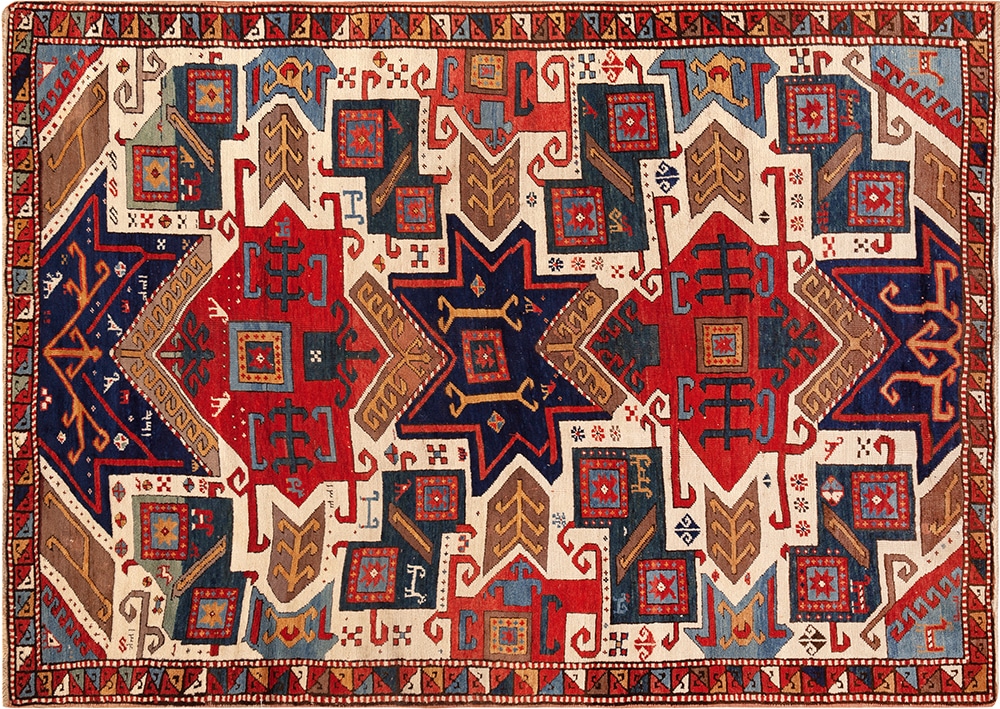
Caucasian rugs, hailing from regions like Karabagh or Kazak, are bold and geometric, with vivid reds, blues, and whites. Woven by nomadic tribes between the 18th and early 20th centuries, these rugs feature star medallions, angular florals, or animal motifs, reflecting rugged mountain life. Their sturdy wool construction and vibrant natural dyes ensure durability, appealing to collectors seeking striking, tribal energy. Indian antique rugs, often from Agra or Jaipur, showcase Mughal-inspired designs with lush florals, scrolling vines, or palmette patterns. Crafted in the 16th to 19th centuries, these rugs use rich reds, greens, and creams, blending Persian influences with Indian artistry, ideal for collectors drawn to opulent, courtly styles.
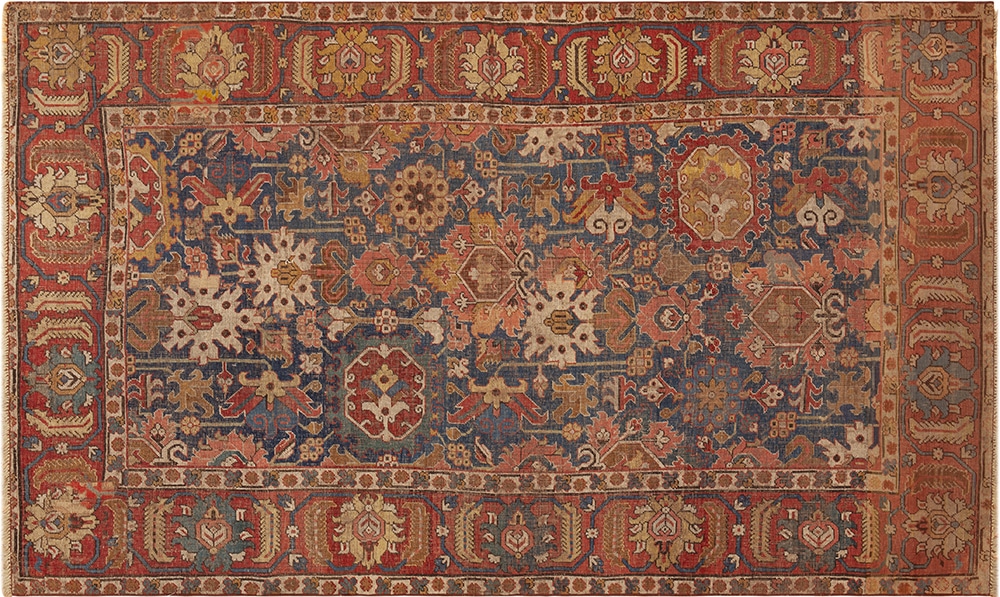
Other regions, like Anatolian (Turkish) or Central Asian (Turkmen) rugs, add further diversity. Anatolian rugs feature small-scale geometric patterns in earthy tones, while Turkmen rugs, like those from the Tekke tribe, boast iconic gul motifs in deep reds. Each type requires the same scrutiny as Persian rugs—verify age, condition, and provenance to ensure authenticity. Incorporating these rugs into a collection adds variety, balancing the refined intricacy of Persian weaves with the bold or minimalist styles of other cultures. Nazmiyal’s inventory includes these diverse antique rugs, helping collectors explore global traditions while maintaining a cohesive vision.
Caring for Your Antique Rugs: Preservation Tips
Preserving the beauty and value of your antique rug collection demands diligent care, especially for delicate antique Persian rugs. These handwoven treasures are durable but require attention to maintain their condition over centuries. Start with regular cleaning: vacuum gently on low suction to remove dust, avoiding the fringes to prevent fraying. Every three to five years, invest in professional cleaning by experts familiar with antique rugs, as harsh chemicals can damage natural dyes. Spills should be blotted immediately with a clean cloth—never rub, as this can push stains deeper or distort the pile.
Sunlight is a silent threat; prolonged exposure fades vibrant colors like indigo or saffron. Rotate your rugs every six months to ensure even wear and shield them from direct sun with curtains or UV-filtering window treatments. For rugs not in use, storage is critical. Roll (never fold) them to avoid creases, and wrap them in breathable cotton or muslin to prevent moth damage. Store in a cool, dry place, checking periodically for pests. Minor repairs, like frayed edges or small tears, should be addressed promptly by skilled restorers who use period-appropriate techniques to maintain authenticity. Avoid heavy furniture placement that compresses the pile unevenly, and use rug pads to reduce friction and wear.
Humidity control is also key—aim for 40-50% to prevent mold or fiber brittleness. For high-traffic areas, consider rotating rugs between rooms to distribute wear. By following these steps, you protect the intricate patterns and historical value of your antique rugs, ensuring they remain stunning centerpieces. Nazmiyal offers guidance on care tailored to each rug’s unique needs, helping collectors safeguard their investments for future generations.
Nazmiyal: Your Trusted Partner in Rug Collecting
At Nazmiyal, we’re more than a source for antique rugs—we’re your partner in building a collection that reflects your passion and vision. Our extensive inventory of antique Persian rugs and other rare weaves is meticulously curated to meet the demands of discerning collectors. Each rug, whether a 17th-century Safavid masterpiece or a vibrant 19th-century Caucasian piece, comes with detailed provenance and authenticity guarantees, giving you confidence in every purchase. Our team’s decades of expertise means we understand what makes a rug collectible, from its craftsmanship to its historical context, and we’re here to guide you every step of the way.
We believe collecting should be personal. Whether you’re starting with a single antique Persian rug or refining an established collection, we offer tailored advice to match your aesthetic and investment goals. Our online platform provides high-resolution images, comprehensive descriptions, and expert insights, making it easy to explore rugs from Tabriz, Kashan, or beyond. We also facilitate in-person viewings for those seeking a hands-on experience. Beyond sales, we provide resources on care, valuation, and market trends to help your collection thrive. Nazmiyal’s commitment to transparency and quality has earned us trust worldwide, from novice collectors to seasoned investors. Discover our collection today and find the antique rug that speaks to you, knowing you’re backed by a team dedicated to preserving the art and legacy of rug collecting.
Discover our newest antique rugs to inspire and enhance your collection: