The 1950s marked a turning point in design, where homes embraced a fresh, modern aesthetic. Rugs and carpets from this decade reflected a world moving forward after the war, with bold patterns, vibrant colors, and innovative materials shaping a new sense of style. Unlike the ornate designs of earlier eras, 1950s rugs carried a playful, optimistic spirit that mirrored the energy of mid-century life.
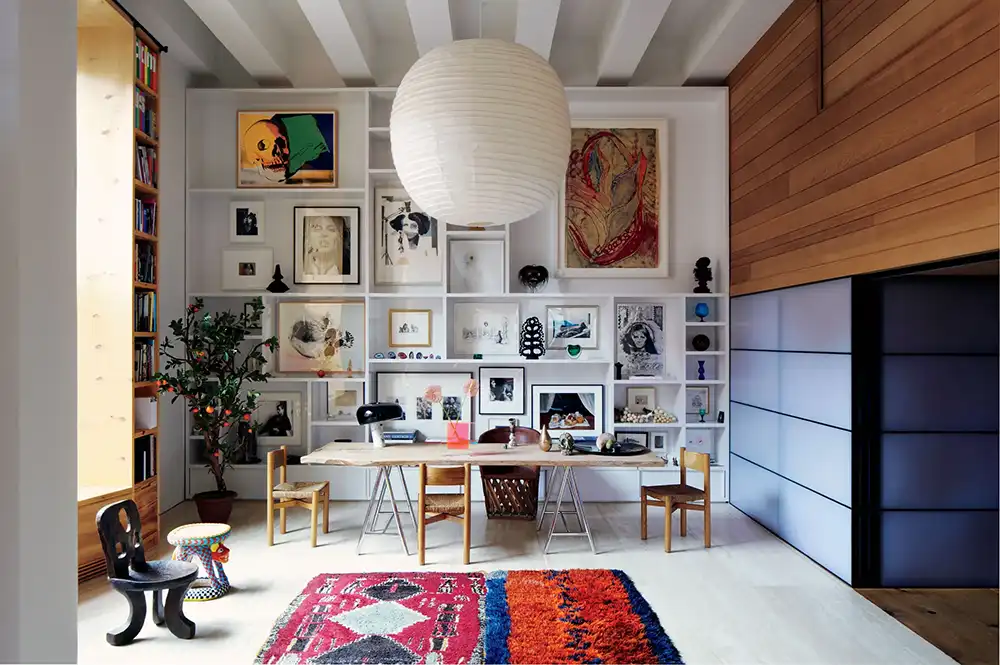
Geometric motifs, abstract shapes, and bright hues became the signature of the period. These rugs were not only decorative pieces but also expressions of the cultural shifts happening in art, fashion, and architecture. Carpets were used to define open-plan spaces, to bring warmth to streamlined interiors, and to highlight furniture designed by pioneers of mid-century modern style. Even today, the influence of 1950s rugs can be seen in contemporary homes that value both function and creativity.
But what made 1950s carpets so distinctive compared to other decades? How did their designs reflect the optimism of the postwar era? And more importantly, how can homeowners today use authentic or inspired 1950s rugs to bring mid-century character into modern spaces? These questions will guide us through the sections ahead.
The Rise of 1950s Rugs: A Mid-Century Design Movement
The 1950s brought a spirit of renewal and progress. After years of restraint, people turned to design that felt fresh, optimistic, and forward-looking. Rugs and carpets played a central role in this shift. They were valued not just as floor coverings but as key design pieces that shaped the mood of a home.
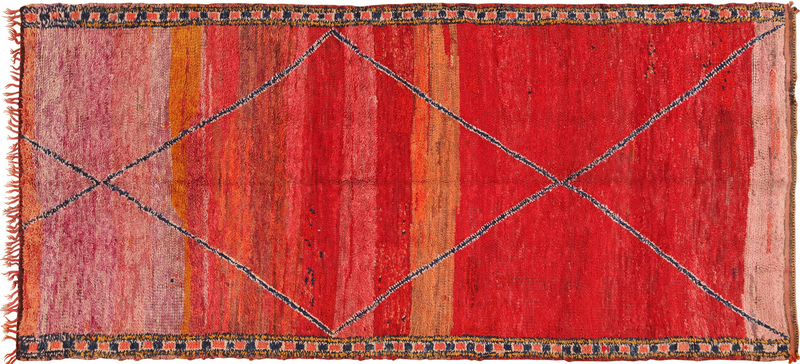
The mid-century modern movement influenced this change. Designers like Charles and Ray Eames or Eero Saarinen promoted clean lines, organic curves, and bold new forms. Rugs echoed these ideas. They highlighted open spaces, created focal points, and added vibrant energy to streamlined interiors. Their patterns and colors gave rooms personality while supporting modern furniture and layouts.
Earlier decades had favored ornate motifs, but the 1950s embraced playful geometry and striking contrasts. Bright colors appeared alongside abstract forms. New materials, such as synthetic fibers, made rugs more affordable and widely available. This accessibility allowed many households to join the modern design movement. Families across the United States and Europe placed bold carpets in their homes as a way to capture the excitement of the era.
The rise of 1950s rugs showed more than a change in style. It reflected a cultural moment where design expressed hope, creativity, and confidence in the future.
Defining Features of 1950s Carpets: Patterns, Colors, and Materials
Rugs and carpets of the 1950s stood out for their bold, innovative design. They were not created to fade into the background but to add energy and character to interiors. Every detail, from pattern to material, reflected the optimism of the postwar era.
Patterns and Motifs
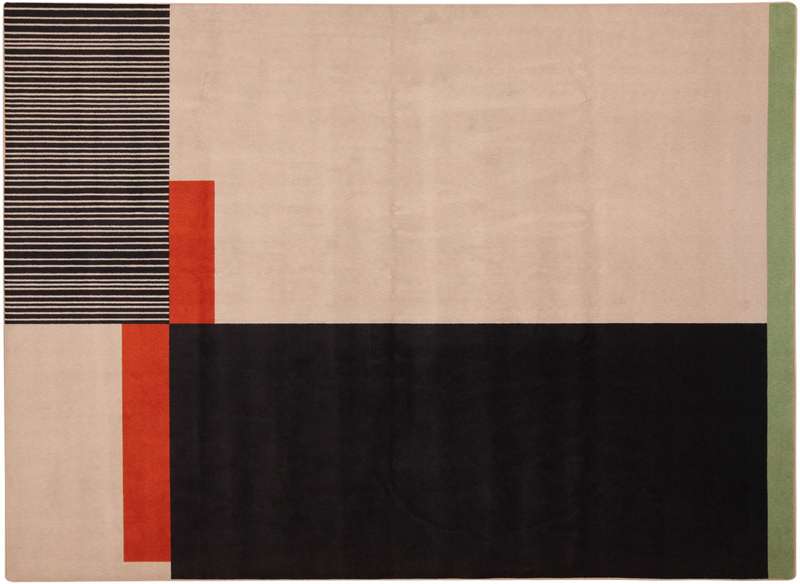
Geometric shapes became a signature feature. Triangles, circles, and abstract lines appeared in repeating patterns that felt modern and playful. Designers often drew inspiration from contemporary art movements, especially Abstract Expressionism and Pop Art. These influences gave rugs a sense of movement and excitement that matched the cultural energy of the decade.
Colors and Palettes
Color was another defining element of 1950s rugs. Bright reds, sunny yellows, and bold blues appeared alongside softer pastels such as mint green, blush pink, and pale turquoise. Many carpets combined vivid tones with neutral shades like beige or gray to keep the look balanced. The use of color reflected both optimism and a desire to break away from the muted palettes of the previous generation.
Materials and Textures
Innovation extended to materials as well. Wool remained a popular choice, but new synthetic fibers such as nylon and acrylic entered the market. These materials made rugs more durable, affordable, and easier to maintain. They also allowed for a wider range of textures, from plush pile carpets to flatter woven designs. For the first time, style and practicality could be combined at scale.
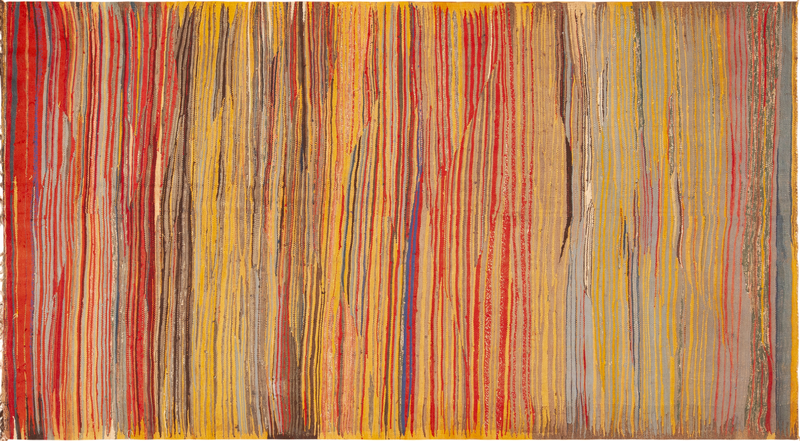
Together, these features defined the 1950s carpet. Bold patterns, vibrant colors, and new materials created rugs that were more than floor coverings. They embodied the optimism of the decade and captured the essence of mid-century modern living.
How 1950s Rugs Shaped Modern Interiors
The influence of 1950s rugs goes far beyond their original decade. Their bold colors, playful patterns, and innovative materials helped set the foundation for how we design interiors today. Many of the design choices we now consider “modern classics” were first explored through mid-century rugs and carpets.
Defining Open Spaces
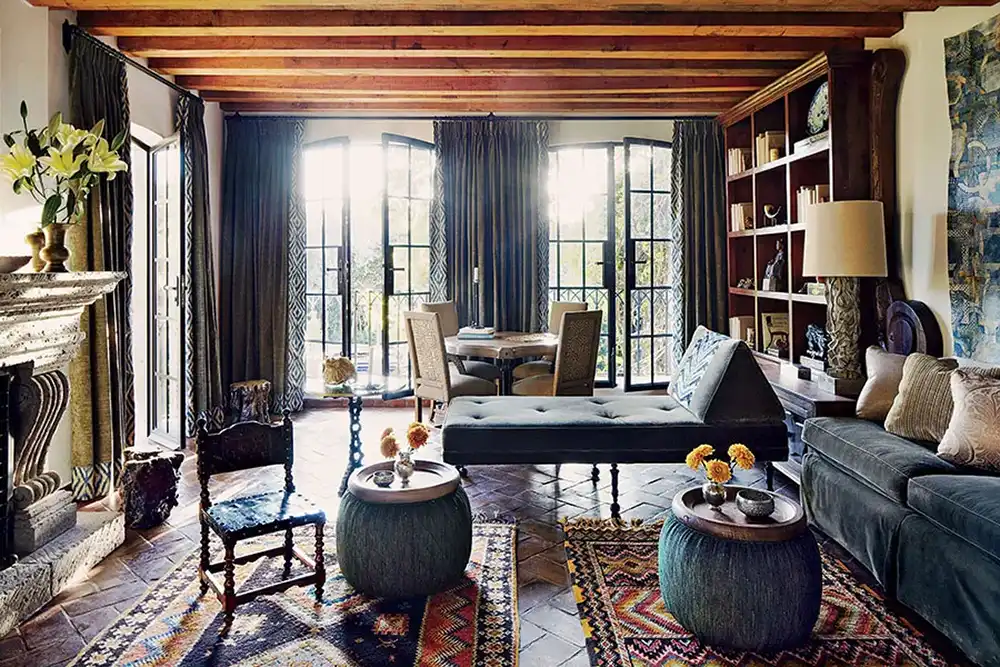
In the 1950s, homes began to shift toward open-plan layouts. Rugs were used to define areas within these larger rooms. A patterned carpet under a dining table or a colorful rug in the living area helped divide space while keeping the design cohesive. This practice continues today in lofts and open homes, where rugs remain essential tools for zoning.
Blending Art and Function
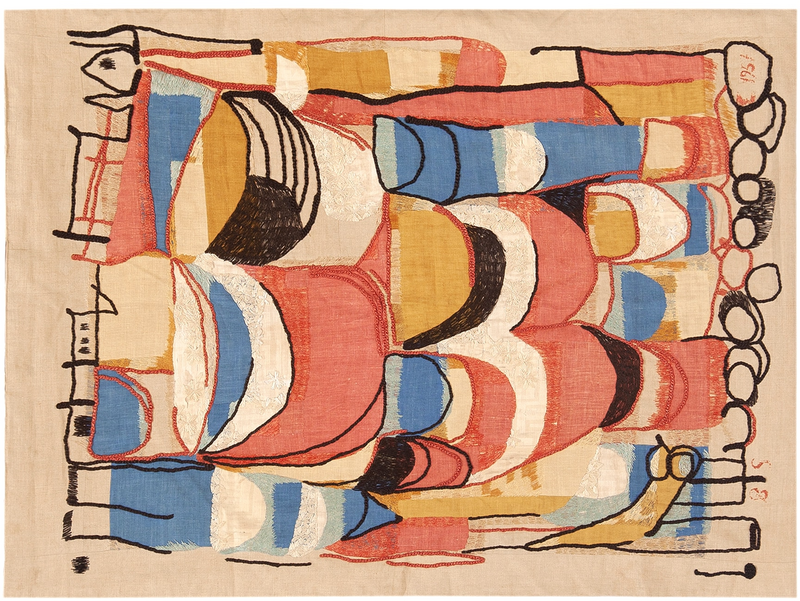
1950s rugs blurred the line between art and utility. Their designs echoed the creativity of modern art movements, turning carpets into conversation pieces. Instead of acting as simple backgrounds, rugs became focal points. This idea still drives contemporary interiors, where bold rugs are chosen to showcase personality and taste.
Setting the Tone for Color
The fearless use of color in the 1950s shaped design trends for decades. Bright pinks, deep blues, and energetic yellows proved that rugs could transform a neutral room into something vibrant. Today, designers often rely on rugs to introduce color into otherwise minimal spaces, a direct echo of mid-century influence.
Through their patterns, colors, and placement, 1950s rugs redefined what a rug could be. They shifted perception from a purely functional item to a central design feature. Their legacy continues to inspire modern interiors, proving that innovation from the past still shapes how we decorate today.
Popular Rug Styles of the 1950s
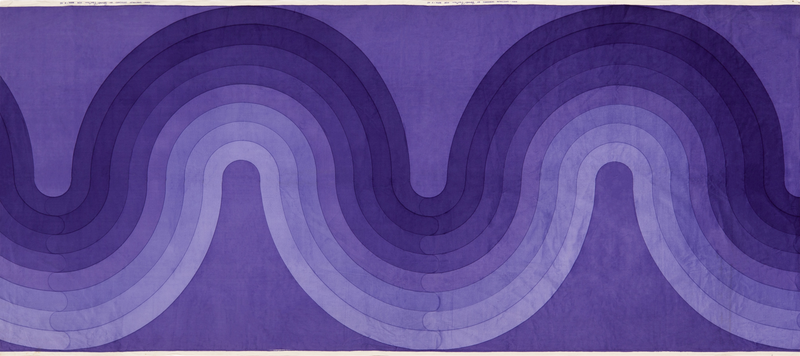
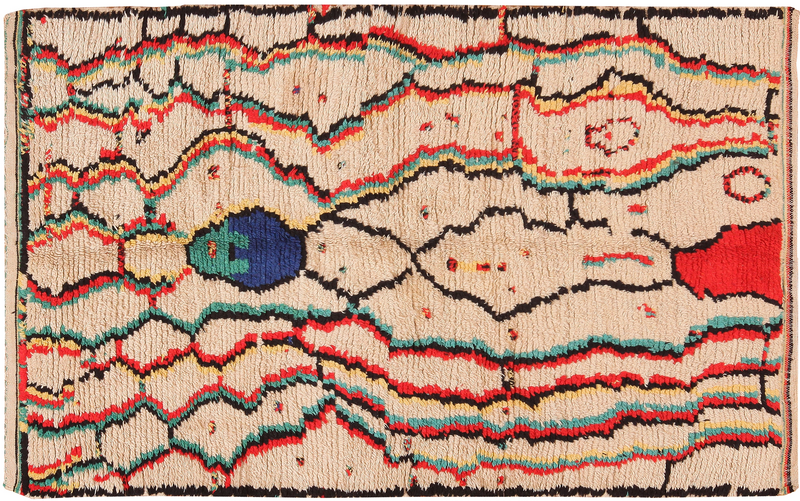
The mid-century period gave rise to many distinct rug styles, each reflecting different cultural influences. Scandinavian rugs, such as Swedish flatweaves, became popular for their clean lines and geometric designs. Moroccan rugs, with their high pile and bold tribal patterns, were introduced into Western interiors and quickly embraced for their warmth and originality. Art Deco rugs from the earlier decades continued to influence design, often reimagined with brighter colors and abstract forms that fit the new era. Designers also drew inspiration from textiles by figures like Verner Panton, whose work in the late 1950s and early 1960s showcased daring curves and optical effects. These varied influences gave 1950s rugs a wide stylistic range, from understated minimalism to vibrant modernism.
Styling Tips: Bringing Mid-Century Rugs into Today’s Homes
1950s rugs carry a bold spirit, but they can be surprisingly versatile in modern interiors. Their colors, patterns, and textures allow them to work in many different spaces, from minimal apartments to eclectic homes. The key is knowing how to balance their character with the rest of the décor. Here are a few ways to make mid-century rugs shine today.
Pair with Mid-Century Furniture
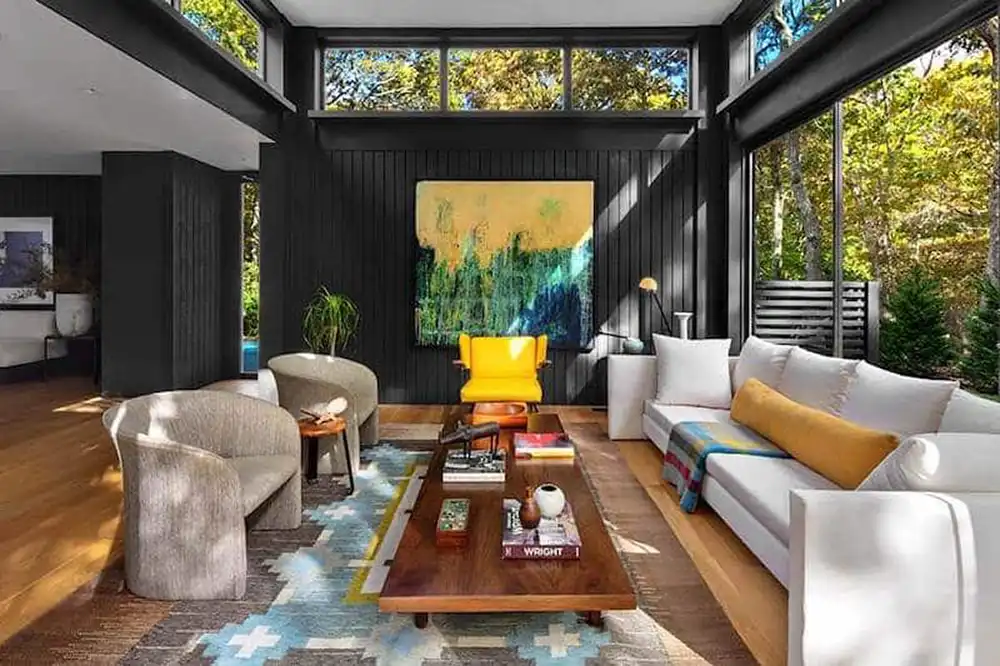
A 1950s rug feels most natural when placed with furniture from the same era. Iconic mid-century chairs, low-profile sofas, and wooden coffee tables highlight the rug’s design. Clean lines in the furniture allow the rug’s bold patterns to stand out without creating clutter.
Balance Bold Colors with Neutrals
Many rugs from the 1950s feature strong color palettes. To avoid overwhelming the space, balance them with neutral walls or solid-toned upholstery. A bright geometric rug under a beige sofa creates impact without chaos. Adding small accents, such as pillows or artwork in matching shades, ties the look together.
Layer Rugs for Texture
Layering rugs is a modern trend that works well with mid-century pieces. Place a 1950s rug over a large natural fiber carpet to ground the design. This technique softens bold patterns and adds depth to the room. It also protects delicate vintage pieces while still allowing them to be seen.
Use Rugs to Define Zones
Open-plan living spaces benefit from mid-century rugs as dividers. A patterned rug under a dining table separates it from the living area without the need for walls. In smaller apartments, a rug can create a clear focal point that makes the room feel organized and intentional.
Mix with Modern Elements
Pairing 1950s rugs with contemporary pieces creates a balanced, eclectic look. A vintage rug under a sleek glass table or beside minimalist shelving blends old and new seamlessly. This mix highlights the rug’s history while keeping the space current and fresh.
By applying these styling tips, homeowners can integrate 1950s rugs into modern interiors with ease. Whether used as focal points or subtle accents, they bring energy, history, and timeless charm to today’s homes.
Where to Find Authentic 1950s Rugs and Carpets
Finding an authentic 1950s rug requires more than choosing a style you like. Many rugs from this period are true mid-century treasures, and their value comes from both design and craftsmanship. Knowing what to look for helps buyers choose pieces that fit their interiors and hold lasting appeal.
Check for Authenticity
Original 1950s rugs often feature distinct mid-century motifs such as geometric patterns, abstract shapes, or bold color palettes. Materials like wool or early synthetics were commonly used, and signs of natural wear often add to the charm. Authentic pieces carry a depth and character that reproductions rarely capture.
Consider Size and Placement
Before purchasing, think about where the rug will live. A large patterned carpet works well in open living spaces, while smaller accent rugs fit into bedrooms or studies. Measuring the room ensures the rug complements the layout rather than overpowering it. Proper placement can highlight the rug as a statement piece or allow it to blend more subtly with the décor.
Trust Reputable Dealers
The best way to find genuine mid-century rugs is through trusted sources. Reputable dealers not only verify authenticity but also curate collections that highlight the best examples of 1950s design. Working with experts ensures buyers get a rug that is both beautiful and enduring.
At Nazmiyal Collection, one of the largest selections of mid-century and vintage rugs is available online. The collection includes authentic 1950s carpets in a wide range of styles, sizes, and colors. Each rug is carefully hand-selected for quality and design, offering homeowners the chance to bring a piece of mid-century history into their space. Whether you are looking for a bold geometric statement or a softer pastel design, Nazmiyal’s curated selection makes it easier to find the perfect rug with confidence.
Final Thoughts
1950s rugs remain icons of mid-century modern design. Their bold patterns, daring colors, and innovative materials shaped interiors then and continue to influence style today. Whether used as statement pieces or subtle accents, these rugs bring history, energy, and authenticity into modern homes. Before choosing a piece, here are some key points to remember:
- Look for geometric or abstract motifs that defined mid-century design.
- Use rugs to define zones in open spaces or highlight furniture layouts.
- Balance bright colors with neutral furniture and walls.
- Consider layering rugs for texture and depth.
- Always buy from trusted dealers to ensure authenticity and quality.
Frequently Asked Questions About 1950s Rugs
What makes 1950s rugs different from other decades?
1950s rugs stood out for their geometric patterns, bold colors, and innovative materials like early synthetic fibers. They reflected the optimism and creativity of the postwar era.
What colors were common in 1950s carpets?
Bright reds, blues, and yellows were popular, often mixed with softer pastels such as mint green, pink, and turquoise. Neutral tones like beige or gray were also used to balance bold designs.
Can I use a 1950s rug in a modern home?
Yes. These rugs blend beautifully with modern interiors. They work as focal points in minimalist spaces or as complementary accents in eclectic rooms.
Are 1950s rugs durable enough for daily use?
Authentic wool rugs from the 1950s are durable, while early synthetics offer easy care. With proper maintenance, mid-century rugs can last for decades.
Where can I find authentic 1950s rugs and carpets?
Authentic mid-century rugs are best found through reputable dealers. At Nazmiyal Collection, carefully curated 1950s rugs are available in a variety of patterns, sizes, and colors, ensuring quality and authenticity.