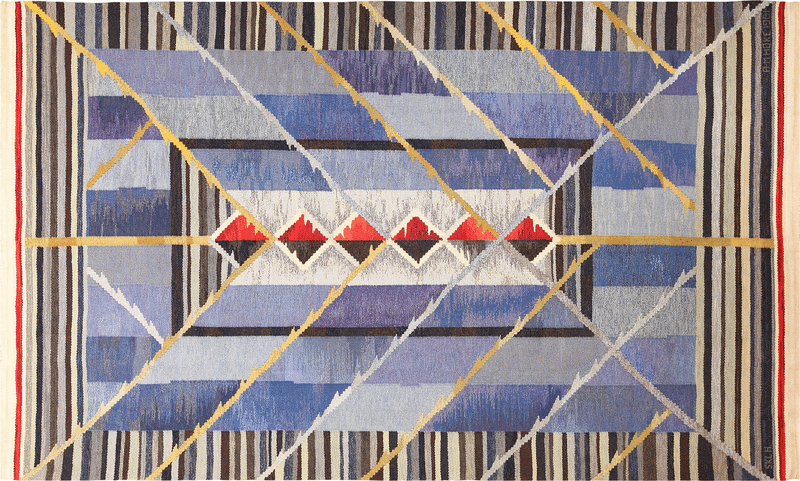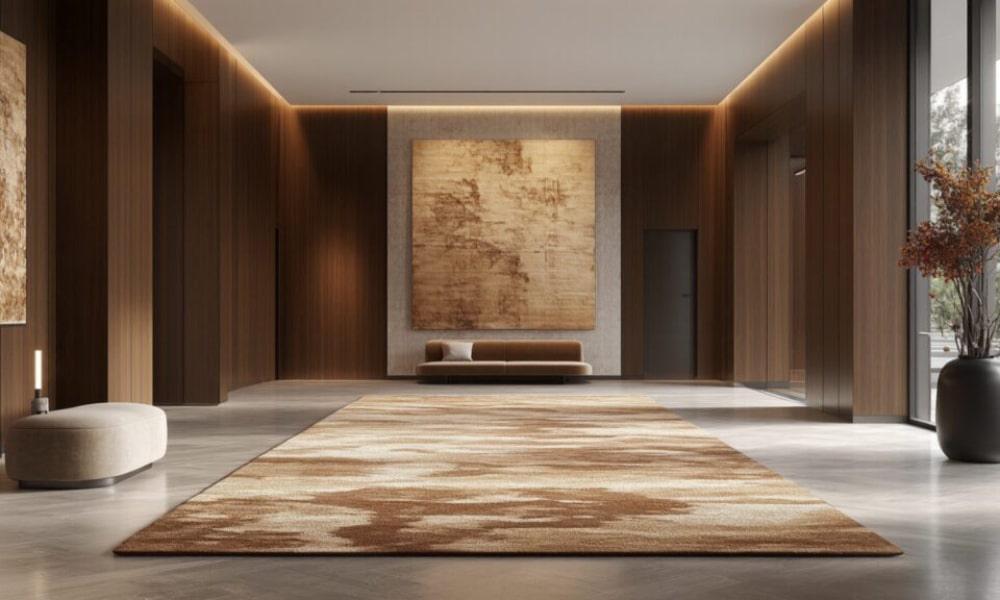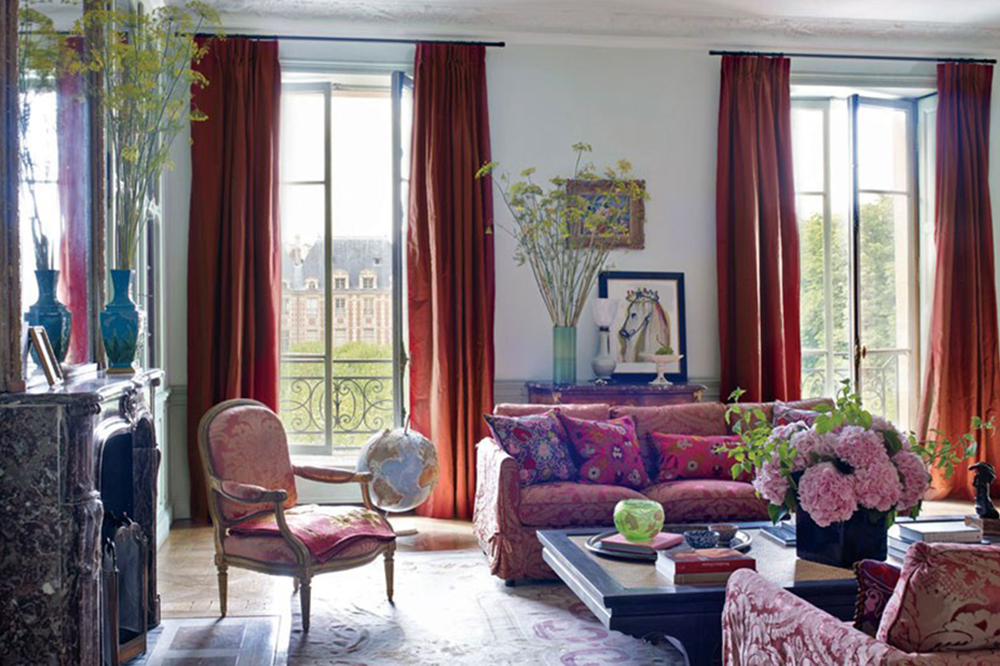
In the realm of design, few eras possess the enduring allure of the mid-century modern movement. Born in the aftermath of World War II, this period was a confluence of innovation, optimism, and a quest for simplification. Vintage mid-century modern rugs, with their geometric patterns and bold colors, encapsulate this spirit of transformation. They are not just floor coverings; they are statements of cultural rebirth and artistic exploration. For the discerning interior designer or homeowner, these rugs offer more than mere aesthetic appeal—they bring a slice of history, a layer of sophistication, and a dialogue between past and present into any luxury interior.
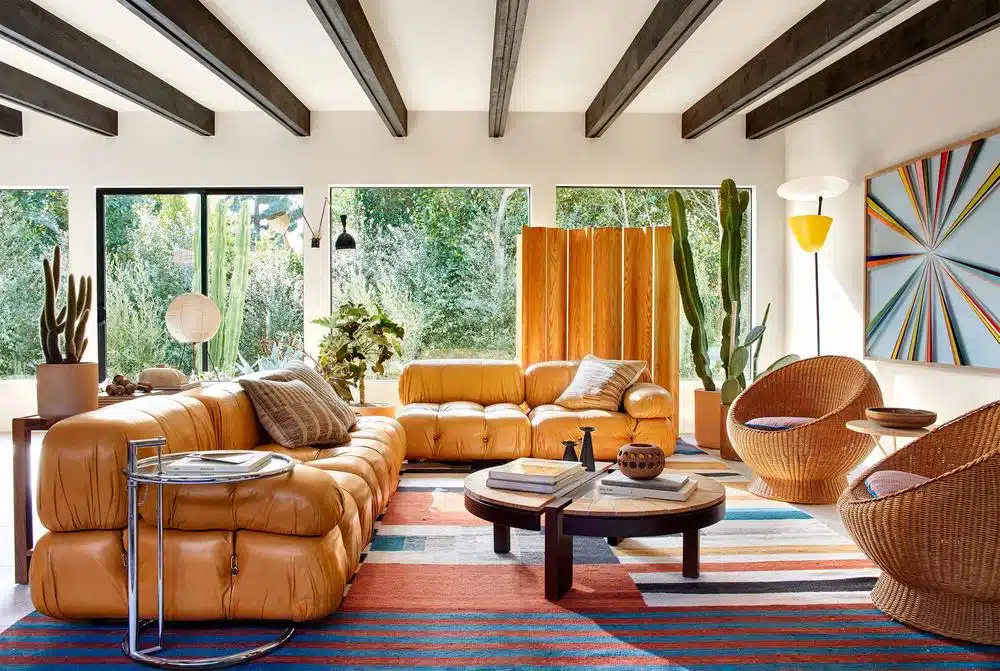
In today’s world, where sustainability and heritage are valued as much as style, the relevance of such vintage pieces has only grown. They present a unique opportunity to blend historical narrative with contemporary design principles like balance and harmony, thereby creating spaces that are both grounded in tradition and thrillingly modern. As architects of ambiance and curators of personal style, how can we integrate these iconic textiles into our designs? What makes mid-century modern rugs particularly compelling in today’s diverse design landscapes? And how do they complement the luxurious aesthetics of today’s affluent homes?
What Makes Vintage Mid-Century Modern Rugs So Special?
Vintage Mid-Century Modern rugs hold a unique allure that captivates design enthusiasts and collectors alike. These rugs, often characterized by their geometric patterns and bold colors, encapsulate an era of innovation and artistic exploration. The mid 20th century was a period of profound transformation in design, where architects and designers sought simplicity and functionality. These principles are woven into the very fabric of Mid-Century Modern rugs.
Originating during the post-war years, these rugs reflect the optimism and forward-thinking spirit of the time. Designers were inspired by the clean lines and organic forms prevalent in architecture and furniture. This influence is evident in the abstract motifs and vibrant hues that define many vintage pieces. The allure of these rugs lies in their ability to seamlessly blend artistic expression and utility.
Another distinctive feature of Mid-Century Modern rugs is their embrace of international influences. Designers drew inspiration from various cultures, integrating motifs from Scandinavian, Native American, and Asian traditions. This global perspective added richness and diversity to their designs, making each rug a tapestry of stories and ideas. Collectors appreciate this aspect, as each piece offers a glimpse into the cross-cultural exchanges of the era.
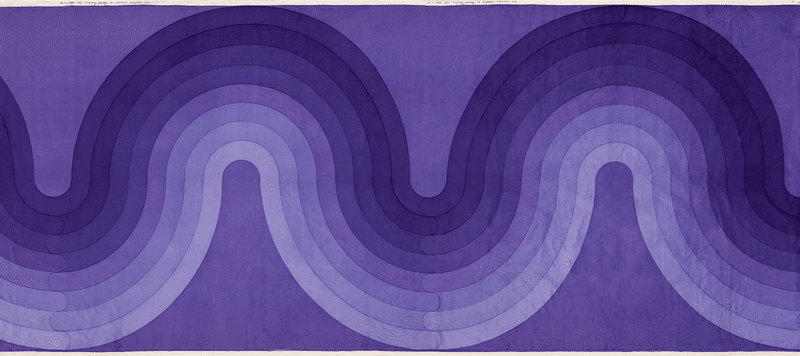
The craftsmanship of these rugs also contributes to their special status. Many were handwoven using traditional techniques, ensuring durability and a tactile quality. The use of high-quality materials, such as wool and silk, further enhances their appeal. Each rug, therefore, stands as a testament to the dedication and skill of the artisans who created them.
Today, vintage Mid-Century Modern rugs are highly sought after for their aesthetic and historical value. They not only serve as stunning focal points in a room but also carry the legacy of a pivotal design movement. Their enduring appeal continues to resonate with those who appreciate the marriage of art and function.
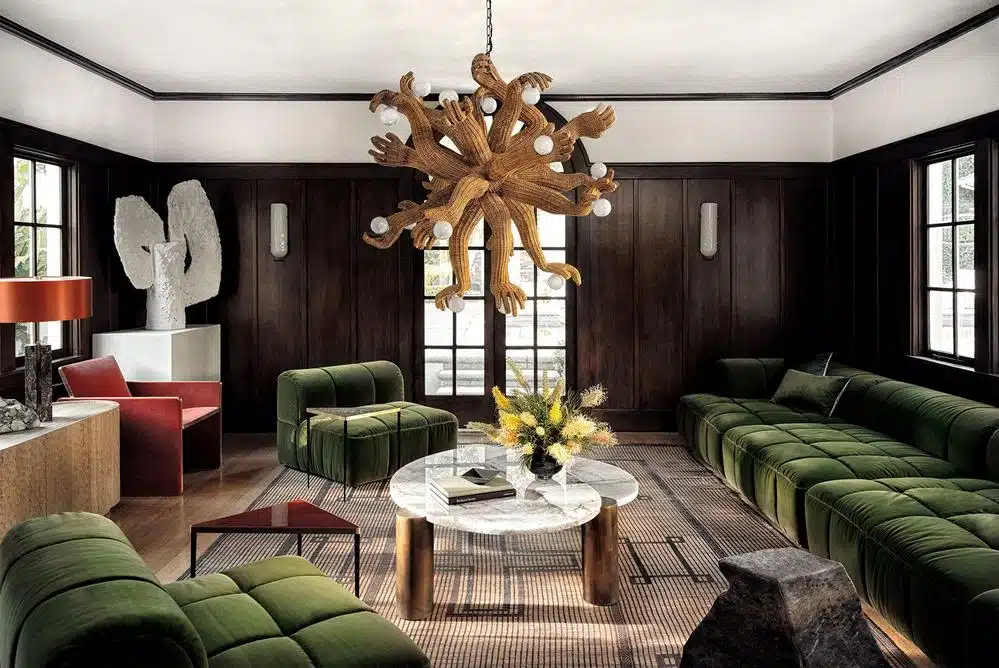
Exploring the Artistry and Design of Mid-Century Rugs
Mid-Century Modern rugs offer a fascinating glimpse into a transformative period in design history. Emerging around 40 years ago, these rugs reflect a time when traditional styles met innovative creativity. They embody a shift toward simplicity and functionality, which still resonates with today’s design aficionados. The artistry lies in their ability to merge organic forms with geometric patterns. This juxtaposition creates a dynamic aesthetic that appeals to both modernists and classicists.
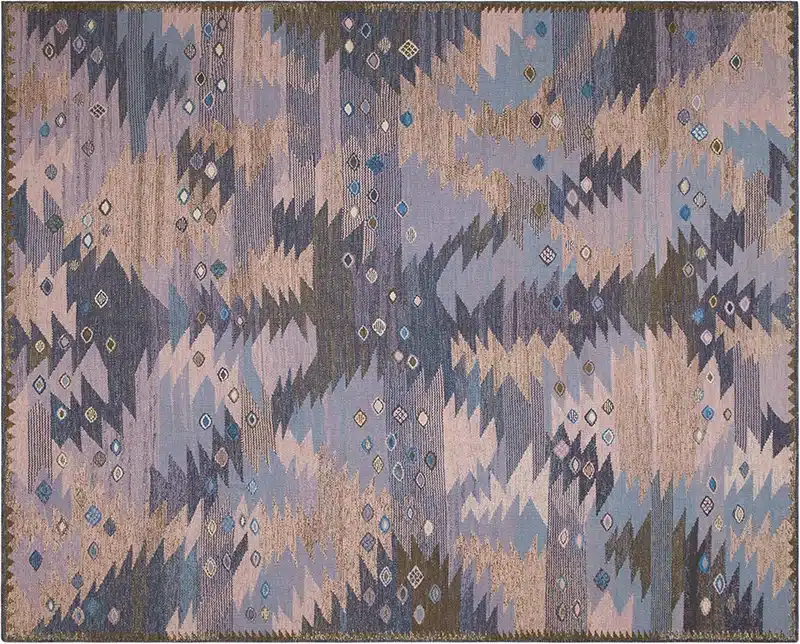
The color palette of Mid-Century rugs is another compelling feature. Drawing from nature, these rugs often feature muted tones interspersed with bold accents. The strategic use of color enhances spatial harmony and visual interest. Designers of the era embraced the idea that a well-placed rug could transform an entire room. Even today, a Mid-Century rug remains a focal point in sophisticated interiors. It provides not just a foundation but a narrative that tells the story of design evolution over the past 40 years.
Materials and Techniques
Craftsmanship plays a critical role in the allure of Mid-Century rugs. Many are handwoven from high-quality natural fibers, a testament to the era’s dedication to artisanal excellence. The use of wool, silk, and other materials not only impacts texture but also durability. These rugs were designed to withstand the test of time while maintaining their aesthetic appeal. The techniques employed often involve a blend of traditional and innovative methods, reflecting the ethos of a period that cherished both heritage and progress.
For collectors and designers, understanding the nuances of these rugs offers insight into broader cultural trends. They encapsulate a unique moment when design was redefined over the course of 40 pivotal years. Investing in a Mid-Century Modern rug is more than a decorative choice. It is an appreciation of a legacy that continues to inspire and influence contemporary interiors.
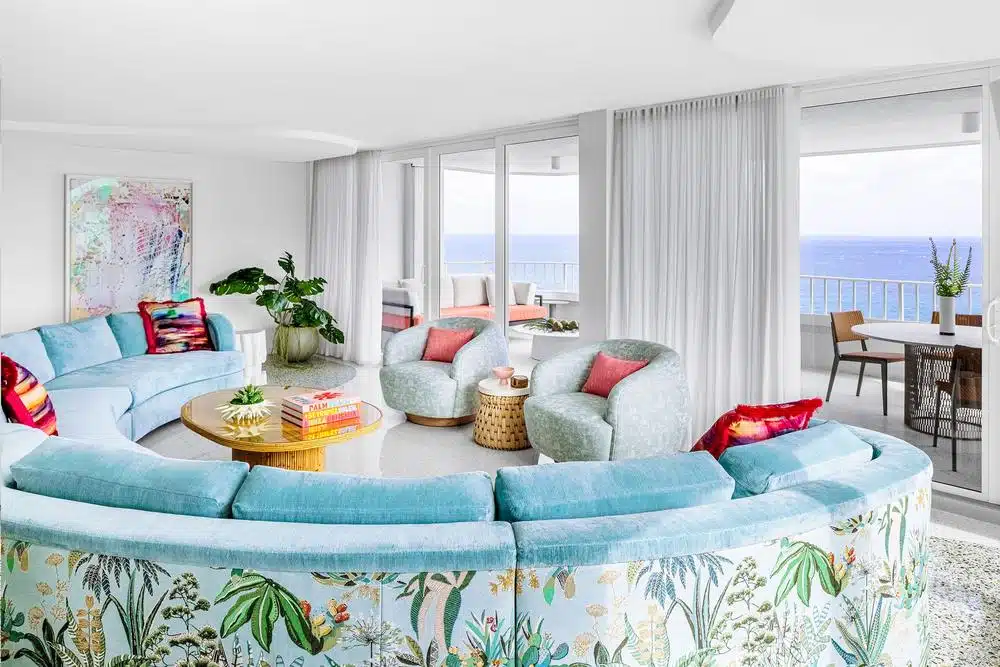
Understanding the Cultural Impact of Iconic Mid-Century Patterns
Mid-Century Modern rugs capture the zeitgeist of the post-war era. They reflect a world teetering between tradition and a bold future. These rugs are not mere floor coverings; they are cultural artifacts. Each design echoes the optimism and innovation of the 1950s and 1960s.
The patterns often feature abstract geometrics, organic forms, and a vivid color palette. These elements signify a departure from ornate styles of previous decades. Designers like Verner Panton and Alexander Girard embraced this aesthetic. They introduced patterns that were both playful and sophisticated.
Vintage Mid-Century Modern rugs often feature these influential designers’ works. Their patterns are celebrated for their ability to transform interiors. These designs incorporate the principles of balance and harmony. They complement the clean lines and open spaces typical of Mid-Century architecture.
The Legacy of 40s Influence
The 40s laid the groundwork for the Mid-Century Modern movement. Post-war optimism fueled a desire for new forms and materials. Designers sought to break free from the constraints of the past. This period saw the emergence of innovative textiles and patterns.
Rugs from this era reflect a shift towards minimalism and functionality. They emphasize simplicity while maintaining visual intrigue. These patterns continue to influence contemporary design. They serve as a bridge between the past and the present.
Understanding the cultural impact of these iconic patterns enhances one’s appreciation of Mid-Century rugs. They are not just decorative elements. They are historical narratives woven into every fiber. For collectors and designers, this understanding enriches both the aesthetic and historical value of their collections.
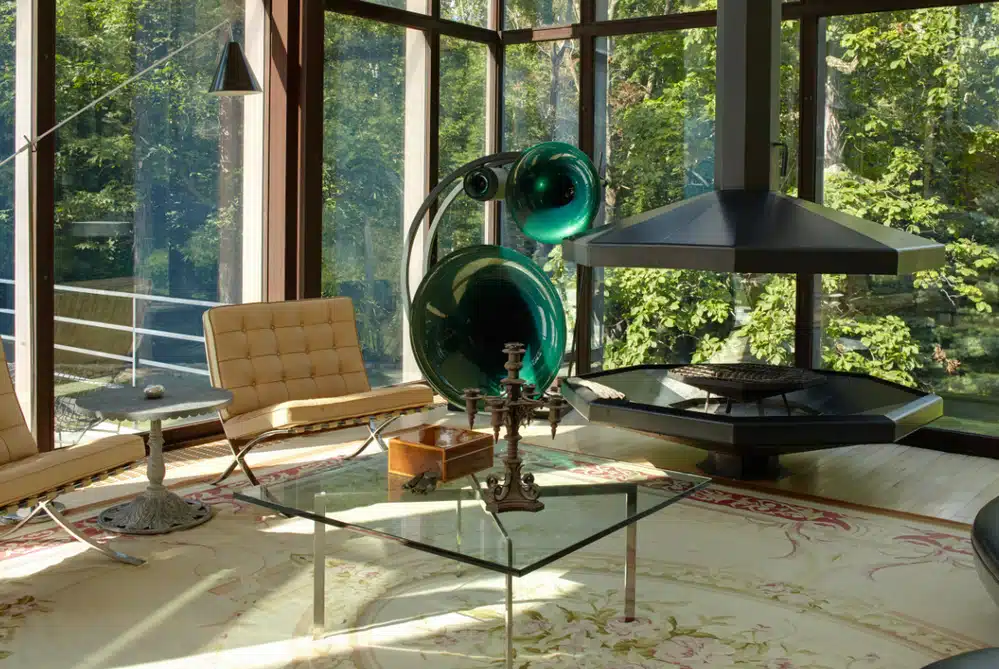
A Collector’s Guide to Vintage Mid-Century Modern Rugs
For those captivated by the allure of vintage mid-century modern rugs, understanding their nuances is essential. Collectors often seek pieces that encapsulate the era’s spirit, marked by bold geometric patterns and a subtle interplay of colors. The mid-century modern movement, which flourished roughly 40 years ago, found its roots in a post-war world eager for innovation and simplicity. Rugs from this period often exhibit a fusion of organic and synthetic materials, reflecting the era’s technological advancements.
The 40s through the 60s marked a significant shift in rug design. During these decades, artisans experimented with abstract forms that mirrored the dynamic art and architecture of the time. Collecting these rugs requires a discerning eye for quality and provenance. Rugs that have been well-preserved or professionally restored maintain their value, offering both aesthetic joy and investment potential. Paying attention to the rug’s origins and makers can reveal much about its history and significance.
Evaluating Authenticity and Condition
Determining the authenticity of vintage mid-century modern rugs involves examining several aspects. The rug’s weave, dye quality, and pattern intricacy can indicate its era and authenticity. A genuine piece from this period, often 40 to 80 years old, will show signs of its age but should retain its structural integrity. Condition plays a crucial role in valuation. While minor wear might add character, significant damage can detract from both its beauty and worth.
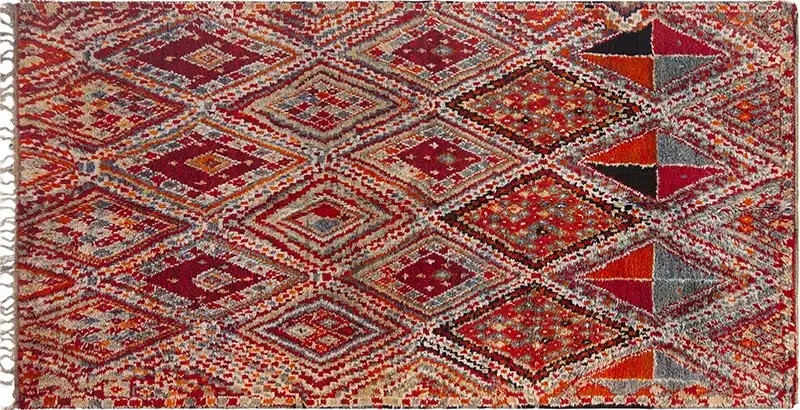
For the seasoned collector, a rug’s provenance is as crucial as its condition. Provenance can provide insight into the rug’s historical journey, enhancing its narrative and appeal. When considering an addition to your collection, always verify the source. Working with reputable dealers ensures that your investment is both authentic and valuable. By embracing these guidelines, collectors can enrich their spaces with pieces that are both historically significant and visually captivating.
Investing Wisely How to Choose the Best Vintage Rugs
When selecting a vintage Mid-Century Modern rug, focus on quality, provenance, and aesthetic appeal. Begin by considering the rug’s origin. Each region offers distinct weaving techniques, materials, and patterns, contributing to the rug’s unique value. Provenance becomes especially important when investing in vintage pieces. A documented history can offer insights into the rug’s journey and craftsmanship.
Quality is paramount. Examine the rug’s fiber, knot density, and condition. Rugs with high knot density often indicate superior craftsmanship and durability. Wool, the most common fiber, provides resilience and a warm texture. Silk, while more delicate, adds a luxurious sheen. A meticulous inspection helps to identify repairs or signs of wear, crucial for maintaining investment value.
Evaluating Design and Patterns
The visual appeal of a rug significantly impacts its desirability. Mid-Century Modern rugs often feature bold geometric patterns and a palette that ranges from subdued earth tones to vibrant hues. These rugs reflect the era’s innovative spirit and can become focal points in a room. Consider how the rug’s design harmonizes with existing decor and furniture. A rug with a striking pattern can serve as an anchor in minimalist interior designs.
Finally, the size of the rug must complement the space it inhabits. Measure your room and furniture layout carefully. A well-chosen size enhances the flow and balance of a room. Remember, a vintage rug is not just a decorative element but a statement of taste and sophistication. By following these guidelines, you can make an informed decision that fulfills both aesthetic and investment aspirations.
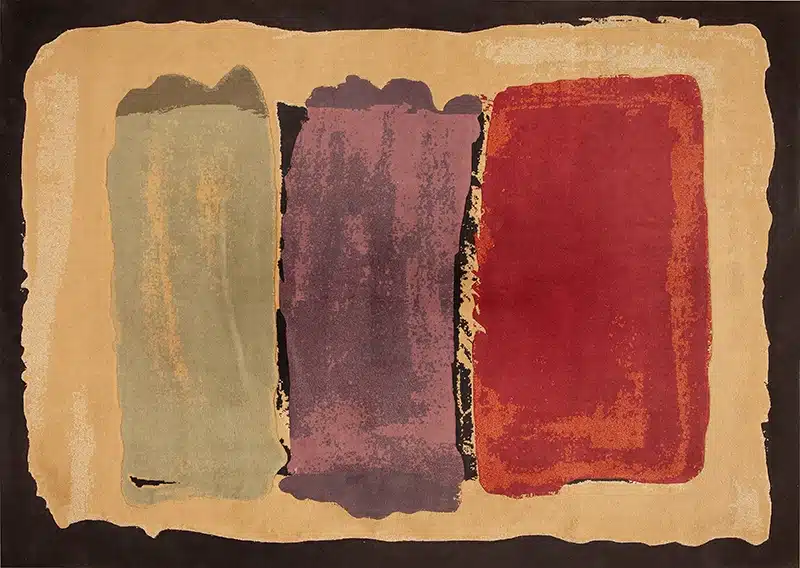
The allure of vintage mid-century modern rugs lies in their unique ability to capture a distinct moment in design history. With their bold geometric patterns and innovative use of color, these rugs encapsulate the essence of the 1940s through the 1960s. Each piece tells a story, offering a glimpse into a period when design was both revolutionary and deeply rooted in functionality. For collectors, the appeal is not just in the aesthetic value but also in the enduring craftsmanship that has helped these rugs withstand the test of time.
In the realm of interior design, incorporating a vintage mid-century modern rug can transform a space, infusing it with a sense of history and sophistication. These rugs serve as both a foundation and a focal point, harmonizing with various styles from minimalist to eclectic. For homeowners and designers seeking to create a distinctive environment, the choice of a vintage rug is both a personal and an artistic statement. At Nazmiyal Collection, our curated selection of vintage mid-century modern rugs offers an exquisite array of choices for those looking to enrich their interiors with authenticity and elegance.