Minimalism in interior design has grown into more than a passing trend—it has become a philosophy of living. At its core, minimalism emphasizes clarity, balance, and intentional choices. Rugs, often seen as the foundation of a room, play a decisive role in shaping this look. Whether antique, vintage, or modern, minimalist rugs bring a sense of calm and structure, creating interiors that feel thoughtful rather than crowded.
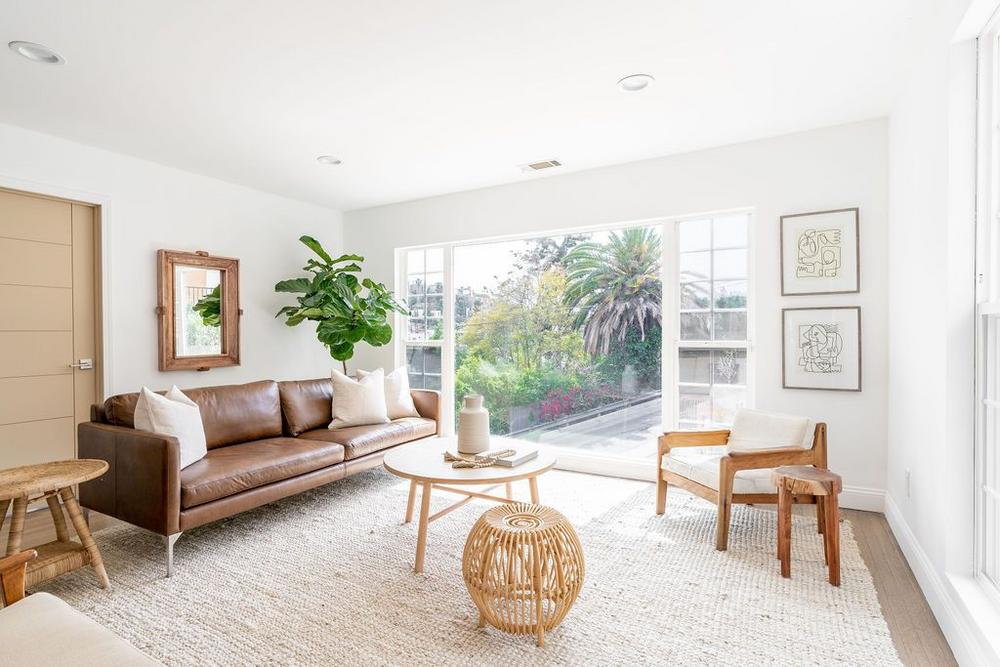
Unlike ornate designs that draw attention through heavy patterns or vibrant palettes, minimalist rugs rely on subtler qualities: clean lines, geometric motifs, subdued colors, and natural textures. They allow the furniture, architecture, and light of a room to breathe while still adding depth and warmth. For interior designers and homeowners alike, the right minimalist rug becomes a quiet anchor, subtle yet powerful.
But what defines a rug as minimalist? Can antique and vintage rugs truly fit into minimalist interiors, or are modern designs better suited? How do designers integrate these understated pieces into both large and small spaces? And most importantly, how do you choose between antique, vintage, or modern rugs when building a minimalist look?
What Defines a Minimalist Rug?
Minimalist rugs are not tied to a single origin or period, but to a design philosophy rooted in restraint and clarity. Their purpose is to support a room’s composition rather than dominate it, offering balance while maintaining warmth and character.
Color and Pattern
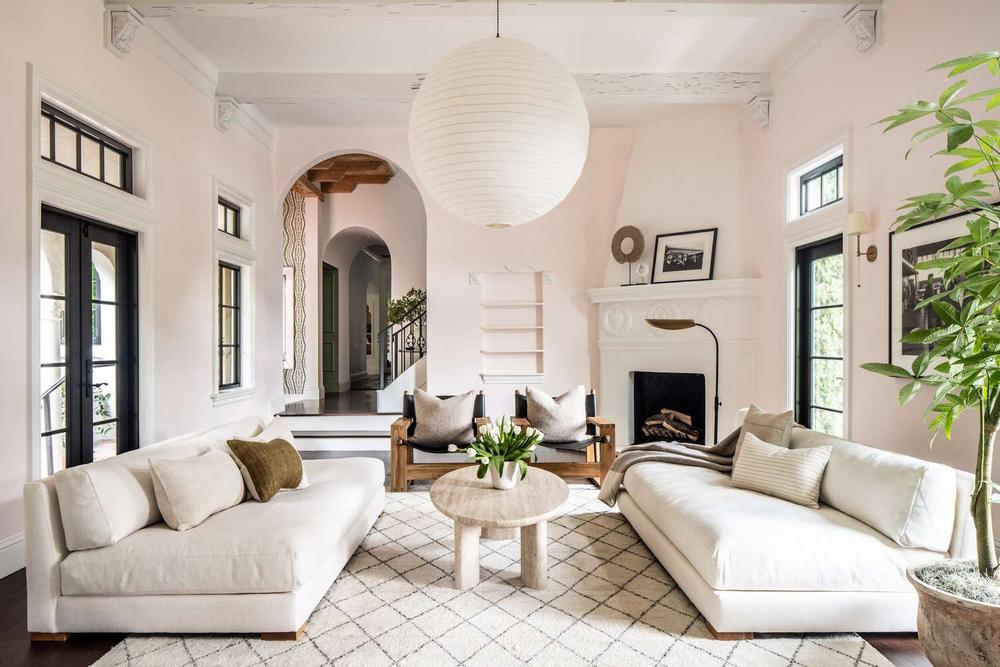
Most minimalist rugs use neutral or muted palettes—soft grays, ivory, beige, earthy browns—that integrate seamlessly into different interiors. Instead of complex ornamentation, they rely on simple linear motifs or geometric shapes. A few well-placed lines, tonal contrasts, or understated patterns can often achieve more impact than elaborate floral or medallion designs.
Texture and Material
Texture is a defining feature. Minimalist rugs often highlight the natural qualities of wool, silk, or cotton. Flatweaves, kilims, and low-pile constructions embody this principle, where the weave itself becomes the statement. Some modern examples push further, experimenting with raised textures or subtle shading in a single color to create quiet depth.
Proportion and Integration
Scale matters as much as design. A minimalist rug should ground the space—tying together the furniture, light, and architecture—without overpowering them. Unlike bold statement rugs that compete for attention, minimalist rugs unify the environment and allow other design elements to breathe.
Balance and Purpose
The unifying characteristic across antique, vintage, and modern minimalist rugs is balance. By removing excess detail, they highlight simplicity and intentionality. This focus transforms rugs from decorative accessories into design anchors, giving interiors a sense of calm and cohesion.
Antique Minimalist Rugs
When people think of antique rugs, they often imagine elaborate Persian medallions or richly colored floral motifs. Yet within the world of antique weaving, there are pieces that align beautifully with minimalist design principles. These rugs stand out not because of intricate decoration, but because of their restraint and geometric clarity.
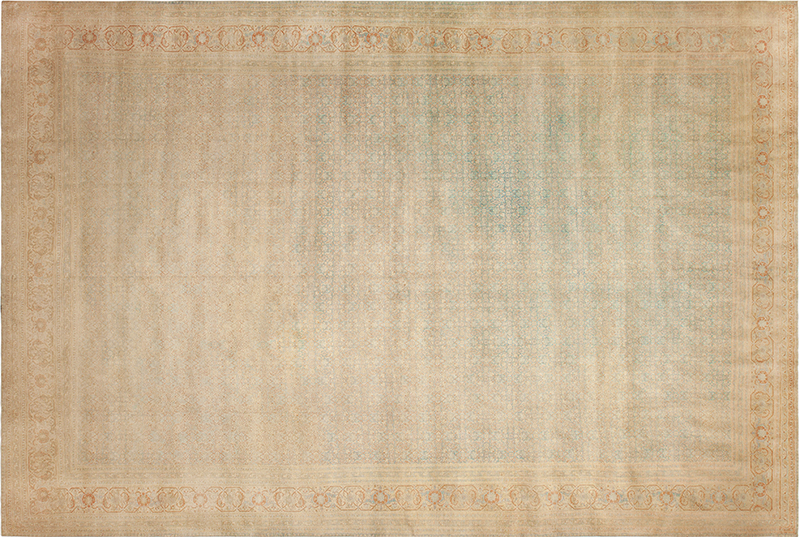
Tribal and village rugs from regions such as the Caucasus or Anatolia often used bold but simplified motifs. Diamonds, crosses, and linear borders were repeated with consistency, creating strong graphic statements without overwhelming detail. The use of natural dyes—soft indigo, madder red, or undyed wool, furthered this sense of simplicity. Many of these pieces appear strikingly modern despite being woven more than a century ago.
Another category that resonates with minimalism is the early kilim. These flatwoven rugs emphasize structure and texture rather than pile and ornament. Their color palettes are often muted, and their designs built around straight lines and solid fields of color. The weavers achieved harmony through proportion, balancing negative space with bold geometric bands.
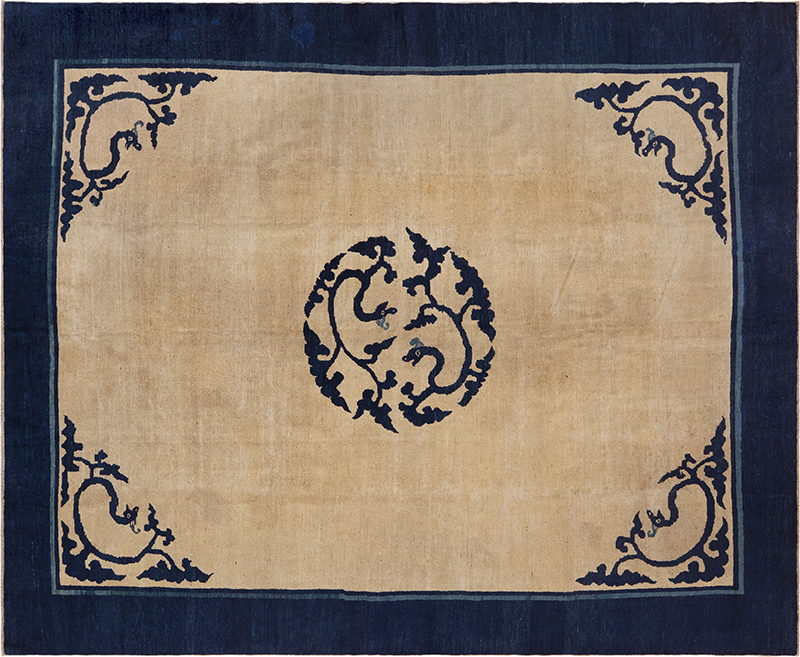
What makes antique minimalist rugs especially appealing to designers is their ability to merge history with modern sensibilities. They carry the patina and irregularities of hand-woven art, yet their pared-down designs work seamlessly in contemporary interiors. A Scandinavian-inspired living room, a Japandi bedroom, or even a loft with industrial finishes can all benefit from the grounding presence of an antique rug with minimalist character.
These rugs demonstrate that minimalism is not exclusively modern, it has roots that reach deep into weaving traditions. For homeowners and designers, they offer the rare combination of cultural heritage and understated design, making them as relevant today as when they were first woven.
Vintage Minimalist Rugs
If antique rugs prove that minimalism has deep historical roots, vintage rugs highlight how the 20th century gave minimalism a new and more deliberate voice. Nowhere is this clearer than in Scandinavian and Swedish rug weaving. These designs, particularly flatweaves and Rya rugs from the mid-1900s, embody simplicity through clean geometry, muted tones, and thoughtful use of negative space.
Scandinavian flatweaves often rely on soft earth tones or pastel shades, creamy whites, pale blues, and warm grays, that blend effortlessly into interiors. Their patterns are typically composed of straight lines, diamonds, or repeating blocks, evoking harmony without excess. Even Rya rugs, known for their long pile, were produced with minimalist sensibilities, focusing on texture and monochromatic palettes rather than elaborate decoration.
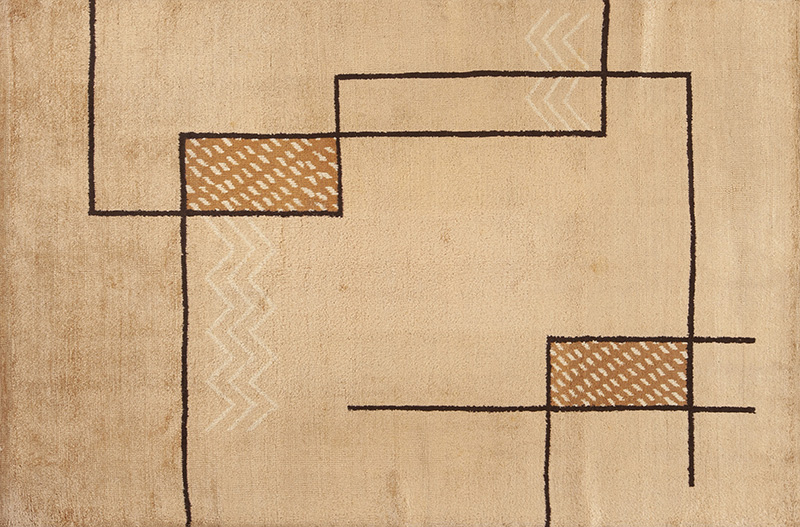
Beyond Scandinavia, mid-century modern rugs from Europe and America also reflect minimalist ideals. Designers of the period embraced abstraction, producing pieces with bold blocks of color, linear grids, and unadorned fields that echoed the architectural clarity of the era. These rugs were not just floor coverings but integral parts of the modernist vision for interiors.
What makes vintage minimalist rugs especially appealing today is their versatility. They bridge the warmth of hand-woven craft with a distinctly modern aesthetic. In contemporary homes, a Swedish kilim or mid-century flatweave can provide just enough pattern to add visual interest without disrupting the balance of a minimalist room.
For interior designers, these rugs represent a perfect middle ground. They carry the history and craftsmanship that collectors value, while their aesthetic remains fresh and relevant for modern spaces. Whether used in a minimalist loft, a Scandinavian-inspired apartment, or a modern farmhouse, vintage minimalist rugs prove that restraint can be deeply expressive.
Modern Minimalist Rugs
While antique and vintage examples show that minimalism has long been part of rug design, modern rug makers have pushed the concept further by experimenting with new materials, textures, and production techniques. Today’s minimalist rugs are created with intention, often tailored for contemporary interiors that demand clarity and harmony.
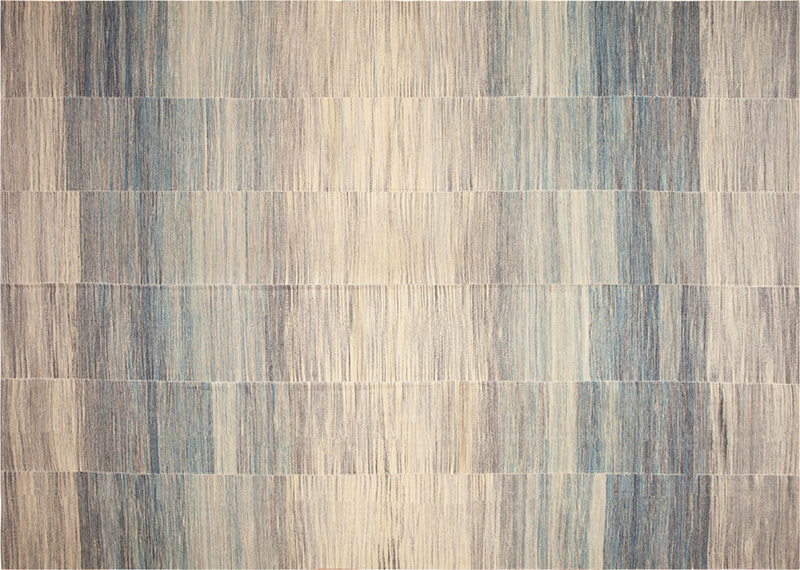
One of the defining features of modern minimalist rugs is the emphasis on texture as design. Instead of relying on complex motifs, many contemporary rugs use tone-on-tone shading, raised pile sections, or contrasting fibers to create subtle dimension. This allows a rug to remain visually quiet while still engaging the eye and enhancing the feel of a space.
Color choices in modern minimalist rugs also reflect today’s interiors. Designers frequently work with a restrained palette—soft neutrals, deep charcoals, natural beiges—but they also introduce unexpected accents like muted blues, moss greens, or terracotta tones to add gentle warmth. The simplicity of the design makes these color shifts even more effective.
Materials play an equally important role. Beyond traditional wool, modern rugs incorporate silk, hemp, bamboo, and sustainable blends. These fibers provide unique textures and finishes, from matte surfaces to subtle sheen, aligning with eco-conscious values while expanding the design vocabulary.
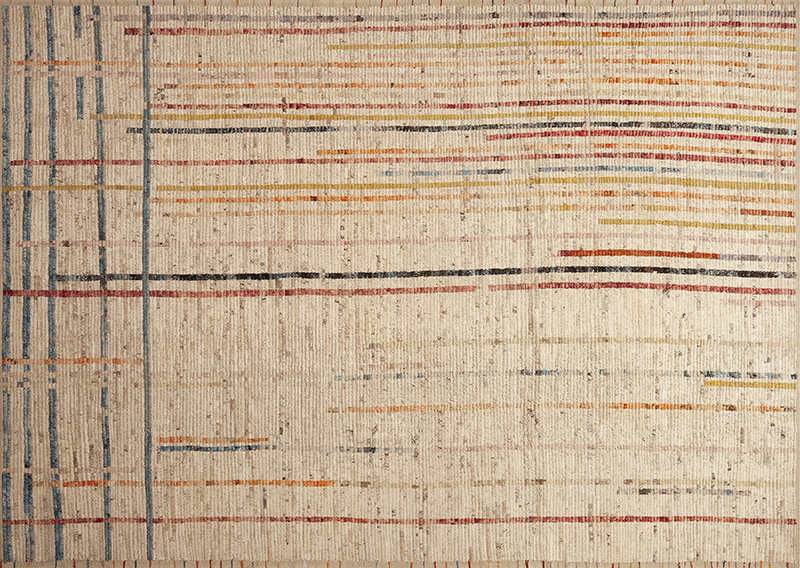
What sets modern minimalist rugs apart is their flexibility. They can be tailored to exact dimensions, produced in custom palettes, and integrated seamlessly into architectural concepts. Whether placed in a high-rise apartment, a minimal gallery-like space, or a warm family home, they adapt without losing their character.
For homeowners and designers, modern minimalist rugs represent the purest form of this aesthetic: pieces designed from the ground up to embody simplicity, functionality, and quiet sophistication.
Designing Interiors with Minimalist Rugs
Minimalist rugs are versatile design elements that can shape the mood of different rooms without overwhelming them. Their subtle patterns, muted tones, and refined textures allow them to serve as quiet anchors that complement furniture, lighting, and architecture.
Living Room
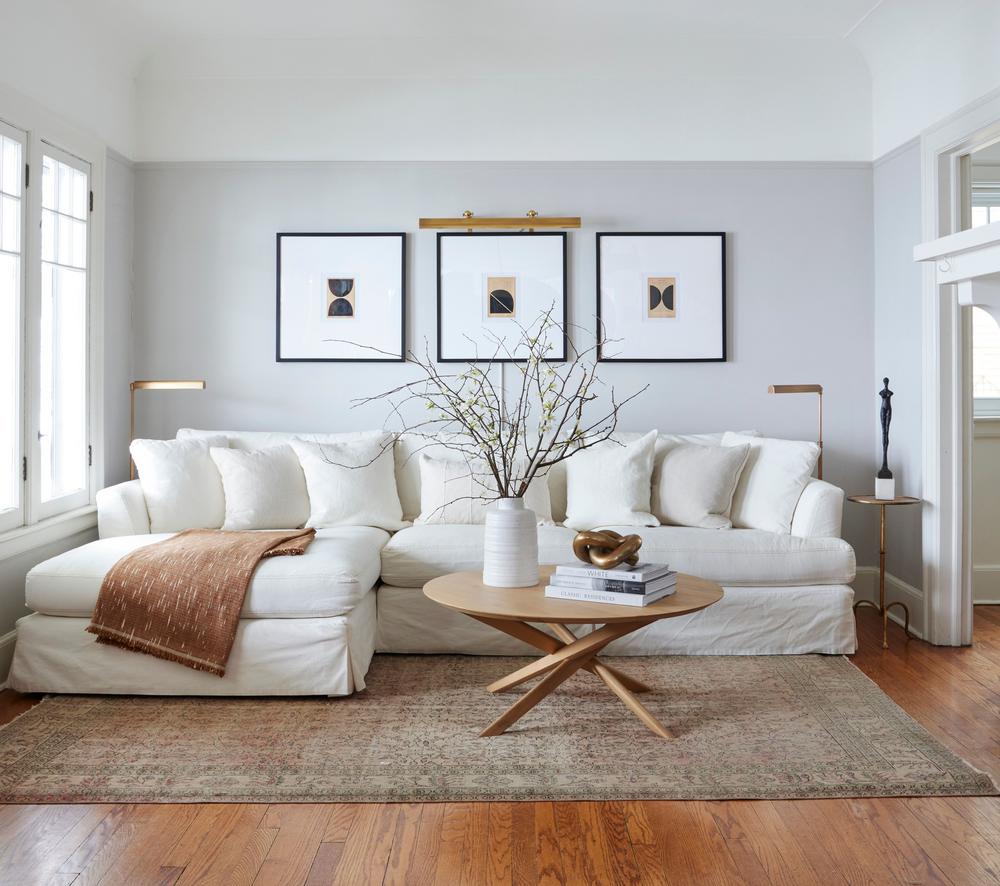
In a living room, a minimalist rug often defines the central gathering space. A large neutral rug under a sofa and coffee table creates cohesion, helping the seating area feel connected. Subtle geometric lines or tonal shifts can add interest without distracting from artwork or statement furniture.
Bedroom
Bedrooms benefit from rugs that bring softness and calm. A flatweave in pale gray or ivory at the foot of the bed extends the sense of openness, while a plush pile in muted earth tones adds warmth underfoot. Minimalist rugs here act as grounding layers, supporting the restful atmosphere that bedrooms require.
Dining Room
For dining areas, a minimalist rug with a simple border or understated grid frames the table and chairs without competing for attention. Choosing a durable flatweave or low-pile design ensures practicality while maintaining a clean aesthetic.
Small Spaces and Open Plans
Minimalist rugs excel in small apartments or open-plan layouts. In compact rooms, a rug with restrained design creates the illusion of more space. In larger open settings, placing multiple minimalist rugs can subtly define different zones—dining, lounge, or workspace—without breaking visual harmony.
Across these spaces, the guiding principle remains the same: minimalist rugs provide structure and atmosphere. By supporting rather than competing with other design elements, they bring balance and cohesion to interiors of all sizes and styles.
Why Minimalist Rugs Are Trending
Minimalist rugs have become increasingly popular as more homeowners and designers look for ways to create interiors that feel calm, balanced, and uncluttered. In a world saturated with visual noise, the appeal of simplicity is stronger than ever.
One reason for this trend is the growing influence of design movements such as Scandinavian, Japandi, and contemporary modern, all of which emphasize clean lines, natural materials, and understated color palettes. Minimalist rugs fit seamlessly into these aesthetics, acting as grounding elements that complement rather than dominate a room.
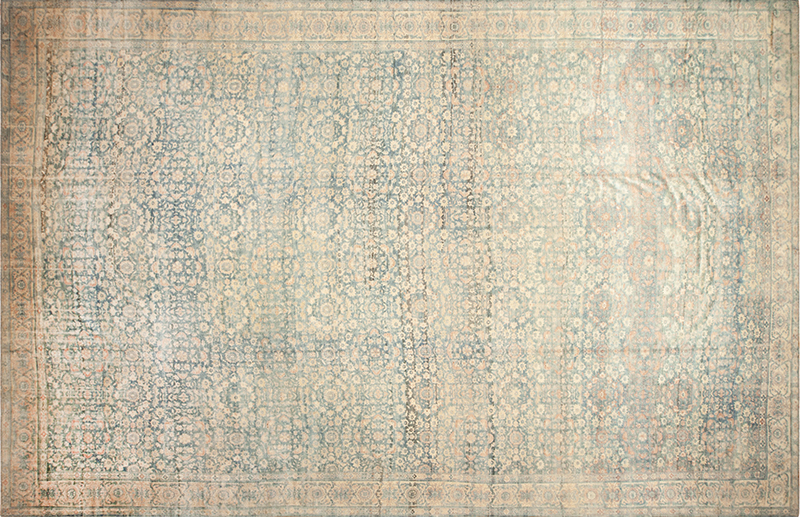
Urban living has also contributed to the rise of minimalist design. In smaller apartments or compact homes, heavy patterns and busy colors can overwhelm a space. A neutral rug with a simple design creates openness and makes rooms feel larger, while still adding comfort and warmth.
At the same time, minimalist rugs are adaptable to larger, open-plan interiors. Their quiet presence helps define areas without breaking the visual flow, making them a practical choice for modern lifestyles.
Ultimately, the trend reflects a desire for intentional living—choosing fewer, better pieces that combine function with beauty. Minimalist rugs embody this philosophy, which explains their growing presence in both residential and commercial spaces.
Choosing the Right Minimalist Rug for Your Space
Selecting the right minimalist rug goes beyond picking a neutral design—it’s about finding a piece that aligns with the proportions, functions, and mood of your interior. The key lies in considering size, material, and overall integration.
Size and Proportion
Scale is one of the most important factors. In a living room, the rug should be large enough to anchor the main seating area, ideally extending beneath the front legs of sofas and chairs. For bedrooms, placing a rug partially under the bed creates balance, while smaller accent rugs can define bedside areas. Dining rooms benefit from rugs that extend well beyond the table so chairs remain comfortably on the rug when pulled out.
Antique, Vintage, or Modern
Each category offers its own strengths. Antique minimalist rugs bring cultural depth and craftsmanship, adding character to contemporary spaces. Vintage designs, especially Scandinavian and mid-century examples, offer graphic simplicity with a handmade feel. Modern minimalist rugs allow for custom sizing, colors, and materials, making them adaptable to specific design projects.
Material and Texture
Think about how the rug will be used. Wool flatweaves or low-pile kilims work well in high-traffic spaces, while silk or blended fibers add quiet luxury to formal rooms. Texture can also define atmosphere: flat, smooth surfaces highlight minimalism, while tone-on-tone pile variations create subtle depth.
Mood and Integration
A minimalist rug should feel like part of the architecture. Consider how it interacts with light, furniture, and wall colors. The goal is harmony—choosing a rug that grounds the room without drawing unnecessary attention.
When thoughtfully selected, a minimalist rug becomes more than a decorative accessory; it becomes the quiet structure that holds a room together.
Final Thoughts
Minimalist rugs show that less can indeed be more. By emphasizing simplicity, balance, and texture, these pieces bring structure and calm into any interior—whether through the quiet geometry of an antique kilim, the graphic charm of a mid-century Swedish flatweave, or the refined textures of a modern custom rug. Their power lies in restraint, creating harmony without overshadowing the room itself.
For homeowners, decorators, and interior designers, choosing a minimalist rug is about more than following a trend. It’s about selecting a piece that reflects intentional design and supports a lifestyle centered on clarity and comfort. With the right rug, even the most complex interiors feel cohesive and inviting.
At Nazmiyal, we have seen growing demand for antique, vintage, and modern rugs that embrace this minimalist aesthetic. Our collection includes rare antique tribal pieces with striking simplicity, mid-century Scandinavian designs admired by collectors, and contemporary creations tailored for today’s interiors. Each reflects the enduring appeal of minimalism while offering its own story and craftsmanship.
Whether you are seeking a rug to anchor a large open space or to bring quiet refinement to a smaller home, minimalist rugs provide both beauty and function—quietly shaping interiors for years to come.