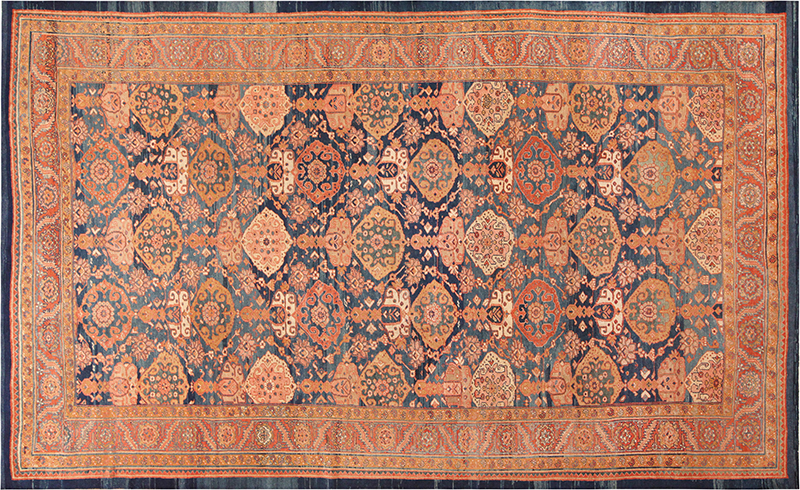
Antique Persian Geometric Carpets from Heriz: Identification & Value of Heriz Rugs
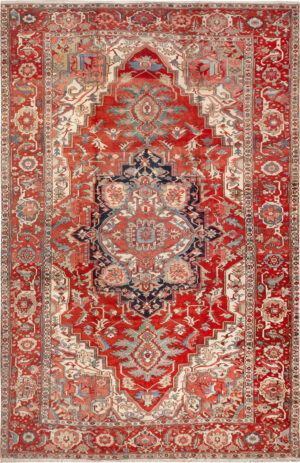
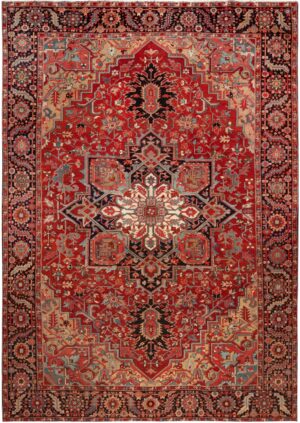
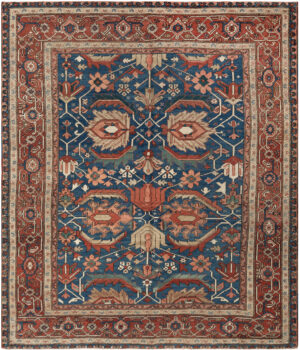
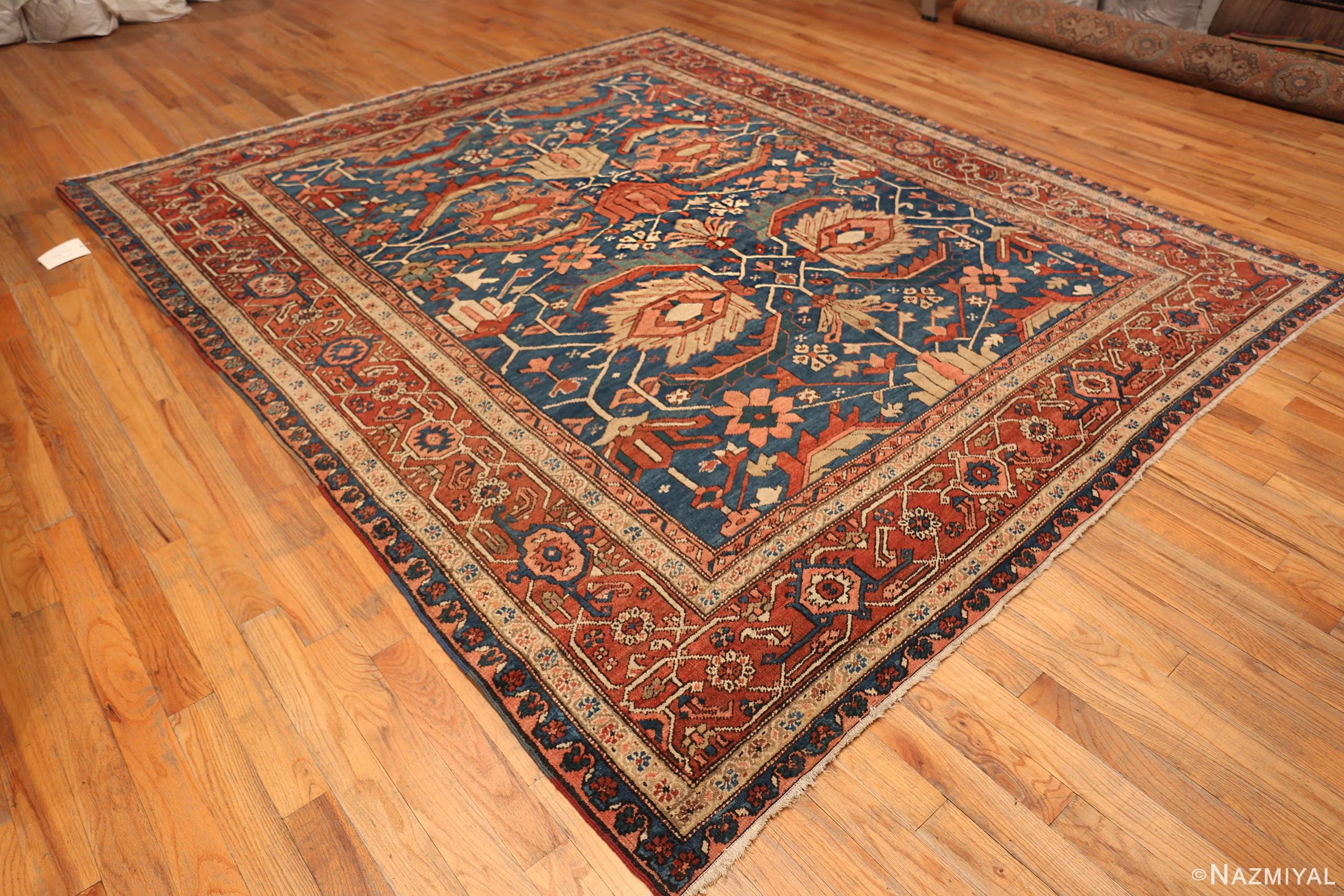
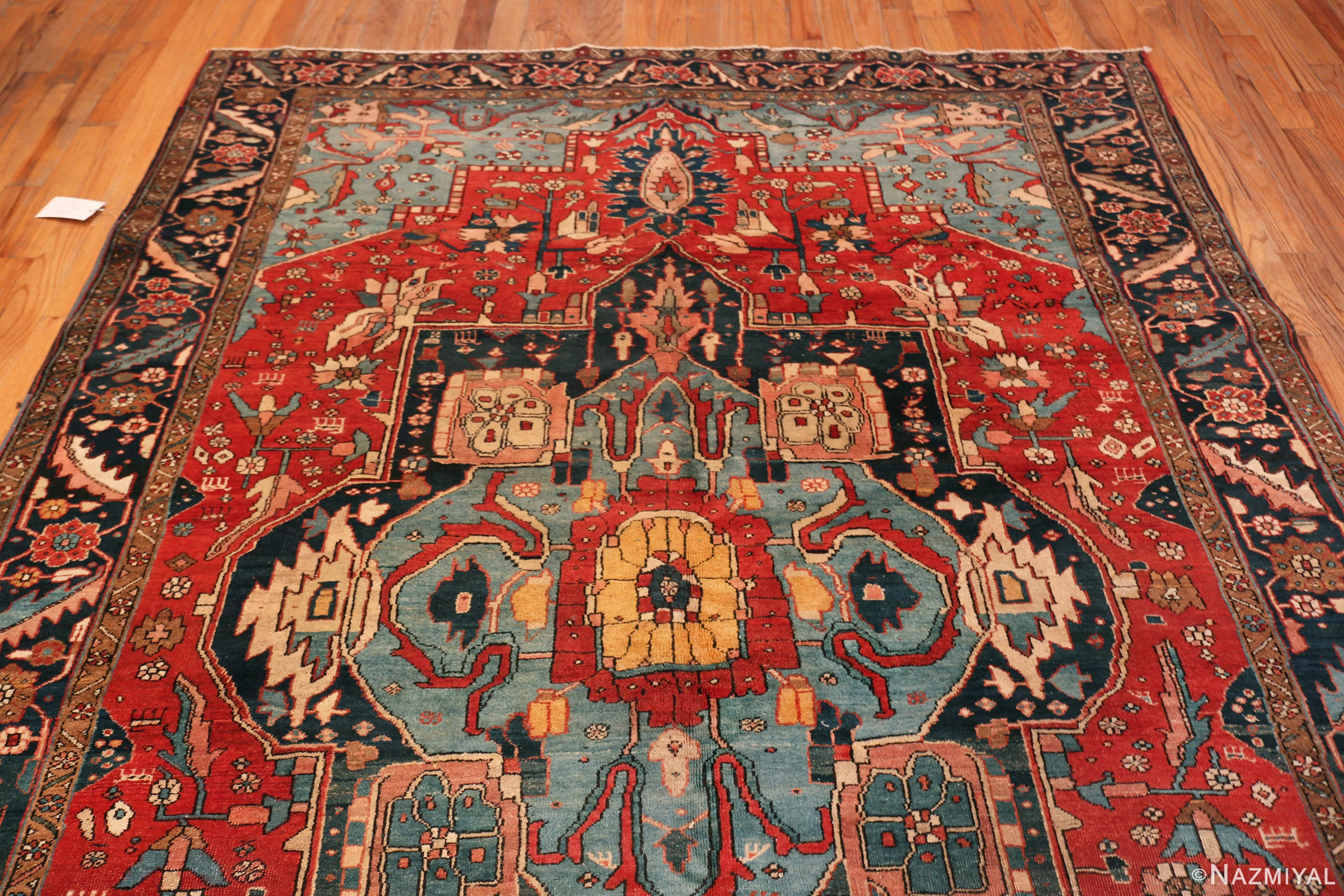
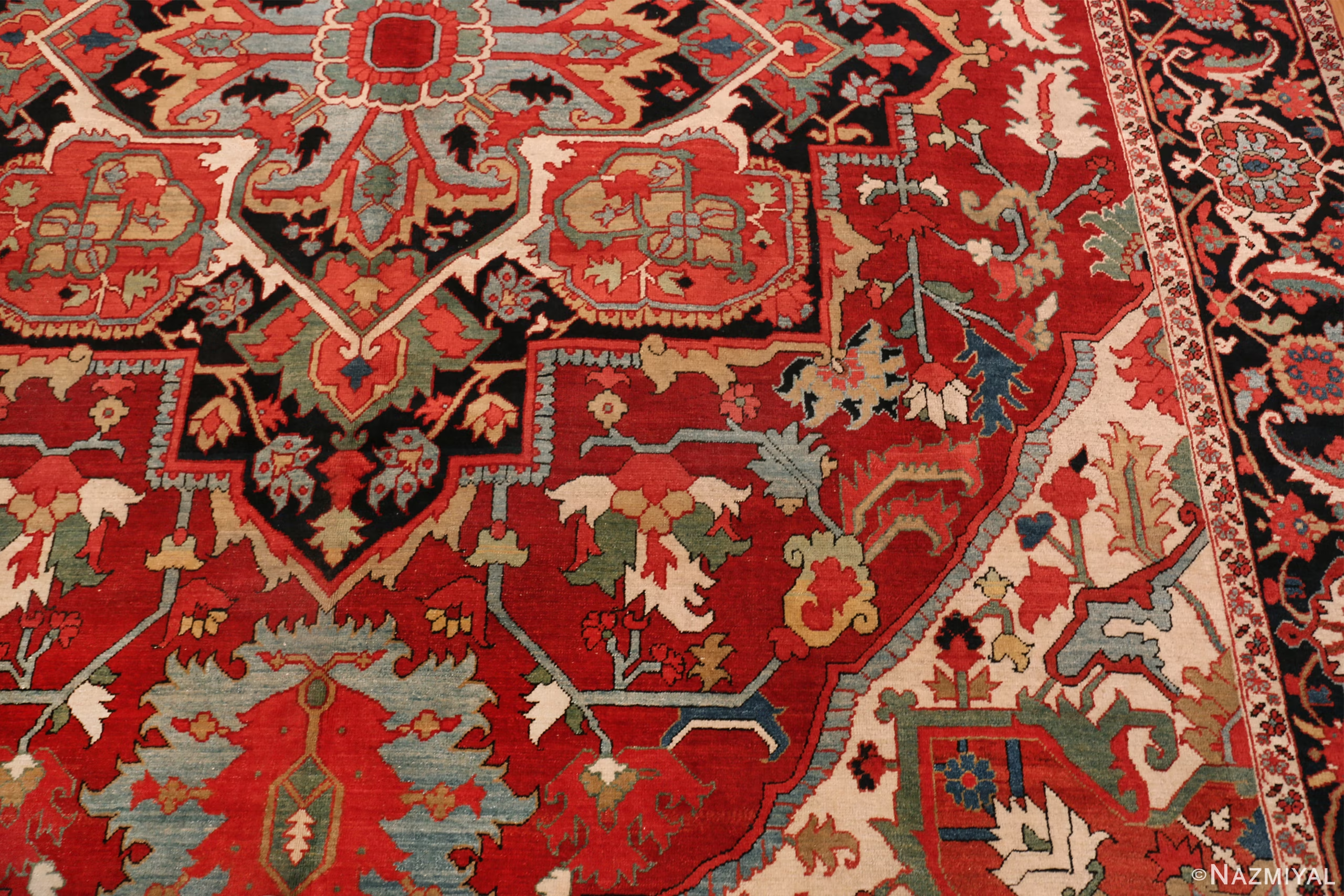
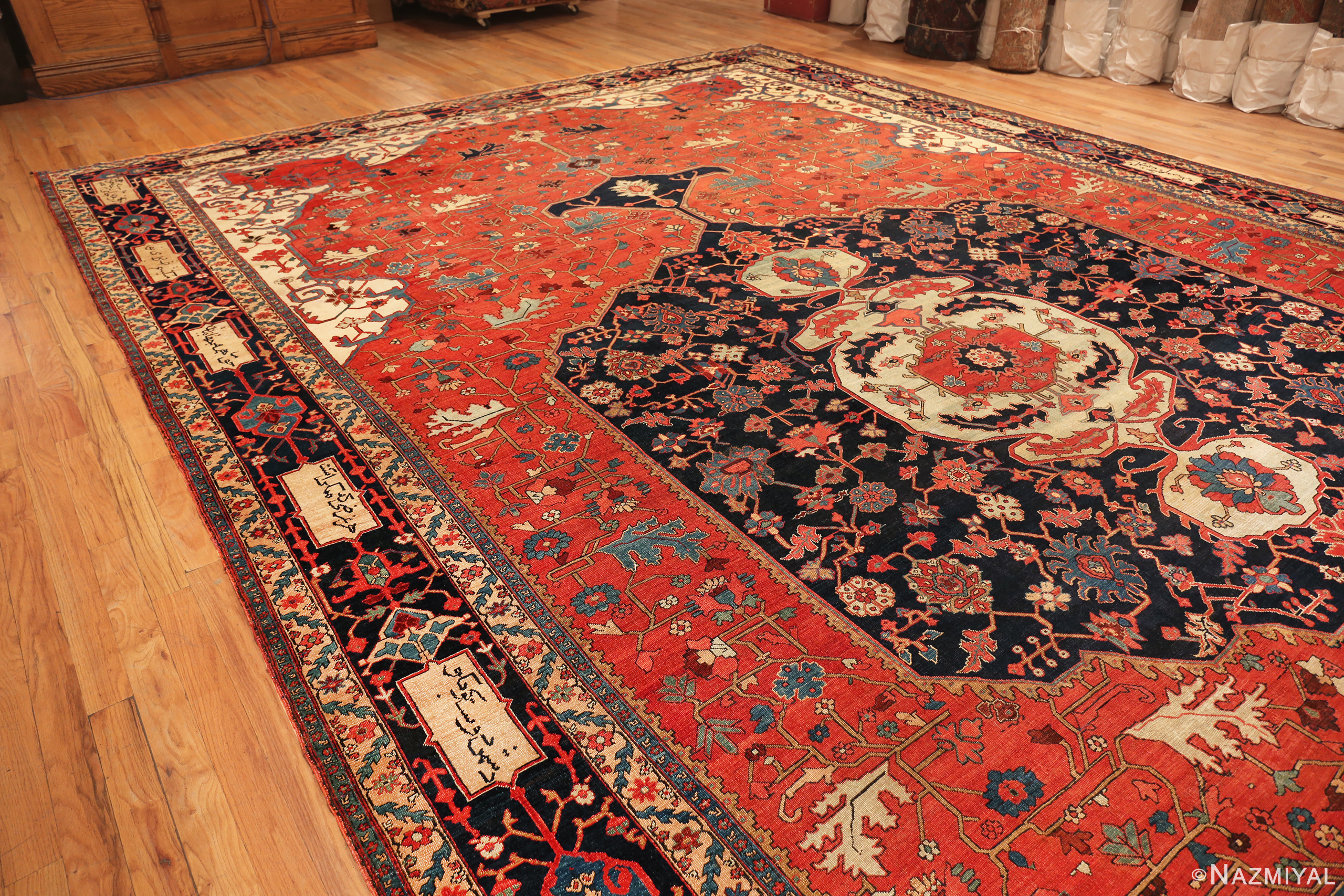
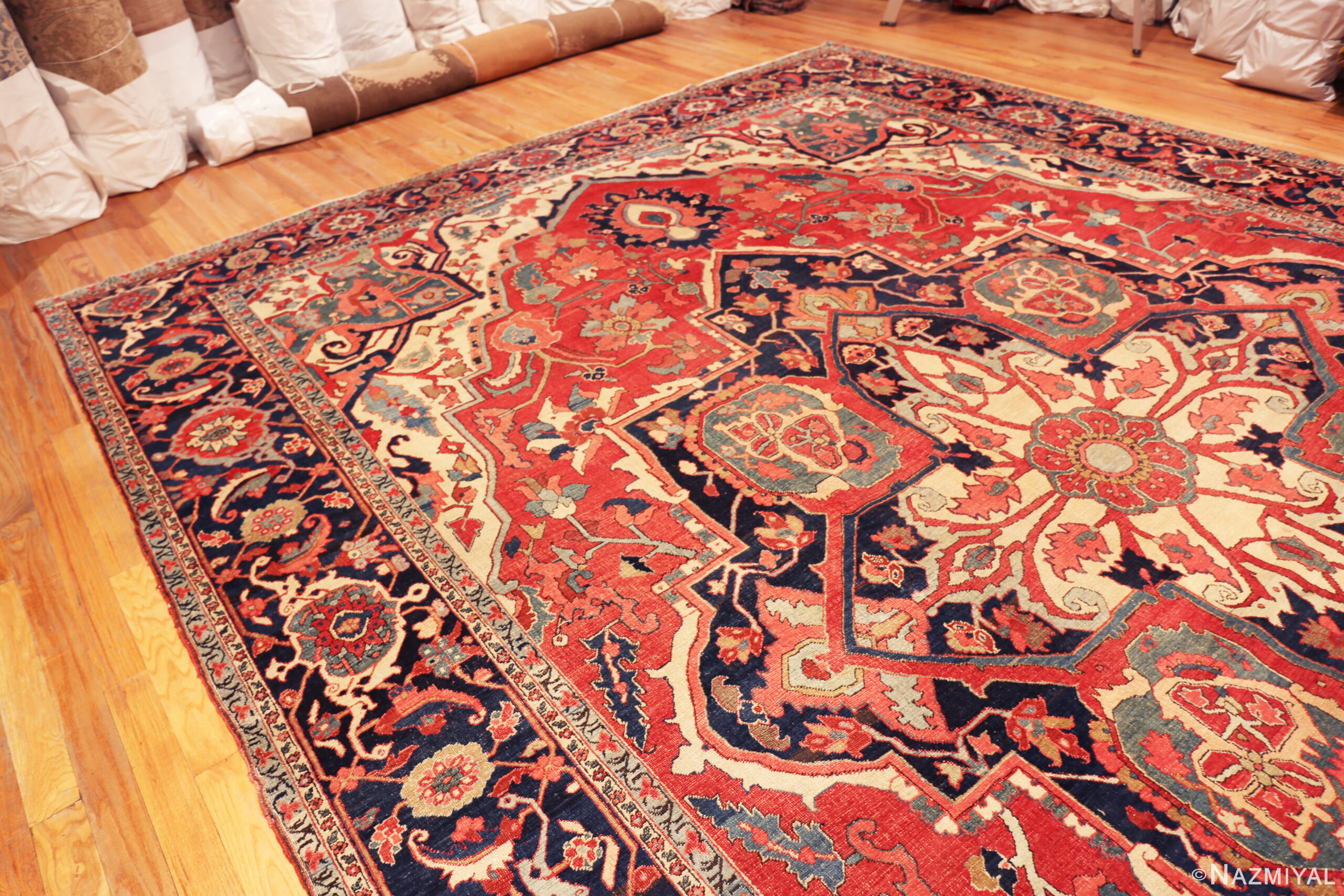
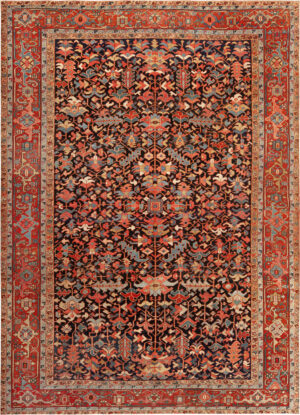
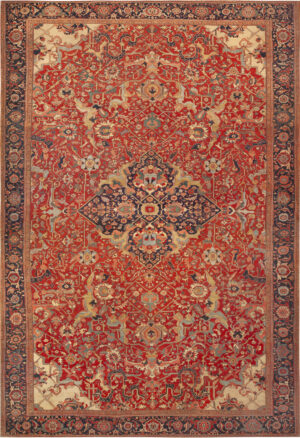
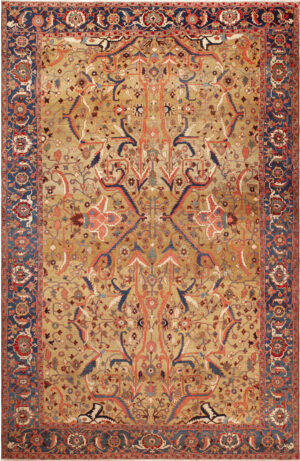
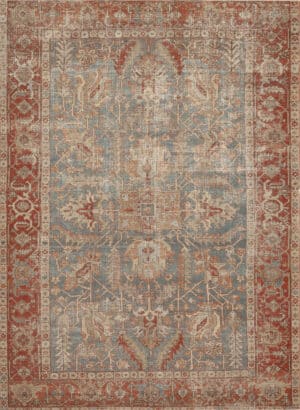
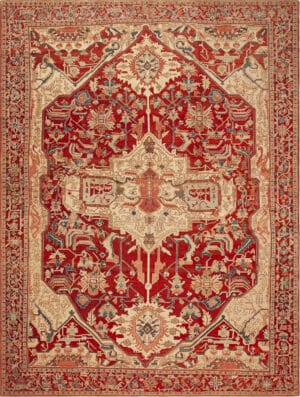
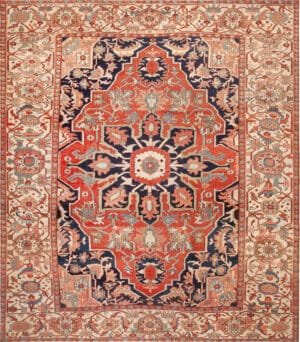
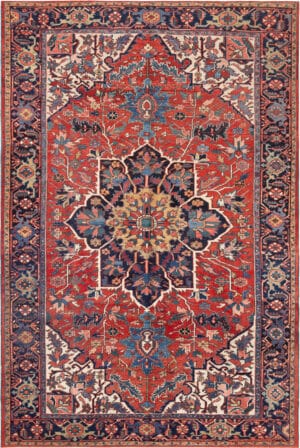
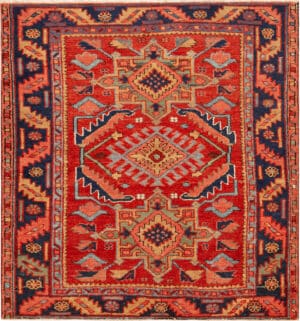
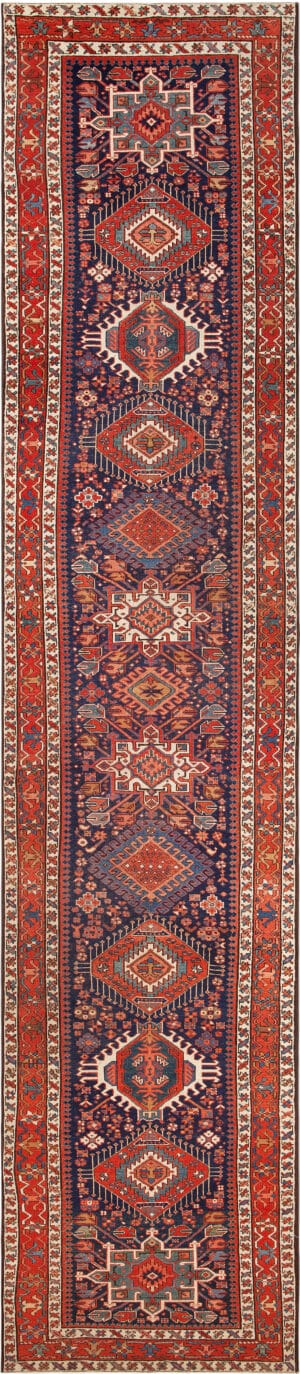
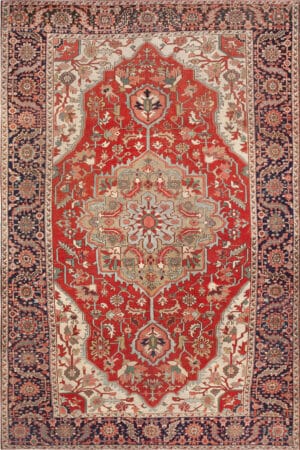
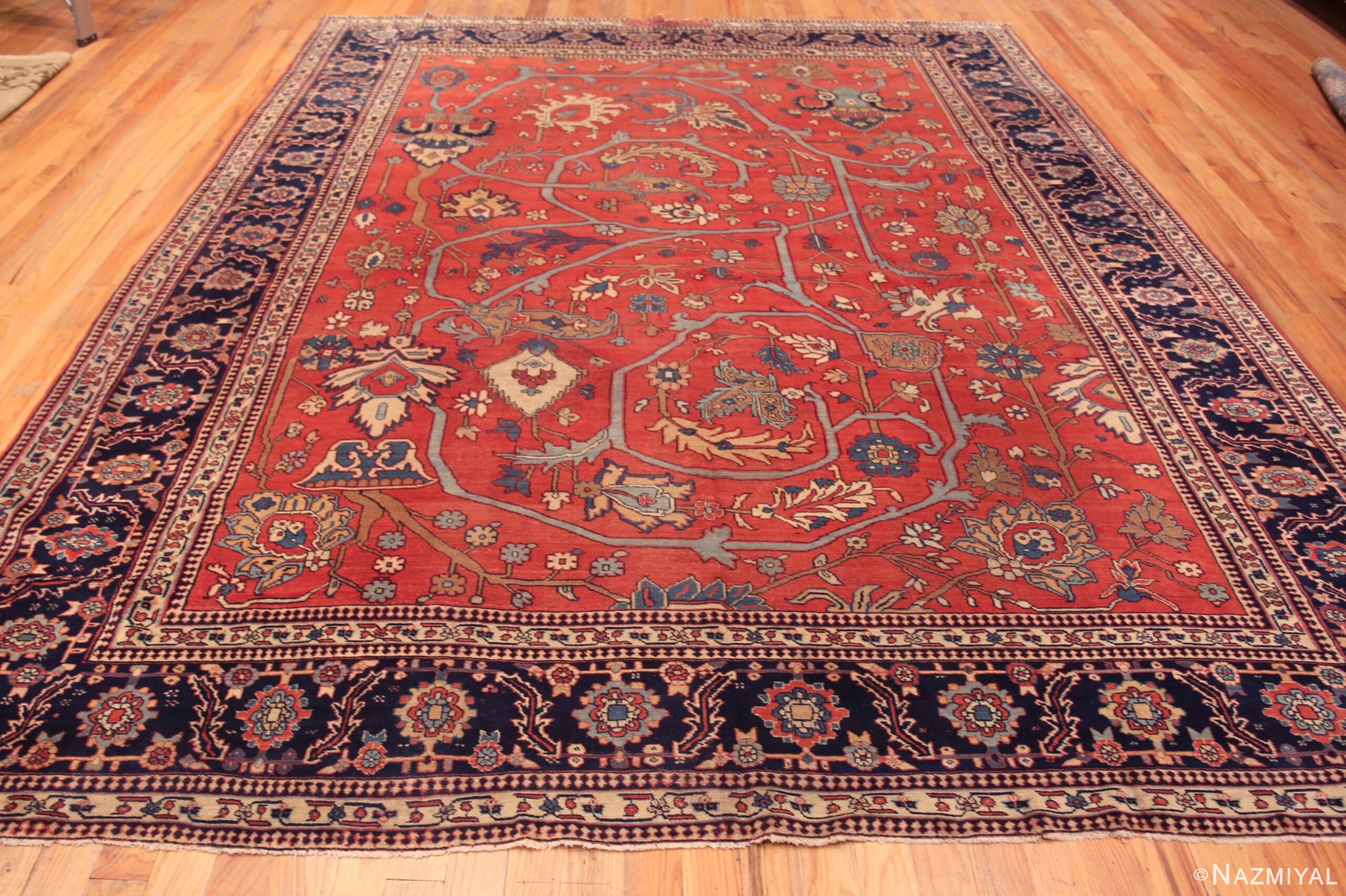
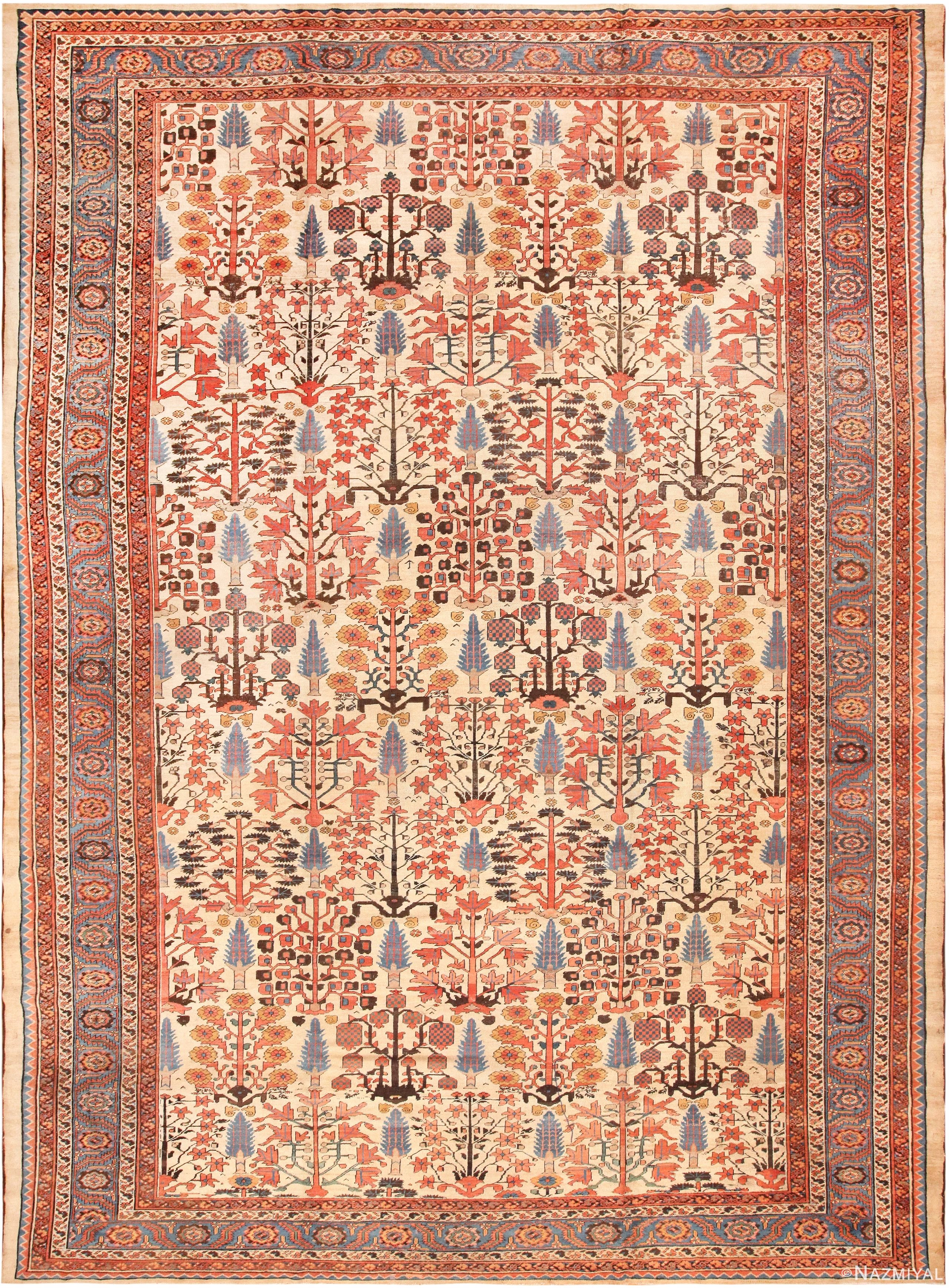
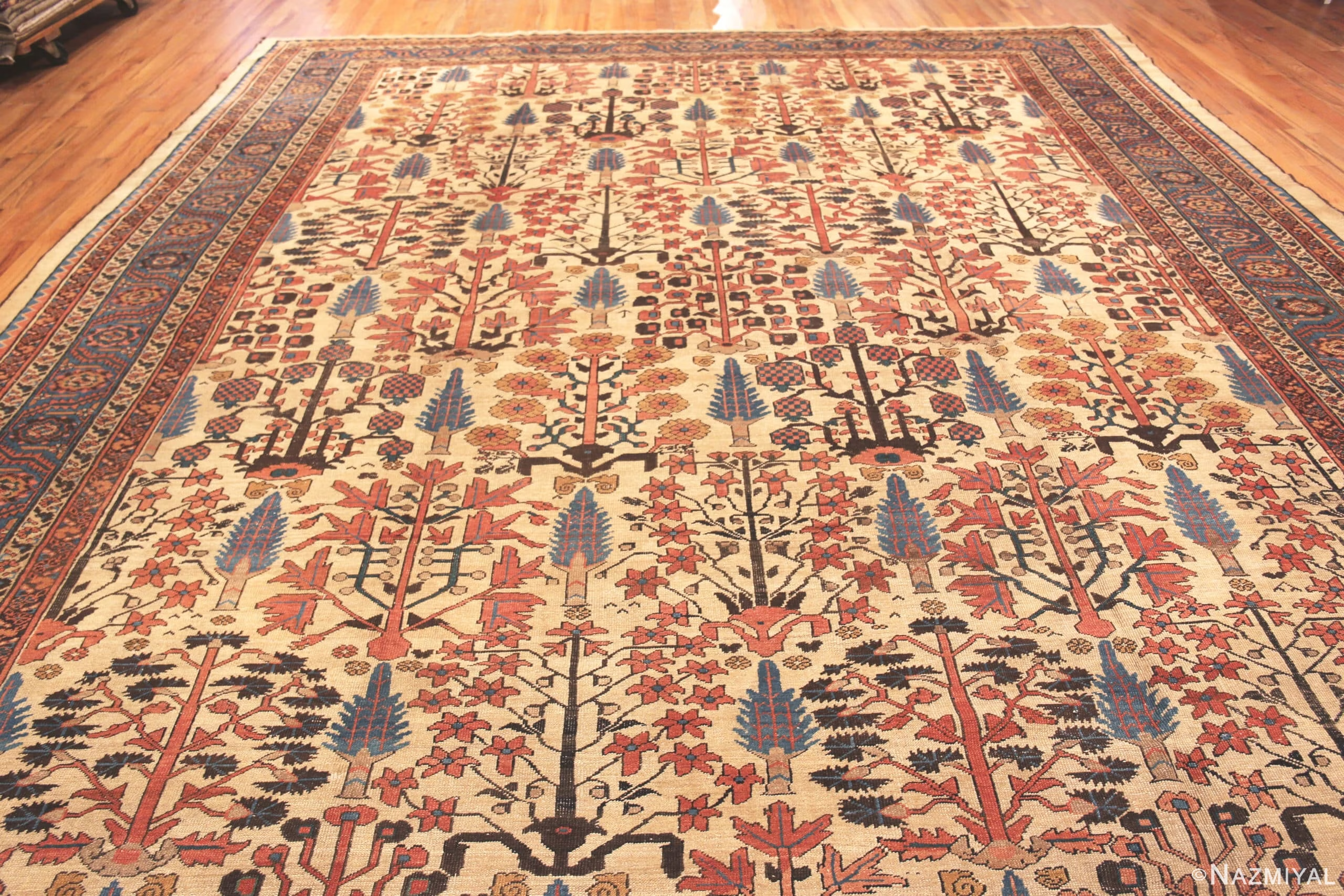
Antique Heriz rugs are northwest Persian carpets known for powerful geometric medallions, architectural layout, and exceptionally resilient construction suited to large interiors.
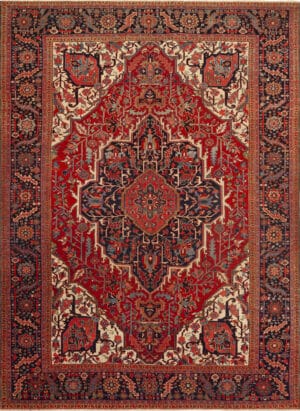
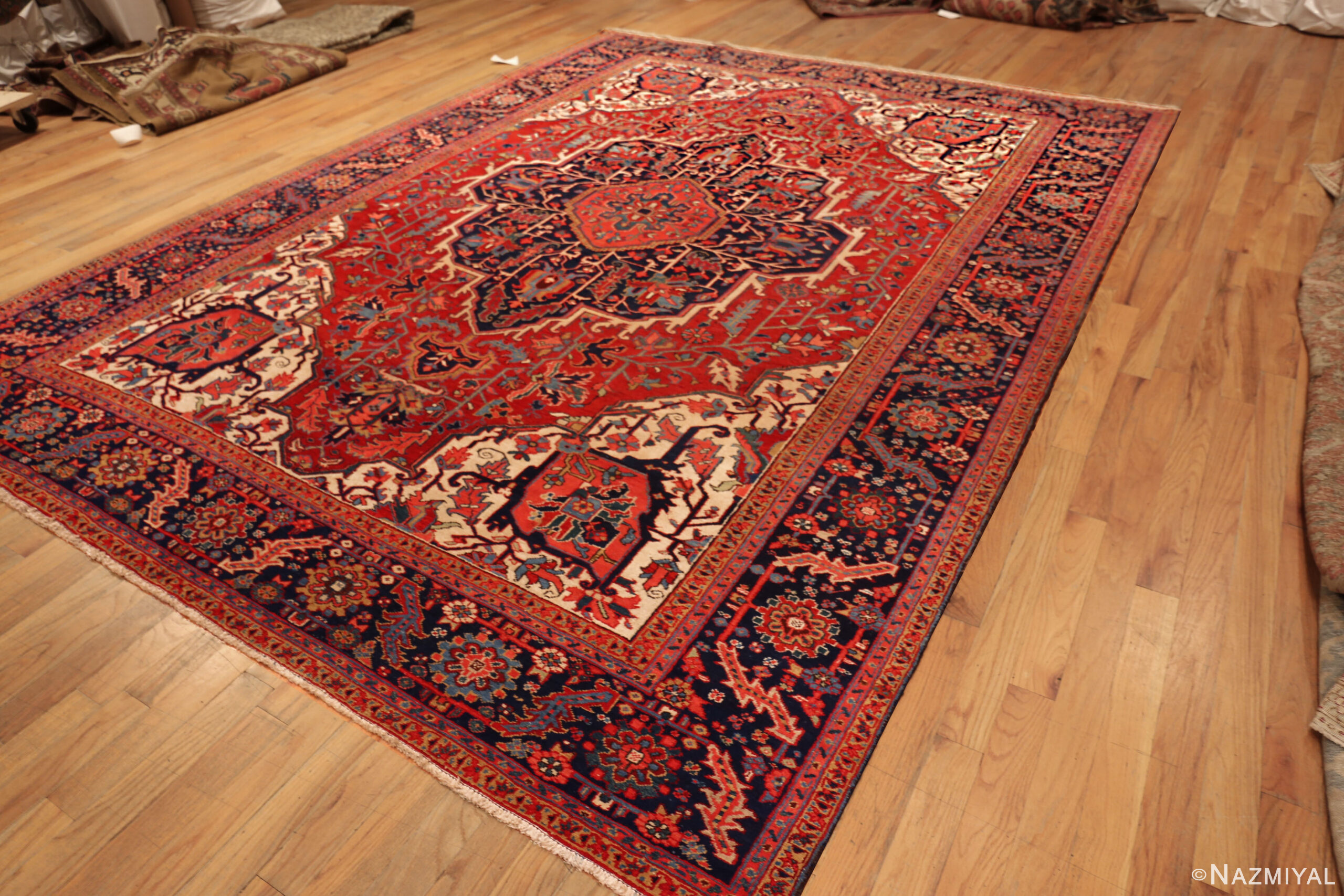
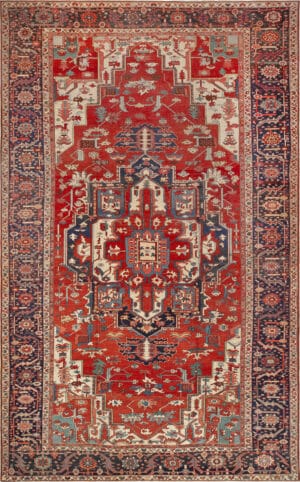
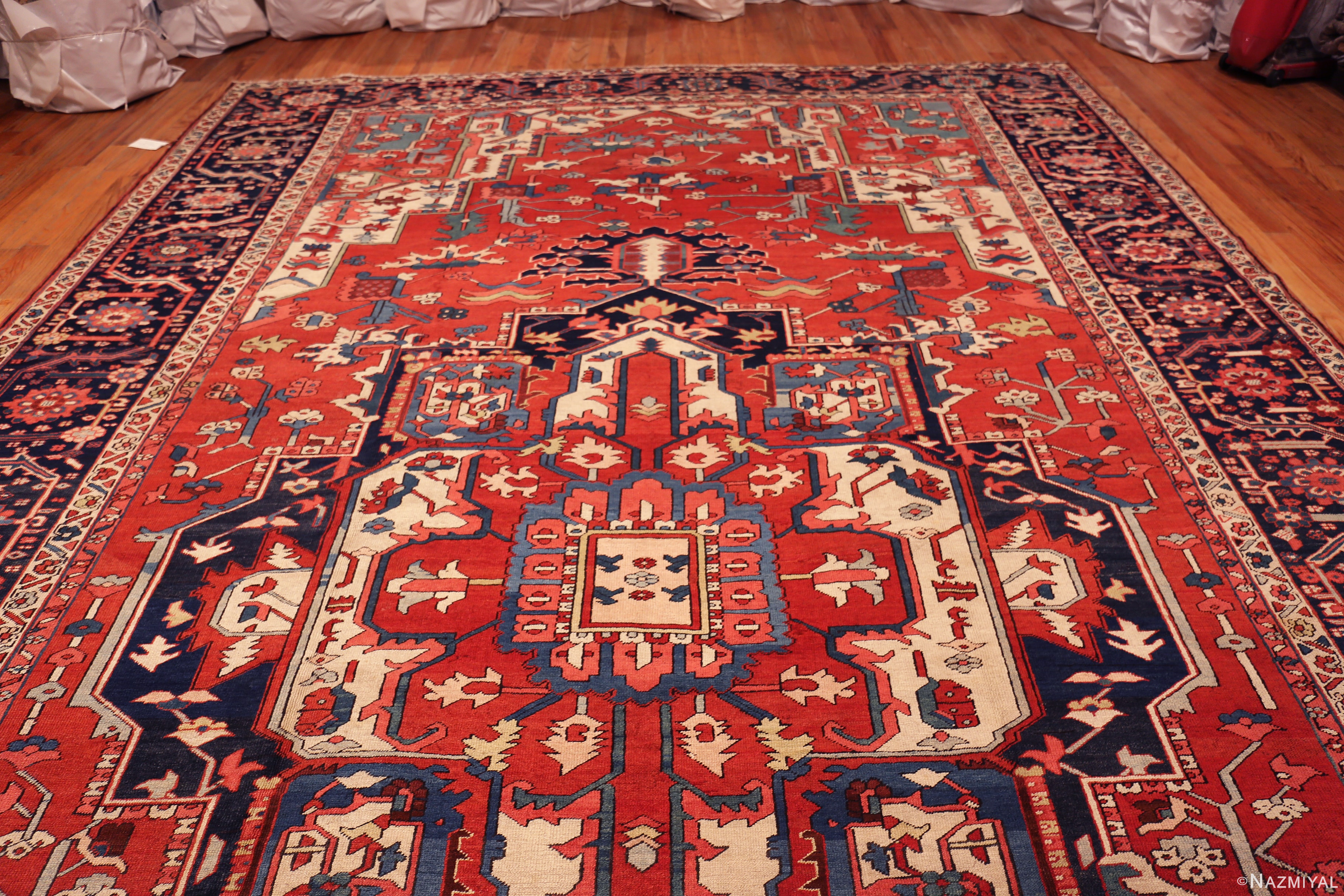
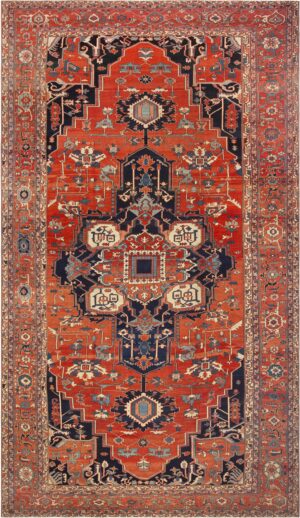
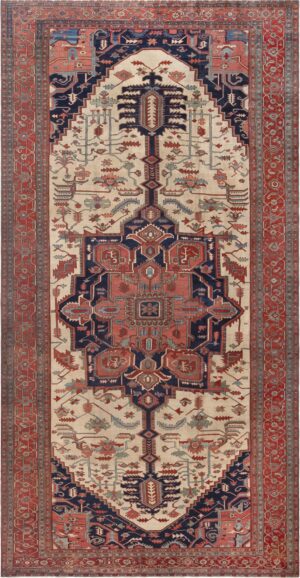
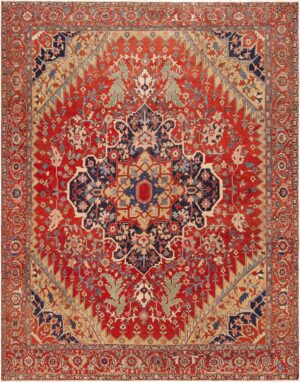
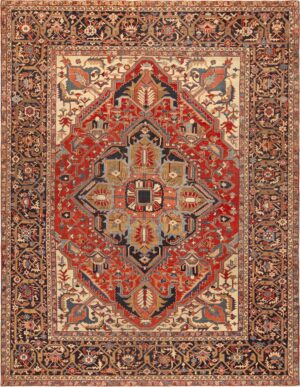
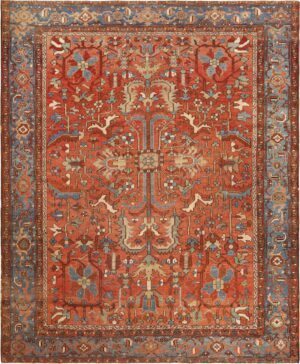
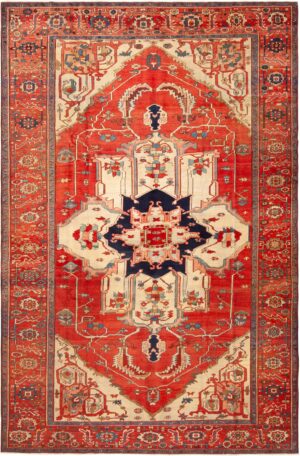
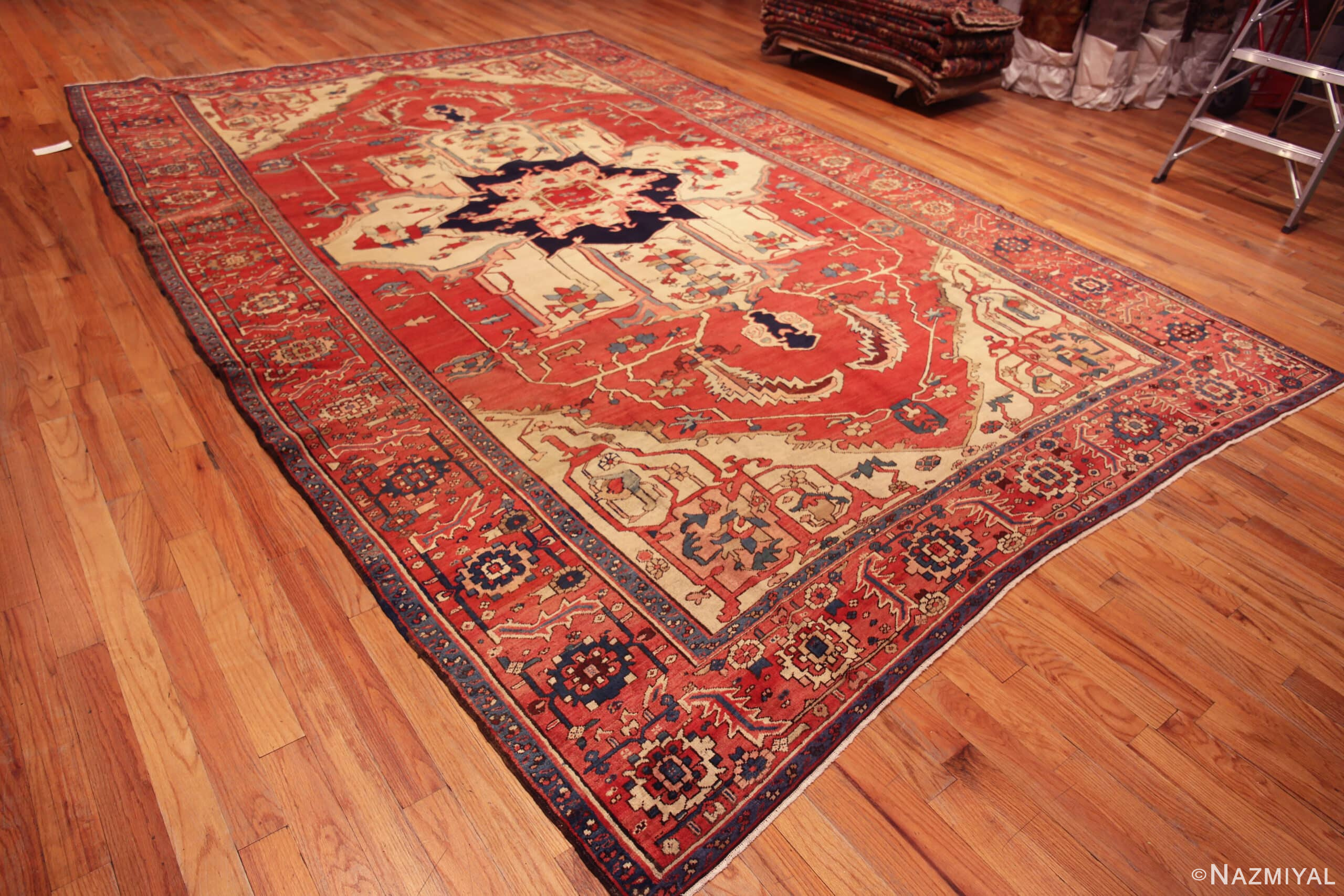
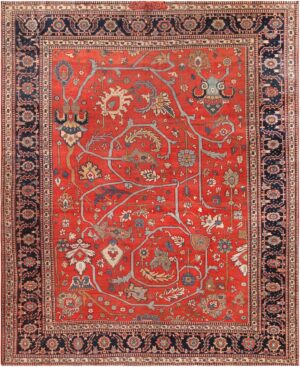
Heriz rugs are bold, architectural Persian carpets woven in northwest Iran, prized for large-scale geometric medallions and famously durable construction. Their disciplined drawing and grounded, saturated palettes make them a dependable choice for room-size decorating—anchoring a space without feeling visually busy. At Nazmiyal Collection, we evaluate each rug by structure, materials, regional design logic, and condition so you can shop with clarity and confidence. Browse our curated Persian rugs inventory below, then use the identification and comparison notes to distinguish Heriz from closely related Serapi and Bakshaish weavings.
Updated February 13, 2026 • Reviewed by Jason Nazmiyal
What to look for: confident drawing, balanced palette, sound edges/ends, and honest wear
Specs Table (Typical)
Heriz / Serapi / Bakshaish
Category
Architectural, geometric northwest Persian carpets
Best-use sizes
Room-size and oversized formats for living/dining/loft layouts
Palette notes
Strong contrasts (reds, blues, ivory) with grounded earth tones; abrash is common in village pieces
Condition priorities
Foundation integrity, stable ends/selvages, and even wear across the field
Identification & Construction
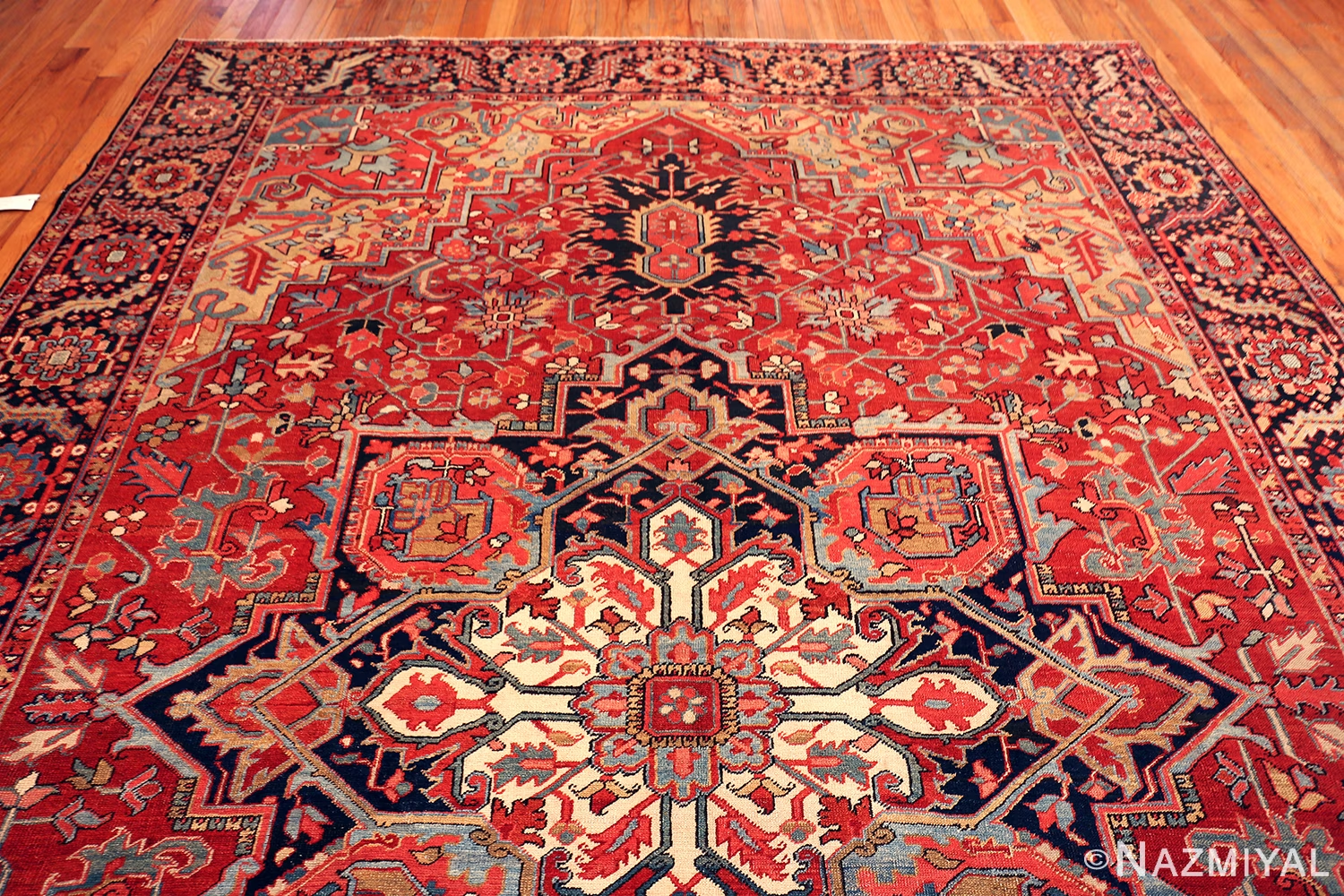
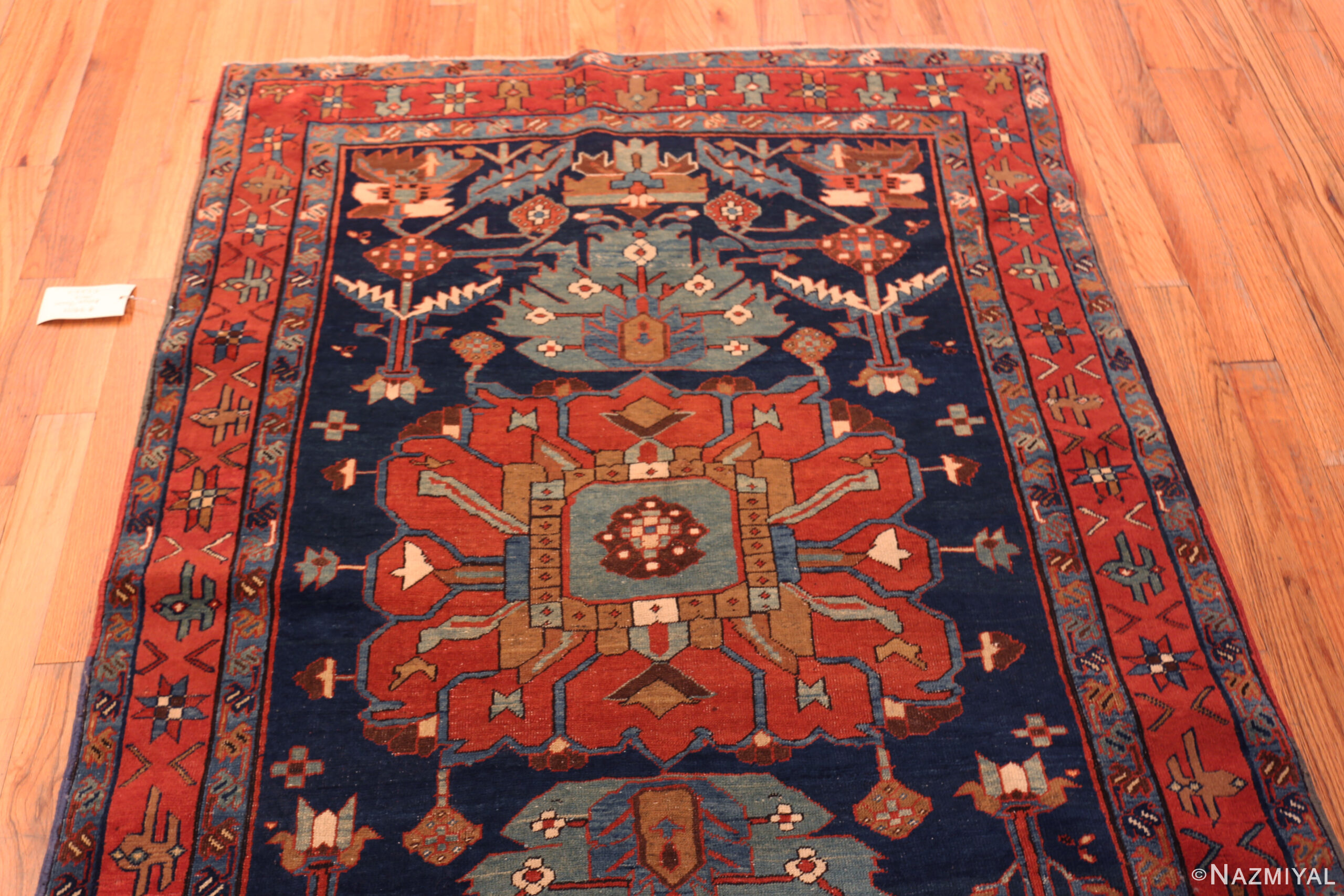
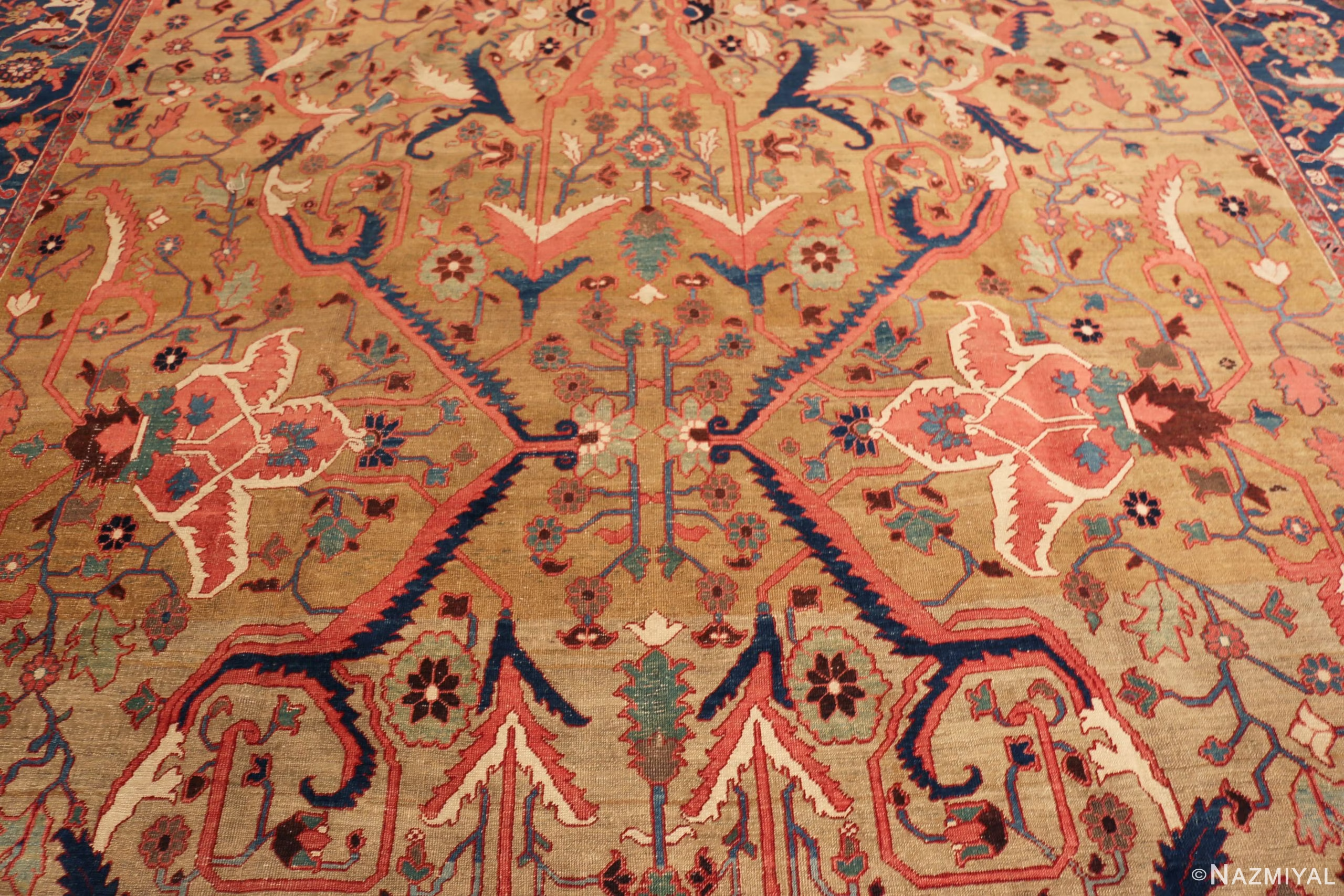
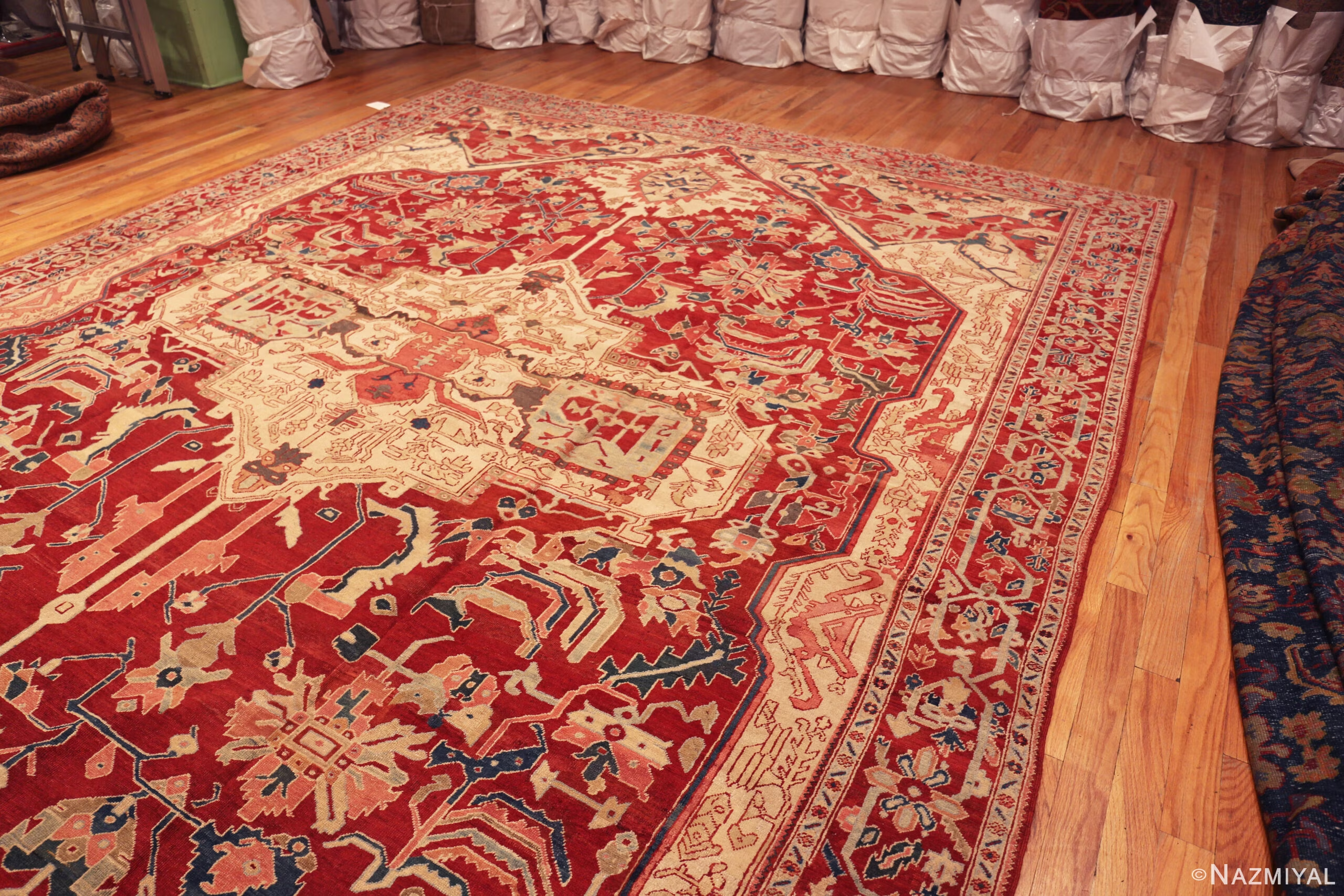
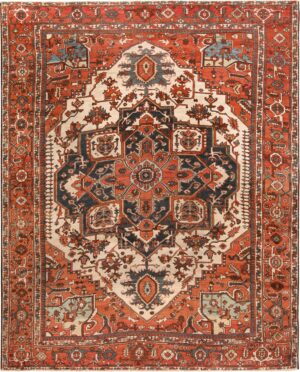
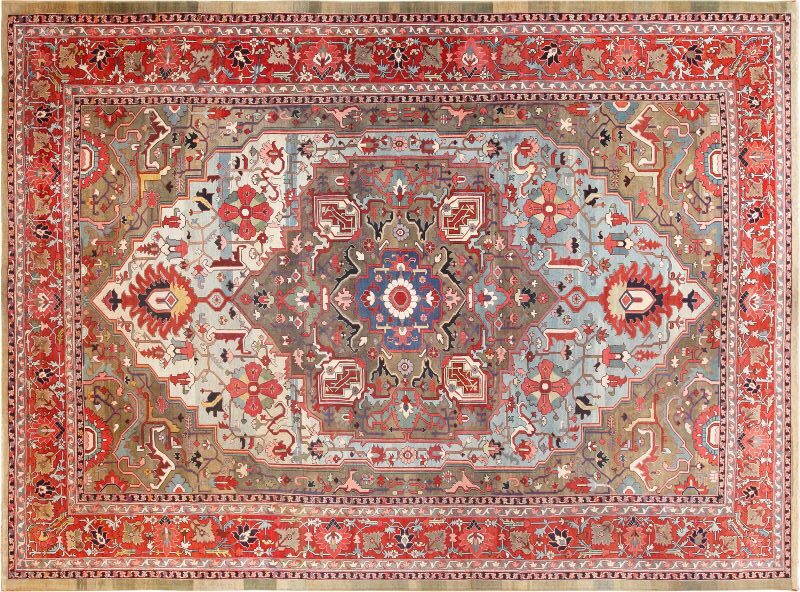
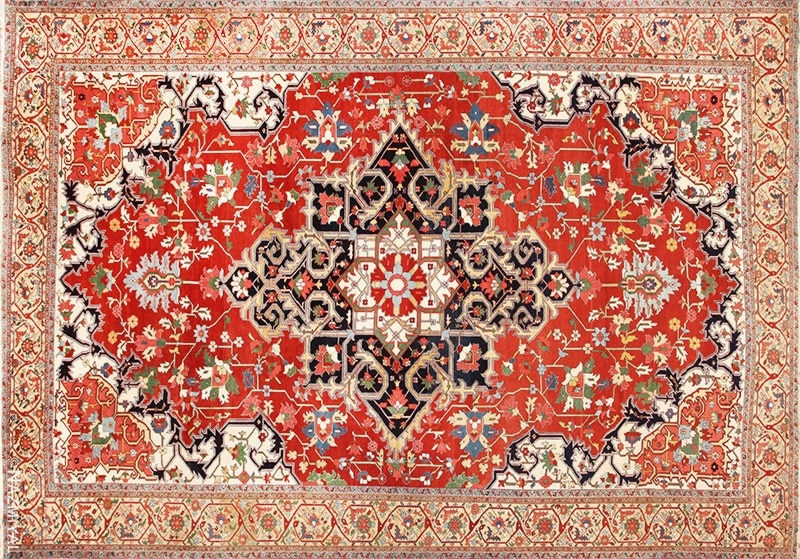
Authentic Heriz-region rugs tend to “think in geometry”: the medallion reads as a strong structural anchor, motifs feel angular rather than curvilinear, and borders often reinforce the rug’s architectural framing. When evaluating attribution, connect the design language to construction and handle—durability should feel earned, not assumed. If you’re comparing regional logic across Iran, start with Rug Origins and then evaluate how each weaving center expresses proportion, palette, and structure.
Design cues: stepped outlines, strong corner presence, and medallions that remain legible from across a room
Structure cues: robust foundation and a firm hand suited to heavy use
Quality cues: consistent drawing, disciplined spacing, and borders that “lock” the composition
Decorating & Placement Guidance
Designers use Heriz rugs as visual “architecture” for a room: the geometry establishes order, then upholstery, art, and lighting can layer over it without losing the space’s structure. For period-rich rooms, start with antique rugs; for mid-century and transitional spaces, compare with vintage rugs; for clean-lined interiors, pair Heriz geometry with selective modern rugs and simpler furniture silhouettes.
Living & dining rooms: room-size Heriz carpets anchor seating and tables with clarity
Open-plan layouts: bold medallions help “zone” space without partitions
Color strategy: echo one field color in textiles, then keep walls and case goods calmer
Heriz vs. Serapi vs. Bakshaish
These traditions are closely related, but they differ in intent and visual rhythm. Use the quick comparison below, then explore each category when you want a more focused set of examples.
Nazmiyal Collection has been a trusted source for antique rugs and vintage carpets for over 45 years. Our NYC gallery curates one-of-a-kind pieces with an emphasis on authenticity, provenance, and lasting decorative value.
Need help? Call us at (212) 545-8029 or visit our New York City showroom to work with a rug expert.
             Posted on Google        Clay Pendergrast     Trustindex verifies that the original source of the review is Google. My wife and I are so pleased with the antique Uzbek Bokhara Rug purchased from the Nazmiyal Collection. Not only does the rug have a spectacular design, it also was very reasonably priced. The way it transforms our living room, reconciling the classic modern furniture with the 1913 Craftsman interior is remarkable.         Posted on Google        Terence Hayes     Trustindex verifies that the original source of the review is Google. I have purchased multiple rugs at multiple Nazmiyal auctions and I am extremely pleased with the quality, price, and experience.  Highly recommended!         Posted on Google        Victor Florintsev     Trustindex verifies that the original source of the review is Google. The only ones I'd ever buy rugs from. The best.         Posted on Google        Jeffrey NeumanB     Trustindex verifies that the original source of the review is Google. I bought two gorgeous Serapi rugs from Farhad at Nazmiyal Rugs!  Beautiful carpets, fair prices and great service.  Very happy customer.  Farhad (the sales person) was very patient and gave us great service.         Posted on Google        john haid     Trustindex verifies that the original source of the review is Google. Alen is a gentleman and an expert.  Really great to work with.         Posted on Google        Edward Yasuna     Trustindex verifies that the original source of the review is Google. I recently purchased a modern Kandinsky rug from Nazmiyal Auctions.  It was just as described, and the director (Farhad) of the auctions had it sent to me quickly and safely.  Payment was easy, the rug was reasonably priced, and I highly recommend Nazmiyal Auctions and Antique Rugs.  Quality merchandise and first-class service.         Posted on Google        Nicholas Carr     Trustindex verifies that the original source of the review is Google. Had a excellent experience buying a rug in Nazmiyal's 1/18/26 online auction.  First, prior to the auction, viewing a number of lots at the 32nd St showroom (I had prepared a list from the online catalog). The staff were great to work with: helpful, knowledgable, honest, and flexible.  Second, after placing an online bid and winning the desired item, arranging payment and pickup was simple and straightforward. Everything went seamlessly and the overall experience was educational and fun. Many thanks to Jason and his team.         Posted on Google        Andrea Gared     Trustindex verifies that the original source of the review is Google. Everyone at Naziyal is proffessional, especially Jason and Farhad.
They are knowledgeable, truthful, and true gentlemen. I have sold several rugs through them and will always go to them first, to buy or sell. The best in the business!
Frequently Asked Questions
Authentic Heriz rugs originate from Iran, although later rugs may imitate the style.
Serapi rugs are generally earlier or finer examples with more spacious drawing, while Heriz rugs are bolder and heavier in execution.
Yes. Their geometric clarity and architectural scale make them particularly effective in contemporary spaces.
Yes, when restoration prioritizes structural stability and respects original materials.