Quick Navigation
What Is a Serapi Rug?
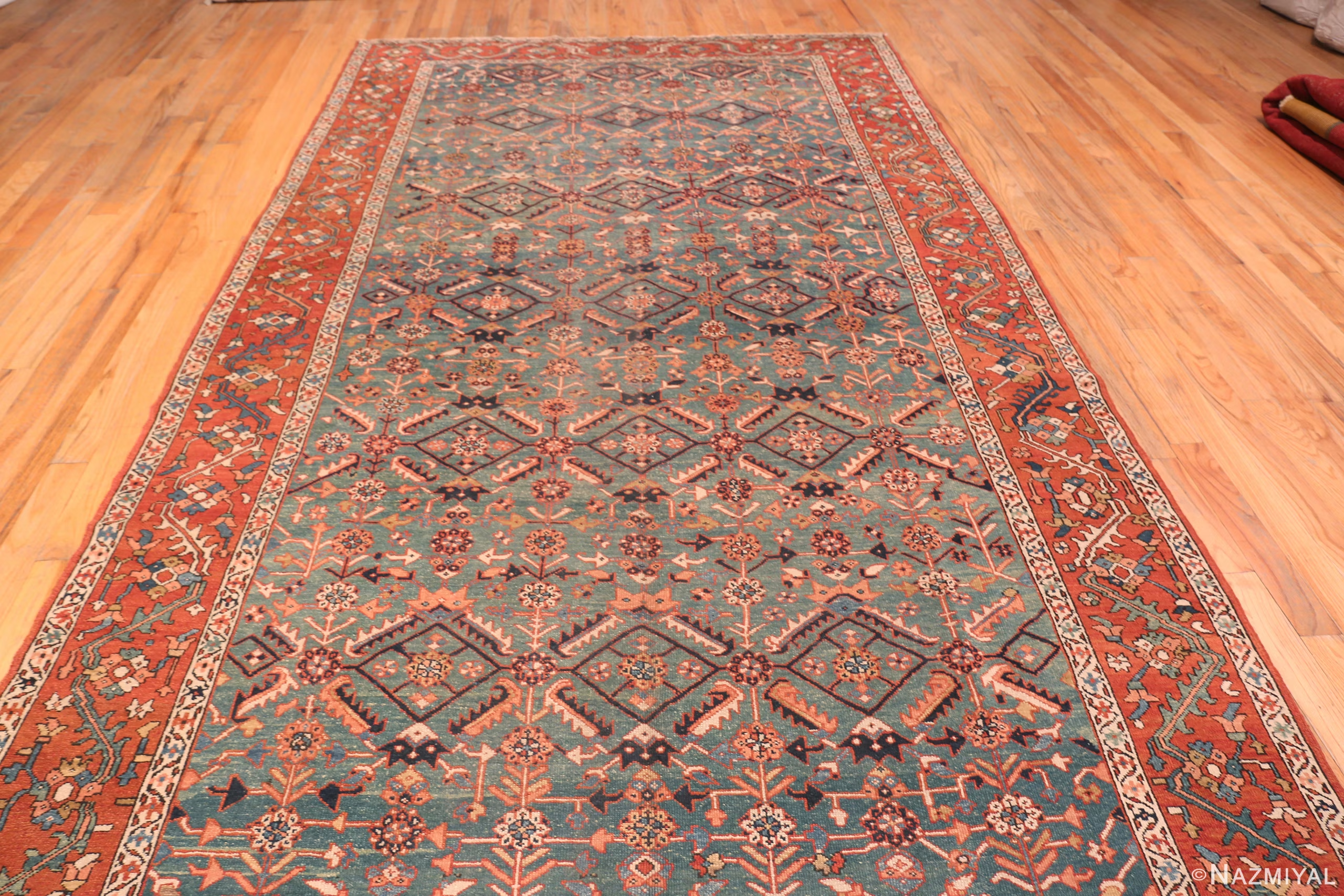
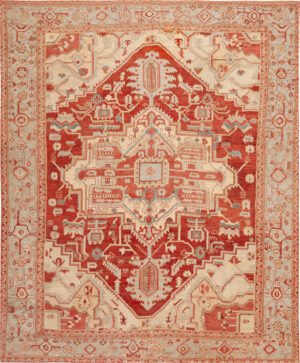
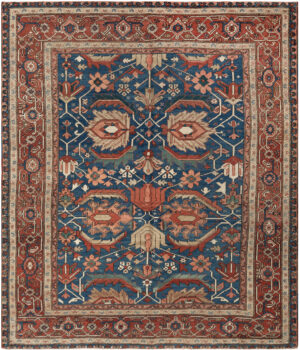
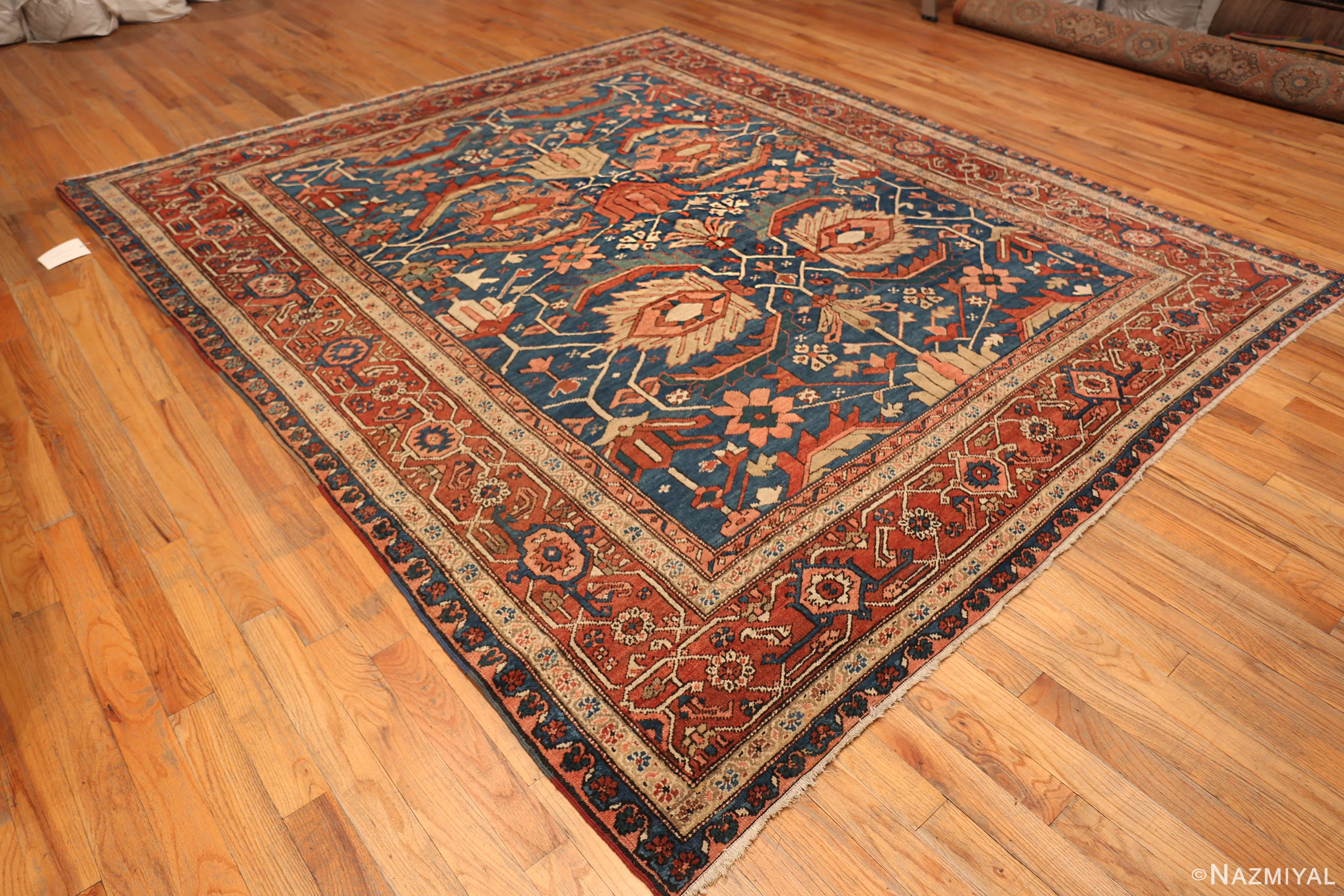
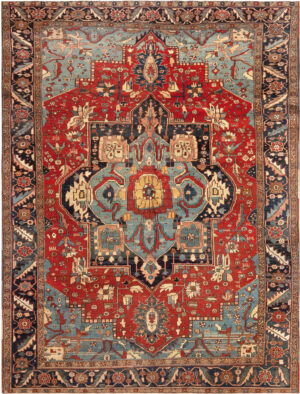
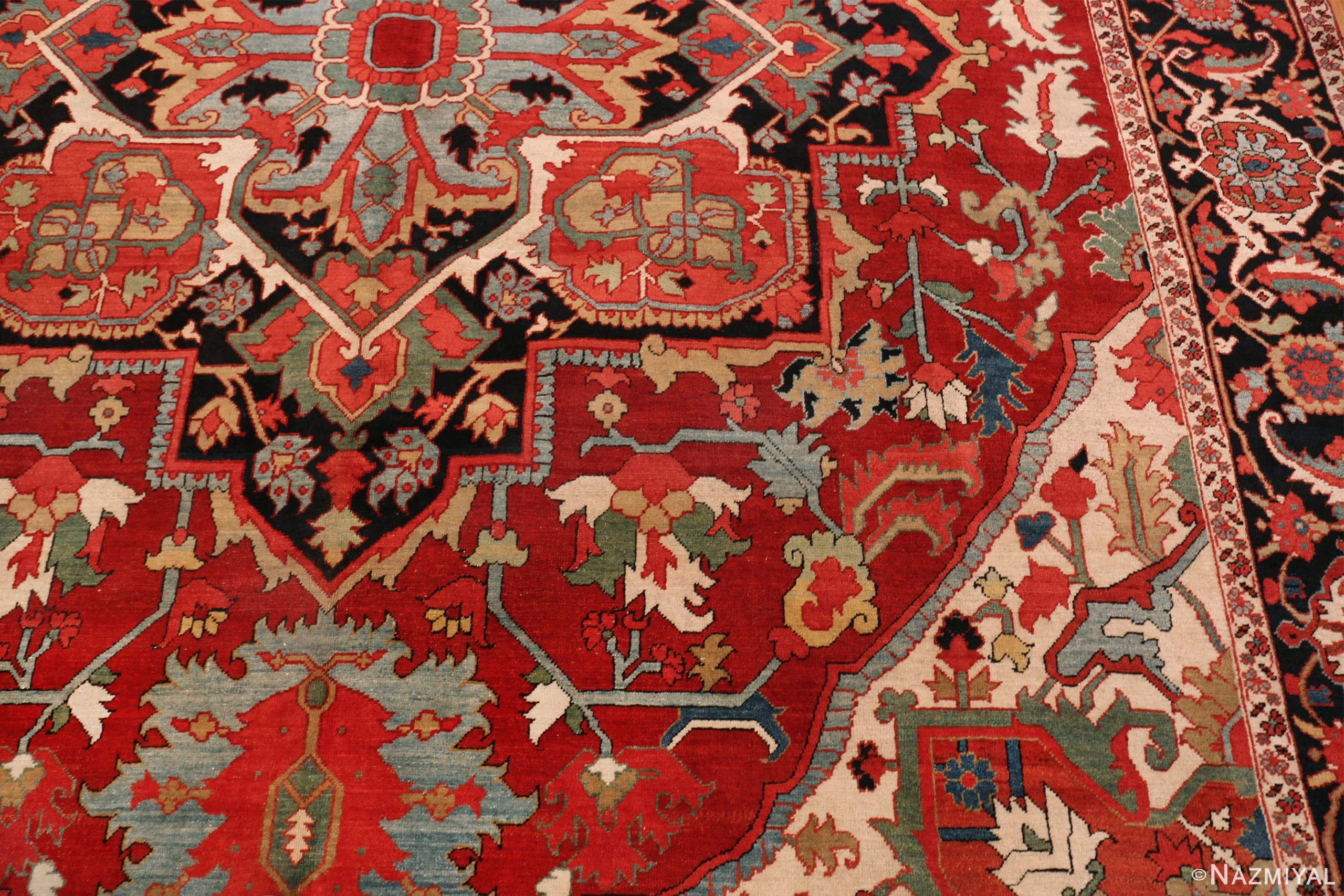
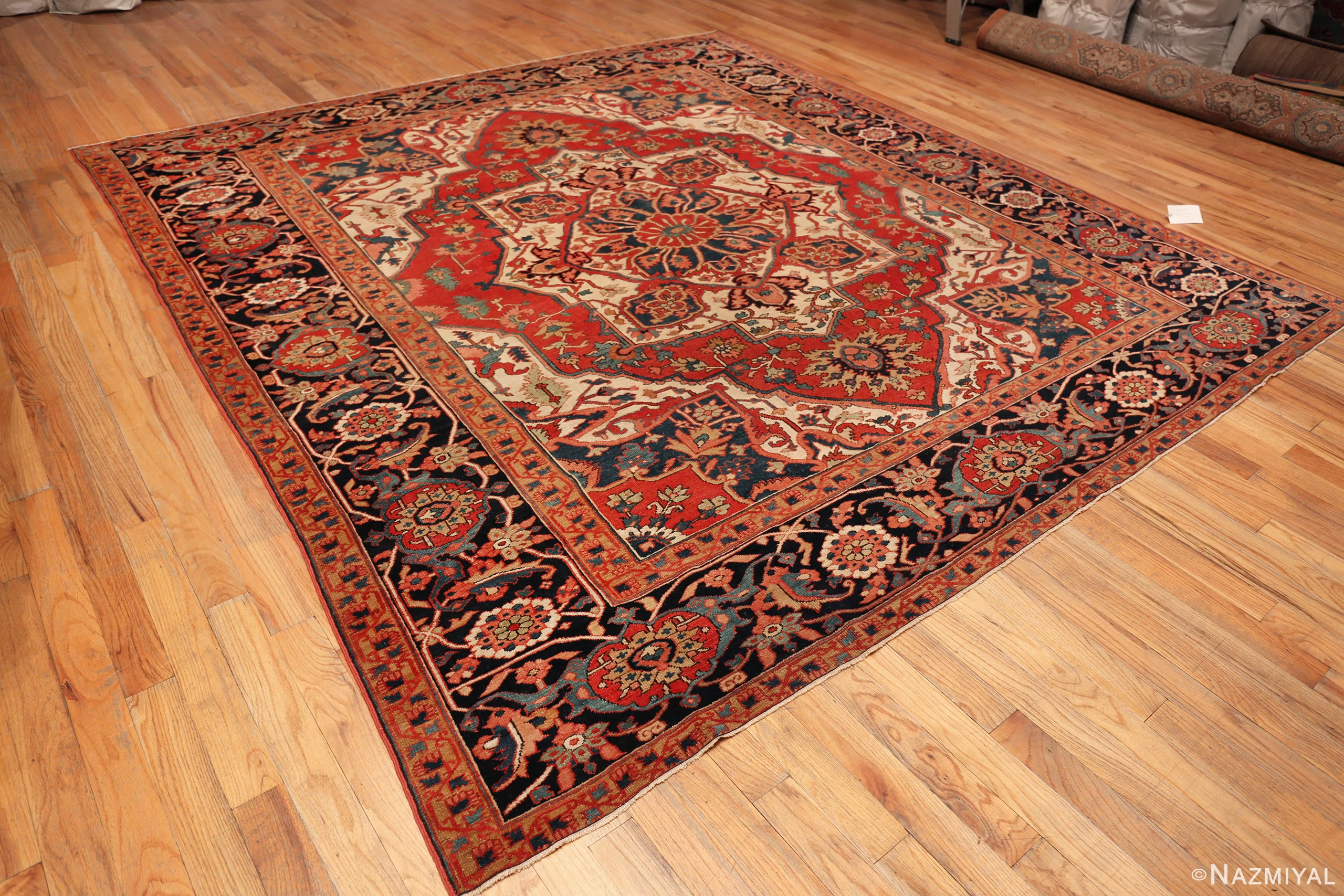
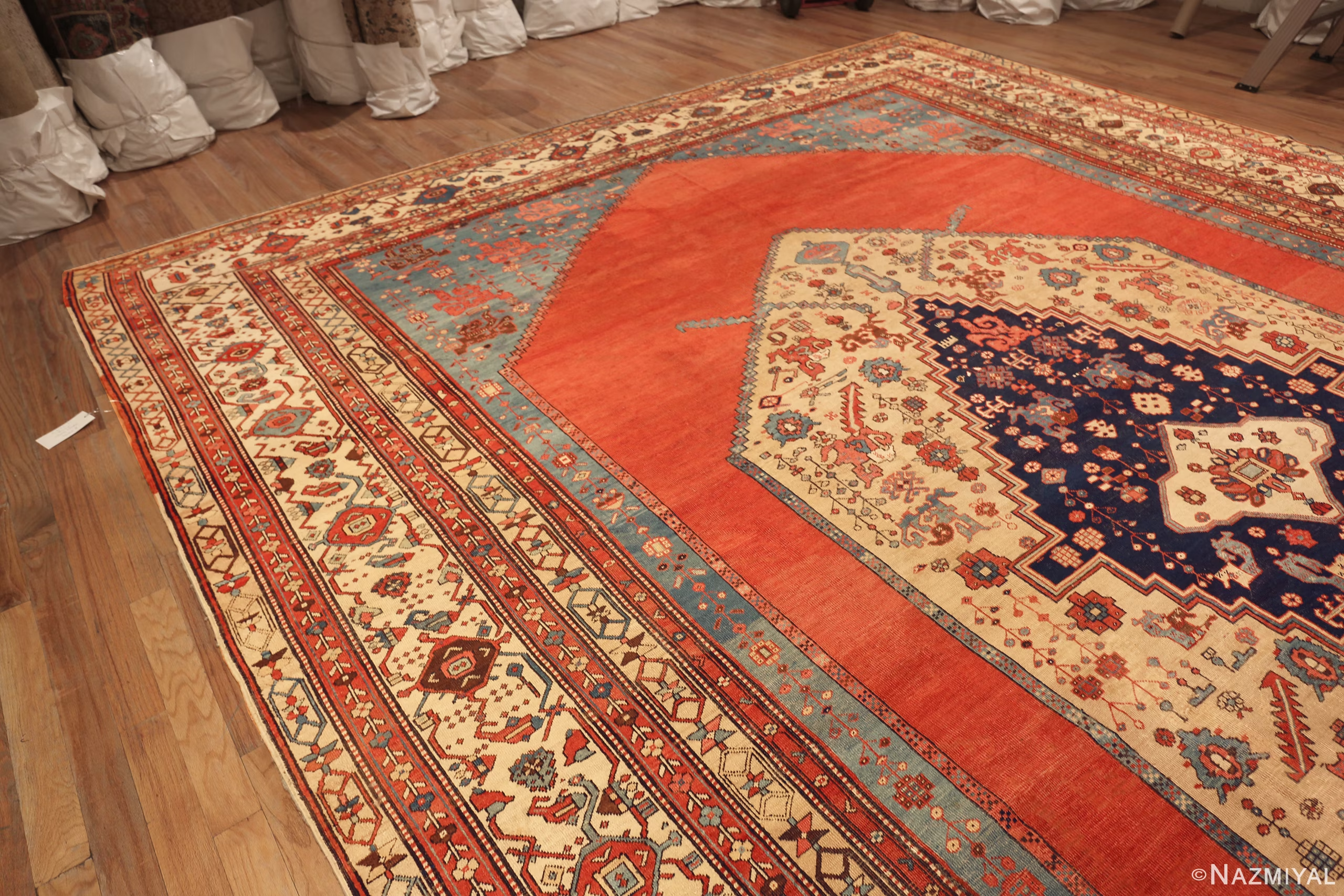
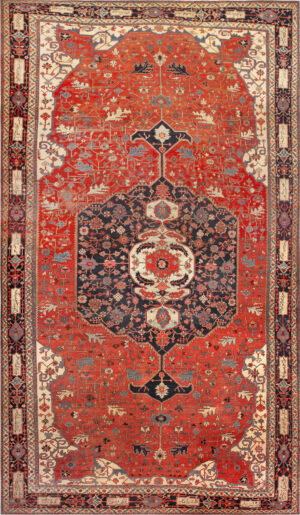
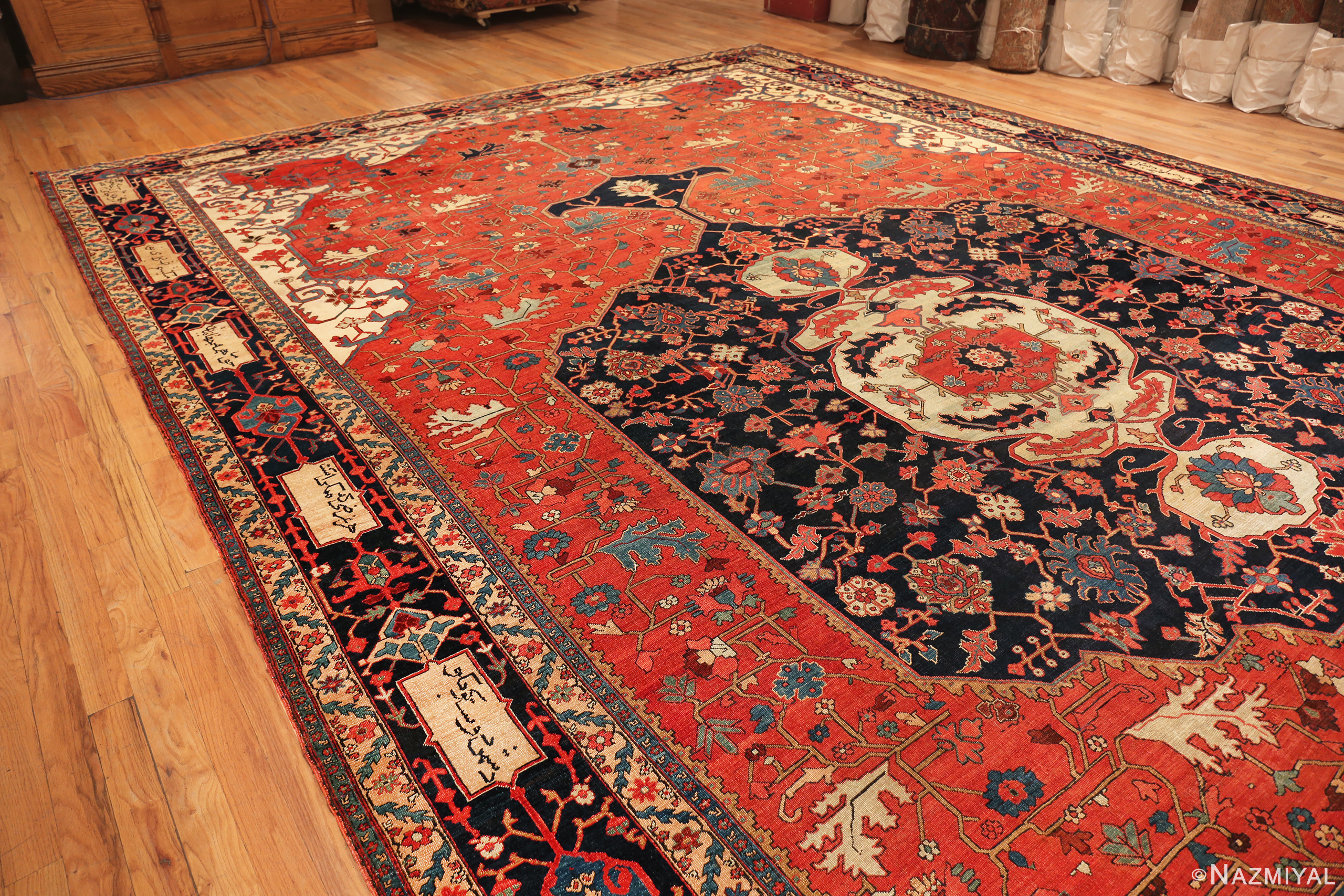
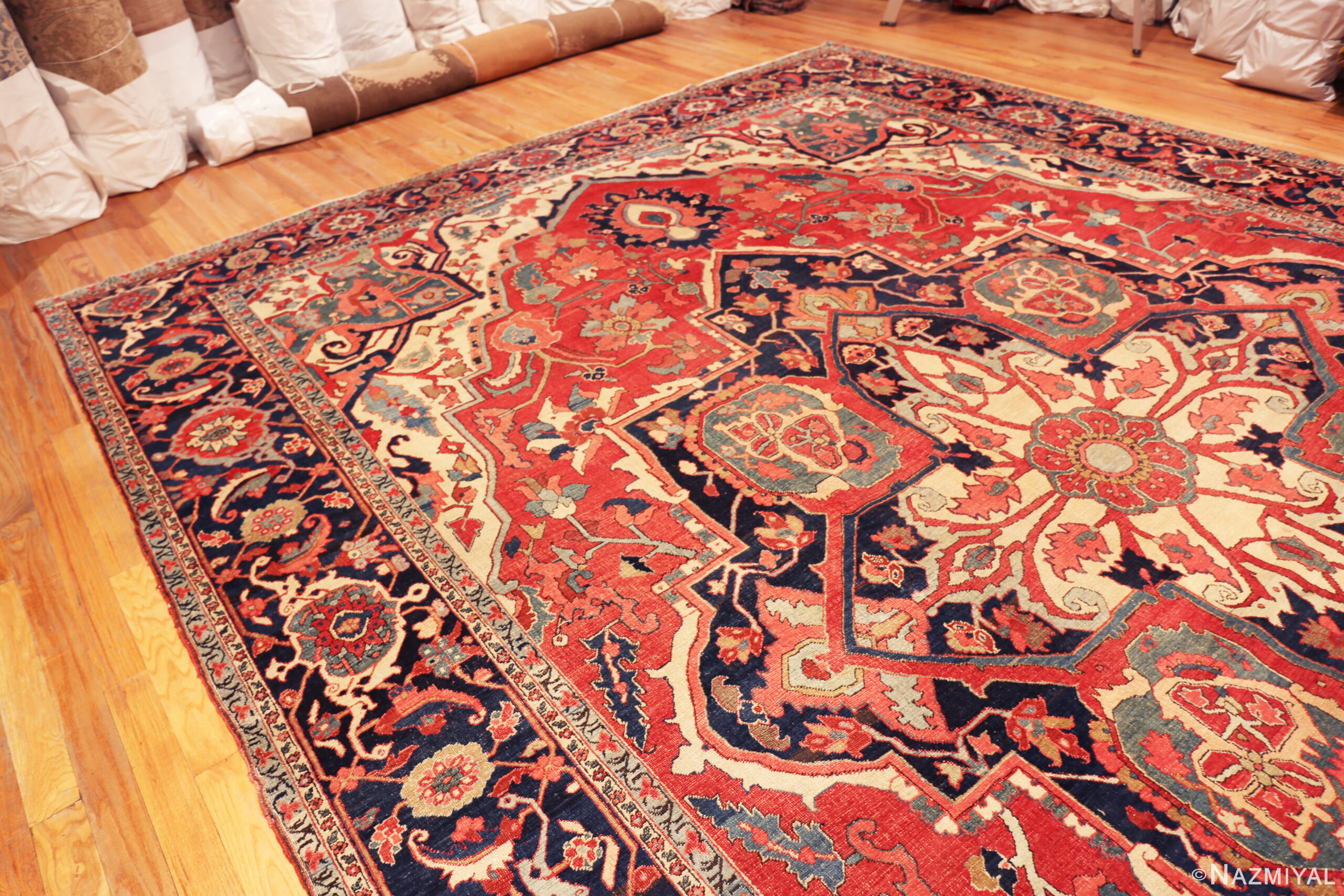
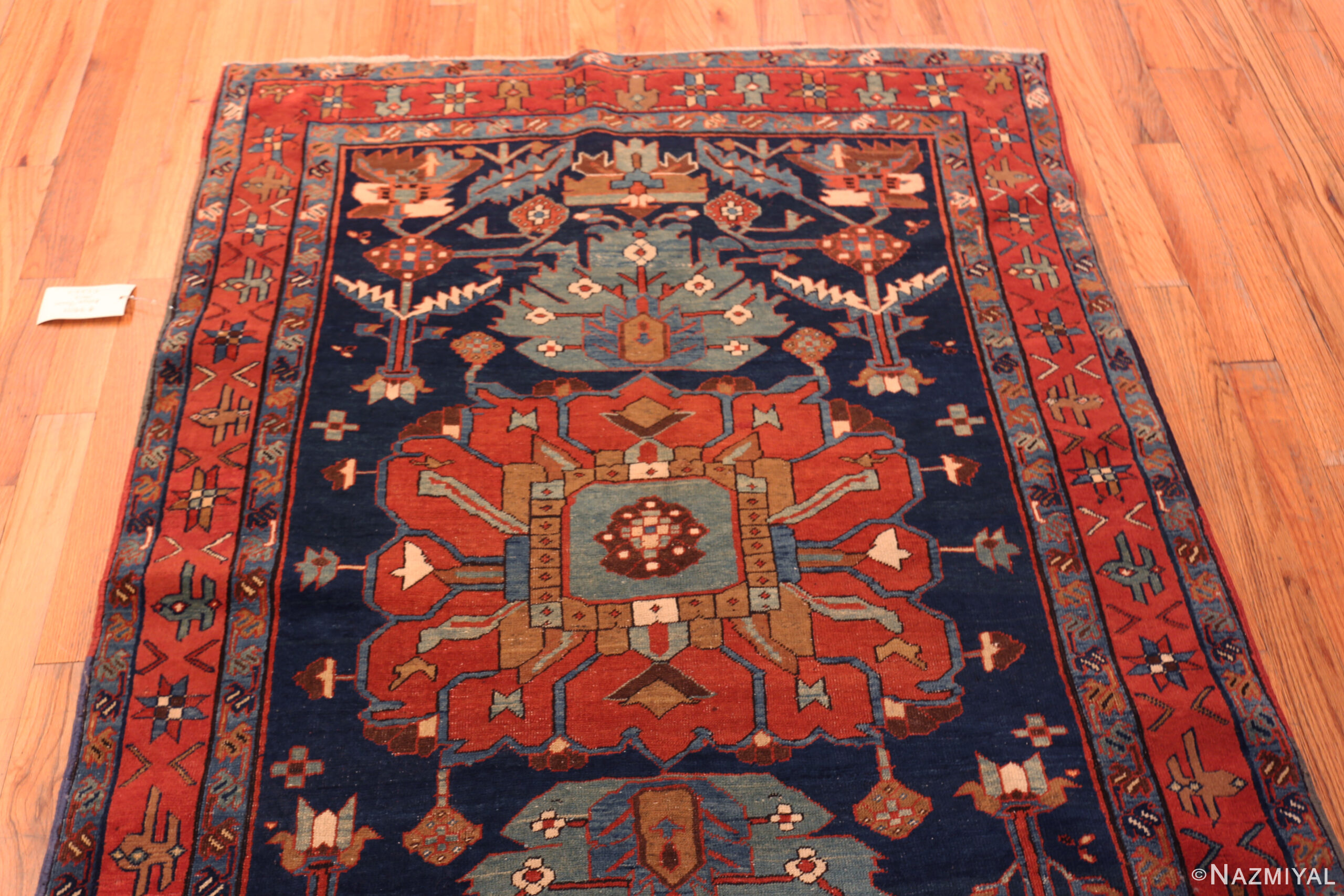
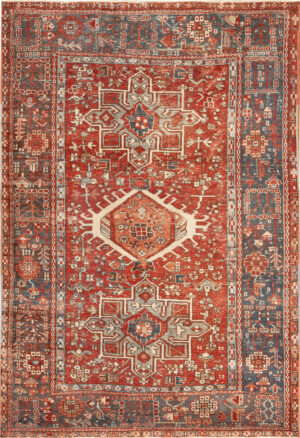
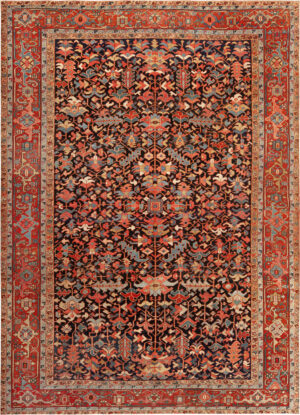
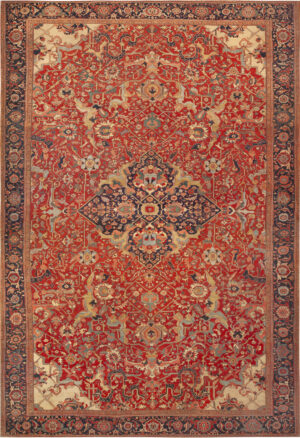
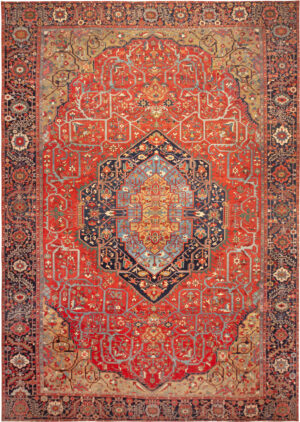
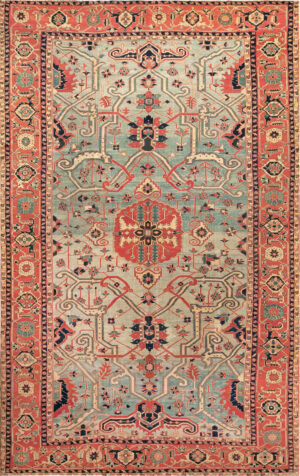
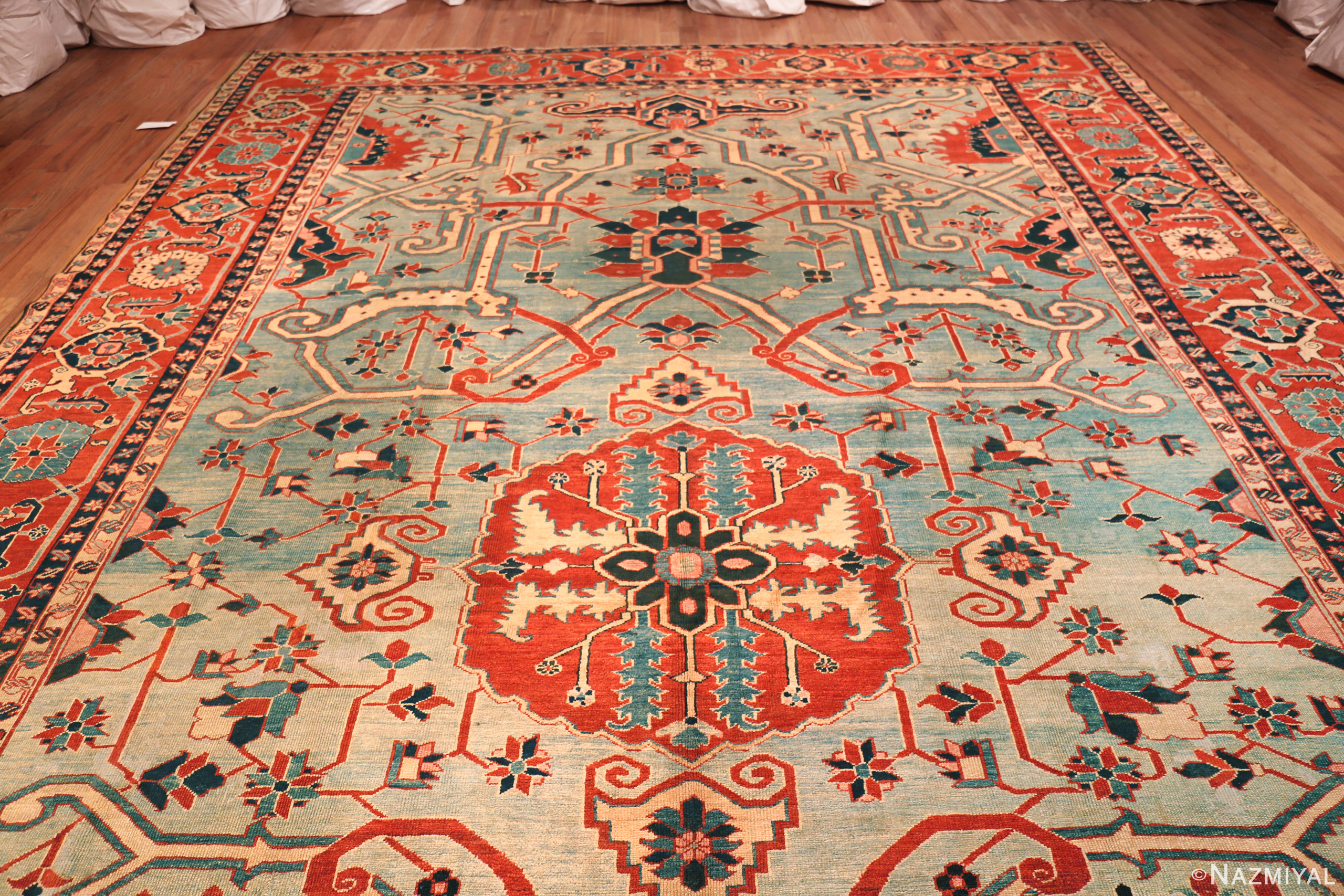
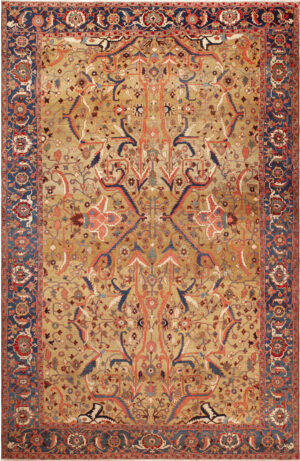
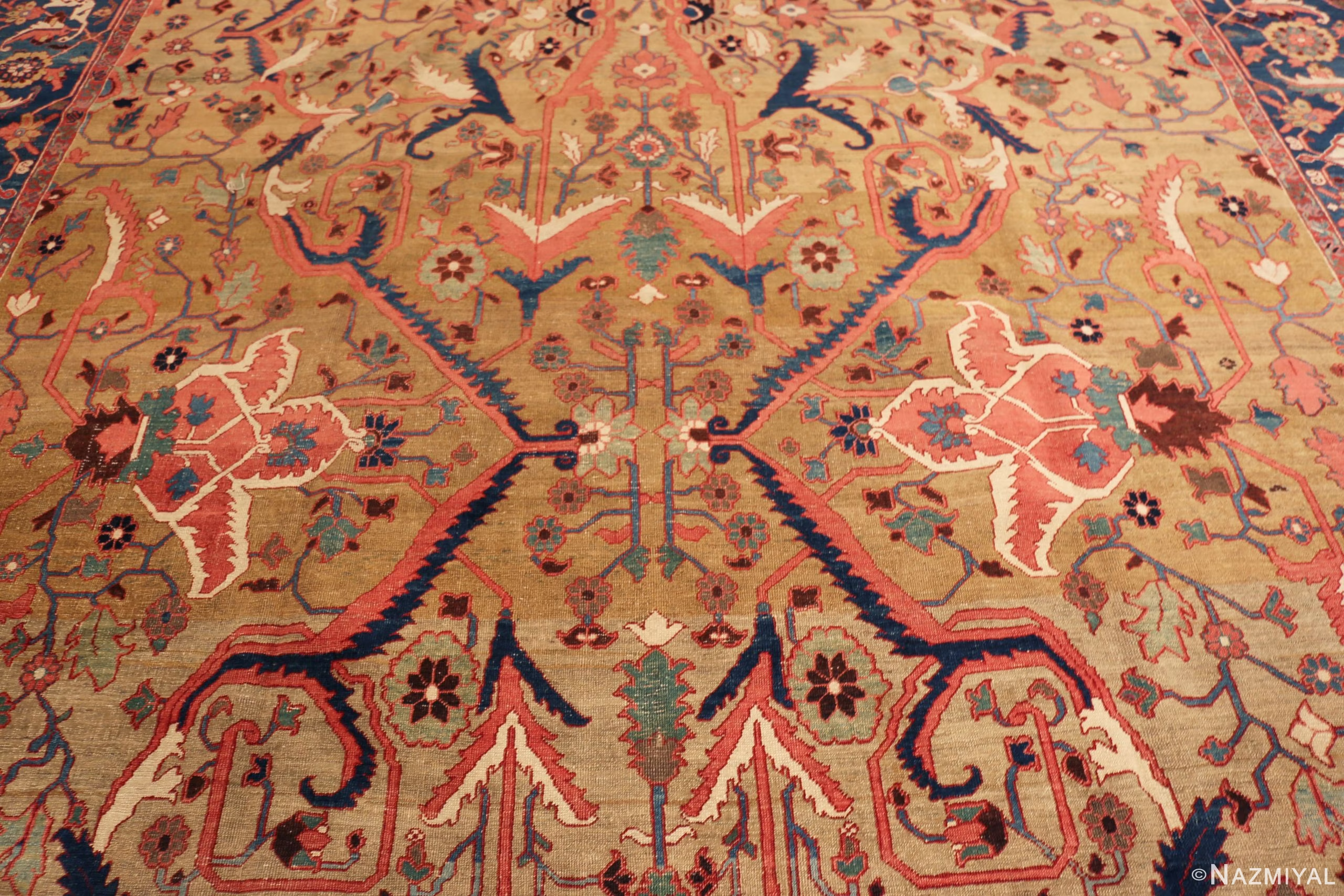
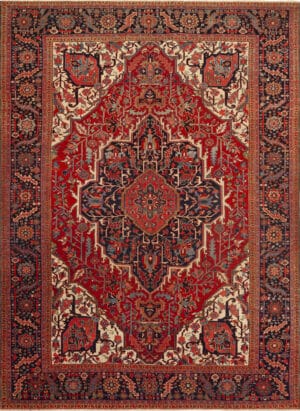
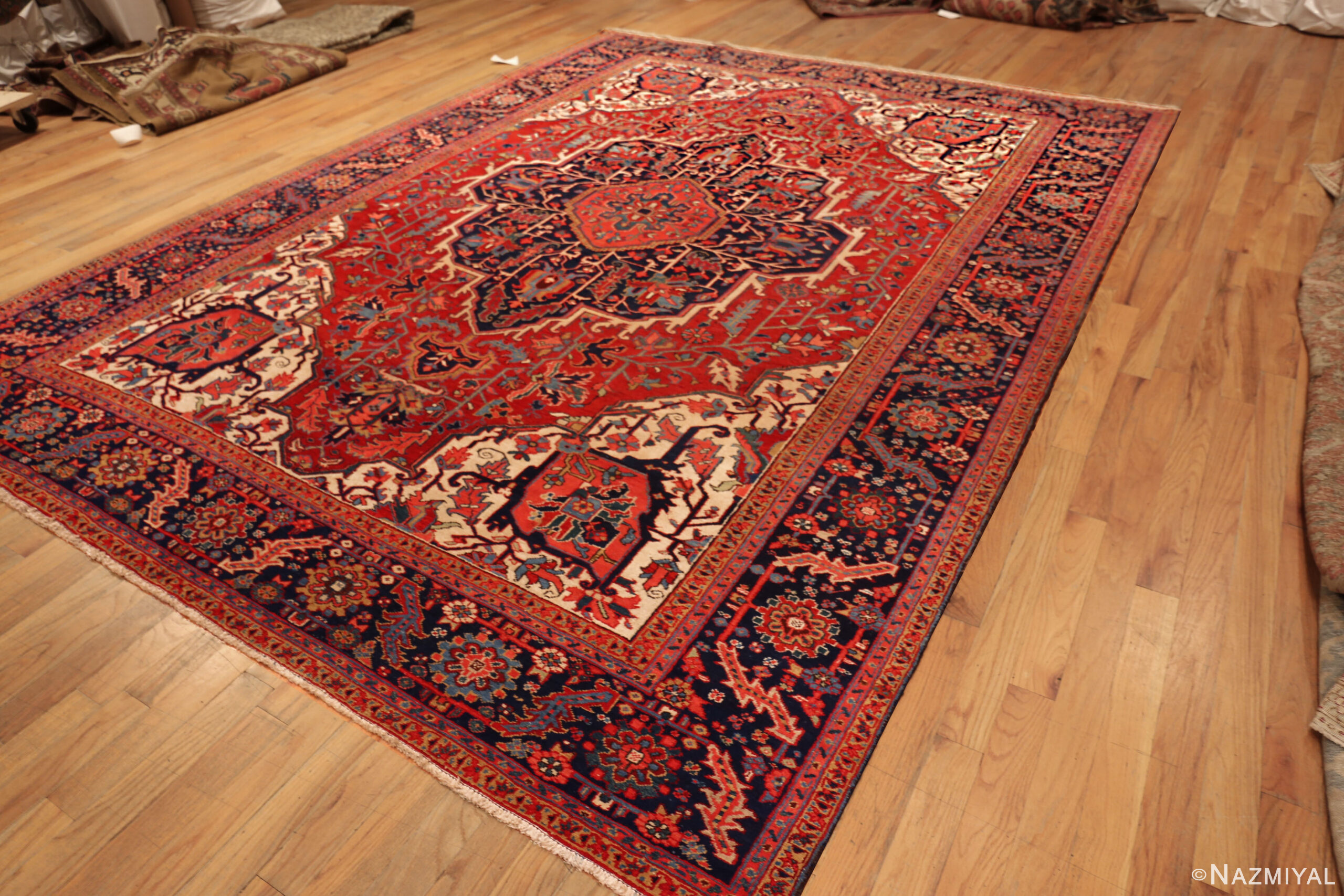
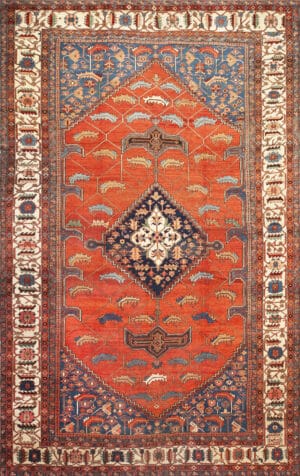
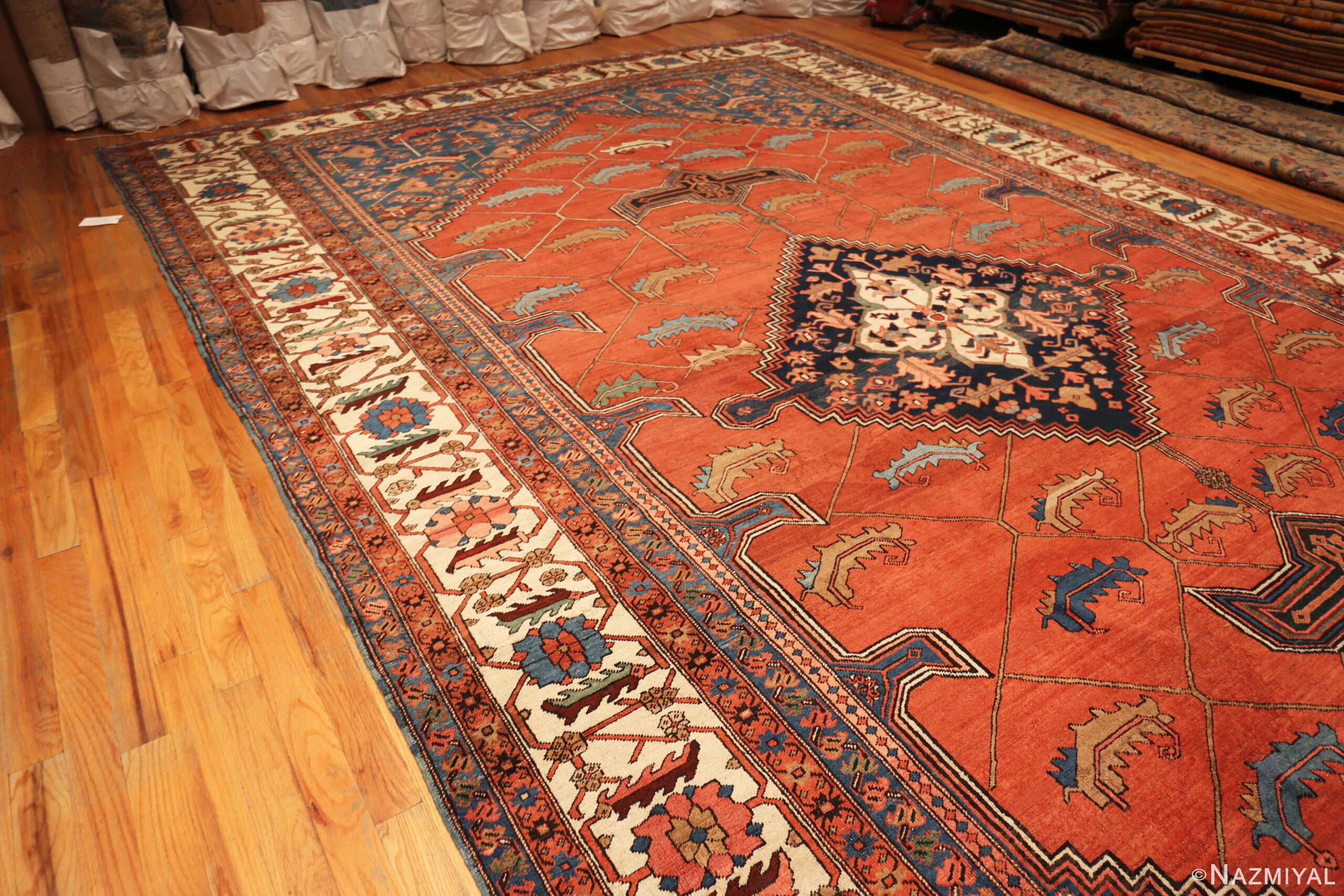
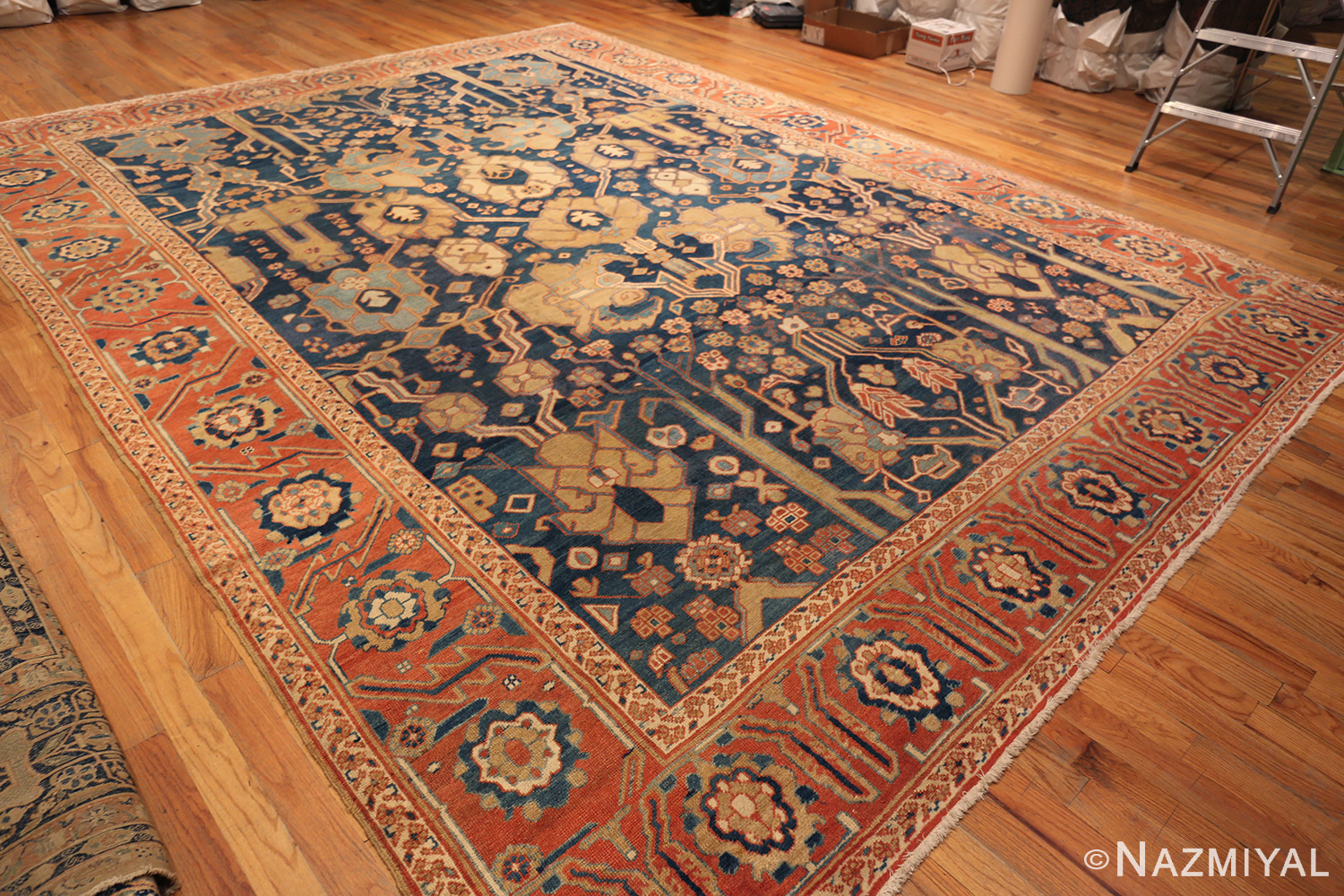
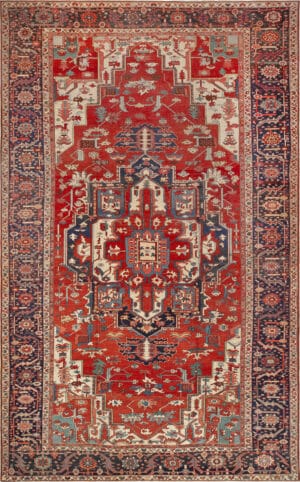
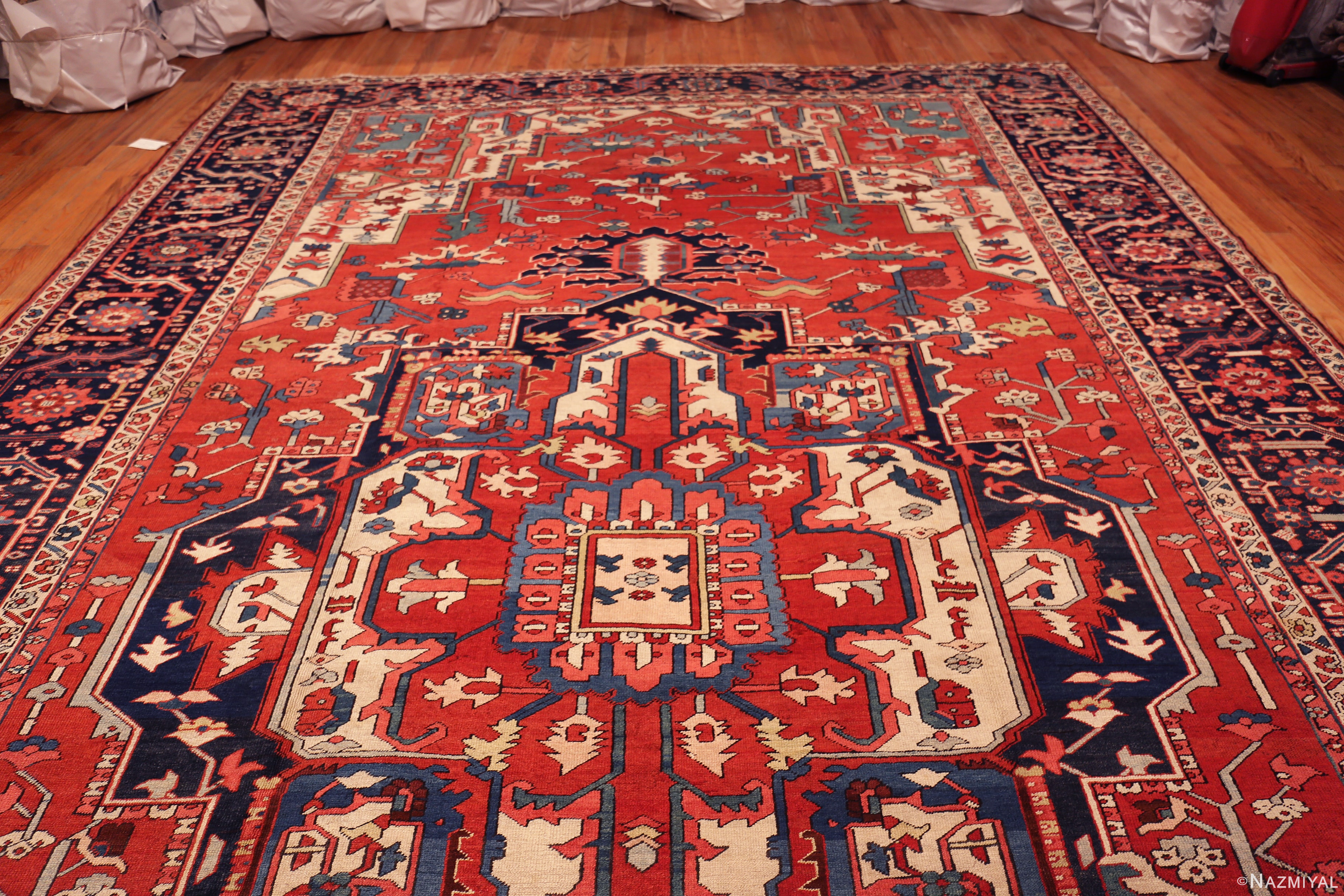
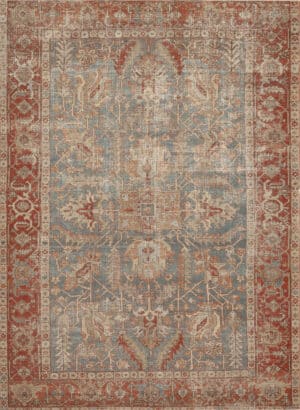
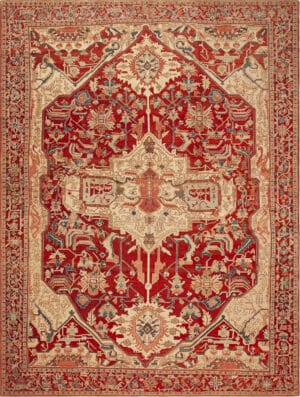
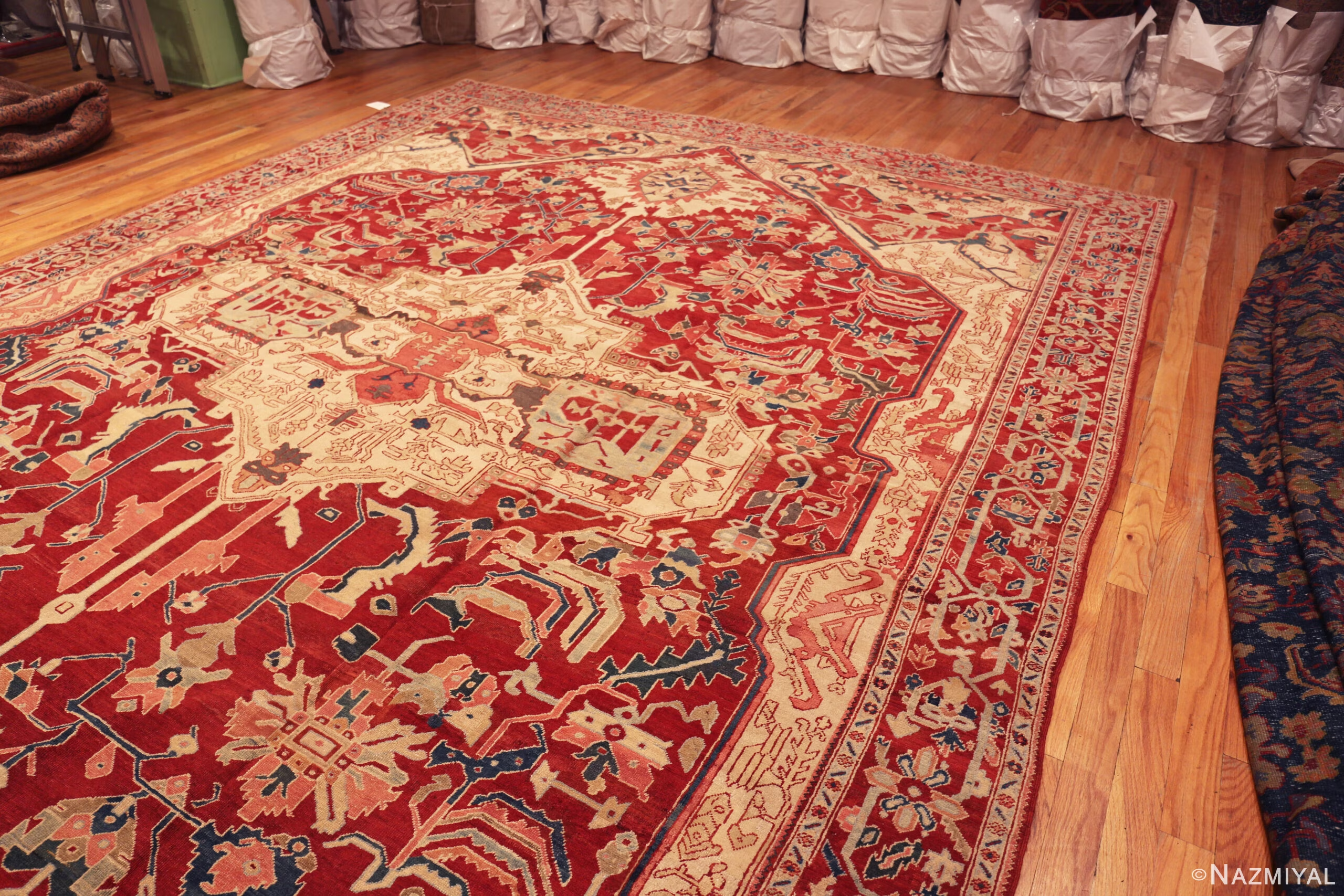
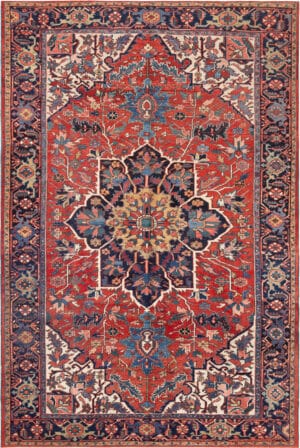
Serapi rugs are antique Persian carpets traditionally associated with early weaving activity in the Heriz region. The term “Serapi” has been used historically to describe particularly fine, large-scale rugs distinguished by open drawing and a sense of compositional calm. While closely related to Heriz rugs, Serapi examples are generally earlier in date and more restrained in visual execution.
Historical Context & Period
Most Serapi rugs date from the early to mid-19th century, a period when weavers in the Heriz region produced carpets with exceptional clarity and proportion. These rugs were often made before later commercial pressures encouraged heavier construction and more forceful geometry. As a result, Serapi rugs are frequently associated with a classical phase of regional weaving, valued for balance rather than intensity.
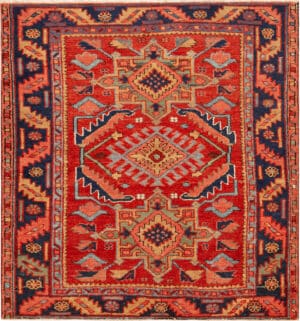
Serapi vs. Heriz Rugs
Serapi and Heriz rugs share geographic origin and structural DNA, yet differ meaningfully in character.
- Serapi rugs typically feature more spacious layouts, lighter palettes, and a refined sense of proportion.
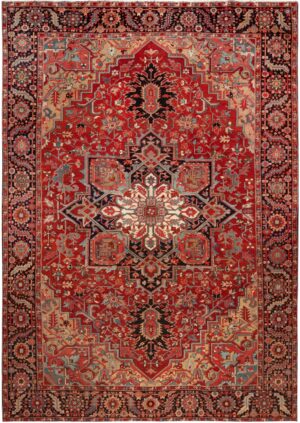
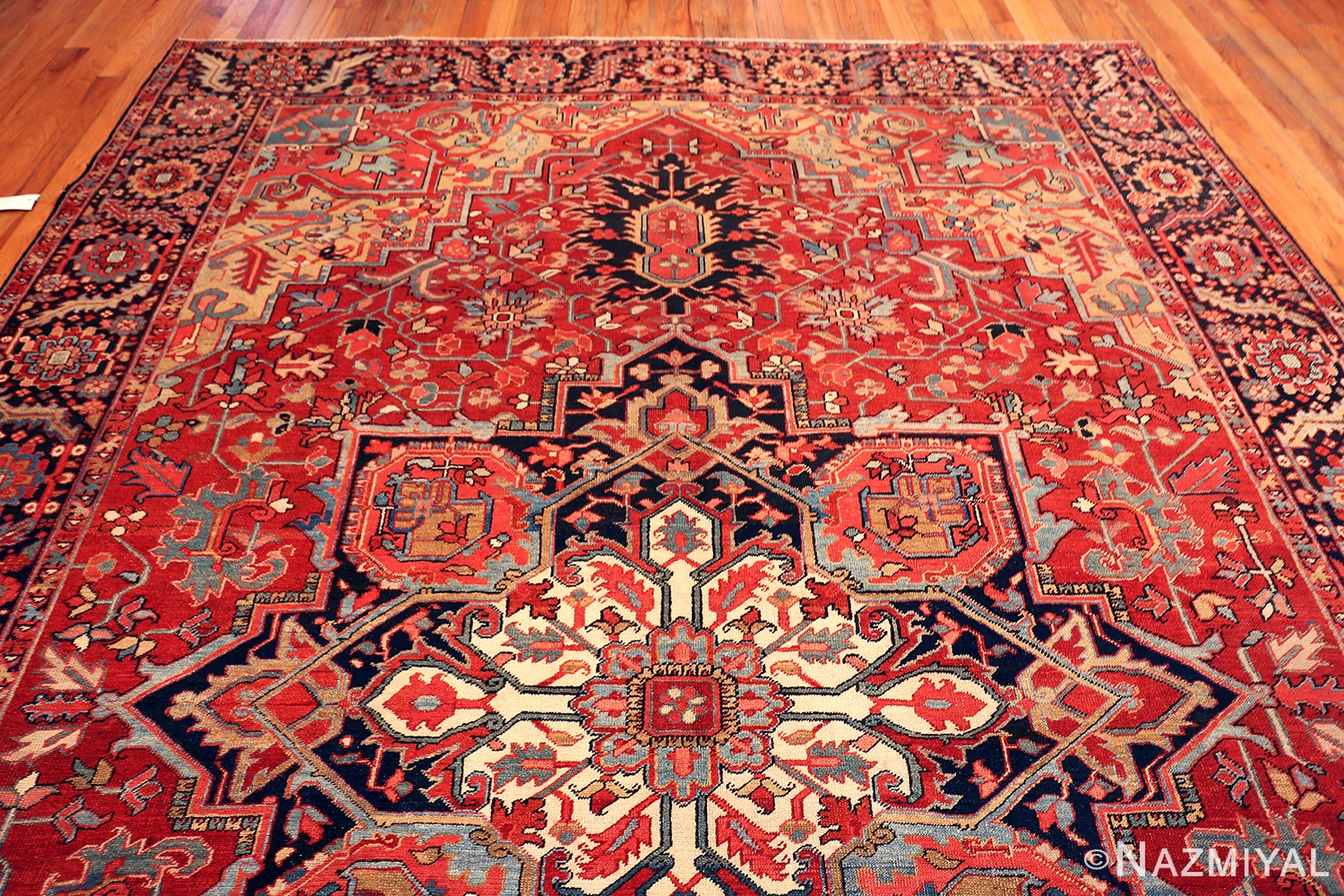
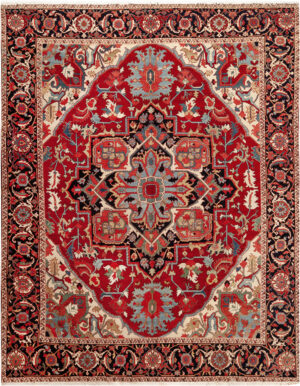
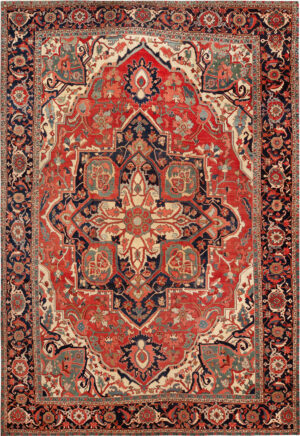
- Heriz rugs emphasize architectural force, denser construction, and bolder visual impact.
These distinctions reflect differences in weaving period, intent, and aesthetic priorities rather than strict regional separation.
Design Characteristics
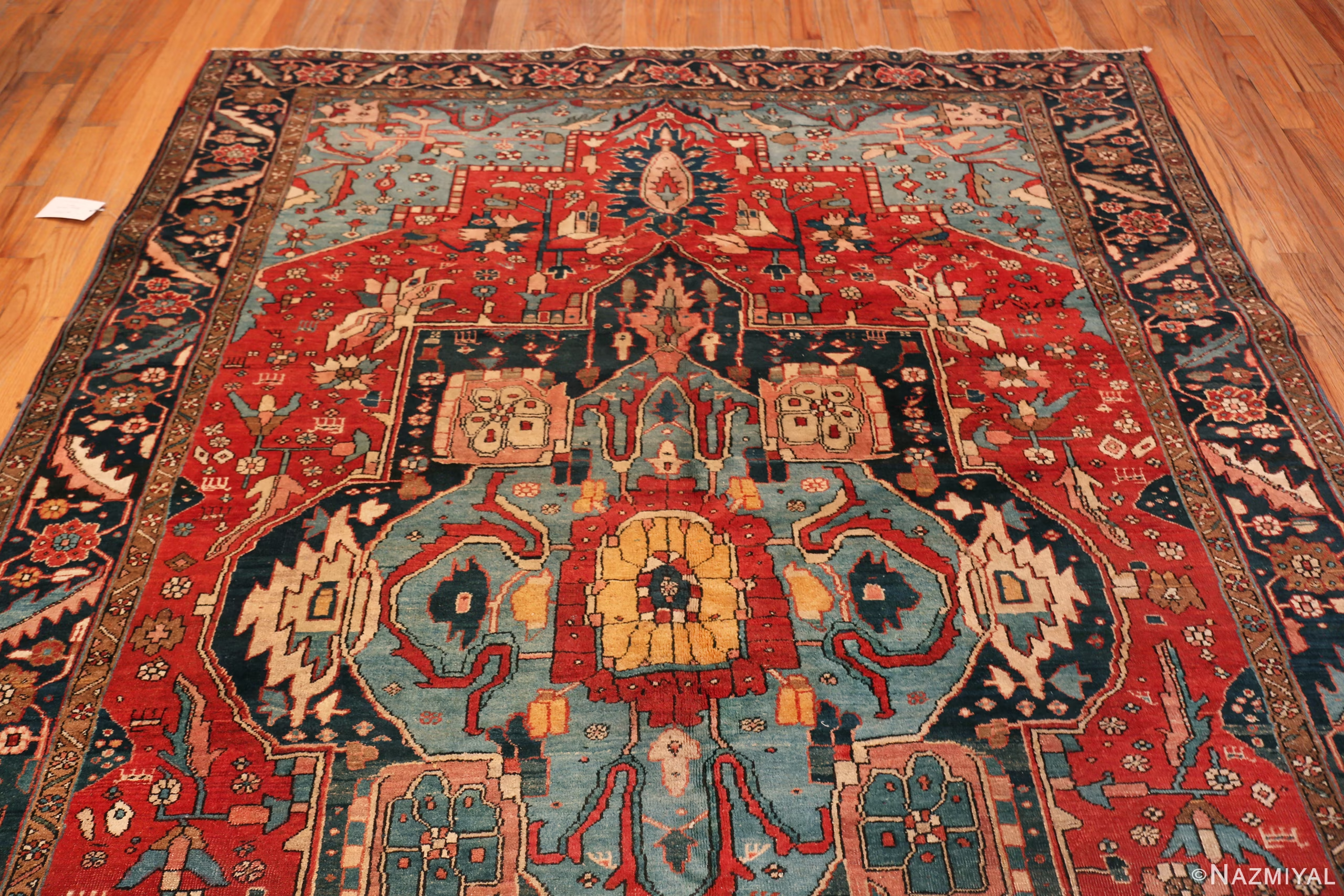
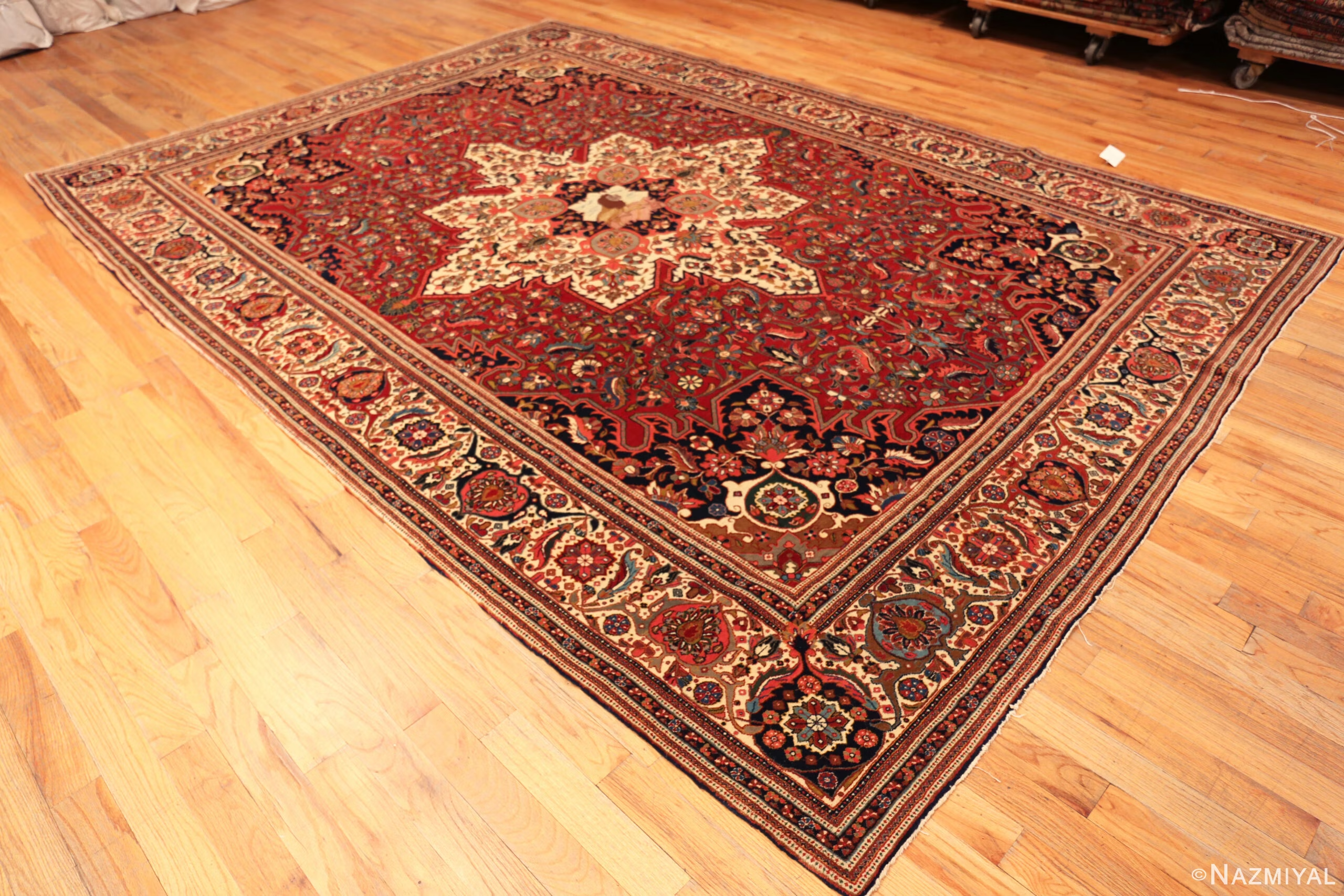
Serapi rugs are known for disciplined compositions and visual restraint. Common characteristics include:
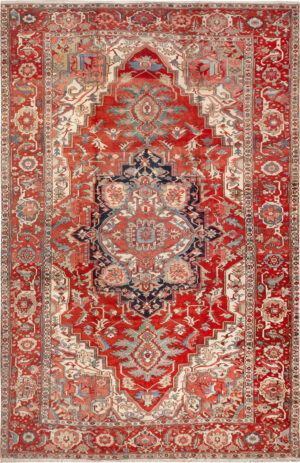
- Large-scale medallions with generous spacing
- Clear field articulation without overcrowding
- Balanced corner spandrels
- Harmonious relationship between field and border
The best examples achieve monumentality through proportion rather than density.
Structure & Materials
Structurally, Serapi rugs are closely related to early Heriz weavings.
- Cotton foundations
- Wool pile with a supple but resilient handle
- Moderate knot density supporting open drawing
- Durable construction without excessive weight
Quality is judged by consistency of weave, clarity of drawing, and overall balance rather than fineness alone.
Scholarly Attribution & Classification
The classification of Serapi rugs has long been debated among scholars and specialists. Some regard Serapi as a distinct category, while others view it as a designation for early, high-quality Heriz rugs. In practice, attribution relies on a combination of age, structure, palette, and compositional logic rather than on labels alone.
Serapi Rugs in Interior Context
Because of their openness and compositional calm, Serapi rugs integrate naturally into a wide range of interiors.
- Formal living rooms and dining spaces
- Interiors emphasizing symmetry and proportion
- Architectural spaces requiring visual clarity rather than dominance
- Rooms where scale is needed without visual weight