
How Rug Weaving Began: From Nomadic Utility to Court Carpets, Global Trade, and Modern Design
The History Of Oriental Rugs – Oriental rugs are handwoven carpets originating across Central and Western Asia—evolving from nomadic, functional textiles into highly refined artistic traditions shaped by dynasties, trade routes, and regional design schools.
Oriental rugs didn’t begin as luxury objects, they began as necessities. Early weavings provided warmth, insulation, and structure in nomadic life. Slowly, they transformed into symbols of status, courtly taste, and artistic excellence across Persia, Anatolia, the Caucasus, Central Asia, and beyond. This guide gives you a clear timeline of how rug weaving developed, why certain eras became legendary, and where to go next.
Rug-weaving began as a functional textile craft, later evolving into a prestigious art through court patronage and workshop systems. All the “great eras” of carpets can be tied back to dynasties, trade routes, and materials.

What Are The Nomadic Origins Of Rugs?
When most people think of rugs — in particular, pile rugs—and of their origin, Persia and Turkey are two of the main countries that come to mind. However, countries all over the world develop rugs, whether they are flat woven, plain weave, or tapestries. Since the earliest times in our history, skilled weavers have created many styles of rugs in different materials. Below is a guide to antique rugs.
More about the Nomadic origins of Oriental rugs and carpets

Seljuk & Beylik Anatolia?
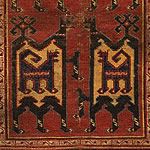
Marco Polo noted remarkable carpets in Anatolia under Seljuk rule; surviving fragments and mosque carpets show early Turkish design power.
More about the Seljuk and Beylik Dynasty

Ilkhanid Iran & Central Asia
After the Mongol disruption, artistic patronage returned—reshaping court aesthetics and influencing later Persian traditions.
More about Ilkhanid Dynasty rugs and carpets

Timurid Carpets
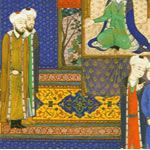
Timurid patronage elevated drawing, architecture, and ornament—key ingredients for later Persian refinement.
More about Timurid Dynasty carpets and rugs

Ottoman Carpets & Textiles
Ottoman Anatolia produced some of the most influential designs in the history of rugs—widely collected and represented in European painting.
More about Ottoman Dynasty carpets and rugs

Mamluk Egypt (Cairo)
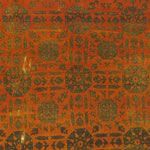
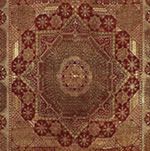
Complex medallion systems and geometric compartments define the iconic Mamluk look—an unmistakable chapter in carpet history.
More about Mamluk Dynasty rugs and Carpets

Safavid Persia
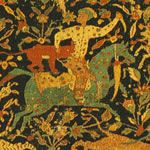
Often considered the “golden age” of Persian court carpets—workshops, materials, and design reach a peak of ambition.
More about Safavid Dynasty rugs and carpets

Mughal India
With Persian influence and court patronage, Indian carpet weaving developed a distinct language—luxurious materials and grand compositions.
More about Mughal Dynasty carpets and rugs

Far East: China and Beyond
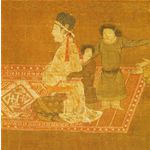
Evidence points to early pile traditions along China’s western periphery; later Chinese workshops refined silk and imperial aesthetics.
More about carpet and rug weaving in the Far East

Europe & Early Oriental Rugs
Oriental rugs disappeared and reappeared in European material culture through trade, conquest, and later collecting; European weaving (tapestry, Savonnerie, Aubusson) became its own branch.
More about Europe and Early Oriental rugs and carpets

Qajar Revival (19th Century)
Market shifts, export demand, and changing taste reshaped production—one of the most important transitions into “modern” rug history.
More about the Qajar Dynasty 19th Century Rug Revival

Modern & Contemporary Rugs (19th – 21st Century)
Industrial dye chemistry, global design exchange, and contemporary studios changed the field—without eliminating the value of true handwork.
View our collection of: Modern Rugs
An Overview of the History of Rugs
This part is based on a post by Wilbur Pierce called “Antique Carpet DNA“, originally published on July 15, 2011.
Take a moment and imagine that it is 100,000 years ago. Picture a Neanderthal couple, living in a cave. The couple is decorating their home with paintings on the walls, drawing with charcoal from their fire and red rocks containing iron. They are among some of the first artists in all of humankind. What they wouldn’t know then is that many generations into the future, art would develop and change and eventually, we would make art out of floor coverings, which we now have as antique rugs.
The History of Rugs as a Functional Pieces
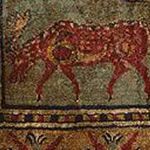
In the 5th century BC, a carpet now known as the Pazyryk carpet was woven in what is likely modern-day Siberia. It is the oldest known carpet, and our first glimpse into the beginning of the art of weaving and rug making.
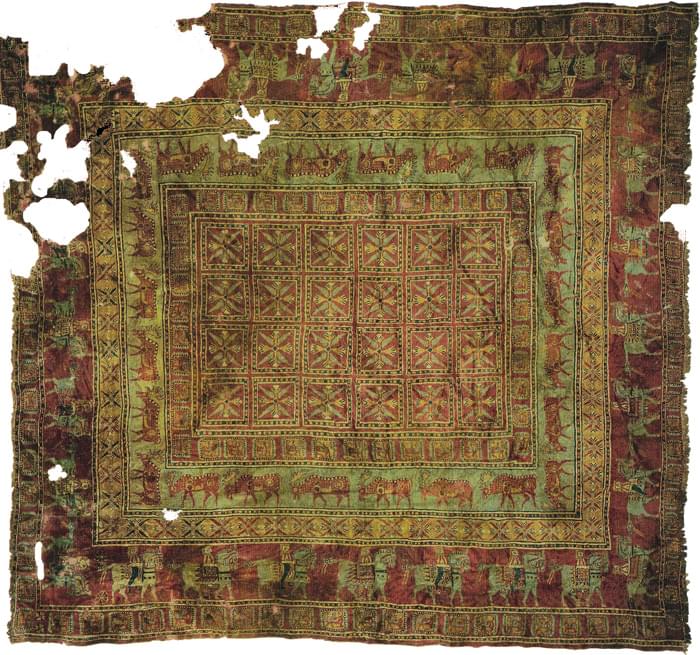
Hundreds of years later the women of Persia, Turkey, and the Caucasus wove blankets to protect from the cold, saddlebags for camels, and textiles for caravanserai, a kind of roadside inn along the Middle Eastern Silk Road. In China, caterpillars were being bred specifically for the fine fiber they produced, more valuable than gold at the time. The silk fiber was spun and woven into rugs for the Imperial Palace and traded along the trade routes of Asia Minor.
In the 8th century, Moorish commander Tariq crossed the Pillars of Hercules into Spain with a vast selection of carpets. This route, later named “Gibraltar”, opened the way for the Iberian carpet industry which eventually migrated into France. Religious and ethnic groups would weave their cultural and religious symbols and stories into rugs, written in Kufic script.
The History of Rugs as an Art
The craft of weaving soon began evolving from one of functionality into a legitimate artform, with textiles adorning the halls of palaces and decorating tent floors. Primitive cave designs transformed into hunting scenes on rugs, depicting what the era’s daily life was like. Design began branching out, with different motifs becoming staples of different tribes and regions. Today we can recognize and differentiate a Khotan, Kerman, Bakhtiari, Aubusson, Agra, or Peking rug.
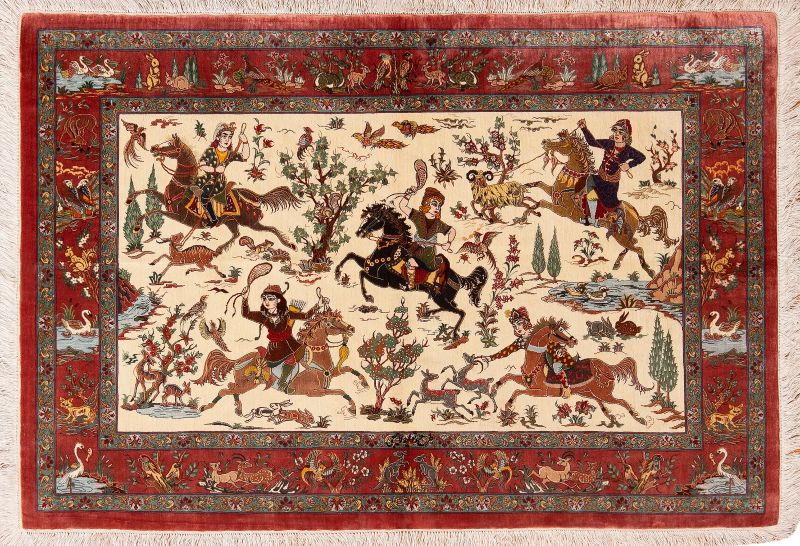
During Europe’s medieval period, textiles underwent even more changes. The drafty nature of their stone architecture called for insulating wall hangings, thus introducing the tapestry. Carpets, tapestries, and other weavings were status symbols, with nobles often having these textiles interwoven with gold as an elegant display of wealth. In France, a weaver at the Savonnerie was specifically commissioned to create intricate designs on plush carpets to decorate the palace at Versailles. Similarly, the town of Aubusson was founded on providing carpets to the bourgeoisie. Those of the merchant class were more inclined to flat weaves than the pile rugs of the aristocracy.
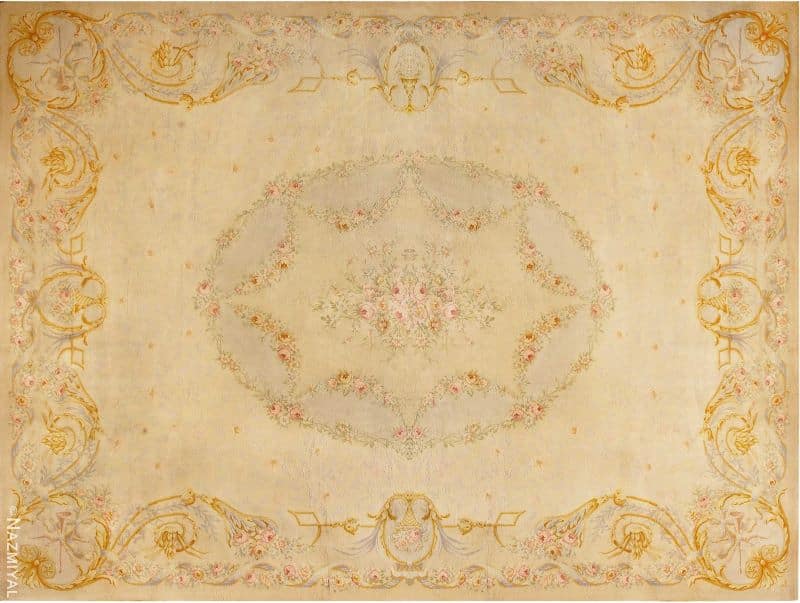
Middle Eastern designs became increasingly popular among the European elite. Entrepreneurs like Ziegler sent designs to weaving tribes of the Middle East to satisfy the growing demand.
The Impact of the Industrial Revolution
With the exception of a few men who rose to prominence for their talent, weaving was largely considered a woman’s task up until the Industrial Revolution. The rise of mass production made rugs accessible to all classes of people. Design was favored over quality and machine made textiles began replacing handmade carpets.
While newly developed inventions made weaving easier, the ability to mass produce carpets cheapened the market causing an interesting divide. Those with refined taste still preferred hand-woven designs, and with their increasing rarity, these antiques became highly sought after and expensive collectibles. Even to the untrained eye, the difference between a true masterpiece and a mass-produced item is apparent. The beauty in the subtle imperfections of hand-knotted rugs cement their place in real world history and culture.
Your questions answered
Frequently Asked Questions
When did rug weaving begin?
Rug weaving developed over a long span of time across Central and Western Asia, evolving from functional textiles to artistic traditions tied to regions and courts.
What is the difference between “Oriental” and “Persian” rugs?
“Oriental” is a broad term referring to several different regions. “Persian” refers specifically to Iran/Persia and its related weaving traditions.
Why are some historical rugs associated with dynasties?
Dynasties shaped workshops, patronage, trade, and design language, so eras become stylistic “signatures”.
How did rugs spread into Europe?
Through trade, conquest, diplomacy, and collecting. Later, European workshops created their own carpet traditions.
What changed in the 19th and 20th centuries?
Export demand, industrial chemistry (synthetic dyes), and global design exchange reshaped production and taste.
How does learning rug history help buyers today?
It helps you recognize quality, authenticity, and why certain design families and eras command lasting value.
