
Explore Popular Antique Carpet Motifs and Rug Design Styles
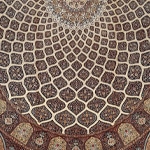
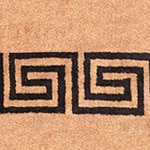
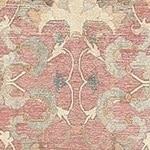
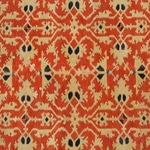
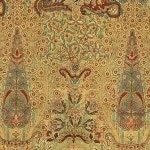
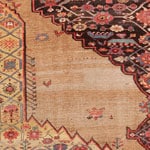
When people say “rug pattern,” they’re usually talking about one of two things: the layout (how the design is organized—medallion, allover, prayer niche, garden compartments) or the motif (the repeating building blocks—Herati, boteh/paisley, gul, cloud band, rosettes, vines).
At Nazmiyal, we look at pattern the way collectors and designers do: as a visual language that helps you identify a rug’s tradition, understand its decorative “energy,” and choose a piece that actually works in the room—whether you’re shopping our Antique Rugs, Vintage Rugs, or Modern Rugs inventory.
Rug patterns are the overall layout and repeating motifs that give a carpet its structure, style, and recognizable design identity.
Quick Navigation
- Rug Pattern vs Motif vs Style
- The 6 Most Common Rug Layouts
- Shop by Pattern: Fast Links
- Iconic Motifs (What They Look Like)
- How to Choose the Right Pattern for a Room
- Pattern + Origin: The Shortcut to Identification
- FAQ
- Schema
- Nazmiyal Link Map
Rug Patterns vs Rug Types & Styles
Closest Cousin Module
Rug Patterns & Designs describe the visual blueprint (medallion, allover, prayer niche, garden compartments, pictorial scenes).
Rug Types & Styles describe the weaving tradition and category (tribal vs workshop, kilim vs pile, regional styles, and format families).
If you’re choosing by how it looks, this page is the right place to start. If you’re choosing by what it is, jump to our types-and-styles guide:
Types of Rugs & Carpet Styles.
Rug Pattern vs Motif vs Style
A simple way to read a rug like an expert:
- Pattern / layout: the architecture of the design (central medallion, repeating allover, prayer niche, garden panels).
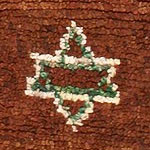
- Motif: the repeating “alphabet” inside the layout (Herati/fish, boteh/paisley, rosettes, vines, cloud bands, guls).
- Style / tradition: the broader family the rug belongs to (tribal, workshop, court, modern decorative) and often its region.
Tip: A rug can be “allover” (layout) and “Herati” (motif) at the same time.
The 6 Most Common Rug Layouts
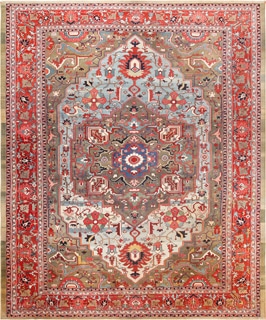
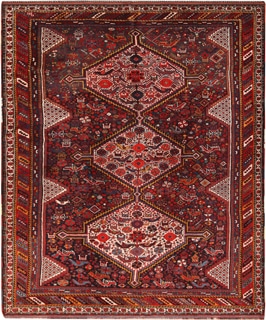
1) Central Medallion
A single focal emblem anchors the composition—classic, formal, and naturally “room-defining.”
Explore: Medallion Design Rugs
2) Allover
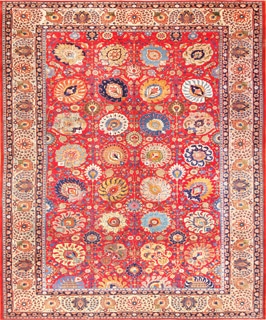
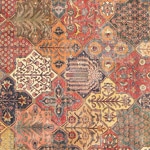
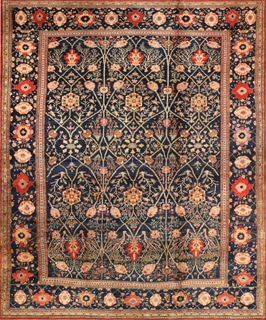
Repeating pattern across the field—often calmer and easier to decorate with (especially in busy rooms).
Explore: Allover Design Rugs
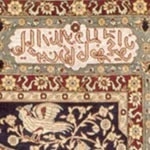
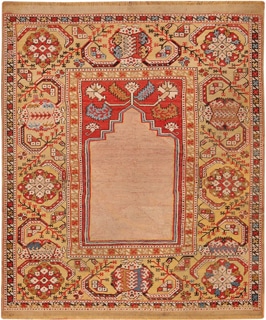
3) Prayer / Mihrab (Directional)
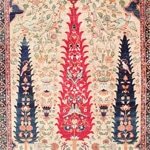
A niche-like arch creates direction; best when you want a strong vertical emphasis.
Explore: Prayer Rugs
4) Garden / Chahar Bagh (Compartmental)
Panels, pathways, water channels, and plantings—one of the most architectural traditions in carpet design.
Explore: Garden Design Rugs
5) Pictorial / Tableau
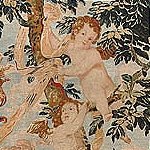
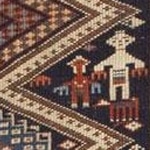
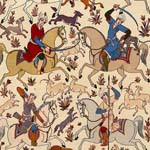
Narrative scenes, figures, landscapes, or historic imagery—often collected like art.
Explore: Pictorial Rugs
6) Abstract / Modern Decorative
Non-representational compositions focused on color, rhythm, and movement.
Explore: Abstract Rugs
Shop by Pattern
Use this section when you know the look you want:
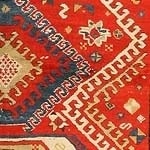
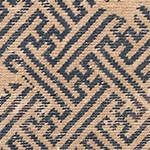
- Geometric Design Rugs (bold structure, strong rhythm)
- Floral Design Rugs (botanical movement, classic elegance)
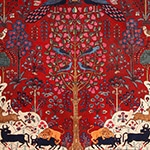
- Tree of Life Rugs (symbolic, vertical presence)
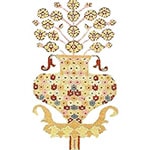
- Vase Design Rugs (courtly elegance, often finely drawn)
- Hunting Scene Rugs (narrative, collectible drama)
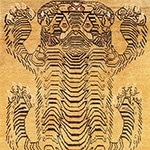
- Tribal Rugs
Iconic Motifs
These are the “repeat elements” you’ll see across many traditions and origins.
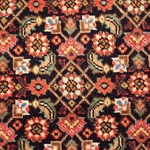
Herati / Mahi (“Fish” pattern)
A rosette-and-diamond structure with stylized leaves that read like fish forms in motion.
Explore: Mahi Herati Fish Design Rugs
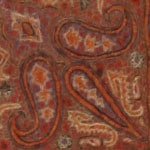
Boteh / Paisley
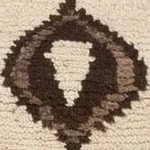
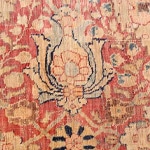
A curved teardrop/shrub motif—one of the most widely traveled design ideas in textiles.
Explore: Boteh / Paisley Design Rugs
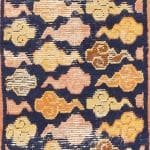
Cloud Band
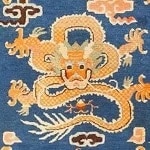
An undulating ribbon motif that creates movement and flow (often seen in Chinese and pan-Asian design language).
Explore: Cloud Band Design Rugs
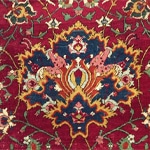
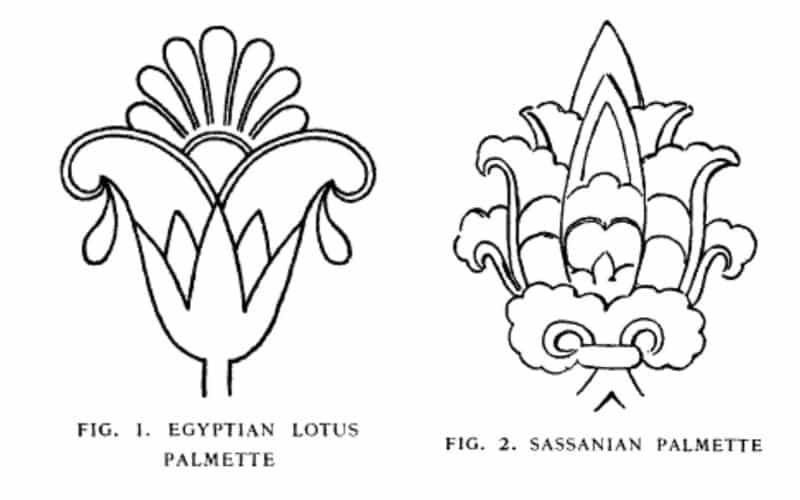
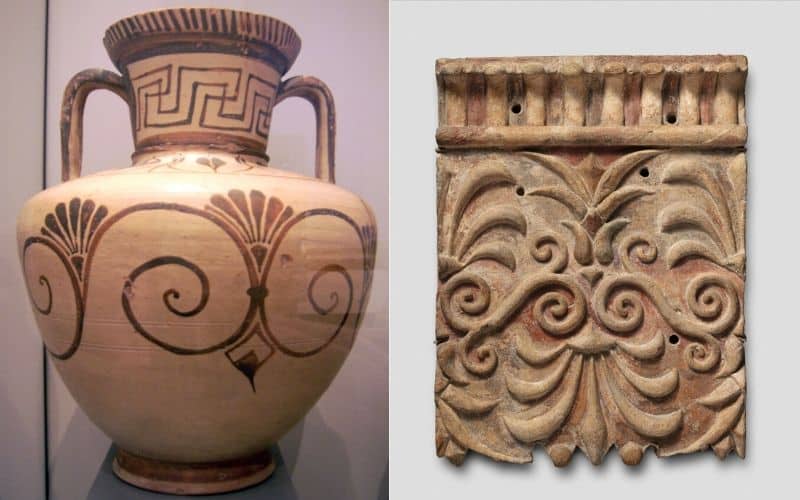
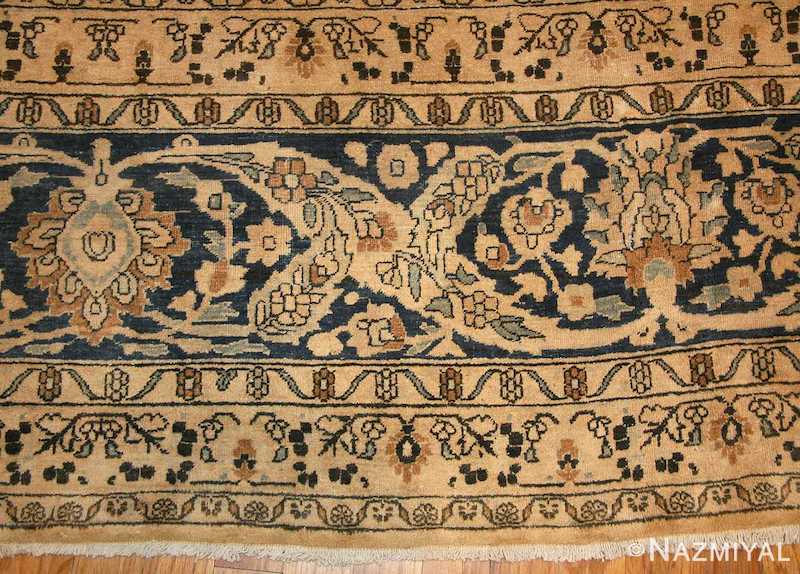
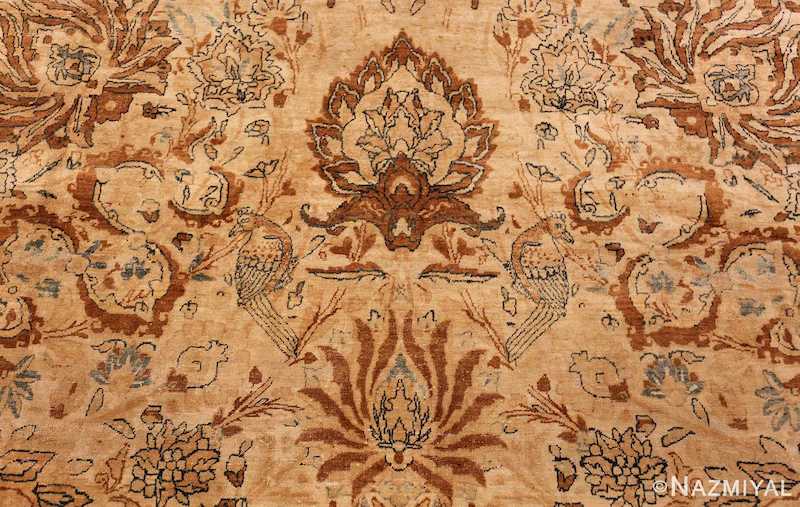
Palmette (Arabesque Flower) — A Classic “Court” Motif
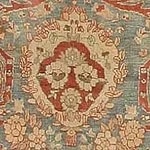
The palmette motif (often called an arabesque flower) appears across Persian court vocabularies and beyond—one of the most graceful motifs in the broader rug design repertoire.
Symbols & meanings (protective, religious, social)
If you’re interested in what motifs mean (not just how they look), start here:
Antique Rug Motifs & Symbols Guide
How to Choose the Right Pattern for a Room
A few rules we use every day when advising clients:
- Busy room? Choose an allover or smaller-scale repeat to keep things calm.
- Statement room? A medallion layout creates a “center of gravity.”
- Long space (hall / gallery)? Directional or repeating rhythms read beautifully—think geometric or subtle allover.
- Open-plan living? Medallions help define zones; allovers help unify zones.
- Lots of furniture legs + visual clutter? Avoid oversized, high-contrast motifs unless you want the rug to dominate.
Also consider how pattern scale changes the feel of a room:
What rug design makes a room look bigger?
- Light colors and lower-contrast patterns tend to open up a space.
- Simple or small-scale repeats feel calmer and less visually dense.
- Stripes can visually elongate a room depending on direction.
- Use a larger rug to expand the perceived boundaries of the room.
What rug design makes a room look smaller (cozier)?
- Darker colors and richer contrast add visual weight and intimacy.
- Bold, large-scale motifs create a tighter, more enveloping feel.
- Plush/high pile adds warmth and softness (especially in bedrooms).
- Prominent borders can “frame” an area and make it feel more contained.
If you’re deciding by age category first, browse:
Pattern + Origin: The Shortcut to Identification
Pattern can suggest origin—but it’s rarely the whole story. A “Persian-looking” floral can be woven in India, and a geometric field can travel across the Caucasus, Anatolia, and Central Asia.
When you want the fastest clarity, pair pattern with construction (knot, foundation, handle) and then verify through geography-first browsing:
FAQ
What is the difference between a rug pattern and a rug motif?
A pattern is the overall layout (medallion, allover, prayer niche). A motif is the repeating element inside that layout (Herati, boteh/paisley, guls, rosettes).
Are allover rugs easier to decorate with?
Often, yes. Allover designs distribute attention evenly and usually play well with furniture and art.
What is a medallion rug?
A rug organized around a central emblem—typically framed by corners and borders—designed to read like a formal “centerpiece.”
What is a prayer rug pattern?
A directional layout featuring a niche/arch (mihrab) inspired by architectural forms.
What is a garden (Chahar Bagh) carpet?
A compartmental design based on garden geometry—pathways, quadrants, water channels, and planted sections.
Can patterns tell you where a rug is from?
They can hint, but structure, materials, and color systems matter just as much. Use pattern + construction together.
What are the most common Persian motifs?
Herati (mahi), boteh (paisley), rosettes, palmettes, vines, and medallion-based compositions are among the most widely seen.
Where should I start if I don’t know what I like yet?
Start with allover vs medallion: it quickly tells you whether you prefer calm continuity or a strong focal point.
Nazmiyal White-Glove Service
- Authenticity Guarantee
- 3-Day Return / Money-Back Policy
- Worldwide Shipping & International Home Approval
- Designer Trade Program
- White-Glove Delivery
Whether you’re buying for a collection or designing a space around one “hero” piece, our team can help you confirm scale, pattern-read, and the right placement.
Nazmiyal Collection Links
Nazmiyal Collection Rugs:
Lateral links:
- Types of Rugs & Carpet Styles
- Layouts: Medallion, Allover, Prayer, Garden, Pictorial, Abstract
- Specific Designs: Geometric, Floral, Tree of Life, Vase, Hunting Scene, Tribal
For decades, clients have relied on Nazmiyal for guidance on identifying, valuing, and collecting rugs by origin—pieces chosen for design impact, documentation, and lasting value.