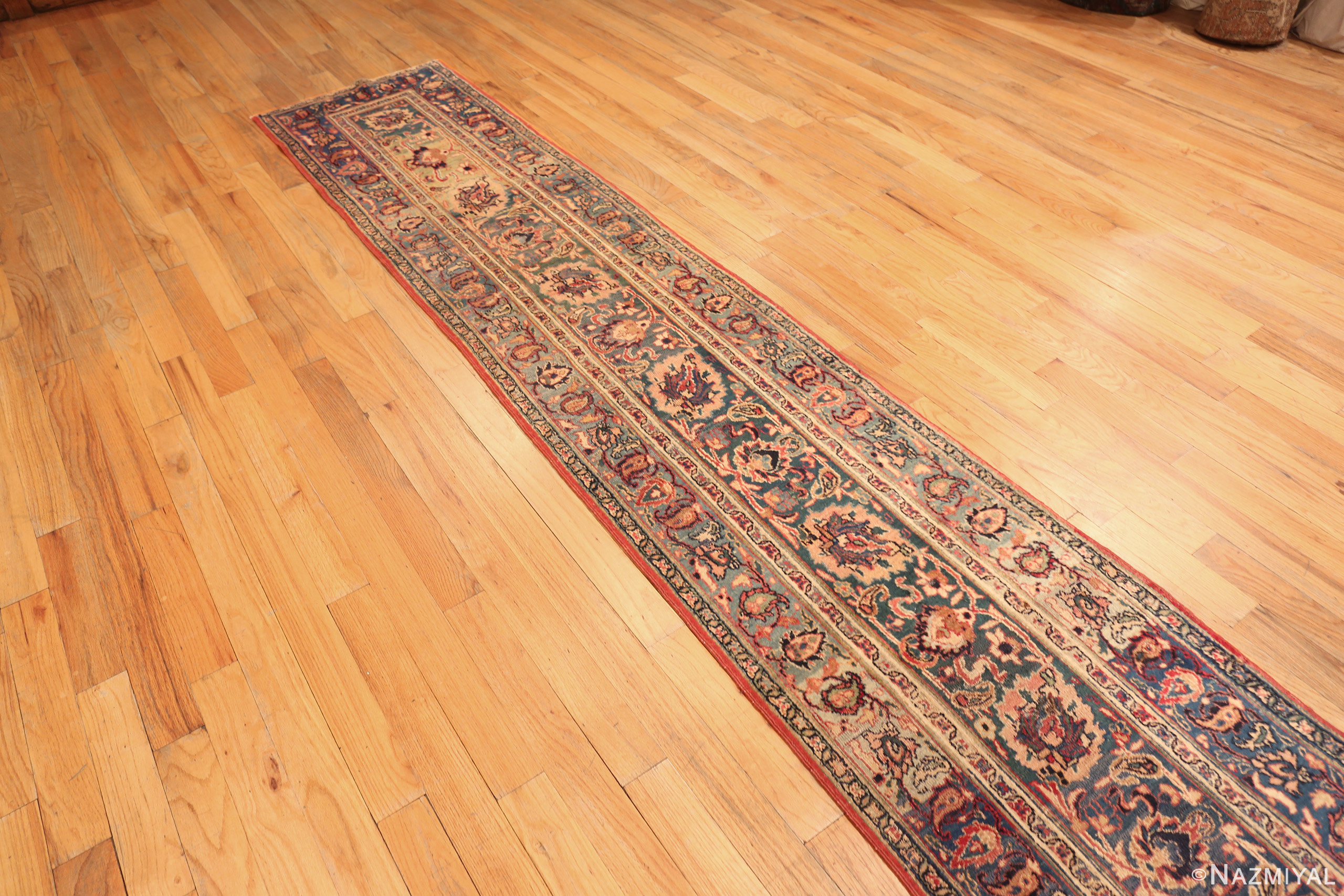
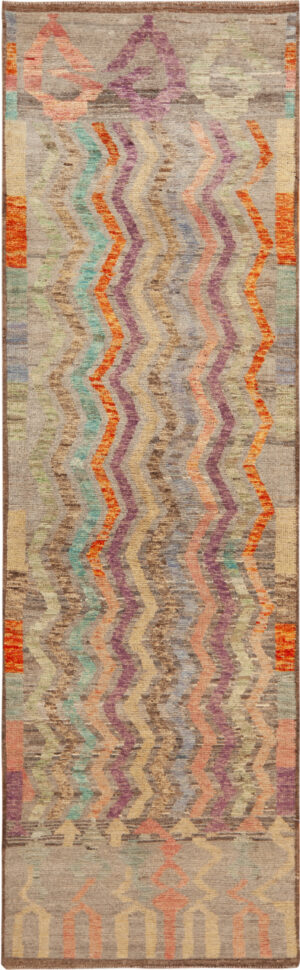
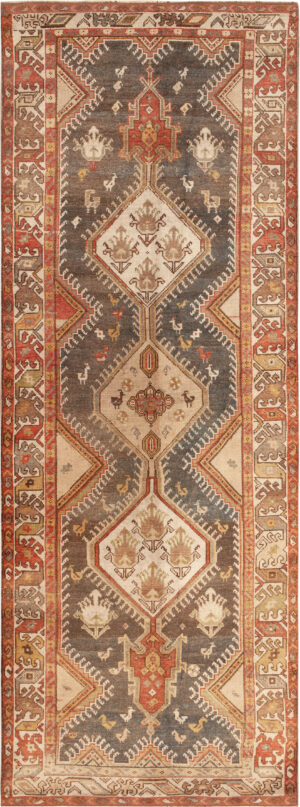
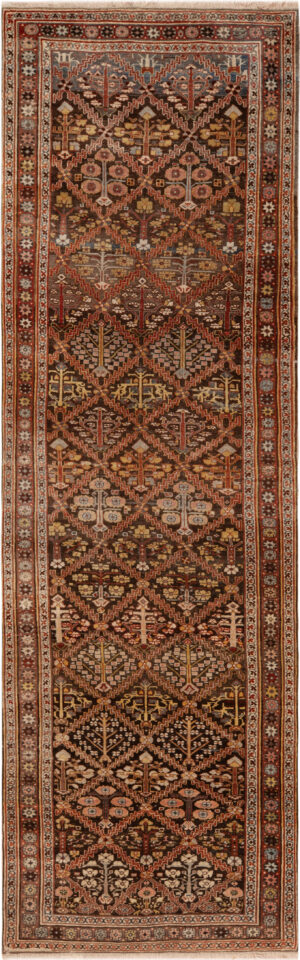
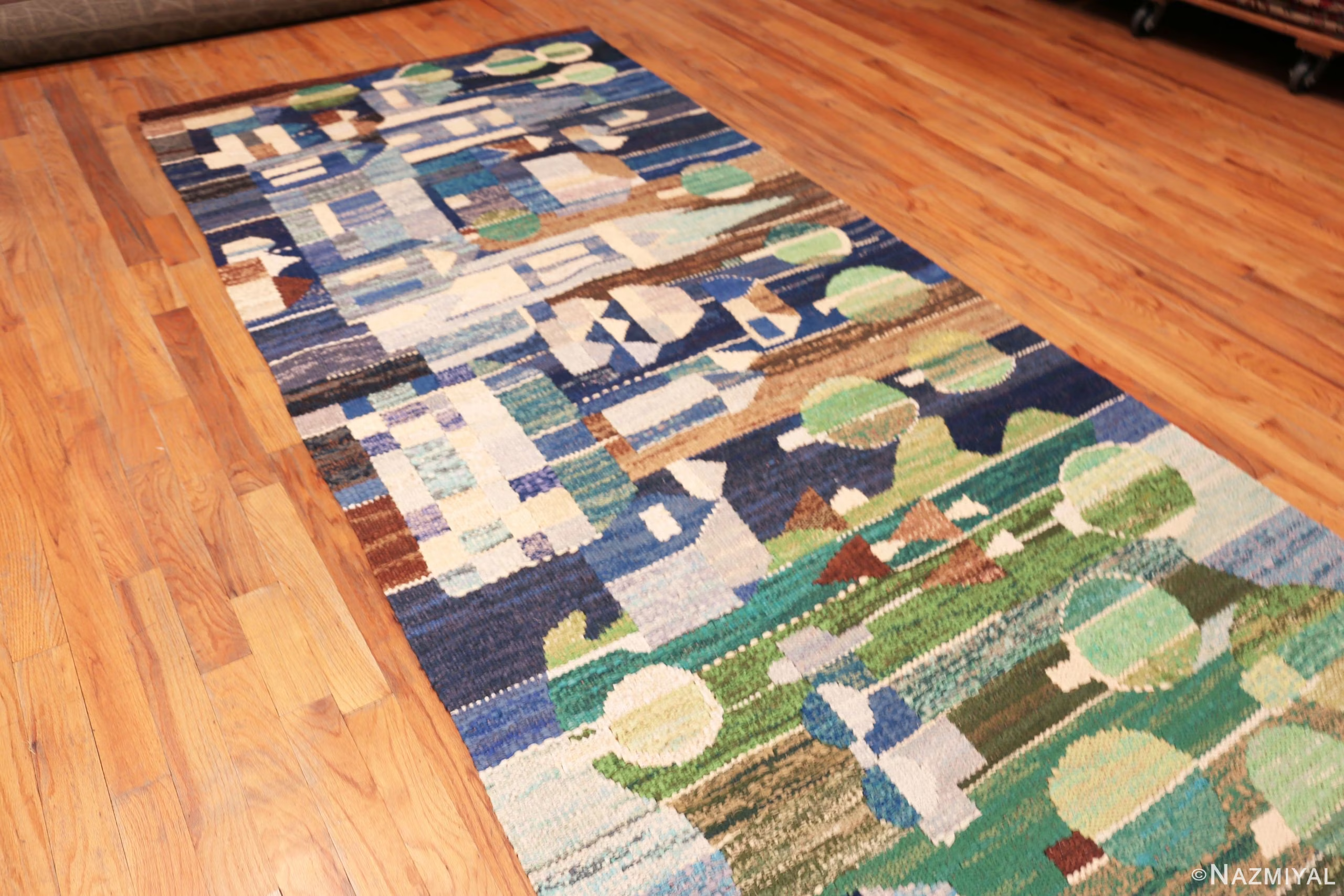
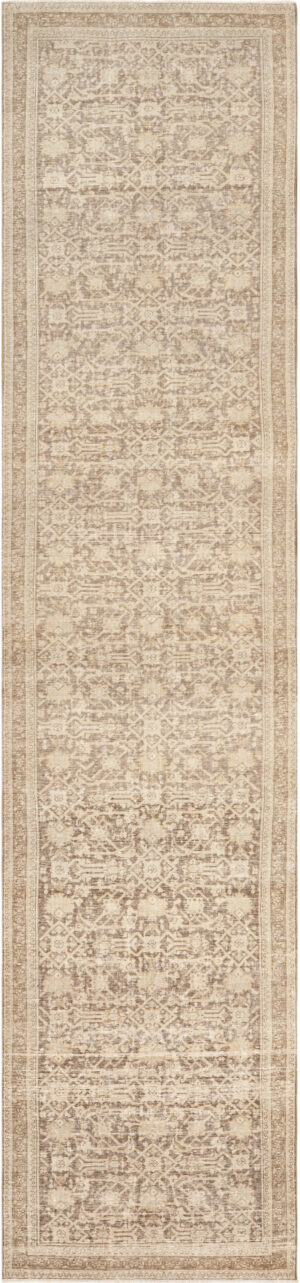
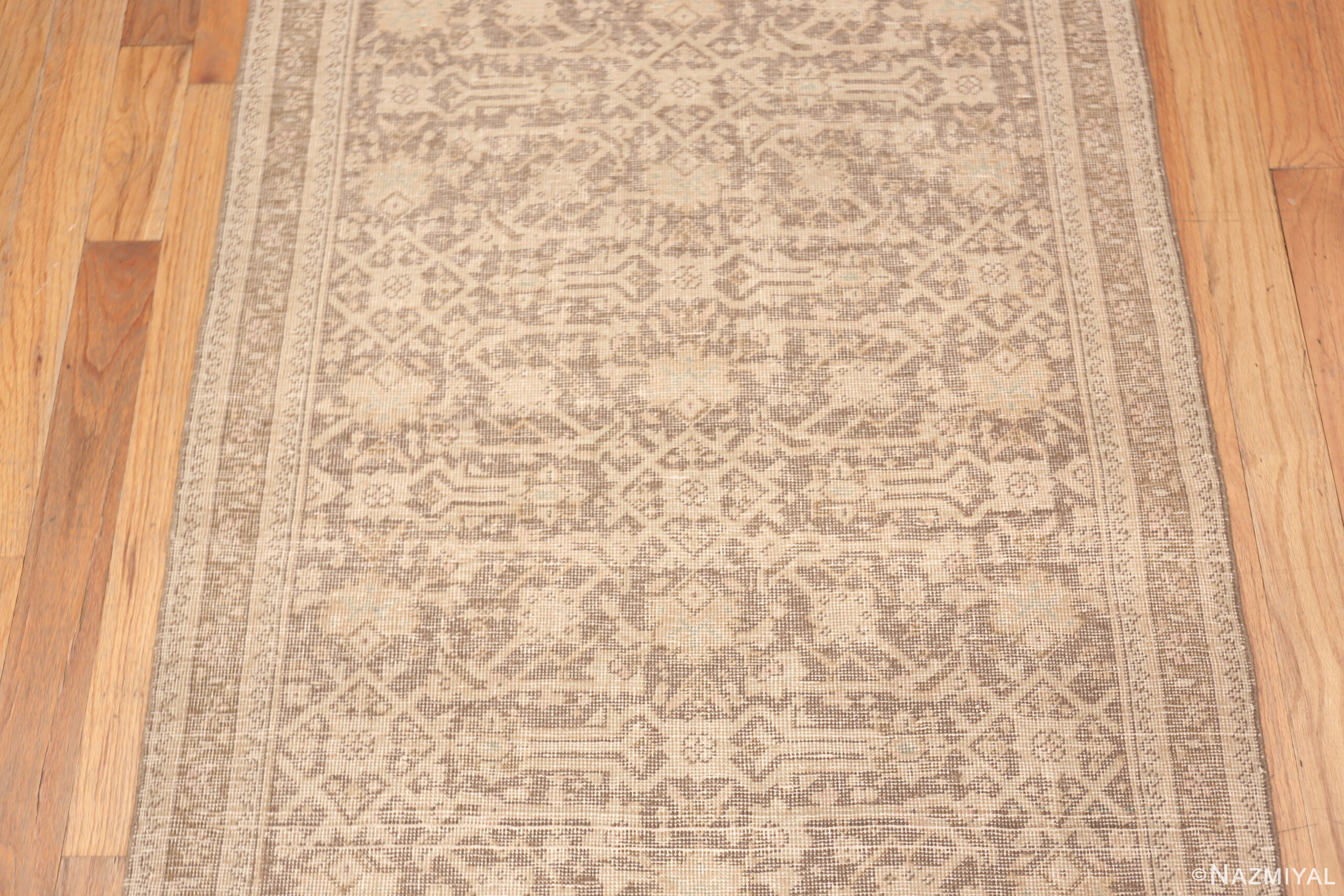
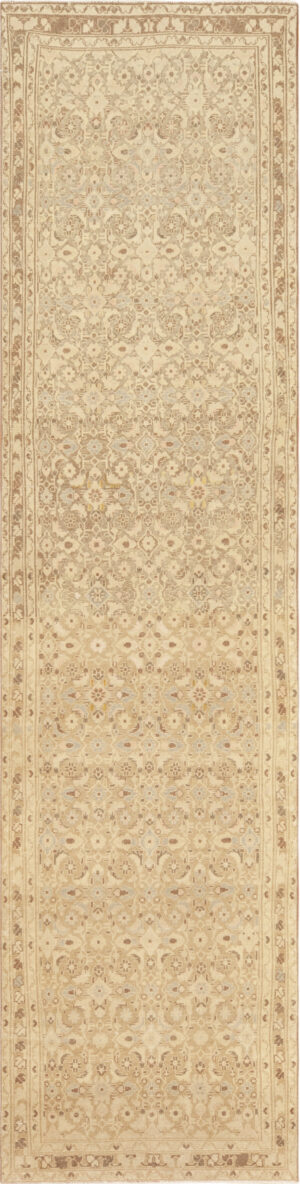
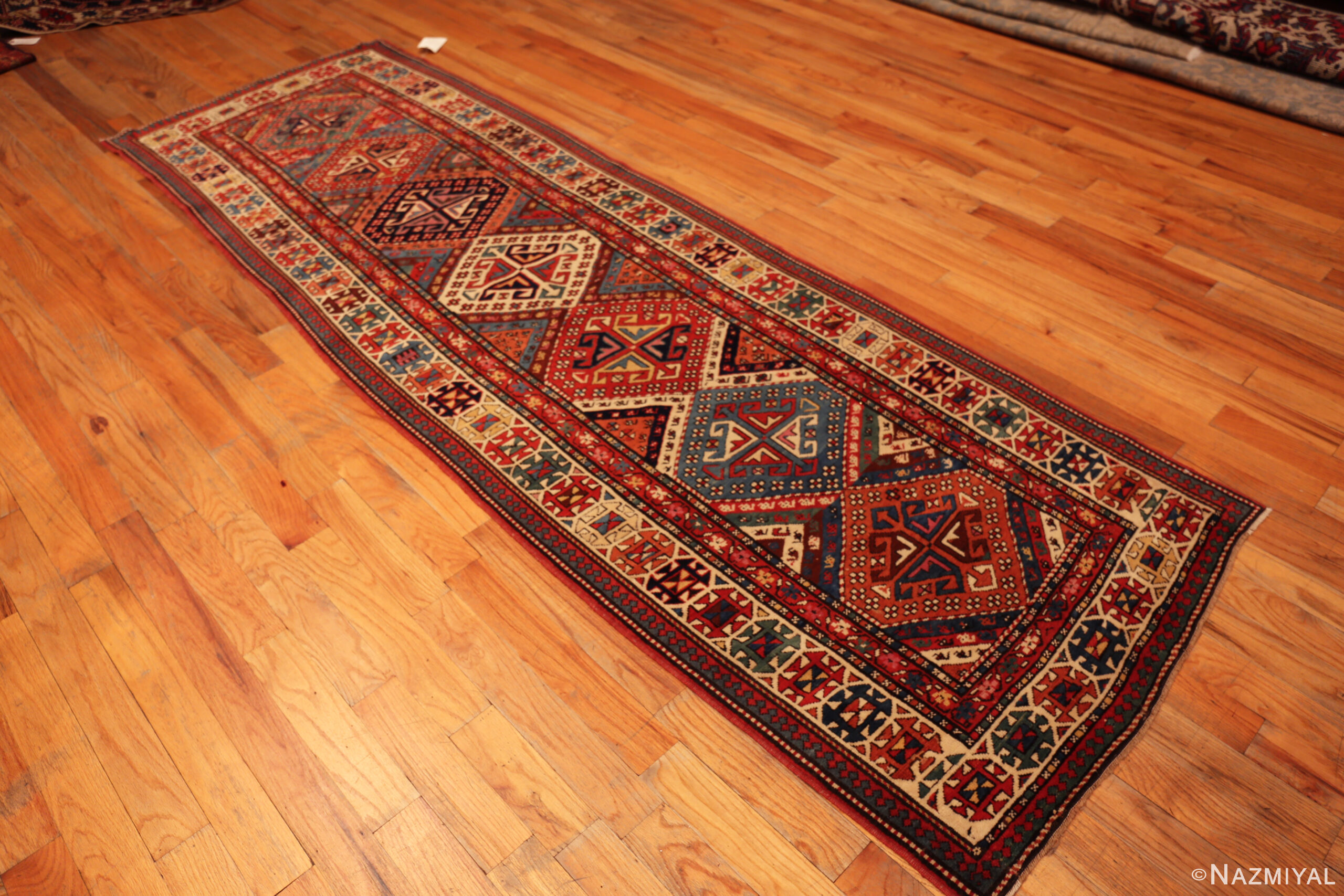
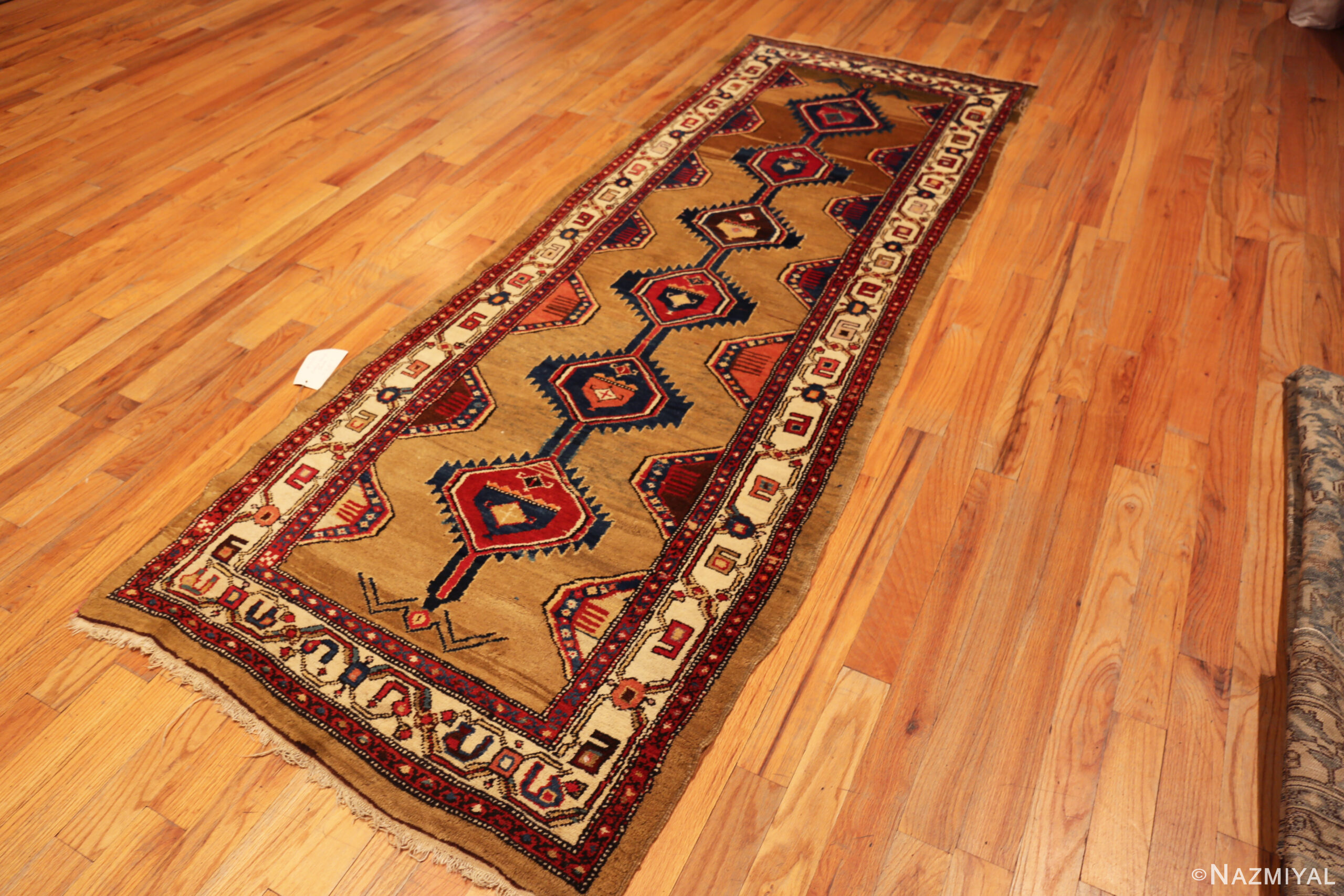
Buy Runner Rugs and Hall Runners By Nazmiyal Collection
Runner Rugs: Antique, Vintage, and Modern Hallway Runners
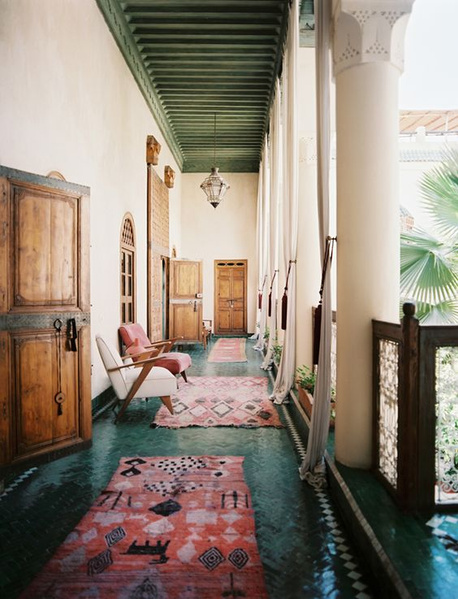
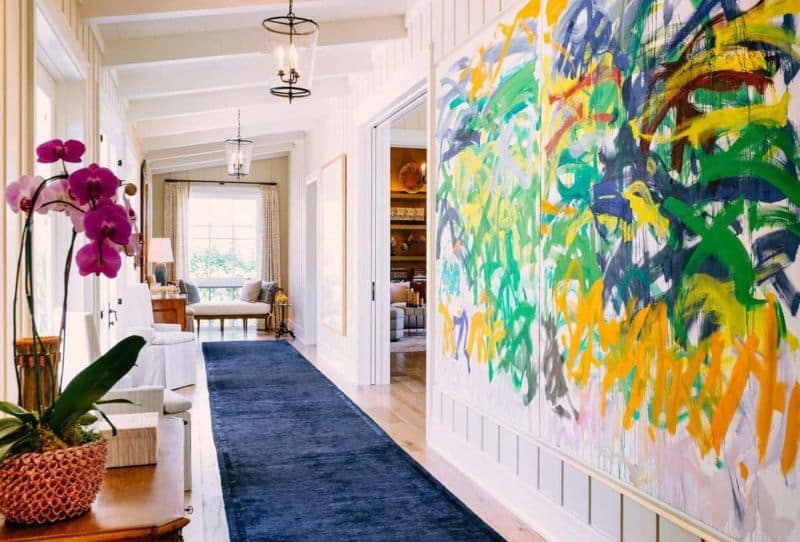
Runner rugs are long, narrow carpets designed to bring comfort, protection, and style to hallways, entry corridors, stair landings, and other pass-through spaces. They’re one of the easiest upgrades you can make to a home: a runner adds warmth underfoot, reduces floor wear in high-traffic lanes, and creates a strong visual “leading line” that makes a hallway feel longer, brighter, and more intentional.
At Nazmiyal, we curate hallway runners across every major weaving tradition—antique, vintage, and modern—so you can shop by exact size, style, palette, and construction. If you’re comparing eras or building a whole-home plan, start with: Antique Rugs, Vintage Rugs, and Modern Rugs. For origin-first browsing, use our Worldwide hub—and for collectors comparing design languages, the Persian Rugs hub is the best reference library on the site.
Updated February 18, 2026 • Reviewed by Jason Nazmiyal
Browse the runner rug collection below and use filters to narrow by width, length, color, and style. If you’re deciding between two pieces, request additional photos and a condition summary before purchasing. For layout help, reach out here: Contact.
What Are Runner Rugs?
A runner is a long, narrow rug designed to fit spaces where standard room-size rugs don’t make sense: hallways, stair corridors, entry passages, galley kitchens, and transitional walkways. There’s no single “official” runner size, but many runners land around 2–3 feet wide and 6–14+ feet long, depending on the hallway.
Runner Rugs
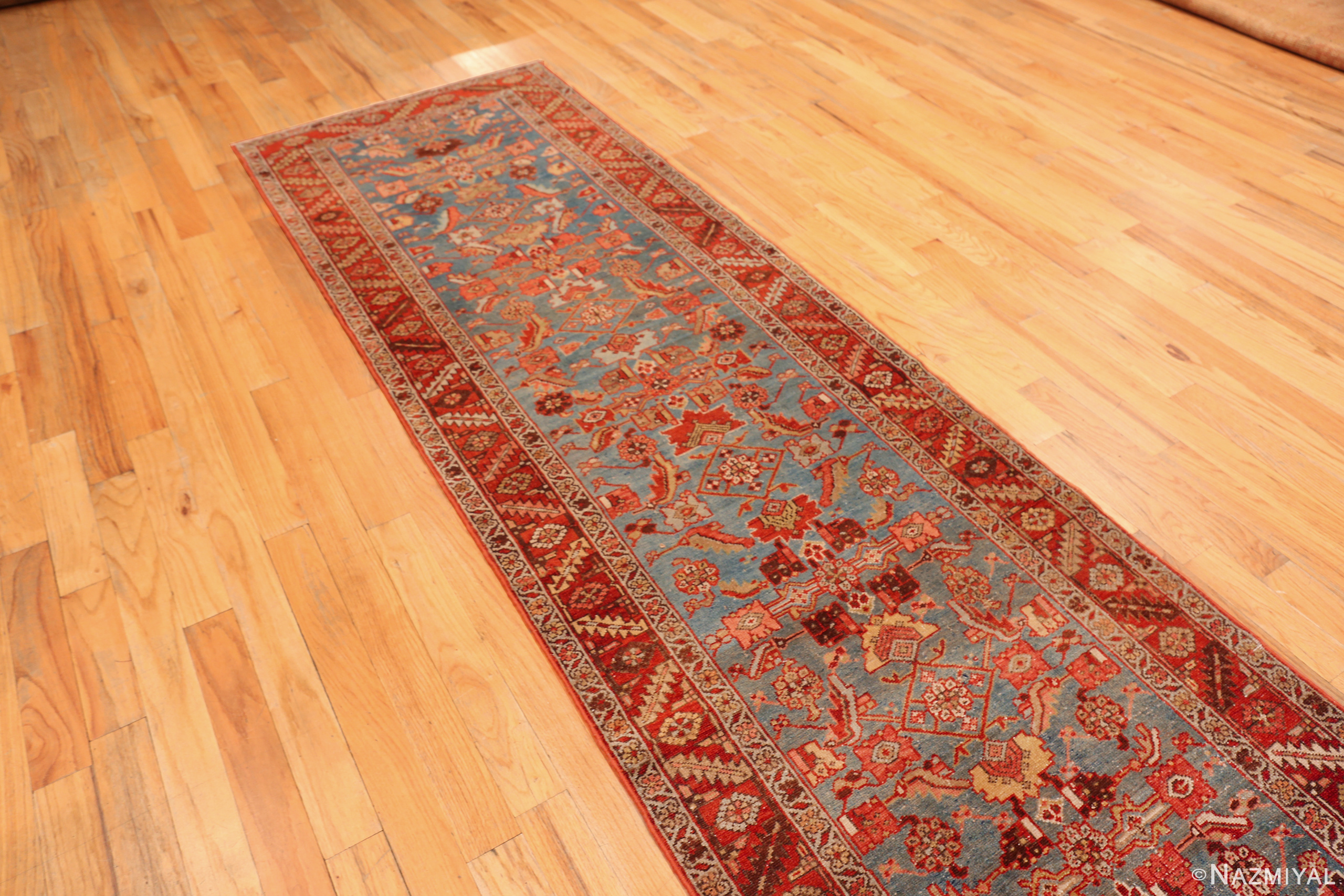
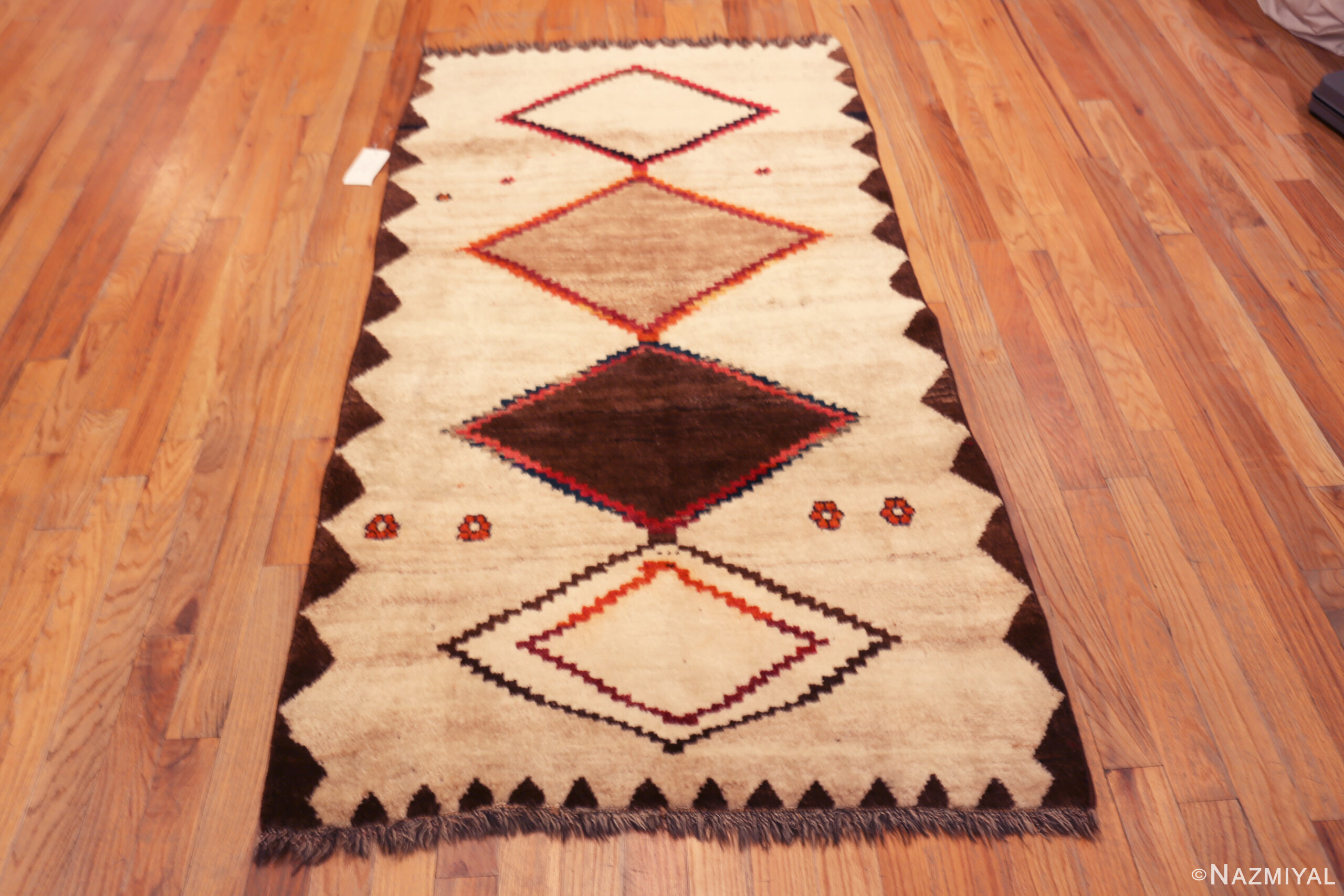
Because runners shape how you move through a home, they’re both decorative and practical: they protect floors in high-traffic zones, reduce noise, and create a cohesive path between rooms. Many of the most collectible examples come from weaving traditions where long formats were common—especially tribal and village regions.
What Type of Rug Is Best for a Hallway Runner?
The best hallway runner balances durability, cleanability, and door clearance. These are the most popular (and most practical) choices:
Low-pile runners
Easier to vacuum, less likely to show crushing in high-traffic areas, and friendlier for doors that swing over the rug.
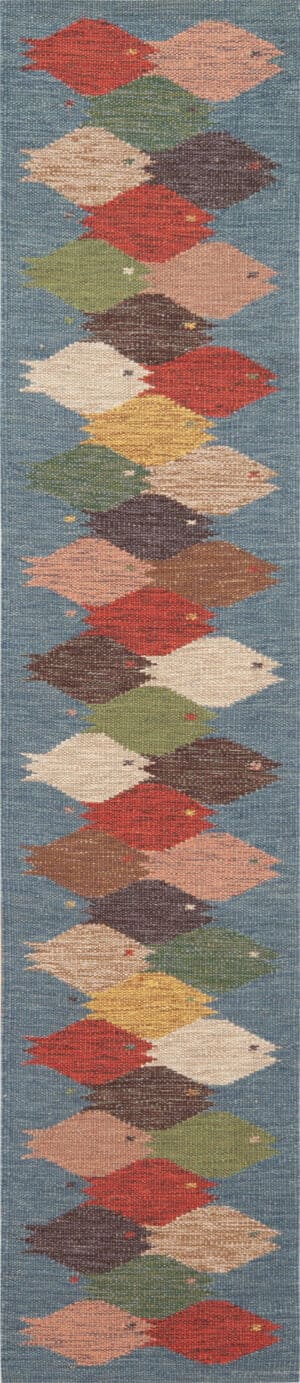
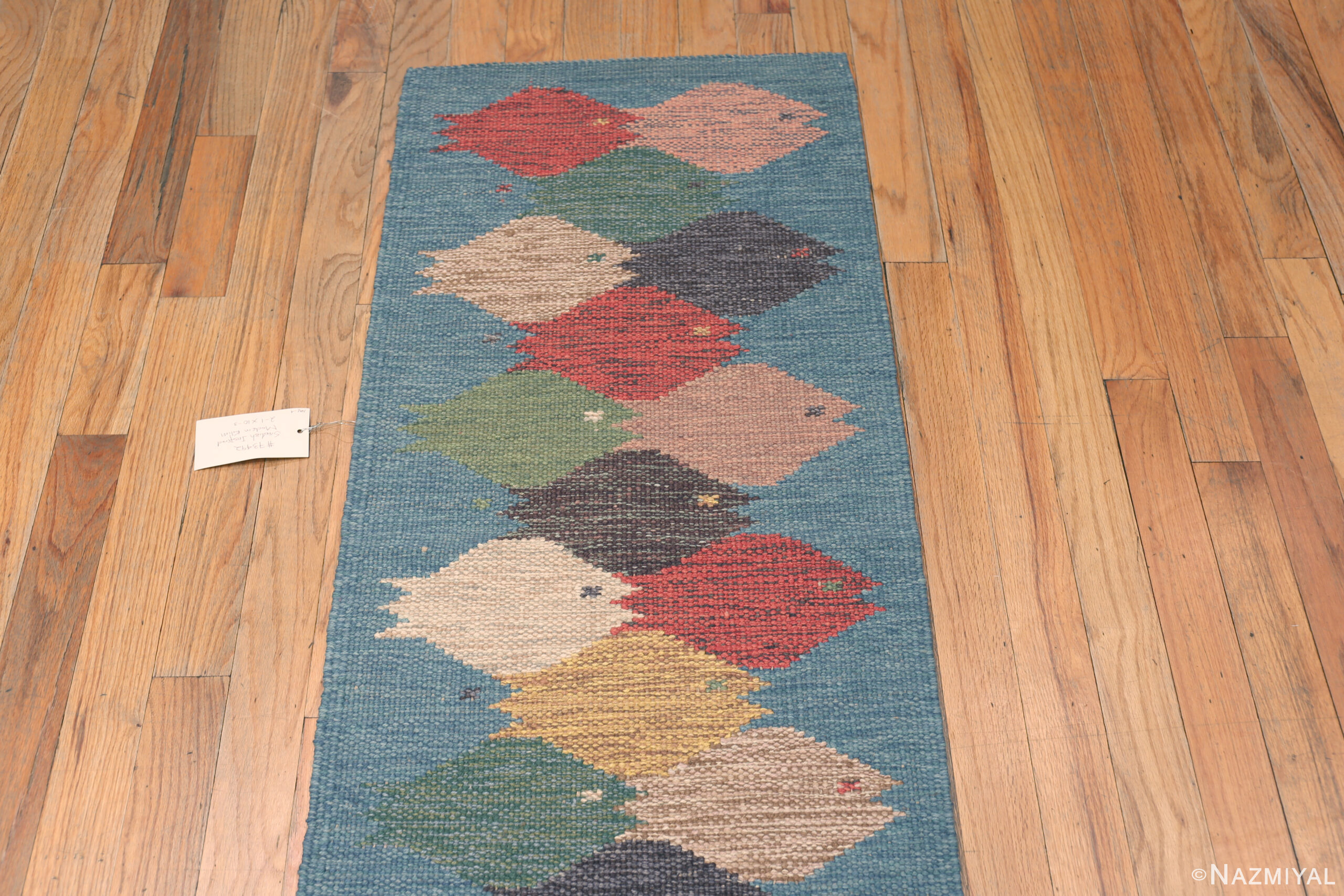
Flatweave runners (kilims & dhurries)
Thin profile, excellent door clearance, durable structure, and a clean graphic look.
Pattern-forward runners
Patterns help disguise everyday dust between cleanings—especially in entry corridors and busy family homes.
Wool runners
Wool is naturally resilient and tends to age well—one reason so many antique hall runners were made in wool pile.
If you want an extra-long format (or a wider hall runner for a broad corridor), compare with our closest cousin category: Gallery Sized Rugs (long / narrow / wide).
How Long Should a Runner Be in Your Hallway?
The right length depends on your hallway’s proportions and where you want the runner to start/stop. Use these practical rules:
Measure the hallway first
Measure baseboard-to-baseboard length, then decide how much bare floor you want to show at each end (often a few inches to a foot, depending on architecture).
Leave breathing room on the sides
To keep the hallway from feeling “wall-to-wall,” leave visible floor on both sides (often 2–3 inches minimum, more if the hallway is wide).
Account for doors + thresholds
Confirm door swing clearance and transitions between flooring materials so the runner lies flat and safe.
Corner hallways
If your corridor turns, you can use two runners (one per segment) rather than forcing a single piece to do something it can’t.
Choose the runner material based on foot traffic, pets/kids, and how often you want to maintain it:
Wool pile — durable, resilient, and often naturally stain-resistant (a classic “best all-around” hallway choice).
Flatweave wool/cotton — low profile, easy door clearance, and strong performance in narrow corridors.
Blends — can balance durability and softness depending on the fiber mix (common in some modern rugs).
If you’re shopping a highly patterned tradition (including many Persian and tribal runners), wool is typically the safest long-term choice: Persian Rugs.
Why Do So Many Antique Runner Rugs Feature Tribal Designs?
Many antique runners come from tribal and village weaving cultures where looms had practical constraints. In nomadic contexts, looms needed to be portable—so width was limited by the loom, while length could extend as needed. That natural structure encouraged long formats, and the design language often stayed bold and symbolic—perfect for a corridor where you see the rug in motion.
Decorating With Runner Rugs
Runners are “quiet architecture” for the floor: they guide the eye, connect rooms, and unify transitional spaces. A few designer-proof tips:
Use the runner to set the palette: pull 1–2 colors from the rug into small accents (frames, lighting, textiles).
Keep side margins consistent: visible floor on both sides makes the runner look intentional (not squeezed).
Let the pattern do the work: in a plain corridor, a tribal or geometric runner adds instant character without needing extra decor.
Layer thoughtfully: if the hallway opens into a room, let the runner “hand off” visually to a larger anchor rug.
Antique And Vintage Runner Rugs
Choosing Runner Rugs and Other Design Elements for Your Hallways
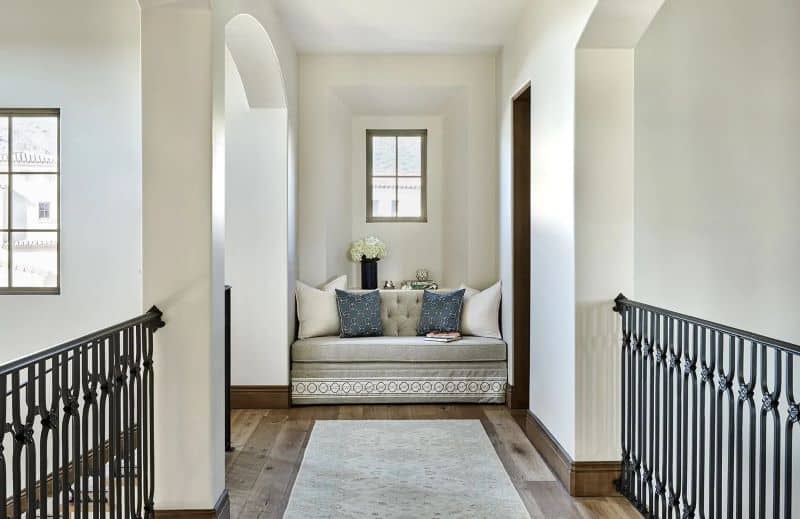
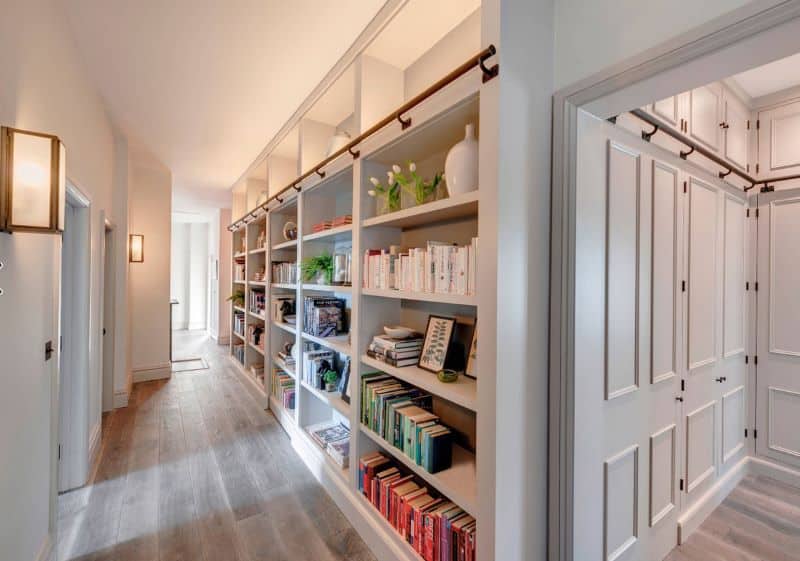
Hallways are transitional by nature, but they don’t have to feel unfinished. Beyond a runner, the most effective hallway upgrades are usually light, reflection, and storage—chosen with restraint so the corridor stays calm.
Hallway decor is an important part of interior design.
Hallway decor idea: use neutrals to unify adjacent rooms
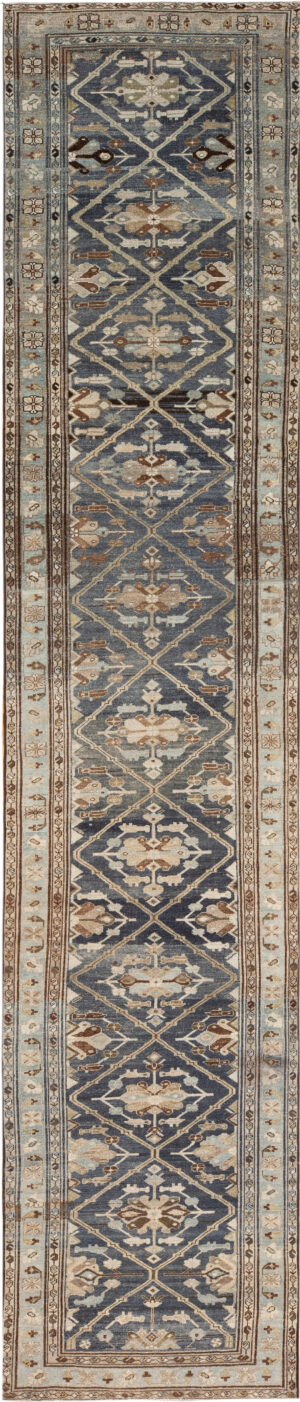
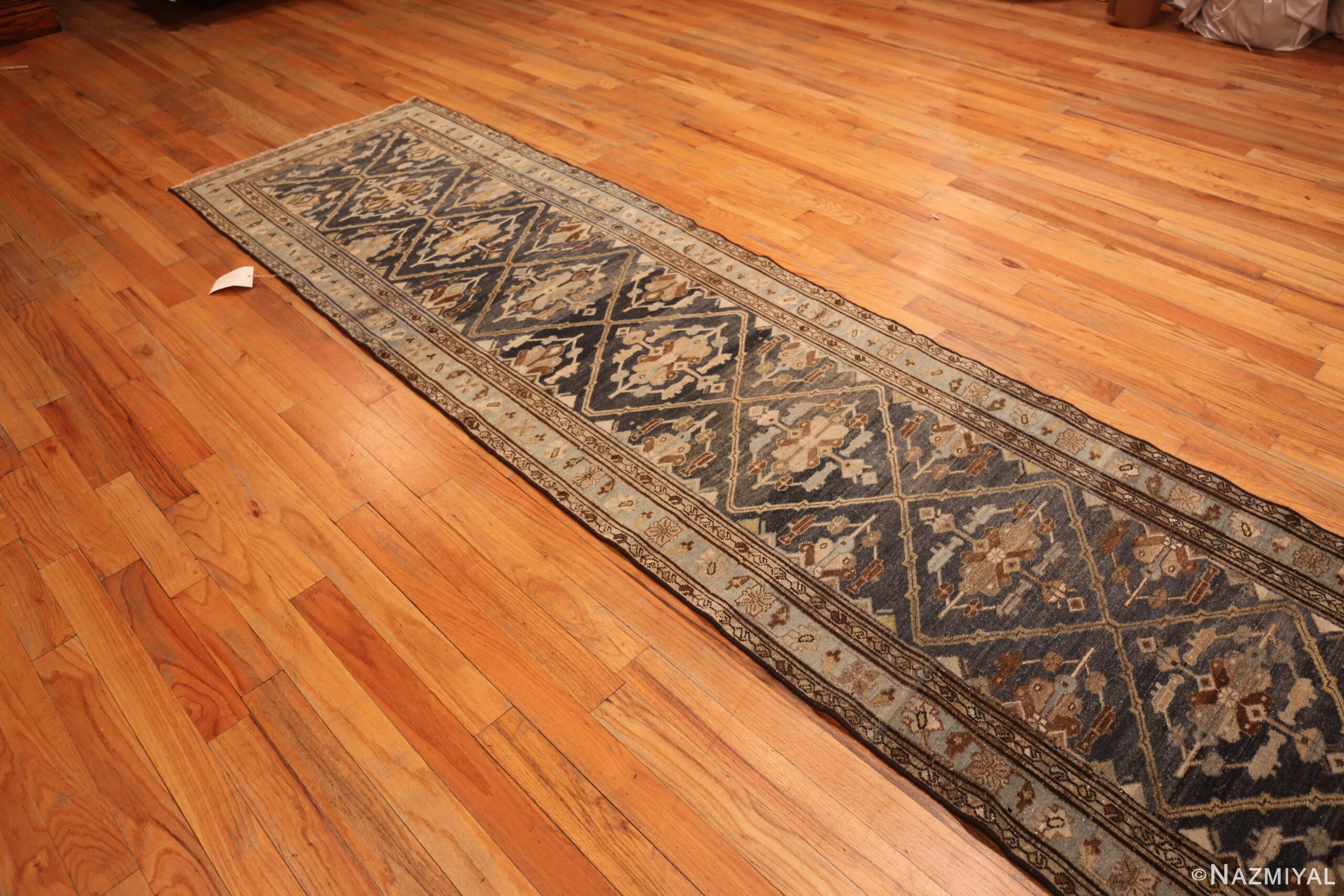
If rooms off the hallway have different color schemes, a neutral runner helps everything feel connected. Lighter neutrals (and cool-leaning tones) can also make narrow corridors feel more open.
Choosing neutral colors for your hallway can complement the rest of your home.
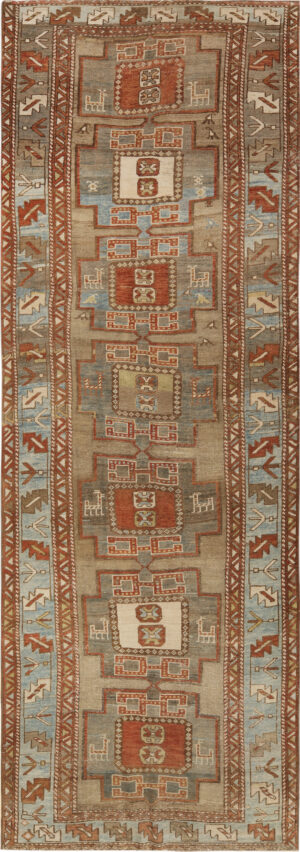
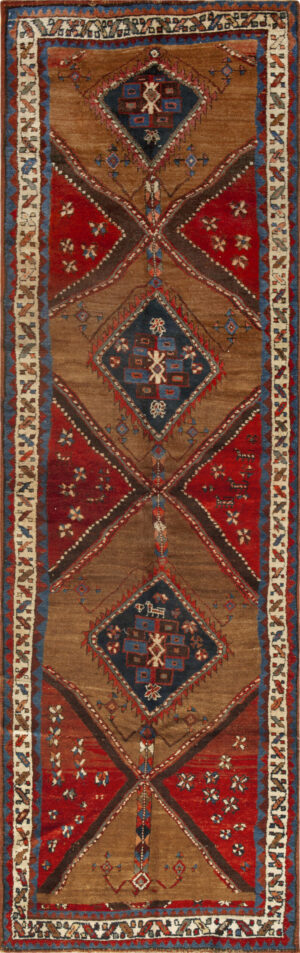
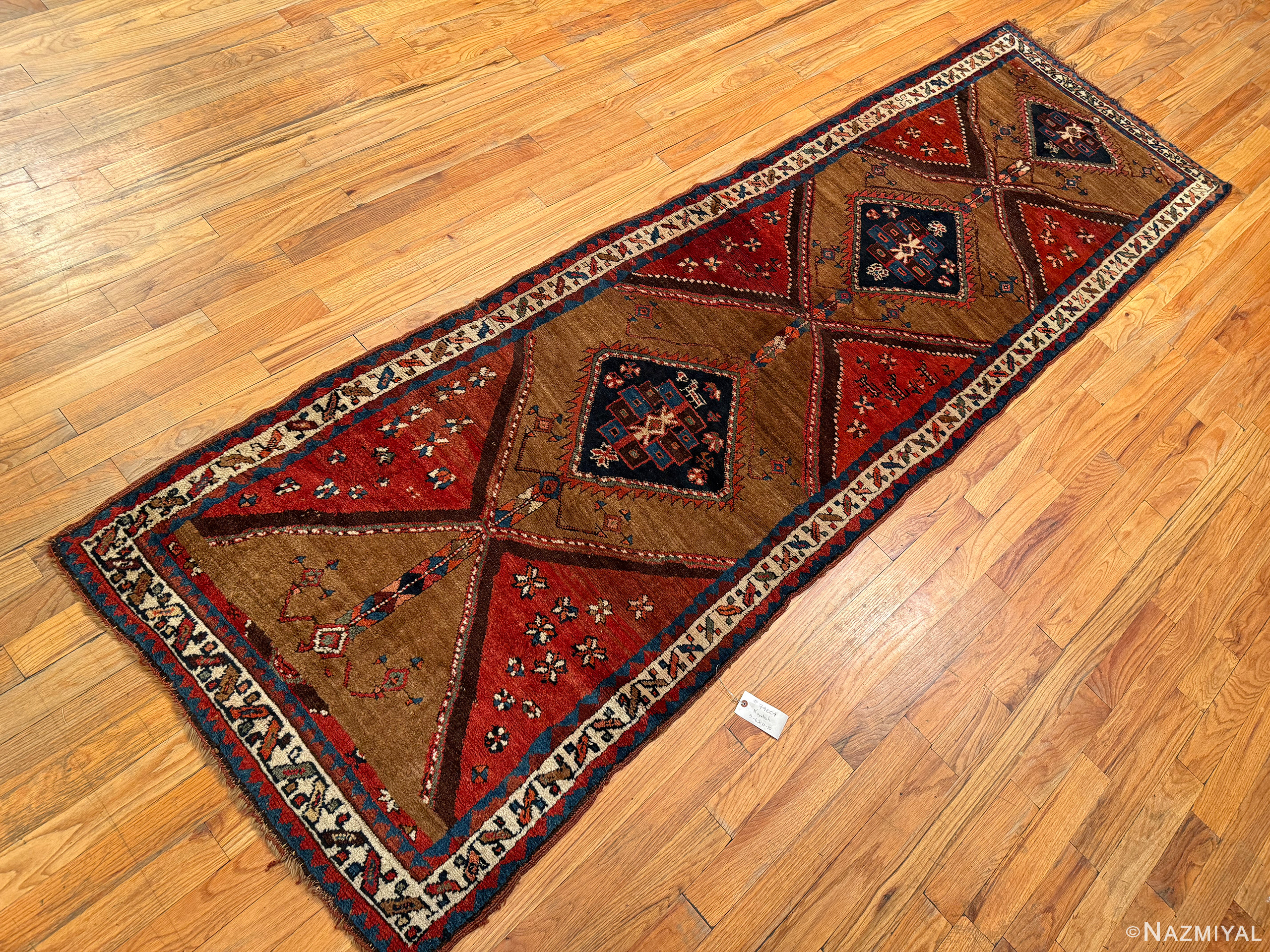
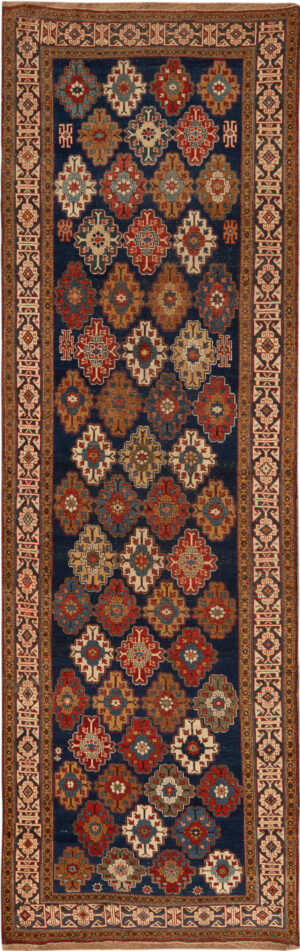
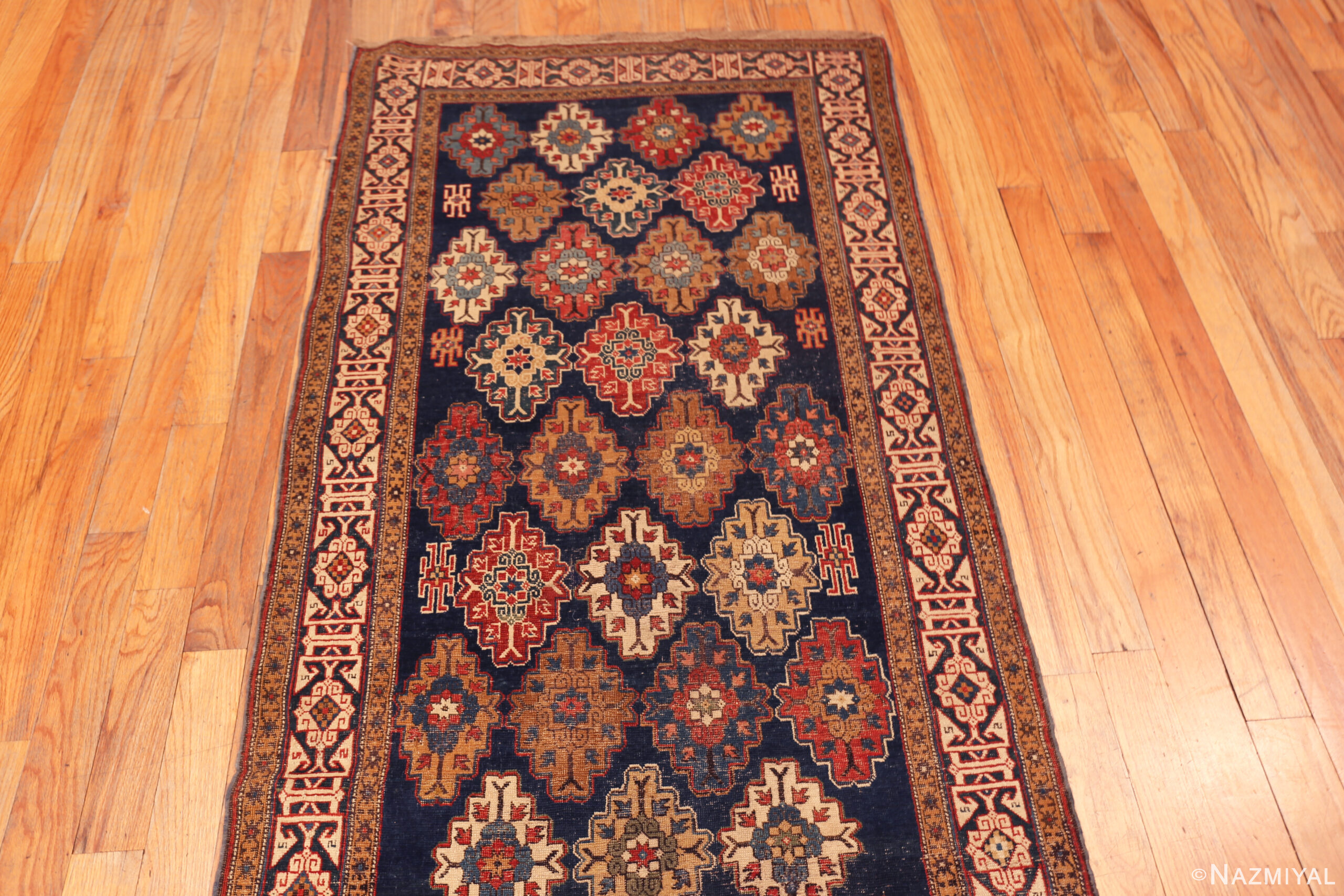
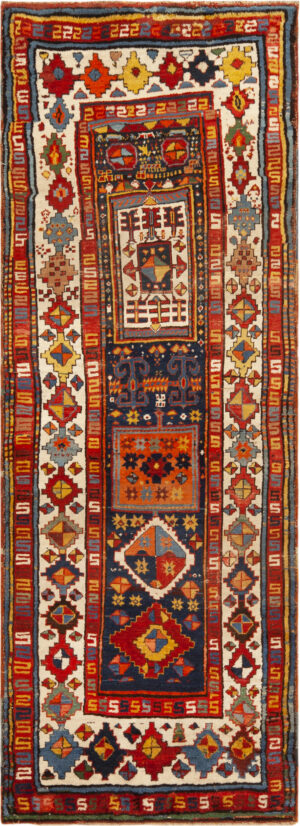
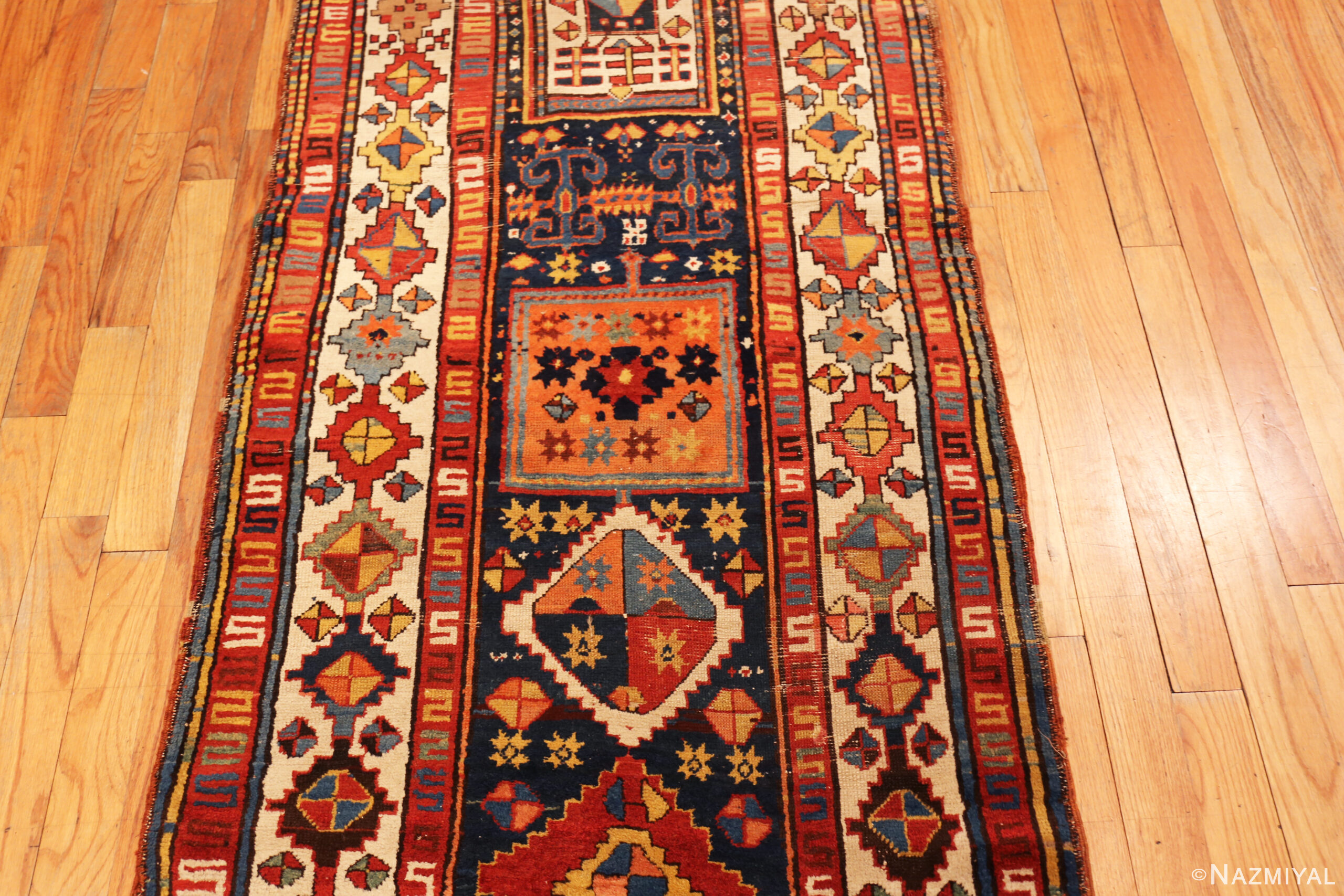
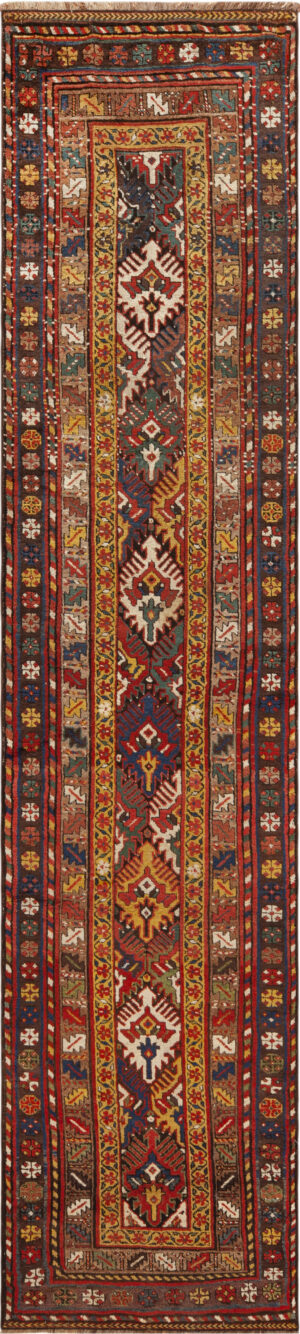
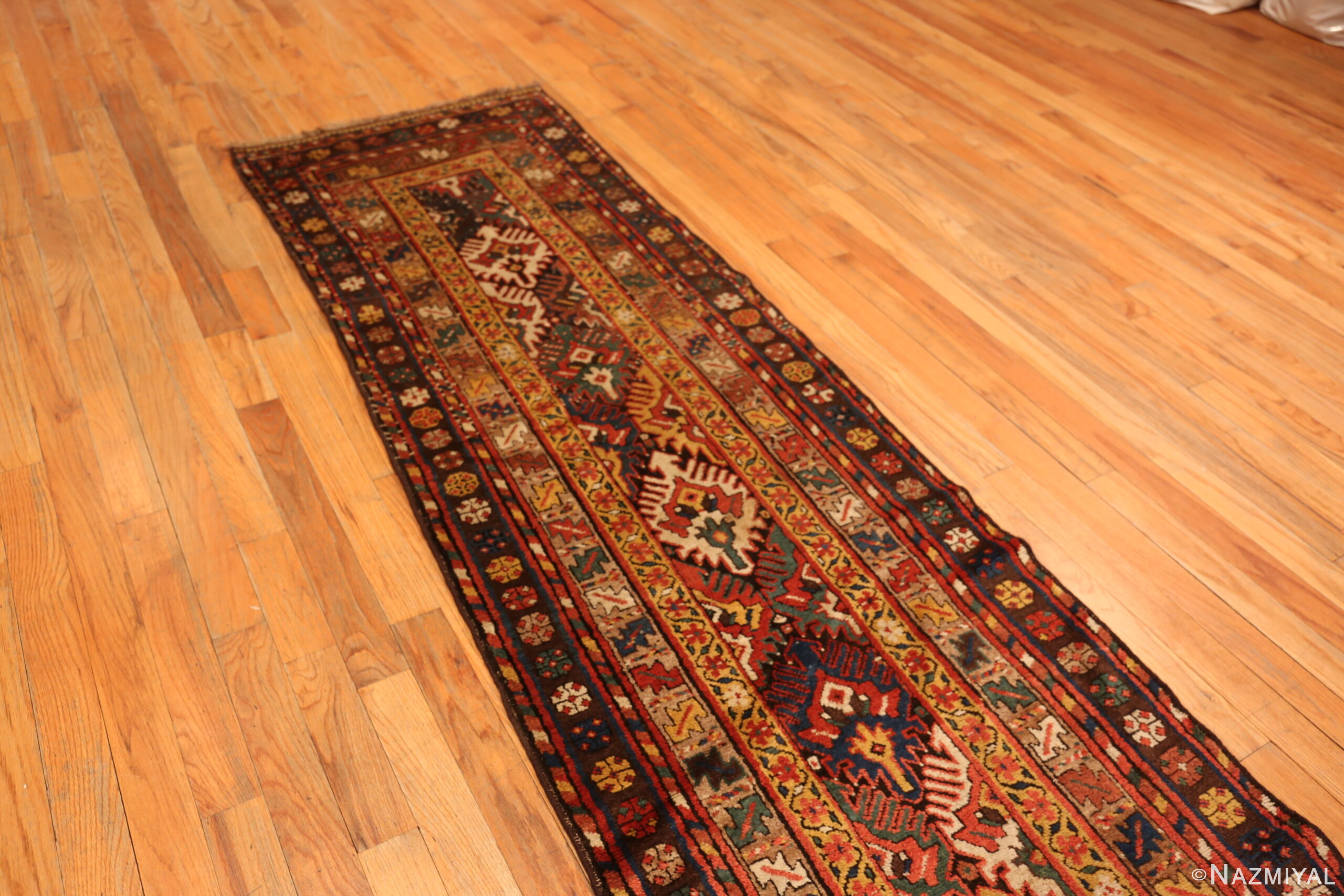
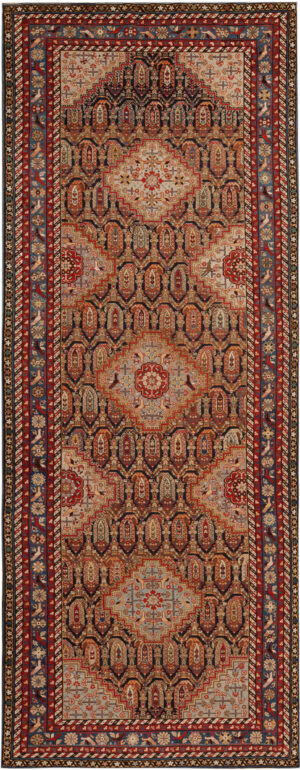
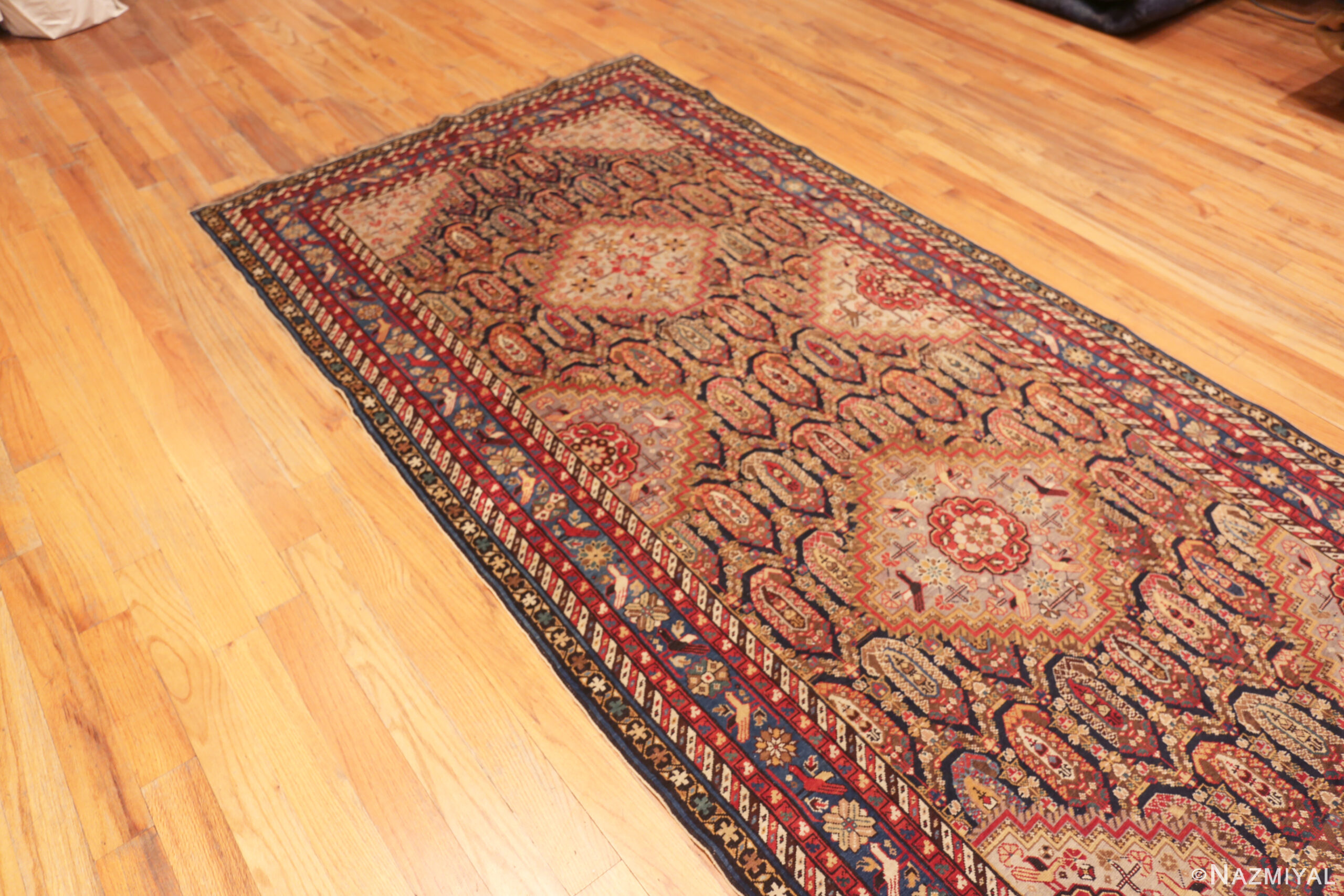
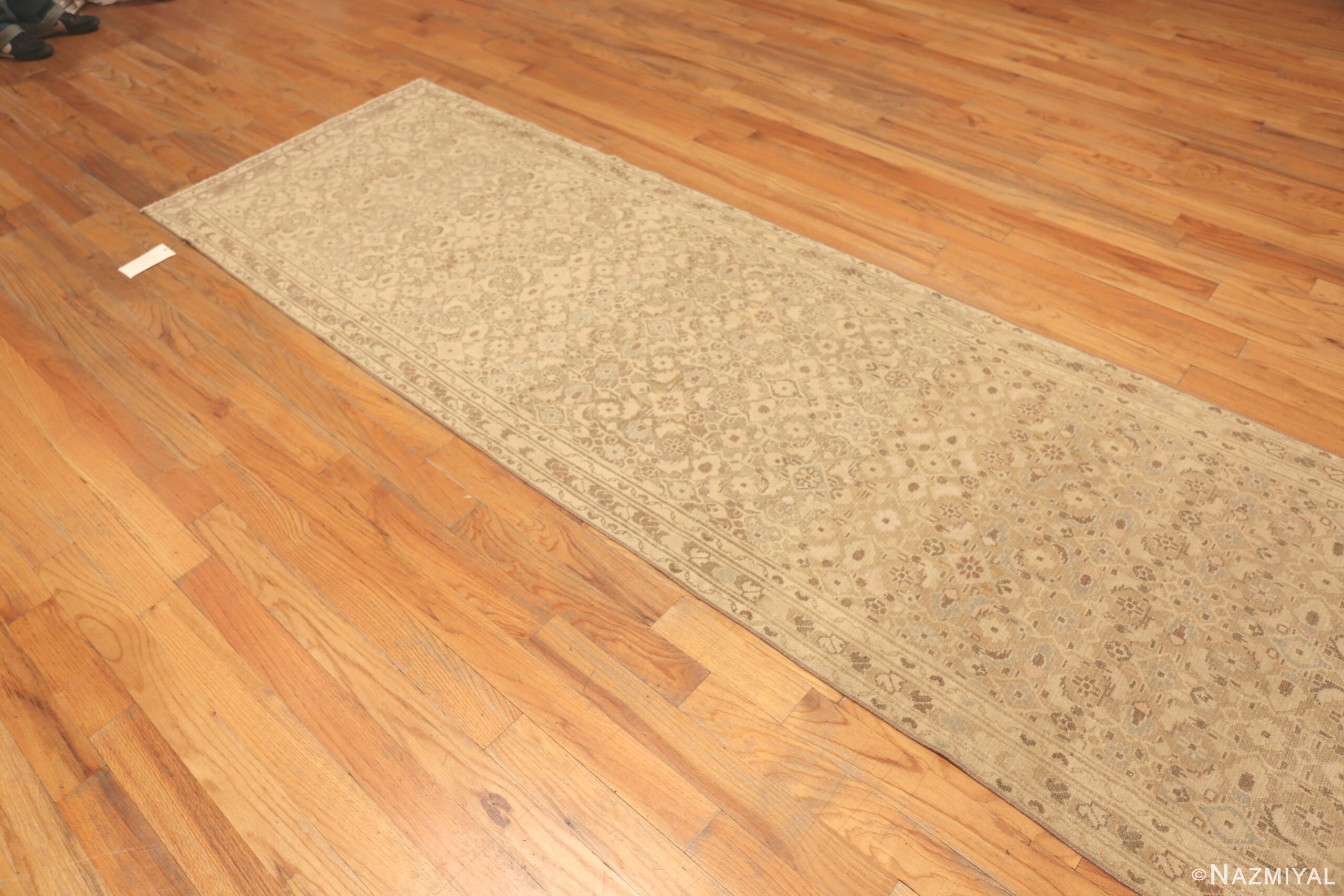
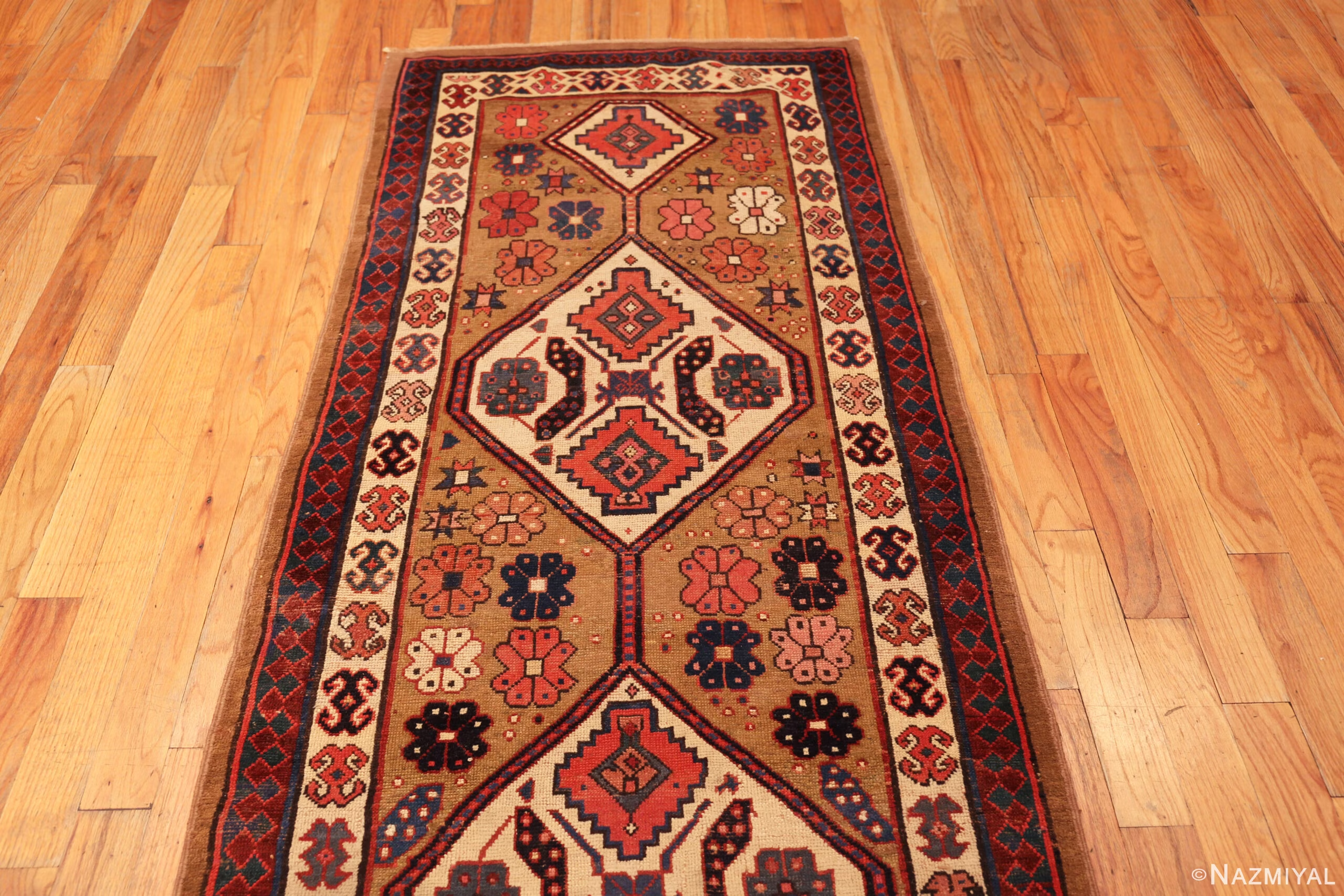
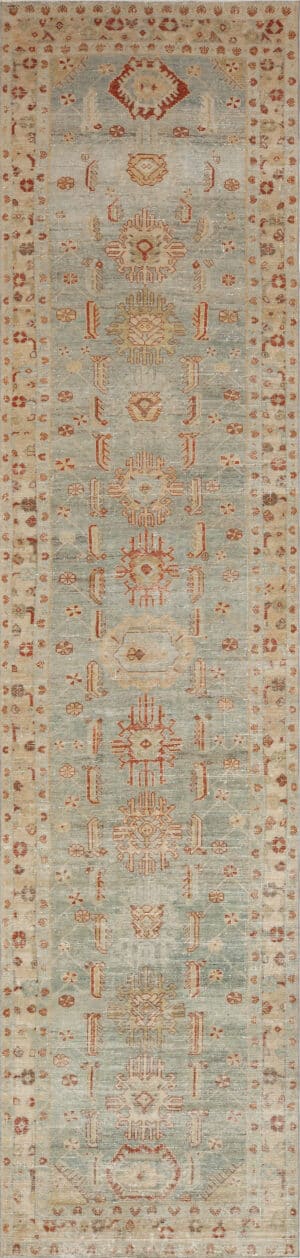
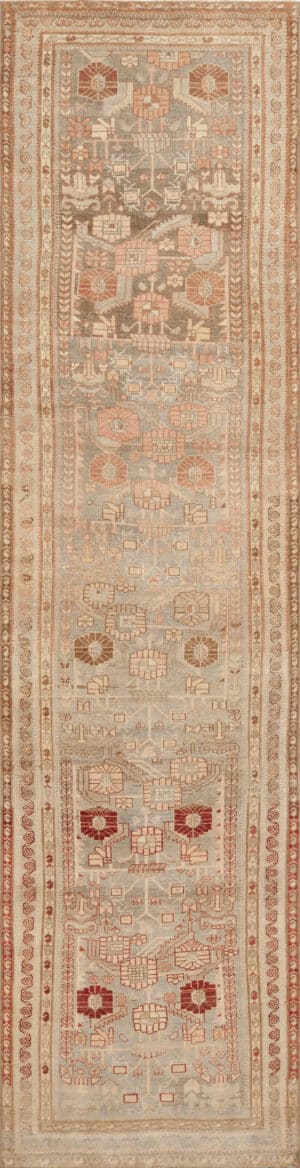
Tribal Influences Antique Persian Dated 1275 Kurdish Runner #73464 — 3 ft 3 in x 10 ft (a collectible tribal corridor piece with strong character). View Rug 73464
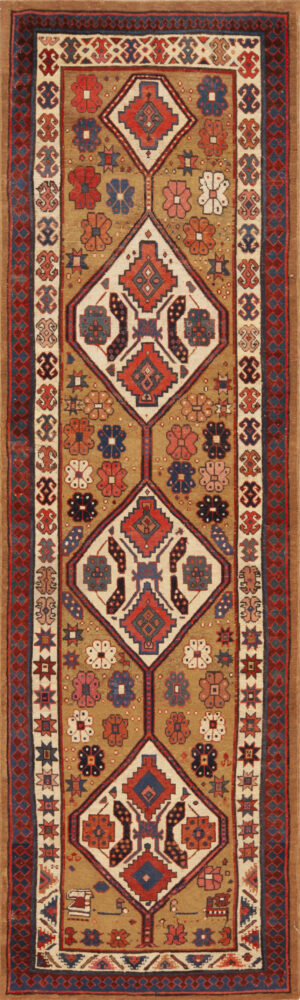
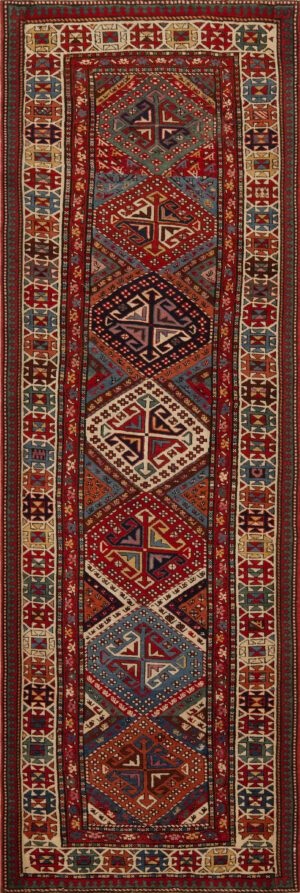
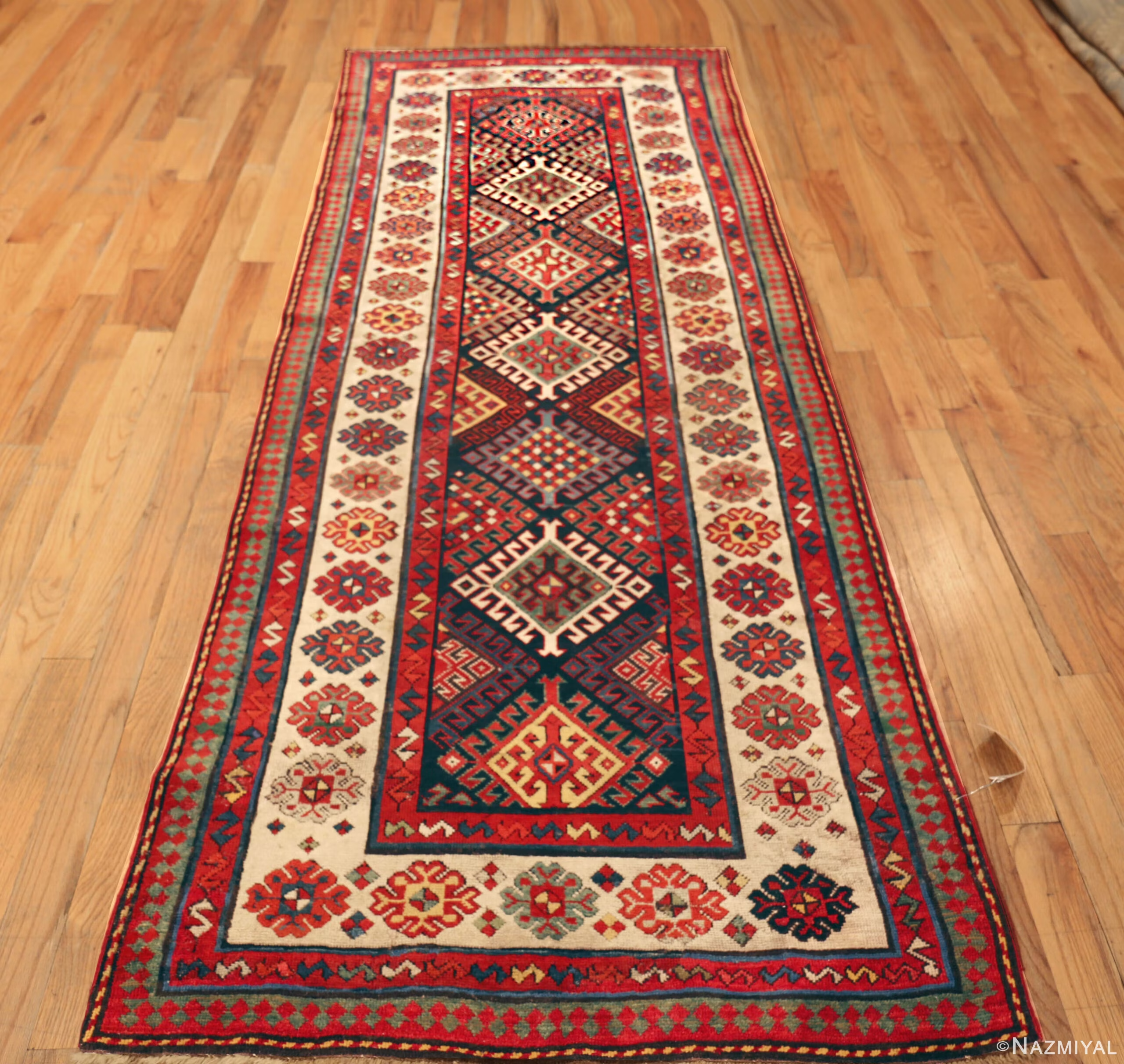
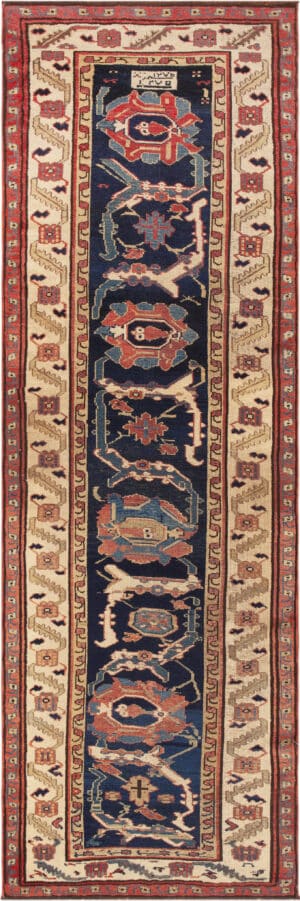
Tribal Geometric Antique Jewel Tone Persian Kurdish Hallway Runner #72043 — 3 ft 10 in x 9 ft 3 in (bold geometry and jewel tones—excellent for high-contrast hallway styling). View Rug 72043
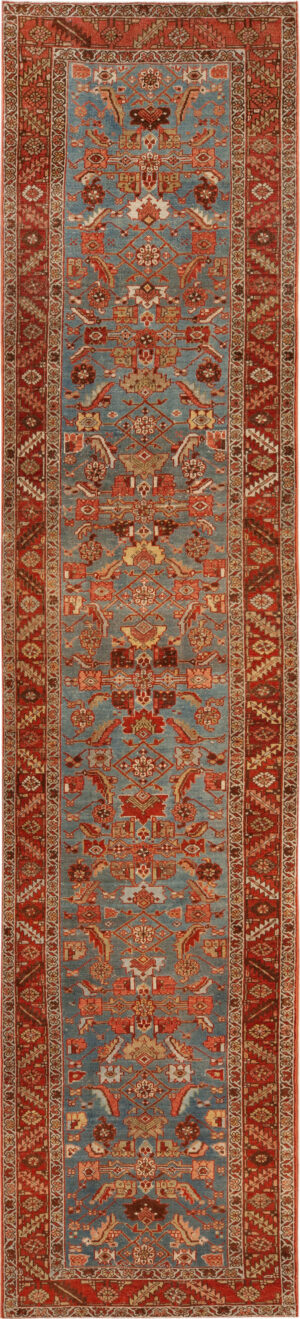
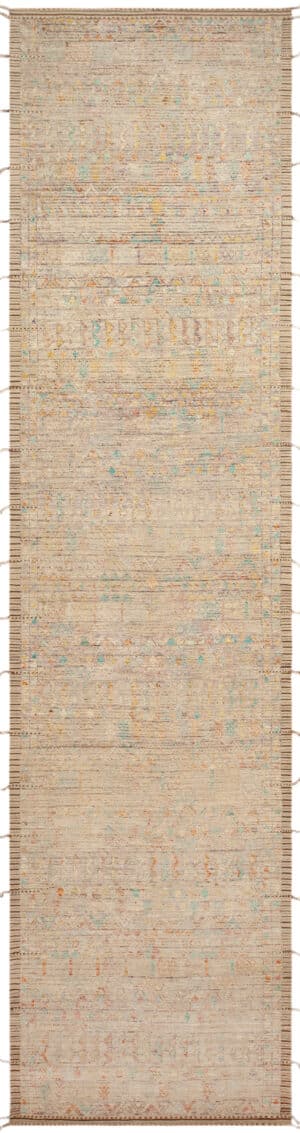
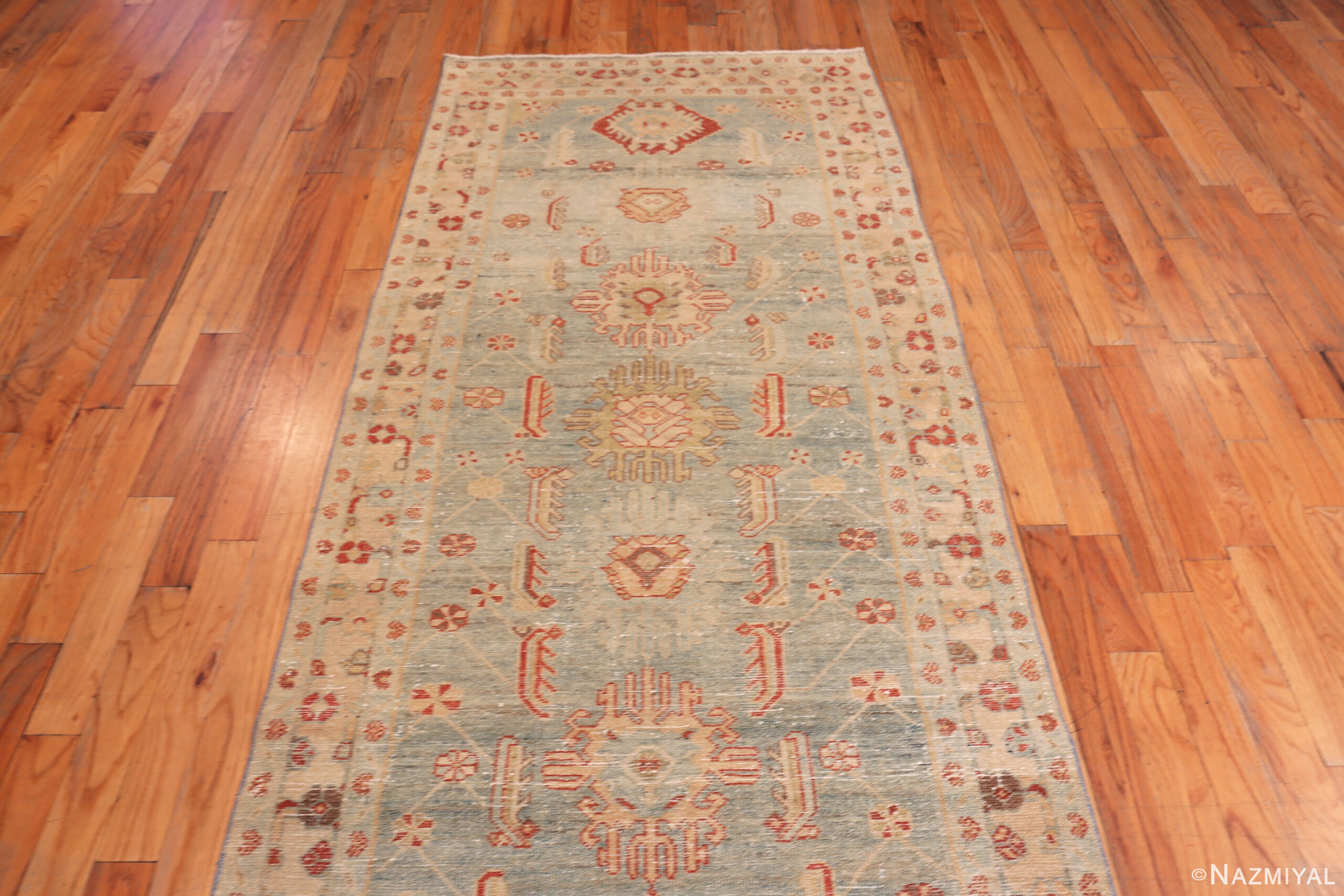
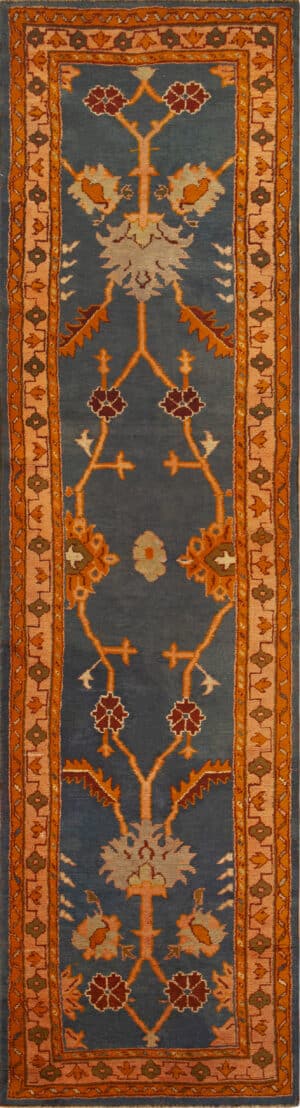
Modern Oriental Gallery Size Sultanabad Wide Hallway Runner #44684 — 7 ft x 16 ft 4 in (a wide “hall runner” solution when standard runner widths feel too narrow). View Rug 44684
Runner Rug Comparisons
Runner Rugs vs Gallery Sized Rugs
If your hallway is unusually wide (or you’re covering a long open corridor), a “runner” may feel too narrow. That’s where gallery formats help. Compare here: Gallery Sized Rugs.
Runner Rugs vs Persian Rugs
“Runner” is a format; “Persian” is an origin/tradition. Many Persian rugs were woven in runner formats—especially tribal and village traditions—making them some of the most character-forward hallway solutions on the market. Explore: Persian Rugs.
Frequently Asked Questions
What qualifies as a runner rug?
A runner is a long, narrow rug designed for hallways and corridors—typically much longer than it is wide.
How wide should a hallway runner be?
Most runners are around 2–3 ft wide, but the right width depends on your hallway. A good rule is to leave visible floor on both sides (often 2–3 inches minimum).
What’s the best construction for a hallway runner?
Flatweaves and low-pile rugs tend to perform best in hallways because they’re easier to clean and offer better door clearance.
Do I need a rug pad for a runner?
Yes—pads reduce slipping, improve comfort, and help prevent edge stress in high-traffic corridors.
For decades, clients have relied on Nazmiyal for guidance on sourcing, sizing, and placing hallway runner rugs—so corridors feel finished, safe, and beautifully connected to the rest of the home.
Nazmiyal Collection has been a trusted source for antique rugs and vintage carpets for over 45 years. Our NYC gallery curates one-of-a-kind pieces with an emphasis on authenticity, provenance, and lasting decorative value.
Need help? Call us at (212) 545-8029 or visit our New York City showroom to work with a rug expert.
             Posted on Google        Clay Pendergrast     Trustindex verifies that the original source of the review is Google. My wife and I are so pleased with the antique Uzbek Bokhara Rug purchased from the Nazmiyal Collection. Not only does the rug have a spectacular design, it also was very reasonably priced. The way it transforms our living room, reconciling the classic modern furniture with the 1913 Craftsman interior is remarkable.         Posted on Google        Terence Hayes     Trustindex verifies that the original source of the review is Google. I have purchased multiple rugs at multiple Nazmiyal auctions and I am extremely pleased with the quality, price, and experience.  Highly recommended!         Posted on Google        Victor Florintsev     Trustindex verifies that the original source of the review is Google. The only ones I'd ever buy rugs from. The best.         Posted on Google        Jeffrey NeumanB     Trustindex verifies that the original source of the review is Google. I bought two gorgeous Serapi rugs from Farhad at Nazmiyal Rugs!  Beautiful carpets, fair prices and great service.  Very happy customer.  Farhad (the sales person) was very patient and gave us great service.         Posted on Google        john haid     Trustindex verifies that the original source of the review is Google. Alen is a gentleman and an expert.  Really great to work with.         Posted on Google        Edward Yasuna     Trustindex verifies that the original source of the review is Google. I recently purchased a modern Kandinsky rug from Nazmiyal Auctions.  It was just as described, and the director (Farhad) of the auctions had it sent to me quickly and safely.  Payment was easy, the rug was reasonably priced, and I highly recommend Nazmiyal Auctions and Antique Rugs.  Quality merchandise and first-class service.         Posted on Google        Nicholas Carr     Trustindex verifies that the original source of the review is Google. Had a excellent experience buying a rug in Nazmiyal's 1/18/26 online auction.  First, prior to the auction, viewing a number of lots at the 32nd St showroom (I had prepared a list from the online catalog). The staff were great to work with: helpful, knowledgable, honest, and flexible.  Second, after placing an online bid and winning the desired item, arranging payment and pickup was simple and straightforward. Everything went seamlessly and the overall experience was educational and fun. Many thanks to Jason and his team.         Posted on Google        Andrea Gared     Trustindex verifies that the original source of the review is Google. Everyone at Naziyal is proffessional, especially Jason and Farhad.
They are knowledgeable, truthful, and true gentlemen. I have sold several rugs through them and will always go to them first, to buy or sell. The best in the business!
Frequently Asked Questions
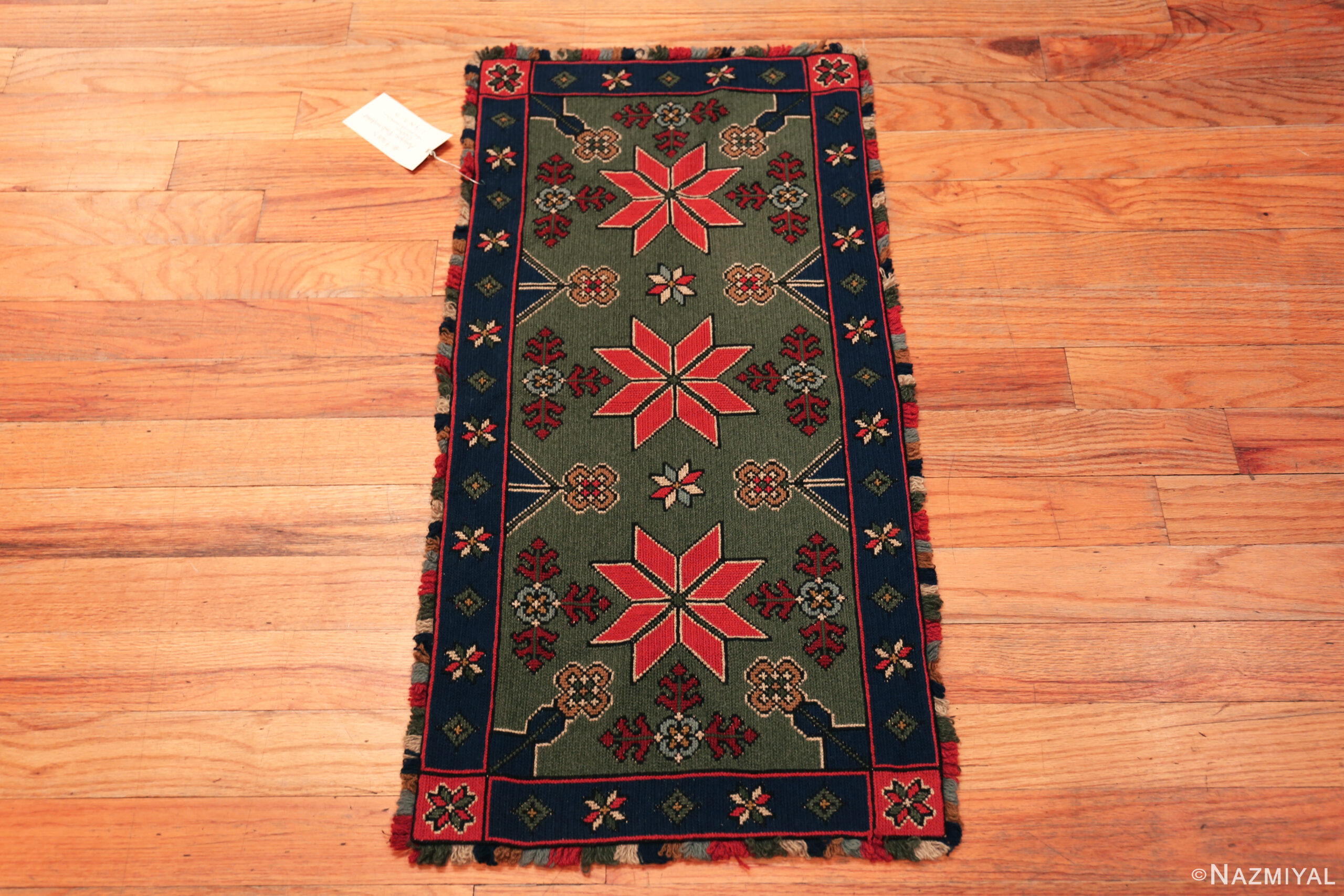
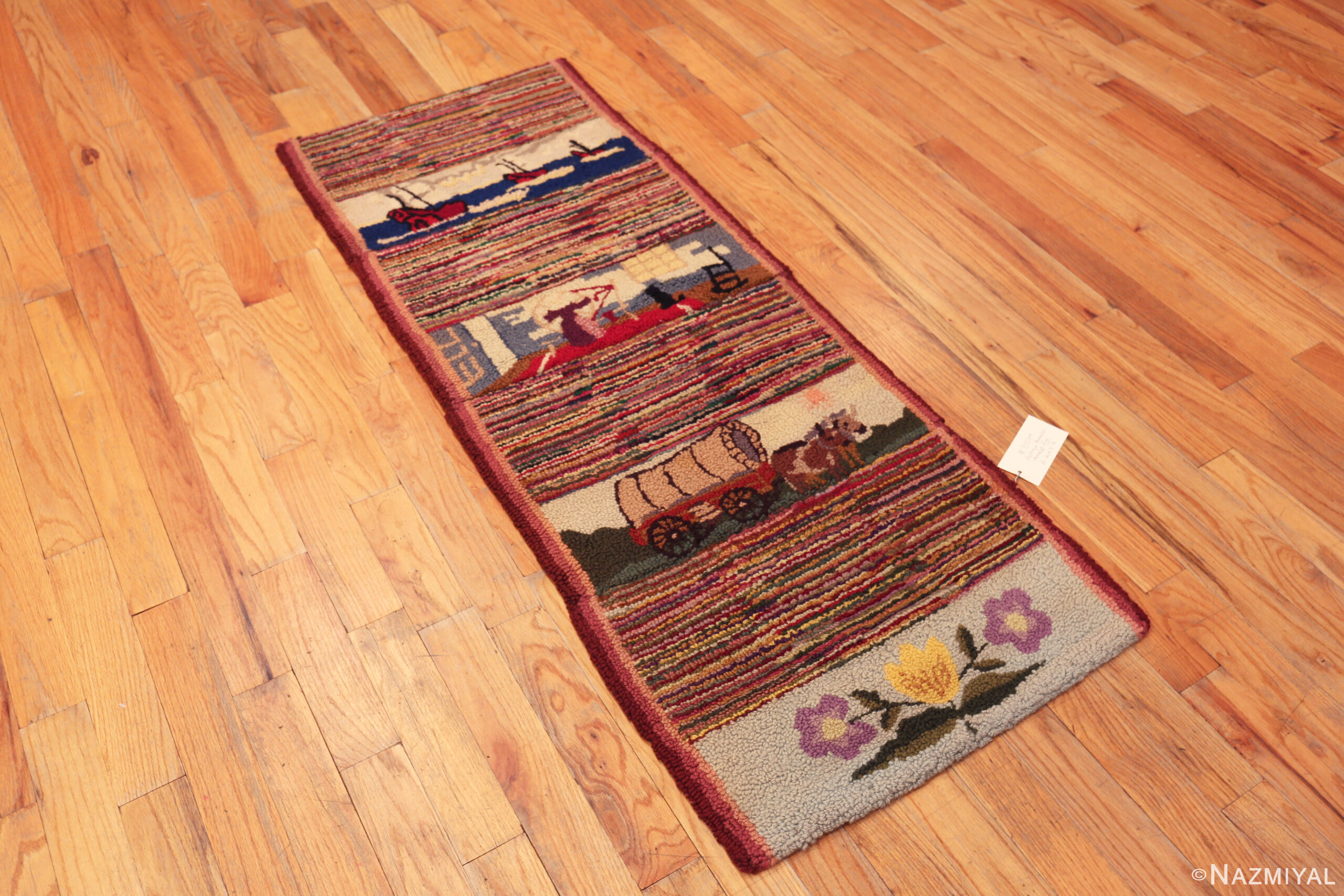
Runners and antique runner rugs are any carpets that are characterized by a long and narrow format. Generally, carpet runners are well suited for hallways and stairways. Runner rugs have historically been produced in many different rug-producing countries, and may be Persian rugs, Turkish rugs, or rugs from any other origin.
A runner is a specific type of rug that is typically long and narrow, designed to fit in narrow spaces such as hallways, staircases, or entryways. While there is no strict rule regarding the size of a runner, they are generally much longer than they are wide. Common dimensions for a runner rug might range from 2 to 3 feet in width and 8 to infinity feet in length. However, the exact size can vary based on personal preference, the dimensions of the space, and the specific area you intend to place the runner.
Choosing the best type of rug for a hallway runner depends on several factors, including the style of your home, your personal preferences, and the amount of foot traffic in the area.
As a general rule, you can leave some space at both ends of the hallway without a rug for an aesthetically pleasing look. Ultimately, the right length for your hallway runner is a personal preference, and it should enhance the overall design of your space while providing a practical solution for high-traffic areas.
Consider factors like ease of cleaning, resistance to stains, durability, and the overall aesthetic when choosing the material for your hallway runner. Additionally, using a rug pad underneath can enhance the lifespan of the rug and provide extra cushioning.
Oriental hall runners have an especially intriguing origin story among the nomadic tribes -people who produced a great many such pieces – for the looms that these nomadic weavers traditionally used had to be portable, and small enough to carry. Thus, the width of the carpets that they would weave would be fixed to the maximum width of the loom, but there would be no limit to the length that they could run.
If you have a section of negative / empty space that you would like to unify, try to use the symmetrical appeal of the hall runner to your advantage. You do not need to set it far against the wall in order to create a bridge between the visual points that would work best in the room.
Runners also provide homeowners with necessary practical appeal, as they are more capable of protecting longer sections of hardwood flooring than most other types of rugs. Because of their length and presentation, runners are often chosen to grace longer areas that are also prone to higher amounts of traffic. Places like walkways and hallways can benefit from the inclusion of a tasteful carpet runner. These rugs not only protect the flooring itself from traffic wear, but the patterns chosen can be a powerful way to unify different rooms and create a common decorating scheme.
The use of a runner rug can also be more physically comfortable, especially if you enjoy walking barefoot around your home.
When you’re choosing your perfect rug or hallway runner rug, do not choose one that spans the entire width of your hallway or gallery. Part of the purpose of a hallway rug is to create leading lines and depth that make the space look longer by drawing the eye into the distance. To create these leading lines effectively, you need at least 2-3 inches of space on each side of the runner. Be sure you carefully measure both the hallway and the rug before purchasing the latter.
Your hallway decorating concept may start with a rug or runner, but it certainly doesn’t have to end there. There are many more elements that come into play. Take light, for example. Since hallways are typically lacking natural light, you will often have to add this element yourself.rnrnIf you rent your home rather than owning, this can be a challenge since you are not at liberty to rewire the space. Nevertheless, you can compensate with less permanent lighting, such as a floor lamp, if there is sufficient space for it. Otherwise, string lights that hang from the ceiling can use the space efficiently while effectively lighting the area. If your lighting options are limited, consider a lighter color palette for your hallway design, as it will reflect more and optimize the light you do have.
THE NAZMIYAL NEWSLETTER
Discover Your Next Favorite Rug
Get new arrivals, rug inspiration, educational blogs, and collection highlights delivered to your inbox.
By subscribing, you agree to receive marketing emails from Nazmiyal. Unsubscribe anytime. View our Privacy Policy.