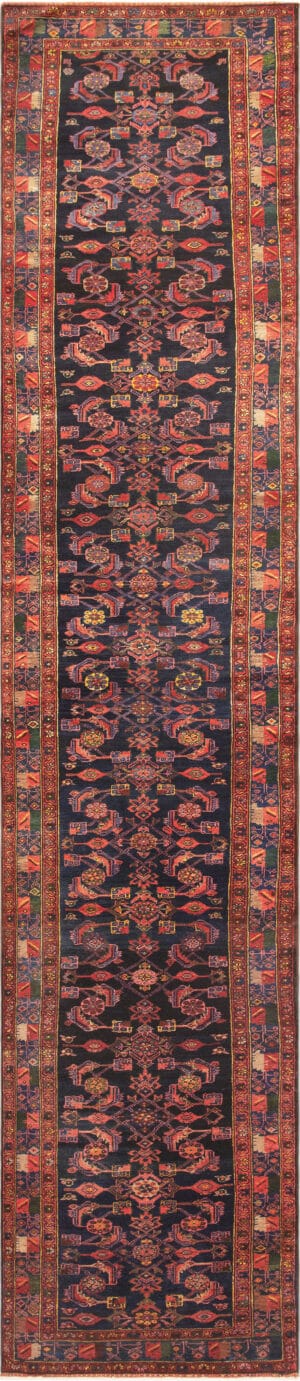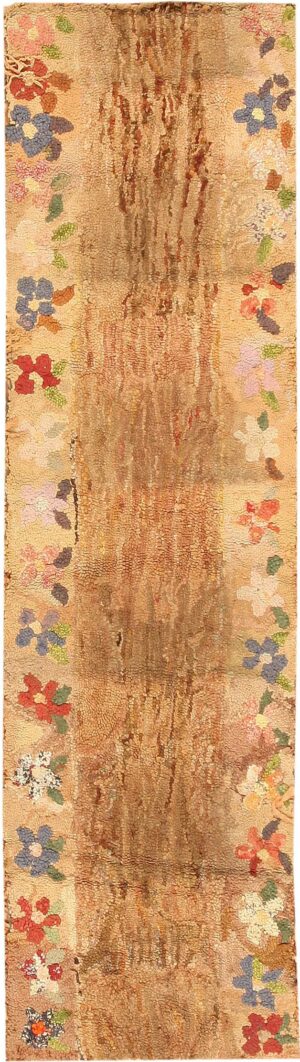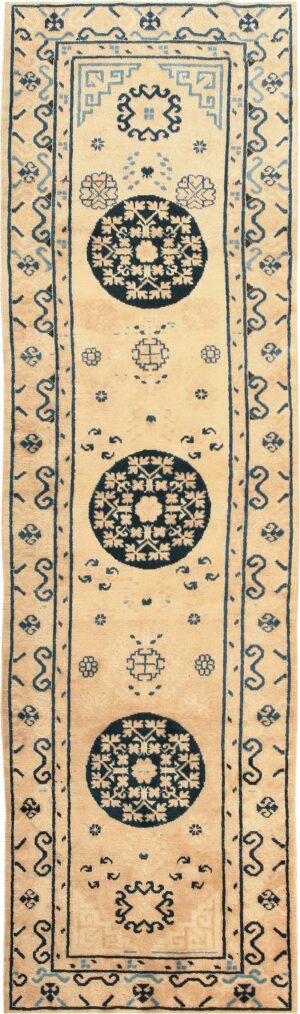
Browse
Contacts

+1 (212) 545-8029
contact@nazmiyal.com
31 East 32nd St, Floor #2
New York, NY 10016

Social

Page 5: Buy Runner Rugs and Hall Runners By Nazmiyal Collection

Show Filters

Showing 129–156 of 156 results

Frequently Asked Questions

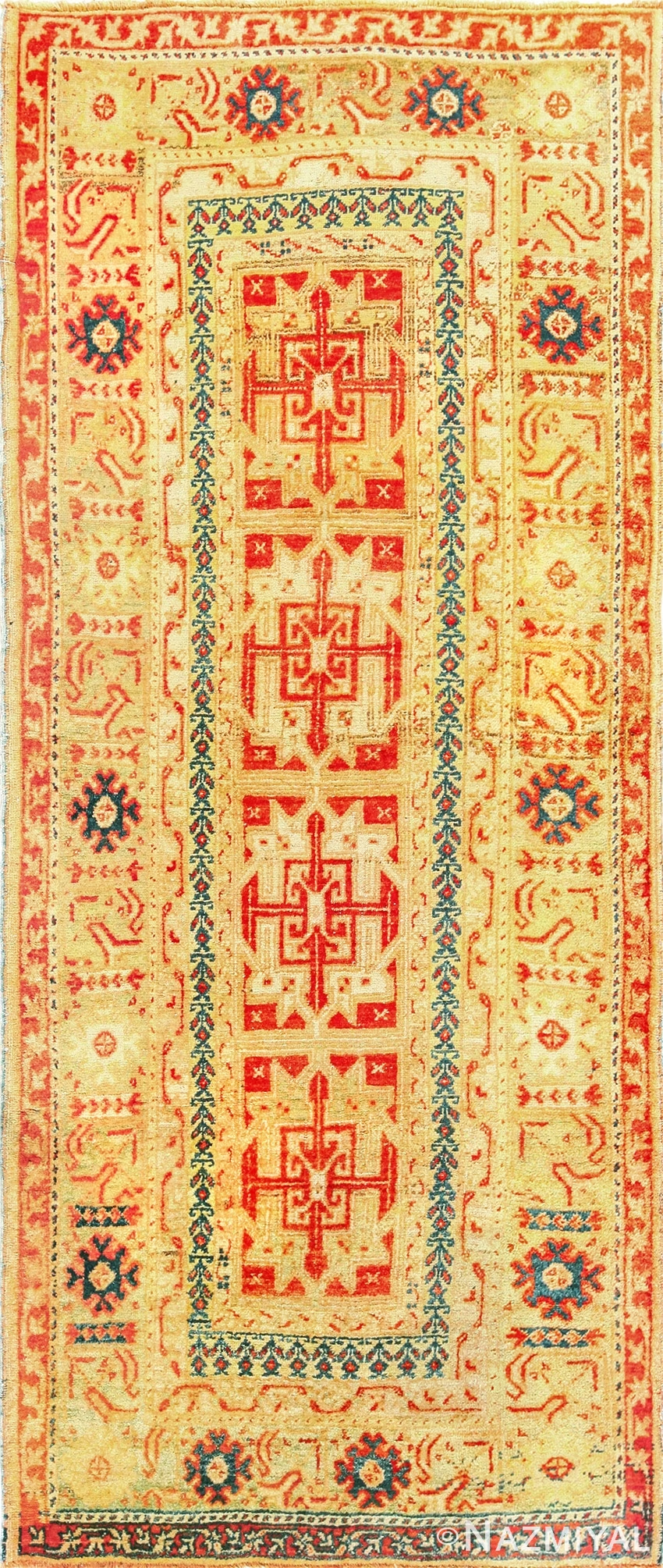
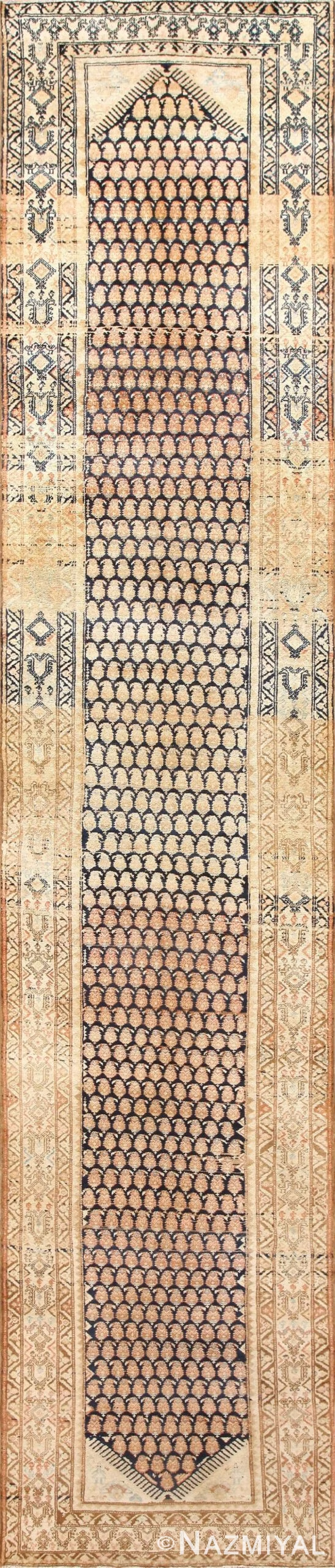
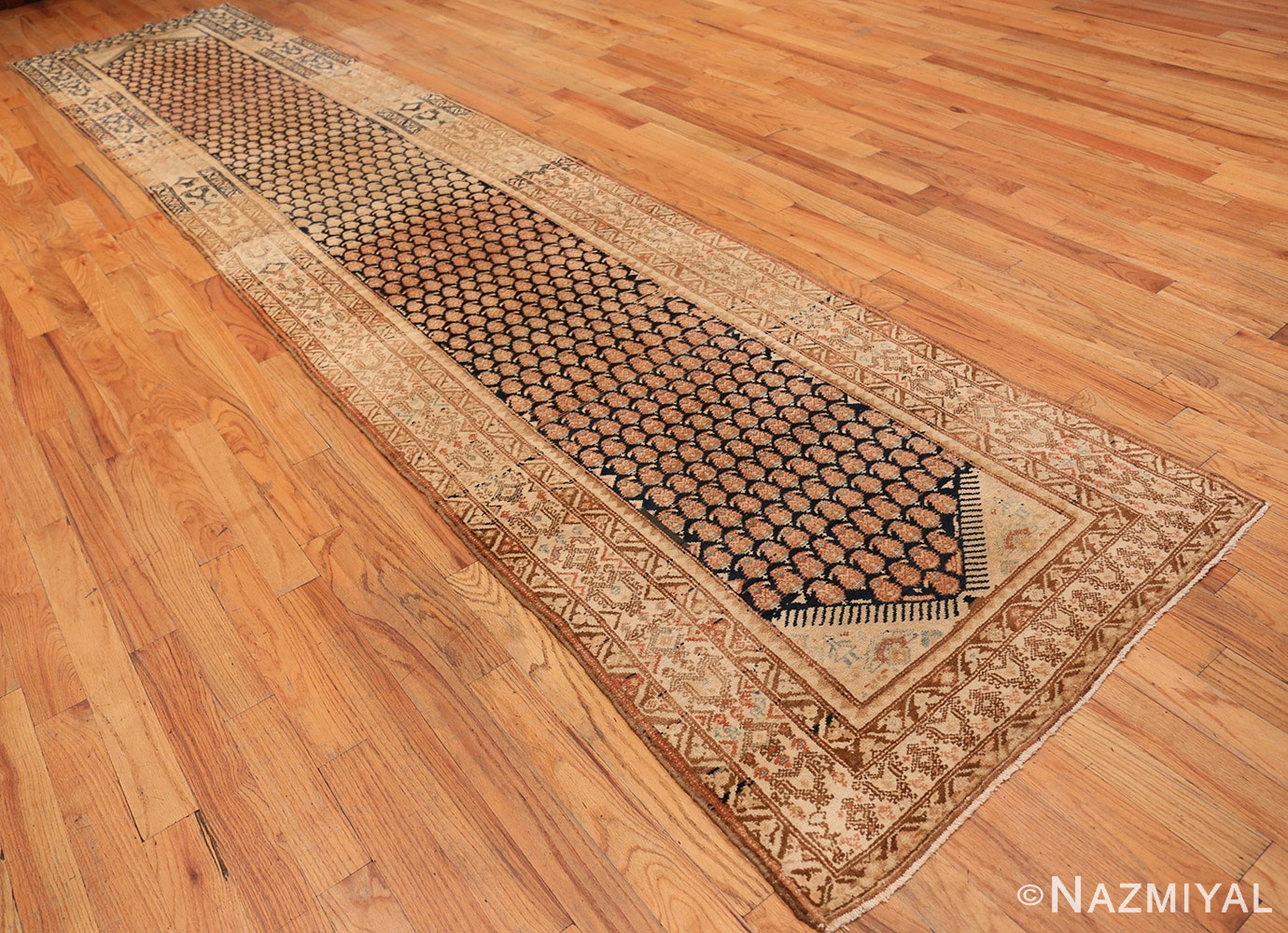
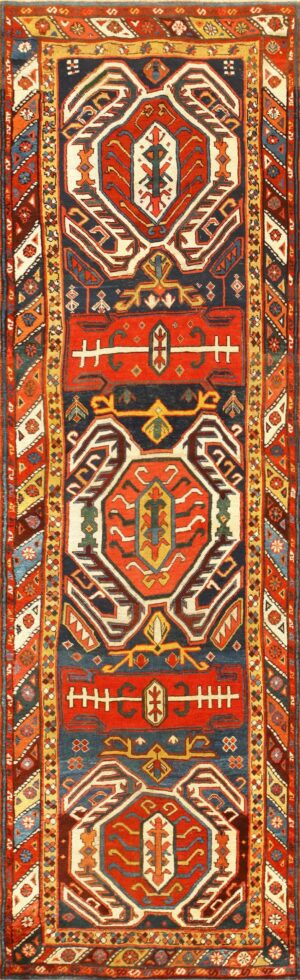
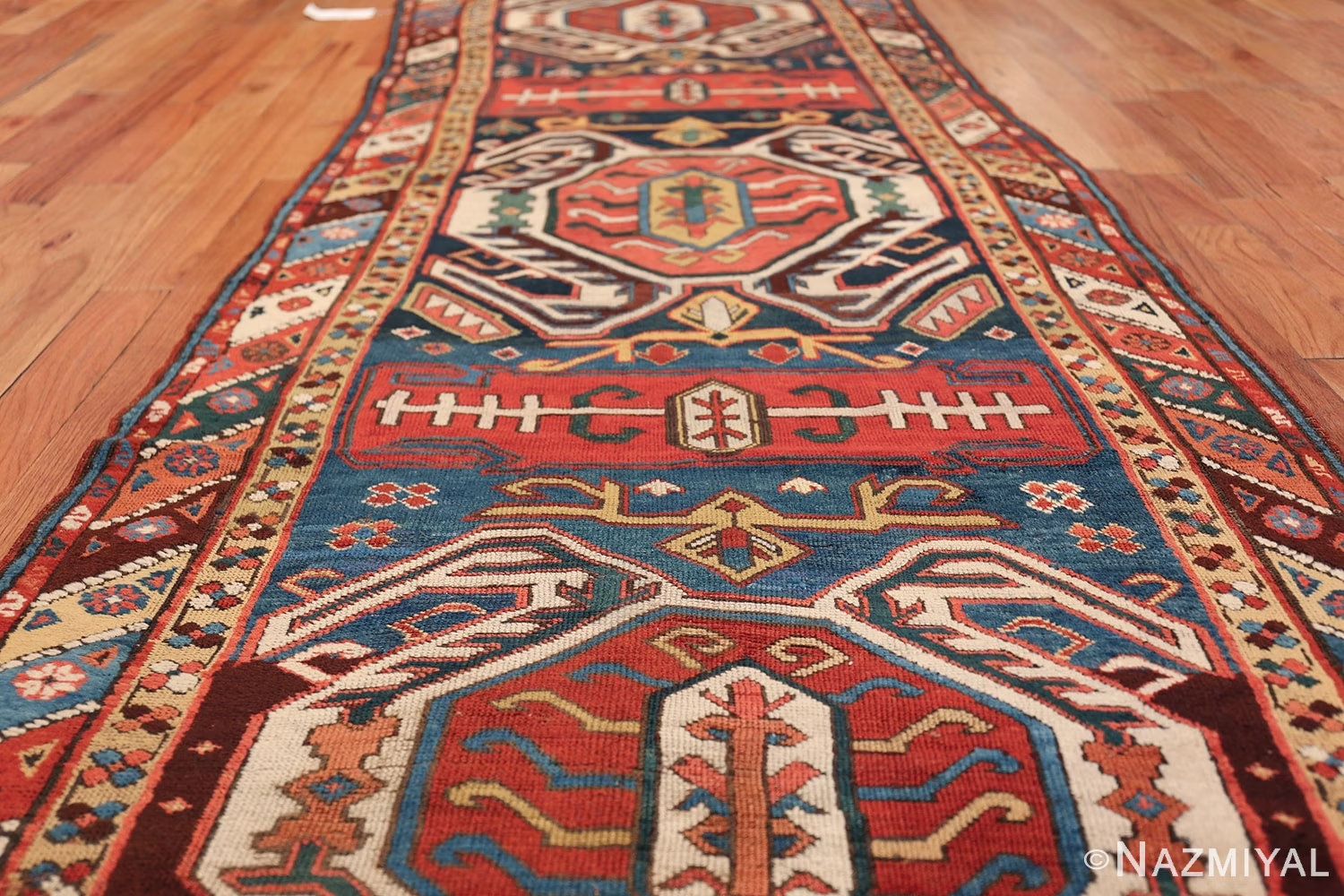
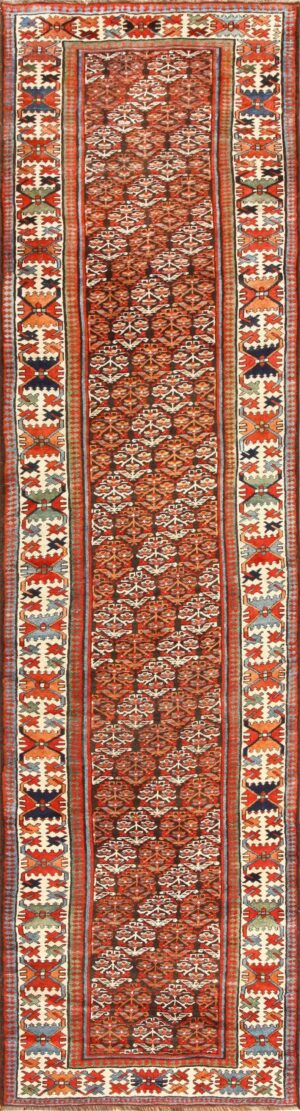
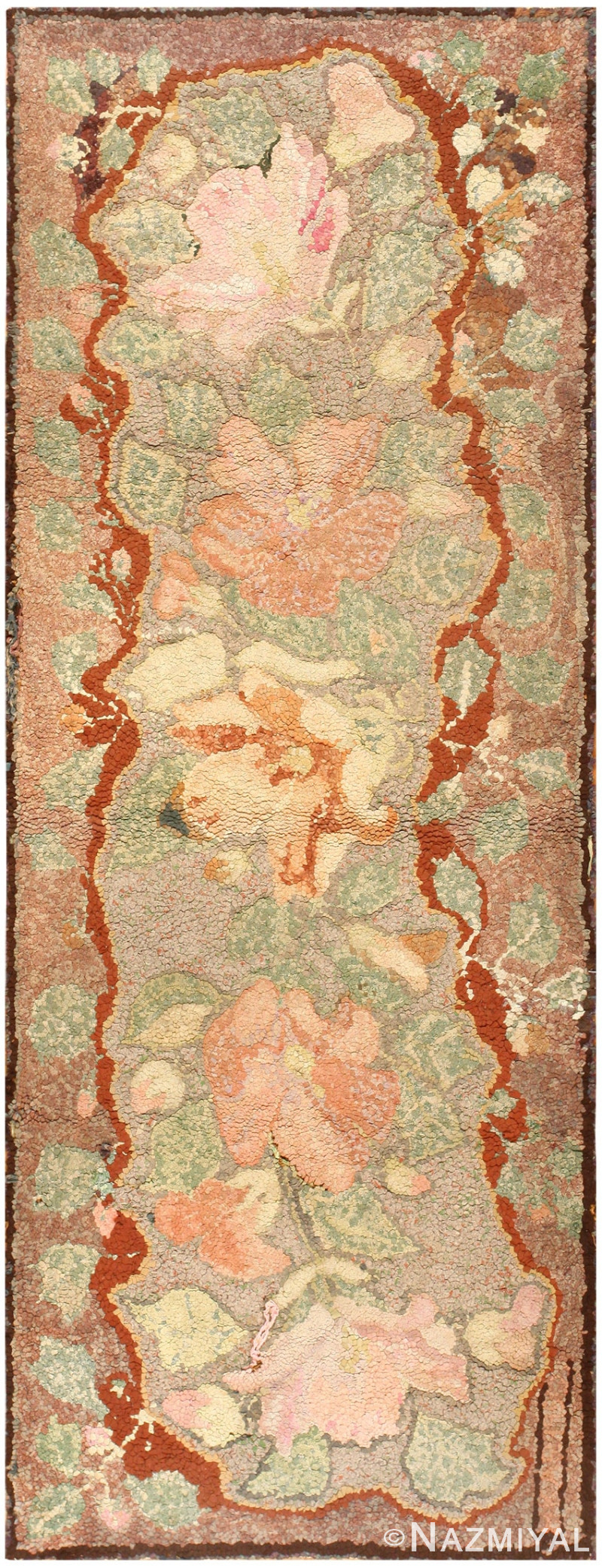
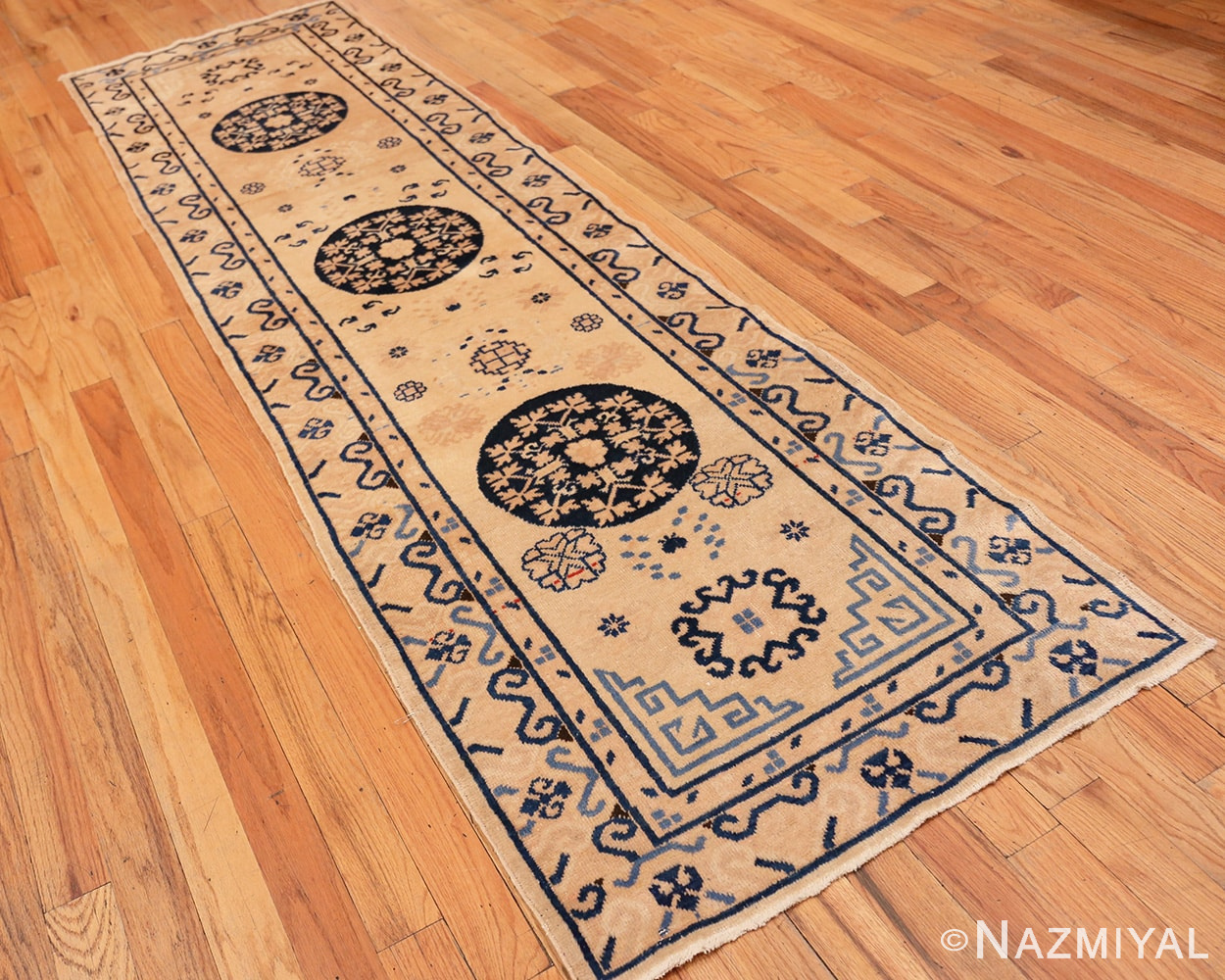
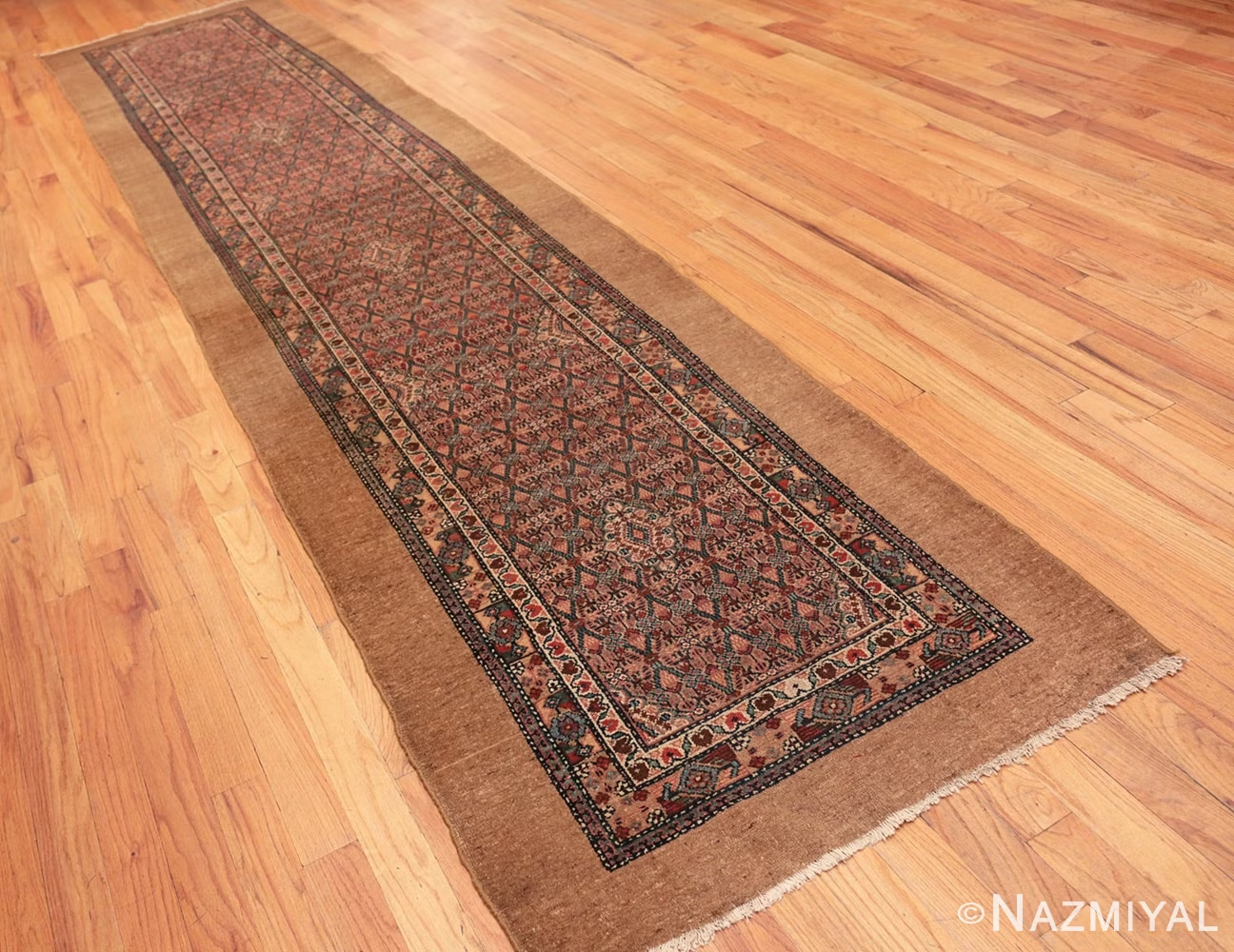
Runners and antique runner rugs are any carpets that are characterized by a long and narrow format. Generally, carpet runners are well suited for hallways and stairways. Runner rugs have historically been produced in many different rug-producing countries, and may be Persian rugs, Turkish rugs, or rugs from any other origin.
A runner is a specific type of rug that is typically long and narrow, designed to fit in narrow spaces such as hallways, staircases, or entryways. While there is no strict rule regarding the size of a runner, they are generally much longer than they are wide. Common dimensions for a runner rug might range from 2 to 3 feet in width and 8 to infinity feet in length. However, the exact size can vary based on personal preference, the dimensions of the space, and the specific area you intend to place the runner.
Choosing the best type of rug for a hallway runner depends on several factors, including the style of your home, your personal preferences, and the amount of foot traffic in the area.
As a general rule, you can leave some space at both ends of the hallway without a rug for an aesthetically pleasing look. Ultimately, the right length for your hallway runner is a personal preference, and it should enhance the overall design of your space while providing a practical solution for high-traffic areas.
Consider factors like ease of cleaning, resistance to stains, durability, and the overall aesthetic when choosing the material for your hallway runner. Additionally, using a rug pad underneath can enhance the lifespan of the rug and provide extra cushioning.
Oriental hall runners have an especially intriguing origin story among the nomadic tribes -people who produced a great many such pieces – for the looms that these nomadic weavers traditionally used had to be portable, and small enough to carry. Thus, the width of the carpets that they would weave would be fixed to the maximum width of the loom, but there would be no limit to the length that they could run.
If you have a section of negative / empty space that you would like to unify, try to use the symmetrical appeal of the hall runner to your advantage. You do not need to set it far against the wall in order to create a bridge between the visual points that would work best in the room.
Runners also provide homeowners with necessary practical appeal, as they are more capable of protecting longer sections of hardwood flooring than most other types of rugs. Because of their length and presentation, runners are often chosen to grace longer areas that are also prone to higher amounts of traffic. Places like walkways and hallways can benefit from the inclusion of a tasteful carpet runner. These rugs not only protect the flooring itself from traffic wear, but the patterns chosen can be a powerful way to unify different rooms and create a common decorating scheme.
The use of a runner rug can also be more physically comfortable, especially if you enjoy walking barefoot around your home.
When you’re choosing your perfect rug or hallway runner rug, do not choose one that spans the entire width of your hallway or gallery. Part of the purpose of a hallway rug is to create leading lines and depth that make the space look longer by drawing the eye into the distance. To create these leading lines effectively, you need at least 2-3 inches of space on each side of the runner. Be sure you carefully measure both the hallway and the rug before purchasing the latter.
Your hallway decorating concept may start with a rug or runner, but it certainly doesn’t have to end there. There are many more elements that come into play. Take light, for example. Since hallways are typically lacking natural light, you will often have to add this element yourself.rnrnIf you rent your home rather than owning, this can be a challenge since you are not at liberty to rewire the space. Nevertheless, you can compensate with less permanent lighting, such as a floor lamp, if there is sufficient space for it. Otherwise, string lights that hang from the ceiling can use the space efficiently while effectively lighting the area. If your lighting options are limited, consider a lighter color palette for your hallway design, as it will reflect more and optimize the light you do have.