Browse
Contacts

+1 (212) 545-8029
contact@nazmiyal.com
31 East 32nd St, Floor #2
New York, NY 10016

Social

Page 48: Hand Knotted Pile Rugs

Show Filters

Showing 1505–1536 of 1598 resultsSorted by latest
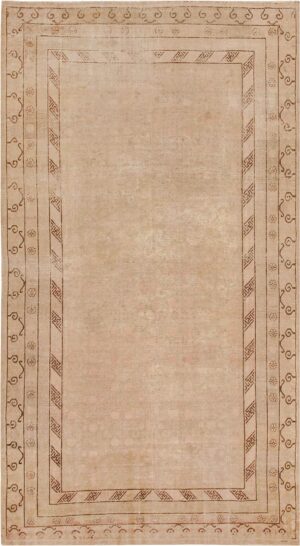
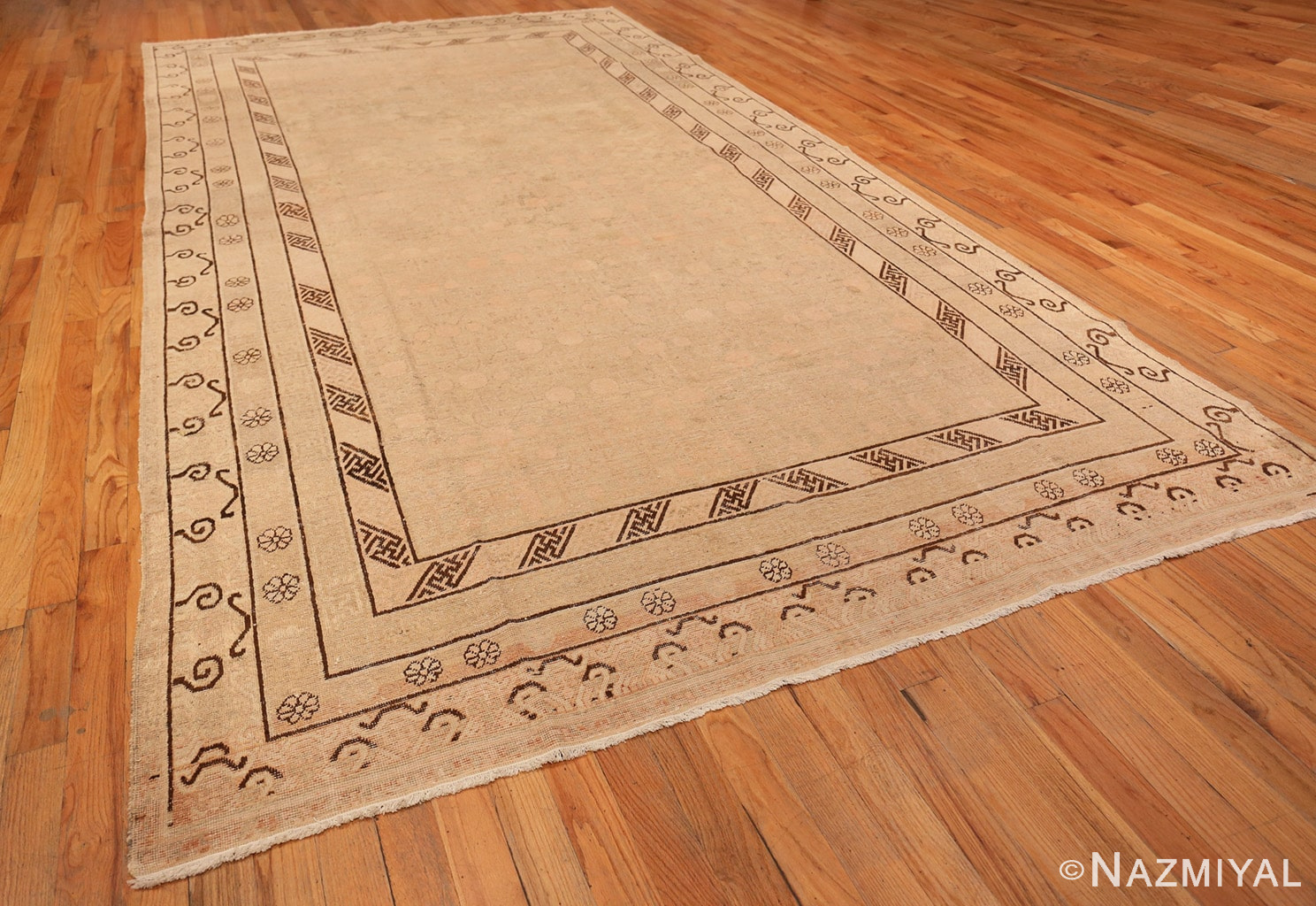
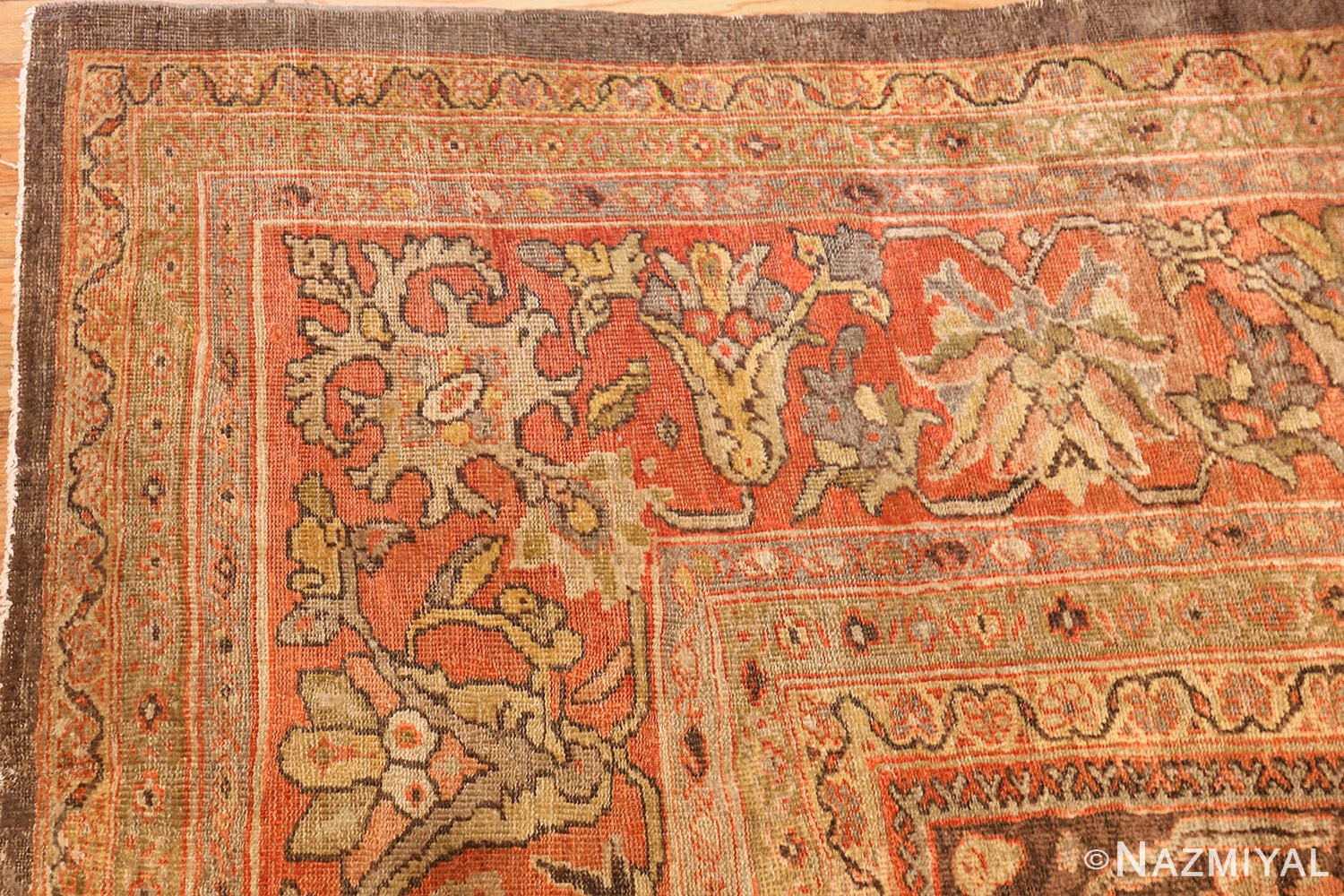
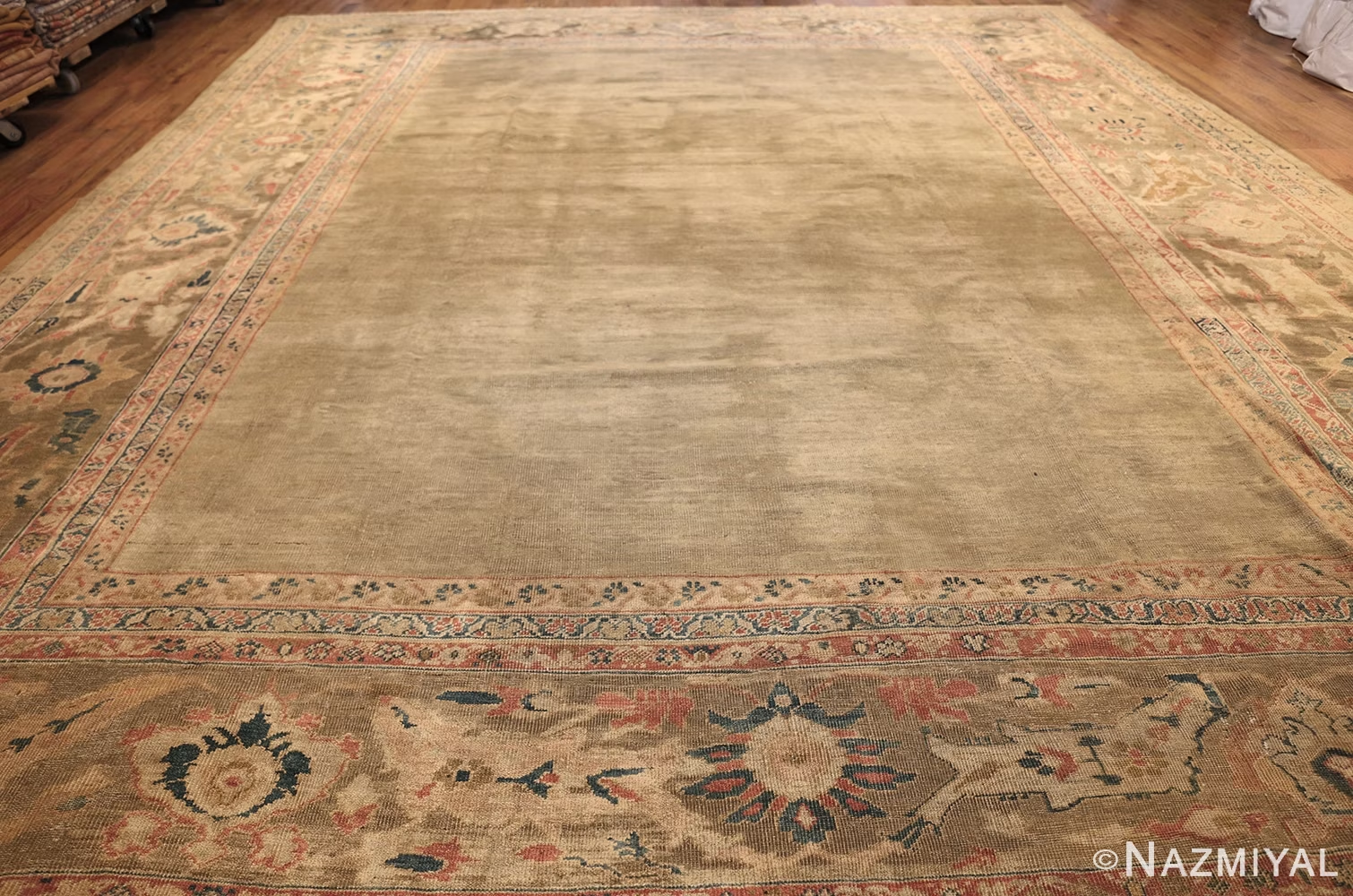
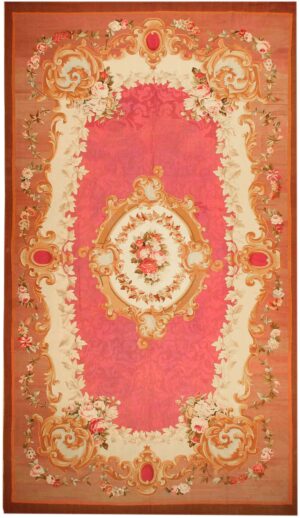
Antique Persian Sultanabad Rug #43034 by Nazmiyal Antique Rugsantique persian sultanabad rug 43034 whole Nazmiyal

Soft Color Antique Persian Simplistic Open Field Design Sultanabad Rug 43034

13 ft 8 in x 16 ft 2 in (4.17 m x 4.93 m)

$94,000.00

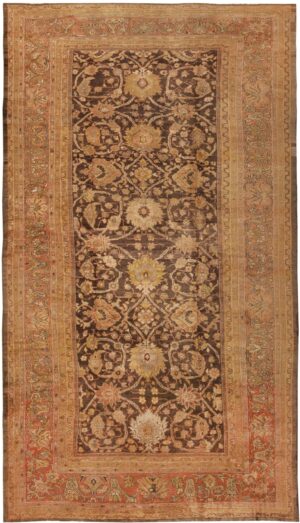
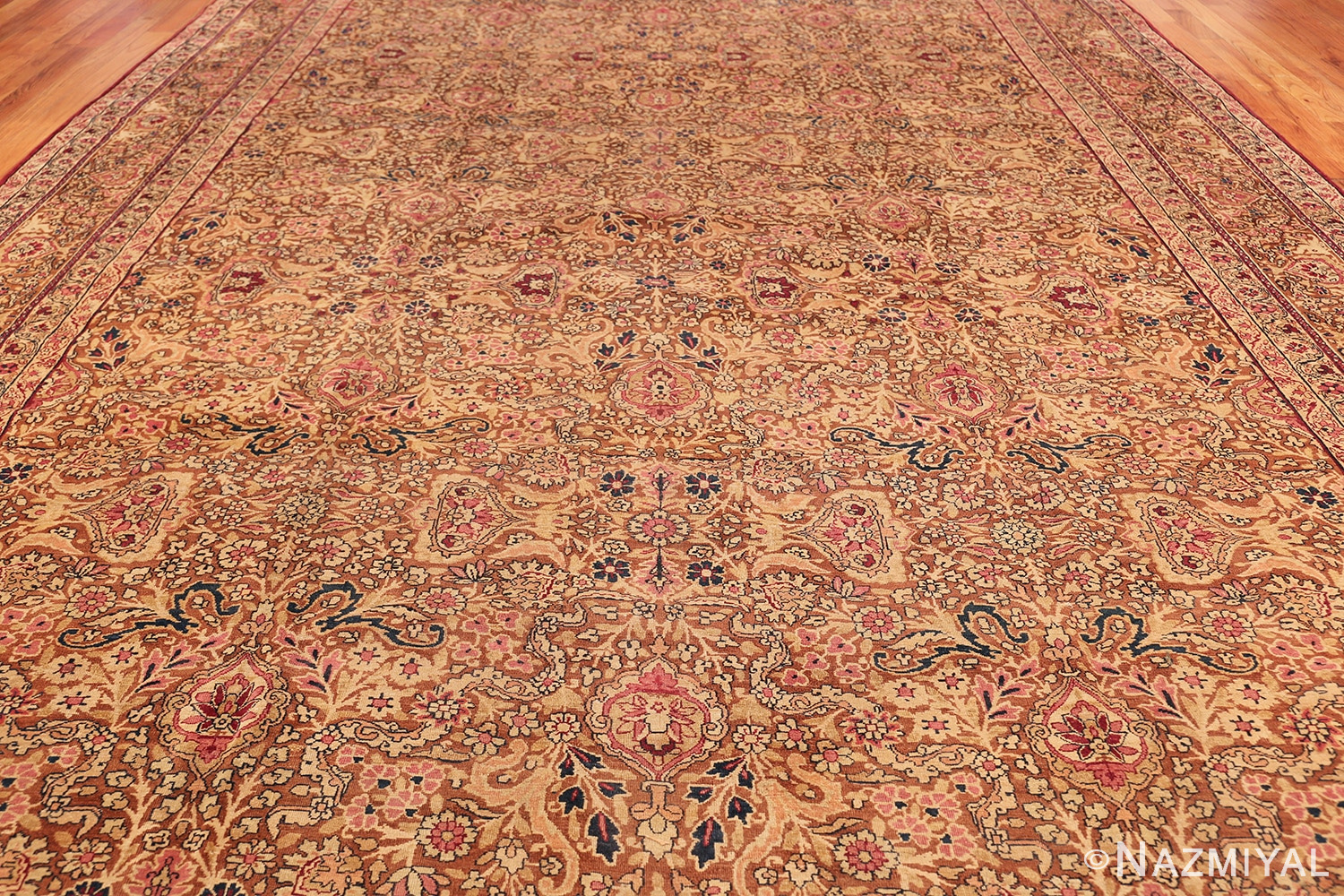
Large Antique Light Brown Background Kerman Persian Rug #44491 by Nazmiyal Antique Rugsantique light brown background kerman persia rug 44491 field Nazmiyal

Large Antique Light Brown Background Kerman Persian Rug 44491

10 ft 10 in x 17 ft 10 in (3.3 m x 5.44 m)

$28,500.00
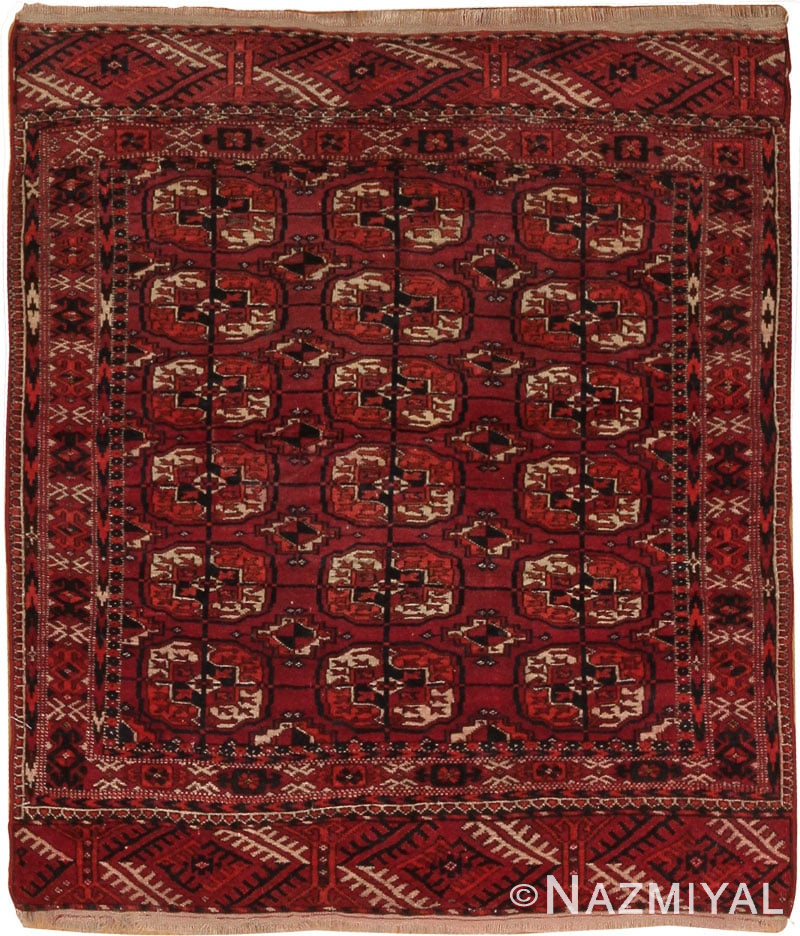
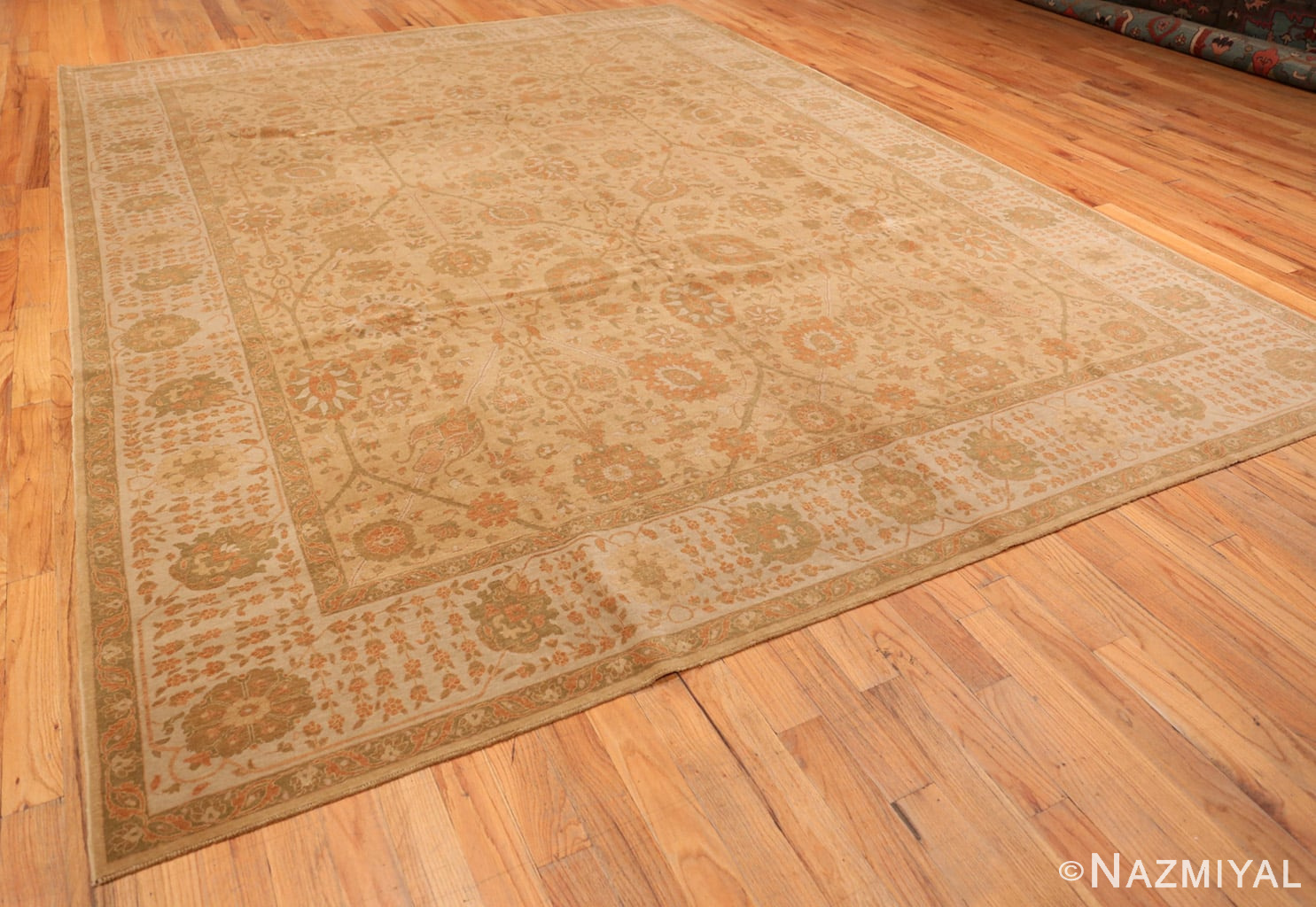
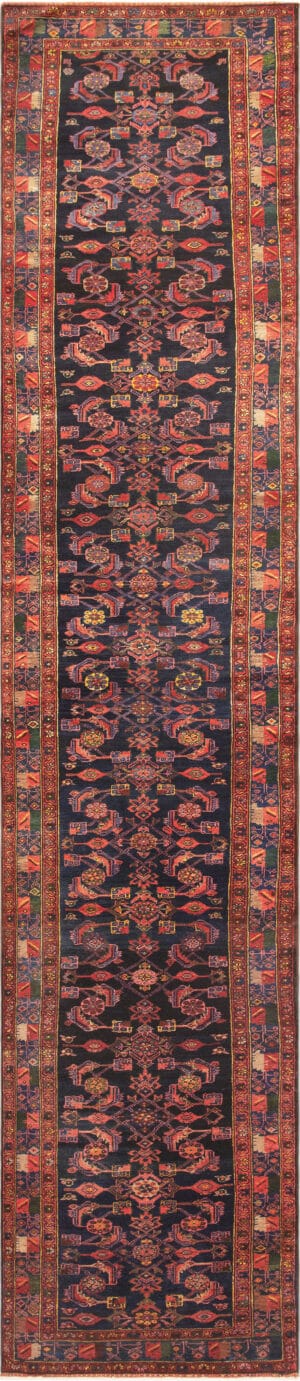
Antique Bokara Caucasian Rug 44000 Nazmiyal
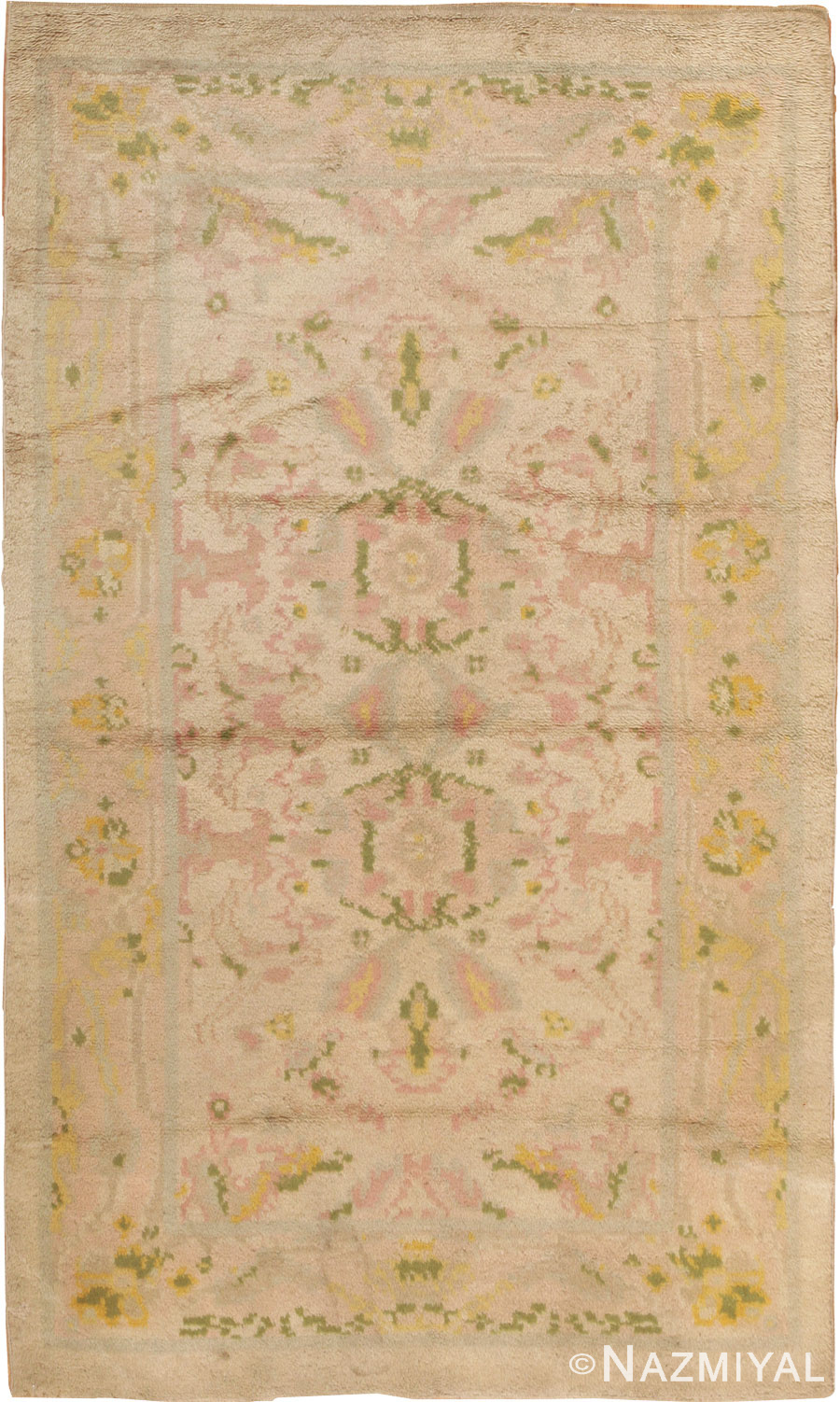
Antique Spanish Rug 44008 Nazmiyal

Small Size Light Soft Color Antique Spanish Scatter Size Rug 44008

4 ft 8 in x 7 ft 7 in (1.42 m x 2.31 m)

$2,250.00
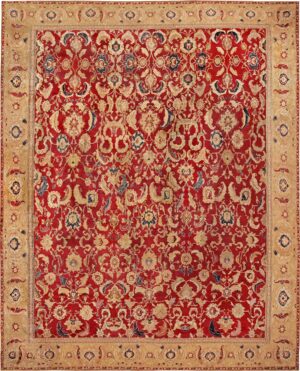
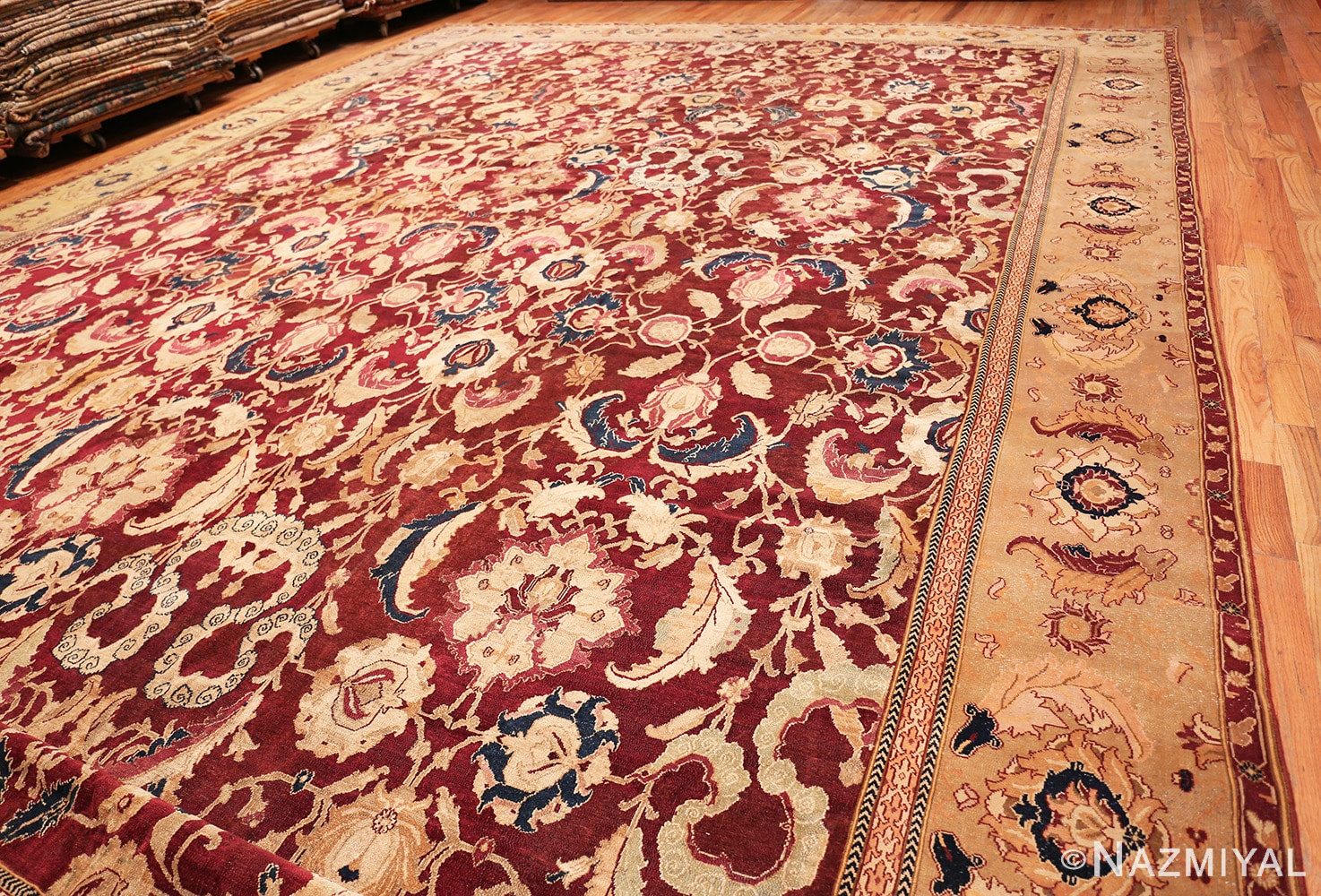
Large Red Antique Indian Agra Area Rug #44602 by Nazmiyal Antique Rugs

Large Red Antique Indian Agra Area Rug 44602

16 ft 7 in x 20 ft 10 in (5.05 m x 6.35 m)

$95,000.00

Antique Agra Oriental Rugs 43711 Detail/Large ViewOn Hold
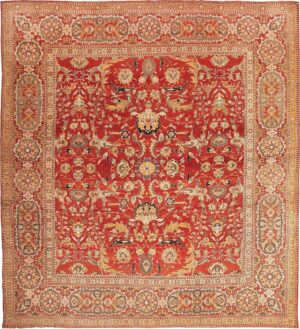
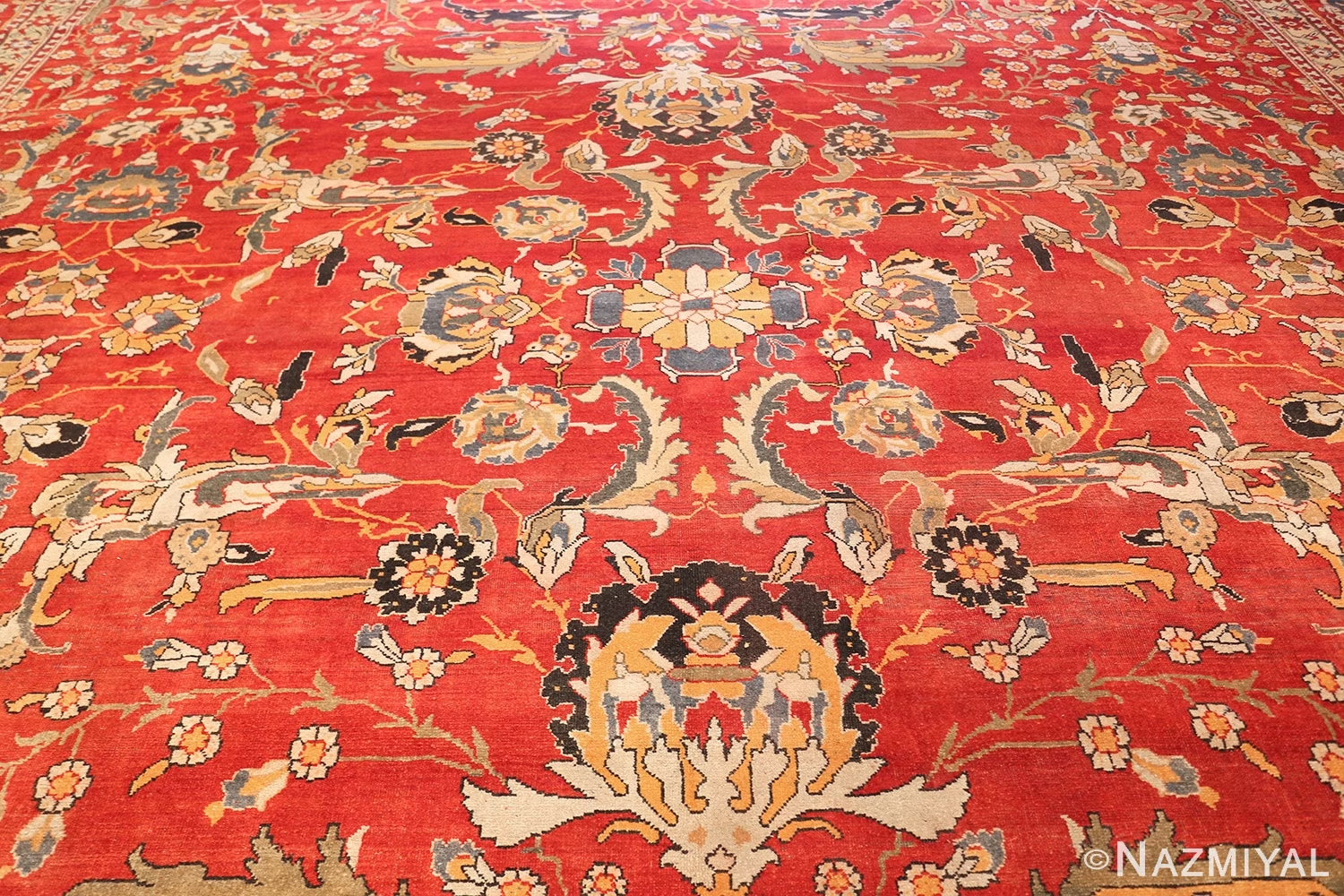
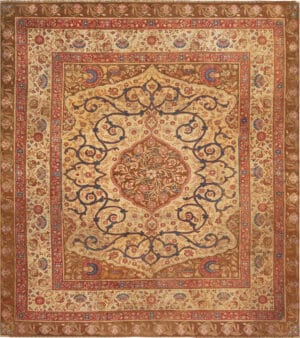
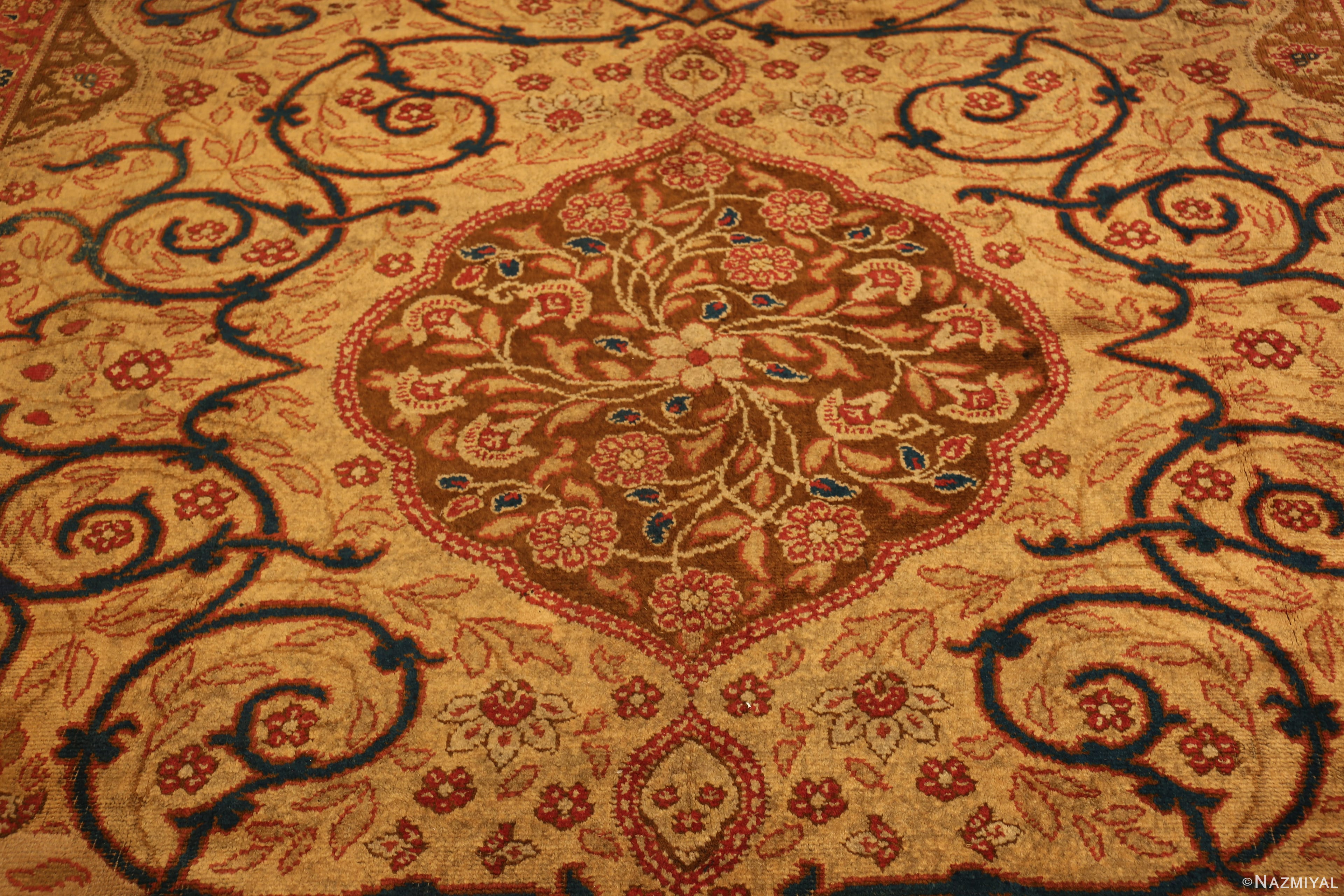
Large Square Antique Agra Indian Rug 44615 by Nazmiyal Antique Rugsantique agra indian rug 44615 field Nazmiyal

Large Square Antique Agra Indian Rug 44615

18 ft x 19 ft 1 in (5.49 m x 5.82 m)

$96,000.00

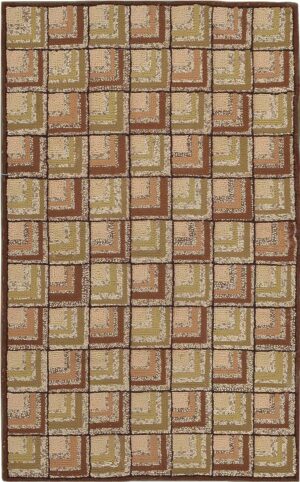
Small Scatter Size Antique American Green Hooked Rug #2790 by Nazmiyal Antique Rugs

Small Scatter Size Antique American Green Hooked Rug 2790

2 ft 5 in x 3 ft 8 in (0.74 m x 1.12 m)

$1,600.00
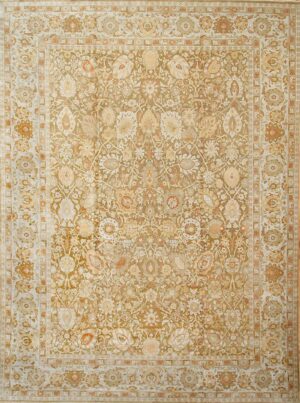
Large Modern Persian Tabriz Design Turkish Oriental Rug #41237 by Nazmiyal Antique RugsFull View of Large Modern Persian Tabriz Design Turkish Oriental Rug 41237 by Nazmiyal Antique Rugs

Large Modern Persian Tabriz Design Turkish Oriental Rug 41237

12 ft 2 in x 16 ft 10 in (3.71 m x 5.13 m)

$18,500.00
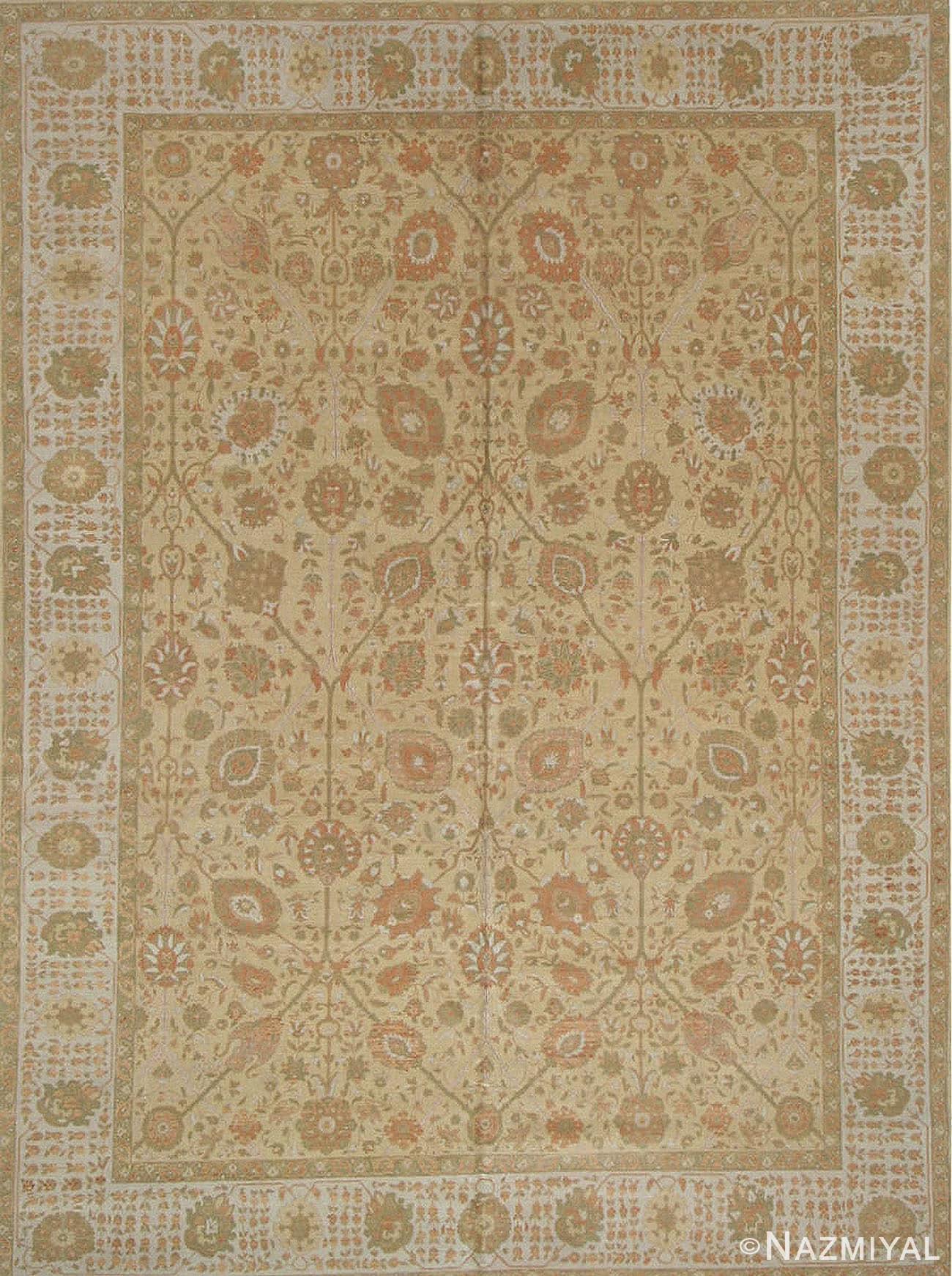
Tabriz Rug #41229 Detail/Large ViewFull room size modern Turkish rug 41229 by Nazmiyal

Room Size Modern Turkish Rug With Persian Tabriz Design 41229

9 ft 11 in x 13 ft 3 in (3.02 m x 4.04 m)

$8,800.00
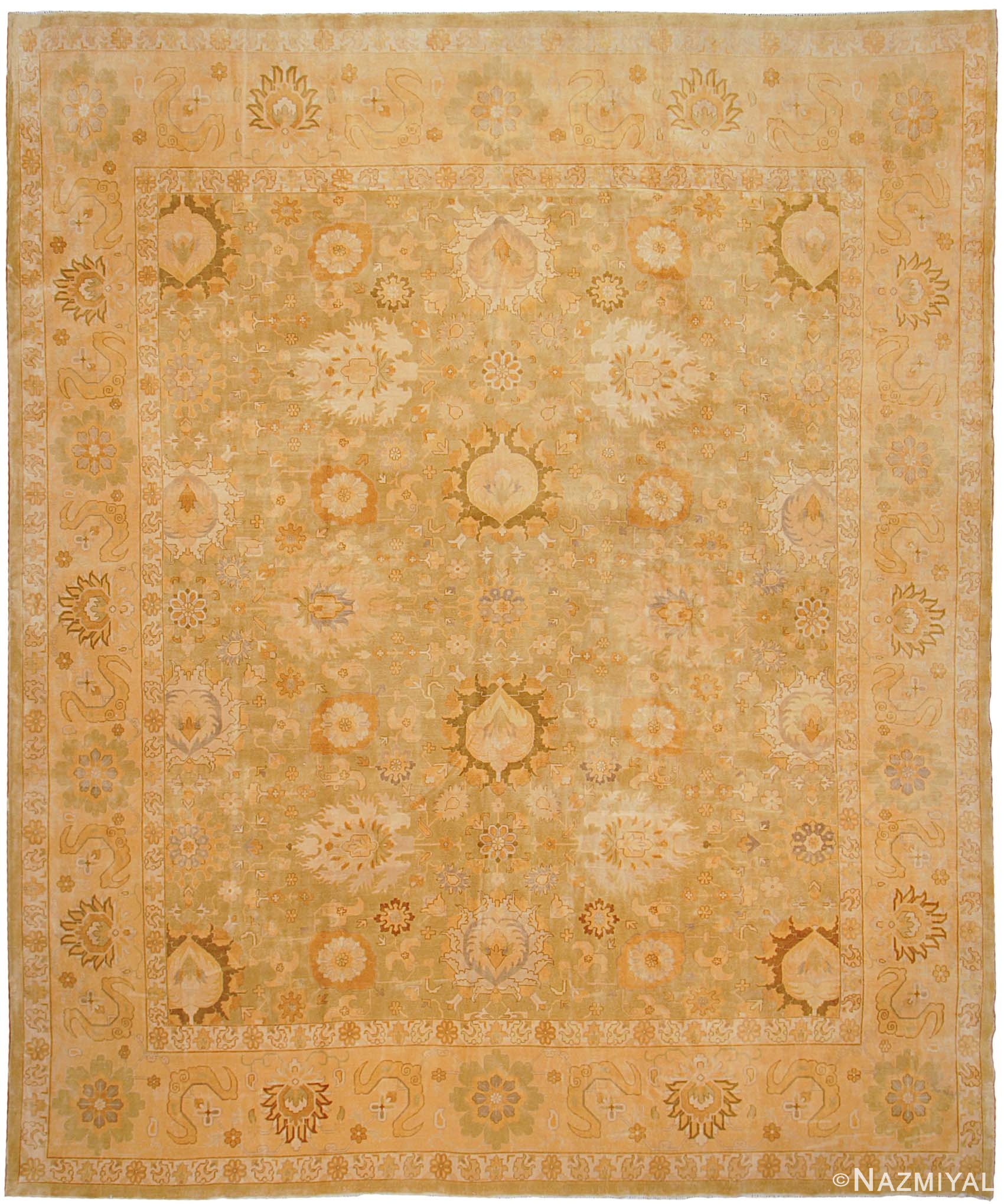
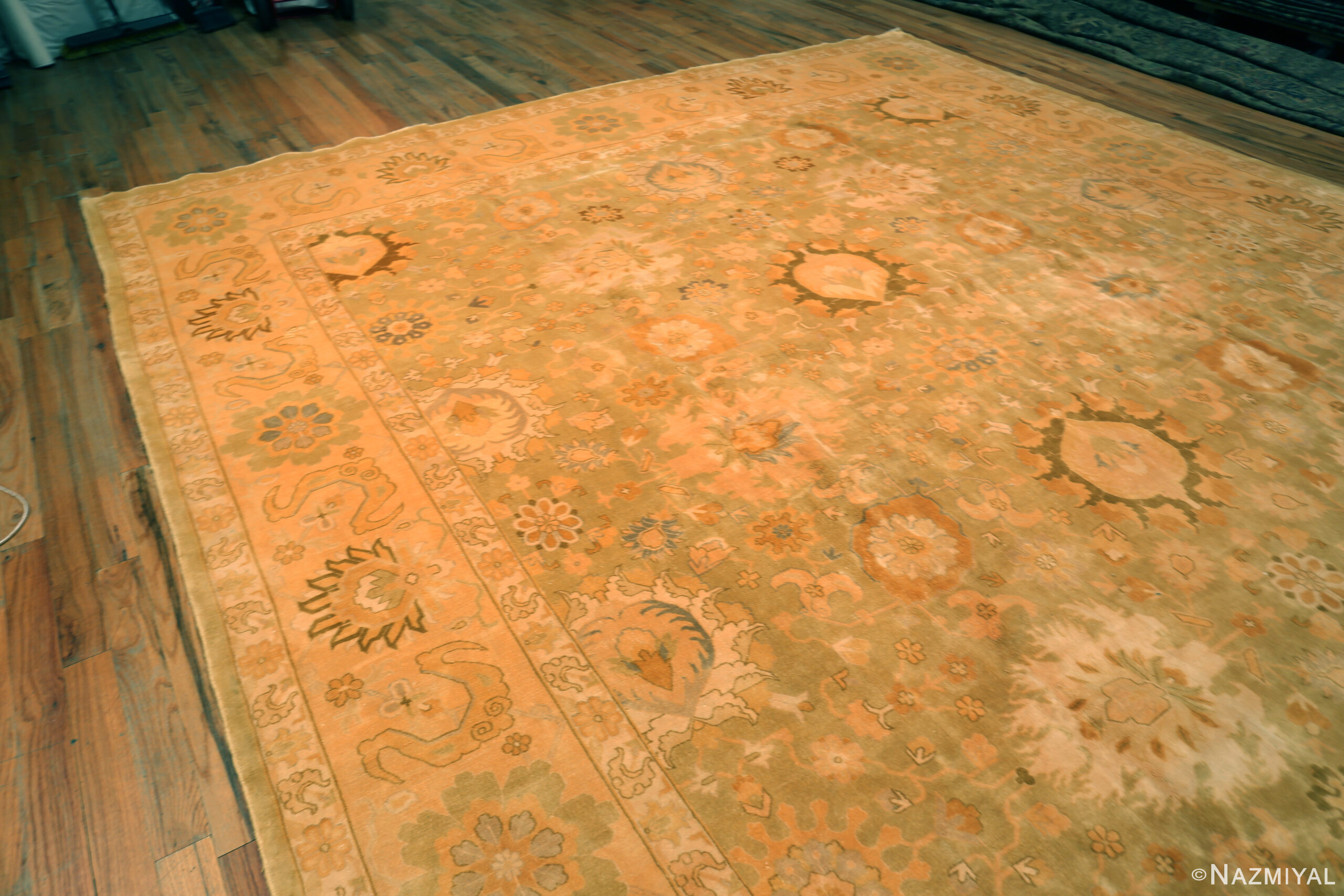
Antique Agra Oriental Rug 43655 Nazmiyal CollectionFloor Detail of Antique Agra Oriental Rug 43655 Nazmiyal Collection

Soft Washed Out Color Large Scale Design Vintage Indian Agra Rug 43655

13 ft 1 in x 16 ft 3 in (3.99 m x 4.95 m)

$36,500.00
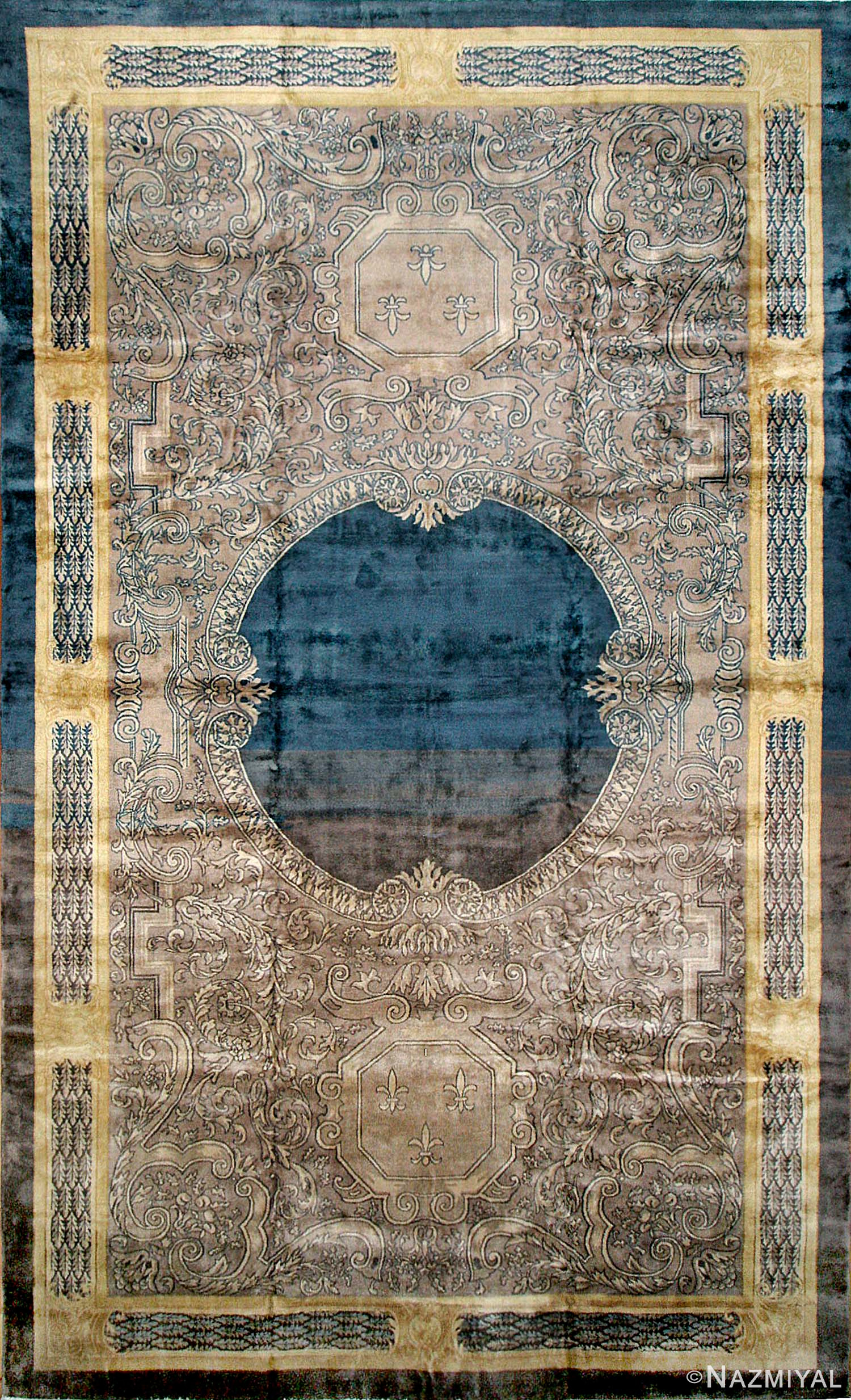
Antique Chinese Oriental Rug 43680 Nazmiyal
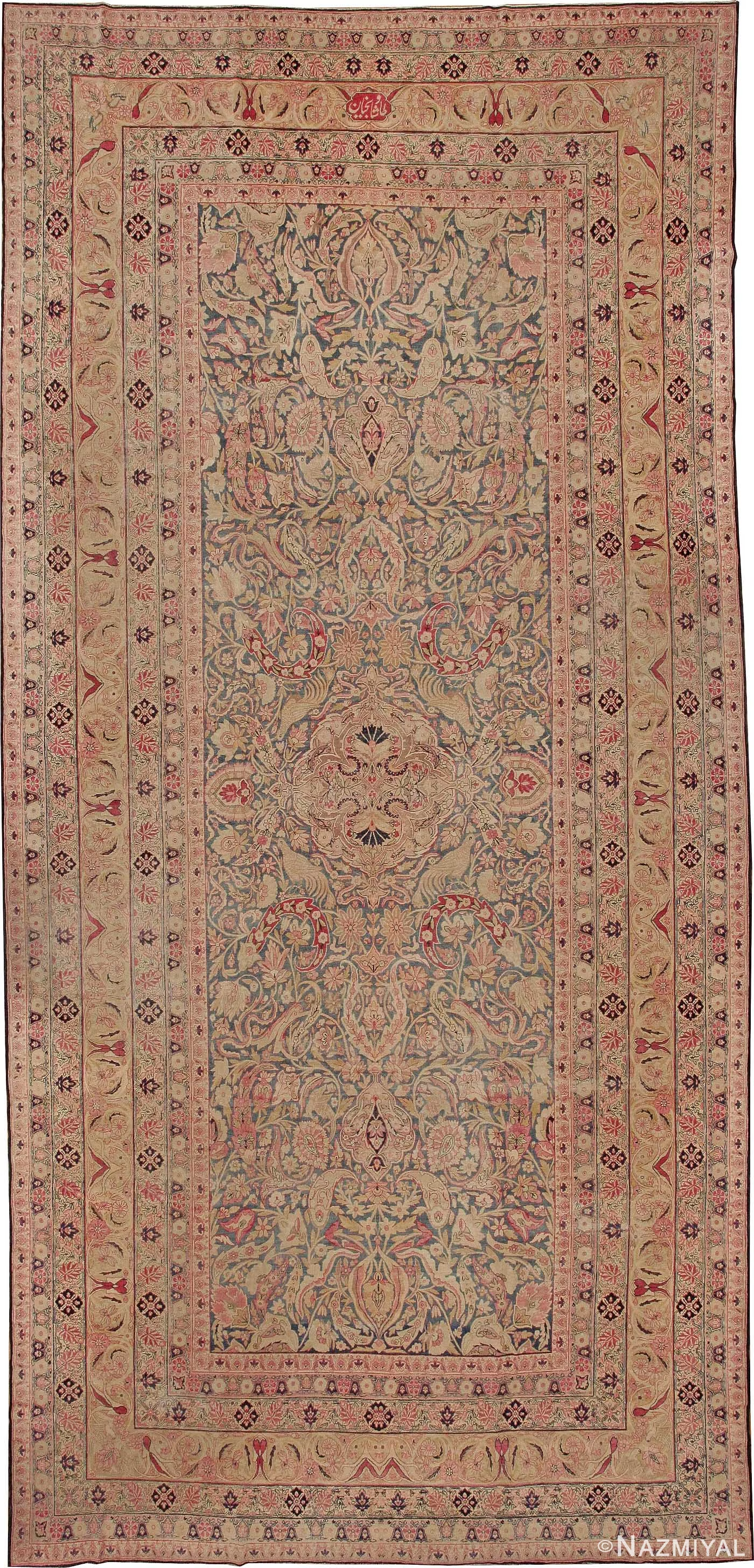
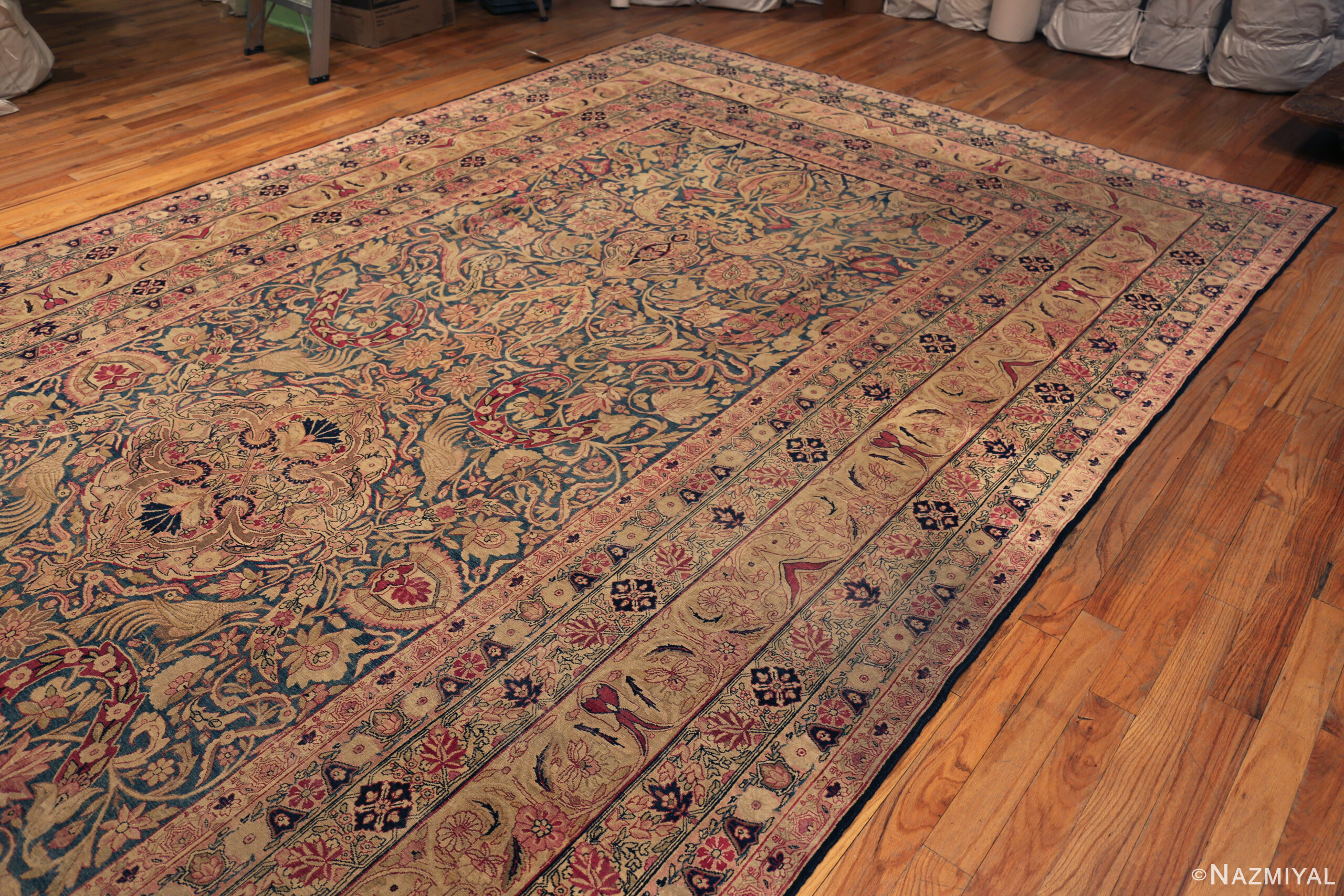
Antique Kerman Persian Rug 43625 Nazmiyal CollectionFloor View of Antique Kerman Persian Rug 43625 Nazmiyal Collection

Extremely Fine Weave Oversized Antique Floral Persian Kerman Rug 43625

10 ft x 20 ft 5 in (3.05 m x 6.22 m)

$34,500.00
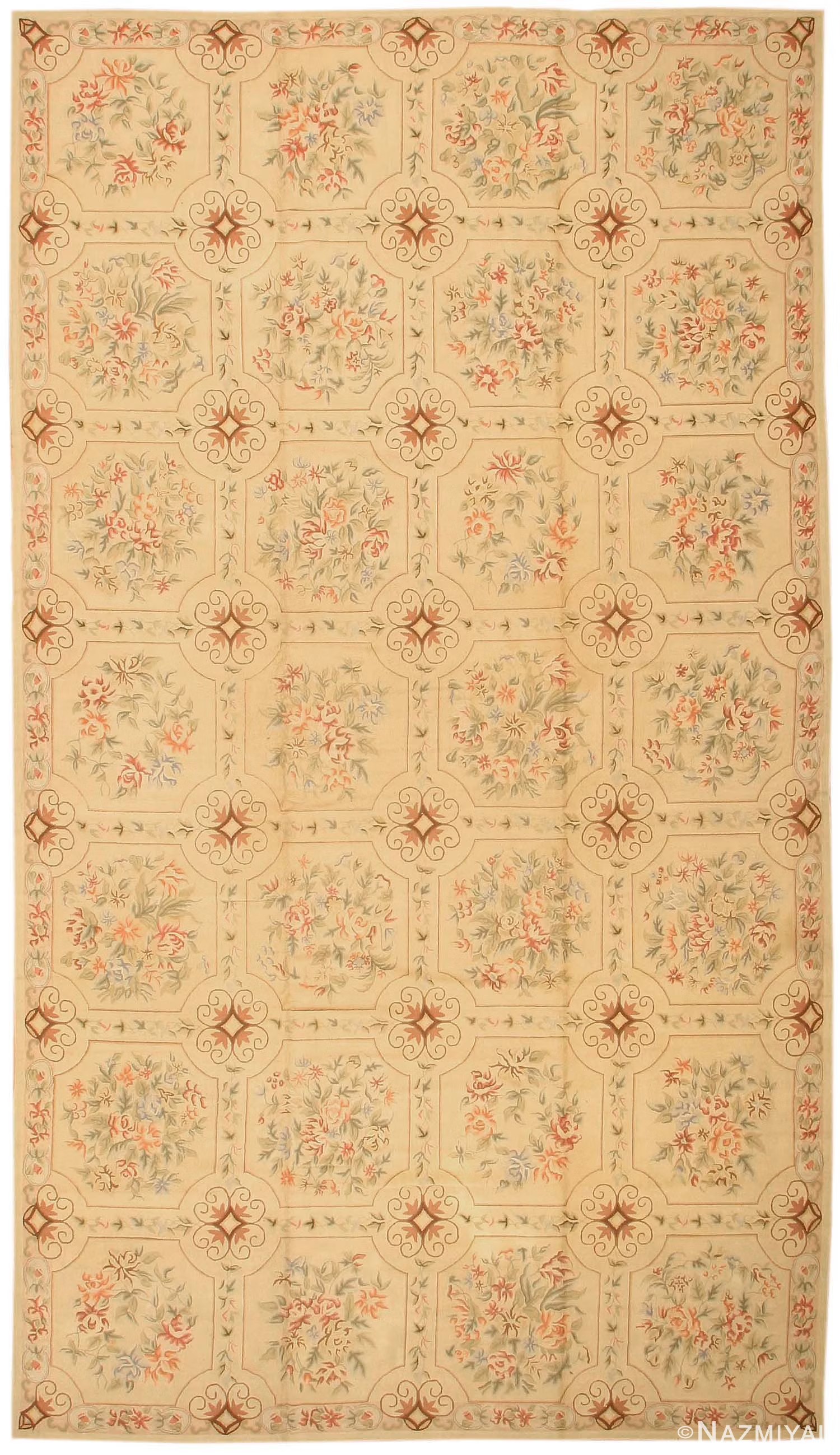
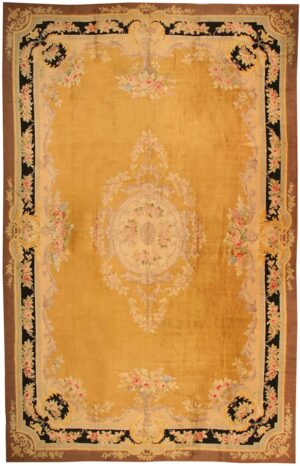
Antique Hooked American Rug 43683 Nazmiyal
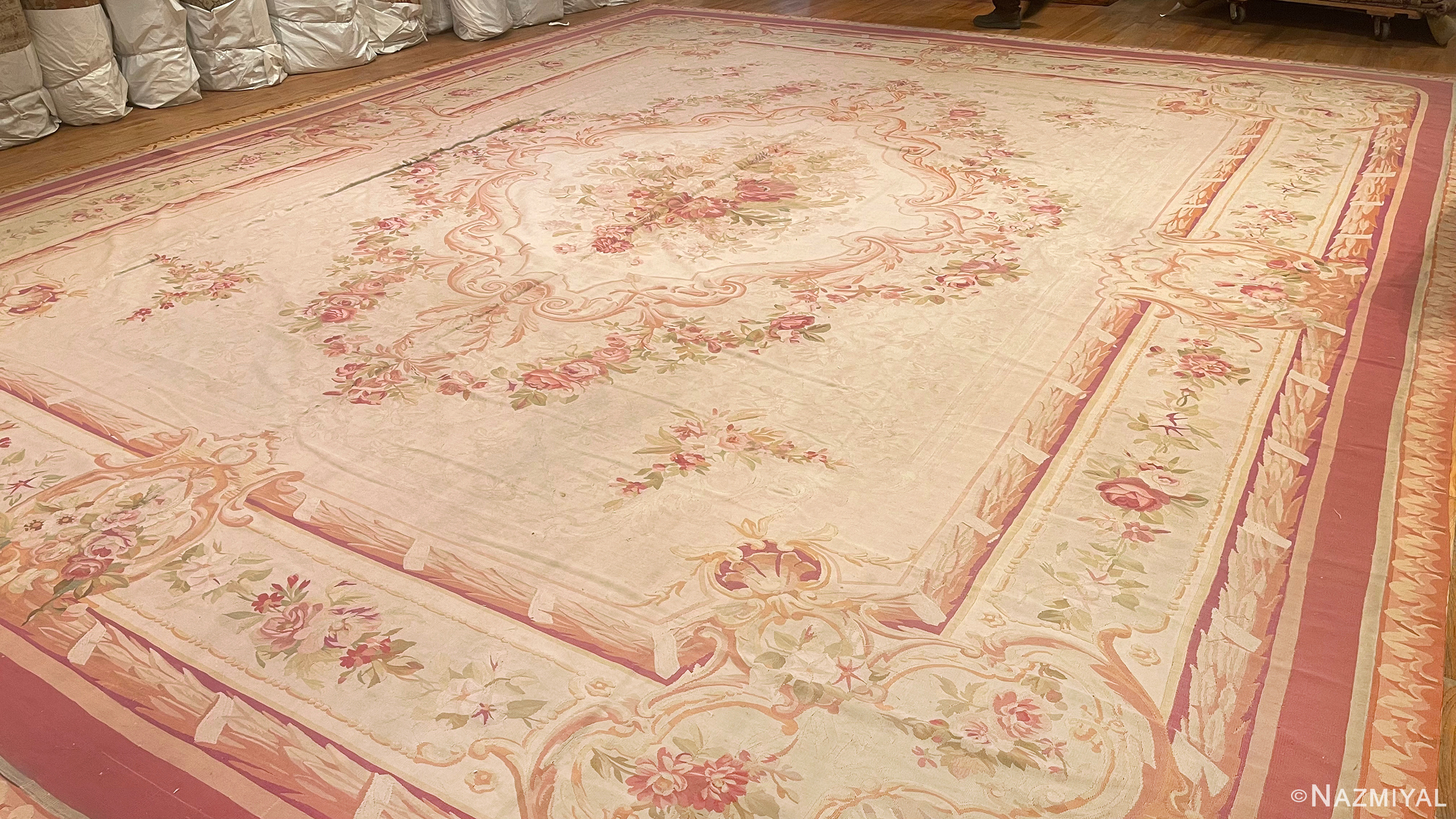
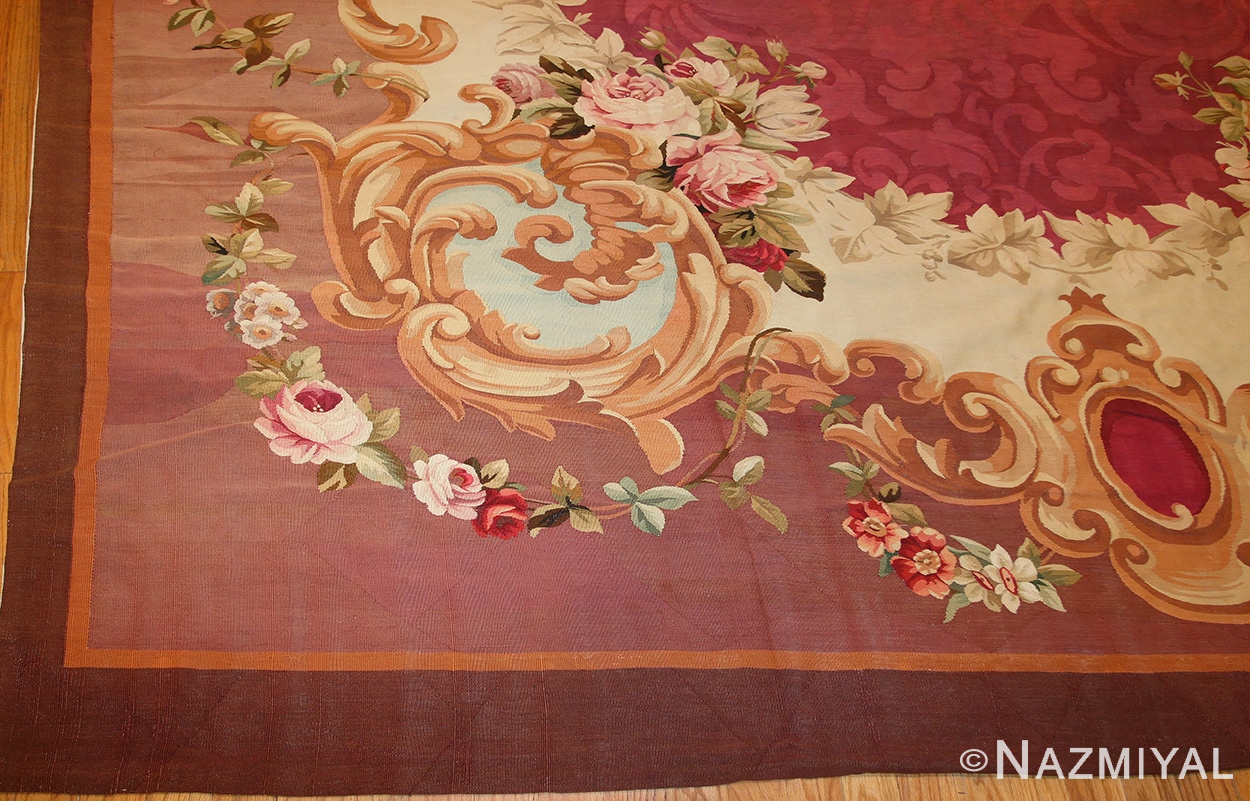
Antique French Aubusson Rug 43646 by Nazmiyal RugsFull View of Antique French Aubusson Rug 43646 by Nazmiyal Rugs

Large Floral Antique French Aubusson Rug 43646

17 ft 5 in x 21 ft 1 in (5.31 m x 6.43 m)

$65,000.00

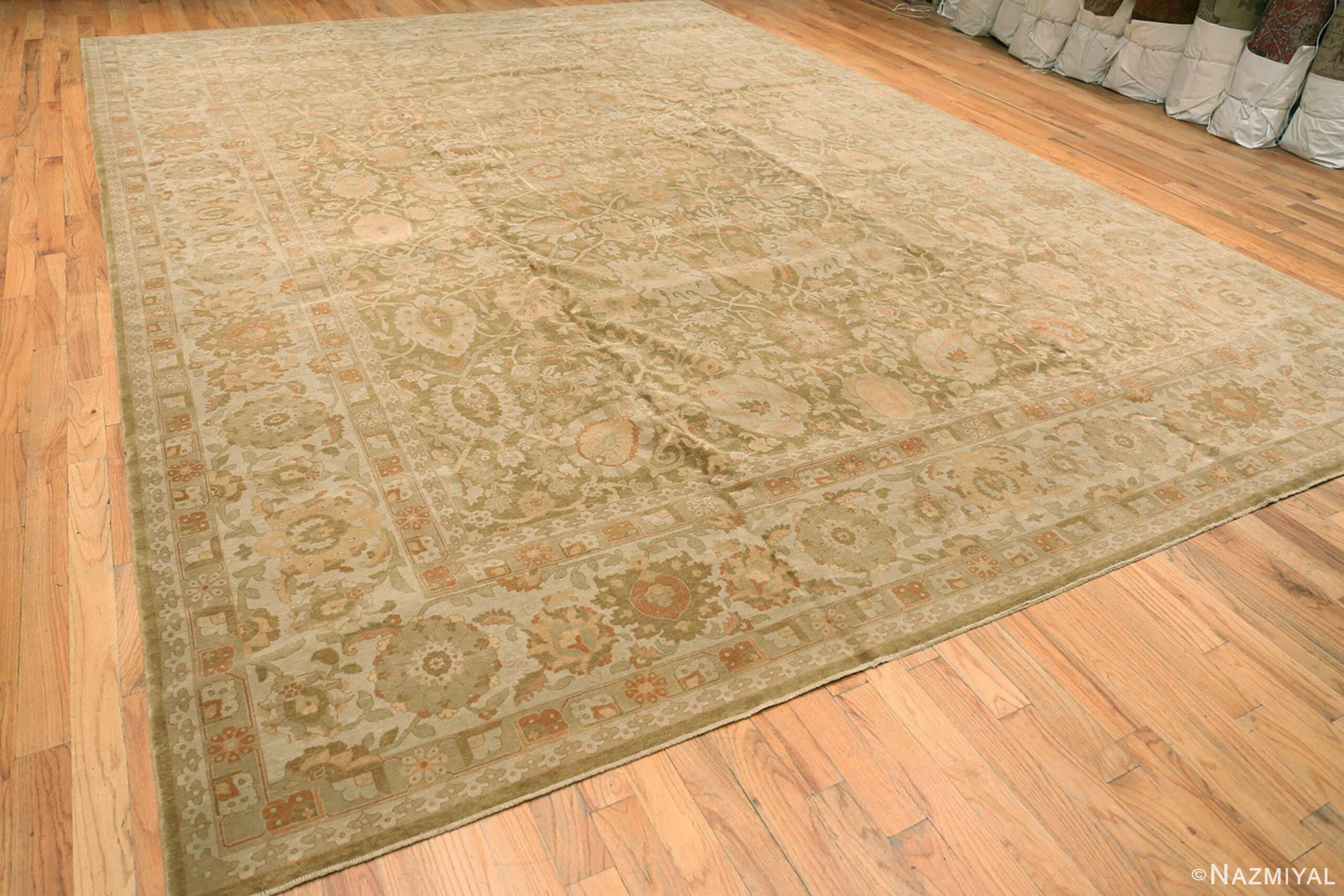
Refined Room Size Antique Floral Celtic Influence Irish Rug 43697 by Nazmiyal Antique RugsRefined Room Size Antique Floral Celtic Influence Irish Rug 43697 by Nazmiyal Antique Rugs

Refined Room Size Antique Floral Celtic Influence Irish Rug 43697

11 ft 4 in x 13 ft (3.45 m x 3.96 m)

$34,000.00
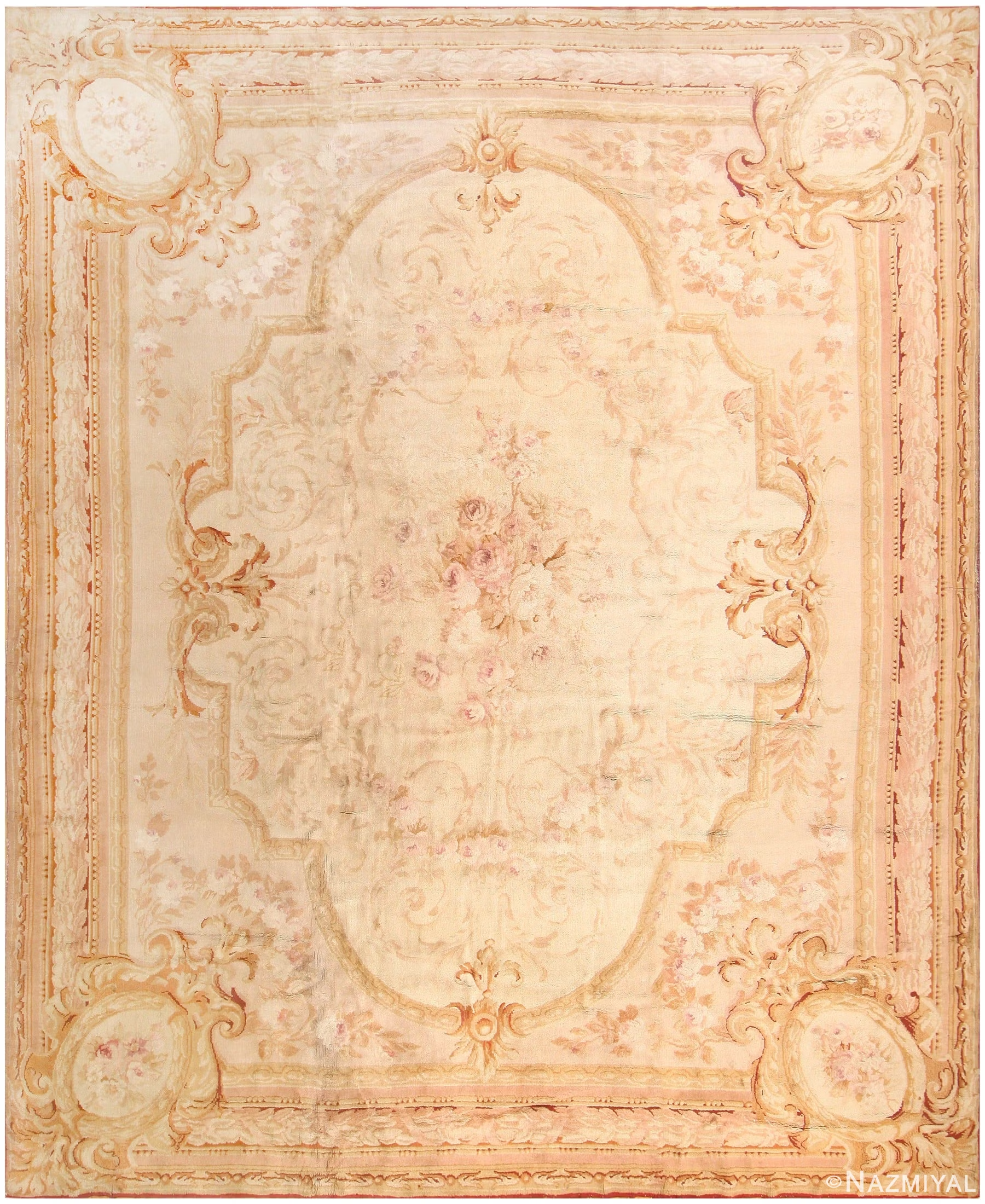
Frequently Asked Questions

A “pile rug” refers to a type of rug or carpet that has a pile, which is the surface or face of the rug composed of loops or cut fibers. The pile can be made from various materials such as wool, synthetic fibers, or a combination of both. The loops or cut fibers create a textured surface, and the length and density of the pile can vary.
A “hand-knotted” rug is a type of rug that is made by hand using a traditional and labor-intensive weaving technique. This method involves individual knots being tied by hand onto the warp threads that run vertically on a loom. The weft threads, which run horizontally, are then passed through the warp threads to secure the knots.
No, not all area rugs are “pile” rugs. The term “pile” specifically refers to the surface or face of a rug that is composed of loops or cut fibers. While many rugs have a pile, there are also flatweave rugs that do not have a raised surface.
No, not all handmade area rugs are “hand-knotted.” While hand-knotting is a traditional and labor-intensive weaving technique, there are other methods of handmade rug construction.
A high-pile rug is a type of rug with a deep and plush surface characterized by longer fibers. The “pile” refers to the length of the rug fibers or loops that form the surface. In a high-pile rug, these fibers are longer, creating a softer and more luxurious feel underfoot.
A low-pile rug is a type of rug with a shorter surface or pile height compared to high-pile rugs. The “pile” refers to the length of the rug fibers or loops that create the surface. In low-pile rugs, these fibers are shorter, resulting in a flatter and less plush texture.
Here are some reasons why pile rugs are often regarded as special:rnComfort: The pile, which consists of loops or cut fibers, creates a soft and comfortable surface. Pile rugs offer a cozy and inviting feel underfoot, making them ideal for areas where comfort is a priority, such as bedrooms and living rooms.
While hand-knotted rugs may be more expensive compared to machine-made alternatives, their special qualities, including craftsmanship, durability, and cultural significance, contribute to their status as prized and cherished items in the world of rugs and carpets.
Decorating around hand-knotted pile rugs involves considering the rug as a central element and coordinating other elements in the room to complement its colors, patterns, and style.
Hand knotted rugs include traditional Persian rugs, silk rugs and primitive wool mats that represent many styles and cultures. The knot count is one specification that shoppers rely on, but that alone cannot determine a rug’s quality. The number of knots per square inch is affected by the foundation material, fiber gauge and knotting techniques. Regardless of the origin or style, hand knotted rugs are the paradigm of this highly evolved handcraft.
Pile rugs are soft and luxurious to walk on, and they come in a wealth of magnificent patterns, colors and styles. The tradition of making pile rugs is not a new invention. The process goes back thousands of years and is found throughout many ancient cultures. If you have ever wondered how these rugs are made, read on.
In the world of oriental rugs, you will often hear the terms pile rugs and kilims. To understand pile rug, let us first start with the kilim. Kilims are also known as flat weave rugs. It is created by weaving the weft threads in an over and under pattern on the warp. In the next row of weaving, the threads that were passed over in the previous row will be passed under in the next one, and vice versa.
To create the pile, a knot is hand tied around each individual warp thread as the weaver goes across the row. It may be noted that in some pile styles the knots are tied around two warp threads, or sets of warp threads, but in most places each knot is tied around one warp thread. The weaver then uses a tiny knife to cut the thread before tying the next one. The knife has a hook on the end to assist in tying the knot.