Quick Navigation
Key Takeaways
- Folk art rugs emphasize personal line quality—imperfect in the best way—often reading like a handmade artwork.
- The category spans multiple constructions: hooked rugs, pile weavings, and flatweaves can all carry a folk-art sensibility.
- Look for strong composition, honest wear, and motifs that feel intentional—even when the drawing is delightfully naive.
At-a-Glance Specs
- Origins: multi-regional (Americas, North Africa, the Caucasus, Scandinavia, and more)
- Common eras: late 19th century through mid-20th century (with later examples that keep the same handmade spirit)
- Weave / texture: hooked • pile (low to plush) • flatweave (kilim-style) • mixed-technique textiles
- Materials: wool is most common; foundations may vary by technique (e.g., hooked constructions vs loomed weaves)
- Typical sizes: small scatters • runners • room-size rugs • occasional oversized statement pieces
- Palette: earthy, homespun tones • bright folk color • high-contrast geometry • charming, “painterly” mixtures
- What to look for: confident motif placement • appealing spontaneity • good handle/structure for the intended room • balanced wear and stability
Popular Searches
Large rugs | Oversized rugs | Floral rugs | Allover rugs | Medallion layouts | Shop by color | Rug size guide
Featured Folk Art Rugs From Our Inventory
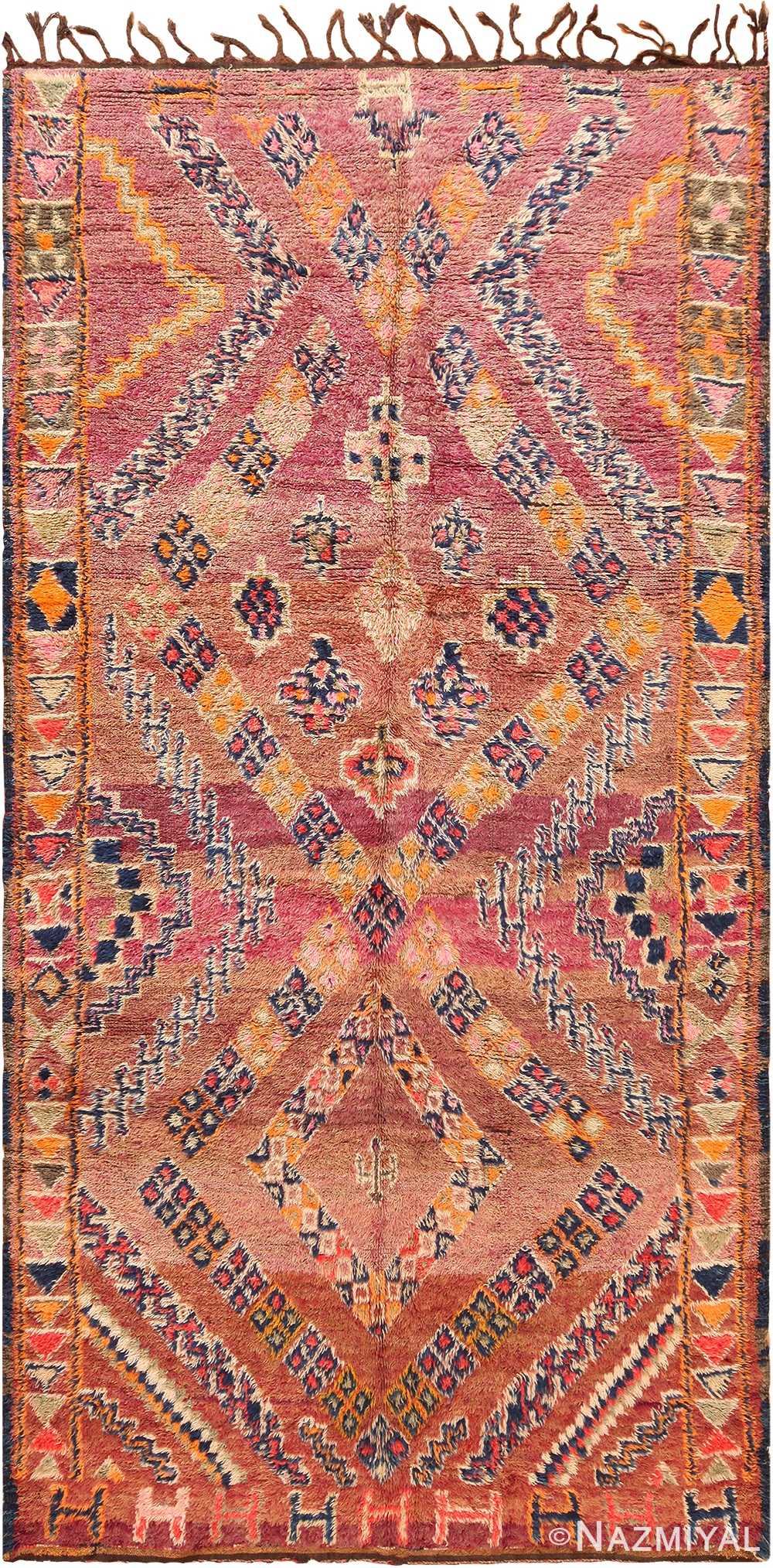
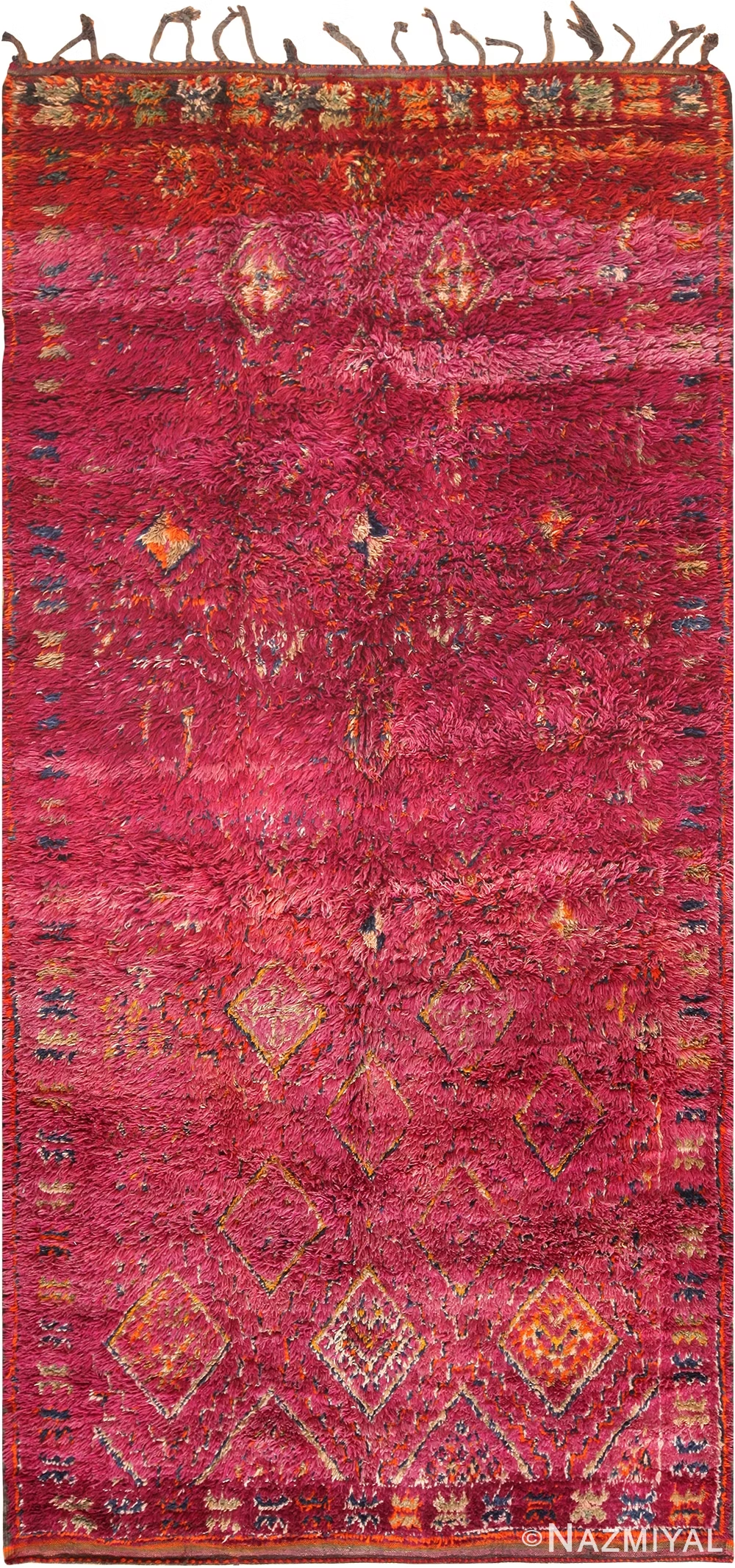
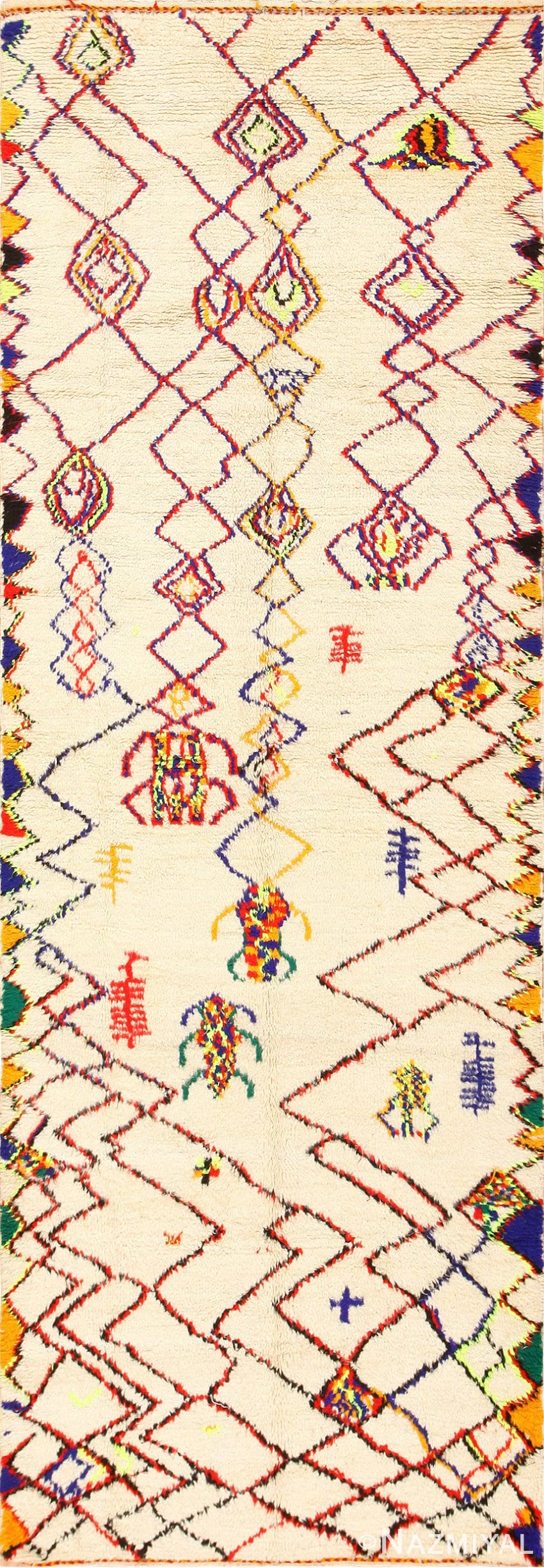
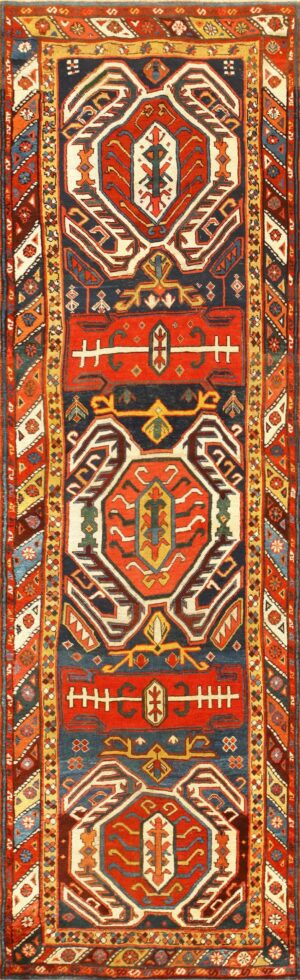
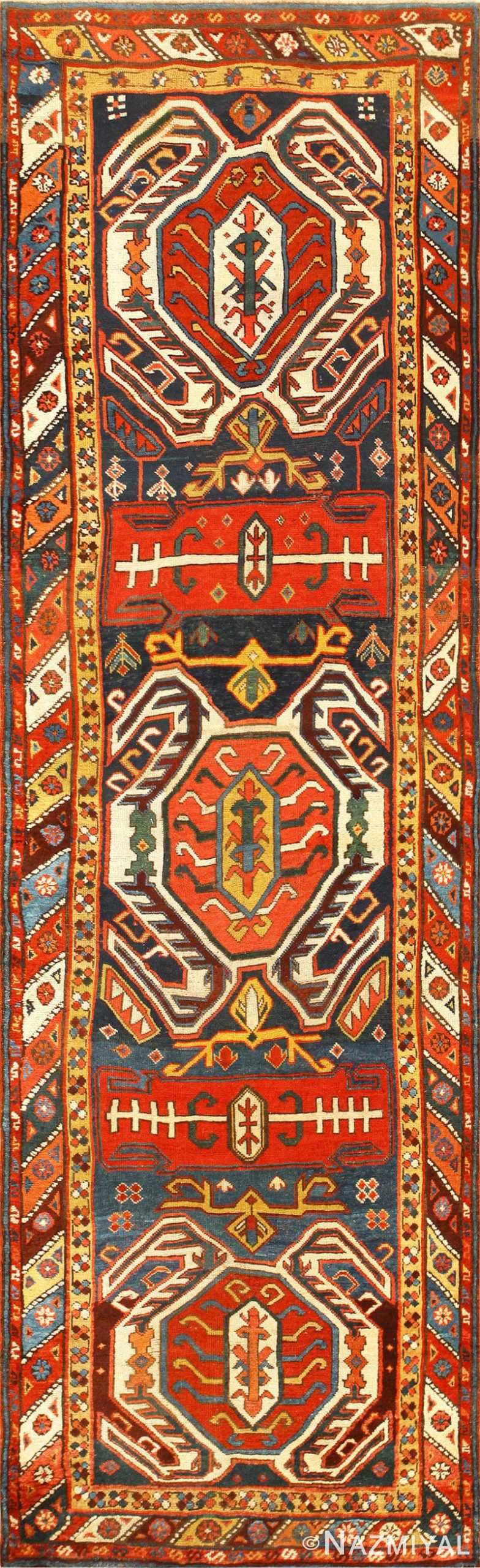
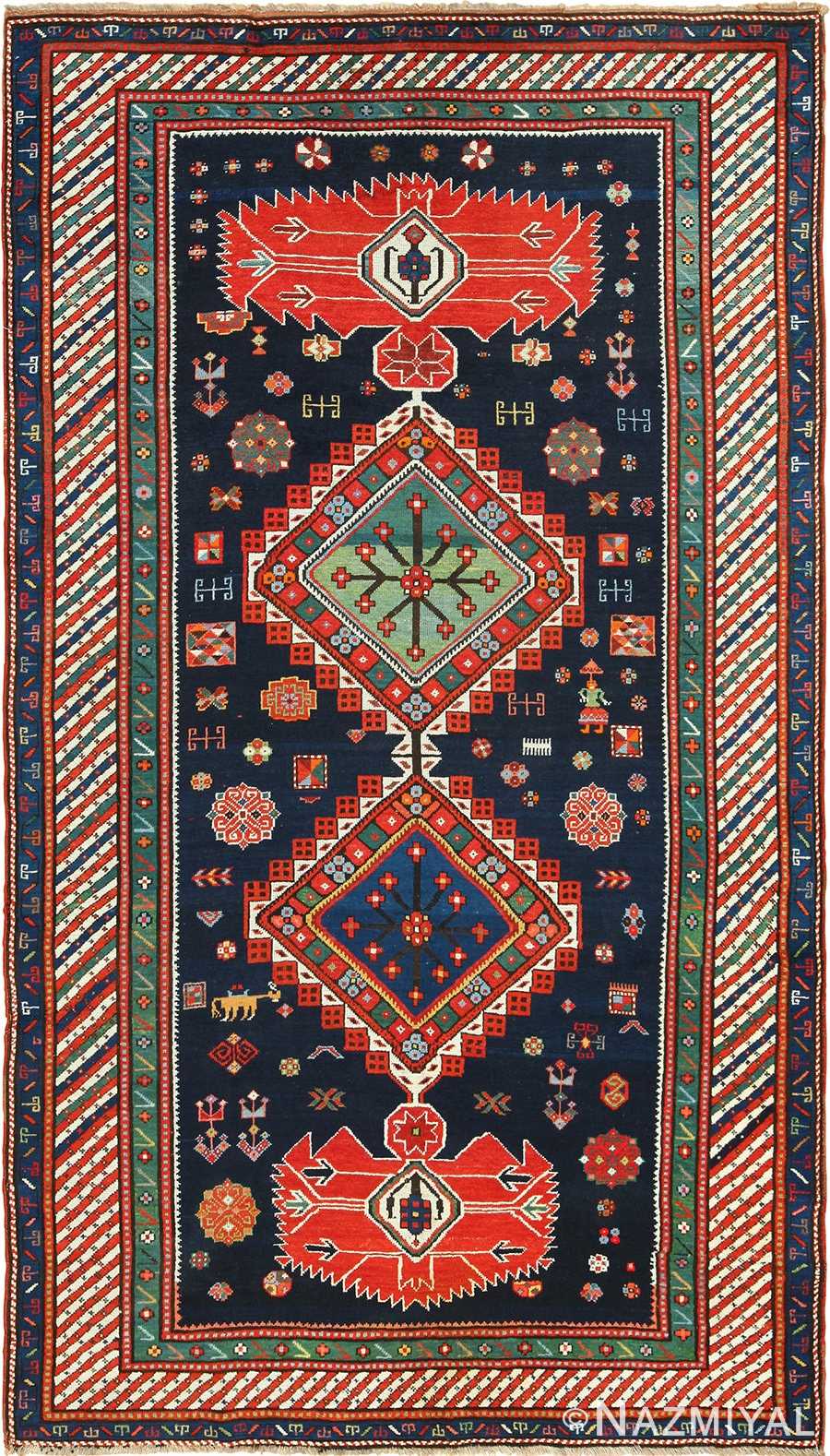
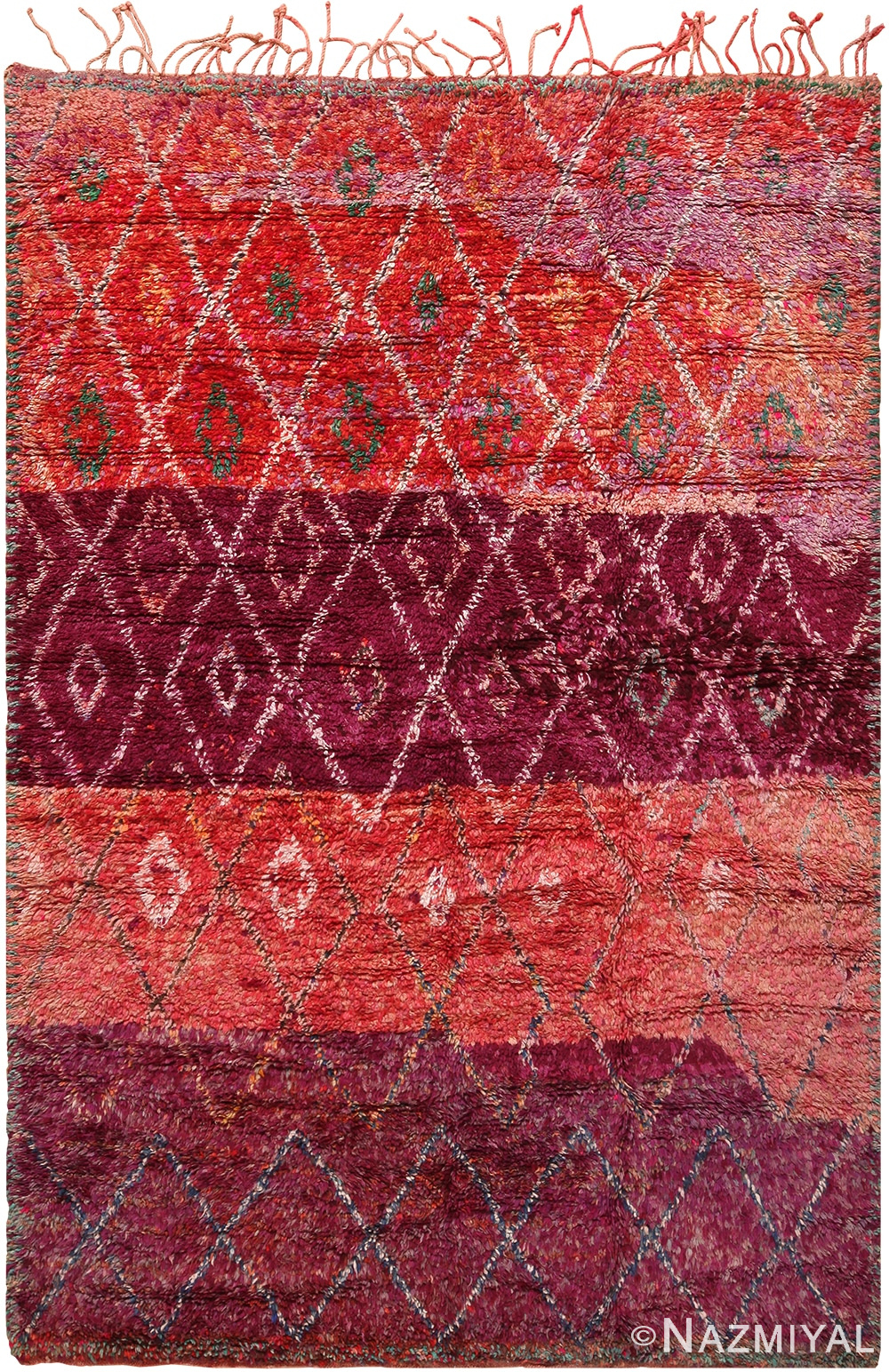
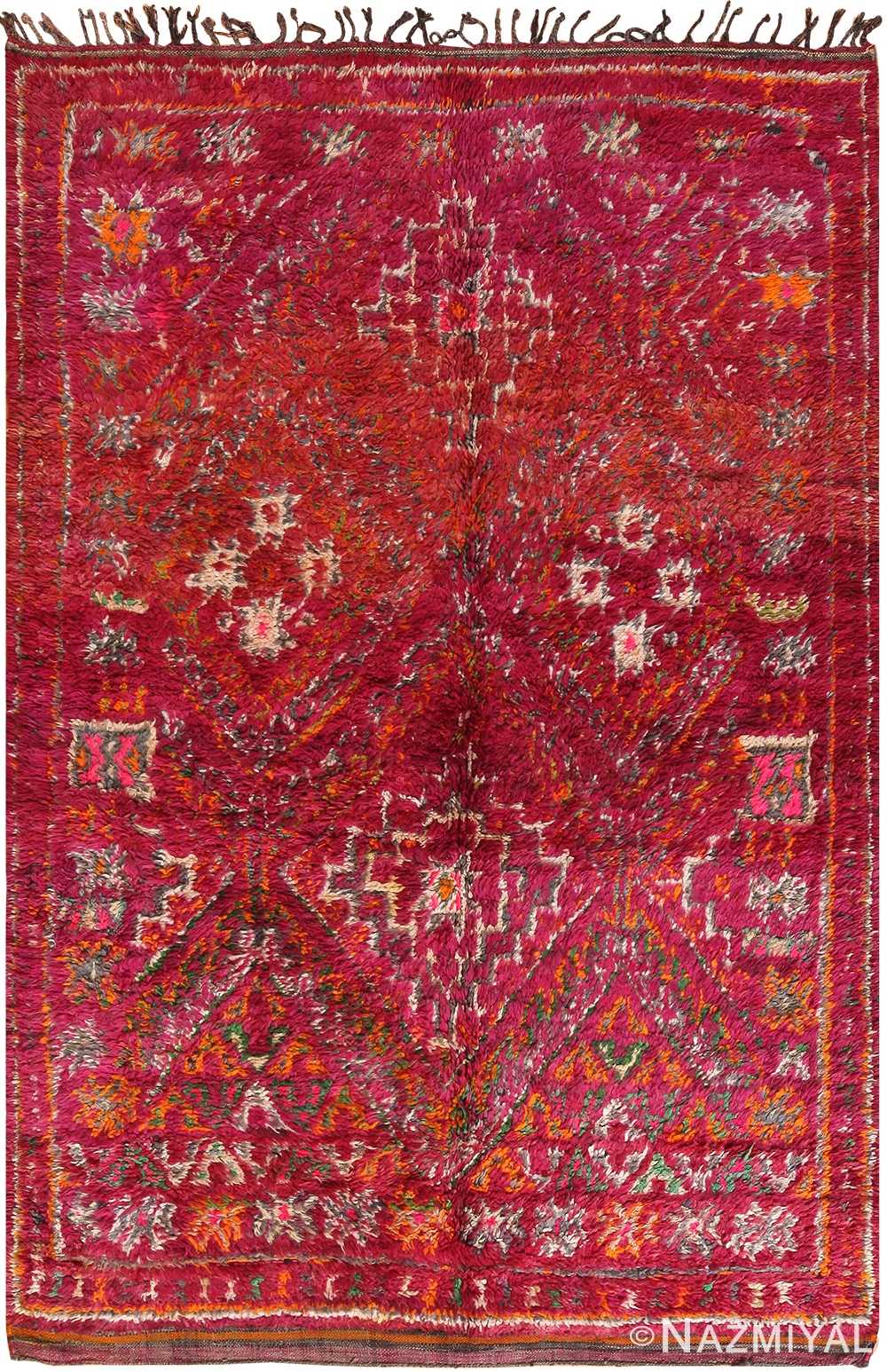
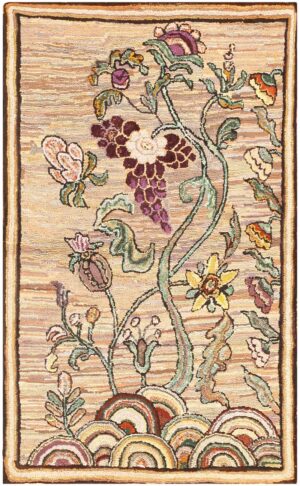
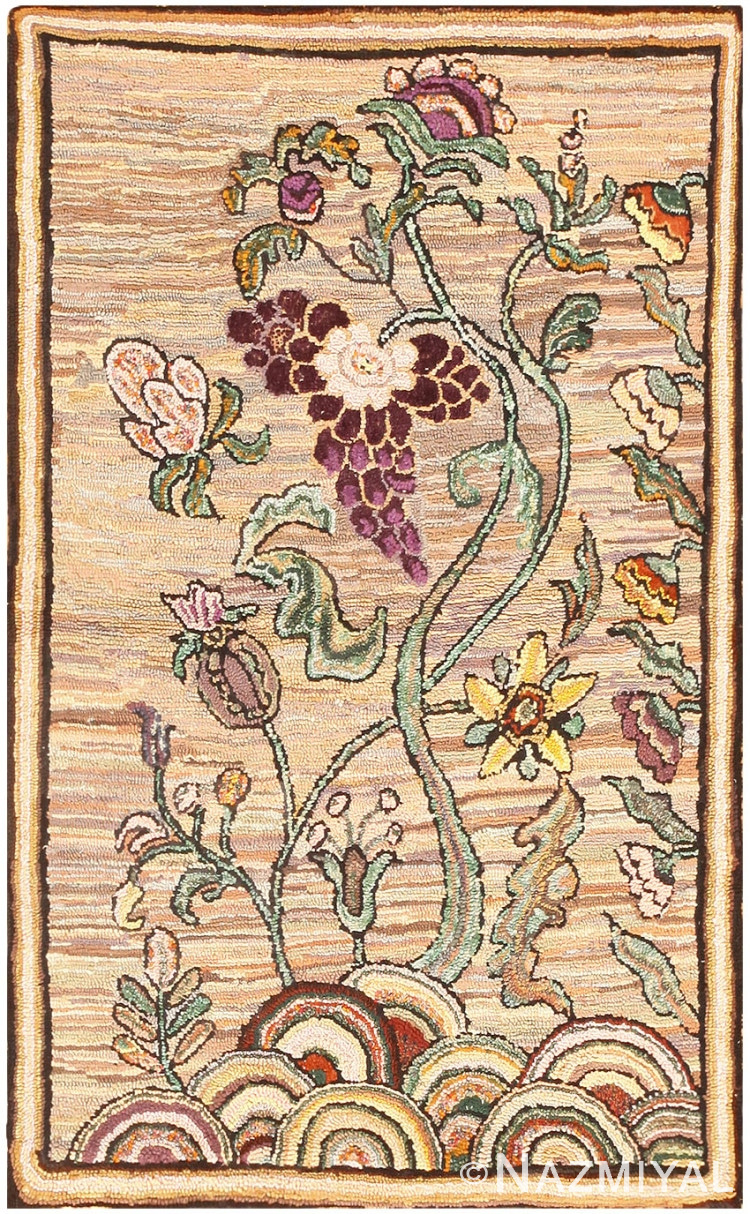
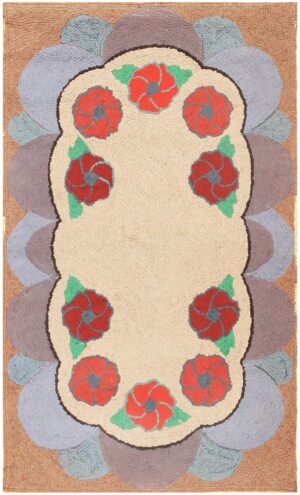
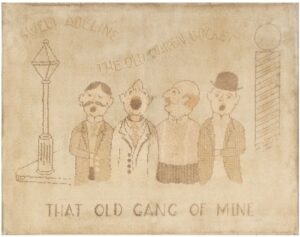
Browse the full selection on this page to compare pictorial vs geometric folk art looks, then filter by size and palette to match your room layout.
Why Nazmiyal Collection? 3 Pillars of Nazmiyal Collection
When you shop folk art rugs with Nazmiyal Collection, you get more than a “pretty rug”—you get real category knowledge, careful representation, and guidance that helps you choose confidently.
- Unmatched Inventory Depth: A wide, rotating selection that lets you compare multiple folk art traditions and aesthetics in one place.
- Rigorous Authenticity Standards: Expert-vetted pieces presented with clear, accurate details so you know what you’re buying.
- Expert Advisory: Practical help on size, placement, and value—especially important for one-of-a-kind rugs with nuanced condition and texture.
Identification & Construction
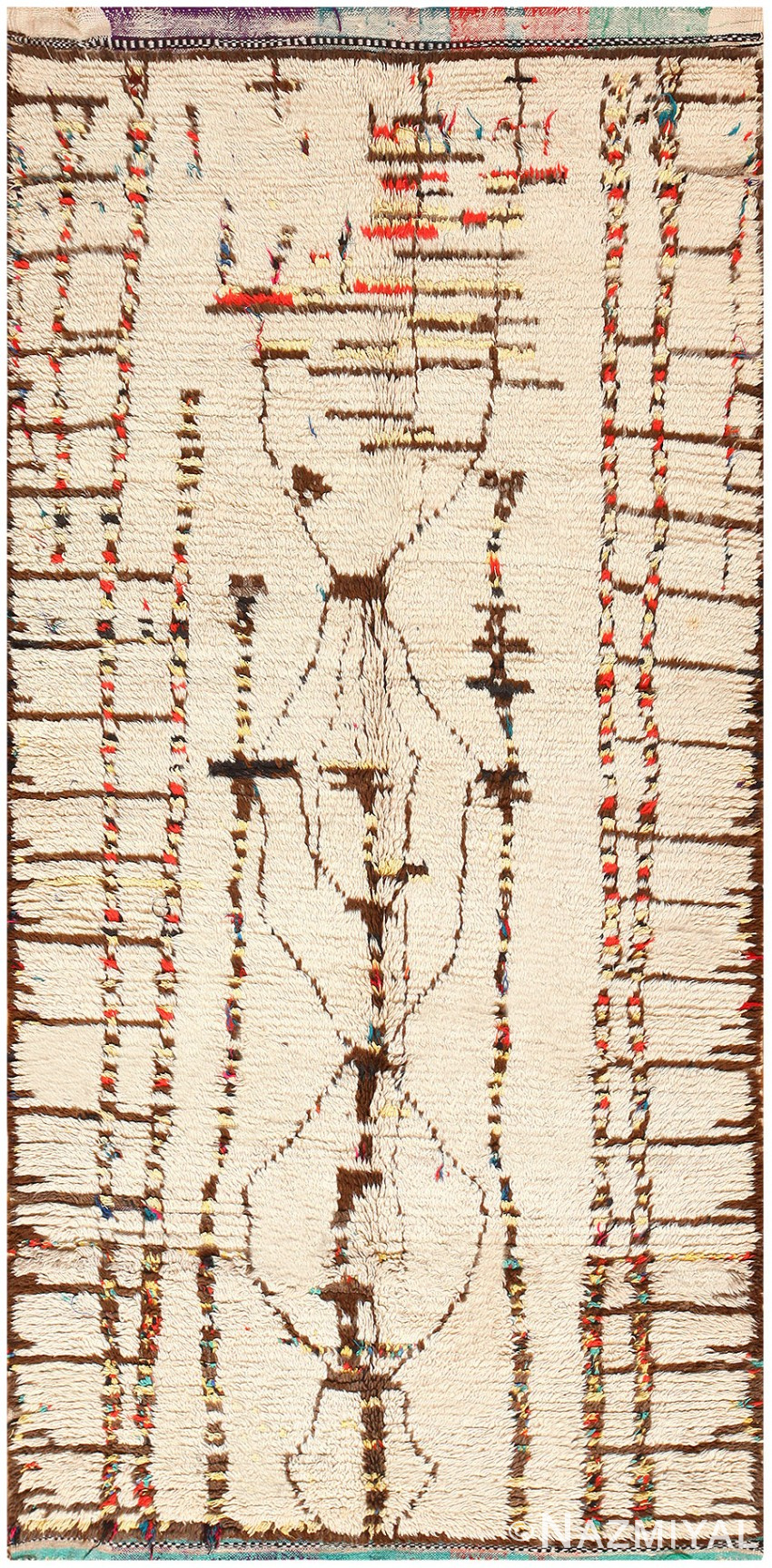
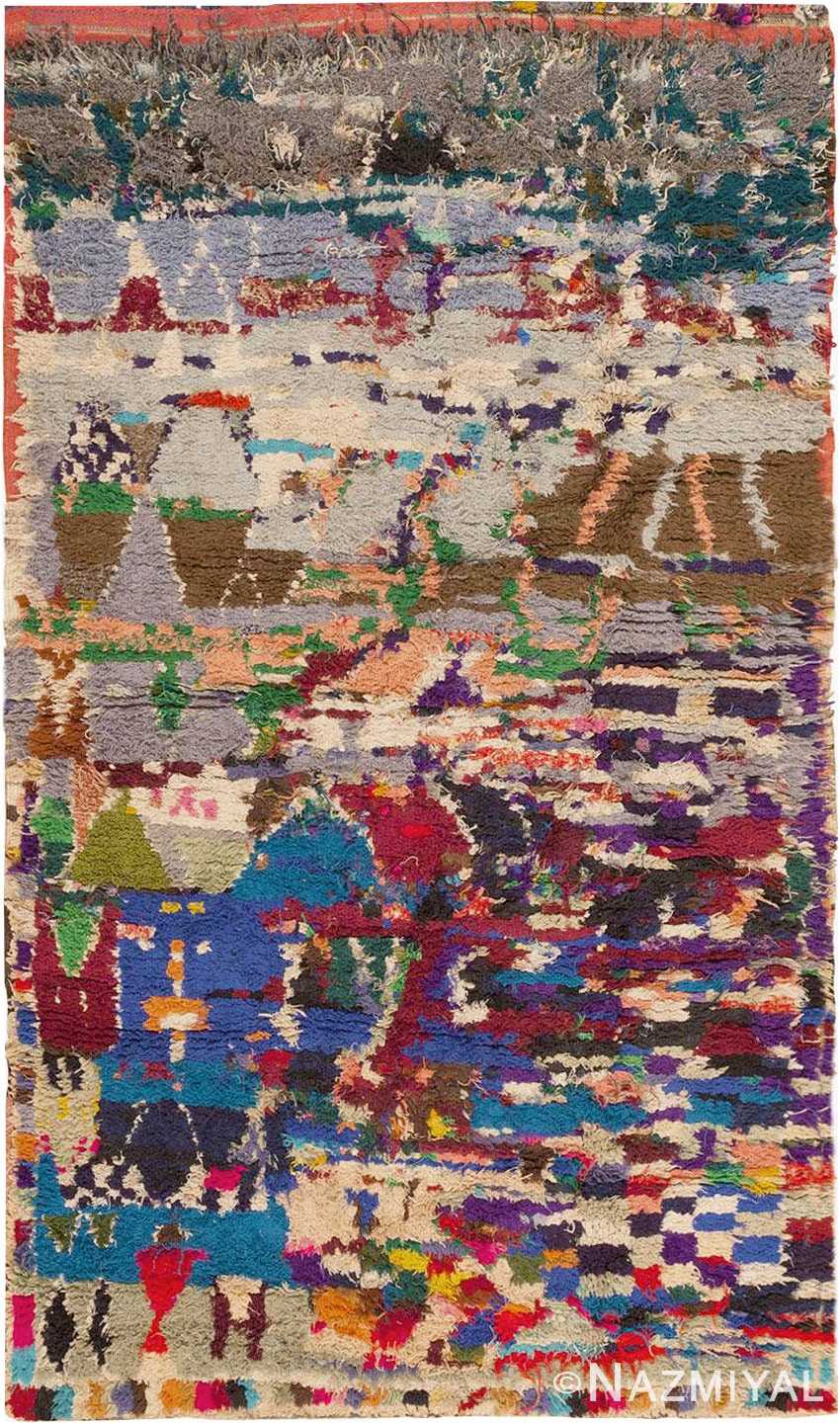
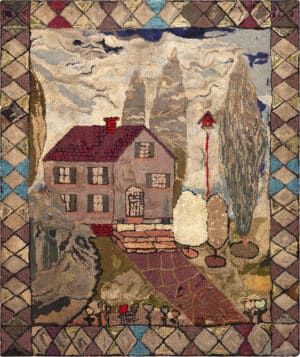
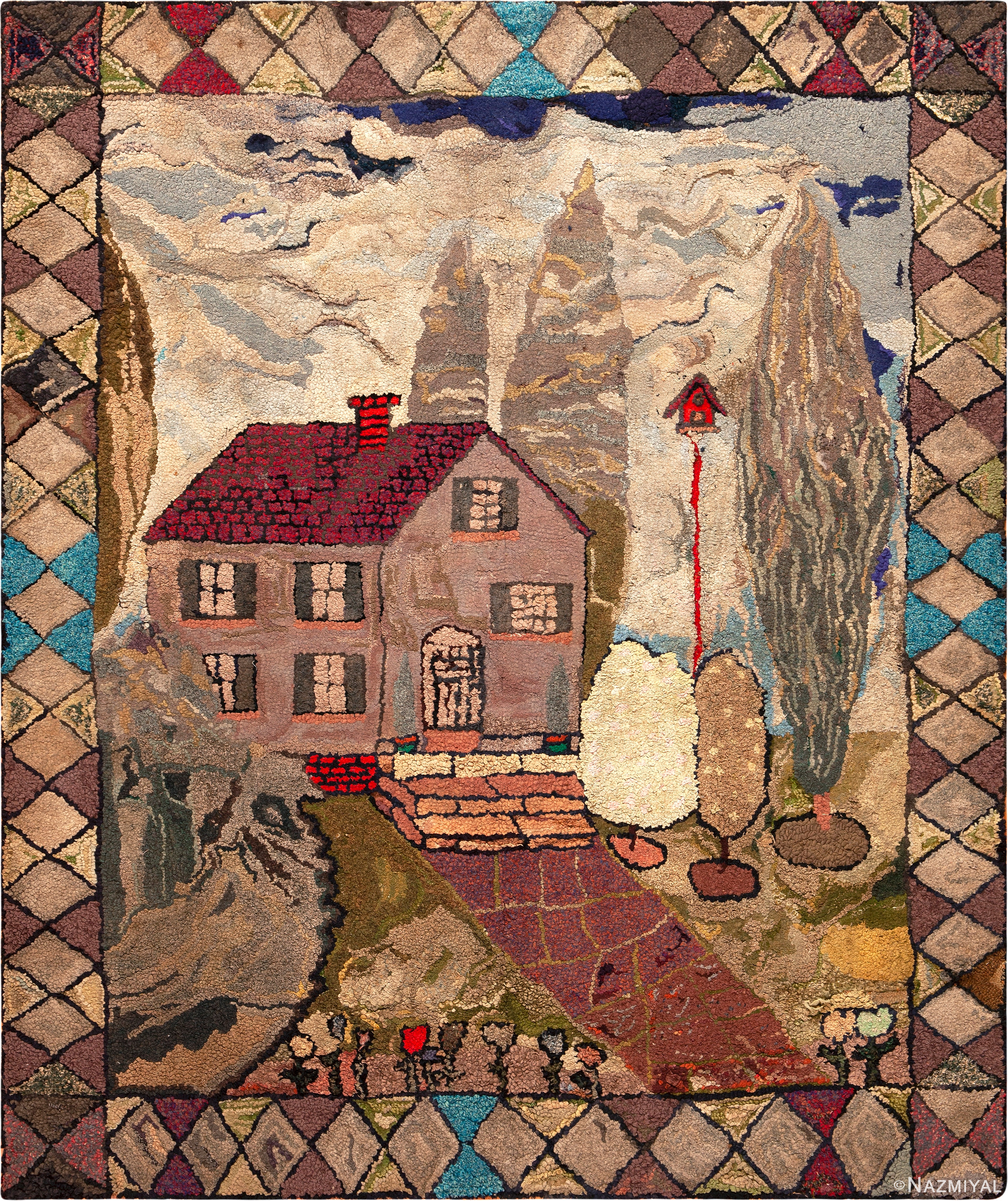
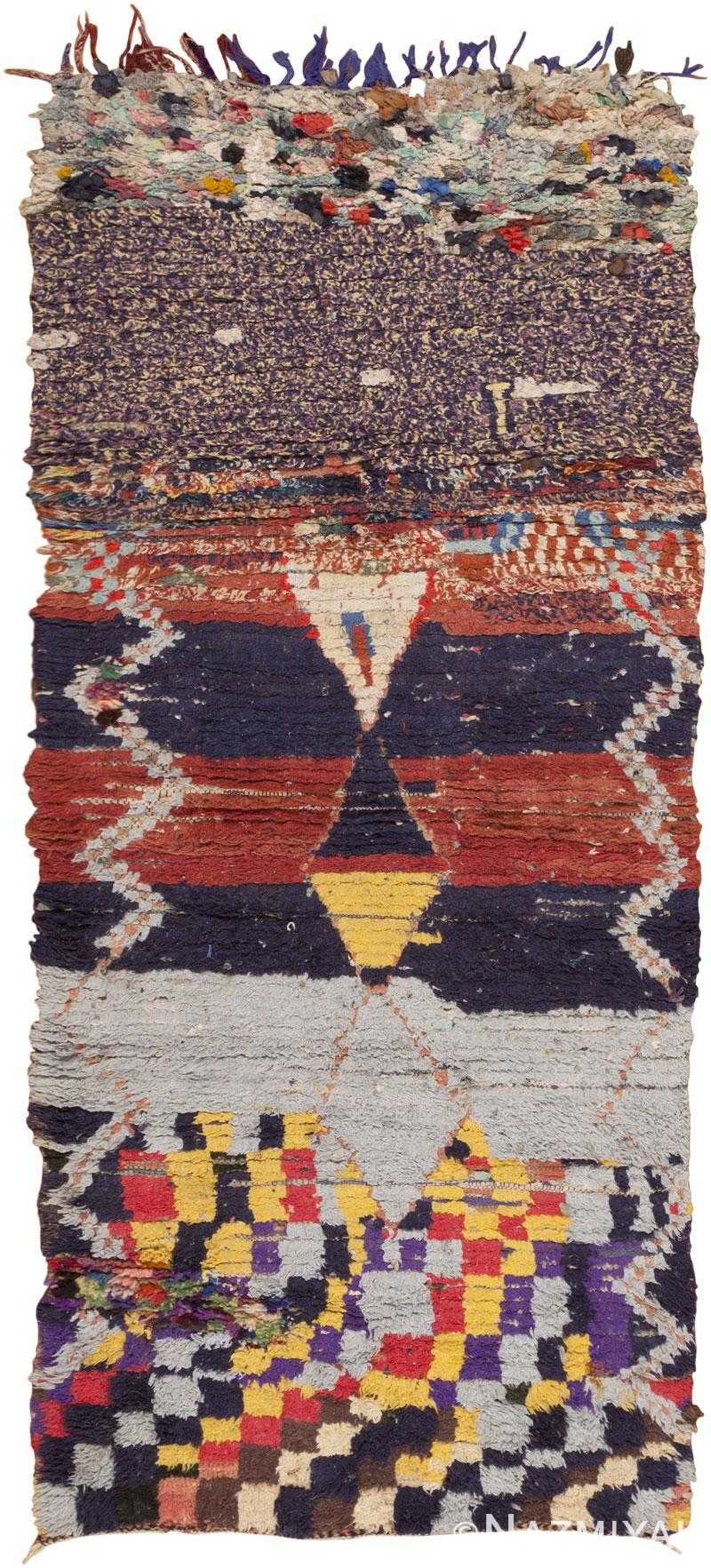
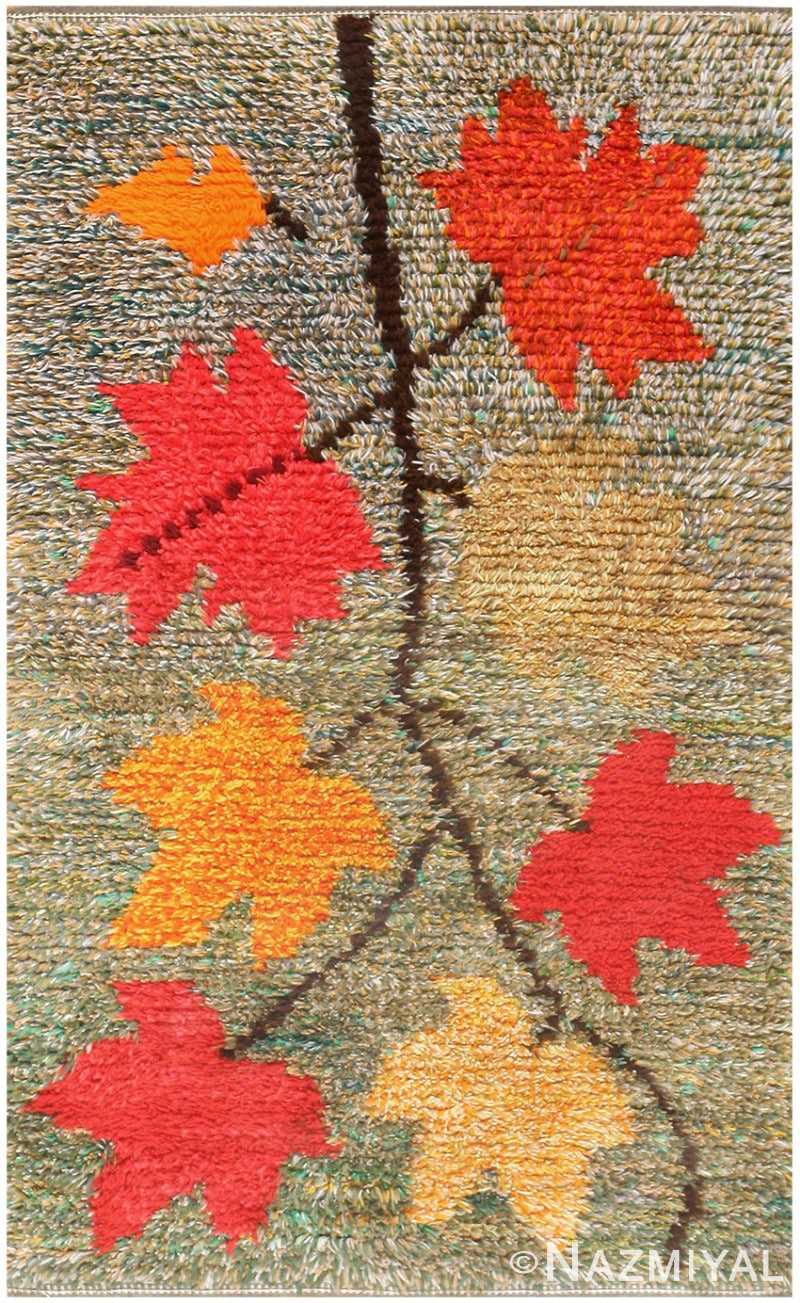
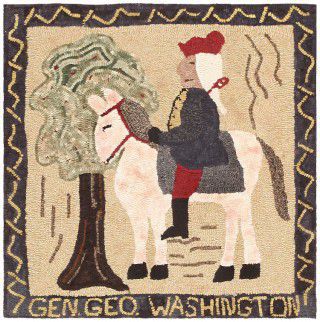
The easiest way to identify folk art rugs is by their “drawing.” Instead of perfectly repeated workshop patterns, folk art pieces often show spontaneous motif placement, charming asymmetry, and a handmade line quality that feels intimate. Pictorial scenes (houses, animals, ships, trees, florals) and bold, simplified geometry are common—often framed like a picture or laid out as an expressive field.
Construction varies by tradition: American examples may be hooked (loops pulled through a foundation), while many tribal and regional rugs are pile-woven or flatwoven. Materials also vary, though wool is most common. If you’re comparing how different regions and weaving cultures shape design, explore our Rug origins hub.
Decorating & Placement Guidance
Designers use folk art rugs as an instant “soul layer.” In living rooms, a pictorial or bold geometric folk art rug can anchor clean-lined seating with warmth; in bedrooms, softer palettes and more open fields feel relaxed and personal; and in hallways, runners with strong motif rhythm add narrative without needing extra ornament.
For a collected interior, folk art rugs pair beautifully with curated Antique rugs, clean-lined Vintage rugs, and graphic Modern rugs. If you love the handmade spirit but want more classical workshop drawing, compare against traditional Persian rugs.
Folk Art Rugs vs Tribal Rugs
Folk art is an aesthetic and cultural “mode” (personal, expressive, handmade). Tribal rugs are a major overlap category—but tribal weaving is only one pathway into folk art design language.
| Feature | Folk Art Rugs | Tribal rugs |
|---|
| Design intent | Expressive, personal, often pictorial or delightfully naive geometry | Community-rooted symbols and geometry tied to specific nomadic/village traditions |
| Origins | Multi-regional (Americana, Morocco, Caucasus, Scandinavia, and more) | Primarily tribal and nomadic weaving cultures across multiple regions |
| Construction | Hooked, pile, flatweave, and mixed textiles | Most commonly pile and flatweave, with strong regional structure cues |
| Best use | When you want charm, narrative, and an “art object” feel | When you want bold geometry, saturated color, and cultural symbolism |
| How to shop | Choose a motif type (pictorial vs geometric), then prioritize composition and stable condition | Shop by region/format, then assess design grammar, color balance, and weave quality |
Closest cousins (overlapping folk traditions):
Antique American hooked rugs,
Moroccan rugs
Glossary
- Folk art / outsider style: A handmade, non-academic approach where charm and expression matter more than perfect symmetry.
- Pictorial rug: A rug that depicts scenes (homes, animals, landscapes, symbols) rather than purely abstract pattern.
- Hooked rug: A textile made by pulling loops of wool or fabric through a foundation to “draw” images and patterns.
- Naive geometry: Simplified, hand-drawn geometric motifs that feel personal and improvisational.
For more terms (materials, dyes, motifs, and condition language), see the Rug glossary.
FAQ
- What makes a rug “folk art”?
A folk art rug emphasizes personal, handmade expression—often with naive drawing, pictorial motifs, or charming asymmetry—rather than standardized workshop repetition. - Are folk art rugs always antique?
Not always. Many prized pieces are antique or early-to-mid 20th century, but “folk art” can also describe later handmade rugs with the same expressive character. - Are American hooked rugs considered folk art?
Yes—many are classic examples of folk art textile tradition, especially when they feature pictorial scenes or improvisational, homespun drawing. - Do folk art rugs work in modern interiors?
Absolutely. They add warmth and personality to minimalist rooms because they read like a one-of-a-kind artwork with texture. - How do I choose the right size?
Start with layout: in living rooms, aim for front legs on the rug; in bedrooms, consider a large rug under the bed; for hallways, measure runner length and leave breathing room at both ends. - How should I care for a wool folk art rug?
Vacuum gently, rotate periodically, and address spills quickly. For deeper cleaning or condition concerns, professional rug care is recommended.
Nazmiyal White-Glove Service
We make it easy to shop with confidence—whether you’re choosing a single statement piece or curating a full room.
Nazmiyal Collection has been a trusted source for antique rugs and vintage carpets for over 45 years. Our NYC gallery curates one-of-a-kind pieces with an emphasis on authenticity, provenance, and lasting decorative value.
Need help? Call us at (212) 545-8029 or visit our New York City showroom to work with a rug expert.

 Size: 3 ft 5 in x 11 ft (1.04 m x 3.35 m)
 Size: 5 ft 9 in x 9 ft 9 in (1.75 m x 2.97 m)
 Size: 1 ft 7 in x 7 ft 8 in (0.48 m x 2.34 m)
 Size: 5 ft 10 in x 7 ft (1.78 m x 2.13 m)
 Size: 3 ft x 6 ft 6 in (0.91 m x 1.98 m)
 Size: 3 ft x 4 ft 7 in (0.91 m x 1.4 m)
 Size: 2 ft 6 in x 3 ft 11 in (0.76 m x 1.19 m)
 Size: 2 ft 4 in x 3 ft 9 in (0.71 m x 1.14 m)
 Size: 3 ft 8 in x 2 ft 10 in (1.12 m x 0.86 m)