What Is Vintage Interior Design?
Vintage interior design is a decorating style that uses furniture, colors, textiles, lighting and decorative objects from earlier design periods to create rooms with character, age and a sense of history. It can include authentic antique or vintage pieces, reproductions, inherited objects and newer items chosen to echo past eras.
Rather than copying one period exactly, most vintage interiors layer materials, patina, pattern and personal objects so the room feels collected over time. Rugs, upholstery, wallpaper, wood finishes and lighting often do much of the work because they give the space texture, color and historical mood.

Vintage Interior Design Characteristics
Here are some key features and aspects of vintage interior design:
- Furniture: Vintage interiors often feature furniture pieces from different historical periods. These pieces might have ornate details, intricate carvings, classic silhouettes and rich textures. Styles that are commonly incorporated include Victorian, Art Deco, Mid-Century Modern and more.
- Color Palette: Vintage color palettes can vary depending on the chosen era. Warm muted tones, pastels, deep jewel tones, earthy hues and rich saturated colors can all appear in different vintage design periods.
- Materials: Vintage design often relies on natural materials like wood, stone, wool, glass and metal. Antiqued or distressed finishes can add a weathered and aged appearance to furniture and decor.
- Patterns and Textiles: Floral prints, stripes, damask, paisley and geometric motifs are common patterns in vintage interiors. Heavy fabrics like velvet and silk can be used for upholstery and curtains, while rugs can add pattern, color and texture to the room.
- Accessories: Vintage decor often includes a mix of accessories such as vintage clocks, ornate mirrors, crystal chandeliers, porcelain figurines and antique books. These items help evoke the feeling of stepping back in time.
- Wall Treatments: Wallpaper with intricate patterns or classic motifs is a common choice in vintage interiors. Wainscoting, beadboard and other traditional wall treatments might also be incorporated.
- Lighting: Lighting fixtures in vintage interiors can vary widely based on the chosen era. Chandeliers, sconces and lamps with decorative shades or stained glass are often used to add a touch of elegance and history.
- Details: Paying attention to small details like doorknobs, hinges and handles can help maintain the vintage aesthetic throughout a space.
- Mix and Match: Vintage interior design often involves combining pieces from different time periods and styles, creating an eclectic and curated look.
- Personal Touch: While vintage interior design draws inspiration from the past, it is important to infuse your personal style into the space to make it feel uniquely yours.
Vintage interior design can cover a wide range of eras and styles, so there is flexibility in how you interpret and apply it to your space. Whether you are aiming for the elegance of the Victorian era, the glamour of Art Deco or the clean lines of Mid-Century Modern design, vintage interiors allow you to create rooms full of character and history.
What Time Period Is Considered Vintage in Interior Design?
In the context of interior design, the term vintage typically refers to design styles, furnishings and decorative objects associated with the early 20th century through around the 1980s. Older pieces may be described as antique, while newer pieces that imitate a past decade are often described as vintage-inspired or retro.
The broad vintage time span encompasses a variety of design movements, including:
- Victorian Era: While the Victorian era itself is earlier than what many people call vintage, late Victorian elements can still appear in vintage-inspired interiors, especially through ornate furniture, decorative details and richly patterned textiles.
- Art Nouveau: Known for its organic and flowing forms, Art Nouveau influence can be seen in late 19th-century and early 20th-century design.
- Art Deco: A 1920s and 1930s style associated with geometric shapes, bold contrast, glamour and luxurious materials.
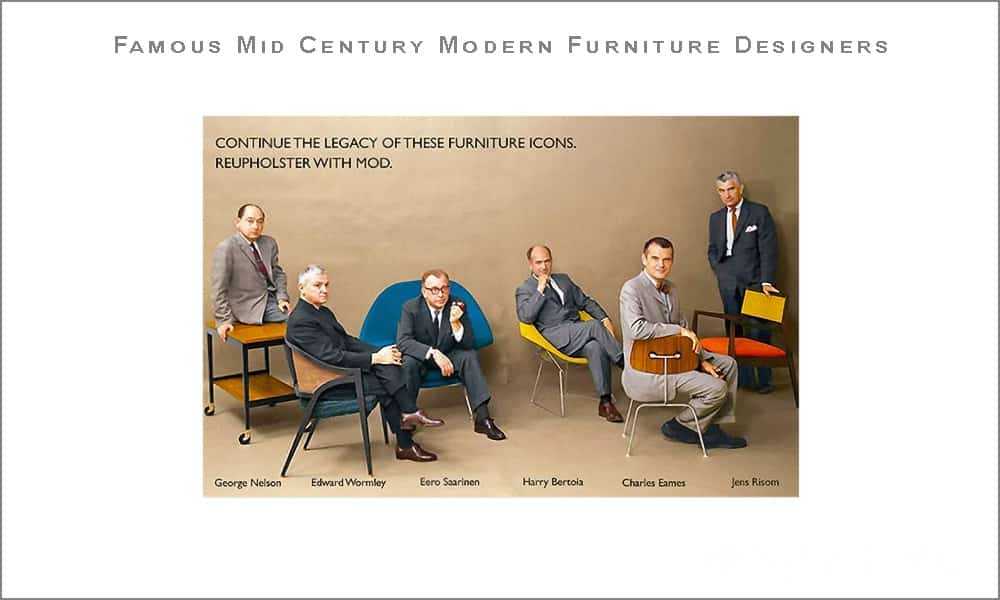
- Mid-Century Modern: A 20th-century design style known for clean lines, functional design, wood tones and a focus on simplicity.
- 1950s and 1960s: The post-World War II era saw the rise of suburban living and the influence of mid-century modern and other styles. Pastel colors, Formica furniture and playful decor are often associated with this time.
- 1970s and 1980s: These decades brought a diverse range of design trends, from the earthy and organic styles of the 1970s to the bold and colorful designs of the 1980s.
The vintage period can vary depending on individual perspective, but it generally refers to design aesthetics that have nostalgic or historical charm while still being relatively recent compared to earlier antique periods. The boundaries of what is considered vintage can also change as time goes on, influenced by trends and shifts in design preferences.
Vintage vs Retro Interior Design
Vintage and retro interior design are related styles that both draw inspiration from the past, but they have distinct characteristics and focus on different time periods.
Vintage Interior Design:
- Time Period: Vintage interior design refers to styles that evoke the aesthetic of a specific historical period, typically from the early 20th century to the 1980s.
- Authenticity: Vintage design often uses authentic or reproduction items from the chosen era. This can include original furniture, decor, accessories and rugs that are true to the period’s design principles.
- Attention to Detail: Vintage design pays close attention to historical character, materials and design elements from the era.
- Mixing Styles: Vintage interiors may mix and match pieces from different periods to create an eclectic look that reflects the homeowner’s personal tastes and preferences.
- Color Palette: The color palette in vintage design can vary based on the chosen era, but it often features subdued tones, pastels, earthy colors or rich period-specific colors.
- Patterns and Textiles: Vintage interiors incorporate patterns and textiles that were popular during the specific time period, such as florals, damask, geometric patterns and richly textured fabrics.
Retro Interior Design:
- Time Period: Retro interior design refers to styles that are inspired by relatively recent past decades, usually from the 1950s to the 1980s.
- Nostalgic Elements: Retro design focuses on nostalgic elements that evoke a sense of fun and playfulness associated with the chosen era.
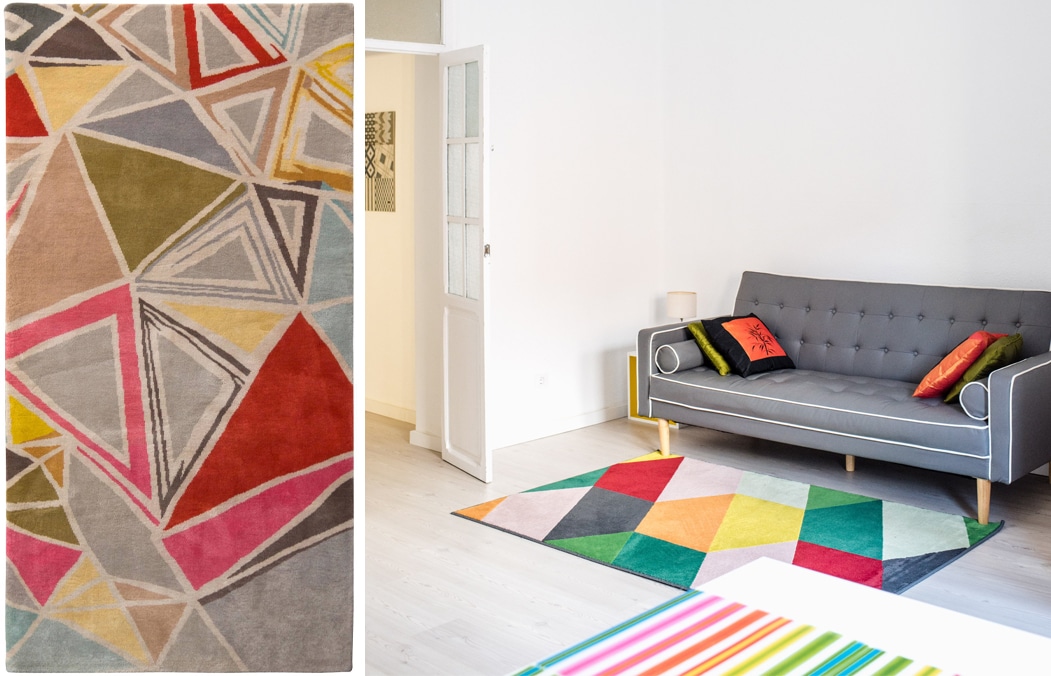
- Bold and Playful: Retro design tends to be more whimsical and vibrant compared to vintage design. It often incorporates bold colors, patterns and unique shapes.
- Reinterpretation: Retro interiors reinterpret and reimagine the past, often with a modern twist.
- Pop Culture References: Retro design often integrates pop culture references, such as iconic posters, advertisements and motifs from movies, music and TV shows of the chosen era.
- Furniture and Decor: Retro interiors may include furniture and decor items that capture the essence of the era, such as mid-century modern furniture, bright plastic chairs and shag rugs.
Vintage interior design is focused on recreating the look, feel and historical character of a specific period, while retro interior design takes a more playful and nostalgic approach to capturing the spirit of relatively recent past decades. Both styles offer opportunities for personal expression by blending elements from the past with contemporary design sensibilities.
Vintage vs Modern Interior Design
Vintage and modern interior design are two distinct styles that represent different approaches to decorating and creating living spaces.
Vintage Interior Design:
- Time Period: Vintage design draws inspiration from past decades, typically from the early 20th century to around the 1980s, depending on the specific era being referenced.
- Aesthetic: Vintage interiors aim to recreate the look and feel of a particular historical period. They often feature ornate details, intricate patterns and a sense of nostalgia.
- Furniture: Vintage furniture tends to have classic and sometimes ornate designs. Pieces from different eras may be mixed together to create an eclectic look.
- Materials: Natural materials like wood, metal and textiles are commonly used in vintage interiors. These materials contribute to the sense of history and authenticity.
- Color Palette: Vintage color palettes can vary based on the chosen era, but they often include muted tones, pastels and rich jewel colors.
- Patterns and Textures: Vintage interiors incorporate a variety of patterns, such as florals, damask and intricate motifs. Textiles with rich textures are also commonly used.
- Accessories: Vintage decor includes a mix of antique and period-specific accessories, such as vintage clocks, porcelain figurines and ornate mirrors.
- Lighting: Lighting fixtures in vintage interiors can range from crystal chandeliers to Art Deco-inspired lamps, adding elegance and historical charm.
Modern Interior Design:
- Time Period: Modern design refers to the design principles and aesthetics that emerged in the early to mid-20th century, with a strong emphasis on the mid-century modern era.
- Aesthetic: Modern interiors focus on clean lines, minimalism and functionality. The design philosophy emphasizes simplicity, form follows function and the elimination of unnecessary ornamentation.
- Furniture: Modern furniture features sleek, simple lines and geometric shapes. Functionality and innovative materials are often emphasized.
- Materials: Modern design incorporates a range of materials, including glass, steel and molded plastics. These materials reflect the technological advancements of the time.
- Color Palette: Modern interiors often use neutral color palettes with pops of bold and vibrant colors. White, black and natural wood tones are common.
- Patterns and Textures: Modern design typically focuses on clean and uncluttered surfaces, often avoiding intricate patterns and heavy textures.
- Accessories: Modern interiors tend to have minimal and purposeful accessories. Decorative elements are kept to a minimum, with a focus on functional pieces.
- Lighting: Modern lighting fixtures often feature clean and geometric shapes. Pendant lights, floor lamps and table lamps with innovative designs are common.
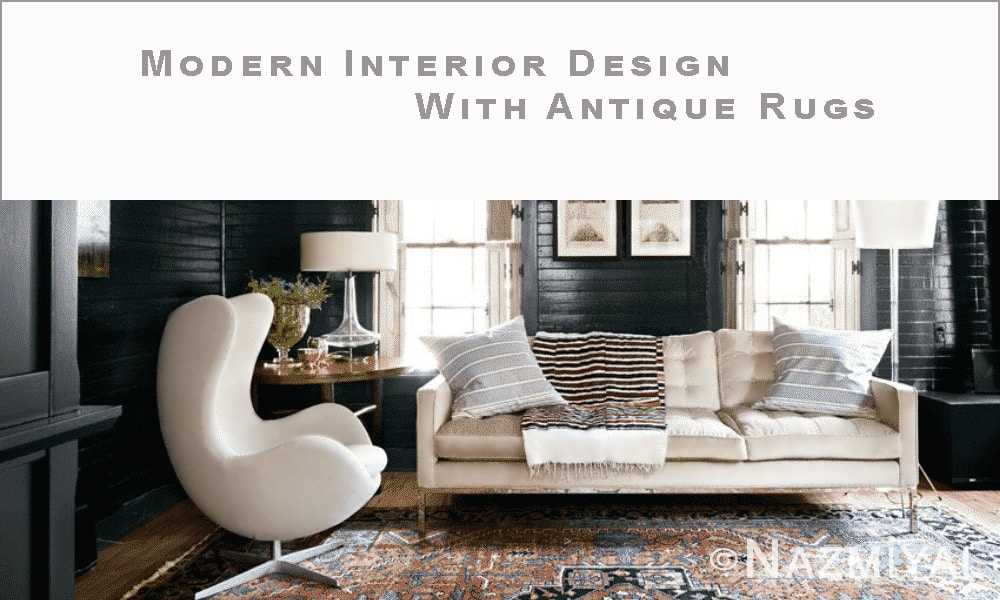
Vintage interior design embraces historical charm, ornate details and a sense of nostalgia, while modern interior design emphasizes simplicity, clean lines and functionality. The choice between these two styles depends on personal preferences, the desired ambiance and the overall aesthetic one wishes to create within a living space.
How Do You Style a Vintage Room?
Styling a vintage room involves carefully curating and arranging furniture, decor, textiles and accessories to create a space that reflects the aesthetics of a particular historical era.
Here is a step-by-step guide on how to style a vintage room:
- Choose an Era: Decide on the specific era or time period you want to evoke in your vintage room. This will guide your design choices and help create a cohesive look.
- Select Furniture: Look for furniture pieces that are characteristic of the chosen era. For example, if you are going for a Mid-Century Modern vibe, opt for furniture with clean lines, tapered legs and iconic designs. If it is an Art Deco theme, choose furniture with geometric shapes and luxurious materials.
- Consider Color Palette: Research the color palette that was popular during the chosen era. Select paint colors, wallpapers and fabrics that align with those historical color trends.
- Choose Fabrics and Textiles: Incorporate fabrics and textiles that were common in that time period. Look for upholstery fabrics, curtains, linens and rugs with patterns and textures that reflect the vintage style.
- Add Vintage Decorative Details:
- Wall Treatments: Consider using wallpaper with period-appropriate patterns or decorative moldings.
- Accessories: Select vintage accessories such as antique clocks, figurines, vases and decorative trays that fit the chosen era.
- Artwork: Hang vintage artwork or reproductions that reflect the art styles of the era.
- Mirrors: Choose mirrors with ornate frames or geometric shapes that align with the vintage style.
- Lighting: Select lighting fixtures that capture the essence of the era. Crystal chandeliers for a Victorian feel, sleek mid-century pendant lights or Art Deco-inspired sconces are some options.
- Arrange Furniture: Place furniture in a way that complements the flow of the room. Ensure that furniture pieces are proportionate and balanced within the space.
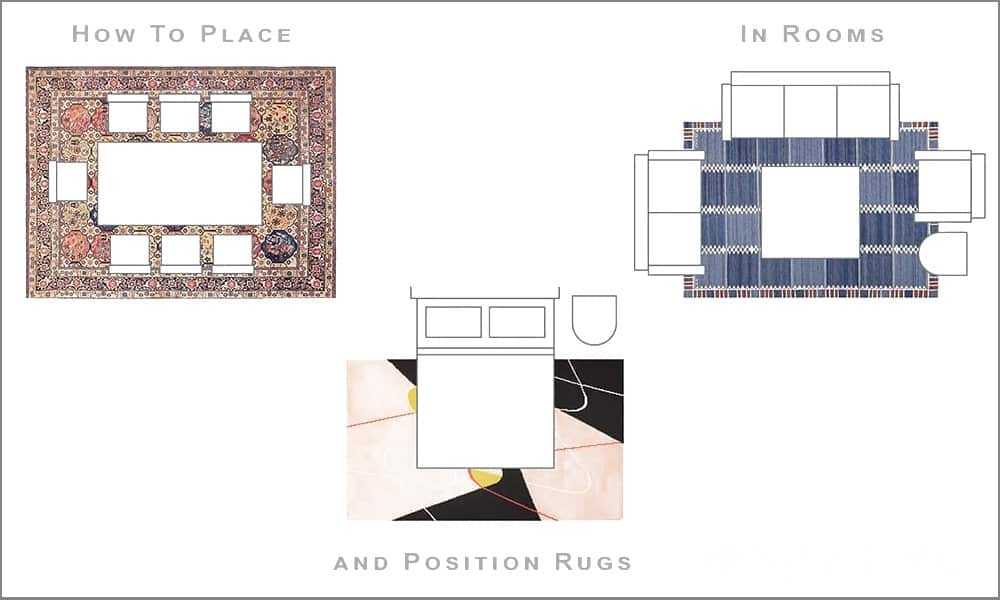
- Layer Textiles: Layer textiles on furniture, such as adding throw pillows and cushions with vintage-inspired patterns. Consider using vintage-style rugs to define different areas of the room.
- Mix and Match: Feel free to mix and match furniture pieces from different periods within the chosen era. This can add depth and character to the space.
- Pay Attention to Details: Add smaller details such as vintage doorknobs, drawer pulls and switch plates that contribute to the overall vintage feel.
- Personalize the Space: Infuse your personal style into the room by adding items that have sentimental value or reflect your tastes.
- Balance with Modern Touches: While creating a vintage room, it is also important to balance the design with modern amenities and comforts. Incorporate modern elements like comfortable seating, technology and conveniences.
- Edit and Adjust: Step back and assess the overall look. Make adjustments as needed to ensure that the room feels harmonious and visually pleasing.
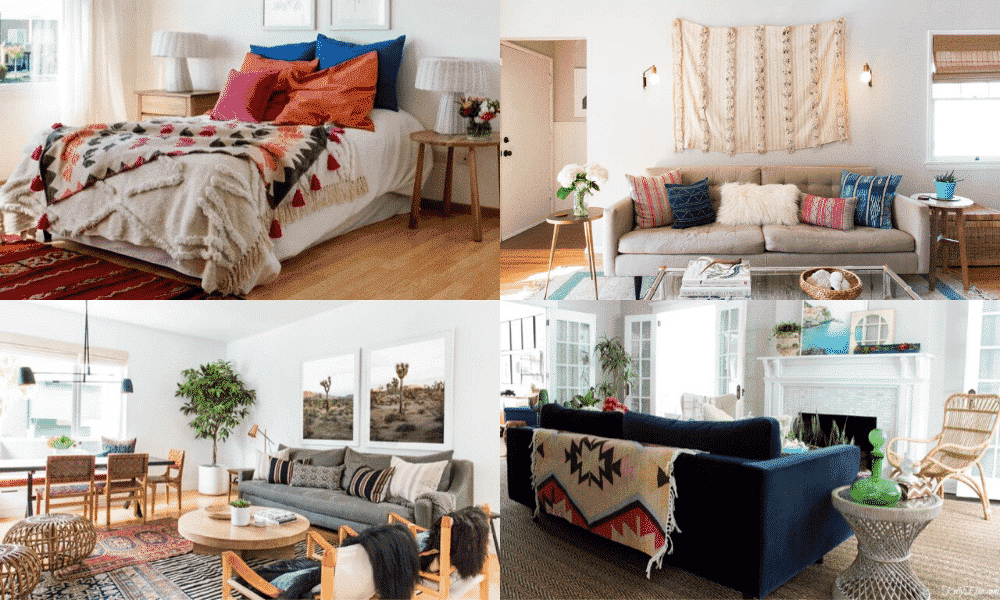
Remember that styling a vintage room is about capturing the essence of a particular era while still reflecting your personal preferences. It is a creative process that allows you to blend history with contemporary design sensibilities.
What Rugs Work Best in Vintage Interiors?
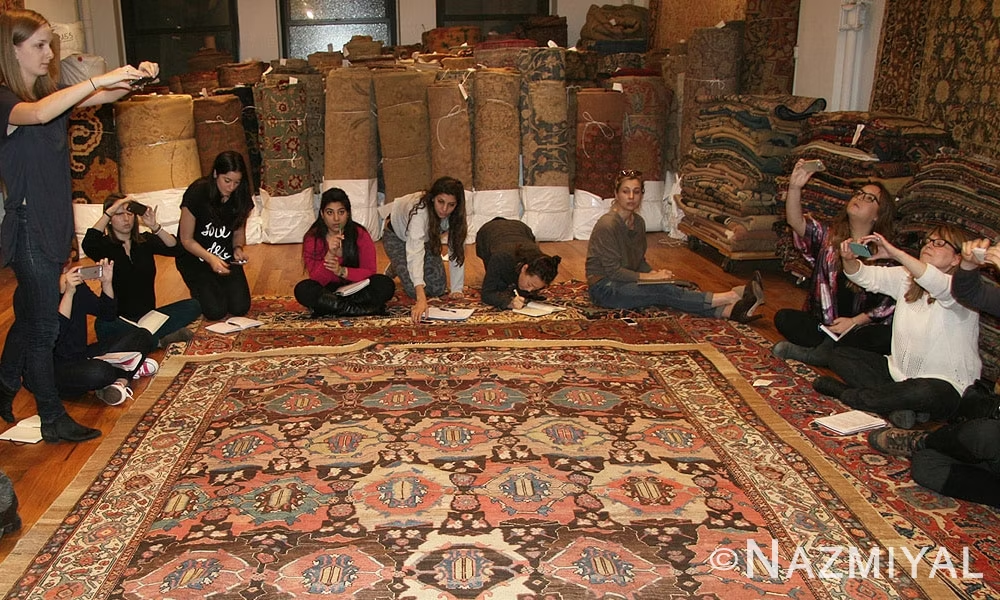
When it comes to choosing rugs for a vintage-themed interior design, it is important to select styles that complement the overall aesthetic of the era you are trying to evoke. Rugs can help define the room, add pattern, soften the space and make the interior feel more collected over time.
Here are some types of rugs that work well in vintage-themed interior designs:
- Oriental and Persian Rugs: These rugs often feature intricate patterns, rich colors and elaborate designs that can complement vintage styles like Victorian, Art Deco and some mid-century interiors. Explore Persian rugs.
- Vintage Rugs: Authentic vintage rugs can add age, softness, color variation and a genuine sense of history to a room. Explore vintage rugs.
- Antique Rugs: Antique rugs can bring craftsmanship, patina and historical depth to vintage interiors, especially rooms inspired by older European, Persian, Oriental or traditional design. Explore antique rugs.
- Art Deco Rugs: For Art Deco-themed spaces, consider rugs with bold geometric patterns, high contrast and a sense of luxury. Explore Art Deco rugs.
- Kilim Rugs: Kilim rugs with geometric patterns and flatwoven construction can be a strong addition to mid-century modern, bohemian or eclectic vintage themes. Explore Kilim rugs.
- Geometric Rugs: Geometric rugs can work well in Art Deco, Bauhaus, mid-century and Scandinavian-inspired vintage rooms. Explore geometric rugs.
- Scandinavian Rugs: Scandinavian rugs can be excellent additions to vintage-themed interior designs, particularly if you are aiming for a Nordic or mid-century-inspired space. Explore Scandinavian rugs.
- Swedish Rugs: Swedish rugs often feature lighter palettes, graceful patterning and a quiet elegance that can work beautifully in vintage interiors inspired by Scandinavian, Gustavian or Swedish design. Explore Swedish rugs.
- Wool Rugs: Wool rugs bring natural texture, warmth and durability to vintage-inspired rooms. Explore wool rugs.
When selecting rugs for your vintage-themed interior, pay attention to the color palette, pattern, material and overall mood of the space. The rug should harmonize with the furniture and decor while contributing to the vintage atmosphere you are trying to create.

Scandinavian and Swedish Rugs in Vintage Interiors
Scandinavian and Swedish rugs can provide a fresh and unique twist on traditional vintage design. These rugs often feature simple yet timeless designs that can enhance the overall ambiance of a vintage-themed room.
Scandinavian Vintage Style:
- Nordic Patterns: Scandinavian rugs often showcase minimal patterns and geometric designs. These can align well with a mid-century modern or minimalist vintage style.
- Neutral Colors: Rugs with neutral color palettes, such as grays, whites and earthy tones, can create the calm atmosphere often associated with Scandinavian design.
- Wool and Natural Fibers: Scandinavian rugs are often made from natural materials like wool. The tactile qualities of these rugs can contribute to the cozy and inviting feel of a vintage Scandinavian interior.
Swedish Vintage Style:
- Soft Color Palettes: Swedish rugs are known for delicate and pastel color schemes. These rugs can work beautifully in vintage interiors inspired by Gustavian or Swedish Rococo styles.
- Floral and Botanical Motifs: Many Swedish rugs feature floral or botanical motifs. These can enhance the vintage charm of a room, particularly if you are aiming for a romantic or shabby-chic vintage style.
- Light and Airy Aesthetics: Swedish design often emphasizes light and airy interiors. Rugs with softer palettes and graceful patterns can contribute to this sense of openness.
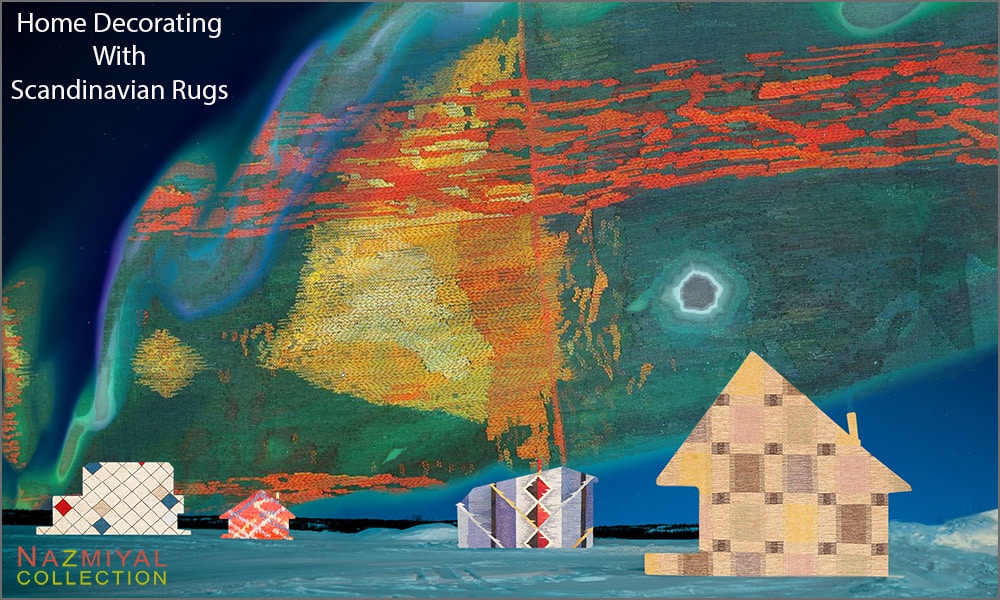
Incorporating Scandinavian and Swedish rugs into your vintage-themed interior can add elegance, simplicity and craftsmanship that align with Northern European design traditions. As always, make sure the rug you choose complements the overall look and feel you are aiming for in your vintage-themed space.
Explore Rugs for Vintage Interiors
For vintage interiors, the strongest rug choices usually come from pieces with real material presence, pattern and texture. Explore vintage rugs and antique rugs, or browse specific styles such as Persian rugs, Art Deco rugs and Swedish rugs.
If a room needs a specific size, palette or material direction, Nazmiyal can also help with custom rugs.
This guide to vintage interior design and how to create beautiful vintage interiors was published by Nazmiyal Antique Rugs.