Before committing to a large purchase like an antique rug, assess each descriptor and pay close attention to how that contextualizes a piece. Use this guide to learn how to expertly read a rug auction catalog.
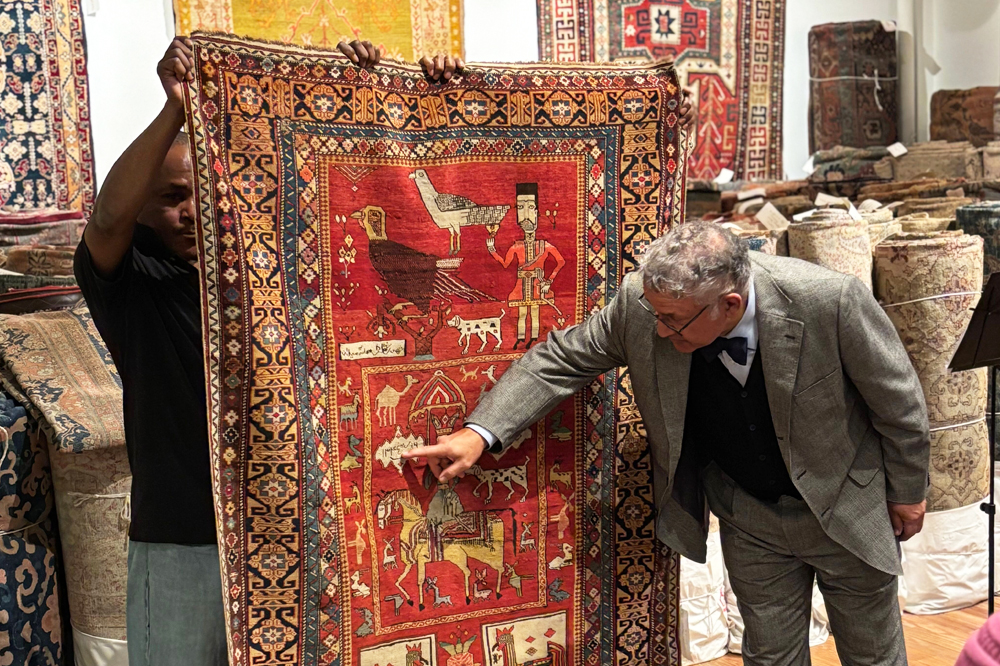

Before committing to a large purchase like an antique rug, assess each descriptor and pay close attention to how that contextualizes a piece. Use this guide to learn how to expertly read a rug auction catalog.
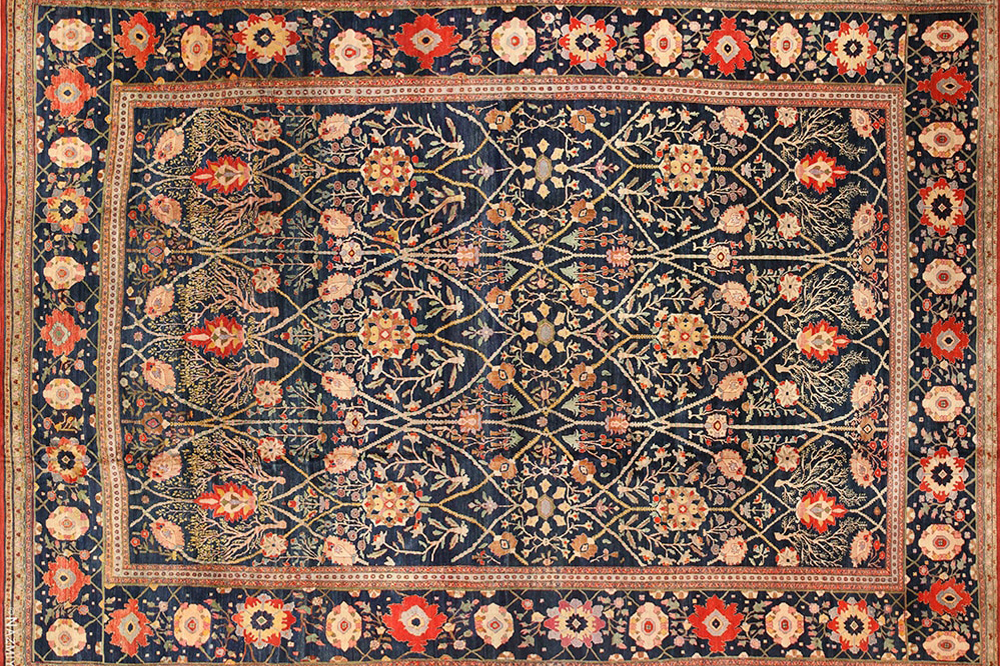
Agra and Amritsar rugs are both finely woven collectible items originating in India. Though they share geographical and similar cultural features, their designs and the context of their construction differs. Learn more about what makes each one special.
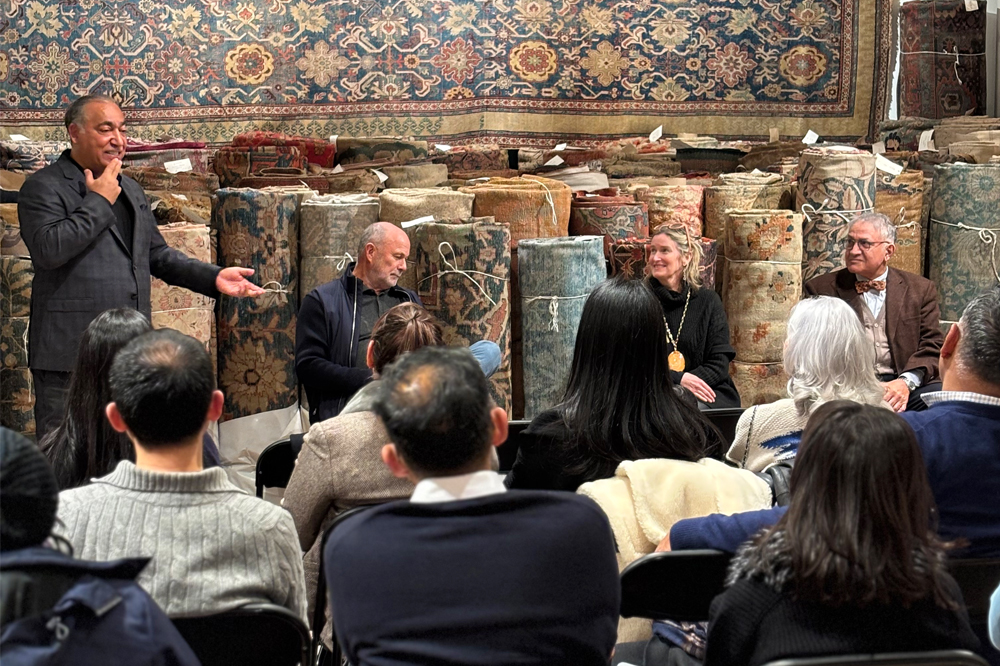
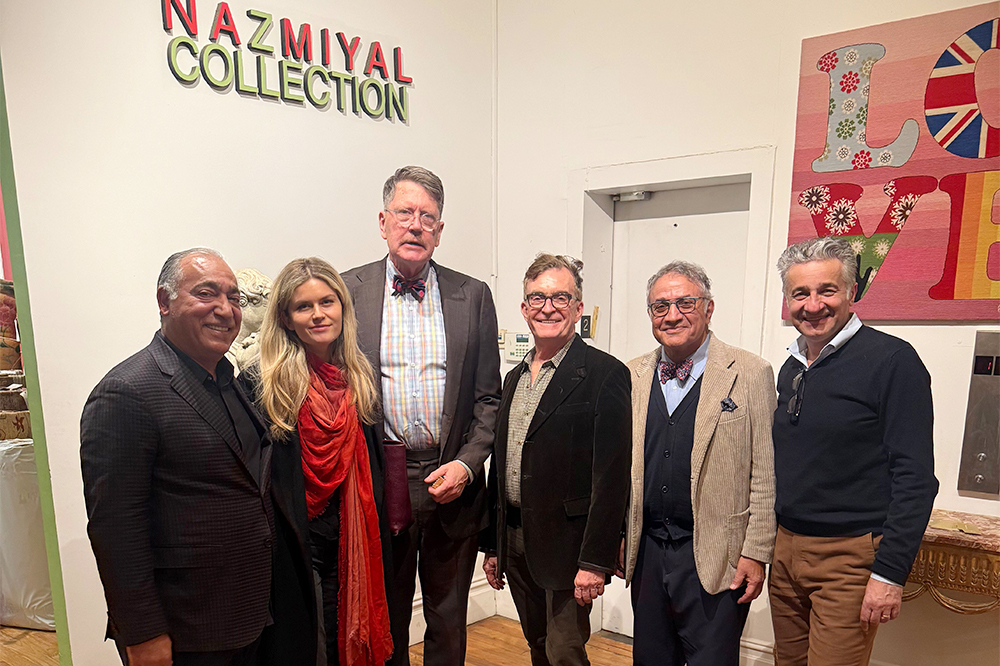
The Nazmiyal Rug Academy’s third and final seminar hosted rug industry and collector experts Rodolfo Kashanian, Elisabeth Parker, and Graham Head for an educational overview on collecting, investing, and preserving antique rugs, followed by an exclusive showing of select pieces from the extensive Nazmiyal Collection.
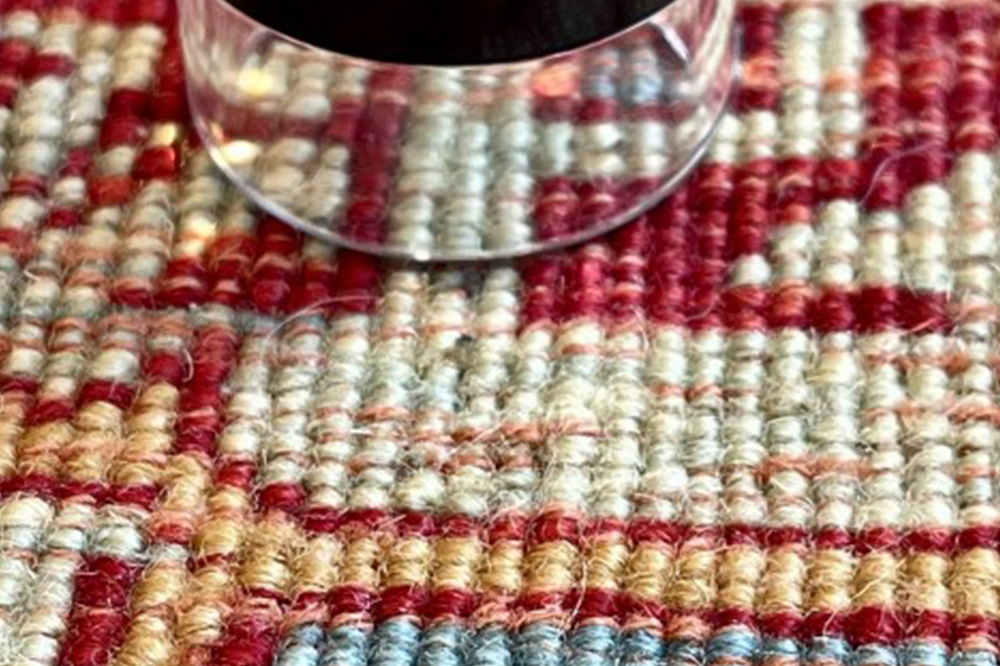
Learn how to properly authenticate antique rugs by taking a closer look at different textile traits.
The second in a three-part educational seminar series hosts respected interior designers Thomas Jayne and Glenn Gissler as they discuss how best to decorate a space using antique, vintage, and modern rugs.

Pantone’s 2026 Color of the Year, Cloud Dancer, is a soft, airy white. Here’s how to use it in interiors – and why it makes antique rugs look even better.
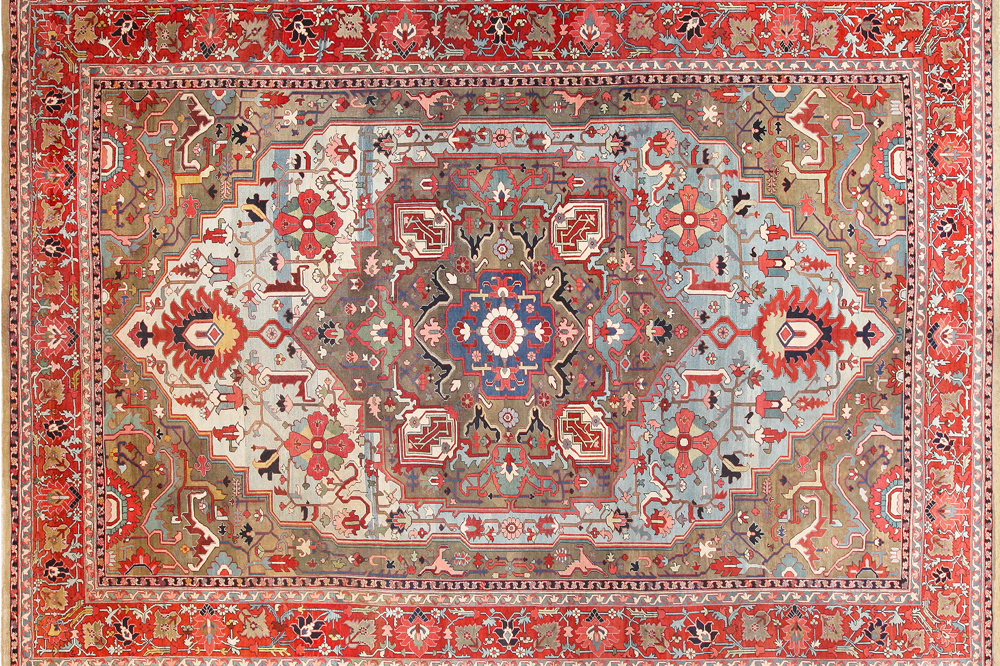
The 2026 year presents a unique opportunity for those interested in buying priceless antique carpets. The blend of old world craftsmanship, natural materials, and beautifully aged patinas, makes these pieces worthwhile investments.
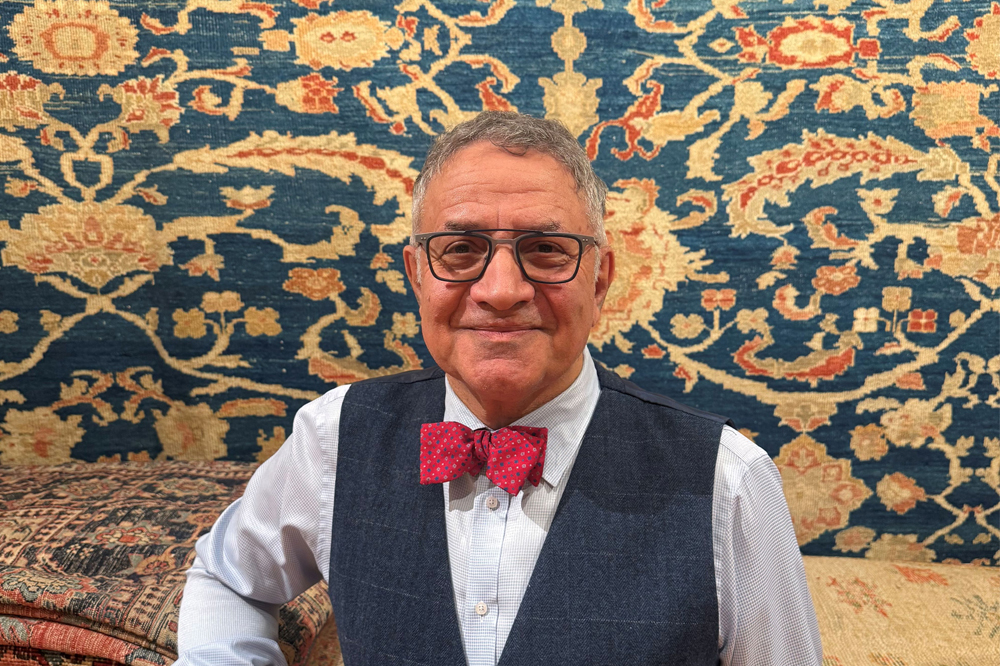
Nazmiyal Antique Rugs invites you to attend the Nazmiyal Rug Academy, a three-part educational seminar series with speaker Rodolfo Kashanian. Learn about the history of rug-weaving, tips for interior design, and understanding the auction market. These three events will each be free to attend and held in the Nazmiyal showroom complete with a wine and cheese reception, as well as exclusive live viewings of select pieces.
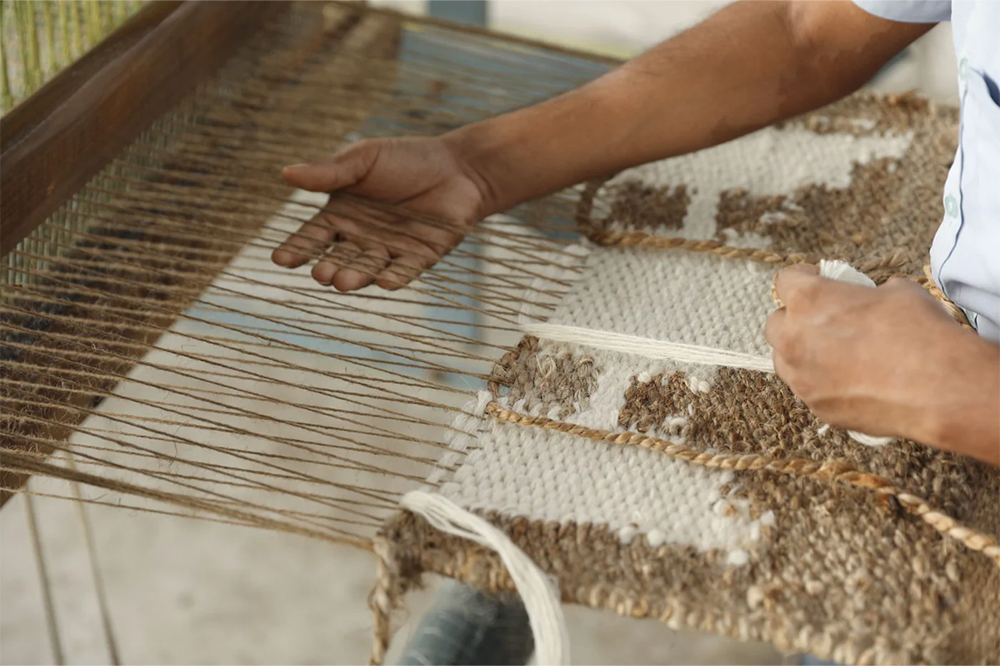
Spinning wool through a machine or by hand results in different textiles, from texture, color variation, and durability. There are a few things to look out for when trying to distinguish between the two. Once you know what to look for, it becomes easier to tell.