There are loud markets and quiet markets. The loud ones come with headlines, hype, and people buying because everyone else is buying. The quiet ones are the opposite, with fewer conversations, fewer “must-have” lists, and fewer shoppers chasing the same things.
In my experience, quiet markets are where patient collectors do their best work. It’s why I keep coming back to the same thought as we head into 2026: to keep buying more of the fine rugs.
If you love incredible antique rugs and think long-term, this may be one of the advantageous windows we’ve had in a long time for buying. Not because the rugs changed, but because the pricing did.
An Investment Window: Rugs Woven from 1860 – 1910
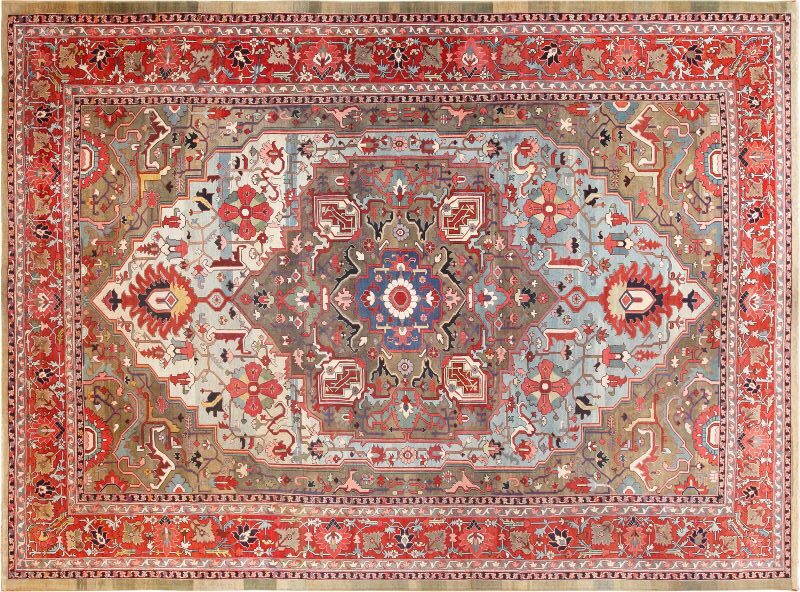
When I say “investment rugs”, I’m not talking about any rug that happens to be antique. I’m talking about rugs woven from roughly 1860 to 1910. This was an essential period of time, when many of the finest pieces were made with hand-spun wool and vegetable dye for the export market.
The defining characteristics of that period boil down to the nature of dye and materials used. These rugs were first woven from hand-spun wool, then dyed with natural vegetable dyes entirely by hand. While you can find “natural dye” claims today, this combination of hand-spun wool, true vegetable dyes, and old-world build quality don’t really exist today.
This is why 2026 feels like a quiet opportunity. The supply is fixed, the standard isn’t repeated, and pricing is significantly lower than it’s been in the last century.
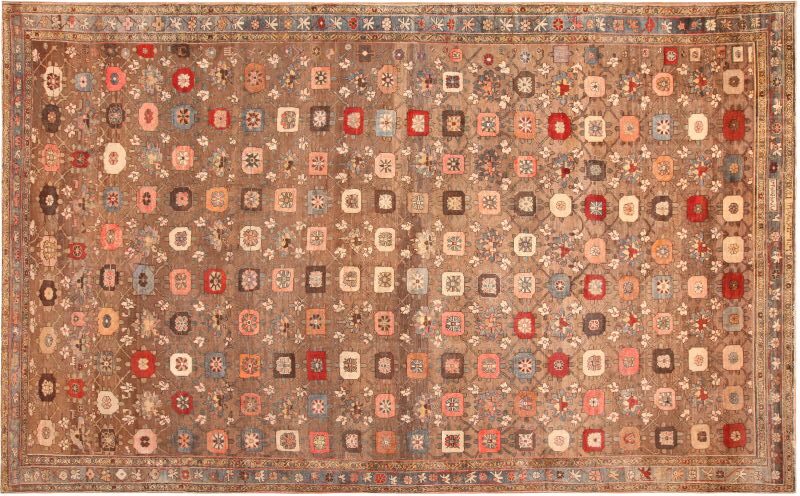
Why Vegetable Dyes Matter: Color That Matures Instead of Fading
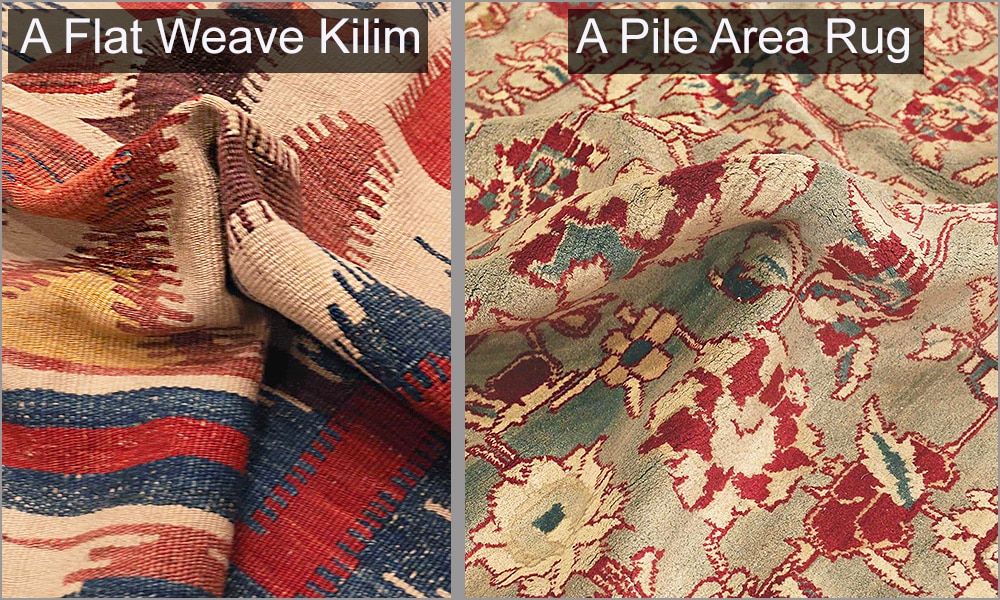
Vegetable dyes don’t behave like modern chemical colors. They mature, mellow, and develop nuance. They create that soft, layered look collectors call patina, something you can’t manufacture.
The best vegetable dye palettes are colorful without ever feeling loud, emitting a soft glow that sits comfortably in a room for decades. This is why the best antique rugs often look better with age, as they’re given time to settle into themselves.
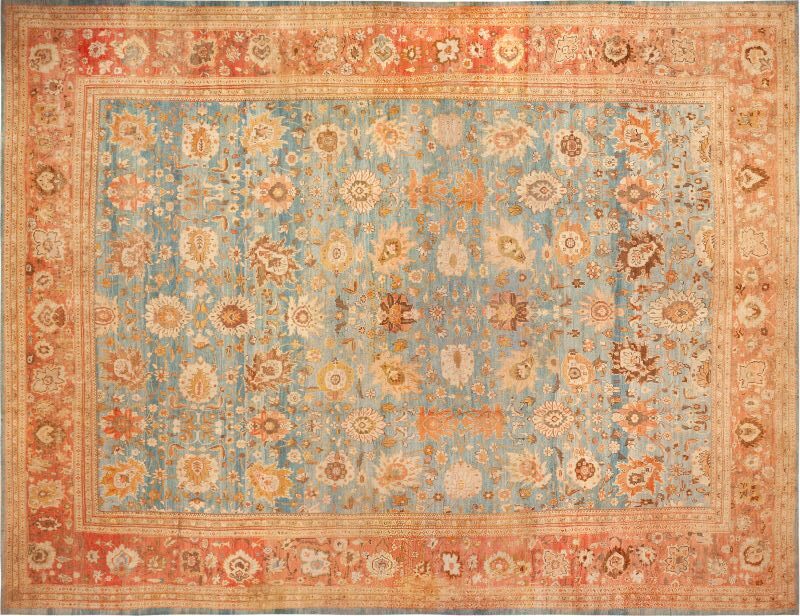
Why Hand-Spun Wool Matters
Hand-spun wool has life in it. The natural processing of the fibers make it impossible to form a uniform look, making each piece completely unique. That’s precisely why hand-spun wool seems richer under light. The yarn has subtle variations in thickness and texture, giving the rug a surface that feels dimensional and alive.
Conversely, machine-spun wool is consistent, clean, and predictable. While the final product is always precise, it lacks the warmth and expressive character present in hand-spun wool.
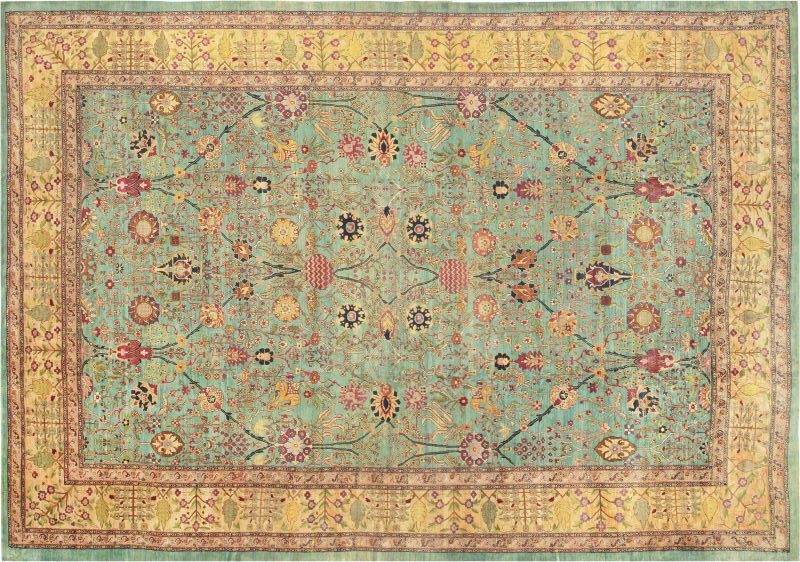
A Finite Supply of a Production Standard That is Not Coming Back
As many long-term collectors know, the world is ever-changing. The standard conditions of the era that made production of these textiles possible are no longer around.
When modern production borrows the look of an antique or naturally made piece, it’s still a modern object. It hasn’t lived or carried the same surface history. Because of this, modern imitations don’t have the same quiet depth when put in a real room.
The issue becomes that originals are limited, and every year there are fewer of them in truly desirable condition.
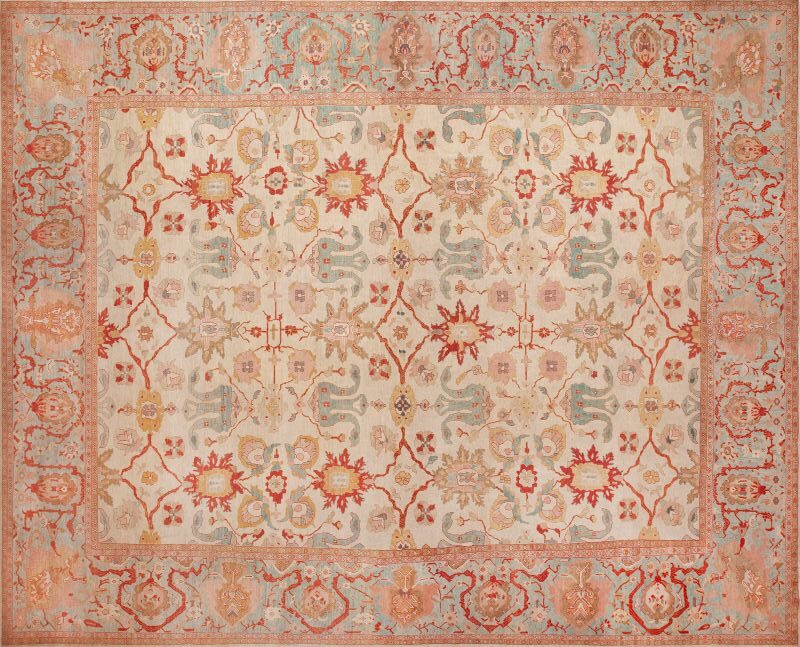
The Opportunity: When Price Doesn’t Match Reality
I’ve been in the fine rug business for 45 years. I’ve seen strong markets, weak markets, trendy markets, and moments when the public wasn’t paying attention.
It’s unusual that so many incredible antique rugs are priced below their quality, but that’s what makes this the opportune time to buy. In some cases, the market is pricing these pieces as decorations, when they should instead be priced as handmade works.
To be clear, when discussing the sudden inexpensive prices of these antiques, they’re still serious purchases. The price is just low relative to the quality of the object, and what it would cost to replace anything comparable today.
The Replacement-Cost Reality Check
Here’s an easy way to think about it. Ask yourself, if you tried to make a rug today with comparable hand-spun wool, true vegetable dyes, master drawing, and the same depth of surface and character, what would it cost?
The gap between replacement cost and current market pricing is where I see the opportunity. And gaps like that don’t stay open forever.