What Is the Pazyryk Carpet?
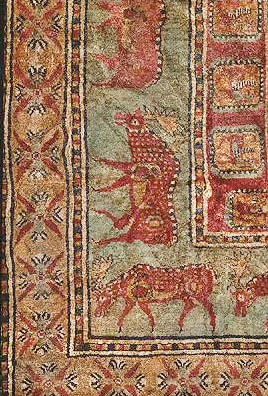
The Pazyryk Carpet is widely considered the oldest surviving pile rug in the world. It was found in a frozen burial mound in the Pazyryk region of the Altai Mountains and is now in the State Hermitage Museum in St. Petersburg. Usually dated to the 5th–4th century BCE, the carpet matters because its wool pile, dense knotting, animal borders, and sophisticated design show that advanced carpet weaving already existed more than two thousand years ago.
Where Was the Pazyryk Carpet Found?
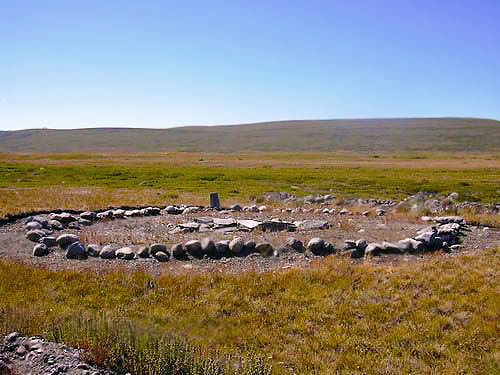
The Pazyryk Carpet was discovered in 1949 during excavations of Pazyryk Barrow No. 5 in the Altai region of southern Siberia. The burial mounds, known as kurgans, belonged to the Pazyryk culture and preserved textiles, horse gear, a chariot, tattooed mummies, and other objects in ice.
About the Pazyryk Valley
The land surrounding Siberia’s Ukok Plateau is vast. Harsh in the winter, the region of Altai Krai is home to the Altai Mountains and the Ob River and her estuaries. The plateau descends into the Pazyryk Valley, which contains ancient kurgans (burial mounds) in the style of the Scythian peoples who inhabited the area in over two thousand years ago.
When did archeologist start excavating in the area?
Archaeological digs in the area began in the 1920’s and unearthed a wealth of historically important items that offered intriguing insight into the little known ancient nomadic tribes of the Pazyryk.
What was discovered at the Pazyryk archeological dig site?
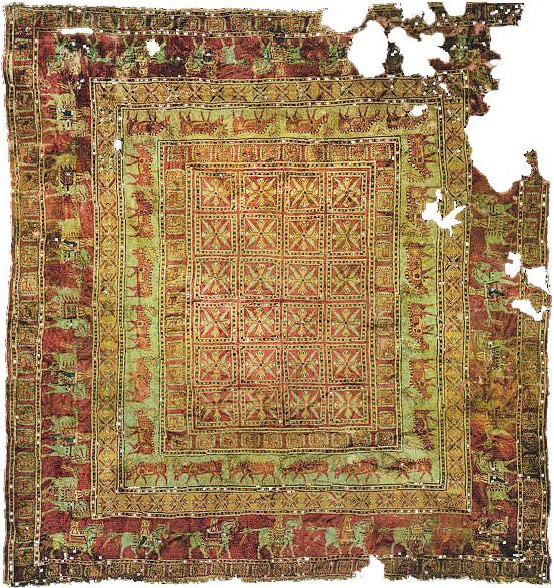
Among the Pazyryk valley findings were mummies, cloth saddles, a full-sized burial chariot, decorative and / or devotional figurines and cannabis seed with an inhalation tent.
How old are the items found at the Pazyryk site and why was everything so well preserved?
When the tombs were unearthed, it was found that they had been remarkably preserved in ice since the 5th century BCE. The mummies that were found were so complete that they still had their tattooed flesh and hair.
Why Is the Pazyryk Carpet Considered the Oldest Rug in the World?
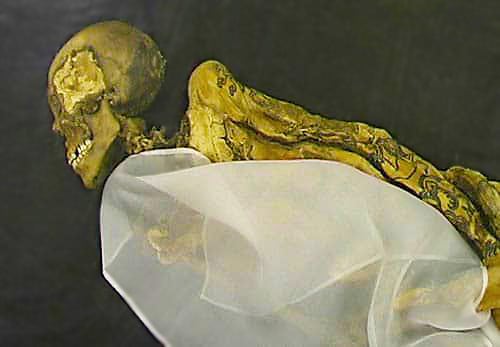
One of the most remarkable finds was the Pazyryk Carpet. To our knowledge, it is the oldest piled rug still in existence, and is housed at St. Petersburg’s Hermitage Museum. The museum’s website description of this ancient rug is as follows:
“Its decoration is rich and varied: the central field is occupied by 24 cross-shaped figures, each of which consists of four stylized lotus buds. This composition is framed by a border of griffins, followed by a border of twenty-four fallow deer.
The widest border contains representations of workhorses and men.”
What the website does not mention is the ambiguity of the rug origin. The Pazyryk Valley was located between active trade routes spanning the ancient world, with China to the east and Central Asia to the southwest. One of the mummies discovered–called the Siberian Ice Maiden–was clothed in a wild silk tunic that likely originated in India. Some of the figurines were gilded, and gold is not native to the area.
Where was the Pazyryk carpet actually made?
The Pazyryk Carpet most likely came from Central Asia, though it is really a tossup between Persia or Armenia. Both nations have traditions of weaving antique rugs which spans thousands of years. The horses represented on the ancient carpet are nearly identical to horsemen on a frieze in the ancient Persian city of Persepolis. The possibility that the rug was produced by the Pazyryks is extremely slim, because the sophistication and elegance of the design is indicative of a settled and cosmopolitan civilization unlike the nomadic Pazyryks.
Where Was the Pazyryk Carpet Made?
Based on a study of ancient artistic development, textile expert Ulrich Schurmann has reached the conclusion that the carpet is of Armenian origin. The Persians also claim it as their own, believing that it’s an artifact from the Achaemenid Empire.
For now, the exact origin of the Pazyryk Carpet will remain a mystery, but its significance and beauty is forever eternal.
In honor of the oldest rug in the world, here are some of our favorite early rugs:
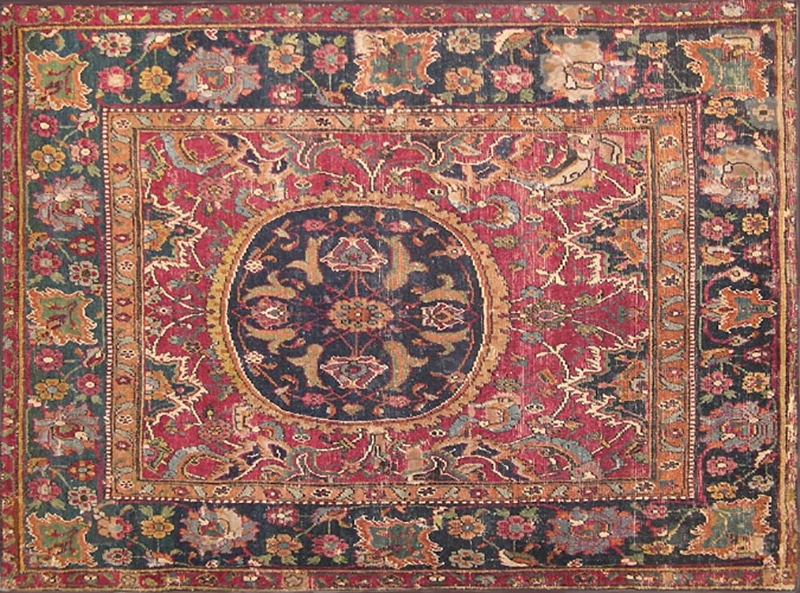
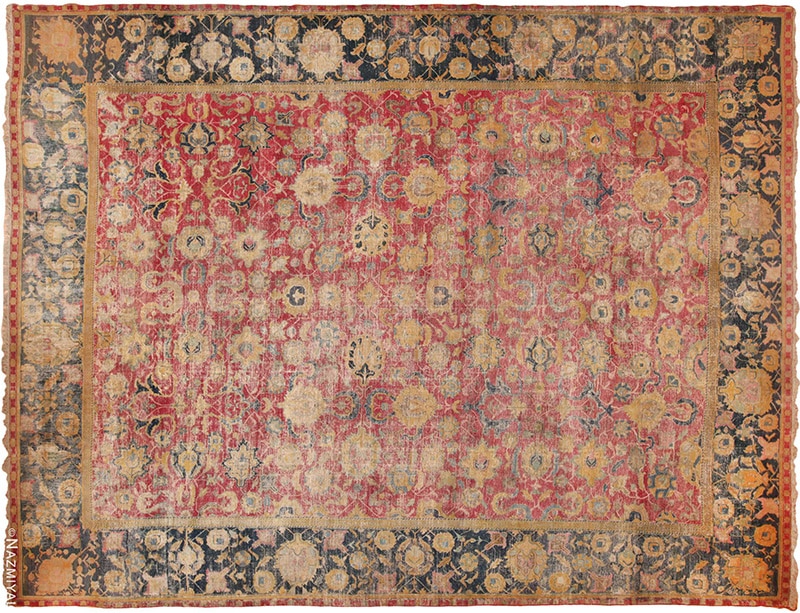
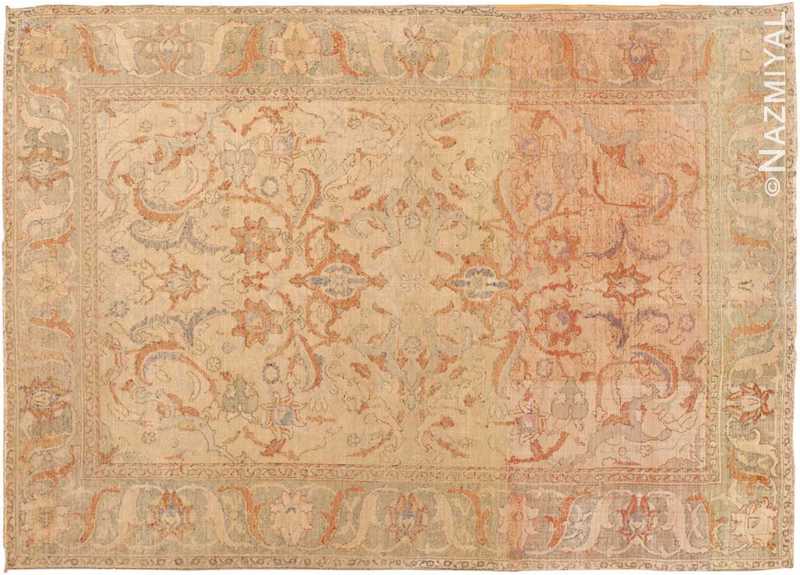
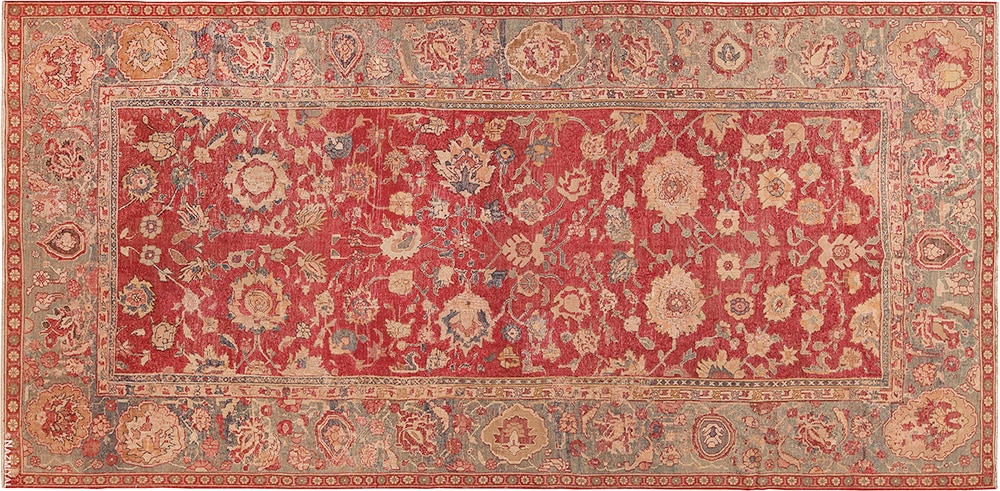
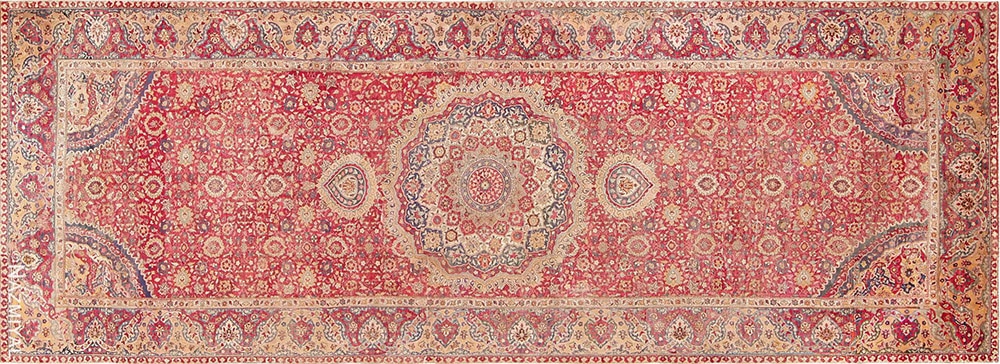
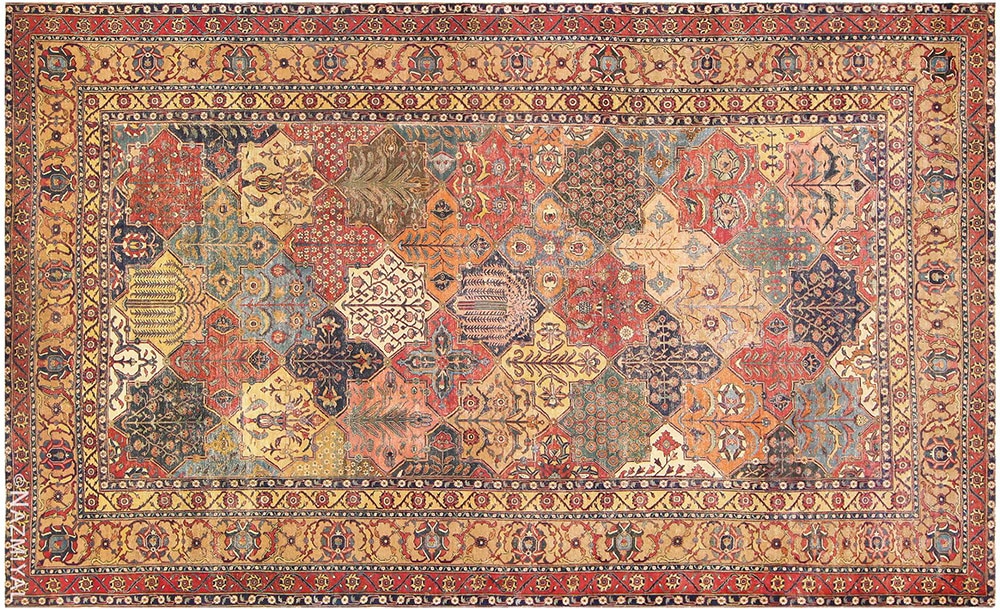
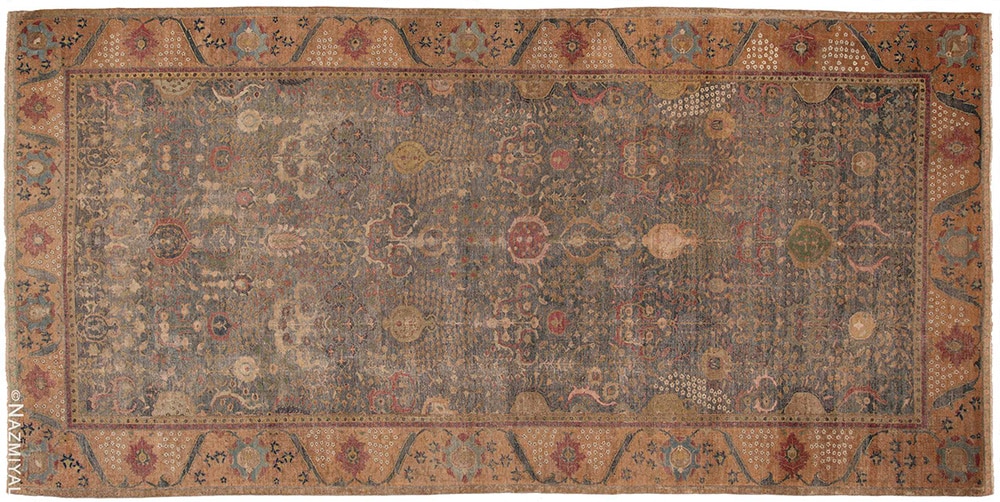
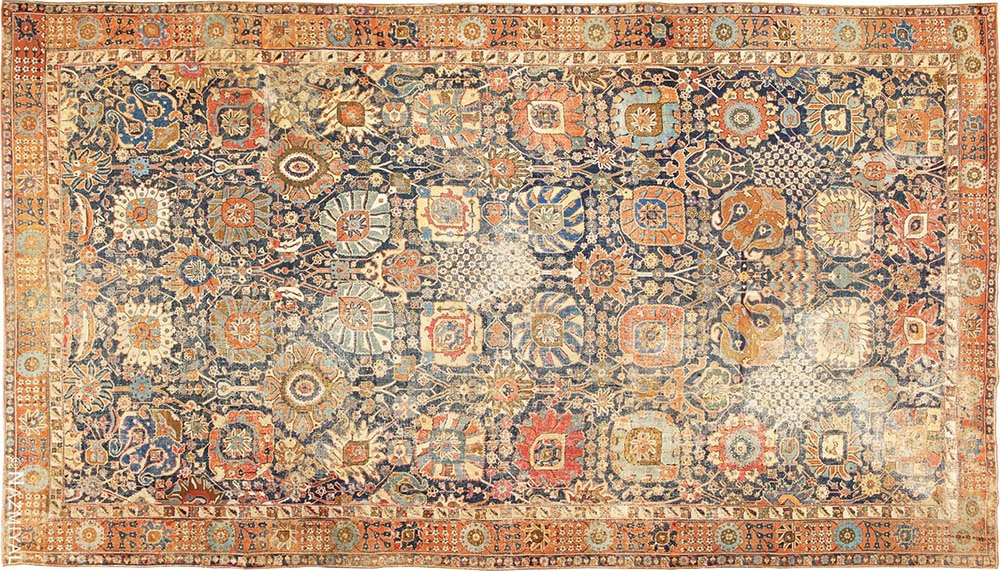
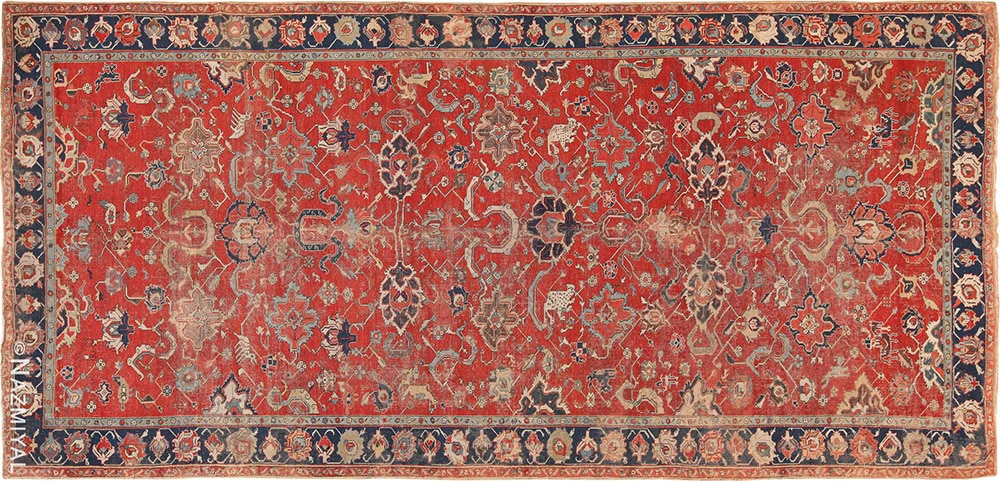
Early Rugs and Historic Carpet Traditions at Nazmiyal
The Pazyryk Carpet is not available for purchase; it belongs to world textile history. For collectors interested in later historic weaving traditions, Nazmiyal’s antique rugs, early rugs and rug provenance guide offer a more practical path into rare carpets, historic design, and connoisseurship.