Updated February 26, 2026 • Reviewed By Jason Nazmiyal
Definition – Antique rug care refers to the preservation practices used to protect historic hand-woven rugs from abrasion, light damage, improper cleaning, and environmental deterioration.
How do you care for an antique rug? – Antique rugs should be vacuumed gently, rotated regularly, protected from direct sunlight, and cleaned only using safe conservation methods. Proper rug pads, careful spill response, and professional washing every few years help preserve the fibers, dyes, and structure of historic rugs.
Key Takeaways:
- Vacuum antique rugs gently using suction-only settings.
- Rotate rugs regularly to prevent uneven fading and wear.
- Avoid direct sunlight to protect fibers and dyes.
- Always use a proper rug pad to reduce abrasion.
- Blot spills immediately and avoid harsh cleaning chemicals.
- Professional washing every few years helps preserve antique textiles.
Caring for Your Textiles
An antique rug isn’t just a decorative object. You’re living with a hand-made textile that’s survived decades or even centuries. Its durability throughout the ages is a testament to its construction, and with the right habits, it’ll survive into the next generation as well.
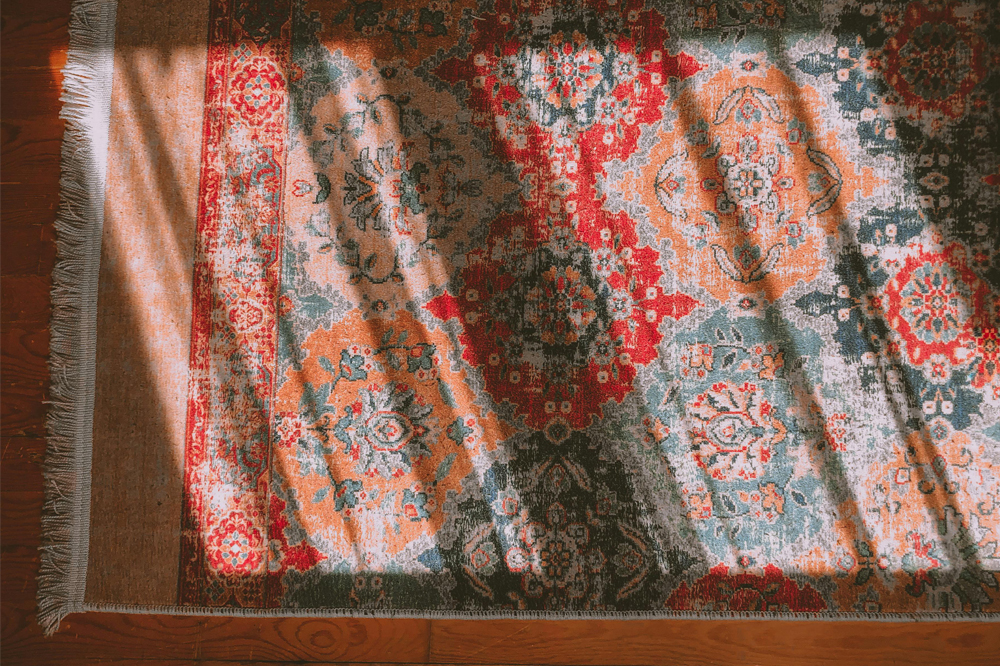
Antique rug care means protecting natural fibers from the three real enemies: abrasion, UV/light, and improper cleaning. This guide is written from the perspective we use every day at the Nazmiyal Collection when dealing with authentic rugs, fibers, and wear patterns.
The Care Routine That Saves Rugs
Use the following steps as a general guide to caring for your antique rugs. Avoid common mistakes and ensure a preservation of your rug’s character and integrity.
1. Vacuuming Gently and Regularly
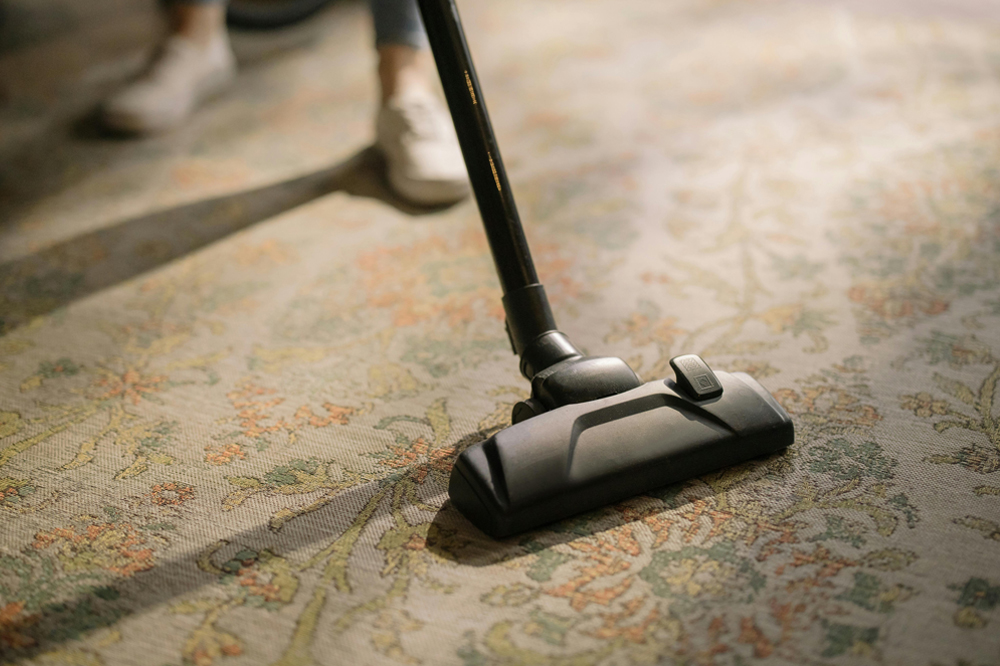
While the natural fibers of a rug are responsible for a luxurious sheen and soft pile, they also trap debris. Dust and grit behave like sandpaper inside the pile, tearing through fibers and aging the textile prematurely. That’s why routine vacuuming matters more than people think. There’s a right and wrong way to vacuum though, especially with pieces as delicate as antiques. Remember, they’re not just accessories, they’re historical investments and works of textile art that deserve the utmost care.
When vacuuming an antique, do…
- If possible, use a suction-only setting, especially for older rugs.
- Vacuum with the direction of the pile in slow passes.
- Vacuum both the front and back. Back vacuuming reduces embedded grit.
When vacuuming an antique, don’t…
- Don’t use a heavy, aggressive beater bar.
- Don’t “scrub” fringes with the vacuum head. Most fringe damage is usually due to vacuuming.
Tip: If the rug “lifts” or “chatters” under the vacuum, your setup is too aggressive.
2. Rotation: The Simplest Way to Prevent Uneven Fading and Wear
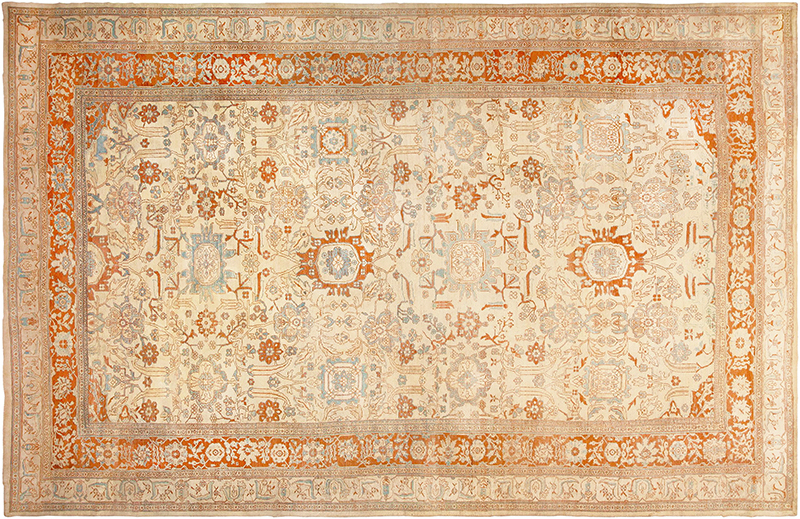
Take into consideration the placement of your antique rug. Is it an area with a lot of foot traffic? Does that particular area get a lot of sunlight? If one side of your textile sits in sunlight or receives the brunt of the foot traffic, it will inevitably age quicker. Prevent uneven wear by rotating the rug, ensuring your rug will age gracefully and evenly.
An easy rotation schedule:
- Normal rooms: rotate every 6 months
- Bright rooms and heavy traffic areas: rotate every 3 months
If you’re placing a Persian piece, especially a finely dyed workshop rug, the color can be more sensitive to light. See our Persian Rugs hub for examples of dye palettes that can be more reactive.
3. Sunlight and Windows: Light Fades Fibers, Not Just Color
While fading color and patterning is a well known effect of prolonged light exposure, there’s another, lesser known consequence. UV light weakens fibers over time, breaking down chemical bonds through a process called photodegradation. This leads textiles to become brittle, causing breaking, shedding, and accelerated aging. The effects are irreversible, so it’s important to be aware of sun exposure and act accordingly.
Best practice:
- Use sheers, UV window film, or lines drapery in high-sun rooms.
- Consider moving the rug seasonally if your room gets strong directional sun.
Tip: Avoid placing an antique rug in direct sun “because it dries it out.” That’s a myth that costs rugs.
4. Rug Pads are Necessary for Longevity
Rug pads are a thin layer made from felt, vinyl, or rubber, that go under a rug. They’re an absolute must when caring for an antique rug. A proper pad reduces friction, prevents sliding, and overall lowers stress on the foundation of the textile. Using a rug pad significantly reduces aging on rugs, as it protects the fundamental integrity of the weave structure.
Look for:
- Specifically ask the pad supplier for a pad with non-staining materials.
- A thin profile that doesn’t create a “spongy” feel.
- Correct sizing. The rug pad should sit slightly smaller than the rug perimeter.
Tip: Avoid thick rubbery pads. They trap moisture and migrate/plasticize over time, especially in humid environments.
5. Spills and the First 2 Minutes
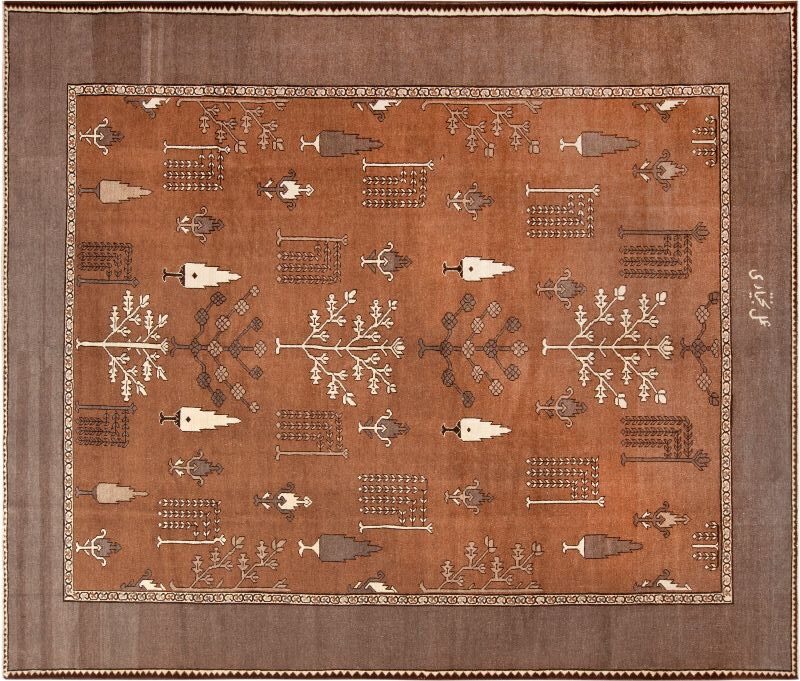
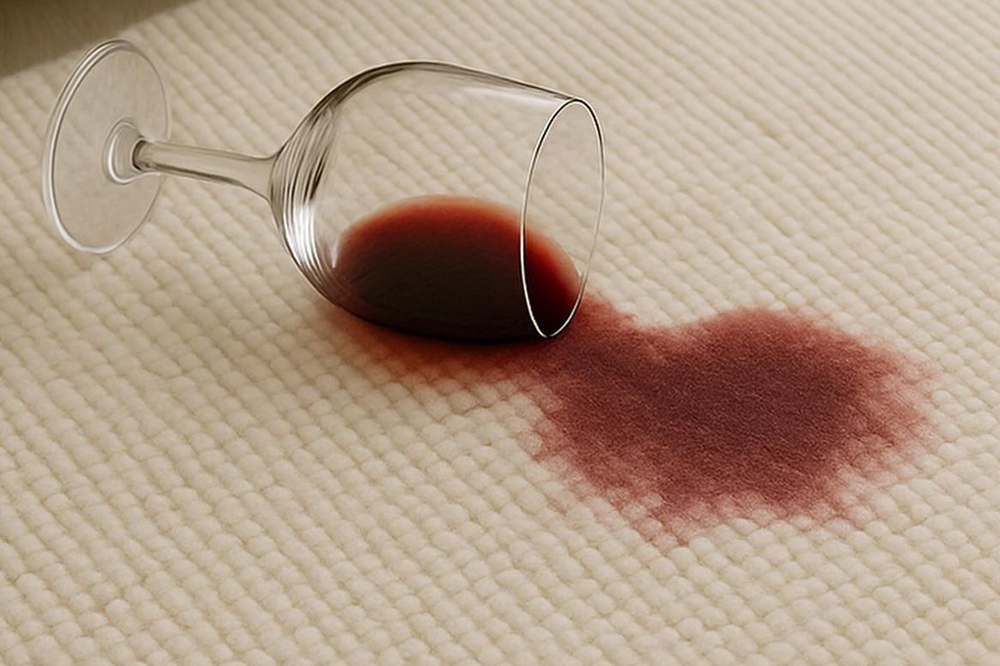
Spills are expected. Rugs are meant to be lived with in your everyday life and accidents happen. Don’t beat yourself up about spillage! Instead, be prepared when the time comes. The first 2 minutes after a spill give you the biggest chance of saving your textile from any staining or damage. Most of the time, damage due to spills happens because of panic. Here’s the calm, correct approach.
For most spills (water, coffee, wine, juice)…
- Blot immediately with clean white towels. Do not rub.
- Use cool water only on a lightly damp towel and blot again.
- Keep blotting until transfer stops.
- Dry fully. Use a fan if needed. Moisture left behind causes odor and dye movement.
For oily spills (butter, salad dressing)…
- Blot excess, then place a dry towel over the affected area and apply gentle pressure.
- Avoid off-the-shelf “spotters” unless you know exactly what they contain.
Tip: Never pour cleaner directly onto the rug. You’re pushing chemistry into the foundation where it’s hardest to remove.
6. The Honest Truth About Pets
We know your furry friends are a non-negotiable, but when looking to add an antique rug to your home, it’s important to understand that pet ownership comes with extra responsibility. Pets mean extra wear, foot-traffic, and debris. While shedding is one of the more obvious consequences of owning a pet, it’s quite manageable with proper vacuuming. Pet urine is something you want to look out for though, and not something you should use a “home remedy” for. It isn’t like a regular spill, but contains an acidity that threatens the fibers in your rug.
If it’s urine…
- Blot immediately, then call a professional rug wash facility that handles antiques.
- The goal isn’t just odor removal, but preventing long-term fiber damage and foundation deterioration.
If you have pets and want a rug that’s easier day-to-day, an antique rug may not be the right fit for you. Compare your antique choices with certain Vintage Rugs, often sturdier with thicker piles, or Modern Rugs designed for heavy living.
7. Prevent Moths and Insects
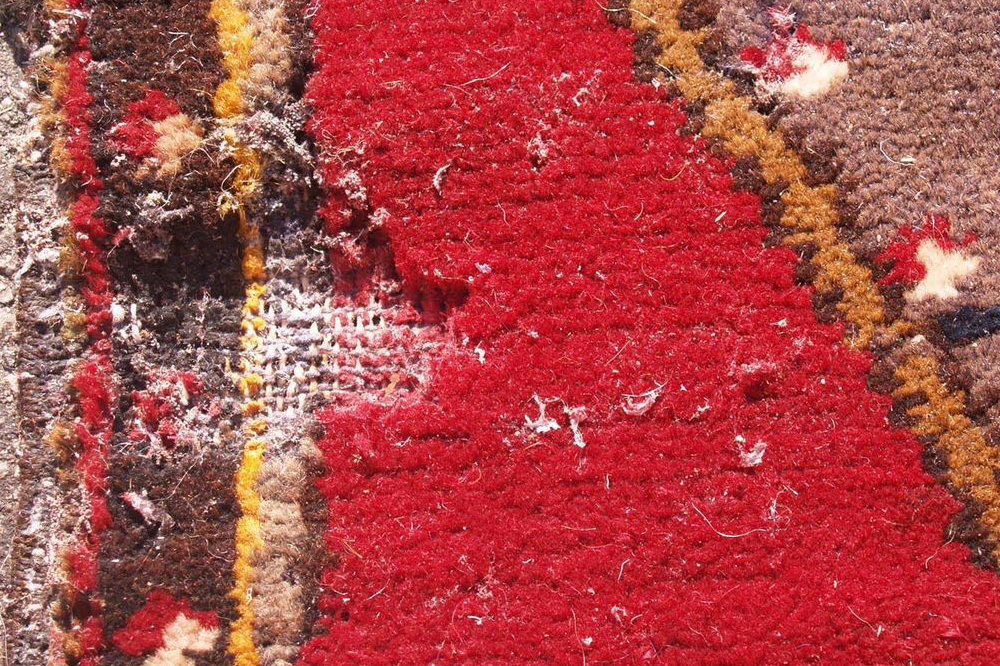
One of the most common rug afflictions are insects and moths. Avoiding moths is of paramount importance and much easier than having to treat an already insect-damaged rug. Moths don’t necessarily “eat rugs.” Their larvae, however, eat natural fibers in dark, undisturbed areas, especially where dust and pet dander collect.
Prevention Checklist
Vacuum regularly. Remember, dust is their food.
Lift and inspect corners and under furniture every few months.
Keep storage clean, dry, and breathable.
If you suspect moth activity, don’t spray household pesticides into the rug. Get a proper inspection and a controlled treatment plan.
8. Store Your Pieces Like a Conservator
Knowing how to correctly store your antique rug goes a long way in its preservation. Improper storage creates creases, cracking, dye issues, and an increased risk of insects. If you find yourself in the position of needing to put your rug(s) in storage, use the following guidelines.
Correct storage:
- Clean your rugs first. Never store a dirty rug, as this gives issues the chance to fester.
- Roll up the rug with the pile surface facing inward. Use an acid-free tube if possible.
- Wrap it in breathable cotton, not plastic.
- Store off the floor in a dry, stable environment.
Comparing the Merits of Antique, Vintage, and Modern Rugs
Antique rugs obviously have the oldest foundations of the three. They’re made up of historic dyes and delicate wear patterns developed over decades, or even centuries. Care for antique weaves needs to be gentler and more conservative. Careful maintenance is incredibly important, and incorrect cleaning practices are the fastest way to reduce condition and subsequently value.
Vintage rugs, often from the mid-20th century, are slightly more forgiving in daily life. This, of course, depends on weave, pile, and condition, but they’re generally much sturdier than antique productions. Keep in mind that vintage rugs are still older weaves, though, and should be treated with similar delicacy to prevent rapid aging and wear.
Modern rugs, oftentimes made with synthetic dyes and fibers, are the most durable weavings. Their materiality can tolerate harsher cleaning methods that would be otherwise risky for antique wool and silk. If you’re interested in an antique look but like the durability of a modern textile, there are plenty of contemporary weavings made to fit the antique aesthetic. They’re a wonderful alternative for high-traffic interiors.
Common Mistakes and How to Avoid Them
While well-meaning, it’s important to consult a cleaning guide or rug expert before taking matters into your own hands. These are some of the most common mistakes made when attempting to clean antique rugs. Be sure to avoid them!
- Steam cleaning – Pushes moisture and heat where it doesn’t belong.
- “Carpet shampoo” machines – Counterproductive, leaving residue that attracts more soil.
- Hanging a wet rug to dry – Distorts shape and causes stress to the rug’s foundation.
- Ignoring pressure points under furniture – Creates pile crush and permanent wear maps. Pay regular attention to where your furniture rests on rugs.
Why Trust Nazmiyal
The Nazmiyal approach is built on three foundational pillars that guide every decision, from acquisition to expertise to client trust: deep scholarly knowledge developed through decades of hands-on experience, rigorous standards of authenticity and transparent valuation, and a globally curated collection shaped by historical depth, cultural understanding, and market insight.
Frequently Asked Questions
Can I vacuum an antique rug?
Yes, but gently. Avoid aggressive beater bars and go with a suction-only option when possible. Don’t vacuum the rug fringes directly.
How often should an antique rug be professionally washed?
As a good rule-of-thumb, get your rug professionally cleaned every 3-5 years. If your household has pets, soot, and heavy foot-traffic, get it washed more frequently. For rugs in low-use rooms, less frequently.
What should I do if I spill red wine on my antique rug?
Blot at the affected area immediately. Use cool water on a towel to blot again, and fully dry. Avoid pouring cleaners directly onto the rug.
Are rug pads safe for antique rugs?
Yes, but only when they’re non-staining, correctly sized, and not overly thick. Pads reduce slippage and abrasion.
How do I prevent moth damage?
Vacuum regularly, inspect hidden areas, and don’t store rugs in plastic or when dirty.
Is sunlight really that harmful?
Unfortunately, yes. Light weakens fibers and fades color over time. Filter or reduce direct sun exposure and rotate your rug.