Updated March 9, 2026 • Reviewed by Jason Nazmiyal
Definition – Bohemian rugs are antique or vintage rugs with layered patterns, tribal influences, and rich colors that complement eclectic interiors.
What rugs work best in Bohemian interiors? – Antique and vintage rugs are the best avenue for making a space feel like an eclectic curated collection. They bring patterning, color complexity, and a sense of history.
Key Takeaways
- Bohemian interiors rely on layered textiles and global influences.
- Antique rugs provide pattern complexity without looking artificial.
- Mixing scale and color families prevents visual chaos.
Bohemian Interiors
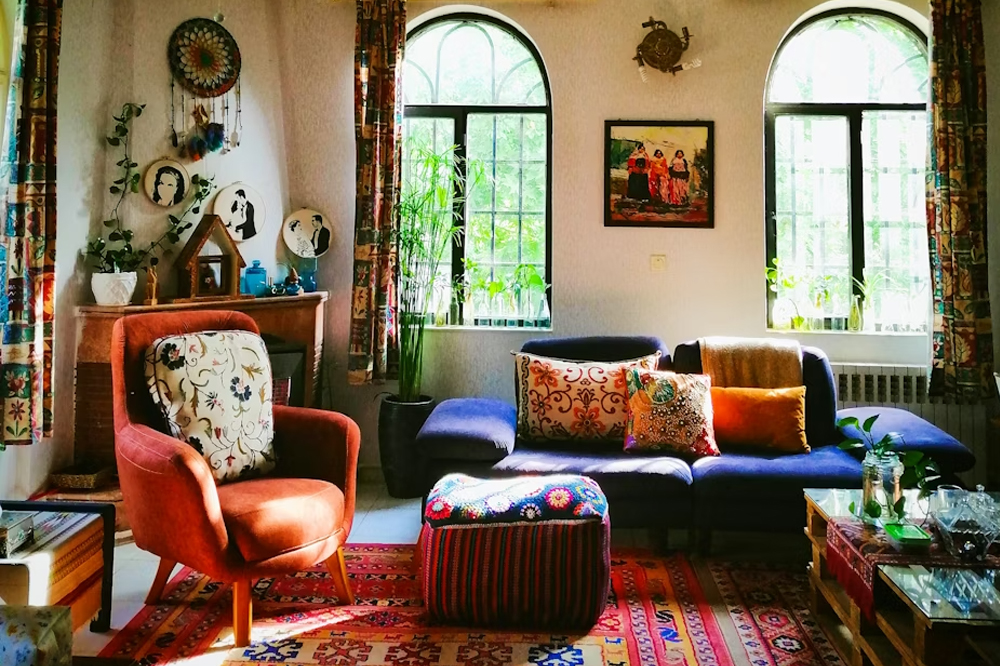
Boho is one of the design styles that feels the most personal. It’s rich in both texture and color, and feels like someone’s diary come to life. Art, trinkets, and travel finds are all staples of Bohemian interior design. They steer more towards a maximalist aesthetic, but they aren’t messy. Instead they emulate an impressive level of controlled chaos.
What is the Bohemian interior design style?
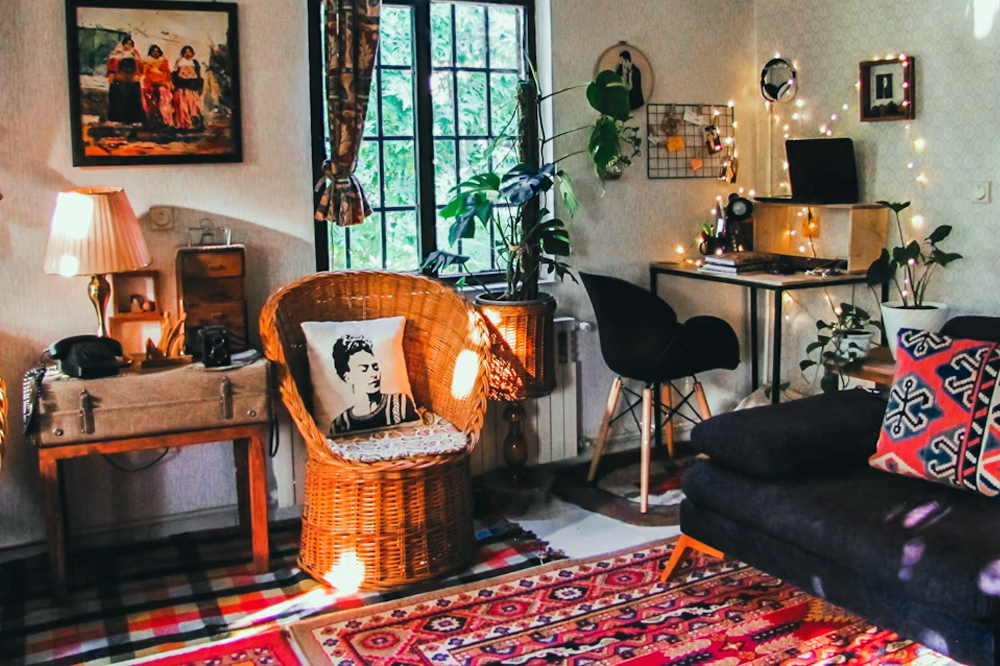
Bohemian, better known as “Boho,” is known for its eclectic, layered, and expressive style, mixing textiles, art, and patterns to create a relaxed environment.
The style originated in early 19th century Paris and began as a counter-culture movement popular among artists and creatives. The name comes from “Bohemia,” a region in the Czech Republic where the Romani people who inspired the look were mistakenly thought to originate from. Cultured, nomadic, and creativity are valued over wealth, resulting in a diverse and unconventional look. A mix of patterns became a principal element in Bohemian fashions because its “well-traveled” aesthetic popularized traditional foreign designs, borrowing heavily from North Africa and Eastern Europe.
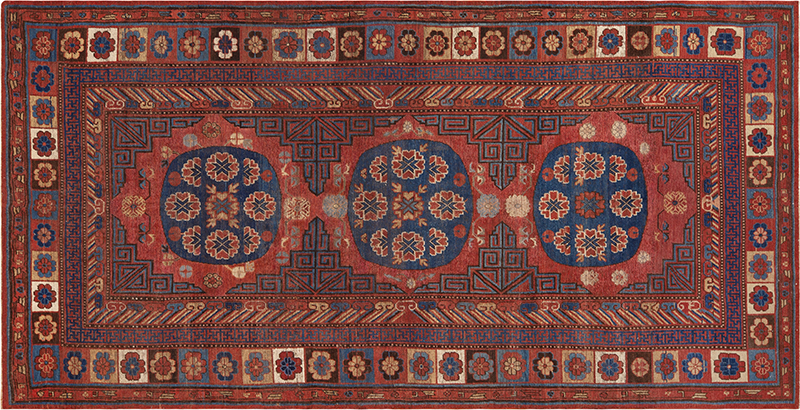
While emerging in the 1800s, the 1960s and 70s “hippie era” saw a massive resurgence of Boho styles. This, again, was the result of youth counter culture pushing back against the clean-cut image of prior decades. Today, there’s far less rigidity about what’s considered “in fashion,” and Boho Chic has become one of many popular interior design styles.
Boho vs Coastal
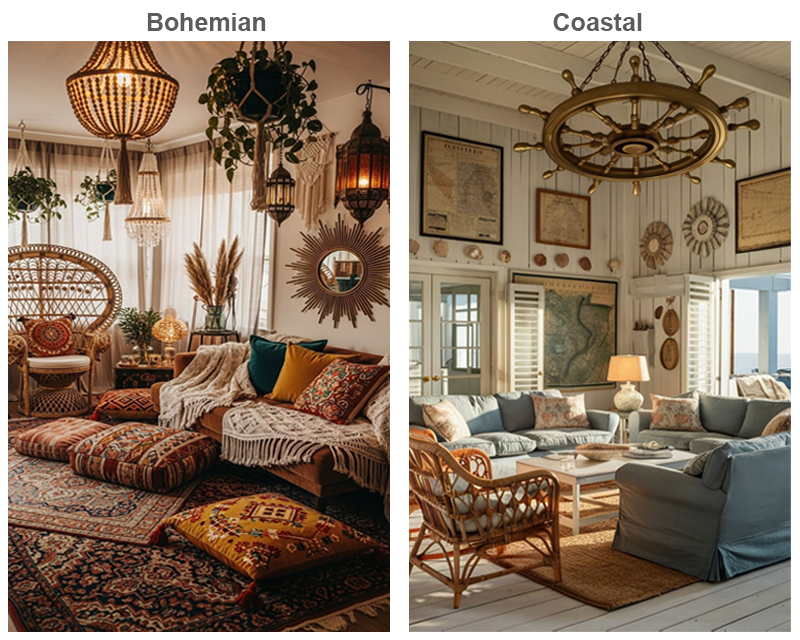
A coastal aesthetic is the closest interior design style to Boho. There are several similarities, mostly in the relaxed and textured atmosphere they both emulate. It’s brought about a popular mix of the two design styles known as “Boho-Coastal,” but what are their differences?
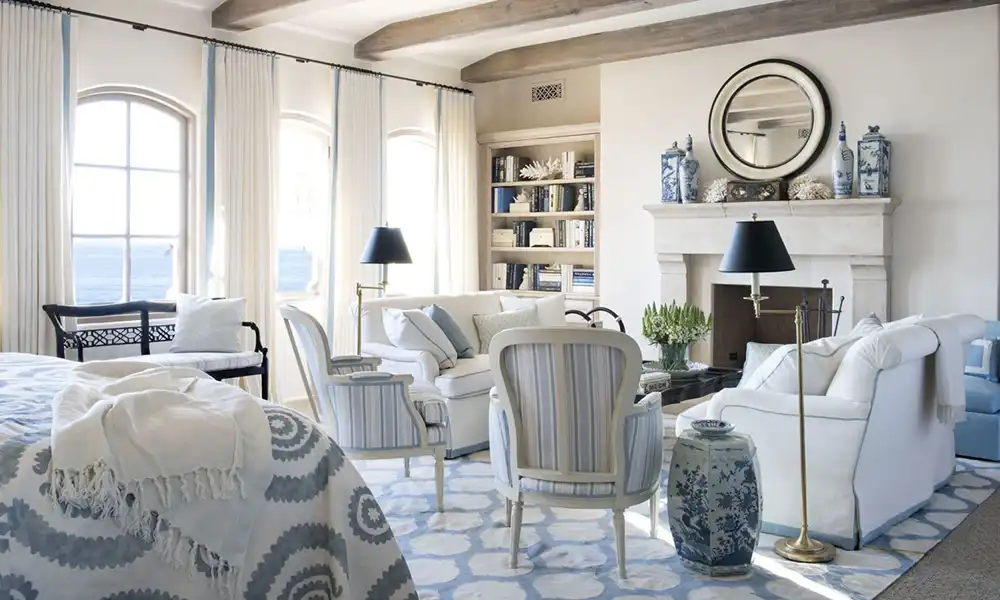
Visually, the biggest difference comes from color and pattern. Coastal designs tend to stay on the lighter side, with white, beige, and pastels dominating the palette. Occasional accents of stark blues are also common, giving the space a nautical feel. Coastal interiors are meant to feel airy, so busy patterns aren’t ideal. Instead, their accessorizing relies on texture and natural fabrics. Jute, rattan, and weathered finishes on natural wood and stone are key elements of coastal designs.
Boho, on the other hand, is earthier and warmer. While it’s also an aesthetic that incorporates plenty of natural textures, they’re much richer in color and varied in their patterning. Decorative ceramic elements and untreated wood add an artisanal sense of creativity that makes the interior feel more eclectic. A Bohemian design tends to be “busier” than a coastal one, as it isn’t looking to achieve the same breezy nature.
How to Style and Layer Boho Rugs
Designing a Bohemian room is deceptively challenging. It isn’t just throwing a bunch of things together and hoping it works. There’s a method to it, and every feature should be deliberate, giving the space personality and an important cohesiveness. This is especially true when looking to style Boho rugs.
The “Anchor Rug” Rule
Use the “Anchor Rug” technique to properly ground your interior design. Pick one rug you truly love and let it serve as a basis for the rest of the room’s furnishing and composition. The rug decides the room’s palette, how much pattern it needs, and whether your Boho style should lean into maximalism or a calmer atmosphere. Consider a texture-forward design plan as well to make the space feel intentional and comfortable.
Choose Layers Upon Layers
Layering in general is a staple of the Bohemian style and there’s a right and wrong way to do it. Layering rugs with no thought behind it can look cluttered, and messy. Below are a few tried and true methods of layering rugs that will transform your space.
1. Big Vintage Rug + Small Flatweave
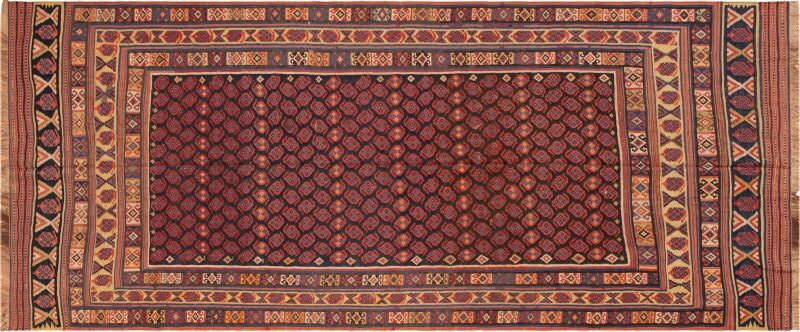
Keeping in mind colors and patterns, this is a classic rug layering combo. Use a large antique or vintage pile rug as the base layer to anchor the general layout. Then place a smaller flatweave on top of the base layer. The mix of pile and kilim style rugs provides the room with an interesting texture dynamic that instantly transforms a space. Consider scale when employing this method. Generally, your anchor layer’s dimensions should be around 9×12 or 10×14 while the top layer’s dimensions should be 3×5 or 4×6.
2. Neutral Base + Bold Tribal Accent
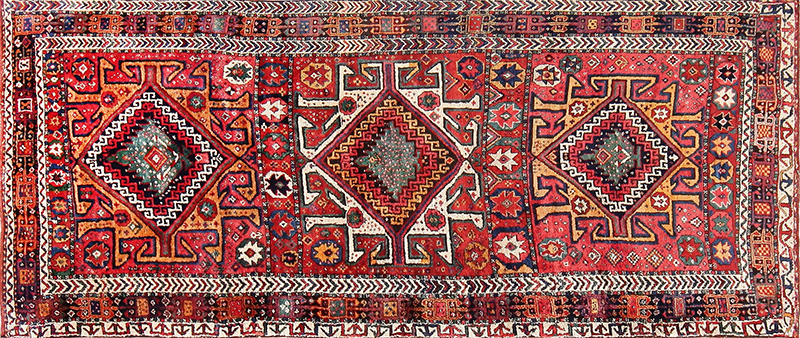
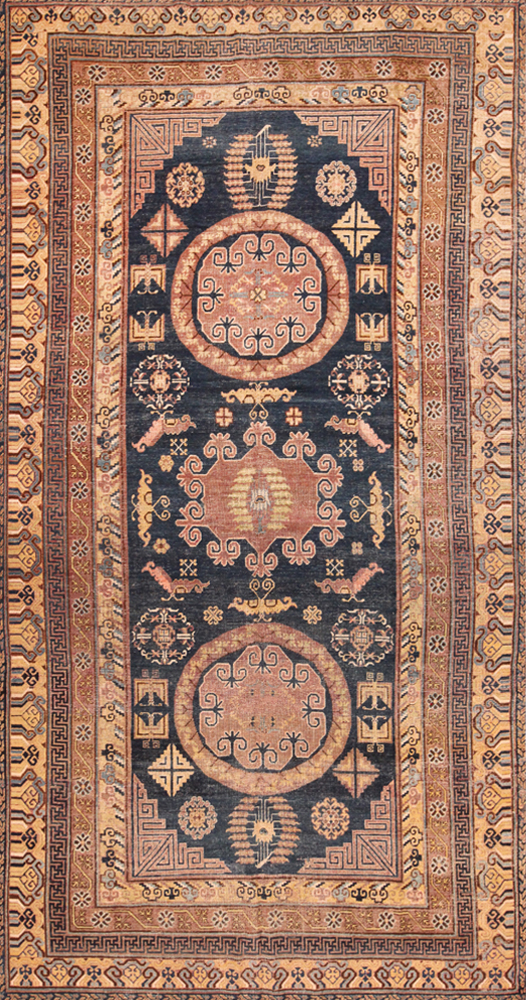
Another classic way to layer rugs is to begin with a neutral base paired with contrasting colors and patterns. Following the same large/small scaling dynamic, use a faded or softly colored neutral rug as the base layer. Oushak rugs and soft Khotan rugs work well for this. Pair them with smaller tribal rugs with bold colors and patterns. The stark dynamic will accent the space well.
3. Runner Layering
For trickier rooms, like kitchens and hallways, runner rugs are a great alternative which can also be layered. Again, keeping the scale in mind, a blend of textures or contrasting quiet/loud patterns will compliment each other well and elevate an otherwise banal space.
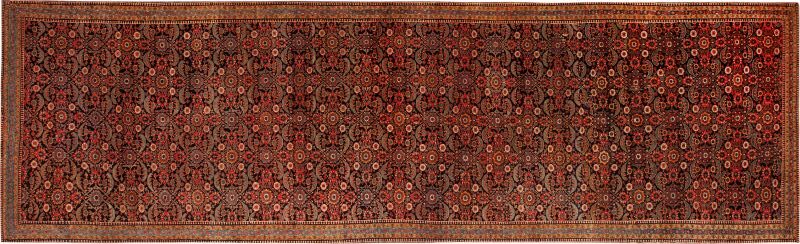
Still confused? Explore Nazmiyal’s curated collection of antique rugs perfect for Bohemian interiors:
Antique Rugs • Vintage Rugs • Moroccan Rugs • Persian Rugs • Turkish Rugs
Avoid These Mistakes!
It’s easy to get lost in the Bohemian style. Its maximalist nature makes it seem like pure chaos, but the key to an attractive Boho interior is controlling the chaos. It should still have an order to it and look cohesive. Avoid common mistakes like:
- Too many equal patterns – The Boho style is very pattern-heavy, but it’s also about variety. Don’t get too caught up in patterns that are too similar. It’ll make the space’s design seem themed and gimmicky.
- No repeat colors – Though diversity is a key element of Boho, strategically sprinkled in repeat colors help tie the room together.
- Rug too small – Small, ill-fitting rugs tend to look like they’re “floating” in a room when they should be working as an anchor. Be sure your rugs are scaled to properly incorporate into the space.
Featured Rugs
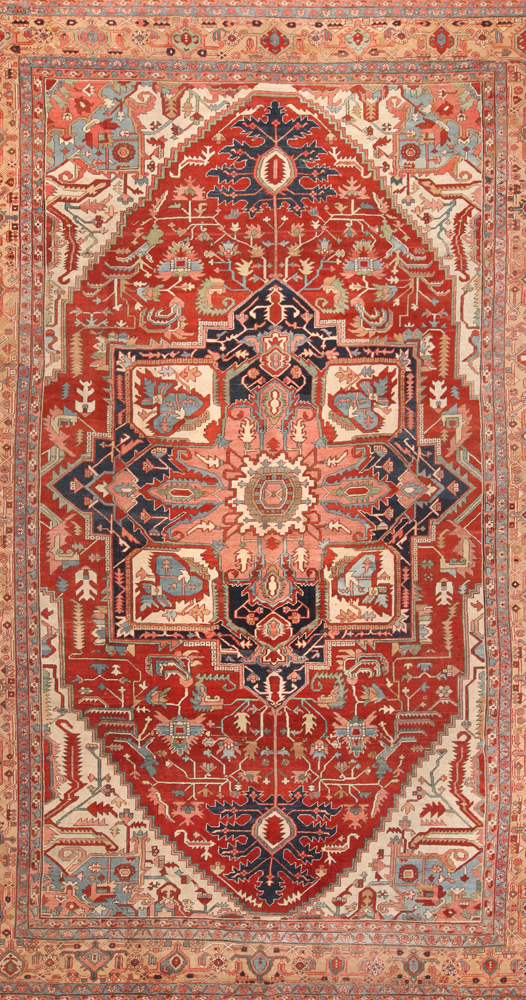
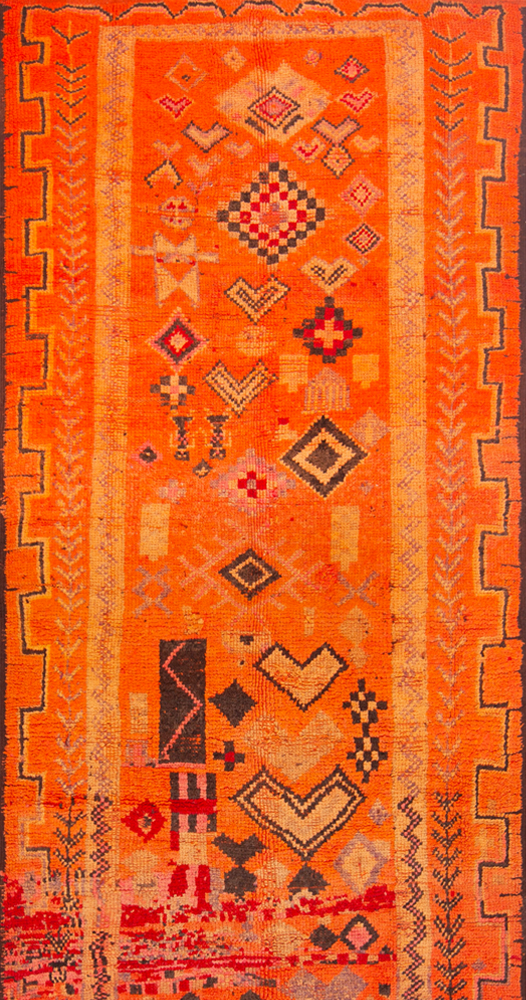
The Nazmiyal Collection is home to a variety of authentic antique and vintage rugs perfect for Bohemian interiors.
Final Thoughts
Bohemian style interiors are relaxed spaces filled with rich colors, varied patterns, and textured elements. The style originated in 19th century Europe among young artists and creatives who valued a nomadic and cultured aesthetic. The historical nature of antique and vintage rugs makes them perfect additions to Boho style rooms, especially with how diverse their patterns and palettes can be. Introducing Bohemian rugs for these interiors helps anchor the room, serving as a basis for other furnishing elements. Layering rugs with contrasting textures or patterns can also help elevate the overall atmosphere. Avoid getting too lost in the eclecticism of Boho when designing your space, as it should still curated and cohesive.
- Bohemian interiors are colorful, patterned, and textured.
- The aesthetic began in 19th century Europe as a counter-culture youth movement among creatives.
- History, culture, and travel play large parts in what the aesthetic looks like.
- Antique and vintage rugs are perfect for this style.
- Layering rugs with varying textures, colors, and patterns helps bring a new dynamic.
Frequently Asked Questions
What size is best for a Boho living room?
Go larger than you think. Boho looks best when the rug feels generous.
Can you mix multiple rugs in one room?
Yes. If one is the anchor and the others are supporting layers, mixing area rugs is a great way to elevate a space.
Do Boho rugs have to be colorful?
Though Boho styles are often colorful, rugs don’t have to also be colorful. A faded, low-contrast antique rug can compliment a Boho room’s composition well when layered with textiles and objects.
Which rugs work best in Boho interiors?
Tribal productions, flatweave kilims, and faded antique Persian weaves make for great Boho area rugs. Look for richly colored textiles with eye-catching patterns.
Are there any design mistakes I should avoid?
Avoid modern prints, too many repetitive patterns, and rugs that are too small for their space. Keep in mind that a cohesive interior is integral to a successful design.