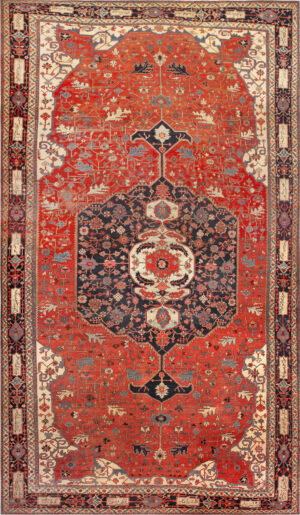
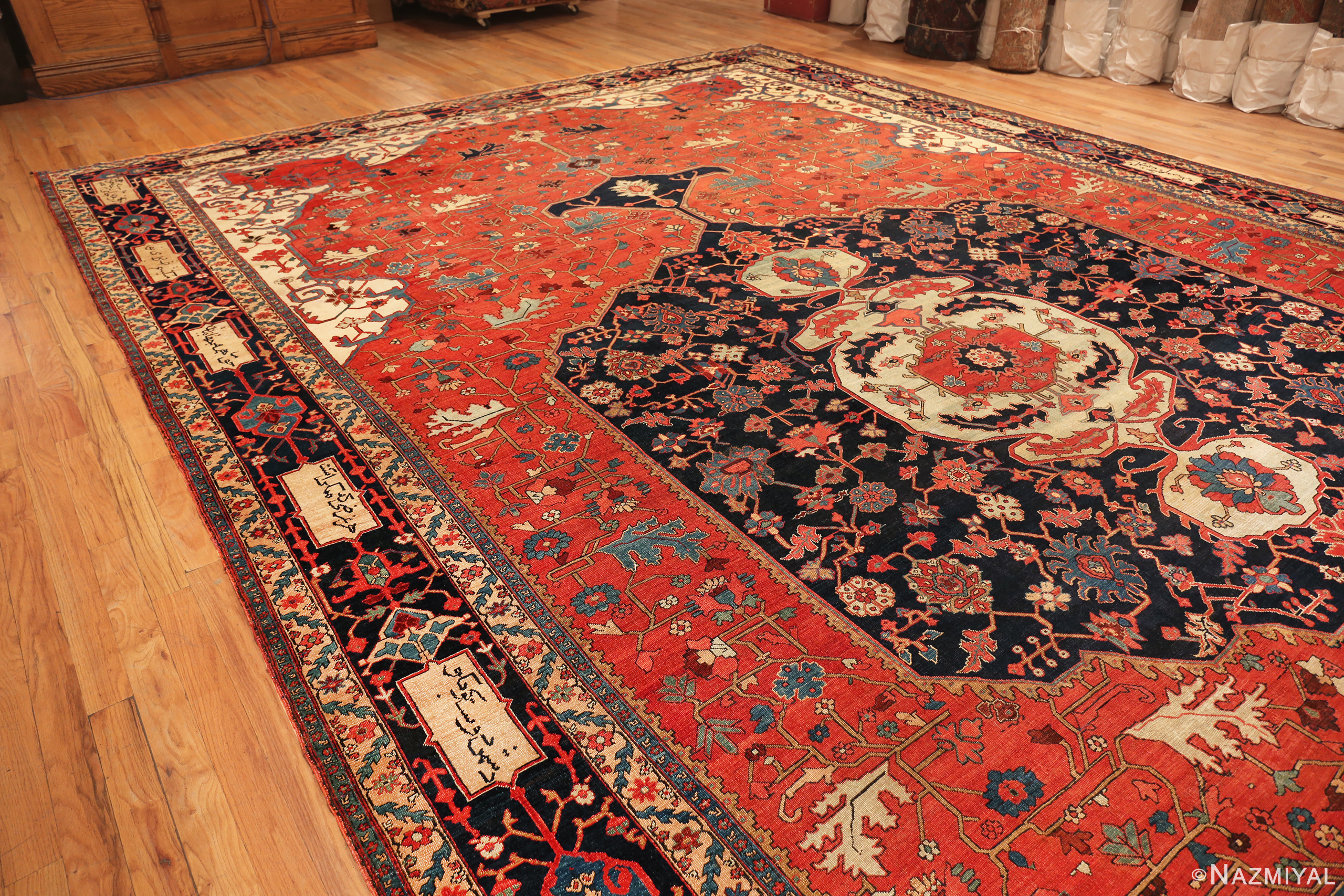
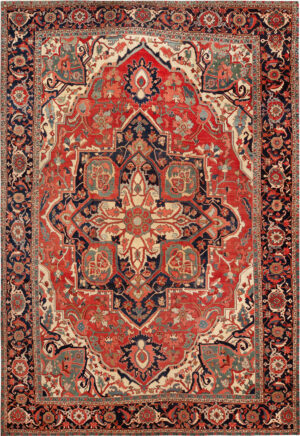
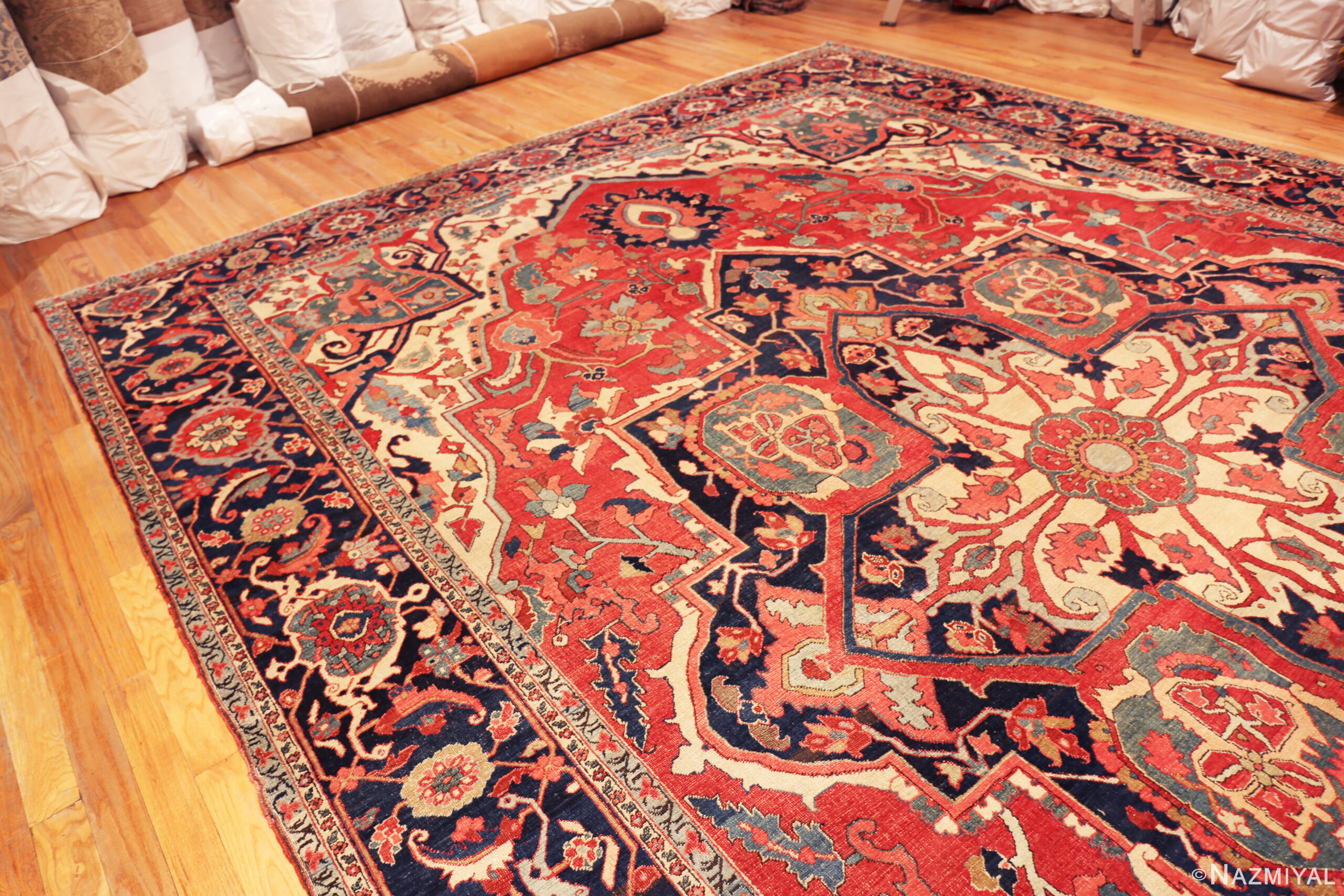
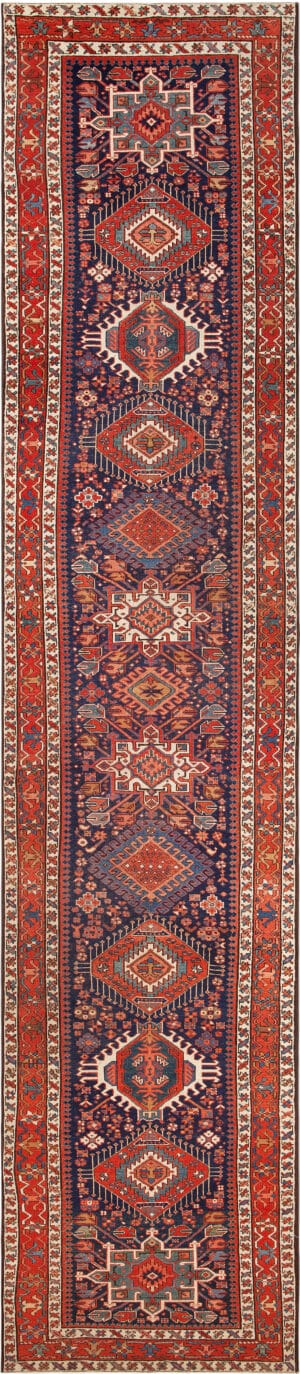
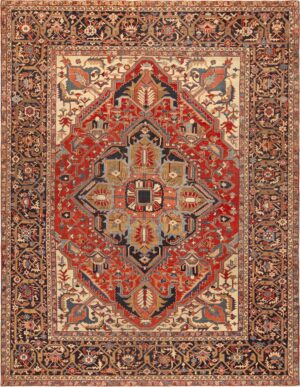
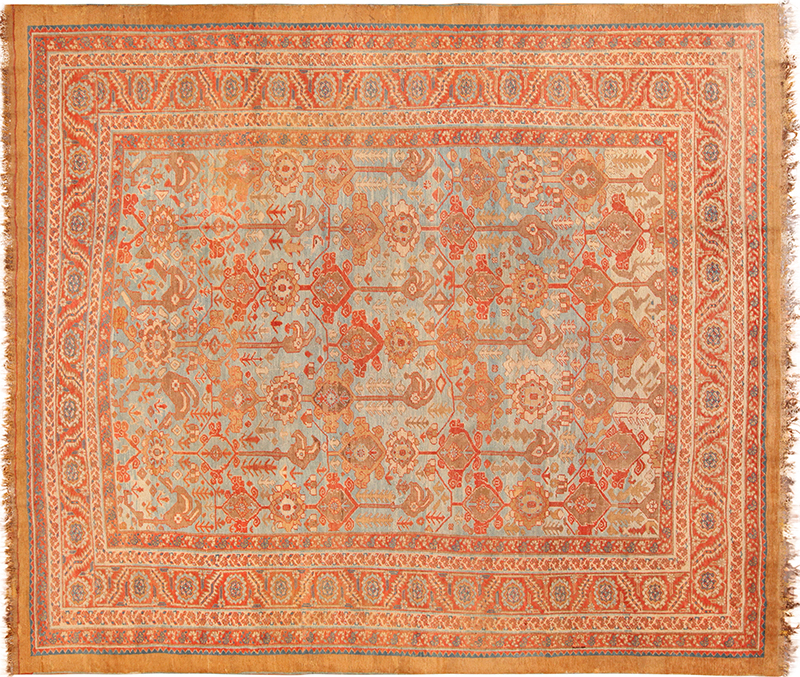
Bakshaish rugs are Persian carpets associated with the Heriz weaving region of northwest Iran, distinguished by bold abstraction, freer drawing, and a pronounced village character. Often grouped with Heriz-related weavings, antique Bakshaish rugs are recognized for their expressive compositions, strong geometry, and spontaneous design logic. Classification depends on structure, period, and visual language rather than strict naming conventions.
Bakshaish rugs are traditionally associated with village weaving activity in the broader Heriz region. They are characterized by bold geometric frameworks executed with a freer hand, resulting in compositions that feel spontaneous and expressive rather than tightly controlled. While structurally related to Heriz rugs, Bakshaish examples often prioritize visual impact and abstraction over formal symmetry.
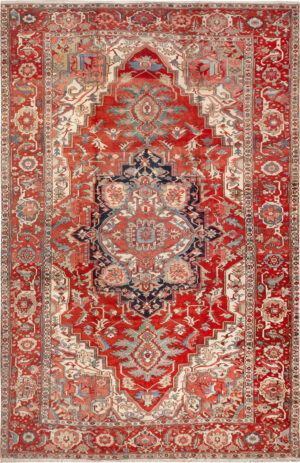
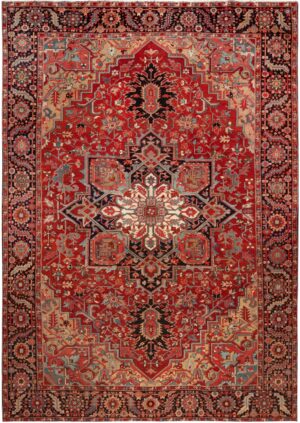
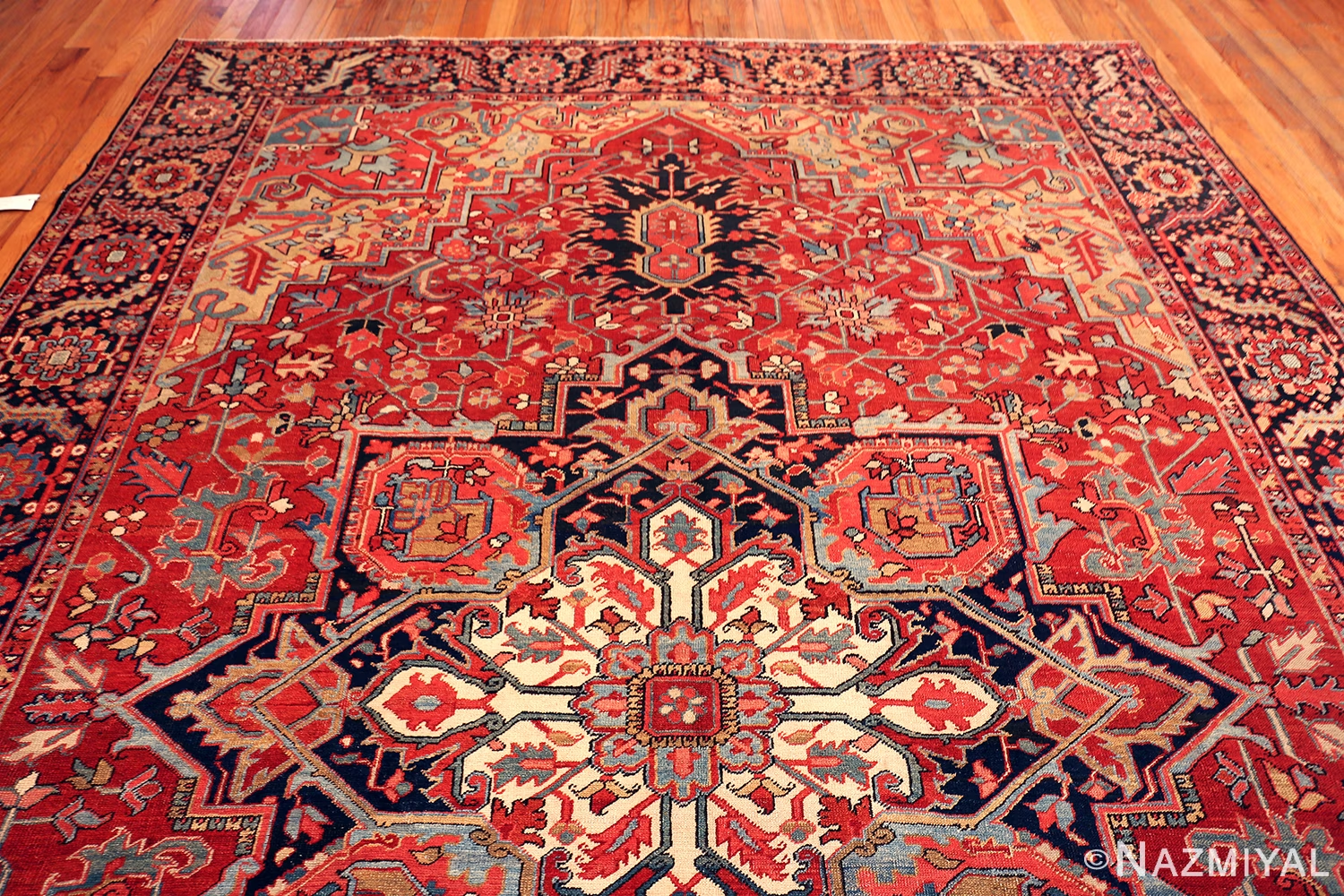
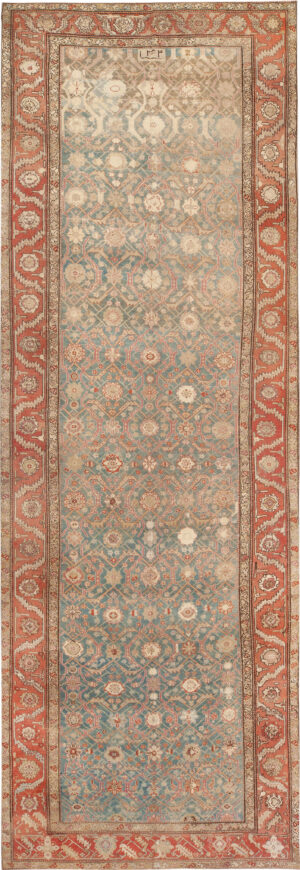
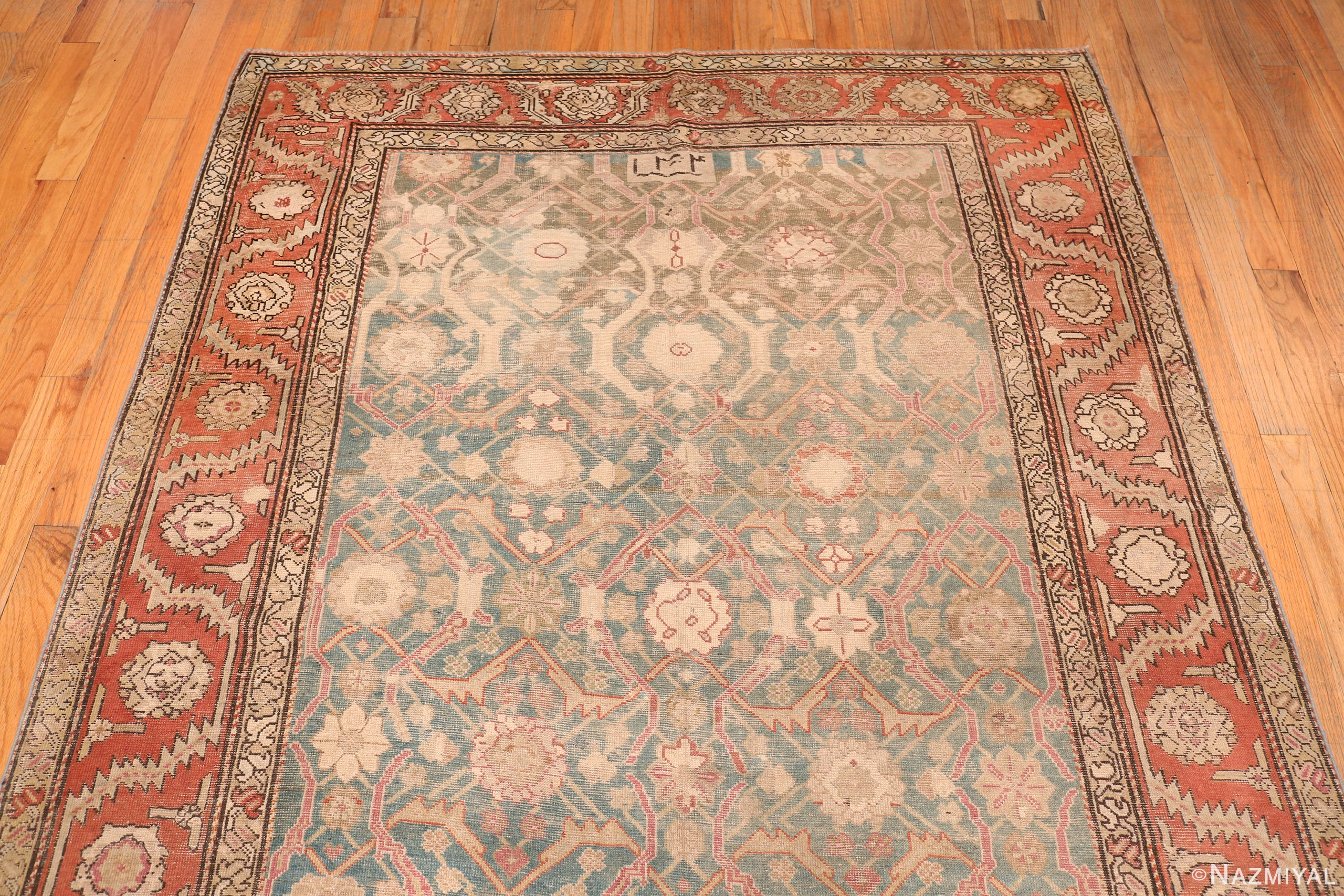
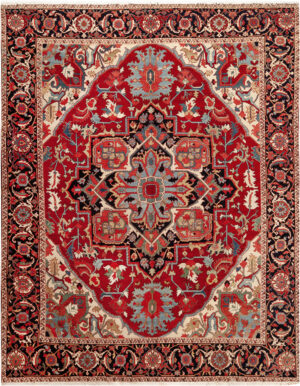
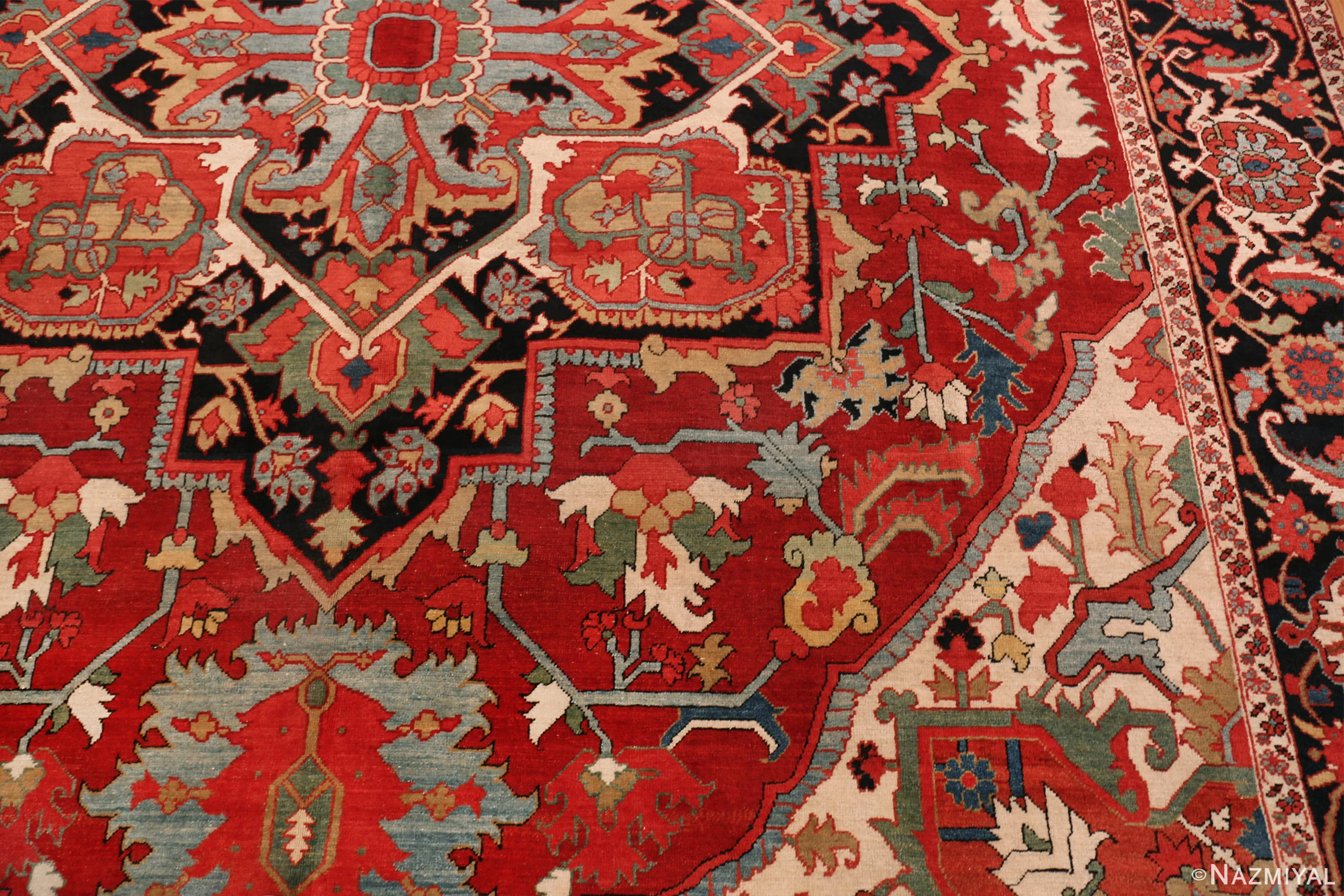
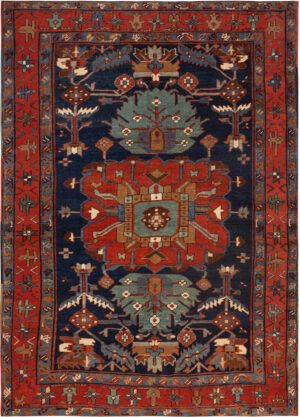
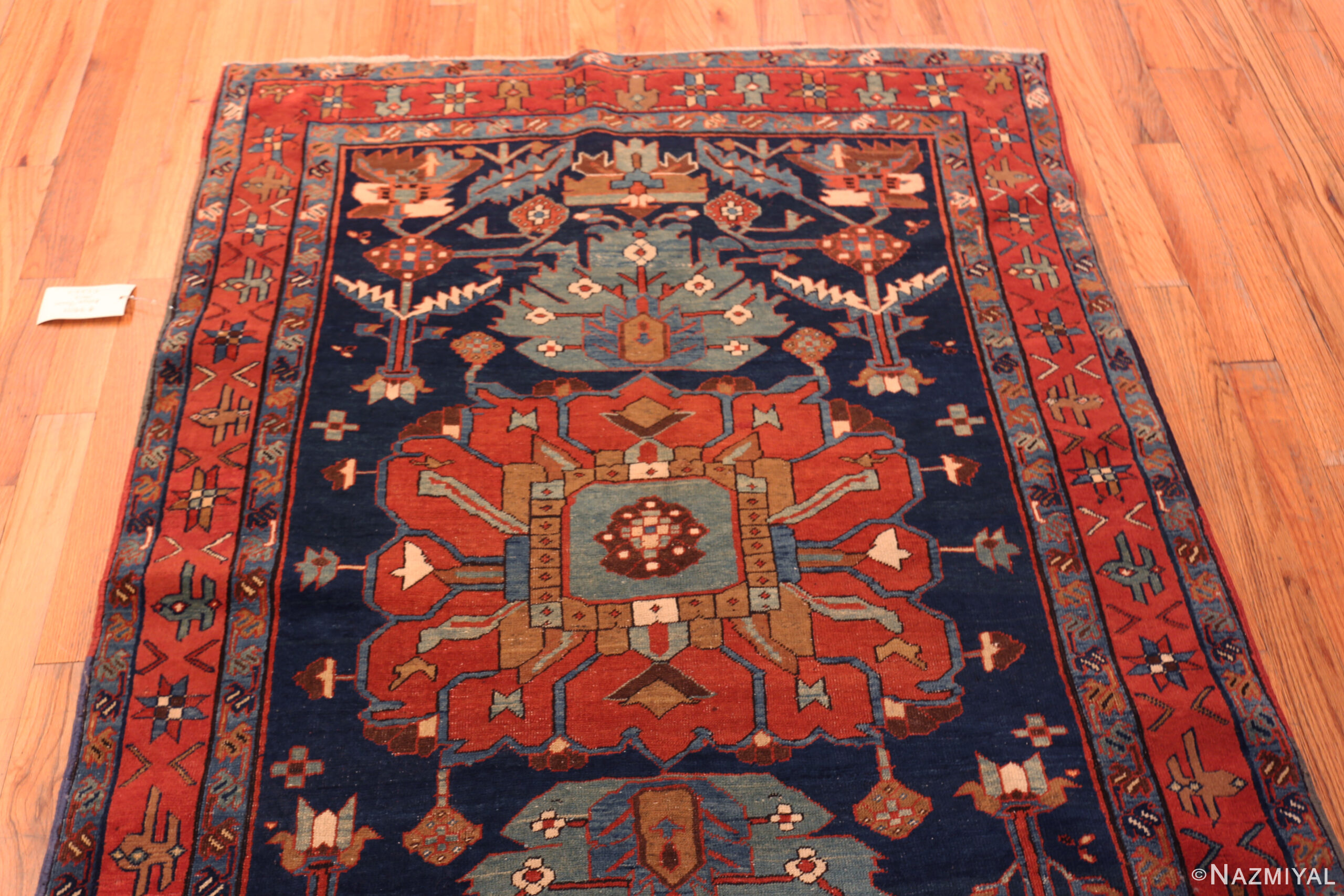
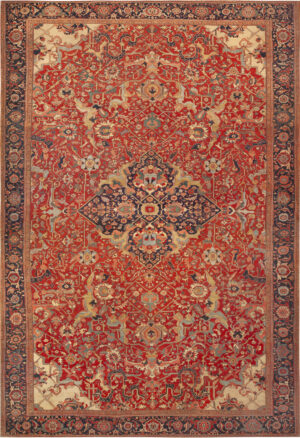
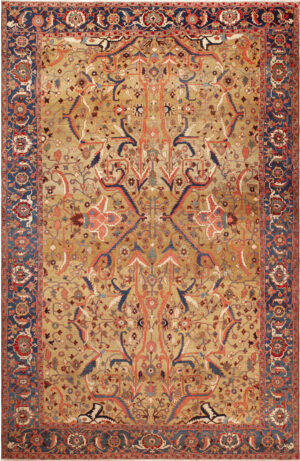
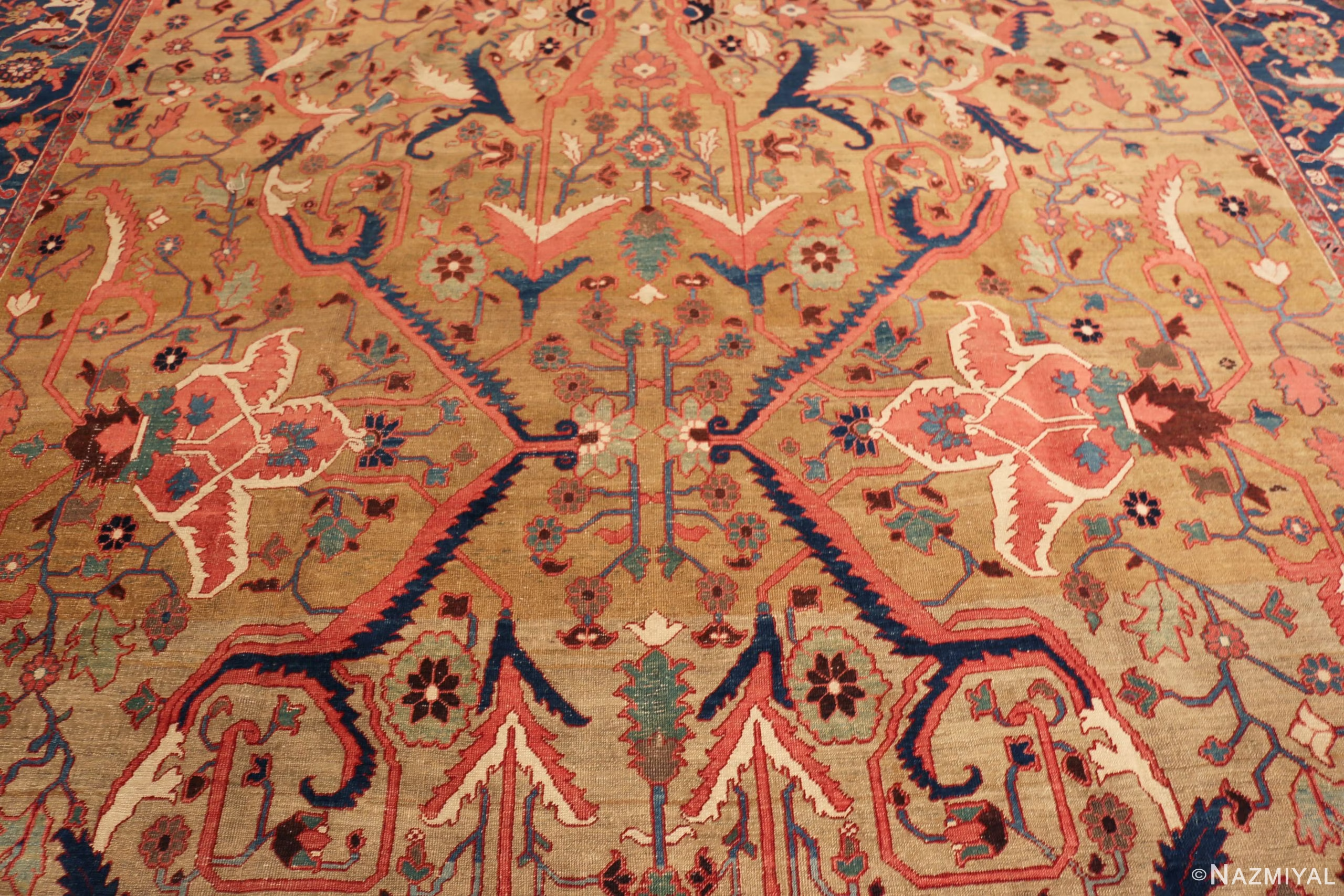
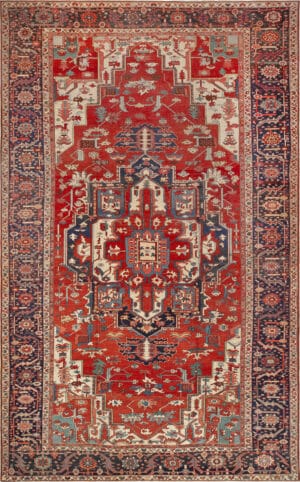
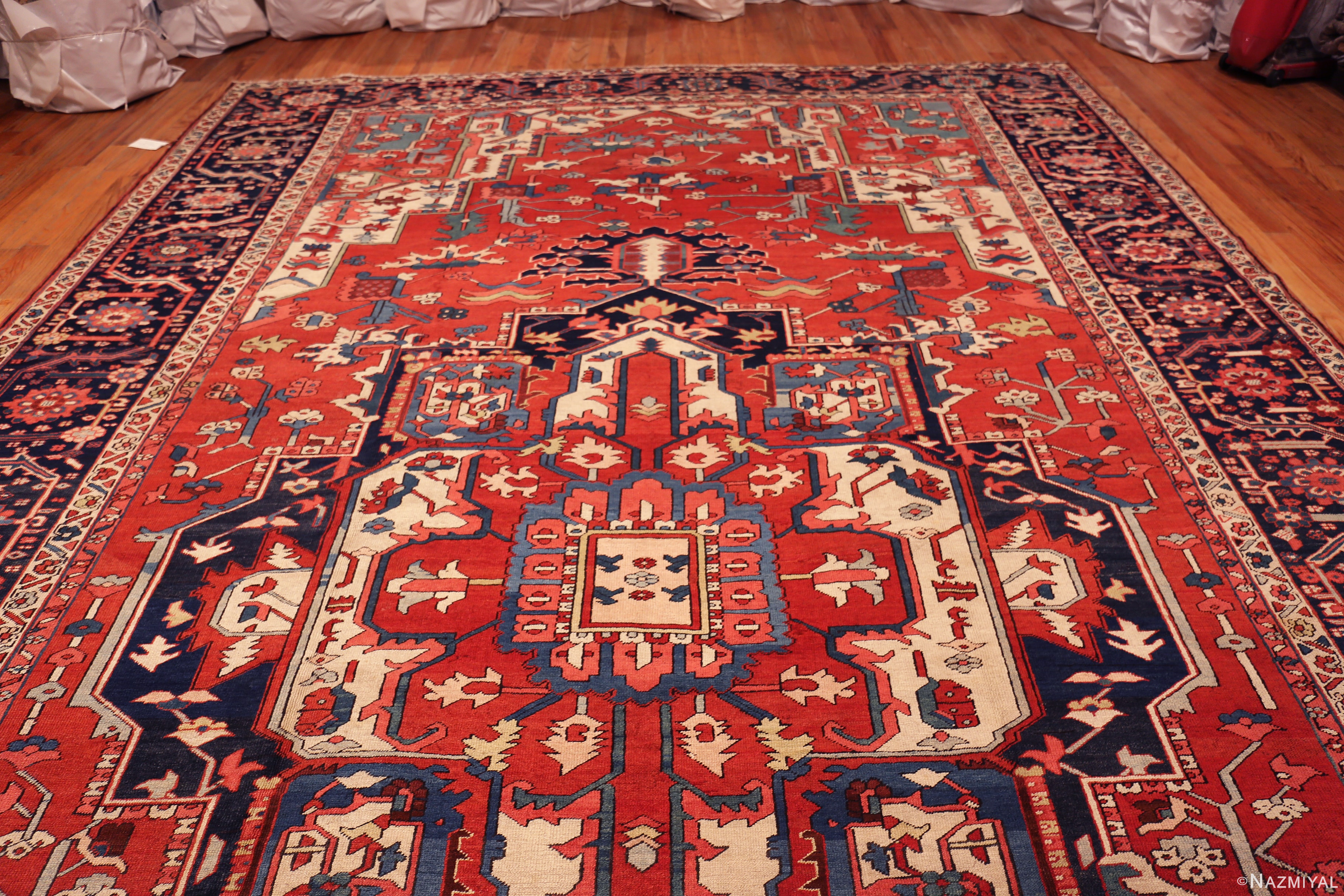
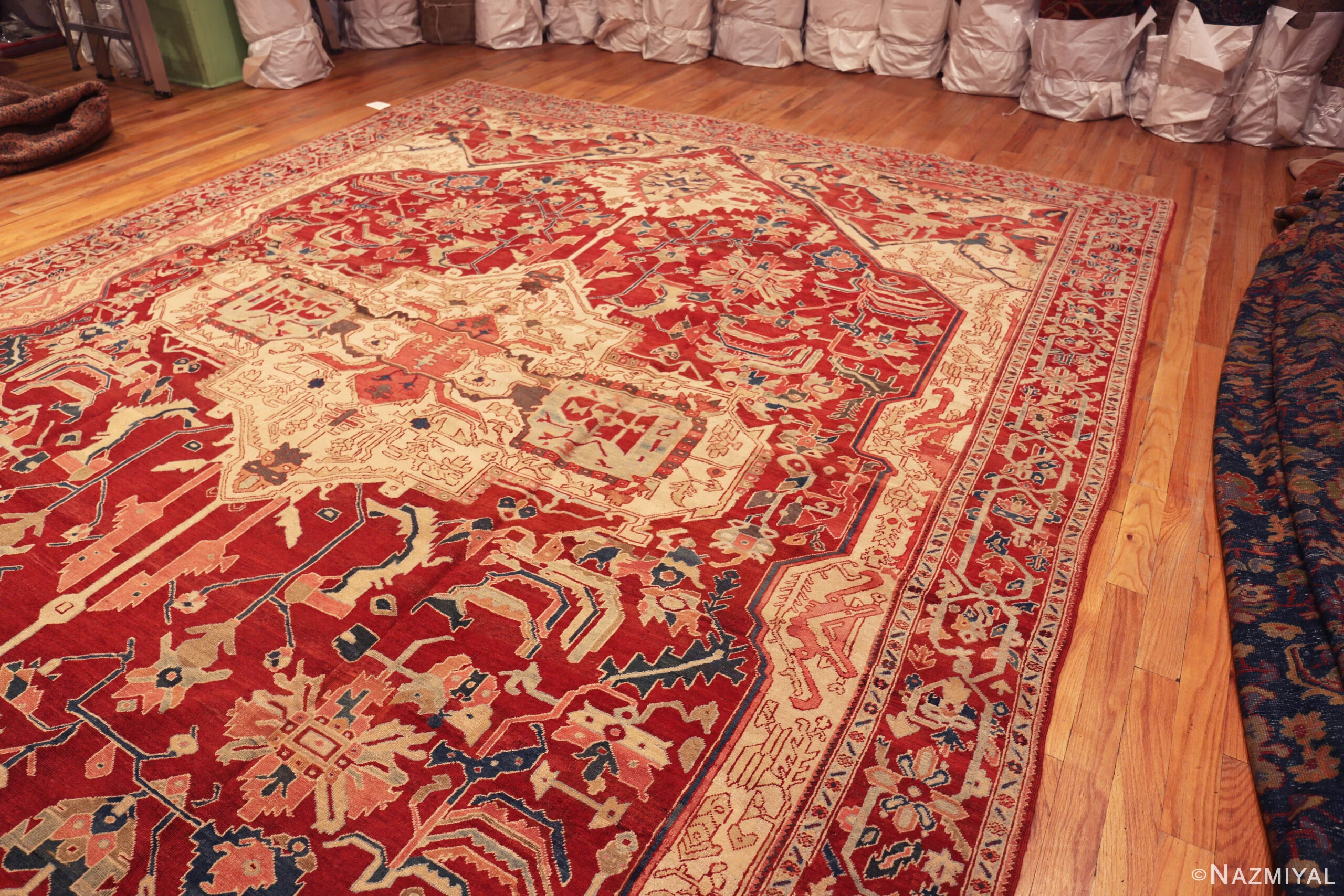
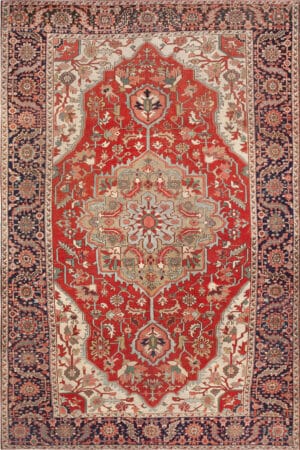
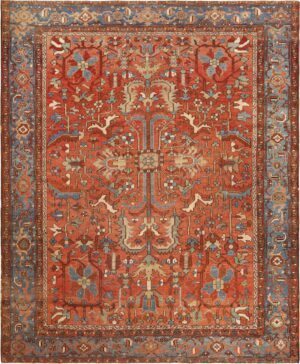
Dated Large Antique Persian Bakshaish Rug #72200
Regional Context & Origins
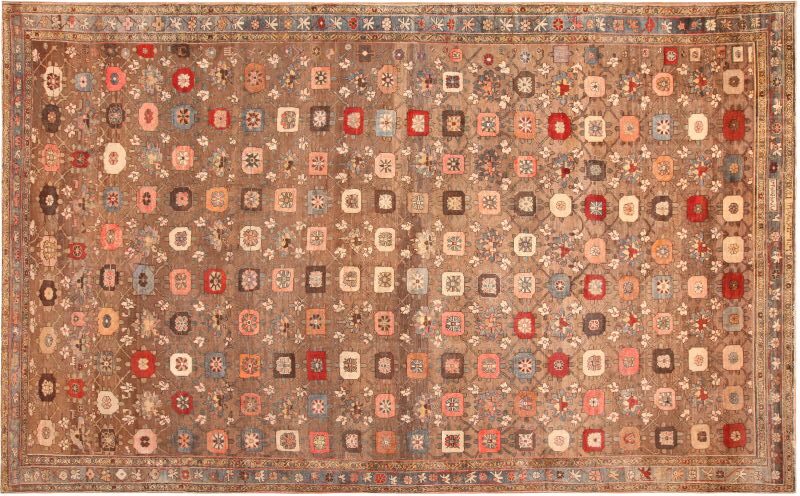
Bakshaish rugs originate from the same northwest Iranian weaving environment that produced Heriz and related carpets. Unlike more standardized workshop output, Bakshaish weaving reflects village-level production, where individual interpretation and improvisation played a larger role. As a result, Bakshaish rugs often vary widely in drawing and execution, even within similar formats.
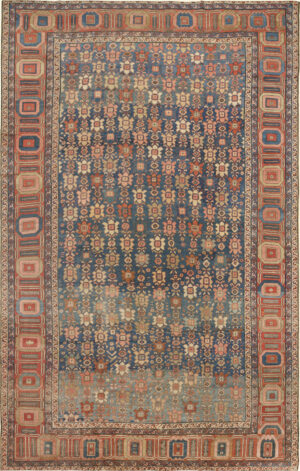
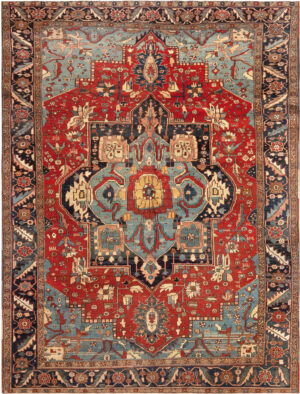
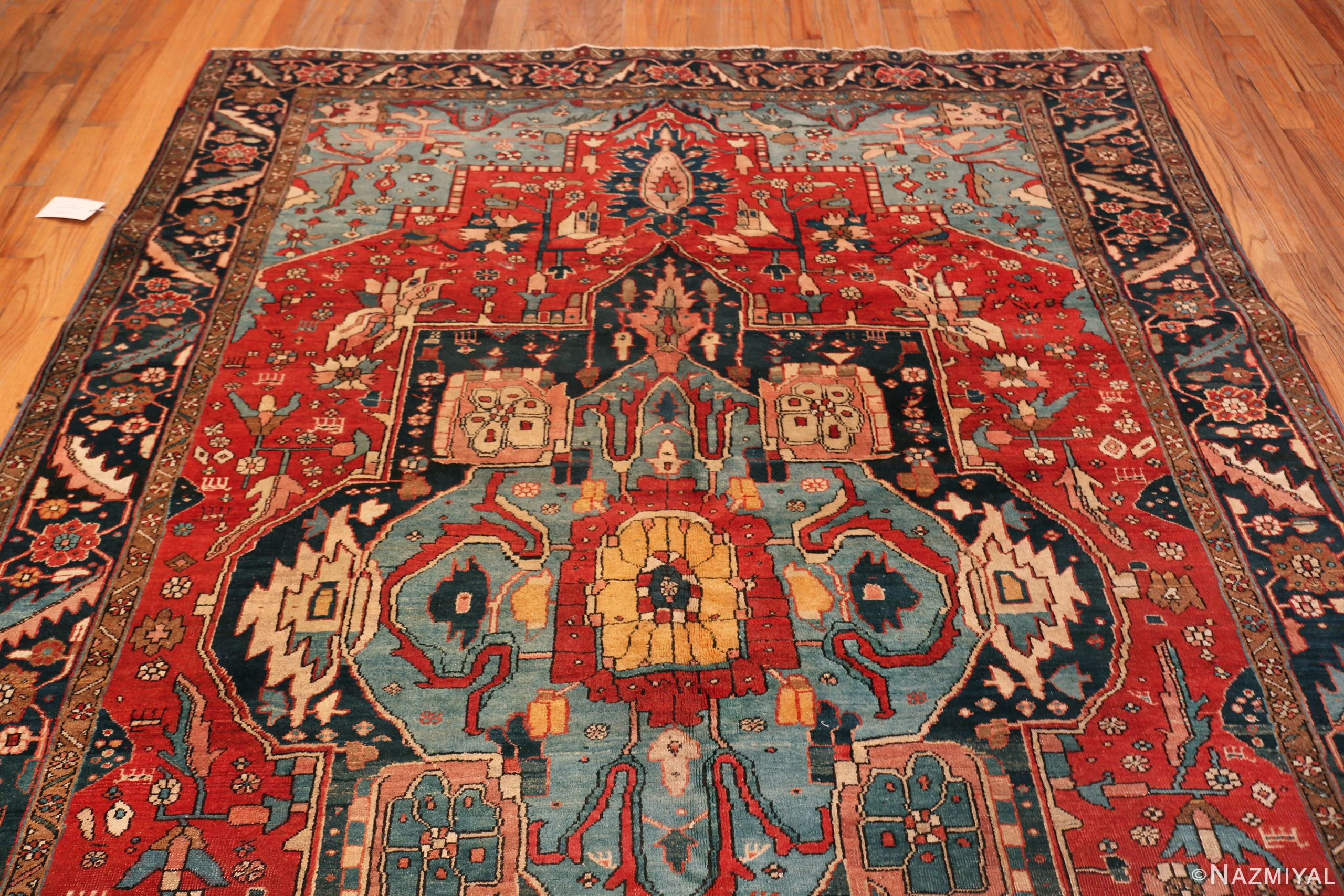
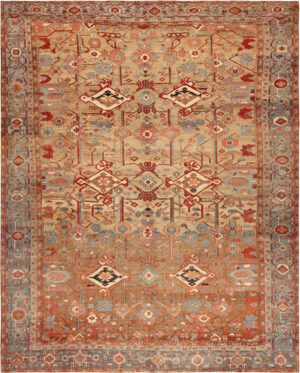
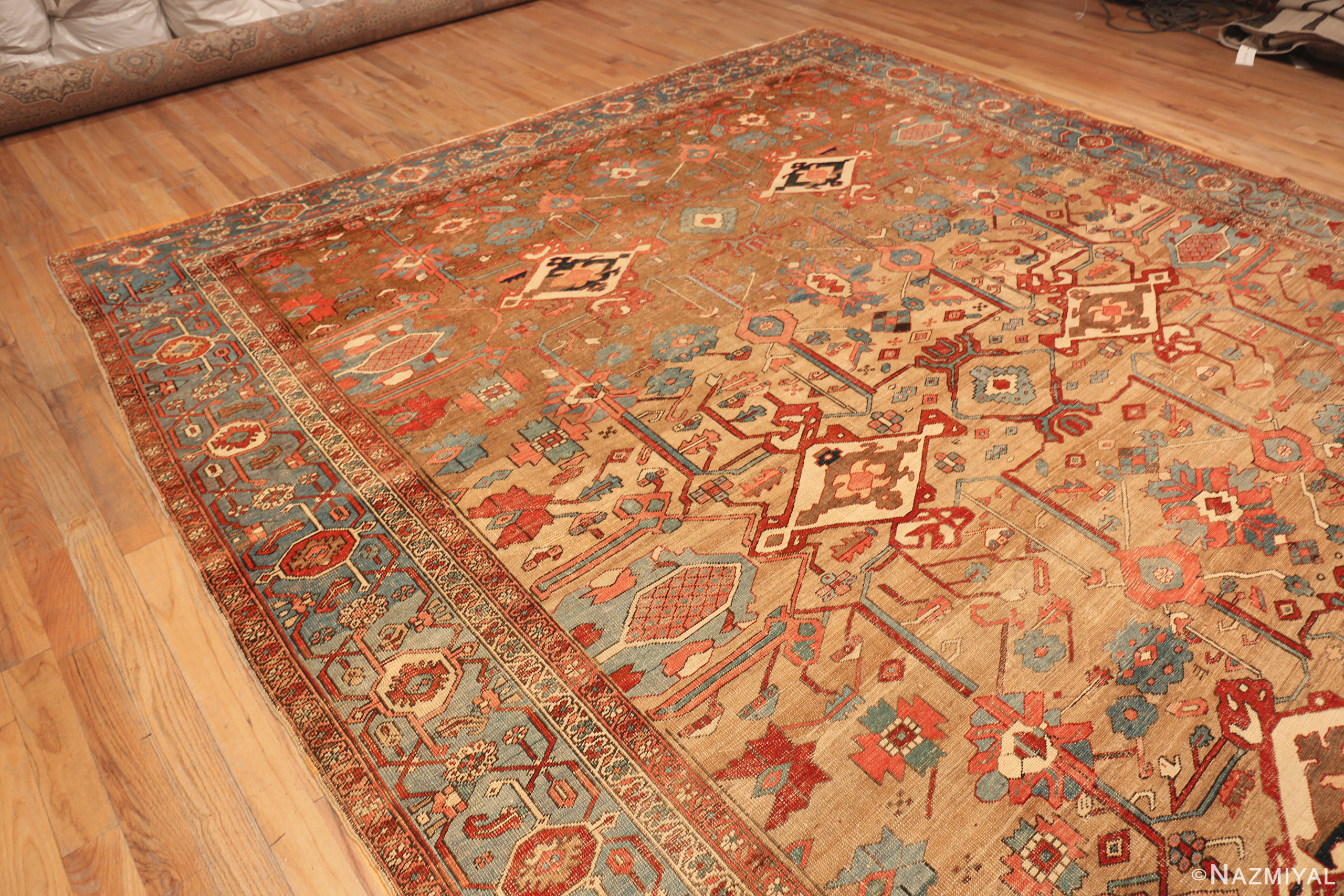
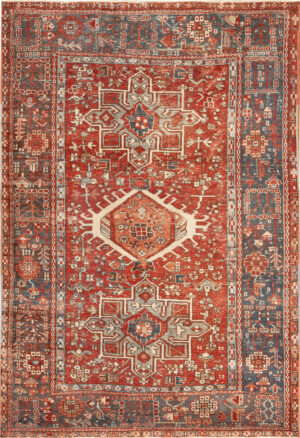
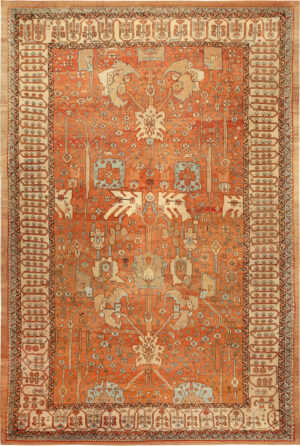
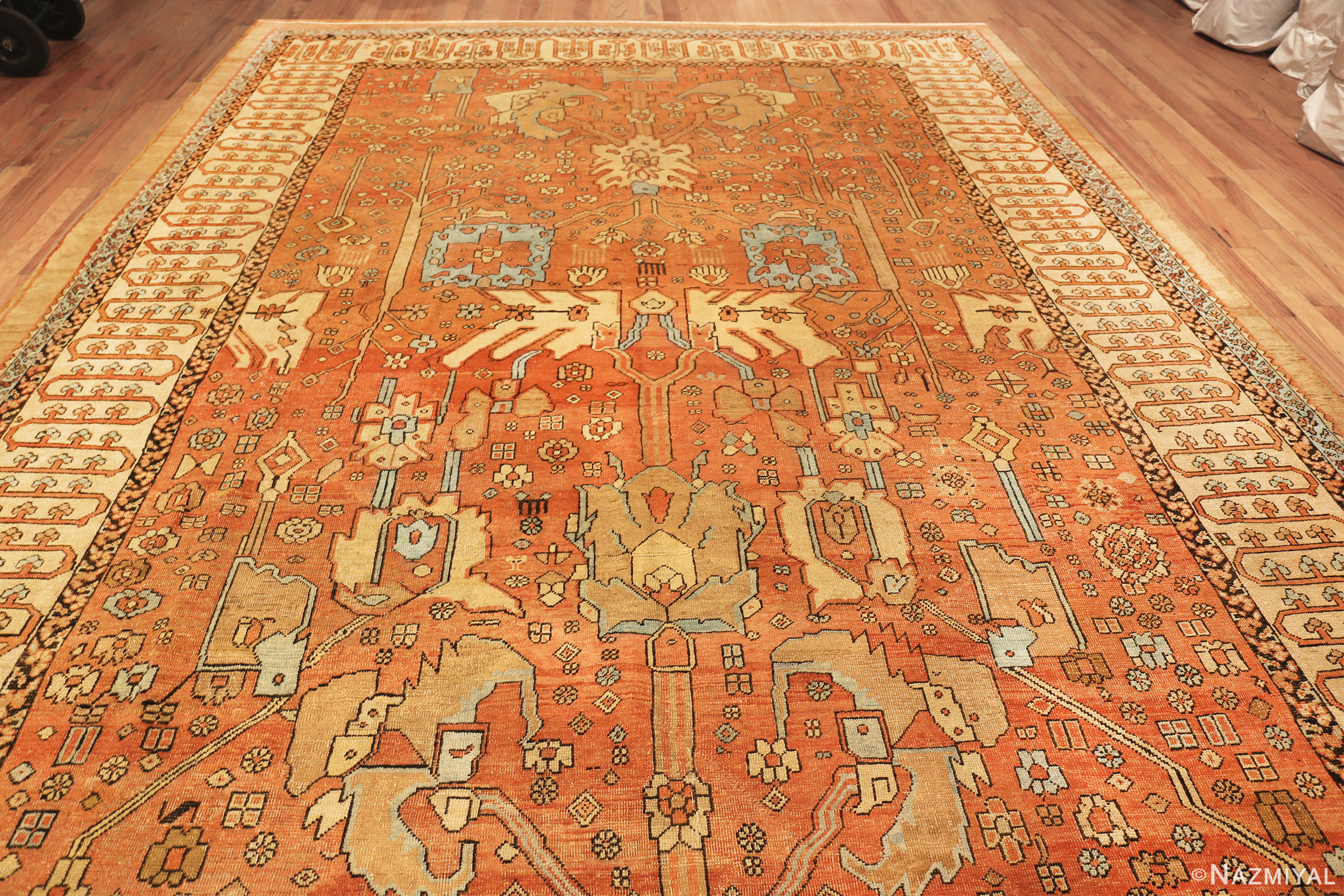
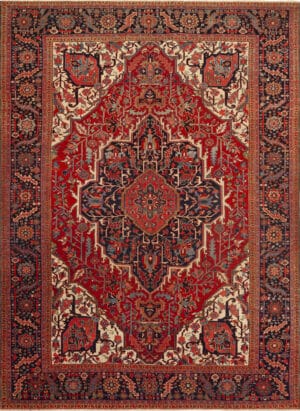
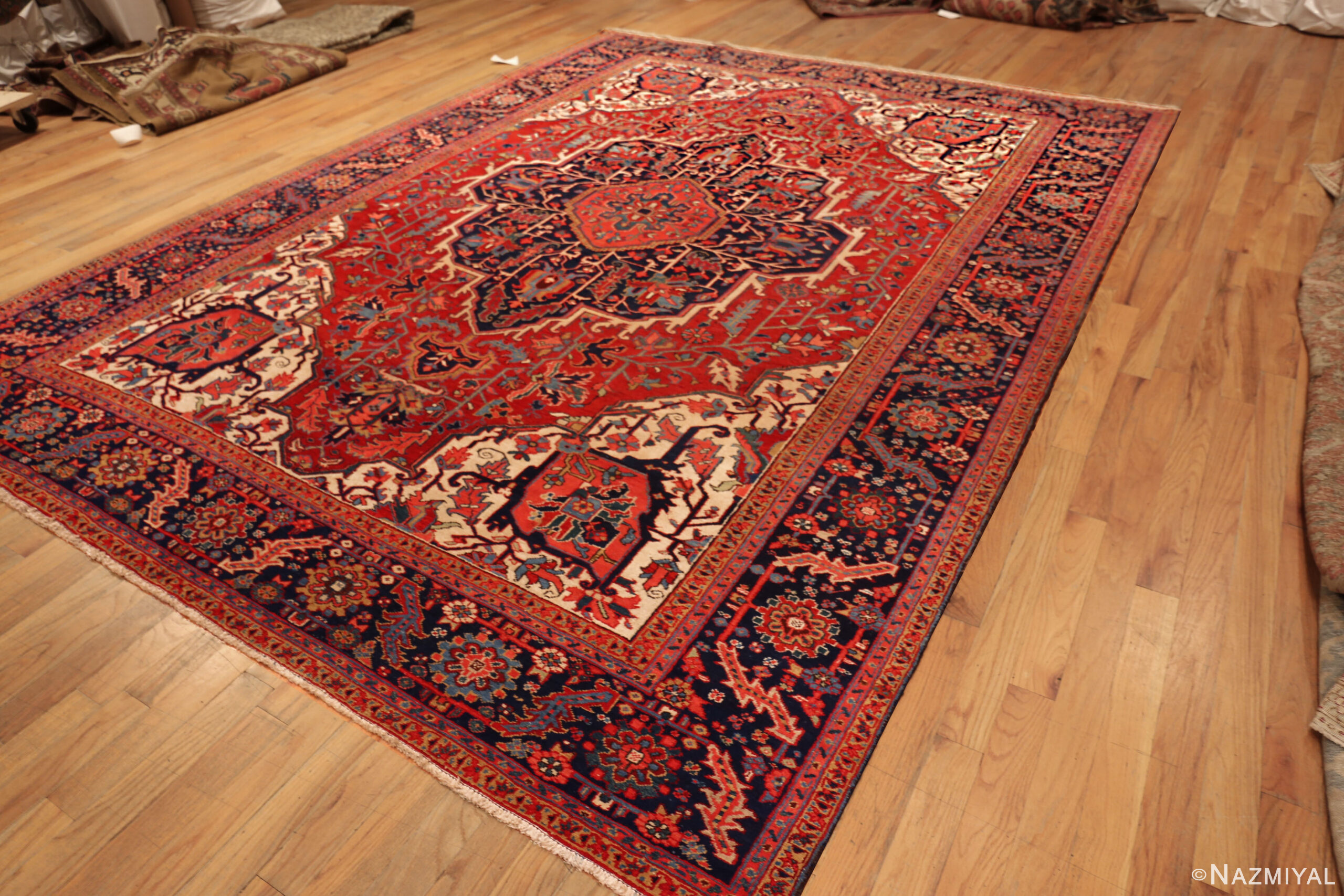
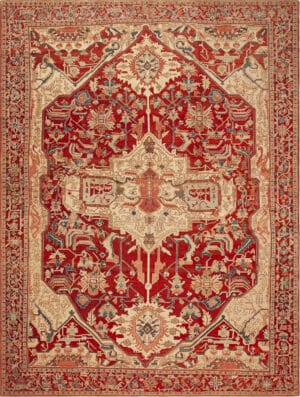
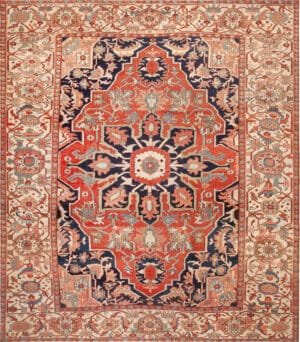
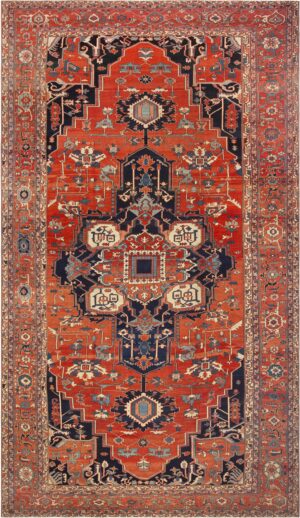
Tribal Antique Persian Bakshaish Rug #71494
Bakshaish vs. Heriz Rugs
Although Bakshaish and Heriz rugs share regional roots, they differ in visual discipline and intent.
Bakshaish rugs emphasize abstraction, spontaneity, and expressive geometry, often appearing less formal in composition.
Heriz rugs are more architectural, with controlled medallions, structured layouts, and a stronger sense of compositional order.
These differences reflect variations in weaving context, village expression versus more standardized regional production—rather than strict separation by location.
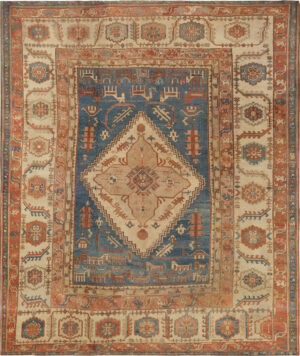
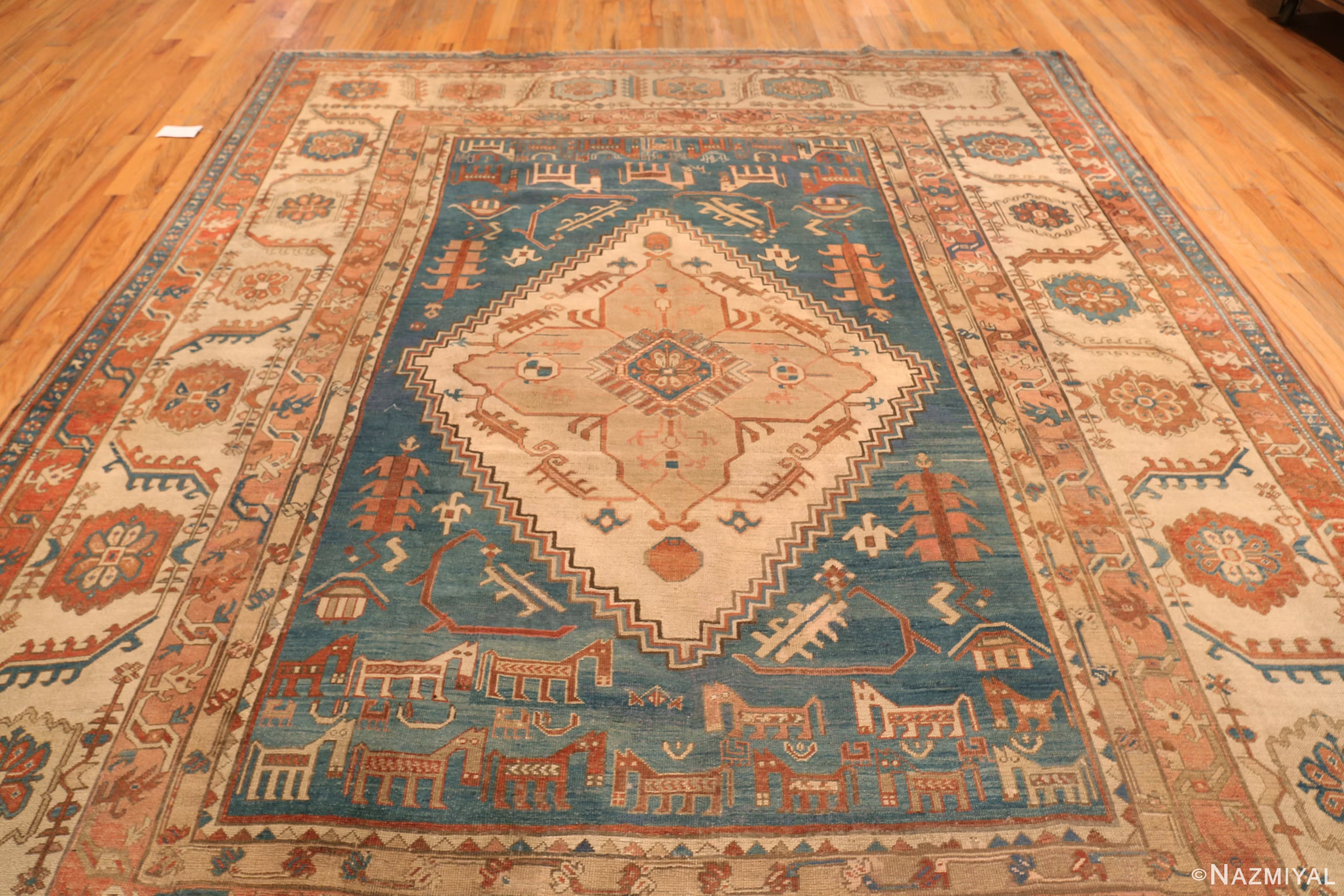
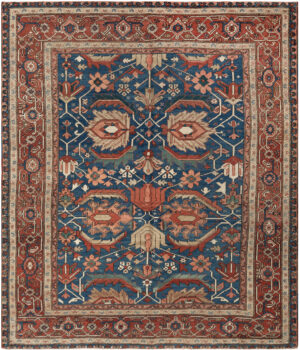
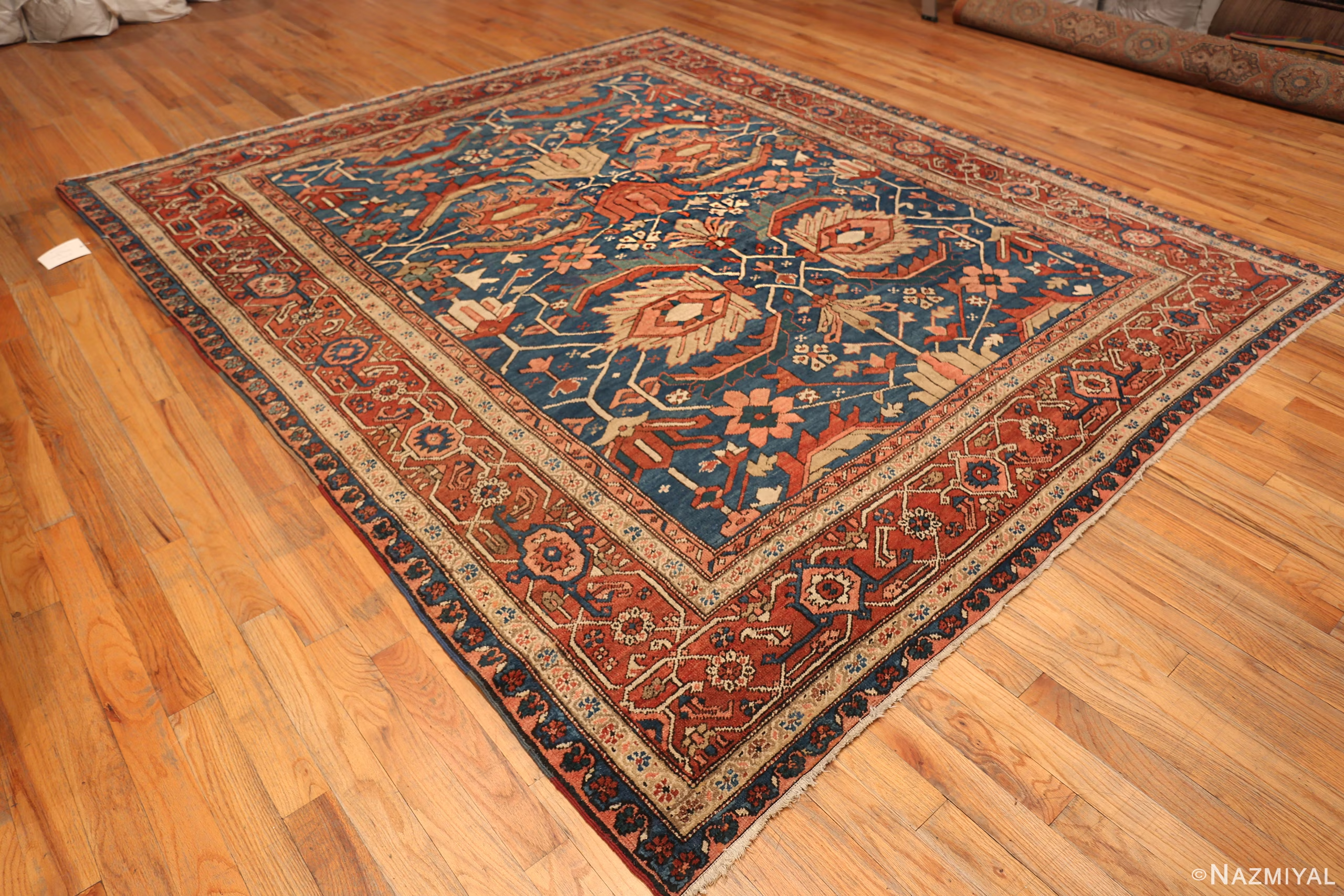
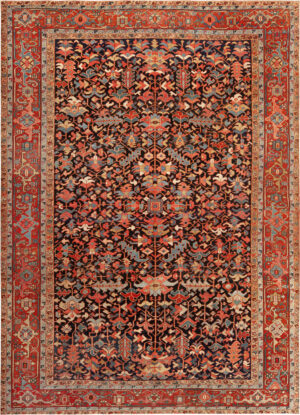
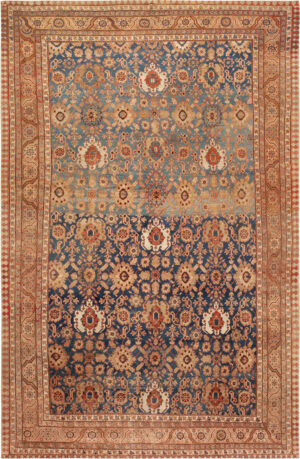
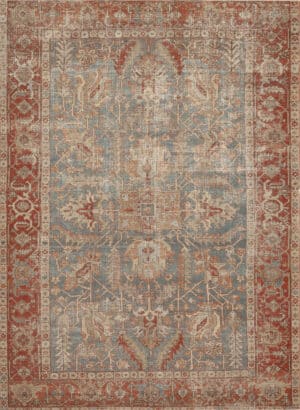
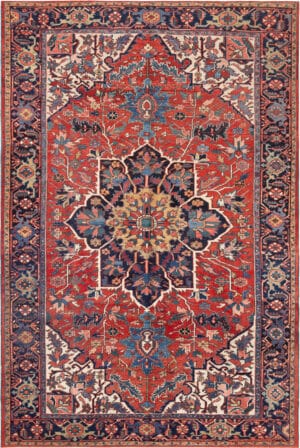
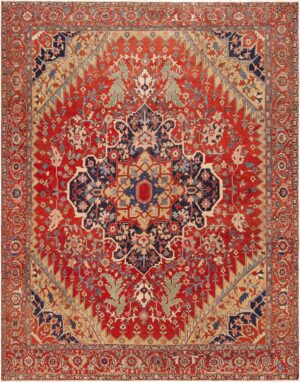
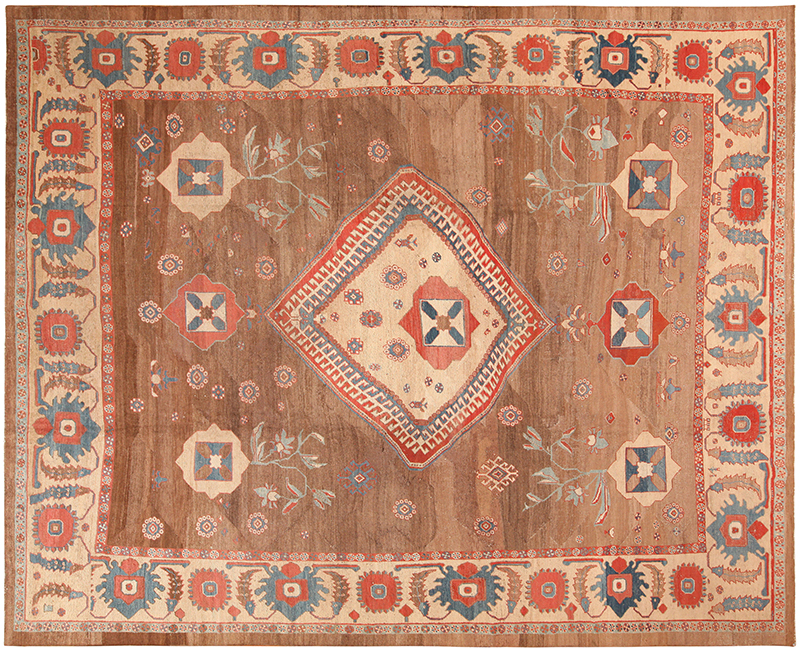
Blue Background Antique Persian Bakshaish Rug #71811
Bakshaish vs. Serapi Rugs
Bakshaish rugs differ significantly from Serapi rugs in both visual language and refinement.
Bakshaish rugs are bold, abstract, and expressive, with freer drawing and stronger visual tension.
Serapi rugs are generally earlier and more refined, featuring spacious layouts, balanced proportions, and compositional restraint.
Where Serapi rugs convey calm and clarity, Bakshaish rugs project energy and movement.
Design Character & Visual Language
The visual appeal of Bakshaish rugs lies in their willingness to depart from strict symmetry. Common characteristics include:
Overscale geometric motifs with irregular articulation
Medallions that feel dynamic rather than rigid
Unexpected spatial relationships between field and border
Strong contrast and graphic presence
These qualities make Bakshaish rugs especially appealing to collectors drawn to authenticity and individuality.
Structure & Materials
Structurally, Bakshaish rugs align closely with other Heriz-region weavings.
Cotton foundations
Wool pile with a robust, tactile handle
Moderate knot density suited to bold drawing
Durable construction developed for daily use
Quality is judged by balance and coherence rather than fineness or precision.
Scholarly Classification & Debate
The classification of Bakshaish rugs remains a subject of scholarly discussion. Some specialists consider Bakshaish a distinct village tradition, while others view it as part of a broader spectrum of Heriz-region production. In practice, attribution relies on visual language, weaving context, and period rather than rigid labels.
Bakshaish Rugs in Interior Context
Bakshaish rugs bring energy and visual depth to interiors that benefit from bold, expressive elements.
Spaces seeking strong graphic presence
Contemporary interiors with minimalist furnishings
Rooms where texture and abstraction are desired
Settings that welcome visual tension and individuality
Their expressive character allows them to function as focal points rather than background elements.
             Posted on Google        Clay Pendergrast     Trustindex verifies that the original source of the review is Google. My wife and I are so pleased with the antique Uzbek Bokhara Rug purchased from the Nazmiyal Collection. Not only does the rug have a spectacular design, it also was very reasonably priced. The way it transforms our living room, reconciling the classic modern furniture with the 1913 Craftsman interior is remarkable.         Posted on Google        Terence Hayes     Trustindex verifies that the original source of the review is Google. I have purchased multiple rugs at multiple Nazmiyal auctions and I am extremely pleased with the quality, price, and experience.  Highly recommended!         Posted on Google        Victor Florintsev     Trustindex verifies that the original source of the review is Google. The only ones I'd ever buy rugs from. The best.         Posted on Google        Jeffrey NeumanB     Trustindex verifies that the original source of the review is Google. I bought two gorgeous Serapi rugs from Farhad at Nazmiyal Rugs!  Beautiful carpets, fair prices and great service.  Very happy customer.  Farhad (the sales person) was very patient and gave us great service.         Posted on Google        john haid     Trustindex verifies that the original source of the review is Google. Alen is a gentleman and an expert.  Really great to work with.         Posted on Google        Edward Yasuna     Trustindex verifies that the original source of the review is Google. I recently purchased a modern Kandinsky rug from Nazmiyal Auctions.  It was just as described, and the director (Farhad) of the auctions had it sent to me quickly and safely.  Payment was easy, the rug was reasonably priced, and I highly recommend Nazmiyal Auctions and Antique Rugs.  Quality merchandise and first-class service.         Posted on Google        Nicholas Carr     Trustindex verifies that the original source of the review is Google. Had a excellent experience buying a rug in Nazmiyal's 1/18/26 online auction.  First, prior to the auction, viewing a number of lots at the 32nd St showroom (I had prepared a list from the online catalog). The staff were great to work with: helpful, knowledgable, honest, and flexible.  Second, after placing an online bid and winning the desired item, arranging payment and pickup was simple and straightforward. Everything went seamlessly and the overall experience was educational and fun. Many thanks to Jason and his team.         Posted on Google        Andrea Gared     Trustindex verifies that the original source of the review is Google. Everyone at Naziyal is proffessional, especially Jason and Farhad.
They are knowledgeable, truthful, and true gentlemen. I have sold several rugs through them and will always go to them first, to buy or sell. The best in the business!
Frequently Asked Questions
Most rugs identified as Bakshaish are antique or early examples, though later rugs may imitate the style with varying degrees of authenticity.
Bakshaish rugs are related to Heriz rugs but differ in drawing style, compositional discipline, and visual intent.
Their abstract appearance reflects village weaving traditions where improvisation and personal interpretation played a greater role.
No. Bakshaish is best understood as a descriptive classification based on visual and structural traits rather than a narrowly defined geographic origin.
THE NAZMIYAL NEWSLETTER
Discover Your Next Favorite Rug
Get new arrivals, rug inspiration, educational blogs, and collection highlights delivered to your inbox.
By subscribing, you agree to receive marketing emails from Nazmiyal. Unsubscribe anytime. View our Privacy Policy.