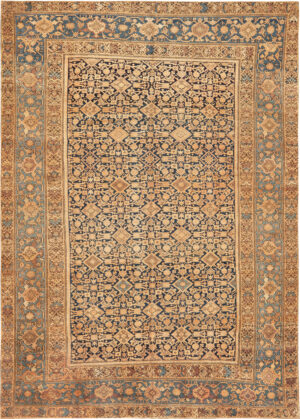
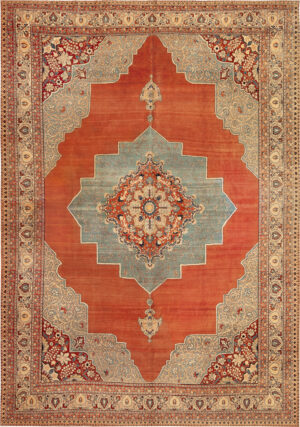
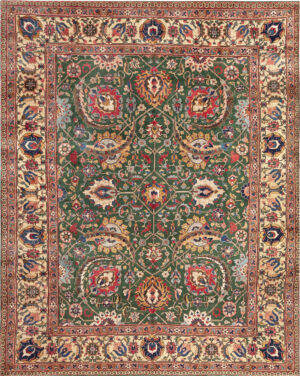
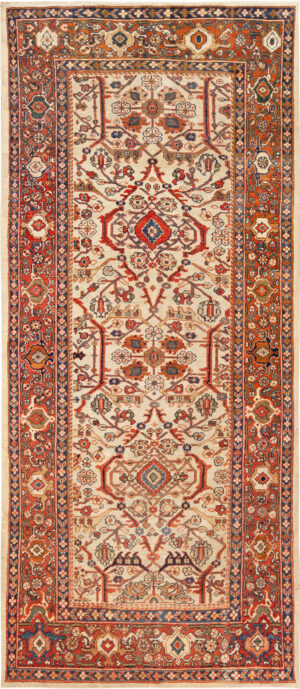
Shop Antique and Vintage Persian Rugs for Sale by Weaving City
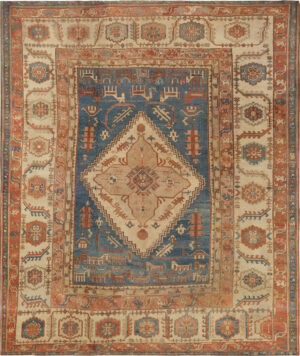
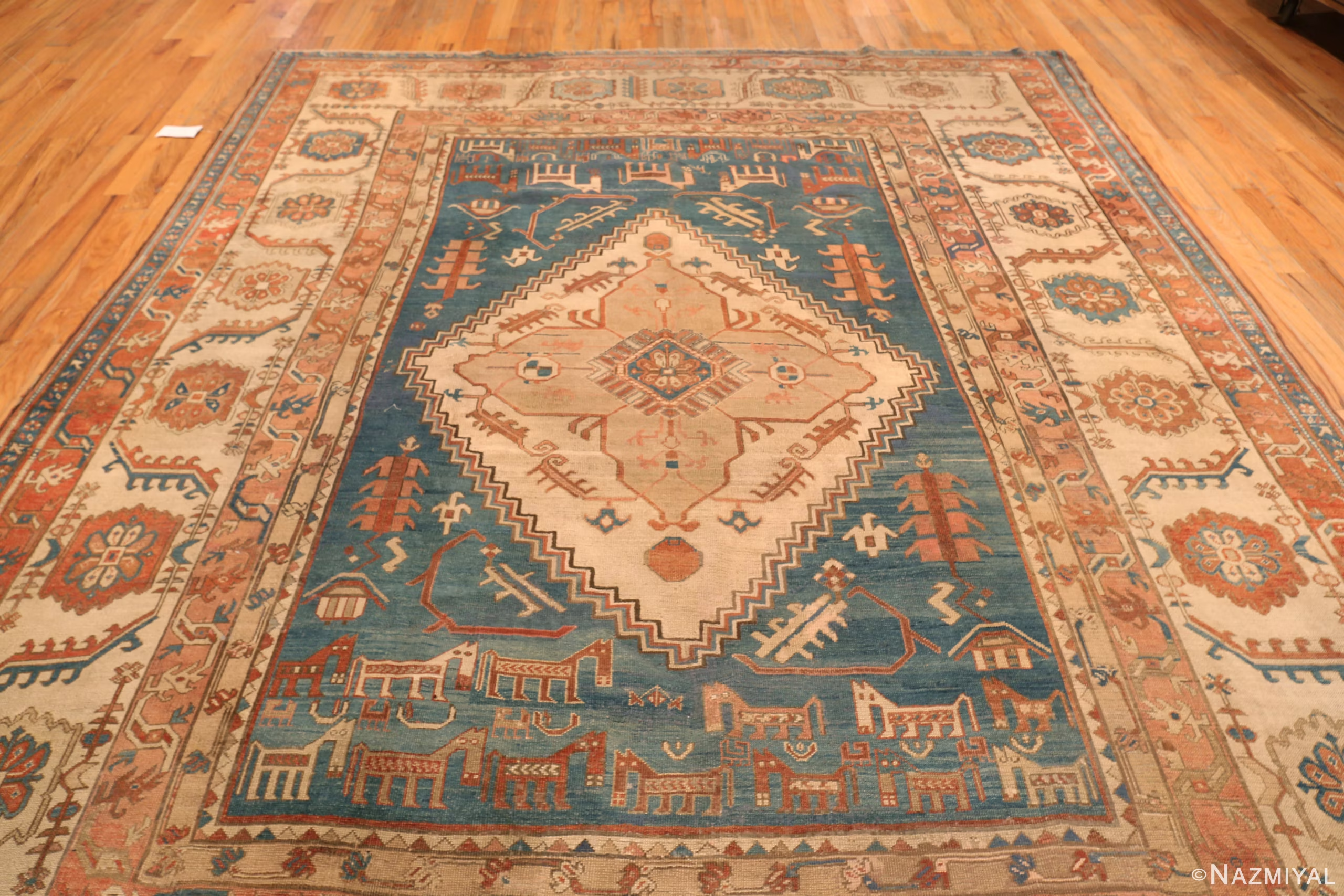
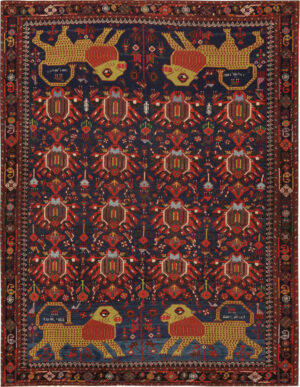
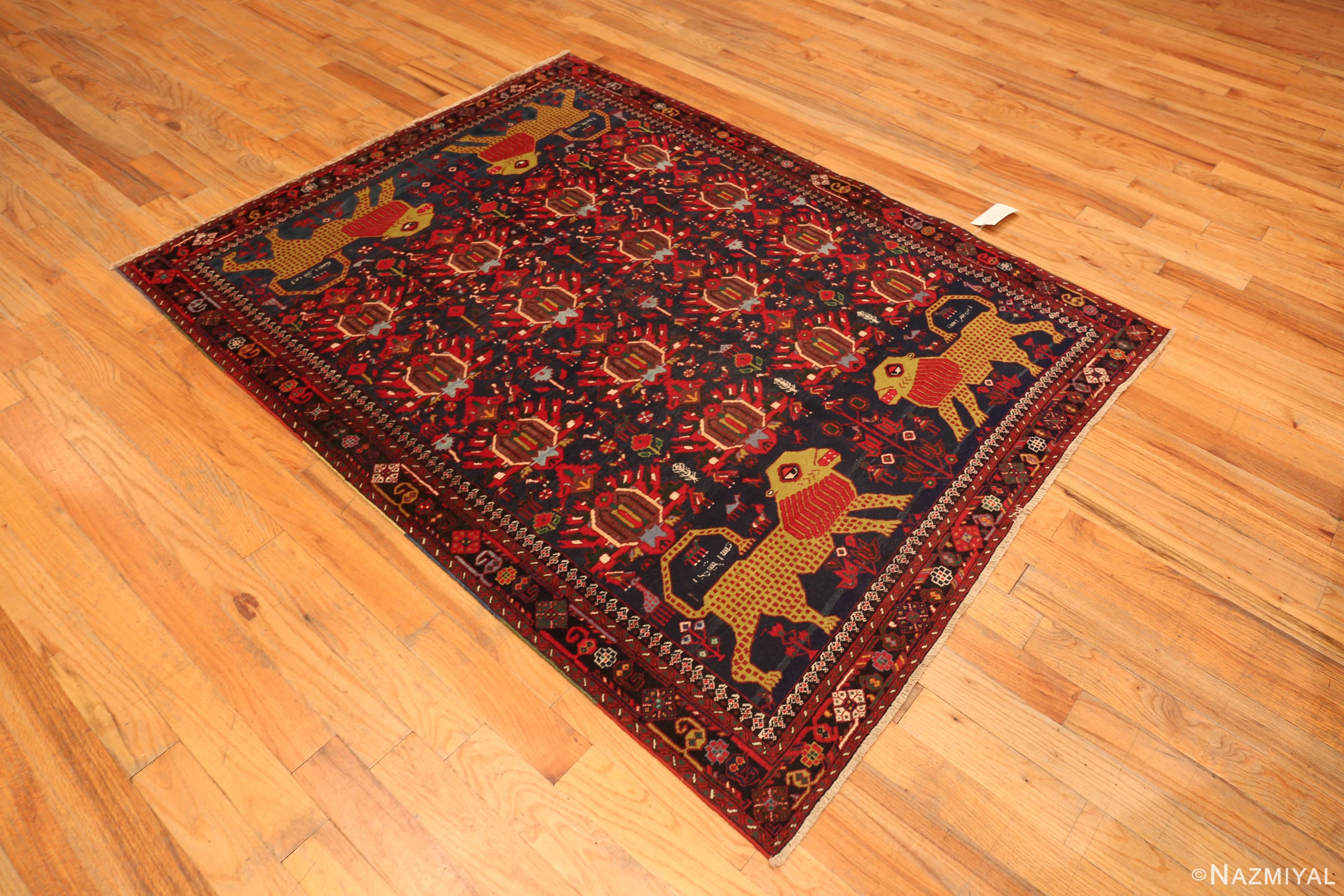
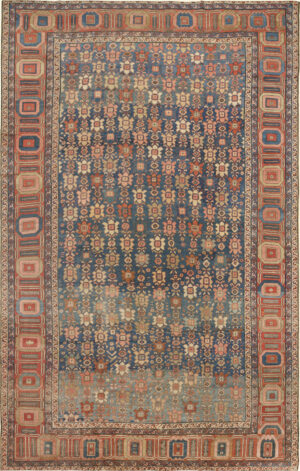
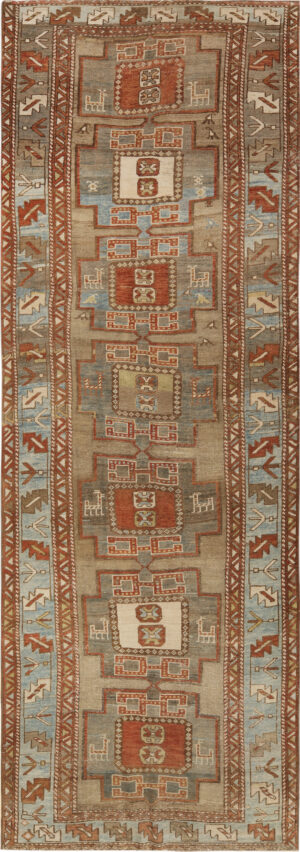
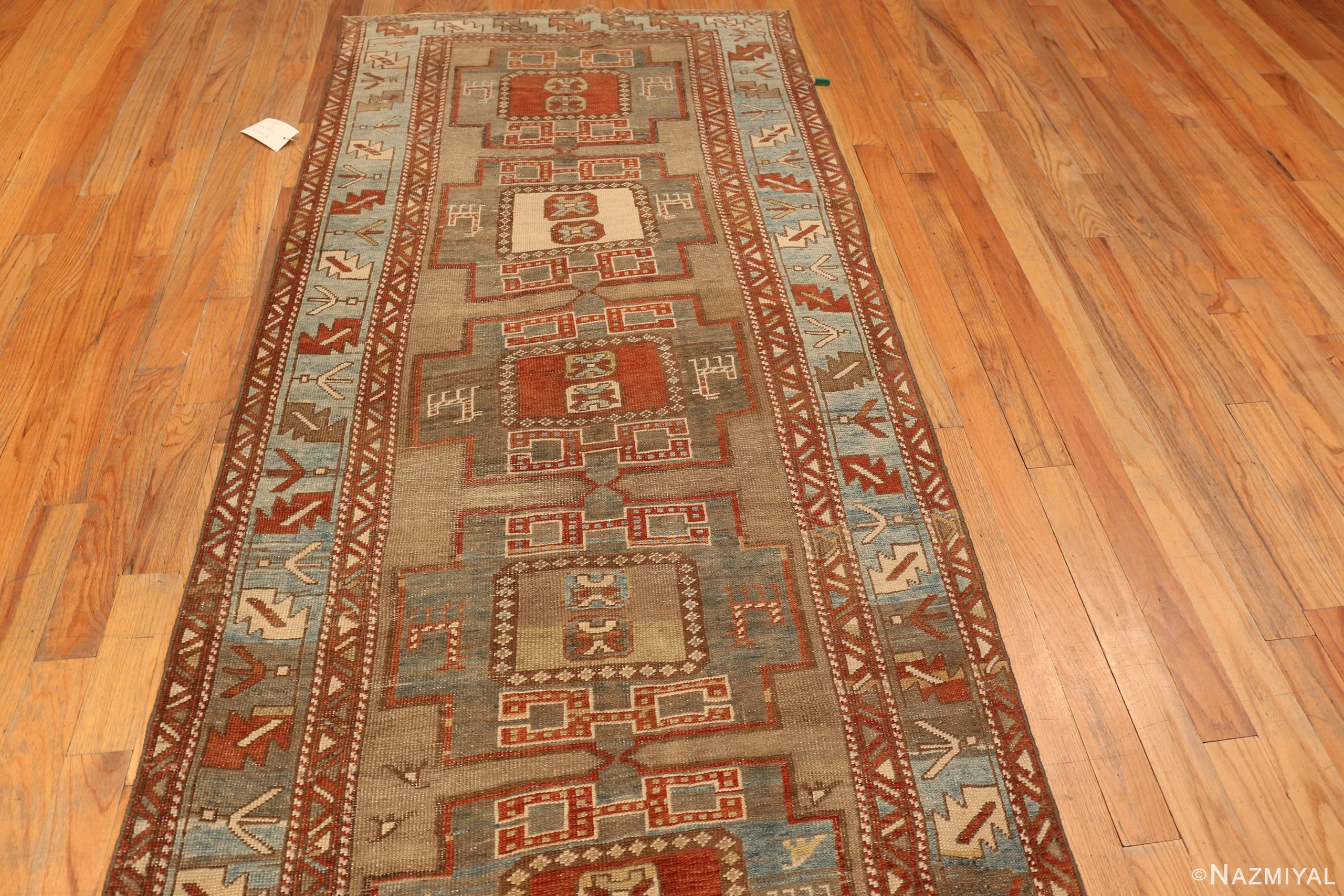
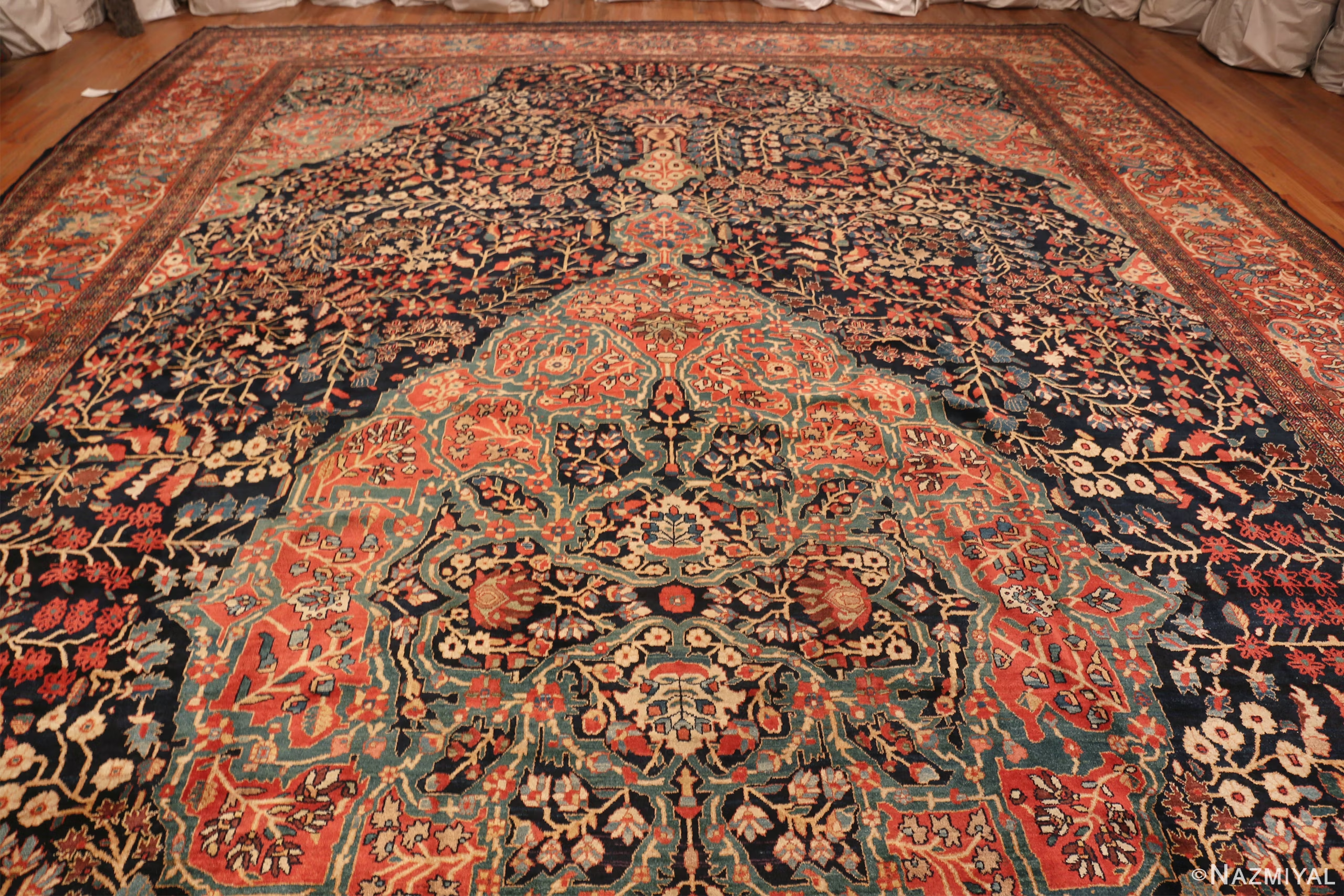
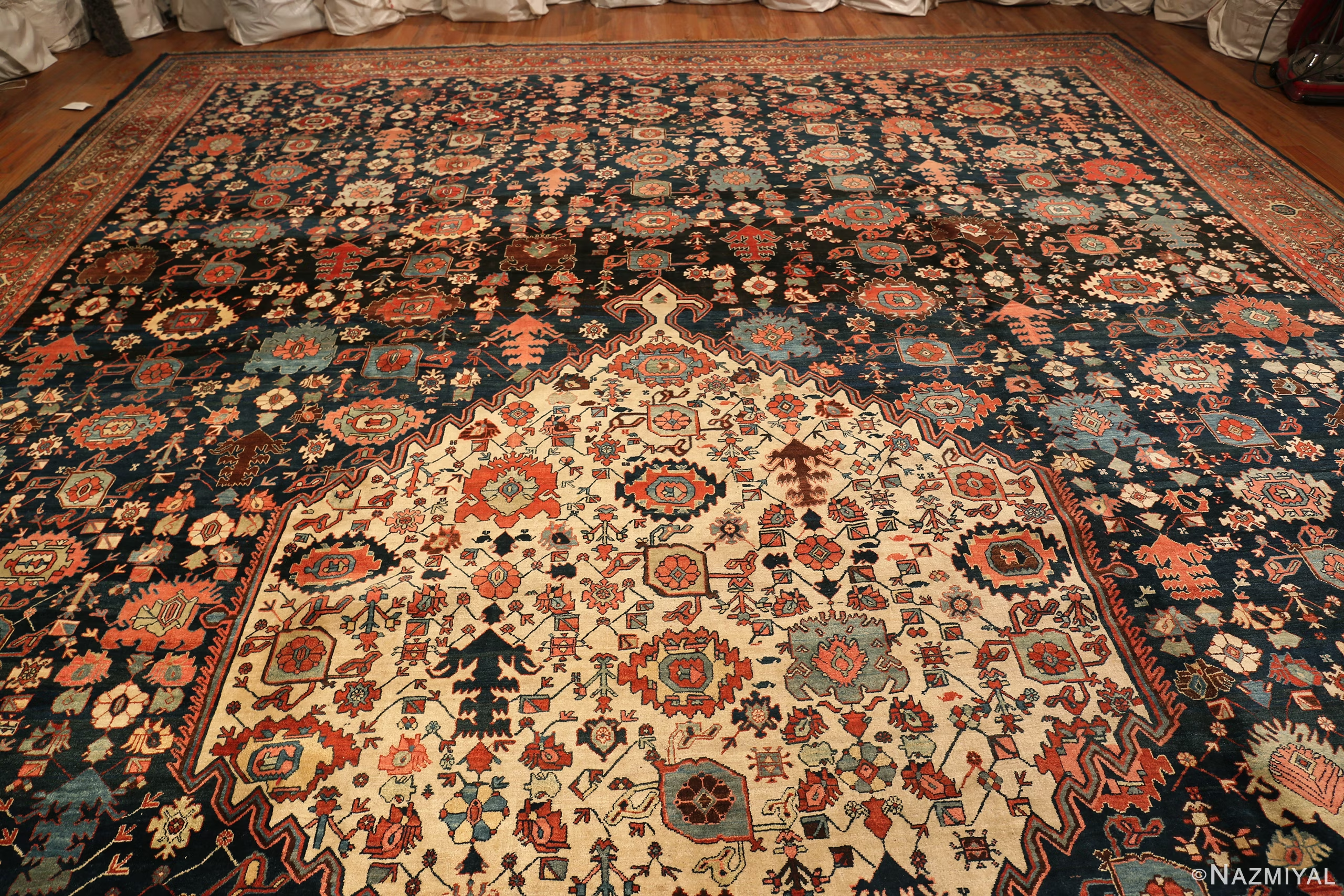
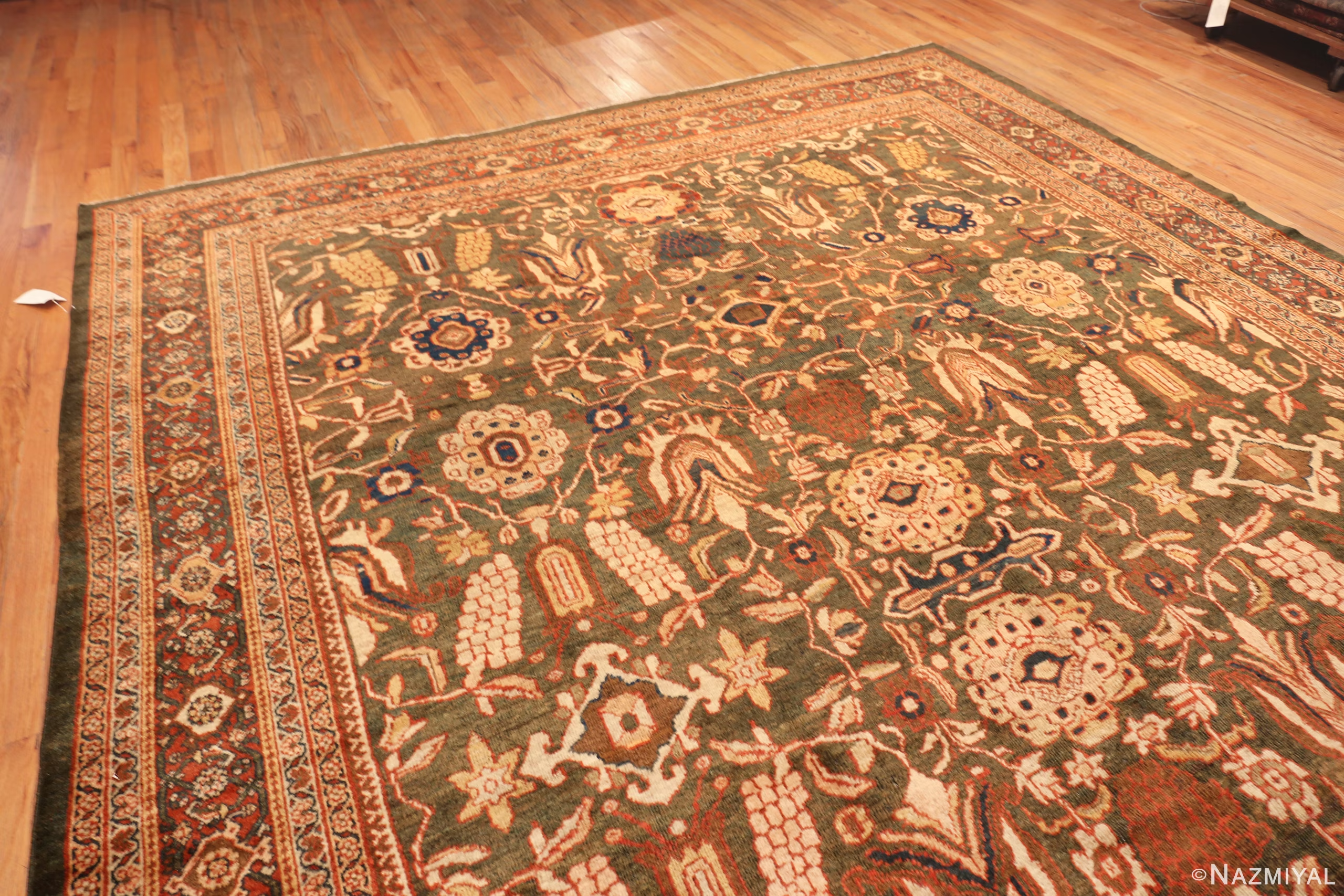
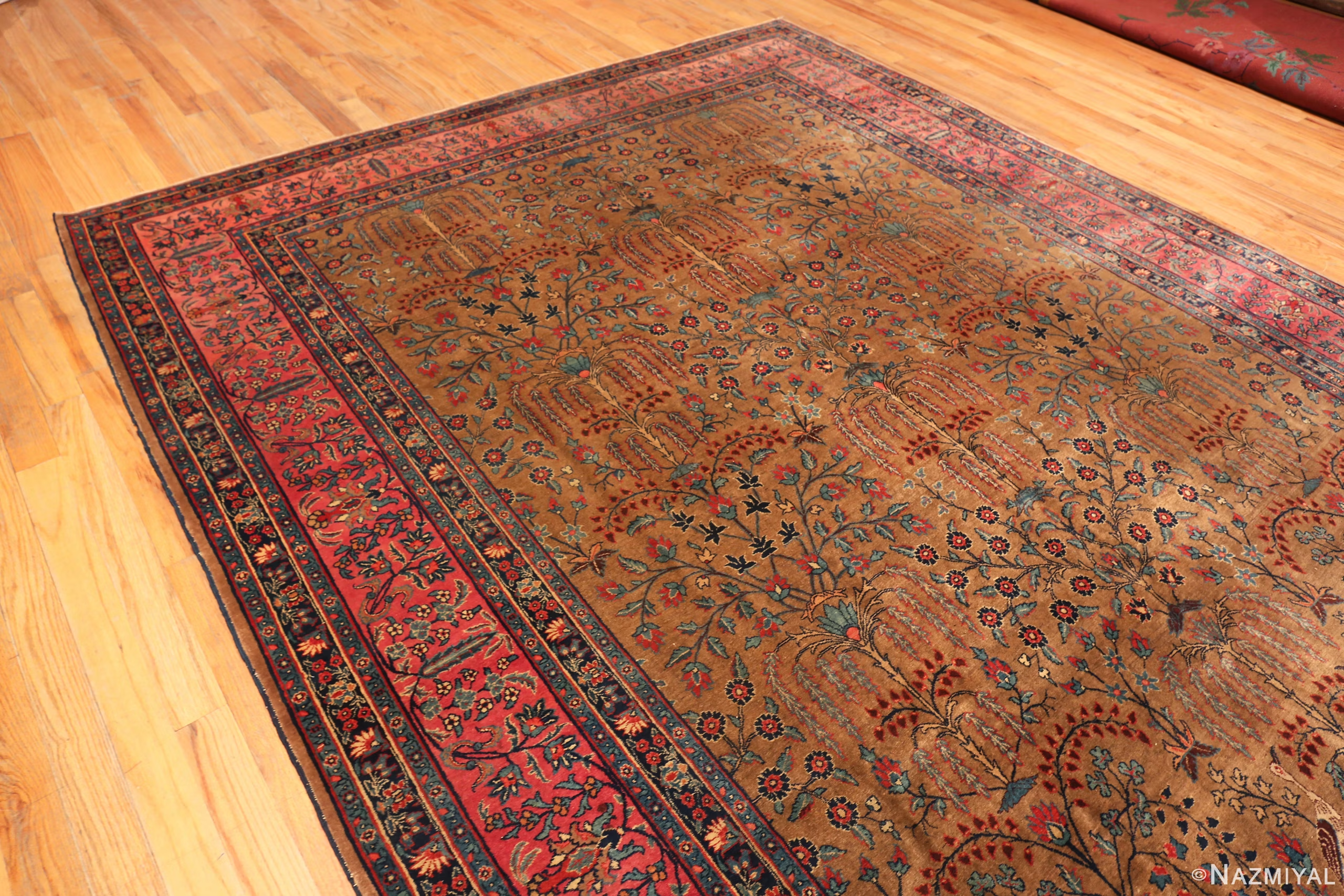
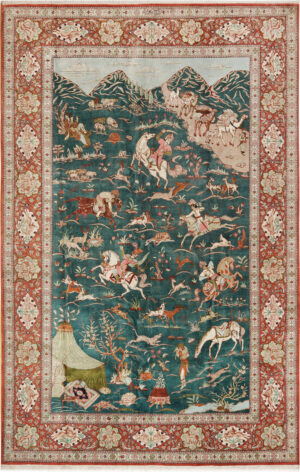
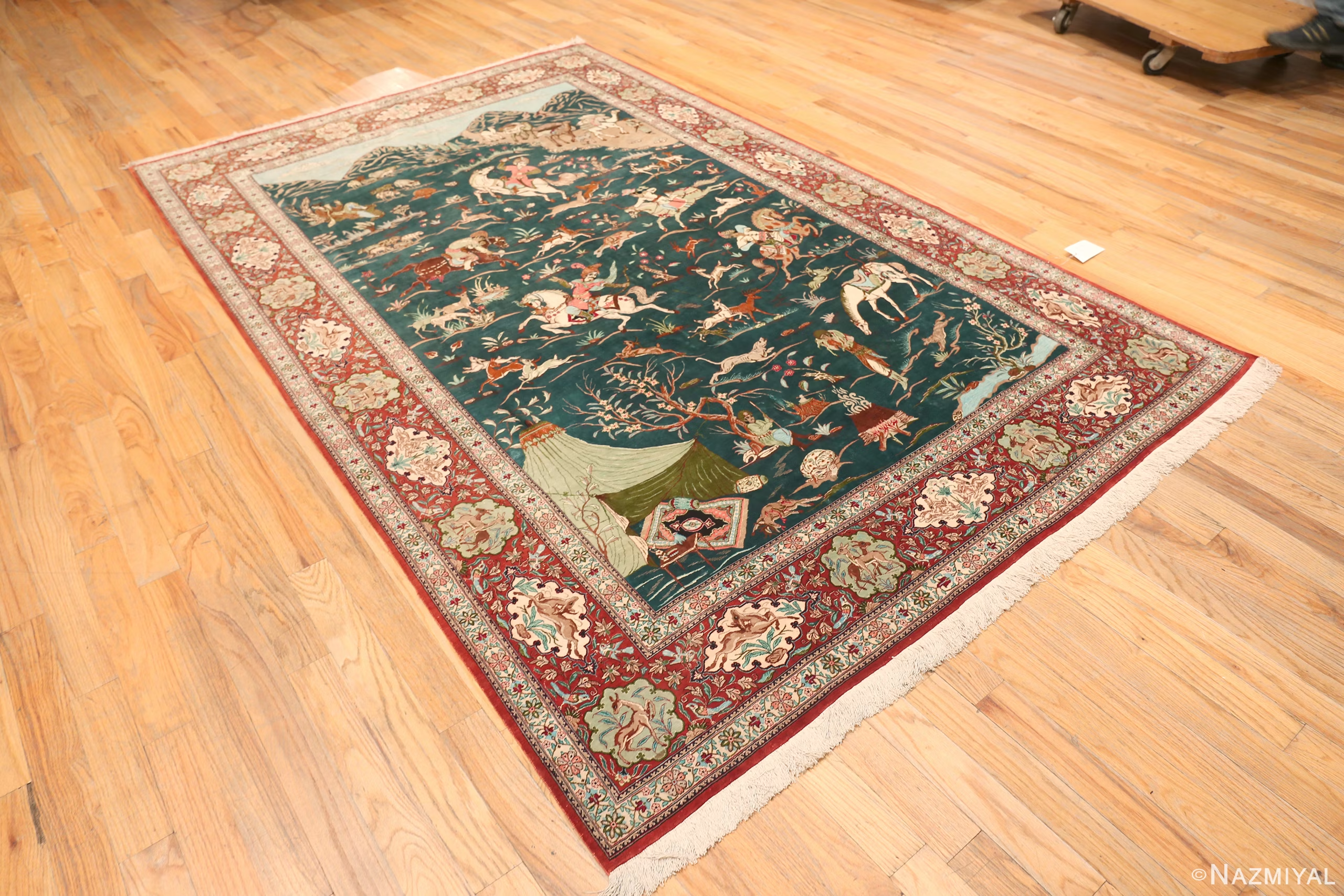
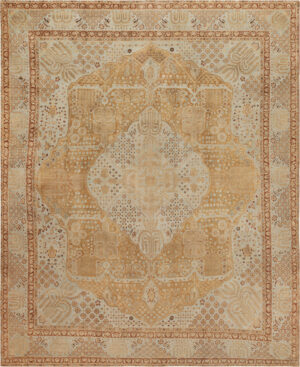
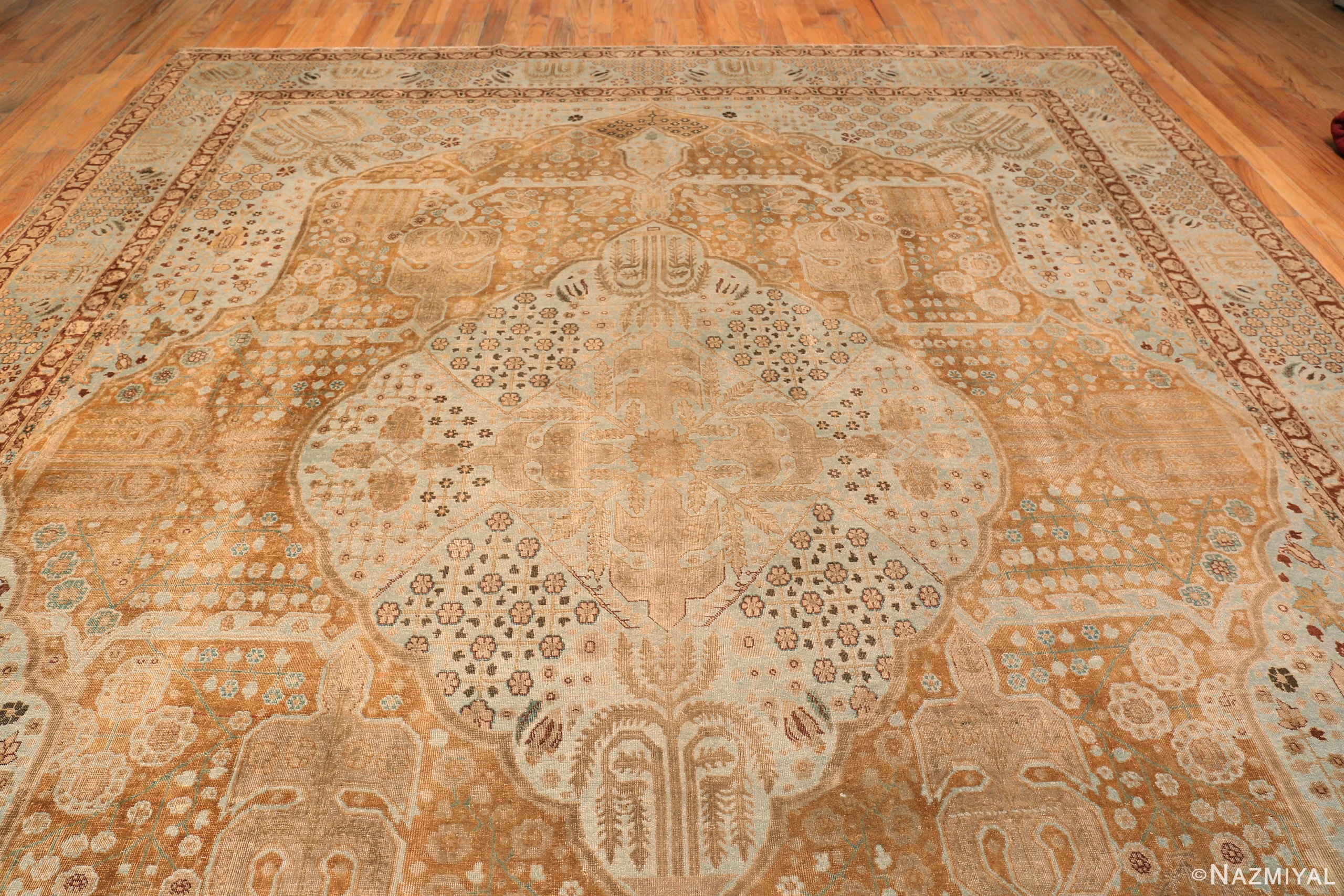
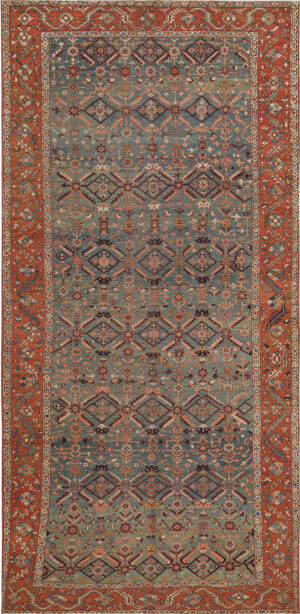
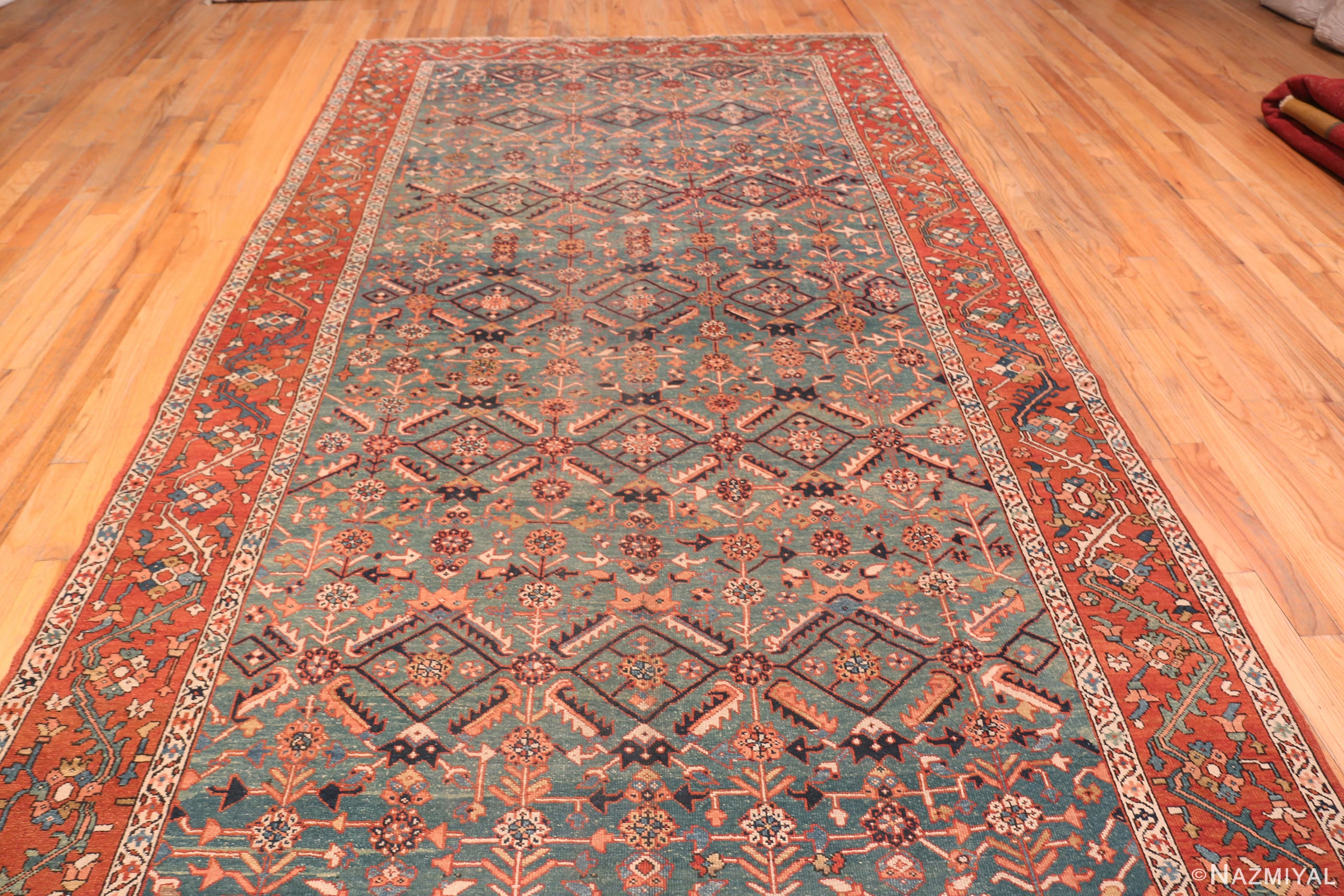
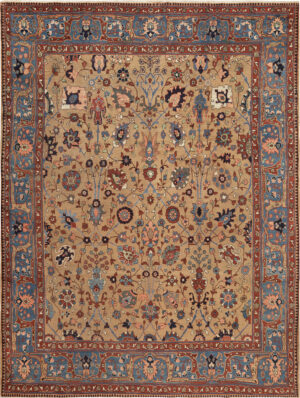
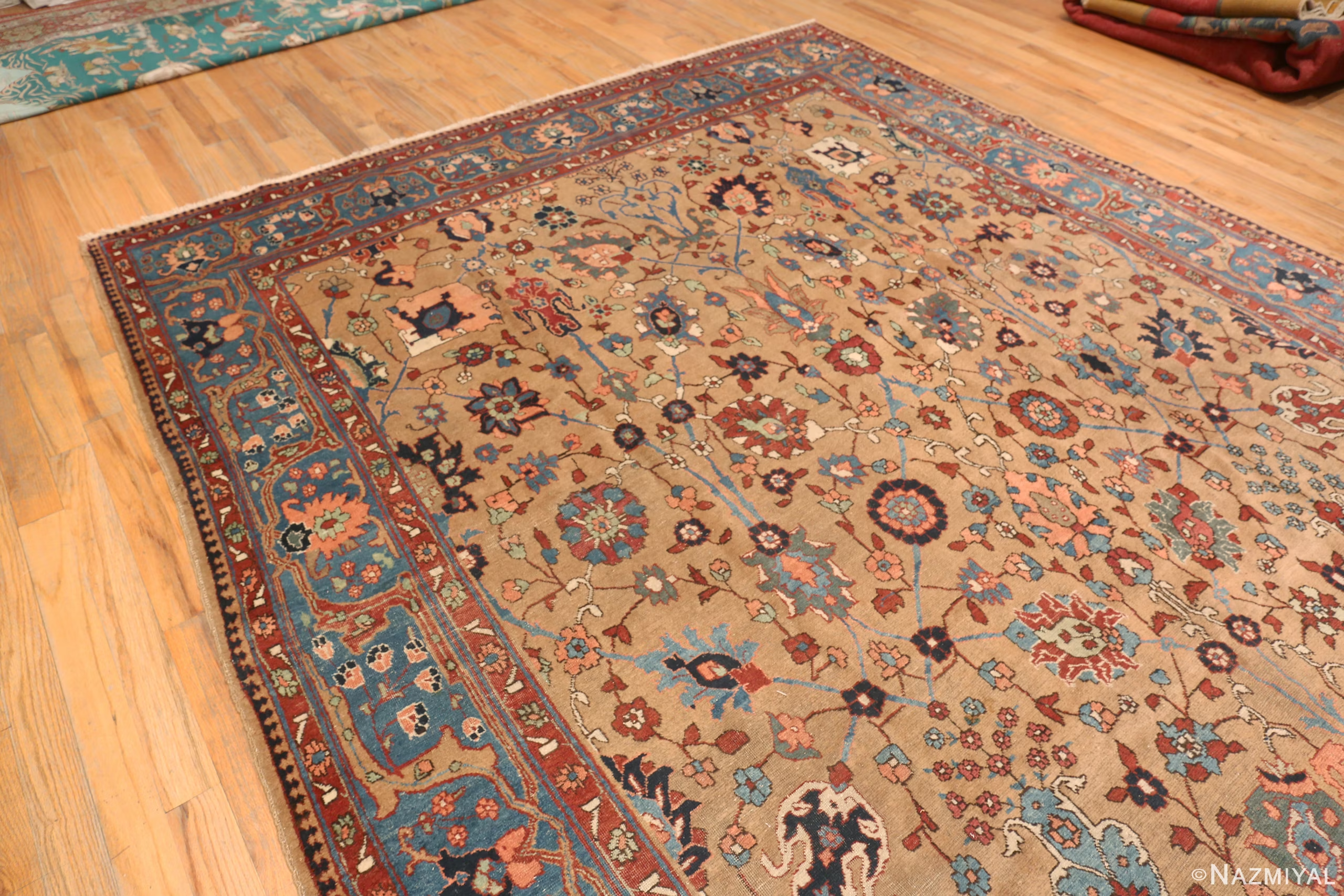
Shop through our catalog of over 600 antique and vintage Persian Oriental rugs and carpets from Nazmiyal’s New York gallery. This includes finely made hand-knotted Tabriz, Kashan, Isfahan, Heriz and Serapi, Sultanabad, Kerman, Bidjar, Qum silk, Bakhtiari, Malayer, and other historic Persian weaving traditions. Each piece is hand-selected by Nazmiyal specialists for origin, weave, age, condition, and design quality. Museum-quality antique Persian rugs have long been at the heart of Nazmiyal’s work with collectors, scholars, and leading cultural institutions. Explore our Museum Donations, Loans & Collaborations.
Persian rugs all originate from the same region in the Middle East, what we know today as modern-day Iran, and what was historically known as Persia. To qualify for the “antique” label, these rugs must be 100 years old at the very least, often dating to the 19th or early 20th century. The finest examples are evaluated through careful examination in which their hand-knotted structure, regional design, materials, dye quality, age, condition, and rarity undergoes expert scrutiny.
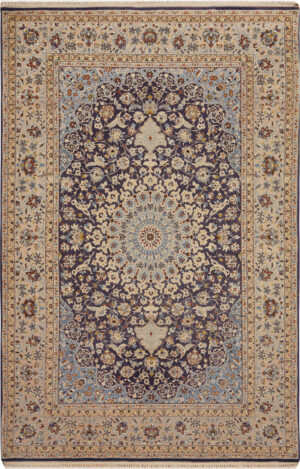
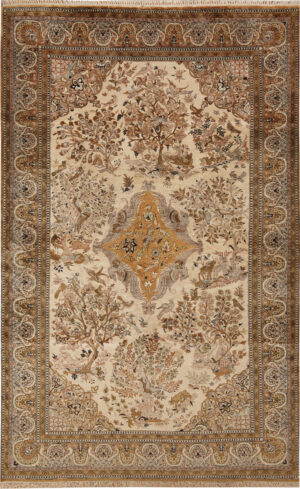
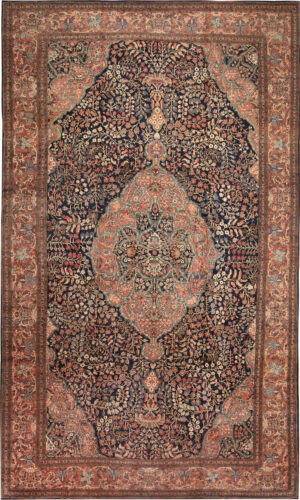
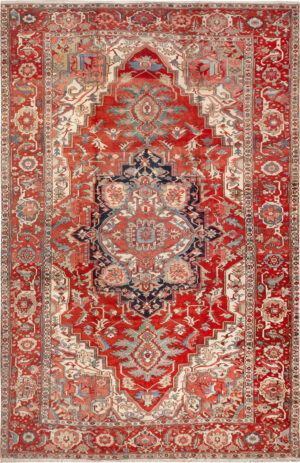
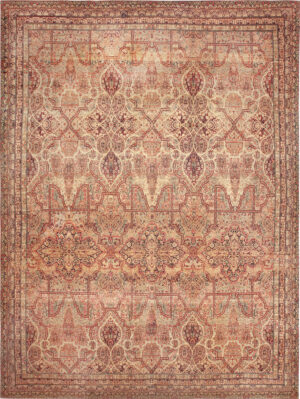
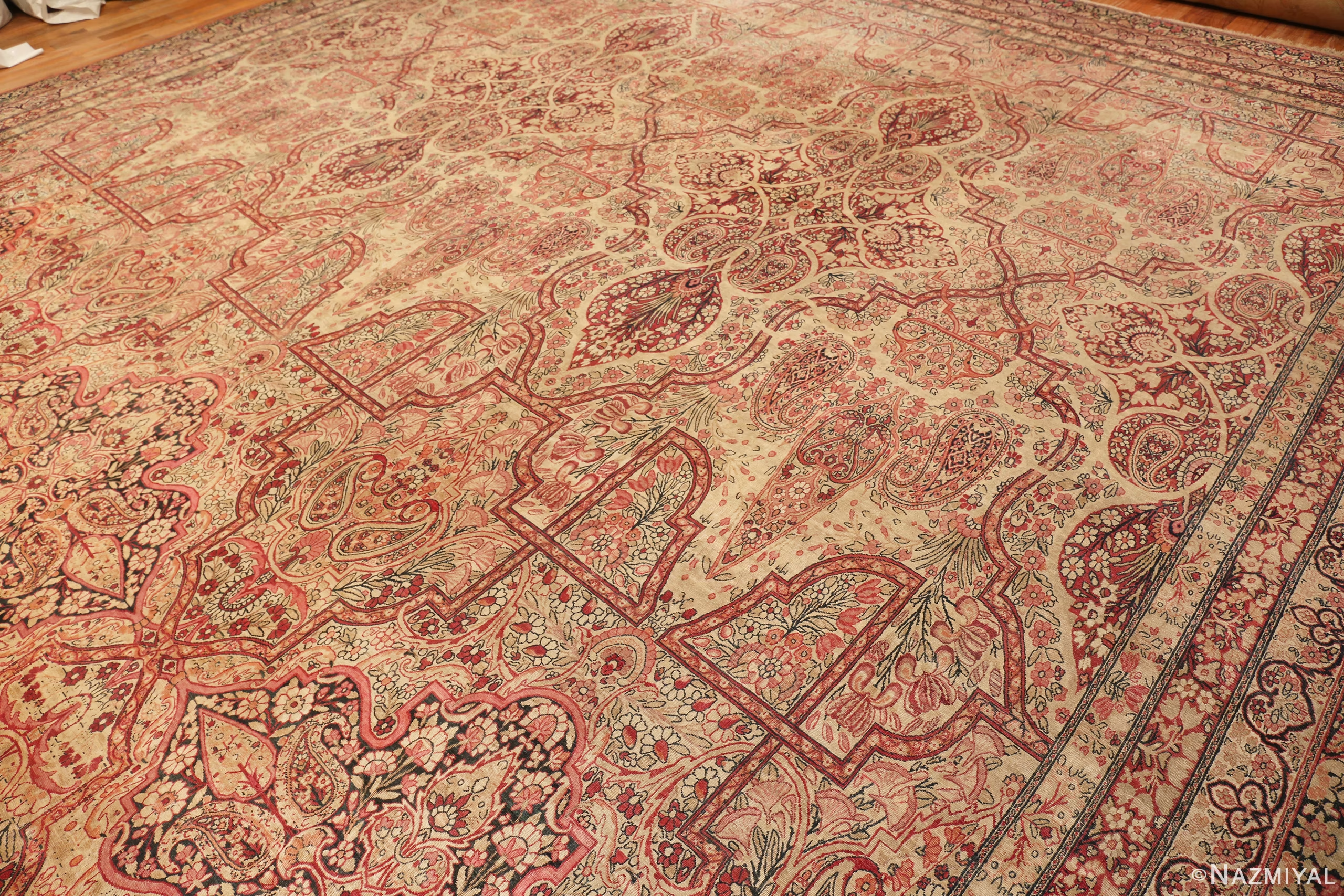
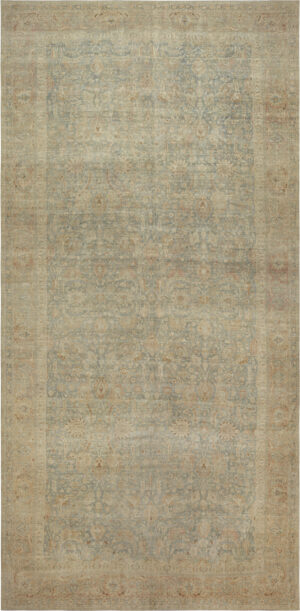
Throughout Persia’s extensive weaving history, cultural weaving hubs were established across Iranian cities, villages, and regions, including Tabriz, Kashan, Isfahan, Heriz, Serapi, Sultanabad, Bidjar, Kerman, Qum, Bakhtiari, Malayer, Senneh, and Mashad. Each developed unique nuances based on socio-political cultural happenings, but brought together through a shared heritage.
The Importance of an Antique Persian Rug
The general zeitgeist has recognized antique rugs as almost synonymous with Persian, an idea that has persisted into modernity. Among some of the most collectible and sought-after hand-knotted carpets in the world, antique Persian rugs are the very heart of what Nazmiyal does. Many of the finest antique Persian rugs were woven with hand-spun wool, natural dyes, and an expert level of workshop and village craftsmanship that is hard to come by in commercial productions. For more than four decades, Nazmiyal has sourced, studied, and authenticated important examples from the great Persian weaving centers for private clients, interior designers, and collectors.
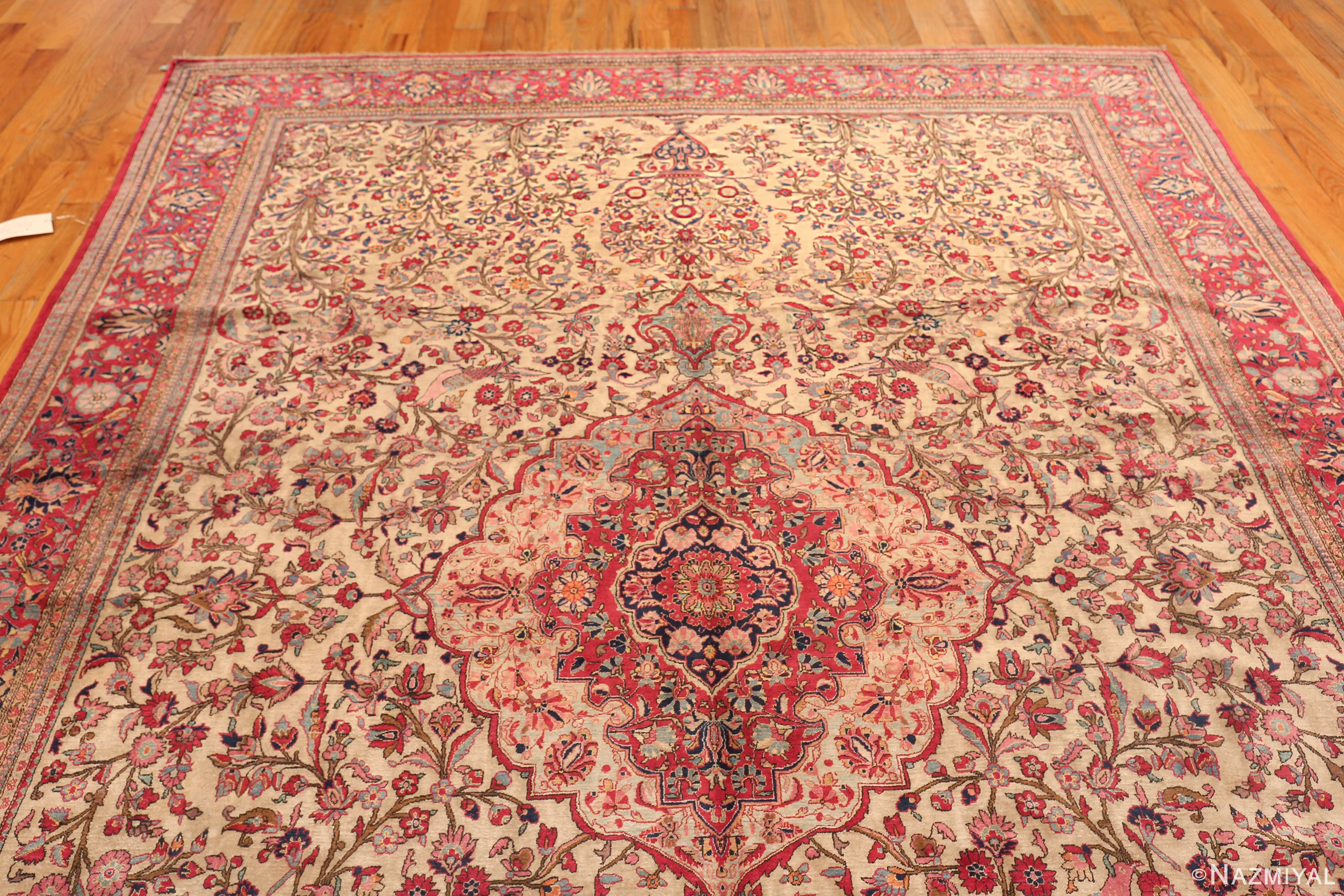
Given centuries to hone the craft, almost every Persian city and region produced its own antique masterpieces. Possibly the most prestigious of the weaving centers is the Mohtashem workshop of Kashan and the Haji Jalili workshop of Tabriz. Their 19th century rugs are masterfully woven works of textile art and have remained a benchmark for fine Persian weaving. For antique rugs across all origins — Turkish, Caucasian, Indian and more — see our broader antique rugs collection.
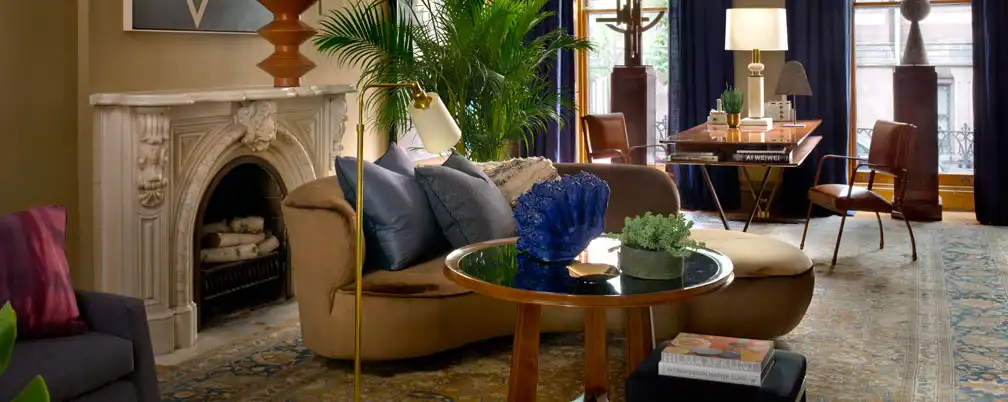
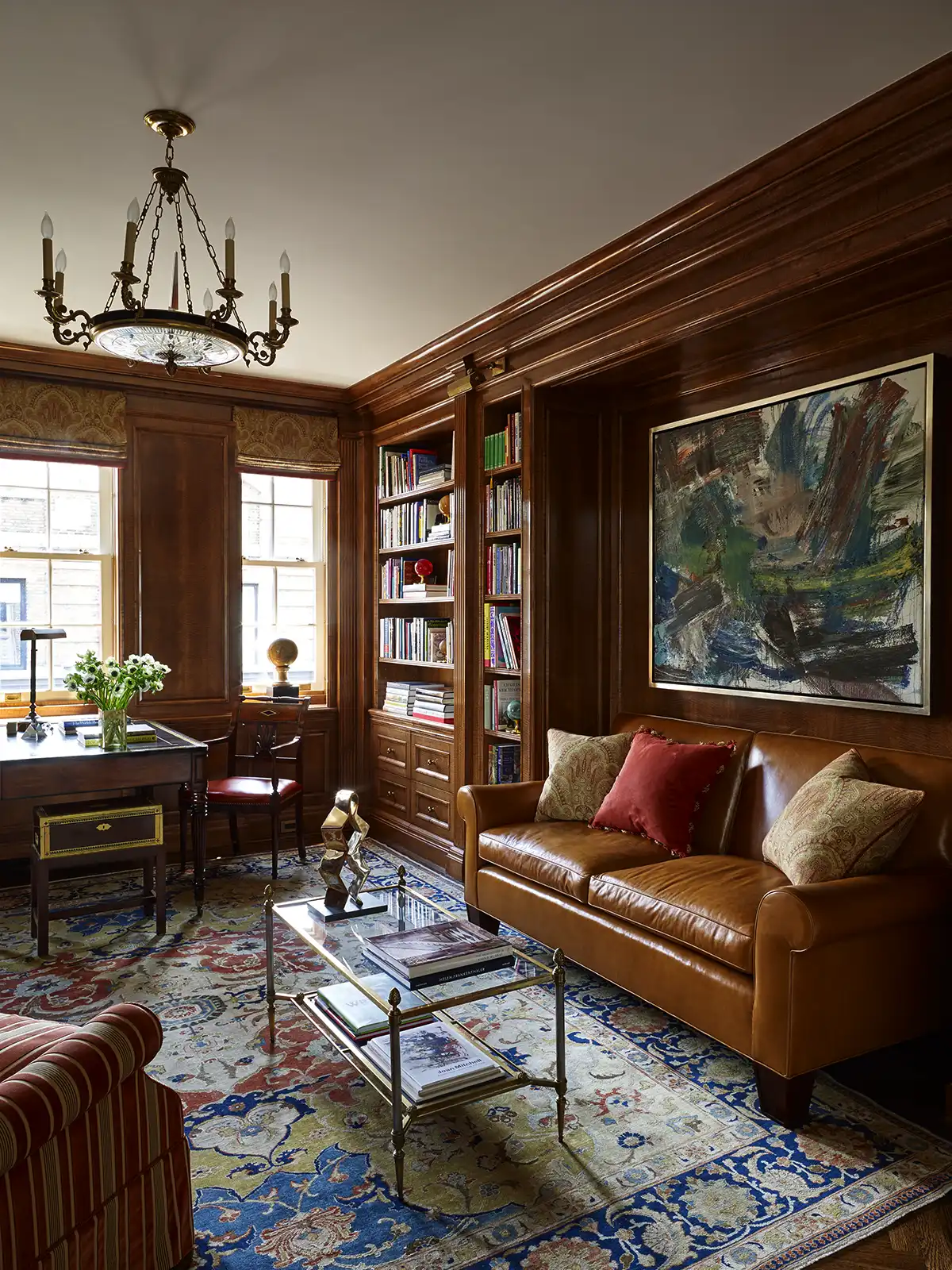
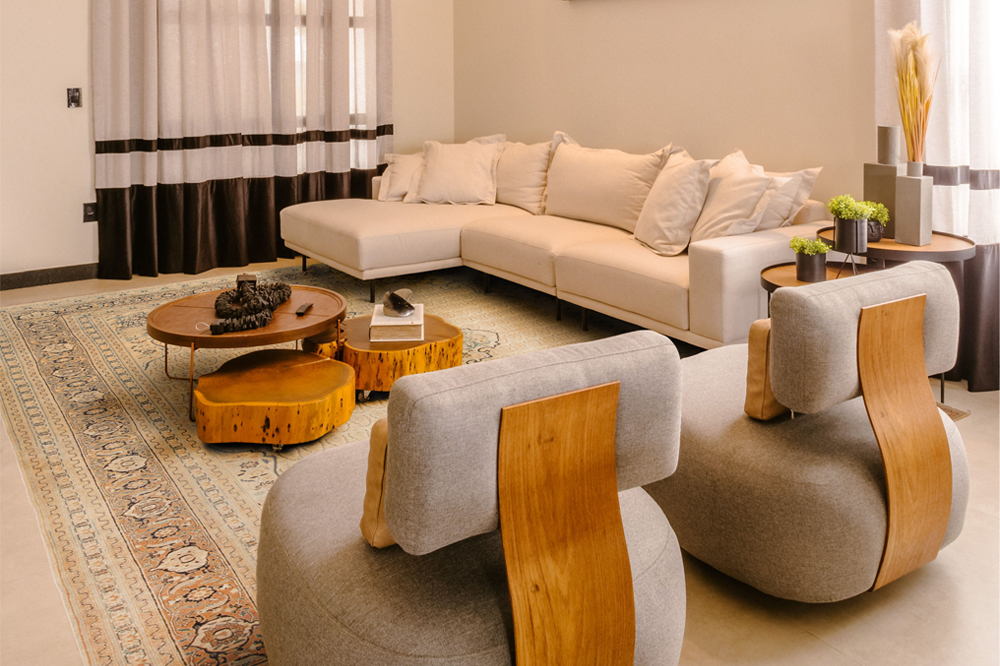
Antique Persian Tabriz Haji Jalili Rug #72693 in Living Room
“The range within Persian rugs is wider than most buyers realize. A 17th-century Isfahan and a late 19th-century Heriz are as different as any two things in the art world, same tradition, completely different character. That breadth is what makes collecting Persian rugs endlessly interesting.”
— Jason Nazmiyal, Founder of Nazmiyal Collection • 45 years in the antique rug trade
Antique vs Vintage Persian Rugs
While the term “Persian rugs” is broad and covers any rug or carpet woven in Iran, the difference between antique and vintage rugs lies in the time in which the rug was created. The antique Persian rug category contains older pieces, generally around 100 years of age or more. Vintage Persian rugs, on the other hand, are 20th century pieces, still old enough to carry a sense of character and design history without necessarily reaching the antique threshold.
The age discrepancy between these two categories matters greatly when looking to purchase a rug. While an antique Persian rug may exhibit a deeper patina and uniquely historic craftsmanship, a vintage Persian rug can still express an authentic and highly decorative quality present in hand-knotted pieces. Nazmiyal specializes in antique and early-vintage Persian rugs, with a focus on authenticity, condition, design quality, and lasting collectible appeal.
The Great Persian Weaving Cities and Regions
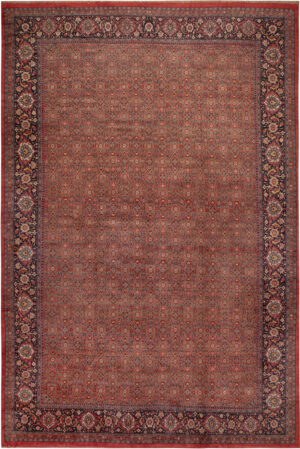
A Persian rug is best understood by its origin. Each city, village, and weaving region developed its own designs, palette, structure, and scale over generations. Origin is one of the most useful ways to understand the rug’s character and where it may work best.
Large-scale Persian carpets with formal medallion designs
Dining rooms, living rooms, and large formal spaces
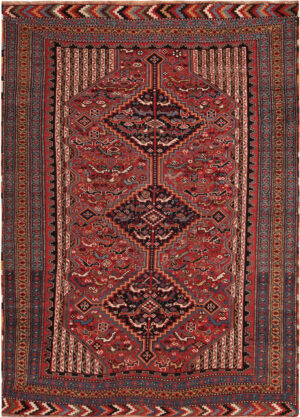
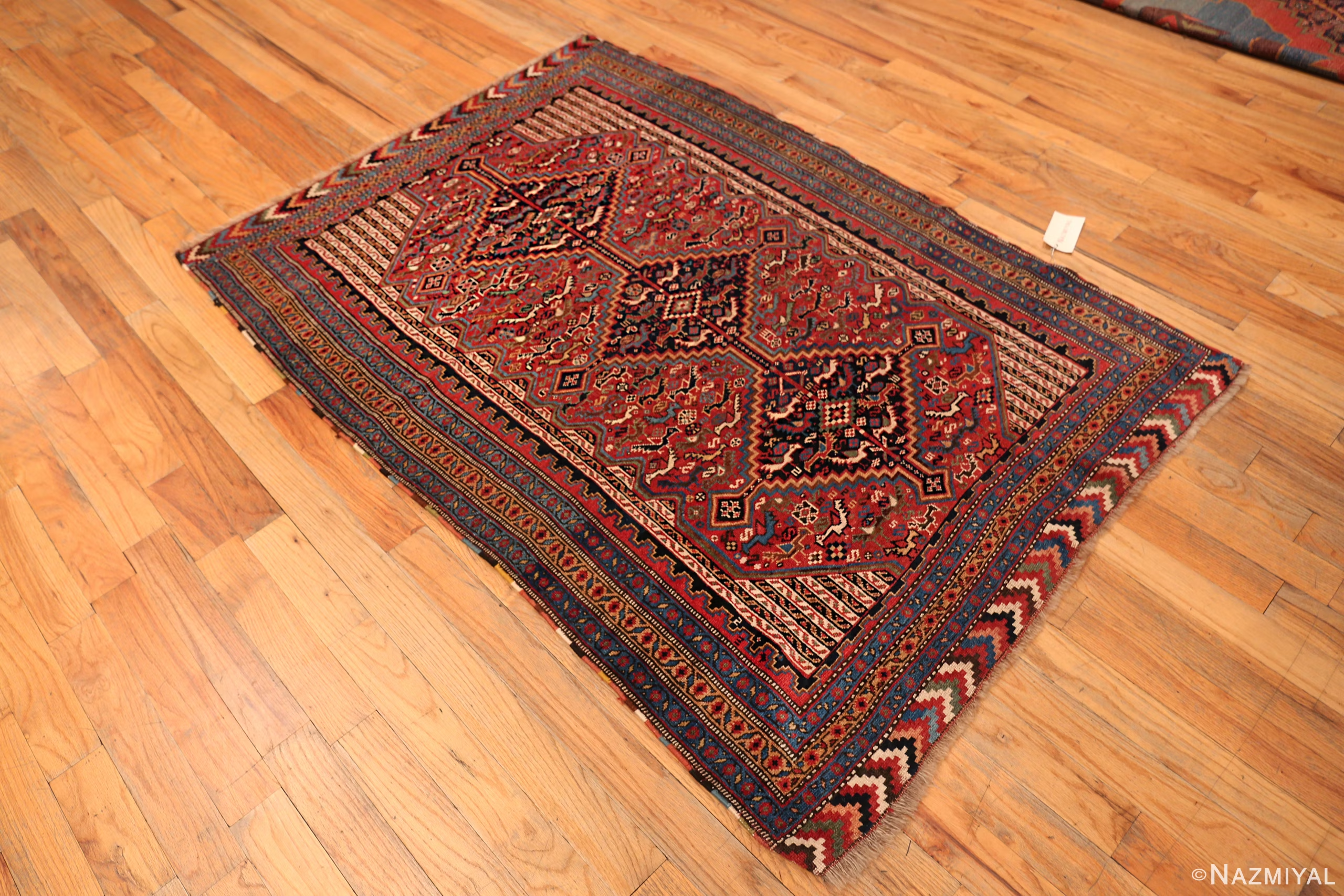
Tribal and village weavings hold distinctly cultural elements, part of the broader Persian tradition, but not easily pinned to one region due to the nomadic nature of the weavers. Gabbeh rugs, for example, are representative of an alternative graphic and textural side of Persian weaving, known for their spontaneous designs and rich use of colors. For a deep-dive into the regional development of Persian carpets, see our complete history of Persian rugs.
How to Identify Authentic Persian Rugs
Genuine Persian rugs are hand-knotted and made with traditional materials, all tied to specific weaving traditions. If you are considering taking the leap and buying your first Persian rug, you should be 100% confident that the piece you’re committing to is an authentic one. The following are signs our specialists check for when authenticating a rug, as well as what separates a true Persian rug from a machine-made or tufted imitation.
Hand-knotted: Turn the rug over and check the foundational construction of the rug. The rug’s design should be clearly displayed on the back as well as the front, knot by knot and with no glued backing or mesh.
Handiwork in knots: When hand-knotting a textile, irregularities are inevitable. Perfect uniformity often points to machine production. Look for subtle variations in precision.
Color and materials: Antique rugs were all made using natural dyes that have aged along with the textile. Color variations known as abrash are indicative of age as well as organic material use, though expert inspection is needed for certainty.
Structure: A Tabriz, Heriz, Bidjar, Kashan, or Qum rugs should feel consistent with the construction and regional character expected from that type.
Every rug in this collection is vetted against these criteria before being listed. If you are comparing pieces, ask our specialists about origin, age, materials, condition, restoration history, and appraisal documentation. Unfamiliar with a term? Our rug glossary explains common rug language and our buying guide provides advice for those looking to make a purchase.
“A genuine Persian rug carries the fingerprint of the city or region that made it. A real Heriz, for example, has a uniquely bold geometry, and a Tabriz is made with such precision you can feel it in the knotting. After decades, I can usually name a rug’s origin before I have turned it over, and that regional signature is one of the surest signs you are holding the real thing, not a reproduction.”
— Jason Nazmiyal, Jason Nazmiyal, Founder of Nazmiyal Collection • 45 years in the antique rug trade
Decorating with a Persian Rug
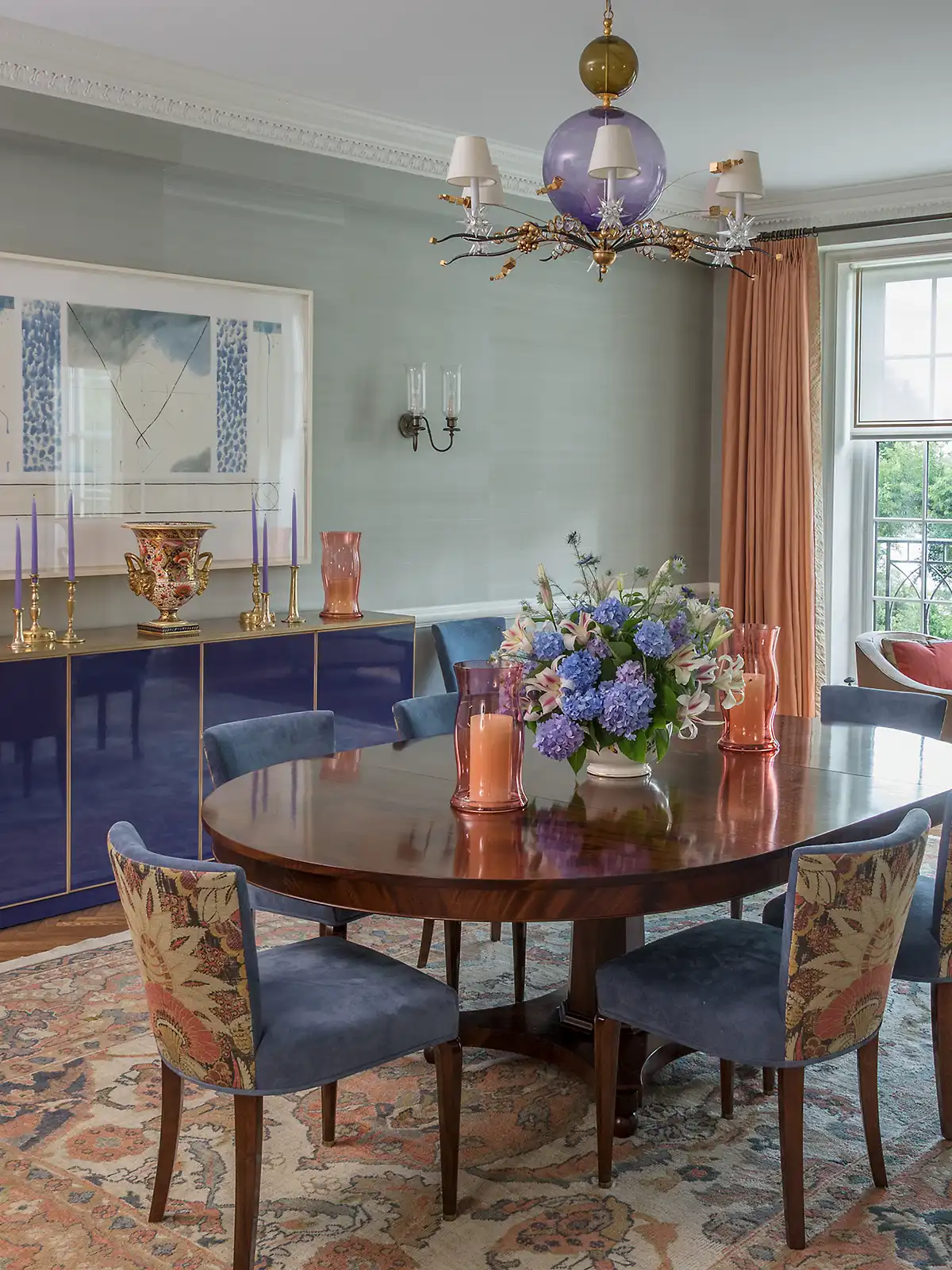
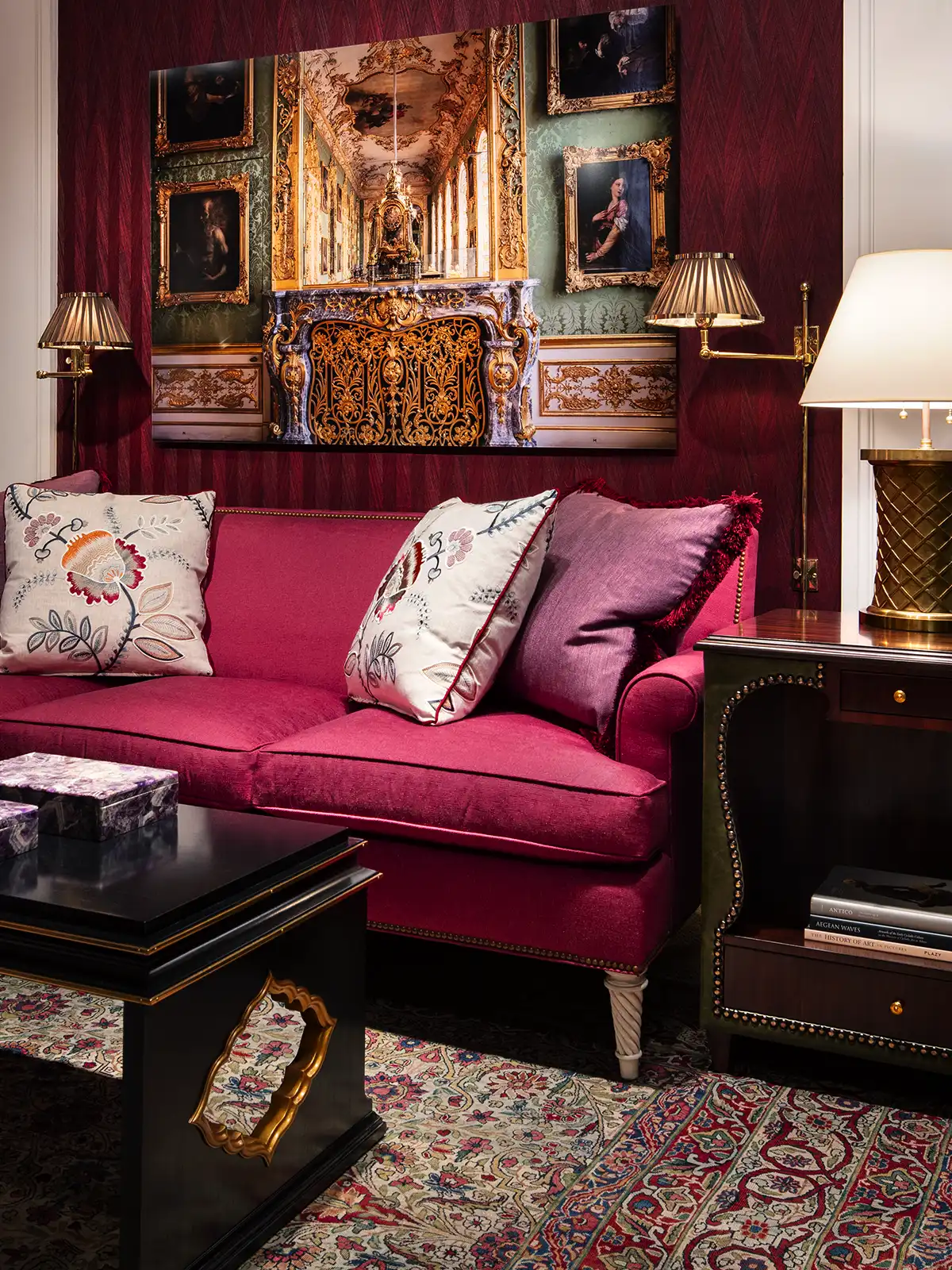
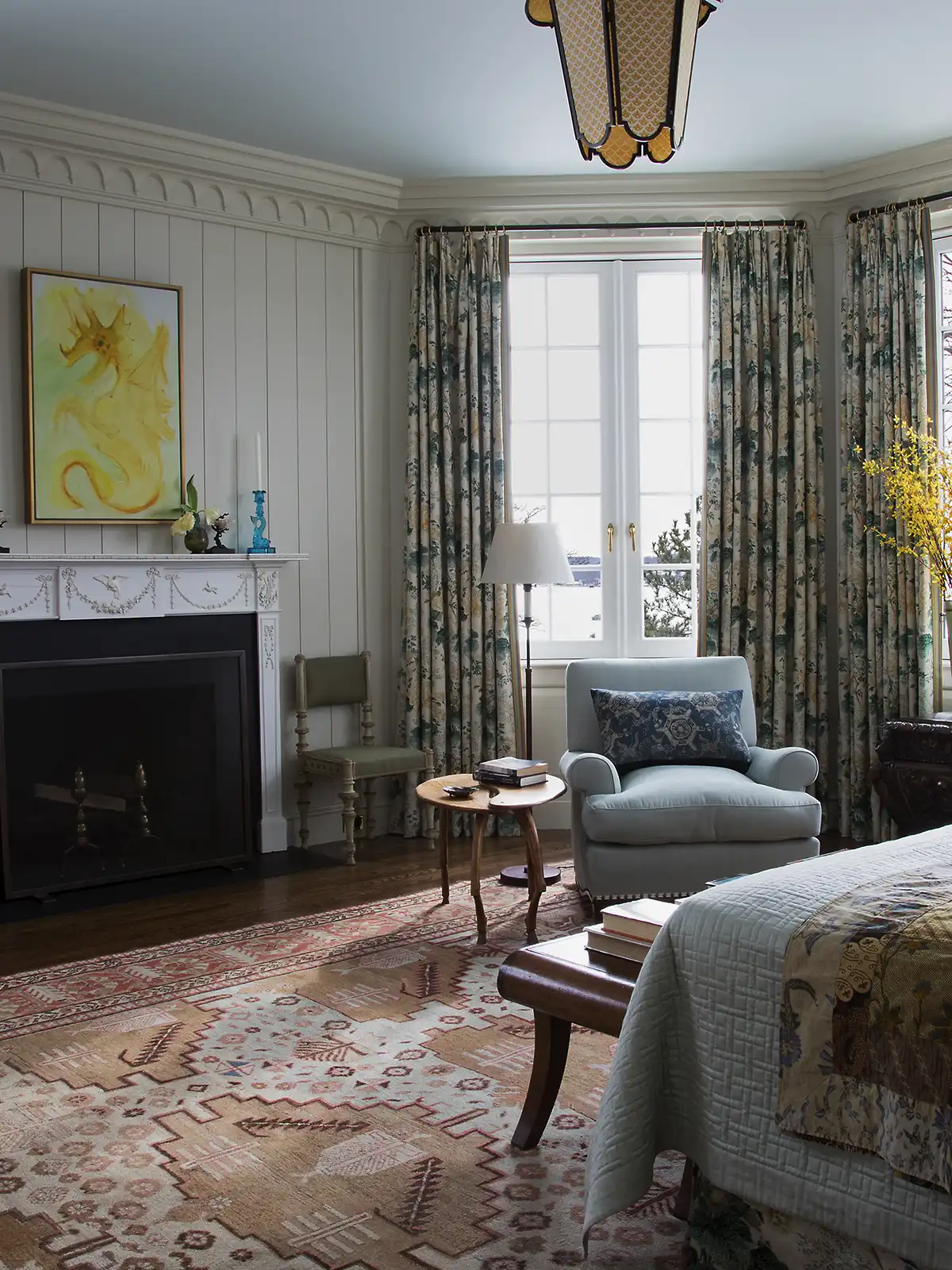
Handmade Persian rugs are an expected luxury in classic apartments, but they are far more versatile than their reputation suggests. A Kashan or Isfahan rug anchors a formal room exactly as expected, but alternative options like a faded Sultanabad or a bold Heriz can sit beautifully in a modern, refined interior. The contrast between an antique Persian rug and contemporary furniture is a welcome irony, and remains one of the most iconic looks in luxury interior design.
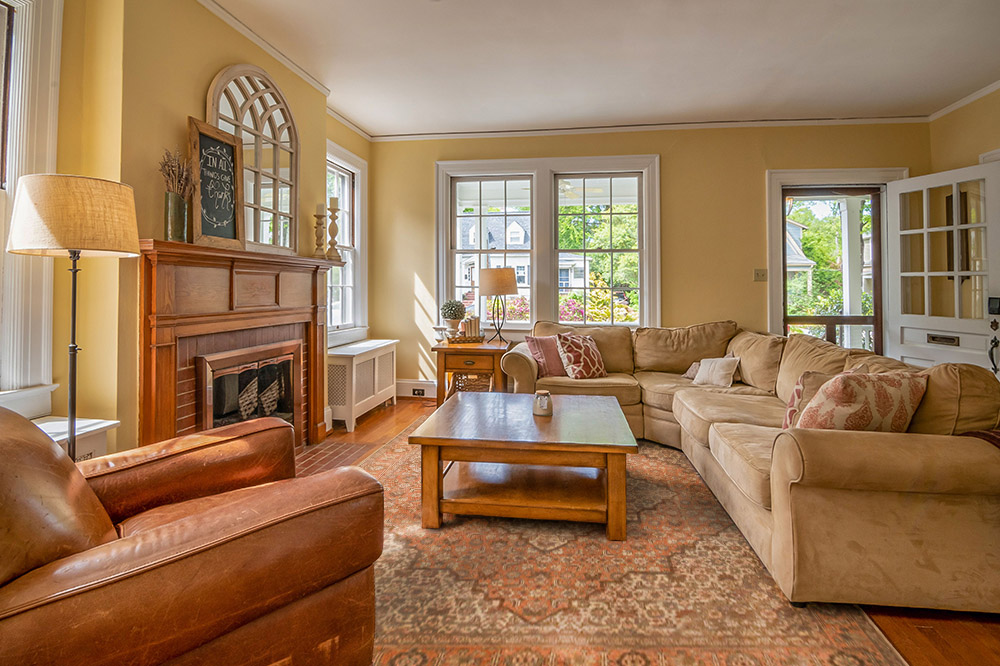
Antique Persian Tabriz Rug #45268 in Living Room
Use these practical tips as a guide when looking to incorporate rugs into your home:
Size generously so the rug sits under at least the front legs of your seating
Use richly patterned Persian area rugs as the dominant element in your interior design, and don’t let the surrounding upholstery upstage or try to compete with them
For high-traffic rooms, choose a sturdier weave such as a Heriz, Serapi, or Bidjar rug
Finer city rugs and silk pieces are better suited for formal rooms, bedrooms, libraries, and low-traffic areas
Why Buy Antique Persian Rugs from Nazmiyal
Nazmiyal Antique Rugs is a New York gallery, not a marketplace. Since 1980, Nazmiyal has specialized in antique and vintage handmade Persian rugs from our space on East 32nd street. Each piece we list is vetted by our own specialist before it is published online. Our experts check for age, origin, weave, materials, dye character, condition, and design. Designers, collectors, and first-time buyers alike all work with us by providing information about the room they intend to use for their future rug, their budget, and scale specifications. From there, we guide buyers through the browsing and eventual purchasing process by providing accurate measurements, detailed photography, and transparent condition information.
New York clients can view Persian area rugs live and in person in our very own showroom for a consultation. We also offer rug appraisals, cleaning, and rug restoration. For clients residing outside of New York, every order ships worldwide fully insured, backed by Nazmiyal’s authenticity standards and specialist guidance.
             Posted on Google        Clay Pendergrast     Trustindex verifies that the original source of the review is Google. My wife and I are so pleased with the antique Uzbek Bokhara Rug purchased from the Nazmiyal Collection. Not only does the rug have a spectacular design, it also was very reasonably priced. The way it transforms our living room, reconciling the classic modern furniture with the 1913 Craftsman interior is remarkable.         Posted on Google        Terence Hayes     Trustindex verifies that the original source of the review is Google. I have purchased multiple rugs at multiple Nazmiyal auctions and I am extremely pleased with the quality, price, and experience.  Highly recommended!         Posted on Google        Victor Florintsev     Trustindex verifies that the original source of the review is Google. The only ones I'd ever buy rugs from. The best.         Posted on Google        Jeffrey NeumanB     Trustindex verifies that the original source of the review is Google. I bought two gorgeous Serapi rugs from Farhad at Nazmiyal Rugs!  Beautiful carpets, fair prices and great service.  Very happy customer.  Farhad (the sales person) was very patient and gave us great service.         Posted on Google        john haid     Trustindex verifies that the original source of the review is Google. Alen is a gentleman and an expert.  Really great to work with.         Posted on Google        Edward Yasuna     Trustindex verifies that the original source of the review is Google. I recently purchased a modern Kandinsky rug from Nazmiyal Auctions.  It was just as described, and the director (Farhad) of the auctions had it sent to me quickly and safely.  Payment was easy, the rug was reasonably priced, and I highly recommend Nazmiyal Auctions and Antique Rugs.  Quality merchandise and first-class service.         Posted on Google        Nicholas Carr     Trustindex verifies that the original source of the review is Google. Had a excellent experience buying a rug in Nazmiyal's 1/18/26 online auction.  First, prior to the auction, viewing a number of lots at the 32nd St showroom (I had prepared a list from the online catalog). The staff were great to work with: helpful, knowledgable, honest, and flexible.  Second, after placing an online bid and winning the desired item, arranging payment and pickup was simple and straightforward. Everything went seamlessly and the overall experience was educational and fun. Many thanks to Jason and his team.         Posted on Google        Andrea Gared     Trustindex verifies that the original source of the review is Google. Everyone at Naziyal is proffessional, especially Jason and Farhad.
They are knowledgeable, truthful, and true gentlemen. I have sold several rugs through them and will always go to them first, to buy or sell. The best in the business!
Frequently Asked Questions
A Persian rug is generally considered antique when it is roughly 100 years old or more. Age alone is not enough, though: the structure, hand-knotting, materials, dye character, regional design, condition, and restoration history all need to be consistent with genuine period weaving.
Turn it over. A genuine antique Persian rug should be hand-knotted, with the design visible on the back and no glued backing or mesh. The knots should show handwork rather than a mechanical uniformity, and the materials, color, wear, and structure should match the claimed age and origin. Expert inspection is the safest way to confirm authenticity."
An antique Persian rug is roughly 100 years old or more, while a vintage Persian rug is usually a 20th-century piece that has age and character but does not necessarily meet the antique threshold. Both can be authentic, hand-knotted Persian rugs; antiques are often the collector-grade pieces, while vintage rugs can be a more accessible way in.
Prices vary widely. Value depends on age, origin, fineness of weave, size, condition, restoration history, rarity, materials, dye character and overall beauty. A master-workshop piece such as a Mohtashem Kashan or Haji Jalili Tabriz may sit at the top collector tier, while a fine decorative antique Persian rug can be more accessible.
Many are durable enough for daily use, especially sturdy village and regional weaves such as Heriz, Serapi and Bidjar. Finer city rugs, silk rugs and high-knot-count pieces may be better suited to formal or lower-traffic spaces. The right answer depends on the rug's structure, condition and intended room.
The best place to buy an antique Persian rug is from a specialist who can explain the rug's origin, age, materials, condition and restoration history, rather than from a marketplace listing with a vague description. Nazmiyal has specialized in authenticated antique and vintage Persian rugs from our New York gallery since 1980, with expert guidance, detailed condition information and worldwide insured shipping.
THE NAZMIYAL NEWSLETTER
Discover Your Next Favorite Rug
Get new arrivals, rug inspiration, educational blogs, and collection highlights delivered to your inbox.
By subscribing, you agree to receive marketing emails from Nazmiyal. Unsubscribe anytime. View our Privacy Policy.