Dec 15 2011

Antique Oriental Rugs by Nazmiyal

Published by under Antique Oriental Rugs

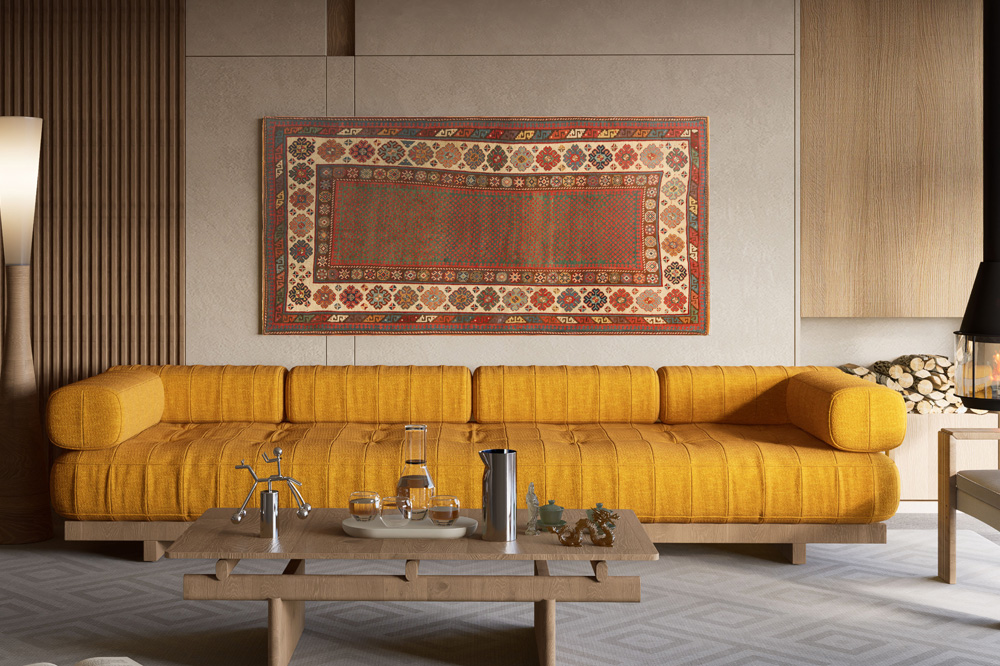
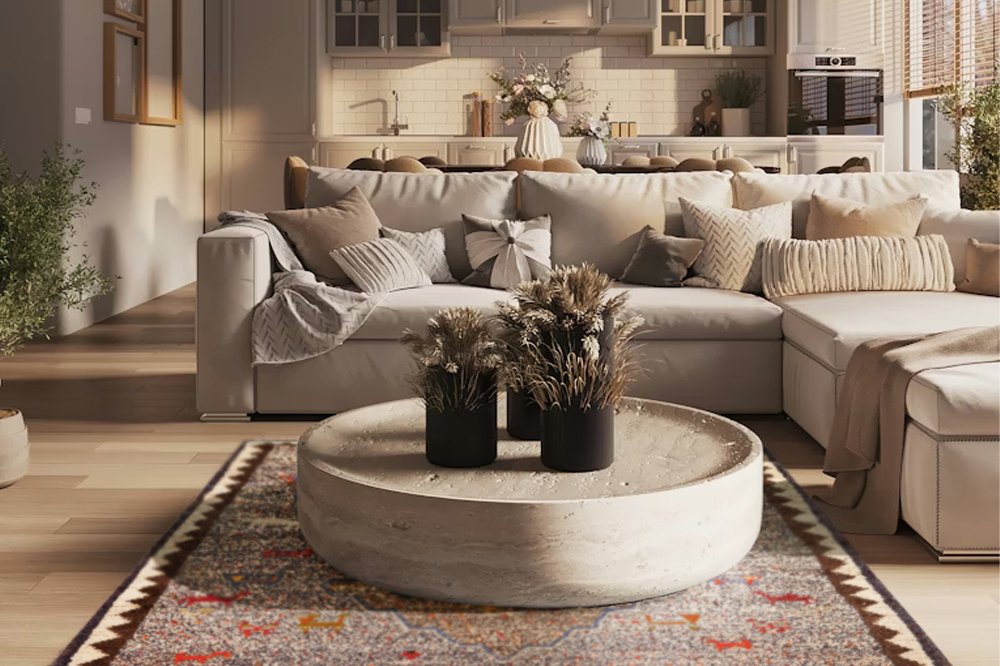
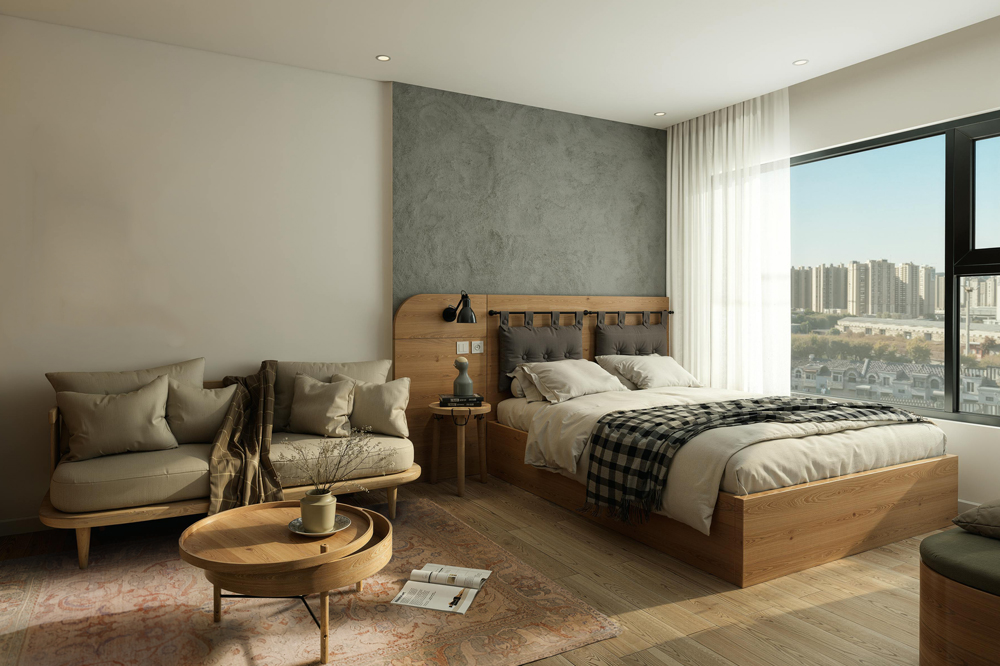
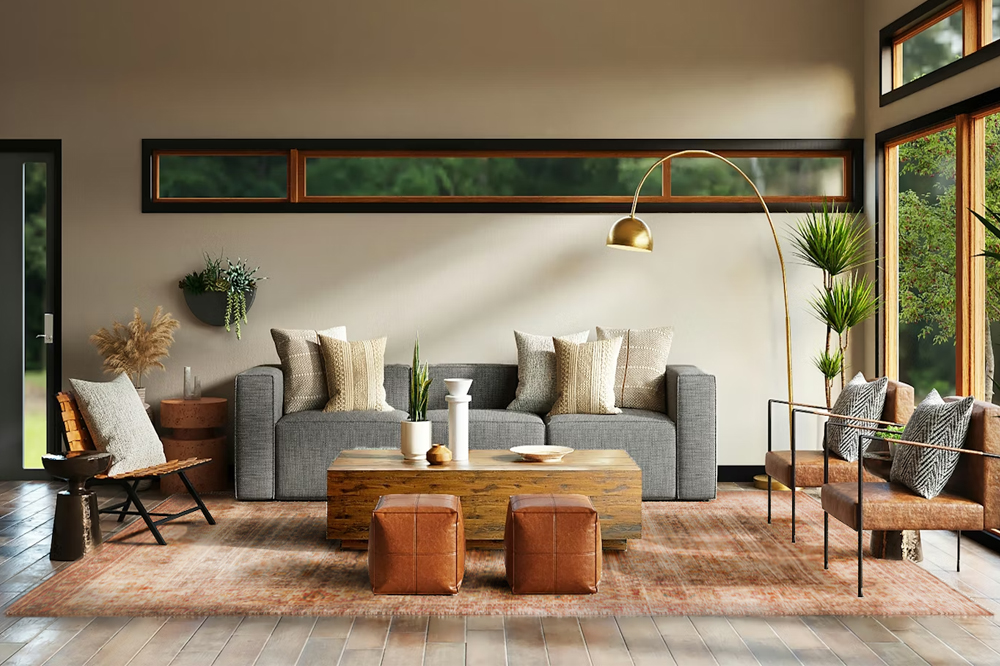
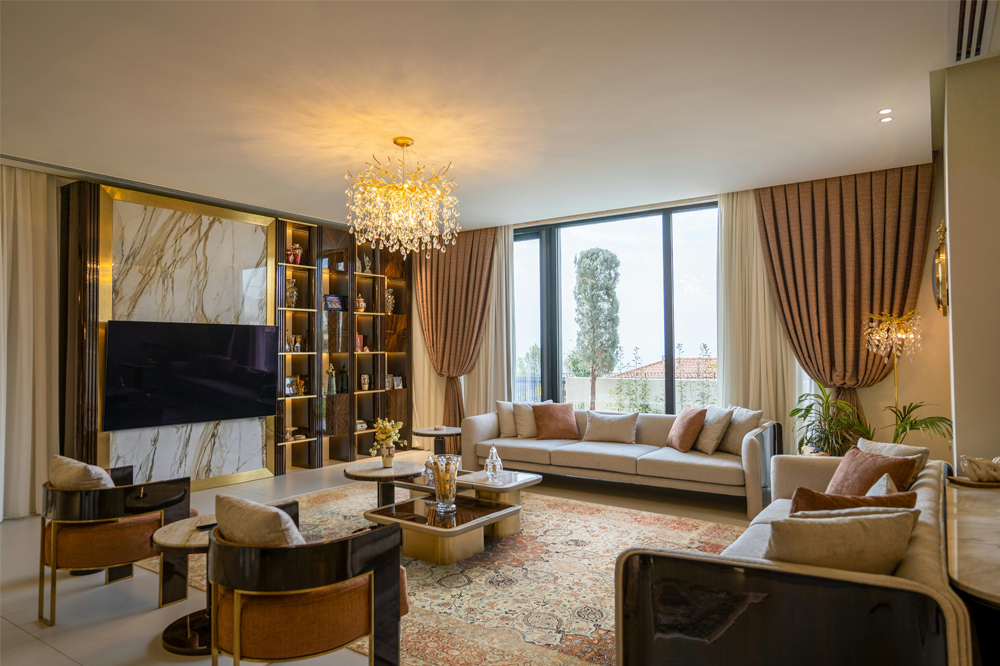
By definition, antique oriental rugs are more than 80s years old while vintage rugs refers to the decorative oriental and modernist rugs that were made during mid-century (20th century) – such as the mid-century modern Scandinavian rugs and Moroccan rugs. However, many other features set these pieces apart from their newly created counterparts. On the surface, new oriental rugs may resemble their “cousins”, the – antique oriental rugs, but the similarities stop there. The quality and construction of antique oriental rugs and carpets are two of the great differentiators between those created then and now. These differences affect the overall look and feel on a broad level through small and large changes in the dyeing, spinning and weaving process. The difference between new and antique oriental rugs goes down to the fiber used to produce these masterpieces from the past. Using millennia-old processes, world created iconic antique oriental rugs that would stand the test of time and add to their international legacy.

Antique Khotan Rugs
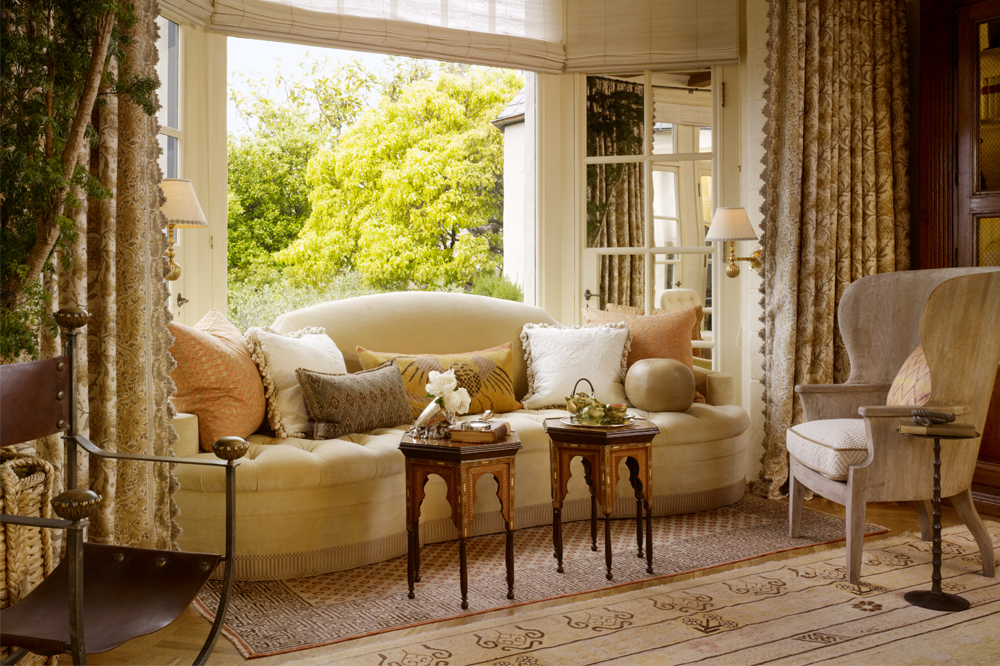
Antique Khotan Rugs Interior Design By Tucker and Marks Design

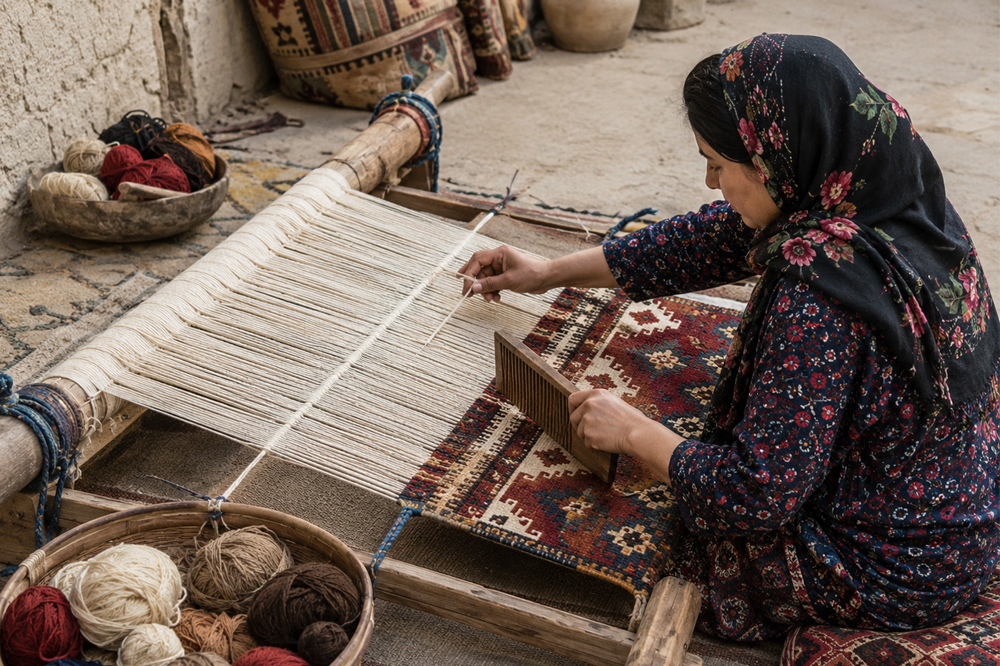
With natural dyes, ancient techniques and countless hours of tedious work, these weavers creating long-lasting works of art that acquire a gentle patina and luster with age that contributes to their characteristic charm. With the advent of modern technology and chemical dyes, patterns were watered-down for mass-production and regional traditions that were millennia in development were changed forever in little more than a century. Antique oriental rugs in general (not only antique Persian Rugs ) include hundreds of patterns and cultural symbols that are combined with construction techniques accentuate the unique regional qualities. Despite modern advances and high-tech manufacturing processes, the gestalt of antique oriental rugs and oriental carpets produced by master weavers in the city, artisan craftspeople in independent villages and tribal individuals is incomparable. Antique oriental carpets and antique oriental rugs were created using bygone methods and traditions thatheld a deep significance to the people who wove them. to the people who wove them. Many of these antique oriental rugs and oriental carpets are filled with symbolic figures and motifs that have been used within a culture for thousands of years.

Antique Bezalel Carpets
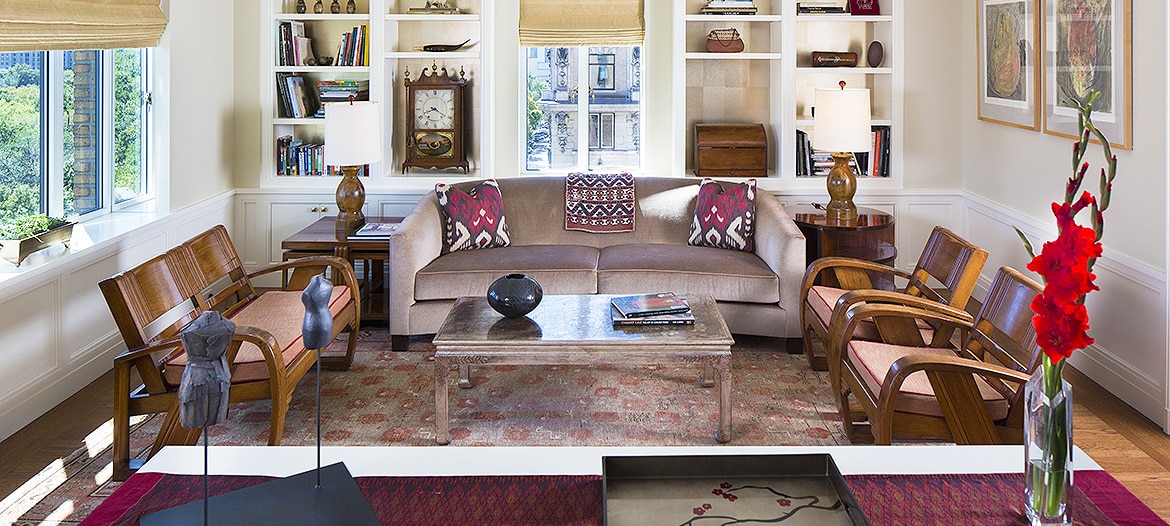
Antique Bezalel Rugs Interior Design by Lorri Morris Design Inc.

To a semi-nomadic tribal group, universal and region-specific symbols such as water, animals, birds, people and amulets were vital to protect their family and resources. Often created for specific purposes, antique oriental rugs and carpets from Persia, Turkey, India, Europe, the Caucasus, China and Tibet and so many other regions were produced by craftspeople who put their heart and soul into every step of the process. Over the centuries, the weaving of oriental rugs and carpets has evolved from a cultural craft into a livelihood and an art form that captures many diverse traditions. The craftspeople and master weavers who created these antiquities used exacting precision to executive intricate patterns that today’s high-technology advances are unable to replicate. The quality of the wool, fiber and dyes has changed drastically over the centuries as the labor-intensive processes were traded in for time-saving alternatives. Natural dyes and pigments extracted from plants, minerals, insects and other substances contribute to the soft lustrous patina that new creations may never acquire.

Antique Sultanabad RugsAntique Aubusson Carpets

Hand-spun wool produced from local wool fortified with a unique mixture of minerals and metals enhances dye absorption and adds to the lustrous qualities and subtleties of regional oriental rugs such as those seen in the antique Persian rugs. Spinning, dyeing and weaving each represent labor-intensive tasks requiring specialized skills. In some cases, dyers made a living by supplying high-quality dyes to local weavers and craftspeople. Many of these natural dyes required sophisticated processes to extract and set the dyes while others, such as the golden-yellow dyes created from the stigma of the saffron flower, were created from some of the most valuable trade commodities at the time. Due to the limited number and increasing rarity, antique carpets and rugs make solid investment Rugs. For example, the best and rarest antique Persian rugs & antique oriental rugs have maintain their value exceptionally well over the years where the value of a newer pieces depreciate rapidly.

Antique Bakshaish Rugs
Antique Bakshaish Rugs Interior Design By Lori Morris Design Inc

Although antique rugs make excellent investments, they can often be acquired without a significant increase in cost compared to the newly manufactured oriental rugs in todays markets. There is no question that Antique oriental rugs and carpets make outstanding decorative objects as well as investment pieces for serious collectors and / or buyers who wish to beautify, soften or complete an interior space while making a sound financial decision. The world of antique oriental rugs and Persian carpets presents endless possibilities; one region alone (such as antique Persian rugs) can produce an exceptional variety of patterns in many of classic colors. The aesthetic appeal of antique oriental rugs is only one of their alluring charms. One of the universal factors that attract collectors around the world is the craftsmanship and rich history of each pattern and motif embodies the romantic notions of an earlier time.

Antique Kerman Rugs
Antique Kerman Rugs Interior Design By – Lisa Bartolomei Interior Design

No responses yet

Dec 12 2011

Art Deco Monday

Published by under Art Deco Rug


Kicking off the week with a positive energy art deco rug!


It’s Monday again! While I usually pick a few antique rugs to share with you, this week I have decided to share only one very special and breathtaking art deco rug! The rug is so magnificent and the the fact that it is so large earned it a single spot for this week.

As I spent more time looking at it I realized how close it comes in feeling to the great art works which came out of the Bauhaus School which opened its doors in 1919.

Art Deco Bauhaus Rug

Art Deco Rug

Just to give a sense of comparison, I have included here an image of a Knud Merrild painting. While stylistically they are different, it is not hard to see the similarities and how well an Art Deco rug will work with a Bauhaus Painting.

Knud Merrild Bauhaus Rugs

Knud Merrild Bauhaus

No responses yet

Dec 05 2011

New Rugs This Week

Selected New Acquisitions of Antique Rugs 

Hi Everyone! Its Monday again, as is the case on Mondays – I would like to share with you a handful of our most recent acquisitions! Below you will some antique rugs ( and vintage rugs ) that I would like to share with everyone! Hope you like the new selection I picked! 


Antique Oushak Rug  Antique Serapi Rug  Antique Khotan Rug Art Nouveau Rug

              Rya Rug    Moroccan RugMoroccan Rug

No responses yet

Dec 02 2011

Antique Rugs In Every Language

 Ever wonder what the term “Antique Rugs” looks like in other languages?

Antique Rugs in Chinese is 古董地毯

Rugs, just like people, come from all over the world and each one is unique. We at Nazmiyal understand that everyone feel more comfortable in his or her native language. So with that in mind, we have now incorporated a new feature to our site. With the click of a mouse you can now translate the site’s text into a slew of different languages! So if you are in France, Italy, Germany, China, Israel or Saudi Arabia you can now learn about these beautiful works of art without having to even know one word in English! The internet is a wonderful new frontier, filled with new options and tools that transform only make our life easier but brings us all closer together.  

Ever wonder what the term antique rugs looks like in a different language? If so then take a look below:

Arabic - السجاجيد العتيقة    Simplified Chinese - 古董地毯    Traditional Chinese - 古董地毯

Czech - starožitné koberce   Danish - antikke tæpper   Dutch - antieke tapijten

French - tapis anciens   German - antiken Teppichen   Hebrew - שטיחים עתיקים

Hungarian - antik szőnyeg   Italian - tappeti antichi   Swedish - antika mattor

Finnish - Antiikki matot   Korean - 골동품 양탄자   Norwegian - antikke tepper

Farsi - فرش عتیقه   Polish - Antique dywany   Portuguese - tapetes antigos

Romanian - covoarele vechi   Russian - Античный ковры   Spanish - alfombras antiguas

Japanese - アンティークのラグ   Turkish - Antik kilim


 Click the flags below to translate the site to the language of your choice: 


Arabic
السجاجيد العتيقة

السجاجيد العتيقة

Simplified Chinese
古董地毯

古董地毯

Traditional Chinese
古董地毯

古董地毯

Czech
starožitné koberce

starožitné koberce

Danish
antikke tæpper

antikke tæpper

Dutch
antikke tæpper

antieke tapijten

French
tapis anciens

tapis anciens

German
antiken Teppichen

antiken Teppichen

Hebrew
שטיחים עתיקים

שטיחים עתיקים

Hungarian
antik szőnyeg

antik szőnyeg

Italian
tappeti antichi

tappeti antichi

Swedish
antika mattor

antika mattor

Finnish
Antiikki matot

Antiikki matot


Korean
골동품 양탄자

골동품 양탄자

Norwegian
antikke tepper

antikke tepper

Farsi
فرش عتیقه

فرش عتیقه

Polish
Antique dywany

Antique dywany

Portuguese
tapetes antigos

tapetes antigos

Romanian
covoarele vechi

covoarele vechi

Russian
Античный ковры

Античный ковры

Spanish
alfombras antiguas

alfombras antiguas

Japanese
アンティークのラグ

アンティークのラグ

Turkish
Antik kilim

Antik kilim


No responses yet

Dec 01 2011

Folk Art Rugs

Whimsical Folk Art Rugs 1850′s – 1950′s

Folk art rugs

Folk art rugs

Folk Art

Folk art, by definition, pertains to any work of art that was created by someone who is not a skilled or learned artist. Unlike fine art which would have been created by a person who studied and would be considered in the main stream as an expert artist. An artist might be influenced by different social circles, creating works that he or she hope will be well  received by the mayvins of the art community. They have also spent time learning their and crafting their skill by apprenticing or by simply going to school.


In contrast, Folk Art is created by an unskilled person and for the most part it was created with the intent to be used personally or to be given as a gift. Some of the great folk artists had a tremendous amount of raw talent and they used that talent to show what they themselves feel is beautiful without taking into account whether or not the piece has mass appeal. By doing this we (the outsiders) often get an intimate view of the artists world, life, views and emotions. For the most part, people don’t think of rugs when they are talking about the different types of folk art but some of the most collectible rugs in the world are just that – pure folk art!

Caucasian Rugs

Rugs From the Caucasus


Many of the antique tribal rugs fall into this category. One example of a folk art rugs would be the tribal rugs that originated in the Caucasus. Woven in peoples homes, by “unskilled” artisans, rugs like Shirvans & Kazaks are great examples. Their beauty is seen in the crudeness and primitiveness of the rugs they made. 


Vintage Rya Rug

Vintage Rya Rug


One other great example would be the earliest examples of Rya rugs from Scandinavia. These rugs were made predominately by women, at home, and then either used in the home or given as gifts. Untrained, these women created magnificent works that embody the essence of the modernist movement.


Hooked Rugs

Antique American Hooked Rug


America also has a strong foot hold in the world of folk art rugs. What could be a better example than our very own American hooked rugs? Filled with innocence and simplistic designs, these rugs, transport us back to a time when things were much simpler and day to day life was so very different than today’s. While they had their share of hardships, one can’t help but feel and appreciate the simplicity of their daily life.


Moroccan Rugs

Vintage Moroccan Rug


The last group of rugs that I will talk about today is… Moroccan rugs. Recently we posted an article indicating how these little masterpiece pack as much of an artists punch as any of the great mid-century modern master artisans… you can read that article here: Move Aside Jackson Pollock. Moroccan rugs were so advanced for their time that it leaves many in the art community speechless – how could these simple people create such phenomenal works of art, how could they dream up these designs and colors while, for the most part, living a simple life in the secluded region of the Atlas mountains?


Regardless of the specific type of folk art antique rug you pick they all have an artistic significance that will echo through that halls of history. They bring the past back to life and show us the way things were in the most simple and humble way. There is no doubt that these magnificent works of art are just that – magnificent works of art! 

No responses yet

Nov 28 2011

Kicking off the week with much to be thankful for

Four new purchases, four different looks and all four are breathtaking!

One of the greatest perks of working at Nazmiyal is that I get to enjoy seeing all the beautiful fresh inventory that continually comes in. There is no doubt that Jason has a great eye and since we ( The Nazmiyal Collection ) are one of the only antique oriental rug companies that still focuses solely on the antiques we are constantly on the hunt for that next great find!

While pretty much every single rug company has been shifting their main focus to new and custom made rugs – we at Nazmiyal have remained true to our commitment of finding, buying and selling some of the best antique oriental rugs and vintage carpets (such as Swedish and Scandinavian Rugs) in the world.

I have included four of our most recent acquisitions – all these antique rugs are different and yet each one is magnificent in its own way… don’t you agree?

1 – A beautiful Art Deco rug – 14′ x 16 ‘ (Rugs # 45072)

Vintage Art Deco Rug

2 – A magnificent Antique Bakshaish Rug – 12′ x 19′ ( Rug # 44164)

Antique Bakhsaish Rug
Antique Persian Bakshaish Rug


3 – A great open field Oushak Rug – 10′ x 14′ ( Rug #44890)

Antique Turkish Oushak Carpet
Antique Oushak Rug


4 – Phenomenal Vintage Arts & Crafts Rug – 9’6” x 12 (Rug #45495)

Vintage Rug With an Arts & Crafts Design
Vintage Arts & Crafts Rug

No responses yet

Nov 25 2011

Nazmiyal Featured on Dezignlicious.com Blog

Published by under Uncategorized

Gail Shields Gail Shields-Miller (of Shields And Company) Featured Nazmiyal In Her Recent Blog Post

Gail Shields

Gail Shields

Shields and Company New York Spaces

Shields and Company New York Spaces


There is no question that Gail Shields is great at what she does. Her projects have graced many of the top interior design publications such as: Architectural Digest and New York Spaces among countless others. So when she decided to write about our collection of art deco and modernist vintage rugs, naturally we felt honored. You may read her entire blog post about Nazmiyal antique rugs here: http://dezignlicious.com/blog/2011/11/nazmiyal-antiques-rugs-contemporary-beauties/


No responses yet

Nov 23 2011

Antique Rugs and Tapestry Market Is Strong

Published by under Uncategorized

Antique Oriental Rugs and Tapestries Are Doing Well While Stocks are  ________  ??????


While we are all worried about the stock market – prices for antique oriental rugs and

17th century Persian Isfahan carpet

17th century Persian Isfahan carpet Sold For Nearly $160,000

antique Tapestries are booming. It is no secret that the recent stock market swings have left many long time investors scratching their heads. It has reach a point that no one seems to be sure what tomorrow will bring – European instability & USA debt issues have more to do with the ups and downs than the companies themselves. While the whole world is going nutty, one thing has remained constant – the demand for good and rare antiques.

Antique TAPESTRY After A Painting by - RAPHAEL

TAPESTRY sold for Nearly - $450,000

One niche market that is still somewhat over looked is the antique oriental rug and tapestry market. While the market for the top artists has seen an epic spike in prices to sums that some of cant even begin to fathom – the antique oriental rug & tapestry market still has a lot of room to grow. The demand for good rugs and tapestries has seen a substantial increase (a long with their values) over the past 2 – 3 years but we are still, for the most part, looking at prices that are below $1,000,000 (a price point that would not enable you to get near to any of the great master paintings).

As the years go by and the supply dwindles there is no doubt that the price points will rise. So while we have seen a spike, there is still lots more room! The images below are of two pieces that sold only yesterday (in NY)  - The 17th century Isfahan carpet sold for nearly $160,000 and the Tapestry sold for almost $450,000. 

Where would rather invest your money? In an unstable market that keeps changing daily? Or would rather own a great work of art that will undoubtedly appreciate in value as the years go by? (plus you can enjoy its beauty every single day!)  

No responses yet

Nov 09 2011

San Francisco Exhibition

Pacific Rim Panorama


San Francisco Exhibition

San Francisco Exhibition

Asian Art Museum San FranciscoWhile we deal with antique oriental rugs- we though you will like to learn about interesting exhibits and shows. So every now and again we will share some of the exhibitions and shows we feel should not be missed (if possible).

San Francisco Bay Asian Art Show

San Francisco Bay Asian Art Show

The San Francisco Bay has been a natural hub for trade and exploration since the Gold Rush of 1849, especially drawing on the rich heritage of the Asian countries of the Pacific Rim. Experience the beauty of Korean ceramics at a special exhibit at the Asian Art Museum of San Franciscothrough January 2012, and be sure to take in the permanent collection as well. With over 2500 pieces including monumental South Asian stone sculptures, Chinese jades, and Japanese ceramics, it’s a Pacific Rim art tour in one building.

Also on special exhibit, Maharaja: the Splendor of India’s Royal Courts through April 2012.


San Francisco Bay Asian Art Museum


No responses yet

Nov 09 2011

Oriental Rugs

 Oriental Rugs


Antique Oriental Rugs

Antique Oriental Rugs

 Antique Oriental rugs have always been synonymous with exotic luxury, elegant design, and a comfortable, highly aestheticized environment. From the earliest times, humans have needed to embellish and ornament the circumstances in which they lived, and the medium of woven carpets soon emerged to meet such requirements. Carpet production is attested from ancient times. Flatwoven floor coverings are probably as old as textiles and architecture. The oldest knotted pile carpets can be attested by the sixth century B.C., but their production may well be considerably older. Some experts believe that pile carpets originated among tent-dwelling nomadic peoples to the east of Central Asia as a more decorative substitute for animal hides, providing comfort and insulation as well as decoration. Carpet making reached the Near East through contact with such nomadic peoples. Since relations between Central Asian nomads and the Near East were more or less constant, the production of pile carpets in the latter region was probably stimulated and influenced by nomadic traditions again and again.

Antique Oriental Rugs

Antique Oriental Rugs

This process first becomes clear in the medieval period, between the eleventh and the fourteenth centuries, when various Central and East Asian peoples like the Turks and Mongols came to power across the eastern Islamic world, bringing with them traditions of carpet making that were by now many centuries old. The earliest Near Eastern carpets of this kind are those of Seljuk Turkey and those made in Iran under the Mongol and Timurid dynasties. Carpets of this kind now began to have highly complex designs influenced by contemporary textiles, especially silks.

Antique Oriental Rugs

Antique Oriental Rugs

From this period on, the knotted pile carpet became an increasingly standard feature of Islamic art and high culture, and soon it captured the attention of wealthy Europeans as well. Already by the thirteenth century merchant travelers like Marco Polo remarked on the beauty of the Oriental carpets they encountered on their journeys, and soon such carpets began to be imported into Venice and thence to the rest of Europe. While actual early carpets of this kind are rarely preserved, European painting by the great masters from Giotto and Ghirlandaio to Holbeim, van Eyck, Lotto, and Vermeer constantly depict carpets from Turkey and Iran. Such paintings document the importance that the Oriental rug had attained by this time as a quintessential symbol of cosmopolitan taste and affluence. So valued were these carpets that there were various attempts to imitate or adapt them in Europe.

Antique Oriental Rugs

Antique Oriental Rugs

After the seventeenth century Europeans briefly lost interest in the Oriental carpet. This probably reflected developments in the Near and Middle East, where all the great ruling dynasties collapsed or went into regression, bringing about a corresponding roll-back in the quantity and quality of carpet production. During this hiatus European carpet production was stepped up, creating the Aubusson and Savonnerie types in a Neo-Classical western style. Carpet production in Spain, which had begun under Muslim rule in the Middle Ages, also moved in to meet the European demand for rugs.

Antique Oriental Rugs

Antique Oriental Rugs

In the second half of the nineteenth century, rug weaving in Iran went into a great period of revival under the highly retrospective Qajar dynasty, re-awakening the European interest for Oriental rugs and creating a new American market for them as well. This eventually led to a revival or expansion of carpet production in Turkey and also a revival of Indian carpet weaving under British rule. At this time Chinese rugs, whose production went back to ancient times, finally became known in quantity to European and American markets.

Antique Oriental Rugs

Antique Oriental Rugs

From that time on the western world became used to an endless variety of Oriental rugs and carpets whose production continues into the present time. The most notable recent developments are the revival of vegetable dyes and hand-spinning of wool, which had largely died away in the course of the twentieth century. Such new productions capture much of the quality and original flavor of antique Oriental rugs. But only a genuine antique can preserve the soul and spirit of  weaving  Oriental rugs, an art form that reaches back virtually unbroken to the earliest times. Antique Oriental rugs are not only objects of great beauty and rarity; they are a much-needed bridge to a bygone world of consummate skill and expressiveness that is vastly different from the mass-culture of modern western experience.

2 responses so far

Next »