Antique Textiles: Historic Elegance and Unique Designs
Antique Textiles and Embroideries
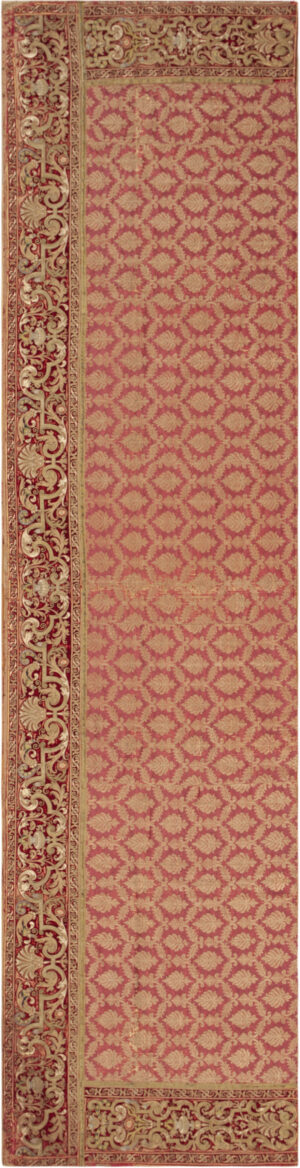
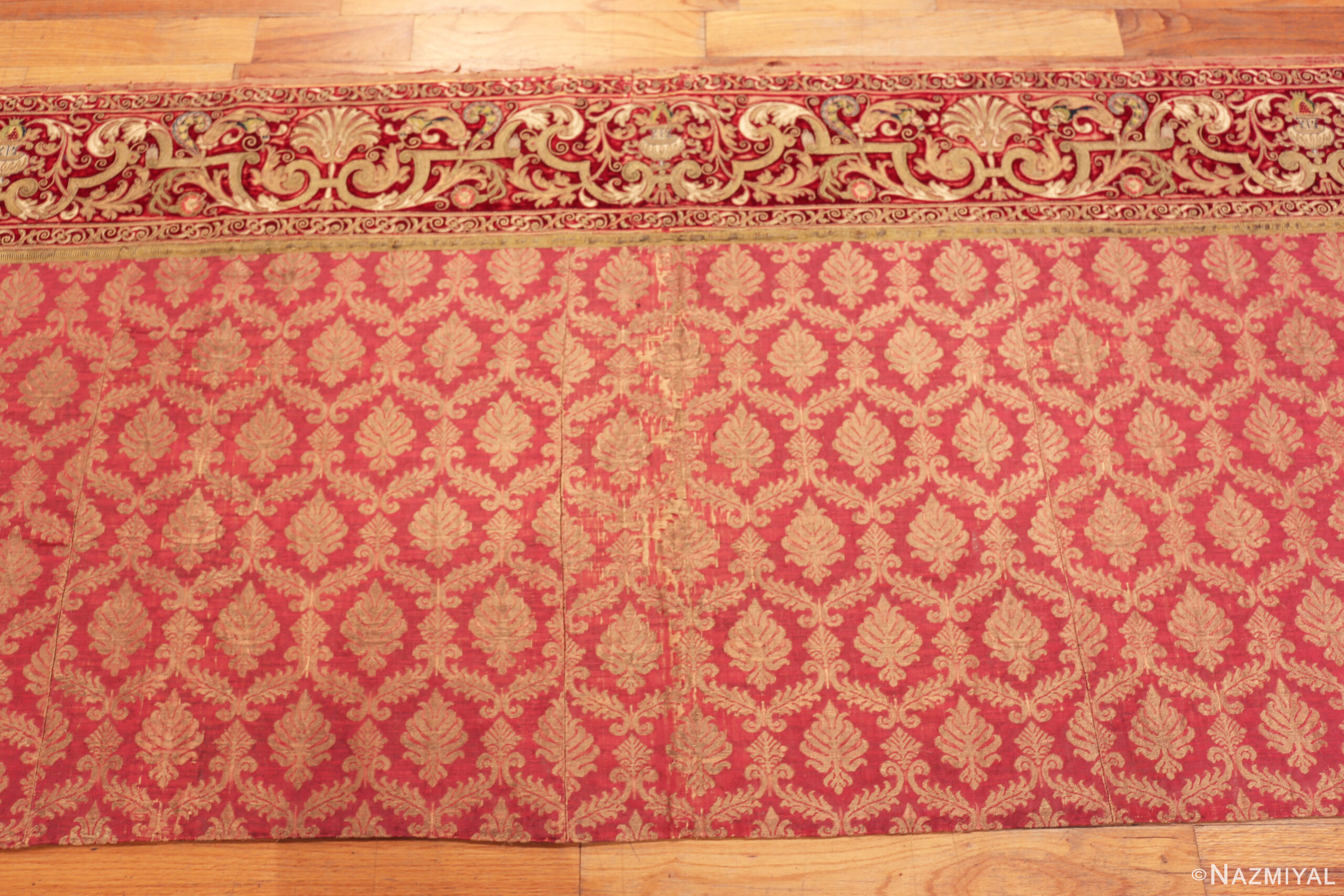
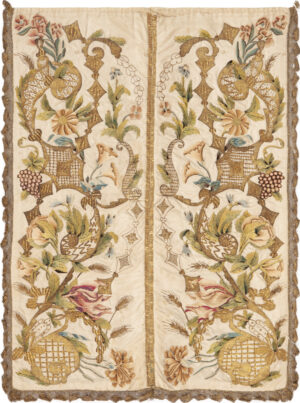
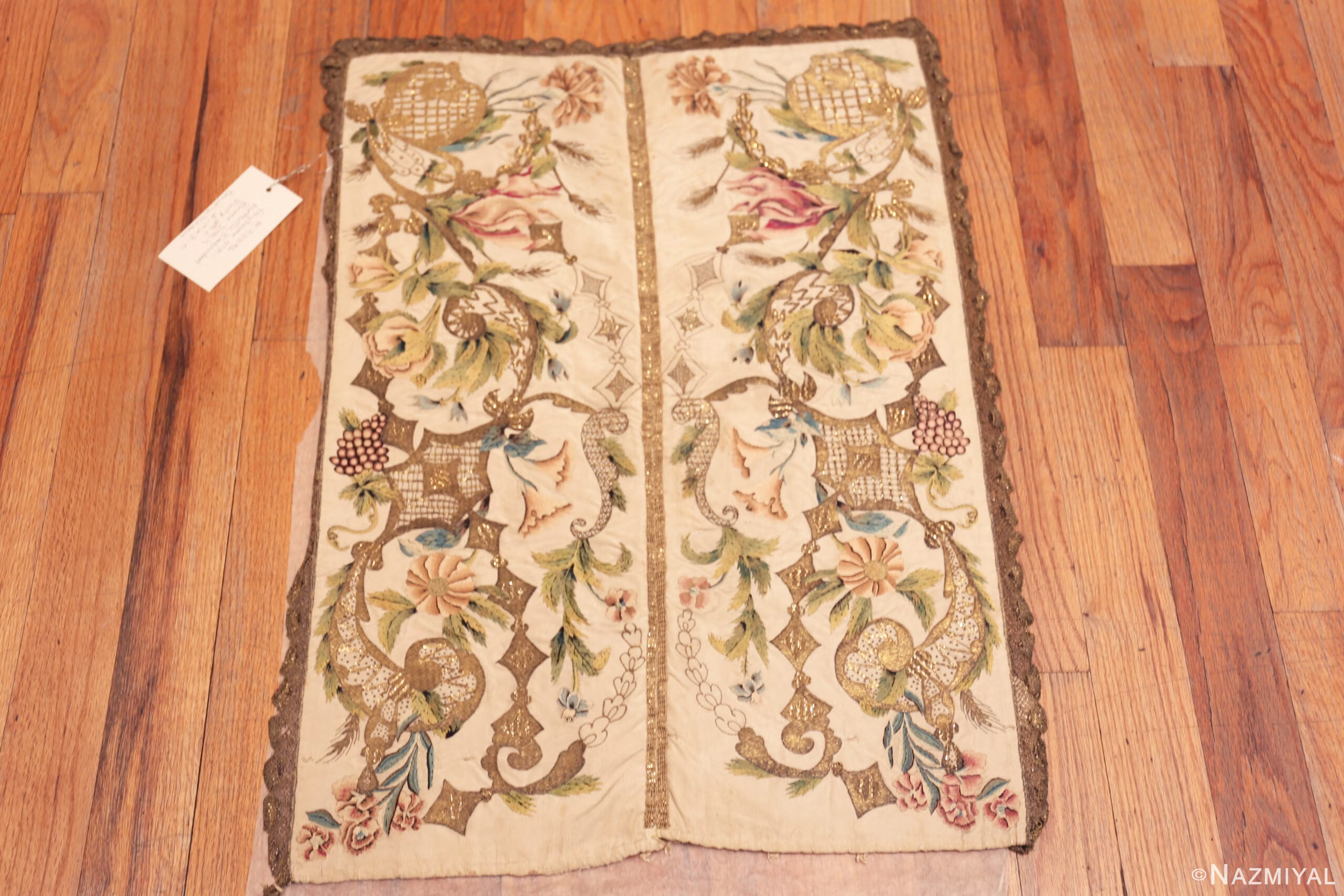
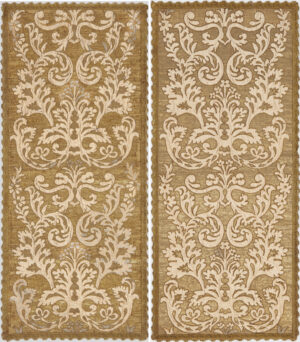
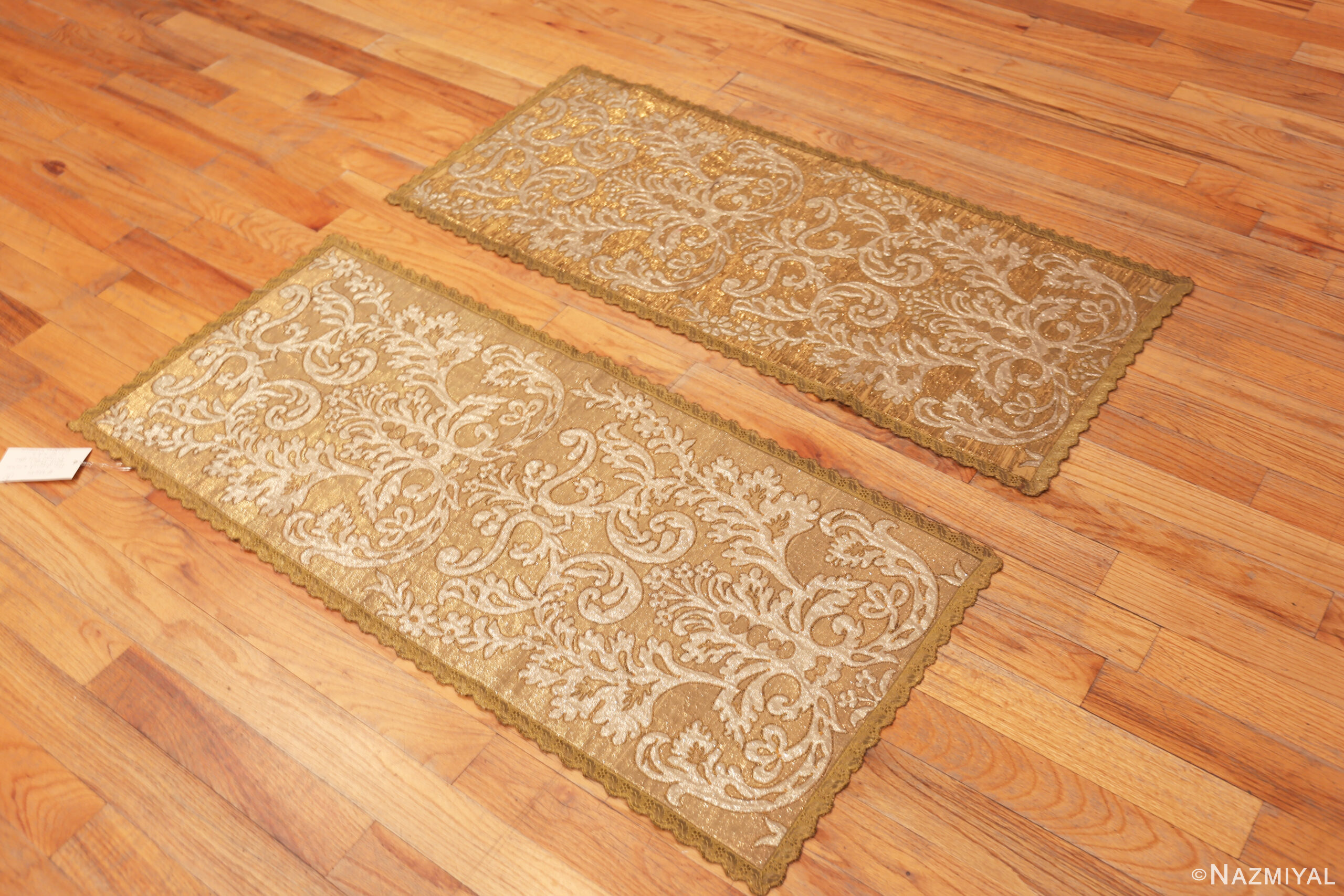
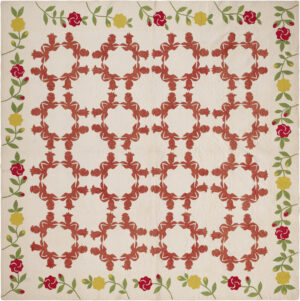
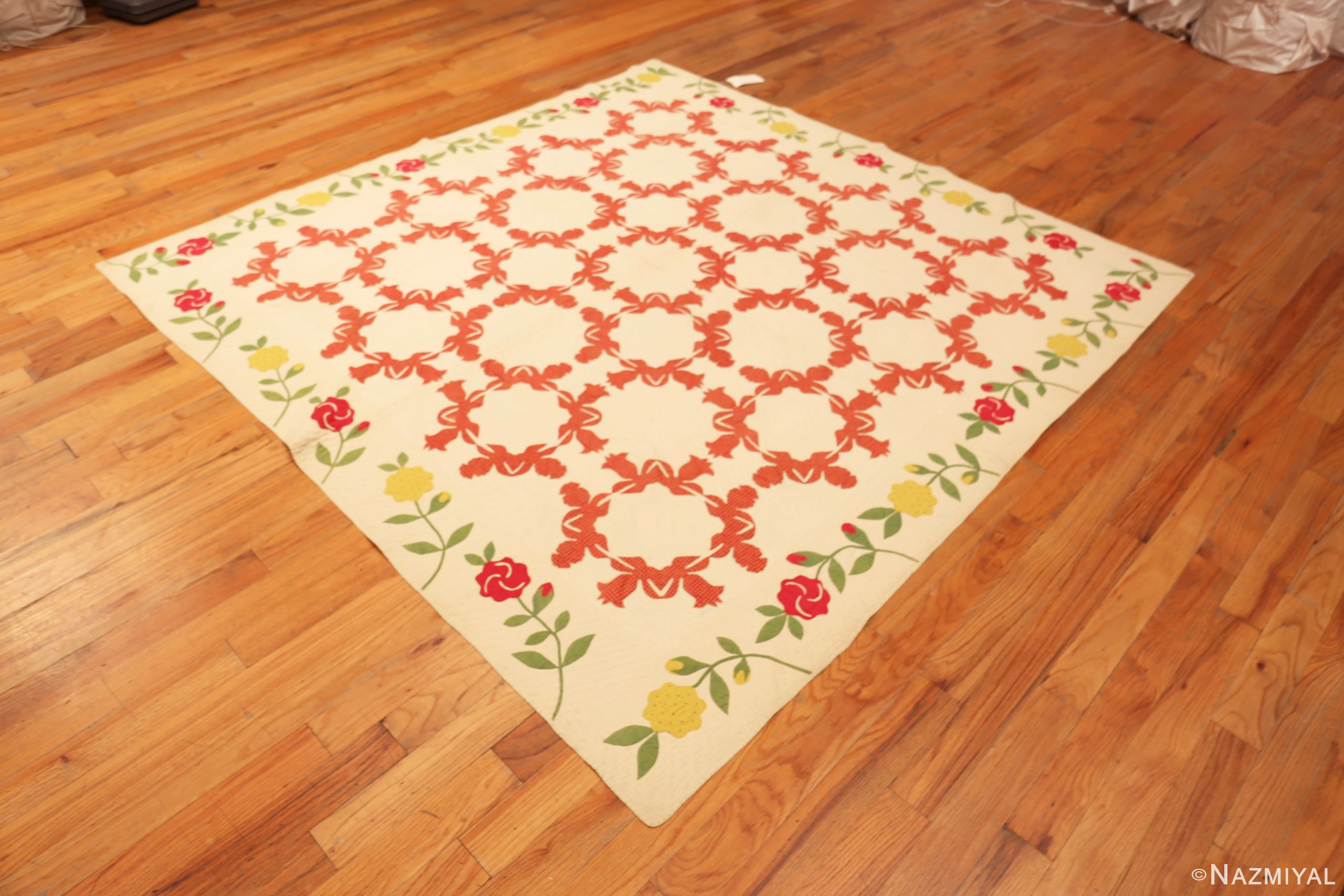
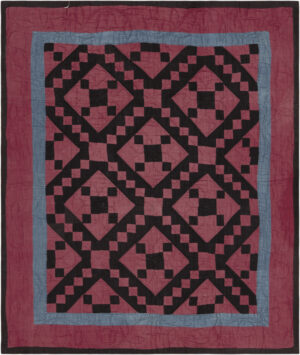
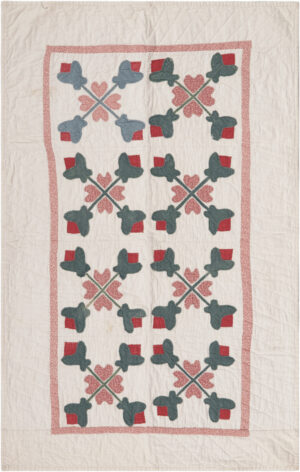
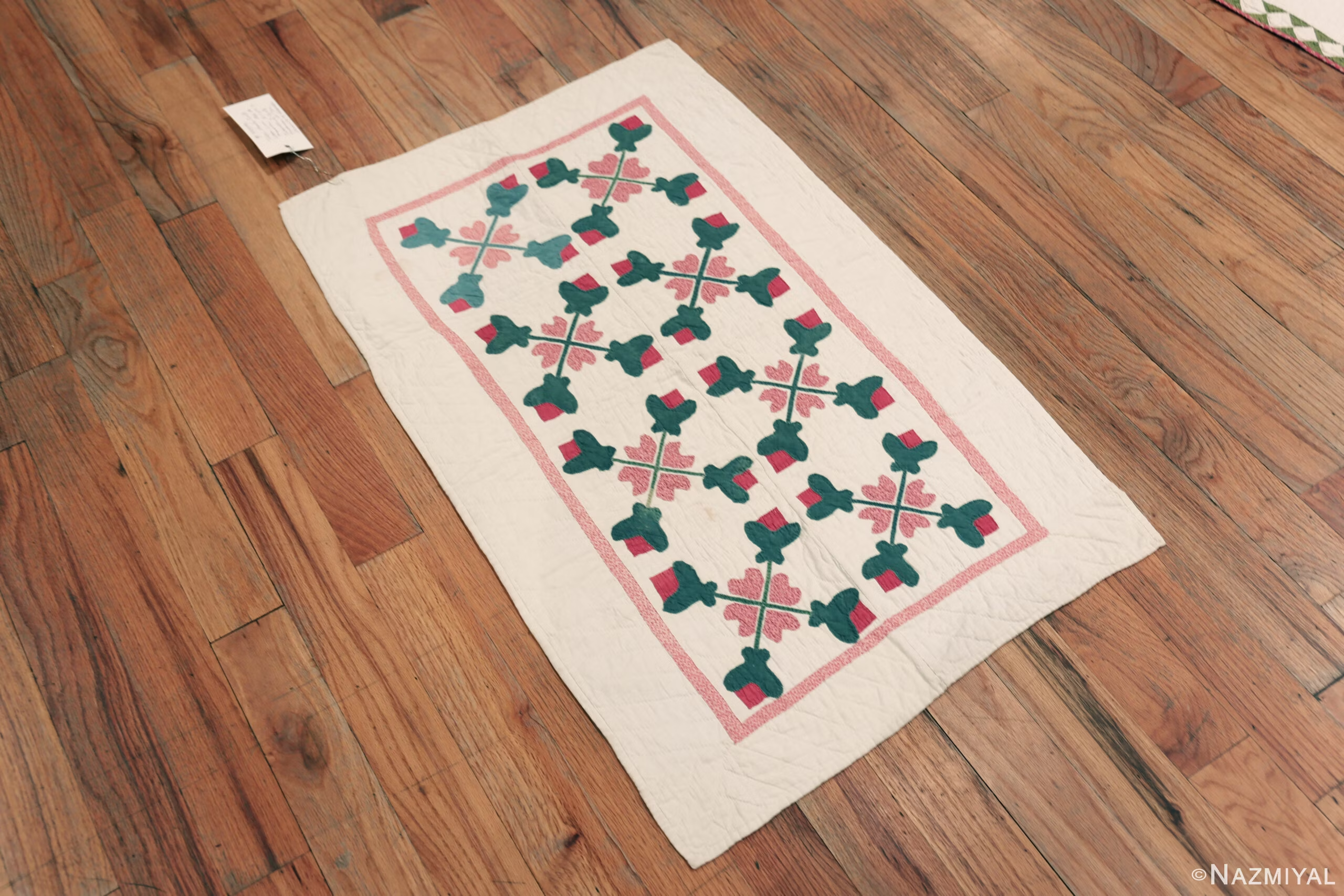
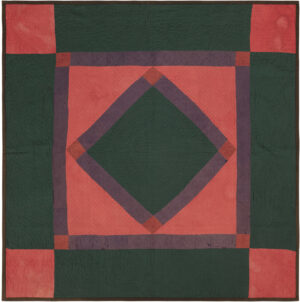
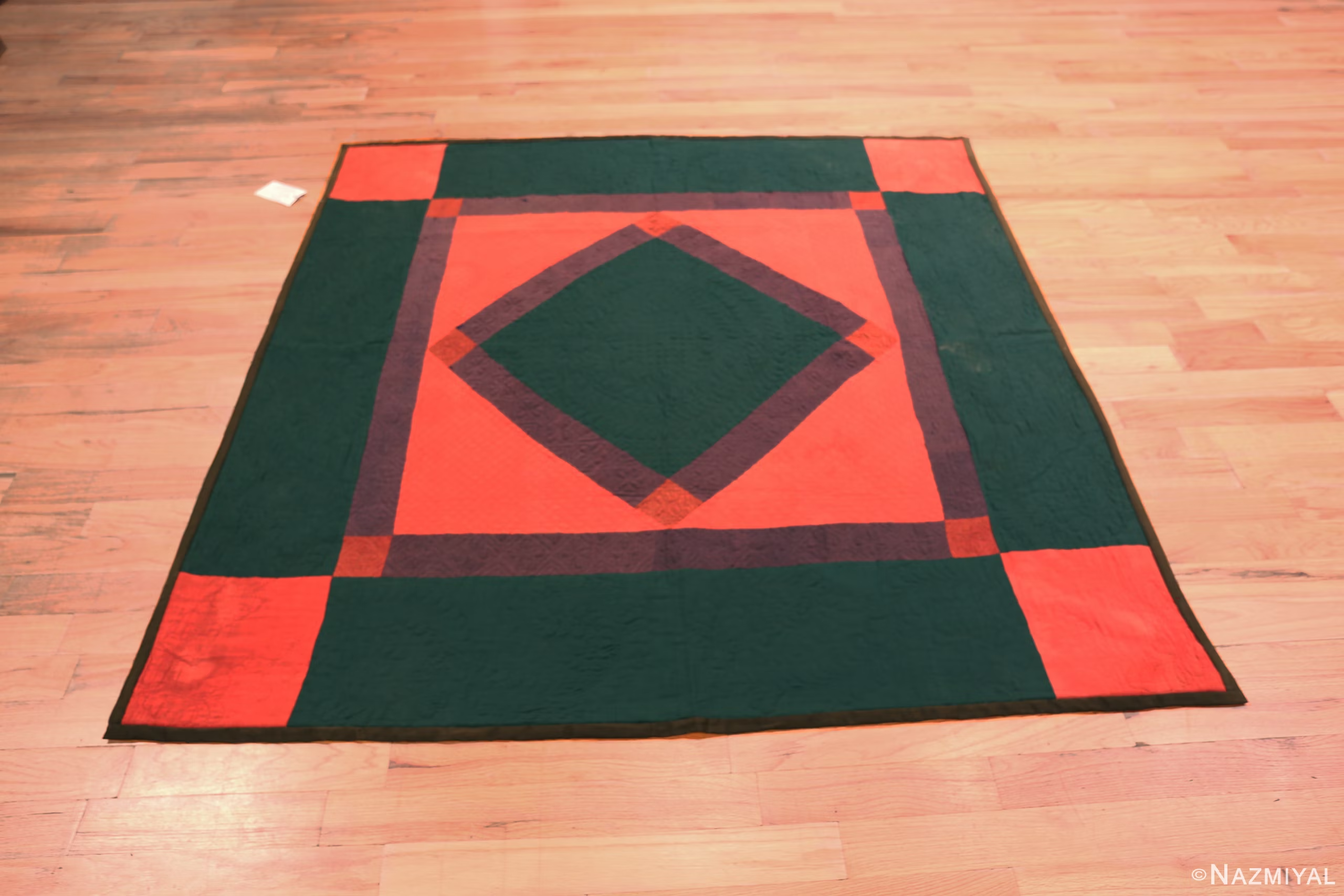
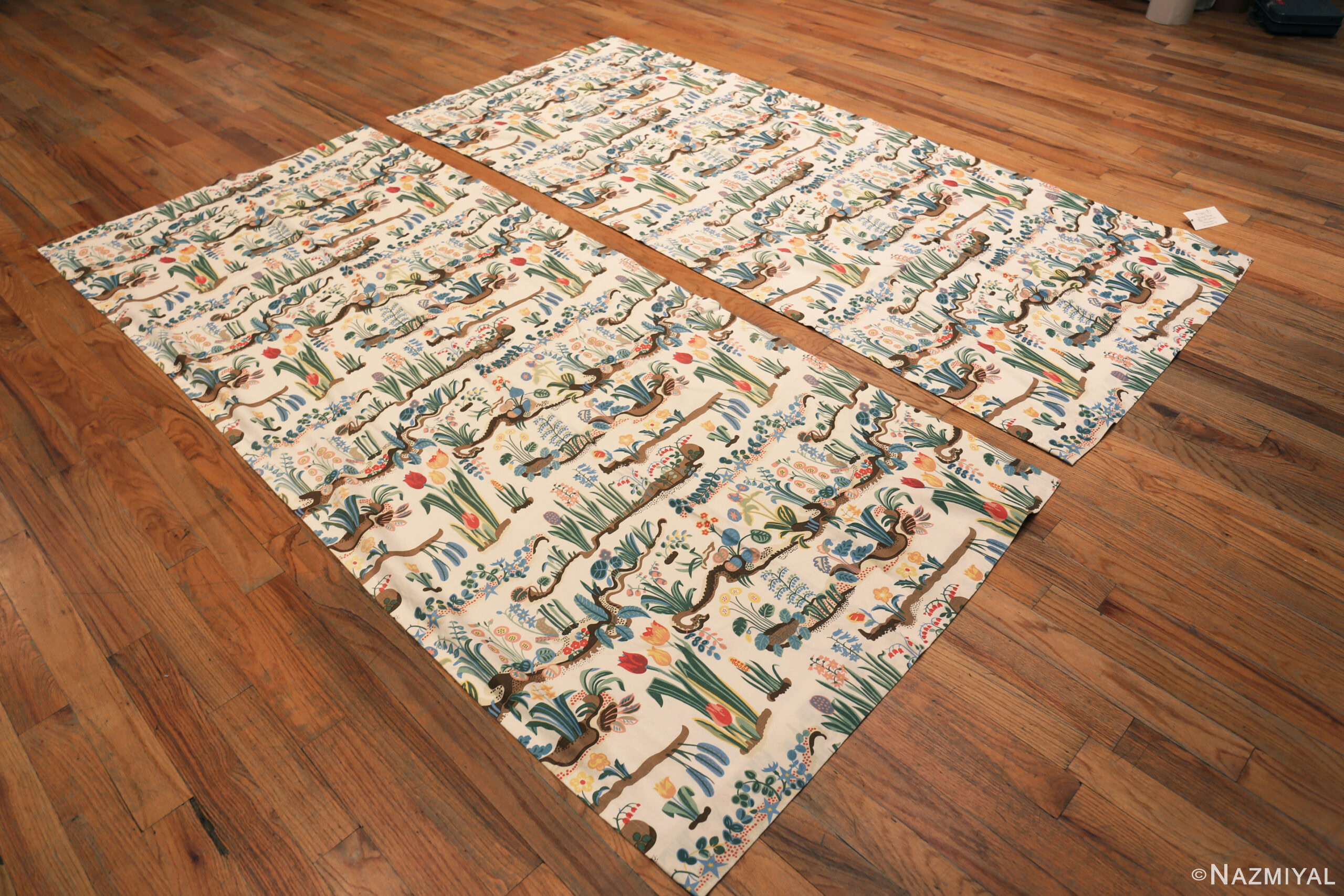
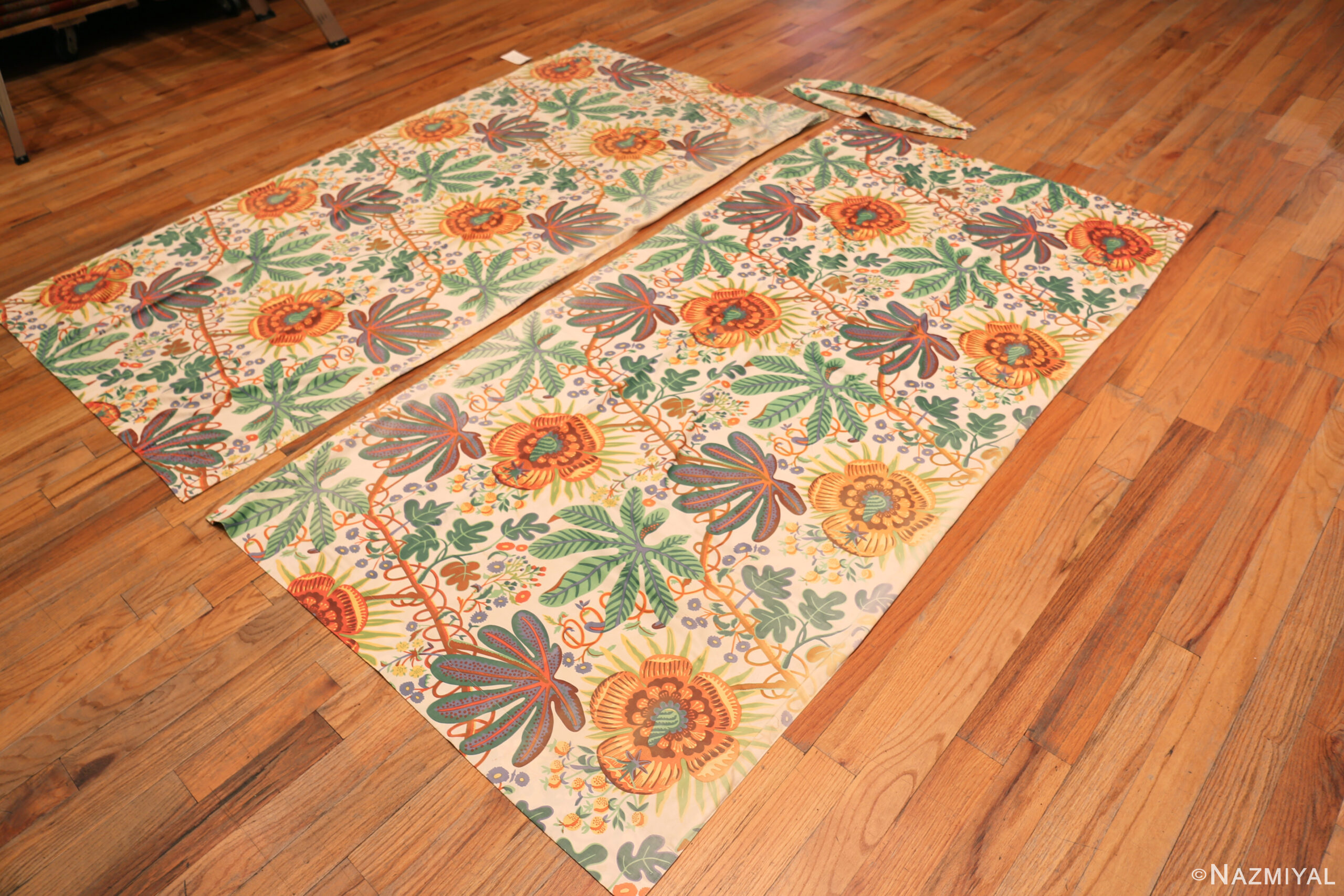
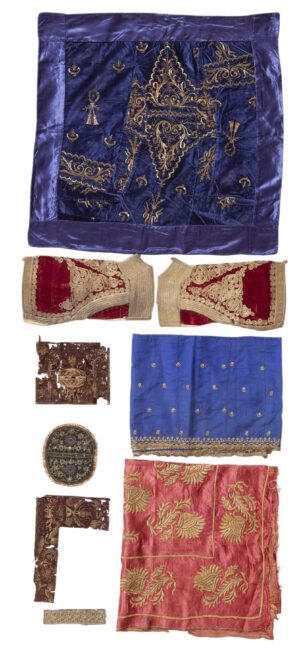
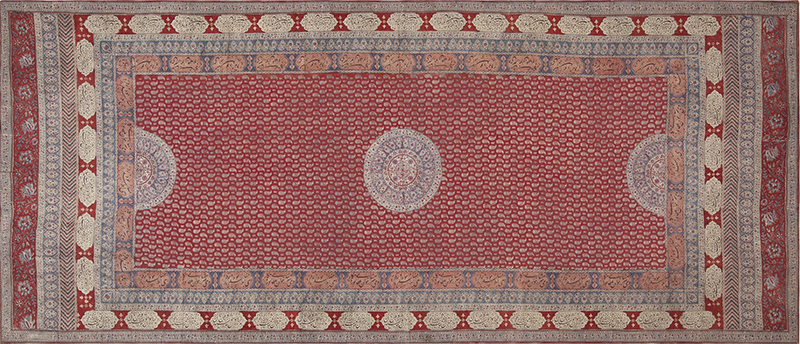
Antique textiles are historic woven, embroidered, printed, or appliquéd fabrics collected for craftsmanship, cultural specificity, and decorative impact on the wall, over furniture, or in curated interior vignettes.
Antique textiles and embroideries—Suzani panels, Ottoman needlework, Persian Kalamkari, Ikat, Kaitag, and more—deliver the same depth of craft and collectability that draws people to great antique rugs and important Persian rugs. For curated inventory and expert guidance, start at Nazmiyal Collection.
Updated February 16, 2026 • Reviewed by Jason Nazmiyal
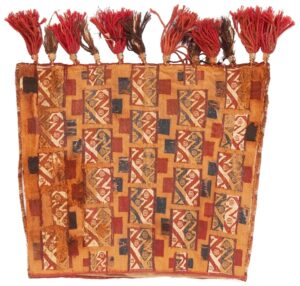
Antique textiles include woven, embroidered, appliquéd, resist-dyed, and otherwise decorated fabrics created for clothing, ceremony, domestic use, or display. Because textiles were valued and stored, many survive in impressive condition—making them one of the most diverse and collectible categories of decorative art.
You’ll find everything from functional objects (bags, covers, garments, panels) to pieces made primarily for visual impact—each shaped by local fibers, dye traditions, and stitch or weave practices.
What’s Included in This Collection
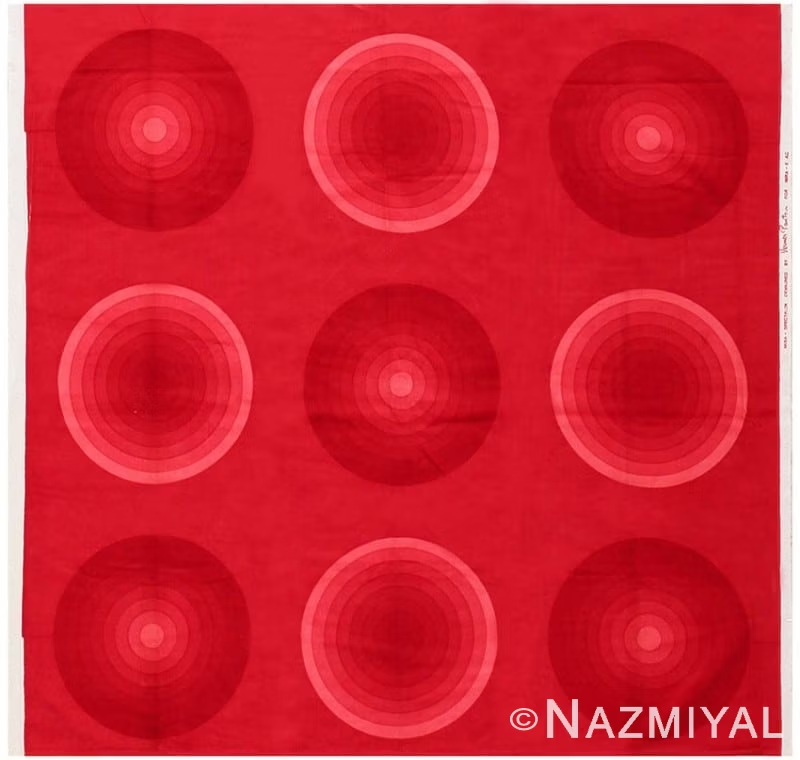
This category brings together antique and vintage textiles from multiple regions and traditions, including embroidered works, ethnic garments, tapestry-like pieces, panels, and design textiles. The range is intentional: textiles can be collected the way rugs are collected—by region, technique, iconography, time period, or simply by how powerfully the piece reads in an interior.
Key Types: Suzani, Ottoman, Ikat, Kaitag & More
Suzani Textiles (Closest Cousin)
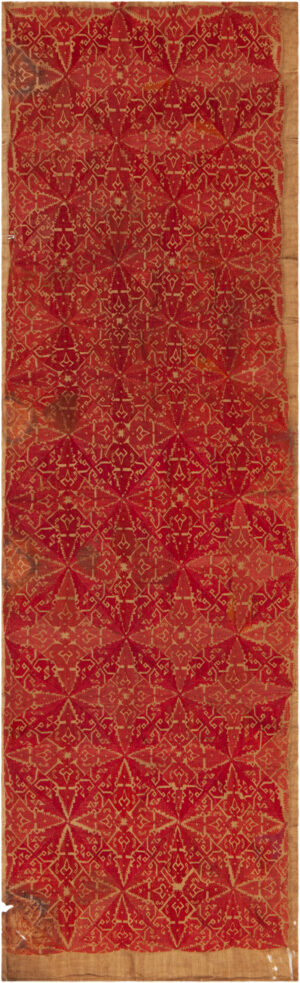
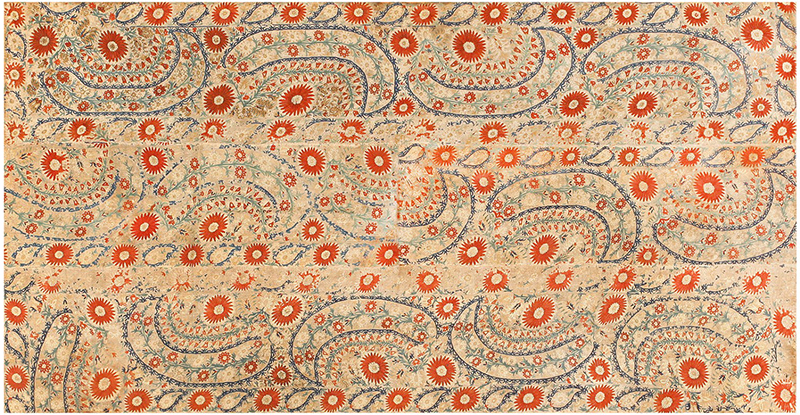
Suzani are embroidered textiles associated with Central Asia and are widely collected for their bold floral language, rhythmic repeats, and strong decorative presence. Many are assembled from panels and joined together, which is part of their traditional character.
Ottoman embroidery textiles are collected for refined surface work and historic decorative sophistication. Depending on the piece, you may see intricate needlework, silk elements, and compositions intended for display or ceremonial use.
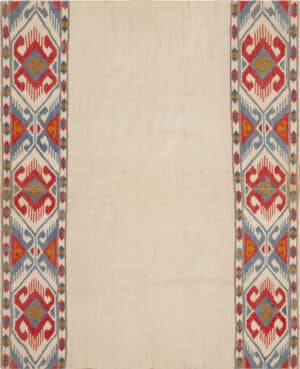
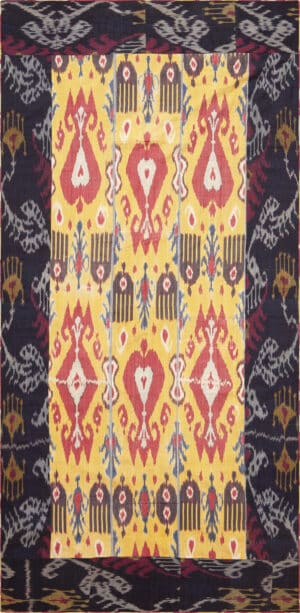
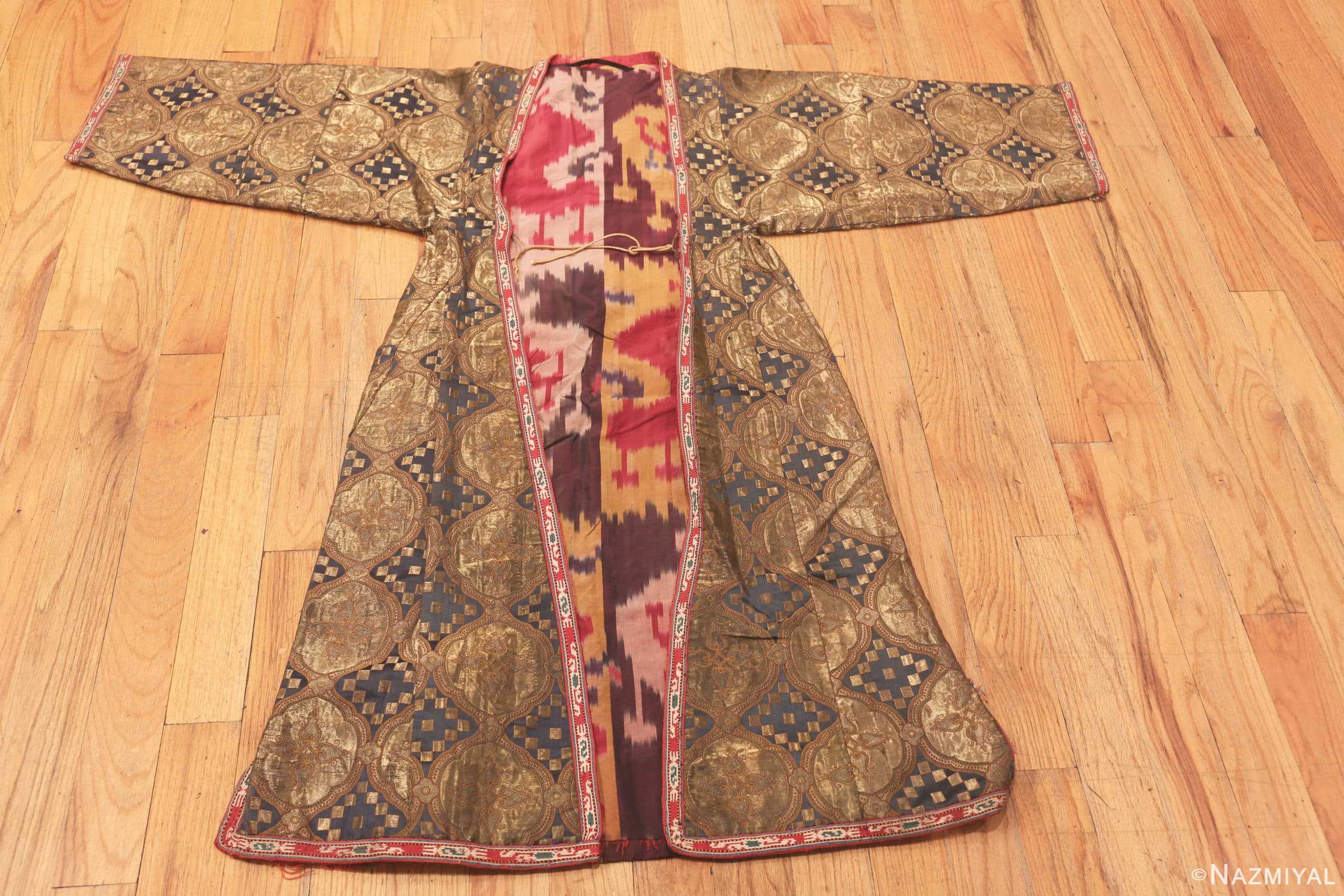
Ikat refers to a patterning technique in which yarns are dyed before weaving. The result is a distinctive, slightly “feathered” edge to forms—instantly recognizable and visually energetic, even when the palette is limited.
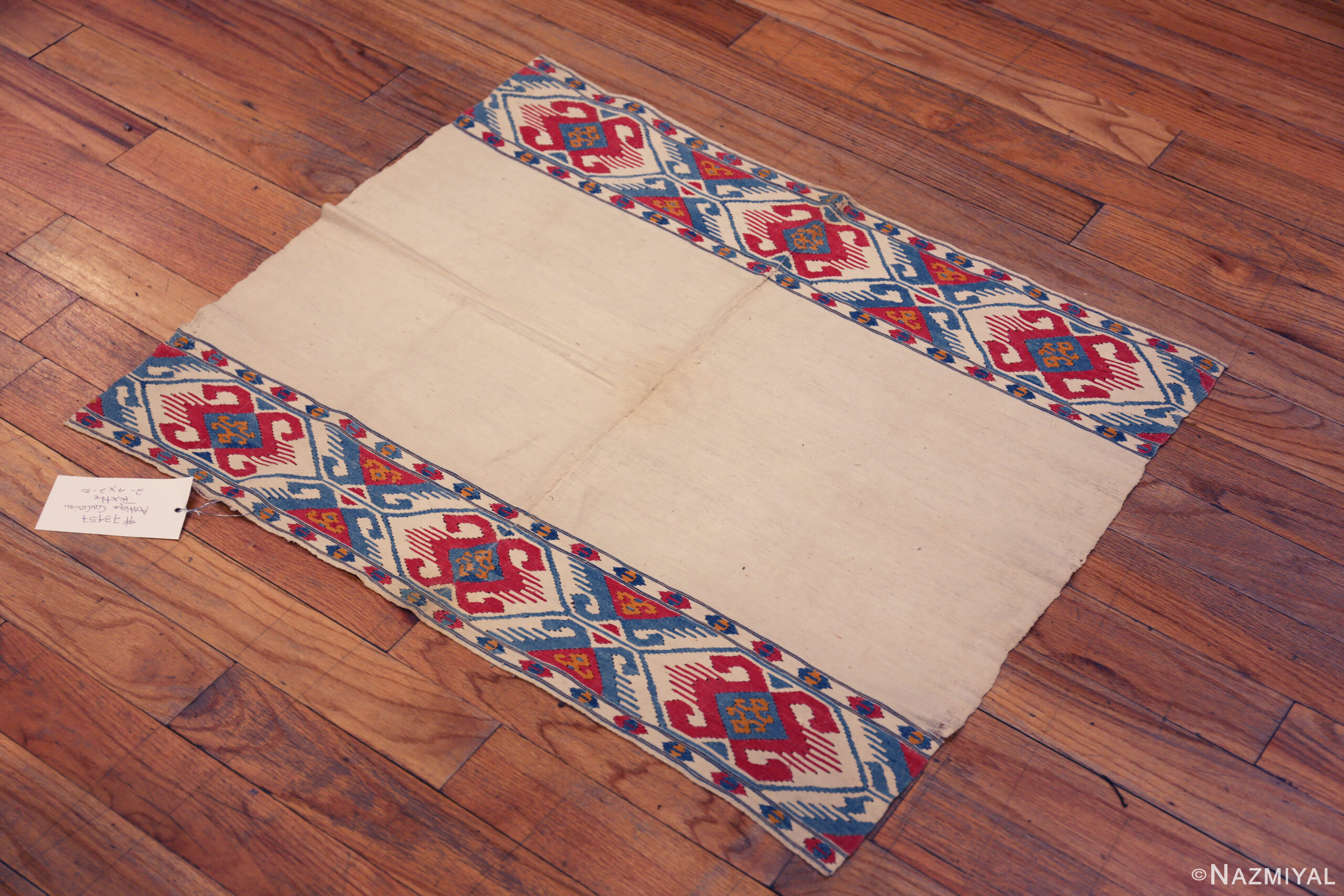
Kaitag embroideries (Caucasus/Dagestan tradition) are prized for their graphic strength and symbolic layouts. Many read almost like modern composition: bold shapes, strong rhythm, and surprisingly contemporary presence on the wall.
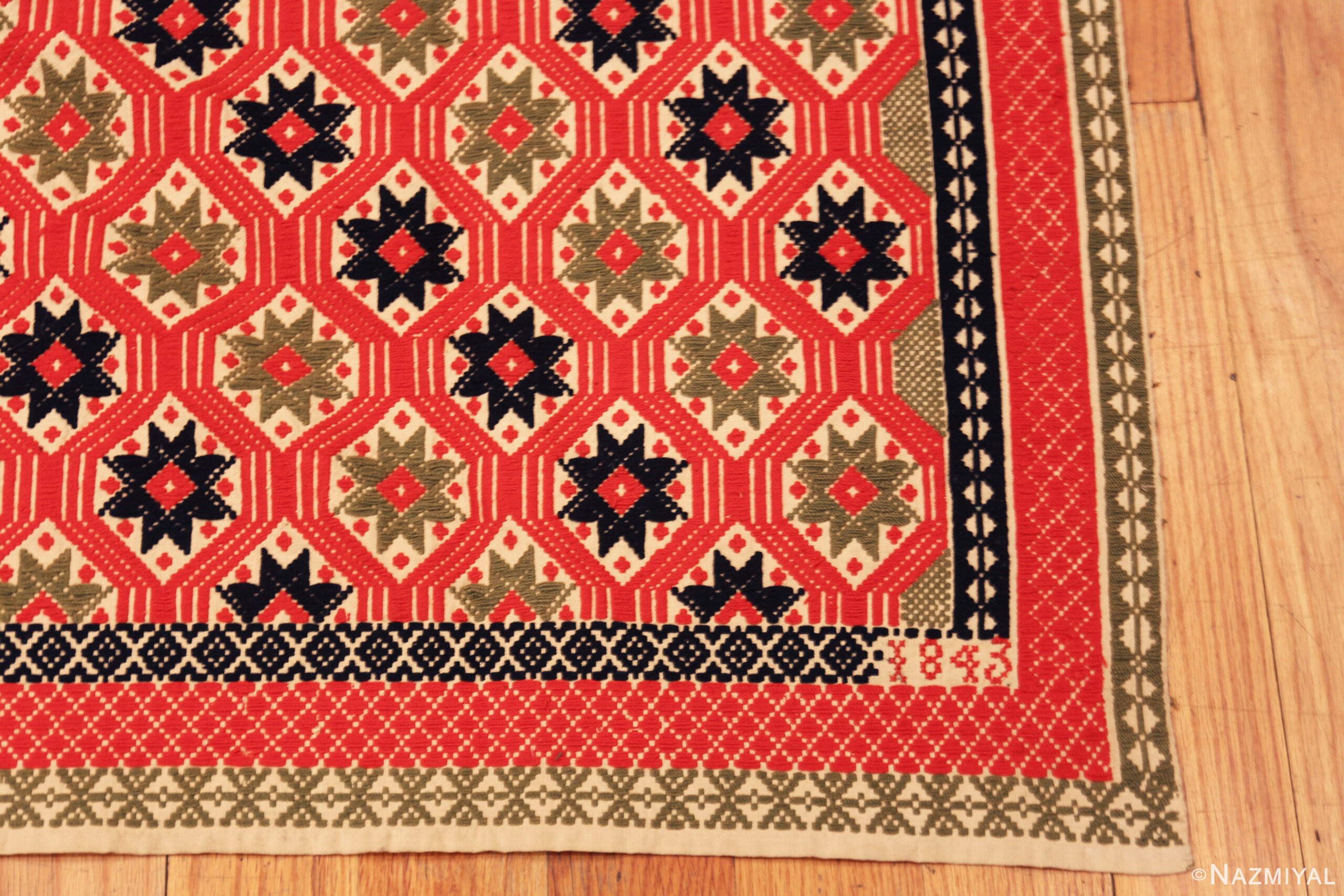
Antique textiles can be made from cotton, wool, silk, or blended fibers. Decoration may be created through embroidery, couching, appliqué, weaving, painting, resist methods, and other regional techniques tied to local dye traditions and rug origins.
Because textiles were made for real use, you’ll also see functional formats—garments, covers, bags, and panels—alongside pieces collected primarily for display. For silk-forward surface and luster comparisons, see our Silk Rugs collection.
How to Identify Quality
A practical checklist your team can apply consistently:
Design clarity and balance: does the composition feel intentional and complete for its format?
Material integrity: look for fiber strength, stable foundation cloth, and secure joins/edges.
Stitch or weave confidence: in embroidered works, examine stitch density and consistency; in woven works, look for stable structure and secure selvedges.
Condition honesty: age-related wear can be acceptable—what matters is whether the textile remains structurally sound and visually complete for display or use.
Rarity within its type: unusual scale, palette, iconography, or exceptional execution typically increases desirability.
Collecting, Rarity & Value Drivers
Textile value tends to follow a few repeatable factors—many similar to how collectors evaluate investment rugs:
Rarity and category demand
Condition and completeness (especially corners, joins, borders, and edge stability)
Quality of materials (silk work, strong wool, stable cotton foundations)
Cultural specificity (identifiable region and technique)
Decorative strength (how convincingly it works in a real interior)
Decorating With Antique Textiles
Antique textiles are unusually flexible because they can be used well beyond the floor—and they pair beautifully with both vintage rugs and modern rugs as layered “art objects” in the room.
Wall display (framed, mounted, or professionally hung)
Throws / bed and bench covers (when condition allows)
Table and ceremonial use (specific formats suit this well)
Layering over furniture (armoires, chests, consoles)
Design tip: treat textiles like art—let them anchor a wall or vignette the way a painting would, and keep surrounding elements calmer so the textile reads clearly.
Care, Handling & Display
Textiles need a slightly different mindset than rugs:
Light control matters: avoid constant direct sun; rotate displays when possible.
Support matters: hanging should distribute the weight evenly to avoid stress lines.
Cleaning should be conservative: avoid aggressive spot chemistry; use qualified textile care when needed.
Storage should be breathable: avoid moisture, sealed plastics, and extreme compression.
Glossary
Suzani: Central Asian embroidery, often assembled from multiple joined panels.
Ikat: a resist-dye method where yarns are dyed before weaving, creating softly feathered forms.
Couching: a decorative technique that secures laid threads to a ground cloth.
Appliqué: cut fabric shapes stitched onto a ground to build pattern.
Are antique textiles durable enough for daily use?
Some are, many aren’t. It depends on fiber, structure, and condition. A piece that’s excellent for display may not be appropriate for heavy handling.
What’s the difference between Suzani and other embroideries?
“Suzani” usually refers to a Central Asian embroidery tradition characterized by recognizable floral motifs and typical panel construction. Many are collected for scale, color, and decorative impact.
Can you authenticate and advise on a textile the way you do rugs?
Yes—the same fundamentals apply: construction, materials, technique, condition, and provenance cues, evaluated in context.
Why Nazmiyal Collection? 3 Pillars of Nazmiyal Collection
Clients choose Nazmiyal Collection for expertise that matches the object—what it is, why it matters, and how to live with it well.
Nazmiyal Collection has been a trusted source for antique rugs and vintage carpets for over 45 years. Our NYC gallery curates one-of-a-kind pieces with an emphasis on authenticity, provenance, and lasting decorative value.
Need help? Call us at (212) 545-8029 or visit our New York City showroom to work with a rug expert.
             Posted on Google        Clay Pendergrast     Trustindex verifies that the original source of the review is Google. My wife and I are so pleased with the antique Uzbek Bokhara Rug purchased from the Nazmiyal Collection. Not only does the rug have a spectacular design, it also was very reasonably priced. The way it transforms our living room, reconciling the classic modern furniture with the 1913 Craftsman interior is remarkable.         Posted on Google        Terence Hayes     Trustindex verifies that the original source of the review is Google. I have purchased multiple rugs at multiple Nazmiyal auctions and I am extremely pleased with the quality, price, and experience.  Highly recommended!         Posted on Google        Victor Florintsev     Trustindex verifies that the original source of the review is Google. The only ones I'd ever buy rugs from. The best.         Posted on Google        Jeffrey NeumanB     Trustindex verifies that the original source of the review is Google. I bought two gorgeous Serapi rugs from Farhad at Nazmiyal Rugs!  Beautiful carpets, fair prices and great service.  Very happy customer.  Farhad (the sales person) was very patient and gave us great service.         Posted on Google        john haid     Trustindex verifies that the original source of the review is Google. Alen is a gentleman and an expert.  Really great to work with.         Posted on Google        Edward Yasuna     Trustindex verifies that the original source of the review is Google. I recently purchased a modern Kandinsky rug from Nazmiyal Auctions.  It was just as described, and the director (Farhad) of the auctions had it sent to me quickly and safely.  Payment was easy, the rug was reasonably priced, and I highly recommend Nazmiyal Auctions and Antique Rugs.  Quality merchandise and first-class service.         Posted on Google        Nicholas Carr     Trustindex verifies that the original source of the review is Google. Had a excellent experience buying a rug in Nazmiyal's 1/18/26 online auction.  First, prior to the auction, viewing a number of lots at the 32nd St showroom (I had prepared a list from the online catalog). The staff were great to work with: helpful, knowledgable, honest, and flexible.  Second, after placing an online bid and winning the desired item, arranging payment and pickup was simple and straightforward. Everything went seamlessly and the overall experience was educational and fun. Many thanks to Jason and his team.         Posted on Google        Andrea Gared     Trustindex verifies that the original source of the review is Google. Everyone at Naziyal is proffessional, especially Jason and Farhad.
They are knowledgeable, truthful, and true gentlemen. I have sold several rugs through them and will always go to them first, to buy or sell. The best in the business!
Frequently Asked Questions
Antique textiles are historic woven, embroidered, printed, appliquéd, or resist-dyed fabrics collected for craftsmanship, cultural specificity, and decorative impact. They were originally made for clothing, ceremony, domestic use, or display—and today they’re often used as wall art, layered accents, or collector pieces.
This collection can include embroidered panels, decorative fabrics, fragments, garments, bags, covers, and tapestry-like textiles from multiple regions and traditions. Many are collected the way rugs are collected—by region, technique, iconography, time period, and overall decorative strength.
Many collectors start with Suzani textiles and Ottoman embroidery for bold decorative presence and recognizable technique. From there, Ikat textiles offer dye-driven pattern energy, while Kaitag embroideries provide a graphic, highly architectural look that often feels surprisingly modern on the wall.
Start with design clarity and balance, then check structural integrity—especially joins, edges, corners, and the stability of the ground cloth. In embroideries, look for confident stitch density and consistency; in woven pieces, look for stable structure and secure selvedges. Condition matters most when it affects structural soundness or visual completeness for display.
Some are, many aren’t. Durability depends on fiber type, structure, age, and current condition. A textile that’s perfect for wall display may not be suitable for frequent handling, seating covers, or heavy-use environments.
Avoid constant direct sunlight, and rotate displays when possible. Hanging should distribute weight evenly to prevent stress lines, and cleaning should be conservative—avoid aggressive spot chemicals and use qualified textile care when needed. For storage, keep textiles breathable and dry; avoid moisture, sealed plastics, and extreme compression.
Value typically follows a few repeatable factors: rarity and demand within the category, condition and completeness (especially edges, joins, and corners), material quality (silk work, strong wool, stable cotton foundations), cultural specificity (clear region/technique), and decorative strength—how convincingly the textile works in a real interior.
Yes. The same fundamentals apply: materials, construction or stitch technique, condition integrity, and provenance cues—evaluated in context. We can also advise on display approach based on the textile’s structure and age.
THE NAZMIYAL NEWSLETTER
Discover Your Next Favorite Rug
Get new arrivals, rug inspiration, educational blogs, and collection highlights delivered to your inbox.
By subscribing, you agree to receive marketing emails from Nazmiyal. Unsubscribe anytime. View our Privacy Policy.