Shop Antique Kashan Rugs and Persian Kashan Carpets
Browse and buy antique Persian Kashan rugs and carpets from Nazmiyal’s New York gallery. The collection runs from small collectible pieces to palace scale and includes Mohtashem Kashan rugs, silk Kashans, prayer rugs, and pictorial designs. Every piece is evaluated by structure, materials, drawing, palette, and condition — because reputation alone is never enough. Each is priced on request. Shop from the collection below, or speak with a specialist about a specific rug.
Updated August 17, 2026 • Reviewed by Jason Nazmiyal, Founder of Nazmiyal Collection • 45 years in the antique rug trade
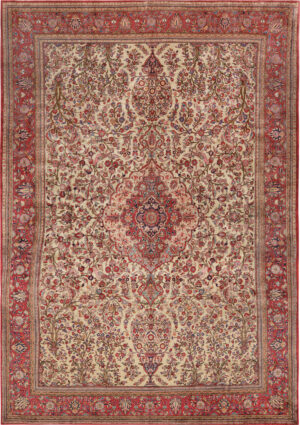
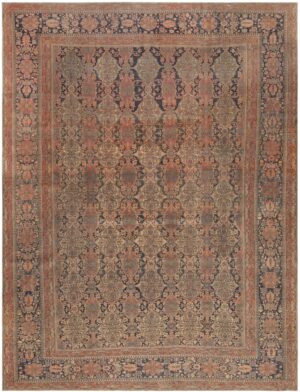
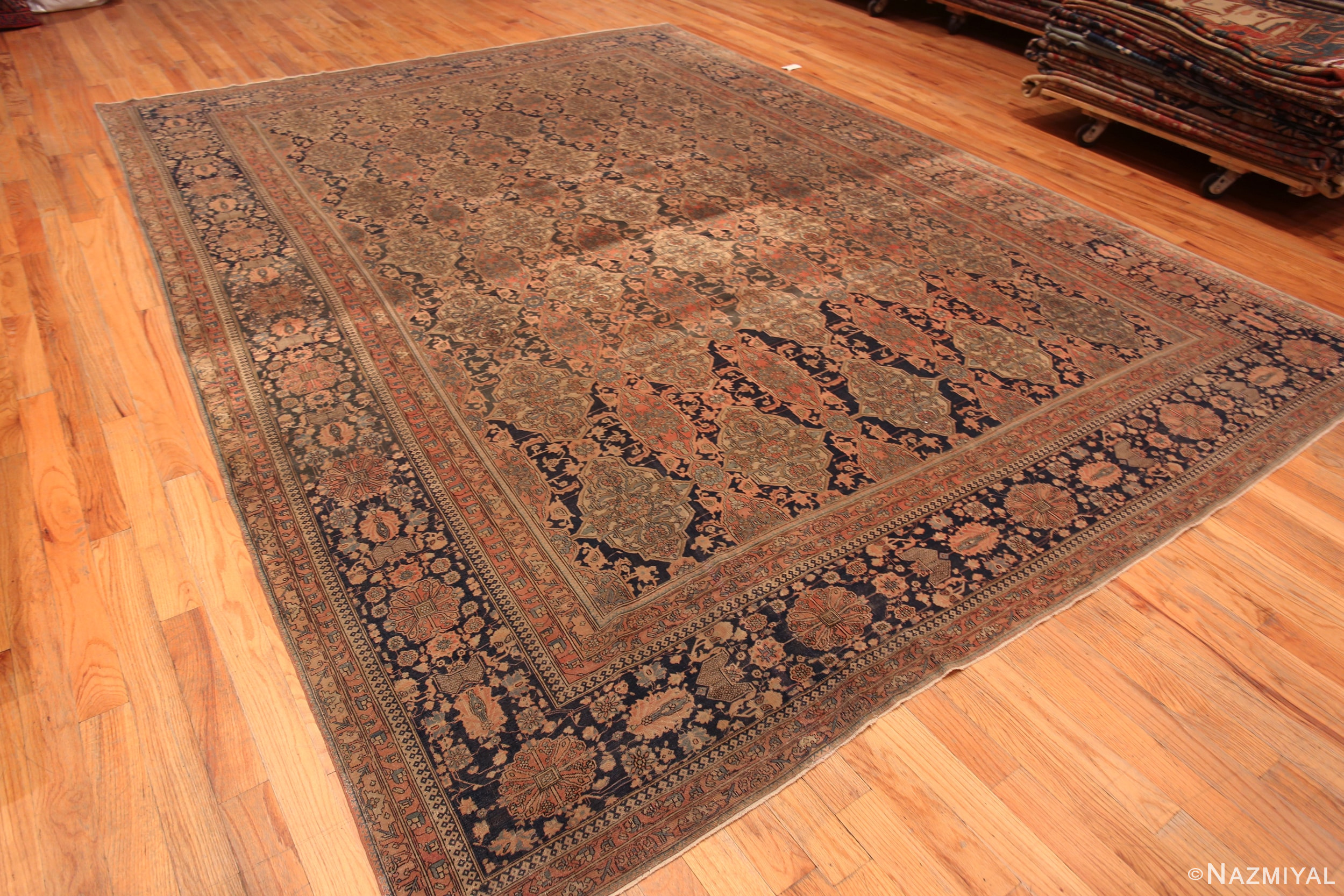
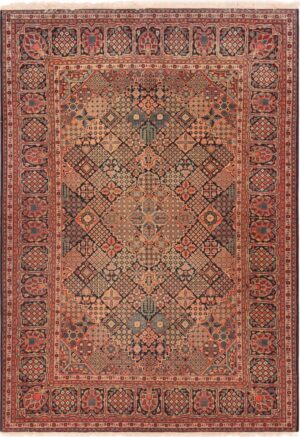
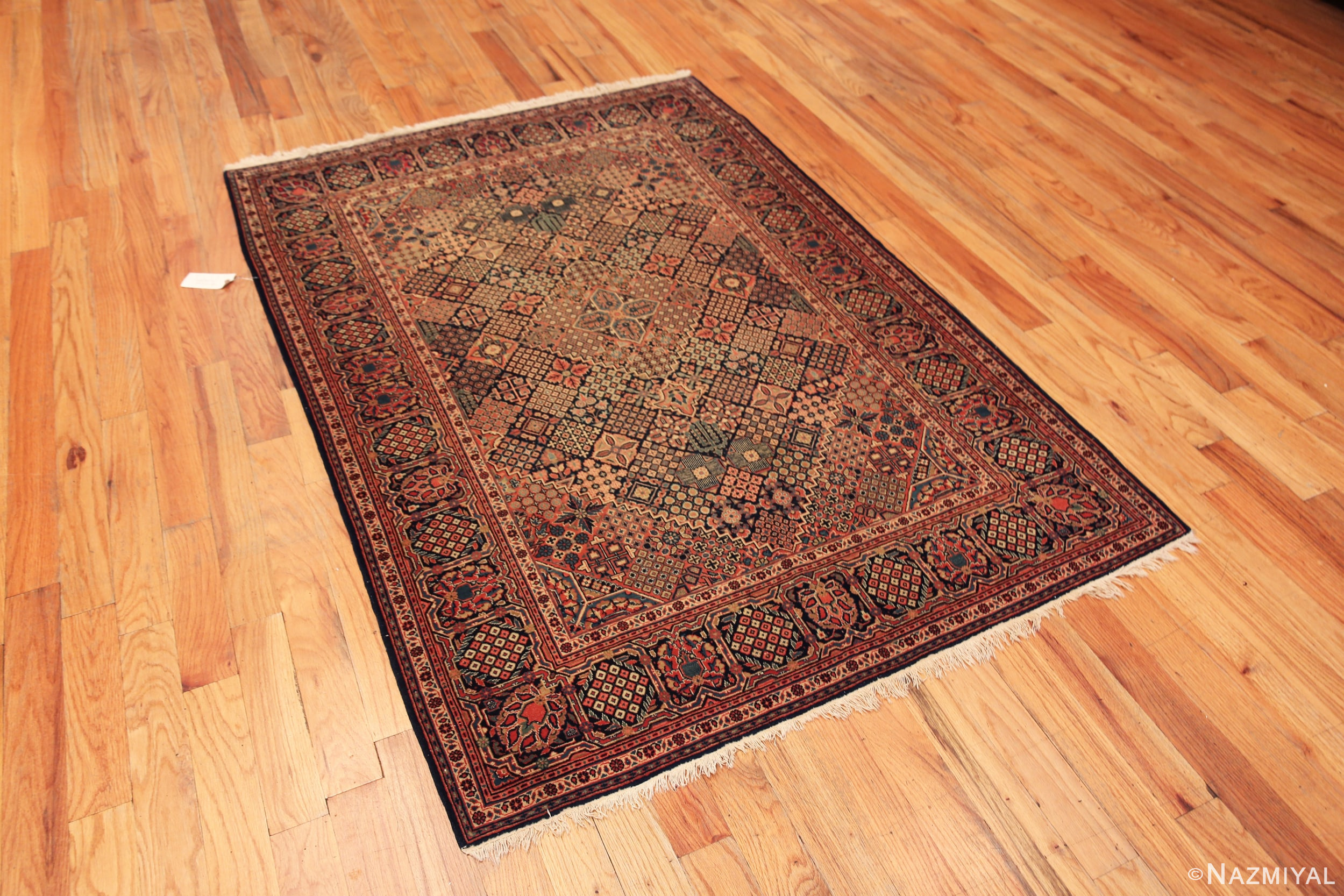
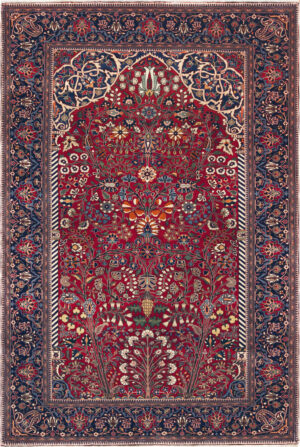
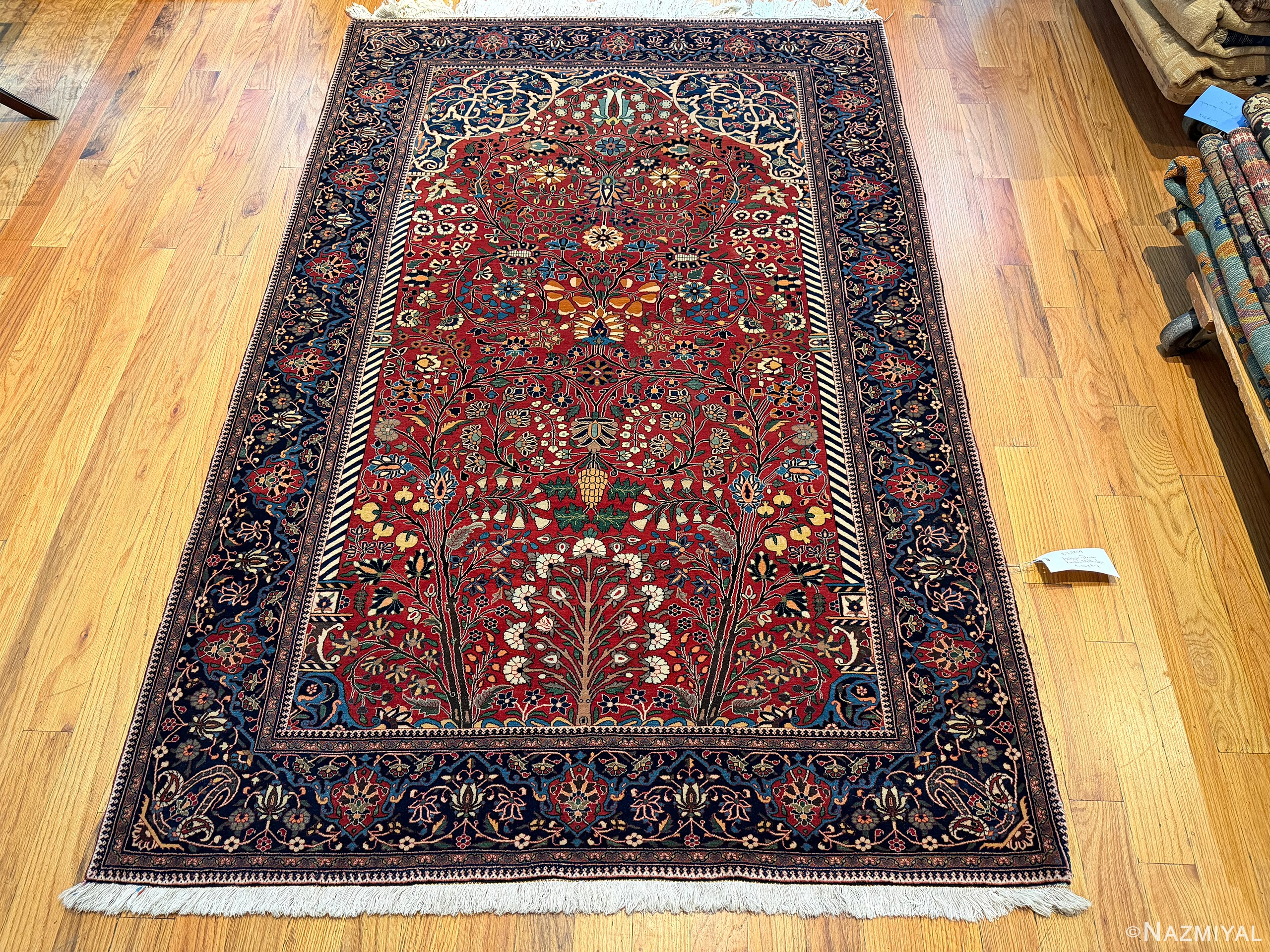
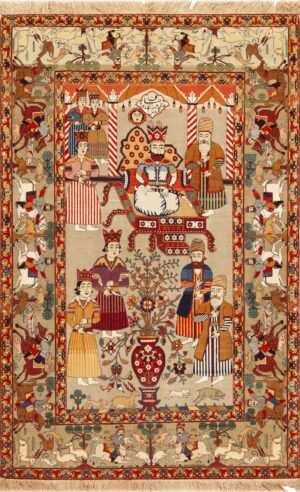
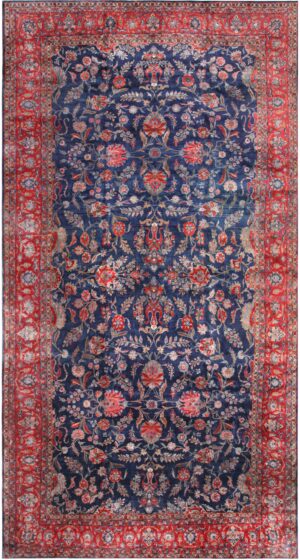
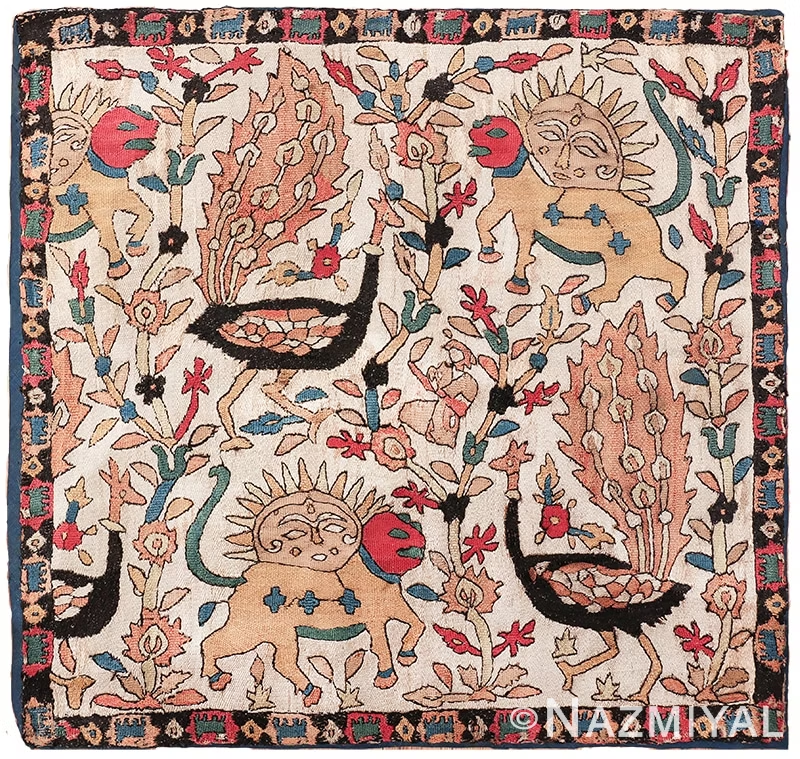
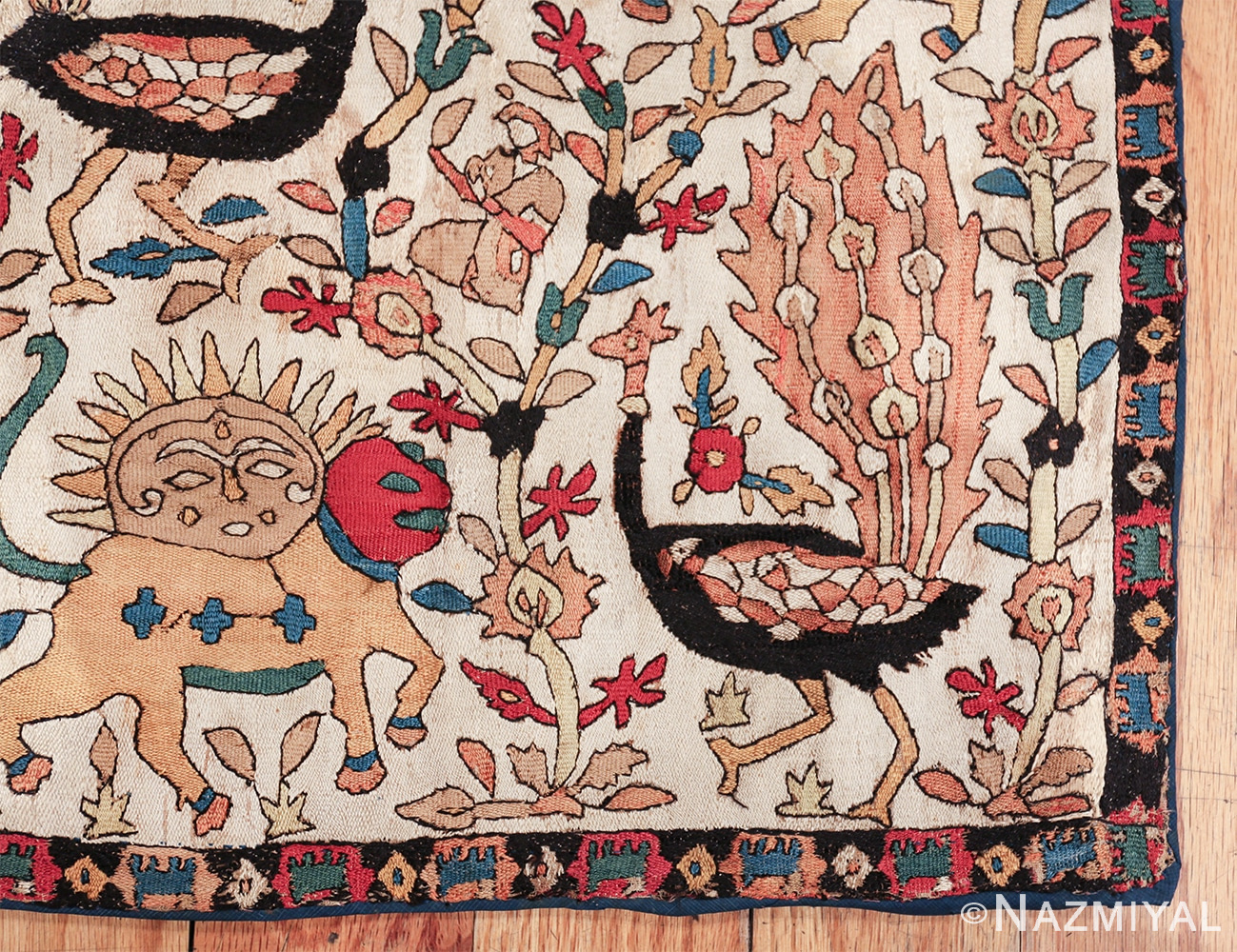
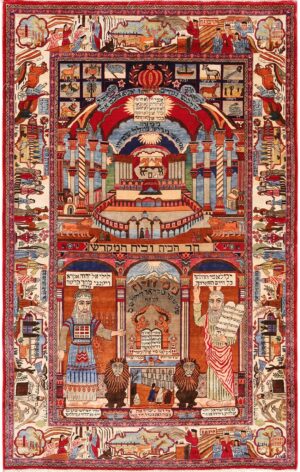
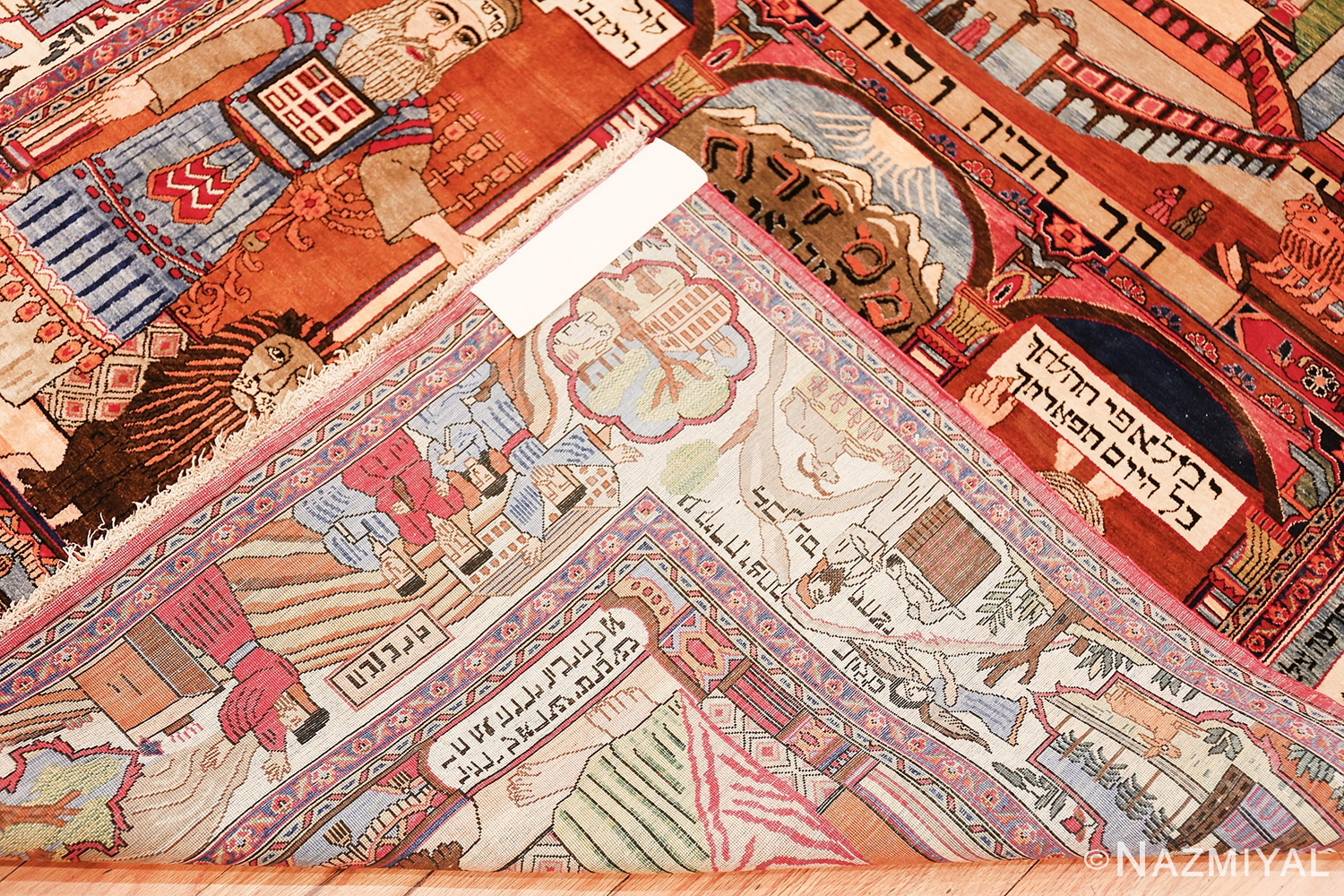
Kashan rugs are named after their origin city of Kashan, a major Iranian city known for its history and its beautiful weavings. These Persian knotted-pile carpets have long been recognized for their balance of artistic refinement and structural integrity. Their designs vary, featuring central medallion compositions, floral allover fields, pictorial imagery, and complex borders.
The “Kashan” label, sometimes spelled Keshan, is widely used in the market, even on machine-made and foreign-made pieces. They are often named after the inspiration behind their design, rather than their origin. Consequently, authenticity of “Kashan” rugs must be confirmed through construction, materials, and period-consistent designs, something that Nazmiyal diligently vets.
Kashan Rugs History: Where They Come From
Kashan rugs come from a region of central Iran with a deep history of textile and decorative-arts production. Before it was known for its beautiful pile carpets, the city was a center for Persian silk weaving. Their workshop weaving produced carpets for both domestic consumers and for international export. Kashan rug drawing conventions were highly impactful, evident in designs found in rugs, Persian and otherwise.
Kashan is one of the city workshops that defines the wider Persian rug tradition. See our rug origins page for a clearer picture of how the different weaving centers related and influenced one another, our antique rugs collection for the wider holdings, and the rug glossary for the terminology used on this page.
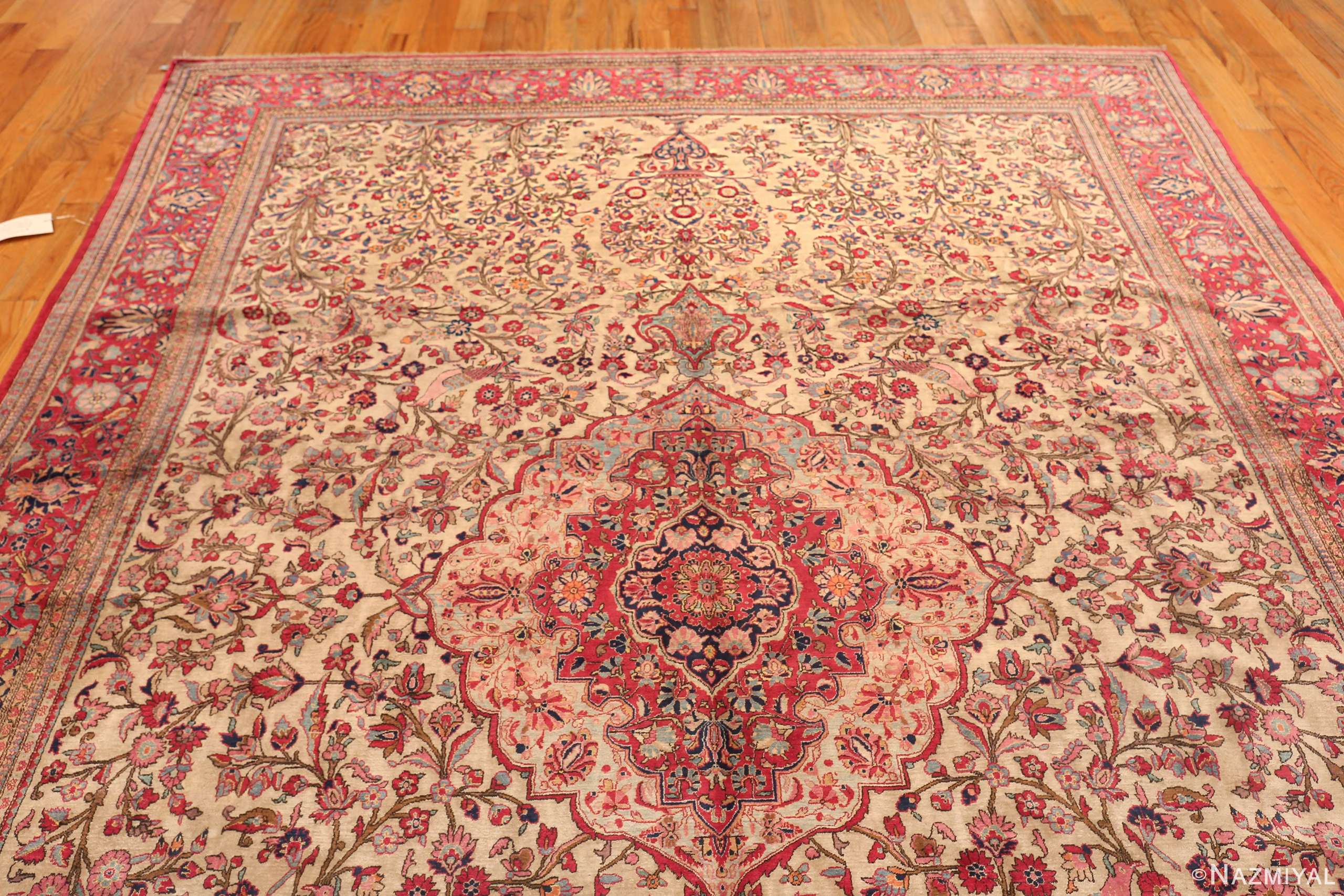
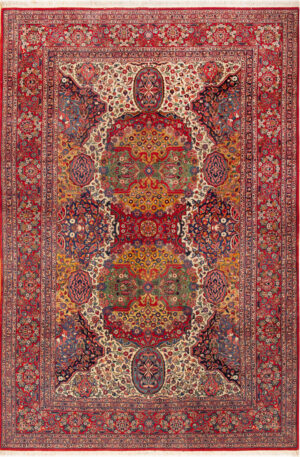
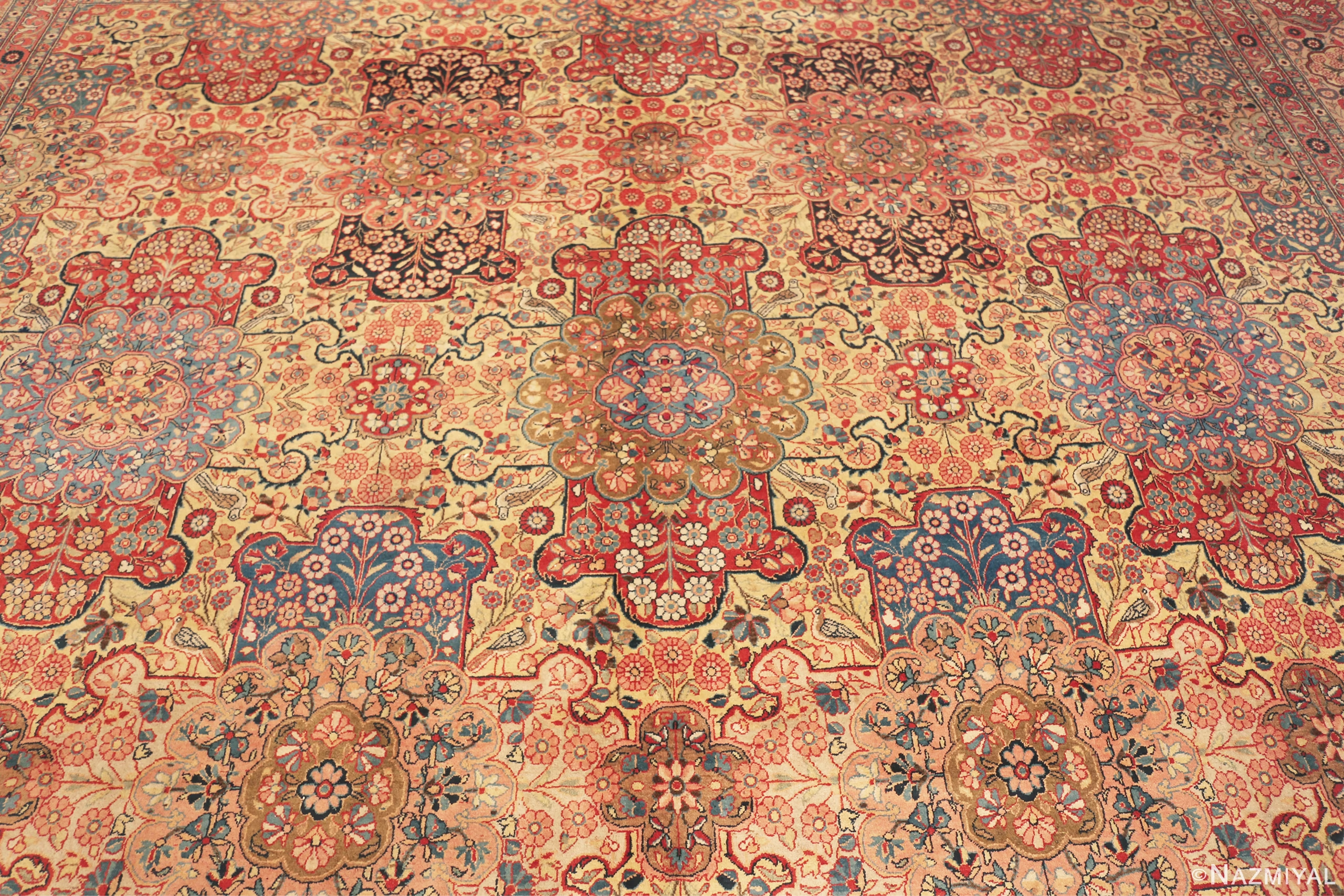
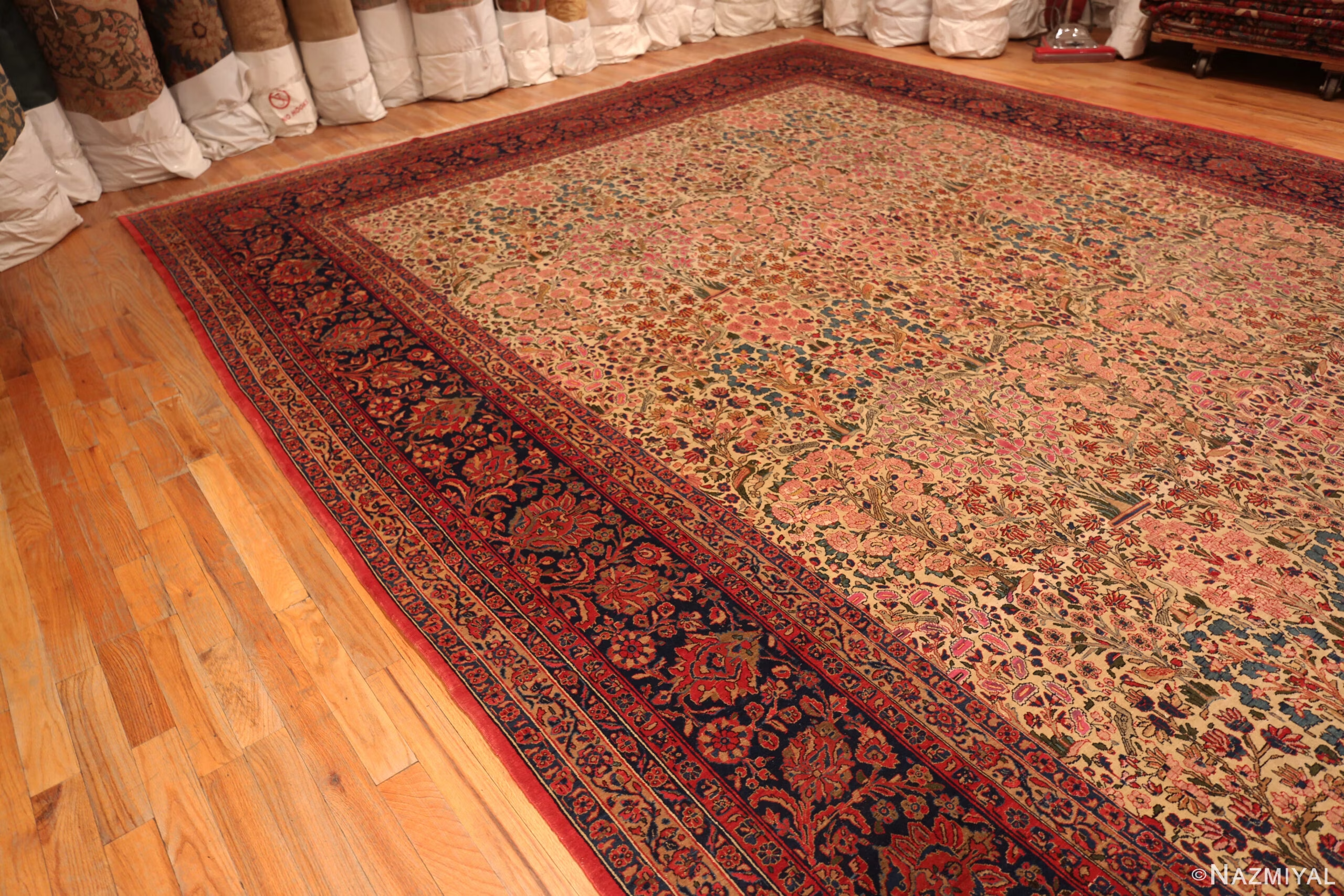
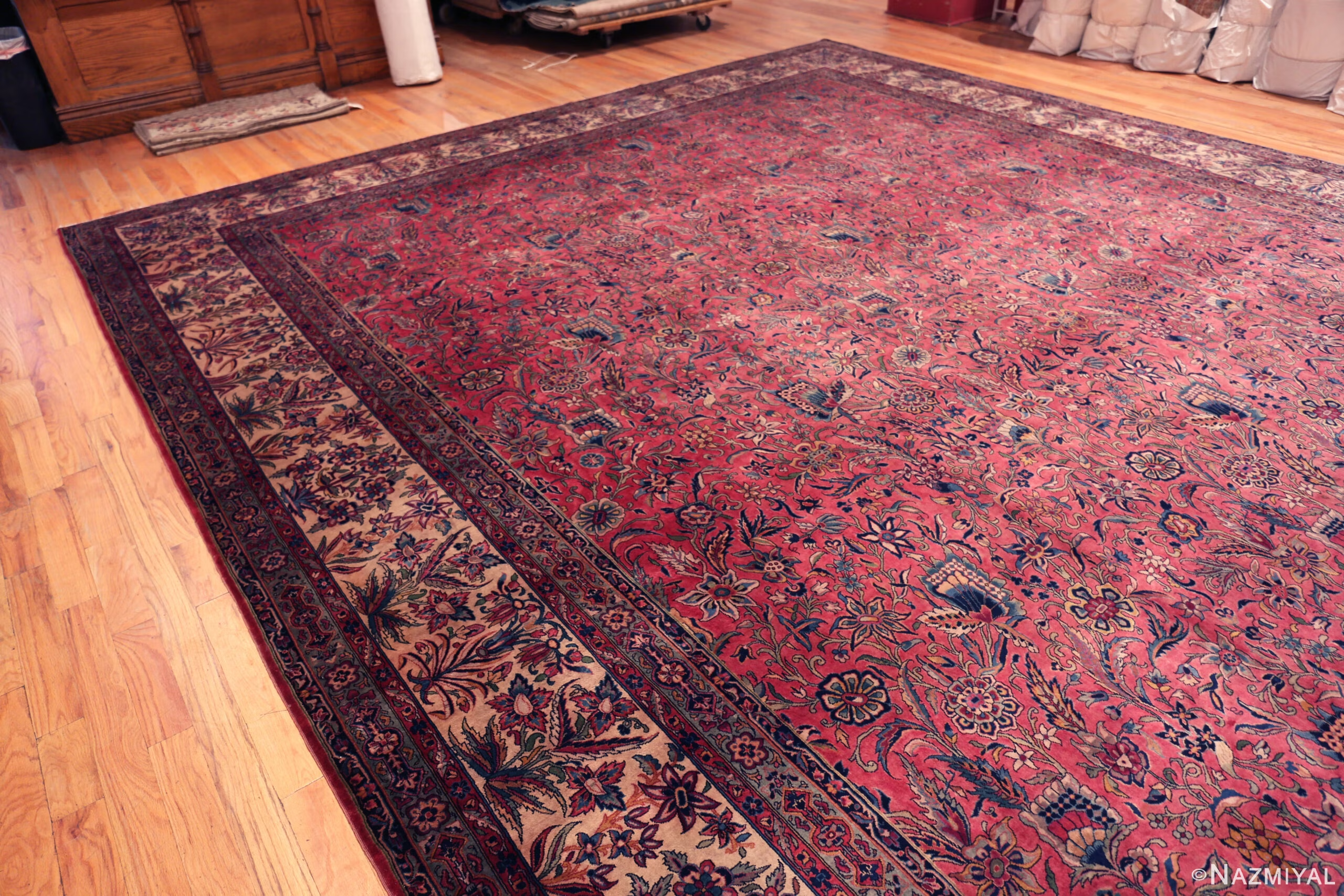
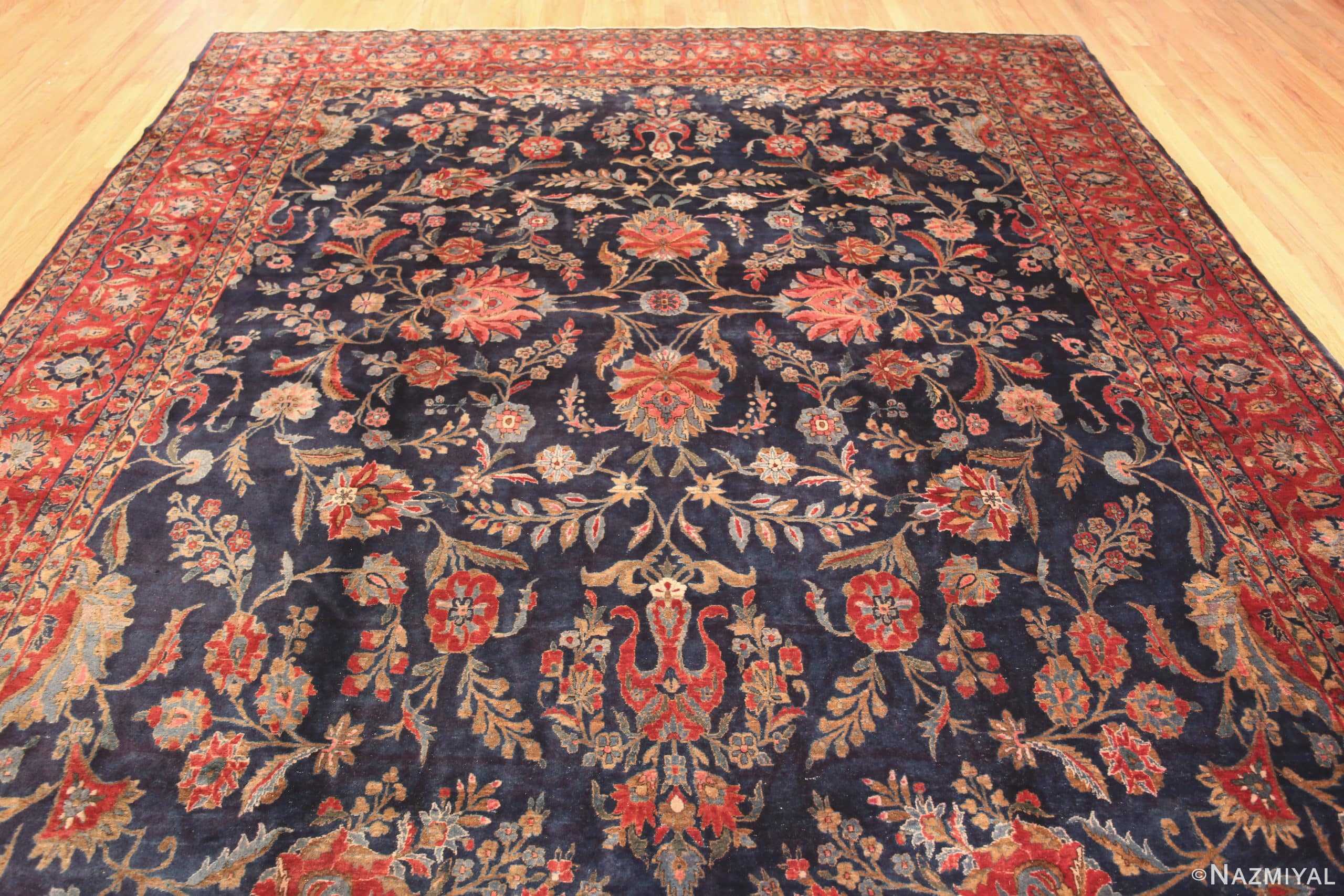
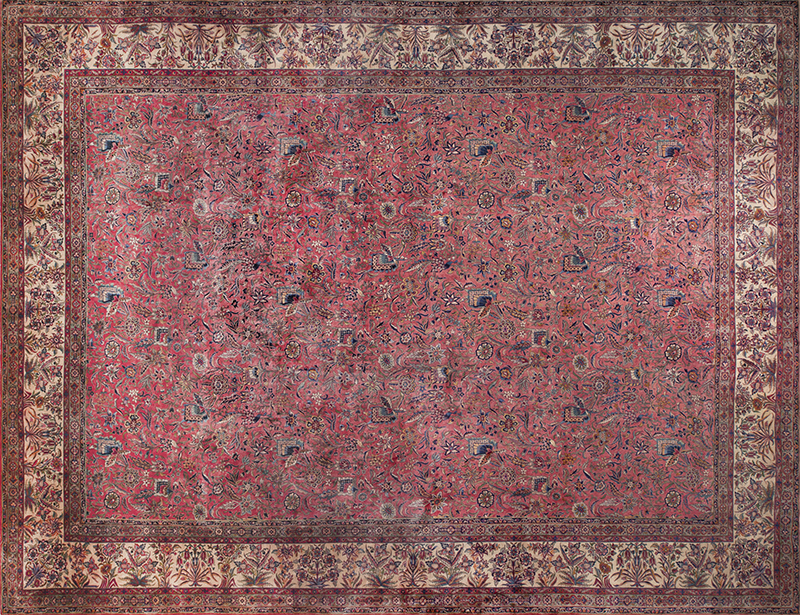
Grand Antique Persian Kashan Harmoniously Blended Large Rug Nazmiyal Collection #73769 — 14 ft 7 in x 19 ft 6 in
Types of Kashan Rugs
Kashan rugs include a variety of styles and compositions. It is an incredibly diverse category of weaving and one that served as a major influencer on the rest of the textile world. Many of the Kashan rug styles are not specific to Kashan workshops, or even to Persian workshops. What sets these rugs apart from the rest is the high caliber of skill behind the rug’s construction and their strict classical precision.
Mohtashem Kashan Rugs: The Master-Weaver Class
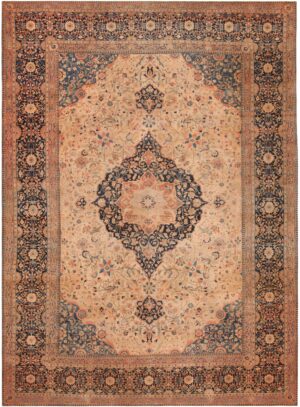
Mohtashem rugs, sometimes spelled Mohtasham, are the finest Kashan productions. Their title comes from a nineteenth-century master weaver of the same name, known for his exceptional weaving techniques. Mohtashem rugs have cemented their spot in the highest register of Kashan weaving, defined by their uniquely fine knotting, luminous wool, and crisp curvilinear drawings.
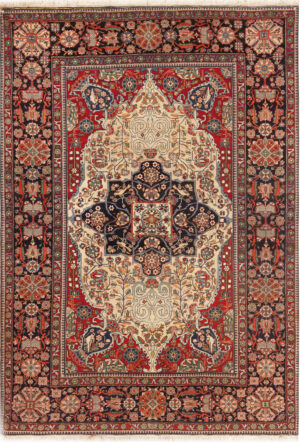
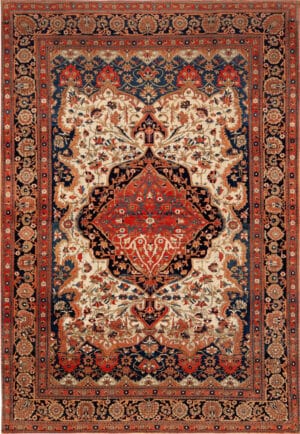
The evidently skilled hands behind Mohtashem weavings are what make these pieces such stand-outs, even more so than the complexity of their designs. Legible drawing is the norm rather than the exception, as is a masterful understanding of visual composition, allowing for fields to breathe rather than crowding them. Selvedges are often needle-wrapped, creating a neat finish to the construction, and some examples are even topped off with silk highlights. Our master-weaver Mohtashem Kashan, #73451, at 4 ft 4 in x 6 ft 4 in, shows the class clearly.
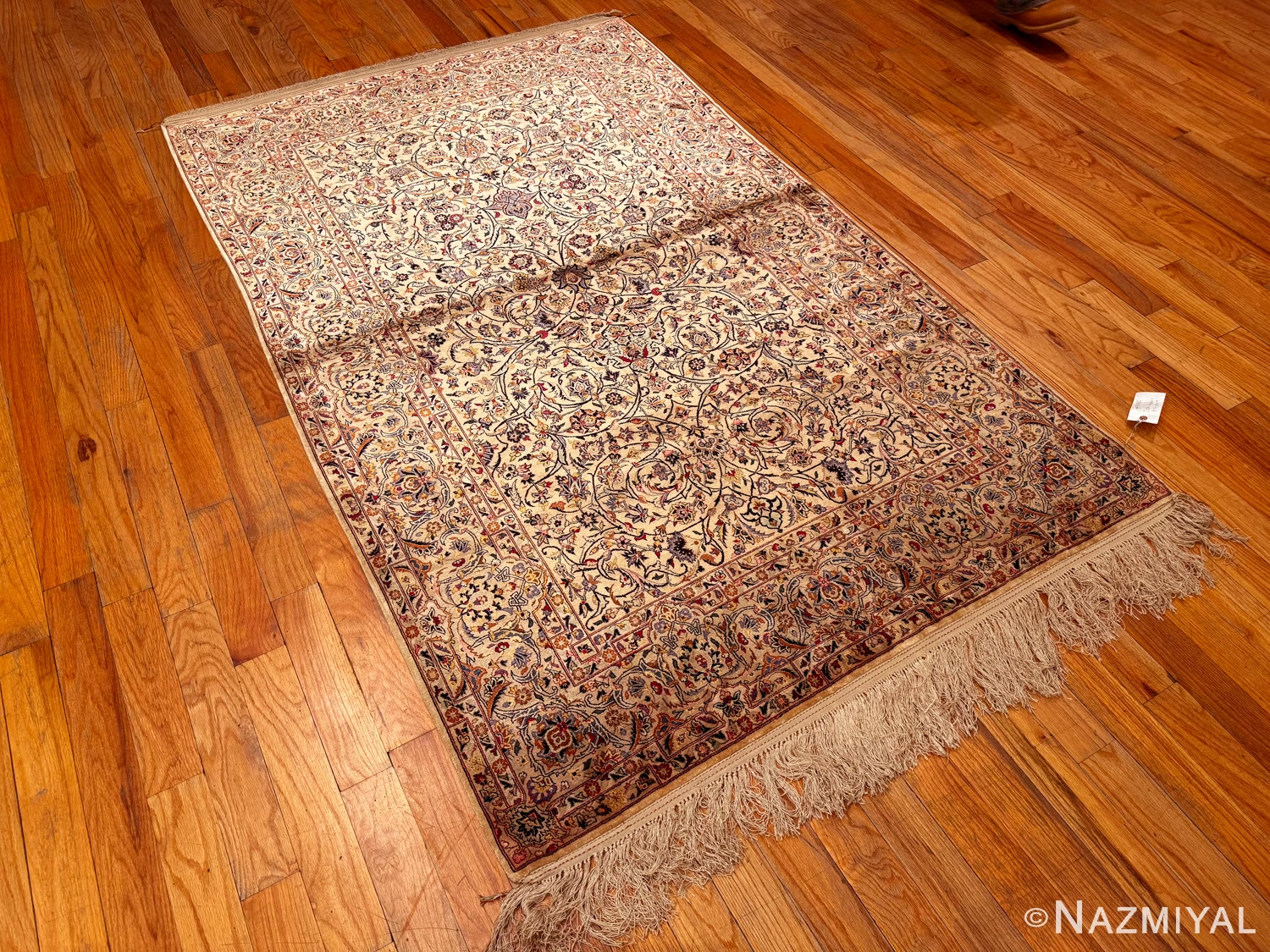
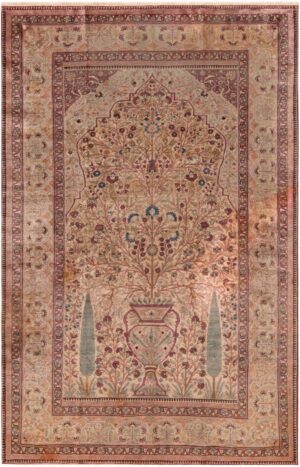
Because of Kashan’s history as a silk-weaving center, silk was often incorporated into the carpets later produced there. The silk Kashan rugs tend to be smaller than their wool counterparts as well as much finer, achieved through the inherently delicate quality of silk threading. Silk rugs are also rarer, with far less surviving weavings, making them collectible pieces — see also fine silk Persian rugs.
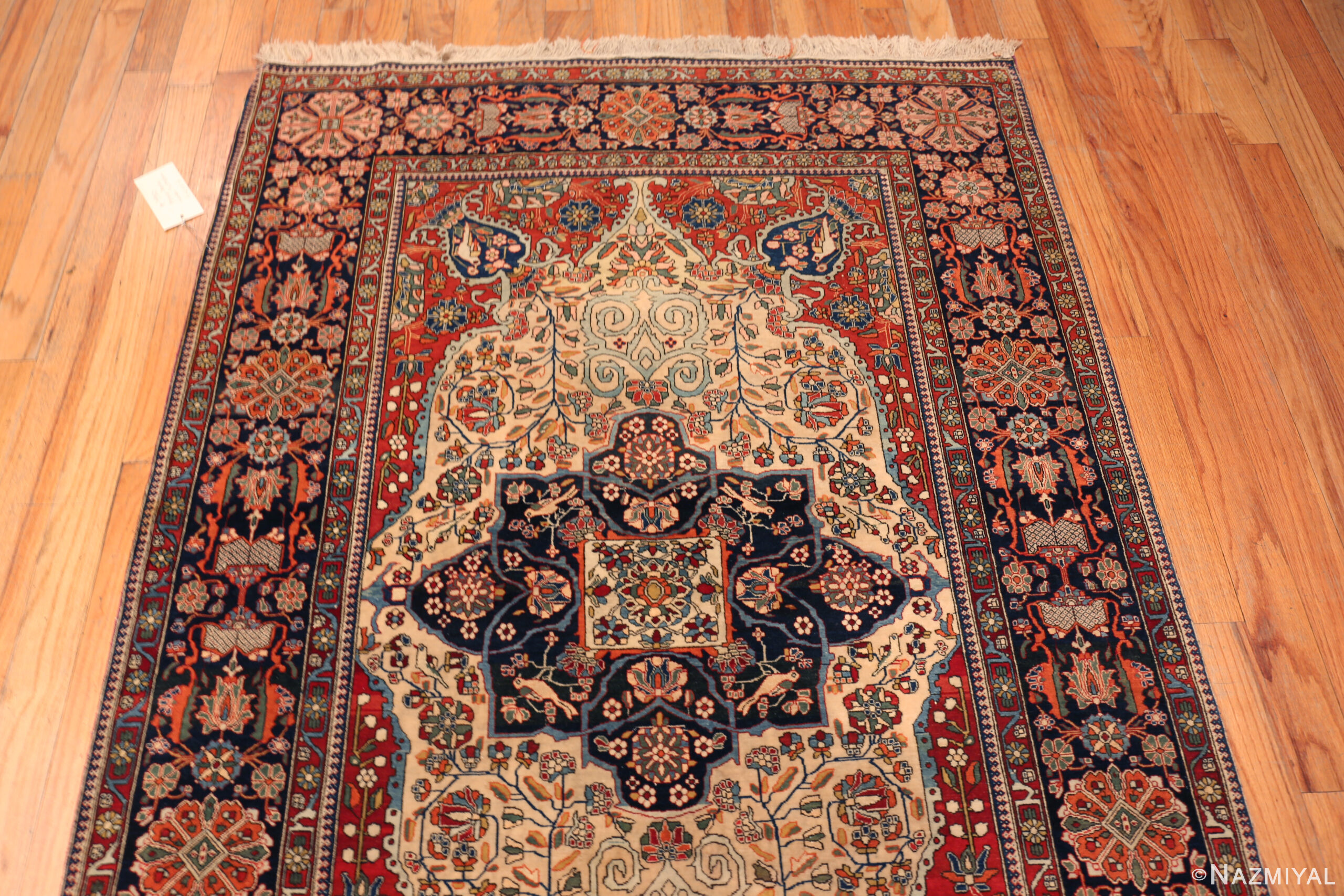
Silk threading appears in Kashan rugs in three different ways: as highlights within a wool pile, as a full silk pile on a cotton foundation, and as silk in both pile and foundation. The final is the rarest material construction combination found in antique Kashan rugs. Our silk Mohtasham Kashan prayer rug with a vase design, #71618, is an example of the finest small format.
There is no one signifier for identifying an authentic Kashan rug. Instead, various factors need to be taken into account for accurate authentication. At Nazmiyal, our specialists review Kashan rugs for age, condition, design quality, origin, materials, and attribution — when applicable — before pieces are presented to clients.
We also offer certificates of authenticity with our pieces, so you can rest assured that each weaving in our collection is a true original. Our written guarantee stands behind every rug we sell.
Construction and Materials
Traditional Kashan rugs are all hand-knotted pile carpets, handmade on a loom. They are typically characterized by a cotton foundation paired with a wool pile. The wool used in Kashan is usually a specific kind of undercoat called kork, commonly associated with higher-grade Persian weaving. Certain finely made productions made from Manchester wool are occasionally seen as well, such as our oversized Manchester wool Kashan, #72080, at 11 ft x 20 ft 8 in. Well-finished edges and ends are a staple of Kashan rugs, a marker for their masterful production techniques.
When looking to identify an authentic Kashan rug, look for:
Even knotting on a stable cotton foundation
Secure edges and intact ends
Wear patterns consistent with the claimed age
Precise knotting that supports crisp curvilinear drawing
We describe fineness in words rather than knot counts, because published figures for Kashan disagree. Our guide to knots and KPSI explains why.
Attribution
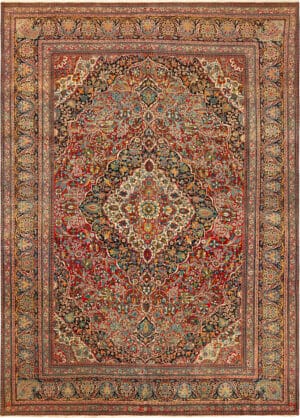
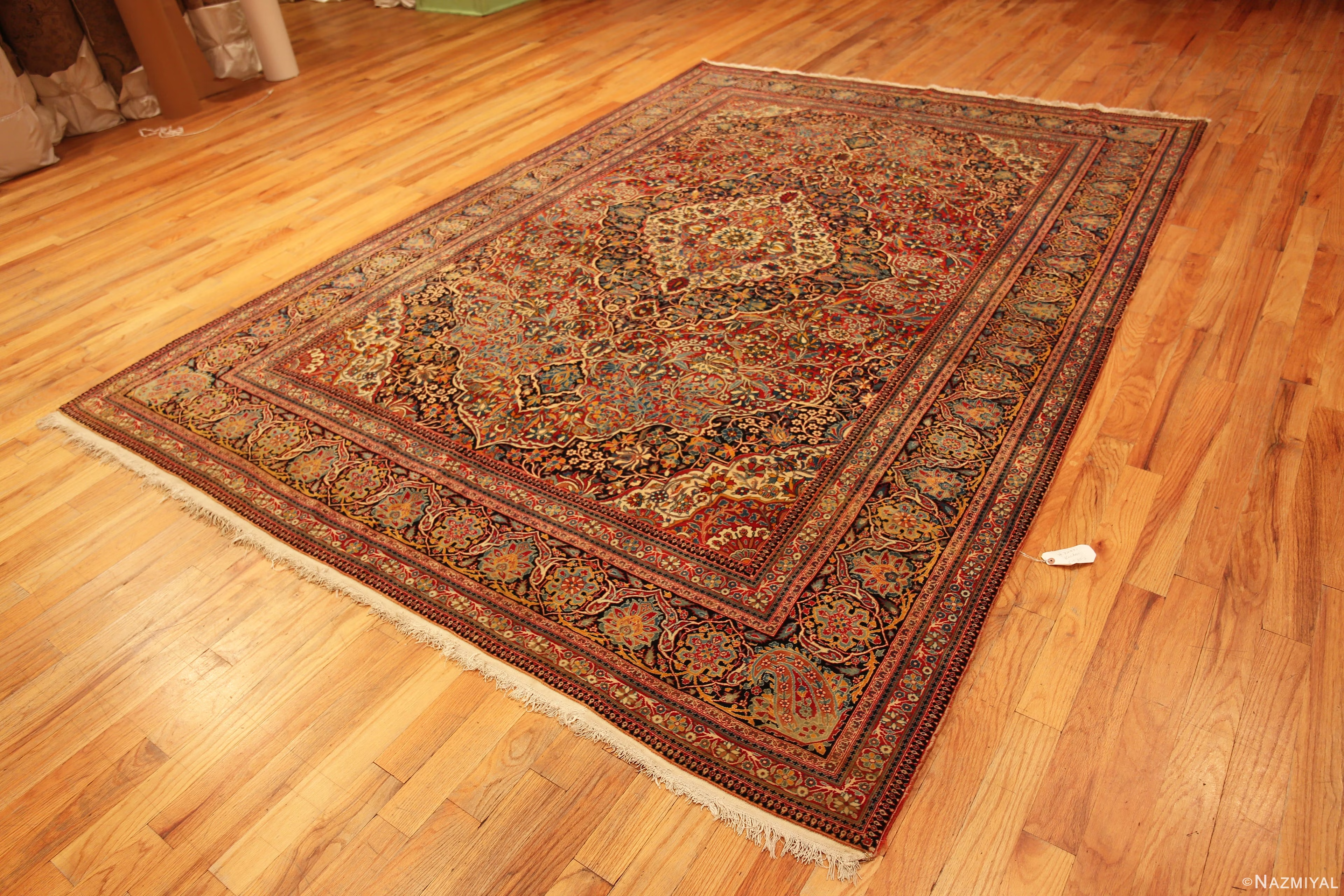
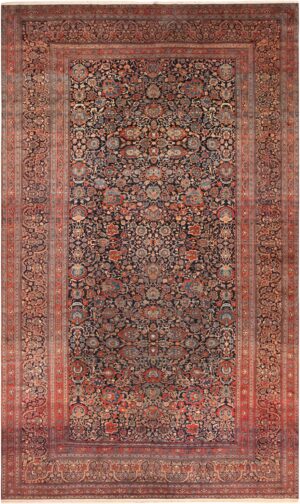
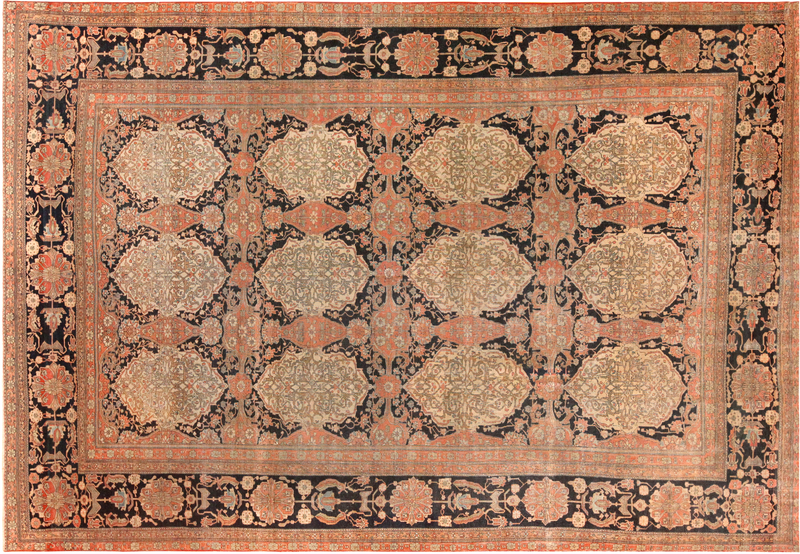
Workshop names such as Mohtashem and Dabir appear on a minority of pieces, sometimes as a woven signature panel and more often as an attribution based on weave and drawing. See our large Kashan Dabir, #70970, at 12 ft x 17 ft, and the oversized example signed by master Dabir, #95121, at 13 ft 3 in x 21 ft 3 in. A name in a listing is a claim, not a certificate — ask what it rests on.
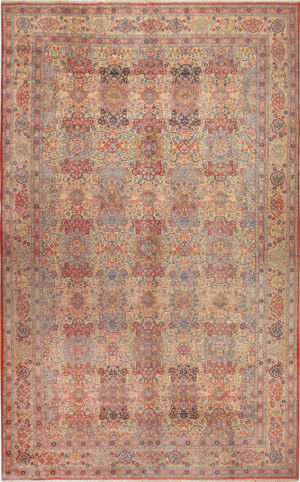
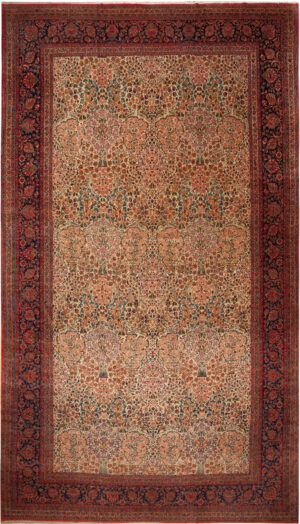
Large Antique Persian Kashan Dabir Rug Nazmiyal Collection #70970 — 12 ft x 17 ft
Color and Dyes
Kashan rugs have a varied color palette, known for their incorporation of rich, harmonious hues. Their diversity in color makes Kashans favorable decorative pieces, able to adapt to many different interiors.
Their palettes include:
Deep reds and burgundies
Rich indigo and navy blues, often paired with ivory grounds
Soft gold, beige, and camel tones
Accents of green or turquoise, used sparingly
When looking to identify an authentic Kashan rug, look for wool with natural depth and elasticity, as well as natural tonal variations.
Kashan Designs and Motifs
Kashan rugs cover an assortment of Persian designs. Their influence on the aesthetics in the textile world cannot be overstated, with patterns now found in most antique rugs. Floral motifs, medallion and allover compositions, and pictorial imagery are all commonly found on Kashan weavings.
Kashan rugs come in a wide range of sizes, all represented in the Nazmiyal Kashan rugs collection. Prayer rugs, vase designs, and the finest silk pieces tend to be on the smaller side — see also 5 x 7 rugs. Most Kashan room size rugs fit standard living and dining room formats, such as 9 x 12 and 10 x 14. In many Kashan workshops, rugs were sized up in order to fit palaces and grand rooms, though surviving antique pieces at this scale are rarer than their smaller counterparts.
For an in depth look at how to size your rug according to your space, see our rug size chart and our rug size guide.
Kashan vs Isfahan vs Nain vs Sarouk
Kashan, Isfahan, Nain, and Sarouk are all Persian cities, known for their production of classically designed rugs. While similar, their differences are apparent upon closer inspection.
Weave
Drawing
Palette
Tell
Kashan
Balanced, decorative clarity; medallion or allover
Reds, indigo, ivory, camel
Architectural border hierarchy; wool with distinct sheen
Isfahan
Often finer and denser drawing
Ivory and blue-led
Silk foundations in some examples
Nain
Restrained ornament, higher knot density
Lighter, ivory and pale blue
Silk outlining around motifs; 20th-century weave
Sarouk
Heavier, more detached floral sprays
Deep reds and blues
Thicker handle; often a stiffer, less fluid line
Distinctions must always be confirmed by examining the structure and materials, not just a rug’s appearance.
What is a Kashan Rug Worth?
The value of a Kashan rug is not something easily determined. Like any other antique rug, the worth of a Kashan depends on a combination of factors rather than just age or scarcity.
Drawing quality. The execution of the design is essential to determining the value. What sets Kashan rugs apart from other antique productions is the expert quality of their design and construction. Clean lines, crisp imagery, and a well composed field are a staple of a good Kashan rug.
Structure and condition. Quality structure and condition prioritizes edges, ends, and foundation, followed by pile depth. A structurally sound rug with a low but even pile outranks one with weak selvedges.
Materials. High-quality fibers like kork, Manchester wool, and silk automatically increase the value of a rug. The same goes for dye quality. Natural dyes with tonal variations and a beautifully aged patina retain character more than synthetics.
Scale and usability. A versatile rug with room-ready dimensions is valued for its usability over awkwardly sized ones. Genuine palace-scale antique carpets carry a scarcity premium of their own.
What one costs. Each Kashan here is priced individually rather than by the square foot, because no two are the same object — and the finest pieces are priced on request. If you are weighing a rug on this page against something you have seen elsewhere, ask a specialist: you will get the figure and the reasoning behind it.
Kashan Rugs in Interior Design
Kashan rugs benefit from how diverse their aesthetic designs, color palettes, and sizes are. They are capable of furnishing virtually any interior based on the existing décor of the room, adding a needed classical structure that elevates the atmosphere of the entire space. The ornamentation used in Kashan compositions benefits from the strict precision and discipline required in the workshops, making these pieces perfectly complementary to modern furniture styles, despite being antiques.
When looking to incorporate a Kashan carpet into an interior, start by choosing the desired size. Then align the border weight and palette with the architecture and furnishings. Keep the composition of the rug in mind, and how it will behave in relation to a room. Dense and complex designs will need a larger space, while allover fields function nicely in a more compact room.
Kashan Rugs at Our New York Gallery
Our collection of vintage and antique rugs can be viewed by appointment at our New York gallery, where designers, collectors, and private clients have sourced rugs since 1980. If you are looking for high-end Kashan rugs in New York, you can see selected pieces in person before deciding.
Since 1980, Nazmiyal has hand-selected vintage, antique, and decorative rugs from our New York gallery. Every piece we list is vetted by our own specialists. We help clients choose by movement, size, condition, room use, design character, and budget, with guidance for collectors, interior designers, and first-time buyers.
Clients work with us for authenticated rugs, specialist advice, accurate measurements, detailed photography, condition guidance, white-glove delivery, a three-day return policy, and the ability to view selected pieces by appointment in New York. We ship worldwide. Our goal is to help you find a Kashan rug that is authentic, beautiful, usable, and right for the room.
             Posted on Google        Clay Pendergrast     Trustindex verifies that the original source of the review is Google. My wife and I are so pleased with the antique Uzbek Bokhara Rug purchased from the Nazmiyal Collection. Not only does the rug have a spectacular design, it also was very reasonably priced. The way it transforms our living room, reconciling the classic modern furniture with the 1913 Craftsman interior is remarkable.         Posted on Google        Terence Hayes     Trustindex verifies that the original source of the review is Google. I have purchased multiple rugs at multiple Nazmiyal auctions and I am extremely pleased with the quality, price, and experience.  Highly recommended!         Posted on Google        Victor Florintsev     Trustindex verifies that the original source of the review is Google. The only ones I'd ever buy rugs from. The best.         Posted on Google        Jeffrey NeumanB     Trustindex verifies that the original source of the review is Google. I bought two gorgeous Serapi rugs from Farhad at Nazmiyal Rugs!  Beautiful carpets, fair prices and great service.  Very happy customer.  Farhad (the sales person) was very patient and gave us great service.         Posted on Google        john haid     Trustindex verifies that the original source of the review is Google. Alen is a gentleman and an expert.  Really great to work with.         Posted on Google        Edward Yasuna     Trustindex verifies that the original source of the review is Google. I recently purchased a modern Kandinsky rug from Nazmiyal Auctions.  It was just as described, and the director (Farhad) of the auctions had it sent to me quickly and safely.  Payment was easy, the rug was reasonably priced, and I highly recommend Nazmiyal Auctions and Antique Rugs.  Quality merchandise and first-class service.         Posted on Google        Nicholas Carr     Trustindex verifies that the original source of the review is Google. Had a excellent experience buying a rug in Nazmiyal's 1/18/26 online auction.  First, prior to the auction, viewing a number of lots at the 32nd St showroom (I had prepared a list from the online catalog). The staff were great to work with: helpful, knowledgable, honest, and flexible.  Second, after placing an online bid and winning the desired item, arranging payment and pickup was simple and straightforward. Everything went seamlessly and the overall experience was educational and fun. Many thanks to Jason and his team.         Posted on Google        Andrea Gared     Trustindex verifies that the original source of the review is Google. Everyone at Naziyal is proffessional, especially Jason and Farhad.
They are knowledgeable, truthful, and true gentlemen. I have sold several rugs through them and will always go to them first, to buy or sell. The best in the business!
Frequently Asked Questions
Authentic antique Kashan rugs originate in Iran. The label is sometimes used commercially for machine-made and non-Persian rugs, however.
Mohtashem, sometimes spelled Mohtasham, is not a separate origin but it is the finest register of Kashan weaving. Not all Kashan rugs are Mohtashem but all Mohtashem are Kashan.
Keshan is an alternative romanization of the same Persian place name and is commonly used in the British and European trade as well as older catalogs. Both spellings refer to the same weaving group.
Check structure, materials, wear pattern, and drawing quality together. Professional evaluation is advised for a clearer understanding.
Drawing quality first, then structural condition, then material such as kork or Manchester wool, and then usable scale. Pieces in the Nazmiyal collection are priced on request.
Yes, when restoration is conservative and focused on structural stability.
THE NAZMIYAL NEWSLETTER
Discover Your Next Favorite Rug
Get new arrivals, rug inspiration, educational blogs, and collection highlights delivered to your inbox.
By subscribing, you agree to receive marketing emails from Nazmiyal. Unsubscribe anytime. View our Privacy Policy.