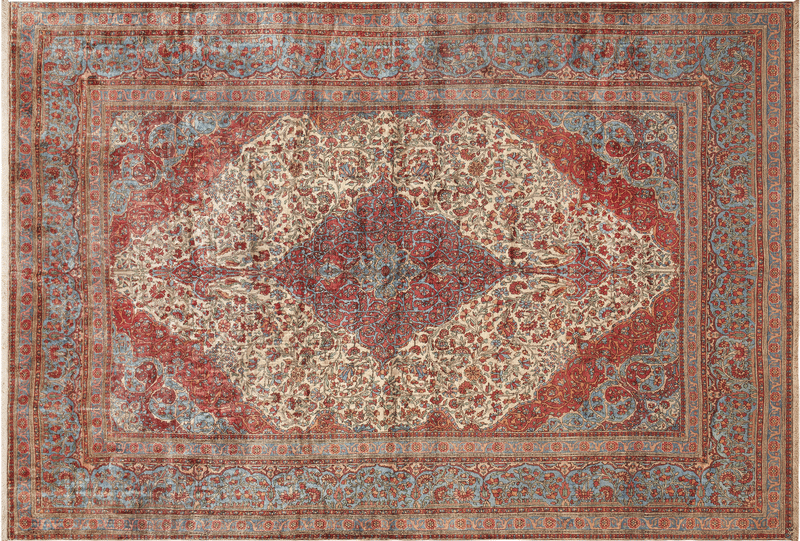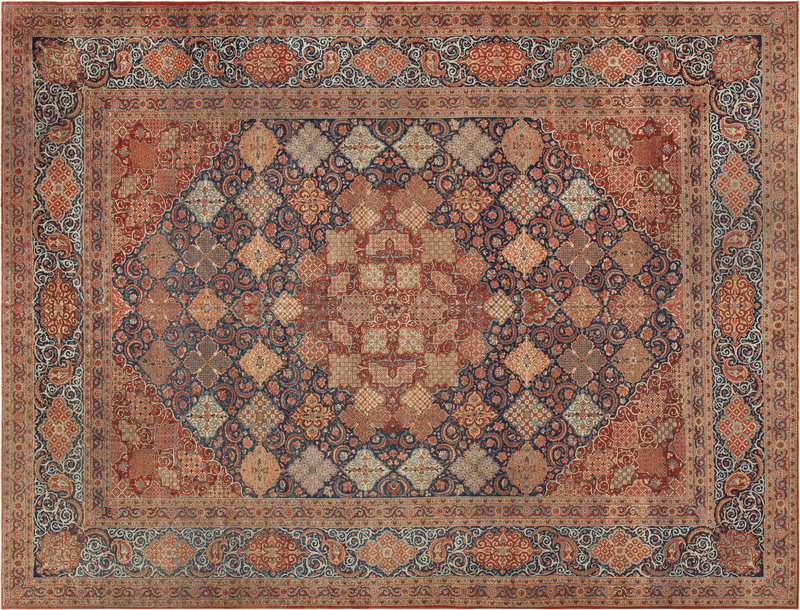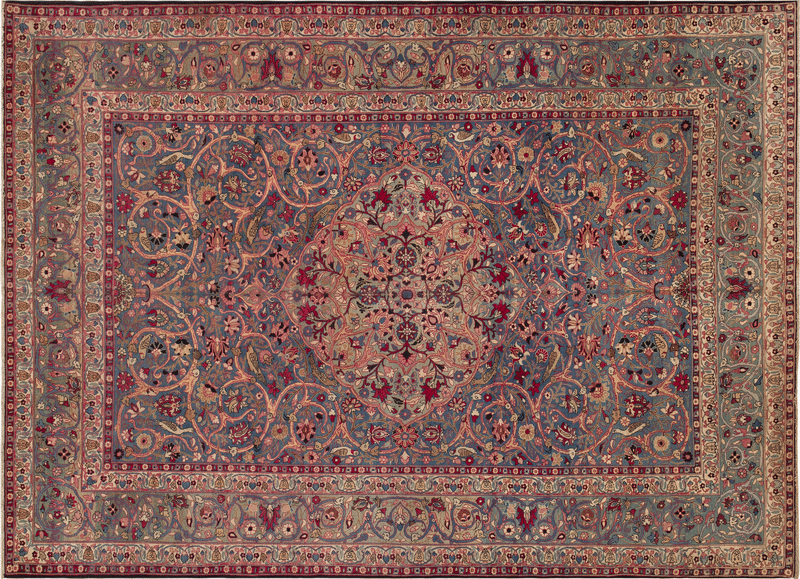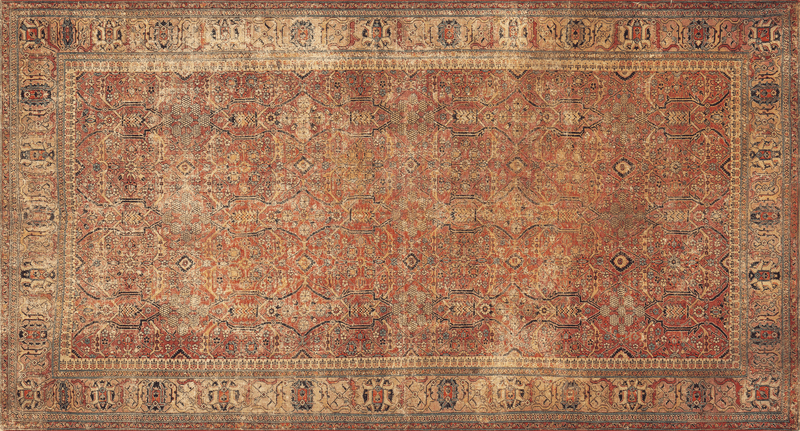
For over 40 centuries, Persian rugs have woven the tale of a region rich in artistry and cultural significance. These masterpieces, often created with 40 knots per square inch, are more than just floor coverings; they are expressions of an ancient civilization’s creativity and craftsmanship. As an art form, Persian rugs have captivated the aesthetic sensibilities of collectors and connoisseurs alike. Each rug is a testament to the intricate designs and bold colors that have defined Persian artistry for millennia.
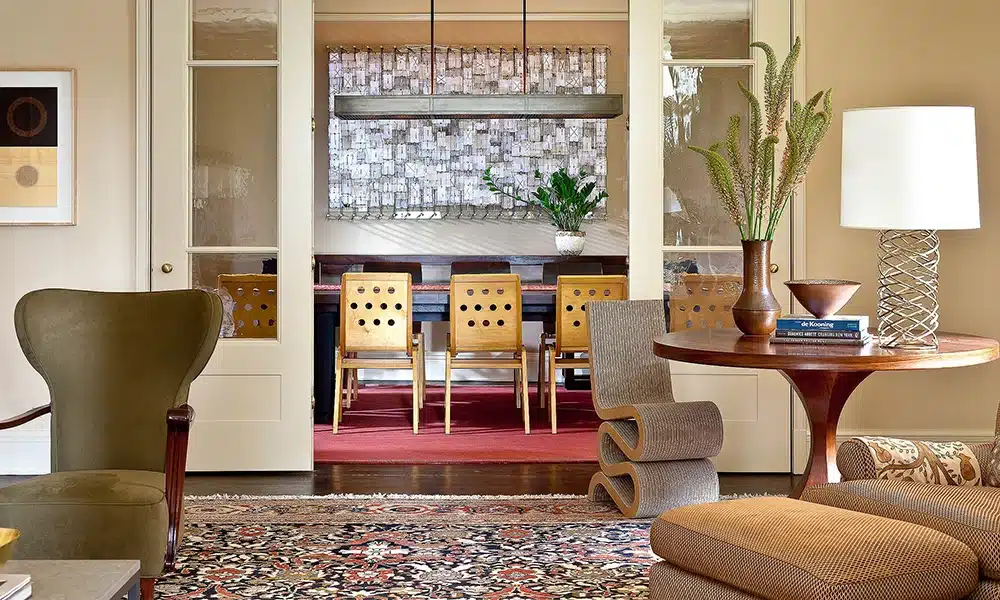
In the world of interior design, Persian rugs are revered for their ability to harmonize with both classical and contemporary spaces. Their intricate patterns and vibrant hues offer a dialogue between history and modernity, inviting a deeper appreciation of cultural narratives. The Nazmiyal Collection is proud to present an unparalleled selection of these treasures, backed by decades of expertise and a passion for preserving heritage.
What stories do these ancient patterns tell about their creators? How do the materials and techniques used across 40 generations influence the value and durability of a Persian rug? In what ways can a carefully chosen rug serve as both an artistic centerpiece and a cultural artifact in today’s sophisticated interiors? Join us as we delve into these questions, exploring the enduring allure of Persian rugs.
Persian Rug Patterns Reveal a Rich History
Delving into the world of Persian rugs is akin to opening a vibrant tapestry of history. Each Persian rug tells a story that spans centuries, encapsulating the essence of the cultures and traditions from which it originates. Rich in symbolism and intricate design, these rugs offer more than just aesthetic appeal; they embody the legacy of an ancient art form that continues to captivate collectors and interior designers alike.
The patterns found in Persian rugs are not random; they are a language of their own, each motif bearing specific cultural significance. From floral designs that reflect natural beauty to geometric shapes that symbolize the universe, these patterns are a testament to the creativity and skill of the artisans who crafted them. The rug from Persia serves as a visual narrative, intricately woven to reflect the values and beliefs of its time.
Symbolism and Meaning in Persian Rug Designs
Every Persian / Iranian rug is a meticulously crafted piece of art, often incorporating symbols that convey messages or tell stories. For example, the boteh, a teardrop-shaped motif, represents life and eternity. This symbol, which later influenced the paisley pattern, is a common feature in many Persian rugs. Similarly, the Herati pattern, featuring a diamond with a rosette, embodies balance and harmony.
Understanding these symbols enriches the appreciation of an antique Persian rug. It allows enthusiasts to connect with the cultural heritage embedded in each thread. The diversity of designs reflects the varied regions of Persia, each with its own unique aesthetic and historical influences. This diversity contributes to the enduring allure of Persian rugs, making them cherished pieces in homes and collections worldwide.
The Role of Color in Telling Stories
Color plays a crucial role in the storytelling aspect of Persian rugs. Artisans carefully select hues that not only enhance the visual appeal but also carry meaning. Red often signifies happiness and courage, while blue represents solitude and truth. The interplay of these colors in a Persian rug adds another layer of depth to its narrative, making it a living piece of history.
In exploring the patterns and colors of Persian rugs, one gains insight into the rich cultural tapestry of Persia. These rugs are more than decorative pieces; they are historical documents that continue to inspire and intrigue those who seek to understand their intricate beauty and profound legacy.
Why Collectors Prize Antique Rugs Today
For those with an appreciation for art and history, the Persian rug offers an enchanting allure that goes beyond mere decoration. Collectors often find themselves drawn to the intricate designs and rich history embodied in each piece. The Persian rug, with its patterns and colors, acts as a canvas that tells stories of past civilizations and their artistic achievements.
When exploring the cultural legacy of the Persian rug, one can’t help but admire the craftsmanship that has transcended generations. Each rug is a testament to the dedication and skill of artisans who have mastered their craft over centuries. The weavers’ ability to incorporate cultural and symbolic motifs into their designs adds layers of meaning, making each rug a unique piece of history.
The Art of Storytelling Through Design
From the vibrant floral patterns to geometric shapes, every Persian rug narrates its own tale. These designs often reflect the region where the rug was created, offering a glimpse into the local culture and traditions. For collectors, owning a Persian rug is akin to possessing a piece of cultural heritage. It connects them with the stories and lives of people from distant lands.
The versatility of a Persian rug also contributes to its appeal. Whether placed in a modern living room or a traditional library, it complements various design styles effortlessly. Its timeless appeal lies in its ability to blend with different aesthetics, adding warmth and character to any setting.
An Investment in Art and History
Beyond their aesthetic and cultural value, Persian rugs represent a wise investment for collectors. As time passes, their rarity and value often increase, making them prized possessions in any collection. The rich history and exceptional craftsmanship ensure that these rugs remain sought-after by discerning collectors worldwide.
In a world where mass production dominates, the Persian rug stands as a symbol of authenticity and individuality. It’s more than a decorative item; it’s an embodiment of art, history, and culture. For collectors, the Persian rug offers not just a glimpse into the past but also a meaningful connection to the artistry of human hands.
Unraveling History: The Cultural Legacy of Persian Rugs
For collectors and investors, a Persian rug represents more than just a decorative piece. It embodies centuries of artistry and cultural heritage. Each rug tells a unique story through its intricate patterns and dyes. These time-honored pieces offer not only aesthetic beauty but also significant investment potential.
Acquiring a Persian rug is often seen as a savvy investment. The rarity and craftsmanship associated with these rugs contribute to their enduring value. Collectors know that the age, origin, and condition of a Persian rug can significantly impact its worth. Rugs from renowned weaving centers like Tabriz, Kashan, or Isfahan are particularly coveted.
The Appeal of Rarity
Rarity adds another layer of allure to the Persian rug for collectors. Limited production and historical significance make certain rugs highly sought after. Investors appreciate the scarcity of specific patterns and colors that were only produced for a limited time. Owning such a rug becomes a testament to one’s refined taste and discernment.
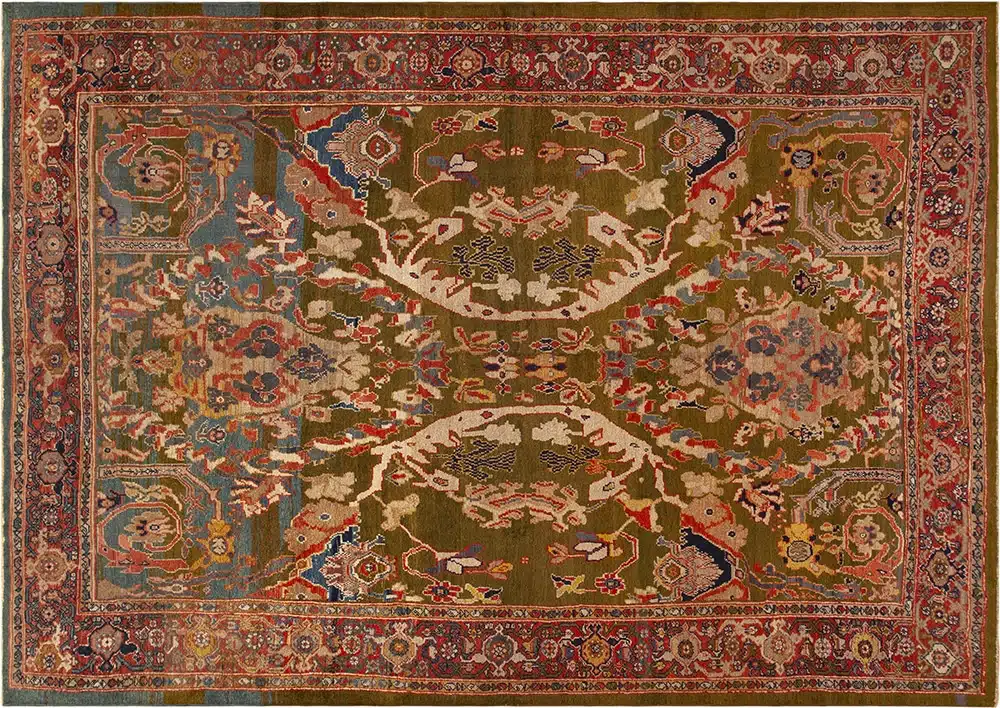
In the world of luxury collectibles, the Persian carpet stands out. Its cultural significance and historical narratives captivate connoisseurs. The vibrant colors and intricate motifs reflect the rich traditions of Persia. As tangible pieces of history, these rugs offer a rare glimpse into the past.
Long-Term Appreciation
A Persian rug’s value often appreciates over time, making it a wise investment. The enduring appeal of these rugs ensures their desirability in the market. Unlike other investments, a rug provides both financial and aesthetic returns. Its presence in a home or gallery enhances the environment while accruing value.
Collectors often find joy in the journey of acquiring a Persian carpet. The process involves understanding the cultural and historical context of each piece. This personal connection adds depth to the investment, making it more than a transaction. In the end, Persian rugs become a cherished heirloom, passed down through generations.
Unraveling History: The Cultural Legacy of Persian Rugs
The Persian rug has long been a tapestry of cultural storytelling, weaving together threads of history, artistry, and heritage. Centuries ago, these rugs were not merely floor coverings but narratives of the weavers’ lives and surroundings. Each Persian carpet carries within it a piece of Iran’s diverse past, reflecting the traditions and beliefs of its people.
Persian rugs are renowned for their intricate designs and motifs, each of which tells a unique story. The recurring patterns of flowers, animals, and geometric shapes are not random; they are symbols deeply rooted in Persian culture. For instance, the boteh motif, resembling a teardrop or flame, symbolizes life and eternity. These motifs are more than decorative elements; they represent the values and aspirations of the weavers.
The Art of Weaving: A Family Tradition
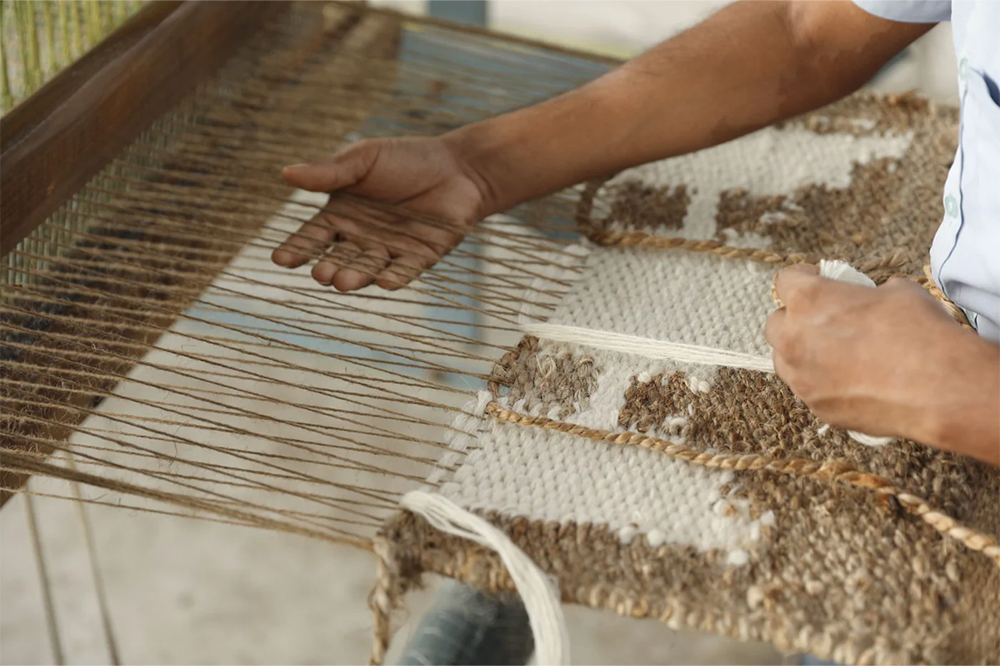
Weaving a Persian carpet is an art form passed down through generations, often within families. Each knot tied is a testament to the skill and patience of the artisan, often taking months or even years to complete a single piece. This meticulous process ensures that each rug is not only a work of art but also a piece of cultural heritage.
In many communities, the creation of a Persian rug is a communal effort, bringing together families and neighbors. The craft fosters a sense of unity and shared identity, as stories and techniques are exchanged. This communal aspect of weaving strengthens the cultural bonds that have sustained these traditions over centuries.
Symbols of Status and Power
Historically, Persian rugs have also served as symbols of status and power. They adorned the homes of royalty and the elite, signaling wealth and sophistication. The presence of a Persian carpet in a home was a statement of prestige, offering a glimpse into the owner’s social standing. This historical significance adds another layer to their legacy, making them cherished heirlooms today.
The Persian rug is more than a decorative piece; it is a living archive of cultural heritage. Each rug tells a story that transcends time, capturing the essence of Persian history and artistry. The legacy of these rugs continues, as they remain a testament to the enduring spirit and creativity of their creators.
Cultural Significance of Rug Weaving Artistry
In today’s design landscape, the Persian carpet has evolved beyond its ancient roots. It now symbolizes sustainability and enduring craftsmanship, aligning with modern values. As the design world shifts towards eco-friendliness, these rugs stand out for their organic materials and longevity. Persian rugs, traditionally made from natural fibers like wool and silk, offer an eco-conscious alternative to synthetic floor coverings.
Rug enthusiasts and interior designers appreciate the durability of a well-crafted Persian rug. Unlike trendy, short-lived decor items, these rugs withstand the test of time, both in fashion and function. Their intricate patterns and rich colors make them versatile for contemporary interiors. They can seamlessly blend with minimalist or eclectic styles, adding depth and story to any room.
The Modern Market and Trends
Today’s market is witnessing a resurgence in the popularity of antique and vintage rugs. Collectors and designers alike seek out authentic Persian rugs for their unique history and unmatched quality. The Nazmiyal Collection, an esteemed authority in the field, offers a curated selection of these masterpieces. Their expertise ensures that each piece is genuine, preserving centuries of artistry.
As more people prioritize sustainability, the demand for antique Persian rugs continues to grow. These rugs, made with meticulous attention to detail, provide a sustainable choice that supports slow fashion and conscious design. Investing in a Persian carpet is not just a nod to history; it is a forward-thinking decision that aligns with green living principles.
Incorporating a Persian rug into modern interiors enriches the space with cultural significance and enduring beauty. It transcends being just a decor piece, becoming a conversation starter and a cherished heirloom. With the expertise of the Nazmiyal Collection, acquiring a high-quality Persian rug becomes an accessible journey into the world of sustainable and meaningful design.
Discover more beautiful examples of our Persian rugs in the images below