Updated March 9, 2026 • Reviewed By Jason Nazmiyal
Definition – A Hijri date is a date recorded according to the Islamic lunar calendar.
Hijri dates follow the Islamic lunar calendar, which began in 622 CE with the Prophet Muhammad’s migration from Mecca to Medina. To read a Hijri date, you identify the AH year and convert it to a Gregorian calendar year using the approximate formula (Hijri • 0.97) + 622
Islamic Dates and the Hijri Calendar
Islamic dates, whether in historic texts, art catalogues, rug inscriptions, manuscripts, or contemporary cultural references, can be confusing to Western audiences. They don’t usually correspond to the Gregorian year more commonly used today, and the system underlying them follows an entirely different timeline.
This guide explains how Islamic, or Hijri, dates work, how to read them, and how to convert them to the familiar Western calendar years.
What is an Islamic Date?
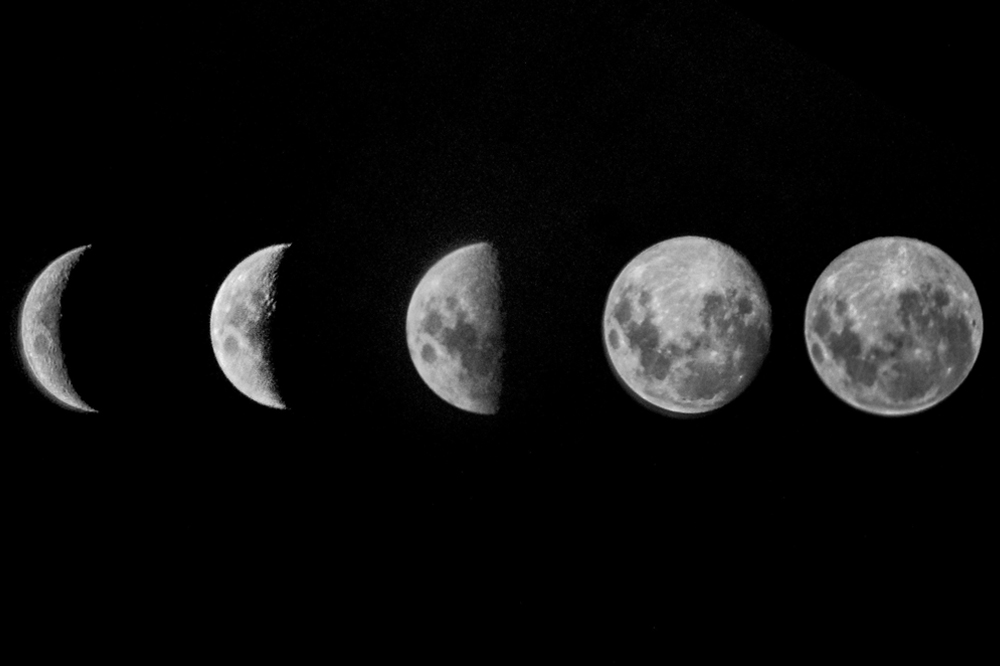
Islamic dates are based on a lunar calendar known as the Hijri calendar. Similar to the Gregorian calendar, it consists of 12 months, though it has 354-355 days in one year, rather than the Western 365. Because it follows the moon, it’s structured so that months always begin with the sighting of the new moon, causing holidays to shift backwards about a week-and-a-half each year. This is as opposed to the more widely used solar system, in which the new year is marked by the planet’s revolution around the sun.
The Hijri calendar is used across the Muslim world primarily for religious observances. It is also, however, used historically for dating works of art, textiles, manuscripts, and architecture.
The calendar begins with the Prophet Muhammad’s migration from Mecca to Medina in 622 CE, known as the Hijra. This moment marks Year 1 AH (Anno Hegirae). When you see a date like AH 1000, it means 1000 years after 622 CE. Because the Islamic calendar is lunar, though, the conversion is a little more involved than simply adding the two numbers. There’s a quick formula to get an approximate conversion below.
The Islamic Calendar is Lunar, and That Changes Everything
The Hijri year consists of 12 lunar months, totaling approximately 354 days. While this may not seem like a huge difference, it does affect the way the year works in relation to a Western calendar. Months shift through all seasons and historical Hijri dates don’t align neatly with Western dates. The Islamic year is always around 11 days shorter than Gregorian years. Because of this, Hijri dates advance faster, making conversion essential when reading inscriptions or historical references.
How Islamic Dates are Written
Islamic dates may appear in several ways, either in Western numerals, Arabic numerals, written out, or embedded in poetry and calligraphy. Here are some examples of what dates can look like:
- Western Numerals – AH 1320
- Arabic numerals with “هـ” for Hijri – ١٣٢٠ هـ
- Written Phonetically – Sanat Ithnayn wa Thalathīn wa Mi’a wa Elf
Chronograms – The Artistic Way of Dating
Arabic is a highly calligraphic language, so it isn’t a surprise that chronograms aren’t exactly uncommon. This refers to a sort of hidden message, or puzzle, in which the letters of a phrase can be rearranged into a date. Though it was especially popular in ancient Persia, it’s a practice we also see in Roman inscriptions. Some Islamic inscriptions hide the date inside a poetic phrase using abjad numerals, where each Arabic letter corresponds to a numeric value. It isn’t always as simple as deciphering numbers, though. In many instances, there’s some form of arithmetic equation hidden in calligraphy that equals the date when solved. Scholars, collectors, and rug experts often decode these to determine the year.
For example:
A phrase like “Justice is the foundation of kingdoms” when written out, might have letters that can be added numerically to equal 1321 AH. These are especially common in Persian calligraphy and manuscripts.
Formula: Converting an Islamic Date to a Gregorian Year
Gregorian Year ≈ (Hijri Year x 0.97) + 622
Here are some examples:
- AH 1000 → (1000 • 0.97) + 622 ≈ 1619 CE
- AH 1250 → (1250 • 0.97) + 622 ≈ 1834 CE
- AH 1400 → (1400 • 0.97) + 622 ≈ 1980 CE
While not completely precise, this formula gives a date accurate within 1-2 years, which is generally sufficient for historical objects. If you want an exact date, the process becomes a little more involved, requiring a full converter or astronomical table.
| Calendar | Type | Days |
|---|---|---|
| Gregorian | Solar | 365 |
| Hijri | Lunar | 354 |
Understanding the Hijri Months
Like the Gregorian calendar, each of the 12 months has a different name. There is no 1-to-1 comparison for the months. In other words, “January” doesn’t have a direct counterpart, as the Islamic calendar shifts yearly. Sometimes, when looking at dated pieces the month is included with the year, especially in manuscripts or carpets with commemorative inscriptions. It helps to know the names of each Islamic month:
- Muharram
- Safar
- Rabi’ al-Awwal
- Rabi’ al-Thani
- Jumada al-Ula
- Jumada al-Akhira
- Rajab
- Sha’ban
- Ramadan
- Shawwal
- Dhu al-Qa’dah
- Dhu al-Hijjah
Why Islamic Dates Matter in Art and Textiles
While not aligned with the Gregorian calendar, the Islamic calendar still offers insight into when things were made. For collectors, dealers, historians, and especially those studying Persian rugs, Ottoman textiles, Mughal objects, Qur’ans, and calligraphy, Hijri dates are a key informative element.
Not only does a Hijri date authenticate a piece, it establishes dynasty and period, providing important cultural and religious context. Understanding how to read a Hijri date ensures nothing gets lost in translation between calendars.
Finding the Date
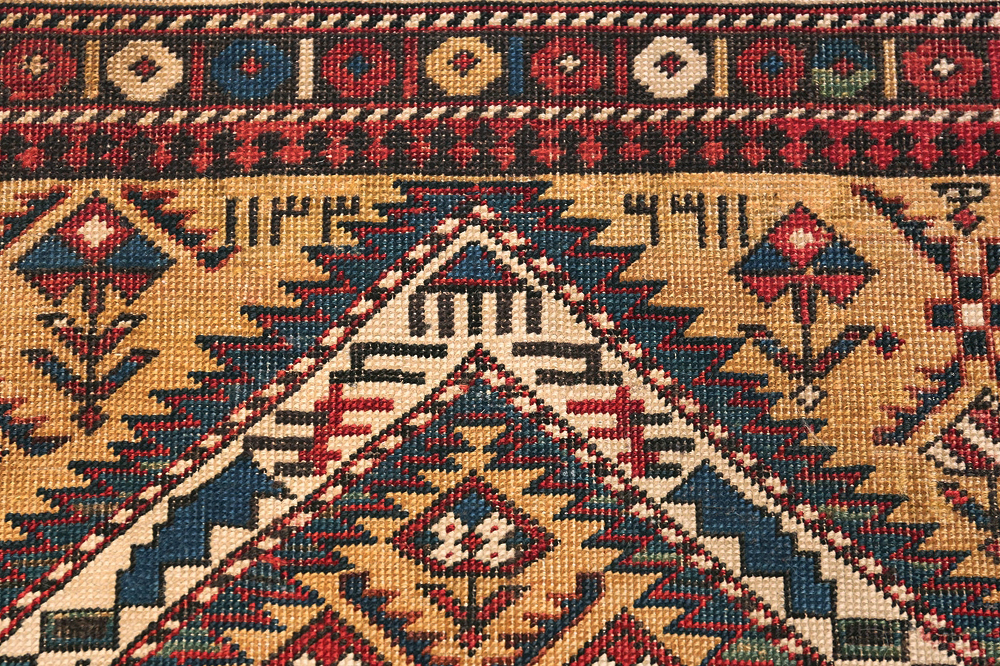
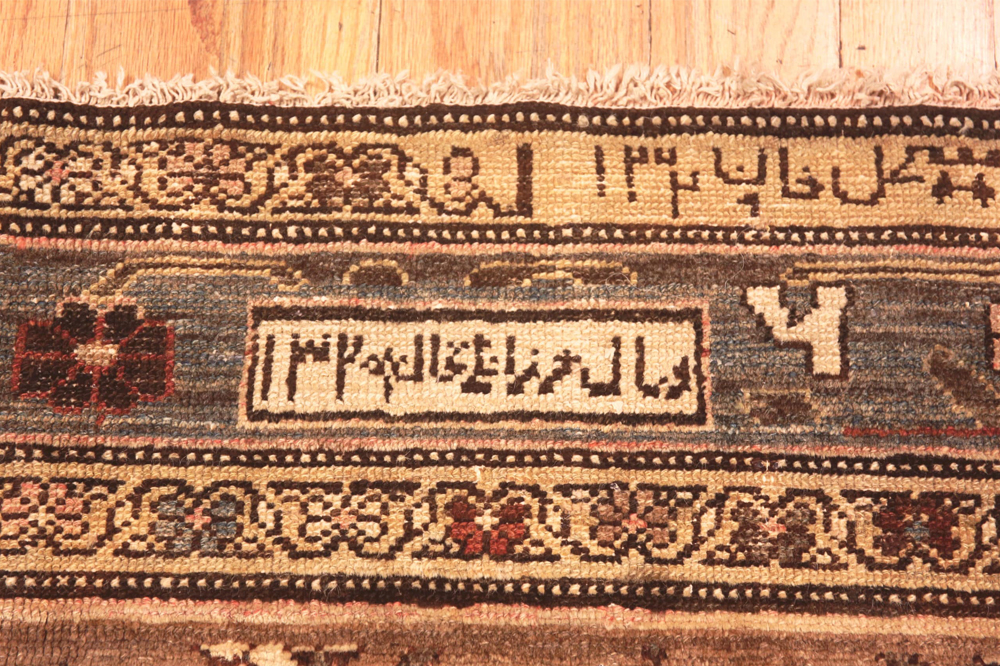
While not a blanket rule, there are conventions in place that determine where you can find the year on Hijri dated textiles. When looking at an Islamic rug, calligraphy and inscriptions are common. They may appear as simply signatures, phrases, or, of course, dates. Typically, the Hijri date is found around the top of the rug and along the border. Remember, it’s there to serve a purpose, not act as embellishment, so the inscription tends to be on the smaller side as to not take away from the main design. This is especially true in cases where it strays from the trim and into the rug’s field.
Reading Dates in Arabic Numerals on Artwork
Arabic numerals used in Islamic inscriptions differ from Western numerals. Unlike the months, though, these correspond directly.
| Arabic Numbers | Western Numbers |
|---|---|
| ٠ | 0 |
| ١ | 1 |
| ٢ | 2 |
| ٣ | 3 |
| ٤ | 4 |
| ٥ | 5 |
| ٦ | 6 |
| ٧ | 7 |
| ٨ | 8 |
| ٩ | 9 |
So, for example: ١٣٢٠ = 1320 AH
This is the system most commonly woven into rugs or carved into ceramics and architecture.
Avoid These Common Mistakes When Reading Hijri Dates
- Don’t assume AH = CE
- Be careful you don’t misread any Arabic numerals
- Ignoring lunar year differences will result in incorrect information
- Watch out for any misinterpretations when reading chronograms
Hijri Dated Rugs from the Nazmiyal Collection
Many antique Persian rugs and Islamic textiles include Hijri inscriptions that reveal when they were made. Explore a selection of Hijri-dated rugs from the Nazmiyal Collection below.
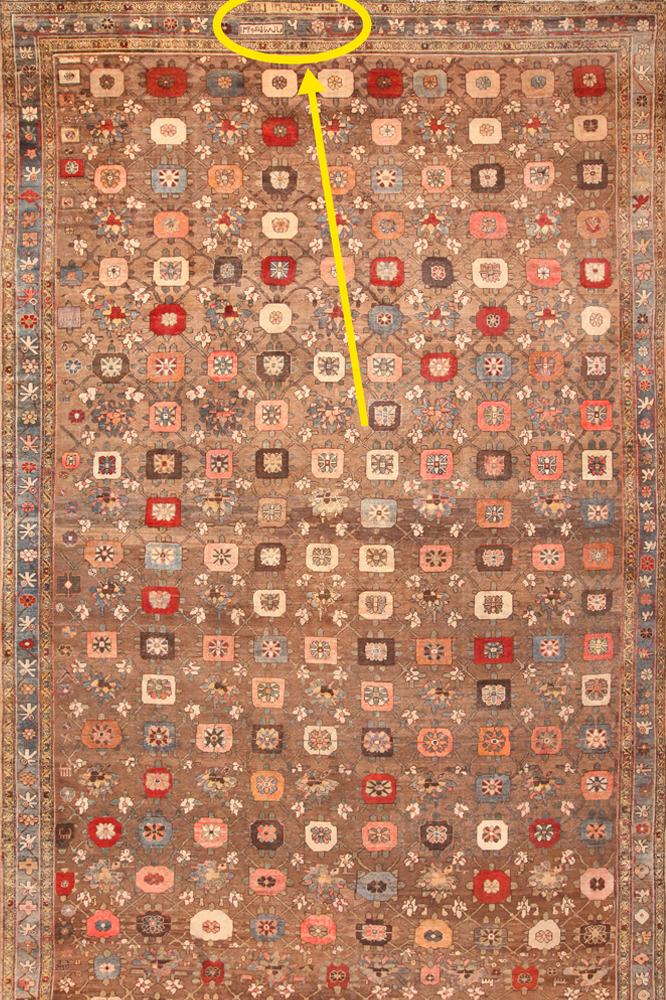
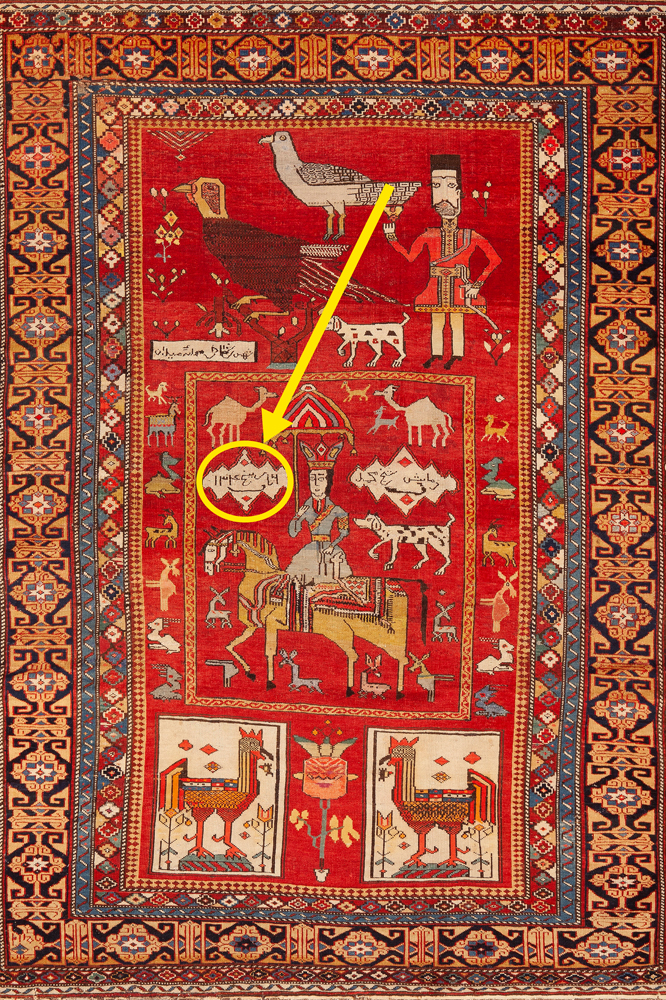
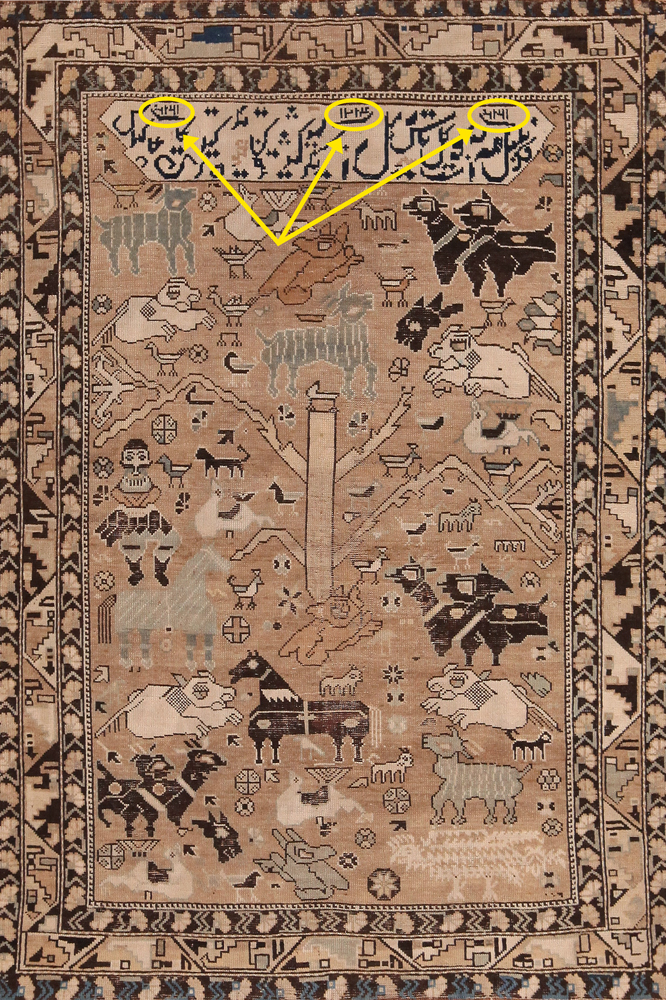
Browse The Nazmiyal Collection for a look into Islamic Art
Antique Rugs • Ottoman Textiles • Mughal Rugs • Islamic Rugs
Final Thoughts: Reading Islamic Dates is Easier Than it Looks
While the conversion can be a bit confusing, it becomes much simpler when you keep in mind a few key facts. You can then confidently interpret dates on Islamic art, manuscripts, architecture, and especially antique Persian rugs. Whether you’re reading an inscription on a 17th-century carpet, examining a calligraphic panel, or researching Middle Eastern history, this small skill opens a window to centuries of cultural understanding.
- The Hijri calendar begins in 622 CE
- A Hijri year is ~ 354 days
- The conversion formula is Hijri x 0.97 + 622
Frequently Asked Questions
What is the difference in days between the Islamic and Gregorian calendars?
Because the Islamic calendar follows the moon cycle, a full year is around 354 days rather than 365. This makes the Islamic year about 11 days shorter than the Gregorian year.
Where can the Hijri date be found on a rug?
The Hijri date is typically found along the border of a rug and near the top.
What is a chronogram?
A hidden message of numeric value within written text such as poetry.
Why is knowing how to read Hijri dates important?
Understanding Hijri dates contextualizes objects in terms of history and dynasty. They appear pretty commonly in things such as historic texts, art catalogues, rug inscriptions, manuscripts, and contemporary cultural references.
What does AH mean in Islamic dates?
AH means Anno Hegirae, referring to the years since the Prophet Muhammad’s migration from Mecca to Medina.
Why do Hijri dates move every year?
Because the lunar calendar is about 11 days shorter than the solar calendar.