Popular Searches
Rug Size Guide | Rugs by Color | Rug Patterns & Carpet Designs | Rug Making & Weaving | Motifs & Symbols | Rug Glossary (A–Z)
Quick Navigation
Key Takeaways
- Built for real life: many Bidjar rugs are unusually dense and durable, with a firm handle.
- Classic Persian design range: expect medallions, allover repeats, and pattern families like Herati—often with strong borders.
- Buy the weave + condition: structure, drawing clarity, and honest restoration matter more than labels.
At-a-Glance Specs
- Origin: Bidjar/Bijar region (Persian Kurdistan, Northwest Iran)
- Construction: hand-knotted; commonly a dense, compact structure with a firm handle
- Signature reputation: “iron rug” durability (many examples feel heavier and stiffer than peers)
- Design language: medallions • allover repeats • Herati (“fish”) family • geometric-meets-floral drawing
- Palette feel: saturated reds, deep blues, ivory highlights (varies by workshop and era)
- Best rooms: living rooms • dining rooms • libraries • hallways (runners) • other high-traffic spaces
- What to look for: compact structure • balanced borders • clear patterning • stable edges and ends
Featured Bidjar Rugs (Nazmiyal Collection)
A quick “Featured 3” to match how designers and collectors shop this category: one classic room-size, one oversized anchor piece, and one runner for long corridors.
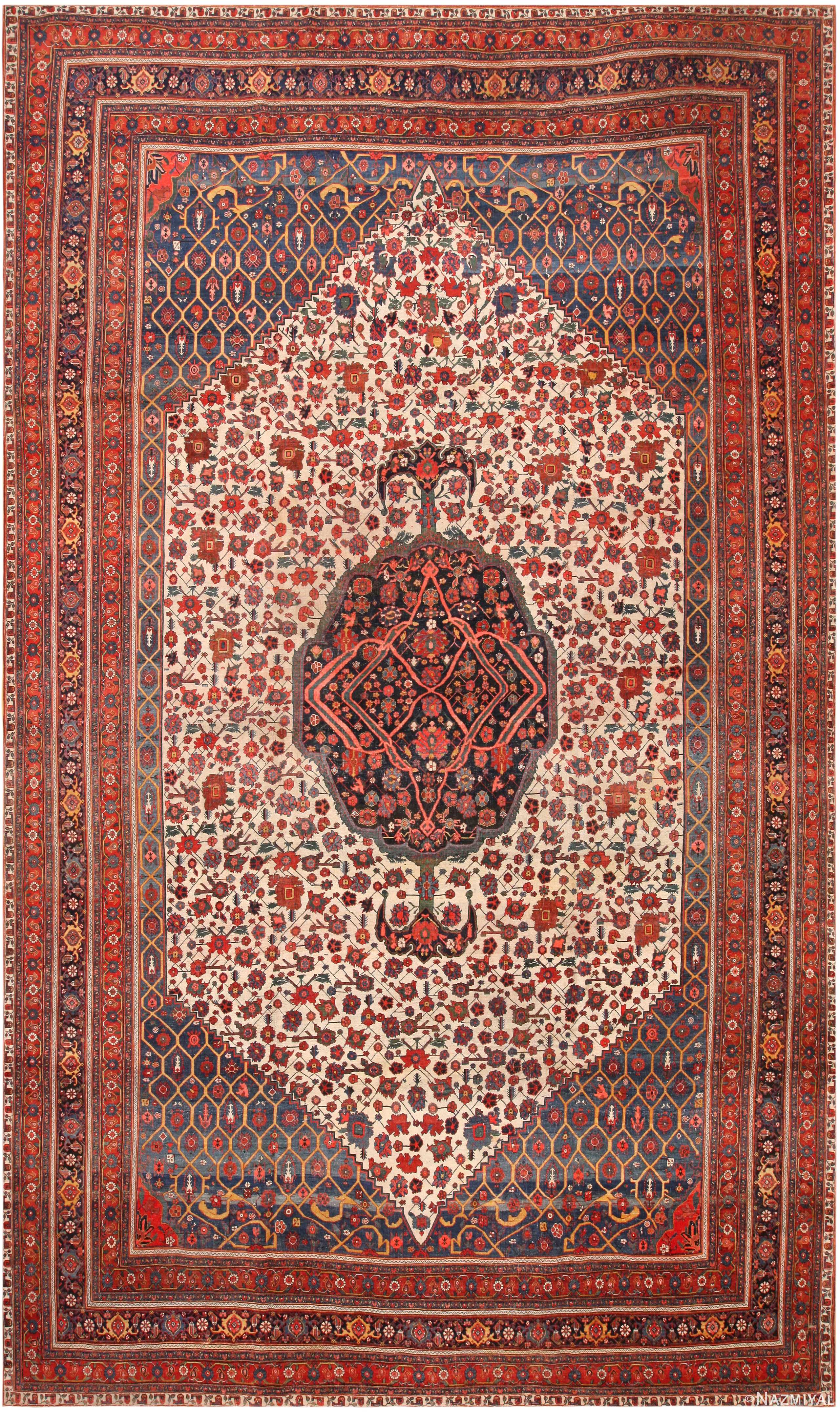
Classic Room-Size Example
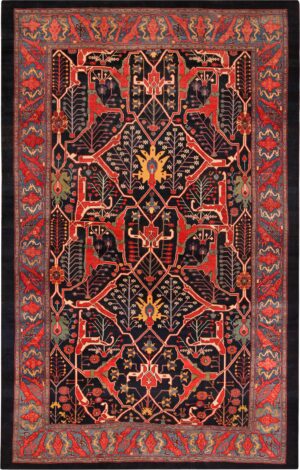
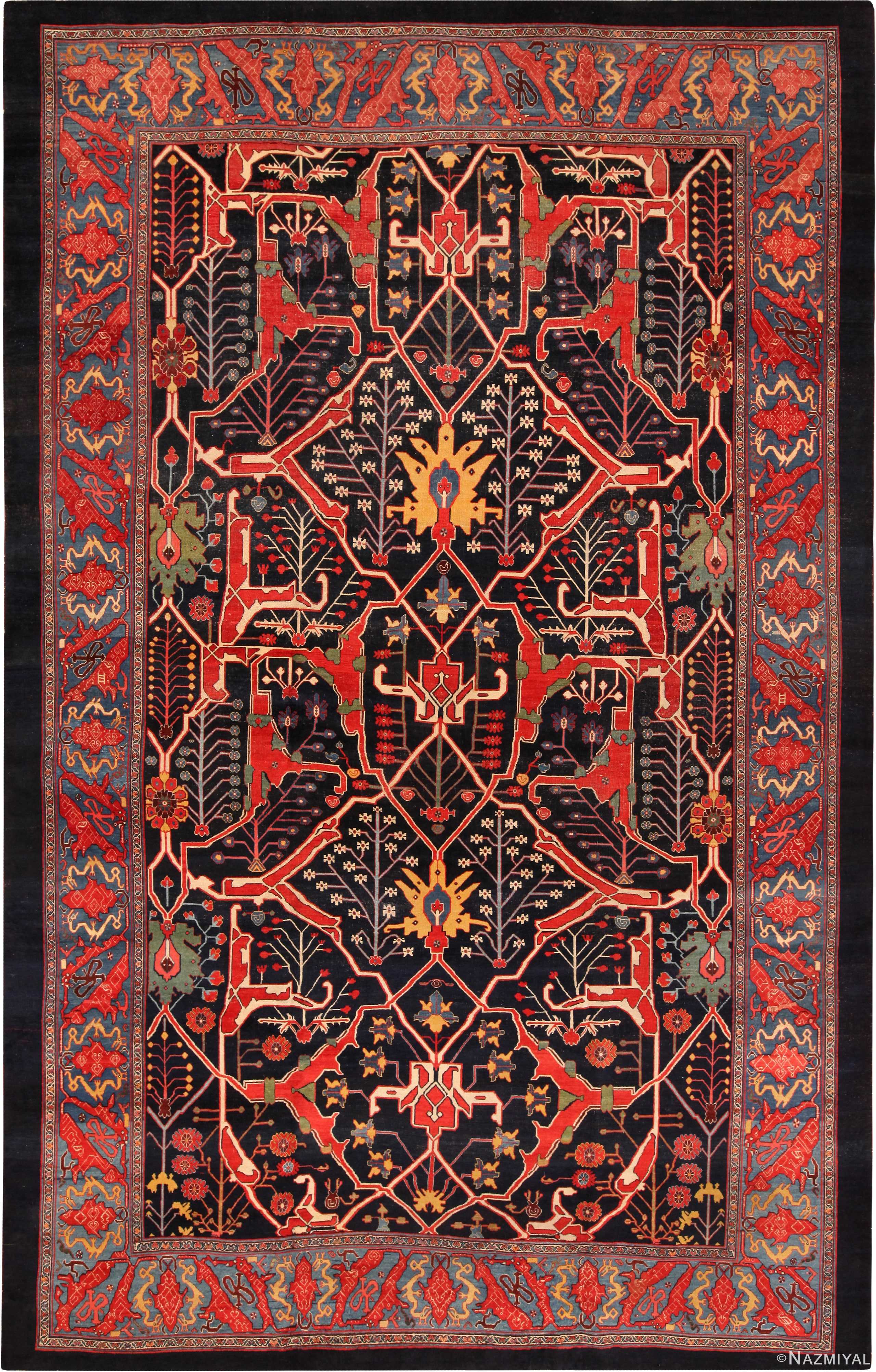
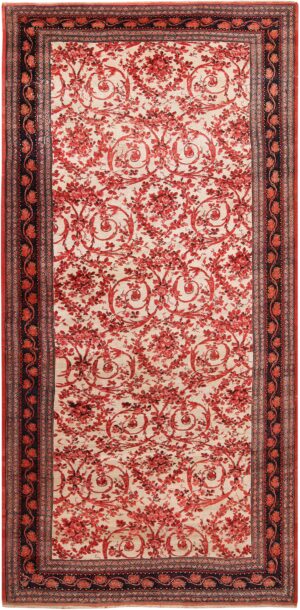
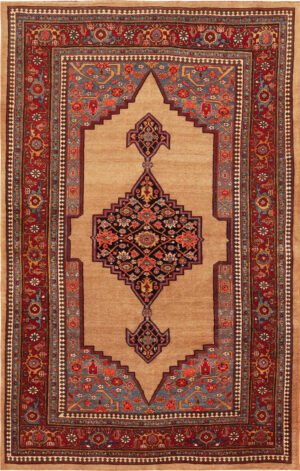
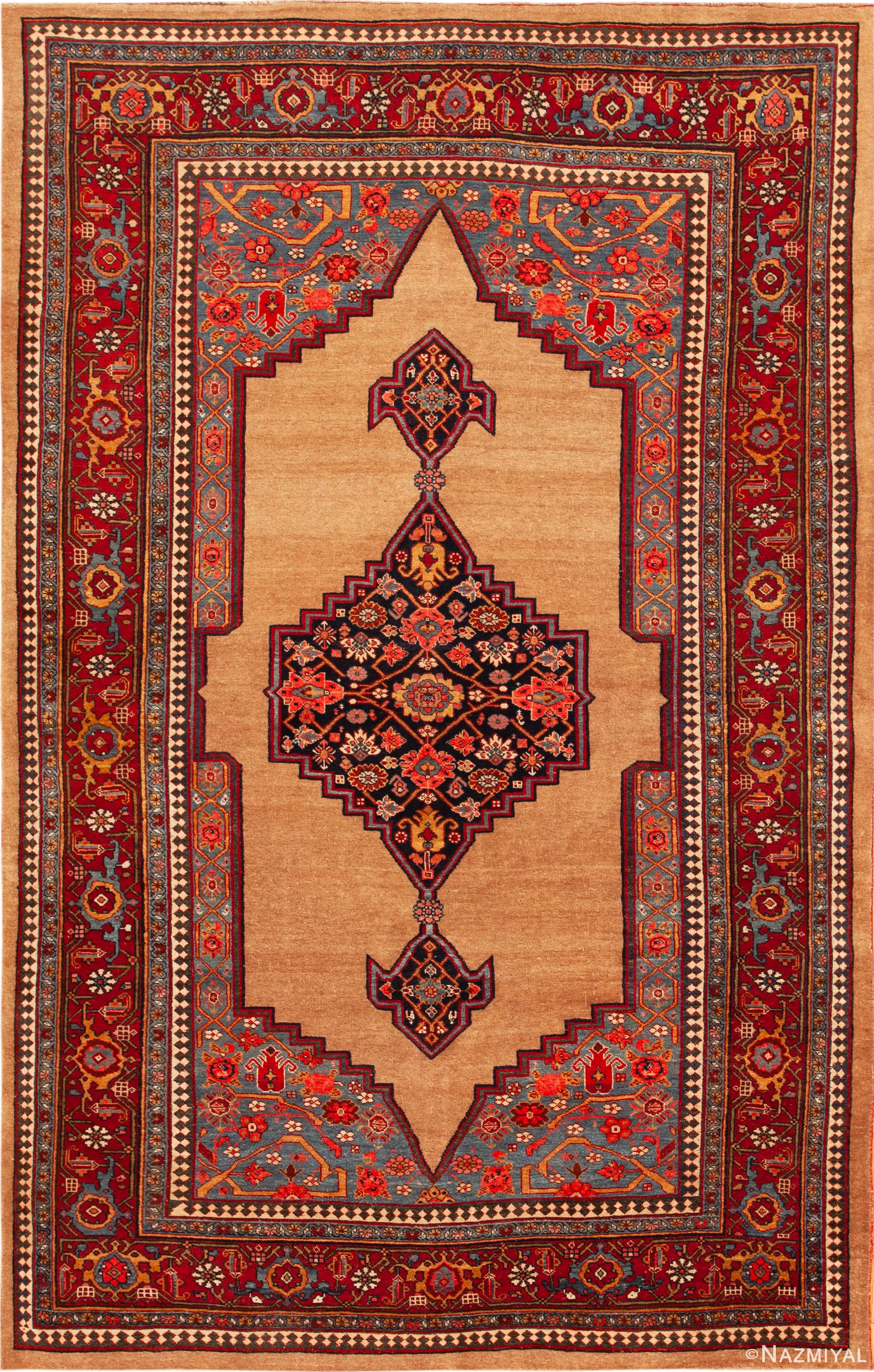
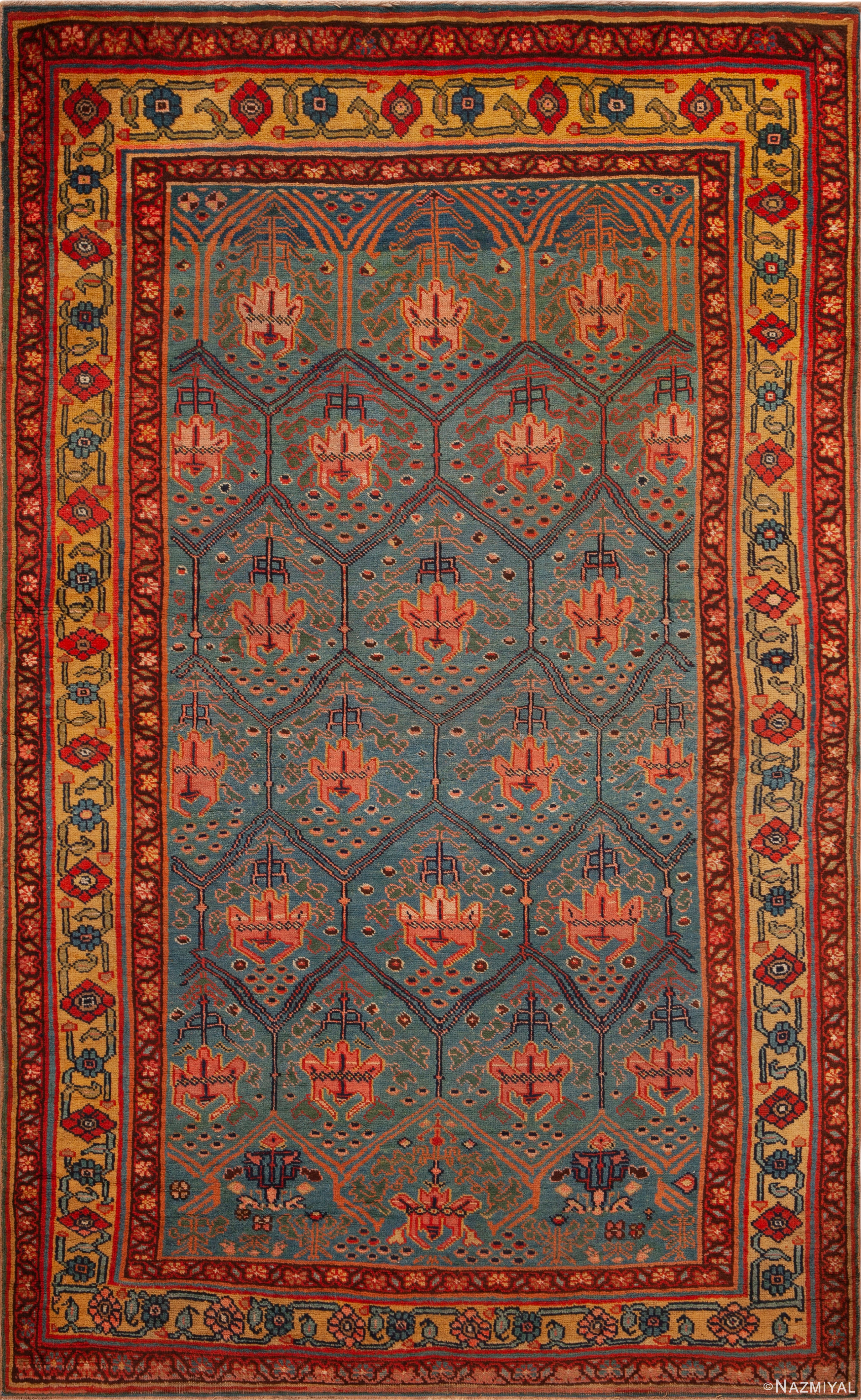
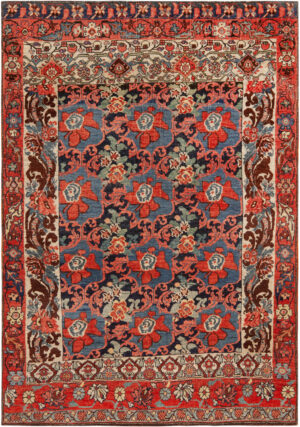
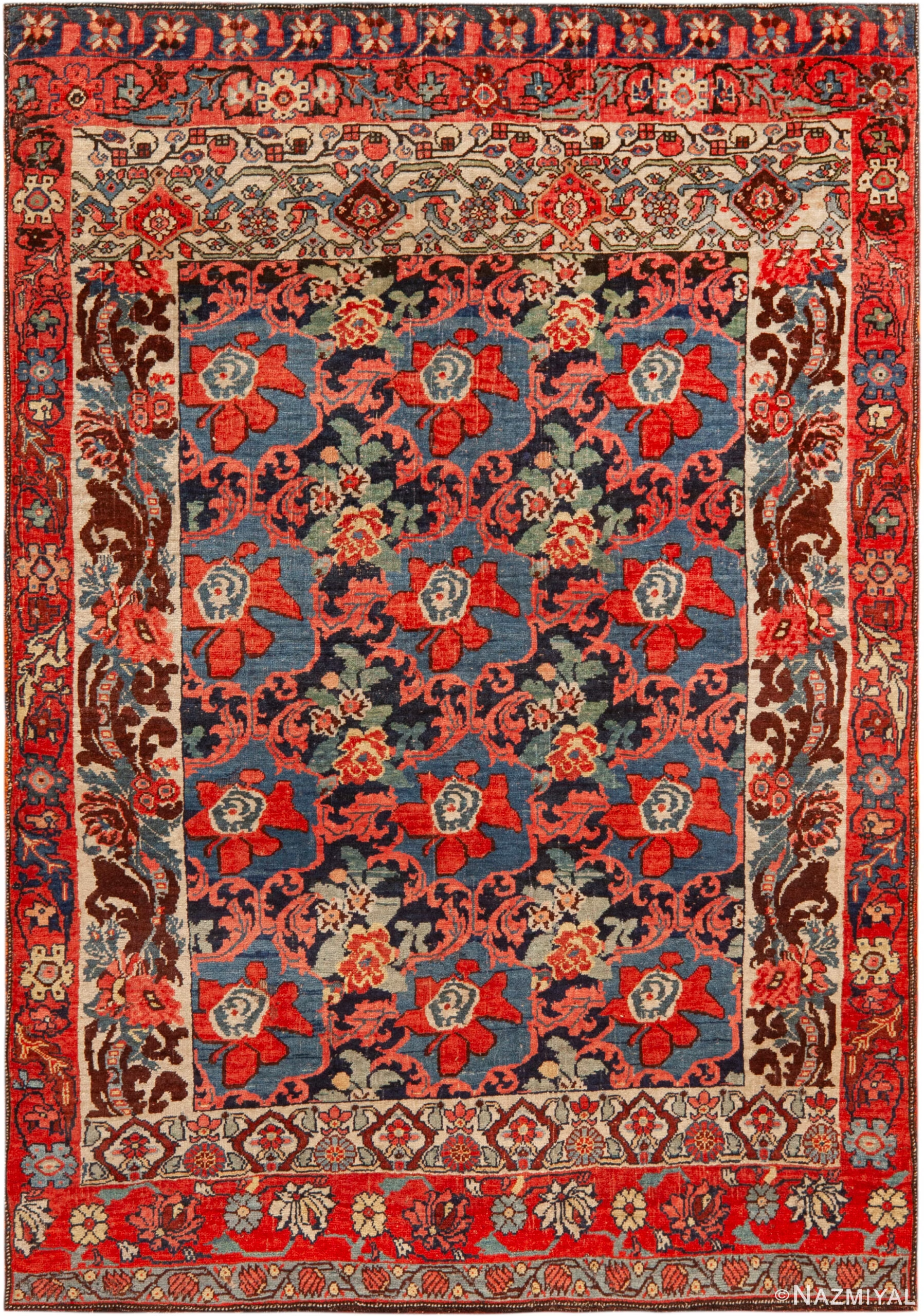
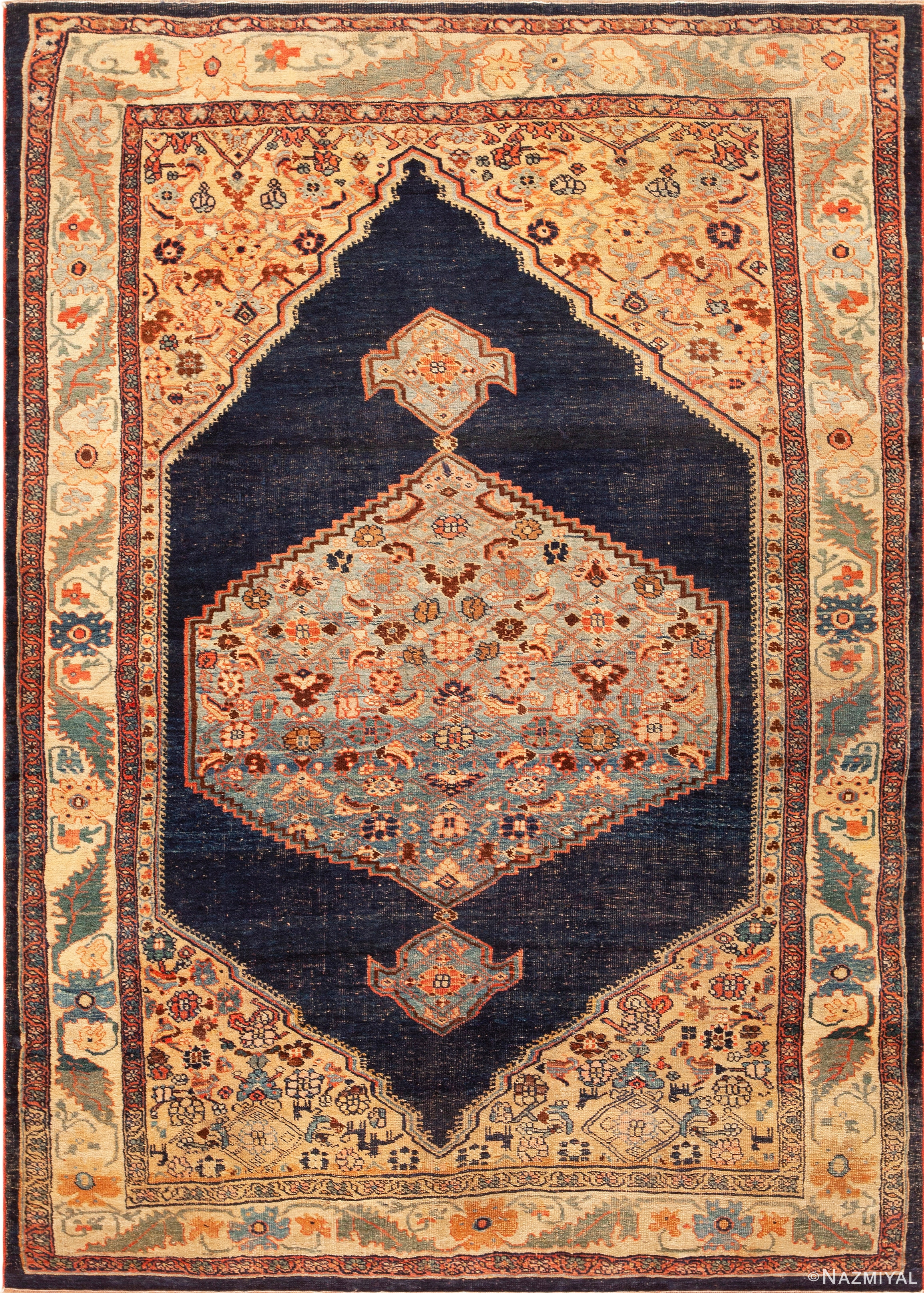
Blue Background Antique Room Size Persian Floral Vase Design Bidjar Rug 43570 — a refined, room-scale Bidjar with strong drawing and decorative presence.
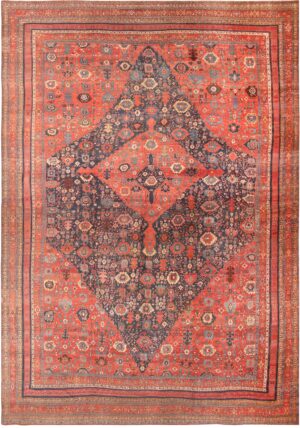
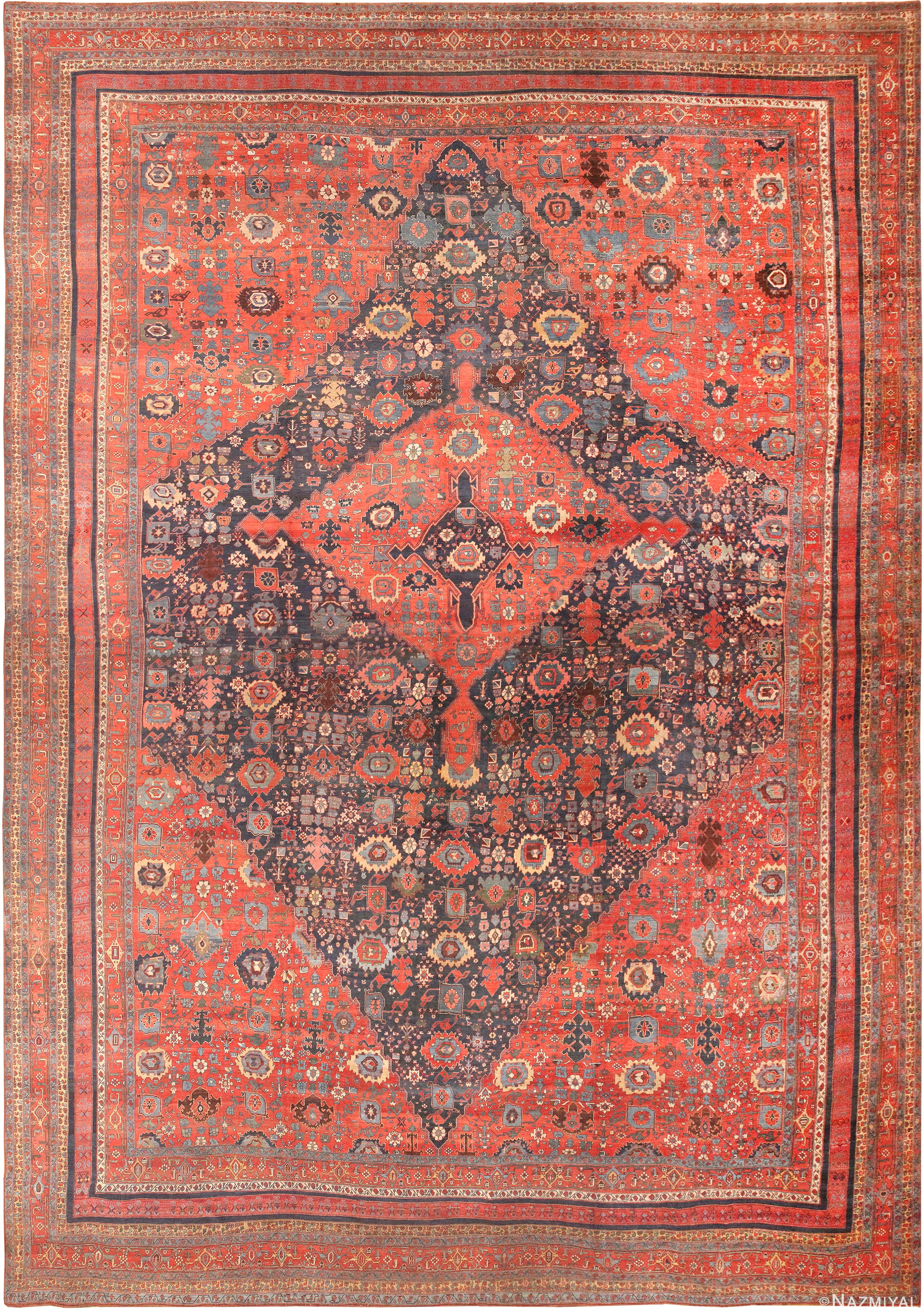
Oversized Statement Carpet
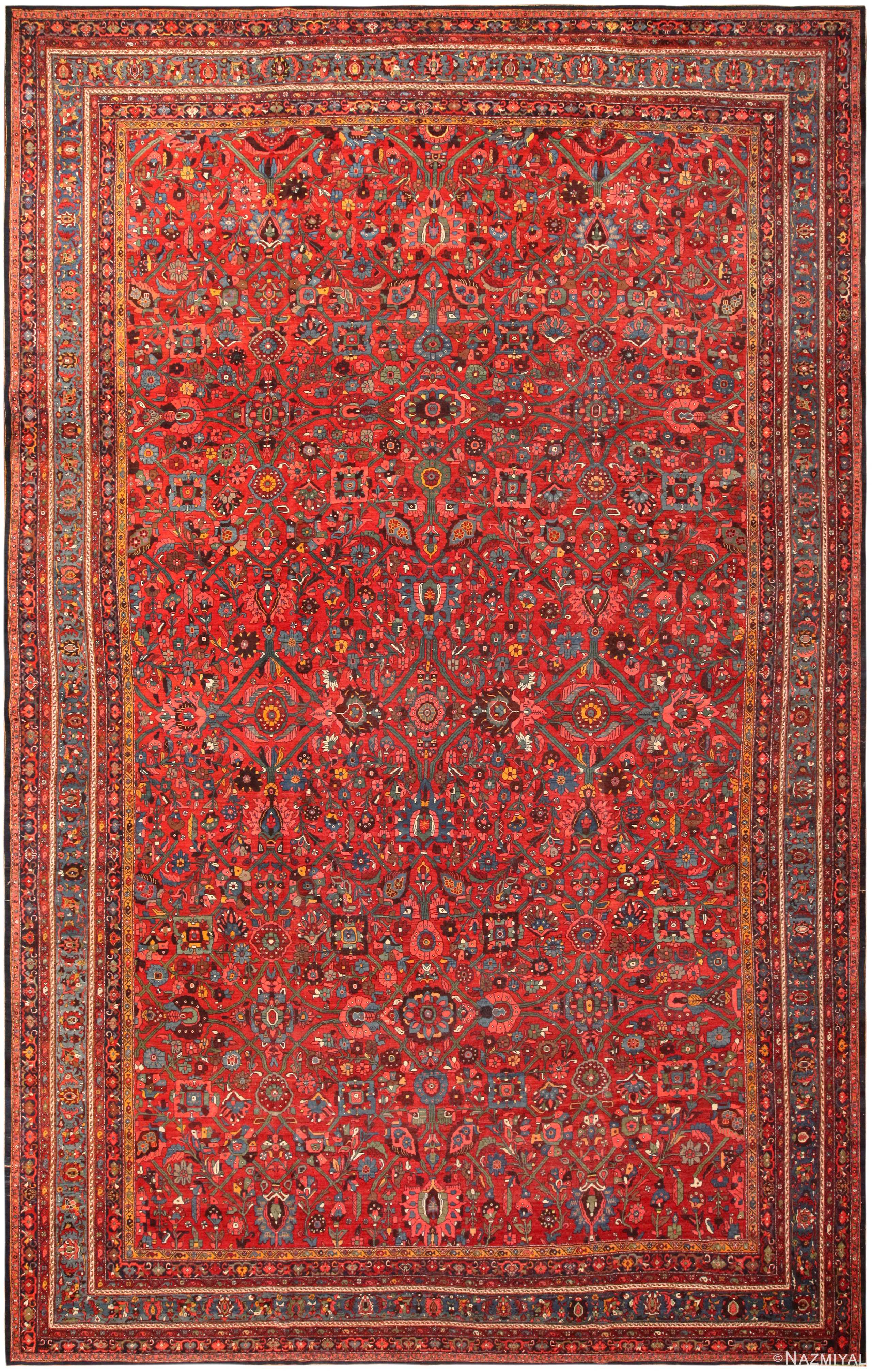
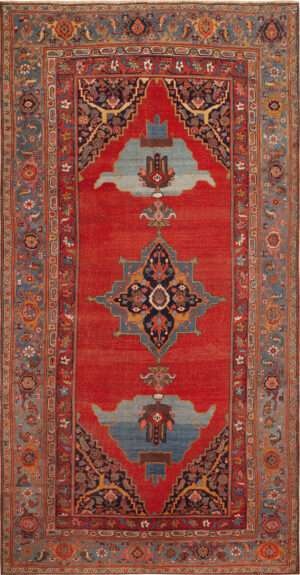
Beautiful Rustic Oversized Antique Durable Casual Elegant Persian Bidjar Rug 72040 — oversized scale with the dense, durable feel Bidjar is famous for.
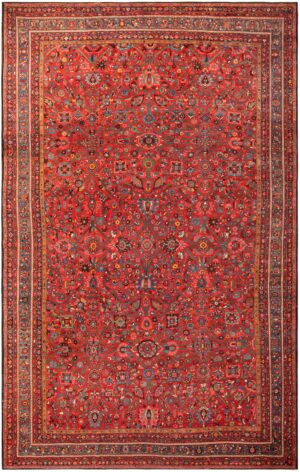
Runner Format
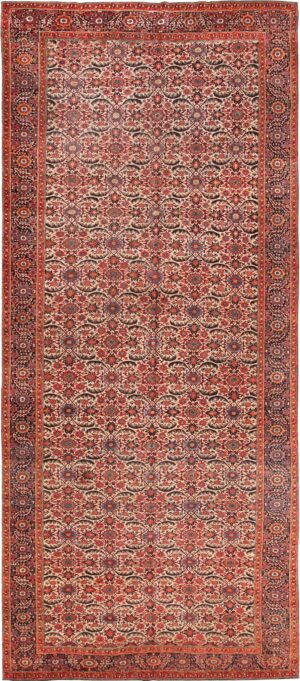
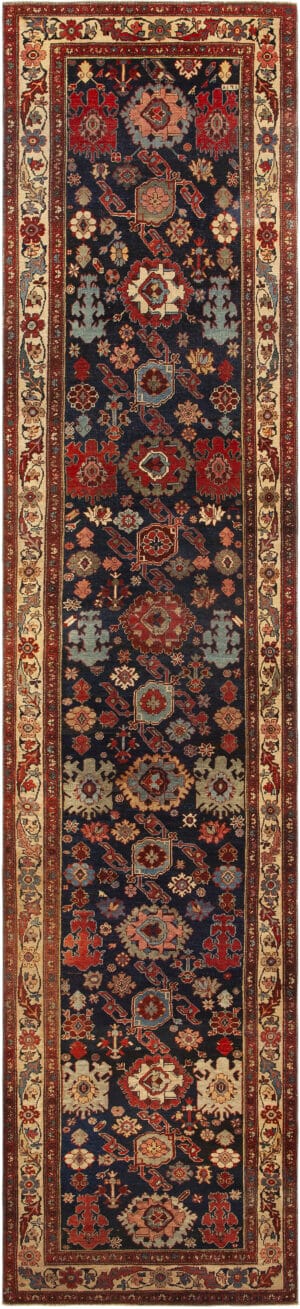
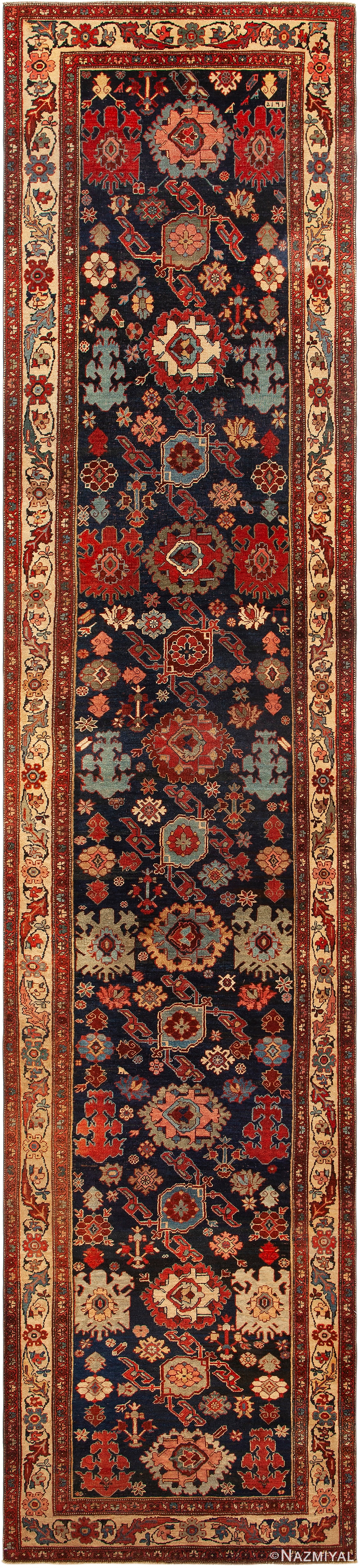
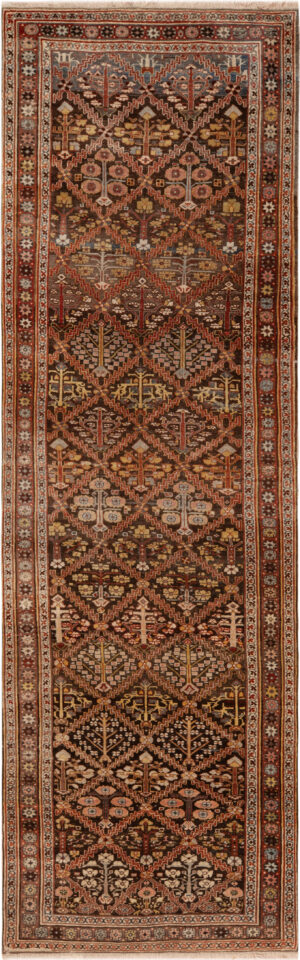
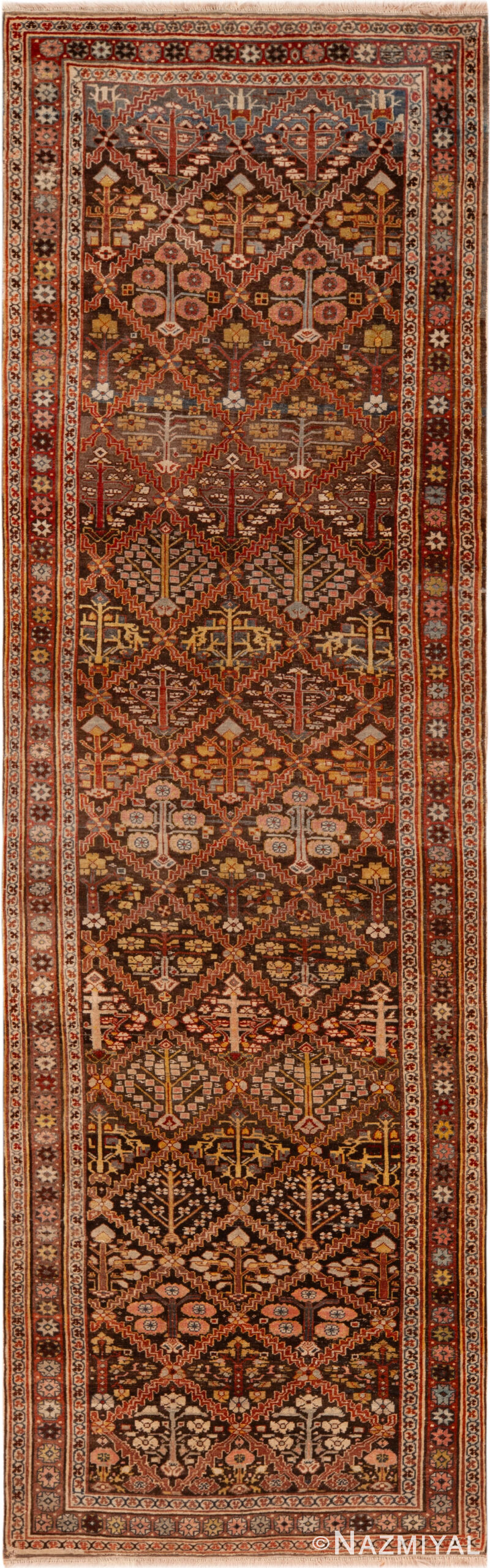
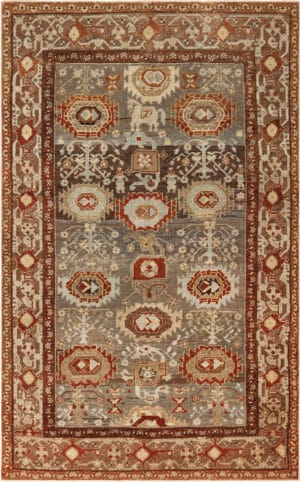
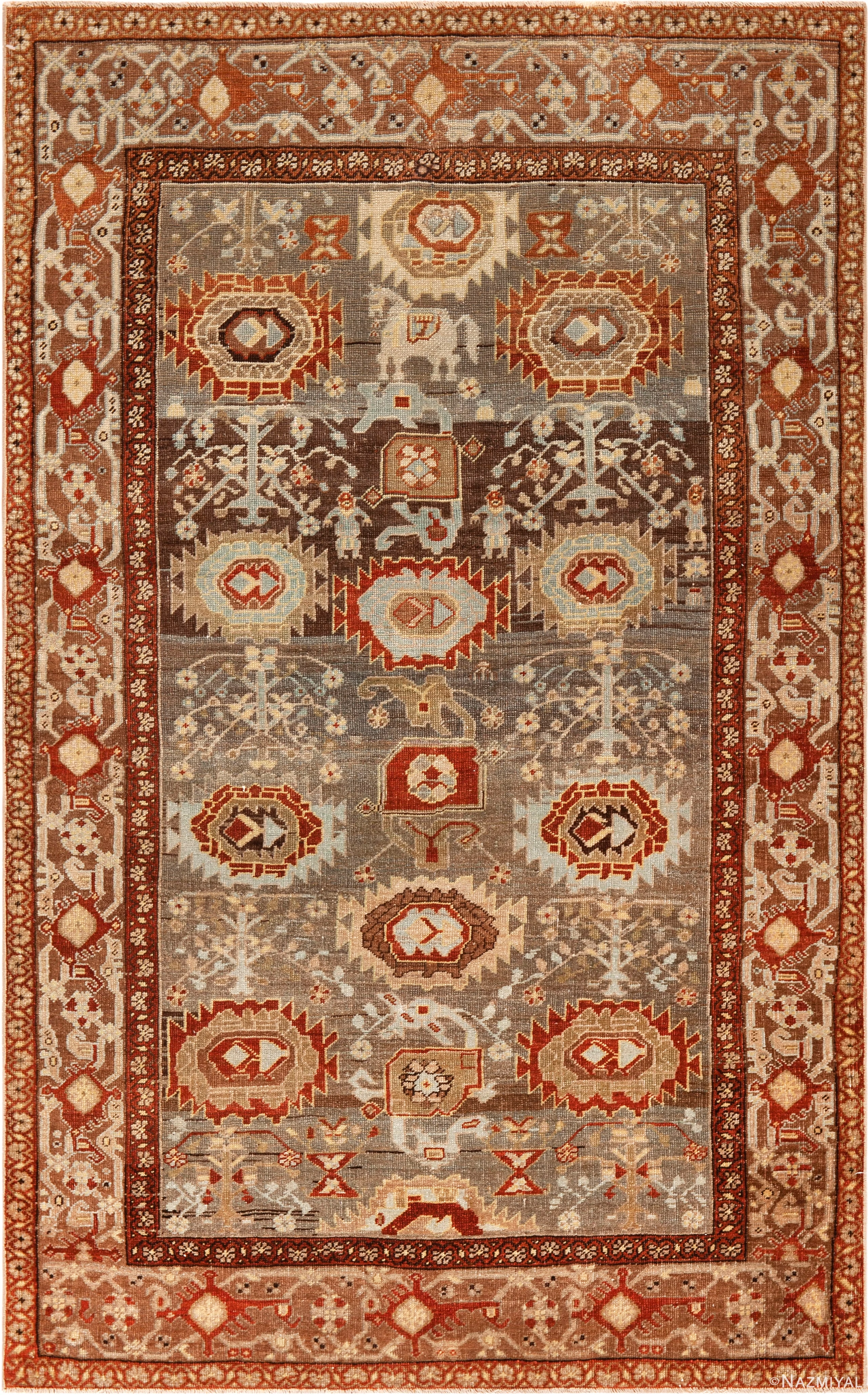
Bold Color Tribal Herati Pattern Antique Persian Bidjar Hallway Runner Rug 70295 — a long-format Bidjar runner built for busy passageways.
Why Bidjar Rugs Are Called “Iron Rugs”
Bidjar earned its “iron rug” nickname because many examples are woven with a compact, tightly packed structure. In practical terms, the rug often feels firm underfoot, wears extremely well, and holds its shape with confidence—an advantage in high-traffic rooms, dining areas, and hallways.
How to Identify a Good Bidjar Rug
- Firm handle: many Bidjars feel structured rather than floppy.
- Compact texture: tight knotting and packed rows (density reads in the surface).
- Design clarity: medallions and repeats should read cleanly without muddiness.
- Border strength: frames should feel intentional and balanced.
- Condition truthfulness: old repairs happen; instability should be reflected in price and expectations.
Signature Design Families
Bidjar design ranges from bold and architectural to intricate and highly patterned. Common families include:
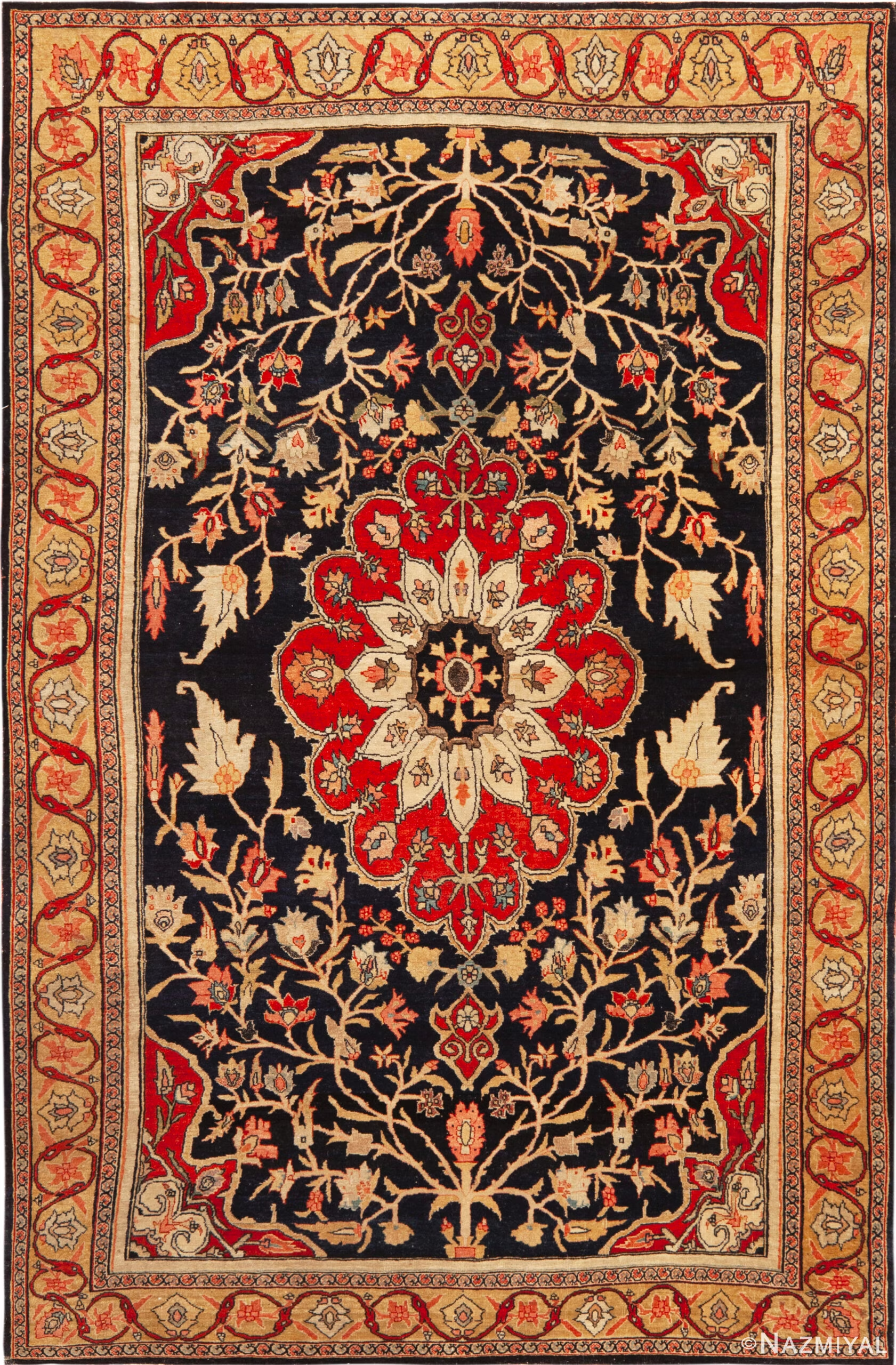
- Medallion Bidjar rugs (strong center focus, often with decisive corners)
- Allover Bidjar rugs (dense repeats that feel continuous across the field)
- Herati (“fish”) pattern families (a classic Persian repeat seen across many regions)
- Garous / workshop-attributed looks (names used in the trade; evaluate each rug’s drawing and build)
Decorating With Bidjar Rugs
Bidjar rugs are a smart choice when you want history and beauty without fragility. If you’re comparing by era while you decorate, cross-shop antique rugs, vintage rugs, and modern rugs to match your room’s tone.
- Living room: ideal for anchoring furniture layouts—durable, confident, not precious.
- Dining room: great under chairs thanks to stability; size correctly for pull-back room.
- Hallways: runners shine here; consider browsing hallway runner rugs.
- Libraries / offices: saturated color + structure makes a room feel finished instantly.
Need quick sizing help before you buy? Use the Rug Size Guide.
Bidjar Rugs vs Heriz Rugs
Closest cousin: Heriz rugs
| Feature | Bidjar | Heriz |
| Signature feel | Often denser and firmer (“iron rug” reputation) | Usually sturdy, with a less compact handle than many Bidjars |
| Design personality | Wide range: medallions, allover repeats, intricate patterning | Bold, graphic geometry and architectural drawing are common |
| Best fit | High-traffic rooms where compact durability matters | Statement rooms where graphic structure leads the design |
If you prefer browsing by geography, use our Rug Origins hub.
Glossary
Herati (Mahi / “Fish”): a classic Persian repeat pattern family.
Medallion: a central focal motif anchoring the field composition.
Allover: patterning that repeats across the full field without a single dominant center.
Border / field: the framing system and the central ground where the main design lives.
Full A–Z: Rug Glossary (A–Z)
FAQ
Why are Bidjar rugs called “iron rugs”?
Because many Bidjar rugs are woven with a compact, firmly packed structure that makes them unusually durable and resistant to wear, often with a noticeably firm handle.
Are Bidjar rugs good for high-traffic areas?
Yes. Bidjar rugs are widely prized for durability, making them excellent for living rooms, dining rooms, and hallways—assuming the specific piece’s condition is sound.
Are Bidjar rugs always stiff?
Many are firmer than other Persian rugs of the same size. That firmness is part of the category’s identity, though individual pieces vary by workshop, era, and construction.
What patterns are common in Bidjar rugs?
You’ll often see medallion compositions, dense allover repeats, and classic Persian pattern families like Herati, alongside floral and geometric variations.
How do I choose the right size?
Start with furniture placement and circulation. For quick visuals and standard room sizes, use the Rug Size Guide.
Nazmiyal White-Glove Service
We make it easy to shop with confidence—whether you’re choosing a single statement piece or curating a full room.
Nazmiyal Collection has been a trusted source for antique rugs and vintage carpets for over 45 years. Our NYC gallery curates one-of-a-kind pieces with an emphasis on authenticity, provenance, and lasting decorative value.
Need help? Call us at (212) 545-8029 or visit our New York City showroom to work with a rug expert.

 Size: 19 ft 5 in x 31 ft 3 in (5.92 m x 9.52 m)
 Size: 13 ft 2 in x 21 ft 4 in (4.01 m x 6.5 m)
 Size: 12 ft 10 in x 20 ft 3 in (3.91 m x 6.17 m)
 Size: 8 ft 7 in x 19 ft 6 in (2.62 m x 5.94 m)
 Size: 11 ft x 17 ft 8 in (3.35 m x 5.38 m)
 Size: 7 ft 8 in x 15 ft (2.34 m x 4.57 m)
 Size: 3 ft 8 in x 14 ft 6 in (1.12 m x 4.42 m)
 Size: 6 ft 6 in x 12 ft 6 in (1.98 m x 3.81 m)
 Size: 4 ft 1 in x 12 ft 6 in (1.24 m x 3.81 m)
 Size: 5 ft 1 in x 8 ft (1.55 m x 2.44 m)
 Size: 4 ft 8 in x 7 ft 7 in (1.42 m x 2.31 m)
 Size: 4 ft 9 in x 7 ft 2 in (1.45 m x 2.18 m)
 Size: 4 ft 11 in x 7 ft (1.5 m x 2.13 m)
 Size: 4 ft x 6 ft 3 in (1.22 m x 1.9 m)
 Size: 4 ft 3 in x 5 ft 10 in (1.3 m x 1.78 m)