Key Takeaways
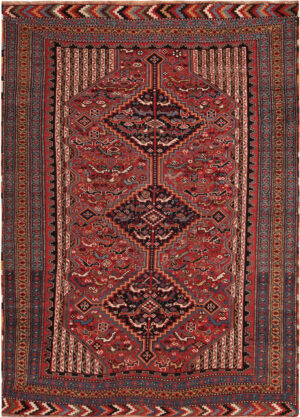
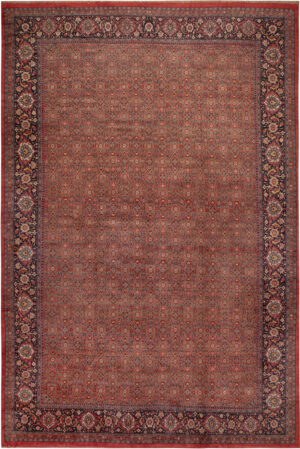
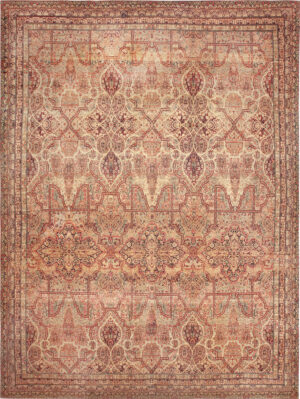
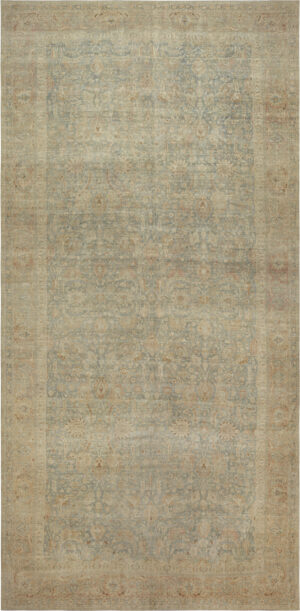
- Allover layouts create steady visual rhythm—great for rooms where you want pattern without a single focal “target.”
- The field pattern may be highly organized (rows/columns) or more organic (meandering florals and vines).
- Border systems still matter: borders often act as a frame that contains and “finishes” the repeating field.
At-a-Glance Specs
- Where it appears: Global rug traditions (Persia, Anatolia, the Caucasus, Europe, India, and more)
- Common eras: antique to contemporary; allover layouts are found across many time periods
- Weave / structure: typically pile-woven; also found in flatweaves depending on region
- Materials: wool is most common; silk accents and mixed fibers appear in some traditions
- Typical sizes: small room-size rugs • wide gallery proportions • oversized statement carpets
- Palette: can range from subtle neutrals to saturated jewel tones, depending on origin and era
- What to look for: clear repeat logic • attractive “negative space” balance • pleasing border-to-field proportion • condition that matches your room and traffic level
Popular Searches
Large rugs | Oversized rugs | Floral rugs | Geometric rugs | Medallion layouts | Shop by color | Rug size guide
Quick Navigation
Featured Rugs From Our Inventory

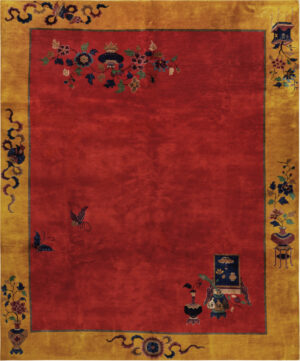
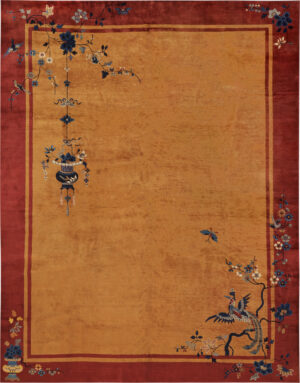
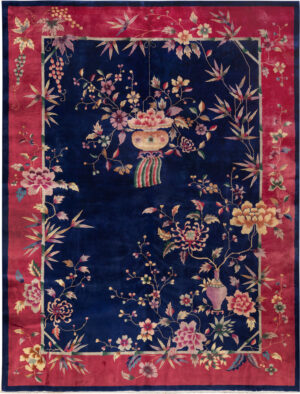
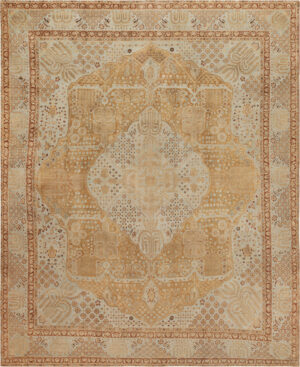
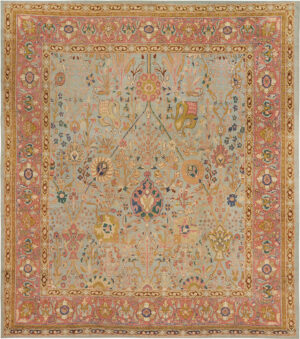
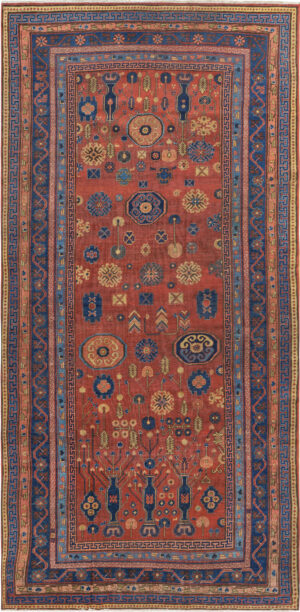
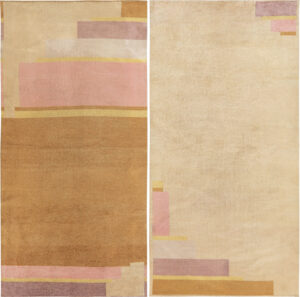
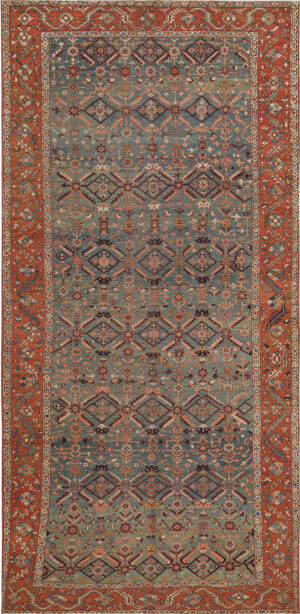
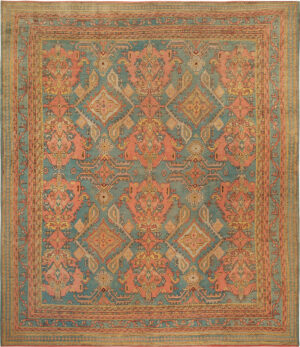
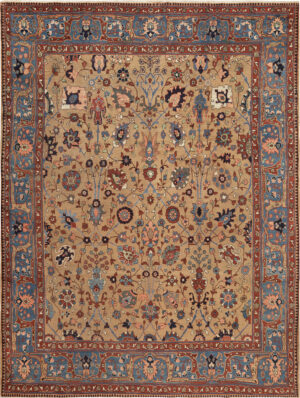
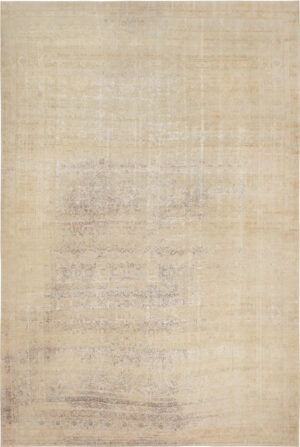
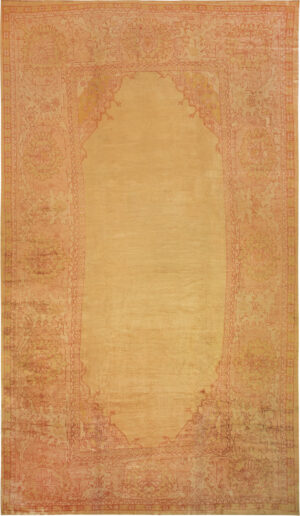
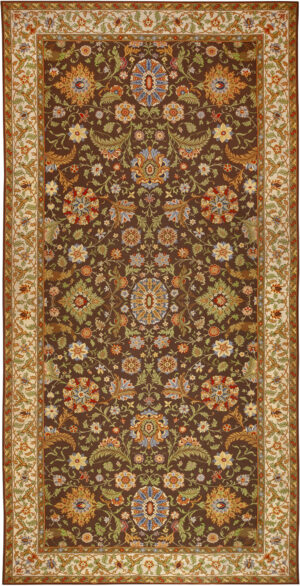
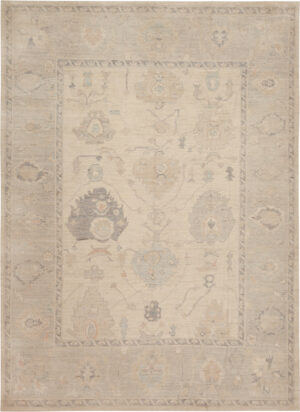
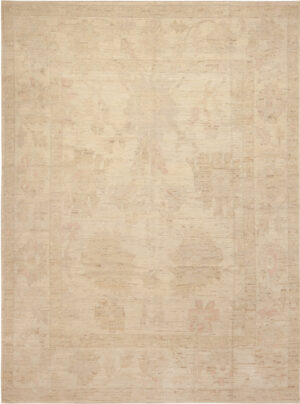
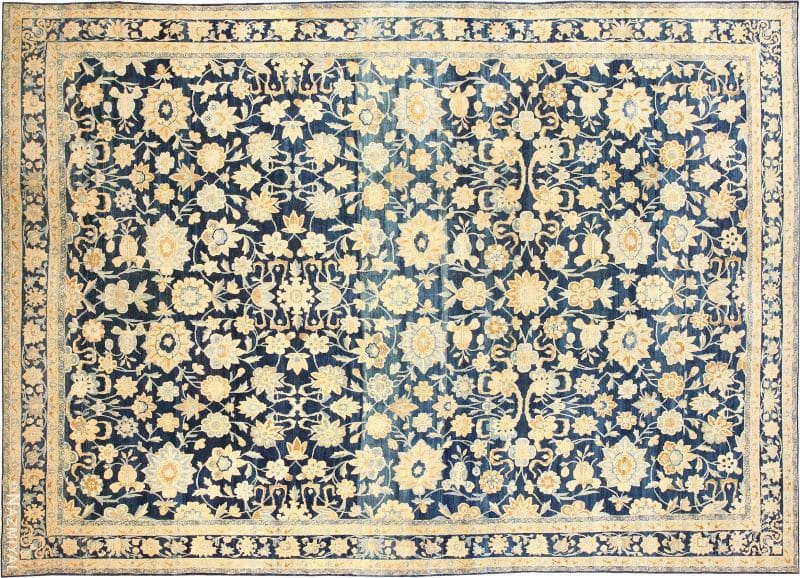
Browse the allover selection on this page and use filters to narrow by size, palette, and origin—especially helpful when you’re deciding whether you want a calm, steady repeat or a more energetic, meandering field.
Identification & Construction
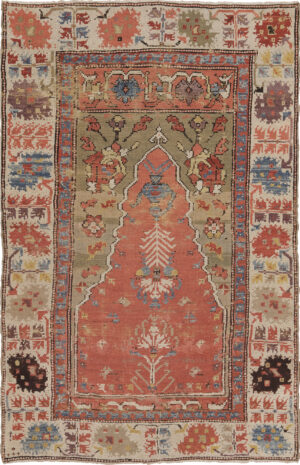
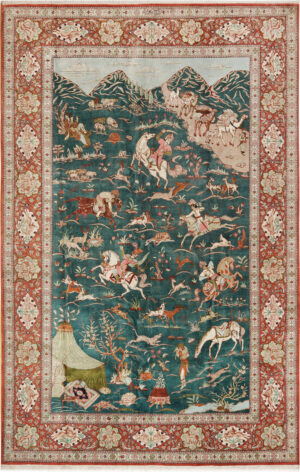
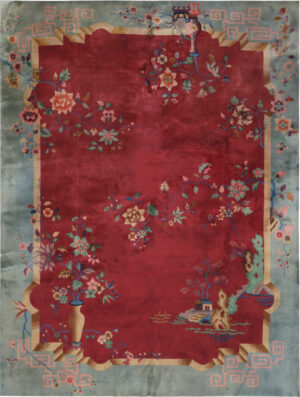
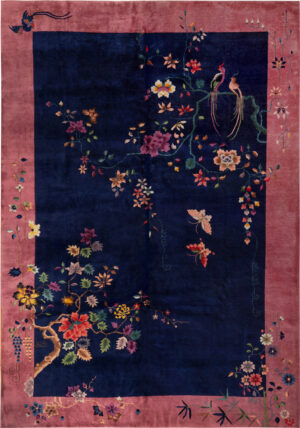
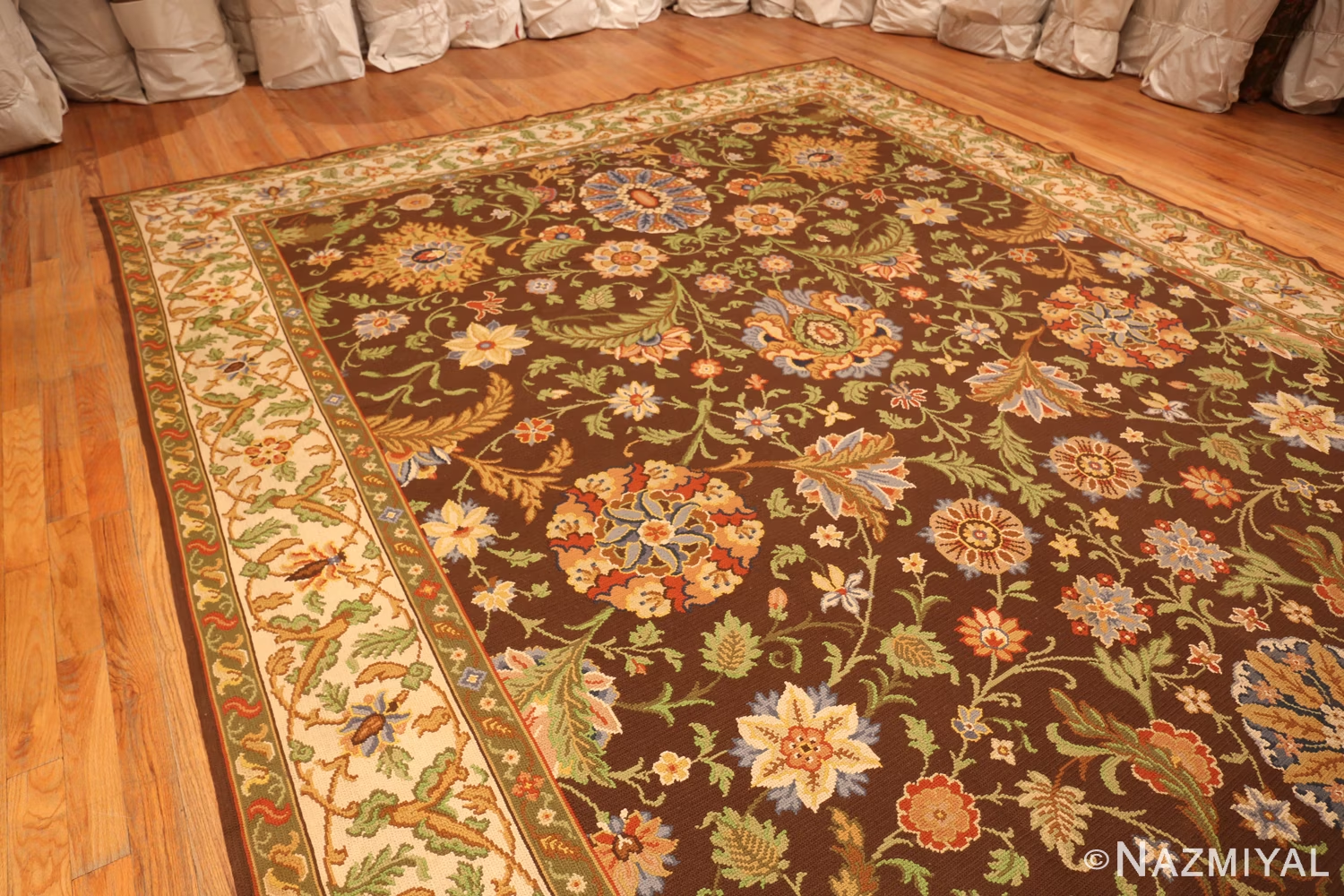
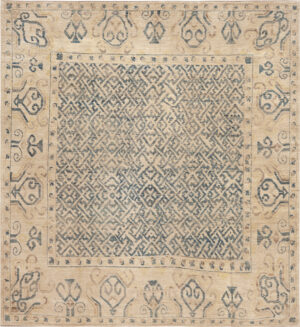
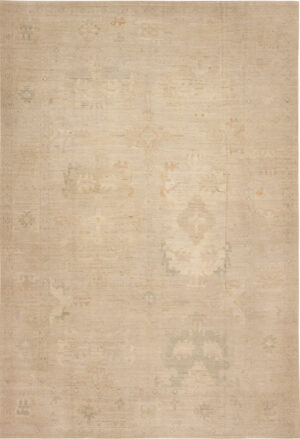
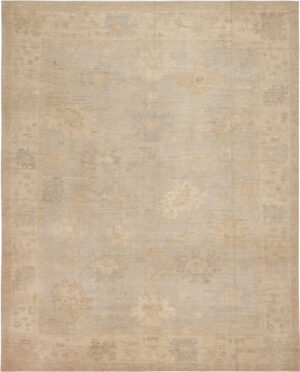
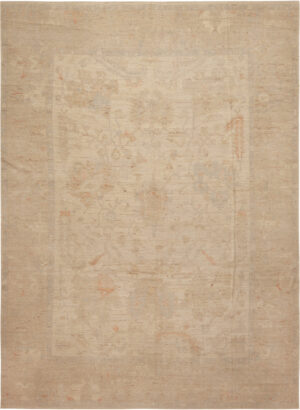
The defining feature of an allover design rug is its layout “grammar”: the main pattern repeats across the field from edge to edge (inside the borders), rather than organizing the entire composition around a single center medallion. You’ll often see repeating botehs, rosettes, Herati/mahi elements, lattice frameworks, or rambling vines that appear to continue beyond the borders. Borders typically act as a frame that “finishes” the field and clarifies the rug’s edges.
Construction depends on origin and purpose. Many classic allover carpets are pile-woven in wool, with variation in density and handle—from springy, compact weaves to softer, more relaxed structures. For a broader country-and-region context, our Rug origins hub can help you compare where different allover traditions appear around the world.
Decorating & Placement Guidance
Designers often choose allover rugs when they want pattern that supports the room rather than becoming the only focal point. A well-scaled allover repeat can unify seating in living rooms, soften bedrooms, and add depth to dining rooms—especially when the palette echoes upholstery, art, or millwork. If the room already has bold art or statement furniture, an allover rug can provide structure without competing for attention.
For a collected, layered look, allover rugs pair naturally with curated Antique rugs, clean-lined Vintage rugs, and graphic Modern rugs—especially when you repeat one or two tones from the rug elsewhere in the room.
If you’re shopping within classic traditions where allover patterns are especially common, start with the Persian rugs hub and then refine by layout, motif, and scale.
Allover Design Rugs vs Central Medallion Design Rugs
An easy way to choose between these two layouts is to decide whether you want an “even rhythm” (allover) or a “centerpiece” (medallion). A central medallion design rug organizes the composition around a dominant center motif, with corners, pendants, and supporting elements designed to reinforce the focal point.
| Feature | Allover design rugs | Central medallion rugs |
|---|
| Visual focus | Even rhythm across the entire field | Dominant centerpiece medallion |
| Best for | Rooms needing balance and continuity | Rooms that benefit from a clear focal anchor |
| How it reads | Like a “patterned textile” framed by borders | More formal, architectural, and symmetrical |
| Shopping tip | Check repeat scale vs room size; confirm border-to-field proportions | Check medallion size vs furniture layout; confirm corners and pendants feel harmonious |
Closest cousins (layout-adjacent categories):
Central medallion design rugs,
Garden design rugs,
Vase design rugs
Glossary
- Allover design: A repeating field pattern that extends across the rug rather than organizing around one central focal motif.
- Field: The main interior area of the rug, inside the borders, where the primary pattern appears.
- Border: The framing bands that surround the field and “finish” the edges of the composition.
- Central medallion: A dominant center motif that functions as the visual anchor, with supporting corners and ornaments.
For more terms (materials, dyes, motifs, and condition language), see the Rug glossary.
FAQ
- What does “allover design” mean on a rug listing?
It means the main pattern repeats across the entire field rather than building the composition around a single center medallion. - Are allover rugs always floral?
No—many are floral, but allover layouts can also be geometric, tribal, lattice-based, or symbol-driven depending on origin. - Do allover designs make rooms feel bigger or busier?
It depends on scale and contrast: small, tight repeats can feel more active, while larger repeats with open space can feel calmer and can visually expand a room. - How do I choose the right allover repeat scale?
Match repeat size to room size: larger rooms can support larger repeats; smaller rooms often look best with a more controlled repeat and a balanced border. - Are allover rugs good for high-traffic spaces?
Often yes—an allover layout can visually “forgive” wear because the pattern is evenly distributed, but durability still depends on weave density, fiber, and condition. - How do I decide between allover and medallion?
Choose allover for even rhythm and continuity; choose medallion when you want a clear focal centerpiece that anchors the layout.
Why Nazmiyal Collection? 3 Pillars of Nazmiyal Collection
We focus on clarity, quality, and real guidance so you can choose the right rug with confidence.
- Inventory Depth: A broad, curated selection across eras, origins, and design structures.
- Rigorous Authenticity Standards: Expert-vetted and accurately represented rugs you can trust.
- Expert Advisory: Practical help on size, placement, and value—tailored to your space.
Nazmiyal White-Glove Service
We make it easy to shop with confidence—whether you’re choosing a single statement piece or curating a full room.
Nazmiyal Collection has been a trusted source for antique rugs and vintage carpets for over 45 years. Our NYC gallery curates one-of-a-kind pieces with an emphasis on authenticity, provenance, and lasting decorative value.
Need help? Call us at (212) 545-8029 or visit our New York City showroom to work with a rug expert.