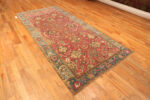
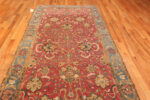
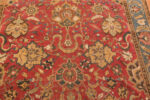
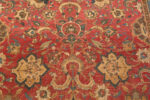
The William A. Clark Isfahan Carpet: A Safavid Persian Carpet with Corcoran Provenance
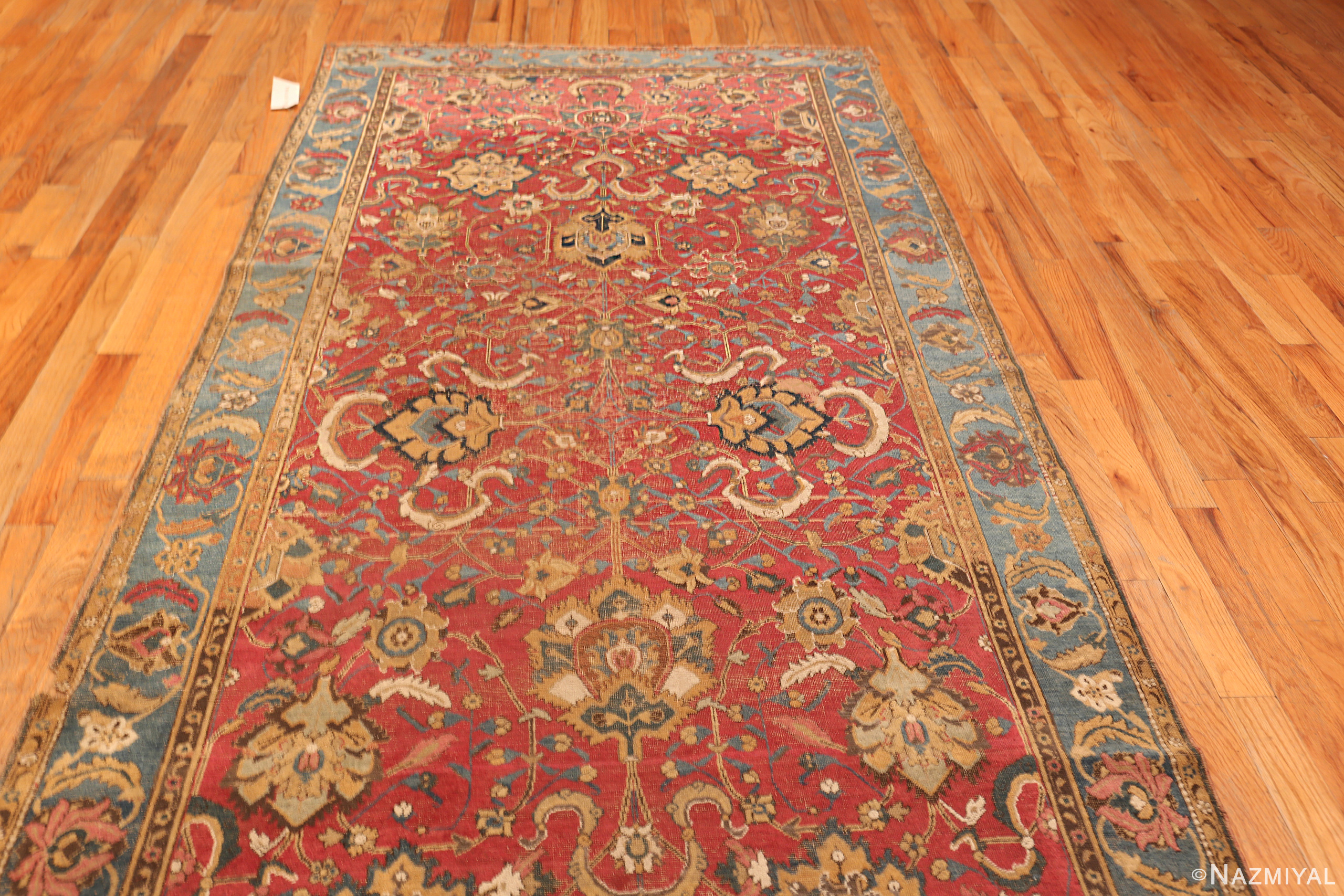
Formerly in the collection of William A. Clark and subsequently bequeathed to the Corcoran Gallery of Art, this mid-17th-century Isfahan carpet unites Safavid floral design with a documented American collecting history.
Its significance can be approached through three distinct qualities: the character of its design, its place within the artistic culture of Safavid Persia, and its history of ownership, exhibition, and publication.
Catalog Note
A Distinctive Interpretation of the Spiral-Vine Design
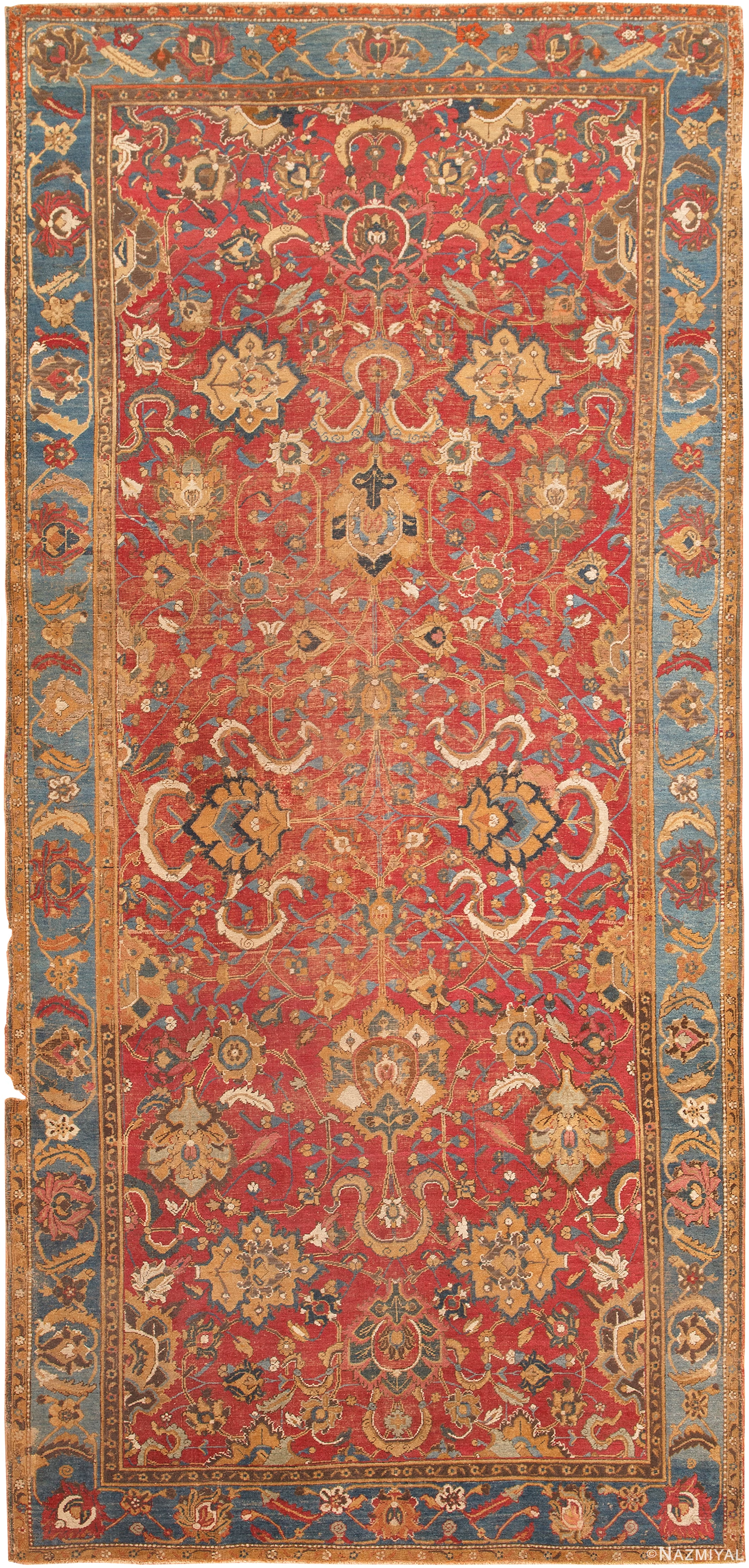
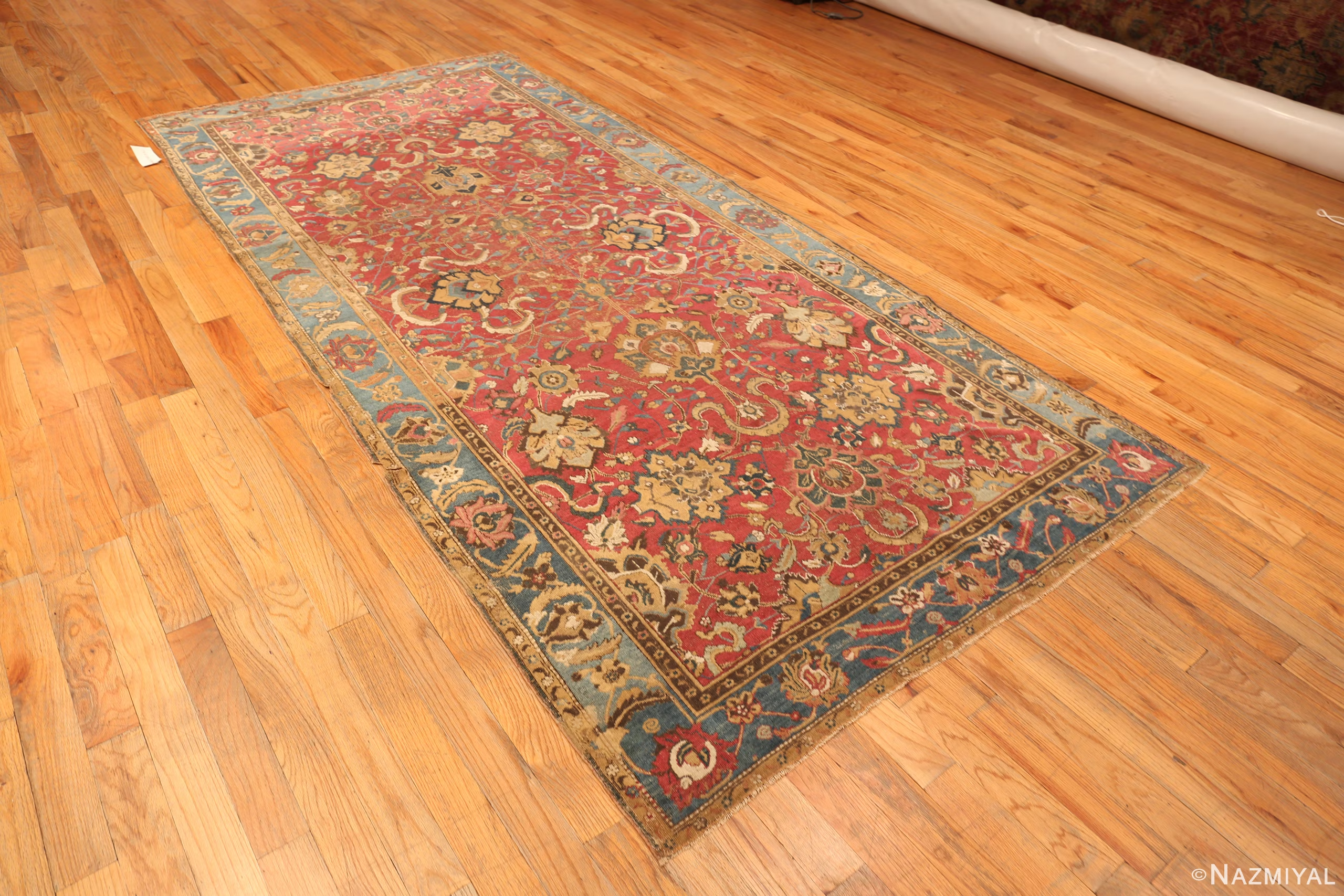
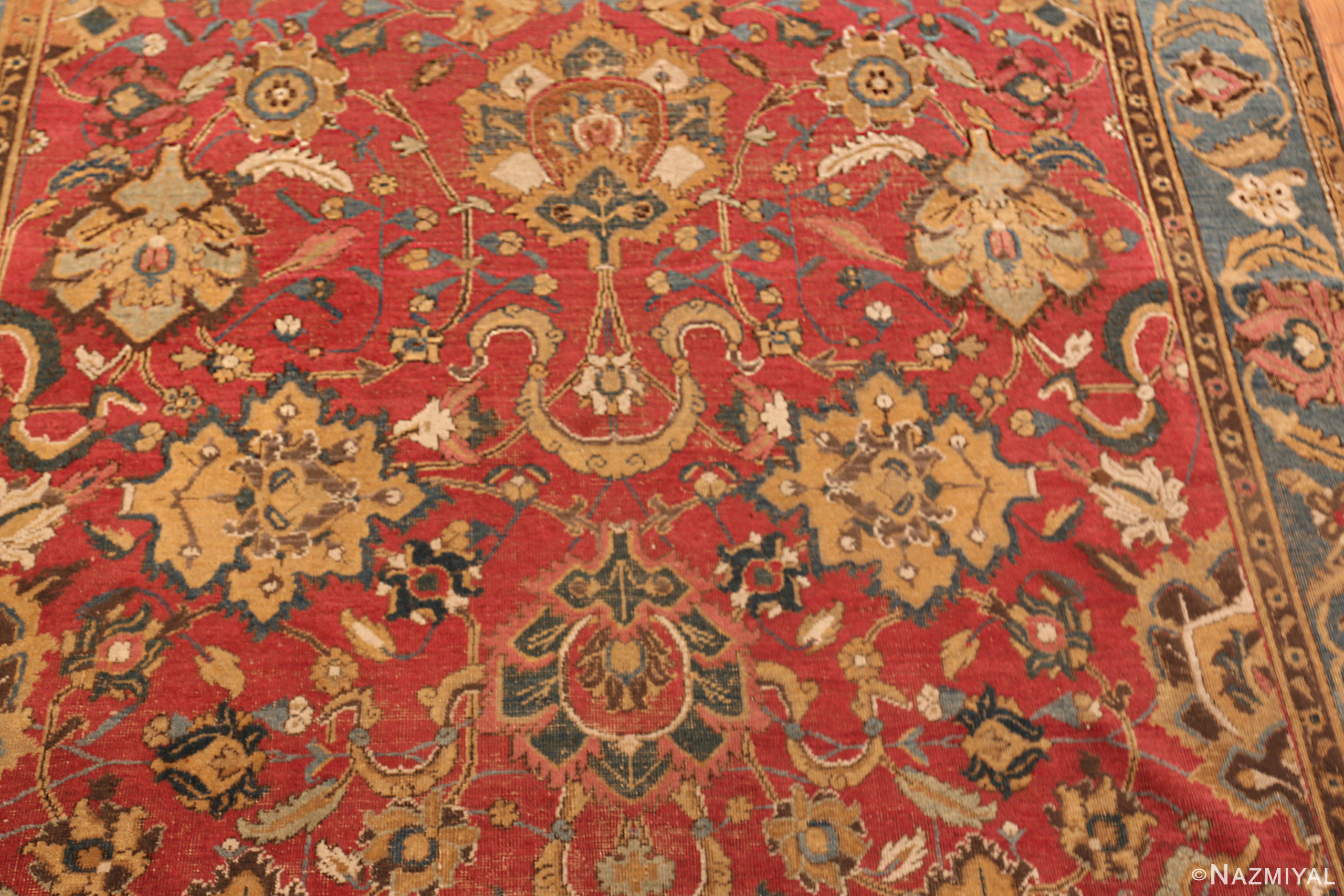
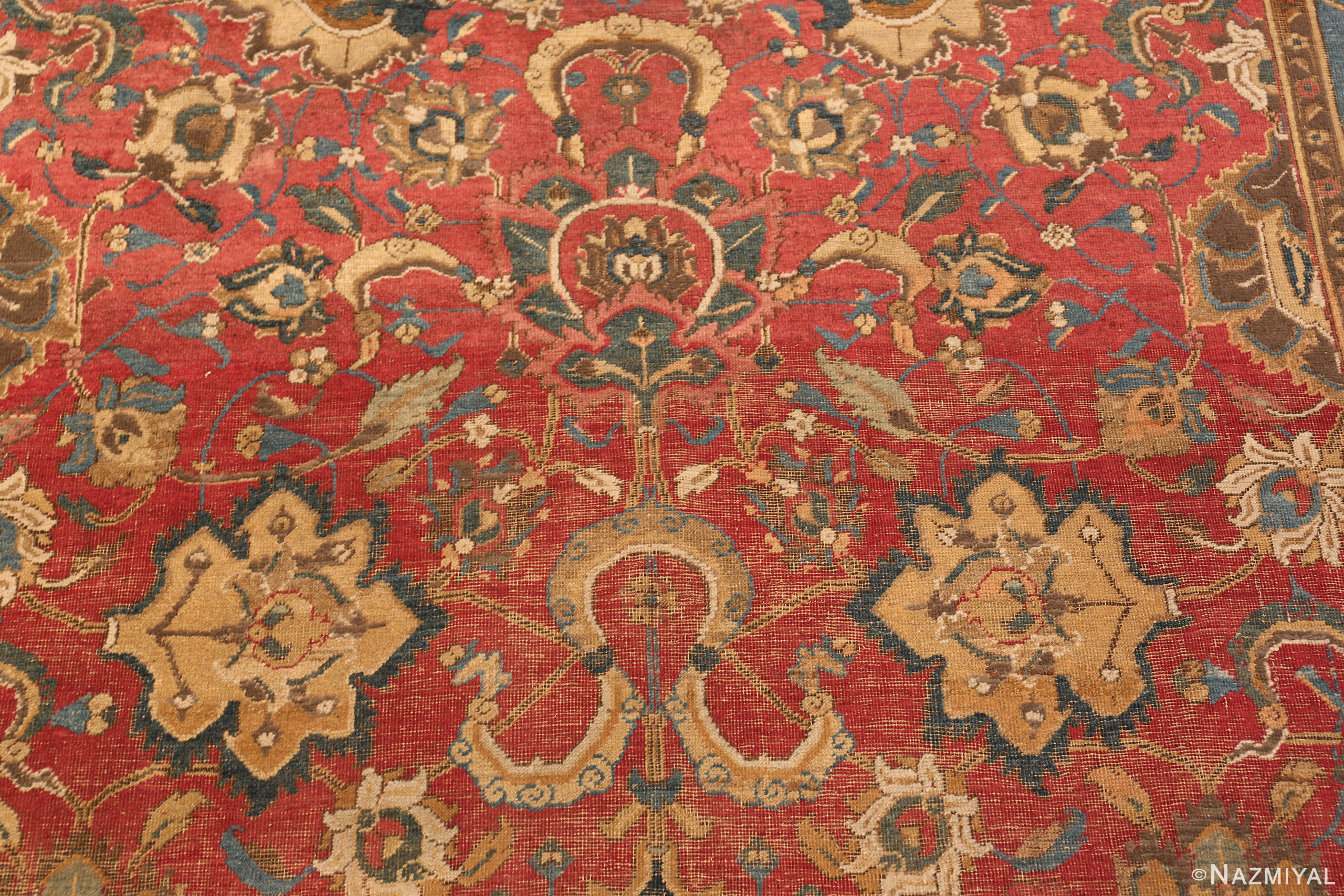
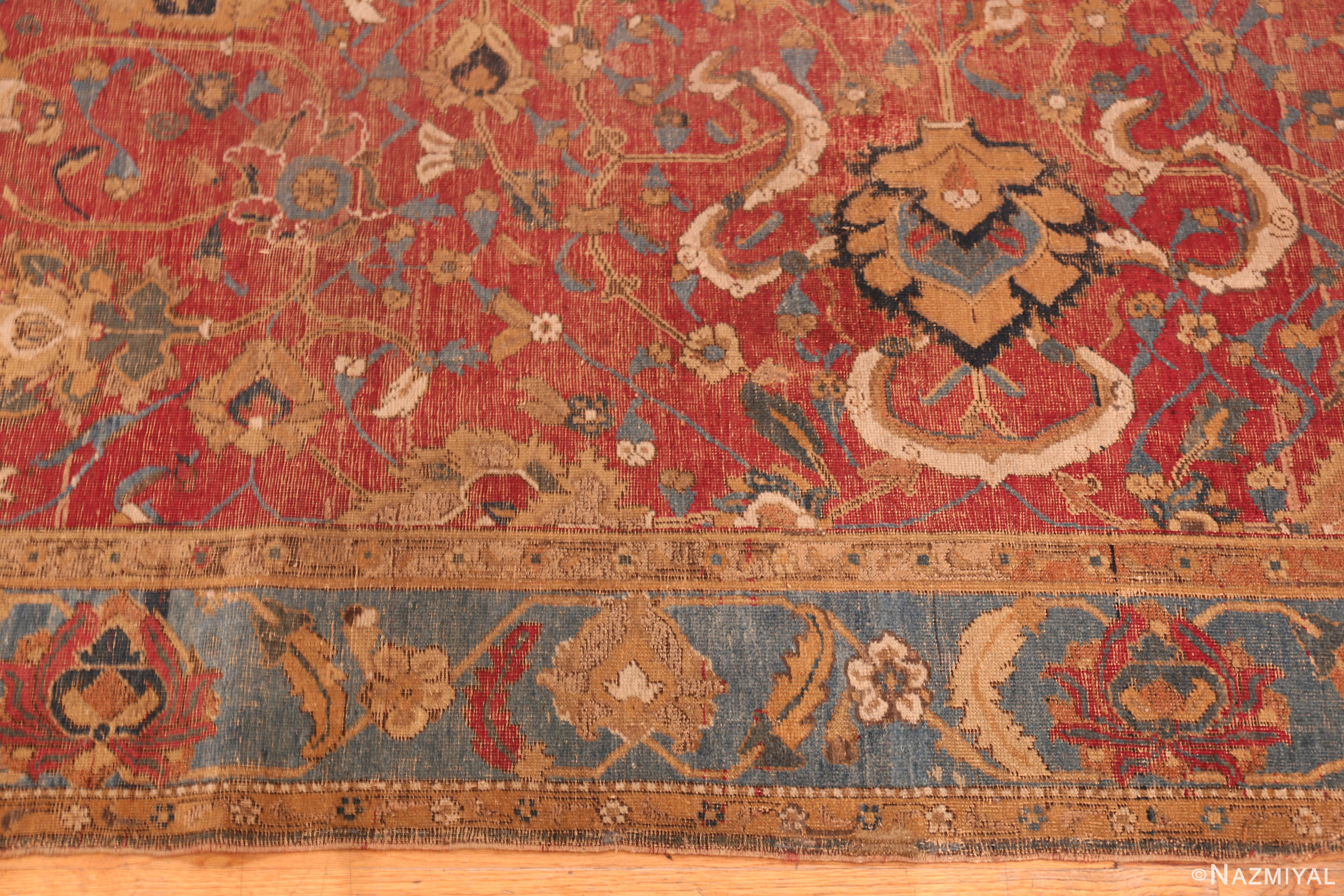
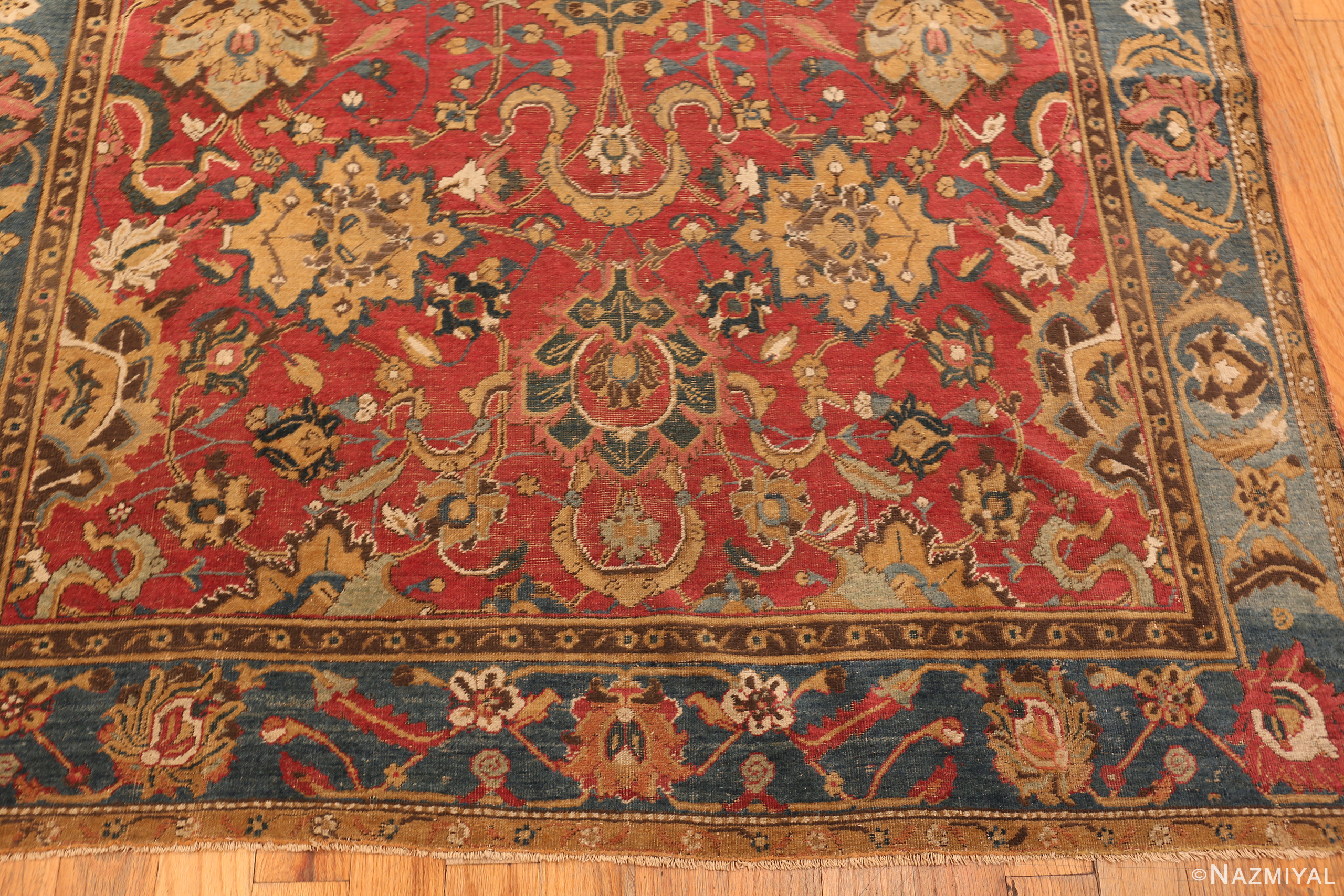
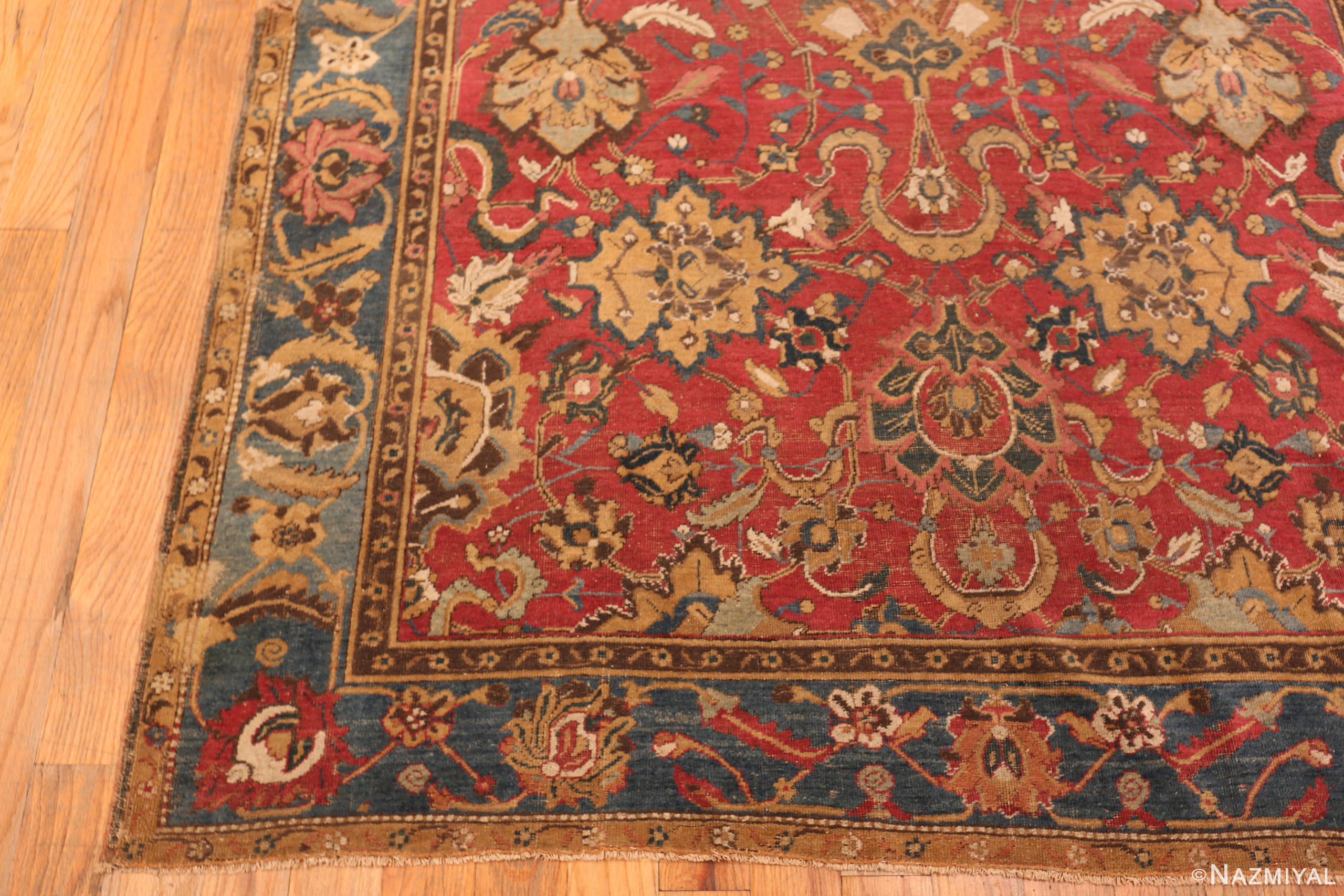
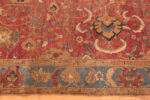
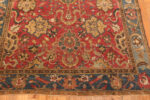
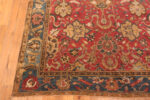
Sotheby’s identifies the carpet’s pale blue border as an uncommon feature within the red-ground spiral-vine group, whose borders are generally darker. The catalog also notes a small difference between the two ivory cloudbands beside the prominent central palmettes.
These observations offer a useful starting point for looking at the carpet. In Nazmiyal’s reading, the border opens the composition outward, giving the surrounding ornament a lighter visual presence. The interior pattern can therefore be appreciated both as an elaborate field of detail and as part of a clearly framed whole.
The central cloudbands introduce a different kind of interest. Their slight variation invites close comparison within a composition that initially appears balanced. The eye recognizes a relationship between the forms, then notices that they do not repeat mechanically. This interplay between order and variation is one of the rewards of studying the carpet up close.
For a collector, such distinctions matter because they move the discussion beyond a general category. “Safavid Isfahan” establishes a historical and stylistic framework; the border and central drawing help explain the individual character of this particular weaving.
Isfahan and the Safavid Artistic World
Isfahan became the Safavid capital in 1597–98 under Shah ‘Abbas I, whose reign extended from 1587 to 1629. His development of the city made it a major imperial center for architecture, trade, and artistic production. The Metropolitan Museum of Art describes his encouragement of carpet and textile manufacture as part of a wider economic and cultural program.
This carpet’s mid-17th-century dating places it after Shah ‘Abbas I’s reign, within the continuing Safavid tradition. His patronage provides historical context; it does not establish that he commissioned this carpet.
The broader textile economy also involved several kinds of production. The Met distinguishes royal workshops, independent urban manufacturers, and regional weaving centers. That range is important when discussing an individual carpet: a Safavid attribution alone does not identify a royal patron or a particular workshop.
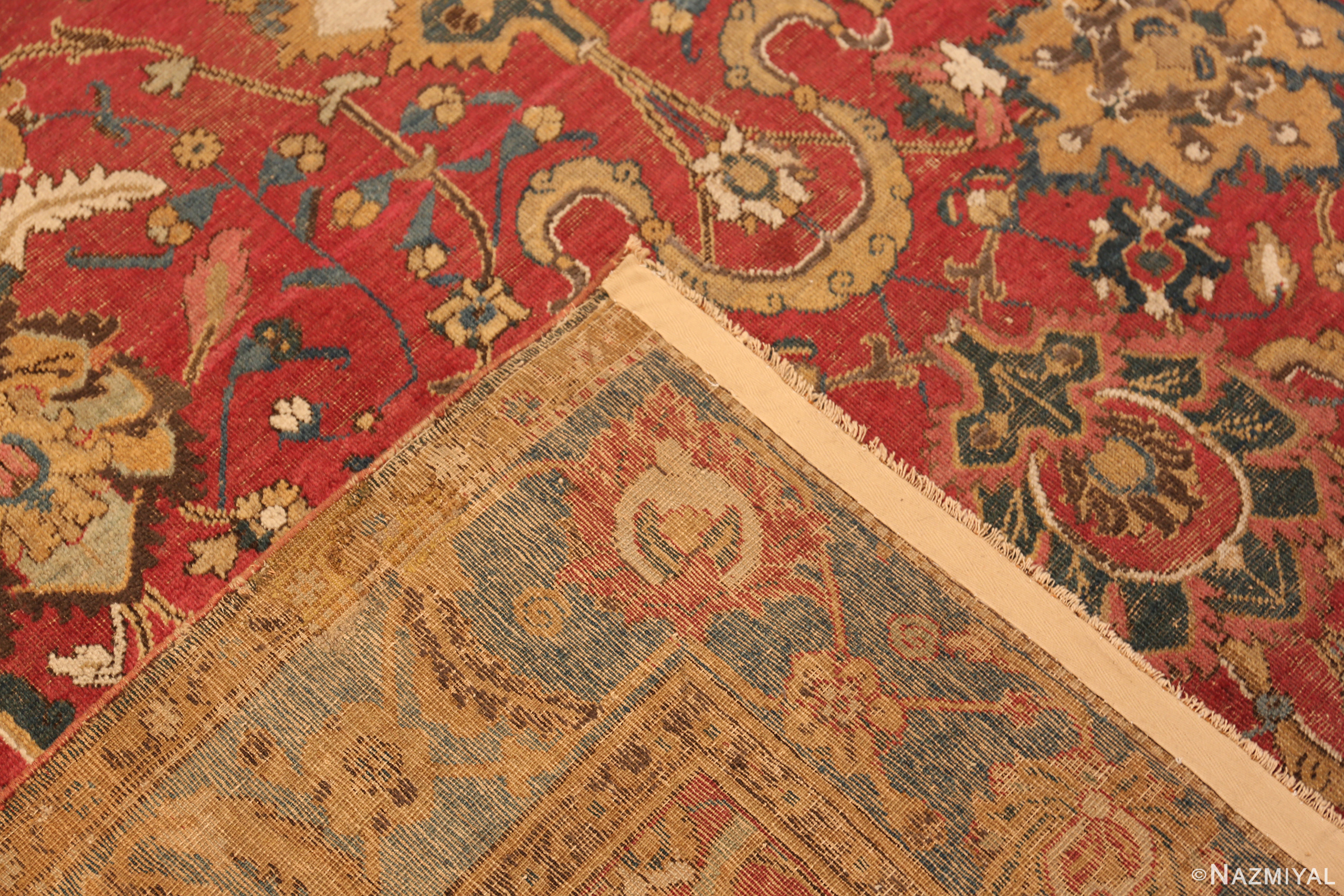
Here, the most productive approach is to consider how the woven ornament organizes the surface. Repetition establishes continuity, while changes in scale and direction sustain attention. A viewer can follow individual motifs or step back to consider the carpet as a single composition. These are complementary ways of experiencing its design.
William A. Clark and the Corcoran Gallery of Art
The ownership history begins with William A. Clark (1839–1925). His bequest brought the carpet into the Corcoran Gallery of Art in Washington, D.C. It later appeared in the museum’s 1948 exhibition, Carpets for the Great Shah, and in Masterpieces: European Arts from the Collection in 2007–08.
The publication record reaches back to the Corcoran’s 1928 handbook of the Clark collection. Together, these records provide reference points for studying the carpet’s modern history. Magnum
For collectors, institutional provenance adds a documentary dimension to the experience of the object. It connects the surviving textile with named collections, dated exhibitions, and identifiable publications. Each kind of evidence answers a different question: ownership records establish custody, exhibition entries record public presentation, and bibliography directs further research.
This history also invites a broader way of looking. The carpet can be considered as an example of Persian textile art and as an object through which an American collector and museum presented that tradition to later audiences.
From the Corcoran Collection to Nazmiyal
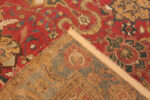
Its arrival at Nazmiyal provides an opportunity to bring the visual and documentary records together: full views to understand the composition, close photographs to study the drawing, and historical references to follow its collecting history.
Collecting and Display
At Nazmiyal, we regard the carpet’s strongest appeal as the combination of individual design and a substantial documentary record. Neither needs to stand alone. The ornament gives a collector reasons to return to the object, while the provenance and bibliography provide a foundation for continued study.
Display should begin with an assessment of the actual textile. A conservator can advise on support, lighting, and suitability for wall or floor presentation. Current condition photographs and an examination should inform any installation.
Provenance
William A. Clark (1839-1925), New York and Montana;
Bequeathed to the Corcoran Gallery of Art, Washington, D.C.;
Important Carpets from the William A. Clark Collection, Corcoran Gallery of Art, Sotheby’s, New York, 5 June 2013, lot 11;
Where acquired by the present collector.
Exhibited
Washington, D.C., Corcoran Gallery of Art, Carpets for the Great Shah, 3 October 1948 – 16 November 1948;
Washington, D.C., Corcoran Gallery of Art, Masterpieces: European Arts from the Collection, 25 August 2007 – 15 April 2008.
Literature
The Corcoran Gallery of Art, Illustrated Handbook of The W. A. Clark Collection, The Corcoran Gallery of Art. Washington, D.C., 1928, p. 73;
“Carpets for the Great Shah: The Near-Eastern Carpets from the W. A. Clark Collection,” The Corcoran Gallery of Art Bulletin, Washington, D.C., vol. II, no. 1, October 1948, p. 18, no. P 23, unillustrated.
View the Clark Isfahan Carpet at Nazmiyal
Contact Nazmiyal Collection to arrange a private viewing in New York, request detailed photographs, or discuss the available documentation.
Inventory depth: Explore early Persian carpets within the wider Nazmiyal collection.
Authenticity Focus: Review the published attribution, provenance, exhibition history, and literature.
Practical guidance: Discuss condition, presentation, and suitability for your collection.