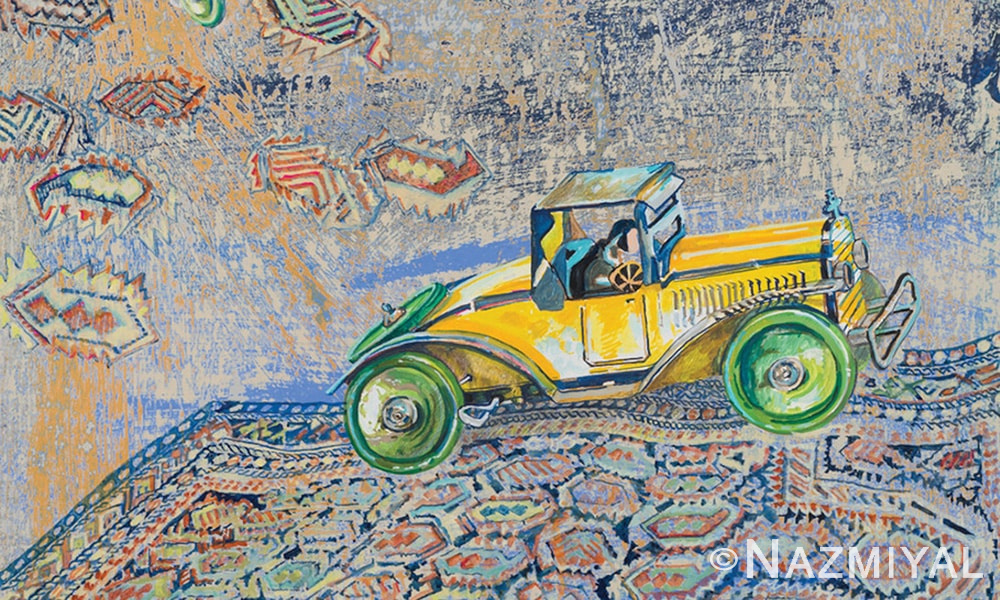
Knowing color psychology before selecting your rug can help you better refine your interior’s ambiance. Beyond style, color shapes how a room feels through its warmth, mood, and sense of space. For instance, the hues in a rug can quietly shift a room’s atmosphere, from calm and grounded to bold and expressive.
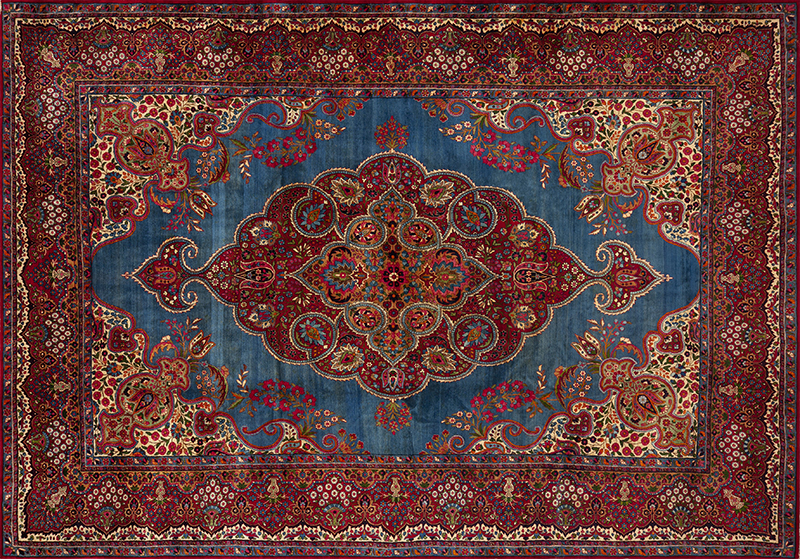
Whether you’re drawn to the warmth of clay and ochre, the luxurious depth of emerald and sapphire, or the quiet elegance of ivory and sand, your palette tells a story about how you want your home to feel.
In this guide, we explore the color psychology in rugs with earth tones, jewel tones, and neutrals, and how each palette influences your interior’s ambiance. Most importantly, understanding these color families allows you to select a rug that not only complements your décor but transforms the way you experience your space.
So, what emotions do these tones evoke? Why do some colors make a room feel cozy and intimate, while others introduce drama or serenity? And how can you use color intentionally to create the mood you desire?
In this post, we’ll decode the meaning and design power of earthy, jewel, and neutral tones, helping you choose the perfect rug palette to bring emotional harmony into your home.
The Power of Color Psychology in Interior Design
How can learning about color psychology in rugs maximize your interior’s aesthetic appeal? Color shapes more than just the look of a room: it shapes how we feel in it. In interior design, every hue carries emotional and psychological weight, all of which influences mood, perception, and energy. For example, warm colors like terracotta and rust can make a space feel cozy and inviting, while cool shades such as blues and greens evoke calm and clarity. Moreover, neutral tones offer balance, creating a sense of openness and serenity that allows other design elements to shine.
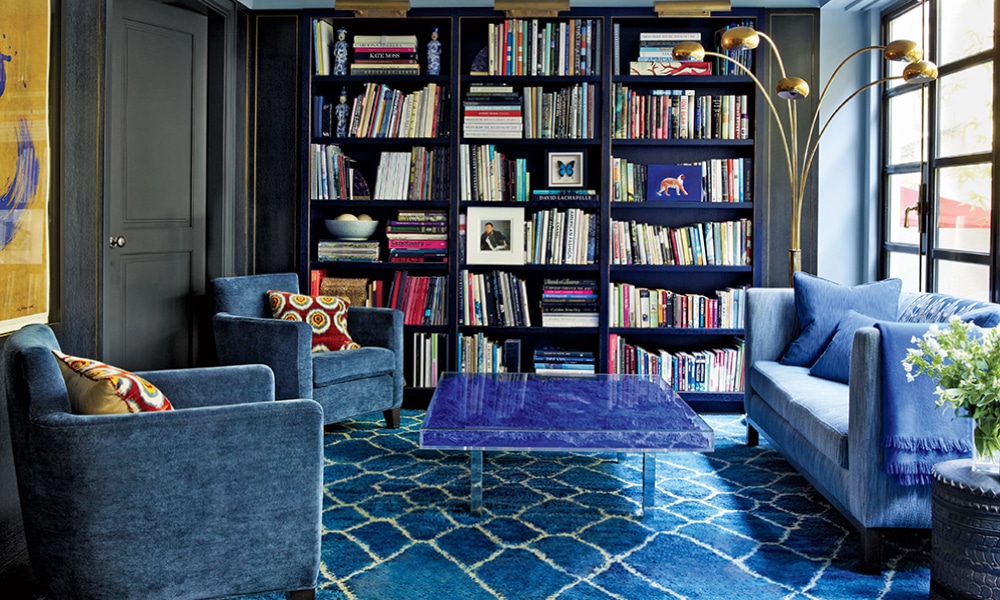
Rugs play a unique role in color psychology. They anchor a room’s palette and set the emotional tone from the ground up. For example, a rich jewel-toned rug can energize a living area by drawing attention and adding sophistication, while an earthy, muted rug can create a grounding, comforting atmosphere. Even subtle differences in saturation, brightness, or pattern can change how a space is perceived. For instance, it can make it feel larger, cozier, or more dynamic.
The colors we choose for rugs don’t just affect aesthetics; they influence our daily experiences. For instance, walking into a room with soft, neutral tones can instantly soothe the mind after a busy day. Additionally, a vibrant rug in jewel tones can spark creativity and conversation. Furthermore, earthy hues connect us to nature, fostering a sense of calm and stability.
In the sections ahead, we’ll explore three key color families: earth tones, jewel tones, and neutrals. After that, we will uncover how each can influence mood, energy, and perception in your home. By the end, you’ll know not just which rug looks beautiful, but which one truly feels right for your space.
Color Psychology of Earth Tones in Rugs: Warmth, Comfort, and Natural Serenity
What is the color psychology in rugs with Earth tones? Earth tones are the colors of the world around us. For example, the browns of rich soil, the golden ochres of sunlit fields, the deep rust of terracotta, and the muted greens of olive groves. In interior design, these hues bring a sense of grounding and stability, instantly creating spaces that feel warm, inviting, and naturally serene.
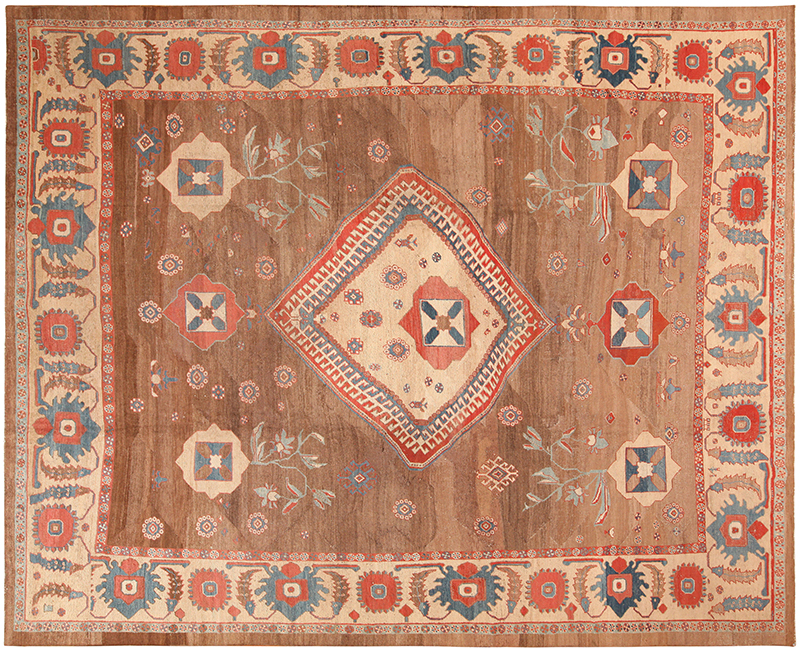
Rugs in earth tones act as anchors for a room, balancing other elements and fostering a sense of cohesion. For instance, a deep brown Persian or Oushak can make a large living area feel cozy, while olive or mossy accents introduce subtle calm without overwhelming the senses. These colors work with both natural and neutral materials such as wood, linen, stone, and woven fibers. In short, this amplifies the organic warmth of your interior.
The psychological impact of earth tones is powerful. These colors evoke familiarity and comfort by connecting us to nature. Certainly, they can reduce stress, encourage relaxation, and make a home feel welcoming. Even in contemporary or minimalist interiors, a rug in earthy shades softens clean lines and adds an approachable quality.
Earth-toned rugs are also versatile in style. From rustic and bohemian to Mediterranean or traditional, they complement patterned and solid décor alike. Layering textures, such as wool rug over a natural fiber mat, or a patterned rug atop a neutral base, enhances depth and richness while keeping the palette grounded.
Overall, choosing an earth-toned rug isn’t just about color: it’s about mood. These rugs create spaces that feel safe, relaxed, and deeply connected to the natural world: perfect for living rooms, bedrooms, and areas where comfort and calm are paramount.
Color Psychology of Jewel Tones in Rugs: Luxury, Depth, and Creative Expression
What is the color psychology in rugs with jewel-tones? Jewel tones are the colors of precious gemstones. For example, they can range from the deep green of emerald, the vibrant blue of sapphire, the rich red of ruby, and the regal purple of amethyst. In interior design, these hues convey luxury, depth, and bold personality, transforming rugs from simple floor coverings into statement pieces that define a room’s character.
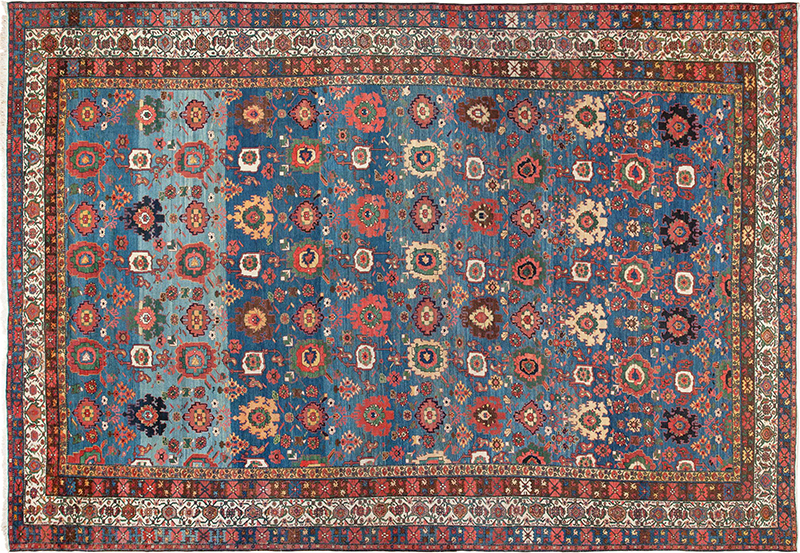
Rugs in jewel tones draw the eye by adding drama and sophistication to any space. For instance, a sapphire-blue rug can anchor a living room with elegance, while a ruby-red piece injects warmth and energy. Amethyst and emerald tones introduce richness and creativity. Certainly, these vibrant colors work beautifully against neutrals, metallics, and wood, creating contrast and highlighting architectural or decorative features.
The psychological effects of jewel tones are striking. These colors inspire confidence, imagination, and vitality. In other words, they energize a room while maintaining a sense of refinement. Furthermore, jewel-hued rugs encourage conversation, spark emotion, and leave a lasting impression.
Beyond their emotional impact, jewel-toned rugs offer versatility in design. They pair well with patterns or solid colors, can layer over neutrals for visual depth, and suit both traditional and contemporary interiors. For example, a hand-knotted rug in sapphire can transform a minimalist room into a sophisticated sanctuary, and a ruby rug can make a space feel cohesive and intentional.
Choosing a jewel-toned rug is about more than color: it’s about personality. These rugs infuse a home with energy, elegance, and artistic flair, allowing you to express creativity and evoke luxury.
Color Psychology of Neutral Tones in Rugs: Timeless Elegance and Visual Balance
What is the color psychology in rugs with neutral-tones? Neutral tones bring calm, clarity, and effortless sophistication to a space. Ivory, beige, taupe, gray, and sand create harmony and visual ease. Overall, these shades act as a gentle backdrop, allowing furniture, art, and textures to stand out naturally.
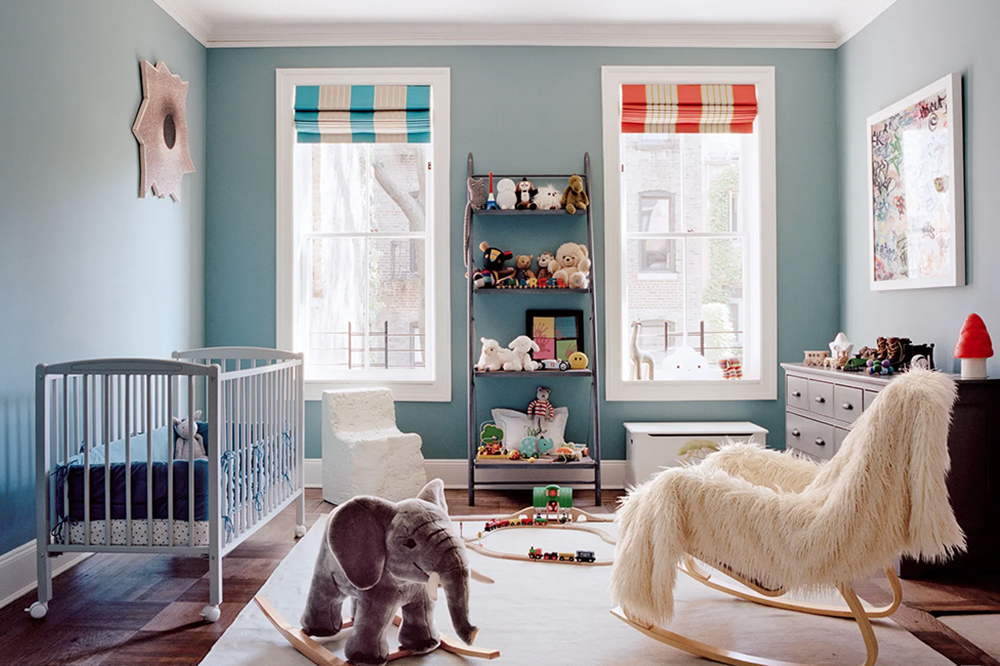
A neutral rug grounds a room without competing for attention. It softens bold colors and connects different design elements into one cohesive whole. Whether woven in wool, silk, or jute, these rugs add warmth and refinement through texture and tone.
The psychology of neutral colors is rooted in balance and serenity. They quiet the mind and reduce visual clutter. For instance, in living rooms, they make spaces feel airy and open. In bedrooms, they promote rest and relaxation.
Ivory and sand tones bring warmth to light-filled spaces. For example, Taupe and gray add depth and subtle contrast to modern interiors. A blend of these hues enhances softness and creates timeless appeal. Neutral rugs also adapt easily as styles change over time.
Their versatility makes them ideal for nearly every design style, from Scandinavian, contemporary, transitional, or classic. A neutral foundation allows you to update accents and furniture without redesigning the entire room.
Texture plays an important role in elevating neutral palettes. A handwoven wool rug or silk-and-cotton blend introduces quiet luxury. Layering rugs of similar shades adds dimension while keeping the look serene and sophisticated.
Choosing a neutral-toned rug is about embracing restraint and subtlety. These rugs don’t demand attention: they earn it through balance and beauty. In short, they create rooms that feel composed, timeless, and effortlessly elegant.
How to Choose the Right Color Palette for Your Home
Choosing the right rug color begins with how you want your home to feel, and knowing color psychology is important. Every hue shapes mood and energy. Overall, the goal is to align color with light, architecture, and emotion.
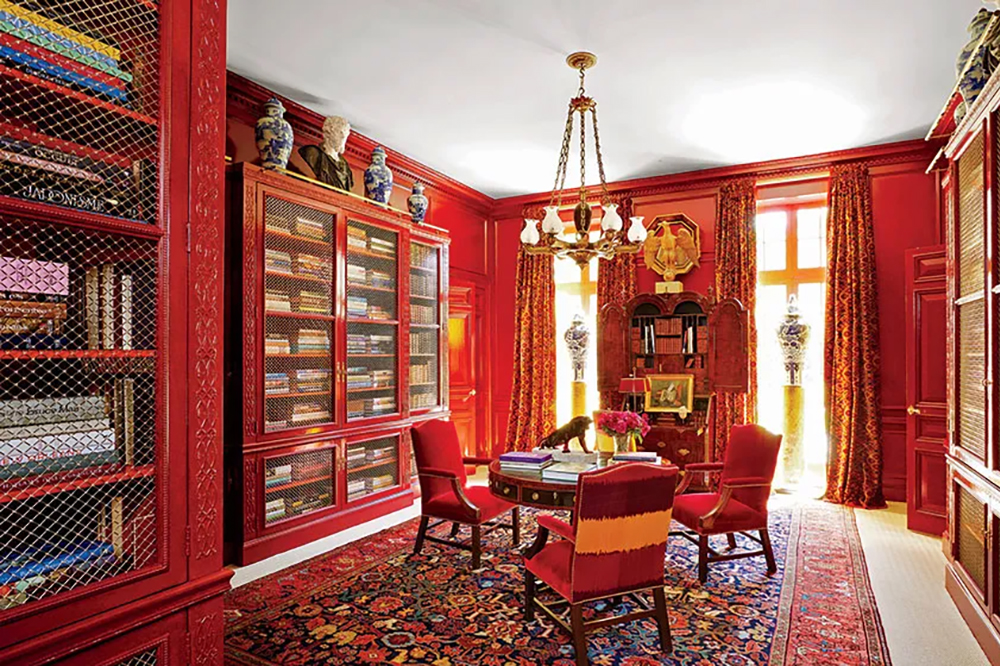
1. Consider natural and artificial light.
Light changes how colors appear. Warm sunlight enhances earthy and golden tones. Cool northern light flatters blues, grays, and neutrals. In darker rooms, lighter rugs expand the space and reflect brightness. In bright rooms, deeper tones create balance and visual depth.
2. Reflect your home’s architecture.
Let existing materials guide your palette. Wooden floors pair beautifully with taupe, rust, or olive rugs. Marble and concrete surfaces complement cooler hues like gray, ivory, or sapphire. Choose colors that echo your architecture’s natural rhythm and design language.
3. Match color to emotional intent.
Ask what feeling you want each room to convey. Earth tones make interiors cozy and grounding. Jewel tones bring richness and drama. Neutrals offer calm, openness, and quiet sophistication. Each palette sets a unique emotional signature.
4. Balance contrast and cohesion.
Contrast adds energy; harmony ensures flow. Pair warm rugs with cool walls or neutral rugs with textured furnishings. Keep one dominant palette and use accent colors sparingly. This maintains unity while preserving visual interest and depth.
5. Test before committing.
Color shifts with light and environment. Place rug samples in multiple spots and observe them at different times of day. Notice how each hue interacts with your flooring, walls, and décor.
A rug’s color isn’t only about matching: it’s about meaning. The right palette enhances mood, complements architecture, and reflects personality. All in all, choose intentionally, and your rug will define the emotional heart of your home.
Designing with Intention: Bringing Emotion into Every Room
Knowing color psychology in regards to rugs is critical. Design is more than arranging furniture: it’s creating emotion through space, light, and color. Every hue tells a story. Rugs, in particular, speak softly yet powerfully, shaping atmosphere from the ground up.
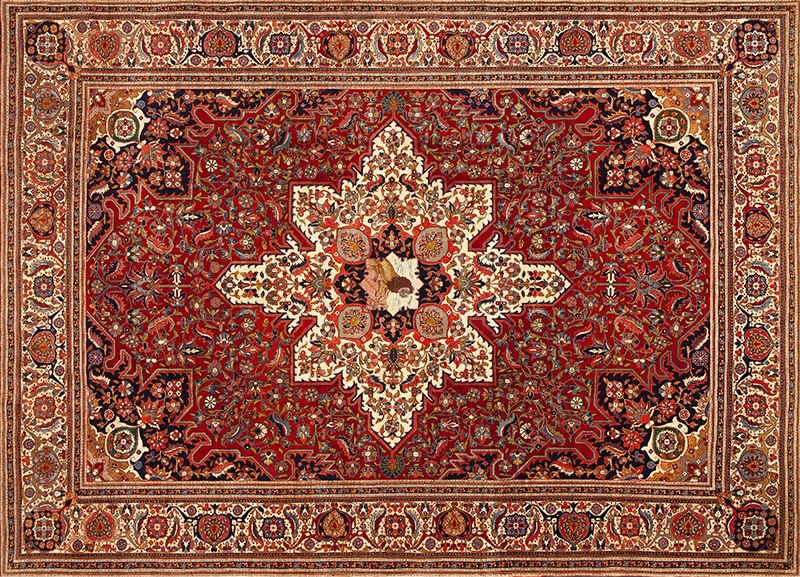
Color becomes a language in interior design. Earth tones whisper comfort and familiarity. Jewel tones express confidence and creativity. Neutral tones invite calm and balance. Each choice holds meaning and influences how a room feels and functions.
Designing with intention goes beyond appearance. It’s about how a space supports your rhythm and emotional well being. The right colors can comfort, inspire, or energize. They transform a room into a reflection of your inner life.
Choosing a rug sets the emotional tone of your home. A warm terracotta rug may tell a story of grounding and tradition. A sapphire or emerald piece might express passion and artistry. A soft ivory or gray rug speaks of clarity and calm.
Harmony comes from awareness. When colors, materials, and light work together, a home feels balanced and alive. Every room gains purpose and soul.
Let your palette tell your story. Choose colors that move you, especially those that echo your memories and dreams. When design carries emotion, every detail becomes meaningful.
Color is storytelling woven into texture. When chosen with care, it transforms not only your interiors but the way you experience them each day.
Final Thoughts
Color is more than visual pleasure: it’s emotional architecture. It shapes how we live, feel, and connect within our homes. Knowing color psychology will allow you to choose the most optimal hues for your rug to evoke the best emotions.
Rugs, with their texture and tone, ground that emotional story. They link design to feeling and beauty to meaning.
Whether you prefer earthy warmth, jewel-toned vibrancy, or neutral calm, every palette expresses a unique vision of comfort and identity.
Choosing color intentionally transforms decoration into experience. The right rug unites emotion, artistry, and atmosphere underfoot.
Discover how color, craft, and history converge in Nazmiyal collection, and find a rug that reflects your story.
Frequently Asked Questions
1. What is color psychology in interior design?
Color psychology explores how hues affect mood and perception. In interiors, color choices influence comfort, focus, and emotional well-being.
2. How do earth-tone rugs affect a room?
Earth-tone rugs create warmth, comfort, and grounding. Their natural hues connect interiors with nature and promote calm relaxation.
3. What emotions do jewel-tone rugs evoke?
Jewel-tone rugs inspire energy, creativity, and confidence. Their rich colors add drama and sophistication to living or dining spaces.
4. Why choose neutral rugs for home interiors?
Neutral rugs bring clarity and balance. Ivory, beige, and gray soften rooms, complement diverse styles, and create timeless elegance.
5. How can I pick the right rug color palette?
Match rug colors to lighting, architecture, and desired mood. Test samples at different times of day before deciding.
6. What makes Nazmiyal rugs ideal for color-focused design?
Nazmiyal offers antique and modern rugs across all color families. Each piece combines artistry, emotion, and enduring craftsmanship.